Spandidos Publications Logo
  • About
    • About Spandidos
    • Aims and Scopes
    • Abstracting and Indexing
    • Editorial Policies
    • Reprints and Permissions
    • Job Opportunities
    • Terms and Conditions
    • Contact
  • Journals
    • All Journals
    • Oncology Letters
      • Oncology Letters
      • Information for Authors
      • Editorial Policies
      • Editorial Board
      • Aims and Scope
      • Abstracting and Indexing
      • Bibliographic Information
      • Archive
    • International Journal of Oncology
      • International Journal of Oncology
      • Information for Authors
      • Editorial Policies
      • Editorial Board
      • Aims and Scope
      • Abstracting and Indexing
      • Bibliographic Information
      • Archive
    • Molecular and Clinical Oncology
      • Molecular and Clinical Oncology
      • Information for Authors
      • Editorial Policies
      • Editorial Board
      • Aims and Scope
      • Abstracting and Indexing
      • Bibliographic Information
      • Archive
    • Experimental and Therapeutic Medicine
      • Experimental and Therapeutic Medicine
      • Information for Authors
      • Editorial Policies
      • Editorial Board
      • Aims and Scope
      • Abstracting and Indexing
      • Bibliographic Information
      • Archive
    • International Journal of Molecular Medicine
      • International Journal of Molecular Medicine
      • Information for Authors
      • Editorial Policies
      • Editorial Board
      • Aims and Scope
      • Abstracting and Indexing
      • Bibliographic Information
      • Archive
    • Biomedical Reports
      • Biomedical Reports
      • Information for Authors
      • Editorial Policies
      • Editorial Board
      • Aims and Scope
      • Abstracting and Indexing
      • Bibliographic Information
      • Archive
    • Oncology Reports
      • Oncology Reports
      • Information for Authors
      • Editorial Policies
      • Editorial Board
      • Aims and Scope
      • Abstracting and Indexing
      • Bibliographic Information
      • Archive
    • Molecular Medicine Reports
      • Molecular Medicine Reports
      • Information for Authors
      • Editorial Policies
      • Editorial Board
      • Aims and Scope
      • Abstracting and Indexing
      • Bibliographic Information
      • Archive
    • World Academy of Sciences Journal
      • World Academy of Sciences Journal
      • Information for Authors
      • Editorial Policies
      • Editorial Board
      • Aims and Scope
      • Abstracting and Indexing
      • Bibliographic Information
      • Archive
    • International Journal of Functional Nutrition
      • International Journal of Functional Nutrition
      • Information for Authors
      • Editorial Policies
      • Editorial Board
      • Aims and Scope
      • Abstracting and Indexing
      • Bibliographic Information
      • Archive
    • International Journal of Epigenetics
      • International Journal of Epigenetics
      • Information for Authors
      • Editorial Policies
      • Editorial Board
      • Aims and Scope
      • Abstracting and Indexing
      • Bibliographic Information
      • Archive
    • Medicine International
      • Medicine International
      • Information for Authors
      • Editorial Policies
      • Editorial Board
      • Aims and Scope
      • Abstracting and Indexing
      • Bibliographic Information
      • Archive
  • Articles
  • Information
    • Information for Authors
    • Information for Reviewers
    • Information for Librarians
    • Information for Advertisers
    • Conferences
  • Language Editing
Spandidos Publications Logo
  • About
    • About Spandidos
    • Aims and Scopes
    • Abstracting and Indexing
    • Editorial Policies
    • Reprints and Permissions
    • Job Opportunities
    • Terms and Conditions
    • Contact
  • Journals
    • All Journals
    • Biomedical Reports
      • Information for Authors
      • Editorial Policies
      • Editorial Board
      • Aims and Scope
      • Abstracting and Indexing
      • Bibliographic Information
      • Archive
    • Experimental and Therapeutic Medicine
      • Information for Authors
      • Editorial Policies
      • Editorial Board
      • Aims and Scope
      • Abstracting and Indexing
      • Bibliographic Information
      • Archive
    • International Journal of Epigenetics
      • Information for Authors
      • Editorial Policies
      • Editorial Board
      • Aims and Scope
      • Abstracting and Indexing
      • Bibliographic Information
      • Archive
    • International Journal of Functional Nutrition
      • Information for Authors
      • Editorial Policies
      • Editorial Board
      • Aims and Scope
      • Abstracting and Indexing
      • Bibliographic Information
      • Archive
    • International Journal of Molecular Medicine
      • Information for Authors
      • Editorial Policies
      • Editorial Board
      • Aims and Scope
      • Abstracting and Indexing
      • Bibliographic Information
      • Archive
    • International Journal of Oncology
      • Information for Authors
      • Editorial Policies
      • Editorial Board
      • Aims and Scope
      • Abstracting and Indexing
      • Bibliographic Information
      • Archive
    • Medicine International
      • Information for Authors
      • Editorial Policies
      • Editorial Board
      • Aims and Scope
      • Abstracting and Indexing
      • Bibliographic Information
      • Archive
    • Molecular and Clinical Oncology
      • Information for Authors
      • Editorial Policies
      • Editorial Board
      • Aims and Scope
      • Abstracting and Indexing
      • Bibliographic Information
      • Archive
    • Molecular Medicine Reports
      • Information for Authors
      • Editorial Policies
      • Editorial Board
      • Aims and Scope
      • Abstracting and Indexing
      • Bibliographic Information
      • Archive
    • Oncology Letters
      • Information for Authors
      • Editorial Policies
      • Editorial Board
      • Aims and Scope
      • Abstracting and Indexing
      • Bibliographic Information
      • Archive
    • Oncology Reports
      • Information for Authors
      • Editorial Policies
      • Editorial Board
      • Aims and Scope
      • Abstracting and Indexing
      • Bibliographic Information
      • Archive
    • World Academy of Sciences Journal
      • Information for Authors
      • Editorial Policies
      • Editorial Board
      • Aims and Scope
      • Abstracting and Indexing
      • Bibliographic Information
      • Archive
  • Articles
  • Information
    • For Authors
    • For Reviewers
    • For Librarians
    • For Advertisers
    • Conferences
  • Language Editing
Login Register Submit
  • This site uses cookies
  • You can change your cookie settings at any time by following the instructions in our Cookie Policy. To find out more, you may read our Privacy Policy.

    I agree
Search articles by DOI, keyword, author or affiliation
Search
Advanced Search
presentation
Oncology Letters
Join Editorial Board Propose a Special Issue
Print ISSN: 1792-1074 Online ISSN: 1792-1082
Journal Cover
December-2017 Volume 14 Issue 6

Full Size Image

Sign up for eToc alerts
Recommend to Library

Journals

International Journal of Molecular Medicine

International Journal of Molecular Medicine

International Journal of Molecular Medicine is an international journal devoted to molecular mechanisms of human disease.

International Journal of Oncology

International Journal of Oncology

International Journal of Oncology is an international journal devoted to oncology research and cancer treatment.

Molecular Medicine Reports

Molecular Medicine Reports

Covers molecular medicine topics such as pharmacology, pathology, genetics, neuroscience, infectious diseases, molecular cardiology, and molecular surgery.

Oncology Reports

Oncology Reports

Oncology Reports is an international journal devoted to fundamental and applied research in Oncology.

Experimental and Therapeutic Medicine

Experimental and Therapeutic Medicine

Experimental and Therapeutic Medicine is an international journal devoted to laboratory and clinical medicine.

Oncology Letters

Oncology Letters

Oncology Letters is an international journal devoted to Experimental and Clinical Oncology.

Biomedical Reports

Biomedical Reports

Explores a wide range of biological and medical fields, including pharmacology, genetics, microbiology, neuroscience, and molecular cardiology.

Molecular and Clinical Oncology

Molecular and Clinical Oncology

International journal addressing all aspects of oncology research, from tumorigenesis and oncogenes to chemotherapy and metastasis.

World Academy of Sciences Journal

World Academy of Sciences Journal

Multidisciplinary open-access journal spanning biochemistry, genetics, neuroscience, environmental health, and synthetic biology.

International Journal of Functional Nutrition

International Journal of Functional Nutrition

Open-access journal combining biochemistry, pharmacology, immunology, and genetics to advance health through functional nutrition.

International Journal of Epigenetics

International Journal of Epigenetics

Publishes open-access research on using epigenetics to advance understanding and treatment of human disease.

Medicine International

Medicine International

An International Open Access Journal Devoted to General Medicine.

Journal Cover
December-2017 Volume 14 Issue 6

Full Size Image

Sign up for eToc alerts
Recommend to Library

  • Article
  • Citations
    • Cite This Article
    • Download Citation
    • Create Citation Alert
    • Remove Citation Alert
    • Cited By
  • Similar Articles
    • Related Articles (in Spandidos Publications)
    • Similar Articles (Google Scholar)
    • Similar Articles (PubMed)
  • Download PDF
  • Download XML
  • View XML
Case Report Open Access

Effect of Lipodox in combination with bevacizumab in a patient with a metastatic malignant phyllodes breast tumor: A case report

  • Authors:
    • Chin Cheng Su
    • Chih‑Jung Chen
    • Shou‑Jen Kuo
  • View Affiliations / Copyright

    Affiliations: Tumor Research Center of Integrative Medicine, Changhua Christian Hospital, Changhua 50006, Taiwan, R.O.C., Department of Surgical Pathology, Changhua Christian Hospital, Changhua 50006, Taiwan, R.O.C., Comprehensive Breast Cancer Center, Changhua Christian Hospital, Changhua 50006, Taiwan, R.O.C.
    Copyright: © Su et al. This is an open access article distributed under the terms of Creative Commons Attribution License.
  • Pages: 6685-6689
    |
    Published online on: September 28, 2017
       https://doi.org/10.3892/ol.2017.7094
  • Expand metrics +
Metrics: Total Views: 0 (Spandidos Publications: | PMC Statistics: )
Metrics: Total PDF Downloads: 0 (Spandidos Publications: | PMC Statistics: )
Cited By (CrossRef): 0 citations Loading Articles...

This article is mentioned in:


Abstract

A 76‑year‑old female patient with a malignant phyllodes tumor underwent modified radical mastectomy and wide excision. Multiple nodules were observed in the operated wound area. Positron emission tomography‑computed tomography (PET‑CT) revealed recurrent disease in the left breast, the adjacent left third rib, the left internal mammary region and the left ilium. A novel formulation of bevacizumab (5 mg/m2, first day) in combination with liposomal doxorubicin (Lipodox, 30 mg/m2, second day) was administered for 3 cycles every 2 weeks, and subsequently wide excision was performed. Lipodox (40 mg/m2) was administered for 3 cycles every 3 weeks, starting 4 weeks after the surgery. Follow‑up whole body PET‑CT scanning, 3 and 6 months later, indicated no sign of residual hypermetabolic malignancy. Malignant phyllodes tumors do not usually respond to chemotherapy or radiotherapy. In the present case report, a novel formulation of bevacizumab in combination with Lipodox was administered as neoadjuvant chemotherapy in a patient with a malignant phyllodes tumor and preoperative tumor shrinkage was achieved, resulting in clear resection margins.

Introduction

The phyllodes tumors are rare breast tumors that account for <1% of breast neoplasms worldwide (1). They are fibroepithelial tumors resembling fibroadenomas but have a predominant connective tissue component. They are divided into three categories: Benign, borderline and malignant (2). Wide excision with clear margins is typically performed and prognosis depends on the histological characteristics of the connective tissue component (3). Multivariate analysis indicated benign histology, negative tumor margins and absence of residual disease following initial treatment and radiation therapy as favorable independent prognostic factors (4). However, the role of neoadjuvant treatment in phyllodes tumors remains unclear and requires elucidation on a case-by-case basis (5).

Case report

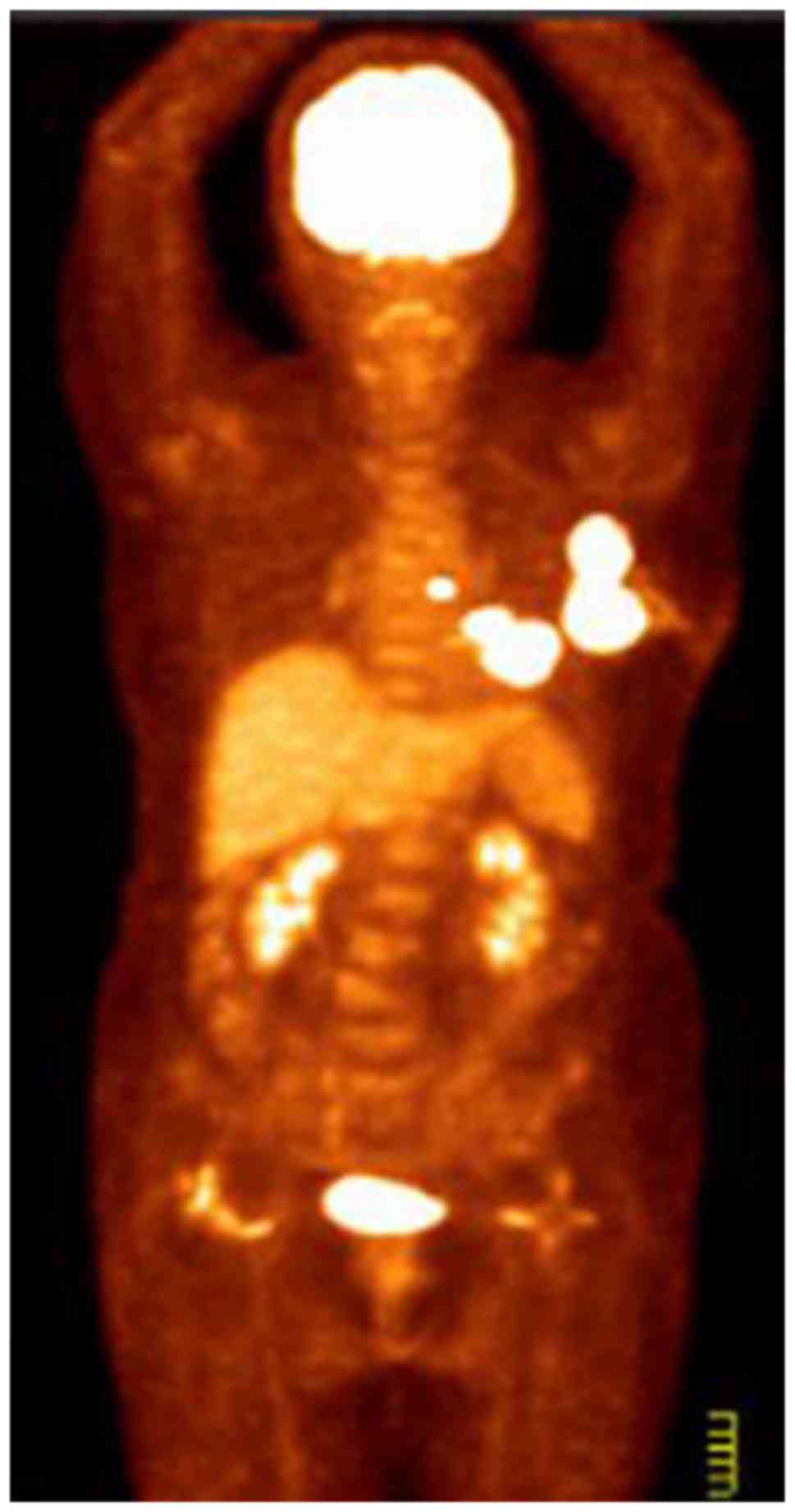
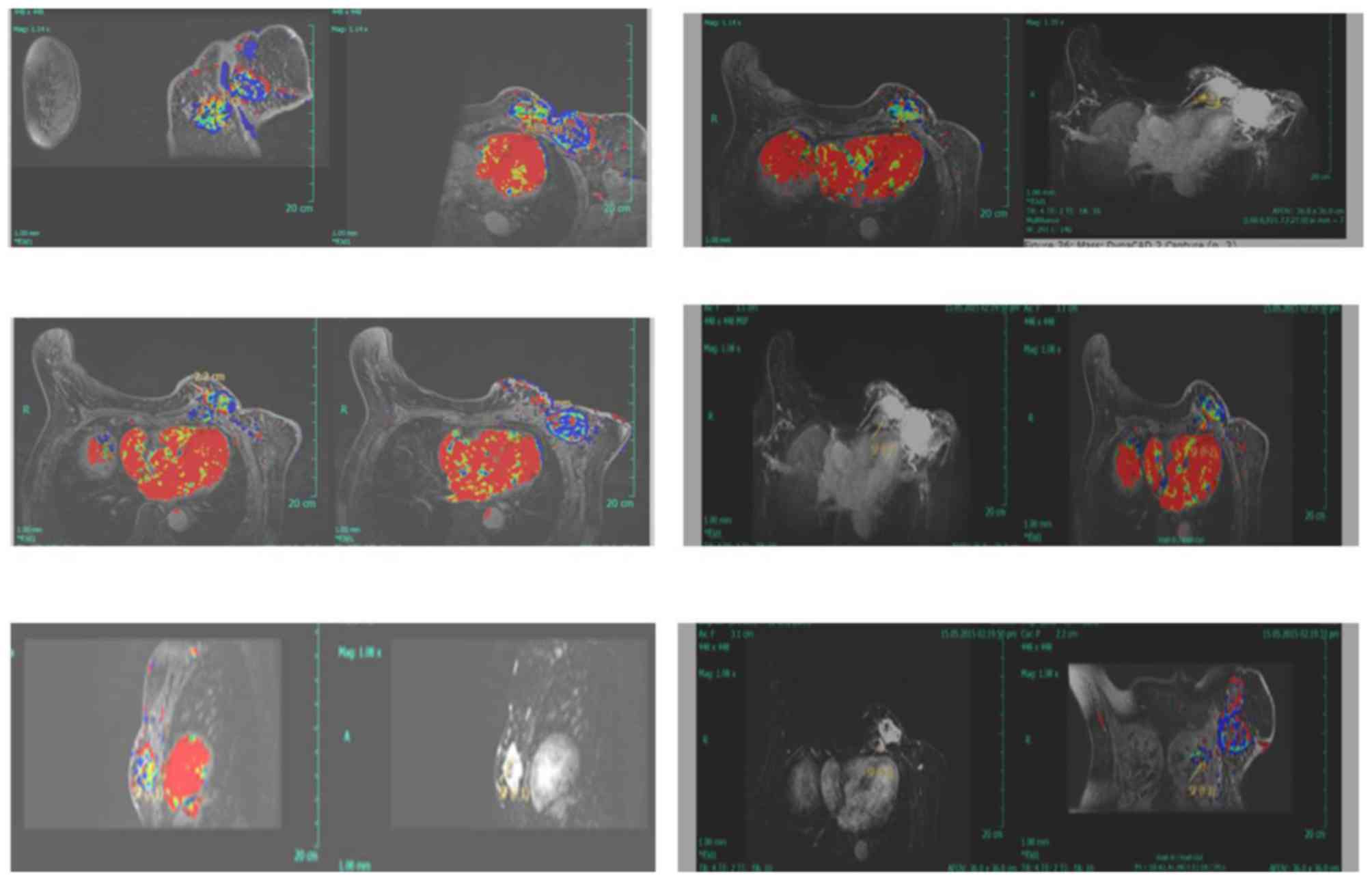
A 77-year-old female patient from Changhua City underwent simple mastectomy on 25 February 2015 in Changhua Christian Hospital (Changhua, Taiwan) for a malignant phyllodes tumor in the left breast. Pathological examination revealed a soft tumor mass, 13×12 cm in size, extended in the whole breast. A rapidly progressing >5 cm mass, with bleeding and a central necrosis area, was observed on 25 April 2015. A recurrent phyllodes tumor was suspected and the patient underwent a second surgery on 28 April 2015. Pathological examination revealed a protruding tumor, 10×4.5×4.8 cm in size, associated with skin ulceration. Multiple nodules were observed in the operated wound area 10 days after the second surgery and the patient was admitted to the Breast Surgery Outpatient Department (Changhua Christian Hospital). During initial physical examination, the patient was afebrile with normal vital signs. Examination of the left breast revealed multiple lobulated masses with irritated overlying skin. The right breast was normal. Positron emission tomography-computed tomography (PET-CT) and magnetic resonance imaging (MRI) were performed for further evaluation. CT and [18F] fluorodeoxyglucose (FDG)-PET scans revealed multiple areas with markedly increased FDG uptake in the left breast, the adjacent left third rib and the left internal mammary region. These areas demonstrated increased standardized uptake values in the subsequent analysis, suggesting malignancy (Fig. 1). MRI examination revealed an ovoid heterogeneous enhancement mass 5.0×4.3×3.3 cm in the left breast (lower-outer quadrant), along with a 3.7×3.2×2.3 cm mass within the pectoralis muscle layer (Fig. 2).

Figure 1.

FDG-positron emission tomography-computed tomography was performed on 14 May 2015. Multiple areas with markedly increased FDG uptake were observed in the left breast, the adjacent left third rib and the left internal mammary region. Increased standardized uptake values in the subsequent analysis suggested malignancy. FDG, [18F] fluorodeoxyglucose.

Figure 2.

Breast magnetic resonance imaging was performed on 15 May 2015. An ovoid heterogeneous enhancement mass 5.0×4.3×3.3 cm was revealed in the left breast area (lower-outer quadrant) along with a mass 3.7×3.2×2.3 cm within the pectoralis muscle layer.

Malignant phyllodes tumors are rare and aggressive fibroepithelial neoplasms. An accurate diagnosis of metastasis should be based on clinicopathological examinations. To achieve successful management of these tumors, early detection and complete resection prior to dissemination are of marked importance (6). The present case report describes a 46-year-old female patient with a metastatic phyllodes tumor in the anterior chest wall. Even though it was not possible to treat the lesion by surgery or chemotherapy, the tumor size was markedly decreased following radiation therapy, one of the palliative therapies (7). The present case report suggests that radiation therapy should be recognized as a treatment of choice for palliative medicine. Hashimoto et al (8) reported a case of preoperative chemoembolization of a large malignant phyllodes tumor in which marked tumor shrinkage was achieved prior to surgery. Intra-arterial Epirubicin infusion and subsequent embolization with Embosphere microspheres were administered three times over the course of 6 weeks. The patient underwent surgery without skin grafting, and no local recurrence or distant metastasis was observed within 6 months of surgery.

Pathological examination was performed in samples obtained from the first and second surgery. Samples were fixed in 10% neutralized formalin at room temperature for 24 h. Paraffin embedded tumor tissue sections (4 µm) were placed on coated slides and washed with xylene to remove the paraffin, then rehydrated using serial dilutions of alcohol (70 and 90%, respectively). Sections were washed with PBS (pH 7.2) and incubated with anti-cluster of differentiation 34 (CD34) antibody (1:50 dilution; Thermo Fisher Scientific, Inc., Waltham, MA, USA; clone QBEend/10; ab81289) for 60 min at room temperature. Subsequently, slides were washed 3 times with PBS and the conventional streptavidin peroxidase method (LSAB kit K675; Dako; Agilent Technologies, Inc., Santa Clara, CA, USA) was performed for signal development. Incubation with ready-to-use secondary antibodies from the kit was performed at room temperature for 10–30 mins. PBS, instead of primary antibodies, was used as a negative control. Stromal endothelial cells were used as a positive control. Samples were viewed under a light microscope (magnification, ×40).

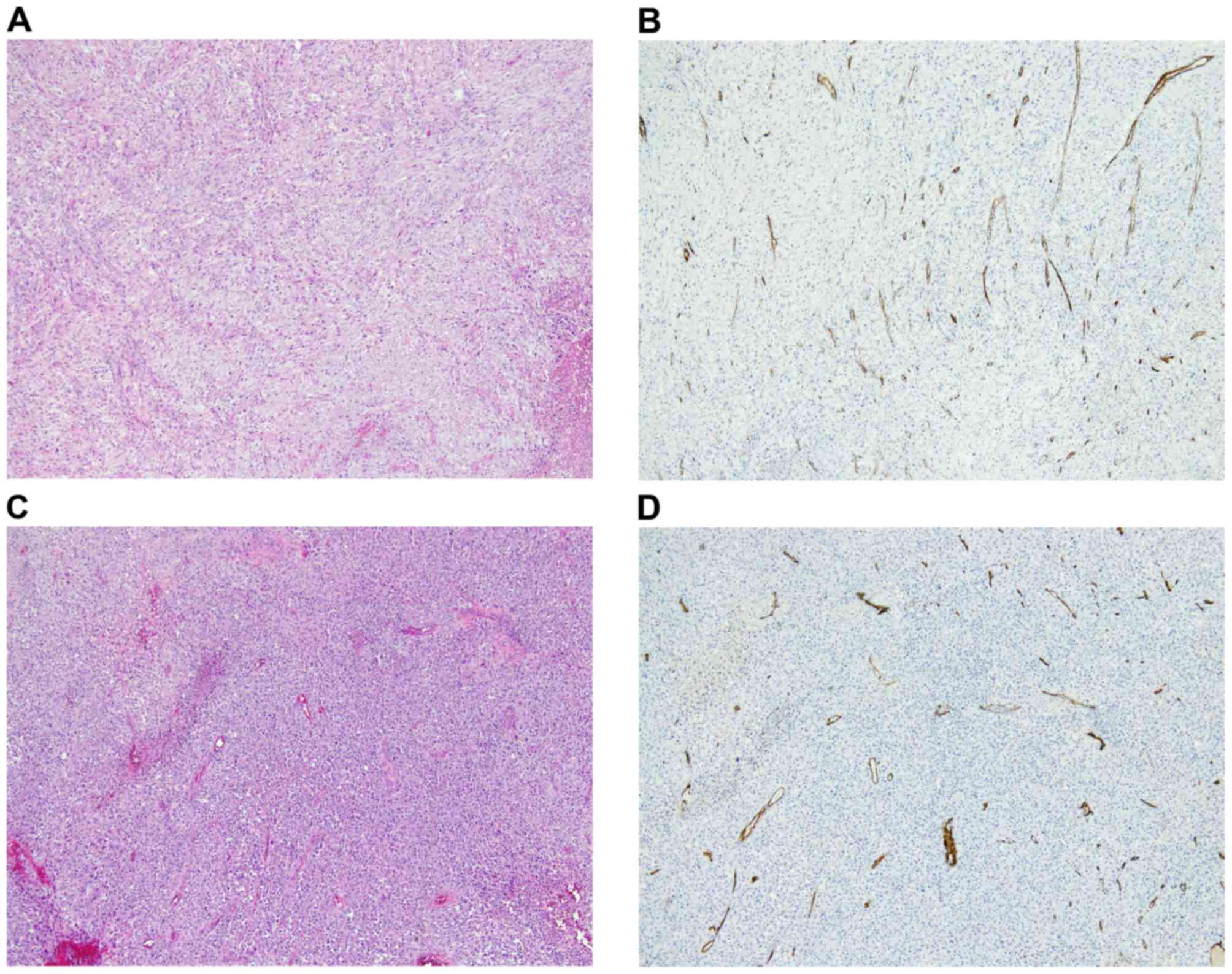
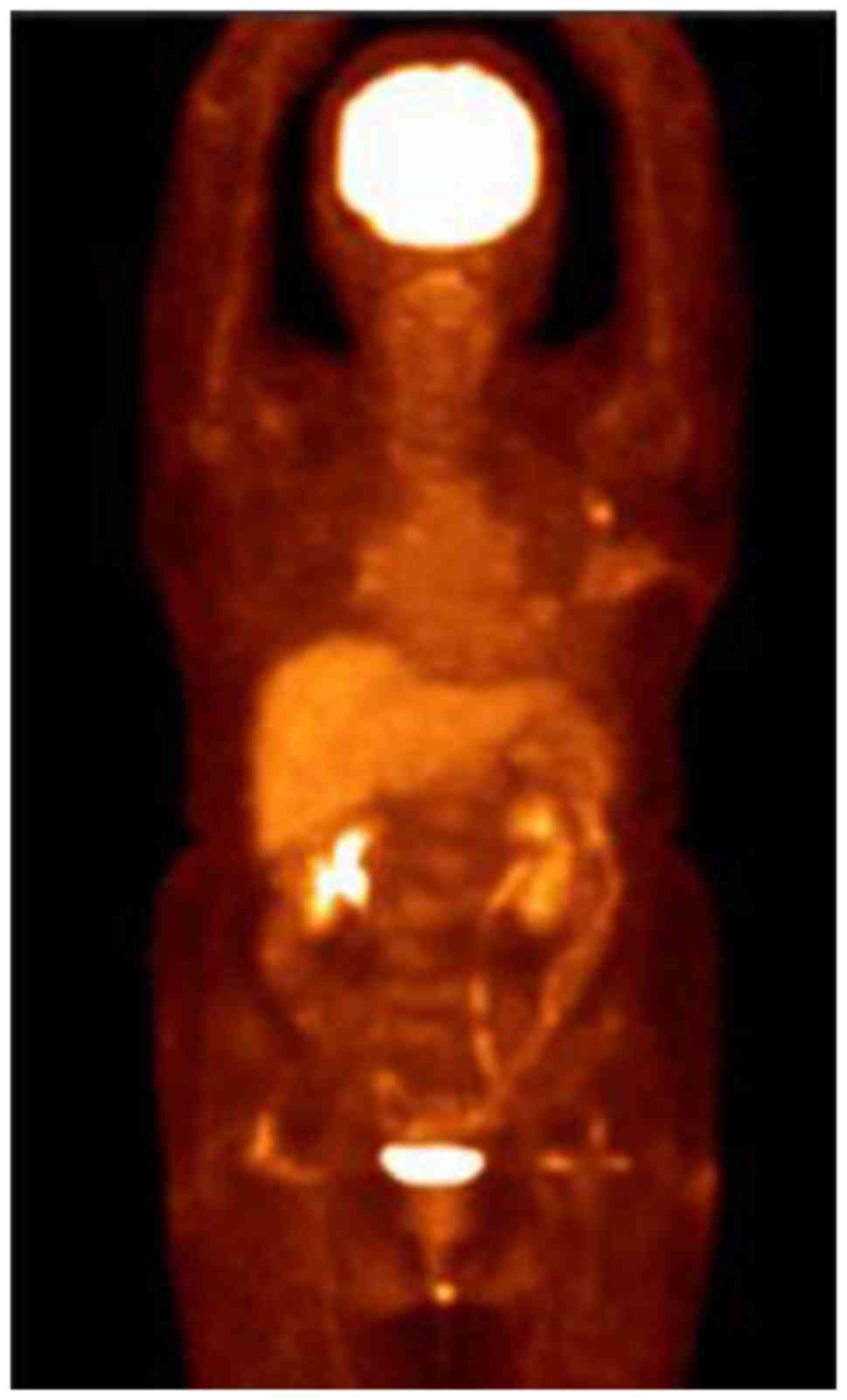
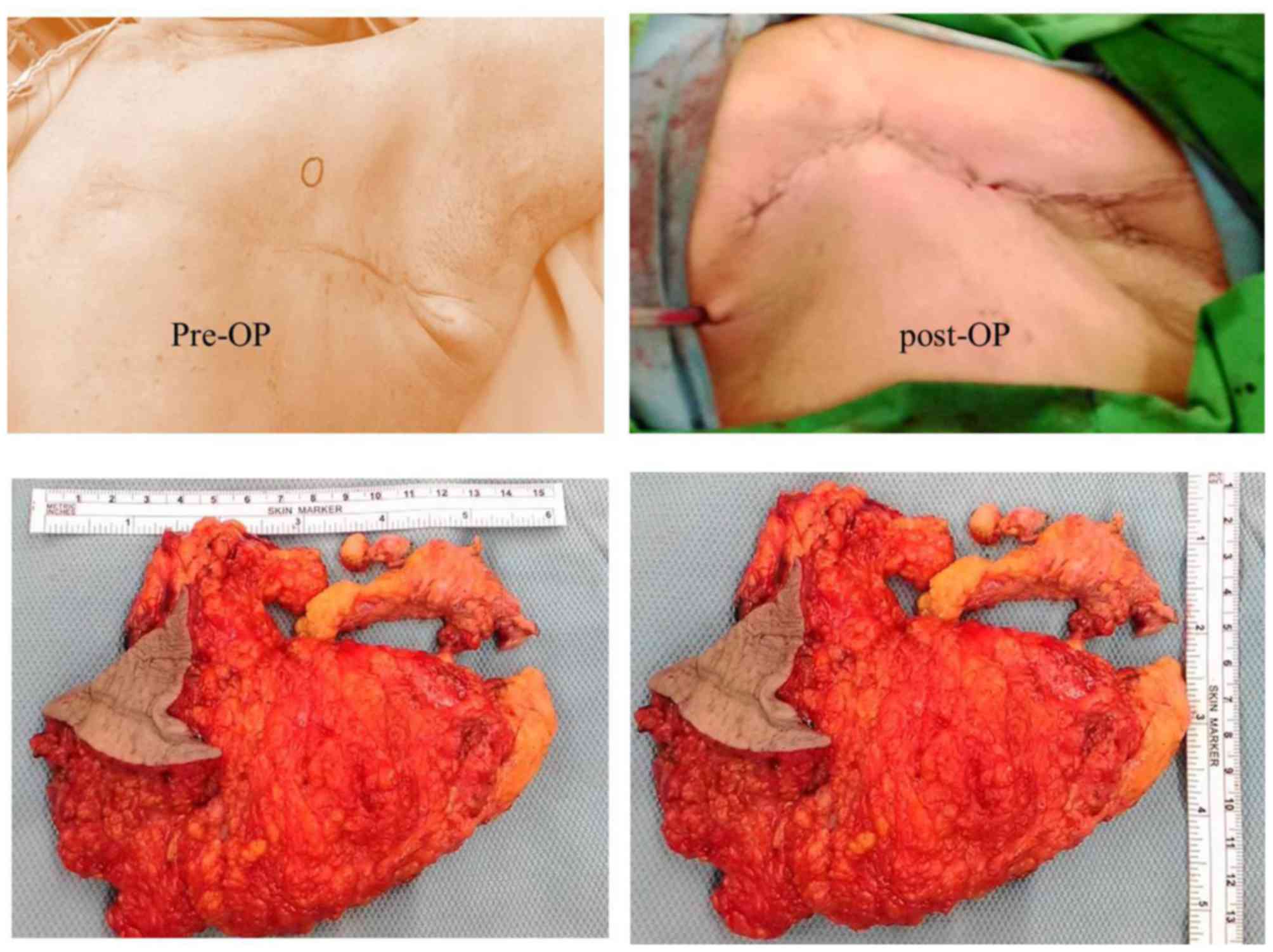
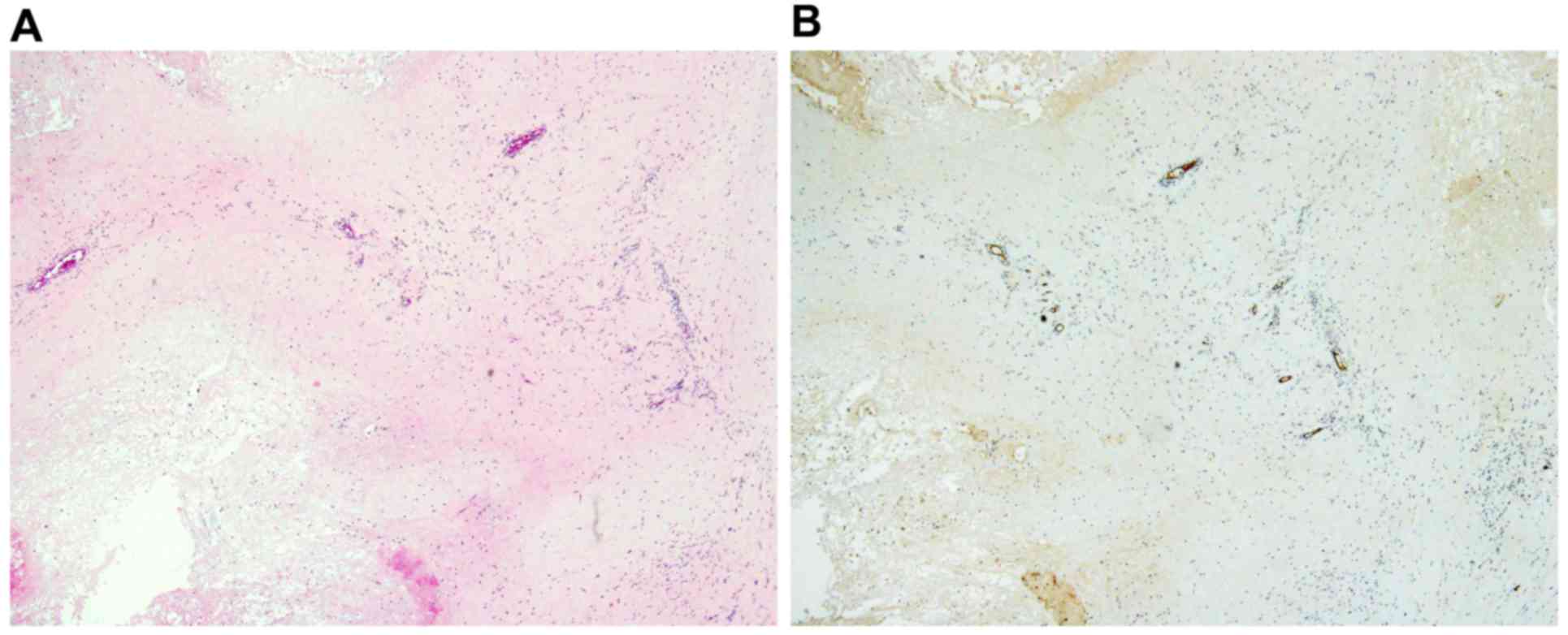
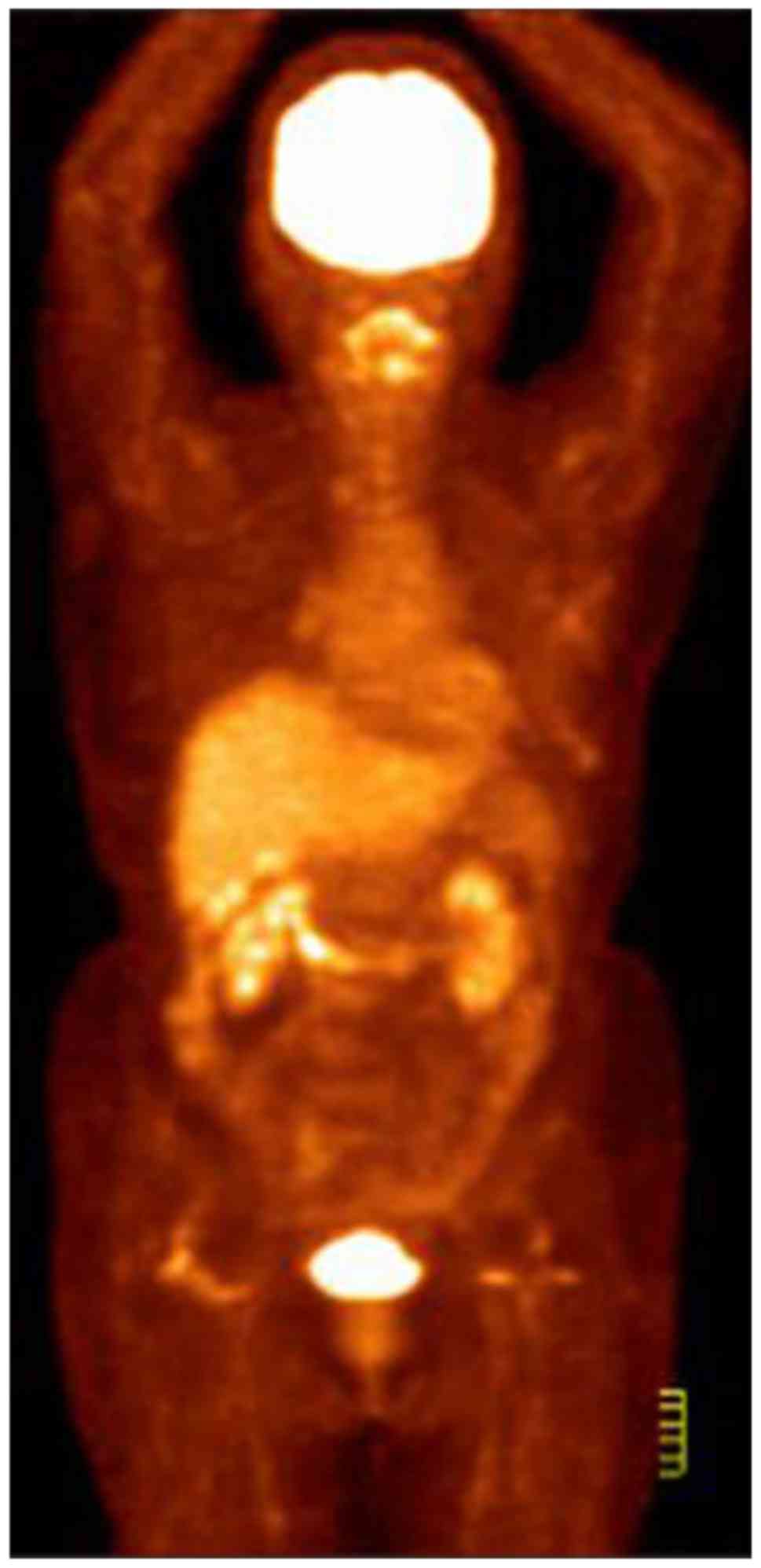
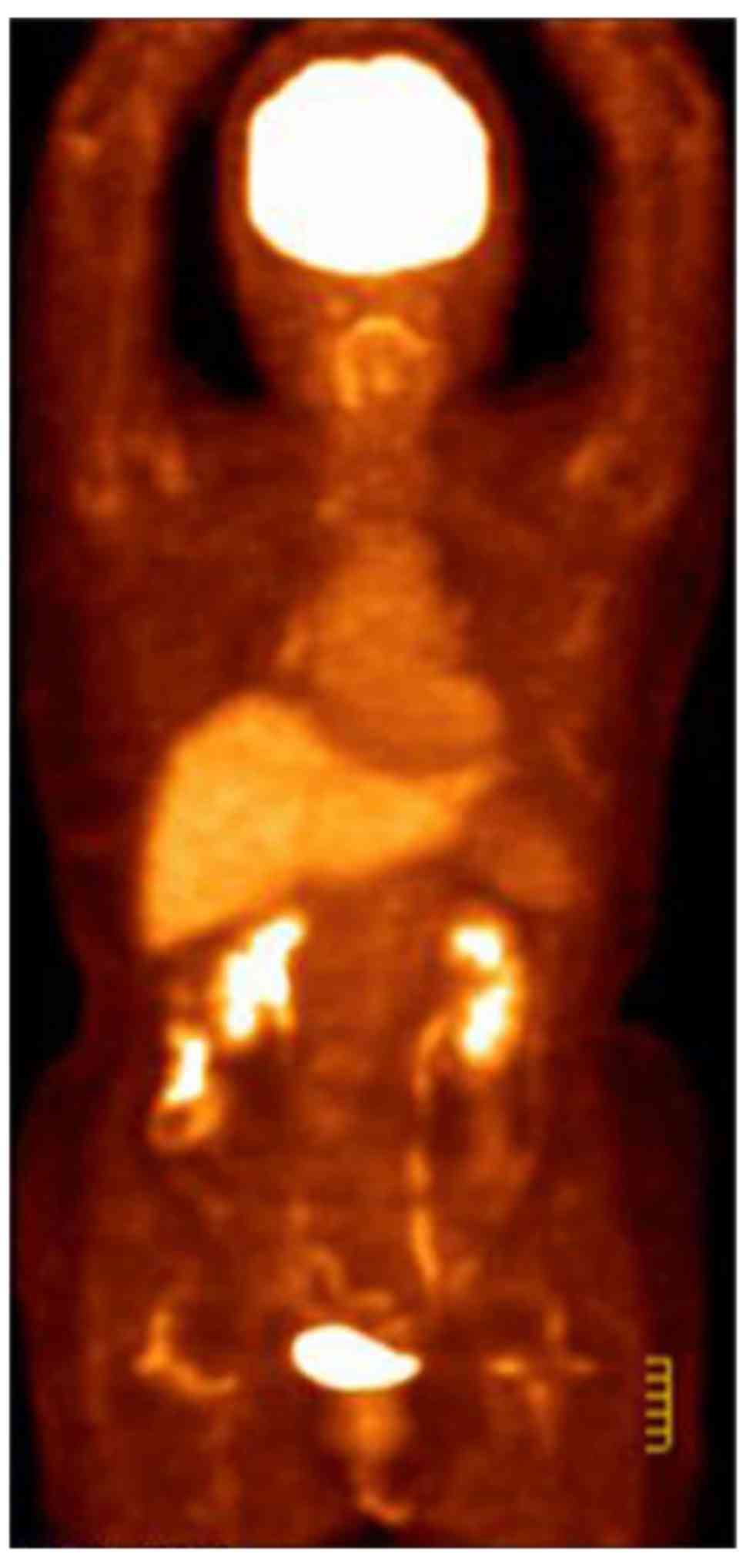
Paraffin-embedded tumor tissue sections (4 µm) were processed with standard hematoxylin and eosin staining using Tissue-Tek DRS (Sakura Finetek Europe B.V., Flemingweg, The Netherlands), according to the manufacturer's protocol. Hypercellular areas with malignant tumor cells (Fig. 3A) and abundant intratumoral vessels (Fig. 3B), immunoreactive for the hematopoietic progenitor cell antigen CD34 were observed in the primary tumor prior to chemotherapy. Similarly, hypercellular areas with atypical tumor cells (Fig. 3C) and abundant intratumoral vessels immunoreactive for CD34 (Fig. 3D) were observed in the recurrent malignant phyllodes tumor prior to chemotherapy. Owing to the patient's advanced age and the multiple nodules, bevacizumab (5 mg/m2) on the first day in combination with Lipodox (30 mg/m2) on the second day was administered for 3 cycles every 2 weeks, commencing on 22 May 2015. The patient's clinical condition improved significantly. A PET-CT follow-up scan was performed on 13 July 2015 and revealed a postoperative alteration in the left breast and a small metastatic lymph node in the left axillary region (Fig. 4). A recurrent left breast phyllodes tumor was suspected and wide surgical excision was conducted on 27 July 2015 (Fig. 5A). The sample obtained was 16×11×3 cm in size and consisted of breast tissue, pectoral fascia and muscle fibers in fresh state (Fig. 5B). The breast sample was covered by skin with dimensions 7×5.5 cm. Surgical scars were observed on the skin. However, there was no evidence of edema or inflammation. The areola and nipple were not observed. Following tissue sectioning, two nodules measuring 4.2×2.5×2.3 cm and 2.2×2×1.8 cm in size, respectively, were revealed. The tumors presented yellowish with necrotic features and the distance between them was 0.5 cm. They were located 0.3 and 1.5 cm underneath the skin, respectively, and <0.1 cm above the pectoral fascia and muscle. The lower peripheral margin measured 0.2 cm. No clear evidence of invasion in the overlying skin was observed. The parenchyma in the remaining breast was not marked. Microscopically, sections of the breast exhibited extensive necrotic areas and hemorrhagic regions surrounded by granulation tissue with chronic inflammation, hyalinization and foreign body reaction with multinucleated giant cells. Hemosiderin deposition was also observed. The presentation was consistent with post-treatment appearance. Following chemotherapy, the tumor exhibited marked necrosis. Scant and residual tumor cells (Fig. 6A) along with decreased intratumoral vessels, as demonstrated by CD34 immunostaining, were observed (Fig. 6B). Lipodox (40 mg/m2) was administered for 3 cycles every 3 weeks and surgical wide excision was conducted 4 weeks later. PET-CT was performed on 16 October 2015. Postoperative alterations along with post-treatment reaction were observed in the left lateral chest wall. No evident metastatic lesion was observed (Fig. 7). A follow-up PET-CT scan was performed on 15 January 2016 and no evidence of residual hypermetabolic malignancy was detected. Compared with the previous scan (on 16 October 2015), persistent complete metabolic response was indicated (Fig. 8). Written informed consent was obtained from the patient prior to publication of the present study.

Figure 3.

Representative microscopic images of the malignant phyllodes tumor prior to chemotherapy. (A) Hypercellular areas with tumor cells and (B) abundant intratumoral vessels, immunoreactive for CD34, were observed in the primary malignant phyllodes tumor tissue. (C) Hypercellular areas with atypical tumor cells and (D) abundant intratumoral vessels immunoreactive for CD34 were observed in the recurrent malignant phyllodes tumor tissue. Magnification, ×40. CD, cluster of differentiation.

Figure 4.

Positron emission tomography-computed tomography follow-up scan performed on 13 July 2015. A postoperative alteration in the left breast and a small metastatic lymph node in the left axillary region were observed.

Figure 5.

Wide surgical excision was conducted on 27 July 2015. The sample obtained was 16×11×3 cm in size and consisted of breast tissue, pectoral fascia and muscle fibers in fresh state. OP, surgery.

Figure 6.

Representative microscopic images of the malignant phyllodes tumor following chemotherapeutic treatment. (A) Marked tumor necrosis with scant and residual tumor cells and (B) decreased intratumoral vessels, as demonstrated by cluster of differentiation 34 immunostaining, were observed. Magnification, ×40.

Figure 7.

Positron emission tomography-computed tomography performed on 13 October 2015. Postoperative alterations along with post-treatment reaction were observed in the left lateral chest wall. No evident metastatic lesion was observed.

Figure 8.

Follow-up PET-CT performed on 15 January 2016. No evidence of residual hypermetabolic malignancy was observed. Compared with the previous PET-CT scan (on 16 October 2015) persistent complete metabolic response was considered. PET-CT, positron emission tomography-computed tomography.

Discussion

Malignant breast phyllodes tumors frequently recur following breast-conserving surgery (9). The high rate of local recurrence renders the research for therapeutic improvement highly important. It is well-documented that adjuvant radiation therapy decreases the local recurrence rate of borderline and malignant phyllodes tumors in patients undergoing breast conserving surgery. However, to the best of our knowledge, an effect on overall or disease-free survival has not been reported (10,11). Surgical wide excision with a clear margin is considered the treatment of choice. Patients with tumors with infiltrating margins, stromal overgrowth and hypercellularity are at a high risk of metastasis (12). Several predictive factors of recurrence and metastasis, including positive surgical margins, increased mitotic activity, stromal atypia, stromal hypercellularity and overgrowth have been described. However, the role of adjuvant therapies (radiotherapy and chemotherapy) remains unclear (13). Lipodox is used as a monotherapy for the treatment of metastatic breast cancer, where there is increased cardiac risk (www.drugs.com/pro/lipodox.html). Several agents targeting the vascular endothelial growth factor pathway have been used in combinatorial strategies and improved the efficacy of other anticancer drugs for the treatment of lung, stomach, colorectal, ovarian and breast carcinomas (14). A meta-analysis study of randomized controlled trials demonstrated that in the neoadjuvant setting, bevacizumab in combination with chemotherapy compared with chemotherapy alone increased the percentage of patients with non-metastatic breast cancer that achieved a pathological complete response. Bevacizumab was particularly effective in patients with human epidermal growth factor receptor 2-negative and hormone receptor-negative breast tumors (15). Malignant phyllodes tumors do not respond to chemotherapy or radiotherapy. The novel formulation of bevacizumab (5 mg/m2, first day) in combination with Lipodox (30 mg/m2, second day), twice a week, achieved sufficient tumor shrinkage as neoadjuvant chemotherapy. To the best of our knowledge, effective neoadjuvant treatment of malignant phyllodes tumors resulting in clear margins following resection has not been reported previously.

References

1 

Nathan Roberts* and Dianne M: Runk: Aggressive malignant phyllodes tumor. Int J Surg Case Rep. 8:161–165. 2015. View Article : Google Scholar

2 

Norat F, Dreant N, Riah Y and Lebreton E: Extraordinary case of malignant phylloid tumor of the breast: Surgical reconstruction treatment. Ann Ital Chir. 80:475–478. 2009.(In Italian). PubMed/NCBI

3 

Matar N, Soumani A, Noun M, Chraibi T, Himmi A, el Mansouri A, Aderdour M and Bekkay M: Phyllodes tumors of the breast. Forty one cases. J Gynecol Obstet Biol Reprod (Paris). 26:32–36. 1997.PubMed/NCBI

4 

Belkacémi Y, Bousquet G, Marsiglia H, Ray-Coquard I, Magné N, Malard Y, Lacroix M, Gutierrez C, Senkus E, Christie D, et al: Phyllodes tumor of the breast. Int J Radiat Oncol Biol Phys. 70:492–500. 2008. View Article : Google Scholar : PubMed/NCBI

5 

Guillot E, Couturaud B, Reyal F, Curnier A, Ravinet J, Laé M, Bollet M, Pierga JY, Salmon R and Fitoussi A: Breast Cancer Study Group of the Institut Curie: Management of phyllodes breast tumors. Breast J. 17:129–137. 2011. View Article : Google Scholar : PubMed/NCBI

6 

EI Ochi MR, Toreis M, Benchekroun M, Benkerroum Z, Allaoui M, Ichou M, El Khannoussi B, Albouzidi A and Oukabli M: Bone metastasis from malignant phyllodes breast tumor: Report of two cases. BMC Clin Pathol. 16:42016. View Article : Google Scholar : PubMed/NCBI

7 

Sazuka T, Matsuzaki H, Kanada Y, Tohnosu N, Yoshiwara C, Aruga T, Iwata K, Sasahara N, Kobayashi H, Yokoyama M, et al: A case of malignant phyllodes tumor effectively treated by radiation therapy as a palliative medicine. Gan To Kagaku Ryoho. 42:1698–1699. 2015.(In Japanese). PubMed/NCBI

8 

Hashimoto K, Mimura H, Arai Y, Doi M, Kojima Y, Tsugawa K and Nakajima Y: Successful preoperative chemoembolization in the treatment of a giant malignant phyllodes tumor. Cardiovasc Intervent Radiol. 39:1070–1075. 2016. View Article : Google Scholar : PubMed/NCBI

9 

Barth RJ Jr: Histologic features predict local recurrence after breast conserving therapy of phyllodes tumors. Breast Cancer Res Treat. 57:291–295. 1999. View Article : Google Scholar : PubMed/NCBI

10 

Zeng S, Zhang X, Yang D, Wang X and Ren G: Effects of adjuvant radiotherapy on borderline and malignant phyllodes tumors: A systematic review and meta-analysis. Mol Clin Oncol. 3:663–671. 2015. View Article : Google Scholar : PubMed/NCBI

11 

Gnerlich JL, Williams RT, Yao K, Jaskowiak N and Kulkarni SA: Utilization of radiotherapy for malignant phyllodes tumors: Analysis of the National Cancer Data Base, 1998–2009. Ann Surg Oncol. 21:1222–1230. 2014. View Article : Google Scholar : PubMed/NCBI

12 

Chen WH, Cheng SP, Tzen CY, Yang TL, Jeng KS, Liu CL and Liu TP: Surgical treatment of phyllodes tumors of the breast: Retrospective review of 172 cases. J Surg Oncol. 91:185–194. 2005. View Article : Google Scholar : PubMed/NCBI

13 

Khosravi-Shahi P: Management of non metastatic phyllodes tumors of the breast: Review of the literature. Surg Oncol. 20:e143–e148. 2011. View Article : Google Scholar : PubMed/NCBI

14 

Arjaans M, Schröder CP, Oosting SF, Dafni U, Kleibeuker JE and de Vries EG: VEGF pathway targeting agents, vessel normalization and tumor drug uptake: From bench to bedside. Oncotarget. 7:21247–21258. 2016. View Article : Google Scholar : PubMed/NCBI

15 

Cao L, Yao GY, Liu MF, Chen LJ, Hu XL and Ye CS: Neoadjuvant bevacizumab plus chemotherapy versus chemotherapy alone to treat non-metastatic breast cancer: A meta-analysis of randomised controlled trials. PLoS One. 10:e01454422015. View Article : Google Scholar : PubMed/NCBI

Related Articles

  • Abstract
  • View
  • Download
  • Twitter
Copy and paste a formatted citation
Spandidos Publications style
Su CC, Chen CJ and Kuo SJ: Effect of Lipodox in combination with bevacizumab in a patient with a metastatic malignant phyllodes breast tumor: A case report. Oncol Lett 14: 6685-6689, 2017.
APA
Su, C.C., Chen, C., & Kuo, S. (2017). Effect of Lipodox in combination with bevacizumab in a patient with a metastatic malignant phyllodes breast tumor: A case report. Oncology Letters, 14, 6685-6689. https://doi.org/10.3892/ol.2017.7094
MLA
Su, C. C., Chen, C., Kuo, S."Effect of Lipodox in combination with bevacizumab in a patient with a metastatic malignant phyllodes breast tumor: A case report". Oncology Letters 14.6 (2017): 6685-6689.
Chicago
Su, C. C., Chen, C., Kuo, S."Effect of Lipodox in combination with bevacizumab in a patient with a metastatic malignant phyllodes breast tumor: A case report". Oncology Letters 14, no. 6 (2017): 6685-6689. https://doi.org/10.3892/ol.2017.7094
Copy and paste a formatted citation
x
Spandidos Publications style
Su CC, Chen CJ and Kuo SJ: Effect of Lipodox in combination with bevacizumab in a patient with a metastatic malignant phyllodes breast tumor: A case report. Oncol Lett 14: 6685-6689, 2017.
APA
Su, C.C., Chen, C., & Kuo, S. (2017). Effect of Lipodox in combination with bevacizumab in a patient with a metastatic malignant phyllodes breast tumor: A case report. Oncology Letters, 14, 6685-6689. https://doi.org/10.3892/ol.2017.7094
MLA
Su, C. C., Chen, C., Kuo, S."Effect of Lipodox in combination with bevacizumab in a patient with a metastatic malignant phyllodes breast tumor: A case report". Oncology Letters 14.6 (2017): 6685-6689.
Chicago
Su, C. C., Chen, C., Kuo, S."Effect of Lipodox in combination with bevacizumab in a patient with a metastatic malignant phyllodes breast tumor: A case report". Oncology Letters 14, no. 6 (2017): 6685-6689. https://doi.org/10.3892/ol.2017.7094
Follow us
  • Twitter
  • LinkedIn
  • Facebook
About
  • Spandidos Publications
  • Careers
  • Cookie Policy
  • Privacy Policy
How can we help?
  • Help
  • Live Chat
  • Contact
  • Email to our Support Team