Spandidos Publications Logo
  • About
    • About Spandidos
    • Aims and Scopes
    • Abstracting and Indexing
    • Editorial Policies
    • Reprints and Permissions
    • Job Opportunities
    • Terms and Conditions
    • Contact
  • Journals
    • All Journals
    • Oncology Letters
      • Oncology Letters
      • Information for Authors
      • Editorial Policies
      • Editorial Board
      • Aims and Scope
      • Abstracting and Indexing
      • Bibliographic Information
      • Archive
    • International Journal of Oncology
      • International Journal of Oncology
      • Information for Authors
      • Editorial Policies
      • Editorial Board
      • Aims and Scope
      • Abstracting and Indexing
      • Bibliographic Information
      • Archive
    • Molecular and Clinical Oncology
      • Molecular and Clinical Oncology
      • Information for Authors
      • Editorial Policies
      • Editorial Board
      • Aims and Scope
      • Abstracting and Indexing
      • Bibliographic Information
      • Archive
    • Experimental and Therapeutic Medicine
      • Experimental and Therapeutic Medicine
      • Information for Authors
      • Editorial Policies
      • Editorial Board
      • Aims and Scope
      • Abstracting and Indexing
      • Bibliographic Information
      • Archive
    • International Journal of Molecular Medicine
      • International Journal of Molecular Medicine
      • Information for Authors
      • Editorial Policies
      • Editorial Board
      • Aims and Scope
      • Abstracting and Indexing
      • Bibliographic Information
      • Archive
    • Biomedical Reports
      • Biomedical Reports
      • Information for Authors
      • Editorial Policies
      • Editorial Board
      • Aims and Scope
      • Abstracting and Indexing
      • Bibliographic Information
      • Archive
    • Oncology Reports
      • Oncology Reports
      • Information for Authors
      • Editorial Policies
      • Editorial Board
      • Aims and Scope
      • Abstracting and Indexing
      • Bibliographic Information
      • Archive
    • Molecular Medicine Reports
      • Molecular Medicine Reports
      • Information for Authors
      • Editorial Policies
      • Editorial Board
      • Aims and Scope
      • Abstracting and Indexing
      • Bibliographic Information
      • Archive
    • World Academy of Sciences Journal
      • World Academy of Sciences Journal
      • Information for Authors
      • Editorial Policies
      • Editorial Board
      • Aims and Scope
      • Abstracting and Indexing
      • Bibliographic Information
      • Archive
    • International Journal of Functional Nutrition
      • International Journal of Functional Nutrition
      • Information for Authors
      • Editorial Policies
      • Editorial Board
      • Aims and Scope
      • Abstracting and Indexing
      • Bibliographic Information
      • Archive
    • International Journal of Epigenetics
      • International Journal of Epigenetics
      • Information for Authors
      • Editorial Policies
      • Editorial Board
      • Aims and Scope
      • Abstracting and Indexing
      • Bibliographic Information
      • Archive
    • Medicine International
      • Medicine International
      • Information for Authors
      • Editorial Policies
      • Editorial Board
      • Aims and Scope
      • Abstracting and Indexing
      • Bibliographic Information
      • Archive
  • Articles
  • Information
    • Information for Authors
    • Information for Reviewers
    • Information for Librarians
    • Information for Advertisers
    • Conferences
  • Language Editing
Spandidos Publications Logo
  • About
    • About Spandidos
    • Aims and Scopes
    • Abstracting and Indexing
    • Editorial Policies
    • Reprints and Permissions
    • Job Opportunities
    • Terms and Conditions
    • Contact
  • Journals
    • All Journals
    • Biomedical Reports
      • Information for Authors
      • Editorial Policies
      • Editorial Board
      • Aims and Scope
      • Abstracting and Indexing
      • Bibliographic Information
      • Archive
    • Experimental and Therapeutic Medicine
      • Information for Authors
      • Editorial Policies
      • Editorial Board
      • Aims and Scope
      • Abstracting and Indexing
      • Bibliographic Information
      • Archive
    • International Journal of Epigenetics
      • Information for Authors
      • Editorial Policies
      • Editorial Board
      • Aims and Scope
      • Abstracting and Indexing
      • Bibliographic Information
      • Archive
    • International Journal of Functional Nutrition
      • Information for Authors
      • Editorial Policies
      • Editorial Board
      • Aims and Scope
      • Abstracting and Indexing
      • Bibliographic Information
      • Archive
    • International Journal of Molecular Medicine
      • Information for Authors
      • Editorial Policies
      • Editorial Board
      • Aims and Scope
      • Abstracting and Indexing
      • Bibliographic Information
      • Archive
    • International Journal of Oncology
      • Information for Authors
      • Editorial Policies
      • Editorial Board
      • Aims and Scope
      • Abstracting and Indexing
      • Bibliographic Information
      • Archive
    • Medicine International
      • Information for Authors
      • Editorial Policies
      • Editorial Board
      • Aims and Scope
      • Abstracting and Indexing
      • Bibliographic Information
      • Archive
    • Molecular and Clinical Oncology
      • Information for Authors
      • Editorial Policies
      • Editorial Board
      • Aims and Scope
      • Abstracting and Indexing
      • Bibliographic Information
      • Archive
    • Molecular Medicine Reports
      • Information for Authors
      • Editorial Policies
      • Editorial Board
      • Aims and Scope
      • Abstracting and Indexing
      • Bibliographic Information
      • Archive
    • Oncology Letters
      • Information for Authors
      • Editorial Policies
      • Editorial Board
      • Aims and Scope
      • Abstracting and Indexing
      • Bibliographic Information
      • Archive
    • Oncology Reports
      • Information for Authors
      • Editorial Policies
      • Editorial Board
      • Aims and Scope
      • Abstracting and Indexing
      • Bibliographic Information
      • Archive
    • World Academy of Sciences Journal
      • Information for Authors
      • Editorial Policies
      • Editorial Board
      • Aims and Scope
      • Abstracting and Indexing
      • Bibliographic Information
      • Archive
  • Articles
  • Information
    • For Authors
    • For Reviewers
    • For Librarians
    • For Advertisers
    • Conferences
  • Language Editing
Login Register Submit
  • This site uses cookies
  • You can change your cookie settings at any time by following the instructions in our Cookie Policy. To find out more, you may read our Privacy Policy.

    I agree
Search articles by DOI, keyword, author or affiliation
Search
Advanced Search
presentation
International Journal of Oncology
Join Editorial Board Propose a Special Issue
Print ISSN: 1019-6439 Online ISSN: 1791-2423
Journal Cover
July-2017 Volume 51 Issue 1

Full Size Image

Cover Legend PDF

Sign up for eToc alerts
Recommend to Library

Journals

International Journal of Molecular Medicine

International Journal of Molecular Medicine

International Journal of Molecular Medicine is an international journal devoted to molecular mechanisms of human disease.

International Journal of Oncology

International Journal of Oncology

International Journal of Oncology is an international journal devoted to oncology research and cancer treatment.

Molecular Medicine Reports

Molecular Medicine Reports

Covers molecular medicine topics such as pharmacology, pathology, genetics, neuroscience, infectious diseases, molecular cardiology, and molecular surgery.

Oncology Reports

Oncology Reports

Oncology Reports is an international journal devoted to fundamental and applied research in Oncology.

Experimental and Therapeutic Medicine

Experimental and Therapeutic Medicine

Experimental and Therapeutic Medicine is an international journal devoted to laboratory and clinical medicine.

Oncology Letters

Oncology Letters

Oncology Letters is an international journal devoted to Experimental and Clinical Oncology.

Biomedical Reports

Biomedical Reports

Explores a wide range of biological and medical fields, including pharmacology, genetics, microbiology, neuroscience, and molecular cardiology.

Molecular and Clinical Oncology

Molecular and Clinical Oncology

International journal addressing all aspects of oncology research, from tumorigenesis and oncogenes to chemotherapy and metastasis.

World Academy of Sciences Journal

World Academy of Sciences Journal

Multidisciplinary open-access journal spanning biochemistry, genetics, neuroscience, environmental health, and synthetic biology.

International Journal of Functional Nutrition

International Journal of Functional Nutrition

Open-access journal combining biochemistry, pharmacology, immunology, and genetics to advance health through functional nutrition.

International Journal of Epigenetics

International Journal of Epigenetics

Publishes open-access research on using epigenetics to advance understanding and treatment of human disease.

Medicine International

Medicine International

An International Open Access Journal Devoted to General Medicine.

Journal Cover
July-2017 Volume 51 Issue 1

Full Size Image

Cover Legend PDF

Sign up for eToc alerts
Recommend to Library

  • Article
  • Citations
    • Cite This Article
    • Download Citation
    • Create Citation Alert
    • Remove Citation Alert
    • Cited By
  • Similar Articles
    • Related Articles (in Spandidos Publications)
    • Similar Articles (Google Scholar)
    • Similar Articles (PubMed)
  • Download PDF
  • Download XML
  • View XML
Article

Two natural eudesmane-type sesquiterpenes from Laggera alata inhibit angiogenesis and suppress breast cancer cell migration through VEGF- and Angiopoietin 2-mediated signaling pathways

  • Authors:
    • Ning Liang
    • Yaolan Li
    • Hau Yin Chung
  • View Affiliations / Copyright

    Affiliations: Food and Nutritional Sciences Programme, School of Life Sciences, The Chinese University of Hong Kong, Sha Tin, New Territories, Hong Kong, SAR, P.R. China, Institute of Traditional Chinese Medicine and Natural Products, Guangdong Province Key Laboratory of Pharmacodynamic Constituents of TCM and New Drugs Research, Jinan University, Guangzhou, Guangdong, P.R. China
  • Pages: 213-222
    |
    Published online on: May 17, 2017
       https://doi.org/10.3892/ijo.2017.4004
  • Expand metrics +
Metrics: Total Views: 0 (Spandidos Publications: | PMC Statistics: )
Metrics: Total PDF Downloads: 0 (Spandidos Publications: | PMC Statistics: )
Cited By (CrossRef): 0 citations Loading Articles...

This article is mentioned in:


Abstract

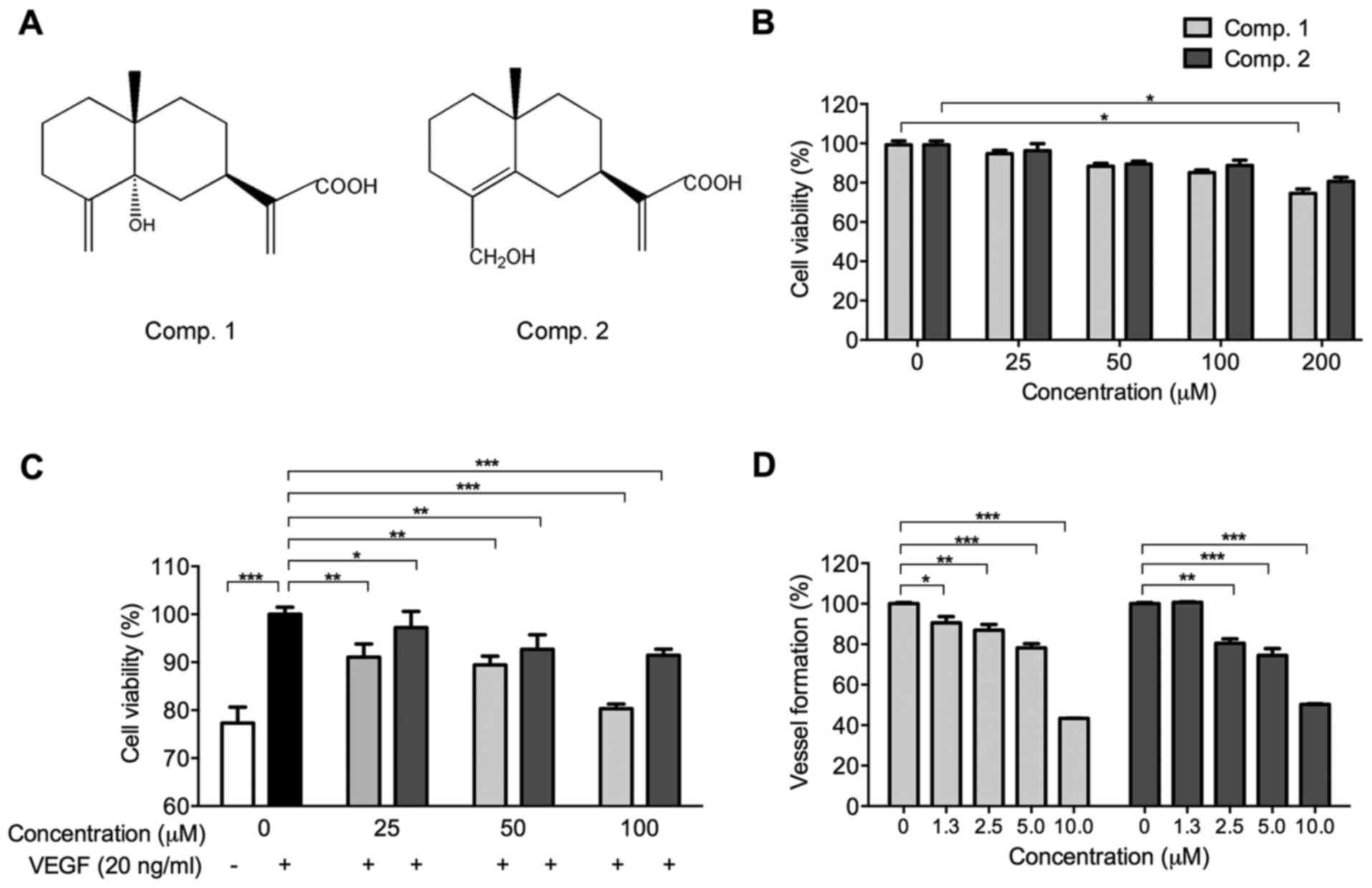
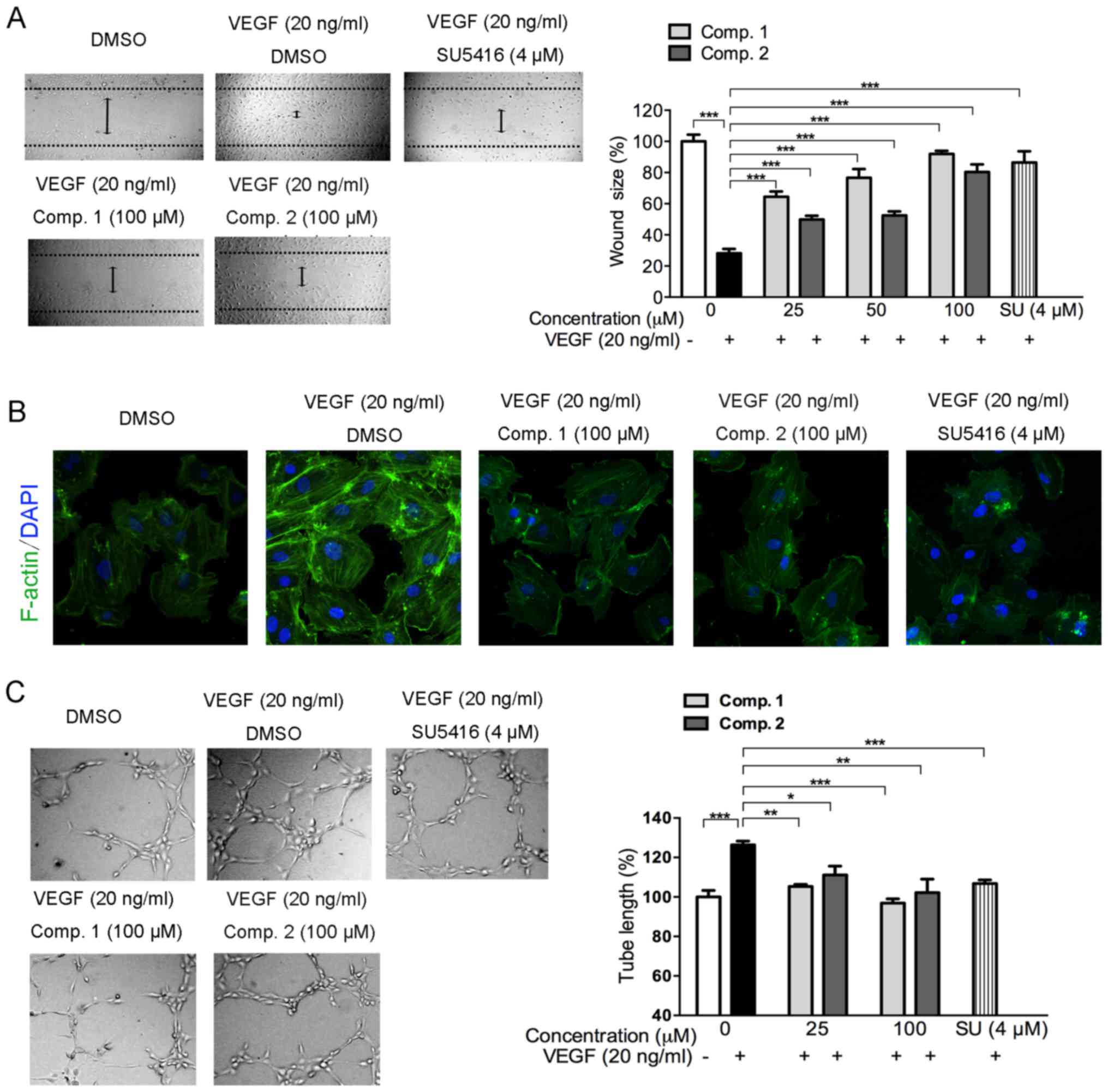
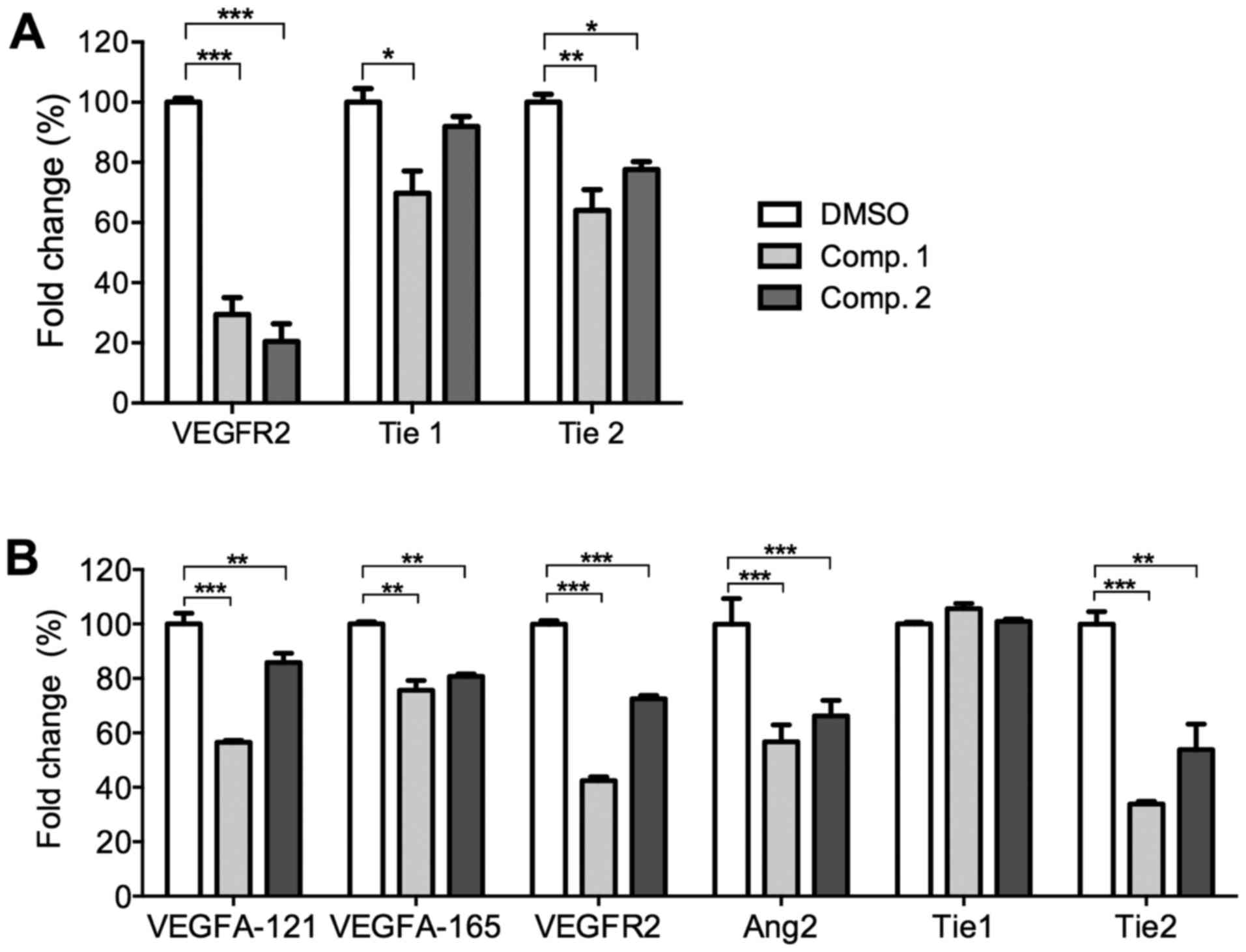
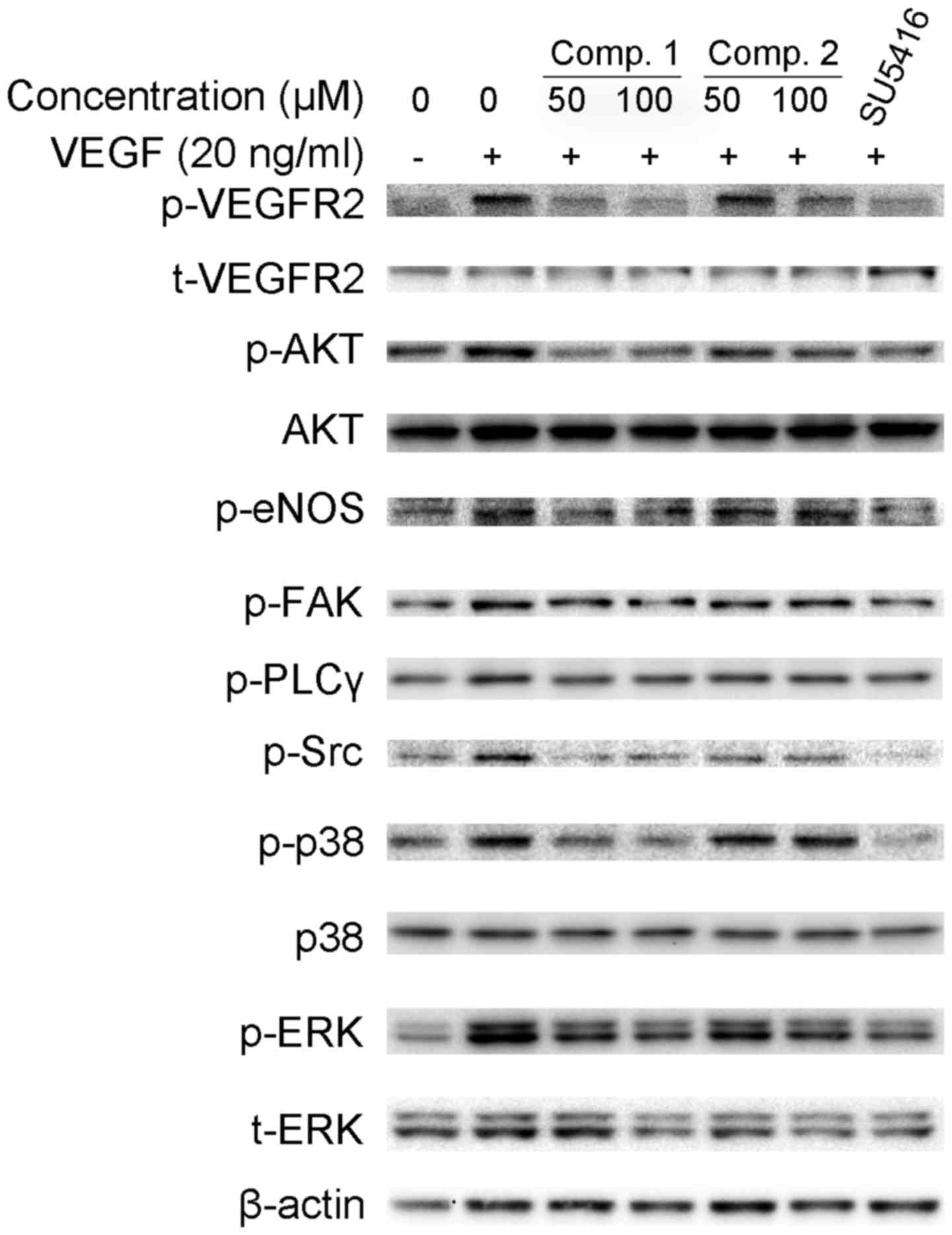
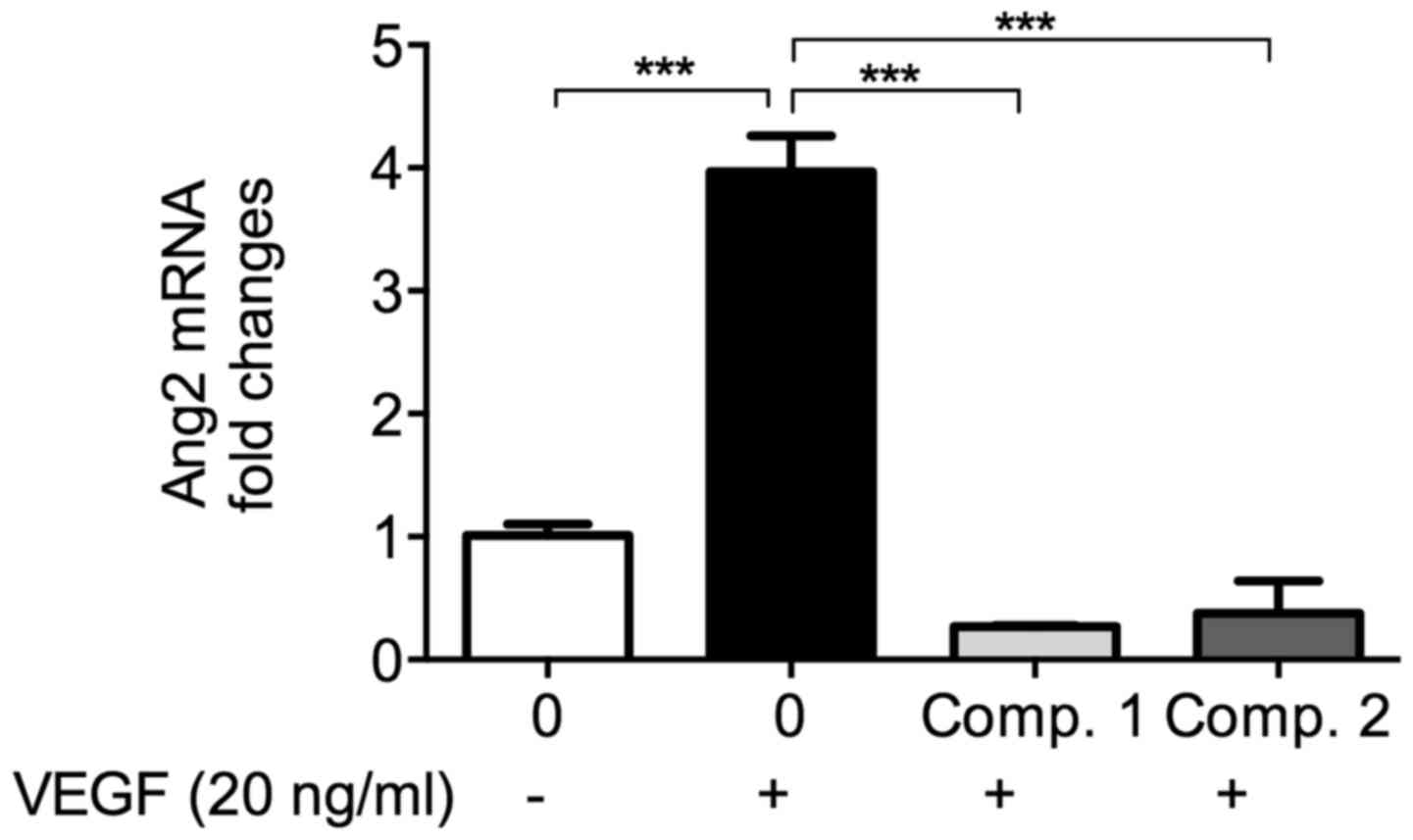
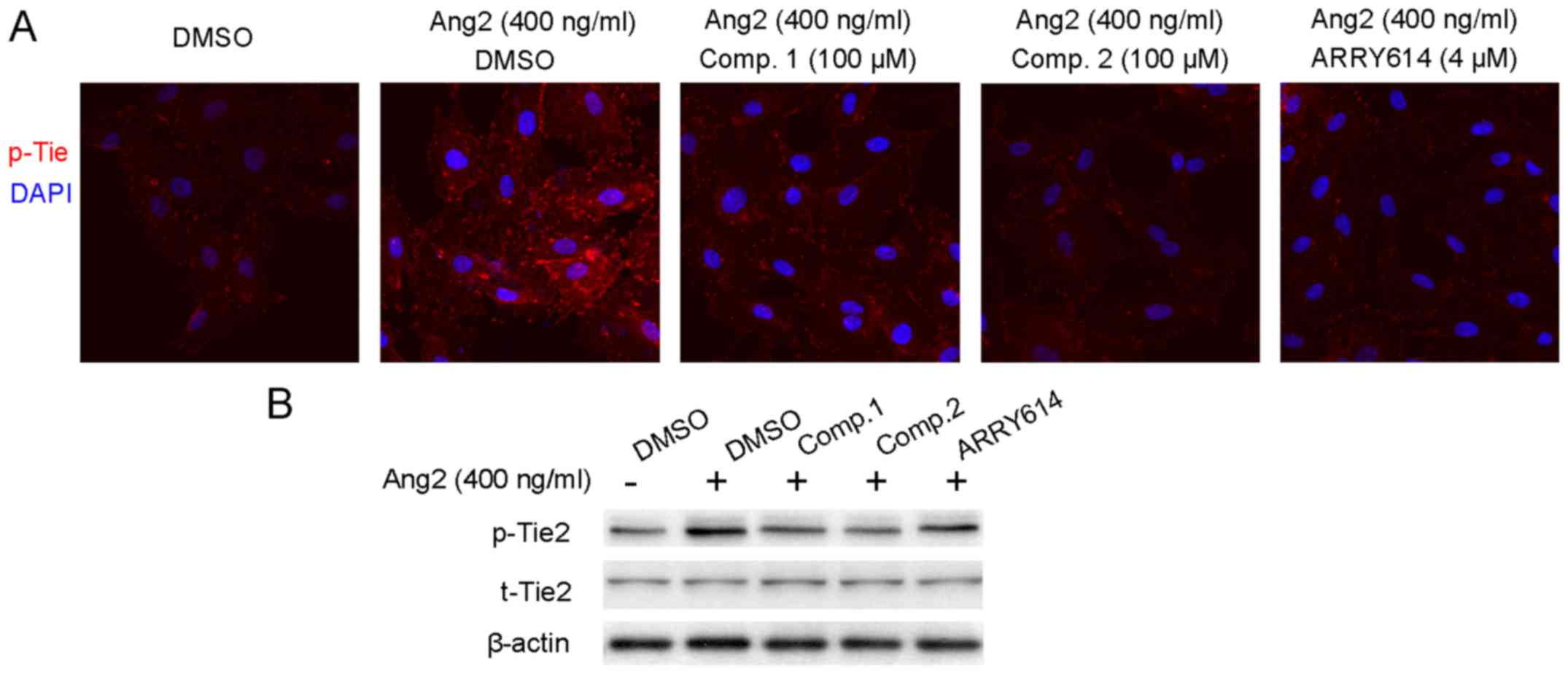
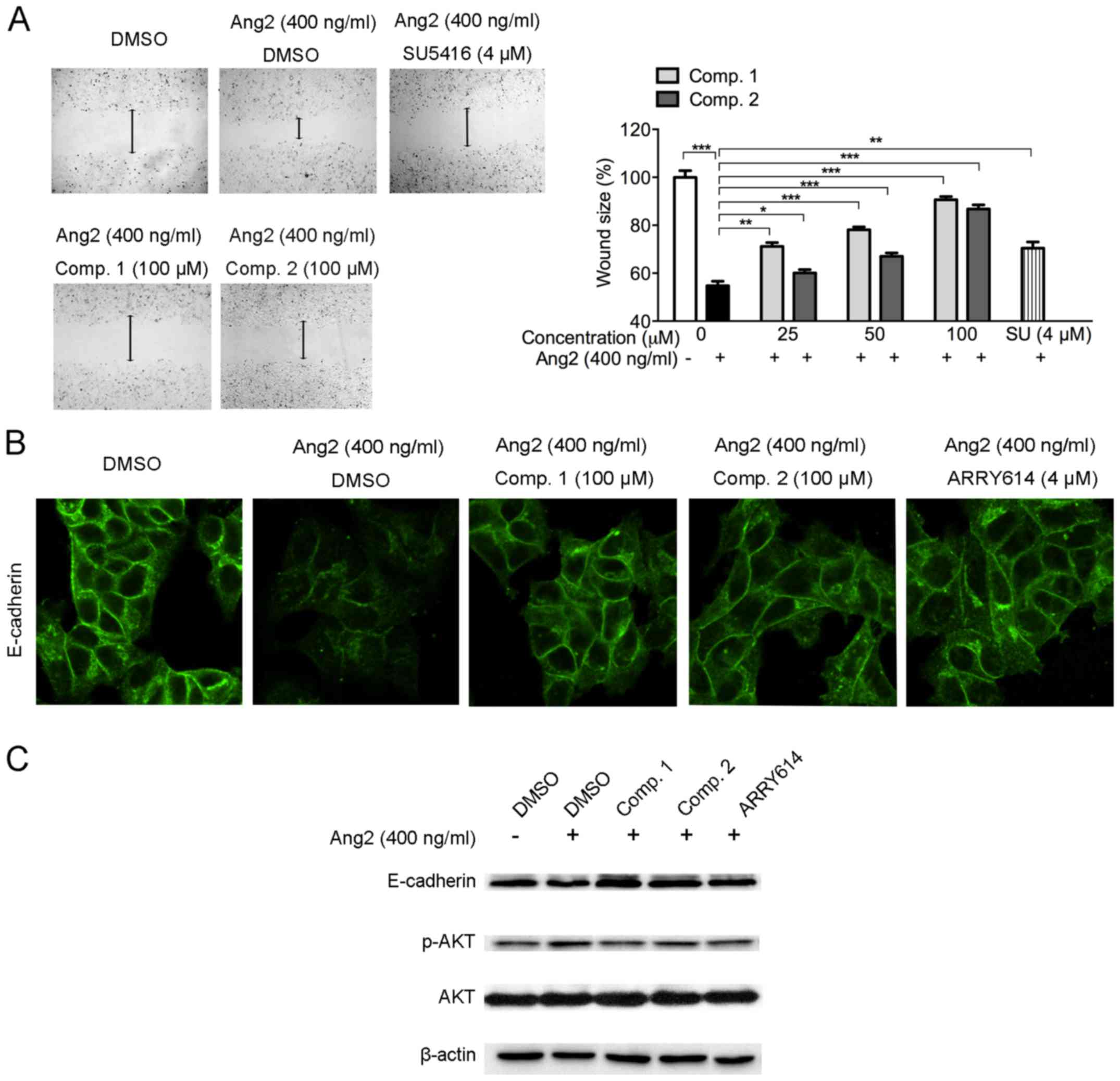
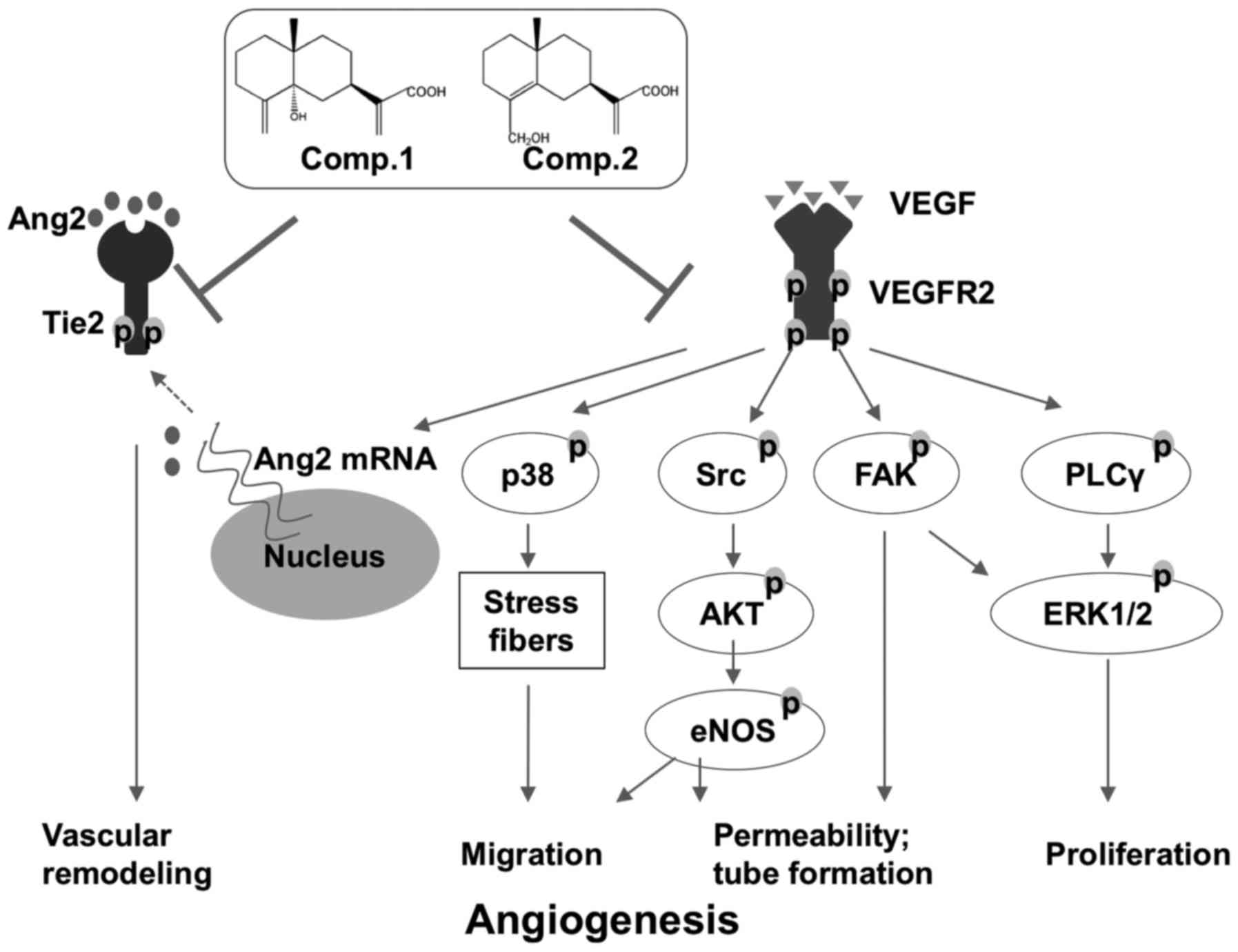
Eudesmane-type sesquiterpenes are natural sesquiterpenes with anti-inflammatory properties, but their anti-angiogenic activities are not known. The present study demonstrated that 5α-hydroxycostic acid and hydroxyisocostic acid, two eudesmane-type sesquiterpenes (ETSs), isolated from the herb Laggera alata, possessed anti-angiogenic effects. Under non-toxic dosage, ETSs suppressed VEGF‑induced proliferation in human umbilical vein endothelial cells (HUVECs) and vessel formation in zebrafish embryos. Moreover, ETSs inhibited VEGF-stimulated HUVEC migration, stress fibers and tube formation. Results from real‑time PCR analysis involving in vivo and in vitro experiments indicated that pro-angiogenic-related mRNA levels were downregulated, including VEGFA, VEGFR2 and Tie2 genes after ETS treatments. Western blot analysis showed that ETSs suppressed VEGF-stimulated VEGFR2 phosphorylation and activation of its downstream molecules, such as Src/AKT/eNOS, FAK, PLCγ/ERK1/2 and p38. Moreover, the VEGF-stimulation of angiopoietin 2 (Ang2) mRNA level increase was significantly downregulated in the presence of ETSs. ETSs inhibited Ang2-induced phosphorylation of the receptor Tie2 in HUVECs, which indicated that ETSs not just suppressed VEGF/VEGFR2 axis, but also the Ang2/Tie2 one. Furthermore, the wound-healing assay revealed that ETSs reduced the migration of Ang2-stimulated human breast cancer (MCF-7) cells. Mechanistically, the anti-migration effect of ETSs correlated with the blockade of Ang2-induced E-cadherin loss and AKT activation. Collectively, the present study suggests that ETSs possess anti-angiogenic ability by interfering the VEGF- and Ang2-related pathways, and they may be good drug candidates.
View Figures

Figure 1

Figure 2

Figure 3

Figure 4

Figure 5

Figure 6

Figure 7

Figure 8

View References

1 

Folkman J: Fighting cancer by attacking its blood supply. Sci Am. 275:150–154. 1996. View Article : Google Scholar : PubMed/NCBI

2 

Folkman J: Angiogenesis. Annu Rev Med. 57:1–18. 2006. View Article : Google Scholar : PubMed/NCBI

3 

Ferrara N and Kerbel RS: Angiogenesis as a therapeutic target. Nature. 438:967–974. 2005. View Article : Google Scholar : PubMed/NCBI

4 

Herbert SP and Stainier DY: Molecular control of endothelial cell behaviour during blood vessel morphogenesis. Nat Rev Mol Cell Biol. 12:551–564. 2011. View Article : Google Scholar : PubMed/NCBI

5 

Taimeh Z, Loughran J, Birks EJ and Bolli R: Vascular endothelial growth factor in heart failure. Nat Rev Cardiol. 10:519–530. 2013. View Article : Google Scholar : PubMed/NCBI

6 

Jayson GC, Kerbel R, Ellis LM and Harris AL: Antiangiogenic therapy in oncology: Current status and future directions. Lancet. 388:518–529. 2016. View Article : Google Scholar : PubMed/NCBI

7 

Carmeliet P and Jain RK: Molecular mechanisms and clinical applications of angiogenesis. Nature. 473:298–307. 2011. View Article : Google Scholar : PubMed/NCBI

8 

Biel NM and Siemann DW: Targeting the angiopoietin-2/Tie-2 axis in conjunction with VEGF signal interference. Cancer Lett. 380:525–533. 2016. View Article : Google Scholar

9 

Augustin HG, Koh GY, Thurston G and Alitalo K: Control of vascular morphogenesis and homeostasis through the angiopoietin-Tie system. Nat Rev Mol Cell Biol. 10:165–177. 2009. View Article : Google Scholar : PubMed/NCBI

10 

Fagiani E and Christofori G: Angiopoietins in angiogenesis. Cancer Lett. 328:18–26. 2013. View Article : Google Scholar

11 

Gerald D, Chintharlapalli S, Augustin HG and Benjamin LE: Angiopoietin-2: An attractive target for improved antiangiogenic tumor therapy. Cancer Res. 73:1649–1657. 2013. View Article : Google Scholar : PubMed/NCBI

12 

Rigamonti N, Kadioglu E, Keklikoglou I, Wyser Rmili C, Leow CC and De Palma M: Role of angiopoietin-2 in adaptive tumor resistance to VEGF signaling blockade. Cell Rep. 8:696–706. 2014. View Article : Google Scholar : PubMed/NCBI

13 

Kienast Y, Klein C, Scheuer W, Raemsch R, Lorenzon E, Bernicke D, Herting F, Yu S, The HH, Martarello L, et al: Ang-2-VEGF-A CrossMab, a novel bispecific human IgG1 antibody blocking VEGF-A and Ang-2 functions simultaneously, mediates potent antitumor, antiangiogenic, and antimetastatic efficacy. Clin Cancer Res. 19:6730–6740. 2013. View Article : Google Scholar : PubMed/NCBI

14 

Wu YH, Zhang XM, Hu MH, Wu XM and Zhao Y: Effect of Laggera alata on hepatocyte damage induced by carbon tetrachloride in vitro and in vivo. J Ethnopharmacol. 126:50–56. 2009. View Article : Google Scholar : PubMed/NCBI

15 

Wu Y, Zhou C, Song L, Li X, Shi S, Mo J, Chen H, Bai H, Wu X, Zhao J, et al: Effect of total phenolics from Laggera alata on acute and chronic inflammation models. J Ethnopharmacol. 108:243–250. 2006. View Article : Google Scholar : PubMed/NCBI

16 

Wang GC, Li GQ, Geng HW, Li T, Xu JJ, Ma F, Wu X, Ye WC and Li YL: Eudesmane-type sesquiterpene derivatives from Laggera alata. Phytochemistry. 96:201–207. 2013. View Article : Google Scholar : PubMed/NCBI

17 

Pratheeshkumar P, Budhraja A, Son YO, Wang X, Zhang Z, Ding S, Wang L, Hitron A, Lee JC, Xu M, et al: Quercetin inhibits angiogenesis mediated human prostate tumor growth by targeting VEGFR- 2 regulated AKT/mTOR/P70S6K signaling pathways. PLoS One. 7:e475162012. View Article : Google Scholar : PubMed/NCBI

18 

Huang W, Wang J, Liang Y, Ge W, Wang G, Li Y and Chung HY: Potent anti-angiogenic component in Croton crassifolius and its mechanism of action. J Ethnopharmacol. 175:185–191. 2015. View Article : Google Scholar : PubMed/NCBI

19 

Li M, Wu S, Liu Z, Zhang W, Xu J, Wang Y, Liu J, Zhang D, Tian H, Li Y, et al: Arenobufagin, a bufadienolide compound from toad venom, inhibits VEGF-mediated angiogenesis through suppression of VEGFR-2 signaling pathway. Biochem Pharmacol. 83:1251–1260. 2012. View Article : Google Scholar : PubMed/NCBI

20 

Lin S, Ching LT, Chen J and Cheung PCK: Antioxidant and anti-angiogenic effects of mushroom phenolics-rich fractions. J Funct Foods. 17:802–815. 2015. View Article : Google Scholar

21 

Li H, Li M, Wang G, Shao F, Chen W, Xia C, Wang S, Li Y, Zhou G and Liu Z: EM23, A natural sesquiterpene lactone from Elephantopus mollis, induces apoptosis in human myeloid leukemia cells through thioredoxin- and reactive oxygen species-mediated signaling pathways. Front Pharmacol. 7:772016. View Article : Google Scholar : PubMed/NCBI

22 

Bogdanovic E, Nguyen VP and Dumont DJ: Activation of Tie2 by angiopoietin-1 and angiopoietin-2 results in their release and receptor internalization. J Cell Sci. 119:3551–3560. 2006. View Article : Google Scholar : PubMed/NCBI

23 

Robert S and Kerbel PD: Tumor angiogenesis. N Engl J Med. 358:2039–2049. 2008. View Article : Google Scholar

24 

Rousseau S, Houle F, Kotanides H, Witte L, Waltenberger J, Landry J and Huot J: Vascular endothelial growth factor (VEGF)-driven actin-based motility is mediated by VEGFR2 and requires concerted activation of stress-activated protein kinase 2 (SAPK2/p38) and geldanamycin-sensitive phosphorylation of focal adhesion kinase. J Biol Chem. 275:10661–10672. 2000. View Article : Google Scholar : PubMed/NCBI

25 

Shibuya M: VEGF-VEGFR signals in health and disease. Biomol Ther (Seoul). 22:1–9. 2014. View Article : Google Scholar

26 

Ha CH, Bennett AM and Jin ZG: A novel role of vascular endothelial cadherin in modulating c-Src activation and downstream signaling of vascular endothelial growth factor. J Biol Chem. 283:7261–7270. 2008. View Article : Google Scholar : PubMed/NCBI

27 

Eroglu Z, Stein CA and Pal SK: Targeting angiopoietin-2 signaling in cancer therapy. Expert Opin Investig Drugs. 22:813–825. 2013. View Article : Google Scholar : PubMed/NCBI

28 

Onder TT, Gupta PB, Mani SA, Yang J, Lander ES and Weinberg RA: Loss of E-cadherin promotes metastasis via multiple downstream transcriptional pathways. Cancer Res. 68:3645–3654. 2008. View Article : Google Scholar : PubMed/NCBI

29 

Hanahan D and Weinberg RA: Hallmarks of cancer: The next generation. Cell. 144:646–674. 2011. View Article : Google Scholar : PubMed/NCBI

30 

Wahl O, Oswald M, Tretzel L, Herres E, Arend J and Efferth T: Inhibition of tumor angiogenesis by antibodies, synthetic small molecules and natural products. Curr Med Chem. 18:3136–3155. 2011. View Article : Google Scholar : PubMed/NCBI

31 

Chen X, Zhao M, Hao M, Sun X, Wang J, Mao Y, Zu L, Liu J, Shen Y, Wang J, et al: Dual inhibition of PI3K and mTOR mitigates compensatory AKT activation and improves tamoxifen response in breast cancer. Mol Cancer Res. 11:1269–1278. 2013. View Article : Google Scholar : PubMed/NCBI

32 

Ying L and Hofseth LJ: An emerging role for endothelial nitric oxide synthase in chronic inflammation and cancer. Cancer Res. 67:1407–1410. 2007. View Article : Google Scholar : PubMed/NCBI

33 

Lim KH, Ancrile BB, Kashatus DF and Counter CM: Tumour maintenance is mediated by eNOS. Nature. 452:646–649. 2008. View Article : Google Scholar : PubMed/NCBI

34 

Di Lorenzo A, Lin MI, Murata T, Landskroner-Eiger S, Schleicher M, Kothiya M, Iwakiri Y, Yu J, Huang PL and Sessa WC: eNOS-derived nitric oxide regulates endothelial barrier function through VE-cadherin and Rho GTPases. J Cell Sci. 126:5541–5552. 2013. View Article : Google Scholar : PubMed/NCBI

35 

Sulzmaier FJ, Jean C and Schlaepfer DD: FAK in cancer: Mechanistic findings and clinical applications. Nat Rev Cancer. 14:598–610. 2014. View Article : Google Scholar : PubMed/NCBI

36 

Wu G, Luo J, Rana JS, Laham R, Sellke FW and Li J: Involvement of COX-2 in VEGF-induced angiogenesis via P38 and JNK pathways in vascular endothelial cells. Cardiovasc Res. 69:512–519. 2006. View Article : Google Scholar

37 

Chen XL, Nam JO, Jean C, Lawson C, Walsh CT, Goka E, Lim ST, Tomar A, Tancioni I, Uryu S, et al: VEGF-induced vascular permeability is mediated by FAK. Dev Cell. 22:146–157. 2012. View Article : Google Scholar : PubMed/NCBI

38 

Mariappan MM, Senthil D, Natarajan KS, Choudhury GG and Kasinath BS: Phospholipase Cgamma-Erk Axis in vascular endothelial growth factor-induced eukaryotic initiation factor 4E phosphorylation and protein synthesis in renal epithelial cells. J Biol Chem. 280:28402–28411. 2005. View Article : Google Scholar : PubMed/NCBI

39 

Shojaei F: Anti-angiogenesis therapy in cancer: Current challenges and future perspectives. Cancer Lett. 320:130–137. 2012. View Article : Google Scholar : PubMed/NCBI

40 

Moss A: The angiopoietin:Tie 2 interaction: a potential target for future therapies in human vascular disease. Cytokine Growth Factor Rev. 24:579–592. 2013. View Article : Google Scholar : PubMed/NCBI

41 

Scholz A, Plate KH and Reiss Y: Angiopoietin-2: A multifaceted cytokine that functions in both angiogenesis and inflammation. Ann NY Acad Sci. 1347:45–51. 2015. View Article : Google Scholar : PubMed/NCBI

42 

Yuan HT, Khankin EV, Karumanchi SA and Parikh SM: Angiopoietin 2 is a partial agonist/antagonist of Tie2 signaling in the endothelium. Mol Cell Biol. 29:2011–2022. 2009. View Article : Google Scholar : PubMed/NCBI

43 

Cascone T and Heymach JV: Targeting the angiopoietin/Tie2 pathway: Cutting tumor vessels with a double-edged sword? J Clin Oncol. 30:441–444. 2012. View Article : Google Scholar

44 

Serbedzija GN, Flynn E and Willett CE: Zebrafish angiogenesis: A new model for drug screening. Angiogenesis. 3:353–359. 1999. View Article : Google Scholar

45 

Tobia C, Gariano G, De Sena G and Presta M: Zebrafish embryo as a tool to study tumor/endothelial cell cross-talk. Biochim Biophys Acta. 1832:1371–1377. 2013. View Article : Google Scholar : PubMed/NCBI

Related Articles

  • Abstract
  • View
  • Download
  • Twitter
Copy and paste a formatted citation
Spandidos Publications style
Liang N, Li Y and Chung HY: Two natural eudesmane-type sesquiterpenes from Laggera alata inhibit angiogenesis and suppress breast cancer cell migration through VEGF- and Angiopoietin 2-mediated signaling pathways. Int J Oncol 51: 213-222, 2017.
APA
Liang, N., Li, Y., & Chung, H.Y. (2017). Two natural eudesmane-type sesquiterpenes from Laggera alata inhibit angiogenesis and suppress breast cancer cell migration through VEGF- and Angiopoietin 2-mediated signaling pathways. International Journal of Oncology, 51, 213-222. https://doi.org/10.3892/ijo.2017.4004
MLA
Liang, N., Li, Y., Chung, H. Y."Two natural eudesmane-type sesquiterpenes from Laggera alata inhibit angiogenesis and suppress breast cancer cell migration through VEGF- and Angiopoietin 2-mediated signaling pathways". International Journal of Oncology 51.1 (2017): 213-222.
Chicago
Liang, N., Li, Y., Chung, H. Y."Two natural eudesmane-type sesquiterpenes from Laggera alata inhibit angiogenesis and suppress breast cancer cell migration through VEGF- and Angiopoietin 2-mediated signaling pathways". International Journal of Oncology 51, no. 1 (2017): 213-222. https://doi.org/10.3892/ijo.2017.4004
Copy and paste a formatted citation
x
Spandidos Publications style
Liang N, Li Y and Chung HY: Two natural eudesmane-type sesquiterpenes from Laggera alata inhibit angiogenesis and suppress breast cancer cell migration through VEGF- and Angiopoietin 2-mediated signaling pathways. Int J Oncol 51: 213-222, 2017.
APA
Liang, N., Li, Y., & Chung, H.Y. (2017). Two natural eudesmane-type sesquiterpenes from Laggera alata inhibit angiogenesis and suppress breast cancer cell migration through VEGF- and Angiopoietin 2-mediated signaling pathways. International Journal of Oncology, 51, 213-222. https://doi.org/10.3892/ijo.2017.4004
MLA
Liang, N., Li, Y., Chung, H. Y."Two natural eudesmane-type sesquiterpenes from Laggera alata inhibit angiogenesis and suppress breast cancer cell migration through VEGF- and Angiopoietin 2-mediated signaling pathways". International Journal of Oncology 51.1 (2017): 213-222.
Chicago
Liang, N., Li, Y., Chung, H. Y."Two natural eudesmane-type sesquiterpenes from Laggera alata inhibit angiogenesis and suppress breast cancer cell migration through VEGF- and Angiopoietin 2-mediated signaling pathways". International Journal of Oncology 51, no. 1 (2017): 213-222. https://doi.org/10.3892/ijo.2017.4004
Follow us
  • Twitter
  • LinkedIn
  • Facebook
About
  • Spandidos Publications
  • Careers
  • Cookie Policy
  • Privacy Policy
How can we help?
  • Help
  • Live Chat
  • Contact
  • Email to our Support Team