Spandidos Publications Logo
  • About
    • About Spandidos
    • Aims and Scopes
    • Abstracting and Indexing
    • Editorial Policies
    • Reprints and Permissions
    • Job Opportunities
    • Terms and Conditions
    • Contact
  • Journals
    • All Journals
    • Oncology Letters
      • Oncology Letters
      • Information for Authors
      • Editorial Policies
      • Editorial Board
      • Aims and Scope
      • Abstracting and Indexing
      • Bibliographic Information
      • Archive
    • International Journal of Oncology
      • International Journal of Oncology
      • Information for Authors
      • Editorial Policies
      • Editorial Board
      • Aims and Scope
      • Abstracting and Indexing
      • Bibliographic Information
      • Archive
    • Molecular and Clinical Oncology
      • Molecular and Clinical Oncology
      • Information for Authors
      • Editorial Policies
      • Editorial Board
      • Aims and Scope
      • Abstracting and Indexing
      • Bibliographic Information
      • Archive
    • Experimental and Therapeutic Medicine
      • Experimental and Therapeutic Medicine
      • Information for Authors
      • Editorial Policies
      • Editorial Board
      • Aims and Scope
      • Abstracting and Indexing
      • Bibliographic Information
      • Archive
    • International Journal of Molecular Medicine
      • International Journal of Molecular Medicine
      • Information for Authors
      • Editorial Policies
      • Editorial Board
      • Aims and Scope
      • Abstracting and Indexing
      • Bibliographic Information
      • Archive
    • Biomedical Reports
      • Biomedical Reports
      • Information for Authors
      • Editorial Policies
      • Editorial Board
      • Aims and Scope
      • Abstracting and Indexing
      • Bibliographic Information
      • Archive
    • Oncology Reports
      • Oncology Reports
      • Information for Authors
      • Editorial Policies
      • Editorial Board
      • Aims and Scope
      • Abstracting and Indexing
      • Bibliographic Information
      • Archive
    • Molecular Medicine Reports
      • Molecular Medicine Reports
      • Information for Authors
      • Editorial Policies
      • Editorial Board
      • Aims and Scope
      • Abstracting and Indexing
      • Bibliographic Information
      • Archive
    • World Academy of Sciences Journal
      • World Academy of Sciences Journal
      • Information for Authors
      • Editorial Policies
      • Editorial Board
      • Aims and Scope
      • Abstracting and Indexing
      • Bibliographic Information
      • Archive
    • International Journal of Functional Nutrition
      • International Journal of Functional Nutrition
      • Information for Authors
      • Editorial Policies
      • Editorial Board
      • Aims and Scope
      • Abstracting and Indexing
      • Bibliographic Information
      • Archive
    • International Journal of Epigenetics
      • International Journal of Epigenetics
      • Information for Authors
      • Editorial Policies
      • Editorial Board
      • Aims and Scope
      • Abstracting and Indexing
      • Bibliographic Information
      • Archive
    • Medicine International
      • Medicine International
      • Information for Authors
      • Editorial Policies
      • Editorial Board
      • Aims and Scope
      • Abstracting and Indexing
      • Bibliographic Information
      • Archive
  • Articles
  • Information
    • Information for Authors
    • Information for Reviewers
    • Information for Librarians
    • Information for Advertisers
    • Conferences
  • Language Editing
Spandidos Publications Logo
  • About
    • About Spandidos
    • Aims and Scopes
    • Abstracting and Indexing
    • Editorial Policies
    • Reprints and Permissions
    • Job Opportunities
    • Terms and Conditions
    • Contact
  • Journals
    • All Journals
    • Biomedical Reports
      • Information for Authors
      • Editorial Policies
      • Editorial Board
      • Aims and Scope
      • Abstracting and Indexing
      • Bibliographic Information
      • Archive
    • Experimental and Therapeutic Medicine
      • Information for Authors
      • Editorial Policies
      • Editorial Board
      • Aims and Scope
      • Abstracting and Indexing
      • Bibliographic Information
      • Archive
    • International Journal of Epigenetics
      • Information for Authors
      • Editorial Policies
      • Editorial Board
      • Aims and Scope
      • Abstracting and Indexing
      • Bibliographic Information
      • Archive
    • International Journal of Functional Nutrition
      • Information for Authors
      • Editorial Policies
      • Editorial Board
      • Aims and Scope
      • Abstracting and Indexing
      • Bibliographic Information
      • Archive
    • International Journal of Molecular Medicine
      • Information for Authors
      • Editorial Policies
      • Editorial Board
      • Aims and Scope
      • Abstracting and Indexing
      • Bibliographic Information
      • Archive
    • International Journal of Oncology
      • Information for Authors
      • Editorial Policies
      • Editorial Board
      • Aims and Scope
      • Abstracting and Indexing
      • Bibliographic Information
      • Archive
    • Medicine International
      • Information for Authors
      • Editorial Policies
      • Editorial Board
      • Aims and Scope
      • Abstracting and Indexing
      • Bibliographic Information
      • Archive
    • Molecular and Clinical Oncology
      • Information for Authors
      • Editorial Policies
      • Editorial Board
      • Aims and Scope
      • Abstracting and Indexing
      • Bibliographic Information
      • Archive
    • Molecular Medicine Reports
      • Information for Authors
      • Editorial Policies
      • Editorial Board
      • Aims and Scope
      • Abstracting and Indexing
      • Bibliographic Information
      • Archive
    • Oncology Letters
      • Information for Authors
      • Editorial Policies
      • Editorial Board
      • Aims and Scope
      • Abstracting and Indexing
      • Bibliographic Information
      • Archive
    • Oncology Reports
      • Information for Authors
      • Editorial Policies
      • Editorial Board
      • Aims and Scope
      • Abstracting and Indexing
      • Bibliographic Information
      • Archive
    • World Academy of Sciences Journal
      • Information for Authors
      • Editorial Policies
      • Editorial Board
      • Aims and Scope
      • Abstracting and Indexing
      • Bibliographic Information
      • Archive
  • Articles
  • Information
    • For Authors
    • For Reviewers
    • For Librarians
    • For Advertisers
    • Conferences
  • Language Editing
Login Register Submit
  • This site uses cookies
  • You can change your cookie settings at any time by following the instructions in our Cookie Policy. To find out more, you may read our Privacy Policy.

    I agree
Search articles by DOI, keyword, author or affiliation
Search
Advanced Search
presentation
Experimental and Therapeutic Medicine
Join Editorial Board Propose a Special Issue
Print ISSN: 1792-0981 Online ISSN: 1792-1015
Journal Cover
June-2024 Volume 27 Issue 6

Full Size Image

Sign up for eToc alerts
Recommend to Library

Journals

International Journal of Molecular Medicine

International Journal of Molecular Medicine

International Journal of Molecular Medicine is an international journal devoted to molecular mechanisms of human disease.

International Journal of Oncology

International Journal of Oncology

International Journal of Oncology is an international journal devoted to oncology research and cancer treatment.

Molecular Medicine Reports

Molecular Medicine Reports

Covers molecular medicine topics such as pharmacology, pathology, genetics, neuroscience, infectious diseases, molecular cardiology, and molecular surgery.

Oncology Reports

Oncology Reports

Oncology Reports is an international journal devoted to fundamental and applied research in Oncology.

Experimental and Therapeutic Medicine

Experimental and Therapeutic Medicine

Experimental and Therapeutic Medicine is an international journal devoted to laboratory and clinical medicine.

Oncology Letters

Oncology Letters

Oncology Letters is an international journal devoted to Experimental and Clinical Oncology.

Biomedical Reports

Biomedical Reports

Explores a wide range of biological and medical fields, including pharmacology, genetics, microbiology, neuroscience, and molecular cardiology.

Molecular and Clinical Oncology

Molecular and Clinical Oncology

International journal addressing all aspects of oncology research, from tumorigenesis and oncogenes to chemotherapy and metastasis.

World Academy of Sciences Journal

World Academy of Sciences Journal

Multidisciplinary open-access journal spanning biochemistry, genetics, neuroscience, environmental health, and synthetic biology.

International Journal of Functional Nutrition

International Journal of Functional Nutrition

Open-access journal combining biochemistry, pharmacology, immunology, and genetics to advance health through functional nutrition.

International Journal of Epigenetics

International Journal of Epigenetics

Publishes open-access research on using epigenetics to advance understanding and treatment of human disease.

Medicine International

Medicine International

An International Open Access Journal Devoted to General Medicine.

Journal Cover
June-2024 Volume 27 Issue 6

Full Size Image

Sign up for eToc alerts
Recommend to Library

  • Article
  • Citations
    • Cite This Article
    • Download Citation
    • Create Citation Alert
    • Remove Citation Alert
    • Cited By
  • Similar Articles
    • Related Articles (in Spandidos Publications)
    • Similar Articles (Google Scholar)
    • Similar Articles (PubMed)
  • Download PDF
  • Download XML
  • View XML
Case Report Open Access

Disseminated central nervous system tuberculoma in a patient with scrub typhus: A case report

  • Authors:
    • Yachun Yu
    • Guohua He
  • View Affiliations / Copyright

    Affiliations: Department of Neurology, The Affiliated Changsha Central Hospital, University of South China, Changsha, Hunan 410000, P.R. China
    Copyright: © Yu et al. This is an open access article distributed under the terms of Creative Commons Attribution License.
  • Article Number: 260
    |
    Published online on: April 23, 2024
       https://doi.org/10.3892/etm.2024.12548
  • Expand metrics +
Metrics: Total Views: 0 (Spandidos Publications: | PMC Statistics: )
Metrics: Total PDF Downloads: 0 (Spandidos Publications: | PMC Statistics: )
Cited By (CrossRef): 0 citations Loading Articles...

This article is mentioned in:


Abstract

Central nervous system (CNS) tuberculosis mainly manifests as tuberculous meningitis and intracranial tuberculosis; intramedullary tuberculosis is uncommon. Scrub typhus is an acute naturally occurring infectious disease caused by Orientia tsutsugamushi. CNS tuberculoma following typhus is rare. The present study described a 60-year-old man with high fever, muscle soreness, yellowish skin and sclera and hepatosplenomegaly. At first, the patient was diagnosed with scrub typhus, after treatment with doxycycline he recovered completely. However, half a month after discharge, the patient experienced headache, night sweats and anorexia. Tuberculosis-specific enzyme-linked immunospot assay showed positive Mycobacterium tuberculosis antibody in cerebrospinal fluid (CSF). Metagenomic next-generation sequencing detected the presence of Mycobacterium tuberculosis in CSF. Magnetic resonance imaging of the brain and spinal cord showed multiple rings enhancing lesions in the cerebral hemispheres, cerebellum, brainstem and spinal cords. After the diagnosis of CNS tuberculoma, the patient was started on conventional anti-tuberculosis therapy resulting in a good prognosis.

Introduction

Scrub typhus is an acute naturally occurring infectious disease caused by Orientia tsutsugamushi. The majority of patients have a history of field activities and the clinical manifestations are mainly characterized by fever, eschar, swollen lymph nodes and rash (1). It involves all the organ systems of the body, ranging from gastrointestinal symptoms to fatal illnesses such as acute respiratory distress, meningoencephalitis, acute renal failure and coagulation disorders (2,3).

Tuberculosis is a fatal infectious disease that poses a serious threat to global public health. The presence of central nervous system (CNS) tuberculosis is rare, accounting for ~0.5-2% of tuberculosis cases (4). CNS tuberculosis mainly manifests as tuberculous meningitis and intracranial tuberculosis; intramedullary tuberculosis is uncommon. To the best of our knowledge, disseminated central nervous system tuberculoma after typhus has rarely been reported (5,6).

The present study described a 60-year-old male patient with intracranial and intramedullary tuberculoma following recovery from scrub typhus.

Case presentation

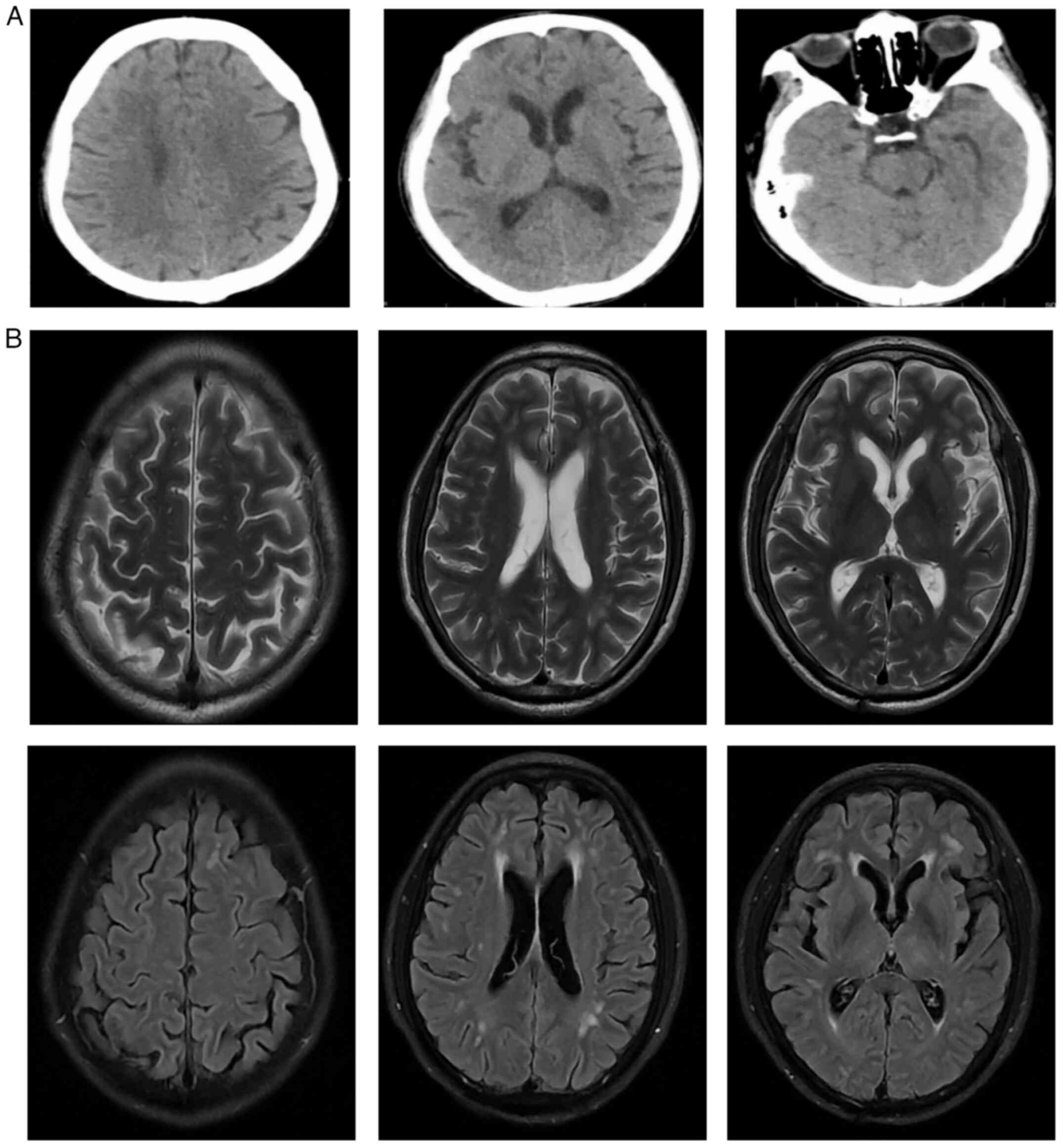
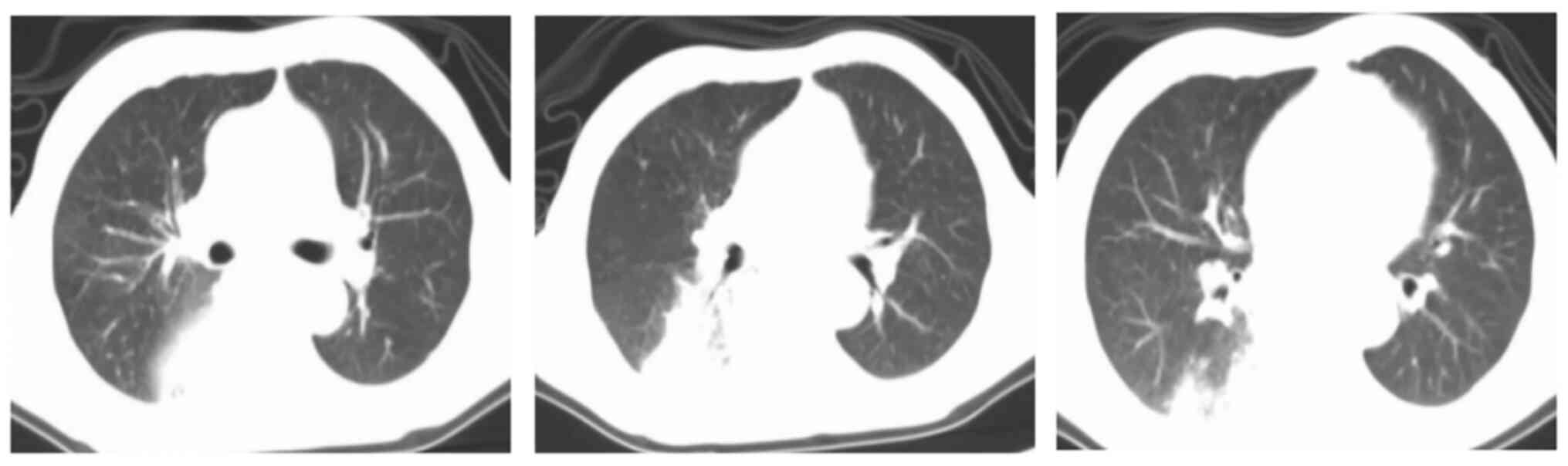
A 60-year-old male patient was admitted to the Affiliated Changsha Central Hospital (Hunan, China) in January 2021, due to recurrent fevers for three weeks and headache for one week. Three weeks before, after working in the mountains, the patient experienced recurrent fevers (up to 39.4˚C), muscle soreness, yellowish skin and sclera, oliguria and hepatosplenomegaly. The blood laboratory results showed leukocytosis, thrombocytopenia and elevated levels of direct bilirubin, aspartate aminotransferase, alanine aminotransferase, creatinine and calcitoninogen. No abnormality was found in the cranial computed tomography (CT) and magnetic resonance imaging (MRI; Fig. 1). The chest CT showed infection in the right lung (Fig. 2). Subsequently, the patient developed multiple organ failures and after receiving antibiotics, methylprednisolone pulse therapy (500 mg/day for 3 days) and intravenous immunoglobulins, did not improve significantly. Subsequently, scrub typhus was suspected with based on field activities, positive Weil-Felix reaction (Oxk value=1:160), positive PCR nucleic acid test, hepatosplenomegaly and blood routine/biochemistry. As a result, the patient was treated with doxycycline and made a full recovery.

Figure 1

Cranial imaging examination. The initial normal cranial (A) CT and (B) MRI. CT, computed tomography; MRI, magnetic resonance imaging.

Figure 2

The initial chest CT showed infection in the right lung. CT, computed tomography.

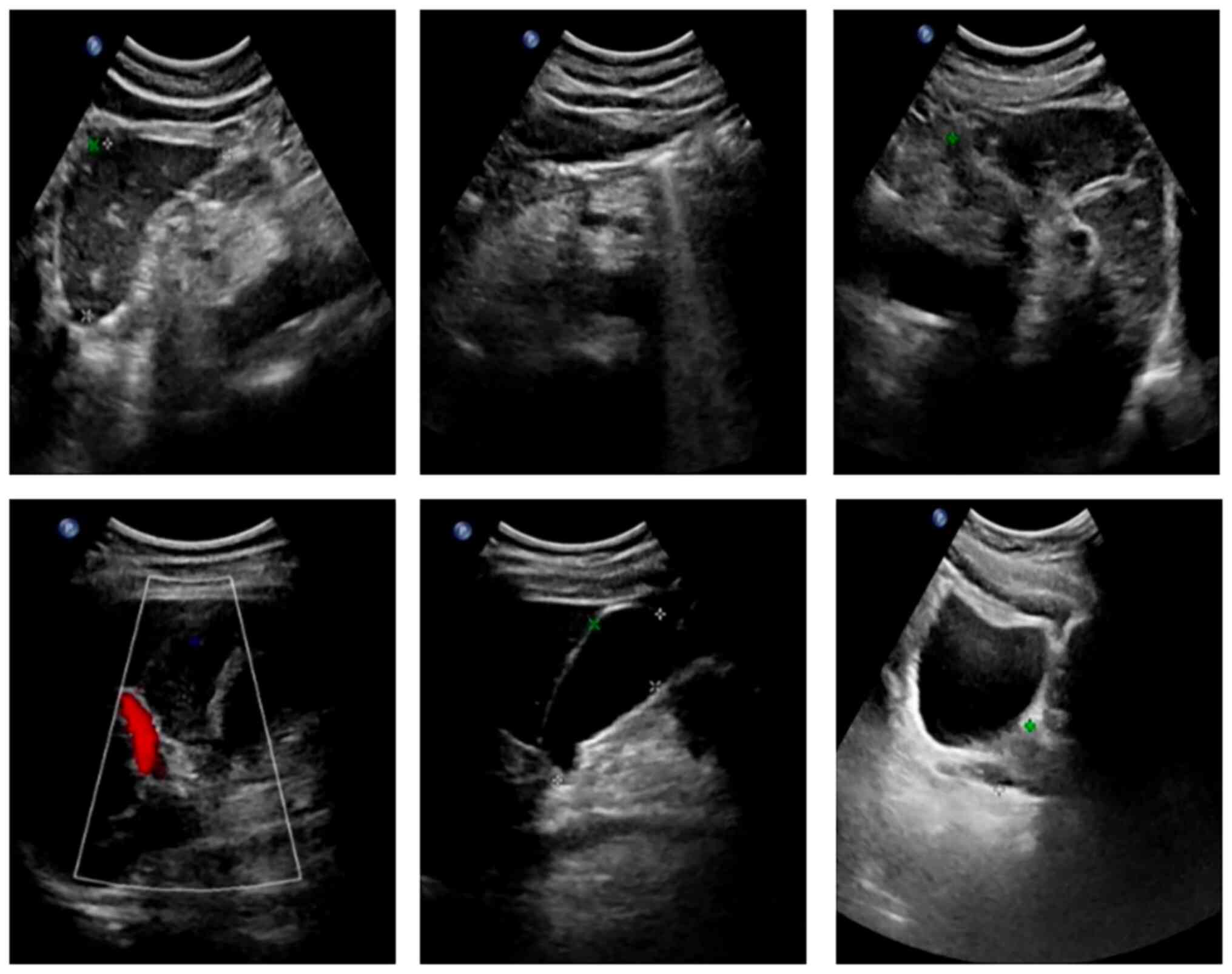
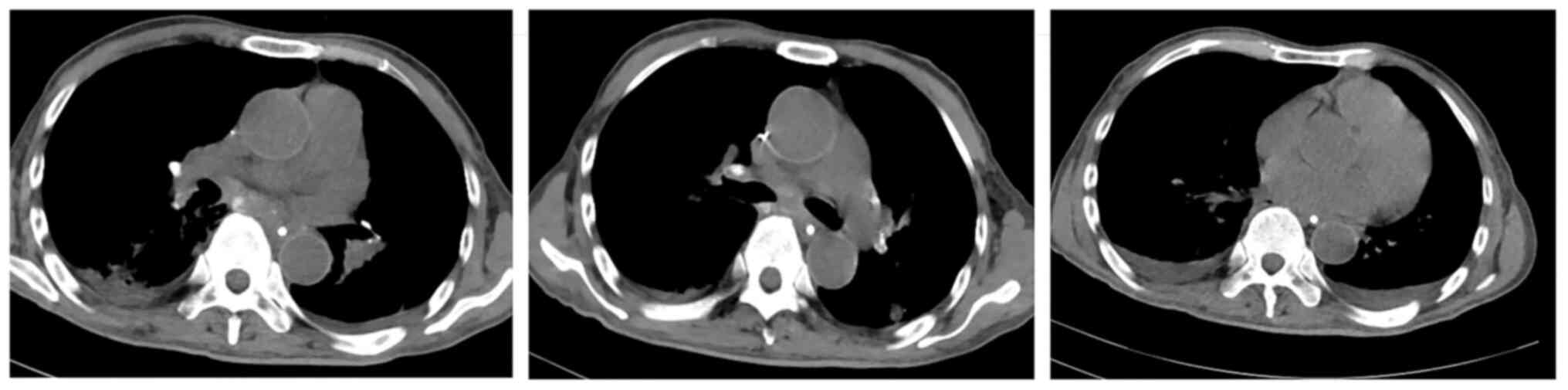
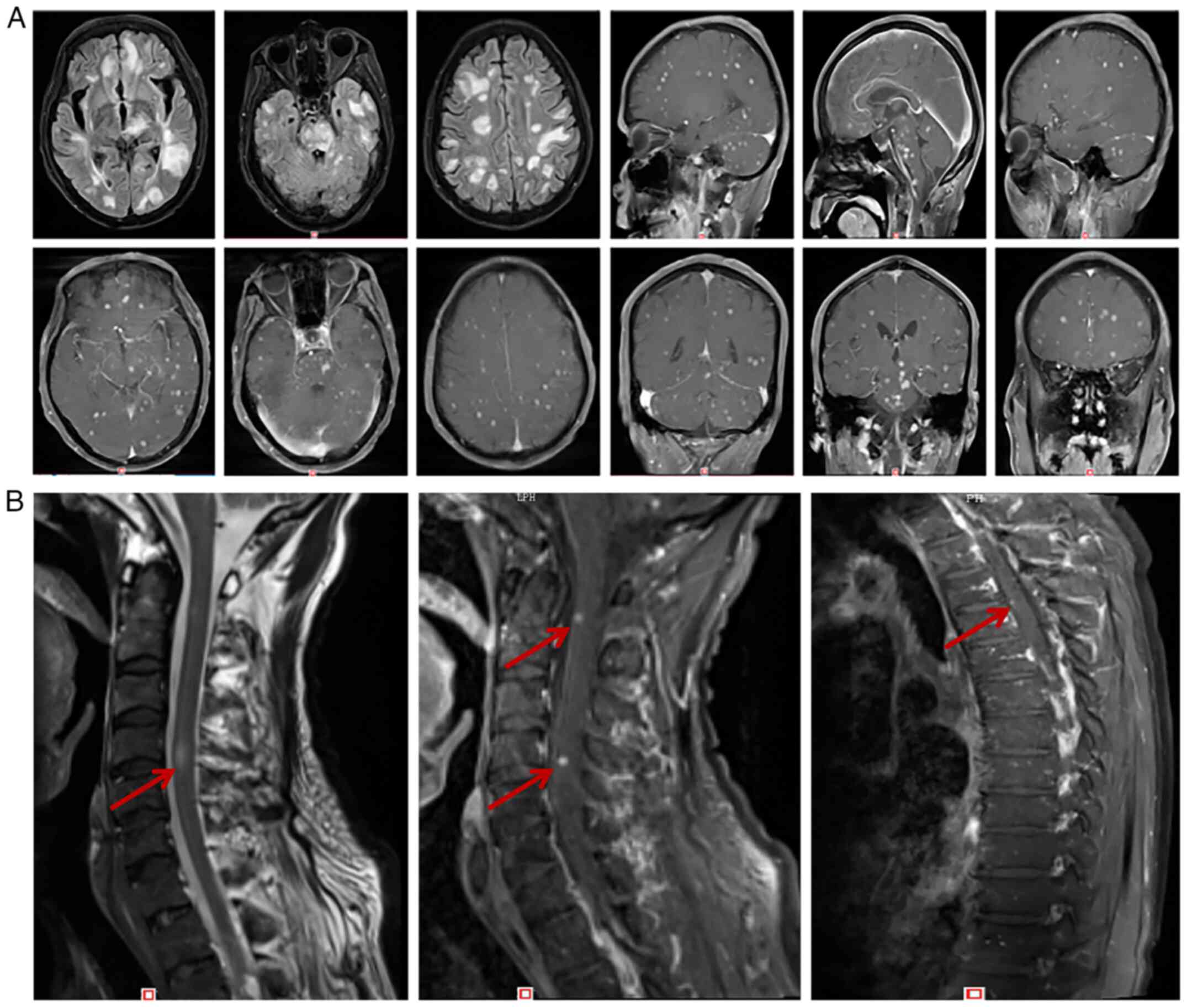
Half a month after discharge from the hospital, the patient had persistent severe headache without obvious cause, accompanied by night sweats, anorexia and significant weight loss. The patient had a history of tuberculosis exposure. Lumbar puncture revealed intracranial hypotension (50 mmH2O after mannitol administration), elevation leukocyte count and protein (1,204 mg/l), as well as a decrease in glucose (0.76 mmol/l) and chloride (112.8 mmol/l). CSF for antibodies to Mycobacterium tuberculosis (December 2020) and T-SPOT four days later (December 2020) were positive. At the time of admission in January 2021, the patient had memory loss, inability to walk independently, weak limb muscle strength (4/5) and meningeal irritation. There were no abnormalities in blood routine test, liver or renal function, erythrocyte sedimentation rate, C-reactive protein. Ultrasounds of the liver, pancreas, spleen, renal and bladder were normal (Fig. 3). The skin tuberculin test was negative. The changes in the CSF are shown in Table I. Xpert MTB/RIF was negative in the CSF in January 2021. Metagenomic next-generation sequencing detected the presence of Mycobacterium tuberculosis complex with 17 sequence copies in the CSF on the same day. Fibreoptic bronchoscopy showed severe purulent secretion in the trachea and the left and right main bronchi. The absence of Mycobacterium tuberculosis in bronchoalveolar lavage and blood was detected by macrogenomics next generation sequencing (mNGS). Repeated CT of the chest revealed infection in both lungs and multiple small calcifications in the hilar and mediastinum (Fig. 4). MRI of the brain and spinal cord (December 2020) showed multiple rings enhancing lesions in cerebral hemispheres, the cerebellum, the brain stem and spinal cords (at the C2, C4, C5 and T3 levels) with perilesional edema (Fig. 5). The patient was diagnosed with disseminated CNS tuberculoma based on the typical MRI findings, medical history and CSF results. The patient was orally treated with rifampicin 450 mg qd, isoniazid 600 mg qd, pyrazinamide 1,250 mg qod, ethambutol 750 mg qd and moxifloxacin 400 mg qd. The patient had a good response to anti-tuberculosis treatment as shown in the CSF data (Table I).

Figure 3

Abdominal ultrasound showed normal.

Figure 4

CT scan of chest showed bilateral pleural effusion, along with multiple small calcifications in the hilar and mediastinum. CT, computed tomography.

Figure 5

The changes of MRI T2-Flair MRI and T1 enhanced sequence of the brain (axial, sagittal and coronal) revealed (A) multiple round like abnormal signals of different sizes in both cerebral hemispheres, the cerebellum and brain stem. (B) Lesion showed ring-like or nodular enhancement with clear boundaries and patchy edema signals around. T2 and T1 enhanced MRI sequence of cervical and thoracic spine showed C2, C4-C5 and T3 level ring enhancing lesions with perilesional edema. MRI, magnetic resonance imaging; CT, computed tomography.

Table I

The routine and biochemical changes of cerebrospinal fluid.

Table I

The routine and biochemical changes of cerebrospinal fluid.

DateAppearancePressure (80-180 mmH2O)Cell counts (0-5x10⁶/l)Glucose (2.5-4.4 mmol/l)Chloride (120-130 mmol/l)Protein (0.15-0.45 g/l)
December 13, 2020Yellowish503840.76112.81.204
December 2020 (8 days later)Yellowish1003230.92110.41.281
January 2021 (25 days later)Transparent82342.08120.51.05
January 2021 (7 days later)Transparent82202.85117.70.99
January 2021 (6 days later)Transparent105342.64121.20.88
July 2021 (5 months later)Transparent11003.24125.60.433

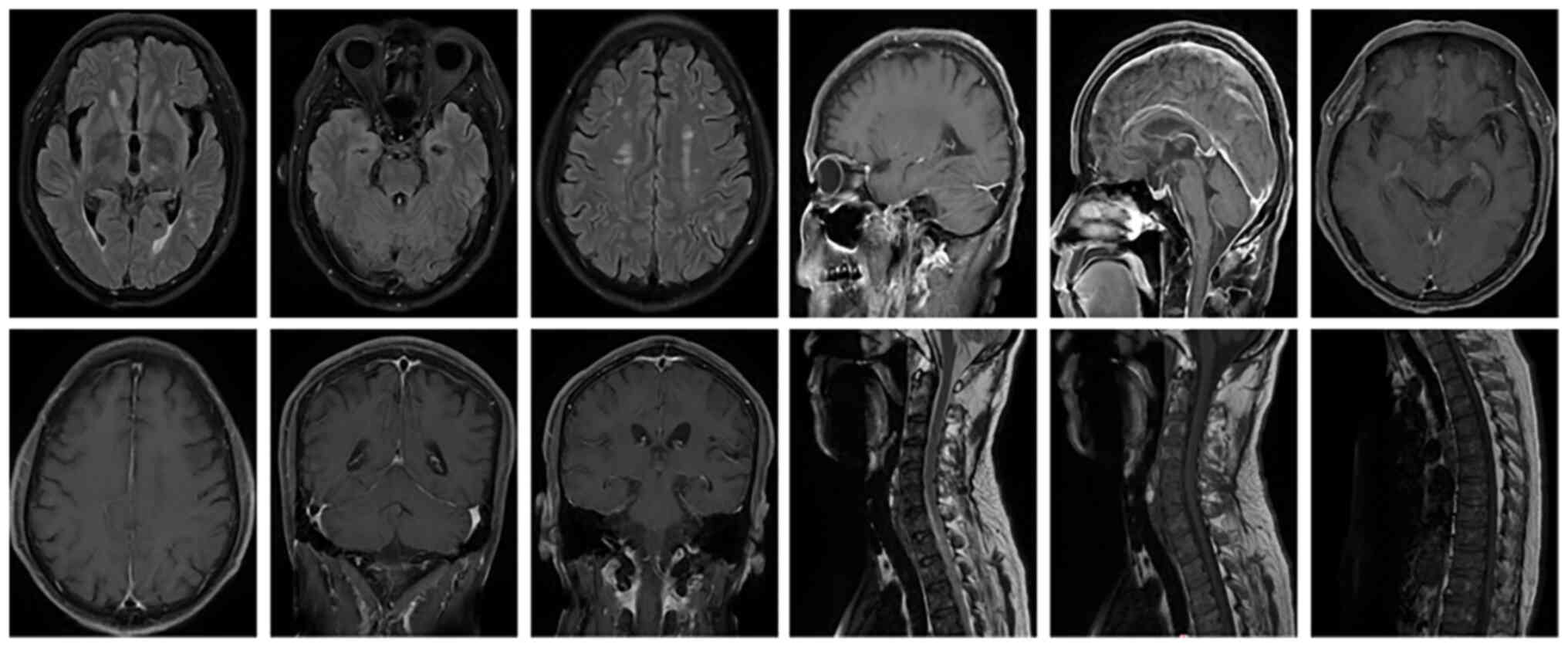
The patient came for a follow-up visit in July 2021. Although the patient's reactions remained a bit slow, memory had improved and the patient could walk independently. The results of lumbar puncture are shown in Table I and the results of MRI of the brain and spinal cord shown in Fig. 6. TB-DNA in CSF (July 2021) was negative while T-SPOT on the same day was positive. The clinical manifestations and related examination results indicated that the patient had a good prognosis.

Figure 6

The changes of MRI T2-Flair MRI and T1 enhanced sequence of the brain (axial, sagittal and coronal) revealed significantly fewer abnormal signals than before. MRI of cervical and thoracic spinal cord showed no abnormalities. MRI, magnetic resonance imaging.

Discussion

Scrub typhus is an acute febrile disease caused by Orientia tsutsugamushi. It spreads in the form of bites from mite larvae (7). Tuberculosis of the CNS is secondary to the blood transmission of distant lesions, such as tuberculosis infection of the lungs. Intracranial tuberculoma tend to be located in the areas of the brain with the richest blood flow, such as the brain parenchyma, subcortex and basal part of the brain. Few cases have been reported with combined intramedullary and intracranial tuberculomas (4,8). Active CNS tuberculosis is associated with immunodeficiency, malnutrition, malignant tumors and alcoholism.

In the present case, the patient's alveolar lavage fluid smear was negative. Although the chest CT revealed multiple small calcifications in the hilar and mediastinum, there was no clear evidence of extra-neural tuberculosis or immunosuppression, which suggested primary neurotuberculosis in the patient. One-third of neurotuberculosis cases have been reported to have no evidence of extra-neural tuberculosis. In the present case, the diagnosis of CNS tuberculoma was based primarily on CSF biochemistry, MRI findings and mNGS. The MRI showed multiple round-like abnormal signal shadows of varying sizes in the brain. The lesions showed ring-like or nodular enhancement with clear boundaries surrounded by patchy edema signals. The imaging presentation were consistent with the characteristics of tuberculoma. T2 of Cervical thoracolumbar showed multiple patches of high signal in the spinal cord and the enhancement scan showed multiple nodules with obvious enhancement, which was consistent with the manifestations of spinal cord tuberculosis. Following anti-tuberculosis treatment, the patient's symptoms improved significantly.

The diagnosis of scrub typhus can be made based on the history of the patient, clinical features, serological tests and clinical efficacy. Doxycycline is the drug of choice for the treatment of scrub typhus. The rate of misdiagnosis has been rising due to an increase in atypical cases; most patients succumb to organ failure. In the present patient, there were no obvious manifestations of tuberculosis or MRI abnormalities during the period of scrub typhus. Previous literature found meningitis or meningoencephalitis in some patients during treatment with doxycycline (5,6), which may be related to the difficulty of doxycycline in crossing the blood-brain barrier and resistance to the drug (9). Valappil et al (10) reported diagnostic differences between tuberculous meningitis and typhus meningitis. However, this differs from reports of scrub typhus meningoencephalitis (11,12), in which our develops intracranial and intramedullary tuberculoma following a complete recovery from scrub typhus. The patient had a history of exposure to tuberculosis, but it was not until the patient was suspected of having scrub typhus signs of tuberculosis were observed. It was hypothesized that it may be related to high-dose hormone treatment (methylprednisolone pulse therapy 500 mg/day), decreased immunity and malnutrition. Under these conditions, patients are susceptible to tuberculosis (13). Studies have shown that Orientia tsutsugamushi can invade the CNS leading to vasculitis, meningitis and myelitis (14,15). Thus, tuberculous meningitis may accompany scrub typhus.

The differential diagnosis of CNS tuberculomas includes cerebral cysticercosis, cerebral abscesses and neoplastic lesions such as astrocytomas, metastases, or lymphoma. Sometimes, atypical CNS tuberculosis should be differentiated from scrub typhus. In this case, clinical and imaging features combined with the CSF findings were suggestive of tuberculous. The patient improved and was discharged on the basis of early, conventional and combination therapy.

Scrub typhus is not uncommon in patients with meningitis and encephalitis. However, few patients develop CNS tuberculoma after typhus treatment. It is rare for patients to have a concomitant presentation of intracranial and intramedullary tuberculosis. In the absence of typical clinical features, scrub typhus and tuberculoma are difficult to diagnose, but in our experience, it is very important to recognize them as quickly and effectively as possible and to treat them appropriately.

Acknowledgements

Not applicable.

Funding

Funding: No funding was received.

Availability of data and materials

The data generated in the present study are included in the figures and/or tables of this article. The mNGS data from this study was deposited with the following link: https://www.ncbi.nlm.nih.gov/sra/PRJNA1073041.

Authors' contributions

YY was a major contributor in writing the manuscript under the guidance of GH. YY and GH confirm the authenticity of all the raw data. Both authors read and approved the final manuscript.

Ethics approval and consent to participate

Written informed consent was obtained from the patients or patient's children for publication of this paper and any accompanying images.

Patient consent for publication

Not applicable.

Competing interests

The authors declare that they have no competing interests.

References

1 

Phillips A, Aggarwal GR, Mittal V and Singh G: Central and peripheral nervous system involvement in a patient with scrub infection. Ann Indian Acad Neurol. 21:318–321. 2018.PubMed/NCBI View Article : Google Scholar

2 

Vivekanandan M, Mani A, Priya YS, Singh AP, Jayakumar S and Purty S: Outbreak of scrub typhus in Pondicherry. J Assoc Physicians India. 58:24–28. 2010.PubMed/NCBI

3 

Saifudheen K, Kumar KG, Jose J, Veena V and Gafoor VA: First case of scrub typhus with meningoencephalitis from Kerala: An emerging infectious threat. Ann Indian Acad Neurol. 15:141–144. 2012.PubMed/NCBI View Article : Google Scholar

4 

Lee DY, Kim SP and Kim IS: Coexistence of spinal intramedullary tuberculoma and multiple intracranial tuberculomas. Korean J Spine. 12:99–102. 2015.PubMed/NCBI View Article : Google Scholar

5 

Kim DM, Kim YS, Cho HY and Lee YB: Scrub typhus meningoencephalitis occurring during doxycycline therapy for Orientia tsutsugamushi. Diagn Microbiol Infect Dis. 69:271–274. 2011.PubMed/NCBI View Article : Google Scholar

6 

Kim DM, Chung JH, Yun NR, Kim SW, Lee JY, Han MA and Lee YB: Scrub typhus meningitis or meningoencephalitis. Am J Trop Med Hyg. 89:1206–1211. 2013.PubMed/NCBI View Article : Google Scholar

7 

Weitzel T, Dittrich S, López J, Phuklia W, Martinez-Valdebenito C, Velásquez K, Blacksell SD, Paris DH and Abarca K: Endemic scrub typhus in South America. N Engl J Med. 375:954–961. 2016.PubMed/NCBI View Article : Google Scholar

8 

Jaiswal M, Gandhi A, Purohit D and Mittal RS: Concurrent multiple intracranial and intramedullary conus tuberculoma: A rare case report. Asian J Neurosurg. 12:331–333. 2017.PubMed/NCBI View Article : Google Scholar

9 

Vallejo-Maroto I, García-Morillo S, Wittel MB, Stiefel P, Miranda M, Pamies E, Aparicio R and Carneado J: Aseptic meningitis as a delayed neurologic complication of murine typhus. Clin Microbiol Infect. 8:826–827. 2002.PubMed/NCBI View Article : Google Scholar

10 

Valappil AV, Thiruvoth S, Peedikayil JM, Raghunath P and Thekkedath M: Differential diagnosis of scrub typhus meningitis from tuberculous meningitis using clinical and laboratory features. Clin Neurol Neurosurg. 163:76–80. 2017.PubMed/NCBI View Article : Google Scholar

11 

Upadhyaya A, Alam MR, Raeen AA, Upadhyaya S, Pathania M, Upadhyaya S and Sivanu K: Scrub typhus meningoencephalitis: An overlooked entity. Cureus. 14(e28989)2022.PubMed/NCBI View Article : Google Scholar

12 

Acharya A and Bhattarai T: Meningoencephalitis: A rare presentation of scrub typhus. Cureus. 14(e29597)2022.PubMed/NCBI View Article : Google Scholar

13 

Miravitlles M, Auladell-Rispau A, Monteagudo M, Vázquez-Niebla JC, Mohammed J, Nuñez A and Urrútia G: Systematic review on long-term adverse effects of inhaled corticosteroids in the treatment of COPD. Eur Respir Rev. 30(210075)2021.PubMed/NCBI View Article : Google Scholar

14 

Sharma S, Panda S, Tiwari S, Patel A and Jain V: Chronic encephalopathy and locked-in state due to scrub typhus related CNS vasculitis. J Neuroimmunol. 346(577303)2020.PubMed/NCBI View Article : Google Scholar

15 

Basu S and Chakravarty A: Neurological manifestations of scrub typhus. Curr Neurol Neurosci Rep. 22:491–498. 2022.PubMed/NCBI View Article : Google Scholar

Related Articles

  • Abstract
  • View
  • Download
  • Twitter
Copy and paste a formatted citation
Spandidos Publications style
Yu Y and He G: Disseminated central nervous system tuberculoma in a patient with scrub typhus: A case report. Exp Ther Med 27: 260, 2024.
APA
Yu, Y., & He, G. (2024). Disseminated central nervous system tuberculoma in a patient with scrub typhus: A case report. Experimental and Therapeutic Medicine, 27, 260. https://doi.org/10.3892/etm.2024.12548
MLA
Yu, Y., He, G."Disseminated central nervous system tuberculoma in a patient with scrub typhus: A case report". Experimental and Therapeutic Medicine 27.6 (2024): 260.
Chicago
Yu, Y., He, G."Disseminated central nervous system tuberculoma in a patient with scrub typhus: A case report". Experimental and Therapeutic Medicine 27, no. 6 (2024): 260. https://doi.org/10.3892/etm.2024.12548
Copy and paste a formatted citation
x
Spandidos Publications style
Yu Y and He G: Disseminated central nervous system tuberculoma in a patient with scrub typhus: A case report. Exp Ther Med 27: 260, 2024.
APA
Yu, Y., & He, G. (2024). Disseminated central nervous system tuberculoma in a patient with scrub typhus: A case report. Experimental and Therapeutic Medicine, 27, 260. https://doi.org/10.3892/etm.2024.12548
MLA
Yu, Y., He, G."Disseminated central nervous system tuberculoma in a patient with scrub typhus: A case report". Experimental and Therapeutic Medicine 27.6 (2024): 260.
Chicago
Yu, Y., He, G."Disseminated central nervous system tuberculoma in a patient with scrub typhus: A case report". Experimental and Therapeutic Medicine 27, no. 6 (2024): 260. https://doi.org/10.3892/etm.2024.12548
Follow us
  • Twitter
  • LinkedIn
  • Facebook
About
  • Spandidos Publications
  • Careers
  • Cookie Policy
  • Privacy Policy
How can we help?
  • Help
  • Live Chat
  • Contact
  • Email to our Support Team