Spandidos Publications Logo
  • About
    • About Spandidos
    • Aims and Scopes
    • Abstracting and Indexing
    • Editorial Policies
    • Reprints and Permissions
    • Job Opportunities
    • Terms and Conditions
    • Contact
  • Journals
    • All Journals
    • Oncology Letters
      • Oncology Letters
      • Information for Authors
      • Editorial Policies
      • Editorial Board
      • Aims and Scope
      • Abstracting and Indexing
      • Bibliographic Information
      • Archive
    • International Journal of Oncology
      • International Journal of Oncology
      • Information for Authors
      • Editorial Policies
      • Editorial Board
      • Aims and Scope
      • Abstracting and Indexing
      • Bibliographic Information
      • Archive
    • Molecular and Clinical Oncology
      • Molecular and Clinical Oncology
      • Information for Authors
      • Editorial Policies
      • Editorial Board
      • Aims and Scope
      • Abstracting and Indexing
      • Bibliographic Information
      • Archive
    • Experimental and Therapeutic Medicine
      • Experimental and Therapeutic Medicine
      • Information for Authors
      • Editorial Policies
      • Editorial Board
      • Aims and Scope
      • Abstracting and Indexing
      • Bibliographic Information
      • Archive
    • International Journal of Molecular Medicine
      • International Journal of Molecular Medicine
      • Information for Authors
      • Editorial Policies
      • Editorial Board
      • Aims and Scope
      • Abstracting and Indexing
      • Bibliographic Information
      • Archive
    • Biomedical Reports
      • Biomedical Reports
      • Information for Authors
      • Editorial Policies
      • Editorial Board
      • Aims and Scope
      • Abstracting and Indexing
      • Bibliographic Information
      • Archive
    • Oncology Reports
      • Oncology Reports
      • Information for Authors
      • Editorial Policies
      • Editorial Board
      • Aims and Scope
      • Abstracting and Indexing
      • Bibliographic Information
      • Archive
    • Molecular Medicine Reports
      • Molecular Medicine Reports
      • Information for Authors
      • Editorial Policies
      • Editorial Board
      • Aims and Scope
      • Abstracting and Indexing
      • Bibliographic Information
      • Archive
    • World Academy of Sciences Journal
      • World Academy of Sciences Journal
      • Information for Authors
      • Editorial Policies
      • Editorial Board
      • Aims and Scope
      • Abstracting and Indexing
      • Bibliographic Information
      • Archive
    • International Journal of Functional Nutrition
      • International Journal of Functional Nutrition
      • Information for Authors
      • Editorial Policies
      • Editorial Board
      • Aims and Scope
      • Abstracting and Indexing
      • Bibliographic Information
      • Archive
    • International Journal of Epigenetics
      • International Journal of Epigenetics
      • Information for Authors
      • Editorial Policies
      • Editorial Board
      • Aims and Scope
      • Abstracting and Indexing
      • Bibliographic Information
      • Archive
    • Medicine International
      • Medicine International
      • Information for Authors
      • Editorial Policies
      • Editorial Board
      • Aims and Scope
      • Abstracting and Indexing
      • Bibliographic Information
      • Archive
  • Articles
  • Information
    • Information for Authors
    • Information for Reviewers
    • Information for Librarians
    • Information for Advertisers
    • Conferences
  • Language Editing
Spandidos Publications Logo
  • About
    • About Spandidos
    • Aims and Scopes
    • Abstracting and Indexing
    • Editorial Policies
    • Reprints and Permissions
    • Job Opportunities
    • Terms and Conditions
    • Contact
  • Journals
    • All Journals
    • Biomedical Reports
      • Information for Authors
      • Editorial Policies
      • Editorial Board
      • Aims and Scope
      • Abstracting and Indexing
      • Bibliographic Information
      • Archive
    • Experimental and Therapeutic Medicine
      • Information for Authors
      • Editorial Policies
      • Editorial Board
      • Aims and Scope
      • Abstracting and Indexing
      • Bibliographic Information
      • Archive
    • International Journal of Epigenetics
      • Information for Authors
      • Editorial Policies
      • Editorial Board
      • Aims and Scope
      • Abstracting and Indexing
      • Bibliographic Information
      • Archive
    • International Journal of Functional Nutrition
      • Information for Authors
      • Editorial Policies
      • Editorial Board
      • Aims and Scope
      • Abstracting and Indexing
      • Bibliographic Information
      • Archive
    • International Journal of Molecular Medicine
      • Information for Authors
      • Editorial Policies
      • Editorial Board
      • Aims and Scope
      • Abstracting and Indexing
      • Bibliographic Information
      • Archive
    • International Journal of Oncology
      • Information for Authors
      • Editorial Policies
      • Editorial Board
      • Aims and Scope
      • Abstracting and Indexing
      • Bibliographic Information
      • Archive
    • Medicine International
      • Information for Authors
      • Editorial Policies
      • Editorial Board
      • Aims and Scope
      • Abstracting and Indexing
      • Bibliographic Information
      • Archive
    • Molecular and Clinical Oncology
      • Information for Authors
      • Editorial Policies
      • Editorial Board
      • Aims and Scope
      • Abstracting and Indexing
      • Bibliographic Information
      • Archive
    • Molecular Medicine Reports
      • Information for Authors
      • Editorial Policies
      • Editorial Board
      • Aims and Scope
      • Abstracting and Indexing
      • Bibliographic Information
      • Archive
    • Oncology Letters
      • Information for Authors
      • Editorial Policies
      • Editorial Board
      • Aims and Scope
      • Abstracting and Indexing
      • Bibliographic Information
      • Archive
    • Oncology Reports
      • Information for Authors
      • Editorial Policies
      • Editorial Board
      • Aims and Scope
      • Abstracting and Indexing
      • Bibliographic Information
      • Archive
    • World Academy of Sciences Journal
      • Information for Authors
      • Editorial Policies
      • Editorial Board
      • Aims and Scope
      • Abstracting and Indexing
      • Bibliographic Information
      • Archive
  • Articles
  • Information
    • For Authors
    • For Reviewers
    • For Librarians
    • For Advertisers
    • Conferences
  • Language Editing
Login Register Submit
  • This site uses cookies
  • You can change your cookie settings at any time by following the instructions in our Cookie Policy. To find out more, you may read our Privacy Policy.

    I agree
Search articles by DOI, keyword, author or affiliation
Search
Advanced Search
presentation
Experimental and Therapeutic Medicine
Join Editorial Board Propose a Special Issue
Print ISSN: 1792-0981 Online ISSN: 1792-1015
Journal Cover
August-2016 Volume 12 Issue 2

Full Size Image

Sign up for eToc alerts
Recommend to Library

Journals

International Journal of Molecular Medicine

International Journal of Molecular Medicine

International Journal of Molecular Medicine is an international journal devoted to molecular mechanisms of human disease.

International Journal of Oncology

International Journal of Oncology

International Journal of Oncology is an international journal devoted to oncology research and cancer treatment.

Molecular Medicine Reports

Molecular Medicine Reports

Covers molecular medicine topics such as pharmacology, pathology, genetics, neuroscience, infectious diseases, molecular cardiology, and molecular surgery.

Oncology Reports

Oncology Reports

Oncology Reports is an international journal devoted to fundamental and applied research in Oncology.

Experimental and Therapeutic Medicine

Experimental and Therapeutic Medicine

Experimental and Therapeutic Medicine is an international journal devoted to laboratory and clinical medicine.

Oncology Letters

Oncology Letters

Oncology Letters is an international journal devoted to Experimental and Clinical Oncology.

Biomedical Reports

Biomedical Reports

Explores a wide range of biological and medical fields, including pharmacology, genetics, microbiology, neuroscience, and molecular cardiology.

Molecular and Clinical Oncology

Molecular and Clinical Oncology

International journal addressing all aspects of oncology research, from tumorigenesis and oncogenes to chemotherapy and metastasis.

World Academy of Sciences Journal

World Academy of Sciences Journal

Multidisciplinary open-access journal spanning biochemistry, genetics, neuroscience, environmental health, and synthetic biology.

International Journal of Functional Nutrition

International Journal of Functional Nutrition

Open-access journal combining biochemistry, pharmacology, immunology, and genetics to advance health through functional nutrition.

International Journal of Epigenetics

International Journal of Epigenetics

Publishes open-access research on using epigenetics to advance understanding and treatment of human disease.

Medicine International

Medicine International

An International Open Access Journal Devoted to General Medicine.

Journal Cover
August-2016 Volume 12 Issue 2

Full Size Image

Sign up for eToc alerts
Recommend to Library

  • Article
  • Citations
    • Cite This Article
    • Download Citation
    • Create Citation Alert
    • Remove Citation Alert
    • Cited By
  • Similar Articles
    • Related Articles (in Spandidos Publications)
    • Similar Articles (Google Scholar)
    • Similar Articles (PubMed)
  • Download PDF
  • Download XML
  • View XML
Article

Resveratrol inhibits doxorubicin‑induced cardiotoxicity via sirtuin 1 activation in H9c2 cardiomyocytes

  • Authors:
    • Mi‑Hua Liu
    • Jian Shan
    • Jian Li
    • Yuan Zhang
    • Xiao‑Long Lin
  • View Affiliations / Copyright

    Affiliations: Department of Clinical Laboratory, Affiliated Nanhua Hospital, University of South China, Hengyang, Hunan 421001, P.R. China, Department of Pathology, Zhongshan Torch Development Zone Hospital, Zhongshan, Guangdong 528437, P.R. China, Department of Ultrasonic Diagnosis, Bo'Ai Hospital of Zhongshan, Zhongshan, Guangdong 528403, P.R. China, Department of Pathology, Mawangdui Hospital, Changsha, Hunan 410016, P.R. China, Department of Pathology, The Third People's Hospital of Huizhou, Affiliated Huizhou Hospital of Guangzhou Medical University, Huizhou, Guangdong 516002, P.R. China
  • Pages: 1113-1118
    |
    Published online on: June 8, 2016
       https://doi.org/10.3892/etm.2016.3437
  • Expand metrics +
Metrics: Total Views: 0 (Spandidos Publications: | PMC Statistics: )
Metrics: Total PDF Downloads: 0 (Spandidos Publications: | PMC Statistics: )
Cited By (CrossRef): 0 citations Loading Articles...

This article is mentioned in:


Abstract

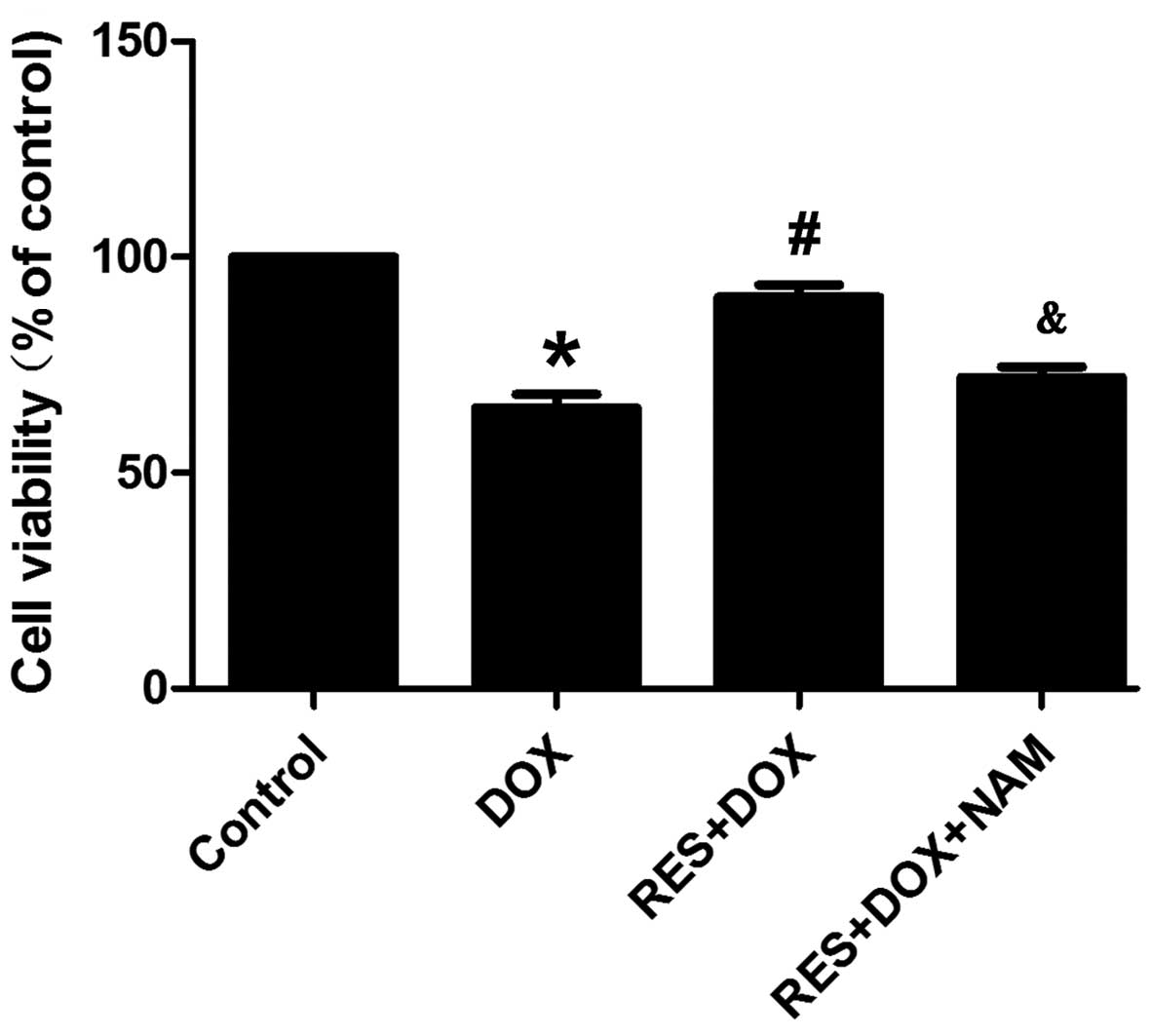
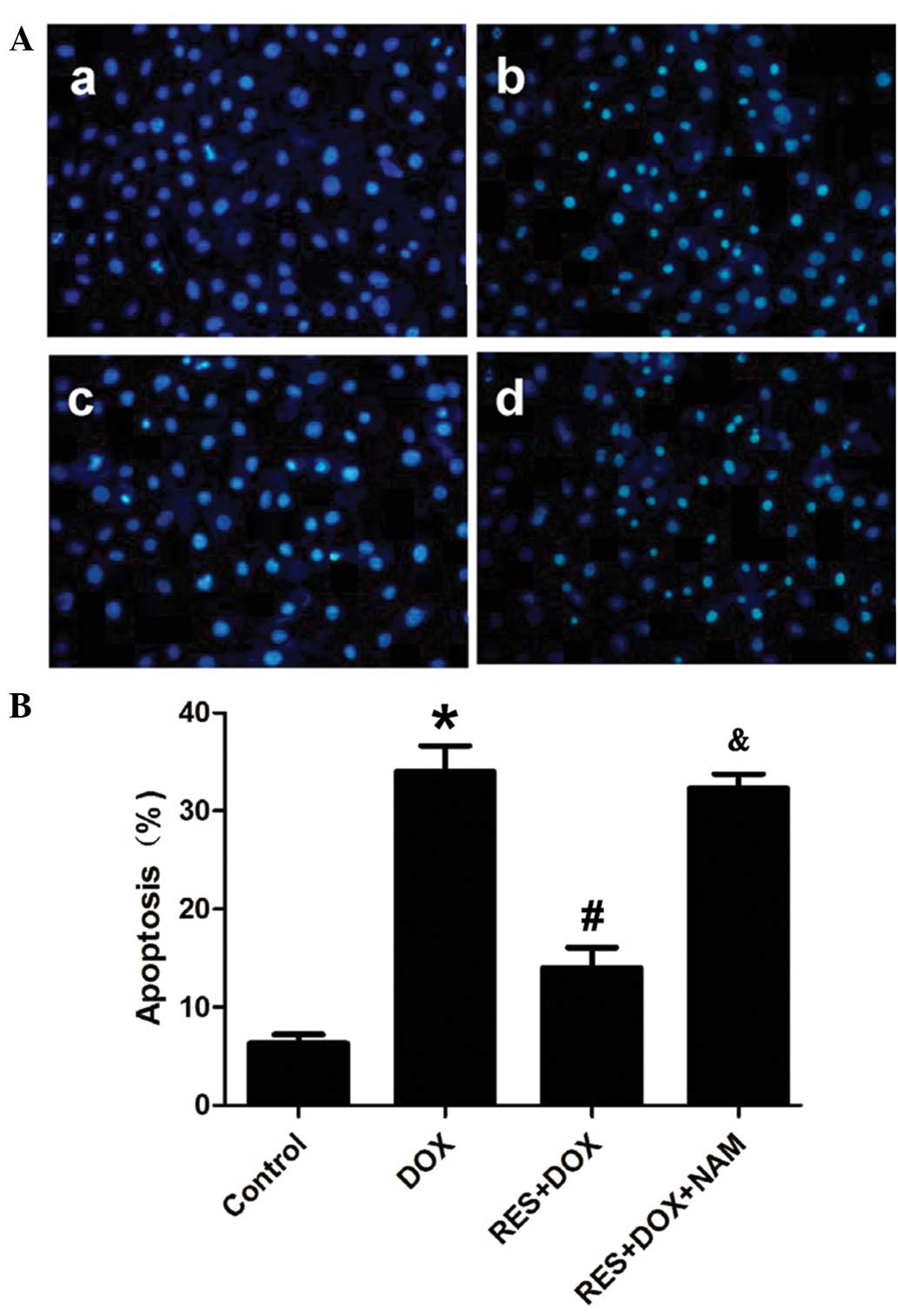
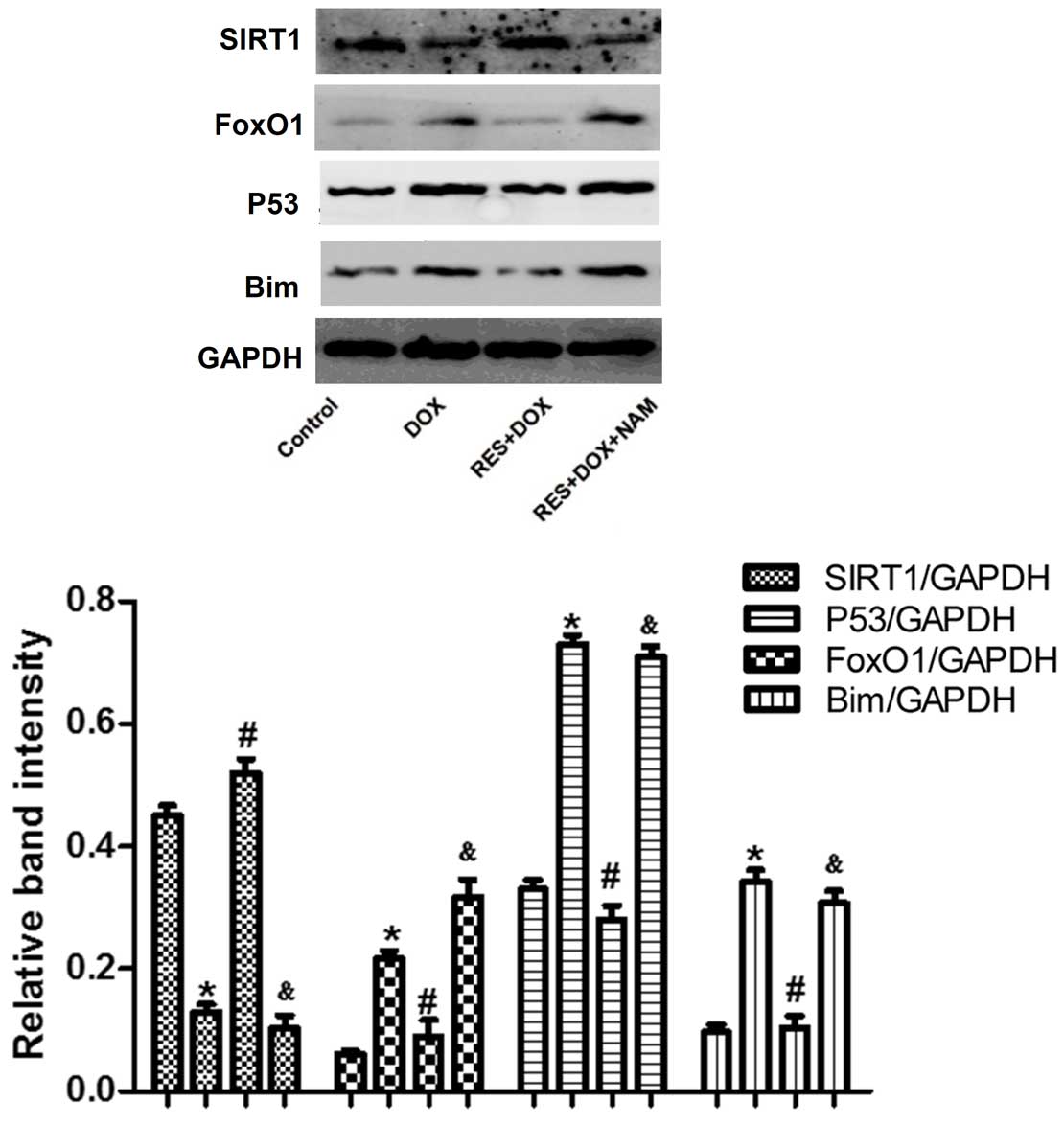
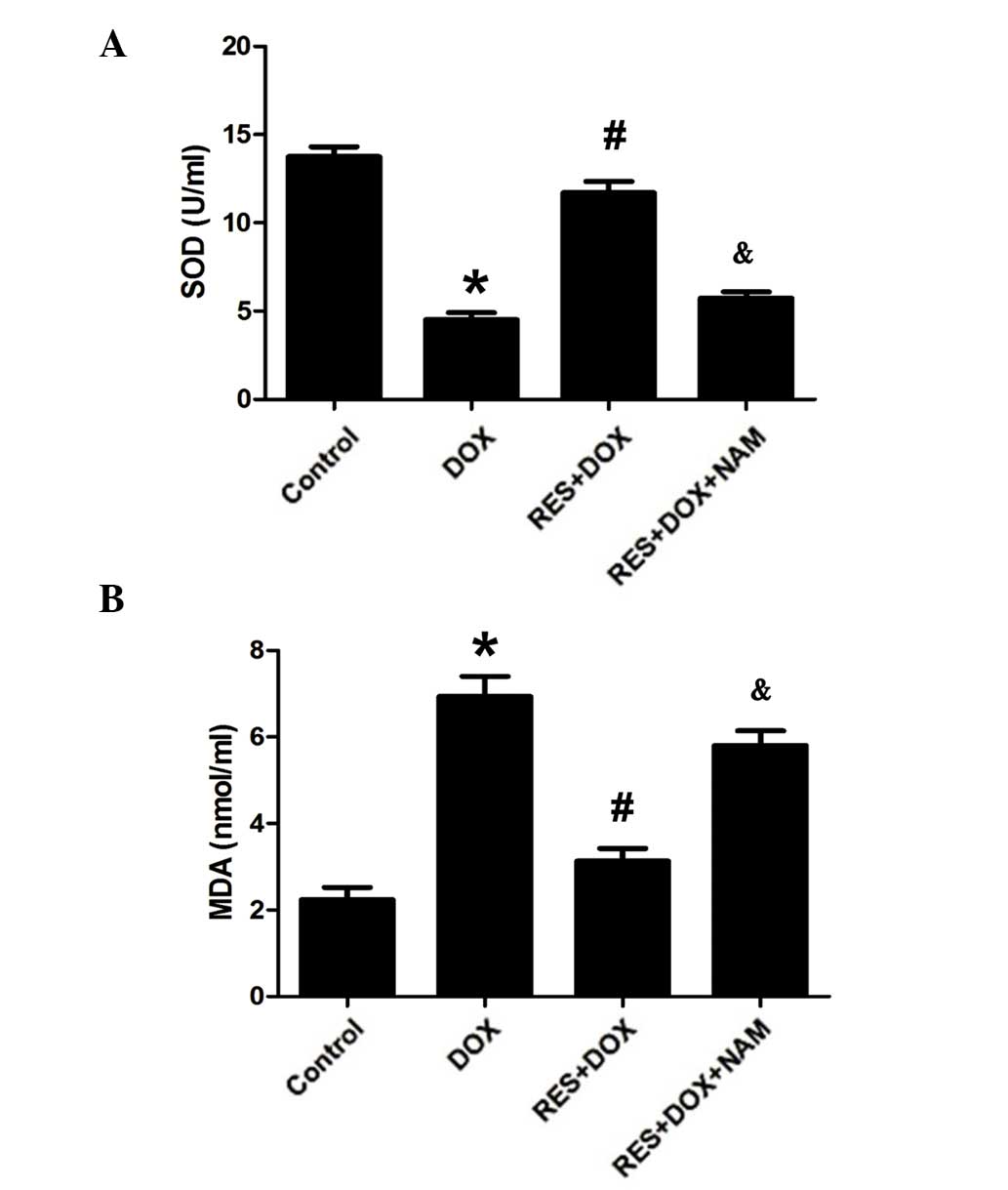
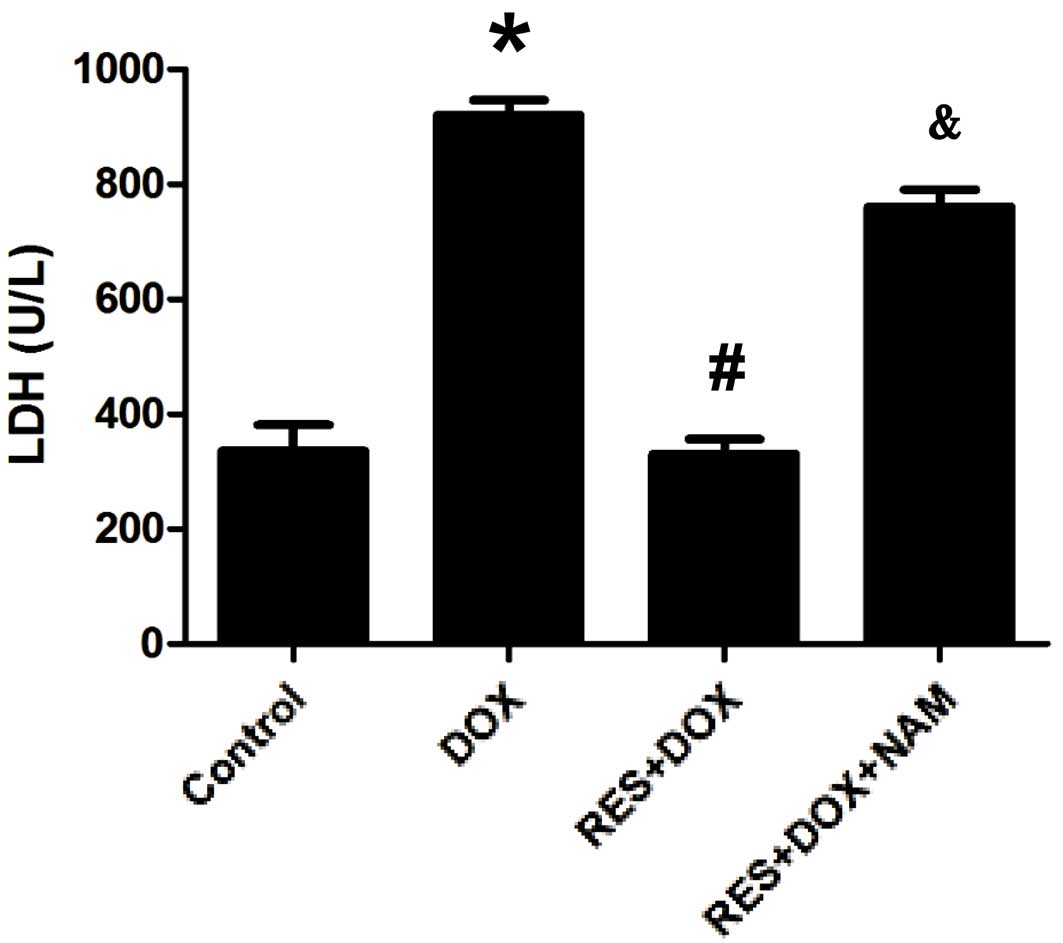
Doxorubicin (DOX) is an efficient drug used in cancer therapy; however, it can induce severe cytotoxicity, which limits its clinical application. In the present study, the effects of resveratrol (RES) on sirtuin 1 (SIRT1) activation in mediating DOX‑induced cytotoxicity in H9c2 cardiac cells was investigated. H9c2 cells were exposed to 5 µM DOX for 24 h to establish a model of DOX cardiotoxicity. Apoptosis of H9c2 cardiomyocytes was assessed using the MTT assay and Hoechst nuclear staining. The results demonstrated that pretreating H9c2 cells with RES prior to the exposure of DOX resulted in increased cell viability and a decreased quantity of apoptotic cells. Western blot analysis demonstrated that DOX decreased the expression level of SIRT1. These effects were significantly alleviated by co‑treatment with RES. In addition, the results demonstrated that DOX administration amplified forkhead box O1 (FoxO1) and P53 expression levels in H9c2 cells. RES was also found to protect against DOX‑induced increases of FoxO1 and P53 expression levels in H9c2 cells. Furthermore, the protective effects of RES were arrested by the SIRT1 inhibitor nicotinamide. In conclusion, the results demonstrated that RES protected H9c2 cells against DOX‑induced injuries via SIRT1 activation.
View Figures

Figure 1

Figure 2

Figure 3

Figure 4

Figure 5

Figure 6

Figure 7

View References

1 

Menna P, Recalcati S, Cairo G and Minotti G: An introduction to the metabolic determinants of anthracycline cardiotoxicity. Cardiovasc Toxicol. 7:80–85. 2007. View Article : Google Scholar : PubMed/NCBI

2 

Lipshultz SE, Karnik R, Sambatakos P, Franco VI, Ross SW and Miller TL: Anthracycline-related cardiotoxicity in childhood cancer survivors. Curr Opin Cardiol. 29:103–112. 2014. View Article : Google Scholar : PubMed/NCBI

3 

Spallarossa P, Garibaldi S, Altieri P, Fabbi P, Manca V, Nasti S, Rossettin P, Ghigliotti G, Ballestrero A, Patrone F, et al: Carvedilol prevents doxorubicin-induced free radical release and apoptosis in cardiomyocytes in vitro. J Mol Cell Cardiol. 37:837–846. 2004. View Article : Google Scholar : PubMed/NCBI

4 

Lee DH, Kim S and Nam KS: Protective effects of deep sea water against doxorubicin-induced cardiotoxicity in H9c2 cardiac muscle cells. Int J Oncol. 45:2569–2575. 2014.PubMed/NCBI

5 

Al-Harthi SE, Alarabi OM, Ramadan WS, Alaama MN, Al-Kreathy HM, Damanhouri ZA, Khan LM and Osman AM: Amelioration of doxorubicin-induced cardiotoxicity by resveratrol. Mol Med Rep. 10:1455–1460. 2014.PubMed/NCBI

6 

Goyal SN, Mahajan UB, Chandrayan G, Kumawat VS, Kamble S, Patil P, Agrawal YO, Patil CR and Ojha S: Protective effect of oleanolic acid on oxidative injury and cellular abnormalities in doxorubicin induced cardiac toxicity in rats. Am J Transl Res. 8:60–69. 2016.PubMed/NCBI

7 

Renaud J, Bournival J, Zottig X and Martinoli MG: Resveratrol protects DAergic PC12 cells from high glucose-induced oxidative stress and apoptosis: Effect on p53 and GRP75 localization. Neurotox Res. 25:110–123. 2014. View Article : Google Scholar : PubMed/NCBI

8 

Liu MH, Yuan C, He J, Tan TP, Wu SJ, Fu HY, Liu J, Yu S, Chen YD, Le QF, et al: Resveratrol protects PC12 cells from high glucose-induced neurotoxicity via PI3K/Akt/FoxO3a pathway. Cell Mol Neurobiol. 35:513–522. 2014. View Article : Google Scholar : PubMed/NCBI

9 

Tatlidede E, Sehirli O, Velioğlu-Oğünc A, Cetinel S, Yeğen BC, Yarat A, Süleymanoğlu S and Sener G: Resveratrol treatment protects against doxorubicin-induced cardiotoxicity by alleviating oxidative damage. Free Radic Res. 43:195–205. 2009. View Article : Google Scholar : PubMed/NCBI

10 

Shankar S, Singh G and Srivastava RK: Chemoprevention by resveratrol: Molecular mechanisms and therapeutic potential. Front Biosci. 12:4839–4854. 2007. View Article : Google Scholar : PubMed/NCBI

11 

Rezk YA, Balulad SS, Keller RS and Bennett JA: Use of resveratrol to improve the effectiveness of cisplatin and doxorubicin: Study in human gynecologic cancer cell lines and in rodent heart. Am J Obstet Gynecol. 194:e23–e26. 2006. View Article : Google Scholar : PubMed/NCBI

12 

Park DG: Antichemosensitizing effect of resveratrol in cotreatment with oxaliplatin in HCT116 colon cancer cell. Ann Surg Treat Res. 86:68–75. 2014. View Article : Google Scholar : PubMed/NCBI

13 

Wang Y: Molecular links between caloric restriction and Sir2/SIRT1 Activation. Diabetes Metab J. 38:321–329. 2014. View Article : Google Scholar : PubMed/NCBI

14 

Bitterman KJ, Anderson RM, Cohen HY, Latorre-Esteves M and Sinclair DA: Inhibition of silencing and accelerated aging by nicotinamide, a putative negative regulator of yeast sir2 and human SIRT1. J Biol Chem. 277:45099–45107. 2002. View Article : Google Scholar : PubMed/NCBI

15 

Alcendor RR, Gao S, Zhai P, Zablocki D, Holle E, Yu X, Tian B, Wagner T, Vatner SF and Sadoshima J: Sirt1 regulates aging and resistance to oxidative stress in the heart. Circ Res. 100:1512–1521. 2007. View Article : Google Scholar : PubMed/NCBI

16 

Yamamoto T and Sadoshima J: Protection of the heart against ischemia/reperfusion by silent information regulator 1. Trends Cardiovasc Med. 21:27–32. 2011. View Article : Google Scholar : PubMed/NCBI

17 

Luo J, Nikolaev AY, Imai S, Chen D, Su F, Shiloh A, Guarente L and Gu W: Negative control of p53 by Sir2alpha promotes cell survival under stress. Cell. 107:137–148. 2001. View Article : Google Scholar : PubMed/NCBI

18 

Chen CJ, Yu W, Fu YC, Wang X, Li JL and Wang W: Resveratrol protects cardiomyocytes from hypoxia-induced apoptosis through the SIRT1-FoxO1 pathway. Biochem Biophys Res Commun. 378:389–393. 2009. View Article : Google Scholar : PubMed/NCBI

19 

Guo R, Lin J, Xu W, Shen N, Mo L, Zhang C and Feng J: Hydrogen sulfide attenuates doxorubicin-induced cardiotoxicity by inhibition of the p38 MAPK pathway in H9c2 cells. Int J Mol Med. 31:644–650. 2013.PubMed/NCBI

20 

Shukla S, Rizvi F, Raisuddin S and Kakkar P: FoxO proteins' nuclear retention and BH3-only protein Bim induction evoke mitochondrial dysfunction-mediated apoptosis in berberine-treated HepG2 cells. Free Radic Biol Med. 76:185–199. 2014. View Article : Google Scholar : PubMed/NCBI

21 

Li F, Qu H, Cao HC, Li MH, Chen C, Chen XF, Yu B, Yu L, Zheng LM and Zhang W: Both FOXO3a and FOXO1 are involved in the HGF-protective pathway against apoptosis in endothelial cells. Cell Biol Int. 39:1131–1137. 2015. View Article : Google Scholar : PubMed/NCBI

22 

Angsutararux P, Luanpitpong S and Issaragrisil S: Chemotherapy-Induced Cardiotoxicity: Overview of the Roles of Oxidative Stress. Oxid Med Cell Longev. 2015:7956022015. View Article : Google Scholar : PubMed/NCBI

23 

Wang X, Wang XL, Chen HL, Wu D, Chen JX, Wang XX, Li RL, He JH, Mo L, Cen X, et al: Ghrelin inhibits doxorubicin cardiotoxicity by inhibiting excessive autophagy through AMPK and p38-MAPK. Biochem Pharmacol. 88:334–350. 2014. View Article : Google Scholar : PubMed/NCBI

24 

Guo R, Wu K, Chen J, Mo L, Hua X, Zheng D, Chen P, Chen G, Xu W and Feng J: Exogenous hydrogen sulfide protects against doxorubicin-induced inflammation and cytotoxicity by inhibiting p38MAPK/NFκB pathway in H9c2 cardiac cells. Cell Physiol Biochem. 32:1668–1680. 2013.PubMed/NCBI

25 

Das DK, Mukherjee S and Ray D: Erratum to: Resveratrol and red wine, healthy heart and longevity. Heart Fail Rev. 16:425–435. 2011. View Article : Google Scholar : PubMed/NCBI

26 

Oktem G, Uysal A, Oral O, Sezer ED, Olukman M, Erol A, Akgur SA and Bilir A: Resveratrol attenuates doxorubicin-induced cellular damage by modulating nitric oxide and apoptosis. Exp Toxicol Pathol. 64:471–479. 2012. View Article : Google Scholar : PubMed/NCBI

27 

Danz ED, Skramsted J, Henry N, Bennett JA and Keller RS: Resveratrol prevents doxorubicin cardiotoxicity through mitochondrial stabilization and the Sirt1 pathway. Free Radic Biol Med. 46:1589–1597. 2009. View Article : Google Scholar : PubMed/NCBI

28 

Shang L, Zhou H, Xia Y, Wang H, Gao G, Chen B, Liu Q, Shao C and Gong Y: Serum withdrawal up-regulates human SIRT1 gene expression in a p53-dependent manner. J Cell Mol Med. 13:4176–4184. 2009. View Article : Google Scholar : PubMed/NCBI

29 

Li YG, Zhu W, Tao JP, Xin P, Liu MY, Li JB and Wei M: Resveratrol protects cardiomyocytes from oxidative stress through SIRT1 and mitochondrial biogenesis signaling pathways. Biochem Biophys Res Commun. 438:270–276. 2013. View Article : Google Scholar : PubMed/NCBI

30 

Lou Y, Wang Z, Xu Y, Zhou P, Cao J, Li Y, Chen Y, Sun J and Fu L: Resveratrol prevents doxorubicin-induced cardiotoxicity in H9c2 cells through the inhibition of endoplasmicreticulum stress and the activation of the Sirt1 pathway. Int J Mol Med. 36:873–880. 2015.PubMed/NCBI

Related Articles

  • Abstract
  • View
  • Download
  • Twitter
Copy and paste a formatted citation
Spandidos Publications style
Liu MH, Shan J, Li J, Zhang Y and Lin XL: Resveratrol inhibits doxorubicin‑induced cardiotoxicity via sirtuin 1 activation in H9c2 cardiomyocytes. Exp Ther Med 12: 1113-1118, 2016.
APA
Liu, M., Shan, J., Li, J., Zhang, Y., & Lin, X. (2016). Resveratrol inhibits doxorubicin‑induced cardiotoxicity via sirtuin 1 activation in H9c2 cardiomyocytes. Experimental and Therapeutic Medicine, 12, 1113-1118. https://doi.org/10.3892/etm.2016.3437
MLA
Liu, M., Shan, J., Li, J., Zhang, Y., Lin, X."Resveratrol inhibits doxorubicin‑induced cardiotoxicity via sirtuin 1 activation in H9c2 cardiomyocytes". Experimental and Therapeutic Medicine 12.2 (2016): 1113-1118.
Chicago
Liu, M., Shan, J., Li, J., Zhang, Y., Lin, X."Resveratrol inhibits doxorubicin‑induced cardiotoxicity via sirtuin 1 activation in H9c2 cardiomyocytes". Experimental and Therapeutic Medicine 12, no. 2 (2016): 1113-1118. https://doi.org/10.3892/etm.2016.3437
Copy and paste a formatted citation
x
Spandidos Publications style
Liu MH, Shan J, Li J, Zhang Y and Lin XL: Resveratrol inhibits doxorubicin‑induced cardiotoxicity via sirtuin 1 activation in H9c2 cardiomyocytes. Exp Ther Med 12: 1113-1118, 2016.
APA
Liu, M., Shan, J., Li, J., Zhang, Y., & Lin, X. (2016). Resveratrol inhibits doxorubicin‑induced cardiotoxicity via sirtuin 1 activation in H9c2 cardiomyocytes. Experimental and Therapeutic Medicine, 12, 1113-1118. https://doi.org/10.3892/etm.2016.3437
MLA
Liu, M., Shan, J., Li, J., Zhang, Y., Lin, X."Resveratrol inhibits doxorubicin‑induced cardiotoxicity via sirtuin 1 activation in H9c2 cardiomyocytes". Experimental and Therapeutic Medicine 12.2 (2016): 1113-1118.
Chicago
Liu, M., Shan, J., Li, J., Zhang, Y., Lin, X."Resveratrol inhibits doxorubicin‑induced cardiotoxicity via sirtuin 1 activation in H9c2 cardiomyocytes". Experimental and Therapeutic Medicine 12, no. 2 (2016): 1113-1118. https://doi.org/10.3892/etm.2016.3437
Follow us
  • Twitter
  • LinkedIn
  • Facebook
About
  • Spandidos Publications
  • Careers
  • Cookie Policy
  • Privacy Policy
How can we help?
  • Help
  • Live Chat
  • Contact
  • Email to our Support Team