Spandidos Publications Logo
  • About
    • About Spandidos
    • Aims and Scopes
    • Abstracting and Indexing
    • Editorial Policies
    • Reprints and Permissions
    • Job Opportunities
    • Terms and Conditions
    • Contact
  • Journals
    • All Journals
    • Oncology Letters
      • Oncology Letters
      • Information for Authors
      • Editorial Policies
      • Editorial Board
      • Aims and Scope
      • Abstracting and Indexing
      • Bibliographic Information
      • Archive
    • International Journal of Oncology
      • International Journal of Oncology
      • Information for Authors
      • Editorial Policies
      • Editorial Board
      • Aims and Scope
      • Abstracting and Indexing
      • Bibliographic Information
      • Archive
    • Molecular and Clinical Oncology
      • Molecular and Clinical Oncology
      • Information for Authors
      • Editorial Policies
      • Editorial Board
      • Aims and Scope
      • Abstracting and Indexing
      • Bibliographic Information
      • Archive
    • Experimental and Therapeutic Medicine
      • Experimental and Therapeutic Medicine
      • Information for Authors
      • Editorial Policies
      • Editorial Board
      • Aims and Scope
      • Abstracting and Indexing
      • Bibliographic Information
      • Archive
    • International Journal of Molecular Medicine
      • International Journal of Molecular Medicine
      • Information for Authors
      • Editorial Policies
      • Editorial Board
      • Aims and Scope
      • Abstracting and Indexing
      • Bibliographic Information
      • Archive
    • Biomedical Reports
      • Biomedical Reports
      • Information for Authors
      • Editorial Policies
      • Editorial Board
      • Aims and Scope
      • Abstracting and Indexing
      • Bibliographic Information
      • Archive
    • Oncology Reports
      • Oncology Reports
      • Information for Authors
      • Editorial Policies
      • Editorial Board
      • Aims and Scope
      • Abstracting and Indexing
      • Bibliographic Information
      • Archive
    • Molecular Medicine Reports
      • Molecular Medicine Reports
      • Information for Authors
      • Editorial Policies
      • Editorial Board
      • Aims and Scope
      • Abstracting and Indexing
      • Bibliographic Information
      • Archive
    • World Academy of Sciences Journal
      • World Academy of Sciences Journal
      • Information for Authors
      • Editorial Policies
      • Editorial Board
      • Aims and Scope
      • Abstracting and Indexing
      • Bibliographic Information
      • Archive
    • International Journal of Functional Nutrition
      • International Journal of Functional Nutrition
      • Information for Authors
      • Editorial Policies
      • Editorial Board
      • Aims and Scope
      • Abstracting and Indexing
      • Bibliographic Information
      • Archive
    • International Journal of Epigenetics
      • International Journal of Epigenetics
      • Information for Authors
      • Editorial Policies
      • Editorial Board
      • Aims and Scope
      • Abstracting and Indexing
      • Bibliographic Information
      • Archive
    • Medicine International
      • Medicine International
      • Information for Authors
      • Editorial Policies
      • Editorial Board
      • Aims and Scope
      • Abstracting and Indexing
      • Bibliographic Information
      • Archive
  • Articles
  • Information
    • Information for Authors
    • Information for Reviewers
    • Information for Librarians
    • Information for Advertisers
    • Conferences
  • Language Editing
Spandidos Publications Logo
  • About
    • About Spandidos
    • Aims and Scopes
    • Abstracting and Indexing
    • Editorial Policies
    • Reprints and Permissions
    • Job Opportunities
    • Terms and Conditions
    • Contact
  • Journals
    • All Journals
    • Biomedical Reports
      • Information for Authors
      • Editorial Policies
      • Editorial Board
      • Aims and Scope
      • Abstracting and Indexing
      • Bibliographic Information
      • Archive
    • Experimental and Therapeutic Medicine
      • Information for Authors
      • Editorial Policies
      • Editorial Board
      • Aims and Scope
      • Abstracting and Indexing
      • Bibliographic Information
      • Archive
    • International Journal of Epigenetics
      • Information for Authors
      • Editorial Policies
      • Editorial Board
      • Aims and Scope
      • Abstracting and Indexing
      • Bibliographic Information
      • Archive
    • International Journal of Functional Nutrition
      • Information for Authors
      • Editorial Policies
      • Editorial Board
      • Aims and Scope
      • Abstracting and Indexing
      • Bibliographic Information
      • Archive
    • International Journal of Molecular Medicine
      • Information for Authors
      • Editorial Policies
      • Editorial Board
      • Aims and Scope
      • Abstracting and Indexing
      • Bibliographic Information
      • Archive
    • International Journal of Oncology
      • Information for Authors
      • Editorial Policies
      • Editorial Board
      • Aims and Scope
      • Abstracting and Indexing
      • Bibliographic Information
      • Archive
    • Medicine International
      • Information for Authors
      • Editorial Policies
      • Editorial Board
      • Aims and Scope
      • Abstracting and Indexing
      • Bibliographic Information
      • Archive
    • Molecular and Clinical Oncology
      • Information for Authors
      • Editorial Policies
      • Editorial Board
      • Aims and Scope
      • Abstracting and Indexing
      • Bibliographic Information
      • Archive
    • Molecular Medicine Reports
      • Information for Authors
      • Editorial Policies
      • Editorial Board
      • Aims and Scope
      • Abstracting and Indexing
      • Bibliographic Information
      • Archive
    • Oncology Letters
      • Information for Authors
      • Editorial Policies
      • Editorial Board
      • Aims and Scope
      • Abstracting and Indexing
      • Bibliographic Information
      • Archive
    • Oncology Reports
      • Information for Authors
      • Editorial Policies
      • Editorial Board
      • Aims and Scope
      • Abstracting and Indexing
      • Bibliographic Information
      • Archive
    • World Academy of Sciences Journal
      • Information for Authors
      • Editorial Policies
      • Editorial Board
      • Aims and Scope
      • Abstracting and Indexing
      • Bibliographic Information
      • Archive
  • Articles
  • Information
    • For Authors
    • For Reviewers
    • For Librarians
    • For Advertisers
    • Conferences
  • Language Editing
Login Register Submit
  • This site uses cookies
  • You can change your cookie settings at any time by following the instructions in our Cookie Policy. To find out more, you may read our Privacy Policy.

    I agree
Search articles by DOI, keyword, author or affiliation
Search
Advanced Search
presentation
Experimental and Therapeutic Medicine
Join Editorial Board Propose a Special Issue
Print ISSN: 1792-0981 Online ISSN: 1792-1015
Journal Cover
April-2017 Volume 13 Issue 4

Full Size Image

Sign up for eToc alerts
Recommend to Library

Journals

International Journal of Molecular Medicine

International Journal of Molecular Medicine

International Journal of Molecular Medicine is an international journal devoted to molecular mechanisms of human disease.

International Journal of Oncology

International Journal of Oncology

International Journal of Oncology is an international journal devoted to oncology research and cancer treatment.

Molecular Medicine Reports

Molecular Medicine Reports

Covers molecular medicine topics such as pharmacology, pathology, genetics, neuroscience, infectious diseases, molecular cardiology, and molecular surgery.

Oncology Reports

Oncology Reports

Oncology Reports is an international journal devoted to fundamental and applied research in Oncology.

Experimental and Therapeutic Medicine

Experimental and Therapeutic Medicine

Experimental and Therapeutic Medicine is an international journal devoted to laboratory and clinical medicine.

Oncology Letters

Oncology Letters

Oncology Letters is an international journal devoted to Experimental and Clinical Oncology.

Biomedical Reports

Biomedical Reports

Explores a wide range of biological and medical fields, including pharmacology, genetics, microbiology, neuroscience, and molecular cardiology.

Molecular and Clinical Oncology

Molecular and Clinical Oncology

International journal addressing all aspects of oncology research, from tumorigenesis and oncogenes to chemotherapy and metastasis.

World Academy of Sciences Journal

World Academy of Sciences Journal

Multidisciplinary open-access journal spanning biochemistry, genetics, neuroscience, environmental health, and synthetic biology.

International Journal of Functional Nutrition

International Journal of Functional Nutrition

Open-access journal combining biochemistry, pharmacology, immunology, and genetics to advance health through functional nutrition.

International Journal of Epigenetics

International Journal of Epigenetics

Publishes open-access research on using epigenetics to advance understanding and treatment of human disease.

Medicine International

Medicine International

An International Open Access Journal Devoted to General Medicine.

Journal Cover
April-2017 Volume 13 Issue 4

Full Size Image

Sign up for eToc alerts
Recommend to Library

  • Article
  • Citations
    • Cite This Article
    • Download Citation
    • Create Citation Alert
    • Remove Citation Alert
    • Cited By
  • Similar Articles
    • Related Articles (in Spandidos Publications)
    • Similar Articles (Google Scholar)
    • Similar Articles (PubMed)
  • Download PDF
  • Download XML
  • View XML
Article Open Access

Upregulated unique long 16 binding protein 1 detected in preeclamptic placenta affects human extravillous trophoblast cell line (HTR-8/SVneo) invasion by modulating the function of uterine natural killer cells

  • Authors:
    • Jing Liu
    • Guang Song
    • Xuewen Lin
    • Xining Pang
    • Tao Meng
  • View Affiliations / Copyright

    Affiliations: Department of Obstetrics, The First Affiliated Hospital of China Medical University, Shenyang, Liaoning 110001, P.R. China, Department of Ultrasound, The First Affiliated Hospital of China Medical University, Shenyang, Liaoning 110001, P.R. China, Department of Stem Cells and Regenerative Medicine, The First Affiliated Hospital of China Medical University, Shenyang, Liaoning 110001, P.R. China
    Copyright: © Liu et al. This is an open access article distributed under the terms of Creative Commons Attribution License.
  • Pages: 1447-1455
    |
    Published online on: February 21, 2017
       https://doi.org/10.3892/etm.2017.4143
  • Expand metrics +
Metrics: Total Views: 0 (Spandidos Publications: | PMC Statistics: )
Metrics: Total PDF Downloads: 0 (Spandidos Publications: | PMC Statistics: )
Cited By (CrossRef): 0 citations Loading Articles...

This article is mentioned in:


Abstract

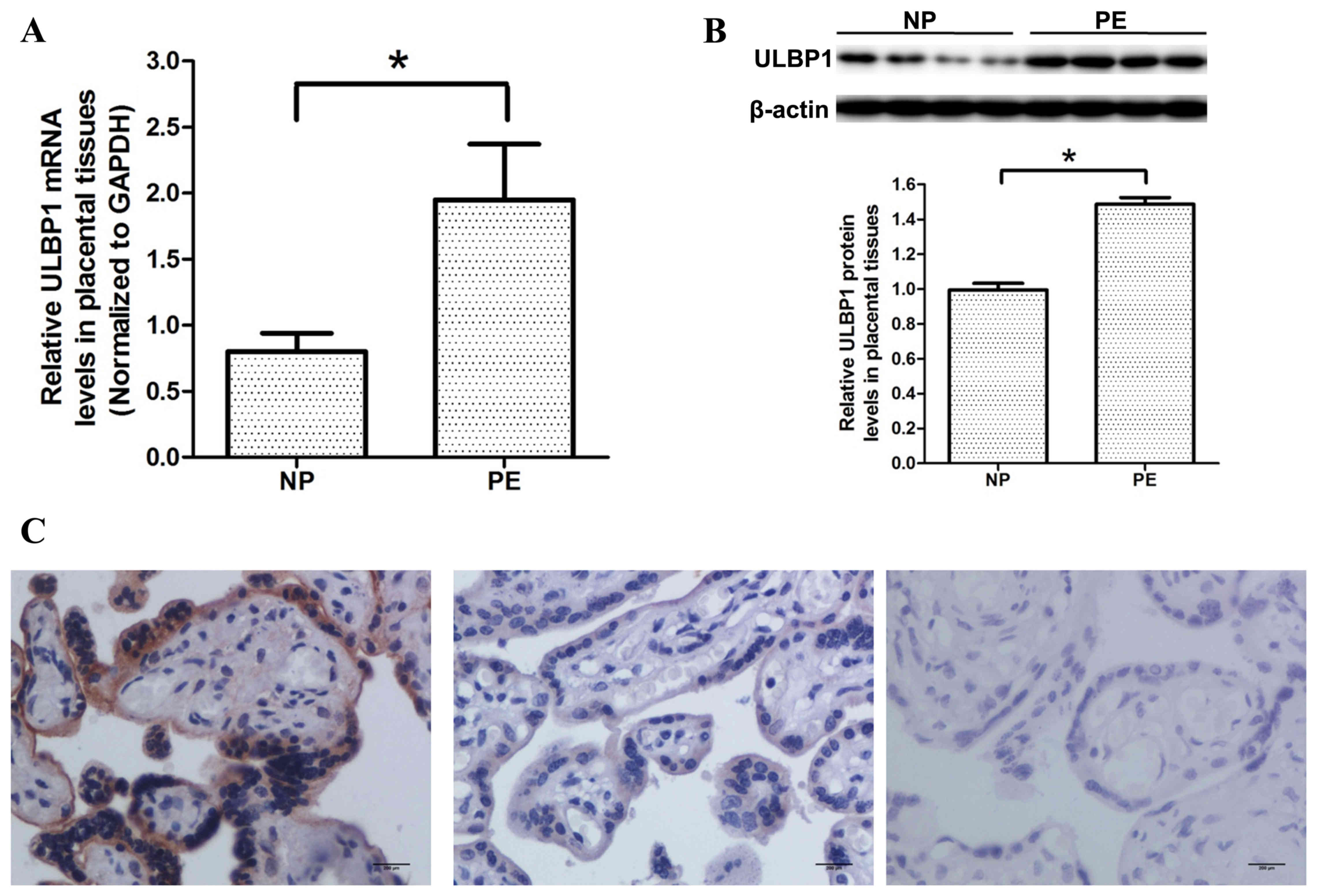
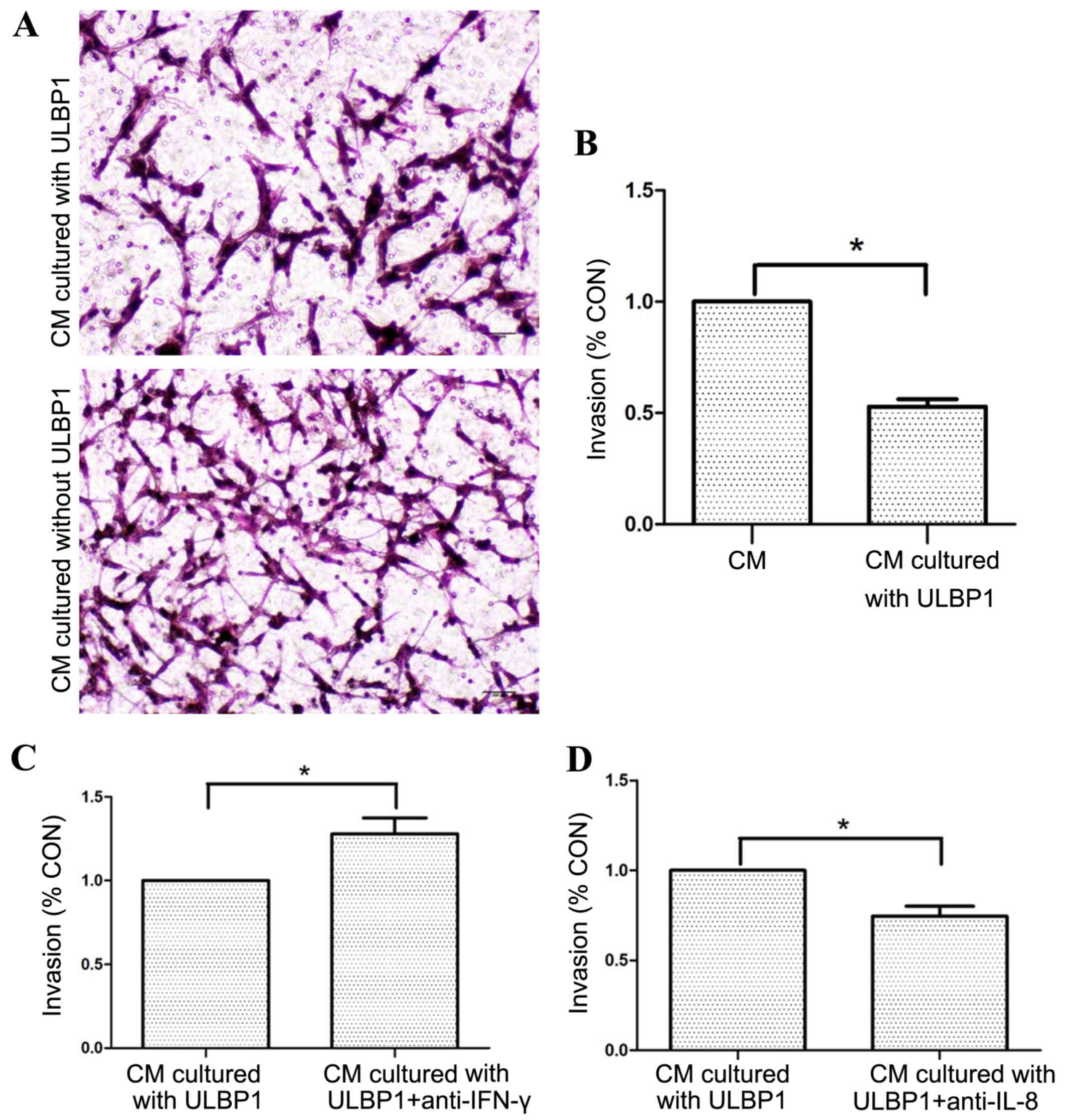
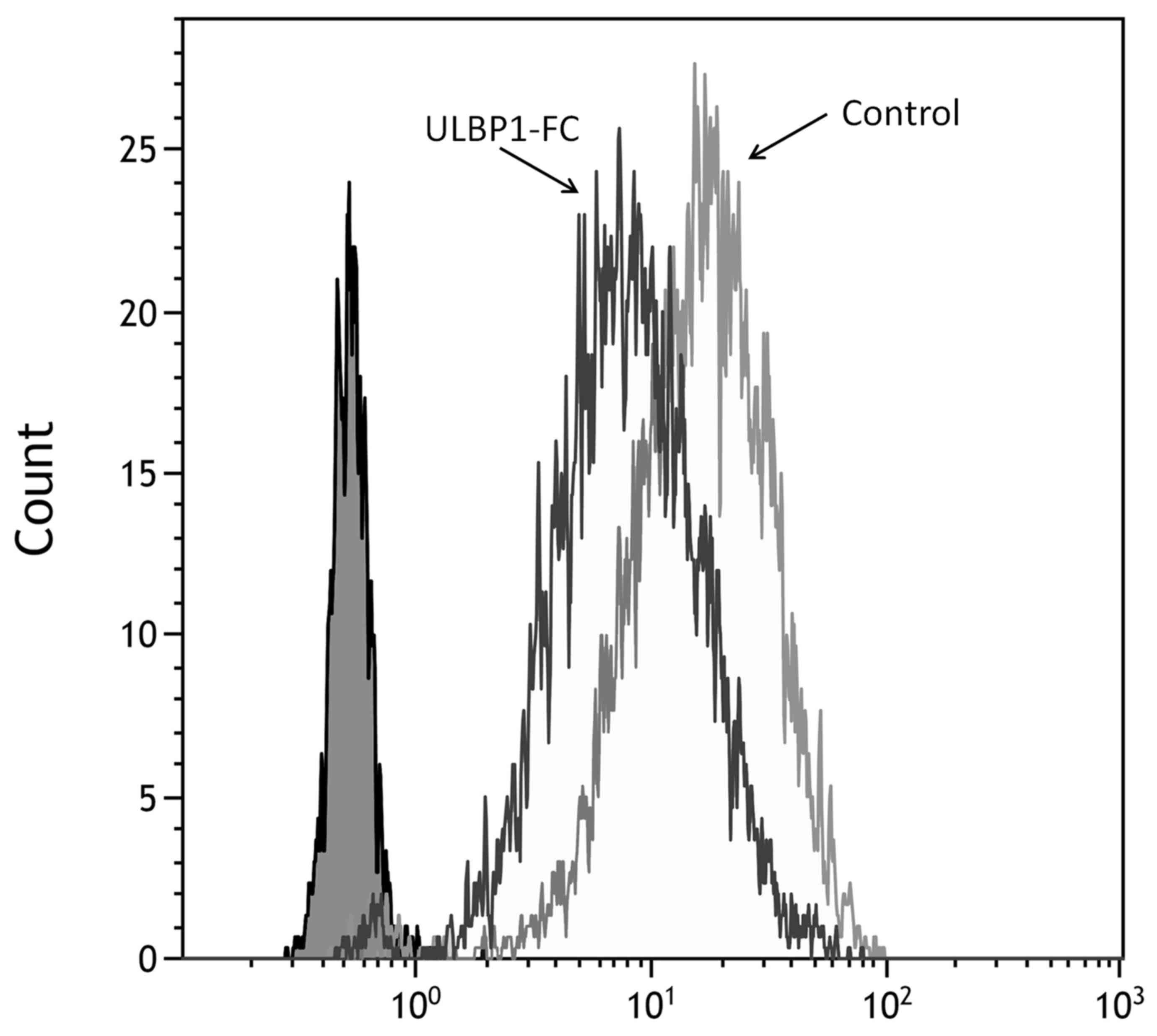
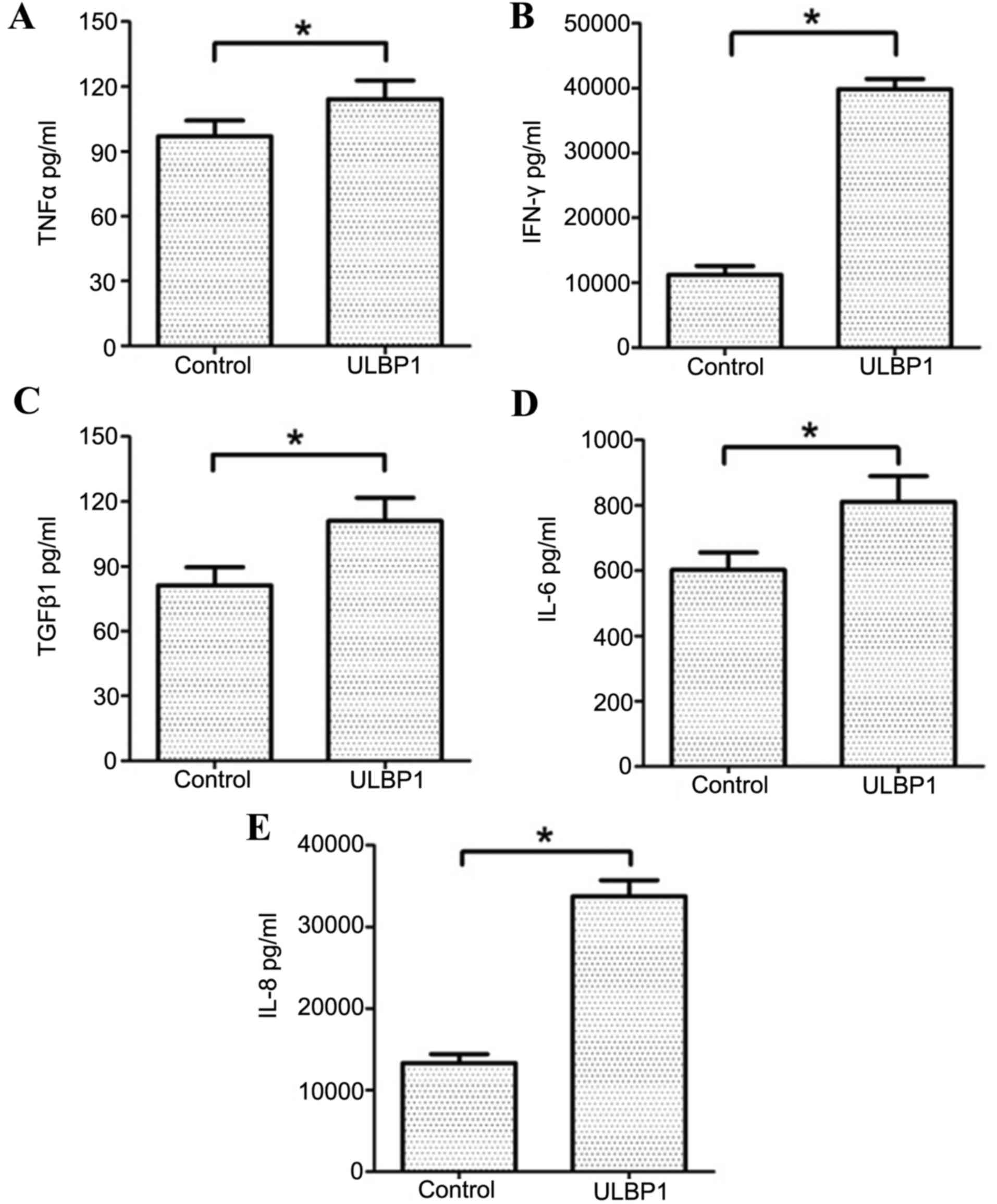
Well-controlled trophoblast invasion at the maternal-fetal interface is crucial for normal placentation and successful pregnancy, otherwise pathological conditions of pregnancy occur, such as preeclampsia. In previous studies, it has been demonstrated that unique long 16 binding protein (ULBP)1, a ligand for the natural‑killer group (NKG)2D receptor on uterine natural killer (uNK) cells, is upregulated in the placenta in patients with preeclampsia. As they are present on the majority of the decidua, uNK have an important role in pregnancy. The aim of the present study was to determine the role of ULBP1 in trophoblast cell invasion, which is closely associated with the occurrence of preeclampsia. In the present study, ULBP1 expression levels in placentas collected after cesarean section from women with preeclampsia and normal pregnant women were determined by immunohistochemistry, reverse transcription‑quantitative polymerase chain reaction and western blotting. The effects of ULBP1 on extravillous trophoblast cell line (HTR‑8/SVneo) invasion mediated via uNK cells and the underlying mechanisms were investigated. mRNA and protein expression levels of ULBP1 were significantly upregulated (P<0.05) in preeclamptic placentas compared with normal controls. ULBP1 inhibited HTR‑8/SVneo cells via the regulation of biological functions of uNK cells, including the downregulation of NKG2D expression on uNK cells and the stimulation of production of cytokines and chemokines that affect extravillous cytotrophoblast invasion by uNK cells. ULBP1 may have an important role in the pathophysiology of preeclampsia through the modification of biological functions of uNK cells, which may affect trophoblast invasion.
View Figures

Figure 1

Figure 2

Figure 3

Figure 4

Figure 5

View References

1 

Altinbas S, Toğrul C, Orhan A, Yücel M and Danisman N: Increased MPV is not a significant predictor for preeclampsia during pregnancy. J Clin Lab Ana. 26:403–406. 2012. View Article : Google Scholar

2 

Kaleli I, Kaleli B, Demir M, Yildirim B, Cevahir N and Demir S: Serum levels of neopterin and interleukin-2 receptor in women with severe preeclampsia. J Clin Lab Anal. 19:36–39. 2005. View Article : Google Scholar : PubMed/NCBI

3 

Amash A, Huleihel M, Sheiner E, Sapir O and Holcberg G: Preeclampsia as a maternal vascular disease. Harefush. 146:707–712, 733. 2007.

4 

Kharfi A, Giguère Y, Sapin V, Massé J, Dastugue B and Forest JC: Trophoblastic remodeling in normal and preeclamptic pregnancies: Implication of cytokines. Clin Biochem. 36:323–331. 2003. View Article : Google Scholar : PubMed/NCBI

5 

Lala PK and Chakraborty C: Factors regulating trophoblast migration and invasiveness: Possible derangements contributing to pre-eclampsia and fetal injury. Placenta. 24:575–587. 2003. View Article : Google Scholar : PubMed/NCBI

6 

Ji L, Brkić J, Liu M, Fu G, Peng C and Wang YL: Placental trophoblast cell differentiation: Physiological regulation and pathological relevance to preeclampsia. Mol Aspects Med. 34:981–1023. 2013. View Article : Google Scholar : PubMed/NCBI

7 

Linzke N, Schumacher A, Woidacki K, Croy BA and Zenclussen AC: Carbon monoxide promotes proliferation of uterine natural killer cells and remodeling of spiral arteries in pregnant hypertensive heme oxygenase-1 mutant mice. Hypertension. 63:580–588. 2014. View Article : Google Scholar : PubMed/NCBI

8 

Hanna J, Goldman-Wohl D, Hamani Y, Avraham I, Greenfield C, Natanson-Yaron S, Prus D, Cohen-Daniel L, Arnon TI, Manaster I, et al: Decidual NK cells regulate key developmental processes at human fetal-maternal interface. Nat Med. 12:1065–1074. 2006. View Article : Google Scholar : PubMed/NCBI

9 

Lash GE, Otun HA, Innes BA, Bulmer JN, Searle RF and Robson SC: Inhibition of trophoblast cell invasion by TGFβ1, 2, and 3 is associated with a decrease in active proteases. Biol Reprod. 73:374–381. 2005. View Article : Google Scholar : PubMed/NCBI

10 

Williams PJ, Bulmer JN, Searle RF, Innes BA and Robson SC: Altered decidual leucocyte populations in the placental bed in pre-eclampsia and foetal growth restriction: A comparison with late normal pregnancy. Reproduction. 138:177–184. 2009. View Article : Google Scholar : PubMed/NCBI

11 

Stallmach T, Hebisch G, Orban P and Lu X: Aberrant positioning of trophoblast and lymphocytes in the feto-maternal interface with pre-eclampsia. Virchows Arch. 434:207–211. 1999. View Article : Google Scholar : PubMed/NCBI

12 

Cao W, Xi X, Hao Z, Li W, Kong Y, Cui L, Ma C, Ba D and He W: RAET1E2, a soluble isoform of the UL16-binding protein RAET1E produced by tumor cells, inhibits NKG2D-mediated NK cytotoxicity. J Biol Chem. 282:18922–18928. 2007. View Article : Google Scholar : PubMed/NCBI

13 

Salih HR, Antropius H, Gieseke F, Lutz SZ, Kanz L, Rammensee HG and Steinle A: Functional expression and release of ligands for the activating immunoreceptor NKG2D in leukemia. Blood. 102:1389–1396. 2003. View Article : Google Scholar : PubMed/NCBI

14 

Pende D, Rivera P, Marcenaro S, Chang CC, Biassoni R, Conte R, Kubin M, Cosman D, Ferrone S, Moretta L and Moretta A: Major histocompatibility complex class I-related chain A and UL16-binding protein expression on tumor cell lines of different histotypes: Analysis of tumor susceptibility to NKG2D-dependent natural killer cell cytotoxicity. Cancer Res. 62:6178–6186. 2002.PubMed/NCBI

15 

Mincheva-Nilsson L, Nagaeva O, Chen T, Stendahl U, Antsiferova J, Mogren I, Hernestål J and Baranov V: Placenta-derived soluble MHC class I chain-related molecules down-regulate NKG2D receptor on peripheral blood mononuclear cells during human pregnancy: A possible novel immune escape mechanism for fetal survival. J Immunol. 176:3585–3592. 2006. View Article : Google Scholar : PubMed/NCBI

16 

Upshaw JL and Leibson PJ: NKG2D-mediated activation of cytotoxic lymphocytes: Unique signalling pathways and distinct functional outcomes. Semin Immunol. 18:167–175. 2006. View Article : Google Scholar : PubMed/NCBI

17 

Borchers MT, Harris NL, Wesselkamper SC, Vitucci M and Cosman D: NKG2D ligands are expressed on stressed human airway epithelial cells. Am J Physiol. 291:L222–L231. 2006.

18 

Hedlund M, Stenqvist AC, Nagaeva O, Kjellberg L, Wulff M, Baranov V and Mincheva-Nilsson L: Human placenta expresses and secretes NKG2D ligands via exosomes that down-modulate the cognate receptor expression: Evidence for immunosuppressive function. J Immunol. 183:340–351. 2009. View Article : Google Scholar : PubMed/NCBI

19 

Meng T, Chen H, Sun M, Wang H, Zhao G and Wang X: Identification of differential gene expression profiles in placentas from preeclamptic pregnancies versus normal pregnancies by DNA microarrays. OMICS. 16:301–311. 2012. View Article : Google Scholar : PubMed/NCBI

20 

Steegers EA, von Dadelszen P, Duvekot JJ and Pijnenborg R: Pre-eclampsia. Lancet. 376:631–644. 2010. View Article : Google Scholar : PubMed/NCBI

21 

Livak KJ and Schmittgen TD: Analysis of relative gene expression data using real-time quantitative PCR and the 2(−Delta Delta C(T)) method. Methods. 25:402–408. 2001. View Article : Google Scholar : PubMed/NCBI

22 

Lash GE, Schiessl B, Kirkley M, Innes BA, Cooper A, Searle RF, Robson SC and Bulmer JN: Expression of angiogenic growth factors by uterine natural killer cells during early pregnancy. J Leukoc Biol. 80:572–580. 2006. View Article : Google Scholar : PubMed/NCBI

23 

Vassiliadou N and Bulmer JN: Functional studies of human decidua in spontaneous early pregnancy loss: Effect of soluble factors and purified CD56+ lymphocytes on killing of natural killer- and lymphokine-activated killer-sensitive targets. Biol Reprod. 58:982–987. 1998. View Article : Google Scholar : PubMed/NCBI

24 

Moffett-King A: Natural killer cells and pregnancy. Nat Rev Immunol. 2:656–663. 2002. View Article : Google Scholar : PubMed/NCBI

25 

Tabiasco J, Rabot M, Aguerre-Girr M, El Costa H, Berrebi A, Parant O, Laskarin G, Juretic K, Bensussan A, Rukavina D and Le Bouteiller P: Human decidual NK cells: Unique phenotype and functional properties-a review. Placenta. 27 Suppl A:S34–S39. 2006. View Article : Google Scholar : PubMed/NCBI

26 

Bauer S, Pollheimer J, Hartmann J, Husslein P, Aplin JD and Knöfler M: Tumor necrosis factor-alpha inhibits trophoblast migration through elevation of plasminogen activator inhibitor-1 in first-trimester villous explant cultures. J Clin Endocrinol Metab. 89:812–822. 2004. View Article : Google Scholar : PubMed/NCBI

27 

Lash GE, Otun HA, Innes BA, Kirkley M, De Oliveira L, Searle RF, Robson SC and Bulmer JN: Interferon-gamma inhibits extravillous trophoblast cell invasion by a mechanism that involves both changes in apoptosis and protease levels. FASEB J. 20:2512–2518. 2006. View Article : Google Scholar : PubMed/NCBI

28 

De Oliveira LG, Lash GE, Murray-Dunning C, Bulmer JN, Innes BA, Searle RF, Sass N and Robson SC: Role of interleukin 8 in uterine natural killer cell regulation of extravillous trophoblast cell invasion. Placenta. 31:595–601. 2010. View Article : Google Scholar : PubMed/NCBI

29 

Jovanović M and Vićovac L: Interleukin-6 stimulates cell migration, invasion and integrin expression in HTR-8/SVneo cell line. Placenta. 30:320–328. 2009. View Article : Google Scholar : PubMed/NCBI

30 

King A, Birkby C and Loke YW: Early human decidual cells exhibit NK activity against the K562 cell line but not against first trimester trophoblast. Cell Immunol. 118:337–344. 1989. View Article : Google Scholar : PubMed/NCBI

31 

Ritson A and Bulmer JN: Isolation and functional studies of granulated lymphocytes in first trimester human decidua. Clin Exp Immunol. 77:263–268. 1989.PubMed/NCBI

32 

Le Bouteiller P, Siewiera J, Casart Y, Aguerre-Girr M, El Costa H, Berrebi A, Tabiasco J and Jabrane-Ferrat N: The human decidual NK-cell response to virus infection: What can we learn from circulating NK lymphocytes? J Reprod Immunol. 88:170–175. 2011. View Article : Google Scholar : PubMed/NCBI

33 

Rouas-Freiss N, Gonçalves RM, Menier C, Dausset J and Carosella ED: Direct evidence to support the role of HLA-G in protecting the fetus from maternal uterine natural killer cytolysis. Proc Natl Acad Sci USA. 94:11520–11525. 1997. View Article : Google Scholar : PubMed/NCBI

34 

Lash GE, Otun HA, Innes BA, Percival K, Searle RF, Robson SC and Bulmer JN: Regulation of extravillous trophoblast invasion by uterine natural killer cells is dependent on gestational age. Hum Reprod. 25:1137–1145. 2010. View Article : Google Scholar : PubMed/NCBI

35 

Houchins JP, Yabe T, McSherry C and Bach FH: DNA sequence analysis of NKG2, a family of related cDNA clones encoding type II integral membrane proteins on human natural killer cells. J Exp Med. 173:1017–1020. 1991. View Article : Google Scholar : PubMed/NCBI

36 

González S, López-Soto A, Suarez-Alvarez B, López-Vázquez A and López-Larrea C: NKG2D ligands: Key targets of the immune response. Trends Immunol. 29:397–403. 2008. View Article : Google Scholar : PubMed/NCBI

37 

Song H, Kim J, Cosman D and Choi I: Soluble ULBP suppresses natural killer cell activity via down-regulating NKG2D expression. Cell Immunol. 239:22–30. 2006. View Article : Google Scholar : PubMed/NCBI

38 

Kubin M, Cassiano L, Chalupny J, Chin W, Cosman D, Fanslow W, Müllberg J, Rousseau AM, Ulrich D and Armitage R: ULBP1, 2, 3 Novel MHC class I related molecules that bind to human cytomegalovirus glycoprotein UL16, activate NK cells. Eur J Immunol. 31:1428–1437. 2001. View Article : Google Scholar : PubMed/NCBI

39 

Kim SJ, Ha GH, Bae JH, Kim GR, Son CH, Park YS, Yang K, Oh SO, Kim SH and Kang CD: COX-2- and endoplasmic reticulum stress-independent induction of ULBP-1 and enhancement of sensitivity to NK cell-mediated cytotoxicity by celecoxib in colon cancer cells. Exp Cell Res. 330:451–459. 2015. View Article : Google Scholar : PubMed/NCBI

40 

Cho H, Chung JY, Kim S, Braunschweig T, Kang TH, Kim J, Chung EJ, Hewitt SM and Kim JH: MICA/B and ULBP1 NKG2D ligands are independent predictors of good prognosis in cervical cancer. BMC Cancer. 14:9572014. View Article : Google Scholar : PubMed/NCBI

41 

Weier JF, Weier HU, Jung CJ, Gormley M, Zhou Y, Chu LW, Genbacev O, Wright AA and Fisher SJ: Human cytotrophoblasts acquire aneuploidiesas they differentiate to an invasive phenotype. Dev Biol. 279:420–432. 2005. View Article : Google Scholar : PubMed/NCBI

42 

Caniggia I, Mostachfi H, Winter J, Gassmann M, Lye SJ, Kuliszewski M and Post M: Hypoxia-inducible factor-1 mediates the biological effects of oxygen on human trophoblast differentiation through TGFbeta(3). J Clin Invest. 105:577–587. 2000. View Article : Google Scholar : PubMed/NCBI

43 

Suman P, Godbole G, Thakur R, Morales-Prieto DM, Modi DN, Markert UR and Gupta SK: AP-1 transcription factors, mucin-type molecules and MMPs regulate the IL-11 mediated invasiveness of JEG-3 and HTR-8/SVneo trophoblastic cells. PLoS One. 7:e297452012. View Article : Google Scholar : PubMed/NCBI

44 

Graham CH, Hawley TS, Hawley RG, MacDougall JR, Kerbel RS, Khoo N and Lala PK: Establishment and characterization of first trimester human trophoblast cells with extended lifespan. Exp Cell Res. 206:204–211. 1993. View Article : Google Scholar : PubMed/NCBI

45 

Jokhi PP, King A, Sharkey AM, Smith SK and Loke YW: Screening for cytokine messenger ribonucleic acids in purified human decidual lymphocyte populations by the reverse-transcriptase polymerase chain reaction. J Immunol. 153:4427–4435. 1994.PubMed/NCBI

46 

Jokhi PP, King A and Loke YW: Cytokine production and cytokine receptor expression by cells of the human first trimester placental-uterine interface. Cytokine. 9:126–137. 1997. View Article : Google Scholar : PubMed/NCBI

47 

Rieger L, Kammerer U, Hofmann J, Sütterlin M and Dietl J: Choriocarcinoma cells modulate the cytokine production of decidual large granular lymphocytes in coculture. Am J Reprod Immunol. 46:137–143. 2001. View Article : Google Scholar : PubMed/NCBI

48 

Champion H, Innes BA, Robson SC, Lash GE and Bulmer JN: Effects of interleukin-6 on extravillous trophoblast invasion in early human pregnancy. Mol Hum Reprod. 18:391–400. 2012. View Article : Google Scholar : PubMed/NCBI

Related Articles

  • Abstract
  • View
  • Download
  • Twitter
Copy and paste a formatted citation
Spandidos Publications style
Liu J, Song G, Lin X, Pang X and Meng T: Upregulated unique long 16 binding protein 1 detected in preeclamptic placenta affects human extravillous trophoblast cell line (HTR-8/SVneo) invasion by modulating the function of uterine natural killer cells. Exp Ther Med 13: 1447-1455, 2017.
APA
Liu, J., Song, G., Lin, X., Pang, X., & Meng, T. (2017). Upregulated unique long 16 binding protein 1 detected in preeclamptic placenta affects human extravillous trophoblast cell line (HTR-8/SVneo) invasion by modulating the function of uterine natural killer cells. Experimental and Therapeutic Medicine, 13, 1447-1455. https://doi.org/10.3892/etm.2017.4143
MLA
Liu, J., Song, G., Lin, X., Pang, X., Meng, T."Upregulated unique long 16 binding protein 1 detected in preeclamptic placenta affects human extravillous trophoblast cell line (HTR-8/SVneo) invasion by modulating the function of uterine natural killer cells". Experimental and Therapeutic Medicine 13.4 (2017): 1447-1455.
Chicago
Liu, J., Song, G., Lin, X., Pang, X., Meng, T."Upregulated unique long 16 binding protein 1 detected in preeclamptic placenta affects human extravillous trophoblast cell line (HTR-8/SVneo) invasion by modulating the function of uterine natural killer cells". Experimental and Therapeutic Medicine 13, no. 4 (2017): 1447-1455. https://doi.org/10.3892/etm.2017.4143
Copy and paste a formatted citation
x
Spandidos Publications style
Liu J, Song G, Lin X, Pang X and Meng T: Upregulated unique long 16 binding protein 1 detected in preeclamptic placenta affects human extravillous trophoblast cell line (HTR-8/SVneo) invasion by modulating the function of uterine natural killer cells. Exp Ther Med 13: 1447-1455, 2017.
APA
Liu, J., Song, G., Lin, X., Pang, X., & Meng, T. (2017). Upregulated unique long 16 binding protein 1 detected in preeclamptic placenta affects human extravillous trophoblast cell line (HTR-8/SVneo) invasion by modulating the function of uterine natural killer cells. Experimental and Therapeutic Medicine, 13, 1447-1455. https://doi.org/10.3892/etm.2017.4143
MLA
Liu, J., Song, G., Lin, X., Pang, X., Meng, T."Upregulated unique long 16 binding protein 1 detected in preeclamptic placenta affects human extravillous trophoblast cell line (HTR-8/SVneo) invasion by modulating the function of uterine natural killer cells". Experimental and Therapeutic Medicine 13.4 (2017): 1447-1455.
Chicago
Liu, J., Song, G., Lin, X., Pang, X., Meng, T."Upregulated unique long 16 binding protein 1 detected in preeclamptic placenta affects human extravillous trophoblast cell line (HTR-8/SVneo) invasion by modulating the function of uterine natural killer cells". Experimental and Therapeutic Medicine 13, no. 4 (2017): 1447-1455. https://doi.org/10.3892/etm.2017.4143
Follow us
  • Twitter
  • LinkedIn
  • Facebook
About
  • Spandidos Publications
  • Careers
  • Cookie Policy
  • Privacy Policy
How can we help?
  • Help
  • Live Chat
  • Contact
  • Email to our Support Team