Spandidos Publications Logo
  • About
    • About Spandidos
    • Aims and Scopes
    • Abstracting and Indexing
    • Editorial Policies
    • Reprints and Permissions
    • Job Opportunities
    • Terms and Conditions
    • Contact
  • Journals
    • All Journals
    • Oncology Letters
      • Oncology Letters
      • Information for Authors
      • Editorial Policies
      • Editorial Board
      • Aims and Scope
      • Abstracting and Indexing
      • Bibliographic Information
      • Archive
    • International Journal of Oncology
      • International Journal of Oncology
      • Information for Authors
      • Editorial Policies
      • Editorial Board
      • Aims and Scope
      • Abstracting and Indexing
      • Bibliographic Information
      • Archive
    • Molecular and Clinical Oncology
      • Molecular and Clinical Oncology
      • Information for Authors
      • Editorial Policies
      • Editorial Board
      • Aims and Scope
      • Abstracting and Indexing
      • Bibliographic Information
      • Archive
    • Experimental and Therapeutic Medicine
      • Experimental and Therapeutic Medicine
      • Information for Authors
      • Editorial Policies
      • Editorial Board
      • Aims and Scope
      • Abstracting and Indexing
      • Bibliographic Information
      • Archive
    • International Journal of Molecular Medicine
      • International Journal of Molecular Medicine
      • Information for Authors
      • Editorial Policies
      • Editorial Board
      • Aims and Scope
      • Abstracting and Indexing
      • Bibliographic Information
      • Archive
    • Biomedical Reports
      • Biomedical Reports
      • Information for Authors
      • Editorial Policies
      • Editorial Board
      • Aims and Scope
      • Abstracting and Indexing
      • Bibliographic Information
      • Archive
    • Oncology Reports
      • Oncology Reports
      • Information for Authors
      • Editorial Policies
      • Editorial Board
      • Aims and Scope
      • Abstracting and Indexing
      • Bibliographic Information
      • Archive
    • Molecular Medicine Reports
      • Molecular Medicine Reports
      • Information for Authors
      • Editorial Policies
      • Editorial Board
      • Aims and Scope
      • Abstracting and Indexing
      • Bibliographic Information
      • Archive
    • World Academy of Sciences Journal
      • World Academy of Sciences Journal
      • Information for Authors
      • Editorial Policies
      • Editorial Board
      • Aims and Scope
      • Abstracting and Indexing
      • Bibliographic Information
      • Archive
    • International Journal of Functional Nutrition
      • International Journal of Functional Nutrition
      • Information for Authors
      • Editorial Policies
      • Editorial Board
      • Aims and Scope
      • Abstracting and Indexing
      • Bibliographic Information
      • Archive
    • International Journal of Epigenetics
      • International Journal of Epigenetics
      • Information for Authors
      • Editorial Policies
      • Editorial Board
      • Aims and Scope
      • Abstracting and Indexing
      • Bibliographic Information
      • Archive
    • Medicine International
      • Medicine International
      • Information for Authors
      • Editorial Policies
      • Editorial Board
      • Aims and Scope
      • Abstracting and Indexing
      • Bibliographic Information
      • Archive
  • Articles
  • Information
    • Information for Authors
    • Information for Reviewers
    • Information for Librarians
    • Information for Advertisers
    • Conferences
  • Language Editing
Spandidos Publications Logo
  • About
    • About Spandidos
    • Aims and Scopes
    • Abstracting and Indexing
    • Editorial Policies
    • Reprints and Permissions
    • Job Opportunities
    • Terms and Conditions
    • Contact
  • Journals
    • All Journals
    • Biomedical Reports
      • Information for Authors
      • Editorial Policies
      • Editorial Board
      • Aims and Scope
      • Abstracting and Indexing
      • Bibliographic Information
      • Archive
    • Experimental and Therapeutic Medicine
      • Information for Authors
      • Editorial Policies
      • Editorial Board
      • Aims and Scope
      • Abstracting and Indexing
      • Bibliographic Information
      • Archive
    • International Journal of Epigenetics
      • Information for Authors
      • Editorial Policies
      • Editorial Board
      • Aims and Scope
      • Abstracting and Indexing
      • Bibliographic Information
      • Archive
    • International Journal of Functional Nutrition
      • Information for Authors
      • Editorial Policies
      • Editorial Board
      • Aims and Scope
      • Abstracting and Indexing
      • Bibliographic Information
      • Archive
    • International Journal of Molecular Medicine
      • Information for Authors
      • Editorial Policies
      • Editorial Board
      • Aims and Scope
      • Abstracting and Indexing
      • Bibliographic Information
      • Archive
    • International Journal of Oncology
      • Information for Authors
      • Editorial Policies
      • Editorial Board
      • Aims and Scope
      • Abstracting and Indexing
      • Bibliographic Information
      • Archive
    • Medicine International
      • Information for Authors
      • Editorial Policies
      • Editorial Board
      • Aims and Scope
      • Abstracting and Indexing
      • Bibliographic Information
      • Archive
    • Molecular and Clinical Oncology
      • Information for Authors
      • Editorial Policies
      • Editorial Board
      • Aims and Scope
      • Abstracting and Indexing
      • Bibliographic Information
      • Archive
    • Molecular Medicine Reports
      • Information for Authors
      • Editorial Policies
      • Editorial Board
      • Aims and Scope
      • Abstracting and Indexing
      • Bibliographic Information
      • Archive
    • Oncology Letters
      • Information for Authors
      • Editorial Policies
      • Editorial Board
      • Aims and Scope
      • Abstracting and Indexing
      • Bibliographic Information
      • Archive
    • Oncology Reports
      • Information for Authors
      • Editorial Policies
      • Editorial Board
      • Aims and Scope
      • Abstracting and Indexing
      • Bibliographic Information
      • Archive
    • World Academy of Sciences Journal
      • Information for Authors
      • Editorial Policies
      • Editorial Board
      • Aims and Scope
      • Abstracting and Indexing
      • Bibliographic Information
      • Archive
  • Articles
  • Information
    • For Authors
    • For Reviewers
    • For Librarians
    • For Advertisers
    • Conferences
  • Language Editing
Login Register Submit
  • This site uses cookies
  • You can change your cookie settings at any time by following the instructions in our Cookie Policy. To find out more, you may read our Privacy Policy.

    I agree
Search articles by DOI, keyword, author or affiliation
Search
Advanced Search
presentation
Experimental and Therapeutic Medicine
Join Editorial Board Propose a Special Issue
Print ISSN: 1792-0981 Online ISSN: 1792-1015
Journal Cover
March-2018 Volume 15 Issue 3

Full Size Image

Sign up for eToc alerts
Recommend to Library

Journals

International Journal of Molecular Medicine

International Journal of Molecular Medicine

International Journal of Molecular Medicine is an international journal devoted to molecular mechanisms of human disease.

International Journal of Oncology

International Journal of Oncology

International Journal of Oncology is an international journal devoted to oncology research and cancer treatment.

Molecular Medicine Reports

Molecular Medicine Reports

Covers molecular medicine topics such as pharmacology, pathology, genetics, neuroscience, infectious diseases, molecular cardiology, and molecular surgery.

Oncology Reports

Oncology Reports

Oncology Reports is an international journal devoted to fundamental and applied research in Oncology.

Experimental and Therapeutic Medicine

Experimental and Therapeutic Medicine

Experimental and Therapeutic Medicine is an international journal devoted to laboratory and clinical medicine.

Oncology Letters

Oncology Letters

Oncology Letters is an international journal devoted to Experimental and Clinical Oncology.

Biomedical Reports

Biomedical Reports

Explores a wide range of biological and medical fields, including pharmacology, genetics, microbiology, neuroscience, and molecular cardiology.

Molecular and Clinical Oncology

Molecular and Clinical Oncology

International journal addressing all aspects of oncology research, from tumorigenesis and oncogenes to chemotherapy and metastasis.

World Academy of Sciences Journal

World Academy of Sciences Journal

Multidisciplinary open-access journal spanning biochemistry, genetics, neuroscience, environmental health, and synthetic biology.

International Journal of Functional Nutrition

International Journal of Functional Nutrition

Open-access journal combining biochemistry, pharmacology, immunology, and genetics to advance health through functional nutrition.

International Journal of Epigenetics

International Journal of Epigenetics

Publishes open-access research on using epigenetics to advance understanding and treatment of human disease.

Medicine International

Medicine International

An International Open Access Journal Devoted to General Medicine.

Journal Cover
March-2018 Volume 15 Issue 3

Full Size Image

Sign up for eToc alerts
Recommend to Library

  • Article
  • Citations
    • Cite This Article
    • Download Citation
    • Create Citation Alert
    • Remove Citation Alert
    • Cited By
  • Similar Articles
    • Related Articles (in Spandidos Publications)
    • Similar Articles (Google Scholar)
    • Similar Articles (PubMed)
  • Download PDF
  • Download XML
  • View XML
Article

Anticancer activity of 23,24-dihydrocucurbitacin B against the HeLa human cervical cell line is due to apoptosis and G2/M cell cycle arrest

Retraction in: /10.3892/etm.2021.10033
  • Authors:
    • Jun‑Xiao Zhang
    • Hong Wei‑Tan
    • Chun‑Yan Hu
    • Wei‑Qiang Wang
    • Guang‑Hua Chu
    • Li‑Hui Wei
    • Liu Chen
  • View Affiliations / Copyright

    Affiliations: Department of Gynecology, Northwest Women and Children's Hospital, Xi'an, Shaanxi 710061, P.R. China, Department of Gynecology, Peking University People's Hospital, Beijing 100044, P.R. China
  • Pages: 2575-2582
    |
    Published online on: January 5, 2018
       https://doi.org/10.3892/etm.2018.5710
  • Expand metrics +
Metrics: Total Views: 0 (Spandidos Publications: | PMC Statistics: )
Metrics: Total PDF Downloads: 0 (Spandidos Publications: | PMC Statistics: )
Cited By (CrossRef): 0 citations Loading Articles...

This article is mentioned in:


Abstract

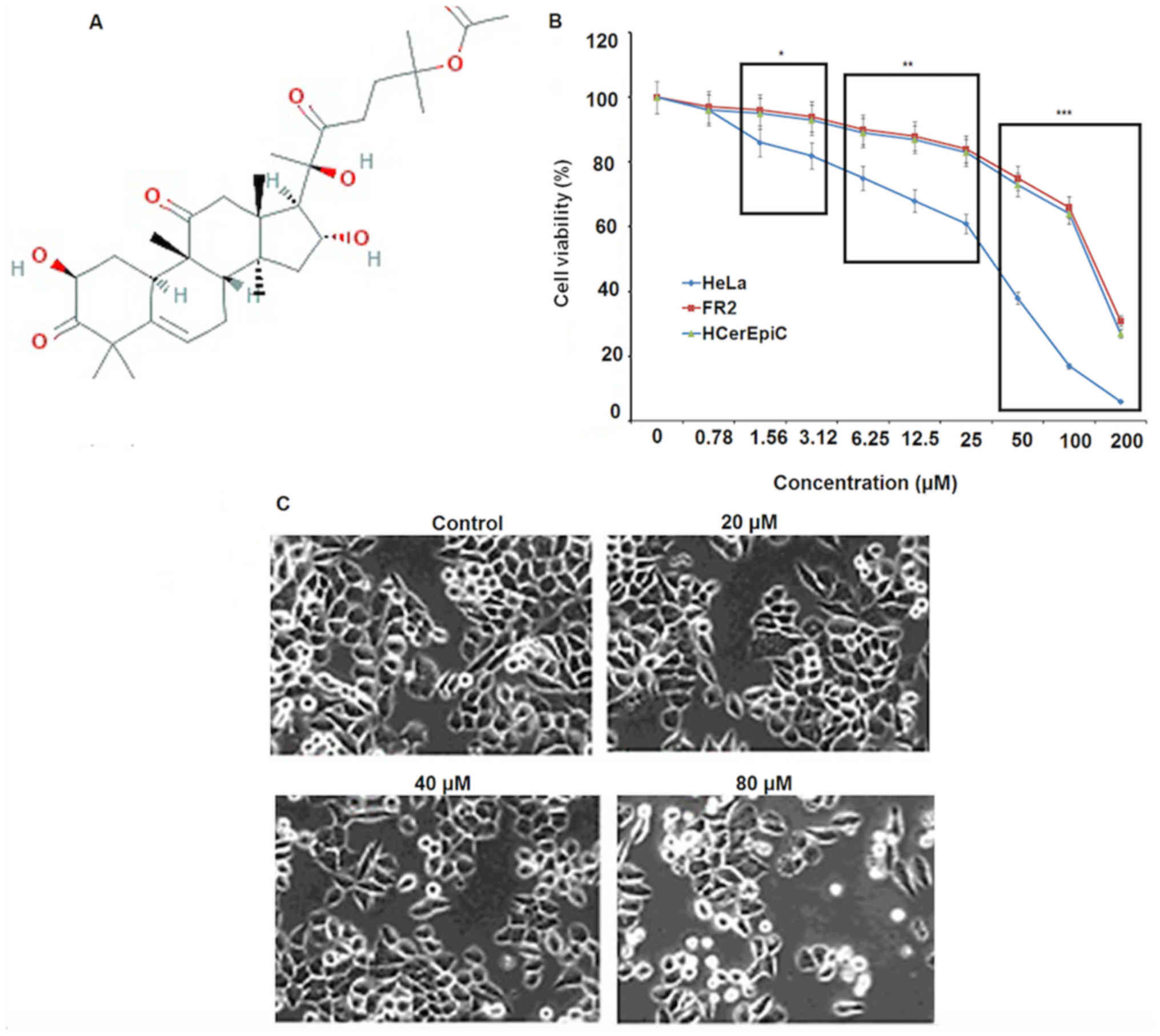
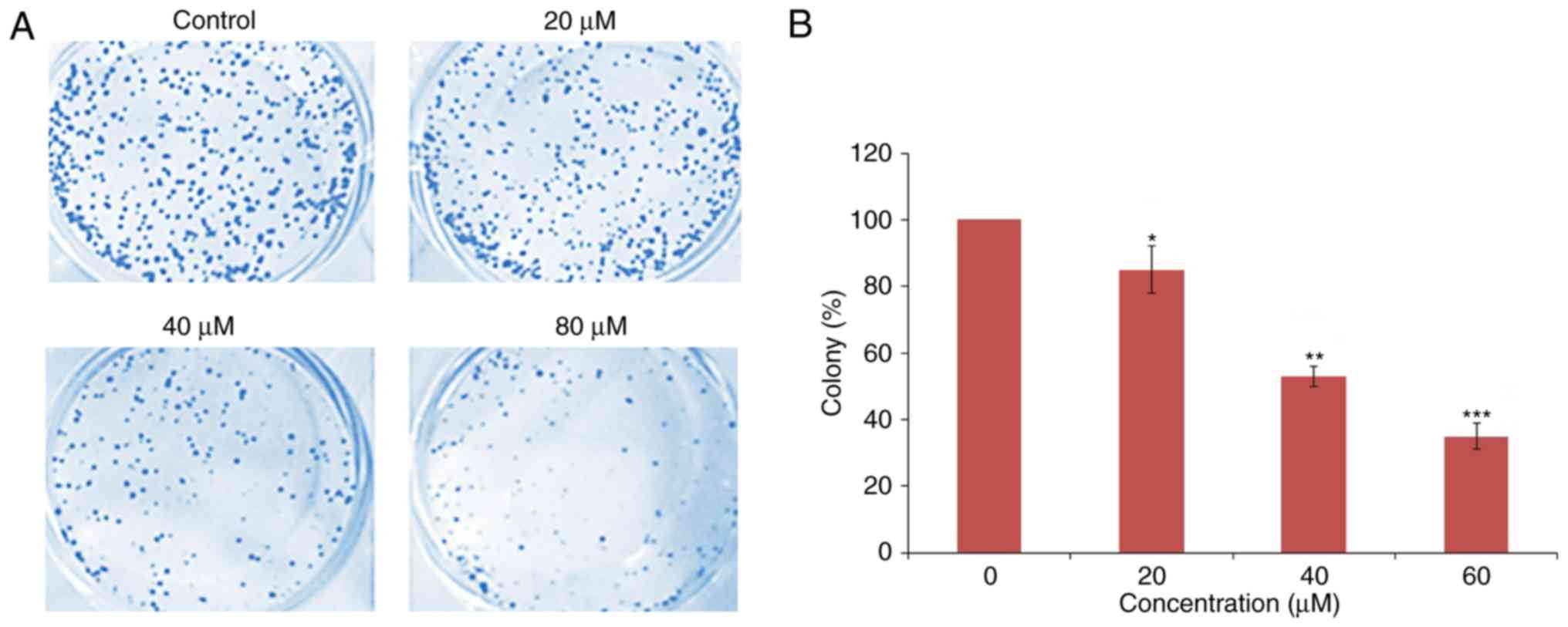
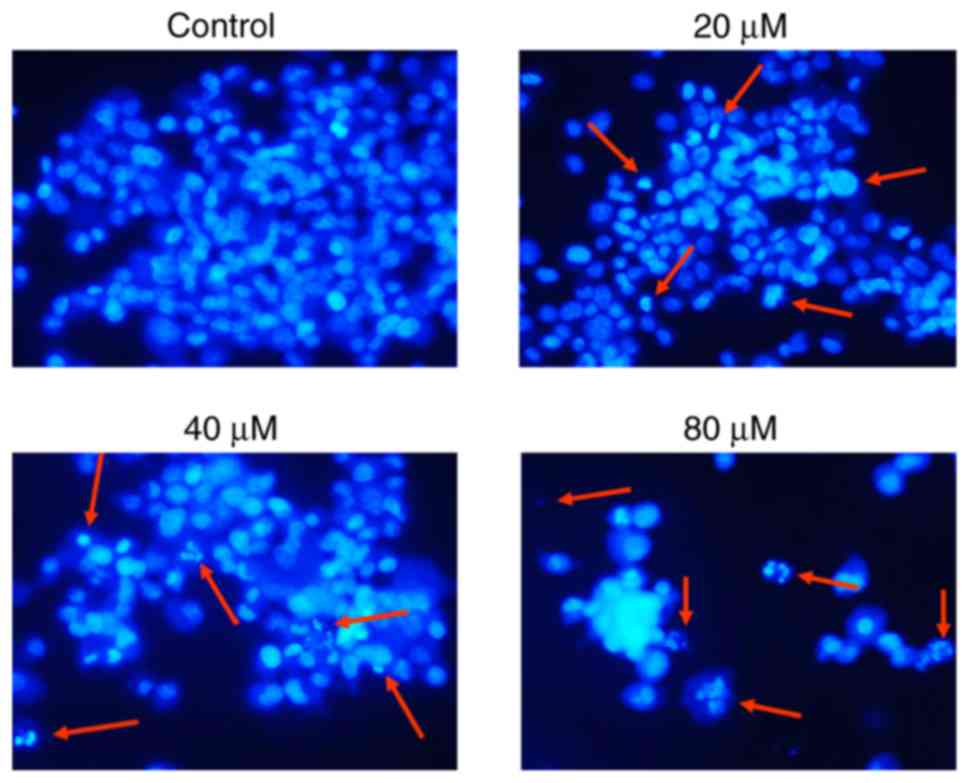
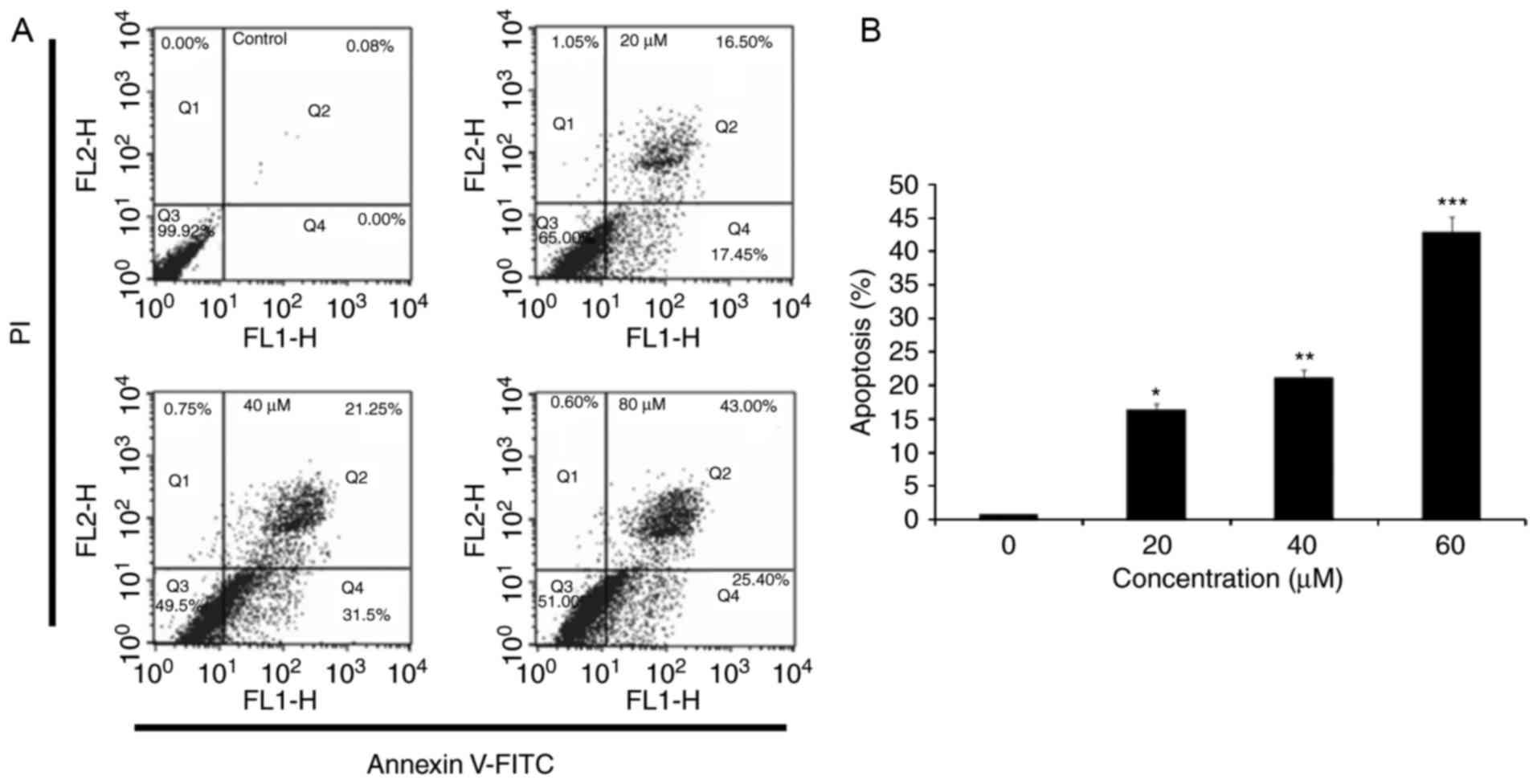
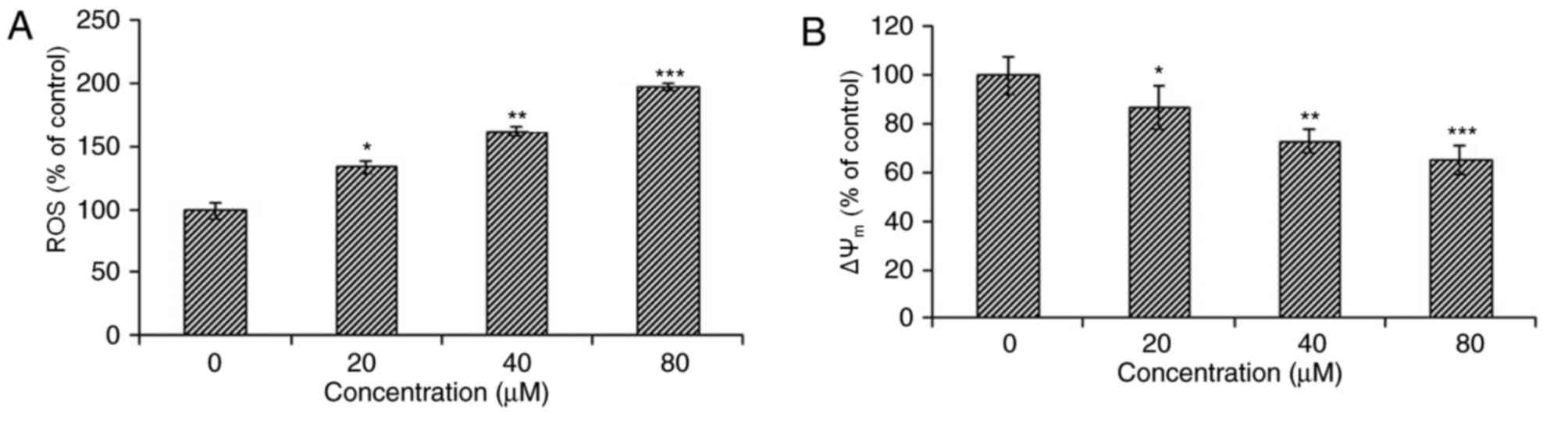
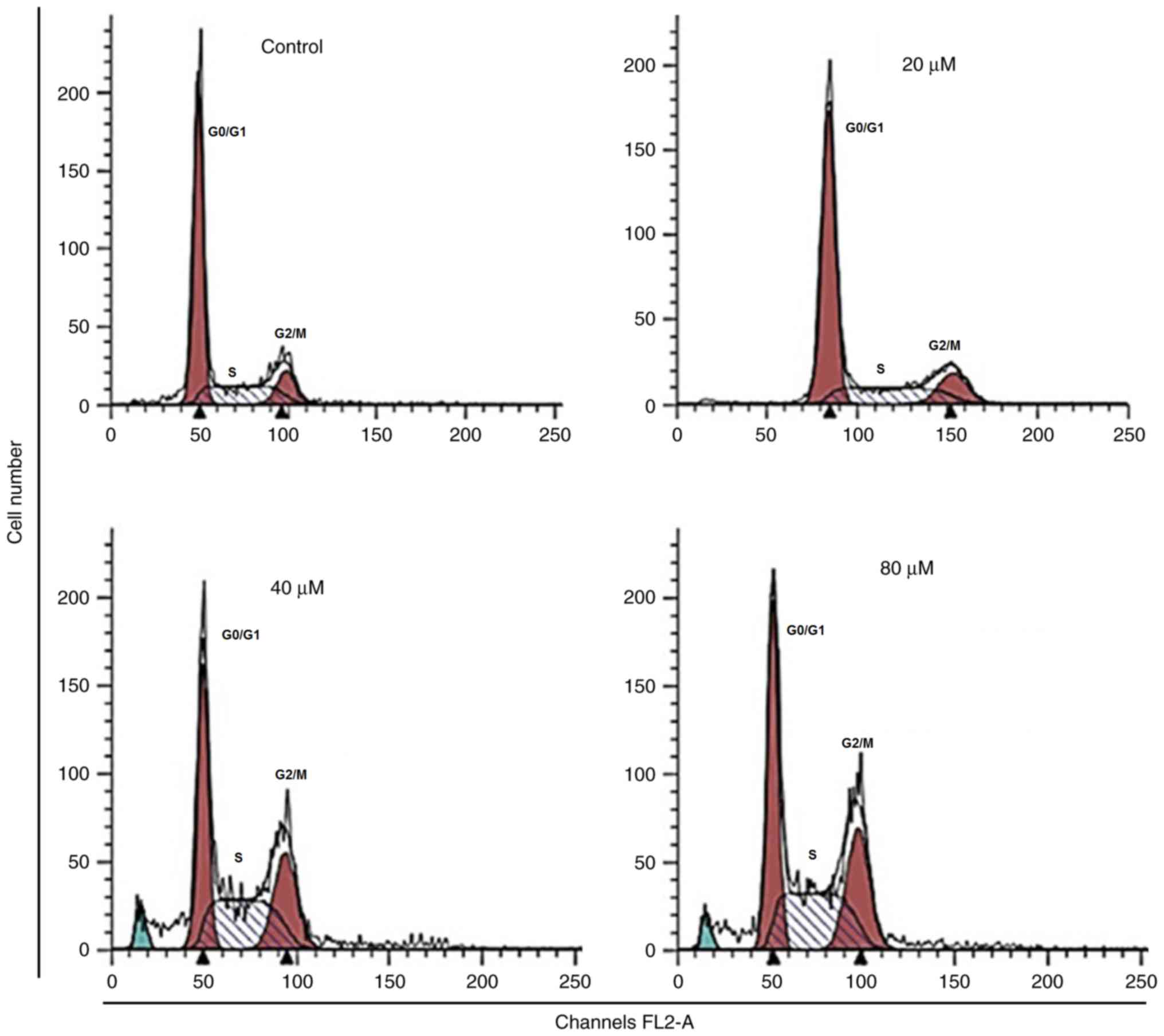
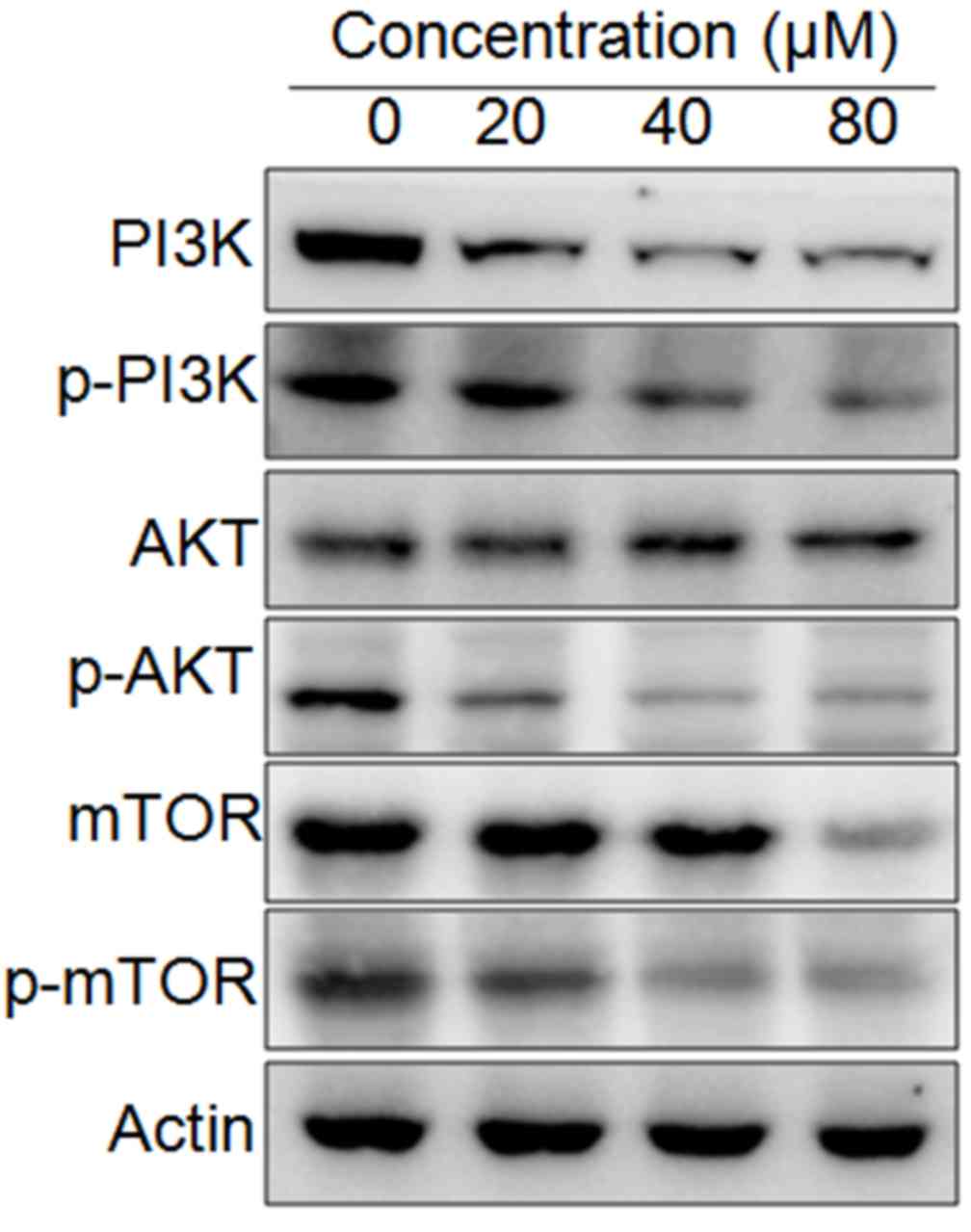
Cervical cancer is one of the primary causes of cancer‑associated mortality worldwide. Due to the increasing incidence of cervical cancer, multiple treatment options are required. Initial responses to chemotherapy and surgical interventions are generally positive, however patients often experience relapse and tumor recurrence. Currently, the effects of cucurbitacins on different types of cancer are being investigated, as they exhibit a wide variety of bioactivities. The anticancer activity of the cucurbitacin 23,24‑dihydrocucurbitacin B against a panel of human cervical cancer cell lines was investigated in the current study. Cell viability was determined using an MTT assay and apoptosis was detected using DAPI staining. The proportion of apoptotic cells, cell cycle distribution, mitochondrial membrane potential (ΔΨm) and reactive oxygen species (ROS) levels were estimated using flow cytometry. Protein expression was determined using western blot analysis. The results of the current study indicated that 23,24‑dihydrocucurbitacin B inhibited the viability of human cervical cancer cell lines and had an IC50 of 40‑60 µM. However, its cytotoxic effects were much less pronounced in normal epithelial fr2 and HerEpiC cells, where it had an IC50 of 125 µM. The underlying mechanisms of this were further studied and the results demonstrated that 23,24‑dihydrocucurbitacin B induced apoptosis in HeLa cells and caused ROS‑mediated shifts in the ΔΨm. Additionally, it caused the cell cycle arrest of HeLa cells at the G2/M checkpoint. The phosphoinositide 3 kinase/protein kinase B/mechanistic target of rampamycin (PI3K/AKT/mTOR) cascade may serve an important role in cancer tumorigenesis, progression and resistance to chemotherapy. The results indicated that 23,24‑dihydrocucurbitacin B significantly decreased the expression of important proteins in the PI3K/Akt/mTOR cascade. Taken together, these results suggest that 23,24‑dihydrocucurbitacin B may be novel method of treating cervical cancer.
View Figures

Figure 1

Figure 2

Figure 3

Figure 4

Figure 5

Figure 6

Figure 7

View References

1 

Chen JC, Chiu MH, Nie RL, Cordell GA and Qiu SX: Cucurbitacins and cucurbitane glycosides: Structures and biological activities. Nat Prod Rep. 22:386–399. 2005. View Article : Google Scholar : PubMed/NCBI

2 

Ishii T, Kira N, Yoshida T and Narahara H: Cucurbitacin D induces growth inhibition, cell cycle arrest, and apoptosis in human endometrial and ovarian cancer cells. Tumour Biol. 34:285–291. 2013. View Article : Google Scholar : PubMed/NCBI

3 

Kapoor S: Cucurbitacin B and its rapidly emerging role in the management of systemic malignancies besides lung carcinomas. Cancer Biother Radiopharm. 28:3592013. View Article : Google Scholar : PubMed/NCBI

4 

Lui VW, Yau DM, Wong EY, Ng YK, Lau CP, Ho Y, Chan JP, Hong B, Ho K, Cheung CS, et al: Cucurbitacin I elicits anoikis sensitization, inhibits cellular invasion and in vivo tumor formation ability of nasopharyngeal carcinoma cells. Carcinogenesis. 30:2085–2094. 2009. View Article : Google Scholar : PubMed/NCBI

5 

Jemal A, Bray F, Center MM, Ferlay J, Ward E and Forman D: Global cancer statistics. CA Cancer J Clin. 61:69–90. 2011. View Article : Google Scholar : PubMed/NCBI

6 

Cadron I, Van Gorp T, Amant F, Leunen K, Neven P and Vergote I: Chemotherapy for recurrent cervical cancer. Gynecol Onco. 107(1 Suppl 1): S113–S118. 2007. View Article : Google Scholar

7 

Engelman JA: Targeting PI3K signalling in cancer: Opportunities, challenges and limitations. Nat Rev Cancer. 9:550–562. 2009. View Article : Google Scholar : PubMed/NCBI

8 

Romashkova JA and Makarov SS: NF-kappaB is a target of AKT in anti-apoptotic PDGF signalling. Nature. 401:86–90. 1999. View Article : Google Scholar : PubMed/NCBI

9 

Chiang JH, Yang JS, Ma CY, Yang MD, Huang HY, Hsia TC, Kuo HM, Wu PP, Lee TH and Chung JG: Danthron, an anthraquinone derivative, induces DNA damage and caspase cascades-mediated apoptosis in SNU-1 human gastric cancer cells through mitochondrial permeability transition pores and Bax-triggered pathways. Chem Res Toxicol. 24:20–29. 2011. View Article : Google Scholar : PubMed/NCBI

10 

Sun SY, Hail N Jr and Lotan R: Apoptosis as a novel target for cancer chemoprevention. J Natl Cancer Inst. 96:662–672. 2004. View Article : Google Scholar : PubMed/NCBI

11 

Maitra R, Porter MA, Huang S and Gilmour BP: Inhibition of NFkappaB by the natural product Withaferin A in cellular models of Cystic Fibrosis inflammation. J Inflamm (Lond). 6:152009. View Article : Google Scholar : PubMed/NCBI

12 

Chiang LC, Ng LT, Lin IC, Kuo PL and Lin CC: Anti-proliferative effect of apigenin and its apoptotic induction in human Hep G2 cells. Cancer Lett. 237:207–214. 2006. View Article : Google Scholar : PubMed/NCBI

13 

Ren S, Ouyang DY, Saltis M, Xu LH, Zha QB, Cai JY and He XH: Anti-proliferative effect of 23,24-dihydrocucurbitacin F on human prostate cancer cells through induction of actin aggregation and cofilin-actin rod formation. Cancer Chemother Pharmacol. 70:415–424. 2012. View Article : Google Scholar : PubMed/NCBI

14 

Yang L, Wu S, Zhang Q, Liu F and Wu P: 23,24-Dihydrocucurbitacin B induces G2/M cell-cycle arrest and mitochondria-dependent apoptosis in human breast cancer cells (Bcap37). Cancer Lett. 256:267–278. 2007. View Article : Google Scholar : PubMed/NCBI

15 

Hissin PJ and Hilf R: A fluorometric method for determination of oxidized and reduced glutathione in tissues. Anal Biochem. 74:214–226. 1976. View Article : Google Scholar : PubMed/NCBI

16 

Chipuk JE, Bouchier-Hayes L and Green DR: Mitochondrial outer membrane permeabilization during apoptosis: The innocent bystander scenario. Cell Death Diff. 13:1396–1402. 2006. View Article : Google Scholar

17 

Azuma M, Tamatani T, Ashida Y, Takashima R, Harada K and Sato M: Cisplatin induces apoptosis in oral squamous carcinoma cells by the mitochondria-mediated but not the NF-kappaB-suppressed pathway. Oral Oncol. 39:282–289. 2003. View Article : Google Scholar : PubMed/NCBI

18 

Yoneda K, Yamamoto T and Osaki T: p53- and p21-independent apoptosis of squamous cell carcinoma cells induced by 5-fluorouracil and radiation. Oral Oncol. 34:529–537. 1998. View Article : Google Scholar : PubMed/NCBI

19 

Abal M, Andreu JM and Barasoain I: Taxanes: Microtubule and centrosome targets and cell cycle dependent mechanisms of action. Curr Canc Drug Targs. 3:193–203. 2003. View Article : Google Scholar

20 

Ferreira CG, Epping M, Kruyt FA and Giaccone G: Apoptosis: Target of cancer therapy. Clin Cancer Res. 8:2024–2034. 2002.PubMed/NCBI

21 

Indran IR, Hande MP and Pervaiz S: hTERT overexpression alleviates intracellular ROS production, improves mitochondrial function, and inhibits ROS-mediated apoptosis in cancer cells. Cancer Res. 71:266–276. 2011. View Article : Google Scholar : PubMed/NCBI

22 

Sharma V, Anderson D and Dhawan A: Zinc oxide nanoparticles induce oxidative DNA damage and ROS-triggered mitochondria mediated apoptosis in human liver cells (HepG2). Apoptosis. 17:852–870. 2012. View Article : Google Scholar : PubMed/NCBI

23 

Li AX, Sun M and Li X: Withaferin-A induces apoptosis in osteosarcoma U2OS cell line via generation of ROS and disruption of mitochondrial membrane potential. Eur Rev Med Pharmacol Sci. 21:1368–1374. 2017.PubMed/NCBI

24 

Sun H, Wang Z and Sebastian Yakisich J: Natural products targeting autophagy via the PI3K/Akt/mTOR pathway as anticancer agents. Anticancer Agents Med Chem. 13:1048–1056. 2013. View Article : Google Scholar : PubMed/NCBI

25 

Matsuda S, Ichimura M, Ogino M, Nakano N, Minami A, Murai T and Kitagishi Y: Effective PI3K modulators for improved therapy against malignant tumors and for neuroprotection of brain damage after tumor therapy (Review). Int J Oncol. 49:1785–1790. 2016. View Article : Google Scholar : PubMed/NCBI

26 

Caporali S, Alvino E, Lacal PM, Levati L, Giurato G, Memoli D, Caprini E, Antonini Cappellini GC and D'atri S: Targeting the PI3K/AKT/mTOR pathway overcomes the stimulating effect of dabrafenib on the invasive behavior of melanoma cells with acquired resistance to the BRAF inhibitor. Int J Oncol. 49:1164–1174. 2016. View Article : Google Scholar : PubMed/NCBI

27 

Blair J, Barry R, Moore DJ and Denniston AK: A comprehensive review of mTOR-inhibiting pharmacotherapy for the treatment of non-infectious uveitis. Curr Pharm Des. 23:3005–3014. 2017. View Article : Google Scholar : PubMed/NCBI

28 

Nicoletti F, Fagone P, Meroni P, McCubrey J and Bendtzen K: mTOR as a multifunctional therapeutic target in HIV infection. Drug Discov Today. 16:715–721. 2011. View Article : Google Scholar : PubMed/NCBI

Related Articles

  • Abstract
  • View
  • Download
  • Twitter
Copy and paste a formatted citation
Spandidos Publications style
Zhang JX, Wei‑Tan H, Hu CY, Wang WQ, Chu GH, Wei LH and Chen L: Anticancer activity of 23,24-dihydrocucurbitacin B against the HeLa human cervical cell line is due to apoptosis and G2/M cell cycle arrest Retraction in /10.3892/etm.2021.10033. Exp Ther Med 15: 2575-2582, 2018.
APA
Zhang, J., Wei‑Tan, H., Hu, C., Wang, W., Chu, G., Wei, L., & Chen, L. (2018). Anticancer activity of 23,24-dihydrocucurbitacin B against the HeLa human cervical cell line is due to apoptosis and G2/M cell cycle arrest Retraction in /10.3892/etm.2021.10033. Experimental and Therapeutic Medicine, 15, 2575-2582. https://doi.org/10.3892/etm.2018.5710
MLA
Zhang, J., Wei‑Tan, H., Hu, C., Wang, W., Chu, G., Wei, L., Chen, L."Anticancer activity of 23,24-dihydrocucurbitacin B against the HeLa human cervical cell line is due to apoptosis and G2/M cell cycle arrest Retraction in /10.3892/etm.2021.10033". Experimental and Therapeutic Medicine 15.3 (2018): 2575-2582.
Chicago
Zhang, J., Wei‑Tan, H., Hu, C., Wang, W., Chu, G., Wei, L., Chen, L."Anticancer activity of 23,24-dihydrocucurbitacin B against the HeLa human cervical cell line is due to apoptosis and G2/M cell cycle arrest Retraction in /10.3892/etm.2021.10033". Experimental and Therapeutic Medicine 15, no. 3 (2018): 2575-2582. https://doi.org/10.3892/etm.2018.5710
Copy and paste a formatted citation
x
Spandidos Publications style
Zhang JX, Wei‑Tan H, Hu CY, Wang WQ, Chu GH, Wei LH and Chen L: Anticancer activity of 23,24-dihydrocucurbitacin B against the HeLa human cervical cell line is due to apoptosis and G2/M cell cycle arrest Retraction in /10.3892/etm.2021.10033. Exp Ther Med 15: 2575-2582, 2018.
APA
Zhang, J., Wei‑Tan, H., Hu, C., Wang, W., Chu, G., Wei, L., & Chen, L. (2018). Anticancer activity of 23,24-dihydrocucurbitacin B against the HeLa human cervical cell line is due to apoptosis and G2/M cell cycle arrest Retraction in /10.3892/etm.2021.10033. Experimental and Therapeutic Medicine, 15, 2575-2582. https://doi.org/10.3892/etm.2018.5710
MLA
Zhang, J., Wei‑Tan, H., Hu, C., Wang, W., Chu, G., Wei, L., Chen, L."Anticancer activity of 23,24-dihydrocucurbitacin B against the HeLa human cervical cell line is due to apoptosis and G2/M cell cycle arrest Retraction in /10.3892/etm.2021.10033". Experimental and Therapeutic Medicine 15.3 (2018): 2575-2582.
Chicago
Zhang, J., Wei‑Tan, H., Hu, C., Wang, W., Chu, G., Wei, L., Chen, L."Anticancer activity of 23,24-dihydrocucurbitacin B against the HeLa human cervical cell line is due to apoptosis and G2/M cell cycle arrest Retraction in /10.3892/etm.2021.10033". Experimental and Therapeutic Medicine 15, no. 3 (2018): 2575-2582. https://doi.org/10.3892/etm.2018.5710
Follow us
  • Twitter
  • LinkedIn
  • Facebook
About
  • Spandidos Publications
  • Careers
  • Cookie Policy
  • Privacy Policy
How can we help?
  • Help
  • Live Chat
  • Contact
  • Email to our Support Team