Spandidos Publications Logo
  • About
    • About Spandidos
    • Aims and Scopes
    • Abstracting and Indexing
    • Editorial Policies
    • Reprints and Permissions
    • Job Opportunities
    • Terms and Conditions
    • Contact
  • Journals
    • All Journals
    • Oncology Letters
      • Oncology Letters
      • Information for Authors
      • Editorial Policies
      • Editorial Board
      • Aims and Scope
      • Abstracting and Indexing
      • Bibliographic Information
      • Archive
    • International Journal of Oncology
      • International Journal of Oncology
      • Information for Authors
      • Editorial Policies
      • Editorial Board
      • Aims and Scope
      • Abstracting and Indexing
      • Bibliographic Information
      • Archive
    • Molecular and Clinical Oncology
      • Molecular and Clinical Oncology
      • Information for Authors
      • Editorial Policies
      • Editorial Board
      • Aims and Scope
      • Abstracting and Indexing
      • Bibliographic Information
      • Archive
    • Experimental and Therapeutic Medicine
      • Experimental and Therapeutic Medicine
      • Information for Authors
      • Editorial Policies
      • Editorial Board
      • Aims and Scope
      • Abstracting and Indexing
      • Bibliographic Information
      • Archive
    • International Journal of Molecular Medicine
      • International Journal of Molecular Medicine
      • Information for Authors
      • Editorial Policies
      • Editorial Board
      • Aims and Scope
      • Abstracting and Indexing
      • Bibliographic Information
      • Archive
    • Biomedical Reports
      • Biomedical Reports
      • Information for Authors
      • Editorial Policies
      • Editorial Board
      • Aims and Scope
      • Abstracting and Indexing
      • Bibliographic Information
      • Archive
    • Oncology Reports
      • Oncology Reports
      • Information for Authors
      • Editorial Policies
      • Editorial Board
      • Aims and Scope
      • Abstracting and Indexing
      • Bibliographic Information
      • Archive
    • Molecular Medicine Reports
      • Molecular Medicine Reports
      • Information for Authors
      • Editorial Policies
      • Editorial Board
      • Aims and Scope
      • Abstracting and Indexing
      • Bibliographic Information
      • Archive
    • World Academy of Sciences Journal
      • World Academy of Sciences Journal
      • Information for Authors
      • Editorial Policies
      • Editorial Board
      • Aims and Scope
      • Abstracting and Indexing
      • Bibliographic Information
      • Archive
    • International Journal of Functional Nutrition
      • International Journal of Functional Nutrition
      • Information for Authors
      • Editorial Policies
      • Editorial Board
      • Aims and Scope
      • Abstracting and Indexing
      • Bibliographic Information
      • Archive
    • International Journal of Epigenetics
      • International Journal of Epigenetics
      • Information for Authors
      • Editorial Policies
      • Editorial Board
      • Aims and Scope
      • Abstracting and Indexing
      • Bibliographic Information
      • Archive
    • Medicine International
      • Medicine International
      • Information for Authors
      • Editorial Policies
      • Editorial Board
      • Aims and Scope
      • Abstracting and Indexing
      • Bibliographic Information
      • Archive
  • Articles
  • Information
    • Information for Authors
    • Information for Reviewers
    • Information for Librarians
    • Information for Advertisers
    • Conferences
  • Language Editing
Spandidos Publications Logo
  • About
    • About Spandidos
    • Aims and Scopes
    • Abstracting and Indexing
    • Editorial Policies
    • Reprints and Permissions
    • Job Opportunities
    • Terms and Conditions
    • Contact
  • Journals
    • All Journals
    • Biomedical Reports
      • Information for Authors
      • Editorial Policies
      • Editorial Board
      • Aims and Scope
      • Abstracting and Indexing
      • Bibliographic Information
      • Archive
    • Experimental and Therapeutic Medicine
      • Information for Authors
      • Editorial Policies
      • Editorial Board
      • Aims and Scope
      • Abstracting and Indexing
      • Bibliographic Information
      • Archive
    • International Journal of Epigenetics
      • Information for Authors
      • Editorial Policies
      • Editorial Board
      • Aims and Scope
      • Abstracting and Indexing
      • Bibliographic Information
      • Archive
    • International Journal of Functional Nutrition
      • Information for Authors
      • Editorial Policies
      • Editorial Board
      • Aims and Scope
      • Abstracting and Indexing
      • Bibliographic Information
      • Archive
    • International Journal of Molecular Medicine
      • Information for Authors
      • Editorial Policies
      • Editorial Board
      • Aims and Scope
      • Abstracting and Indexing
      • Bibliographic Information
      • Archive
    • International Journal of Oncology
      • Information for Authors
      • Editorial Policies
      • Editorial Board
      • Aims and Scope
      • Abstracting and Indexing
      • Bibliographic Information
      • Archive
    • Medicine International
      • Information for Authors
      • Editorial Policies
      • Editorial Board
      • Aims and Scope
      • Abstracting and Indexing
      • Bibliographic Information
      • Archive
    • Molecular and Clinical Oncology
      • Information for Authors
      • Editorial Policies
      • Editorial Board
      • Aims and Scope
      • Abstracting and Indexing
      • Bibliographic Information
      • Archive
    • Molecular Medicine Reports
      • Information for Authors
      • Editorial Policies
      • Editorial Board
      • Aims and Scope
      • Abstracting and Indexing
      • Bibliographic Information
      • Archive
    • Oncology Letters
      • Information for Authors
      • Editorial Policies
      • Editorial Board
      • Aims and Scope
      • Abstracting and Indexing
      • Bibliographic Information
      • Archive
    • Oncology Reports
      • Information for Authors
      • Editorial Policies
      • Editorial Board
      • Aims and Scope
      • Abstracting and Indexing
      • Bibliographic Information
      • Archive
    • World Academy of Sciences Journal
      • Information for Authors
      • Editorial Policies
      • Editorial Board
      • Aims and Scope
      • Abstracting and Indexing
      • Bibliographic Information
      • Archive
  • Articles
  • Information
    • For Authors
    • For Reviewers
    • For Librarians
    • For Advertisers
    • Conferences
  • Language Editing
Login Register Submit
  • This site uses cookies
  • You can change your cookie settings at any time by following the instructions in our Cookie Policy. To find out more, you may read our Privacy Policy.

    I agree
Search articles by DOI, keyword, author or affiliation
Search
Advanced Search
presentation
Experimental and Therapeutic Medicine
Join Editorial Board Propose a Special Issue
Print ISSN: 1792-0981 Online ISSN: 1792-1015
Journal Cover
May-2018 Volume 15 Issue 5

Full Size Image

Sign up for eToc alerts
Recommend to Library

Journals

International Journal of Molecular Medicine

International Journal of Molecular Medicine

International Journal of Molecular Medicine is an international journal devoted to molecular mechanisms of human disease.

International Journal of Oncology

International Journal of Oncology

International Journal of Oncology is an international journal devoted to oncology research and cancer treatment.

Molecular Medicine Reports

Molecular Medicine Reports

Covers molecular medicine topics such as pharmacology, pathology, genetics, neuroscience, infectious diseases, molecular cardiology, and molecular surgery.

Oncology Reports

Oncology Reports

Oncology Reports is an international journal devoted to fundamental and applied research in Oncology.

Experimental and Therapeutic Medicine

Experimental and Therapeutic Medicine

Experimental and Therapeutic Medicine is an international journal devoted to laboratory and clinical medicine.

Oncology Letters

Oncology Letters

Oncology Letters is an international journal devoted to Experimental and Clinical Oncology.

Biomedical Reports

Biomedical Reports

Explores a wide range of biological and medical fields, including pharmacology, genetics, microbiology, neuroscience, and molecular cardiology.

Molecular and Clinical Oncology

Molecular and Clinical Oncology

International journal addressing all aspects of oncology research, from tumorigenesis and oncogenes to chemotherapy and metastasis.

World Academy of Sciences Journal

World Academy of Sciences Journal

Multidisciplinary open-access journal spanning biochemistry, genetics, neuroscience, environmental health, and synthetic biology.

International Journal of Functional Nutrition

International Journal of Functional Nutrition

Open-access journal combining biochemistry, pharmacology, immunology, and genetics to advance health through functional nutrition.

International Journal of Epigenetics

International Journal of Epigenetics

Publishes open-access research on using epigenetics to advance understanding and treatment of human disease.

Medicine International

Medicine International

An International Open Access Journal Devoted to General Medicine.

Journal Cover
May-2018 Volume 15 Issue 5

Full Size Image

Sign up for eToc alerts
Recommend to Library

  • Article
  • Citations
    • Cite This Article
    • Download Citation
    • Create Citation Alert
    • Remove Citation Alert
    • Cited By
  • Similar Articles
    • Related Articles (in Spandidos Publications)
    • Similar Articles (Google Scholar)
    • Similar Articles (PubMed)
  • Download PDF
  • Download XML
  • View XML
Article Open Access

Overexpression of Csk-binding protein/phosphoprotein associated with glycosphingolipid-enriched microdomains induces cluster of differentiation 59-mediated apoptosis in Jurkat cells

  • Authors:
    • Bei‑Bei Cong
    • Mei‑Hua Gao
    • Bing Li
    • Bing Wang
    • Bei Zhang
    • Li‑Na Wang
    • Shu‑Chao Zhang
    • Hua‑Qiao Li
    • Zhong Wang
    • Shu‑Yi Han
  • View Affiliations / Copyright

    Affiliations: Department of Immunology, Medical College of Qingdao University, Qingdao, Shandong 266071, P.R. China, Department of Genetics, Medical College of Qingdao University, Qingdao, Shandong 266071, P.R. China, Department of Blood Transfusion, Shandong Qilu Hospital, Qingdao, Shandong 266071, P.R. China, Department of Blood Transfusion, The Affiliated Hospital of Qingdao University, Qingdao, Shandong 266071, P.R. China, Medical Research and Laboratory Diagnostic Center, Jinan Central Hospital Affiliated to Shandong University, Jinan, Shandong 250000, P.R. China
    Copyright: © Cong et al. This is an open access article distributed under the terms of Creative Commons Attribution License.
  • Pages: 4139-4148
    |
    Published online on: March 9, 2018
       https://doi.org/10.3892/etm.2018.5940
  • Expand metrics +
Metrics: Total Views: 0 (Spandidos Publications: | PMC Statistics: )
Metrics: Total PDF Downloads: 0 (Spandidos Publications: | PMC Statistics: )
Cited By (CrossRef): 0 citations Loading Articles...

This article is mentioned in:


Abstract

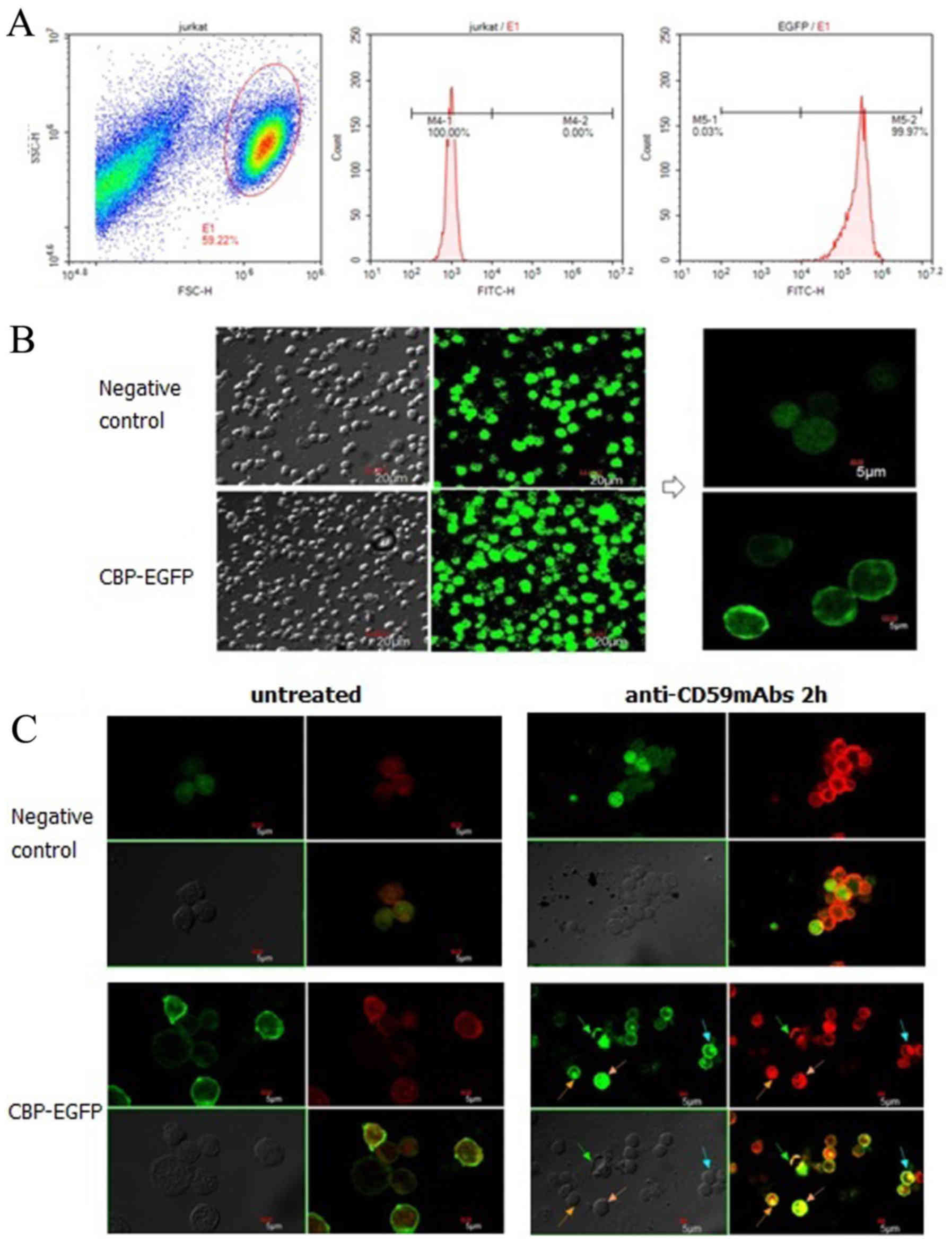
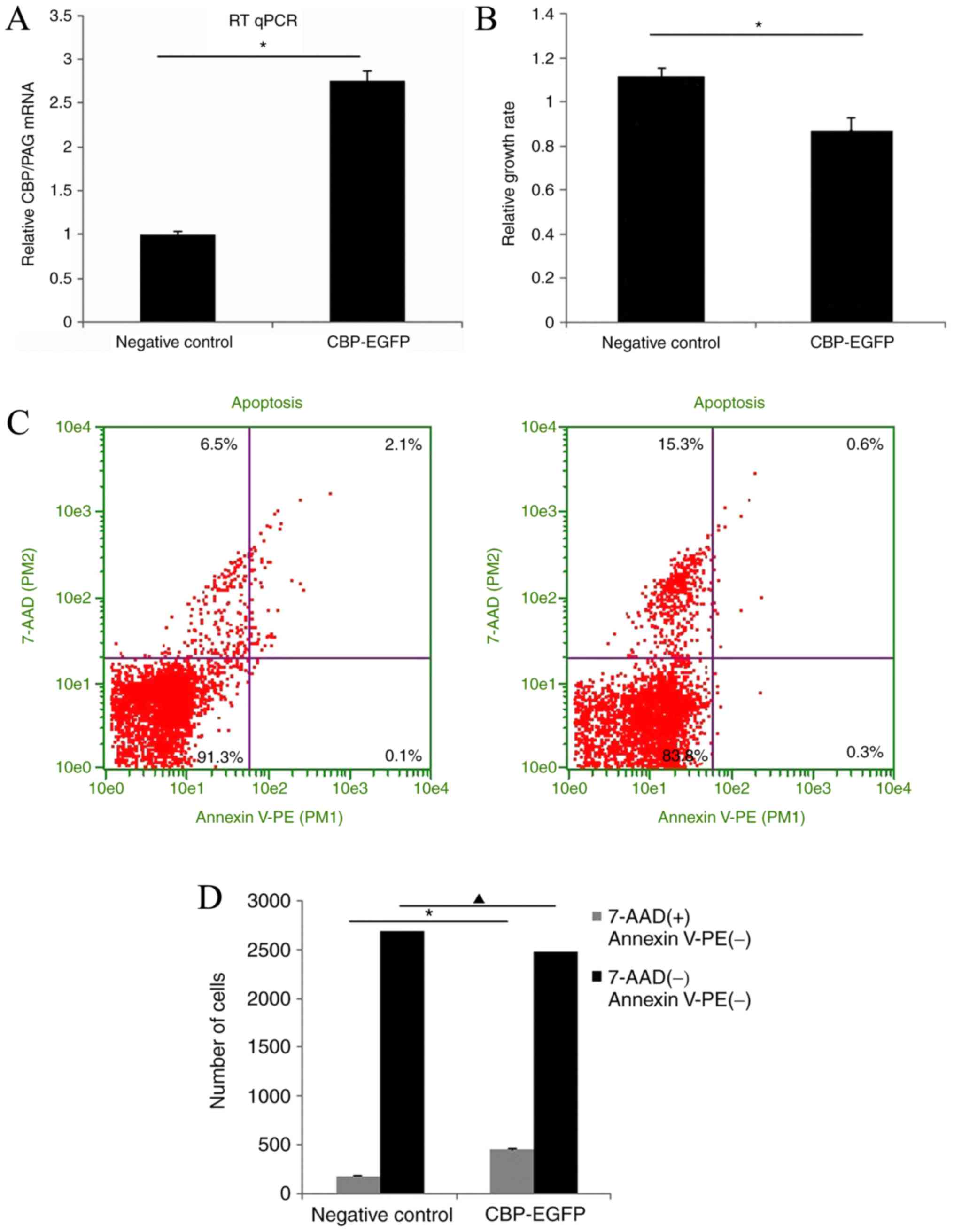
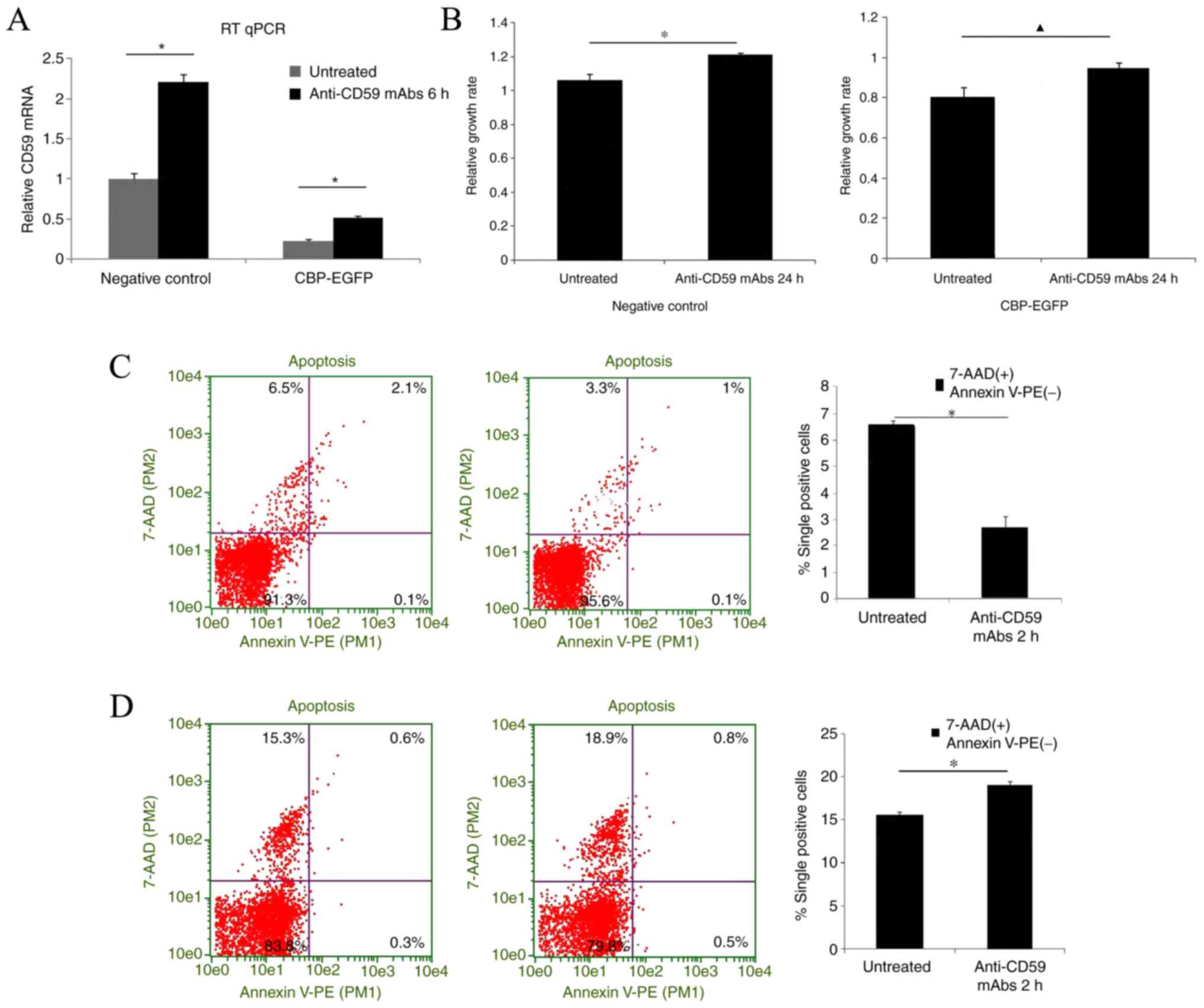
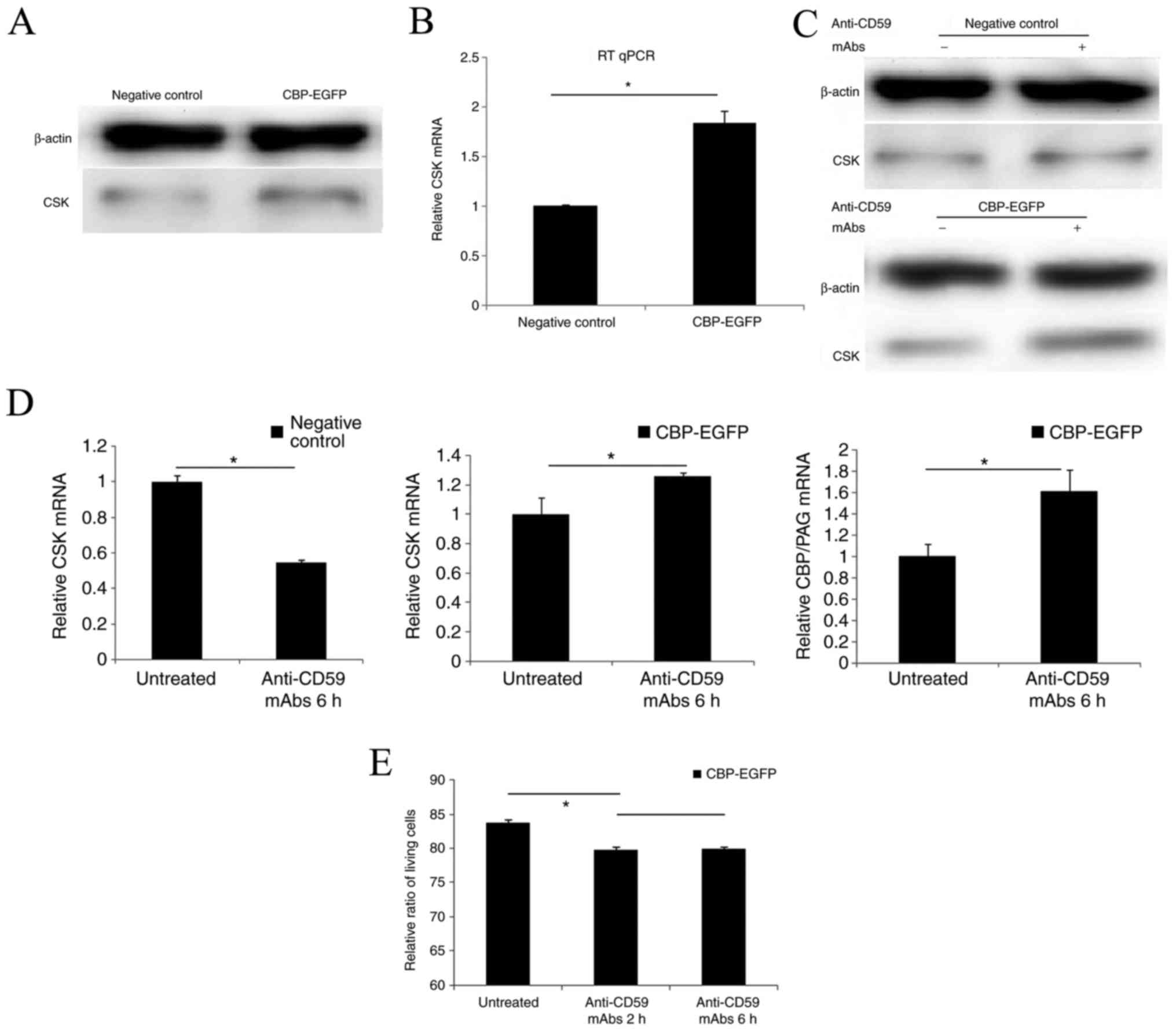
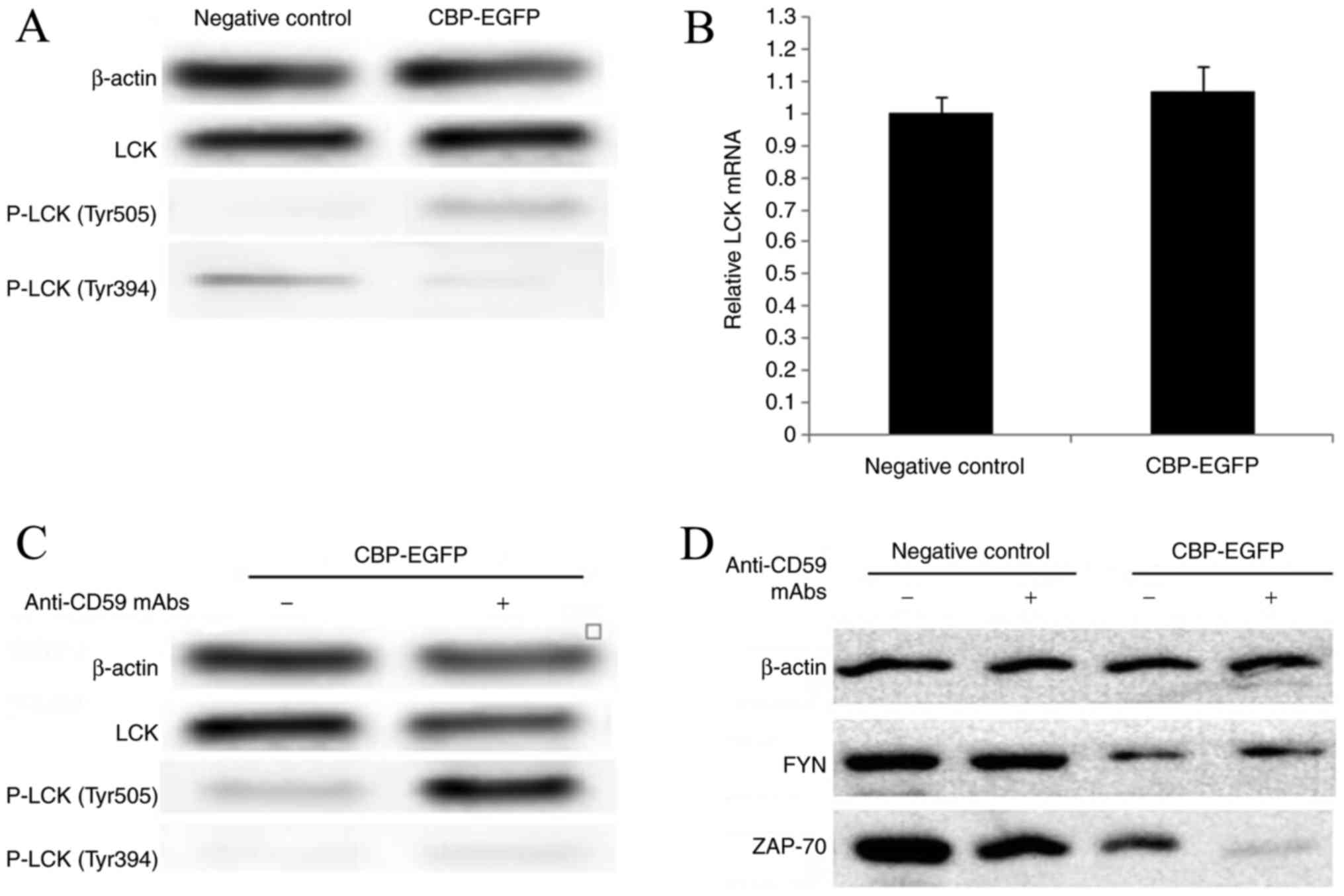
Csk-binding protein/phosphoprotein associated with glycosphingolipid-enriched microdomains (CBP/PAG) is a membrane‑bound adaptor protein that downregulates the activation of Src family kinases present in lipid rafts. To elucidate the role of CBP/PAG in human T cell activation, a cell line overexpressing CBP/PAG was constructed and the function of CBP/PAG in Jurkat cells was examined. The present study revealed that increased CBP/PAG expression in T cells significantly enhanced their apoptosis and reduced cellular activation and proliferation. Overexpression of CBP/PAG suppressed the growth of Jurkat cells by recruiting c‑Src and its negative regulator, C‑terminal Src kinase (CSK), to lipid rafts. The negative regulation of CBP/PAG was enhanced in the presence of anti‑cluster of differentiation (CD)59 monoclonal antibodies. In addition, a significant association was revealed between the location of CBP/PAG and CD59, which were co‑expressed in the same region of the cell membrane, implicating a potential overlap of the elicited signaling pathways. These results indicate that CBP/PAG functions as a negative regulator of cell signal transduction and suggest that CD59 may strengthen the role of negative feedback regulation.
View Figures

Figure 1

Figure 2

Figure 3

Figure 4

Figure 5

View References

1 

Kawabuchi M, Satomi Y, Takao T, Shimonishi Y, Nada S, Nagai K, Tarakhovsky A and Okada M: Transmembrane phosphoprotein Cbp regulates the activities of Src-family tyrosine kinases. Nature. 404:999–1003. 2000. View Article : Google Scholar : PubMed/NCBI

2 

Brdicka T, Pavlistová D, Leo A, Bruyns E, Korínek V, Angelisová P, Scherer J, Shevchenko A, Hilgert I, Cerný J, et al: Phosphoprotein associated with glycosphingolipid-enriched microdomains (PAG), a novel ubiquitously expressed transmembrane adaptor protein, binds the protein tyrosine kinase csk and is involved in regulation of T cell activation. J Exp Med. 191:1591–1604. 2000. View Article : Google Scholar : PubMed/NCBI

3 

Oneyama C, Iino T, Saito K, Suzuki K, Ogawa A and Okada M: Transforming potential of Src family kinases is limited by the cholesterol-enriched membrane microdomain. Mol Cell Biol. 29:6462–6472. 2009. View Article : Google Scholar : PubMed/NCBI

4 

Xu W, Harrison SC and Eck MJ: Three-dimensional structure of the tyrosine kinase c-Src. Nature. 385:595–602. 1997. View Article : Google Scholar : PubMed/NCBI

5 

Itoh K, Sakakibara M, Yamasaki S, Takeuchi A, Arase H, Miyazaki M, Nakajima N, Okada M and Saito T: Cutting edge: Negative regulation of immune synapse formation by anchoring lipid raft to cytoskeleton through Cbp-EBP50-ERM assembly. J Immunol. 168:541–544. 2002. View Article : Google Scholar : PubMed/NCBI

6 

Torgersen KM, Vang T, Abrahamsen H, Yaqub S, Horejsí V, Schraven B, Rolstad B, Mustelin T and Taskén K: Release from tonic inhibition of T cell activation through transient displacement of C-terminal Src kinase (Csk) from lipid rafts. J Biol Chem. 276:29313–29318. 2001. View Article : Google Scholar : PubMed/NCBI

7 

Kanou T, Oneyama C, Kawahara K, Okimura A, Ohta M, Ikeda N, Shintani Y, Okumura M and Okada M: The transmembrane adaptor Cbp/PAG1 controls the malignant potential of human non-small cell lung cancers that have c-src upregulation. Mol Cancer Res. 9:103–114. 2011. View Article : Google Scholar : PubMed/NCBI

8 

Oneyama C, Hikita T, Enya K, Dobenecker MW, Saito K, Nada S, Tarakhovsky A and Okada M: The lipid raft-anchored adaptor protein Cbp controls the oncogenic potential of c-Src. Mol Cell. 30:426–436. 2008. View Article : Google Scholar : PubMed/NCBI

9 

Smida M, Cammann C, Gurbiel S, Kerstin N, Lingel H, Lindquist S, Simeoni L, Brunner-Weinzierl MC, Suchanek M, Schraven B and Lindquist JA: PAG/Cbp suppression reveals a contribution of CTLA-4 to setting the activation threshold in T cells. Cell Commun Signal. 11:282013. View Article : Google Scholar : PubMed/NCBI

10 

Shi XX, Gao MH, Li XP, Zhang B and Wang QB: Knocking down human CD59 gene expression decreased protection to complement-mediated cytolysis. Xi Bao Yu Fen Zi Mian Yi Xue Za Zhi. 24:1164–1166. 2008.(In Chinese). PubMed/NCBI

11 

Farkas I, Baranyi L, Ishikawa Y, Okada N, Bohata C, Budai D, Fukuda A, Imai M and Okada H: CD59 blocks not only the insertion of C9 into MAC but inhibits ion channel formation by homologous C5b-8 as well as C5b-9. J Physiol. 539:537–545. 2002. View Article : Google Scholar : PubMed/NCBI

12 

Murray EW and Robbins SM: Antibody cross-linking of the glycosylphosphatidylinositol-linked protein CD59 on hematopoietic cells induces signaling pathways resembling activation by complement. J Biol Chem. 273:25279–25284. 1998. View Article : Google Scholar : PubMed/NCBI

13 

Stulnig TM, Berger M, Sigmund T, Raederstorff D, Stockinger H and Waldhäusl W: Polyunsaturated fatty acids inhibit T cell signal transduction by modification of detergent-insoluble membrane domains. J Cell Biol. 143:637–644. 1998. View Article : Google Scholar : PubMed/NCBI

14 

Drbal K, Moertelmaier M, Holzhauser C, Muhammad A, Fuertbauer E, Howorka S, Hinterberger M, Stockinger H and Schütz GJ: Single-molecule microscopy reveals heterogeneous dynamics of lipid raft components upon TCR engagement. Int Immunol. 19:675–684. 2007. View Article : Google Scholar : PubMed/NCBI

15 

de Wet B, Zech T, Salek M, Acuto O and Harder T: Proteomic characterization of plasma membrane-proximal T cell activation responses. J Biol Chem. 286:4072–4080. 2011. View Article : Google Scholar : PubMed/NCBI

16 

Korty PE, Brando C and Shevach EM: CD59 functions as a signal-transducing molecule for human T cell activation. J Immunol. 146:4092–4098. 1991.PubMed/NCBI

17 

Deckert M, Ticchioni M, Mari B, Mary D and Bernard A: The glycosylphosphatidylinositol-anchored CD59 protein stimulates both T cell receptor zeta/ZAP-70-dependent and -independent signaling pathways in T cells. Eur J Immunol. 25:1815–1822. 1995. View Article : Google Scholar : PubMed/NCBI

18 

Suzuki KG, Fujiwara TK, Edidin M and Kusumi A: Dynamic recruitment of phospholipase C gamma at transiently immobilized GPI-anchored receptor clusters induces IP3-Ca2+ signaling: Single-molecule tracking study 2. J Cell Biol. 177:731–742. 2007. View Article : Google Scholar : PubMed/NCBI

19 

Xie XH, Gao MH, Zhang B, Wang MJ and Wang J: Post-transcriptional CD59 gene silencing by siRNAs induces enhanced human T lymphocyte response to tumor cell lysate-loaded DCs. Cell Immunol. 274:1–11. 2012. View Article : Google Scholar : PubMed/NCBI

20 

Gao M, Ji J, Wang B, Zhang B, Zhang S and Qin Y: Localization and function of CD59 and Cbp in T lymphocytes. Xi Bao Yu Fen Zi Mian Yi Xue Za Zhi. 29:565–569. 2013.(In Chinese). PubMed/NCBI

21 

Livak KJ and Schmittgen TD: Analysis of relative gene expression data using real-time quantitative PCR and the 2(-Delta Delta C(T)) method. Methods. 25:402–408. 2001. View Article : Google Scholar : PubMed/NCBI

22 

Stuart AD, Eustace HE, McKee TA and Brown TD: A novel cell entry pathway for a DAF-using human enterovirus is dependent on lipid rafts. J Virol. 76:9307–9322. 2002. View Article : Google Scholar : PubMed/NCBI

23 

Kalland ME, Solheim SA, Skånland SS, Taskén K and Berge T: Modulation of proximal signaling in normal and transformed B cells by transmembrane adapter Cbp/PAG. Exp Cell Res. 318:1611–1619. 2012. View Article : Google Scholar : PubMed/NCBI

24 

Matsuoka H, Nada S and Okada M: Mechanism of Csk-mediated down-regulation of Src family tyrosine kinases in epidermal growth factor signaling. J Biol Chem. 279:5975–5983. 2004. View Article : Google Scholar : PubMed/NCBI

25 

Takeuchi S, Takayama Y, Ogawa A, Tamura K and Okada M: Transmembrane phosphoprotein Cbp positively regulates the activity of the carboxyl-terminal Src kinase, Csk. J Biol Chem. 275:29183–29186. 2000. View Article : Google Scholar : PubMed/NCBI

26 

D'Oro U, Sakaguchi K, Appella E and Ashwell JD: Mutational analysis of Lck in CD45-negative T cells: Dominant role of tyrosine 394 phosphorylation in kinase activity. Mol Cell Biol. 16:4996–5003. 1996. View Article : Google Scholar : PubMed/NCBI

27 

Elias D and Ditzel HJ: Fyn is an important molecule in cancer pathogenesis and drug resistance. Pharmacol Res. 100:250–254. 2015. View Article : Google Scholar : PubMed/NCBI

28 

Appleby MW, Gross JA, Cooke MP, Levin SD, Qian X and Perlmutter RM: Defective T cell receptor signaling in mice lacking the thymic isoform of p59fyn. Cell. 70:751–763. 1992. View Article : Google Scholar : PubMed/NCBI

29 

Filby A, Seddon B, Kleczkowska J, Salmond R, Tomlinson P, Smida M, Lindquist JA, Schraven B and Zamoyska R: Fyn regulates the duration of TCR engagement needed for commitment to effector function. J Immunol. 179:4635–4644. 2007. View Article : Google Scholar : PubMed/NCBI

30 

Sugie K, Jeon MS and Grey HM: Activation of naïve CD4 T cells by anti-CD3 reveals an important role for Fyn in Lck-mediated signaling. Proc Natl Acad Sci USA. 101:14859–14864. 2004. View Article : Google Scholar : PubMed/NCBI

31 

Chan AC, Irving BA, Fraser JD and Weiss A: The zeta chain is associated with a tyrosine kinase and upon T-cell antigen receptor stimulation associates with ZAP-70, a 70-kDa tyrosine phosphoprotein. Proc Natl Acad Sci USA. 88:9166–9170. 1991. View Article : Google Scholar : PubMed/NCBI

32 

Wang H, Kadlecek TA, Au-Yeung BB, Goodfellow HE, Hsu LY, Freedman TS and Weiss A: ZAP-70: An essential kinase in T-cell signaling. Cold Spring Harb Perspect Biol. 2:a0022792010. View Article : Google Scholar : PubMed/NCBI

33 

Williams BL, Schreiber KL, Zhang W, Wange RL, Samelson LE, Leibson PJ and Abraham RT: Genetic evidence for differential coupling of Syk family kinases to the T-cell receptor: Reconstitution studies in a ZAP-70-deficient Jurkat T-cell line. Mol Cell Biol. 18:1388–1399. 1998. View Article : Google Scholar : PubMed/NCBI

34 

Lindquist JA, Simeoni L and Schraven B: Transmembrane adapters: Attractants for cytoplasmic effectors. Immunol Rev. 191:165–182. 2003. View Article : Google Scholar : PubMed/NCBI

35 

Boggon TJ and Eck MJ: Structure and regulation of Src family kinases. Oncogene. 23:7918–7927. 2004. View Article : Google Scholar : PubMed/NCBI

36 

Palacios EH and Weiss A: Function of the Src-family kinases, Lck and Fyn, in T-cell development and activation. Oncogene. 23:7990–8000. 2004. View Article : Google Scholar : PubMed/NCBI

37 

Zamoyska R, Basson A, Filby A, Legname G, Lovatt M and Seddon B: The influence of the src-family kinases, Lck and Fyn, on T cell differentiation, survival and activation. Immunol Rev. 191:107–118. 2003. View Article : Google Scholar : PubMed/NCBI

38 

Nika K, Soldani C, Salek M, Paster W, Gray A, Etzensperger R, Fugger L, Polzella P, Cerundolo V, Dushek O, et al: Constitutively active Lck kinase in T cells drives antigen receptor signal transduction. Immunity. 32:766–777. 2010. View Article : Google Scholar : PubMed/NCBI

39 

Martin GS: The hunting of the Src. Nat Rev Mol Cell Biol. 2:467–475. 2001. View Article : Google Scholar : PubMed/NCBI

40 

Lipp AM, Juhasz K, Paar C, Ogris C, Eckerstorfer P, Thuenauer R, Hesse J, Nimmervoll B, Stockinger H, Schütz GJ, et al: Lck mediates signal transmission from CD59 to the TCR/CD3 pathway in Jurkat T cells. PLoS One. 9:e859342014. View Article : Google Scholar : PubMed/NCBI

41 

Monleón I, Martínez-Lorenzo MJ, Anel A, Lasierra P, Larrad L, Piñeiro A, Naval J and Alava MA: CD59 cross-linking induces secretion of APO2 ligand in overactivated human T cells. Eur J Immunol. 30:1078–1087. 2000. View Article : Google Scholar : PubMed/NCBI

42 

Longhi MP, Sivasankar B, Omidvar N, Morgan BP and Gallimore A: Cutting edge: Murine CD59a modulates antiviral CD4+ T cell activity in a complement-independent manner. J Immunol. 175:7098–7102. 2005. View Article : Google Scholar : PubMed/NCBI

43 

Sivasankar B, Longhi MP, Gallagher KM, Betts GJ, Morgan BP, Godkin AJ and Gallimore AM: CD59 blockade enhances antigen-specific CD4+ T cell responses in humans: A new target for cancer immunotherapy? J Immunol. 182:5203–5207. 2009. View Article : Google Scholar : PubMed/NCBI

44 

Legembre P, Daburon S, Moreau P, Moreau JF and Taupin JL: Modulation of Fas-mediated apoptosis by lipid rafts in T lymphocytes. J Immunol. 176:716–720. 2006. View Article : Google Scholar : PubMed/NCBI

45 

Mitchell JS, Kanca O and McIntyre BW: Lipid microdomain clustering induces a redistribution of antigen recognition and adhesion molecules on human T lymphocytes. J Immunol. 168:2737–2744. 2002. View Article : Google Scholar : PubMed/NCBI

46 

Gao M, Wang L, Wang B, Cong B and Zhang S: Mutation of palmitoylation site of linker for activation of T cells inhibits signal transduction mediated by glycosyl phosphatidyl inositol-anchored CD59 in T cells. Xi Bao Yu Fen Zi Mian Yi Xue Za Zhi. 31(1013–1016): 10212015.(In Chinese).

47 

Zhang W, Trible RP and Samelson LE: LAT palmitoylation: Its essential role in membrane microdomain targeting and tyrosine phosphorylation during T cell activation. Immunity. 9:239–246. 1998. View Article : Google Scholar : PubMed/NCBI

48 

Lin J, Weiss A and Finco TS: Localization of LAT in glycolipid-enriched microdomains is required for T cell activation. J Biol Chem. 274:28861–28864. 1999. View Article : Google Scholar : PubMed/NCBI

Related Articles

  • Abstract
  • View
  • Download
  • Twitter
Copy and paste a formatted citation
Spandidos Publications style
Cong BB, Gao MH, Li B, Wang B, Zhang B, Wang LN, Zhang SC, Li HQ, Wang Z, Han SY, Han SY, et al: Overexpression of Csk-binding protein/phosphoprotein associated with glycosphingolipid-enriched microdomains induces cluster of differentiation 59-mediated apoptosis in Jurkat cells. Exp Ther Med 15: 4139-4148, 2018.
APA
Cong, B., Gao, M., Li, B., Wang, B., Zhang, B., Wang, L. ... Han, S. (2018). Overexpression of Csk-binding protein/phosphoprotein associated with glycosphingolipid-enriched microdomains induces cluster of differentiation 59-mediated apoptosis in Jurkat cells. Experimental and Therapeutic Medicine, 15, 4139-4148. https://doi.org/10.3892/etm.2018.5940
MLA
Cong, B., Gao, M., Li, B., Wang, B., Zhang, B., Wang, L., Zhang, S., Li, H., Wang, Z., Han, S."Overexpression of Csk-binding protein/phosphoprotein associated with glycosphingolipid-enriched microdomains induces cluster of differentiation 59-mediated apoptosis in Jurkat cells". Experimental and Therapeutic Medicine 15.5 (2018): 4139-4148.
Chicago
Cong, B., Gao, M., Li, B., Wang, B., Zhang, B., Wang, L., Zhang, S., Li, H., Wang, Z., Han, S."Overexpression of Csk-binding protein/phosphoprotein associated with glycosphingolipid-enriched microdomains induces cluster of differentiation 59-mediated apoptosis in Jurkat cells". Experimental and Therapeutic Medicine 15, no. 5 (2018): 4139-4148. https://doi.org/10.3892/etm.2018.5940
Copy and paste a formatted citation
x
Spandidos Publications style
Cong BB, Gao MH, Li B, Wang B, Zhang B, Wang LN, Zhang SC, Li HQ, Wang Z, Han SY, Han SY, et al: Overexpression of Csk-binding protein/phosphoprotein associated with glycosphingolipid-enriched microdomains induces cluster of differentiation 59-mediated apoptosis in Jurkat cells. Exp Ther Med 15: 4139-4148, 2018.
APA
Cong, B., Gao, M., Li, B., Wang, B., Zhang, B., Wang, L. ... Han, S. (2018). Overexpression of Csk-binding protein/phosphoprotein associated with glycosphingolipid-enriched microdomains induces cluster of differentiation 59-mediated apoptosis in Jurkat cells. Experimental and Therapeutic Medicine, 15, 4139-4148. https://doi.org/10.3892/etm.2018.5940
MLA
Cong, B., Gao, M., Li, B., Wang, B., Zhang, B., Wang, L., Zhang, S., Li, H., Wang, Z., Han, S."Overexpression of Csk-binding protein/phosphoprotein associated with glycosphingolipid-enriched microdomains induces cluster of differentiation 59-mediated apoptosis in Jurkat cells". Experimental and Therapeutic Medicine 15.5 (2018): 4139-4148.
Chicago
Cong, B., Gao, M., Li, B., Wang, B., Zhang, B., Wang, L., Zhang, S., Li, H., Wang, Z., Han, S."Overexpression of Csk-binding protein/phosphoprotein associated with glycosphingolipid-enriched microdomains induces cluster of differentiation 59-mediated apoptosis in Jurkat cells". Experimental and Therapeutic Medicine 15, no. 5 (2018): 4139-4148. https://doi.org/10.3892/etm.2018.5940
Follow us
  • Twitter
  • LinkedIn
  • Facebook
About
  • Spandidos Publications
  • Careers
  • Cookie Policy
  • Privacy Policy
How can we help?
  • Help
  • Live Chat
  • Contact
  • Email to our Support Team