Spandidos Publications Logo
  • About
    • About Spandidos
    • Aims and Scopes
    • Abstracting and Indexing
    • Editorial Policies
    • Reprints and Permissions
    • Job Opportunities
    • Terms and Conditions
    • Contact
  • Journals
    • All Journals
    • Oncology Letters
      • Oncology Letters
      • Information for Authors
      • Editorial Policies
      • Editorial Board
      • Aims and Scope
      • Abstracting and Indexing
      • Bibliographic Information
      • Archive
    • International Journal of Oncology
      • International Journal of Oncology
      • Information for Authors
      • Editorial Policies
      • Editorial Board
      • Aims and Scope
      • Abstracting and Indexing
      • Bibliographic Information
      • Archive
    • Molecular and Clinical Oncology
      • Molecular and Clinical Oncology
      • Information for Authors
      • Editorial Policies
      • Editorial Board
      • Aims and Scope
      • Abstracting and Indexing
      • Bibliographic Information
      • Archive
    • Experimental and Therapeutic Medicine
      • Experimental and Therapeutic Medicine
      • Information for Authors
      • Editorial Policies
      • Editorial Board
      • Aims and Scope
      • Abstracting and Indexing
      • Bibliographic Information
      • Archive
    • International Journal of Molecular Medicine
      • International Journal of Molecular Medicine
      • Information for Authors
      • Editorial Policies
      • Editorial Board
      • Aims and Scope
      • Abstracting and Indexing
      • Bibliographic Information
      • Archive
    • Biomedical Reports
      • Biomedical Reports
      • Information for Authors
      • Editorial Policies
      • Editorial Board
      • Aims and Scope
      • Abstracting and Indexing
      • Bibliographic Information
      • Archive
    • Oncology Reports
      • Oncology Reports
      • Information for Authors
      • Editorial Policies
      • Editorial Board
      • Aims and Scope
      • Abstracting and Indexing
      • Bibliographic Information
      • Archive
    • Molecular Medicine Reports
      • Molecular Medicine Reports
      • Information for Authors
      • Editorial Policies
      • Editorial Board
      • Aims and Scope
      • Abstracting and Indexing
      • Bibliographic Information
      • Archive
    • World Academy of Sciences Journal
      • World Academy of Sciences Journal
      • Information for Authors
      • Editorial Policies
      • Editorial Board
      • Aims and Scope
      • Abstracting and Indexing
      • Bibliographic Information
      • Archive
    • International Journal of Functional Nutrition
      • International Journal of Functional Nutrition
      • Information for Authors
      • Editorial Policies
      • Editorial Board
      • Aims and Scope
      • Abstracting and Indexing
      • Bibliographic Information
      • Archive
    • International Journal of Epigenetics
      • International Journal of Epigenetics
      • Information for Authors
      • Editorial Policies
      • Editorial Board
      • Aims and Scope
      • Abstracting and Indexing
      • Bibliographic Information
      • Archive
    • Medicine International
      • Medicine International
      • Information for Authors
      • Editorial Policies
      • Editorial Board
      • Aims and Scope
      • Abstracting and Indexing
      • Bibliographic Information
      • Archive
  • Articles
  • Information
    • Information for Authors
    • Information for Reviewers
    • Information for Librarians
    • Information for Advertisers
    • Conferences
  • Language Editing
Spandidos Publications Logo
  • About
    • About Spandidos
    • Aims and Scopes
    • Abstracting and Indexing
    • Editorial Policies
    • Reprints and Permissions
    • Job Opportunities
    • Terms and Conditions
    • Contact
  • Journals
    • All Journals
    • Biomedical Reports
      • Information for Authors
      • Editorial Policies
      • Editorial Board
      • Aims and Scope
      • Abstracting and Indexing
      • Bibliographic Information
      • Archive
    • Experimental and Therapeutic Medicine
      • Information for Authors
      • Editorial Policies
      • Editorial Board
      • Aims and Scope
      • Abstracting and Indexing
      • Bibliographic Information
      • Archive
    • International Journal of Epigenetics
      • Information for Authors
      • Editorial Policies
      • Editorial Board
      • Aims and Scope
      • Abstracting and Indexing
      • Bibliographic Information
      • Archive
    • International Journal of Functional Nutrition
      • Information for Authors
      • Editorial Policies
      • Editorial Board
      • Aims and Scope
      • Abstracting and Indexing
      • Bibliographic Information
      • Archive
    • International Journal of Molecular Medicine
      • Information for Authors
      • Editorial Policies
      • Editorial Board
      • Aims and Scope
      • Abstracting and Indexing
      • Bibliographic Information
      • Archive
    • International Journal of Oncology
      • Information for Authors
      • Editorial Policies
      • Editorial Board
      • Aims and Scope
      • Abstracting and Indexing
      • Bibliographic Information
      • Archive
    • Medicine International
      • Information for Authors
      • Editorial Policies
      • Editorial Board
      • Aims and Scope
      • Abstracting and Indexing
      • Bibliographic Information
      • Archive
    • Molecular and Clinical Oncology
      • Information for Authors
      • Editorial Policies
      • Editorial Board
      • Aims and Scope
      • Abstracting and Indexing
      • Bibliographic Information
      • Archive
    • Molecular Medicine Reports
      • Information for Authors
      • Editorial Policies
      • Editorial Board
      • Aims and Scope
      • Abstracting and Indexing
      • Bibliographic Information
      • Archive
    • Oncology Letters
      • Information for Authors
      • Editorial Policies
      • Editorial Board
      • Aims and Scope
      • Abstracting and Indexing
      • Bibliographic Information
      • Archive
    • Oncology Reports
      • Information for Authors
      • Editorial Policies
      • Editorial Board
      • Aims and Scope
      • Abstracting and Indexing
      • Bibliographic Information
      • Archive
    • World Academy of Sciences Journal
      • Information for Authors
      • Editorial Policies
      • Editorial Board
      • Aims and Scope
      • Abstracting and Indexing
      • Bibliographic Information
      • Archive
  • Articles
  • Information
    • For Authors
    • For Reviewers
    • For Librarians
    • For Advertisers
    • Conferences
  • Language Editing
Login Register Submit
  • This site uses cookies
  • You can change your cookie settings at any time by following the instructions in our Cookie Policy. To find out more, you may read our Privacy Policy.

    I agree
Search articles by DOI, keyword, author or affiliation
Search
Advanced Search
presentation
Experimental and Therapeutic Medicine
Join Editorial Board Propose a Special Issue
Print ISSN: 1792-0981 Online ISSN: 1792-1015
Journal Cover
September-2023 Volume 26 Issue 3

Full Size Image

Sign up for eToc alerts
Recommend to Library

Journals

International Journal of Molecular Medicine

International Journal of Molecular Medicine

International Journal of Molecular Medicine is an international journal devoted to molecular mechanisms of human disease.

International Journal of Oncology

International Journal of Oncology

International Journal of Oncology is an international journal devoted to oncology research and cancer treatment.

Molecular Medicine Reports

Molecular Medicine Reports

Covers molecular medicine topics such as pharmacology, pathology, genetics, neuroscience, infectious diseases, molecular cardiology, and molecular surgery.

Oncology Reports

Oncology Reports

Oncology Reports is an international journal devoted to fundamental and applied research in Oncology.

Experimental and Therapeutic Medicine

Experimental and Therapeutic Medicine

Experimental and Therapeutic Medicine is an international journal devoted to laboratory and clinical medicine.

Oncology Letters

Oncology Letters

Oncology Letters is an international journal devoted to Experimental and Clinical Oncology.

Biomedical Reports

Biomedical Reports

Explores a wide range of biological and medical fields, including pharmacology, genetics, microbiology, neuroscience, and molecular cardiology.

Molecular and Clinical Oncology

Molecular and Clinical Oncology

International journal addressing all aspects of oncology research, from tumorigenesis and oncogenes to chemotherapy and metastasis.

World Academy of Sciences Journal

World Academy of Sciences Journal

Multidisciplinary open-access journal spanning biochemistry, genetics, neuroscience, environmental health, and synthetic biology.

International Journal of Functional Nutrition

International Journal of Functional Nutrition

Open-access journal combining biochemistry, pharmacology, immunology, and genetics to advance health through functional nutrition.

International Journal of Epigenetics

International Journal of Epigenetics

Publishes open-access research on using epigenetics to advance understanding and treatment of human disease.

Medicine International

Medicine International

An International Open Access Journal Devoted to General Medicine.

Journal Cover
September-2023 Volume 26 Issue 3

Full Size Image

Sign up for eToc alerts
Recommend to Library

  • Article
  • Citations
    • Cite This Article
    • Download Citation
    • Create Citation Alert
    • Remove Citation Alert
    • Cited By
  • Similar Articles
    • Related Articles (in Spandidos Publications)
    • Similar Articles (Google Scholar)
    • Similar Articles (PubMed)
  • Download PDF
  • Download XML
  • View XML

  • Supplementary Files
    • Supplementary_Data.pdf
Article Open Access

Homologous recombination deficiency serves as a prognostic biomarker in clear cell renal cell carcinoma

  • Authors:
    • Liping He
    • Feng Gao
    • Jingyu Zhu
    • Qiaoping Xu
    • Qiqi Yu
    • Mei Yang
    • Yasheng Huang
  • View Affiliations / Copyright

    Affiliations: Department of Urology, Hangzhou Hospital of Traditional Chinese Medicine, Hangzhou, Zhejiang 310007, P.R. China, Department of Clinical Pharmacology, Key Laboratory of Clinical Cancer Pharmacology and Toxicology Research of Zhejiang Province, Affiliated Hangzhou First People's Hospital, Cancer Center, Zhejiang University School of Medicine, Hangzhou, Zhejiang 310000, P.R. China
    Copyright: © He et al. This is an open access article distributed under the terms of Creative Commons Attribution License.
  • Article Number: 429
    |
    Published online on: July 21, 2023
       https://doi.org/10.3892/etm.2023.12128
  • Expand metrics +
Metrics: Total Views: 0 (Spandidos Publications: | PMC Statistics: )
Metrics: Total PDF Downloads: 0 (Spandidos Publications: | PMC Statistics: )
Cited By (CrossRef): 0 citations Loading Articles...

This article is mentioned in:


Abstract

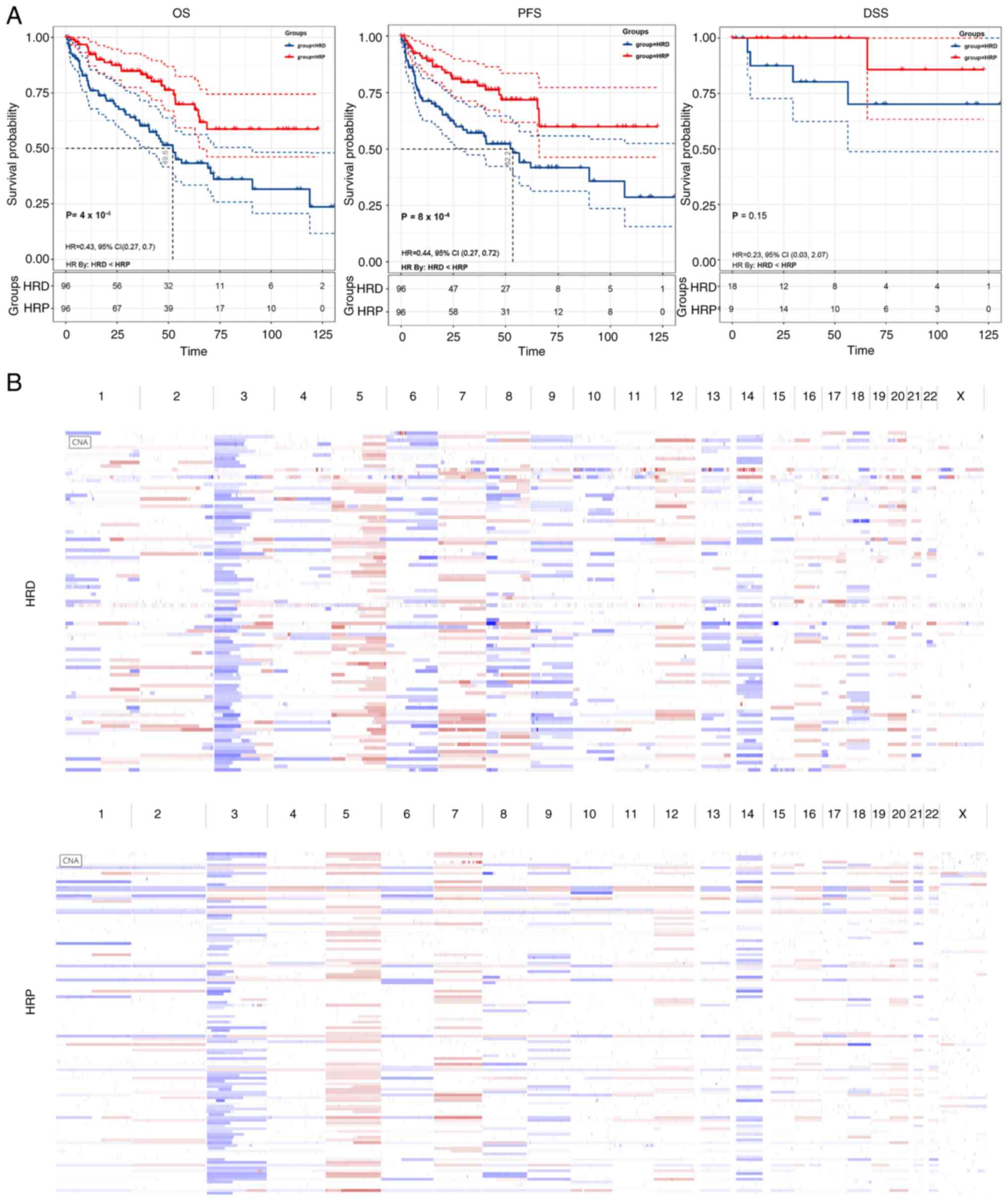
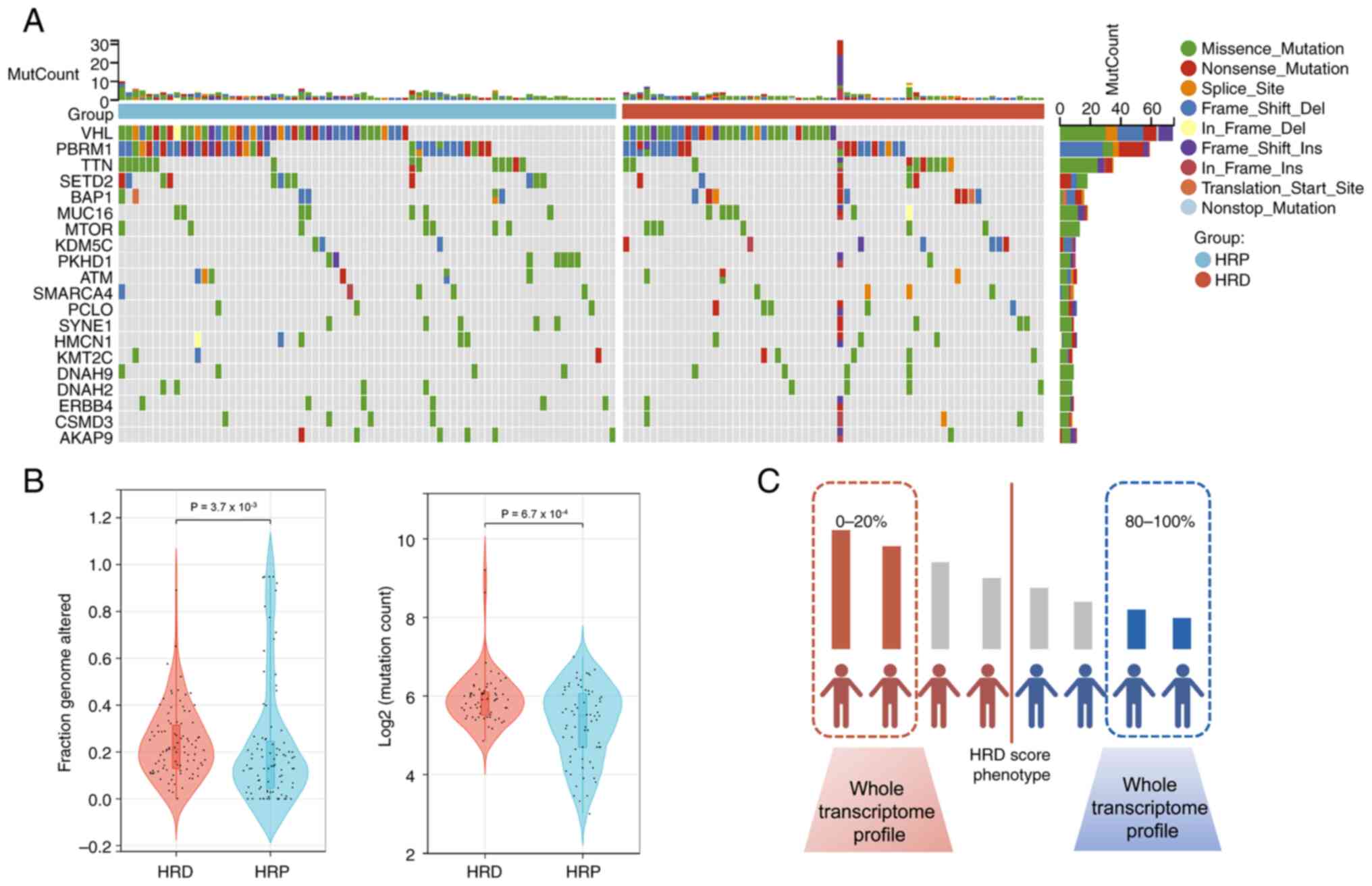
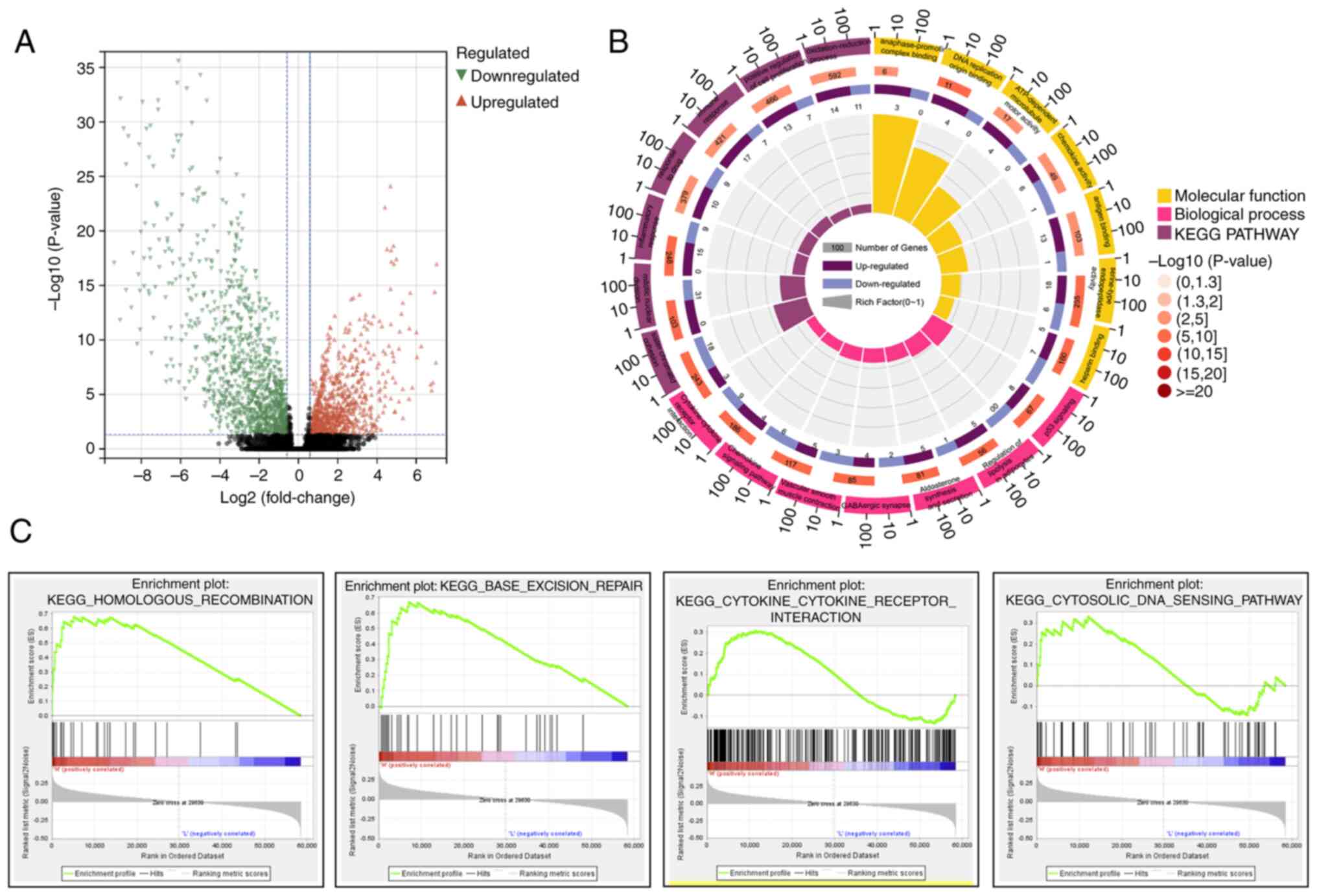
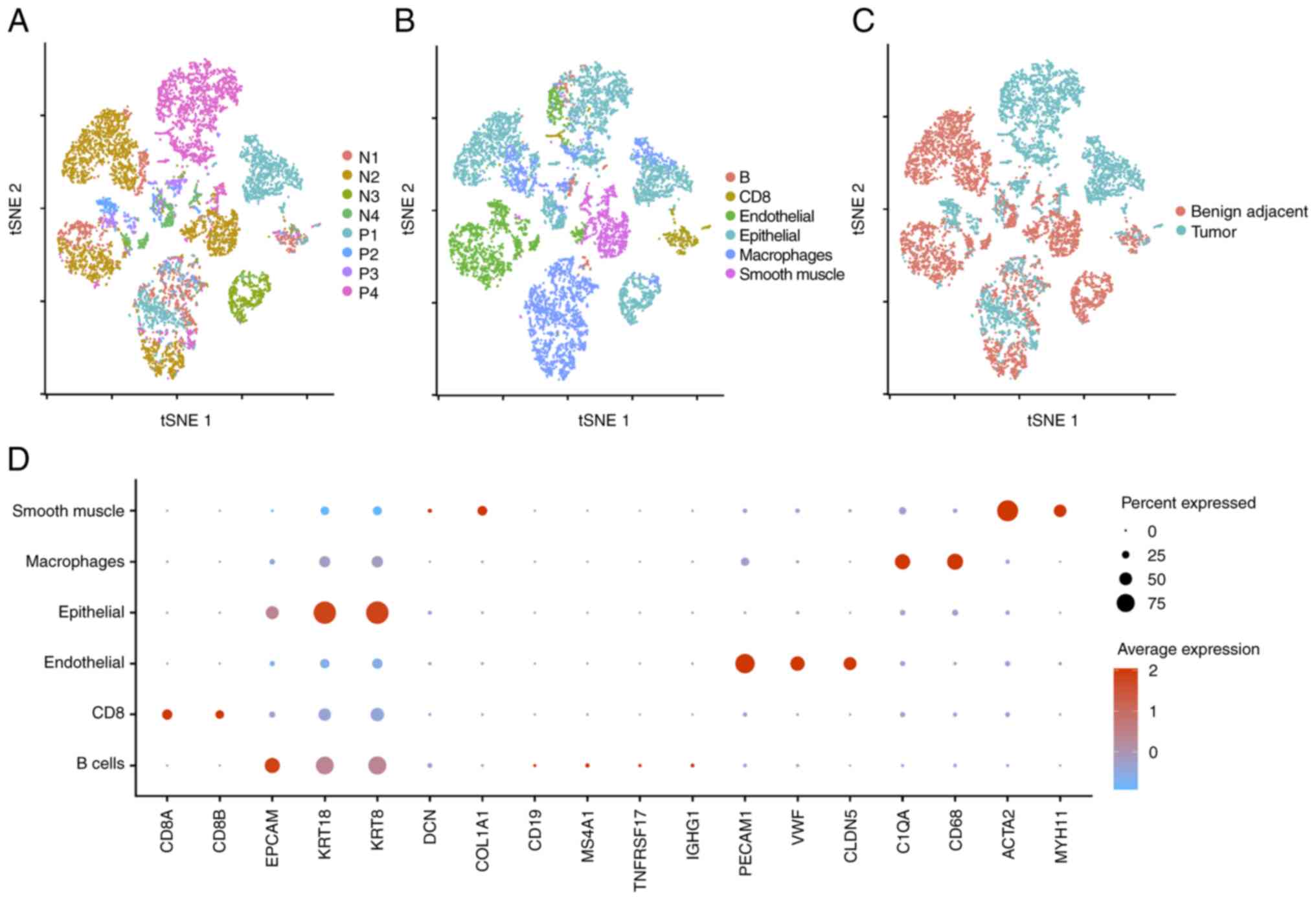
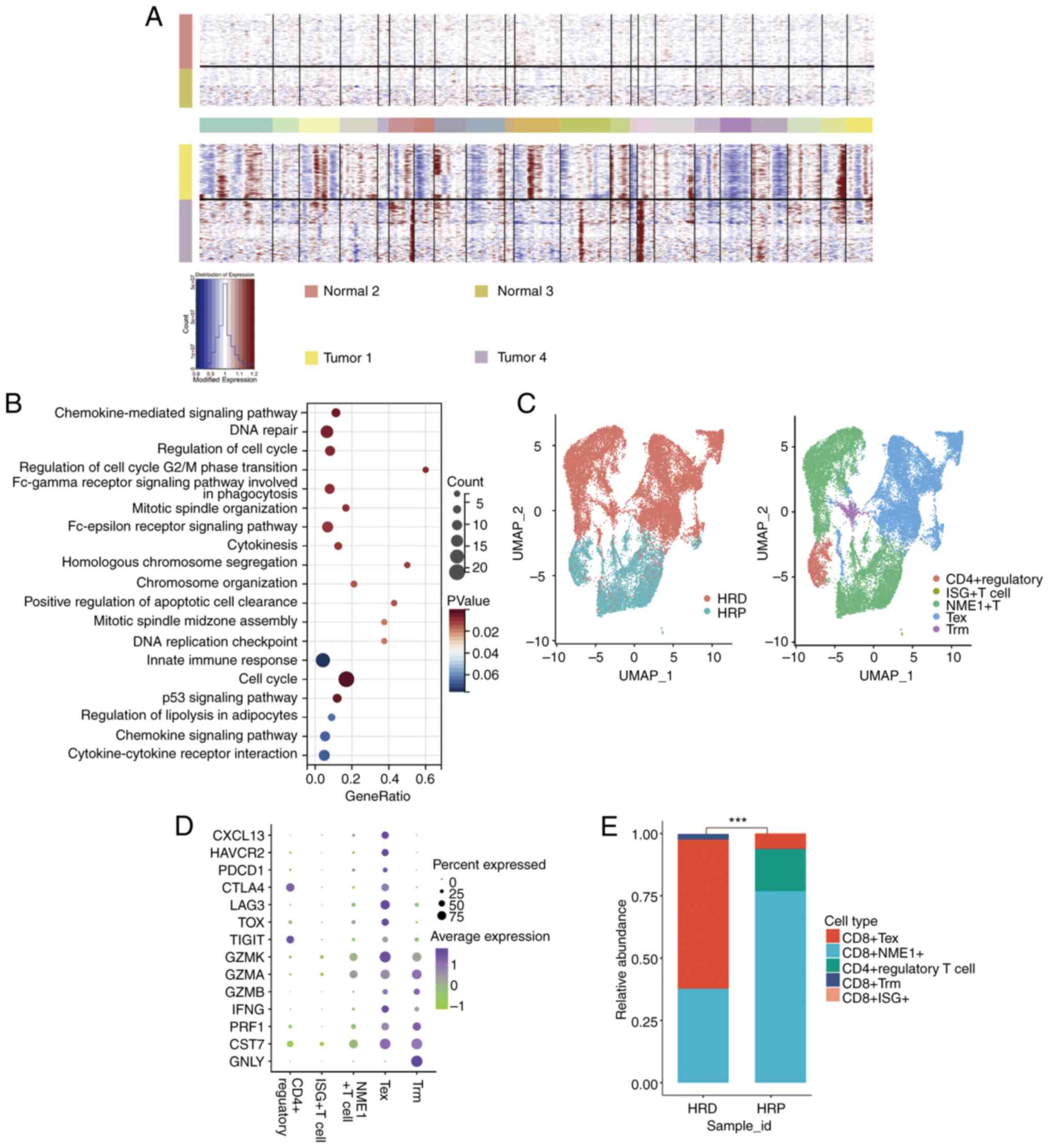
Kidney renal clear cell carcinoma (KIRC) is a frequent malignant tumor characterized by a high degree of heterogeneity and genetic instability. DNA double‑strand breaks generated by homologous recombination deficit (HRD) are a well‑known contributor to genomic instability, which can encourage tumor development. It is not known, however, whether the molecular characteristics linked with HRD have a predictive role in KIRC. The discovery cohort comprised 501 KIRC patients from The Cancer Genome Atlas database. Genome and transcriptome data of HRD patients were used for comprehensive analysis. Single cell RNA sequencing (scRNA‑seq) was used to verify the test results of bulk RNA‑seq. In the present study, patients with a high HRD score had a worse prognosis compared with those with a low HRD score. The DNA damage response signaling pathways and immune‑related signaling pathways were notably enriched in the HRD‑positive subgroup. Further comprehensive analysis of the tumor microenvironment (TME) revealed that the signal of exhausted CD8+ T cells was enriched in the HRD‑positive subgroup. Finally, scRNA‑seq analyses confirmed that the immune‑related signaling pathways were upregulated in HRD‑positive patients. In conclusion, the present study not only demonstrated that a high HRD score is a valid prognostic biomarker in KIRC patients, but also revealed the TME in HRD‑positive tumors.
View Figures

Figure 1

Figure 2

Figure 3

Figure 4

Figure 5

View References

1 

Hsieh JJ, Purdue MP, Signoretti S, Swanton C, Albiges L, Schmidinger M, Heng DY, Larkin J and Ficarra V: Renal cell carcinoma. Nat Rev Dis Primers. 3(17009)2017.PubMed/NCBI View Article : Google Scholar

2 

Sanchez DJ and Simon MC: Genetic and metabolic hallmarks of clear cell renal cell carcinoma. Biochim Biophys Acta Rev Cancer. 1870:23–31. 2018.PubMed/NCBI View Article : Google Scholar

3 

Lobo J, Ohashi R, Amin MB, Berney DM, Compérat EM, Cree IA, Gill AJ, Hartmann A, Menon S, Netto GJ, et al: The WHO 2022 landscape of papillary and chromophobe renal cell carcinoma. Histopathology. 81:426–438. 2022.PubMed/NCBI View Article : Google Scholar

4 

Choueiri TK and Motzer RJ: Systemic therapy for metastatic renal-cell carcinoma. N Eng J Med. 376:354–366. 2017.PubMed/NCBI View Article : Google Scholar

5 

Makhov P, Joshi S, Ghatalia P, Kutikov A, Uzzo RG and Kolenko VM: Resistance to systemic therapies in clear cell renal cell carcinoma: Mechanisms and management strategies. Mol Cancer Ther. 17:1355–1364. 2018.PubMed/NCBI View Article : Google Scholar

6 

Hsieh JJ, Le VH, Oyama T, Ricketts CJ, Ho TH and Cheng EH: Chromosome 3p loss-orchestrated VHL, HIF and epigenetic deregulation in clear cell renal cell carcinoma. J Clin Oncol. 36(JCO2018792549)2018.PubMed/NCBI View Article : Google Scholar

7 

Liao L, Liu ZZ, Langbein L, Cai W, Cho EA, Na J, Niu X, Jiang W, Zhong Z, Cai WL, et al: Multiple tumor suppressors regulate a HIF-dependent negative feedback loop via ISGF3 in human clear cell renal cancer. Elife. 7(e37925)2018.PubMed/NCBI View Article : Google Scholar

8 

De Cubas AA and Rathmell WK: Epigenetic modifiers: Activities in renal cell carcinoma. Nat Rev Urol. 15:599–614. 2018.PubMed/NCBI View Article : Google Scholar

9 

Ledermann JA, Drew Y and Kristeleit RS: Homologous recombination deficiency and ovarian cancer. Eur J Cancer. 60:49–58. 2016.PubMed/NCBI View Article : Google Scholar

10 

Shi Z, Zhao Q, Lv B, Qu X, Han X, Wang H, Qiu J and Hua K: Identification of biomarkers complementary to homologous recombination deficiency for improving the clinical outcome of ovarian serous cystadenocarcinoma. Clin Transl Med. 11(e399)2021.PubMed/NCBI View Article : Google Scholar

11 

Marquard AM, Eklund AC, Joshi T, Krzystanek M, Favero F, Wang ZC, Richardson AL, Silver DP, Szallasi Z and Birkbak NJ: Pan-cancer analysis of genomic scar signatures associated with homologous recombination deficiency suggests novel indications for existing cancer drugs. Biomark Res. 3:1–10. 2015.PubMed/NCBI View Article : Google Scholar

12 

Telli ML, Timms KM, Reid J, Hennessy B, Mills GB, Jensen KC, Szallasi Z, Barry WT, Winer EP, Tung NM, et al: Homologous recombination deficiency (HRD) score predicts response to platinum-containing neoadjuvant chemotherapy in patients with triple-negative breast cancerHRD predicts response to platinum therapy in TNBC. Clin Cancer Res. 22:3764–3773. 2016.PubMed/NCBI View Article : Google Scholar

13 

Sztupinszki Z, Diossy M, Krzystanek M, Reiniger L, Csabai I, Favero F, Birkbak NJ, Eklund AC, Syed A and Szallasi Z: Migrating the SNP array-based homologous recombination deficiency measures to next generation sequencing data of breast cancer. NPJ Breast Cancer. 4(16)2018.PubMed/NCBI View Article : Google Scholar

14 

Takaya H, Nakai H, Takamatsu S, Mandai M and Matsumura N: Homologous recombination deficiency status-based classification of high-grade serous ovarian carcinoma. Sci Rep. 10(2757)2020.PubMed/NCBI View Article : Google Scholar

15 

Timms KM, Abkevich V, Hughes E, Neff C, Reid J, Morris B, Kalva S, Potter J, Tran TV, Chen J, et al: Association of BRCA1/2 defects with genomic scores predictive of DNA damage repair deficiency among breast cancer subtypes. Breast Cancer Res. 16(475)2014.PubMed/NCBI View Article : Google Scholar

16 

Shi Z, Shen J, Qiu J, Zhao Q, Hua K and Wang H: CXCL10 potentiates immune checkpoint blockade therapy in homologous recombination-deficient tumors. Theranostics. 11(7175)2021.PubMed/NCBI View Article : Google Scholar

17 

Merino DM, McShane LM, Fabrizio D, Funari V, Chen SJ, White JR, Wenz P, Baden J, Barrett JC, Chaudhary R, et al: Establishing guidelines to harmonize tumor mutational burden (TMB): In silico assessment of variation in TMB quantification across diagnostic platforms: Phase I of the friends of cancer research TMB harmonization project. J Immunother Cancer. 8(e000147)2020.PubMed/NCBI View Article : Google Scholar

18 

Gainor JF, Rizvi H, Jimenez Aguilar E, Skoulidis F, Yeap BY, Naidoo J, Khosrowjerdi S, Mooradian M, Lydon C, Illei P, et al: Clinical activity of programmed cell death 1 (PD-1) blockade in never, light and heavy smokers with non-small-cell lung cancer and PD-L1 expression ≥ 50%. Ann Oncol. 31:404–411. 2020.PubMed/NCBI View Article : Google Scholar

19 

Niu B, Ye K, Zhang Q, Lu C, Xie M, McLellan MD, Wendl MC and Ding L: MSIsensor: microsatellite instability detection using paired tumor-normal sequence data. Bioinformatics. 30:1015–1016. 2014.PubMed/NCBI View Article : Google Scholar

20 

Tomczak K, Czerwińska P and Wiznerowicz M: Review the cancer genome atlas (TCGA): An immeasurable source of knowledge. Contemp Oncol (Pozn). 2015:A68–A77. 2015.PubMed/NCBI View Article : Google Scholar

21 

Koboldt DC, Zhang Q, Larson DE, Shen D, McLellan MD, Lin L, Miller CA, Mardis ER, Ding L and Wilson RK: VarScan 2: Somatic mutation and copy number alteration discovery in cancer by exome sequencing. Genome Res. 22:568–576. 2012.PubMed/NCBI View Article : Google Scholar

22 

Wang K, Li M and Hakonarson H: ANNOVAR: Functional annotation of genetic variants from high-throughput sequencing data. Nucleic Acids Res. 38(e164)2010.PubMed/NCBI View Article : Google Scholar

23 

Gao J, Aksoy BA, Dogrusoz U, Dresdner G, Gross B, Sumer SO, Sun Y, Jacobsen A, Sinha R, Larsson E, et al: Integrative analysis of complex cancer genomics and clinical profiles using the cBioPortal. Sci Signal. 6(pl1)2013.PubMed/NCBI View Article : Google Scholar

24 

Au L, Hatipoglu E, Robert de Massy M, Litchfield K, Beattie G, Rowan A, Schnidrig D, Thompson R, Byrne F, Horswell S, et al: Determinants of anti-PD-1 response and resistance in clear cell renal cell carcinoma. Cancer Cell. 39:1497–1518.e11. 2021.PubMed/NCBI View Article : Google Scholar

25 

Abkevich V, Timms KM, Hennessy BT, Potter J, Carey MS, Meyer LA, Smith-McCune K, Broaddus R, Lu KH, Chen J, et al: Patterns of genomic loss of heterozygosity predict homologous recombination repair defects in epithelial ovarian cancer. Br J Cancer. 107:1776–1782. 2012.PubMed/NCBI View Article : Google Scholar

26 

Popova T, Manié E, Rieunier G, Caux-Moncoutier V, Tirapo C, Dubois T, Delattre O, Sigal-Zafrani B, Bollet M, Longy M, et al: Ploidy and large-scale genomic instability consistently identify basal-like breast carcinomas with BRCA1/2 inactivation. Cancer Res. 72:5454–5462. 2012.PubMed/NCBI View Article : Google Scholar

27 

Birkbak NJ, Wang ZC, Kim JY, Eklund AC, Li Q, Tian R, Bowman-Colin C, Li Y, Greene-Colozzi A, Iglehart JD, et al: Telomeric allelic imbalance indicates defective DNA repair and sensitivity to DNA-damaging agents. Cancer Discov. 2:366–375. 2012.PubMed/NCBI View Article : Google Scholar

28 

Love MI, Huber W and Anders S: Moderated estimation of fold change and dispersion for RNA-seq data with DESeq2. Genome Biol. 15(550)2014.PubMed/NCBI View Article : Google Scholar

29 

Subramanian A, Tamayo P, Mootha VK, Mukherjee S, Ebert BL, Gillette MA, Paulovich A, Pomeroy SL, Golub TR, Lander ES and Mesirov JP: Gene set enrichment analysis: A knowledge-based approach for interpreting genome-wide expression profiles. Proc Natl Acad Sci USA. 102:15545–15550. 2005.PubMed/NCBI View Article : Google Scholar

30 

McGinnis CS, Murrow LM and Gartner ZJ: DoubletFinder: Doublet detection in single-cell RNA sequencing data using artificial nearest neighbors. Cell Syst. 8:329–337.e4. 2019.PubMed/NCBI View Article : Google Scholar

31 

Korsunsky I, Millard N, Fan J, Slowikowski K, Zhang F, Wei K, Baglaenko Y, Brenner M, Loh PR and Raychaudhuri S: Fast, sensitive and accurate integration of single-cell data with Harmony. Nat Methods. 16:1289–1296. 2019.PubMed/NCBI View Article : Google Scholar

32 

Ianevski A, Giri AK and Aittokallio T: Fully-automated and ultra-fast cell-type identification using specific marker combinations from single-cell transcriptomic data. Nature Commun. 13(1246)2022.PubMed/NCBI View Article : Google Scholar

33 

Li X and Wang CY: From bulk, single-cell to spatial RNA sequencing. Int J Oral Sci. 13(36)2021.PubMed/NCBI View Article : Google Scholar

34 

Poznansky MC, Olszak IT, Foxall R, Evans RH, Luster AD and Scadden DT: Active movement of T cells away from a chemokine. Nat Med. 6:543–548. 2000.PubMed/NCBI View Article : Google Scholar

35 

Greener JG, Kandathil SM, Moffat L and Jones DT: A guide to machine learning for biologists. Nat Rev Mol Cell Biol. 23:40–55. 2022.PubMed/NCBI View Article : Google Scholar

36 

Alhmoud JF, Woolley JF, Al Moustafa AE and Malki MI: DNA damage/repair management in cancers. Cancers (Basel). 12(1050)2020.PubMed/NCBI View Article : Google Scholar

37 

Wang Y, Yan K, Wang L and Bi J: Genome instability-related long non-coding RNA in clear renal cell carcinoma determined using computational biology. BMC Cancer. 21:1–13. 2021.PubMed/NCBI View Article : Google Scholar

38 

Niu S, Liu K, Xu Y, et al: Genomic landscape of Chinese clear cell renal cell carcinoma patients with venous tumor thrombus identifies chromosome 9 and 14 deletions and related immunosuppressive microenvironment. Front Oncol. 11(646338)2021.PubMed/NCBI View Article : Google Scholar

39 

Fakouri NB, Hou Y, Demarest TG, Christiansen LS, Okur MN, Mohanty JG, Croteau DL and Bohr VA: Toward understanding genomic instability, mitochondrial dysfunction and aging. FEBS J. 286:1058–1073. 2019.PubMed/NCBI View Article : Google Scholar

40 

Kohli K, Pillarisetty VG and Kim TS: Key chemokines direct migration of immune cells in solid tumors. Cancer Gene Ther. 29:10–21. 2022.PubMed/NCBI View Article : Google Scholar

41 

Dangaj D, Bruand M, Grimm AJ, Ronet C, Barras D, Duttagupta PA, Lanitis E, Duraiswamy J, Tanyi JL, Benencia F, et al: Cooperation between constitutive and inducible chemokines enables T cell engraftment and immune attack in solid tumors. Cancer Cell. 35:885–900.e10. 2019.PubMed/NCBI View Article : Google Scholar

42 

Mollica Poeta V, Massara M, Capucetti A and Bonecchi R: Chemokines and chemokine receptors: New targets for cancer immunotherapy. Front Immunol. 10(379)2019.PubMed/NCBI View Article : Google Scholar

43 

Lowery FJ, Krishna S, Yossef R, Parikh NB, Chatani PD, Zacharakis N, Parkhurst MR, Levin N, Sindiri S, Sachs A, et al: Molecular signatures of antitumor neoantigen-reactive T cells from metastatic human cancers. Science. 375:877–884. 2022.PubMed/NCBI View Article : Google Scholar

44 

Zheng C, Fass JN, Shih YP, Gunderson AJ, Sanjuan Silva N, Huang H, Bernard BM, Rajamanickam V, Slagel J, Bifulco CB, et al: Transcriptomic profiles of neoantigen-reactive T cells in human gastrointestinal cancers. Cancer Cell. 40:410–423.e17. 2022.PubMed/NCBI View Article : Google Scholar

Related Articles

  • Abstract
  • View
  • Download
  • Twitter
Copy and paste a formatted citation
Spandidos Publications style
He L, Gao F, Zhu J, Xu Q, Yu Q, Yang M and Huang Y: Homologous recombination deficiency serves as a prognostic biomarker in clear cell renal cell carcinoma. Exp Ther Med 26: 429, 2023.
APA
He, L., Gao, F., Zhu, J., Xu, Q., Yu, Q., Yang, M., & Huang, Y. (2023). Homologous recombination deficiency serves as a prognostic biomarker in clear cell renal cell carcinoma. Experimental and Therapeutic Medicine, 26, 429. https://doi.org/10.3892/etm.2023.12128
MLA
He, L., Gao, F., Zhu, J., Xu, Q., Yu, Q., Yang, M., Huang, Y."Homologous recombination deficiency serves as a prognostic biomarker in clear cell renal cell carcinoma". Experimental and Therapeutic Medicine 26.3 (2023): 429.
Chicago
He, L., Gao, F., Zhu, J., Xu, Q., Yu, Q., Yang, M., Huang, Y."Homologous recombination deficiency serves as a prognostic biomarker in clear cell renal cell carcinoma". Experimental and Therapeutic Medicine 26, no. 3 (2023): 429. https://doi.org/10.3892/etm.2023.12128
Copy and paste a formatted citation
x
Spandidos Publications style
He L, Gao F, Zhu J, Xu Q, Yu Q, Yang M and Huang Y: Homologous recombination deficiency serves as a prognostic biomarker in clear cell renal cell carcinoma. Exp Ther Med 26: 429, 2023.
APA
He, L., Gao, F., Zhu, J., Xu, Q., Yu, Q., Yang, M., & Huang, Y. (2023). Homologous recombination deficiency serves as a prognostic biomarker in clear cell renal cell carcinoma. Experimental and Therapeutic Medicine, 26, 429. https://doi.org/10.3892/etm.2023.12128
MLA
He, L., Gao, F., Zhu, J., Xu, Q., Yu, Q., Yang, M., Huang, Y."Homologous recombination deficiency serves as a prognostic biomarker in clear cell renal cell carcinoma". Experimental and Therapeutic Medicine 26.3 (2023): 429.
Chicago
He, L., Gao, F., Zhu, J., Xu, Q., Yu, Q., Yang, M., Huang, Y."Homologous recombination deficiency serves as a prognostic biomarker in clear cell renal cell carcinoma". Experimental and Therapeutic Medicine 26, no. 3 (2023): 429. https://doi.org/10.3892/etm.2023.12128
Follow us
  • Twitter
  • LinkedIn
  • Facebook
About
  • Spandidos Publications
  • Careers
  • Cookie Policy
  • Privacy Policy
How can we help?
  • Help
  • Live Chat
  • Contact
  • Email to our Support Team