Spandidos Publications Logo
  • About
    • About Spandidos
    • Aims and Scopes
    • Abstracting and Indexing
    • Editorial Policies
    • Reprints and Permissions
    • Job Opportunities
    • Terms and Conditions
    • Contact
  • Journals
    • All Journals
    • Oncology Letters
      • Oncology Letters
      • Information for Authors
      • Editorial Policies
      • Editorial Board
      • Aims and Scope
      • Abstracting and Indexing
      • Bibliographic Information
      • Archive
    • International Journal of Oncology
      • International Journal of Oncology
      • Information for Authors
      • Editorial Policies
      • Editorial Board
      • Aims and Scope
      • Abstracting and Indexing
      • Bibliographic Information
      • Archive
    • Molecular and Clinical Oncology
      • Molecular and Clinical Oncology
      • Information for Authors
      • Editorial Policies
      • Editorial Board
      • Aims and Scope
      • Abstracting and Indexing
      • Bibliographic Information
      • Archive
    • Experimental and Therapeutic Medicine
      • Experimental and Therapeutic Medicine
      • Information for Authors
      • Editorial Policies
      • Editorial Board
      • Aims and Scope
      • Abstracting and Indexing
      • Bibliographic Information
      • Archive
    • International Journal of Molecular Medicine
      • International Journal of Molecular Medicine
      • Information for Authors
      • Editorial Policies
      • Editorial Board
      • Aims and Scope
      • Abstracting and Indexing
      • Bibliographic Information
      • Archive
    • Biomedical Reports
      • Biomedical Reports
      • Information for Authors
      • Editorial Policies
      • Editorial Board
      • Aims and Scope
      • Abstracting and Indexing
      • Bibliographic Information
      • Archive
    • Oncology Reports
      • Oncology Reports
      • Information for Authors
      • Editorial Policies
      • Editorial Board
      • Aims and Scope
      • Abstracting and Indexing
      • Bibliographic Information
      • Archive
    • Molecular Medicine Reports
      • Molecular Medicine Reports
      • Information for Authors
      • Editorial Policies
      • Editorial Board
      • Aims and Scope
      • Abstracting and Indexing
      • Bibliographic Information
      • Archive
    • World Academy of Sciences Journal
      • World Academy of Sciences Journal
      • Information for Authors
      • Editorial Policies
      • Editorial Board
      • Aims and Scope
      • Abstracting and Indexing
      • Bibliographic Information
      • Archive
    • International Journal of Functional Nutrition
      • International Journal of Functional Nutrition
      • Information for Authors
      • Editorial Policies
      • Editorial Board
      • Aims and Scope
      • Abstracting and Indexing
      • Bibliographic Information
      • Archive
    • International Journal of Epigenetics
      • International Journal of Epigenetics
      • Information for Authors
      • Editorial Policies
      • Editorial Board
      • Aims and Scope
      • Abstracting and Indexing
      • Bibliographic Information
      • Archive
    • Medicine International
      • Medicine International
      • Information for Authors
      • Editorial Policies
      • Editorial Board
      • Aims and Scope
      • Abstracting and Indexing
      • Bibliographic Information
      • Archive
  • Articles
  • Information
    • Information for Authors
    • Information for Reviewers
    • Information for Librarians
    • Information for Advertisers
    • Conferences
  • Language Editing
Spandidos Publications Logo
  • About
    • About Spandidos
    • Aims and Scopes
    • Abstracting and Indexing
    • Editorial Policies
    • Reprints and Permissions
    • Job Opportunities
    • Terms and Conditions
    • Contact
  • Journals
    • All Journals
    • Biomedical Reports
      • Information for Authors
      • Editorial Policies
      • Editorial Board
      • Aims and Scope
      • Abstracting and Indexing
      • Bibliographic Information
      • Archive
    • Experimental and Therapeutic Medicine
      • Information for Authors
      • Editorial Policies
      • Editorial Board
      • Aims and Scope
      • Abstracting and Indexing
      • Bibliographic Information
      • Archive
    • International Journal of Epigenetics
      • Information for Authors
      • Editorial Policies
      • Editorial Board
      • Aims and Scope
      • Abstracting and Indexing
      • Bibliographic Information
      • Archive
    • International Journal of Functional Nutrition
      • Information for Authors
      • Editorial Policies
      • Editorial Board
      • Aims and Scope
      • Abstracting and Indexing
      • Bibliographic Information
      • Archive
    • International Journal of Molecular Medicine
      • Information for Authors
      • Editorial Policies
      • Editorial Board
      • Aims and Scope
      • Abstracting and Indexing
      • Bibliographic Information
      • Archive
    • International Journal of Oncology
      • Information for Authors
      • Editorial Policies
      • Editorial Board
      • Aims and Scope
      • Abstracting and Indexing
      • Bibliographic Information
      • Archive
    • Medicine International
      • Information for Authors
      • Editorial Policies
      • Editorial Board
      • Aims and Scope
      • Abstracting and Indexing
      • Bibliographic Information
      • Archive
    • Molecular and Clinical Oncology
      • Information for Authors
      • Editorial Policies
      • Editorial Board
      • Aims and Scope
      • Abstracting and Indexing
      • Bibliographic Information
      • Archive
    • Molecular Medicine Reports
      • Information for Authors
      • Editorial Policies
      • Editorial Board
      • Aims and Scope
      • Abstracting and Indexing
      • Bibliographic Information
      • Archive
    • Oncology Letters
      • Information for Authors
      • Editorial Policies
      • Editorial Board
      • Aims and Scope
      • Abstracting and Indexing
      • Bibliographic Information
      • Archive
    • Oncology Reports
      • Information for Authors
      • Editorial Policies
      • Editorial Board
      • Aims and Scope
      • Abstracting and Indexing
      • Bibliographic Information
      • Archive
    • World Academy of Sciences Journal
      • Information for Authors
      • Editorial Policies
      • Editorial Board
      • Aims and Scope
      • Abstracting and Indexing
      • Bibliographic Information
      • Archive
  • Articles
  • Information
    • For Authors
    • For Reviewers
    • For Librarians
    • For Advertisers
    • Conferences
  • Language Editing
Login Register Submit
  • This site uses cookies
  • You can change your cookie settings at any time by following the instructions in our Cookie Policy. To find out more, you may read our Privacy Policy.

    I agree
Search articles by DOI, keyword, author or affiliation
Search
Advanced Search
presentation
Experimental and Therapeutic Medicine
Join Editorial Board Propose a Special Issue
Print ISSN: 1792-0981 Online ISSN: 1792-1015
Journal Cover
February-2025 Volume 29 Issue 2

Full Size Image

Sign up for eToc alerts
Recommend to Library

Journals

International Journal of Molecular Medicine

International Journal of Molecular Medicine

International Journal of Molecular Medicine is an international journal devoted to molecular mechanisms of human disease.

International Journal of Oncology

International Journal of Oncology

International Journal of Oncology is an international journal devoted to oncology research and cancer treatment.

Molecular Medicine Reports

Molecular Medicine Reports

Covers molecular medicine topics such as pharmacology, pathology, genetics, neuroscience, infectious diseases, molecular cardiology, and molecular surgery.

Oncology Reports

Oncology Reports

Oncology Reports is an international journal devoted to fundamental and applied research in Oncology.

Experimental and Therapeutic Medicine

Experimental and Therapeutic Medicine

Experimental and Therapeutic Medicine is an international journal devoted to laboratory and clinical medicine.

Oncology Letters

Oncology Letters

Oncology Letters is an international journal devoted to Experimental and Clinical Oncology.

Biomedical Reports

Biomedical Reports

Explores a wide range of biological and medical fields, including pharmacology, genetics, microbiology, neuroscience, and molecular cardiology.

Molecular and Clinical Oncology

Molecular and Clinical Oncology

International journal addressing all aspects of oncology research, from tumorigenesis and oncogenes to chemotherapy and metastasis.

World Academy of Sciences Journal

World Academy of Sciences Journal

Multidisciplinary open-access journal spanning biochemistry, genetics, neuroscience, environmental health, and synthetic biology.

International Journal of Functional Nutrition

International Journal of Functional Nutrition

Open-access journal combining biochemistry, pharmacology, immunology, and genetics to advance health through functional nutrition.

International Journal of Epigenetics

International Journal of Epigenetics

Publishes open-access research on using epigenetics to advance understanding and treatment of human disease.

Medicine International

Medicine International

An International Open Access Journal Devoted to General Medicine.

Journal Cover
February-2025 Volume 29 Issue 2

Full Size Image

Sign up for eToc alerts
Recommend to Library

  • Article
  • Citations
    • Cite This Article
    • Download Citation
    • Create Citation Alert
    • Remove Citation Alert
    • Cited By
  • Similar Articles
    • Related Articles (in Spandidos Publications)
    • Similar Articles (Google Scholar)
    • Similar Articles (PubMed)
  • Download PDF
  • Download XML
  • View XML
Article Open Access

Extracellular acidification stimulates OGR1 to modify osteoclast differentiation and activity through the Ca2+‑calcineurin‑NFATc1 pathway

  • Authors:
    • Feng-Bo Li
    • Su-Qing Bao
    • Xiao-Lei Sun
    • Jian-Xiong Ma
    • Xin-Long Ma
  • View Affiliations / Copyright

    Affiliations: Department of Orthopedics, Tianjin Hospital, Tianjin 300211, P.R. China, Department of Endocrinology, Tianjin First Central Hospital, Tianjin 300192, P.R. China, Institute of Orthopedics, Tianjin Hospital, Tianjin 300211, P.R. China
    Copyright: © Li et al. This is an open access article distributed under the terms of Creative Commons Attribution License.
  • Article Number: 28
    |
    Published online on: December 5, 2024
       https://doi.org/10.3892/etm.2024.12778
  • Expand metrics +
Metrics: Total Views: 0 (Spandidos Publications: | PMC Statistics: )
Metrics: Total PDF Downloads: 0 (Spandidos Publications: | PMC Statistics: )
Cited By (CrossRef): 0 citations Loading Articles...

This article is mentioned in:


Abstract

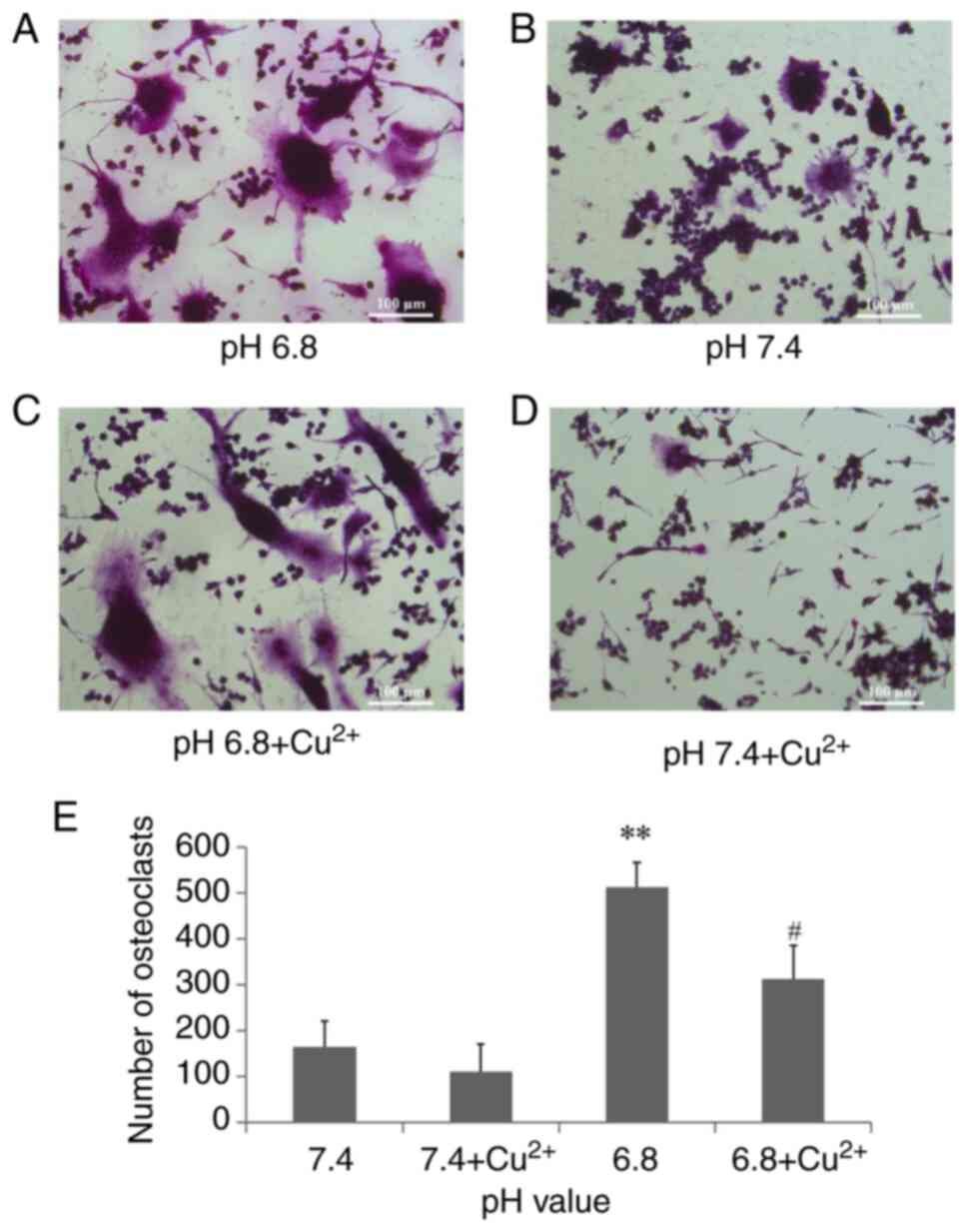
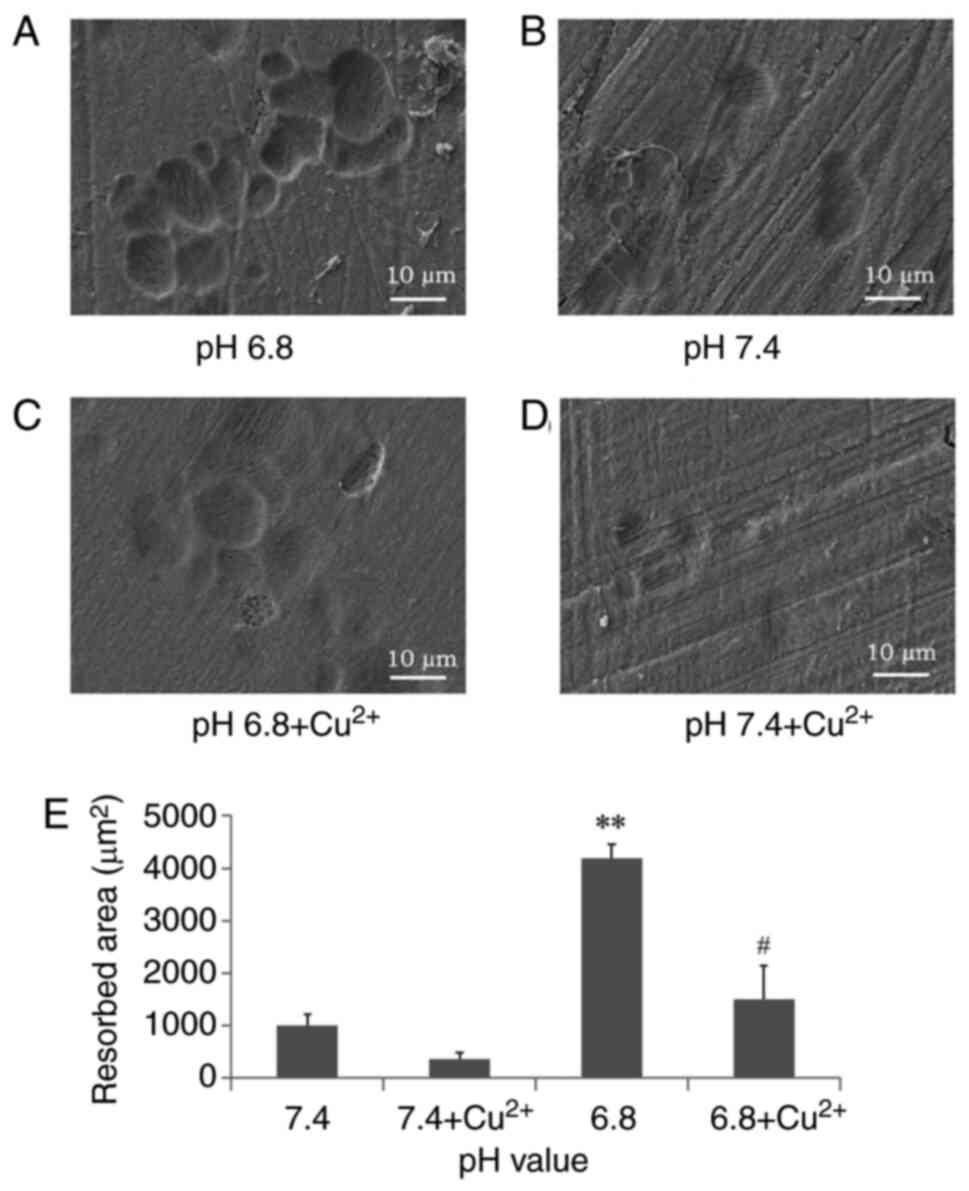
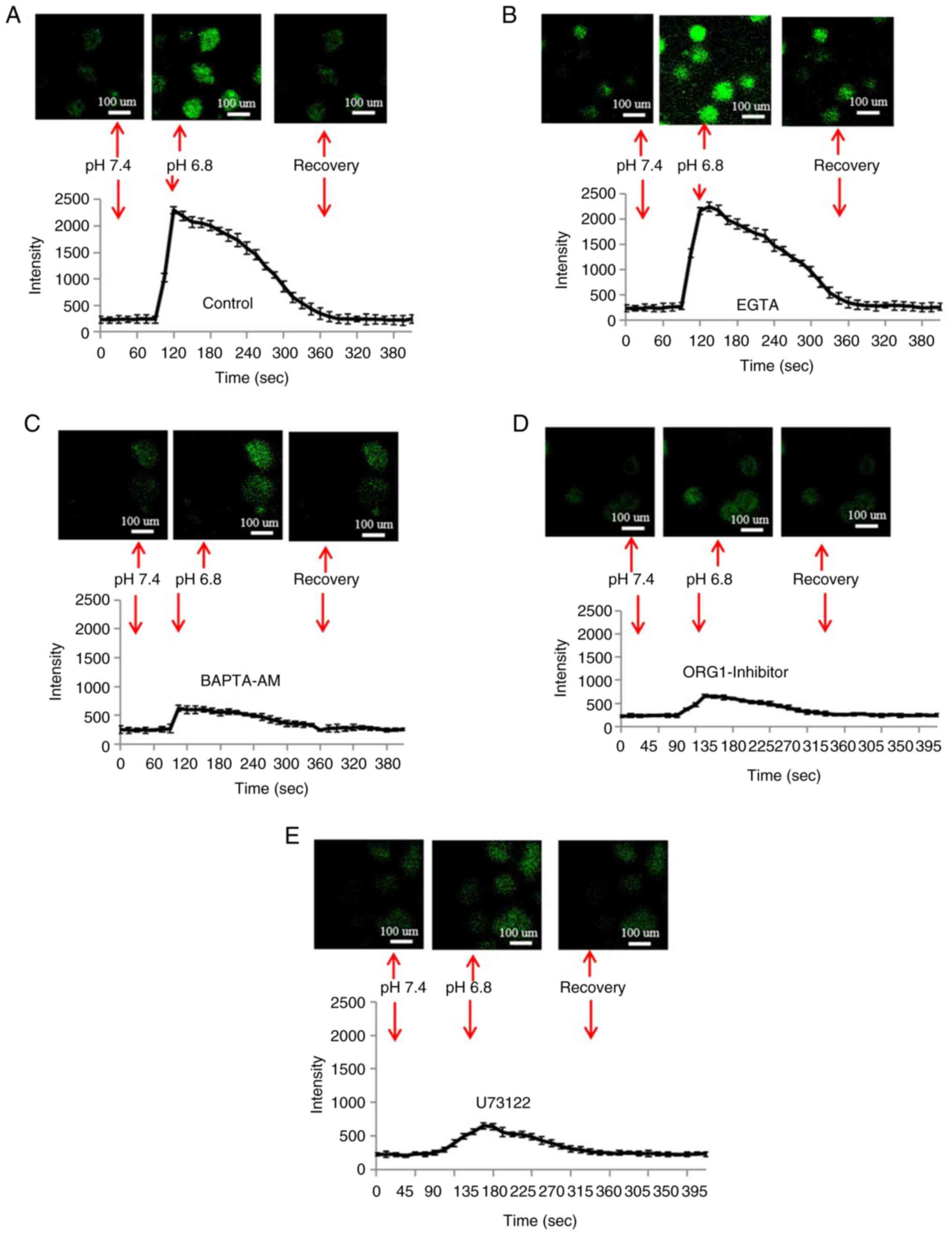
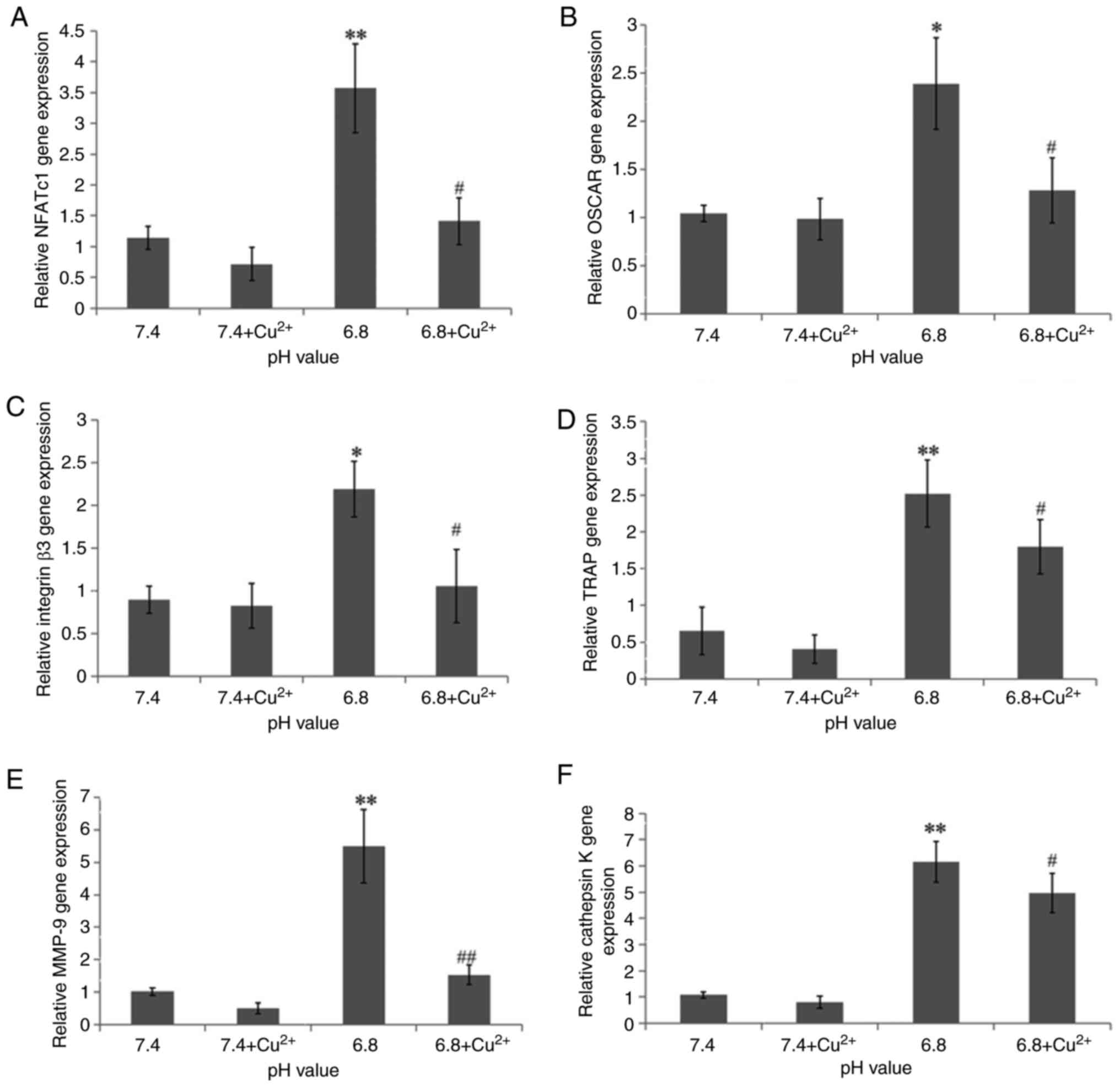
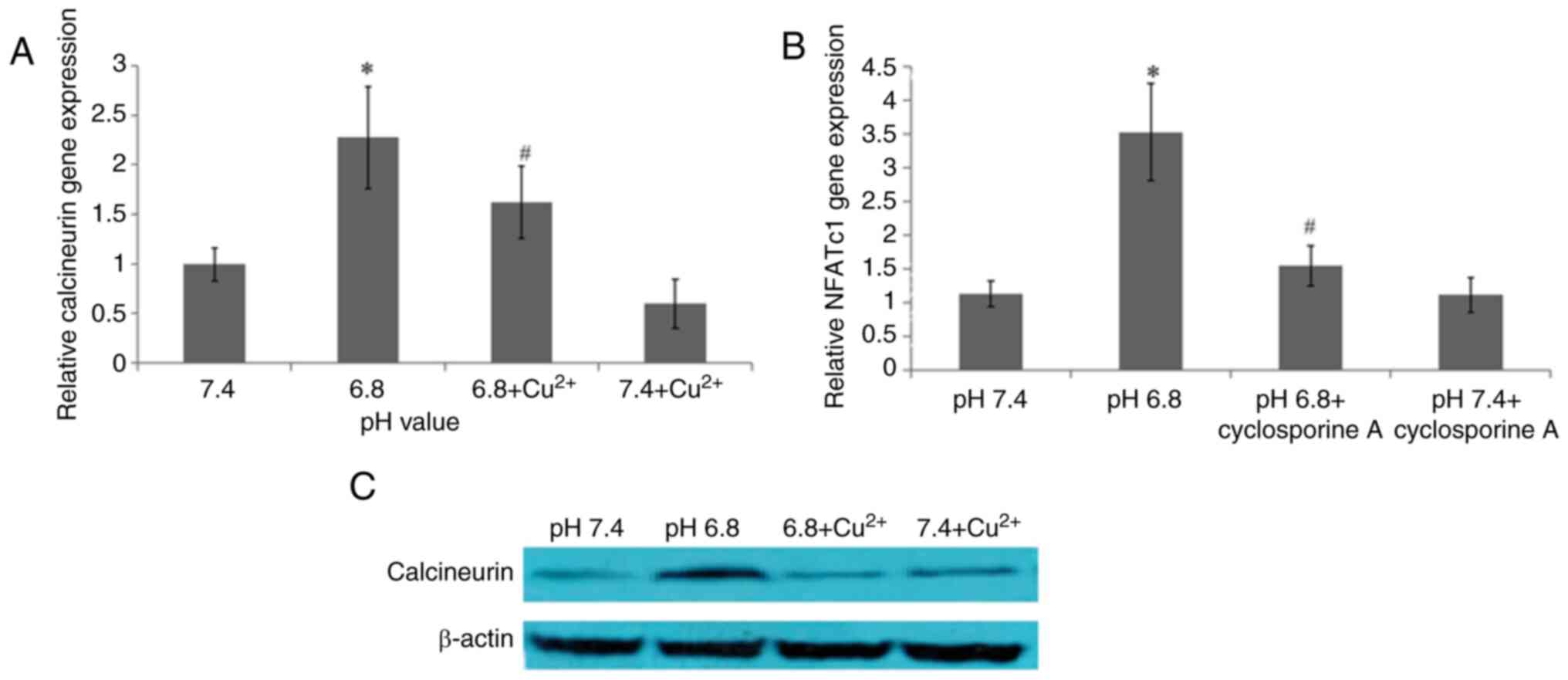
The aim of the present study was to explore the role of ovarian cancer G protein‑coupled receptor 1 (OGR1) in osteoclast differentiation and activity induced by extracellular acid. The impact of extracellular acidification on osteoclasts was investigated. Briefly, osteoclasts were generated from RAW 264.7 cells using 100 ng/ml receptor activator of nuclear factor‑κB ligand in cell culture media at pH 6.8 or 7.4. Tartrate‑resistant acid phosphatase (TRAP) staining and the bone resorption pit assay were used to detect the effects of extracellular acid on the number and absorptive capacity of osteoclasts. Intracellular Ca2+ levels were analyzed using laser scanning confocal microscopy. Reverse transcription‑quantitative PCR was used to detect the expression levels of genes associated with osteoclast formation and bone erosion. The role of OGR1 in the acid‑stimulated formation and bone resorption of osteoclasts was also investigated. The results showed that in the pH 6.8 medium group the number of osteoclasts was 511.2±54.72 and the area of bone absorption was 4,184.88±277.14 µm2; both were significantly higher than those in the pH 7.4 medium group (all P<0.01). Inhibition of OGR1 using copper ion (Cu2+) reduced the number of osteoclasts and the area of bone resorption in the pH 6.8 medium group (all P<0.05). Furthermore, extracellular acid (pH 6.8) was able to induce a transient increase of Ca2+ levels in osteoclasts; however, inhibition of OGR1 using Cu2+ effectively attenuated the acid‑induced increase of Ca2+ in osteoclasts. In addition, the elevation in Ca2+ levels was inhibited when BAPTA, a cytoplasmic Ca2+ chelator with cellular permeability, was added to the cells; however, the extracellular Ca2+‑chelating agent ethylene glycol tetraacetic acid did not inhibit the acid‑stimulated increase in Ca2+. Treatment with the phospholipase C inhibitor U73122 also inhibited the acid‑stimulated increase of Ca2+ in osteoclasts. Furthermore, the mRNA expression levels of TRAP, matrix metalloproteinase‑9, osteoclast‑related receptor, nuclear factor‑activated T cell 1 (NFATc1), cathepsin K and integrin β3 were elevated in the pH 6.8 medium group compared with those in the pH 7.4 medium group (all P<0.05). By contrast, the inhibition of OGR1 using Cu2+ partially reduced the effects of the acidic environment on osteoclast differentiation and activity‑related gene expression (all P<0.05). In addition, the mRNA and protein expression levels of calcineurin were increased in osteoclasts in the pH 6.8 group compared with those in the pH 7.4 group (P<0.05), whereas blocking OGR1 suppressed the expression of acid‑induced calcineurin. The mRNA expression levels of NFATc1 in osteoclasts were also increased in the pH 6.8 medium group compared with those in the pH 7.4 medium group (P<0.05). By contrast, the specific calcineurin inhibitor cyclosporine A significantly inhibited the acid‑induced expression of NFATc1 in osteoclasts. In conclusion, the present study revealed that extracellular acidification may increase osteoclast differentiation and bone resorption activity. Furthermore, OGR1‑mediated Ca2+ elevation could have a crucial role in osteoclasts by regulating the Ca2+‑calcineurin‑NFATc1 signaling pathway and downstream signaling.
View Figures

Figure 1

Figure 2

Figure 3

Figure 4

Figure 5

View References

1 

Hanon C, Savarino J and Thomas C: Blood lactate and acid-base balance of world-class amateur boxers after three 3-min rounds in international competition. J Strength Cond Res. 29:942–946. 2015.PubMed/NCBI View Article : Google Scholar

2 

Li Y, Gao H, Zhao L and Wang J: Osteoporosis in COPD patients: Risk factors and pulmonary rehabilitation. Clin Respir J. 16:487–496. 2022.PubMed/NCBI View Article : Google Scholar

3 

William Whitehouse R, Ahmad G, Kirwadi A and Matthew Howard J: Imaging of chronic kidney disease-mineral and bone disorder. Radiol Clin North Am. 60:547–559. 2022.PubMed/NCBI View Article : Google Scholar

4 

Yormaz B, Cebeci H, Yılmaz F and Süerdem M: Bone mineral density in emphysema and chronic bronchitis phenotypes in hospitalized male chronic obstructive pulmonary disease patients. Clin Respir J. 14:47–53. 2020.PubMed/NCBI View Article : Google Scholar

5 

Johnston CB and Dagar M: Osteoporosis in older adults. Med Clin North Am. 104:873–884. 2020.PubMed/NCBI View Article : Google Scholar

6 

Kim JM, Lin C, Stavre Z, Greenblatt MB and Shim JH: Osteoblast-osteoclast communication and bone homeostasis. Cells. 9(2073)2020.PubMed/NCBI View Article : Google Scholar

7 

Arnett TR: Acidosis, hypoxia and bone. Arch Biochem Biophys. 503:103–109. 2010.PubMed/NCBI View Article : Google Scholar

8 

Amin N, Boccardi V, Taghizadeh M and Jafarnejad S: Probiotics and bone disorders: The role of RANKL/RANK/OPG pathway. Aging Clin Exp Res. 32:363–371. 2020.PubMed/NCBI View Article : Google Scholar

9 

Chun KH, Jin HC, Kang KS, Chang TS and Hwang GS: Poncirin inhibits osteoclast differentiation and bone loss through down-regulation of NFATc1 in vitro and in vivo. Biomol Ther (Seoul). 28:337–343. 2020.PubMed/NCBI View Article : Google Scholar

10 

Rohatgi N, Zou W, Collins PL, Brestoff JR, Chen TH, Abu-Amer Y and Teitelbaum SL: ASXL1 impairs osteoclast formation by epigenetic regulation of NFATc1. Blood Adv. 2:2467–2477. 2018.PubMed/NCBI View Article : Google Scholar

11 

Cao B, Dai X and Wang W: Knockdown of TRPV4 suppresses osteoclast differentiation and osteoporosis by inhibiting autophagy through Ca2+ -calcineurin-NFATc1 pathway. J Cell Physiol. 234:6831–6841. 2019.PubMed/NCBI View Article : Google Scholar

12 

Kadow-Romacker A, Hoffmann JE, Duda G, Wildemann B and Schmidmaier G: Effect of mechanical stimulation on osteoblast- and osteoclast-like cells in vitro. Cells Tissues Organs. 190:61–68. 2009.PubMed/NCBI View Article : Google Scholar

13 

Tong X, Ganta RR and Liu Z: AMP-activated protein kinase (AMPK) regulates autophagy, inflammation and immunity and contributes to osteoclast differentiation and functionabs. Biol Cell. 112:251–264. 2020.PubMed/NCBI View Article : Google Scholar

14 

Gan Z, Huang J, Xu M, Yuan X, Shang X, Chen X and Chen K: Micheliolide prevents estrogen deficiency-induced bone loss via inhibiting osteoclast bone resorption. Aging (Albany NY). 15:10732–10745. 2023.PubMed/NCBI View Article : Google Scholar

15 

Wei Y and Sun Y: Aging of the bone. Adv Exp Med Biol. 1086:189–197. 2018.PubMed/NCBI View Article : Google Scholar

16 

Goldhaber P and Rabadjija L: H+ stimulation of cell-mediated bone resorption in tissue culture. Am J Physiol. 253:E90–E98. 1987.PubMed/NCBI View Article : Google Scholar

17 

Meghji S, Morrison MS, Henderson B and Arnett TR: pH dependence of bone resorption: Mouse calvarial osteoclasts are activated by acidosis. Am J Physiol Endocrinol Metab. 280:E112–E119. 2001.PubMed/NCBI View Article : Google Scholar

18 

Ahn H, Kim JM, Lee K, Kim H and Jeong D: Extracellular acidosis accelerates bone resorption by enhancing osteoclast survival, adhesion, and migration. Biochem Biophys Res Commun. 418:144–148. 2012.PubMed/NCBI View Article : Google Scholar

19 

Park JW, Yoon HJ, Kang WY, Cho S, Seong SJ, Lee HW, Yoon YR and Kim HJ: G protein-coupled receptor 84 controls osteoclastogenesis through inhibition of NF-κB and MAPK signaling pathways. J Cell Physiol. 233:1481–1489. 2018.PubMed/NCBI View Article : Google Scholar

20 

Kanaya K, Iba K, Abe Y, Dohke T, Okazaki S, Matsumura T and Yamashita T: Acid-sensing ion channel 3 or P2X2/3 is involved in the pain-like behavior under a high bone turnover state in ovariectomized mice. J Orthop Res. 34:566–573. 2016.PubMed/NCBI View Article : Google Scholar

21 

Ludwig MG, Vanek M, Guerini D, Gasser JA, Jones CE, Junker U, Hofstetter H, Wolf RM and Seuwen K: Proton-sensing G-protein-coupled receptors. Nature. 425:93–98. 2003.PubMed/NCBI View Article : Google Scholar

22 

Wiley SZ, Sriram K, Salmerón C and Insel PA: GPR68: An emerging drug target in cancer. Int J Mol Sci. 20(559)2019.PubMed/NCBI View Article : Google Scholar

23 

Hutter S, van Haaften WT, Hünerwadel A, Baebler K, Herfarth N, Raselli T, Mamie C, Misselwitz B, Rogler G, Weder B, et al: Intestinal activation of pH-sensing receptor OGR1 [GPR68] contributes to fibrogenesis. J Crohns Colitis. 12:1348–1358. 2018.PubMed/NCBI View Article : Google Scholar

24 

Mogi C, Nakakura T and Okajima F: Role of extracellular proton-sensing OGR1 in regulation of insulin secretion and pancreatic β-cell functions. Endocr J. 61:101–110. 2014.PubMed/NCBI View Article : Google Scholar

25 

Ding S, Xu J, Zhang Q, Chen F, Zhang J, Gui K, Xiong M, Li B, Ruan Z and Zhao M: OGR1 mediates the inhibitory effects of acidic environment on proliferation and angiogenesis of endothelial progenitor cells. Cell Biol Int. 43:1307–1316. 2019.PubMed/NCBI View Article : Google Scholar

26 

Yuan FL, Wang HR, Zhao MD, Yuan W, Cao L, Duan PG, Jiang YQ, Li XL and Dong J: Ovarian cancer G protein-coupled receptor 1 is involved in acid-induced apoptosis of endplate chondrocytes in intervertebral discs. J Bone Miner Res. 29:67–77. 2014.PubMed/NCBI View Article : Google Scholar

27 

Pereverzev A, Komarova SV, Korcok J, Armstrong S, Tremblay GB, Dixon SJ and Sims SM: Extracellular acidification enhances osteoclast survival through an NFAT-independent, protein kinase C-dependent pathway. Bone. 42:150–161. 2008.PubMed/NCBI View Article : Google Scholar

28 

Livak KJ and Schmittgen TD: Analysis of relative gene expression data using real-time quantitative PCR and the 2(-Delta Delta C(T)) method. Methods. 25:402–408. 2001.PubMed/NCBI View Article : Google Scholar

29 

Negishi-Koga T and Takayanagi H: Ca2+-NFATc1 signaling is an essential axis of osteoclast differentiation. Immunol Rev. 231:241–256. 2009.PubMed/NCBI View Article : Google Scholar

30 

Soysa NS and Alles N: Osteoclast function and bone-resorbing activity: An overview. Biochem Biophys Res Commun. 476:115–120. 2016.PubMed/NCBI View Article : Google Scholar

31 

Arnett TR and Spowage M: Modulation of the resorptive activity of rat osteoclasts by small changes in extracellular pH near the physiological range. Bone. 18:277–279. 1996.PubMed/NCBI View Article : Google Scholar

32 

Quélo I and Jurdic P: Differential regulation of the carbonic anhydrase II gene expression by hormonal nuclear receptors in monocytic cells: Identification of the retinoic acid response element. Biochem Biophys Res Commun. 271:481–491. 2000.PubMed/NCBI View Article : Google Scholar

33 

Matsumoto N, Daido S, Sun-Wada GH, Wada Y, Futai M and Nakanishi-Matsui M: Diversity of proton pumps in osteoclasts: V-ATPase with a3 and d2 isoforms is a major form in osteoclasts. Biochim Biophys Acta. 1837:744–749. 2014.PubMed/NCBI View Article : Google Scholar

34 

Wu X, Ren G, Zhou R, Ge J and Chen FH: The role of Ca2+ in acid-sensing ion channel 1a-mediated chondrocyte pyroptosis in rat adjuvant arthritis. Lab Invest. 99:499–513. 2019.PubMed/NCBI View Article : Google Scholar

35 

Abe-Ohya R, Ishikawa T, Shiozawa H, Suda K and Nara F: Identification of metals from osteoblastic ST-2 cell supernatants as novel OGR1 agonists. J Recept Signal Transduct Res. 35:485–492. 2015.PubMed/NCBI View Article : Google Scholar

36 

Wei X, Li H, Zhang Y, Li C, Li K, Ai K and Yang J: : Ca2+-calcineurin axis-controlled NFAT nuclear translocation is crucial for optimal T cell immunity in an early vertebrate. J Immunol. 204:569–585. 2020.PubMed/NCBI View Article : Google Scholar

37 

Zhang J, Xu H, Han Z, Chen P, Yu Q, Lei Y, Li Z, Zhao M and Tian J: Pulsed electromagnetic field inhibits RANKL-dependent osteoclastic differentiation in RAW264.7 cells through the Ca2+-calcineurin-NFATc1 signaling pathway. Biochem Biophys Res Commun. 482:289–295. 2017.PubMed/NCBI View Article : Google Scholar

38 

Rao A, Luo C and Hogan PG: Transcription factors of the NFAT family: Regulation and function. Annu Rev Immunol. 15:707–747. 1997.PubMed/NCBI View Article : Google Scholar

39 

Takayanagi H, Kim S, Koga T, Nishina H, Isshiki M, Yoshida H, Saiura A, Isobe M, Yokochi T, Inoue JI, et al: Induction and activation of the transcription factor NFATc1 (NFAT2) integrate RANKL signaling in terminal differentiation of osteoclasts. Dev Cell. 3:889–901. 2002.PubMed/NCBI View Article : Google Scholar

40 

Liang S, Zhang H, Du Y, Dou C, Liu S, Zhang L, Chen Y, Li R, Ma J, Li Z, et al: RANK deficiency ameliorates podocyte injury by suppressing calcium/calcineurin/NFATc1 signaling. Kidney Blood Press Res. 43:1149–1159. 2018.PubMed/NCBI View Article : Google Scholar

41 

Kusumaningrum N, Lee DH, Yoon HS, Park CH and Chung JH: Ultraviolet light-induced gasdermin C expression is mediated via TRPV1/calcium/calcineurin/NFATc1 signaling. Int J Mol Med. 42:2859–2866. 2018.PubMed/NCBI View Article : Google Scholar

42 

Asagiri M, Sato K, Usami T, Ochi S, Nishina H, Yoshida H, Morita I, Wagner EF, Mak TW, Serfling E and Takayanagi H: Autoamplification of NFATc1 expression determines its essential role in bone homeostasis. J Exp Med. 202:1261–1269. 2005.PubMed/NCBI View Article : Google Scholar

43 

Nishikawa K, Iwamoto Y and Ishii M: Development of an in vitro culture method for stepwise differentiation of mouse embryonic stem cells and induced pluripotent stem cells into mature osteoclasts. J Bone Miner Metab. 32:331–336. 2014.PubMed/NCBI View Article : Google Scholar

44 

Zeng XZ, He LG, Wang S, Wang K, Zhang YY, Tao L, Li XJ and Liu SW: Aconine inhibits RANKL-induced osteoclast differentiation in RAW264.7 cells by suppressing NF-κB and NFATc1 activation and DC-STAMP expression. Acta Pharmacol Sin. 37:255–263. 2016.PubMed/NCBI View Article : Google Scholar

45 

Xiang B, Liu Y, Zhao W, Zhao H and Yu H: Extracellular calcium regulates the adhesion and migration of osteoclasts via integrin αv β 3/Rho A/cytoskeleton signaling. Cell Biol Int. 43:1125–1136. 2019.PubMed/NCBI View Article : Google Scholar

46 

Barinda AJ, Ikeda K, Hirata KI and Emoto N: Macrophages highly express carbonic anhydrase 2 and play a significant role in demineralization of the ectopic calcification. Kobe J Med Sci. 63:E45–E50. 2017.PubMed/NCBI

47 

Castillo LM, Guerrero CA and Acosta O: Expression of typical osteoclast markers by PBMCs after PEG-induced fusion as a model for studying osteoclast differentiation. J Mol Histol. 48:169–185. 2017.PubMed/NCBI View Article : Google Scholar

48 

Kim JH, Kim M, Jung HS and Sohn Y: Leonurus sibiricus L. ethanol extract promotes osteoblast differentiation and inhibits osteoclast formation. Int J Mol Med. 44:913–926. 2019.PubMed/NCBI View Article : Google Scholar

49 

Han SY and Kim YK: Berberine suppresses RANKL-induced osteoclast differentiation by inhibiting c-Fos and NFATc1 expression. Am J Chin Med. 47:439–455. 2019.PubMed/NCBI View Article : Google Scholar

50 

Li F, Sun X, Ma J, Ma X, Zhao B, Zhang Y, Tian P, Li Y and Han Z: Naringin prevents ovariectomy-induced osteoporosis and promotes osteoclasts apoptosis through the mitochondria-mediated apoptosis pathway. Biochem Biophys Res Commun. 452:629–635. 2014.PubMed/NCBI View Article : Google Scholar

Related Articles

  • Abstract
  • View
  • Download
  • Twitter
Copy and paste a formatted citation
Spandidos Publications style
Li F, Bao S, Sun X, Ma J and Ma X: Extracellular acidification stimulates OGR1 to modify osteoclast differentiation and activity through the Ca2+‑calcineurin‑NFATc1 pathway. Exp Ther Med 29: 28, 2025.
APA
Li, F., Bao, S., Sun, X., Ma, J., & Ma, X. (2025). Extracellular acidification stimulates OGR1 to modify osteoclast differentiation and activity through the Ca2+‑calcineurin‑NFATc1 pathway. Experimental and Therapeutic Medicine, 29, 28. https://doi.org/10.3892/etm.2024.12778
MLA
Li, F., Bao, S., Sun, X., Ma, J., Ma, X."Extracellular acidification stimulates OGR1 to modify osteoclast differentiation and activity through the Ca2+‑calcineurin‑NFATc1 pathway". Experimental and Therapeutic Medicine 29.2 (2025): 28.
Chicago
Li, F., Bao, S., Sun, X., Ma, J., Ma, X."Extracellular acidification stimulates OGR1 to modify osteoclast differentiation and activity through the Ca2+‑calcineurin‑NFATc1 pathway". Experimental and Therapeutic Medicine 29, no. 2 (2025): 28. https://doi.org/10.3892/etm.2024.12778
Copy and paste a formatted citation
x
Spandidos Publications style
Li F, Bao S, Sun X, Ma J and Ma X: Extracellular acidification stimulates OGR1 to modify osteoclast differentiation and activity through the Ca2+‑calcineurin‑NFATc1 pathway. Exp Ther Med 29: 28, 2025.
APA
Li, F., Bao, S., Sun, X., Ma, J., & Ma, X. (2025). Extracellular acidification stimulates OGR1 to modify osteoclast differentiation and activity through the Ca2+‑calcineurin‑NFATc1 pathway. Experimental and Therapeutic Medicine, 29, 28. https://doi.org/10.3892/etm.2024.12778
MLA
Li, F., Bao, S., Sun, X., Ma, J., Ma, X."Extracellular acidification stimulates OGR1 to modify osteoclast differentiation and activity through the Ca2+‑calcineurin‑NFATc1 pathway". Experimental and Therapeutic Medicine 29.2 (2025): 28.
Chicago
Li, F., Bao, S., Sun, X., Ma, J., Ma, X."Extracellular acidification stimulates OGR1 to modify osteoclast differentiation and activity through the Ca2+‑calcineurin‑NFATc1 pathway". Experimental and Therapeutic Medicine 29, no. 2 (2025): 28. https://doi.org/10.3892/etm.2024.12778
Follow us
  • Twitter
  • LinkedIn
  • Facebook
About
  • Spandidos Publications
  • Careers
  • Cookie Policy
  • Privacy Policy
How can we help?
  • Help
  • Live Chat
  • Contact
  • Email to our Support Team