Spandidos Publications Logo
  • About
    • About Spandidos
    • Aims and Scopes
    • Abstracting and Indexing
    • Editorial Policies
    • Reprints and Permissions
    • Job Opportunities
    • Terms and Conditions
    • Contact
  • Journals
    • All Journals
    • Oncology Letters
      • Oncology Letters
      • Information for Authors
      • Editorial Policies
      • Editorial Board
      • Aims and Scope
      • Abstracting and Indexing
      • Bibliographic Information
      • Archive
    • International Journal of Oncology
      • International Journal of Oncology
      • Information for Authors
      • Editorial Policies
      • Editorial Board
      • Aims and Scope
      • Abstracting and Indexing
      • Bibliographic Information
      • Archive
    • Molecular and Clinical Oncology
      • Molecular and Clinical Oncology
      • Information for Authors
      • Editorial Policies
      • Editorial Board
      • Aims and Scope
      • Abstracting and Indexing
      • Bibliographic Information
      • Archive
    • Experimental and Therapeutic Medicine
      • Experimental and Therapeutic Medicine
      • Information for Authors
      • Editorial Policies
      • Editorial Board
      • Aims and Scope
      • Abstracting and Indexing
      • Bibliographic Information
      • Archive
    • International Journal of Molecular Medicine
      • International Journal of Molecular Medicine
      • Information for Authors
      • Editorial Policies
      • Editorial Board
      • Aims and Scope
      • Abstracting and Indexing
      • Bibliographic Information
      • Archive
    • Biomedical Reports
      • Biomedical Reports
      • Information for Authors
      • Editorial Policies
      • Editorial Board
      • Aims and Scope
      • Abstracting and Indexing
      • Bibliographic Information
      • Archive
    • Oncology Reports
      • Oncology Reports
      • Information for Authors
      • Editorial Policies
      • Editorial Board
      • Aims and Scope
      • Abstracting and Indexing
      • Bibliographic Information
      • Archive
    • Molecular Medicine Reports
      • Molecular Medicine Reports
      • Information for Authors
      • Editorial Policies
      • Editorial Board
      • Aims and Scope
      • Abstracting and Indexing
      • Bibliographic Information
      • Archive
    • World Academy of Sciences Journal
      • World Academy of Sciences Journal
      • Information for Authors
      • Editorial Policies
      • Editorial Board
      • Aims and Scope
      • Abstracting and Indexing
      • Bibliographic Information
      • Archive
    • International Journal of Functional Nutrition
      • International Journal of Functional Nutrition
      • Information for Authors
      • Editorial Policies
      • Editorial Board
      • Aims and Scope
      • Abstracting and Indexing
      • Bibliographic Information
      • Archive
    • International Journal of Epigenetics
      • International Journal of Epigenetics
      • Information for Authors
      • Editorial Policies
      • Editorial Board
      • Aims and Scope
      • Abstracting and Indexing
      • Bibliographic Information
      • Archive
    • Medicine International
      • Medicine International
      • Information for Authors
      • Editorial Policies
      • Editorial Board
      • Aims and Scope
      • Abstracting and Indexing
      • Bibliographic Information
      • Archive
  • Articles
  • Information
    • Information for Authors
    • Information for Reviewers
    • Information for Librarians
    • Information for Advertisers
    • Conferences
  • Language Editing
Spandidos Publications Logo
  • About
    • About Spandidos
    • Aims and Scopes
    • Abstracting and Indexing
    • Editorial Policies
    • Reprints and Permissions
    • Job Opportunities
    • Terms and Conditions
    • Contact
  • Journals
    • All Journals
    • Biomedical Reports
      • Information for Authors
      • Editorial Policies
      • Editorial Board
      • Aims and Scope
      • Abstracting and Indexing
      • Bibliographic Information
      • Archive
    • Experimental and Therapeutic Medicine
      • Information for Authors
      • Editorial Policies
      • Editorial Board
      • Aims and Scope
      • Abstracting and Indexing
      • Bibliographic Information
      • Archive
    • International Journal of Epigenetics
      • Information for Authors
      • Editorial Policies
      • Editorial Board
      • Aims and Scope
      • Abstracting and Indexing
      • Bibliographic Information
      • Archive
    • International Journal of Functional Nutrition
      • Information for Authors
      • Editorial Policies
      • Editorial Board
      • Aims and Scope
      • Abstracting and Indexing
      • Bibliographic Information
      • Archive
    • International Journal of Molecular Medicine
      • Information for Authors
      • Editorial Policies
      • Editorial Board
      • Aims and Scope
      • Abstracting and Indexing
      • Bibliographic Information
      • Archive
    • International Journal of Oncology
      • Information for Authors
      • Editorial Policies
      • Editorial Board
      • Aims and Scope
      • Abstracting and Indexing
      • Bibliographic Information
      • Archive
    • Medicine International
      • Information for Authors
      • Editorial Policies
      • Editorial Board
      • Aims and Scope
      • Abstracting and Indexing
      • Bibliographic Information
      • Archive
    • Molecular and Clinical Oncology
      • Information for Authors
      • Editorial Policies
      • Editorial Board
      • Aims and Scope
      • Abstracting and Indexing
      • Bibliographic Information
      • Archive
    • Molecular Medicine Reports
      • Information for Authors
      • Editorial Policies
      • Editorial Board
      • Aims and Scope
      • Abstracting and Indexing
      • Bibliographic Information
      • Archive
    • Oncology Letters
      • Information for Authors
      • Editorial Policies
      • Editorial Board
      • Aims and Scope
      • Abstracting and Indexing
      • Bibliographic Information
      • Archive
    • Oncology Reports
      • Information for Authors
      • Editorial Policies
      • Editorial Board
      • Aims and Scope
      • Abstracting and Indexing
      • Bibliographic Information
      • Archive
    • World Academy of Sciences Journal
      • Information for Authors
      • Editorial Policies
      • Editorial Board
      • Aims and Scope
      • Abstracting and Indexing
      • Bibliographic Information
      • Archive
  • Articles
  • Information
    • For Authors
    • For Reviewers
    • For Librarians
    • For Advertisers
    • Conferences
  • Language Editing
Login Register Submit
  • This site uses cookies
  • You can change your cookie settings at any time by following the instructions in our Cookie Policy. To find out more, you may read our Privacy Policy.

    I agree
Search articles by DOI, keyword, author or affiliation
Search
Advanced Search
presentation
Experimental and Therapeutic Medicine
Join Editorial Board Propose a Special Issue
Print ISSN: 1792-0981 Online ISSN: 1792-1015
Journal Cover
April-2025 Volume 29 Issue 4

Full Size Image

Sign up for eToc alerts
Recommend to Library

Journals

International Journal of Molecular Medicine

International Journal of Molecular Medicine

International Journal of Molecular Medicine is an international journal devoted to molecular mechanisms of human disease.

International Journal of Oncology

International Journal of Oncology

International Journal of Oncology is an international journal devoted to oncology research and cancer treatment.

Molecular Medicine Reports

Molecular Medicine Reports

Covers molecular medicine topics such as pharmacology, pathology, genetics, neuroscience, infectious diseases, molecular cardiology, and molecular surgery.

Oncology Reports

Oncology Reports

Oncology Reports is an international journal devoted to fundamental and applied research in Oncology.

Experimental and Therapeutic Medicine

Experimental and Therapeutic Medicine

Experimental and Therapeutic Medicine is an international journal devoted to laboratory and clinical medicine.

Oncology Letters

Oncology Letters

Oncology Letters is an international journal devoted to Experimental and Clinical Oncology.

Biomedical Reports

Biomedical Reports

Explores a wide range of biological and medical fields, including pharmacology, genetics, microbiology, neuroscience, and molecular cardiology.

Molecular and Clinical Oncology

Molecular and Clinical Oncology

International journal addressing all aspects of oncology research, from tumorigenesis and oncogenes to chemotherapy and metastasis.

World Academy of Sciences Journal

World Academy of Sciences Journal

Multidisciplinary open-access journal spanning biochemistry, genetics, neuroscience, environmental health, and synthetic biology.

International Journal of Functional Nutrition

International Journal of Functional Nutrition

Open-access journal combining biochemistry, pharmacology, immunology, and genetics to advance health through functional nutrition.

International Journal of Epigenetics

International Journal of Epigenetics

Publishes open-access research on using epigenetics to advance understanding and treatment of human disease.

Medicine International

Medicine International

An International Open Access Journal Devoted to General Medicine.

Journal Cover
April-2025 Volume 29 Issue 4

Full Size Image

Sign up for eToc alerts
Recommend to Library

  • Article
  • Citations
    • Cite This Article
    • Download Citation
    • Create Citation Alert
    • Remove Citation Alert
    • Cited By
  • Similar Articles
    • Related Articles (in Spandidos Publications)
    • Similar Articles (Google Scholar)
    • Similar Articles (PubMed)
  • Download PDF
  • Download XML
  • View XML

  • Supplementary Files
    • Supplementary_Data.pdf
Article Open Access

Characterization of moyamoya disease molecular subtypes through disulfidptosis‑related genes and immune landscape analysis

  • Authors:
    • Yanru Wang
    • Yutao Su
    • Junze Zhang
    • Zhenyu Zhou
    • Yuanli Zhao
    • Shihao He
    • Rong Wang
  • View Affiliations / Copyright

    Affiliations: Department of Neurosurgery, Beijing Tiantan Hospital, Capital Medical University, Beijing 100070, P.R. China, Department of Neurosurgery, Peking Union Medical College Hospital, Peking Union Medical College and Chinese Academy of Medical Sciences, Beijing 100730, P.R. China
    Copyright: © Wang et al. This is an open access article distributed under the terms of Creative Commons Attribution License.
  • Article Number: 74
    |
    Published online on: February 14, 2025
       https://doi.org/10.3892/etm.2025.12824
  • Expand metrics +
Metrics: Total Views: 0 (Spandidos Publications: | PMC Statistics: )
Metrics: Total PDF Downloads: 0 (Spandidos Publications: | PMC Statistics: )
Cited By (CrossRef): 0 citations Loading Articles...

This article is mentioned in:


Abstract

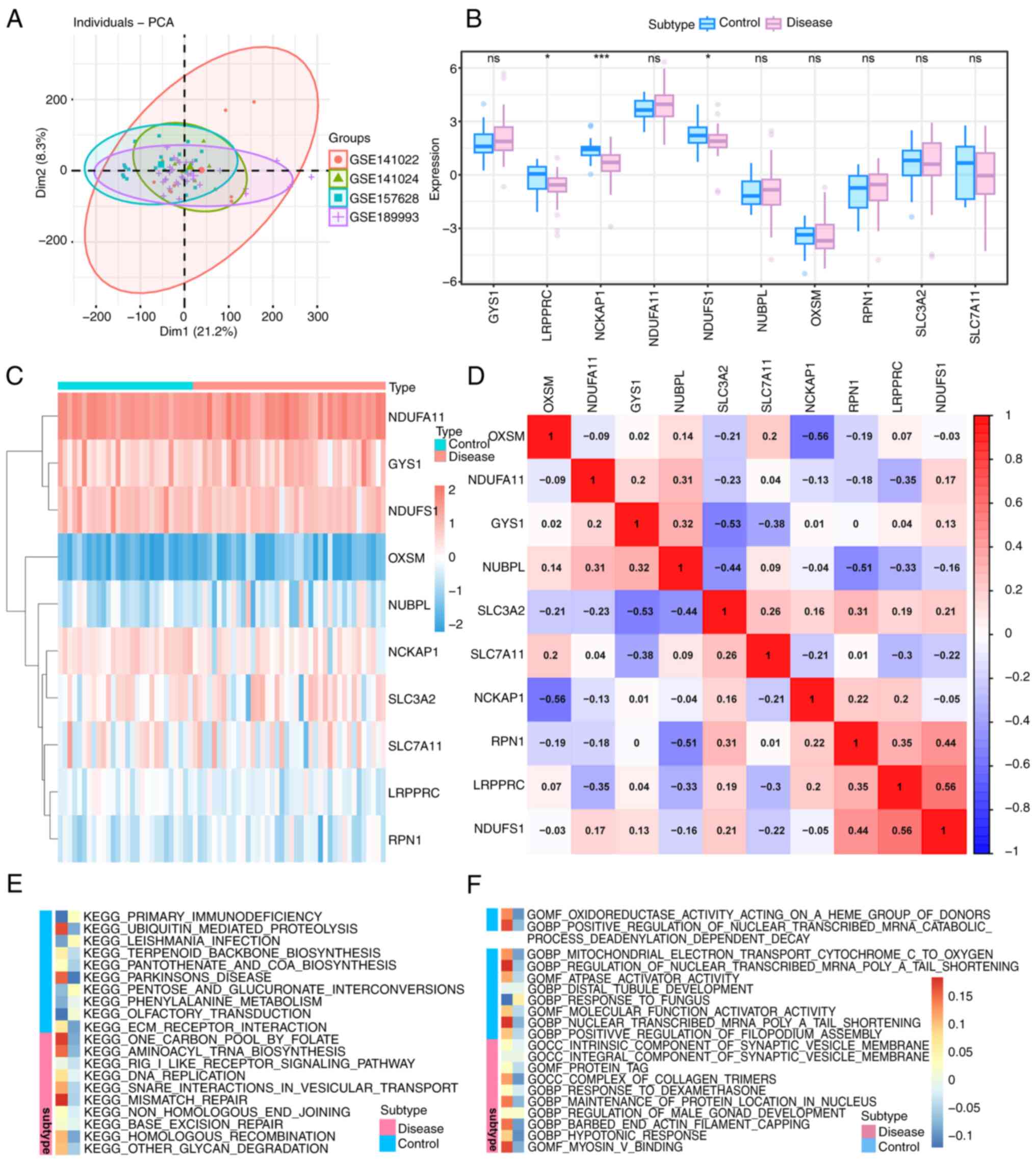
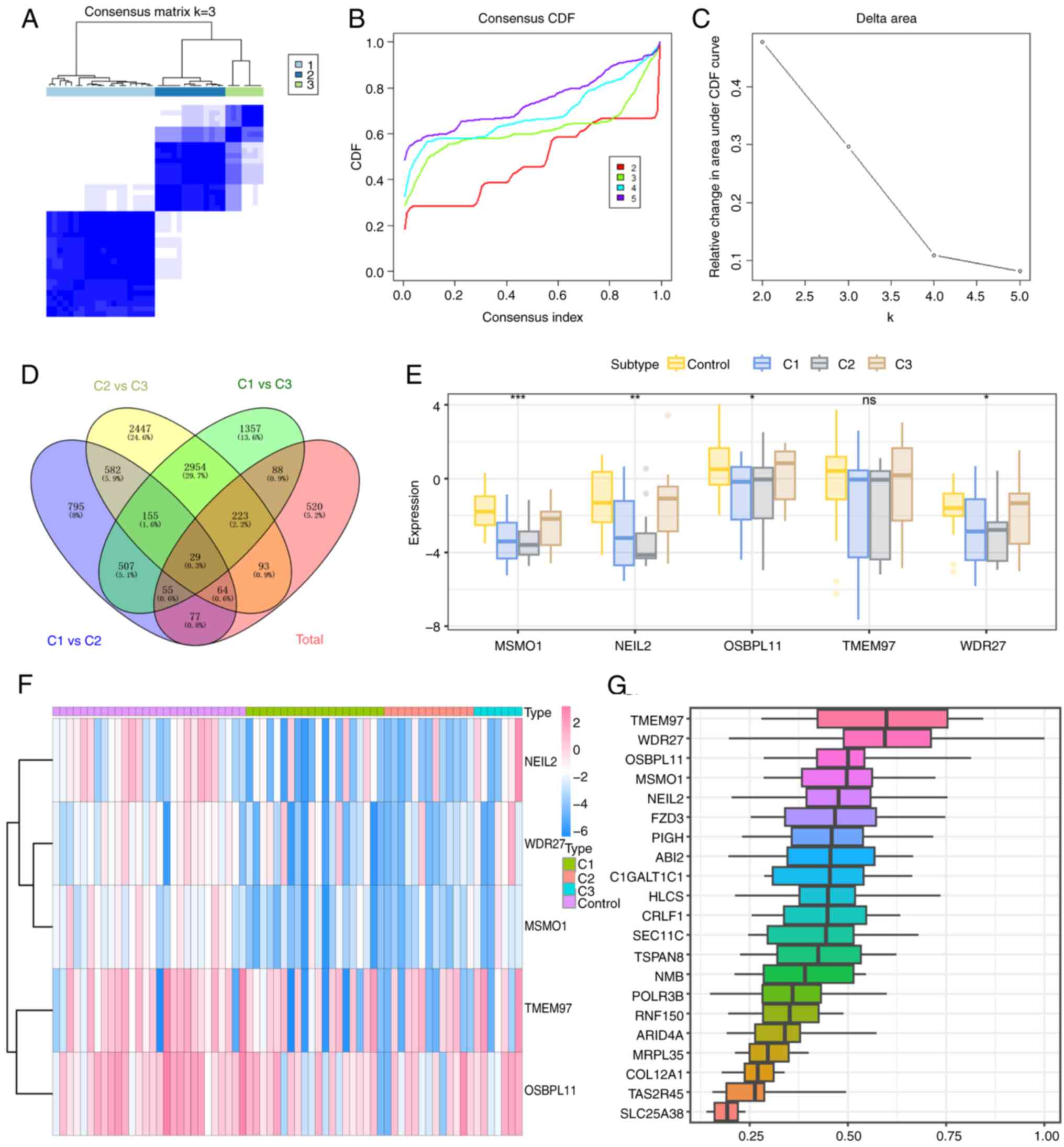
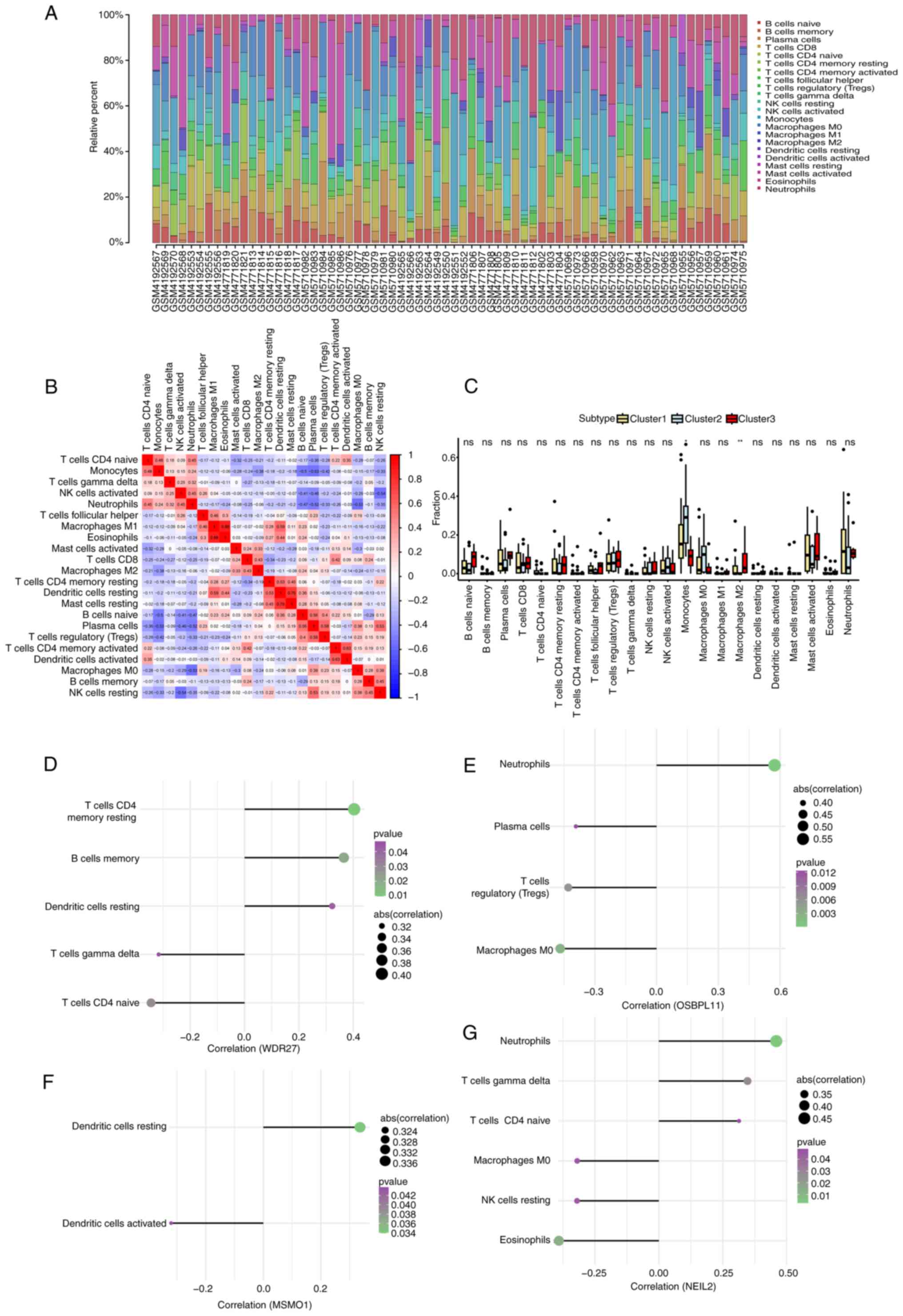
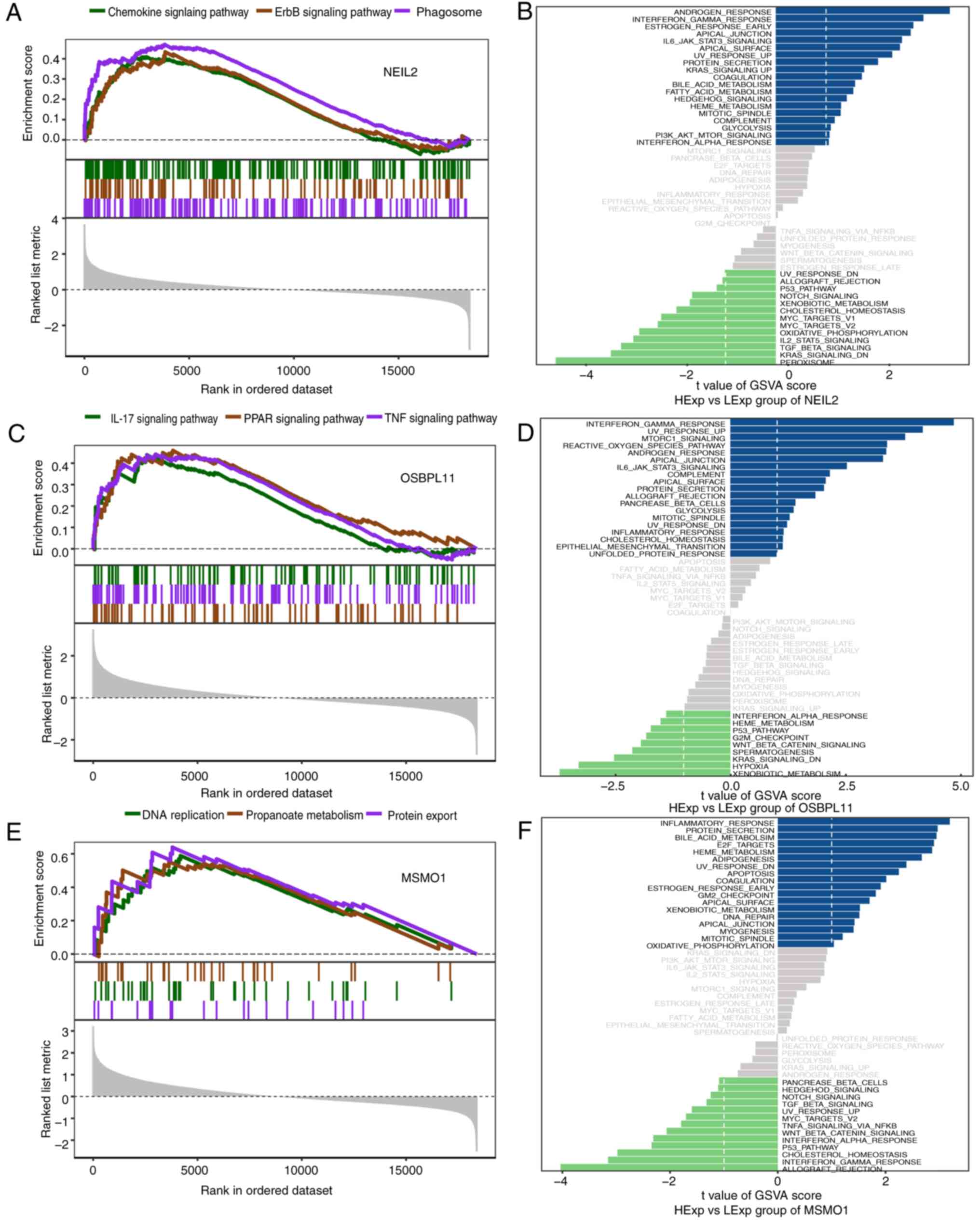
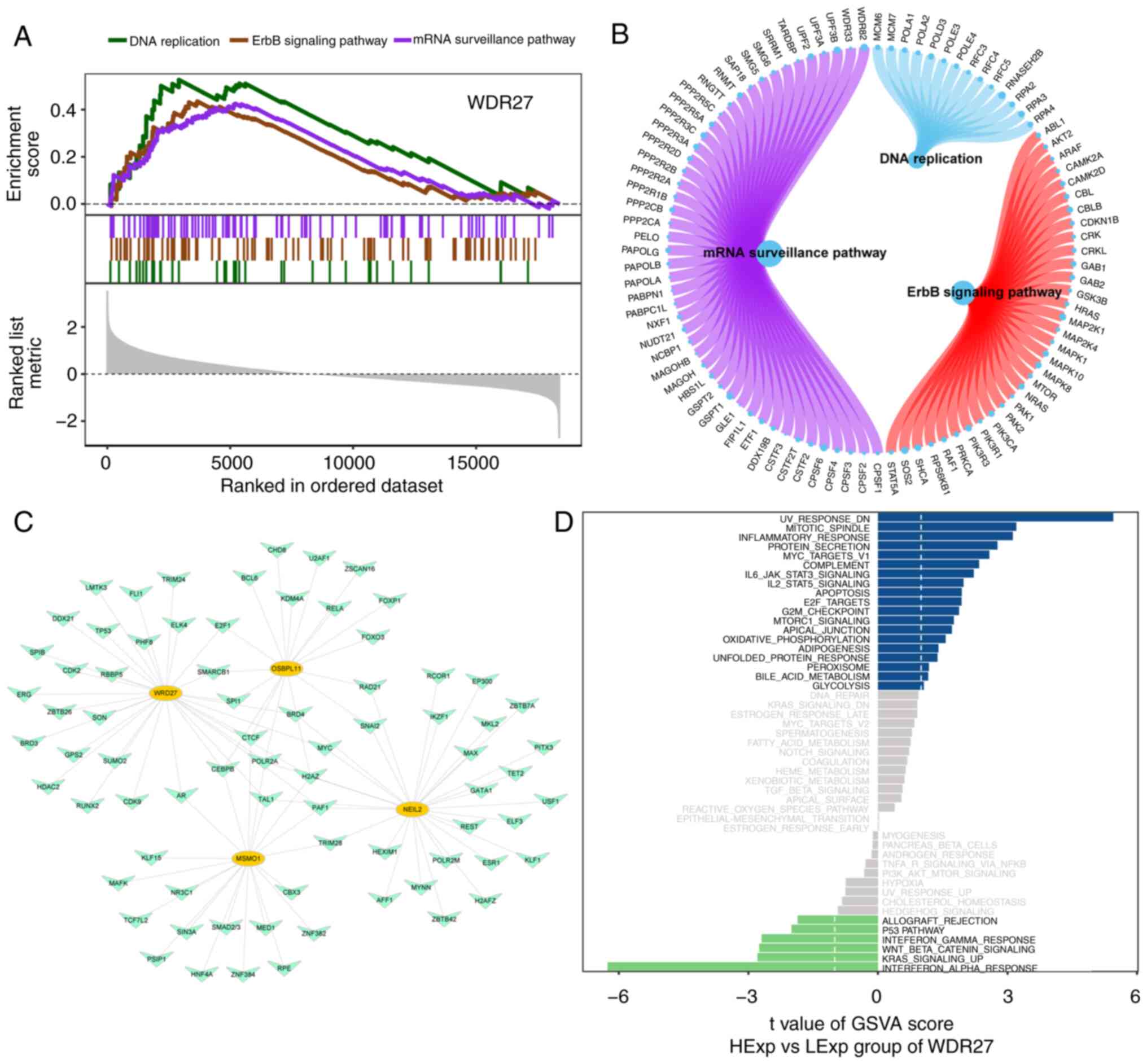
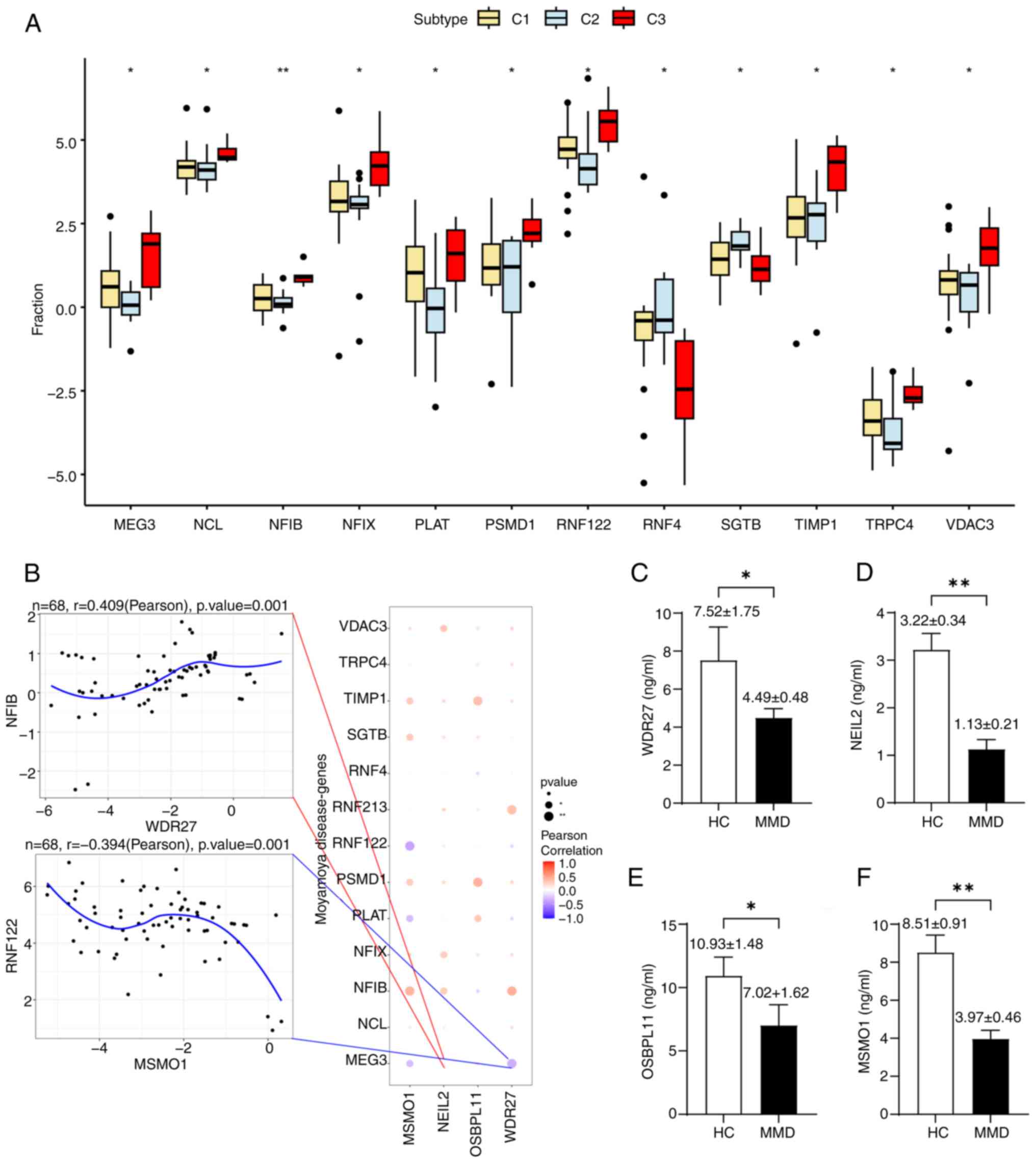
Moyamoya disease (MMD), a chronic cerebrovascular disorder, is characterized by progressive stenosis of major intracranial arteries. However, the mechanisms underlying the pathological narrowing have remained largely elusive. Disulfidptosis is a new mode of cell death caused by the vulnerability of the actin cytoskeleton to disulfide stress, and proteomic profiling of MMD has revealed that abnormal proliferation of endothelial cells may be induced by upregulation of focal adhesion‑related proteins. However, the role of disulfidptosis in MMD has not yet been reported. The Gene Expression Omnibus database was searched for datasets with a sample size of more than six and four microarray datasets (GSE189993, GSE157628, GSE141024 and GSE141022) were downloaded. Based on the expression profiles of DRGs in each sample, MMD was clustered into three discrete molecular subtypes. Differential expression analysis was performed using the R package ‘limma’ to analyze the differences in gene expression between MMD and controls. Functional enrichment analysis was used to explore the molecular functions and mechanisms of the differentially expressed DRGs in MMD. Based on the results of differential expression analysis, the intersection among four comparison groups, which included C1 vs. C2, C1 vs. C3, C2 vs. C3, and MMD vs. controls, were taken and four hub genes were selected for further study. In addition, the expression and distribution of 22 types of immune cells in each sample was analyzed. Spearman's correlation analysis was performed to explore the correlation between the hub genes and the proportion of immune cells. MMD‑related genes were identified and the relationship between them and hub genes was analyzed. Furthermore, ELISA was performed to verify the expression of the four MMD hub genes. In the present study, a novel molecular classification of MMD based on disulfidptosis gene expression was established and a total of 348 upregulated and 801 downregulated genes were identified in patients with MMD compared with controls. A total of four hub genes (WDR27, OSBPL11, MSOM1 and NEIL2) were selected as biomarkers for the different subtypes of MMD. The DRG results indicated that disulfidptosis may affect the progression of MMD pathogenesis. Based on this, MMD molecular subtypes were constructed and four hub genes were selected. Immune infiltration analysis indicated a relationship between hub genes and immune dysfunction, which could lead to abnormal migration and proliferation of endothelial cells in MMD. The results of the gene set enrichment analysis and gene set variation analysis correlated with the results of immune dysfunction. Differential analysis of MMD‑related genes revealed that MEG3, NCL, NFIB and others were significantly differentially expressed in patients with MMD compared to controls. NEIL2 showed a significant positive correlation with MEG3 expression (Pearson's r=0.4), whereas WDR27 showed a significant negative correlation with MEG3 expression (Pearson's r=0.415). Correlation analysis showed that the four hub genes were significantly associated with endothelial migration‑ and proliferation‑related genes. ELISA revealed that four hub genes (WDR27, OSBPL11, MSOM1 and NEIL2) were significantly decreased in MMD compared to healthy controls, which correlated with the results of the present bioinformatic analyses. In conclusion, disulfidptosis may be involved in the pathogenesis of MMD. Immune infiltration analysis demonstrated immune dysregulation among different disulfidptosis subtypes, which may lead to the migration and proliferation of endothelial cells. The present study was the first to explore the correlation between MMD pathogenesis and disulfidptosis, providing novel insights and identifying potential subtype classifications and biomarkers for the diagnosis of MMD.
View Figures

Figure 1

Figure 2

Figure 3

Figure 4

Figure 5

Figure 6

View References

1 

Suzuki J and Takaku A: Cerebrovascular ‘moyamoya’ disease. Disease showing abnormal net-like vessels in base of brain. Arch Neurol. 20:288–299. 1969.PubMed/NCBI View Article : Google Scholar

2 

Ihara M, Yamamoto Y, Hattori Y, Liu W, Kobayashi H, Ishiyama H, Yoshimoto T, Miyawaki S, Clausen T, Bang OY, et al: Moyamoya disease: Diagnosis and interventions. Lancet Neurol. 21:747–758. 2022.PubMed/NCBI View Article : Google Scholar

3 

Mertens R, Graupera M, Gerhardt H, Bersano A, Tournier-Lasserve E, Mensah MA, Mundlos S and Vajkoczy P: The genetic basis of moyamoya disease. Transl Stroke Res. 13:25–45. 2022.PubMed/NCBI View Article : Google Scholar

4 

Fujimura M, Fujimura T, Kakizaki A, Sato-Maeda M, Niizuma K, Tomata Y, Aiba S and Tominaga T: Increased serum production of soluble CD163 and CXCL5 in patients with moyamoya disease: Involvement of intrinsic immune reaction in its pathogenesis. Brain Res. 1679:39–44. 2018.PubMed/NCBI View Article : Google Scholar

5 

Sun H, Li W, Xia C, Ren Y, Ma L, Xiao A, You C, Liu Y and Tian R: Angiographic and hemodynamic features in asymptomatic hemispheres of patients with moyamoya disease. Stroke. 53:210–217. 2022.PubMed/NCBI View Article : Google Scholar

6 

Takekawa Y, Umezawa T, Ueno Y, Sawada T and Kobayashi M: Pathological and immunohistochemical findings of an autopsy case of adult moyamoya disease. Neuropathology. 24:236–242. 2004.PubMed/NCBI View Article : Google Scholar

7 

He S, Zhang J, Liu Z, Wang Y, Hao X, Wang X, Zhou Z, Ye X, Zhao Y, Zhao Y and Wang R: Upregulated cytoskeletal proteins promote pathological angiogenesis in moyamoya disease. Stroke. 54:3153–3164. 2023.PubMed/NCBI View Article : Google Scholar

8 

Liu X, Nie L, Zhang Y, Yan Y, Wang C, Colic M, Olszewski K, Horbath A, Chen X, Lei G, et al: Actin cytoskeleton vulnerability to disulfide stress mediates disulfidptosis. Nat Cell Biol. 25:404–414. 2023.PubMed/NCBI View Article : Google Scholar

9 

Koppula P, Zhuang L and Gan B: Cystine transporter SLC7A11/xCT in cancer: Ferroptosis, nutrient dependency, and cancer therapy. Protein Cell. 12:599–620. 2021.PubMed/NCBI View Article : Google Scholar

10 

Zhang L, Rashad S, Zhou Y, Niizuma K and Tominaga T: RNF213 loss of function reshapes vascular transcriptome and spliceosome leading to disrupted angiogenesis and aggravated vascular inflammatory responses. J Cereb Blood Flow Metab. 42:2107–2122. 2022.PubMed/NCBI View Article : Google Scholar

11 

Wang M, Zhang B, Jin F, Li G, Cui C and Feng S: Exosomal MicroRNAs: Biomarkers of moyamoya disease and involvement in vascular cytoskeleton reconstruction. Heliyon. 10(e32022)2024.PubMed/NCBI View Article : Google Scholar

12 

Mamiya T, Kanamori F, Yokoyama K, Ota A, Karnan S, Uda K, Araki Y, Maesawa S, Yoshikawa K and Saito R: Long noncoding RNA profile of the intracranial artery in patients with moyamoya disease. J Neurosurg. 138:709–716. 2022.PubMed/NCBI View Article : Google Scholar

13 

Kanamori F, Yokoyama K, Ota A, Yoshikawa K, Karnan S, Maruwaka M, Shimizu K, Ota S, Uda K, Araki Y, et al: Transcriptome-wide analysis of intracranial artery in patients with moyamoya disease showing upregulation of immune response, and downregulation of oxidative phosphorylation and DNA repair. Neurosurg Focus. 51(E3)2021.PubMed/NCBI View Article : Google Scholar

14 

Newman AM, Liu CL, Green MR, Gentles AJ, Feng W, Xu Y, Hoang CD, Diehn M and Alizadeh AA: Robust enumeration of cell subsets from tissue expression profiles. Nat Methods. 12:453–457. 2015.PubMed/NCBI View Article : Google Scholar

15 

Fukui M: Guidelines for the diagnosis and treatment of spontaneous occlusion of the circle of Willis (‘moyamoya’ disease). Research committee on spontaneous occlusion of the circle of Willis (Moyamoya disease) of the ministry of health and welfare, Japan. Clin Neurol Neurosurg. 99 (Suppl):238–240. 1997.PubMed/NCBI

16 

Ye F, Niu X, Liang F, Dai Y, Liang J, Li J, Wu X, Zheng H, Qi T and Sheng W: RNF213 loss-of-function promotes pathological angiogenesis in moyamoya disease via the Hippo pathway. Brain. 146:4674–4689. 2023.PubMed/NCBI View Article : Google Scholar

17 

Takagi Y, Kikuta K, Sadamasa V, Nozaki K and Hashimoto N: Caspase-3-dependent apoptosis in middle cerebral arteries in patients with moyamoya disease. Neurosurgery. 59:894–900. 2006.PubMed/NCBI View Article : Google Scholar

18 

Zhao D, Meng Y, Dian Y, Zhou Q, Sun Y, Le J, Zeng F, Chen X, He Y and Deng G: Molecular landmarks of tumor disulfidptosis across cancer types to promote disulfidptosis-target therapy. Redox Biol. 68(102966)2023.PubMed/NCBI View Article : Google Scholar

19 

Miyamoto S, Yoshimoto T, Hashimoto N, Okada Y, Tsuji I, Tominaga T, Nakagawara J and Takahashi JC: Effects of extracranial-intracranial bypass for patients with hemorrhagic moyamoya disease: Results of the Japan adult moyamoya trial. Stroke. 45:1415–1421. 2014.PubMed/NCBI View Article : Google Scholar

20 

Wang X, Han C, Jia Y, Wang J, Ge W and Duan L: Proteomic profiling of exosomes from hemorrhagic moyamoya disease and dysfunction of mitochondria in endothelial cells. Stroke. 52:3351–3361. 2021.PubMed/NCBI View Article : Google Scholar

21 

Honne K, Hallgrímsdóttir I, Wu C, Sebro R, Jewell NP, Sakurai T, Iwamoto M, Minota S and Jawaheer D: A longitudinal genome-wide association study of anti-tumor necrosis factor response among Japanese patients with rheumatoid arthritis. Arthritis Res Ther. 18(12)2016.PubMed/NCBI View Article : Google Scholar

22 

Anuraga G, Lang J, Xuan DTM, Ta HDK, Jiang JZ, Sun Z, Dey S, Kumar S, Singh A, Kajla G, et al: Integrated bioinformatics approaches to investigate alterations in transcriptomic profiles of monkeypox infected human cell line model. J Infect Public Health. 17:60–69. 2024.PubMed/NCBI View Article : Google Scholar

23 

Lane JM, Liang J, Vlasac I, Anderson SG, Bechtold DA, Bowden J, Emsley R, Gill S, Little MA, Luik AI, et al: Genome-wide association analyses of sleep disturbance traits identify new loci and highlight shared genetics with neuropsychiatric and metabolic traits. Nat Genet. 49:274–281. 2017.PubMed/NCBI View Article : Google Scholar

24 

Diercks AH, Podolskaia IS, Murray TA, Jahn AN, Mai D, Liu D, Amon LM, Nakagawa Y, Shimano H, Aderem A and Gold ES: Oxysterol binding protein regulates the resolution of TLR-induced cytokine production in macrophages. Proc Natl Acad Sci U S A. 121(e2406492121)2024.PubMed/NCBI View Article : Google Scholar

25 

Bouchard L, Faucher G, Tchernof A, Deshaies Y, Marceau S, Lescelleur O, Biron S, Bouchard C, Pérusse L and Vohl MC: Association of OSBPL11 gene polymorphisms with cardiovascular disease risk factors in obesity. Obesity (Silver Spring). 17:1466–1472. 2009.PubMed/NCBI View Article : Google Scholar

26 

Weng R, Ren S, Su J, Ni W, Yang C, Gao X, Xiao W, Zhang X, Jiang H, Guan Y, et al: 18F-FDG PET and a classifier algorithm reveal a characteristic glucose metabolic pattern in adult patients with moyamoya disease and vascular cognitive impairment. Brain Imaging Behav. 17:185–199. 2023.PubMed/NCBI View Article : Google Scholar

27 

Kalay Yildizhan I, Gökpınar İli E, Onoufriadis A, Kocyigit P, Kesidou E, Simpson MA, McGrath JA, Kutlay NY and Kundakci N: New homozygous missense MSMO1 mutation in two siblings with SC4MOL deficiency presenting with psoriasiform dermatitis. Cytogenet Genome Res. 160:523–530. 2020.PubMed/NCBI View Article : Google Scholar

28 

Xu P, Wu M, Chen H and Xu J, Wu M, Li M, Qian F and Xu J: Bioinformatics analysis of hepatitis C virus genotype 2a-induced human hepatocellular carcinoma in Huh7 cells. Onco Targets Ther. 9:191–202. 2016.PubMed/NCBI View Article : Google Scholar

29 

Simigdala N, Gao Q, Pancholi S, Roberg-Larsen H, Zvelebil M, Ribas R, Folkerd E, Thompson A, Bhamra A, Dowsett M and Martin LA: Cholesterol biosynthesis pathway as a novel mechanism of resistance to estrogen deprivation in estrogen receptor-positive breast cancer. Breast Cancer Res. 18(58)2016.PubMed/NCBI View Article : Google Scholar

30 

He P, Sun L, Zhu D, Zhang H, Zhang L, Guo Y, Liu S, Zhou J, Xu X and Xie P: Knock-down of endogenous bornavirus-like nucleoprotein 1 inhibits cell growth and induces apoptosis in human oligodendroglia cells. Int J Mol Sci. 17(435)2016.PubMed/NCBI View Article : Google Scholar

31 

Cao R, Zhang Z, Tian C, Sheng W, Dong Q and Dong M: Down-regulation of MSMO1 promotes the development and progression of pancreatic cancer. J Cancer. 13:3013–3021. 2022.PubMed/NCBI View Article : Google Scholar

32 

Tapryal N, Chakraborty A, Saha K, Islam A, Pan L, Hosoki K, Sayed IM, Duran JM, Alcantara J, Castillo V, et al: The DNA glycosylase NEIL2 is protective during SARS-CoV-2 infection. Nat Commun. 14(8169)2023.PubMed/NCBI View Article : Google Scholar

33 

Chakraborty A, Wakamiya M, Venkova-Canova T, Pandita RK, Aguilera-Aguirre L, Sarker AH, Singh DK, Hosoki K, Wood TG, Sharma G, et al: Neil2-null mice accumulate oxidized DNA bases in the transcriptionally active sequences of the genome and are susceptible to innate inflammation. J Biol Chem. 290:24636–24648. 2015.PubMed/NCBI View Article : Google Scholar

34 

Sayed IM, Sahan AZ, Venkova T, Chakraborty A, Mukhopadhyay D, Bimczok D, Beswick EJ, Reyes VE, Pinchuk I, Sahoo D, et al: Helicobacter pylori infection downregulates the DNA glycosylase NEIL2, resulting in increased genome damage and inflammation in gastric epithelial cells. J Biol Chem. 295:11082–11098. 2020.PubMed/NCBI View Article : Google Scholar

35 

Sarker AH, Chatterjee A, Williams M, Lin S, Havel C, Jacob P III, Boldogh I, Hazra TK, Talbot P and Hang B: NEIL2 protects against oxidative DNA damage induced by sidestream smoke in human cells. PLoS One. 9(e90261)2014.PubMed/NCBI View Article : Google Scholar

36 

Ye F, Liu J, Wang H, Chen X, Cheng Q and Chen H: Cervical carcinoma risk associate with genetic polymorphisms of NEIL2 gene in Chinese population and its significance as predictive biomarker. Sci Rep. 10(5136)2020.PubMed/NCBI View Article : Google Scholar

Related Articles

  • Abstract
  • View
  • Download
  • Twitter
Copy and paste a formatted citation
Spandidos Publications style
Wang Y, Su Y, Zhang J, Zhou Z, Zhao Y, He S and Wang R: Characterization of moyamoya disease molecular subtypes through disulfidptosis‑related genes and immune landscape analysis. Exp Ther Med 29: 74, 2025.
APA
Wang, Y., Su, Y., Zhang, J., Zhou, Z., Zhao, Y., He, S., & Wang, R. (2025). Characterization of moyamoya disease molecular subtypes through disulfidptosis‑related genes and immune landscape analysis. Experimental and Therapeutic Medicine, 29, 74. https://doi.org/10.3892/etm.2025.12824
MLA
Wang, Y., Su, Y., Zhang, J., Zhou, Z., Zhao, Y., He, S., Wang, R."Characterization of moyamoya disease molecular subtypes through disulfidptosis‑related genes and immune landscape analysis". Experimental and Therapeutic Medicine 29.4 (2025): 74.
Chicago
Wang, Y., Su, Y., Zhang, J., Zhou, Z., Zhao, Y., He, S., Wang, R."Characterization of moyamoya disease molecular subtypes through disulfidptosis‑related genes and immune landscape analysis". Experimental and Therapeutic Medicine 29, no. 4 (2025): 74. https://doi.org/10.3892/etm.2025.12824
Copy and paste a formatted citation
x
Spandidos Publications style
Wang Y, Su Y, Zhang J, Zhou Z, Zhao Y, He S and Wang R: Characterization of moyamoya disease molecular subtypes through disulfidptosis‑related genes and immune landscape analysis. Exp Ther Med 29: 74, 2025.
APA
Wang, Y., Su, Y., Zhang, J., Zhou, Z., Zhao, Y., He, S., & Wang, R. (2025). Characterization of moyamoya disease molecular subtypes through disulfidptosis‑related genes and immune landscape analysis. Experimental and Therapeutic Medicine, 29, 74. https://doi.org/10.3892/etm.2025.12824
MLA
Wang, Y., Su, Y., Zhang, J., Zhou, Z., Zhao, Y., He, S., Wang, R."Characterization of moyamoya disease molecular subtypes through disulfidptosis‑related genes and immune landscape analysis". Experimental and Therapeutic Medicine 29.4 (2025): 74.
Chicago
Wang, Y., Su, Y., Zhang, J., Zhou, Z., Zhao, Y., He, S., Wang, R."Characterization of moyamoya disease molecular subtypes through disulfidptosis‑related genes and immune landscape analysis". Experimental and Therapeutic Medicine 29, no. 4 (2025): 74. https://doi.org/10.3892/etm.2025.12824
Follow us
  • Twitter
  • LinkedIn
  • Facebook
About
  • Spandidos Publications
  • Careers
  • Cookie Policy
  • Privacy Policy
How can we help?
  • Help
  • Live Chat
  • Contact
  • Email to our Support Team