Introduction
Metabolic dysfunction-associated steatosis liver
disease (MASLD) plays a significant role in the prevalence of
chronic liver disease (1). The
results of epidemiological studies have demonstrated that liver
transplantation is increasingly being performed due to MASLD, which
has now become the second most prevalent reason for this
life-saving procedure in the United States (2). The rise of MASLD prevalence is
associated with economic and social development, sedentary
lifestyles and the consumption of high-fat and high-calorie diets.
It can be reasonably deduced from the most recent statistical data
that the global prevalence of MASLD is 25% (3). MASLD is a degenerative disease
resulting from lipid droplet accumulation in hepatocytes. Lipid
droplets can induce an inflammatory response, apoptosis and even
progression to cirrhosis and liver cancer (4). Although liver-related complications
elevate the mortality rate of MASLD, cardiovascular disease (CVD)
remains the predominant cause of death in patients with MASLD
(5). The interaction between MASLD
and cardiovascular health has received significant attention in
recent years. However, the exact relationship and respective roles
remain incompletely understood.
The Life's Essential 8 (LE8), a recently updated
cardiovascular health concept introduced and promoted by the
American Heart Association (AHA), serves as an efficacious
predictor of the risk of developing CVD and other chronic
conditions (6). According to the
AHA guidelines, LE8 scores between 80 and 100 indicate good
cardiovascular health, scores between 50 and 79 suggest moderate
and scores between 0 and 49 reflect poor cardiovascular health
(6). LE8 is an extension of Life's
simple 7 (LS7), which takes into account ideal health behaviors
[such as minimal nicotine exposure, a body mass index (BMI) of
<25 kg/m², optimal physical activity and diets in accordance
with recommended guidelines] and health factors [including normal
serum lipid, blood pressure (BP) and blood glucose levels], as well
as the crucial aspect of sleep health (7). Existing research indicates a
potential negative link between sleep quality and chronic liver
disease (8,9). However, there is limited information
on the connection between LE8 and MASLD, and the exact nature of
this relationship and its impact on MASLD has remained to be fully
elucidated. Given these gaps in knowledge, the present study
undertook a thorough meta-analysis to investigate the associations
between the LE8 score and the risk of MASLD.
Materials and methods
Guidelines and ethics
The present study adhered to the Preferred Reporting
Items for Systematic Reviews and Meta-Analyses guidelines (10). The study utilized publicly
available data, eliminating the need for ethical approval or
patient consent. This study was not registered.
Search strategy
A systematic literature search was conducted by two
authors (GF and HZ) in the PubMed (www.pubmed.ncbi.nlm.nih.gov), Scopus (www.scopus.com) and Cochrane Library databases
(www.cochrane.org) from inception until December
2025. Furthermore, a comprehensive review of the reference lists of
the retrieved articles was performed to identify any additional
pertinent studies that may have been overlooked in the primary
database searches. The following terms were used in the search:
‘Nonalcoholic fatty liver disease’, ‘Cardiovascular health’,
‘Life's essential 8’, ‘MASLD’, ‘LE8’ and ‘Hepatic disease’. The
search strategy in PubMed used the following terms: ‘((Life's
essential 8[Title/Abstract]) OR (LE8[Title/Abstract])) AND
(((Nonalcoholic fatty liver disease [Title/Abstract]) OR (Hepatic
disease [Title/Abstract])) OR (MASLD[Title/Abstract]))’.
Study selection
After completing the database search, the references
were imported into EndNote software (version x9.3.2; Clarivate
Analytics) and duplicate entries were removed. Next, the titles and
abstracts were screened and only those articles that met the
criteria were selected (Fig. 1).
The studies were evaluated independently by at least two reviewers
(GF and HZ) based on predetermined inclusion and exclusion
criteria. Any discrepancies that arose at any point were resolved
through discussion with a third investigator (BL).
The study's focus was to examine association between
LE8 and the occurrence of MASLD. To guarantee a deep and complete
analysis, the inclusion criteria encompassed observational studies
that explored the effects of the AHA's newly introduced LE8 metrics
on MASLD. The review included cohort, cross-sectional or
case-control studies. The study population was limited to
individuals aged 18 years and older, excluding minors from
participation. The review excluded certain studies due to specific
criteria, including case reports, editorials, literature reviews
and conference abstracts. Furthermore, studies published in
languages other than English and animal studies were not included
in the analysis.
Data extraction
A total of two independent reviewers (GF and HZ)
used a predefined form to collect data from the included studies.
The information gathered included the primary author, publication
journal, publication year, participant age, participant count, male
proportion, odds ratio (OR), 95% confidence interval (CI) and
follow-up duration. Any differences were addressed by discussing
them with a third reviewer (BL).
Quality assessment
A total of two separate reviewers (GF and BL)
performed quality assessments using the checklist for analytical
cross-sectional studies from the Critical Appraisal tools for use
in JBI Systematic Reviews (quality assessment tool) (11). The risk of bias figures were
generated using the Robvis ROB1 (visualization platform) dataset
tool in R software (version 4.2.1) (12).
Statistical analysis
The data were analyzed using R software. The
relationship between LE8 and MASLD was evaluated by synthesizing a
pooled OR with a 95% CI. Heterogeneity was assessed using
Cochrane's Q test, and the I² statistic was used to quantify its
magnitude. The Cochrane's risk of bias assessment was used for
quality evaluation. An I²-value of 25, 50 or 75% indicated low,
moderate or high heterogeneity, respectively. In instances of low
or moderate heterogeneity, a common-effects (fixed-effects) model
was employed. Furthermore, a random-effects model was employed for
the synthesis of results from included studies in cases of
significant heterogeneity. Sensitivity analyses by excluding one
study were conducted to address the issue of heterogeneity.
Furthermore, publication bias was assessed using funnel plots (trim
and fill analysis). If a single study was the sole contribution to
the analysis, the forest plot was not displayed. The subgroup
analysis and meta-regression could not be meaningfully performed
because only five studies were included, and the available
study-level data were limited. A statistically significant result
was defined as one with P<0.05.
Results
Included studies
During the initial search, a total of 97 potential
references were found. After removing duplicate articles, 38
relevant references were screened. Based on the titles and
abstracts, 20 records were excluded from further consideration. Of
the remaining 18 publications, 4 were review articles, 5 had
unrelated outcomes and 4 studies were excluded due to insufficient
data. Ultimately, 5 eligible studies were included in the present
meta-analysis. The study's flowchart is provided in Fig. 1.
The baseline characteristics of the studies included
in the analysis are presented in Table
I (13-17).
As individual-level confounder data could not be extracted from the
included studies, further investigation is warranted to corroborate
these meta-analytic findings. The study encompassed 36,187
participants aged 18 to 70 years. All of the studies were high
quality and met the Cochrane criteria for parallel group research
(10).
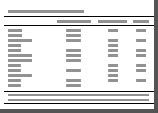 | Table ICharacteristics of included studies in
the meta-analysis. |
Table I
Characteristics of included studies in
the meta-analysis.
| First author,
year | Journal | Study design | Participants, n | Male sex, n | Mean age, years | MASLD diagnosis | Outcomes | (Refs.) |
|---|
| Wang, 2024 | Archives of Public
Health | Population-based
cross-sectional study (NHANES) | 5,646 | 2,792 | 50.2 | CAP | Risk of MASLD | (13) |
| Huang, 2025 | Journal of Health,
Population and Nutrition | Population-based
cross-sectional study (NHANES) | 5,680 | 2,799 | ≥20 | CAP | Risk of MASLD | (14) |
| Wang, 2022 | Journal of
Translational Medicine | Population-based
cross-sectional study (NHANES) | 3,588 | 1,479 | ≥20 | CAP | Risk of MASLD | (16) |
| Liu, 2024 | Scientific
Reports | Population-based
cross-sectional study (NHANES) | 9,453 | 4,536 | ≥18 | CAP | Risk of MASLD | (15) |
| Liang, 2024 | Frontiers in
Nutrition | Population-based
cross-sectional study (NHANES) | 11,820 | 4,514 | 48.9 | CAP | Risk of MASLD | (17) |
Bias risk analysis
A comprehensive overview of the potential biases is
presented in Fig. S1. Overall,
the included studies were deemed to be without high risk of bias.
The studies were carried out with patients who were free of
disease. The summary figure shows the risk-of-bias assessment for
each included study and the risk-of-bias graph summarizes the
overall judgments across all studies (Fig. S1A and B).
Association of moderate (M)LE8 score
with MASLD risk
The five included studies involved a total of 36,187
participants, reporting the potential risk of an MLE8 score in
association with the risk of MASLD. The pooled results illustrated
that an MLE8 score was associated with a reduced risk of MASLD
compared to a low (L)LE8 score (OR=0.36, 95% CI: 0.25-0.52)
(Fig. 2).
Association of high (H)LE8 score with
MASLD risk
The five included studies documented the potential
risk associated with HLE8 scores in relation to the likelihood of
developing MASLD. The pooled results revealed that compared to LLE8
score, HLE8 score were associated with a lower risk of MASLD
(OR=0.07, 95% CI: 0.02-0.19) in the general population (Fig. 3). Due to the heterogeneity observed
during the pooled analysis of the HLE8 score in comparison with the
LLE8 score in relation to MASLD risk, the data were synthesized
using a random-effects model.
Heterogeneity and publication
bias
A statistical heterogeneity was noted in the overall
results of the LE8 score and MASLD risk in comparison with the LLE8
score (I²=97.9%). To identify the source of heterogeneity, a
sensitivity analysis was conducted (Figs. S2 and S3). The results indicated that the
association between LE8 and MASLD was relatively stable but with
significant heterogeneity. Subsequently, a Trim and Fill analysis
was conducted and two supplementary studies were integrated into
the analysis (Figs. S4 and
S5). The funnel plots were
symmetrical, which suggests low publication bias. The findings
indicated that the HLE8 score was also associated with a diminished
risk of MASLD (OR=0.028, 95% CI: 0.0072-0.1094) (Fig. S5), thereby providing further
corroboration of the stability of the primary results.
Discussion
The present meta-analysis sought to evaluate the
associations between the LE8 cardiovascular health score and the
risk of developing MASLD. The study incorporated five observational
studies, covering a total of 36,187 participants aged 18 to 70
years. To the best of our knowledge, the present study was the
first to provide a comprehensive meta-analysis and determine that a
favorable lifestyle with an optimal and higher LE8 score was
associated with a significantly lower risk of MASLD.
The AHA proposed LS7 as a means of measuring
cardiovascular health in 2010, with the goal of further improving
the general population's health (18). A significant body of evidence has
confirmed that maintaining optimal cardiovascular health as defined
by LS7 is linked to improved survival free from CVD, increased
longevity and a higher quality of life (19-21).
Previous studies have shown that an ideal LS7 may not only reduce
the prevalence of MASLD but also promote its
regression-particularly among individuals with a genetic
predisposition to the disease (22,23).
Nevertheless, the original LS7 score was also found to have certain
limitation (not including sleep quality, social determinants). Then
the AHA has recently updated the assessment tool for quantifying
cardiovascular health, namely by releasing the LE8(7). The LE8 scoring system is more
sensitive to inter-individual discrepancies and emphasizes the
social determinants of health and psychological well-being as
determinants of sustained or enhanced cardiovascular health
(24). The LE8 scoring algorithm
comprises eight items: Four health behaviors (dietary habits,
physical activity, nicotine exposure and sleep duration) and four
health factors (BMI, non-high-density lipoprotein cholesterol,
blood glucose and blood pressure). According to the AHA guidelines,
LE8 scores between 80 and 100 indicate high cardiovascular health,
scores between 50 and 79 suggest moderate, and scores between 0 and
49 reflect low cardiovascular health. There is limited research
showing the potential benefits of optimal LS7 for MASLD. The
detailed LE8 provides more precise values for each measure,
improving the assessment's sensitivity. In this respect, the LS7
score's categories for blood pressure, BMI, blood glucose and blood
lipids may not fully reflect the elevated risk of CVD associated
with deviations from the typical range of these indices (25). To date, only two meta-analyses have
evaluated the relationship between LE8 and CVD risk (26,27).
However, no meta-analysis has been conducted to assess the
relationship between LE8 and MASLD. Therefore, in the present
study, a comprehensive meta-analysis was conducted for the first
time to connect the LE8 score with the risk of MASLD.
MASLD has been associated with a higher risk of
developing various health conditions, including coronary heart
disease (CHD), type 2 diabetes mellitus, chronic kidney disease,
arrhythmia, heart failure and cancers (28-31).
Therefore, it is essential to carefully identify and understand the
risk factors that make a person more likely to develop MASLD. The
new way of calculating the cardiovascular health score has led to
significant changes in cardiovascular health status between the LS7
and LE8 scoring systems, particularly for individuals previously
rated as having the best cardiovascular health using LS7 scoring. A
study using the LE8 scoring system found that 47.3% of individuals
previously classified to have an optimal cardiovascular health
score of LS7 were reclassified as having intermediate or poor
cardiovascular health according to the LE8 score (32). This reclassification affects ~19
million individuals who could benefit from preventive interventions
and affects those originally classified as having ideal
cardiovascular health under LS7. It identifies new ways to prevent
problems in individuals previously considered to have optimal
cardiovascular health. A cross-sectional study that adjusted for
risk factors found that average and optimal cardiovascular health
categories based on LS7 were linked to lower odds of MASLD compared
to those with inadequate score, moderate LS7 decreased MASLD risk
(OR=0.44, 95% CI, 0.36-0.54); compared to inadequate LS7 score,
high LS7 score further reduced the MASLD risk (OR=0.19, 95% CI,
0.14-0.26) (33). A recent Korean
study also calculated the cardiovascular health score under LS7 and
indicated that the OR for NAFLD was lower in participants with
ideal cardiovascular health (OR=0.13, 95% CI, 0.08-0.18) compared
to those with poor scores (OR=2.87, 95% CI, 2.13-3.86) (34). The present results showed that an
HLE8 score was linked to a lower risk of MASLD (OR=0.07, 95% CI:
0.02-0.19).
The complex and multifaceted nature of sleep,
coupled with its robust correlation with other key determinants of
cardiovascular health, has led to its incorporation into the LE8
score. There is a clear association between poor sleep quality and
the development of obesity, hypertension, hyperlipidemia and
diabetes mellitus. It's also worth mentioning that not getting
enough sleep has been linked to an increased risk of developing
CVD, including CHD, stroke and heart failure. The inclusion of
sleep as a new component in the cardiovascular health metric
represents a meaningful advancement in promoting holistic health
(7). A prospective cohort study
revealed that the incidence of cirrhosis in individuals with MASLD,
without a history of frequent insomnia [hazard ratio (HR)=0.73, 95%
CI: 0.61-0.87], but participants with MASLD and adverse sleep
pattern showed a higher risk of developing cirrhosis (HR=3.16, 95%
CI: 1.88-5.33) (35). A further
cross-sectional study based on data from the National Health and
Nutrition Examination Survey (NHANES) indicated that the presence
of any sleep disorder, sleep apnea and insomnia were all
independently associated with MASLD (OR=1.40, 95% CI: 1.11-1.76,
OR=1.39, 95% CI: 0.98-1.97, and OR=2.17, 95% CI: 1.19-3.95,
respectively) (36). Consequently,
the LE8 score is more precise than the LS7 score, and thus, the
evidence of LE8 and MASLD risk in the present study may provide a
more tangible indication of the potential link between them.
The present findings should be interpreted in the
context of several methodological limitations: i) For the inherent
nature of meta-analyses, overlapping is unavoidable. ii) There was
obvious heterogeneity, although stable results were gained after
conducting a sensitivity analysis and performing a trim-and-fill
analysis. Several factors may contribute to the observed
heterogeneity, including differences in sex distribution, age
range, study design and analytic methods among the included
studies. Further studies are needed to confirm the results of the
present study. iii) Another key limitation of the present study is
the restricted geographical scope of its data sources. All included
studies drew on NHANES data, which are derived exclusively from US
populations and do not include participants from other regions,
such as Asia or Europe. This may limit the generalizability of the
findings to other populations. iv) The available evidence, largely
from cross-sectional NHANES analyses, is insufficient to support
causal conclusions regarding LE8 and MASLD risk. Well-designed
prospective cohort studies in diverse settings are urgently needed
to validate these associations and inform clinical practice. v)
NAFLD and MASLD represent the same underlying disease entity, but
were proposed at different times to reflect the evolving
understanding of the condition. MASLD is currently the most recent
and recommended nomenclature. The included studies differed in
their definitions of MASLD, which may have introduced clinical
heterogeneity and underscores the need for further studies to
corroborate the present findings. vi) This study was not
preregistered, but was conducted in accordance with established
meta-analysis guideline (10).
In conclusion, the updated metrics of LE8 offer a
valuable framework for crafting personalized strategies to prevent
MASLD and promote overall health. It is reasonable to propose that
targeted interventions, especially those addressing multiple health
behaviors and risk factors (such as diet, sleep, physical activity,
blood pressure and blood glucose) simultaneously, will be more
effective than those focusing on individual factors in isolation.
These insights emphasize the potential of the LE8 to guide the
development of impactful preventive strategies and public health
initiatives aimed at reducing the global burden of MASLD. However,
the substantial heterogeneity observed across the included studies
warrants a cautious interpretation of these findings.
Supplementary Material
Summary plots for risk-of-bias
assessment based on Cochrane risk evaluation tool for included
studies. (A) The risk of bias (traffic light figure) for each
study. (B) Risk of bias (summary figure).
Sensitivity analysis of moderate LE8
compared to low LE8 associated with the risk of MASLD. LE8, Life's
Essential 8; MASLD, metabolic dysfunction-associated steatosis
liver disease; OR, odds ratio.
Sensitivity analysis of high LE8
compared to low LE8 associated with the risk of MASLD. LE8, Life's
Essential 8; MASLD, metabolic dysfunction-associated steatosis
liver disease.
Trim and fill analysis of moderate LE8
compared to low LE8 associated with the risk of MASLD. The funnel
plots were symmetrical, which suggests low publication bias. LE8,
Life's Essential 8; MASLD, metabolic dysfunction-associated
steatosis liver disease.
Trim and fill analysis of high LE8
compared to low LE8 associated with the risk of MASLD. The funnel
plots were symmetrical, which suggests low publication bias. LE8,
Life's Essential 8; MASLD, metabolic dysfunction-associated
steatosis liver disease.
Acknowledgements
Not applicable.
Funding
Funding: No funding was received.
Availability of data and materials
The data generated in the present study may be
requested from the corresponding author.
Authors' contributions
GF was involved in the conceptualization of the
study, data curation, formal analysis, investigation, methodology,
resources, software, supervision, validation, visualization,
writing-original draft and writing-review and editing. BL was
responsible for investigation, methodology, resources, software,
supervision, validation and visualization. HZ contributed to data
curation, formal analysis, investigation, methodology, software,
validation, visualization and writing-review and editing. GF and BL
checked and confirm the authenticity of all the raw data. All
authors have read and approved the final manuscript.
Ethics approval and consent to
participate
Not applicable.
Patient consent for publication
Not applicable.
Competing interests
The authors declare that they have no competing
interests.
References
|
1
|
Younossi ZM, Golabi P, Paik JM, Henry A,
Van Dongen C and Henry L: The global epidemiology of nonalcoholic
fatty liver disease (NAFLD) and nonalcoholic steatohepatitis
(NASH): A systematic review. Hepatology. 77:1335–1347.
2023.PubMed/NCBI View Article : Google Scholar
|
|
2
|
Younossi ZM, Stepanova M, Ong J, Trimble
G, AlQahtani S, Younossi I, Ahmed A, Racila A and Henry L:
Nonalcoholic steatohepatitis is the most rapidly increasing
indication for liver transplantation in the United States. Clin
Gastroenterol Hepatol. 19:580–589.e5. 2021.PubMed/NCBI View Article : Google Scholar
|
|
3
|
Younossi Z, Tacke F, Arrese M, Chander
Sharma B, Mostafa I, Bugianesi E, Bugianesi E, Wai-Sun Wong V,
Yilmaz Y, George J, et al: Global perspectives on nonalcoholic
fatty liver disease and nonalcoholic steatohepatitis. Hepatology.
69:2672–2682. 2019.PubMed/NCBI View Article : Google Scholar
|
|
4
|
Abdelmalek MF: Nonalcoholic fatty liver
disease: Another leap forward. Nat Rev Gastroenterol Hepatol.
18:85–86. 2021.PubMed/NCBI View Article : Google Scholar
|
|
5
|
Ong JP, Pitts A and Younossi ZM: Increased
overall mortality and liver-related mortality in non-alcoholic
fatty liver disease. J Hepatol. 49:608–612. 2008.PubMed/NCBI View Article : Google Scholar
|
|
6
|
Ma H, Wang X, Xue Q, Li X, Liang Z,
Heianza Y, Franco OH and Qi L: Cardiovascular health and life
expectancy among adults in the United States. Circulation.
147:1137–1146. 2023.PubMed/NCBI View Article : Google Scholar
|
|
7
|
Lloyd-Jones DM, Allen NB, Anderson CAM,
Black T, Brewer LC, Foraker RE, Grandner MA, Lavretsky H, Perak AM,
Sharma G, et al: Life's essential 8: Updating and enhancing the
american heart association's construct of cardiovascular health: A
presidential advisory from the american heart association.
Circulation. 146:e18–e43. 2022.PubMed/NCBI View Article : Google Scholar
|
|
8
|
Wang W, Zhuang Z, Song Z, Zhao Y and Huang
T: Sleep patterns, genetic predisposition, and risk of chronic
liver disease: A prospective study of 408,560 UK Biobank
participants. J Affect Disord. 352:229–236. 2024.PubMed/NCBI View Article : Google Scholar
|
|
9
|
Zhang H, Wang Y, Chen C, Wang B, Chen J,
Tan X, Xia F, Zhang J, Lu Y and Wang N: Non-alcoholic fatty liver
disease, sleep behaviors, and incident type 2 diabetes. J
Gastroenterol Hepatol. 37:1633–1640. 2022.PubMed/NCBI View Article : Google Scholar
|
|
10
|
Arya S, Kaji AH and Boermeester MA: PRISMA
reporting guidelines for meta-analyses and systematic reviews. JAMA
Surg. 156:789–790. 2021.PubMed/NCBI View Article : Google Scholar
|
|
11
|
Whiting P, Savović J, Higgins JP, Caldwell
DM, Reeves BC, Shea B, Davies P, Kleijnen J and Churchill R: ROBIS
group. ROBIS: A new tool to assess risk of bias in systematic
reviews was developed. J Clin Epidemiol. 69:225–234.
2016.PubMed/NCBI View Article : Google Scholar
|
|
12
|
McGuinness LA and Higgins JPT:
Risk-of-bias VISualization (robvis): An R package and Shiny web app
for visualizing risk-of-bias assessments. Res Synth Methods.
12:55–61. 2021.PubMed/NCBI View Article : Google Scholar
|
|
13
|
Wang Z, Huang B, Ding Y, Cao F, Li F and
Li PF: Association between life's essential 8 and metabolic
dysfunction-associated steatotic liver disease among US adults.
Arch Public Health. 82(101)2024.PubMed/NCBI View Article : Google Scholar
|
|
14
|
Huang LZ, Ni ZB, Huang WF, Sheng LP, Wang
YQ and Zhang JY: Association between cardiovascular health and
metabolic dysfunction-associated steatotic liver disease: A
nationwide cross-sectional study. J Health Popul Nutr.
44(9)2025.PubMed/NCBI View Article : Google Scholar
|
|
15
|
Liu X, Chang Y, Jia F, Li Y, Wang Y and
Cui J: Association of life's essential 8 with metabolic
dysfunction-associated steatotic liver disease (MASLD), a
cross-sectional study from the NHANES 2003-2018. Sci Rep.
14(17188)2024.PubMed/NCBI View Article : Google Scholar
|
|
16
|
Wang L, Yi J, Guo X and Ren X:
Associations between life's essential 8 and non-alcoholic fatty
liver disease among US adults. J Transl Med. 20(616)2022.PubMed/NCBI View Article : Google Scholar
|
|
17
|
Liang D, Zhang J, Li L, Li Y, Xu L and Wu
H: Associations of life's essential 8 with MAFLD and liver fibrosis
among US adults: A nationwide cross-section study. Front Nutr.
11(1403720)2024.PubMed/NCBI View Article : Google Scholar
|
|
18
|
Lloyd-Jones DM, Hong Y, Labarthe D,
Mozaffarian D, Appel LJ, Van Horn L, Greenlund K, Daniels S, Nichol
G, Tomaselli GF, et al: Defining and setting national goals for
cardiovascular health promotion and disease reduction: The American
heart association's strategic impact goal through 2020 and beyond.
Circulation. 121:586–613. 2010.PubMed/NCBI View Article : Google Scholar
|
|
19
|
Fang N, Jiang M and Fan Y: Ideal
cardiovascular health metrics and risk of cardiovascular disease or
mortality: A meta-analysis. Int J Cardiol. 214:279–283.
2016.PubMed/NCBI View Article : Google Scholar
|
|
20
|
Polonsky TS, Ning H, Daviglus ML, Liu K,
Burke GL, Cushman M, Eng J, Folsom AR, Lutsey PL, Nettleton JA, et
al: Association of cardiovascular health with subclinical disease
and incident events: The multi-ethnic study of atherosclerosis. J
Am Heart Assoc. 6(e004894)2017.PubMed/NCBI View Article : Google Scholar
|
|
21
|
Lin MP, Ovbiagele B, Markovic D and
Towfighi A: ‘Life's simple 7’ and long-term mortality after stroke.
J Am Heart Assoc. 4(e001470)2015.PubMed/NCBI View Article : Google Scholar
|
|
22
|
Jang EH, Chang Y, Ryu S, Kim S, Kim YH,
Sung KC, Cho YK, Lee SJ, Shin H, Wild SH and Byrne CD:
Cardiovascular health metrics in the development and regression of
nonalcoholic fatty liver disease: A cohort study. J Clin Med.
8(610)2019.PubMed/NCBI View Article : Google Scholar
|
|
23
|
DeCoste LR, Wang N, Palmisano JN, Mendez
J, Hoffmann U, Benjamin EJ and Long MT: Adherence to ideal
cardiovascular health metrics is associated with reduced odds of
hepatic steatosis. Hepatol Commun. 5:74–82. 2020.PubMed/NCBI View Article : Google Scholar
|
|
24
|
Lloyd-Jones DM, Ning H, Labarthe D, Brewer
L, Sharma G, Rosamond W, Foraker RE, Black T, Grandner MA, Allen
NB, et al: Status of cardiovascular health in US adults and
children using the American heart association's new ‘life's
essential 8’ metrics: Prevalence estimates from the national health
and nutrition examination survey (NHANES), 2013 through 2018.
Circulation. 146:822–835. 2022.PubMed/NCBI View Article : Google Scholar
|
|
25
|
Ruan YX, Wu MX, Gao JW, Guo DC, Cai YW,
Huang ZG, He WB, Chen YX, Wang JF and Zhang HF: AHA life's
essential 8 and new-onset CKD: A prospective cohort study from the
UK Biobank. Clin Exp Nephrol. 28:325–336. 2024.PubMed/NCBI View Article : Google Scholar
|
|
26
|
López-Bueno R, Núñez-Cortés R, Calatayud
J, Salazar-Méndez J, Petermann-Rocha F, López-Gil JF and Del Pozo
Cruz B: Global prevalence of cardiovascular risk factors based on
the life's essential 8 score: An overview of systematic reviews and
meta-analysis. Cardiovasc Res. 120:13–33. 2024.PubMed/NCBI View Article : Google Scholar
|
|
27
|
Sebastian SA, Shah Y, Paul H and Arsene C:
Life's essential 8 and the risk of cardiovascular disease: A
systematic review and meta-analysis. Eur J Prev Cardiol.
32:358–373. 2025.PubMed/NCBI View Article : Google Scholar
|
|
28
|
Mantovani A, Csermely A, Petracca G,
Beatrice G, Corey KE, Simon TG, Byrne CD and Targher G:
Non-alcoholic fatty liver disease and risk of fatal and non-fatal
cardiovascular events: An updated systematic review and
meta-analysis. Lancet Gastroenterol Hepatol. 6:903–913.
2021.PubMed/NCBI View Article : Google Scholar
|
|
29
|
Mantovani A, Byrne CD, Benfari G, Bonapace
S, Simon TG and Targher G: Risk of heart failure in patients with
nonalcoholic fatty liver disease: JACC review topic of the week. J
Am Coll Cardiol. 79:180–191. 2022.PubMed/NCBI View Article : Google Scholar
|
|
30
|
Targher G, Tilg H and Byrne CD:
Non-alcoholic fatty liver disease: A multisystem disease requiring
a multidisciplinary and holistic approach. Lancet Gastroenterol
Hepatol. 6:578–588. 2021.PubMed/NCBI View Article : Google Scholar
|
|
31
|
Anstee QM, Mantovani A, Tilg H and Targher
G: Risk of cardiomyopathy and cardiac arrhythmias in patients with
nonalcoholic fatty liver disease. Nat Rev Gastroenterol Hepatol.
15:425–439. 2018.PubMed/NCBI View Article : Google Scholar
|
|
32
|
Shetty NS, Parcha V, Patel N, Yadav I,
Basetty C, Li C, Pandey A, Kalra R, Li P, Arora G and Arora P: AHA
life's essential 8 and ideal cardiovascular health among young
adults. Am J Prev Cardiol. 13(100452)2022.PubMed/NCBI View Article : Google Scholar
|
|
33
|
Oni E, Ogunmoroti O, Allen N, A-Mallah MH,
Blankstein R, Martin SS, Zeb I, Cushman M, Joshi PH, Budoff MJ, et
al: Life's simple 7 and nonalcoholic fatty liver disease: The
multiethnic study of atherosclerosis. Am J Med. 134:519–525.
2021.PubMed/NCBI View Article : Google Scholar
|
|
34
|
Shim SY, Jung SJ, Kim SU and Kim HC: Ideal
cardiovascular health metrics and the risk of nonalcoholic fatty
liver disease in Korean adults. Clin Hypertens.
29(3)2023.PubMed/NCBI View Article : Google Scholar
|
|
35
|
Qin S, Cheng X, Zhang S, Shen Q, Zhong R,
Chen X and Yi Z: Sleep patterns, genetic susceptibility, and risk
of cirrhosis among individuals with nonalcoholic fatty liver
disease. Hepatol Int. 18:1158–1167. 2024.PubMed/NCBI View Article : Google Scholar
|
|
36
|
Mir HM, Stepanova M, Afendy H, Cable R and
Younossi ZM: Association of sleep disorders with nonalcoholic fatty
liver disease (NAFLD): A population-based study. J Clin Exp
Hepatol. 3:181–185. 2013.PubMed/NCBI View Article : Google Scholar
|