Spandidos Publications Logo
  • About
    • About Spandidos
    • Aims and Scopes
    • Abstracting and Indexing
    • Editorial Policies
    • Reprints and Permissions
    • Job Opportunities
    • Terms and Conditions
    • Contact
  • Journals
    • All Journals
    • Oncology Letters
      • Oncology Letters
      • Information for Authors
      • Editorial Policies
      • Editorial Board
      • Aims and Scope
      • Abstracting and Indexing
      • Bibliographic Information
      • Archive
    • International Journal of Oncology
      • International Journal of Oncology
      • Information for Authors
      • Editorial Policies
      • Editorial Board
      • Aims and Scope
      • Abstracting and Indexing
      • Bibliographic Information
      • Archive
    • Molecular and Clinical Oncology
      • Molecular and Clinical Oncology
      • Information for Authors
      • Editorial Policies
      • Editorial Board
      • Aims and Scope
      • Abstracting and Indexing
      • Bibliographic Information
      • Archive
    • Experimental and Therapeutic Medicine
      • Experimental and Therapeutic Medicine
      • Information for Authors
      • Editorial Policies
      • Editorial Board
      • Aims and Scope
      • Abstracting and Indexing
      • Bibliographic Information
      • Archive
    • International Journal of Molecular Medicine
      • International Journal of Molecular Medicine
      • Information for Authors
      • Editorial Policies
      • Editorial Board
      • Aims and Scope
      • Abstracting and Indexing
      • Bibliographic Information
      • Archive
    • Biomedical Reports
      • Biomedical Reports
      • Information for Authors
      • Editorial Policies
      • Editorial Board
      • Aims and Scope
      • Abstracting and Indexing
      • Bibliographic Information
      • Archive
    • Oncology Reports
      • Oncology Reports
      • Information for Authors
      • Editorial Policies
      • Editorial Board
      • Aims and Scope
      • Abstracting and Indexing
      • Bibliographic Information
      • Archive
    • Molecular Medicine Reports
      • Molecular Medicine Reports
      • Information for Authors
      • Editorial Policies
      • Editorial Board
      • Aims and Scope
      • Abstracting and Indexing
      • Bibliographic Information
      • Archive
    • World Academy of Sciences Journal
      • World Academy of Sciences Journal
      • Information for Authors
      • Editorial Policies
      • Editorial Board
      • Aims and Scope
      • Abstracting and Indexing
      • Bibliographic Information
      • Archive
    • International Journal of Functional Nutrition
      • International Journal of Functional Nutrition
      • Information for Authors
      • Editorial Policies
      • Editorial Board
      • Aims and Scope
      • Abstracting and Indexing
      • Bibliographic Information
      • Archive
    • International Journal of Epigenetics
      • International Journal of Epigenetics
      • Information for Authors
      • Editorial Policies
      • Editorial Board
      • Aims and Scope
      • Abstracting and Indexing
      • Bibliographic Information
      • Archive
    • Medicine International
      • Medicine International
      • Information for Authors
      • Editorial Policies
      • Editorial Board
      • Aims and Scope
      • Abstracting and Indexing
      • Bibliographic Information
      • Archive
  • Articles
  • Information
    • Information for Authors
    • Information for Reviewers
    • Information for Librarians
    • Information for Advertisers
    • Conferences
  • Language Editing
Spandidos Publications Logo
  • About
    • About Spandidos
    • Aims and Scopes
    • Abstracting and Indexing
    • Editorial Policies
    • Reprints and Permissions
    • Job Opportunities
    • Terms and Conditions
    • Contact
  • Journals
    • All Journals
    • Biomedical Reports
      • Information for Authors
      • Editorial Policies
      • Editorial Board
      • Aims and Scope
      • Abstracting and Indexing
      • Bibliographic Information
      • Archive
    • Experimental and Therapeutic Medicine
      • Information for Authors
      • Editorial Policies
      • Editorial Board
      • Aims and Scope
      • Abstracting and Indexing
      • Bibliographic Information
      • Archive
    • International Journal of Epigenetics
      • Information for Authors
      • Editorial Policies
      • Editorial Board
      • Aims and Scope
      • Abstracting and Indexing
      • Bibliographic Information
      • Archive
    • International Journal of Functional Nutrition
      • Information for Authors
      • Editorial Policies
      • Editorial Board
      • Aims and Scope
      • Abstracting and Indexing
      • Bibliographic Information
      • Archive
    • International Journal of Molecular Medicine
      • Information for Authors
      • Editorial Policies
      • Editorial Board
      • Aims and Scope
      • Abstracting and Indexing
      • Bibliographic Information
      • Archive
    • International Journal of Oncology
      • Information for Authors
      • Editorial Policies
      • Editorial Board
      • Aims and Scope
      • Abstracting and Indexing
      • Bibliographic Information
      • Archive
    • Medicine International
      • Information for Authors
      • Editorial Policies
      • Editorial Board
      • Aims and Scope
      • Abstracting and Indexing
      • Bibliographic Information
      • Archive
    • Molecular and Clinical Oncology
      • Information for Authors
      • Editorial Policies
      • Editorial Board
      • Aims and Scope
      • Abstracting and Indexing
      • Bibliographic Information
      • Archive
    • Molecular Medicine Reports
      • Information for Authors
      • Editorial Policies
      • Editorial Board
      • Aims and Scope
      • Abstracting and Indexing
      • Bibliographic Information
      • Archive
    • Oncology Letters
      • Information for Authors
      • Editorial Policies
      • Editorial Board
      • Aims and Scope
      • Abstracting and Indexing
      • Bibliographic Information
      • Archive
    • Oncology Reports
      • Information for Authors
      • Editorial Policies
      • Editorial Board
      • Aims and Scope
      • Abstracting and Indexing
      • Bibliographic Information
      • Archive
    • World Academy of Sciences Journal
      • Information for Authors
      • Editorial Policies
      • Editorial Board
      • Aims and Scope
      • Abstracting and Indexing
      • Bibliographic Information
      • Archive
  • Articles
  • Information
    • For Authors
    • For Reviewers
    • For Librarians
    • For Advertisers
    • Conferences
  • Language Editing
Login Register Submit
  • This site uses cookies
  • You can change your cookie settings at any time by following the instructions in our Cookie Policy. To find out more, you may read our Privacy Policy.

    I agree
Search articles by DOI, keyword, author or affiliation
Search
Advanced Search
presentation
International Journal of Molecular Medicine
Join Editorial Board Propose a Special Issue
Print ISSN: 1107-3756 Online ISSN: 1791-244X
Journal Cover
2014-February Volume 33 Issue 2

Full Size Image

Sign up for eToc alerts
Recommend to Library

Journals

International Journal of Molecular Medicine

International Journal of Molecular Medicine

International Journal of Molecular Medicine is an international journal devoted to molecular mechanisms of human disease.

International Journal of Oncology

International Journal of Oncology

International Journal of Oncology is an international journal devoted to oncology research and cancer treatment.

Molecular Medicine Reports

Molecular Medicine Reports

Covers molecular medicine topics such as pharmacology, pathology, genetics, neuroscience, infectious diseases, molecular cardiology, and molecular surgery.

Oncology Reports

Oncology Reports

Oncology Reports is an international journal devoted to fundamental and applied research in Oncology.

Experimental and Therapeutic Medicine

Experimental and Therapeutic Medicine

Experimental and Therapeutic Medicine is an international journal devoted to laboratory and clinical medicine.

Oncology Letters

Oncology Letters

Oncology Letters is an international journal devoted to Experimental and Clinical Oncology.

Biomedical Reports

Biomedical Reports

Explores a wide range of biological and medical fields, including pharmacology, genetics, microbiology, neuroscience, and molecular cardiology.

Molecular and Clinical Oncology

Molecular and Clinical Oncology

International journal addressing all aspects of oncology research, from tumorigenesis and oncogenes to chemotherapy and metastasis.

World Academy of Sciences Journal

World Academy of Sciences Journal

Multidisciplinary open-access journal spanning biochemistry, genetics, neuroscience, environmental health, and synthetic biology.

International Journal of Functional Nutrition

International Journal of Functional Nutrition

Open-access journal combining biochemistry, pharmacology, immunology, and genetics to advance health through functional nutrition.

International Journal of Epigenetics

International Journal of Epigenetics

Publishes open-access research on using epigenetics to advance understanding and treatment of human disease.

Medicine International

Medicine International

An International Open Access Journal Devoted to General Medicine.

Journal Cover
2014-February Volume 33 Issue 2

Full Size Image

Sign up for eToc alerts
Recommend to Library

  • Article
  • Citations
    • Cite This Article
    • Download Citation
    • Create Citation Alert
    • Remove Citation Alert
    • Cited By
  • Similar Articles
    • Related Articles (in Spandidos Publications)
    • Similar Articles (Google Scholar)
    • Similar Articles (PubMed)
  • Download PDF
  • Download XML
  • View XML
Article

Sinodielide A exerts thermosensitizing effects and induces apoptosis and G2/M cell cycle arrest in DU145 human prostate cancer cells via the Ras/Raf/MAPK and PI3K/Akt signaling pathways

  • Authors:
    • Masanori Hatashita
    • Masahiko Taniguchi
    • Kimiye Baba
    • Ken Koshiba
    • Takefumi Sato
    • Yutaka Jujo
    • Ryuta Suzuki
    • Sachiko Hayashi
  • View Affiliations / Copyright

    Affiliations: Research and Development Department, The Wakasa Wan Energy Research Center, Tsuruga, Fukui 914-0192, Japan, Department of Pharmacognosy, Osaka University of Pharmaceutical Sciences, Takatsuki, Osaka 569-1094, Japan, The Center for Urology and Nephrology, Saitama Ken-oh Hospital, Okegawa, Saitama 363-0008, Japan, Department of Urology, Kitasato University School of Medicine, Sagamihara, Kanagawa 252-0374, Japan, Department of Experimental Radiology and Health Physics, Faculty of Medical Science, University of Fukui, Matsuokashimoaizuki, Fukui 910-1193, Japan
  • Pages: 406-414
    |
    Published online on: November 27, 2013
       https://doi.org/10.3892/ijmm.2013.1568
  • Expand metrics +
Metrics: Total Views: 0 (Spandidos Publications: | PMC Statistics: )
Metrics: Total PDF Downloads: 0 (Spandidos Publications: | PMC Statistics: )
Cited By (CrossRef): 0 citations Loading Articles...

This article is mentioned in:


Abstract

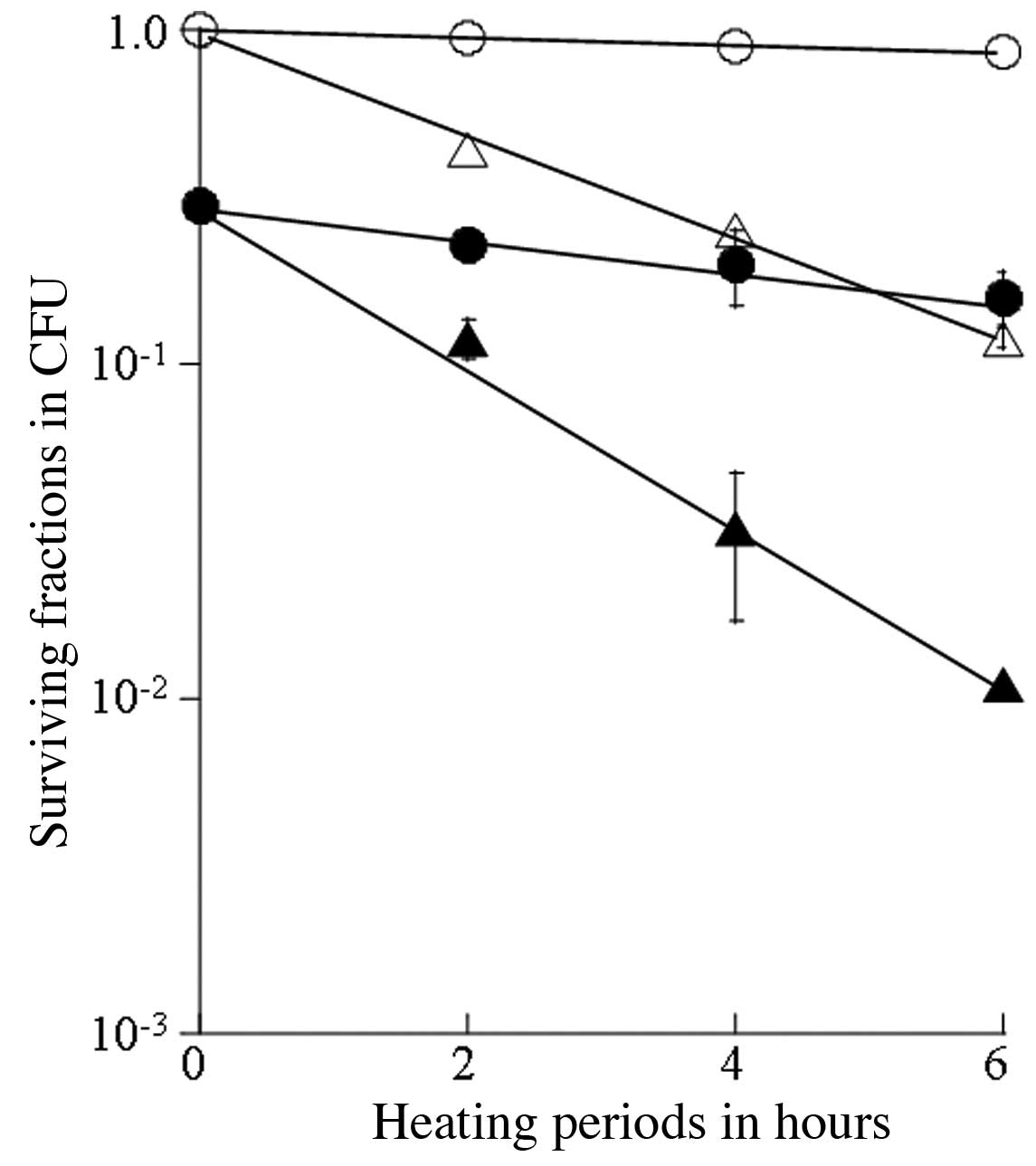
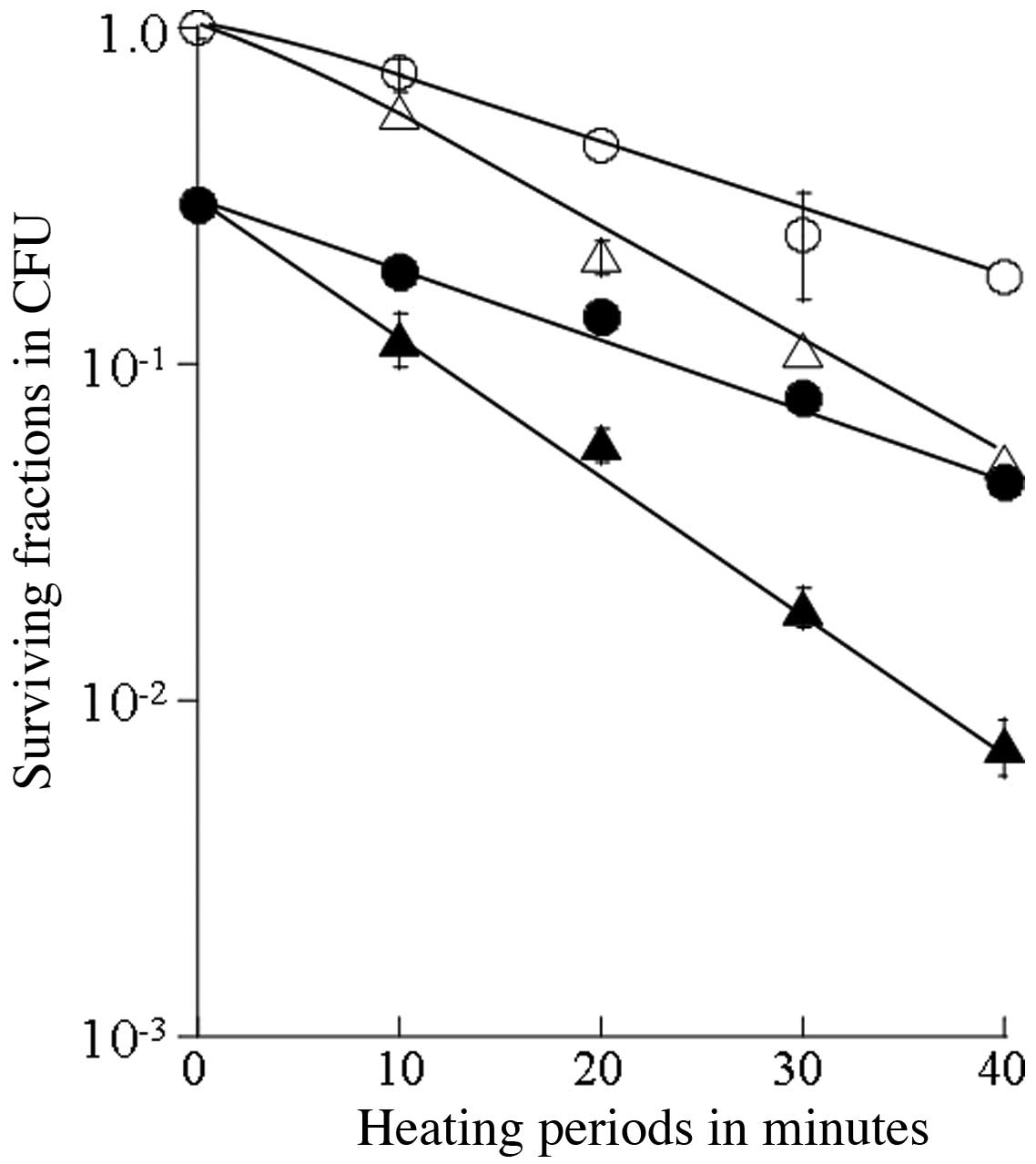
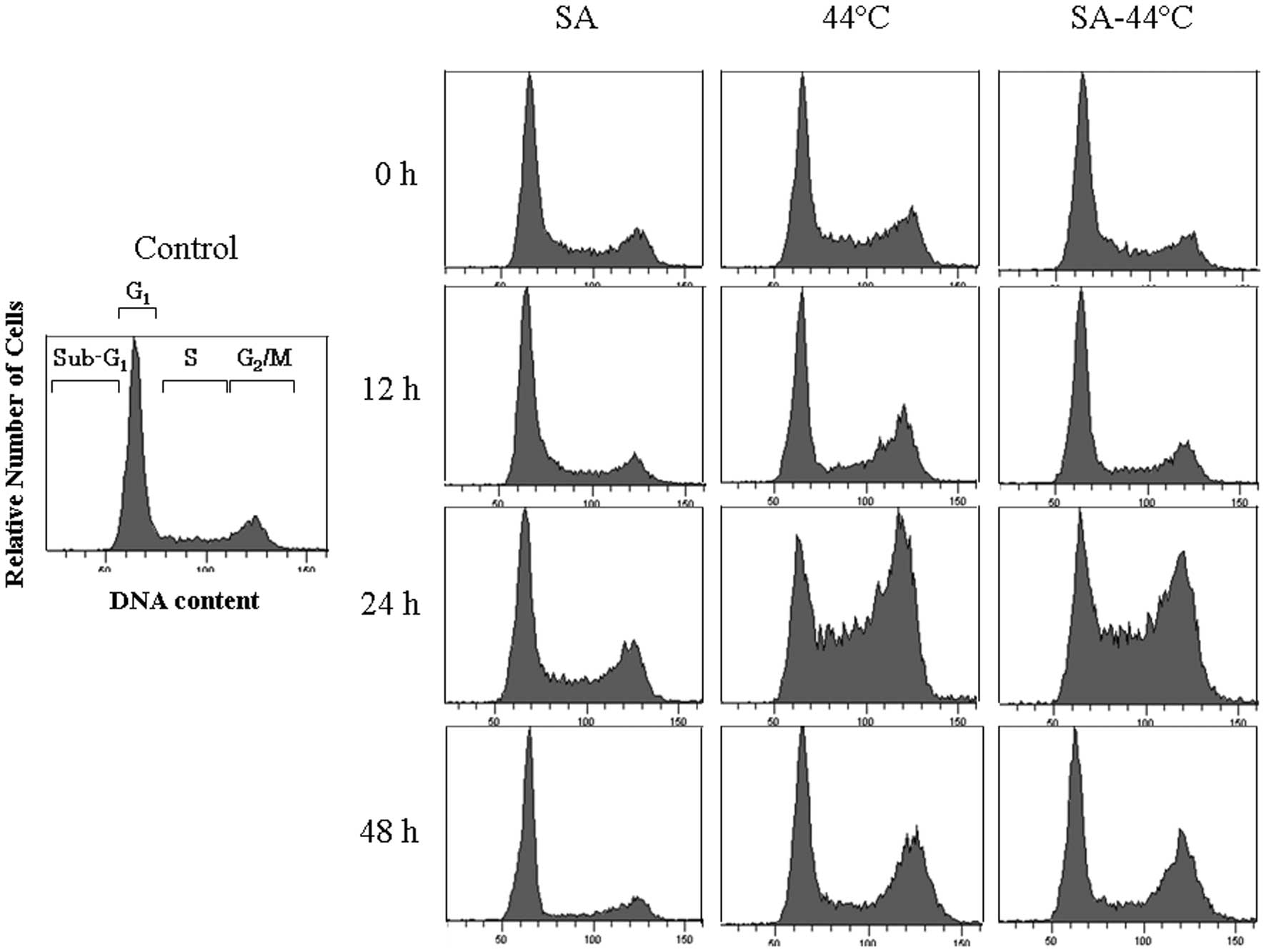
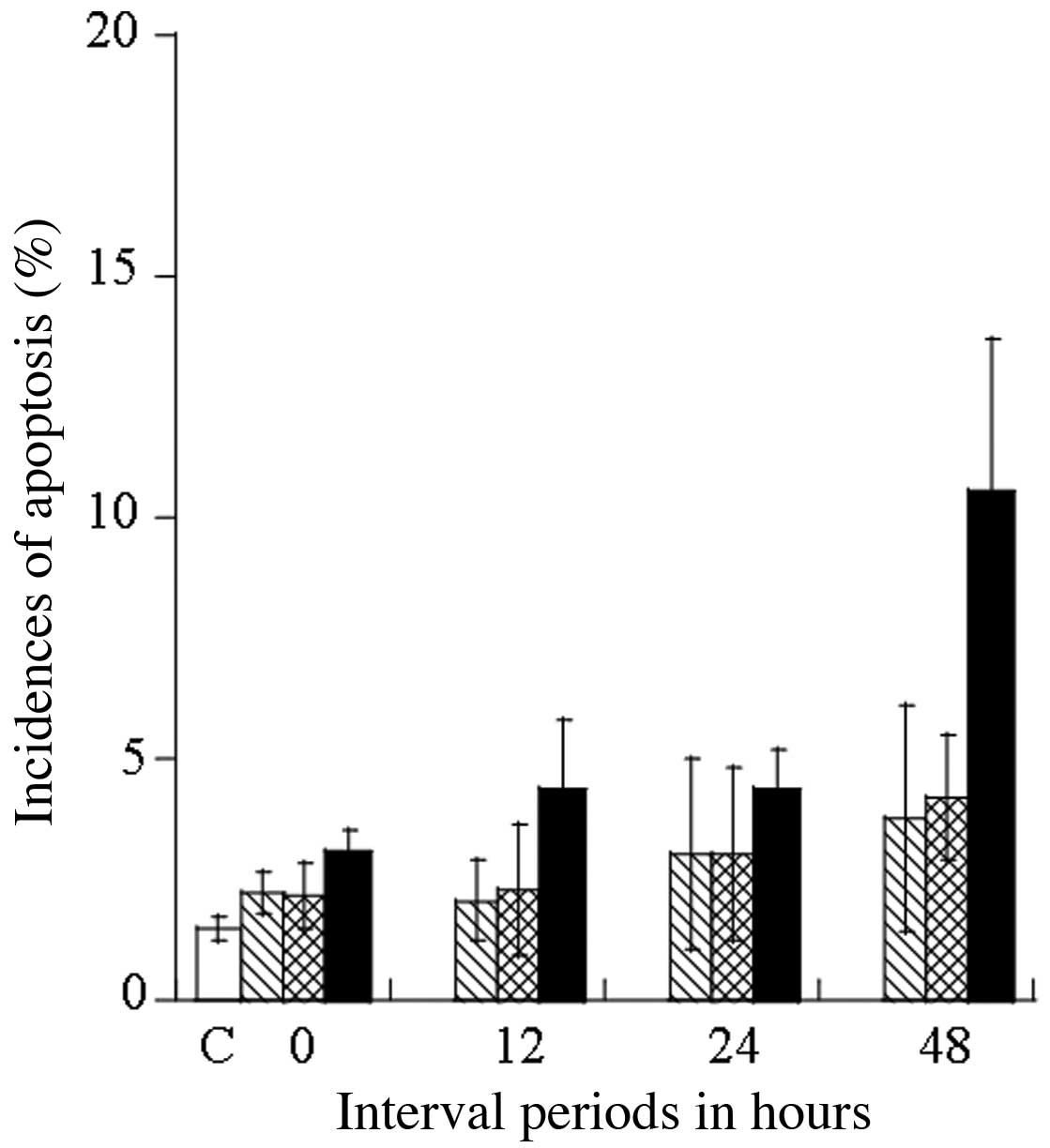
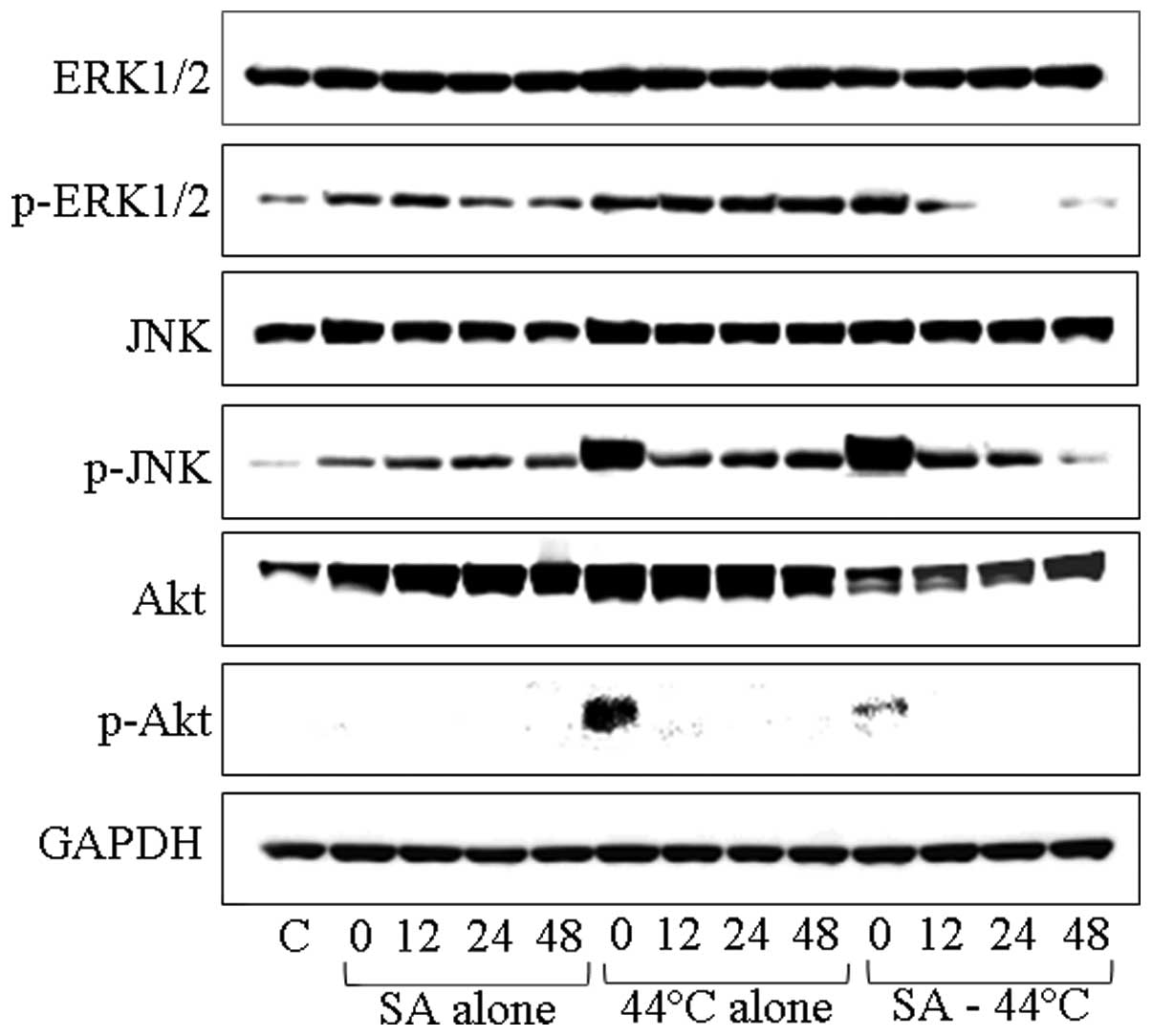
Sinodielide A (SA) is a naturally occurring guaianolide, which is isolated from the root of Sinodielsia yunnanensis. This root, commonly found in Yunnan province, is used in traditional Chinese medicine as an antipyretic, analgesic and diaphoretic agent. A number of studies have reported that agents isolated from a species of Umbelliferae (Apiaceae) have antitumor activities. We previously reported, using combined treatments with this medicinal herb and hyperthermia at various temperatures, an enhanced cytotoxicity in the human prostate cancer androgen‑independent cell lines, PC3 and DU145, and analyzed the related mechanisms. In the present study, we investigated the effects of treatment with SA prior to hyperthermia on the thermosensitivity of DU145 cells, and the mechanisms related to the induction of apoptosis and G2/M cell cycle arrest via the activation of extracellular-regulated kinase (ERK)1/2, c-Jun N-terminal kinase (JNK) mitogen-activated protein kinase (MAPK) signaling pathways, as well as the phosphoinositide 3-kinase (PI3K)/Akt signaling pathways. Cells were exposed to hyperthermia alone (40-44˚C) or hyperthermia in combination with SA. Lethal damage to cells treated with mild hyperthermia (40 or 42˚C) for up to 6 h was slight; however, hyperthermia in combination with SA synergistically enhanced thermosensivity. Lethal damage to cells treated with acute hyperthermia (43 or 44˚C) was more severe, but these effects were also enhanced and were more significant by the combined treatment with SA. The kinetics of apoptosis induction and cell cycle distribution were analyzed by flow cytometry. In addition, the levels of ERK1/2, JNK and Akt were determined by western blot analysis. The incidence of apoptotic cells after treatment with SA (20.0 µM) at 37˚C for 4 h, hyperthermia (44˚C) alone for 30 min, and the combination in sequence were examined. The sub-G1 division (%) in the diagram obtained by flow cytometry was applied to that assay. The percentage of apoptotic cells (10.53±5.02%) was higher at 48 h as compared to 0, 12 and 24 h after treatment. The distribution of DU145 cells in the G2/M cell cycle phase was markedly increased after 24 h of heating at 44˚C and after the combined treatment with heating and SA. The phosphorylation of ERK1/2 was reduced following treatment with heating and SA, while the levels of phosphorylated JNK (p-JNK) were markedly increased immediately after heating at 44˚C and when heating was combined with SA. By contrast, the levels of phosphorylated Akt (p-Akt) were immediately increased only after heating at 44˚C. Thus, we concluded that SA exerts its thermosensitizing effects on DU145 cells by inhibiting the activation of the MAPK/ERK1/2 and PI3K/Akt signaling pathways.
View Figures

Figure 1

Figure 2

Figure 3

Figure 4

Figure 5

View References

1 

Wang NH, Taniguchi M, Tsuji D, Doi M, Ohishi H, Yoza K and Baba K: Four guaianolides from Sinodielsia yunnanensis. Chem Pharm Bull (Tokyo). 51:68–70. 2003. View Article : Google Scholar

2 

Kimura Y, Sumiyoshi M and Baba K: Anti-tumor actions of major component 3′-O-acetylhamaudol of Angelica japonica roots through dual actions, anti-angiogenesis and intestinal intraepithelial lymphocyte activation. Cancer Lett. 265:84–97. 2008.PubMed/NCBI

3 

Sugii M, Ohkita M, Taniguchi M, Baba K, Kawai Y, Tahara C, Takaoka M and Matsumura Y: Xanthoangelol D isolated from the roots of Angelica keiskei inhibits endothelin-1 production through the suppression of nuclear factor-kappaB. Biol Pharm Bull. 28:607–610. 2005.

4 

Hayashi S, Hatashita M, Hayashi A, Matsumoto H, Shioura H and Kitai R: Thermosensitization by parthenolide in human lung adenocarcinoma A549 cells and p53- and hsp72-independent apoptosis induction via the nuclear factor-κB signal pathway. Int J Mol Med. 21:585–592. 2008.PubMed/NCBI

5 

Hayashi S, Sakurai H, Hayashi A, Tanaka Y, Hatashita M and Shioura H: Inhibition of NF-κB by combination therapy with parthenolide and hyperthermia and kinetics of apoptosis induction and cell cycle arrest in human lung adenocarcinoma cells. Int J Mol Med. 25:81–87. 2010.

6 

Hayashi S, Koshiba K, Hatashita M, Sato T, Jujo Y, Suzuki R, Tanaka Y and Shioura H: Thermosensitization and induction of apoptosis or cell-cycle arrest via the MAPK cascade by parthenolide, an NF-κB inhibitor, in human prostate cancer androgen-independent cell lines. Int J Mol Med. 28:1033–1042. 2011.

7 

Storer RD, Stein RB, Sina JF, DeLuca JG, Allen HL and Bradley MO: Malignant transformation of preneoplastic hamster epidermal cell line by the EJ c-Ha-ras-oncogene. Cancer Res. 46:1458–1464. 1986.PubMed/NCBI

8 

Cameron S, Levin L, Zoller M and Wigler M: cAMP-independent control of sporulation, glycogen metabolism, and heat shock resistance in S. cerevisiae. Cell. 53:555–566. 1988. View Article : Google Scholar : PubMed/NCBI

9 

Shirayama M, Kawakami K, Matsui Y, Tanaka K and Toh-e A: MSI3, a multicopy suppressor of mutants hyperactivated in the RAS-cAMP pathway, encodes a novel HSP70 protein of Saccharomyces cerevisiae. Mol Gen Genet. 240:323–332. 1993.PubMed/NCBI

10 

Mivechi NF and Giaccia AJ: Mitogen-activated protein kinase acts as a negative regulator of the heat shock response in NIH3T3 cells. Cancer Res. 55:5512–5519. 1995.PubMed/NCBI

11 

Oh AS, Lorant LA, Holloway JN, Miller DL, Kern FG and El-Ashry D: Hyperactivation of MAPK induces loss of ERalpha expression in breast cancer cells. Mol Endocrinol. 15:1344–1359. 2001.PubMed/NCBI

12 

Barault L, Veyrie N, Jooste V, et al: Mutations in the RAS-MAPK, PI(3)K (phosphatidylinositol-3-OH kinase) signaling network correlate with poor survival in a population-based series of colon cancers. Int J Cancer. 122:2255–2259. 2008. View Article : Google Scholar : PubMed/NCBI

13 

Fecher LA, Amaravadi RK and Flaherty KT: The MAPK pathway in melanoma. Curr Opin Oncol. 20:183–189. 2008. View Article : Google Scholar

14 

Chen KH, Weng MS and Lin JK: Tangeretin suppresses IL-1beta-induced cyclooxygenase (COX)-2 expression through inhibition of p38 MAPK, JNK, and AKT activation in human lung carcinoma cells. Biochem Pharmacol. 73:215–227. 2007. View Article : Google Scholar : PubMed/NCBI

15 

Tang YQ, Jaganath I, Manikam R and Sekaran SD: Phyllanthus suppresses prostate cancer cell, PC-3, proliferation and induces apoptosis through multiple signalling pathways (MAPKs, PI3K/Akt, NFκB, and hypoxia). Evid Based Complement Alternat Med. 2013:6095812013.PubMed/NCBI

16 

Cobb MH and Goldsmith EJ: How MAP kinases are regulated. J Biol Chem. 270:14843–14846. 1995. View Article : Google Scholar : PubMed/NCBI

17 

Robinson MJ and Cobb MH: Mitogen-activated protein kinase pathways. Curr Opin Cell Biol. 9:180–186. 1997. View Article : Google Scholar : PubMed/NCBI

18 

Widmann C, Gibson S, Jarpe MB and Johnson GL: Mitogen-activated protein kinase: conservation of a three-kinase module from yeast to human. Physiol Rev. 79:143–180. 1999.PubMed/NCBI

19 

Mielke K and Herdegen T: JNK and p38 stresskinases - degenerative effectors of signal-transduction-cascades in the nervous system. Prog Neurobiol. 61:45–60. 2000. View Article : Google Scholar : PubMed/NCBI

20 

Whitmarsh AJ and Davis RJ: Transcription factor AP-1 regulation by mitogen-activated protein kinase signal transduction pathways. J Mol Med (Berl). 74:589–607. 1996. View Article : Google Scholar : PubMed/NCBI

21 

Ip YT and Davis RJ: Signal transduction by the c-Jun N-terminal kinase (JNK) - from inflammation to development. Curr Opin Cell Biol. 10:205–219. 1998. View Article : Google Scholar : PubMed/NCBI

22 

Xia Z, Dickens M, Raingeaud J, Davis RJ and Greenberg ME: Opposing effects of ERK and JNK-p38 MAP kinases on apoptosis. Science. 270:1326–1331. 1995. View Article : Google Scholar : PubMed/NCBI

23 

Dhillon AS, Hagan S, Rath O and Kolch W: MAP kinase signalling pathways in cancer. Oncogene. 26:3279–3290. 2007. View Article : Google Scholar : PubMed/NCBI

24 

Ahn KS, Sethi G and Aggarwal BB: Nuclear factor-kappaB: from clone to clinic. Curr Mol Med. 7:619–637. 2007. View Article : Google Scholar : PubMed/NCBI

25 

Majumder PK and Sellers WR: Akt-regulated pathways in prostate cancer. Oncogene. 24:7465–7474. 2005. View Article : Google Scholar : PubMed/NCBI

26 

Hayashi S, Kano E, Tsuji K, Furukawa-Furuya M, Yoshikawa S, Hatashita M, Matsumoto H, Jin ZH, Ohtsubo T and Kitai R: Modification of thermosensitivity and chemosensitivity induced by combined treatments with hyperthermia and adriamycin. Int J Mol Med. 8:417–422. 2001.PubMed/NCBI

27 

Shioura H, Hayashi S, Matsumoto H, Kitai R, Ohtsubo T, Nishida T, Zhang SW, Yoshida M, Ishii Y and Kano E: The effects of combined treatments with low hyperthermia and bleomycin on survivals of murine L cells. J Exp Clin Cancer Res. 16:147–152. 1997.

28 

Ohtsubo T, Saito H, Matsumoto H, Hayashi S, Shioura H, Kitai R, Saito T and Kano E: In vitro effects of hyperthermia combined with cisplatin or peplomycin on the human maxillary carcinoma cell line IMC-2. Int J Hyperthermia. 13:59–67. 1997. View Article : Google Scholar : PubMed/NCBI

29 

Hayashi S, Hatashita M, Matsumoto H, Jin ZH, Shioura H and Kano E: Modification of thermosensitivity by amrubicin or amrubicinol in human lung adenocarcinoma A549 cells and the kinetics of apoptosis and necrosis induction. Int J Mol Med. 16:381–387. 2005.PubMed/NCBI

30 

Mayo MW, Wang CY, Cogswell PC, Rogers-Graham KS, Lowe SW, Der CJ and Baldwin AS Jr: Requirement of NF-kappaB activation to suppress p53-independent apoptosis induced by oncogenic Ras. Science. 278:1812–1815. 1997. View Article : Google Scholar : PubMed/NCBI

31 

Kalra N, Seth K, Prasad S, Singh M, Pant AB and Shukla Y: Theaflavins induced apoptosis of LNCaP cells is mediated through induction of p53, down-regulation of NF-kappa B and mitogen-activated protein kinases pathways. Life Sci. 80:2137–2146. 2007. View Article : Google Scholar

32 

Vertrees RA, Das GC, Coscio AM, Xie J, Zwischenberger JB and Boor PJ: A mechanism of hyperthermia-induced apoptosis in ras-transformed lung cells. Mol Carcinog. 44:111–121. 2005. View Article : Google Scholar : PubMed/NCBI

33 

Raffoul JJ, Wang Y, Kucuk O, Forman JD, Sarkar FH and Hillman GG: Genistein inhibits radiation-induced activation of NF-kappaB in prostate cancer cells promoting apoptosis and G2/M cell cycle arrest. BMC Cancer. 6:1072006. View Article : Google Scholar : PubMed/NCBI

34 

Vidya Priyadarsini R, Senthil Murugan R, Maitreyi S, Ramalingam K, Karunagaran D and Nagini S: The flavonoid quercetin induces cell cycle arrest and mitochondria-mediated apoptosis in human cervical cancer (HeLa) cells through p53 induction and NF-κB inhibition. Eur J Pharmacol. 649:84–91. 2010.PubMed/NCBI

35 

Mogi M, Ozeki N, Nakamura H and Togari A: Dual roles for NF-kappaB activation in osteoblastic cells by serum deprivation: osteoblastic apoptosis and cell-cycle arrest. Bone. 35:507–516. 2004. View Article : Google Scholar : PubMed/NCBI

36 

Barbacid M: ras genes (Review). Annu Rev Biochem. 56:779–827. 1987. View Article : Google Scholar

37 

Bos JL: ras oncogenes in human cancer: a review (Review). Cancer Res. 49:4682–4689. 1989.PubMed/NCBI

38 

Serrano M, Lin AW, McCurrach ME, Beach D and Lowe SW: Oncogenic ras provokes premature cell senescence associated with accumulation of p53 and p16INK4a. Cell. 88:593–602. 1997. View Article : Google Scholar : PubMed/NCBI

39 

Wang W, Chen JX, Liao R, Deng Q, Zhou JJ, Huang S and Sun P: Sequential activation of the MEK-extracellular signal-regulated kinase and MKK3/6-p38 mitogen-activated protein kinase pathways mediates oncogenic ras-induced premature senescence. Mol Cell Biol. 22:3389–3403. 2002. View Article : Google Scholar

40 

Hingorani SR and Tuveson DA: Ras redux: rethinking how and where Ras acts. Curr Opin Genet Dev. 13:6–13. 2003. View Article : Google Scholar : PubMed/NCBI

41 

Boguski MS and McCormick F: Proteins regulating Ras and its relatives. Nature. 366:643–654. 1993. View Article : Google Scholar : PubMed/NCBI

42 

Benvenuti S, Sartore-Bianchi A, Di Nicolantonio F, Zanon C, Moroni M, Veronese S, Siena S and Bardelli A: Oncogenic activation of the RAS/RAF signaling pathway impairs the response of metastatic colorectal cancers to anti-epidermal growth factor receptor antibody therapies. Cancer Res. 67:2643–2648. 2007. View Article : Google Scholar

43 

Russo A, Rizzo S, Bronte G, Silvestris N, Colucci G, Gebbia N, Bazan V and Fulfaro F: The long and winding road to useful predictive factors for anti-EGFR therapy in metastatic colorectal carcinoma: the KRAS/BRAF pathway. Oncology. 77(Suppl 1): 57–68. 2009. View Article : Google Scholar : PubMed/NCBI

44 

Pergolizzi RG, Kreis W, Rottach C, Susin M and Broome JD: Mutational status of codons 12 and 13 of the N- and K-ras genes in tissue and cell lines derived from primary and metastatic prostate carcinomas. Cancer Invest. 11:25–32. 1993. View Article : Google Scholar : PubMed/NCBI

45 

Kim-Kaneyama, Nose K and Shibanuma M: Significance of nuclear relocalization of ERK1/2 in reactivation of c-fos transcription and DNA synthesis in senescent fibroblasts. J Biol Chem. 275:20685–20692. 2000. View Article : Google Scholar : PubMed/NCBI

46 

Godeny MD and Sayeski PP: ANG II-induced cell proliferation is dually mediated by c-Src/Yes/Fyn-regulated ERK1/2 activation in the cytoplasm and PKCzeta-controlled ERK1/2 activity within the nucleus. Am J Physiol Cell Physiol. 291:C1297–C1307. 2006. View Article : Google Scholar : PubMed/NCBI

47 

Cheung EC and Slack RS: Emerging role for ERK as a key regulator of neuronal apoptosis. Sci STKE. 2004:PE452004.PubMed/NCBI

48 

Aloyz RS, Bamji SX, Pozniak CD, Toma JG, Atwal J, Kaplan DR and Miller FD: p53 is essential for developmental neuron death as regulated by the TrkA and p75 neurotrophin receptors. J Cell Biol. 143:1691–1703. 1998. View Article : Google Scholar : PubMed/NCBI

49 

Leppä S and Bohmann D: Diverse functions of JNK signaling and c-Jun in stress response and apoptosis. Oncogene. 18:6158–6162. 1999.PubMed/NCBI

50 

Shen HM and Liu ZG: JNK signaling pathway is a key modulator in cell death mediated by reactive oxygen and nitrogen species. Free Radic Biol Med. 40:928–939. 2006. View Article : Google Scholar : PubMed/NCBI

51 

Kim HJ, Chakravarti N, Oridate N, Choe C, Claret FX and Lotan R: N-(4-hydroxyphenyl)retinamide-induced apoptosis triggered by reactive oxygen species is mediated by activation of MAPKs in head and neck squamous carcinoma cells. Oncogene. 25:2785–2794. 2006. View Article : Google Scholar

52 

Rosner D, Stoneman V, Littlewood T, McCarthy N, Figg N, Wang Y, Tellides G and Bennett M: Interferon-gamma induces Fas trafficking and sensitization to apoptosis in vascular smooth muscle cells via a PI3K- and Akt-dependent mechanism. Am J Pathol. 168:2054–2063. 2006. View Article : Google Scholar : PubMed/NCBI

53 

Lu B, Wang L, Stehlik C, Medan D, Huang C, Hu S, Chen F, Shi X and Rojanasakul Y: Phosphatidylinositol 3-kinase/Akt positively regulates Fas (CD95)-mediated apoptosis in epidermal Cl41 cells. J Immunol. 176:6785–6793. 2006. View Article : Google Scholar : PubMed/NCBI

54 

Aksamitiene E, Kiyatkin A and Kholodenko BN: Cross-talk between mitogenic Ras/MAPK and survival PI3K/Akt pathways: a fine balance. Biochem Soc Trans. 40:139–146. 2012. View Article : Google Scholar : PubMed/NCBI

55 

Ho AL and Sherman E: Clinical development of kinase inhibitors for the treatment of differentiated thyroid cancer. Clin Adv Hematol Oncol. 9:32–41. 2011.PubMed/NCBI

56 

Liu D and Xing M: Potent inhibition of thyroid cancer cells by the MEK inhibitor PD0325901 and its potentiation by suppression of the PI3K and NF-kappaB pathways. Thyroid. 18:853–864. 2008. View Article : Google Scholar : PubMed/NCBI

57 

Brzezianska E and Pastuszak-Lewandoska D: A minireview: the role of MAPK/ERK and PI3K/Akt pathways in thyroid follicular cell-derived neoplasm (Review). Front Biosci (Landmark Ed). 16:422–439. 2011. View Article : Google Scholar : PubMed/NCBI

Related Articles

  • Abstract
  • View
  • Download
  • Twitter
Copy and paste a formatted citation
Spandidos Publications style
Hatashita M, Taniguchi M, Baba K, Koshiba K, Sato T, Jujo Y, Suzuki R and Hayashi S: Sinodielide A exerts thermosensitizing effects and induces apoptosis and G2/M cell cycle arrest in DU145 human prostate cancer cells via the Ras/Raf/MAPK and PI3K/Akt signaling pathways. Int J Mol Med 33: 406-414, 2014.
APA
Hatashita, M., Taniguchi, M., Baba, K., Koshiba, K., Sato, T., Jujo, Y. ... Hayashi, S. (2014). Sinodielide A exerts thermosensitizing effects and induces apoptosis and G2/M cell cycle arrest in DU145 human prostate cancer cells via the Ras/Raf/MAPK and PI3K/Akt signaling pathways. International Journal of Molecular Medicine, 33, 406-414. https://doi.org/10.3892/ijmm.2013.1568
MLA
Hatashita, M., Taniguchi, M., Baba, K., Koshiba, K., Sato, T., Jujo, Y., Suzuki, R., Hayashi, S."Sinodielide A exerts thermosensitizing effects and induces apoptosis and G2/M cell cycle arrest in DU145 human prostate cancer cells via the Ras/Raf/MAPK and PI3K/Akt signaling pathways". International Journal of Molecular Medicine 33.2 (2014): 406-414.
Chicago
Hatashita, M., Taniguchi, M., Baba, K., Koshiba, K., Sato, T., Jujo, Y., Suzuki, R., Hayashi, S."Sinodielide A exerts thermosensitizing effects and induces apoptosis and G2/M cell cycle arrest in DU145 human prostate cancer cells via the Ras/Raf/MAPK and PI3K/Akt signaling pathways". International Journal of Molecular Medicine 33, no. 2 (2014): 406-414. https://doi.org/10.3892/ijmm.2013.1568
Copy and paste a formatted citation
x
Spandidos Publications style
Hatashita M, Taniguchi M, Baba K, Koshiba K, Sato T, Jujo Y, Suzuki R and Hayashi S: Sinodielide A exerts thermosensitizing effects and induces apoptosis and G2/M cell cycle arrest in DU145 human prostate cancer cells via the Ras/Raf/MAPK and PI3K/Akt signaling pathways. Int J Mol Med 33: 406-414, 2014.
APA
Hatashita, M., Taniguchi, M., Baba, K., Koshiba, K., Sato, T., Jujo, Y. ... Hayashi, S. (2014). Sinodielide A exerts thermosensitizing effects and induces apoptosis and G2/M cell cycle arrest in DU145 human prostate cancer cells via the Ras/Raf/MAPK and PI3K/Akt signaling pathways. International Journal of Molecular Medicine, 33, 406-414. https://doi.org/10.3892/ijmm.2013.1568
MLA
Hatashita, M., Taniguchi, M., Baba, K., Koshiba, K., Sato, T., Jujo, Y., Suzuki, R., Hayashi, S."Sinodielide A exerts thermosensitizing effects and induces apoptosis and G2/M cell cycle arrest in DU145 human prostate cancer cells via the Ras/Raf/MAPK and PI3K/Akt signaling pathways". International Journal of Molecular Medicine 33.2 (2014): 406-414.
Chicago
Hatashita, M., Taniguchi, M., Baba, K., Koshiba, K., Sato, T., Jujo, Y., Suzuki, R., Hayashi, S."Sinodielide A exerts thermosensitizing effects and induces apoptosis and G2/M cell cycle arrest in DU145 human prostate cancer cells via the Ras/Raf/MAPK and PI3K/Akt signaling pathways". International Journal of Molecular Medicine 33, no. 2 (2014): 406-414. https://doi.org/10.3892/ijmm.2013.1568
Follow us
  • Twitter
  • LinkedIn
  • Facebook
About
  • Spandidos Publications
  • Careers
  • Cookie Policy
  • Privacy Policy
How can we help?
  • Help
  • Live Chat
  • Contact
  • Email to our Support Team