Spandidos Publications Logo
  • About
    • About Spandidos
    • Aims and Scopes
    • Abstracting and Indexing
    • Editorial Policies
    • Reprints and Permissions
    • Job Opportunities
    • Terms and Conditions
    • Contact
  • Journals
    • All Journals
    • Oncology Letters
      • Oncology Letters
      • Information for Authors
      • Editorial Policies
      • Editorial Board
      • Aims and Scope
      • Abstracting and Indexing
      • Bibliographic Information
      • Archive
    • International Journal of Oncology
      • International Journal of Oncology
      • Information for Authors
      • Editorial Policies
      • Editorial Board
      • Aims and Scope
      • Abstracting and Indexing
      • Bibliographic Information
      • Archive
    • Molecular and Clinical Oncology
      • Molecular and Clinical Oncology
      • Information for Authors
      • Editorial Policies
      • Editorial Board
      • Aims and Scope
      • Abstracting and Indexing
      • Bibliographic Information
      • Archive
    • Experimental and Therapeutic Medicine
      • Experimental and Therapeutic Medicine
      • Information for Authors
      • Editorial Policies
      • Editorial Board
      • Aims and Scope
      • Abstracting and Indexing
      • Bibliographic Information
      • Archive
    • International Journal of Molecular Medicine
      • International Journal of Molecular Medicine
      • Information for Authors
      • Editorial Policies
      • Editorial Board
      • Aims and Scope
      • Abstracting and Indexing
      • Bibliographic Information
      • Archive
    • Biomedical Reports
      • Biomedical Reports
      • Information for Authors
      • Editorial Policies
      • Editorial Board
      • Aims and Scope
      • Abstracting and Indexing
      • Bibliographic Information
      • Archive
    • Oncology Reports
      • Oncology Reports
      • Information for Authors
      • Editorial Policies
      • Editorial Board
      • Aims and Scope
      • Abstracting and Indexing
      • Bibliographic Information
      • Archive
    • Molecular Medicine Reports
      • Molecular Medicine Reports
      • Information for Authors
      • Editorial Policies
      • Editorial Board
      • Aims and Scope
      • Abstracting and Indexing
      • Bibliographic Information
      • Archive
    • World Academy of Sciences Journal
      • World Academy of Sciences Journal
      • Information for Authors
      • Editorial Policies
      • Editorial Board
      • Aims and Scope
      • Abstracting and Indexing
      • Bibliographic Information
      • Archive
    • International Journal of Functional Nutrition
      • International Journal of Functional Nutrition
      • Information for Authors
      • Editorial Policies
      • Editorial Board
      • Aims and Scope
      • Abstracting and Indexing
      • Bibliographic Information
      • Archive
    • International Journal of Epigenetics
      • International Journal of Epigenetics
      • Information for Authors
      • Editorial Policies
      • Editorial Board
      • Aims and Scope
      • Abstracting and Indexing
      • Bibliographic Information
      • Archive
    • Medicine International
      • Medicine International
      • Information for Authors
      • Editorial Policies
      • Editorial Board
      • Aims and Scope
      • Abstracting and Indexing
      • Bibliographic Information
      • Archive
  • Articles
  • Information
    • Information for Authors
    • Information for Reviewers
    • Information for Librarians
    • Information for Advertisers
    • Conferences
  • Language Editing
Spandidos Publications Logo
  • About
    • About Spandidos
    • Aims and Scopes
    • Abstracting and Indexing
    • Editorial Policies
    • Reprints and Permissions
    • Job Opportunities
    • Terms and Conditions
    • Contact
  • Journals
    • All Journals
    • Biomedical Reports
      • Information for Authors
      • Editorial Policies
      • Editorial Board
      • Aims and Scope
      • Abstracting and Indexing
      • Bibliographic Information
      • Archive
    • Experimental and Therapeutic Medicine
      • Information for Authors
      • Editorial Policies
      • Editorial Board
      • Aims and Scope
      • Abstracting and Indexing
      • Bibliographic Information
      • Archive
    • International Journal of Epigenetics
      • Information for Authors
      • Editorial Policies
      • Editorial Board
      • Aims and Scope
      • Abstracting and Indexing
      • Bibliographic Information
      • Archive
    • International Journal of Functional Nutrition
      • Information for Authors
      • Editorial Policies
      • Editorial Board
      • Aims and Scope
      • Abstracting and Indexing
      • Bibliographic Information
      • Archive
    • International Journal of Molecular Medicine
      • Information for Authors
      • Editorial Policies
      • Editorial Board
      • Aims and Scope
      • Abstracting and Indexing
      • Bibliographic Information
      • Archive
    • International Journal of Oncology
      • Information for Authors
      • Editorial Policies
      • Editorial Board
      • Aims and Scope
      • Abstracting and Indexing
      • Bibliographic Information
      • Archive
    • Medicine International
      • Information for Authors
      • Editorial Policies
      • Editorial Board
      • Aims and Scope
      • Abstracting and Indexing
      • Bibliographic Information
      • Archive
    • Molecular and Clinical Oncology
      • Information for Authors
      • Editorial Policies
      • Editorial Board
      • Aims and Scope
      • Abstracting and Indexing
      • Bibliographic Information
      • Archive
    • Molecular Medicine Reports
      • Information for Authors
      • Editorial Policies
      • Editorial Board
      • Aims and Scope
      • Abstracting and Indexing
      • Bibliographic Information
      • Archive
    • Oncology Letters
      • Information for Authors
      • Editorial Policies
      • Editorial Board
      • Aims and Scope
      • Abstracting and Indexing
      • Bibliographic Information
      • Archive
    • Oncology Reports
      • Information for Authors
      • Editorial Policies
      • Editorial Board
      • Aims and Scope
      • Abstracting and Indexing
      • Bibliographic Information
      • Archive
    • World Academy of Sciences Journal
      • Information for Authors
      • Editorial Policies
      • Editorial Board
      • Aims and Scope
      • Abstracting and Indexing
      • Bibliographic Information
      • Archive
  • Articles
  • Information
    • For Authors
    • For Reviewers
    • For Librarians
    • For Advertisers
    • Conferences
  • Language Editing
Login Register Submit
  • This site uses cookies
  • You can change your cookie settings at any time by following the instructions in our Cookie Policy. To find out more, you may read our Privacy Policy.

    I agree
Search articles by DOI, keyword, author or affiliation
Search
Advanced Search
presentation
International Journal of Molecular Medicine
Join Editorial Board Propose a Special Issue
Print ISSN: 1107-3756 Online ISSN: 1791-244X
Journal Cover
2014-February Volume 33 Issue 2

Full Size Image

Sign up for eToc alerts
Recommend to Library

Journals

International Journal of Molecular Medicine

International Journal of Molecular Medicine

International Journal of Molecular Medicine is an international journal devoted to molecular mechanisms of human disease.

International Journal of Oncology

International Journal of Oncology

International Journal of Oncology is an international journal devoted to oncology research and cancer treatment.

Molecular Medicine Reports

Molecular Medicine Reports

Covers molecular medicine topics such as pharmacology, pathology, genetics, neuroscience, infectious diseases, molecular cardiology, and molecular surgery.

Oncology Reports

Oncology Reports

Oncology Reports is an international journal devoted to fundamental and applied research in Oncology.

Experimental and Therapeutic Medicine

Experimental and Therapeutic Medicine

Experimental and Therapeutic Medicine is an international journal devoted to laboratory and clinical medicine.

Oncology Letters

Oncology Letters

Oncology Letters is an international journal devoted to Experimental and Clinical Oncology.

Biomedical Reports

Biomedical Reports

Explores a wide range of biological and medical fields, including pharmacology, genetics, microbiology, neuroscience, and molecular cardiology.

Molecular and Clinical Oncology

Molecular and Clinical Oncology

International journal addressing all aspects of oncology research, from tumorigenesis and oncogenes to chemotherapy and metastasis.

World Academy of Sciences Journal

World Academy of Sciences Journal

Multidisciplinary open-access journal spanning biochemistry, genetics, neuroscience, environmental health, and synthetic biology.

International Journal of Functional Nutrition

International Journal of Functional Nutrition

Open-access journal combining biochemistry, pharmacology, immunology, and genetics to advance health through functional nutrition.

International Journal of Epigenetics

International Journal of Epigenetics

Publishes open-access research on using epigenetics to advance understanding and treatment of human disease.

Medicine International

Medicine International

An International Open Access Journal Devoted to General Medicine.

Journal Cover
2014-February Volume 33 Issue 2

Full Size Image

Sign up for eToc alerts
Recommend to Library

  • Article
  • Citations
    • Cite This Article
    • Download Citation
    • Create Citation Alert
    • Remove Citation Alert
    • Cited By
  • Similar Articles
    • Related Articles (in Spandidos Publications)
    • Similar Articles (Google Scholar)
    • Similar Articles (PubMed)
  • Download PDF
  • Download XML
  • View XML
Article Open Access

Intrahepatic microcirculatory disorder, parenchymal hypoxia and NOX4 upregulation result in zonal differences in hepatocyte apoptosis following lipopolysaccharide- and D-galactosamine-induced acute liver failure in rats

  • Authors:
    • Masatake Tanaka
    • Kosuke Tanaka
    • Yuko Masaki
    • Masayuki Miyazaki
    • Masaki Kato
    • Kazuhiro Kotoh
    • Munechika Enjoji
    • Makoto Nakamuta
    • Ryoichi Takayanagi
  • View Affiliations / Copyright

    Affiliations: Department of Medicine and Bioregulatory Science, Graduate School of Medical Sciences, Kyushu University, Fukuoka 812‑8582, Japan, Faculty of Pharmaceutical Sciences, Fukuoka University, Fukuoka 814-0180, Japan, Department of Gastroenterology, Kyushu Medical Center, National Hospital Organization, Fukuoka 810-8563, Japan
    Copyright: © Tanaka et al. This is an open access article distributed under the terms of Creative Commons Attribution License [CC BY_NC 3.0].
  • Pages: 254-262
    |
    Published online on: December 3, 2013
       https://doi.org/10.3892/ijmm.2013.1573
  • Expand metrics +
Metrics: Total Views: 0 (Spandidos Publications: | PMC Statistics: )
Metrics: Total PDF Downloads: 0 (Spandidos Publications: | PMC Statistics: )
Cited By (CrossRef): 0 citations Loading Articles...

This article is mentioned in:


Abstract

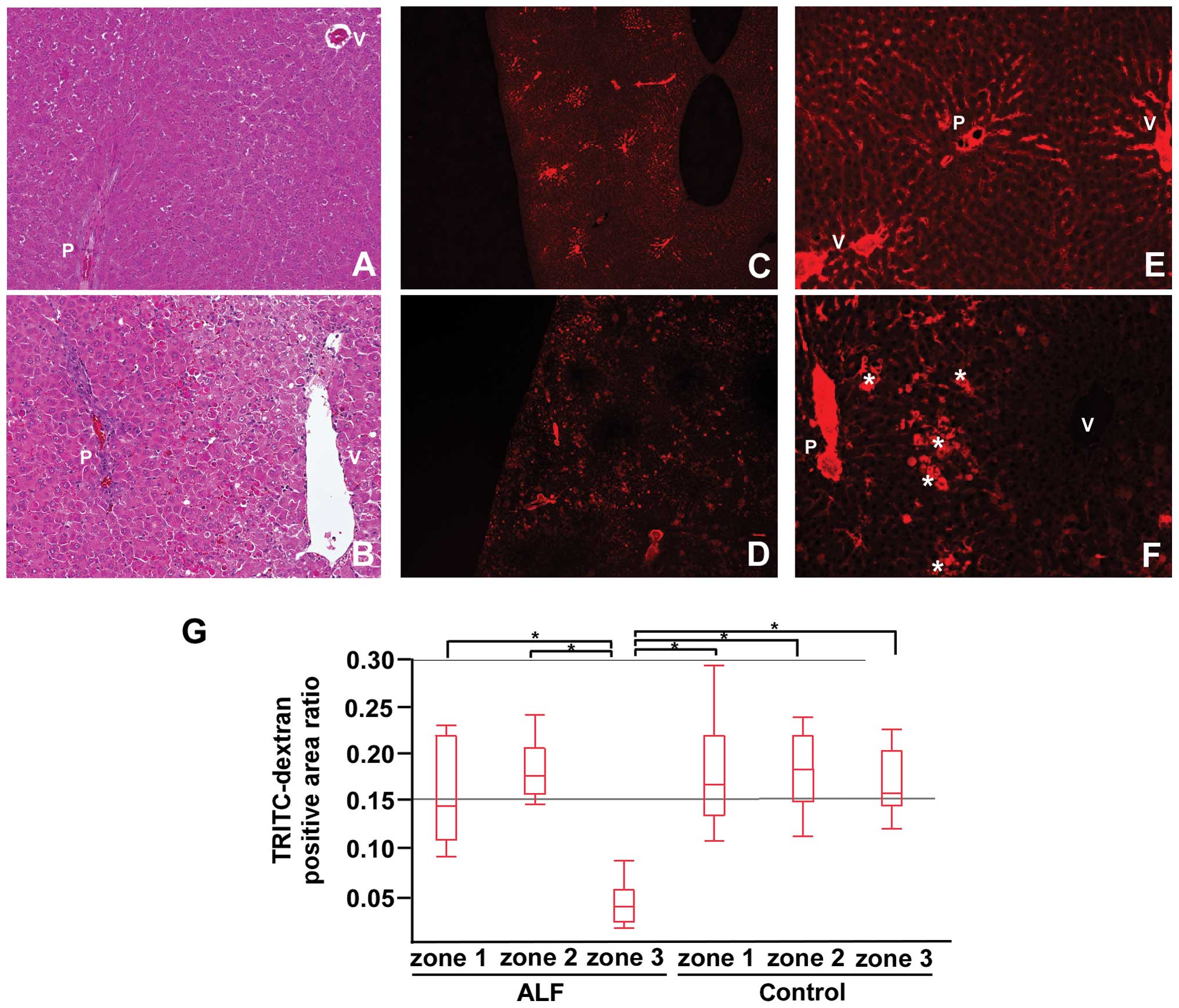
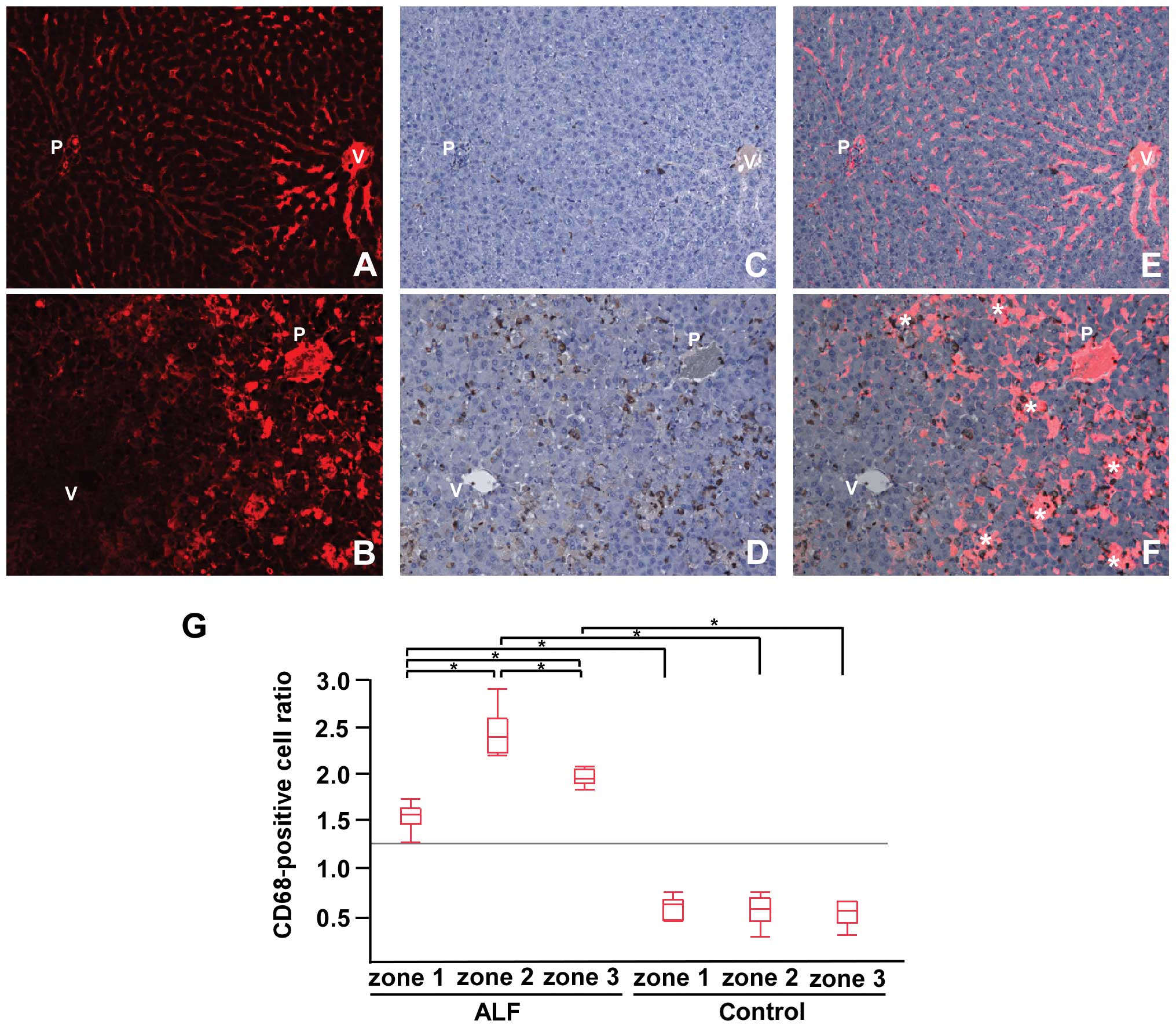
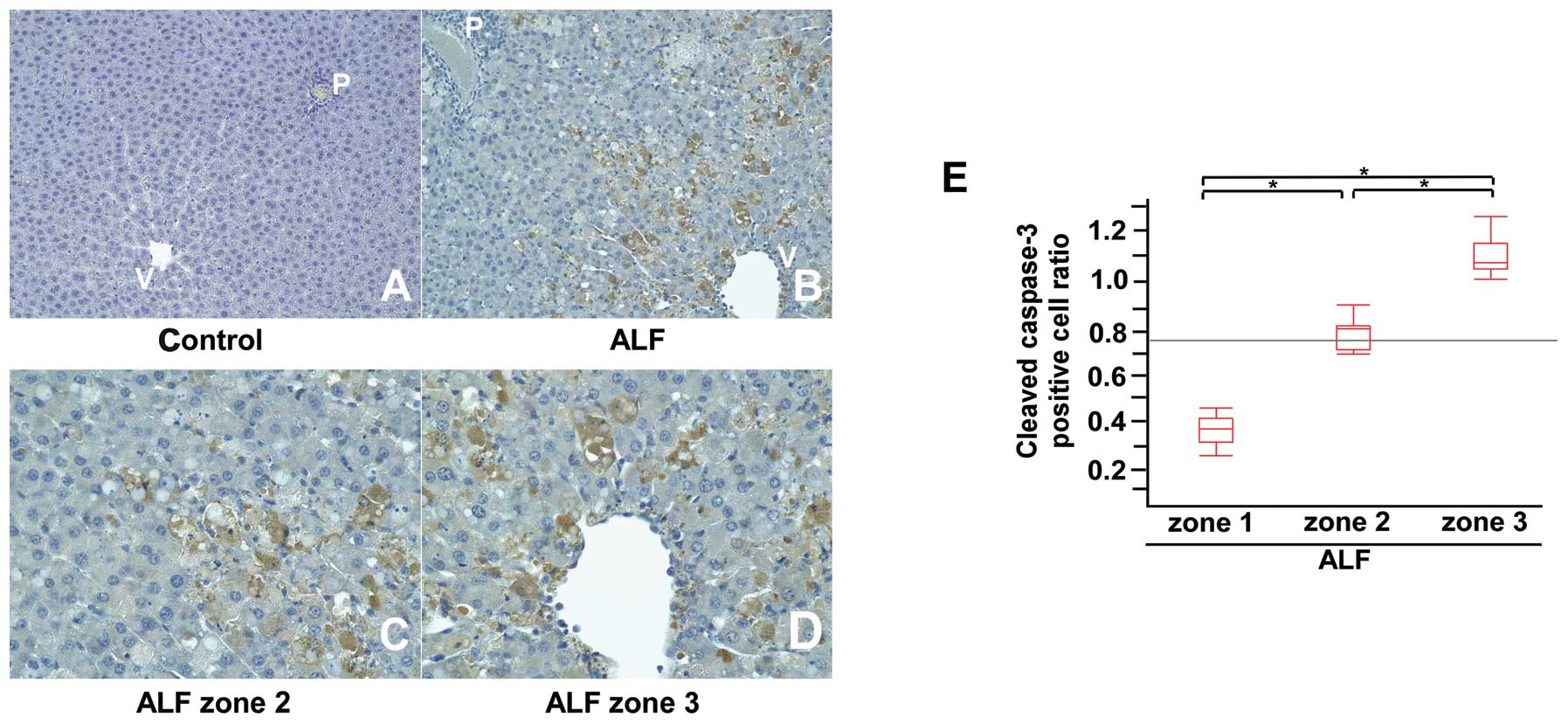
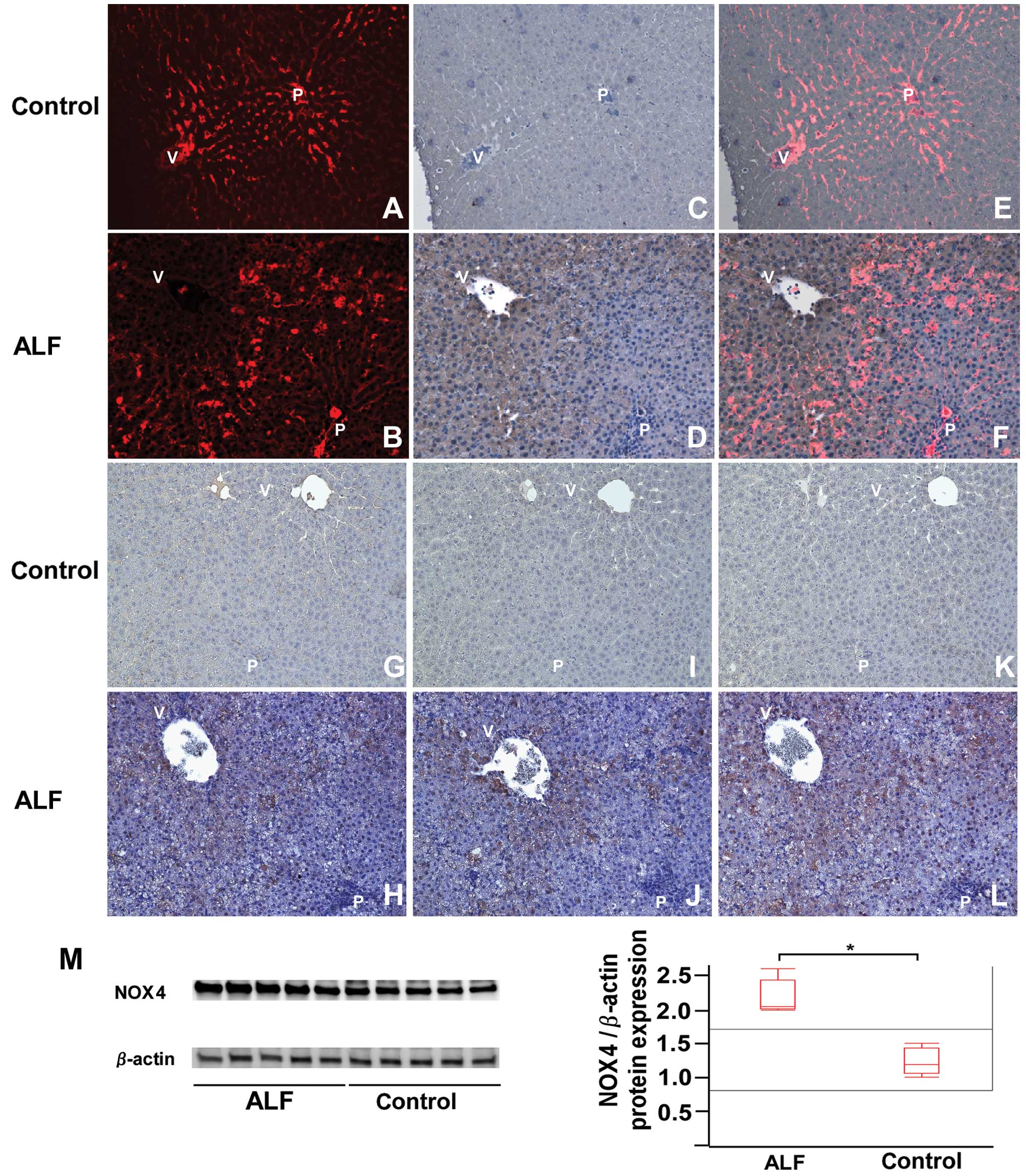
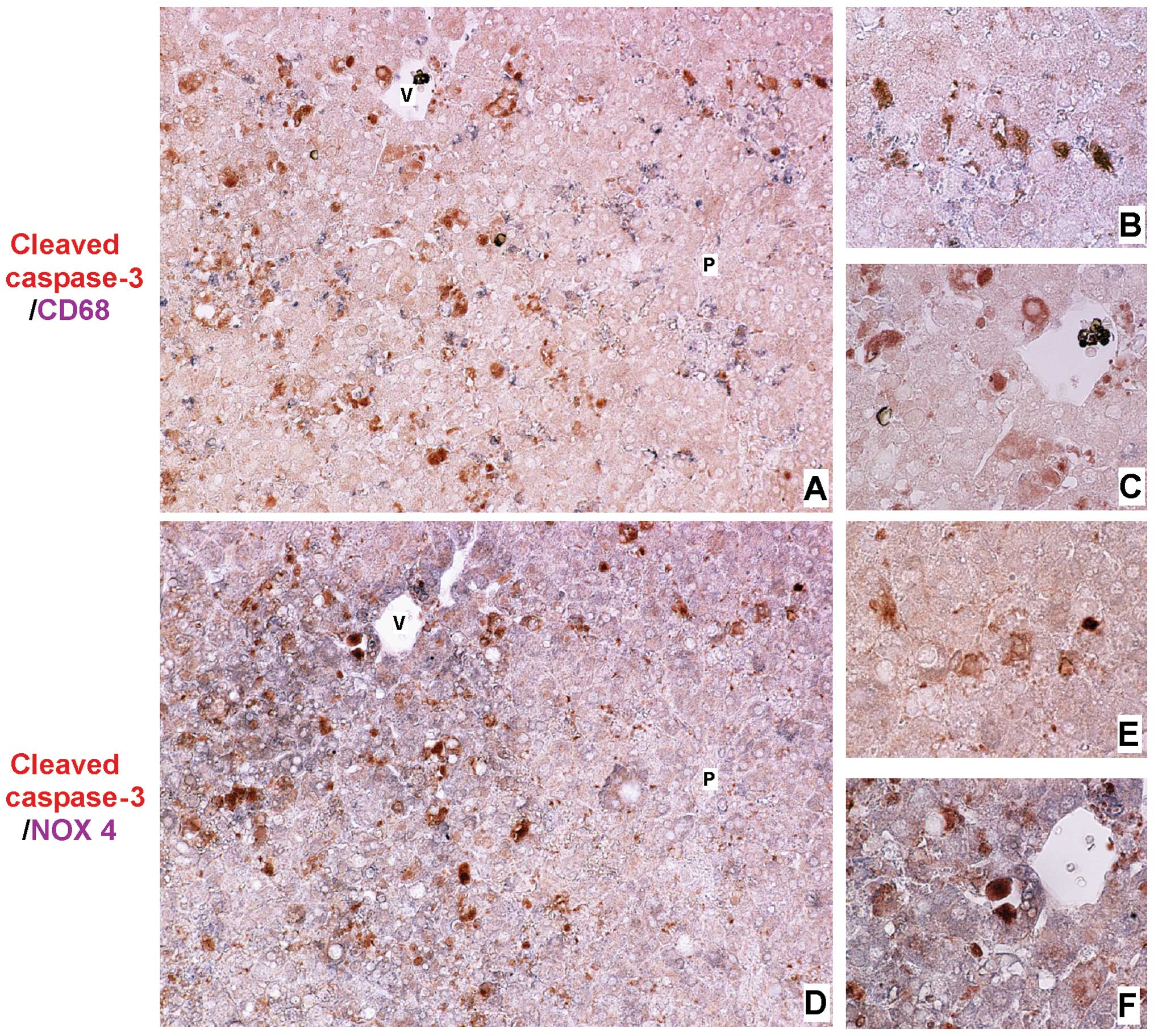
Although the mechanisms responsible for acute liver failure (ALF) have not yet been fully elucidated, studies have indicated that intrahepatic macrophage activation plays an important role in the pathogenesis of ALF through intrahepatic microcirculatory disorder and consequent parenchymal cell death. Intrahepatic microcirculatory disorder has been demonstrated in animal models using intravital microscopy; however, the limitations of this method include simultaneously evaluating blood flow and the surrounding pathological changes. Therefore, in this study, we devised a novel method involving tetramethylrhodamine isothiocyanate (TRITC)-dextran administration for the pathological assessment of hepatic microcirculation. In addition, we aimed to elucidate the mechanisms through which intrahepatic microcirculatory disorder progresses with relation to activated macrophages. ALF was induced in Wistar rats by exposure to lipopolysaccharide and D-galactosamine. Intrahepatic microcirculation and microcirculatory disorder in zone 3 (pericentral zone) of the livers of rats with ALF was observed. Immunohistochemical examinations in conjunction with TRITC-dextran images revealed that the macrophages were mainly distributed in zone 2 (intermediate zone), while cleaved caspase-3-positive hepatocytes, pimonidazole and hypoxia-inducible factor 1-α were abundant in zone 3. We also found that 4-hydroxy-2-nonenal and nicotinamide adenine dinucleotide phosphate oxidase (NOX)4-positive cells were predominantly located in the zone 3 parenchyma. The majority of apoptotic hepatocytes in zone 3 were co-localized with NOX4. Our results revealed that the apoptotic cells in zone 3 were a result of hypoxic conditions induced by intrahepatic microcirculatory disorder, and were not induced by activated macrophages. The increased levels of oxidative stress in zone 3 may contribute to the progression of hepatocyte apoptosis.
View Figures

Figure 1

Figure 2

Figure 3

Figure 4

Figure 5

View References

1 

Lee WM, Squires RH, Nyberg SL, Doo E and Hoofnagle JH: Acute liver failure: Summary of a workshop. Hepatology. 47:1401–1415. 2008.PubMed/NCBI

2 

Marudanayagam R, Shanmugam V, Gunson B, et al: Aetiology and outcome of acute liver failure. HPB (Oxford). 11:429–434. 2009. View Article : Google Scholar : PubMed/NCBI

3 

Oketani M, Ido A, Nakayama N, et al: Etiology and prognosis of fulminant hepatitis and late-onset hepatic failure in japan: Summary of the annual nationwide survey between 2004 and 2009. Hepatol Res. 43:97–105. 2013. View Article : Google Scholar : PubMed/NCBI

4 

Han DW: Intestinal endotoxemia as a pathogenetic mechanism in liver failure. World J Gastroenterol. 8:961–965. 2002.PubMed/NCBI

5 

Antoniades CG, Berry PA, Wendon JA and Vergani D: The importance of immune dysfunction in determining outcome in acute liver failure. J Hepatol. 49:845–861. 2008. View Article : Google Scholar : PubMed/NCBI

6 

McCuskey RS, Urbaschek R, McCuskey PA and Urbaschek B: In vivo microscopic studies of the responses of the liver to endotoxin. Klin Wochenschr. 60:749–751. 1982. View Article : Google Scholar : PubMed/NCBI

7 

Uhlmann S, Uhlmann D and Spiegel HU: Evaluation of hepatic microcirculation by in vivo microscopy. J Invest Surg. 12:179–193. 1999. View Article : Google Scholar : PubMed/NCBI

8 

Klintman D, Schramm R, Menger MD and Thorlacius H: Leukocyte recruitment in hepatic injury: selectin-mediated leukocyte rolling is a prerequisite for CD18-dependent firm adhesion. J Hepatol. 36:53–59. 2002. View Article : Google Scholar : PubMed/NCBI

9 

Eipel C, Kidess E, Abshagen K, et al: Antileukoproteinase protects against hepatic inflammation, but not apoptosis in the response of D-galactosamine-sensitized mice to lipopolysaccharide. Br J Pharmacol. 151:406–413. 2007. View Article : Google Scholar : PubMed/NCBI

10 

Roller J, Laschke MW, Scheuer C and Menger MD: Heme oxygenase (HO)-1 protects from lipopolysaccharide (LPS)-mediated liver injury by inhibition of hepatic leukocyte accumulation and improvement of microvascular perfusion. Langenbecks Arch Surg. 395:387–394. 2010. View Article : Google Scholar : PubMed/NCBI

11 

Ito Y, Bethea NW, Abril ER and McCuskey RS: Early hepatic microvascular injury in response to acetaminophen toxicity. Microcirculation. 10:391–400. 2003. View Article : Google Scholar : PubMed/NCBI

12 

Lawson JA, Fisher MA, Simmons CA, Farhood A and Jaeschke H: Parenchymal cell apoptosis as a signal for sinusoidal sequestration and transendothelial migration of neutrophils in murine models of endotoxin and Fas-antibody-induced liver injury. Hepatology. 28:761–767. 1998. View Article : Google Scholar

13 

Fujiwara K, Ogata I, Ohta Y, et al: Intravascular coagulation in acute liver failure in rats and its treatment with antithrombin III. Gut. 29:1103–1108. 1988. View Article : Google Scholar : PubMed/NCBI

14 

Yamada S, Ogata I, Hirata K, Mochida S, Tomiya T and Fujiwara K: Intravascular coagulation in the development of massive hepatic necrosis induced by Corynebacterium parvum and endotoxin in rats. Scand J Gastroenterol. 24:293–298. 1989. View Article : Google Scholar : PubMed/NCBI

15 

Mochida S, Ohno A, Arai M, Tamatani T, Miyasaka M and Fujiwara K: Role of adhesion molecules in the development of massive hepatic necrosis in rats. Hepatology. 23:320–328. 1996. View Article : Google Scholar : PubMed/NCBI

16 

Miyazaki M, Kato M, Tanaka M, et al: Antithrombin III injection via the portal vein suppresses liver damage. World J Gastroenterol. 18:1884–1891. 2012. View Article : Google Scholar : PubMed/NCBI

17 

Hirata K, Ogata I, Ohta Y and Fujiwara K: Hepatic sinusoidal cell destruction in the development of intravascular coagulation in acute liver failure of rats. J Pathol. 158:157–165. 1989. View Article : Google Scholar : PubMed/NCBI

18 

Ding JW, Ning Q, Liu MF, et al: Fulminant hepatic failure in murine hepatitis virus strain 3 infection: tissue-specific expression of a novel fgl2 prothrombinase. J Virol. 71:9223–9230. 1997.PubMed/NCBI

19 

Mita A, Hashikura Y, Tagawa Y, Nakayama J, Kawakubo M and Miyagawa S: Expression of Fas ligand by hepatic macrophages in patients with fulminant hepatic failure. Am J Gastroenterol. 100:2551–2559. 2005. View Article : Google Scholar : PubMed/NCBI

20 

Streetz K, Leifeld L, Grundmann D, et al: Tumor necrosis factor α in the pathogenesis of human and murine fulminant hepatic failure. Gastroenterology. 119:446–460. 2000.

21 

Malhi H and Gores GJ: Cellular and molecular mechanisms of liver injury. Gastroenterology. 134:1641–1654. 2008. View Article : Google Scholar : PubMed/NCBI

22 

Touyz RM, Briones AM, Sedeek M, Burger D and Montezano AC: NOX isoforms and reactive oxygen species in vascular health. Mol Interv. 11:27–35. 2011. View Article : Google Scholar : PubMed/NCBI

23 

Chen F, Haigh S, Barman S and Fulton DJ: From form to function: the role of Nox4 in the cardiovascular system. Front Physiol. 3:4122012. View Article : Google Scholar : PubMed/NCBI

24 

Katsuyama M: NOX/NADPH oxidase, the superoxide-generating enzyme: its transcriptional regulation and physiological roles. J Pharmacol Sci. 114:134–146. 2010. View Article : Google Scholar : PubMed/NCBI

25 

Brown DI and Griendling KK: Nox proteins in signal transduction. Free Radic Biol Med. 47:1239–1253. 2009. View Article : Google Scholar : PubMed/NCBI

26 

Arteel GE, Thurman RG, Yates JM and Raleigh JA: Evidence that hypoxia markers detect oxygen gradients in liver: pimonidazole and retrograde perfusion of rat liver. Br J Cancer. 72:889–895. 1995. View Article : Google Scholar : PubMed/NCBI

27 

Arteel GE, Iimuro Y, Yin M, Raleigh JA and Thurman RG: Chronic enteral ethanol treatment causes hypoxia in rat liver tissue in vivo. Hepatology. 25:920–926. 1997. View Article : Google Scholar : PubMed/NCBI

28 

Zhong Z, Arteel GE, Connor HD, et al: Binge drinking disturbs hepatic microcirculation after transplantation: prevention with free radical scavengers. J Pharmacol Exp Ther. 290:611–620. 1999.

29 

Rosmorduc O, Wendum D, Corpechot C, et al: Hepatocellular hypoxia-induced vascular endothelial growth factor expression and angiogenesis in experimental biliary cirrhosis. Am J Pathol. 155:1065–1073. 1999. View Article : Google Scholar : PubMed/NCBI

30 

Bardag-Gorce F, French BA, Li J, et al: The importance of cycling of blood alcohol levels in the pathogenesis of experimental alcoholic liver disease in rats. Gastroenterology. 123:325–335. 2002. View Article : Google Scholar : PubMed/NCBI

31 

Corpechot C, Barbu V, Wendum D, et al: Hepatocyte growth factor and c-Met inhibition by hepatic cell hypoxia: a potential mechanism for liver regeneration failure in experimental cirrhosis. Am J Pathol. 160:613–620. 2002. View Article : Google Scholar : PubMed/NCBI

32 

Deng X, Luyendyk JP, Zou W, et al: Neutrophil interaction with the hemostatic system contributes to liver injury in rats cotreated with lipopolysaccharide and ranitidine. J Pharmacol Exp Ther. 322:852–861. 2007. View Article : Google Scholar : PubMed/NCBI

33 

Chaudhuri S, McCullough SS, Hennings L, et al: Acetaminophen hepatotoxicity and HIF-1α induction in acetaminophen toxicity in mice occurs without hypoxia. Toxicol Appl Pharmacol. 252:211–220. 2011.

34 

Vollmar B, Wolf B, Siegmund S, Katsen AD and Menger MD: Lymph vessel expansion and function in the development of hepatic fibrosis and cirrhosis. Am J Pathol. 151:169–175. 1997.PubMed/NCBI

35 

Sun Z, Wang X, Deng X, et al: Beneficial effects of lexipafant, a PAF antagonist on gut barrier dysfunction caused by intestinal ischemia and reperfusion in rats. Dig Surg. 17:57–65. 2000. View Article : Google Scholar : PubMed/NCBI

36 

Takenaka K, Sakaida I, Yasunaga M and Okita K: Ultrastructural study of development of hepatic necrosis induced by TNF-alpha and D-galactosamine. Dig Dis Sci. 43:887–892. 1998. View Article : Google Scholar : PubMed/NCBI

37 

Le Bail B, Bioulac-Sage P, Senuita R, Quinton A, Saric J and Balabaud C: Fine structure of hepatic sinusoids and sinusoidal cells in disease. J Electron Microsc Tech. 14:257–282. 1990.PubMed/NCBI

38 

Kotoh K, Kato M, Kohjima M, Nakamuta M and Enjoji M: A new treatment strategy for acute liver failure. World J Hepatol. 2:395–400. 2010. View Article : Google Scholar : PubMed/NCBI

39 

Levy GA, Liu M, Ding J, et al: Molecular and functional analysis of the human prothrombinase gene (HFGL2) and its role in viral hepatitis. Am J Pathol. 156:1217–1225. 2000. View Article : Google Scholar : PubMed/NCBI

40 

Marsden PA, Ning Q, Fung LS, et al: The Fgl2/fibroleukin prothrombinase contributes to immunologically mediated thrombosis in experimental and human viral hepatitis. J Clin Invest. 112:58–66. 2003. View Article : Google Scholar : PubMed/NCBI

41 

Bantel H, Lugering A, Heidemann J, et al: Detection of apoptotic caspase activation in sera from patients with chronic HCV infection is associated with fibrotic liver injury. Hepatology. 40:1078–1087. 2004. View Article : Google Scholar : PubMed/NCBI

42 

Rutherford AE, Hynan LS, Borges CBS, et al: Serum apoptosis markers in acute liver failure: a pilot study. Clin Gastroenterol Hepatol. 5:1477–1483. 2007. View Article : Google Scholar : PubMed/NCBI

43 

Rutherford A, King LY, Hynan LS, et al: Development of an accurate index for predicting outcomes of patients with acute liver failure. Gastroenterology. 143:1237–1243. 2012. View Article : Google Scholar : PubMed/NCBI

44 

Malhi H, Gores GJ and Lemasters JJ: Apoptosis and necrosis in the liver: A tale of two deaths? Hepatology. 43(Suppl 1): S31–S44. 2006. View Article : Google Scholar : PubMed/NCBI

45 

De Minicis S, Bataller R and Brenner DA: NADPH oxidase in the liver: defensive, offensive, or fibrogenic? Gastroenterology. 131:272–275. 2006.

46 

Bedard K and Krause KH: The NOX family of ROS-generating NADPH oxidases: physiology and pathophysiology. Physiol Rev. 87:245–313. 2007. View Article : Google Scholar : PubMed/NCBI

47 

Martyn KD, Frederick LM, von Loehneysen K, Dinauer MC and Knaus UG: Functional analysis of Nox4 reveals unique characteristics compared to other NADPH oxidases. Cell Signal. 18:69–82. 2006. View Article : Google Scholar : PubMed/NCBI

48 

Serrander L, Cartier L, Bedard K, et al: NOX4 activity is determined by mRNA levels and reveals a unique pattern of ROS generation. Biochem J. 406:105–114. 2007. View Article : Google Scholar : PubMed/NCBI

49 

Krause KH: Tissue distribution and putative physiological function of NOX family NADPH oxidases. Jpn J Infect Dis. 57:S28–S29. 2004.PubMed/NCBI

50 

Meng D, Mei A, Liu J, et al: NADPH oxidase 4 mediates insulin-stimulated HIF-1α and VEGF expression, and angiogenesis in vitro. PLoS One. 7:e483932012.PubMed/NCBI

51 

Hecker L, Vittal R, Jones T, et al: NADPH oxidase-4 mediates myofibroblast activation and fibrogenic responses to lung injury. Nat Med. 15:1077–1081. 2009. View Article : Google Scholar : PubMed/NCBI

52 

Barnes JL and Gorin Y: Myofibroblast differentiation during fibrosis: role of NAD(P)H oxidases. Kidney Int. 79:944–956. 2011. View Article : Google Scholar : PubMed/NCBI

53 

Sedeek M, Callera G, Montezano A, et al: Critical role of Nox4-based NADPH oxidase in glucose-induced oxidative stress in the kidney: implications in type 2 diabetic nephropathy. Am J Physiol Renal Physiol. 299:F1348–F1358. 2010. View Article : Google Scholar : PubMed/NCBI

54 

Reinehr R, Becker S, Eberle A, Grether-Beck S and Haussinger D: Involvement of NADPH oxidase isoforms and Src family kinases in CD95-dependent hepatocyte apoptosis. J Biol Chem. 280:27179–27194. 2005. View Article : Google Scholar : PubMed/NCBI

55 

Senturk S, Mumcuoglu M, Gursoy-Yuzugullu O, Cingoz B, Akcali KC and Ozturk M: Transforming growth factor-beta induces senescence in hepatocellular carcinoma cells and inhibits tumor growth. Hepatology. 52:966–974. 2010. View Article : Google Scholar : PubMed/NCBI

56 

Boudreau HE, Emerson SU, Korzeniowska A, Jendrysik MA and Leto TL: Hepatitis C virus (HCV) proteins induce NADPH oxidase 4 expression in a transforming growth factor beta-dependent manner: a new contributor to HCV-induced oxidative stress. J Virol. 83:12934–12946. 2009. View Article : Google Scholar

57 

de Mochel NS, Seronello S, Wang SH, et al: Hepatocyte NAD(P)H oxidases as an endogenous source of reactive oxygen species during hepatitis C virus infection. Hepatology. 52:47–59. 2010.PubMed/NCBI

58 

Carmona-Cuenca I, Roncero C, Sancho P, et al: Upregulation of the NADPH oxidase NOX4 by TGF-beta in hepatocytes is required for its pro-apoptotic activity. J Hepatol. 49:965–976. 2008. View Article : Google Scholar : PubMed/NCBI

59 

Caja L, Sancho P, Bertran E, Iglesias-Serret D, Gil J and Fabregat I: Overactivation of the MEK/ERK pathway in liver tumor cells confers resistance to TGF-{beta}-induced cell death through impairing up-regulation of the NADPH oxidase NOX4. Cancer Res. 69:7595–7602. 2009.PubMed/NCBI

60 

Carmona-Cuenca I, Herrera B, Ventura JJ, Roncero C, Fernandez M and Fabregat I: EGF blocks NADPH oxidase activation by TGF-beta in fetal rat hepatocytes, impairing oxidative stress, and cell death. J Cell Physiol. 207:322–330. 2006. View Article : Google Scholar : PubMed/NCBI

61 

Sancho P, Bertran E, Caja L, Carmona-Cuenca I, Murillo MM and Fabregat I: The inhibition of the epidermal growth factor (EGF) pathway enhances TGF-beta-induced apoptosis in rat hepatoma cells through inducing oxidative stress coincident with a change in the expression pattern of the NADPH oxidases (NOX) isoforms. Biochim Biophys Acta. 1793:253–263. 2009. View Article : Google Scholar

62 

Sancho P, Mainez J, Crosas-Molist E, et al: NADPH oxidase NOX4 mediates stellate cell activation and hepatocyte cell death during liver fibrosis development. PLoS One. 7:e452852012. View Article : Google Scholar : PubMed/NCBI

63 

Diebold I, Petry A, Hess J and Görlach A: The NADPH oxidase subunit NOX4 is a new target gene of the hypoxia-inducible factor-1. Mol Biol Cell. 21:2087–2096. 2010. View Article : Google Scholar : PubMed/NCBI

64 

Borbely G, Szabadkai I, Horvath Z, et al: Small-molecule inhibitors of NADPH oxidase 4. J Med Chem. 53:6758–6762. 2010. View Article : Google Scholar : PubMed/NCBI

65 

Cifuentes-Pagano E, Csanyi G and Pagano PJ: NADPH oxidase inhibitors: a decade of discovery from Nox2ds to HTS. Cell Mol Life Sci. 69:2315–2325. 2012. View Article : Google Scholar : PubMed/NCBI

66 

Henriques U: Histological technique in routine histopathology. An opinion. Pathol Res Pract. 171:417–422. 1981. View Article : Google Scholar : PubMed/NCBI

Related Articles

  • Abstract
  • View
  • Download
  • Twitter
Copy and paste a formatted citation
Spandidos Publications style
Tanaka M, Tanaka K, Masaki Y, Miyazaki M, Kato M, Kotoh K, Enjoji M, Nakamuta M and Takayanagi R: Intrahepatic microcirculatory disorder, parenchymal hypoxia and NOX4 upregulation result in zonal differences in hepatocyte apoptosis following lipopolysaccharide- and D-galactosamine-induced acute liver failure in rats. Int J Mol Med 33: 254-262, 2014.
APA
Tanaka, M., Tanaka, K., Masaki, Y., Miyazaki, M., Kato, M., Kotoh, K. ... Takayanagi, R. (2014). Intrahepatic microcirculatory disorder, parenchymal hypoxia and NOX4 upregulation result in zonal differences in hepatocyte apoptosis following lipopolysaccharide- and D-galactosamine-induced acute liver failure in rats. International Journal of Molecular Medicine, 33, 254-262. https://doi.org/10.3892/ijmm.2013.1573
MLA
Tanaka, M., Tanaka, K., Masaki, Y., Miyazaki, M., Kato, M., Kotoh, K., Enjoji, M., Nakamuta, M., Takayanagi, R."Intrahepatic microcirculatory disorder, parenchymal hypoxia and NOX4 upregulation result in zonal differences in hepatocyte apoptosis following lipopolysaccharide- and D-galactosamine-induced acute liver failure in rats". International Journal of Molecular Medicine 33.2 (2014): 254-262.
Chicago
Tanaka, M., Tanaka, K., Masaki, Y., Miyazaki, M., Kato, M., Kotoh, K., Enjoji, M., Nakamuta, M., Takayanagi, R."Intrahepatic microcirculatory disorder, parenchymal hypoxia and NOX4 upregulation result in zonal differences in hepatocyte apoptosis following lipopolysaccharide- and D-galactosamine-induced acute liver failure in rats". International Journal of Molecular Medicine 33, no. 2 (2014): 254-262. https://doi.org/10.3892/ijmm.2013.1573
Copy and paste a formatted citation
x
Spandidos Publications style
Tanaka M, Tanaka K, Masaki Y, Miyazaki M, Kato M, Kotoh K, Enjoji M, Nakamuta M and Takayanagi R: Intrahepatic microcirculatory disorder, parenchymal hypoxia and NOX4 upregulation result in zonal differences in hepatocyte apoptosis following lipopolysaccharide- and D-galactosamine-induced acute liver failure in rats. Int J Mol Med 33: 254-262, 2014.
APA
Tanaka, M., Tanaka, K., Masaki, Y., Miyazaki, M., Kato, M., Kotoh, K. ... Takayanagi, R. (2014). Intrahepatic microcirculatory disorder, parenchymal hypoxia and NOX4 upregulation result in zonal differences in hepatocyte apoptosis following lipopolysaccharide- and D-galactosamine-induced acute liver failure in rats. International Journal of Molecular Medicine, 33, 254-262. https://doi.org/10.3892/ijmm.2013.1573
MLA
Tanaka, M., Tanaka, K., Masaki, Y., Miyazaki, M., Kato, M., Kotoh, K., Enjoji, M., Nakamuta, M., Takayanagi, R."Intrahepatic microcirculatory disorder, parenchymal hypoxia and NOX4 upregulation result in zonal differences in hepatocyte apoptosis following lipopolysaccharide- and D-galactosamine-induced acute liver failure in rats". International Journal of Molecular Medicine 33.2 (2014): 254-262.
Chicago
Tanaka, M., Tanaka, K., Masaki, Y., Miyazaki, M., Kato, M., Kotoh, K., Enjoji, M., Nakamuta, M., Takayanagi, R."Intrahepatic microcirculatory disorder, parenchymal hypoxia and NOX4 upregulation result in zonal differences in hepatocyte apoptosis following lipopolysaccharide- and D-galactosamine-induced acute liver failure in rats". International Journal of Molecular Medicine 33, no. 2 (2014): 254-262. https://doi.org/10.3892/ijmm.2013.1573
Follow us
  • Twitter
  • LinkedIn
  • Facebook
About
  • Spandidos Publications
  • Careers
  • Cookie Policy
  • Privacy Policy
How can we help?
  • Help
  • Live Chat
  • Contact
  • Email to our Support Team