Spandidos Publications Logo
  • About
    • About Spandidos
    • Aims and Scopes
    • Abstracting and Indexing
    • Editorial Policies
    • Reprints and Permissions
    • Job Opportunities
    • Terms and Conditions
    • Contact
  • Journals
    • All Journals
    • Oncology Letters
      • Oncology Letters
      • Information for Authors
      • Editorial Policies
      • Editorial Board
      • Aims and Scope
      • Abstracting and Indexing
      • Bibliographic Information
      • Archive
    • International Journal of Oncology
      • International Journal of Oncology
      • Information for Authors
      • Editorial Policies
      • Editorial Board
      • Aims and Scope
      • Abstracting and Indexing
      • Bibliographic Information
      • Archive
    • Molecular and Clinical Oncology
      • Molecular and Clinical Oncology
      • Information for Authors
      • Editorial Policies
      • Editorial Board
      • Aims and Scope
      • Abstracting and Indexing
      • Bibliographic Information
      • Archive
    • Experimental and Therapeutic Medicine
      • Experimental and Therapeutic Medicine
      • Information for Authors
      • Editorial Policies
      • Editorial Board
      • Aims and Scope
      • Abstracting and Indexing
      • Bibliographic Information
      • Archive
    • International Journal of Molecular Medicine
      • International Journal of Molecular Medicine
      • Information for Authors
      • Editorial Policies
      • Editorial Board
      • Aims and Scope
      • Abstracting and Indexing
      • Bibliographic Information
      • Archive
    • Biomedical Reports
      • Biomedical Reports
      • Information for Authors
      • Editorial Policies
      • Editorial Board
      • Aims and Scope
      • Abstracting and Indexing
      • Bibliographic Information
      • Archive
    • Oncology Reports
      • Oncology Reports
      • Information for Authors
      • Editorial Policies
      • Editorial Board
      • Aims and Scope
      • Abstracting and Indexing
      • Bibliographic Information
      • Archive
    • Molecular Medicine Reports
      • Molecular Medicine Reports
      • Information for Authors
      • Editorial Policies
      • Editorial Board
      • Aims and Scope
      • Abstracting and Indexing
      • Bibliographic Information
      • Archive
    • World Academy of Sciences Journal
      • World Academy of Sciences Journal
      • Information for Authors
      • Editorial Policies
      • Editorial Board
      • Aims and Scope
      • Abstracting and Indexing
      • Bibliographic Information
      • Archive
    • International Journal of Functional Nutrition
      • International Journal of Functional Nutrition
      • Information for Authors
      • Editorial Policies
      • Editorial Board
      • Aims and Scope
      • Abstracting and Indexing
      • Bibliographic Information
      • Archive
    • International Journal of Epigenetics
      • International Journal of Epigenetics
      • Information for Authors
      • Editorial Policies
      • Editorial Board
      • Aims and Scope
      • Abstracting and Indexing
      • Bibliographic Information
      • Archive
    • Medicine International
      • Medicine International
      • Information for Authors
      • Editorial Policies
      • Editorial Board
      • Aims and Scope
      • Abstracting and Indexing
      • Bibliographic Information
      • Archive
  • Articles
  • Information
    • Information for Authors
    • Information for Reviewers
    • Information for Librarians
    • Information for Advertisers
    • Conferences
  • Language Editing
Spandidos Publications Logo
  • About
    • About Spandidos
    • Aims and Scopes
    • Abstracting and Indexing
    • Editorial Policies
    • Reprints and Permissions
    • Job Opportunities
    • Terms and Conditions
    • Contact
  • Journals
    • All Journals
    • Biomedical Reports
      • Information for Authors
      • Editorial Policies
      • Editorial Board
      • Aims and Scope
      • Abstracting and Indexing
      • Bibliographic Information
      • Archive
    • Experimental and Therapeutic Medicine
      • Information for Authors
      • Editorial Policies
      • Editorial Board
      • Aims and Scope
      • Abstracting and Indexing
      • Bibliographic Information
      • Archive
    • International Journal of Epigenetics
      • Information for Authors
      • Editorial Policies
      • Editorial Board
      • Aims and Scope
      • Abstracting and Indexing
      • Bibliographic Information
      • Archive
    • International Journal of Functional Nutrition
      • Information for Authors
      • Editorial Policies
      • Editorial Board
      • Aims and Scope
      • Abstracting and Indexing
      • Bibliographic Information
      • Archive
    • International Journal of Molecular Medicine
      • Information for Authors
      • Editorial Policies
      • Editorial Board
      • Aims and Scope
      • Abstracting and Indexing
      • Bibliographic Information
      • Archive
    • International Journal of Oncology
      • Information for Authors
      • Editorial Policies
      • Editorial Board
      • Aims and Scope
      • Abstracting and Indexing
      • Bibliographic Information
      • Archive
    • Medicine International
      • Information for Authors
      • Editorial Policies
      • Editorial Board
      • Aims and Scope
      • Abstracting and Indexing
      • Bibliographic Information
      • Archive
    • Molecular and Clinical Oncology
      • Information for Authors
      • Editorial Policies
      • Editorial Board
      • Aims and Scope
      • Abstracting and Indexing
      • Bibliographic Information
      • Archive
    • Molecular Medicine Reports
      • Information for Authors
      • Editorial Policies
      • Editorial Board
      • Aims and Scope
      • Abstracting and Indexing
      • Bibliographic Information
      • Archive
    • Oncology Letters
      • Information for Authors
      • Editorial Policies
      • Editorial Board
      • Aims and Scope
      • Abstracting and Indexing
      • Bibliographic Information
      • Archive
    • Oncology Reports
      • Information for Authors
      • Editorial Policies
      • Editorial Board
      • Aims and Scope
      • Abstracting and Indexing
      • Bibliographic Information
      • Archive
    • World Academy of Sciences Journal
      • Information for Authors
      • Editorial Policies
      • Editorial Board
      • Aims and Scope
      • Abstracting and Indexing
      • Bibliographic Information
      • Archive
  • Articles
  • Information
    • For Authors
    • For Reviewers
    • For Librarians
    • For Advertisers
    • Conferences
  • Language Editing
Login Register Submit
  • This site uses cookies
  • You can change your cookie settings at any time by following the instructions in our Cookie Policy. To find out more, you may read our Privacy Policy.

    I agree
Search articles by DOI, keyword, author or affiliation
Search
Advanced Search
presentation
International Journal of Molecular Medicine
Join Editorial Board Propose a Special Issue
Print ISSN: 1107-3756 Online ISSN: 1791-244X
Journal Cover
February-2017 Volume 39 Issue 2

Full Size Image

Sign up for eToc alerts
Recommend to Library

Journals

International Journal of Molecular Medicine

International Journal of Molecular Medicine

International Journal of Molecular Medicine is an international journal devoted to molecular mechanisms of human disease.

International Journal of Oncology

International Journal of Oncology

International Journal of Oncology is an international journal devoted to oncology research and cancer treatment.

Molecular Medicine Reports

Molecular Medicine Reports

Covers molecular medicine topics such as pharmacology, pathology, genetics, neuroscience, infectious diseases, molecular cardiology, and molecular surgery.

Oncology Reports

Oncology Reports

Oncology Reports is an international journal devoted to fundamental and applied research in Oncology.

Experimental and Therapeutic Medicine

Experimental and Therapeutic Medicine

Experimental and Therapeutic Medicine is an international journal devoted to laboratory and clinical medicine.

Oncology Letters

Oncology Letters

Oncology Letters is an international journal devoted to Experimental and Clinical Oncology.

Biomedical Reports

Biomedical Reports

Explores a wide range of biological and medical fields, including pharmacology, genetics, microbiology, neuroscience, and molecular cardiology.

Molecular and Clinical Oncology

Molecular and Clinical Oncology

International journal addressing all aspects of oncology research, from tumorigenesis and oncogenes to chemotherapy and metastasis.

World Academy of Sciences Journal

World Academy of Sciences Journal

Multidisciplinary open-access journal spanning biochemistry, genetics, neuroscience, environmental health, and synthetic biology.

International Journal of Functional Nutrition

International Journal of Functional Nutrition

Open-access journal combining biochemistry, pharmacology, immunology, and genetics to advance health through functional nutrition.

International Journal of Epigenetics

International Journal of Epigenetics

Publishes open-access research on using epigenetics to advance understanding and treatment of human disease.

Medicine International

Medicine International

An International Open Access Journal Devoted to General Medicine.

Journal Cover
February-2017 Volume 39 Issue 2

Full Size Image

Sign up for eToc alerts
Recommend to Library

  • Article
  • Citations
    • Cite This Article
    • Download Citation
    • Create Citation Alert
    • Remove Citation Alert
    • Cited By
  • Similar Articles
    • Related Articles (in Spandidos Publications)
    • Similar Articles (Google Scholar)
    • Similar Articles (PubMed)
  • Download PDF
  • Download XML
  • View XML
Article

Wheat-bran autolytic peptides containing a branched-chain amino acid attenuate non-alcoholic steatohepatitis via the suppression of oxidative stress and the upregulation of AMPK/ACC in high-fat diet-fed mice

  • Authors:
    • Takumi Kawaguchi
    • Takato Ueno
    • Yoichi Nogata
    • Masako Hayakawa
    • Hironori Koga
    • Takuji Torimura
  • View Affiliations / Copyright

    Affiliations: Division of Gastroenterology, Department of Medicine, Kurume University School of Medicine, Kurume, Japan, Asakura Medical Association Hospital, Asakura, Japan, NARO Western Region Agricultural Research Center, Kagawa, Japan, Liver Cancer Division, Research Center for Innovative Cancer Therapy, Kurume University, Kurume, Japan
  • Pages: 407-414
    |
    Published online on: December 14, 2016
       https://doi.org/10.3892/ijmm.2016.2831
  • Expand metrics +
Metrics: Total Views: 0 (Spandidos Publications: | PMC Statistics: )
Metrics: Total PDF Downloads: 0 (Spandidos Publications: | PMC Statistics: )
Cited By (CrossRef): 0 citations Loading Articles...

This article is mentioned in:


Abstract

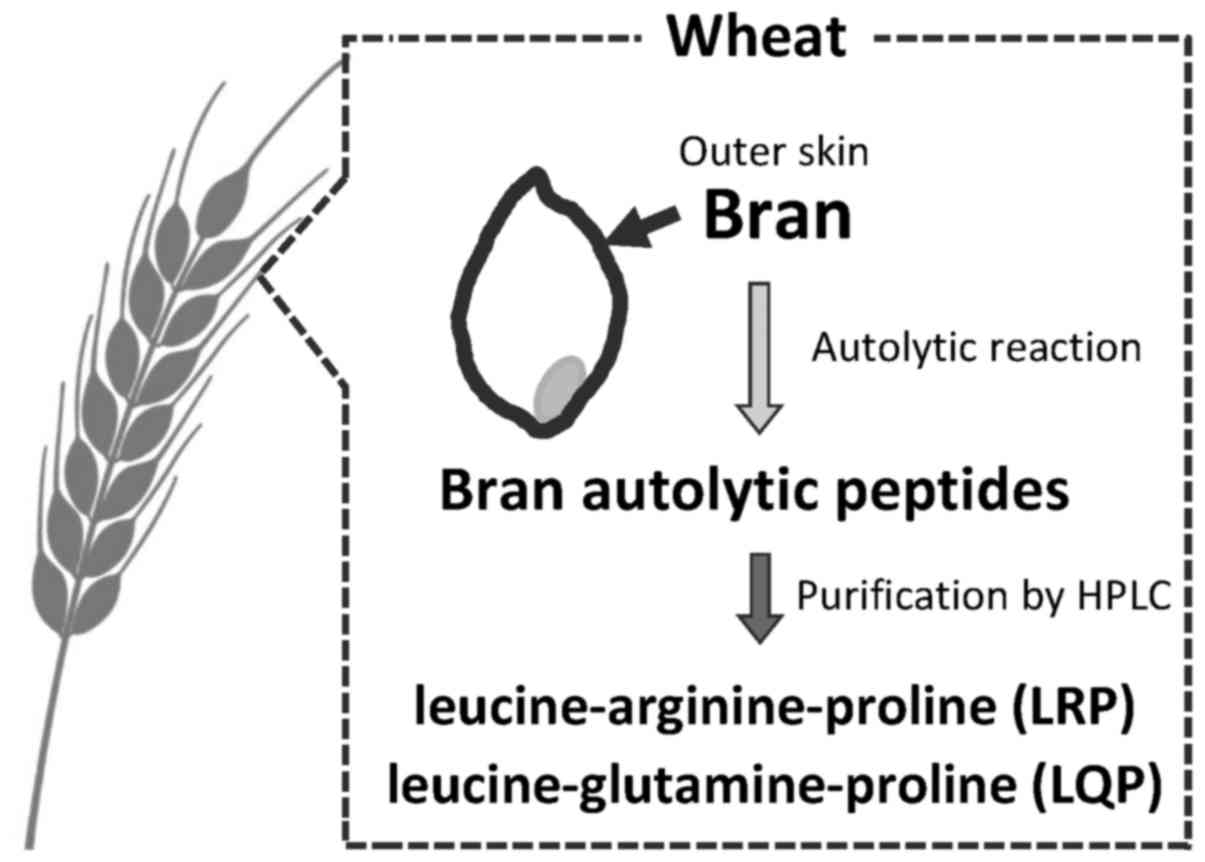
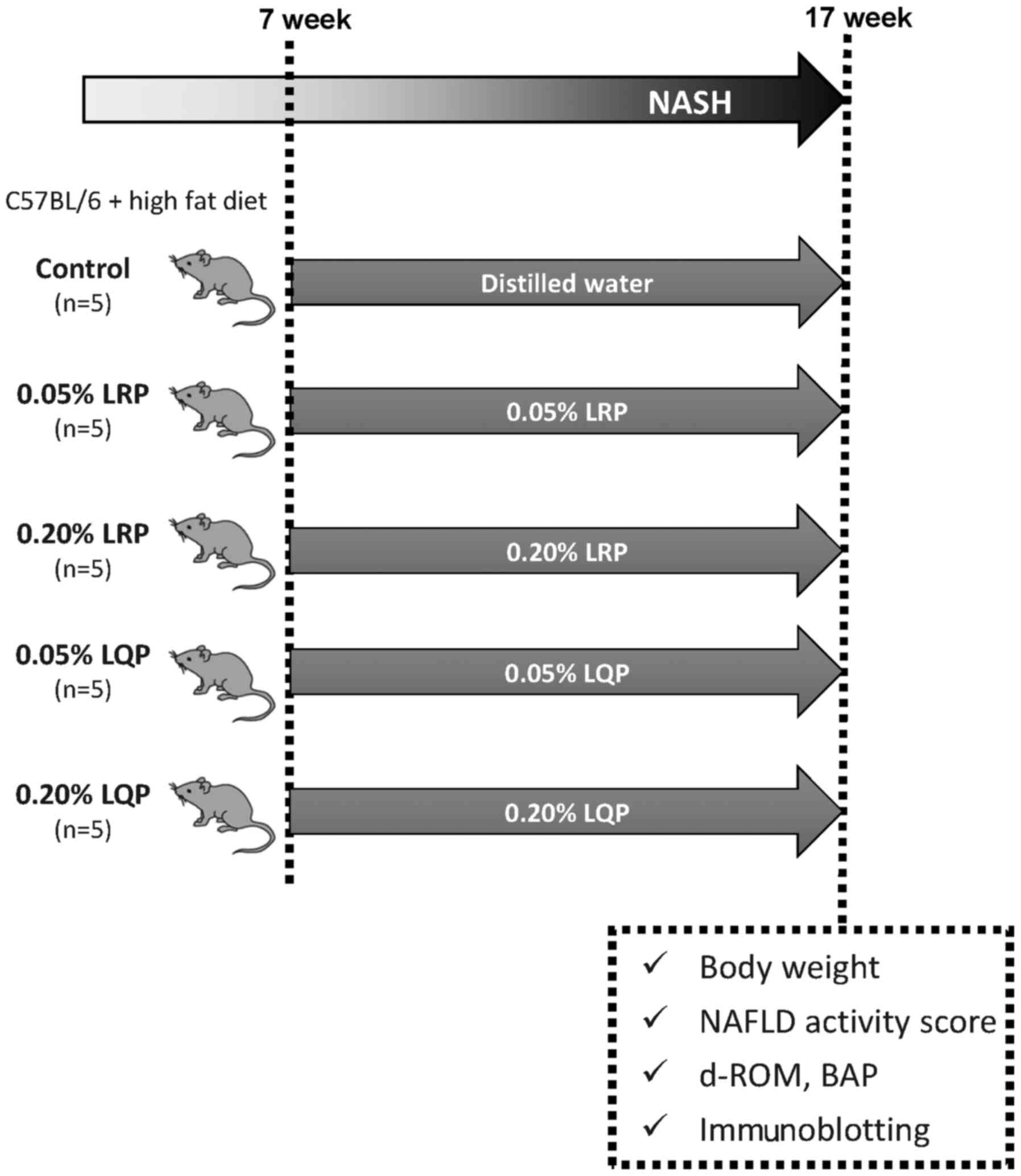
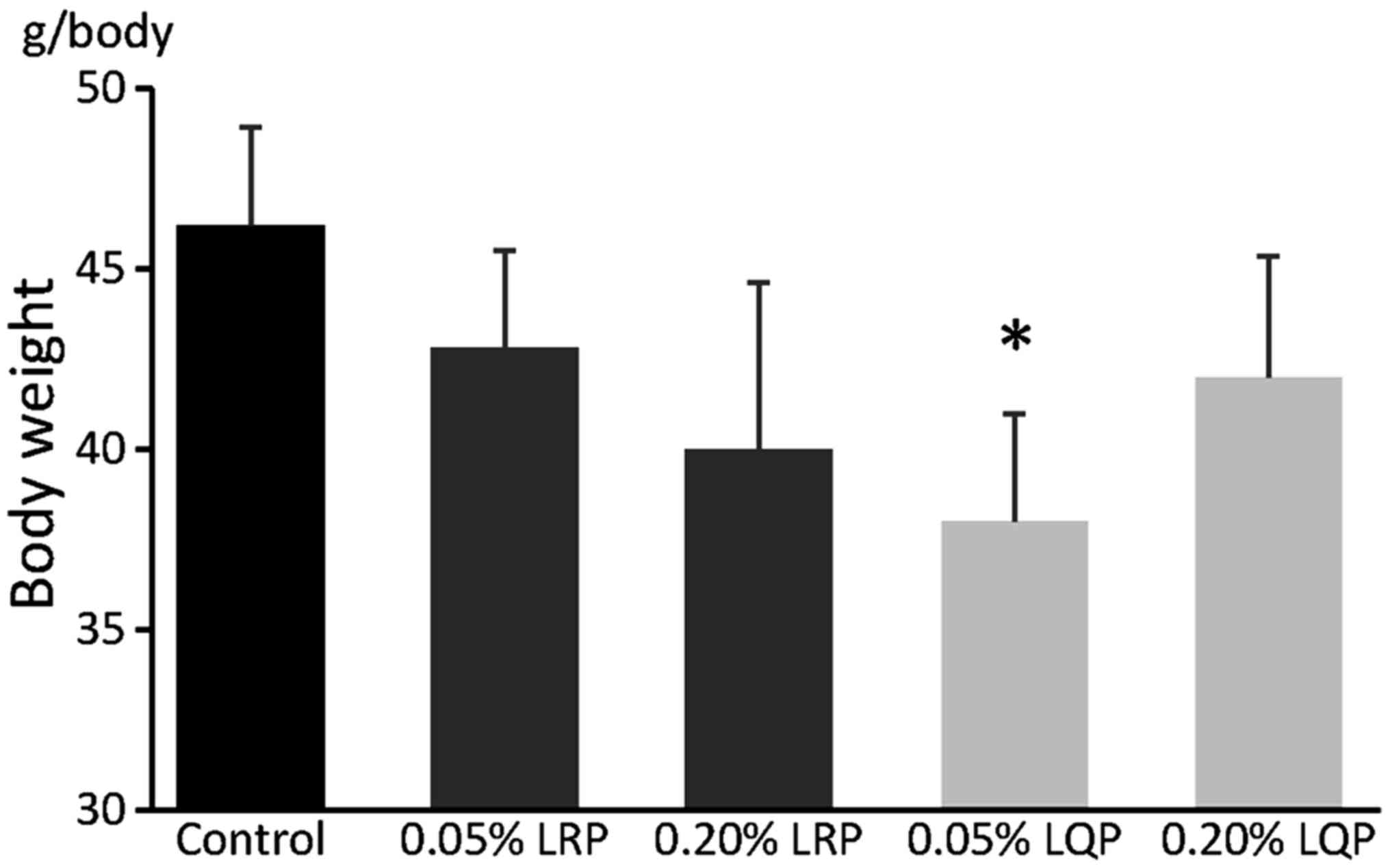
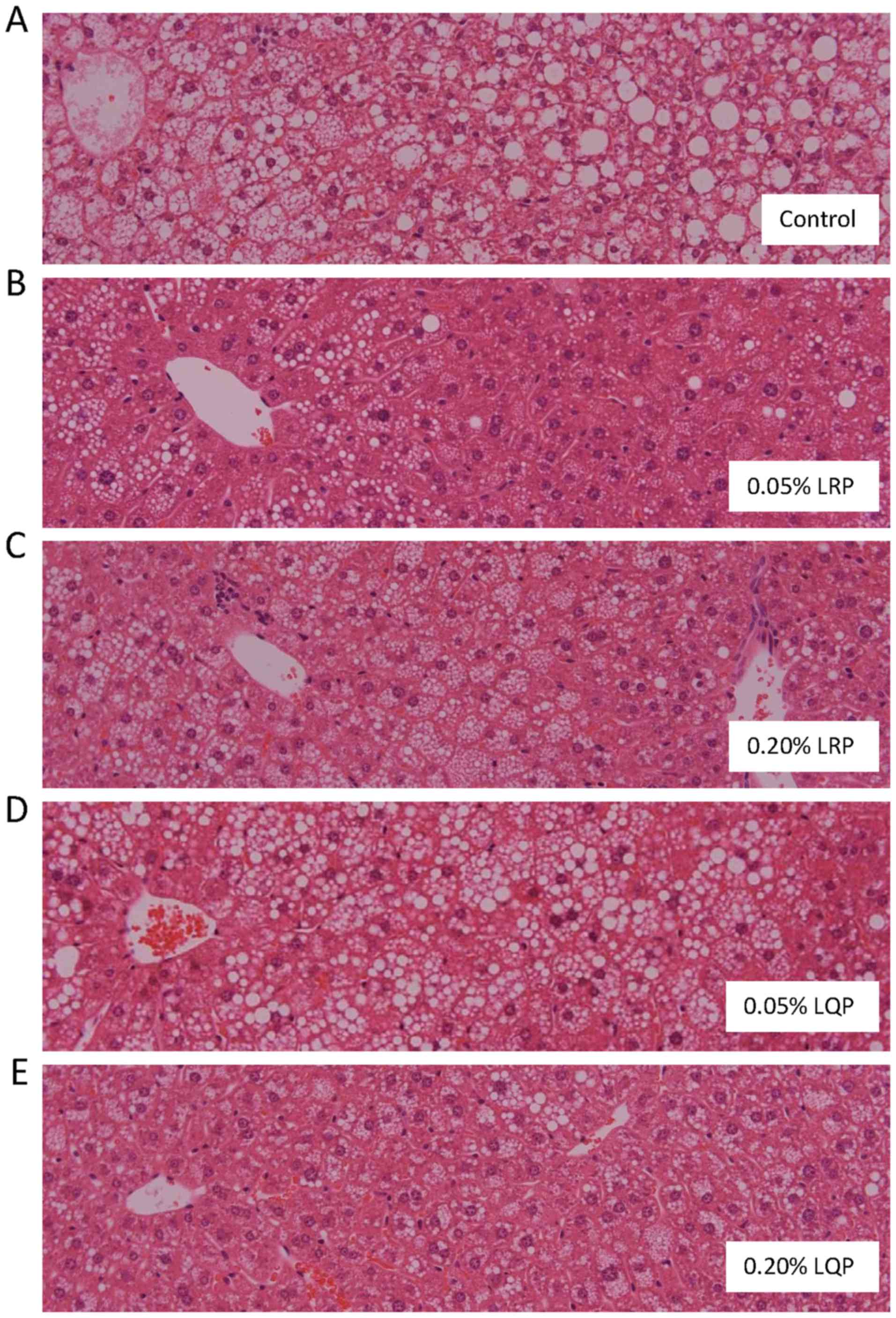
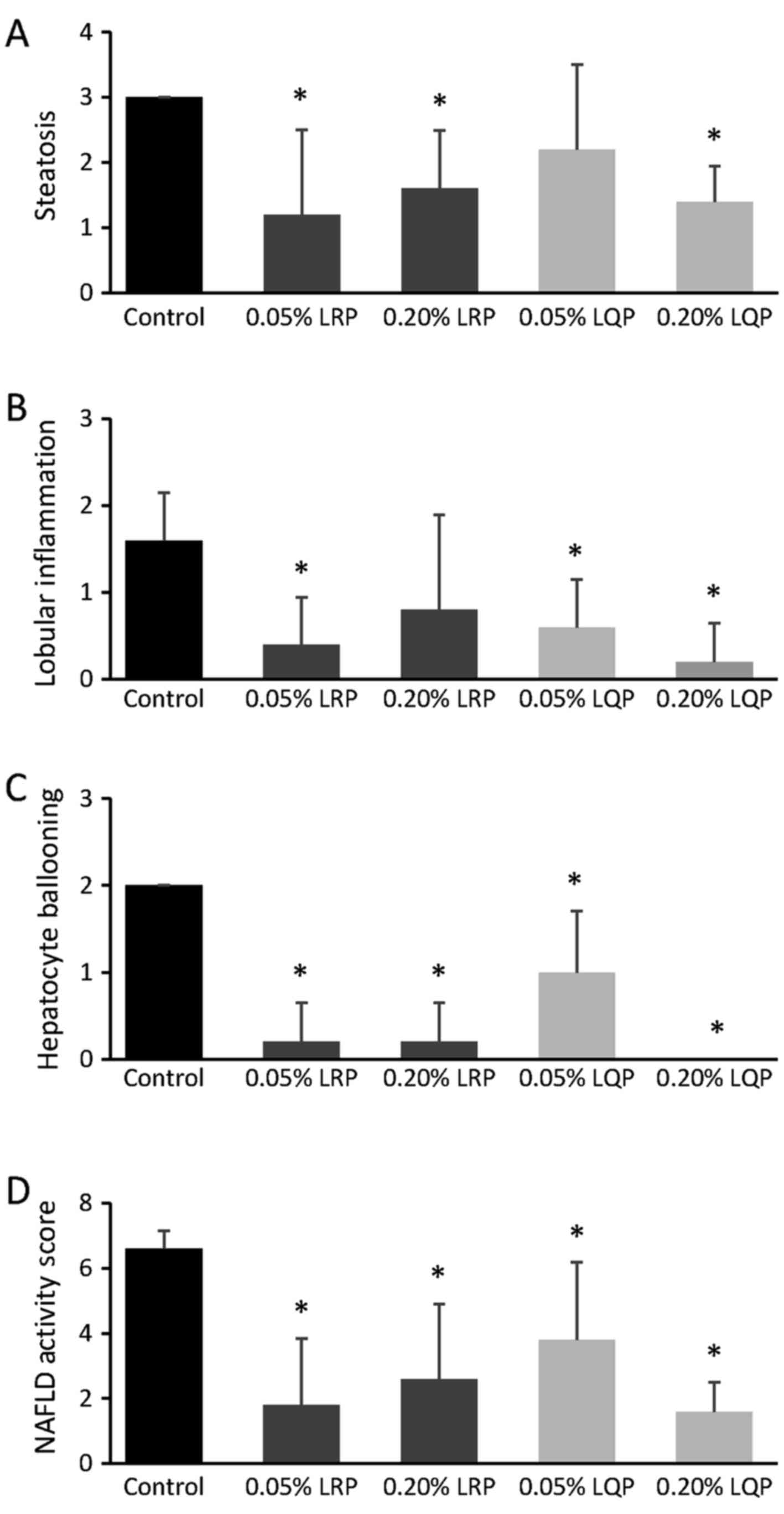
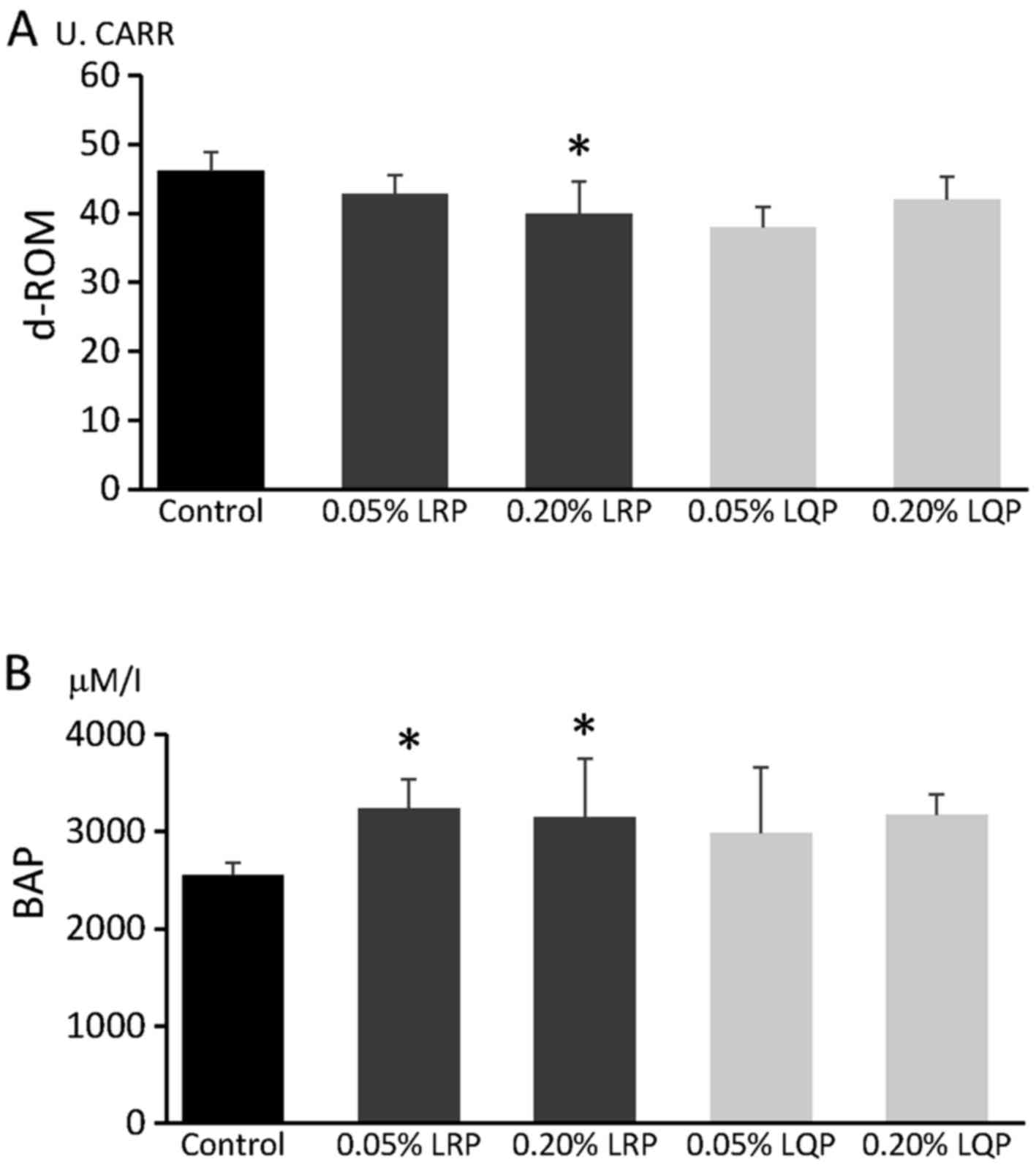
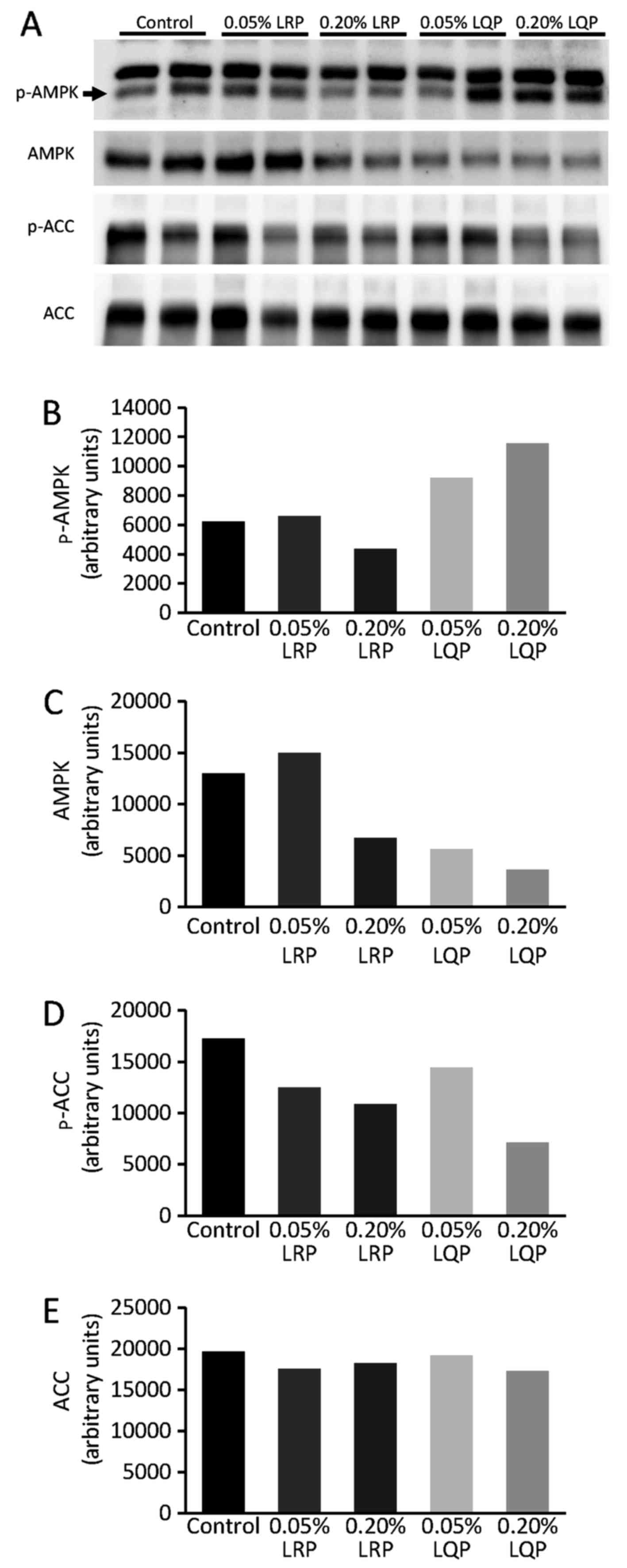
Whole-wheat intake is known to reduce the risk of metabolic syndrome. However, the active component remains unclear. Recently, we identified bioactive peptides [leucine-arginine-proline (LRP) and leucine-glutamine‑proline (LQP)] from wheat bran autolytic hydrolysate. The present study aimed to investigate the effects of LRP and LQP on non-alcoholic steatohepatitis (NASH) in a mouse model. We also evaluated the effects of these peptides on oxidative stress and on the AMP-activated protein kinase (AMPK) signaling pathway, two major pathogenic factors of NASH. Seven‑week-old male C57BL/6 mice were fed a high-fat diet for 10 weeks and administered water supplemented with 0.05% LRP, 0.20% LRP, 0.05% LQP, or 0.20% LQP (each n=5) or distilled water (control; n=5) ad libitum. Oxidative stress was evaluated by measuring the serum levels of diacron reactive oxygen metabolite (d-ROM) and biological antioxidant potential (BAP). Hepatic expression of phosphorylated AMPK and phosphorylated acetyl-CoA carboxylase (ACC) were evaluated by immunoblotting. The result showed that non‑alcoholic fatty liver disease activity score was significantly decreased in all types of treatment. Serum d-ROM levels were significantly decreased in the 0.20% LRP group, but not in the 0.05% LRP, 0.05% LQP, and 0.20% LQP groups. Serum BAP levels were significantly increased in the 0.05% LRP and 0.20% LRP groups, but not in the 0.05% LQP and 0.20% LQP groups. Immunoblotting analysis revealed that the expression of phospho-AMPK was increased whereas that of phospho-ACC was decreased in the 0.20% LQP group. In conclusion, we demonstrated that both LRP and LQP alleviated the severity of NASH in a high-fat diet-induced NASH mouse model. In addition, we showed that LRP and LQP modulated oxidative stress and upregulated AMPK/ACC, respectively. Thus, LRP and LQP may constitute clinically applicable therapeutic agents for NASH.
View Figures

Figure 1

Figure 2

Figure 3

Figure 4

Figure 5

Figure 6

Figure 7

View References

1 

Eguchi Y, Hyogo H, Ono M, Mizuta T, Ono N, Fujimoto K, Chayama K and Saibara T; JSG-NAFLD: Prevalence and associated metabolic factors of nonalcoholic fatty liver disease in the general population from 2009 to 2010 in Japan: A multicenter large retrospective study. J Gastroenterol. 47:586–595. 2012. View Article : Google Scholar : PubMed/NCBI

2 

Wree A, Broderick L, Canbay A, Hoffman HM and Feldstein AE: From NAFLD to NASH to cirrhosis - new insights into disease mechanisms. Nat Rev Gastroenterol Hepatol. 10:627–636. 2013. View Article : Google Scholar : PubMed/NCBI

3 

Younossi ZM, Koenig AB, Abdelatif D, Fazel Y, Henry L and Wymer M: Global epidemiology of non-alcoholic fatty liver disease-meta-analytic assessment of prevalence, incidence and outcomes. Hepatology. 64:73–84. 2016. View Article : Google Scholar

4 

Hashimoto E and Tokushige K: Prevalence, gender, ethnic variations, and prognosis of NASH. J Gastroenterol. 46(Suppl 1): 63–69. 2011. View Article : Google Scholar

5 

Tokushige K, Hashimoto E and Kodama K: Hepatocarcinogenesis in non-alcoholic fatty liver disease in Japan. J Gastroenterol Hepatol. 28(Suppl 4): 88–92. 2013. View Article : Google Scholar : PubMed/NCBI

6 

Baffy G, Brunt EM and Caldwell SH: Hepatocellular carcinoma in non-alcoholic fatty liver disease: An emerging menace. J Hepatol. 56:1384–1391. 2012. View Article : Google Scholar : PubMed/NCBI

7 

Nobili V, Manco M, Devito R, Di Ciommo V, Comparcola D, Sartorelli MR, Piemonte F, Marcellini M and Angulo P: Lifestyle intervention and antioxidant therapy in children with nonalcoholic fatty liver disease: A randomized, controlled trial. Hepatology. 48:119–128. 2008. View Article : Google Scholar : PubMed/NCBI

8 

Oza N, Eguchi Y, Mizuta T, Ishibashi E, Kitajima Y, Horie H, Ushirogawa M, Tsuzura T, Nakashita S, Takahashi H, et al: A pilot trial of body weight reduction for nonalcoholic fatty liver disease with a home-based lifestyle modification intervention delivered in collaboration with interdisciplinary medical staff. J Gastroenterol. 44:1203–1208. 2009. View Article : Google Scholar : PubMed/NCBI

9 

Belfort R, Harrison SA, Brown K, Darland C, Finch J, Hardies J, Balas B, Gastaldelli A, Tio F, Pulcini J, et al: A placebo-controlled trial of pioglitazone in subjects with nonalcoholic steatohepatitis. N Engl J Med. 355:2297–2307. 2006. View Article : Google Scholar : PubMed/NCBI

10 

Sumie S, Kawaguchi T, Kawaguchi A, Kuromatsu R, Nakano M, Satani M, Yamada S, Okamura S, Yonezawa Y, Kakuma T, et al: Effect of pioglitazone on outcome following curative treatment for hepatocellular carcinoma in patients with hepatitis C virus infection: A prospective study. Mol Clin Oncol. 3:115–120. 2015.

11 

Sanyal AJ, Chalasani N, Kowdley KV, McCullough A, Diehl AM, Bass NM, Neuschwander-Tetri BA, Lavine JE, Tonascia J, Unalp A, et al NASH CRN: Pioglitazone, vitamin E, or placebo for nonalcoholic steatohepatitis. N Engl J Med. 362:1675–1685. 2010. View Article : Google Scholar : PubMed/NCBI

12 

Lavine JE, Schwimmer JB, Van Natta ML, Molleston JP, Murray KF, Rosenthal P, Abrams SH, Scheimann AO, Sanyal AJ, Chalasani N, et al Nonalcoholic Steatohepatitis Clinical Research Network: Effect of vitamin E or metformin for treatment of nonalcoholic fatty liver disease in children and adolescents: The TONIC randomized controlled trial. JAMA. 305:1659–1668. 2011. View Article : Google Scholar : PubMed/NCBI

13 

Miller ER III, Pastor-Barriuso R, Dalal D, Riemersma RA, Appel LJ and Guallar E: Meta-analysis: High-dosage vitamin E supplementation may increase all-cause mortality. Ann Intern Med. 142:37–46. 2005. View Article : Google Scholar

14 

Ye EQ, Chacko SA, Chou EL, Kugizaki M and Liu S: Greater whole-grain intake is associated with lower risk of type 2 diabetes, cardiovascular disease, and weight gain. J Nutr. 142:1304–1313. 2012. View Article : Google Scholar : PubMed/NCBI

15 

Vetrani C, Costabile G, Luongo D, Naviglio D, Rivellese AA, Riccardi G and Giacco R: Effects of whole-grain cereal foods on plasma short chain fatty acid concentrations in individuals with the metabolic syndrome. Nutrition. 32:217–221. 2016. View Article : Google Scholar

16 

Bosello O, Ostuzzi R, Armellini F, Micciolo R and Scuro LA: Glucose tolerance and blood lipids in bran-fed patients with impaired glucose tolerance. Diabetes Care. 3:46–49. 1980. View Article : Google Scholar : PubMed/NCBI

17 

Brodribb AJ and Humphreys DM: Diverticular disease: Three studies. Part III - Metabolic effect of bran in patients with diverticular disease. Br Med J. 1:428–430. 1976. View Article : Google Scholar : PubMed/NCBI

18 

Nogata Y, Nagamine T, Yanaka M and Ohta H: Angiotensin I converting enzyme inhibitory peptides produced by autolysis reactions from wheat bran. J Agric Food Chem. 57:6618–6622. 2009. View Article : Google Scholar : PubMed/NCBI

19 

Fiordaliso F, Cuccovillo I, Bianchi R, Bai A, Doni M, Salio M, De Angelis N, Ghezzi P, Latini R and Masson S: Cardiovascular oxidative stress is reduced by an ACE inhibitor in a rat model of streptozotocin-induced diabetes. Life Sci. 79:121–129. 2006. View Article : Google Scholar : PubMed/NCBI

20 

Privratsky JR, Wold LE, Sowers JR, Quinn MT and Ren J: AT1 blockade prevents glucose-induced cardiac dysfunction in ventricular myocytes: Role of the AT1 receptor and NADPH oxidase. Hypertension. 42:206–212. 2003. View Article : Google Scholar : PubMed/NCBI

21 

Zarfeshani A, Ngo S and Sheppard AM: Leucine alters hepatic glucose/lipid homeostasis via the myostatin-AMP-activated protein kinase pathway - potential implications for nonalcoholic fatty liver disease. Clin Epigenetics. 6:272014. View Article : Google Scholar : PubMed/NCBI

22 

Mantena SK, Vaughn DP Jr, Andringa KK, Eccleston HB, King AL, Abrams GA, Doeller JE, Kraus DW, Darley-Usmar VM and Bailey SM: High fat diet induces dysregulation of hepatic oxygen gradients and mitochondrial function in vivo. Biochem J. 417:183–193. 2009. View Article : Google Scholar :

23 

Kawaguchi T, Sakisaka S, Sata M, Mori M and Tanikawa K: Different lobular distributions of altered hepatocyte tight junctions in rat models of intrahepatic and extrahepatic cholestasis. Hepatology. 29:205–216. 1999. View Article : Google Scholar

24 

Kawaguchi T, Sakisaka S, Mitsuyama K, Harada M, Koga H, Taniguchi E, Sasatomi K, Kimura R, Ueno T, Sawada N, et al: Cholestasis with altered structure and function of hepatocyte tight junction and decreased expression of canalicular multispecific organic anion transporter in a rat model of colitis. Hepatology. 31:1285–1295. 2000. View Article : Google Scholar : PubMed/NCBI

25 

Kawaguchi T, Itou M, Taniguchi E and Sata M: Exendin 4, a glucagon like peptide 1 receptor agonist, modulates hepatic fatty acid composition and Δ5 desaturase index in a murine model of non alcoholic steatohepatitis. Int J Mol Med. 34:782–787. 2014.PubMed/NCBI

26 

Kleiner DE, Brunt EM, Van Natta M, Behling C, Contos MJ, Cummings OW, Ferrell LD, Liu YC, Torbenson MS, Unalp-Arida A, et al Nonalcoholic Steatohepatitis Clinical Research Network: Design and validation of a histological scoring system for nonalcoholic fatty liver disease. Hepatology. 41:1313–1321. 2005. View Article : Google Scholar : PubMed/NCBI

27 

Korenaga M, Nishina S, Korenaga K, Tomiyama Y, Yoshioka N, Hara Y, Sasaki Y, Shimonaka Y and Hino K: Branched-chain amino acids reduce hepatic iron accumulation and oxidative stress in hepatitis C virus polyprotein-expressing mice. Liver Int. 35:1303–1314. 2015. View Article : Google Scholar :

28 

Tanito M, Kaidzu S, Takai Y and Ohira A: Status of systemic oxidative stresses in patients with primary open-angle glaucoma and pseudoexfoliation syndrome. PLoS One. 7:e496802012. View Article : Google Scholar : PubMed/NCBI

29 

Kawaguchi T, Yoshida T, Harada M, Hisamoto T, Nagao Y, Ide T, Taniguchi E, Kumemura H, Hanada S, Maeyama M, et al: Hepatitis C virus downregulates insulin receptor substrates 1 and 2 through upregulation of suppressor of cytokine signaling 3. Am J Pathol. 165:1499–1508. 2004. View Article : Google Scholar : PubMed/NCBI

30 

Kawaguchi T, Ide T, Taniguchi E, Hirano E, Itou M, Sumie S, Nagao Y, Yanagimoto C, Hanada S, Koga H, et al: Clearance of HCV improves insulin resistance, beta-cell function, and hepatic expression of insulin receptor substrate 1 and 2. Am J Gastroenterol. 102:570–576. 2007. View Article : Google Scholar : PubMed/NCBI

31 

Schneider CA, Rasband WS and Eliceiri KW: NIH Image to ImageJ: 25 years of image analysis. Nat Methods. 9:671–675. 2012. View Article : Google Scholar : PubMed/NCBI

32 

Marchesini G, Petta S and Dalle Grave R: Diet, weight loss, and liver health in nonalcoholic fatty liver disease: Pathophysiology, evidence, and practice. Hepatology. 63:2032–2043. 2016. View Article : Google Scholar

33 

Albano E, Mottaran E, Occhino G, Reale E and Vidali M: Review article: Role of oxidative stress in the progression of non-alcoholic steatosis. Aliment Pharmacol Ther. 22(Suppl 2): 71–73. 2005. View Article : Google Scholar : PubMed/NCBI

34 

Ni X and Wang H: Silymarin attenuated hepatic steatosis through regulation of lipid metabolism and oxidative stress in a mouse model of nonalcoholic fatty liver disease (NAFLD). Am J Transl Res. 8:1073–1081. 2016.PubMed/NCBI

35 

Maeda K, Koda M, Matono T, Sugihara T, Yamamoto S, Ueki M, Murawaki Y, Yamashita N and Nishiyama S: Preventive effects of ME3738 on hepatic fibrosis induced by bile duct ligation in rats. Hepatol Res. 38:727–735. 2008. View Article : Google Scholar : PubMed/NCBI

36 

Tomiyama Y, Nishina S, Hara Y, Kawase T and Hino K: Hepatic oxidative stress in ovariectomized transgenic mice expressing the hepatitis C virus polyprotein is augmented through suppression of adenosine monophosphate-activated protein kinase/proliferator-activated receptor gamma co-activator 1 alpha signaling. Hepatol Res. 44:E229–E239. 2014. View Article : Google Scholar

37 

Suzuki Y, Imai K, Takai K, Hanai T, Hayashi H, Naiki T, Nishigaki Y, Tomita E, Shimizu M and Moriwaki H: Hepatocellular carcinoma patients with increased oxidative stress levels are prone to recurrence after curative treatment: A prospective case series study using the d-ROM test. J Cancer Res Clin Oncol. 139:845–852. 2013. View Article : Google Scholar : PubMed/NCBI

38 

Vassalle C, Bianchi S, Battaglia D, Landi P, Bianchi F and Carpeggiani C: Elevated levels of oxidative stress as a prognostic predictor of major adverse cardiovascular events in patients with coronary artery disease. J Atheroscler Thromb. 19:712–717. 2012.PubMed/NCBI

39 

Kim JH, Baik HW, Yoon YS, Joung HJ, Park JS, Park SJ, Jang EJ, Park SW, Kim SJ, Kim MJ, et al: Measurement of antioxidant capacity using the biological antioxidant potential test and its role as a predictive marker of metabolic syndrome. Korean J Intern Med. 29:31–39. 2014. View Article : Google Scholar : PubMed/NCBI

40 

Fu L, Bruckbauer A, Li F, Cao Q, Cui X, Wu R, Shi H, Zemel MB and Xue B: Interaction between metformin and leucine in reducing hyperlipidemia and hepatic lipid accumulation in diet-induced obese mice. Metabolism. 64:1426–1434. 2015. View Article : Google Scholar : PubMed/NCBI

41 

Fu L, Li F, Bruckbauer A, Cao Q, Cui X, Wu R, Shi H, Xue B and Zemel MB: Interaction between leucine and phosphodiesterase 5 inhibition in modulating insulin sensitivity and lipid metabolism. Diabetes Metab Syndr Obes. 8:227–239. 2015.PubMed/NCBI

Related Articles

  • Abstract
  • View
  • Download
  • Twitter
Copy and paste a formatted citation
Spandidos Publications style
Kawaguchi T, Ueno T, Nogata Y, Hayakawa M, Koga H and Torimura T: Wheat-bran autolytic peptides containing a branched-chain amino acid attenuate non-alcoholic steatohepatitis via the suppression of oxidative stress and the upregulation of AMPK/ACC in high-fat diet-fed mice. Int J Mol Med 39: 407-414, 2017.
APA
Kawaguchi, T., Ueno, T., Nogata, Y., Hayakawa, M., Koga, H., & Torimura, T. (2017). Wheat-bran autolytic peptides containing a branched-chain amino acid attenuate non-alcoholic steatohepatitis via the suppression of oxidative stress and the upregulation of AMPK/ACC in high-fat diet-fed mice. International Journal of Molecular Medicine, 39, 407-414. https://doi.org/10.3892/ijmm.2016.2831
MLA
Kawaguchi, T., Ueno, T., Nogata, Y., Hayakawa, M., Koga, H., Torimura, T."Wheat-bran autolytic peptides containing a branched-chain amino acid attenuate non-alcoholic steatohepatitis via the suppression of oxidative stress and the upregulation of AMPK/ACC in high-fat diet-fed mice". International Journal of Molecular Medicine 39.2 (2017): 407-414.
Chicago
Kawaguchi, T., Ueno, T., Nogata, Y., Hayakawa, M., Koga, H., Torimura, T."Wheat-bran autolytic peptides containing a branched-chain amino acid attenuate non-alcoholic steatohepatitis via the suppression of oxidative stress and the upregulation of AMPK/ACC in high-fat diet-fed mice". International Journal of Molecular Medicine 39, no. 2 (2017): 407-414. https://doi.org/10.3892/ijmm.2016.2831
Copy and paste a formatted citation
x
Spandidos Publications style
Kawaguchi T, Ueno T, Nogata Y, Hayakawa M, Koga H and Torimura T: Wheat-bran autolytic peptides containing a branched-chain amino acid attenuate non-alcoholic steatohepatitis via the suppression of oxidative stress and the upregulation of AMPK/ACC in high-fat diet-fed mice. Int J Mol Med 39: 407-414, 2017.
APA
Kawaguchi, T., Ueno, T., Nogata, Y., Hayakawa, M., Koga, H., & Torimura, T. (2017). Wheat-bran autolytic peptides containing a branched-chain amino acid attenuate non-alcoholic steatohepatitis via the suppression of oxidative stress and the upregulation of AMPK/ACC in high-fat diet-fed mice. International Journal of Molecular Medicine, 39, 407-414. https://doi.org/10.3892/ijmm.2016.2831
MLA
Kawaguchi, T., Ueno, T., Nogata, Y., Hayakawa, M., Koga, H., Torimura, T."Wheat-bran autolytic peptides containing a branched-chain amino acid attenuate non-alcoholic steatohepatitis via the suppression of oxidative stress and the upregulation of AMPK/ACC in high-fat diet-fed mice". International Journal of Molecular Medicine 39.2 (2017): 407-414.
Chicago
Kawaguchi, T., Ueno, T., Nogata, Y., Hayakawa, M., Koga, H., Torimura, T."Wheat-bran autolytic peptides containing a branched-chain amino acid attenuate non-alcoholic steatohepatitis via the suppression of oxidative stress and the upregulation of AMPK/ACC in high-fat diet-fed mice". International Journal of Molecular Medicine 39, no. 2 (2017): 407-414. https://doi.org/10.3892/ijmm.2016.2831
Follow us
  • Twitter
  • LinkedIn
  • Facebook
About
  • Spandidos Publications
  • Careers
  • Cookie Policy
  • Privacy Policy
How can we help?
  • Help
  • Live Chat
  • Contact
  • Email to our Support Team