Spandidos Publications Logo
  • About
    • About Spandidos
    • Aims and Scopes
    • Abstracting and Indexing
    • Editorial Policies
    • Reprints and Permissions
    • Job Opportunities
    • Terms and Conditions
    • Contact
  • Journals
    • All Journals
    • Oncology Letters
      • Oncology Letters
      • Information for Authors
      • Editorial Policies
      • Editorial Board
      • Aims and Scope
      • Abstracting and Indexing
      • Bibliographic Information
      • Archive
    • International Journal of Oncology
      • International Journal of Oncology
      • Information for Authors
      • Editorial Policies
      • Editorial Board
      • Aims and Scope
      • Abstracting and Indexing
      • Bibliographic Information
      • Archive
    • Molecular and Clinical Oncology
      • Molecular and Clinical Oncology
      • Information for Authors
      • Editorial Policies
      • Editorial Board
      • Aims and Scope
      • Abstracting and Indexing
      • Bibliographic Information
      • Archive
    • Experimental and Therapeutic Medicine
      • Experimental and Therapeutic Medicine
      • Information for Authors
      • Editorial Policies
      • Editorial Board
      • Aims and Scope
      • Abstracting and Indexing
      • Bibliographic Information
      • Archive
    • International Journal of Molecular Medicine
      • International Journal of Molecular Medicine
      • Information for Authors
      • Editorial Policies
      • Editorial Board
      • Aims and Scope
      • Abstracting and Indexing
      • Bibliographic Information
      • Archive
    • Biomedical Reports
      • Biomedical Reports
      • Information for Authors
      • Editorial Policies
      • Editorial Board
      • Aims and Scope
      • Abstracting and Indexing
      • Bibliographic Information
      • Archive
    • Oncology Reports
      • Oncology Reports
      • Information for Authors
      • Editorial Policies
      • Editorial Board
      • Aims and Scope
      • Abstracting and Indexing
      • Bibliographic Information
      • Archive
    • Molecular Medicine Reports
      • Molecular Medicine Reports
      • Information for Authors
      • Editorial Policies
      • Editorial Board
      • Aims and Scope
      • Abstracting and Indexing
      • Bibliographic Information
      • Archive
    • World Academy of Sciences Journal
      • World Academy of Sciences Journal
      • Information for Authors
      • Editorial Policies
      • Editorial Board
      • Aims and Scope
      • Abstracting and Indexing
      • Bibliographic Information
      • Archive
    • International Journal of Functional Nutrition
      • International Journal of Functional Nutrition
      • Information for Authors
      • Editorial Policies
      • Editorial Board
      • Aims and Scope
      • Abstracting and Indexing
      • Bibliographic Information
      • Archive
    • International Journal of Epigenetics
      • International Journal of Epigenetics
      • Information for Authors
      • Editorial Policies
      • Editorial Board
      • Aims and Scope
      • Abstracting and Indexing
      • Bibliographic Information
      • Archive
    • Medicine International
      • Medicine International
      • Information for Authors
      • Editorial Policies
      • Editorial Board
      • Aims and Scope
      • Abstracting and Indexing
      • Bibliographic Information
      • Archive
  • Articles
  • Information
    • Information for Authors
    • Information for Reviewers
    • Information for Librarians
    • Information for Advertisers
    • Conferences
  • Language Editing
Spandidos Publications Logo
  • About
    • About Spandidos
    • Aims and Scopes
    • Abstracting and Indexing
    • Editorial Policies
    • Reprints and Permissions
    • Job Opportunities
    • Terms and Conditions
    • Contact
  • Journals
    • All Journals
    • Biomedical Reports
      • Information for Authors
      • Editorial Policies
      • Editorial Board
      • Aims and Scope
      • Abstracting and Indexing
      • Bibliographic Information
      • Archive
    • Experimental and Therapeutic Medicine
      • Information for Authors
      • Editorial Policies
      • Editorial Board
      • Aims and Scope
      • Abstracting and Indexing
      • Bibliographic Information
      • Archive
    • International Journal of Epigenetics
      • Information for Authors
      • Editorial Policies
      • Editorial Board
      • Aims and Scope
      • Abstracting and Indexing
      • Bibliographic Information
      • Archive
    • International Journal of Functional Nutrition
      • Information for Authors
      • Editorial Policies
      • Editorial Board
      • Aims and Scope
      • Abstracting and Indexing
      • Bibliographic Information
      • Archive
    • International Journal of Molecular Medicine
      • Information for Authors
      • Editorial Policies
      • Editorial Board
      • Aims and Scope
      • Abstracting and Indexing
      • Bibliographic Information
      • Archive
    • International Journal of Oncology
      • Information for Authors
      • Editorial Policies
      • Editorial Board
      • Aims and Scope
      • Abstracting and Indexing
      • Bibliographic Information
      • Archive
    • Medicine International
      • Information for Authors
      • Editorial Policies
      • Editorial Board
      • Aims and Scope
      • Abstracting and Indexing
      • Bibliographic Information
      • Archive
    • Molecular and Clinical Oncology
      • Information for Authors
      • Editorial Policies
      • Editorial Board
      • Aims and Scope
      • Abstracting and Indexing
      • Bibliographic Information
      • Archive
    • Molecular Medicine Reports
      • Information for Authors
      • Editorial Policies
      • Editorial Board
      • Aims and Scope
      • Abstracting and Indexing
      • Bibliographic Information
      • Archive
    • Oncology Letters
      • Information for Authors
      • Editorial Policies
      • Editorial Board
      • Aims and Scope
      • Abstracting and Indexing
      • Bibliographic Information
      • Archive
    • Oncology Reports
      • Information for Authors
      • Editorial Policies
      • Editorial Board
      • Aims and Scope
      • Abstracting and Indexing
      • Bibliographic Information
      • Archive
    • World Academy of Sciences Journal
      • Information for Authors
      • Editorial Policies
      • Editorial Board
      • Aims and Scope
      • Abstracting and Indexing
      • Bibliographic Information
      • Archive
  • Articles
  • Information
    • For Authors
    • For Reviewers
    • For Librarians
    • For Advertisers
    • Conferences
  • Language Editing
Login Register Submit
  • This site uses cookies
  • You can change your cookie settings at any time by following the instructions in our Cookie Policy. To find out more, you may read our Privacy Policy.

    I agree
Search articles by DOI, keyword, author or affiliation
Search
Advanced Search
presentation
International Journal of Molecular Medicine
Join Editorial Board Propose a Special Issue
Print ISSN: 1107-3756 Online ISSN: 1791-244X
Journal Cover
March-2017 Volume 39 Issue 3

Full Size Image

Sign up for eToc alerts
Recommend to Library

Journals

International Journal of Molecular Medicine

International Journal of Molecular Medicine

International Journal of Molecular Medicine is an international journal devoted to molecular mechanisms of human disease.

International Journal of Oncology

International Journal of Oncology

International Journal of Oncology is an international journal devoted to oncology research and cancer treatment.

Molecular Medicine Reports

Molecular Medicine Reports

Covers molecular medicine topics such as pharmacology, pathology, genetics, neuroscience, infectious diseases, molecular cardiology, and molecular surgery.

Oncology Reports

Oncology Reports

Oncology Reports is an international journal devoted to fundamental and applied research in Oncology.

Experimental and Therapeutic Medicine

Experimental and Therapeutic Medicine

Experimental and Therapeutic Medicine is an international journal devoted to laboratory and clinical medicine.

Oncology Letters

Oncology Letters

Oncology Letters is an international journal devoted to Experimental and Clinical Oncology.

Biomedical Reports

Biomedical Reports

Explores a wide range of biological and medical fields, including pharmacology, genetics, microbiology, neuroscience, and molecular cardiology.

Molecular and Clinical Oncology

Molecular and Clinical Oncology

International journal addressing all aspects of oncology research, from tumorigenesis and oncogenes to chemotherapy and metastasis.

World Academy of Sciences Journal

World Academy of Sciences Journal

Multidisciplinary open-access journal spanning biochemistry, genetics, neuroscience, environmental health, and synthetic biology.

International Journal of Functional Nutrition

International Journal of Functional Nutrition

Open-access journal combining biochemistry, pharmacology, immunology, and genetics to advance health through functional nutrition.

International Journal of Epigenetics

International Journal of Epigenetics

Publishes open-access research on using epigenetics to advance understanding and treatment of human disease.

Medicine International

Medicine International

An International Open Access Journal Devoted to General Medicine.

Journal Cover
March-2017 Volume 39 Issue 3

Full Size Image

Sign up for eToc alerts
Recommend to Library

  • Article
  • Citations
    • Cite This Article
    • Download Citation
    • Create Citation Alert
    • Remove Citation Alert
    • Cited By
  • Similar Articles
    • Related Articles (in Spandidos Publications)
    • Similar Articles (Google Scholar)
    • Similar Articles (PubMed)
  • Download PDF
  • Download XML
  • View XML
Article Open Access

Notoginsenoside R1 attenuates glucose-induced podocyte injury via the inhibition of apoptosis and the activation of autophagy through the PI3K/Akt/mTOR signaling pathway

  • Authors:
    • Guodong Huang
    • Bingyu Zou
    • Jianzhen Lv
    • Tongyu Li
    • Guoli Huai
    • Shaowei Xiang
    • Shilong Lu
    • Huan Luo
    • Yaping Zhang
    • Yi Jin
    • Yi Wang
  • View Affiliations / Copyright

    Affiliations: Department of Nephrology, Ruikang Hospital Affiliated to Guangxi University of Chinese Medicine, Nanning, Guangxi 530011, P.R. China, Department of Gynecology, Sichuan Academy of Medical Science and Sichuan Provincial People's Hospital, Chengdu, Sichuan 610072, P.R. China, School of Basic Medical Science, Guangxi University of Chinese Medicine, Nanning, Guangxi 530001, P.R. China, Department of Biomedical Engineering, Medical School of University of Electronic Science and Technology of China, Chengdu, Sichuan 610054, P.R. China, Center for Perinatal Research, Research Institute at Nationwide Children's Hospital, Columbus, OH 43215, USA
    Copyright: © Huang et al. This is an open access article distributed under the terms of Creative Commons Attribution License.
  • Pages: 559-568
    |
    Published online on: January 20, 2017
       https://doi.org/10.3892/ijmm.2017.2864
  • Expand metrics +
Metrics: Total Views: 0 (Spandidos Publications: | PMC Statistics: )
Metrics: Total PDF Downloads: 0 (Spandidos Publications: | PMC Statistics: )
Cited By (CrossRef): 0 citations Loading Articles...

This article is mentioned in:


Abstract

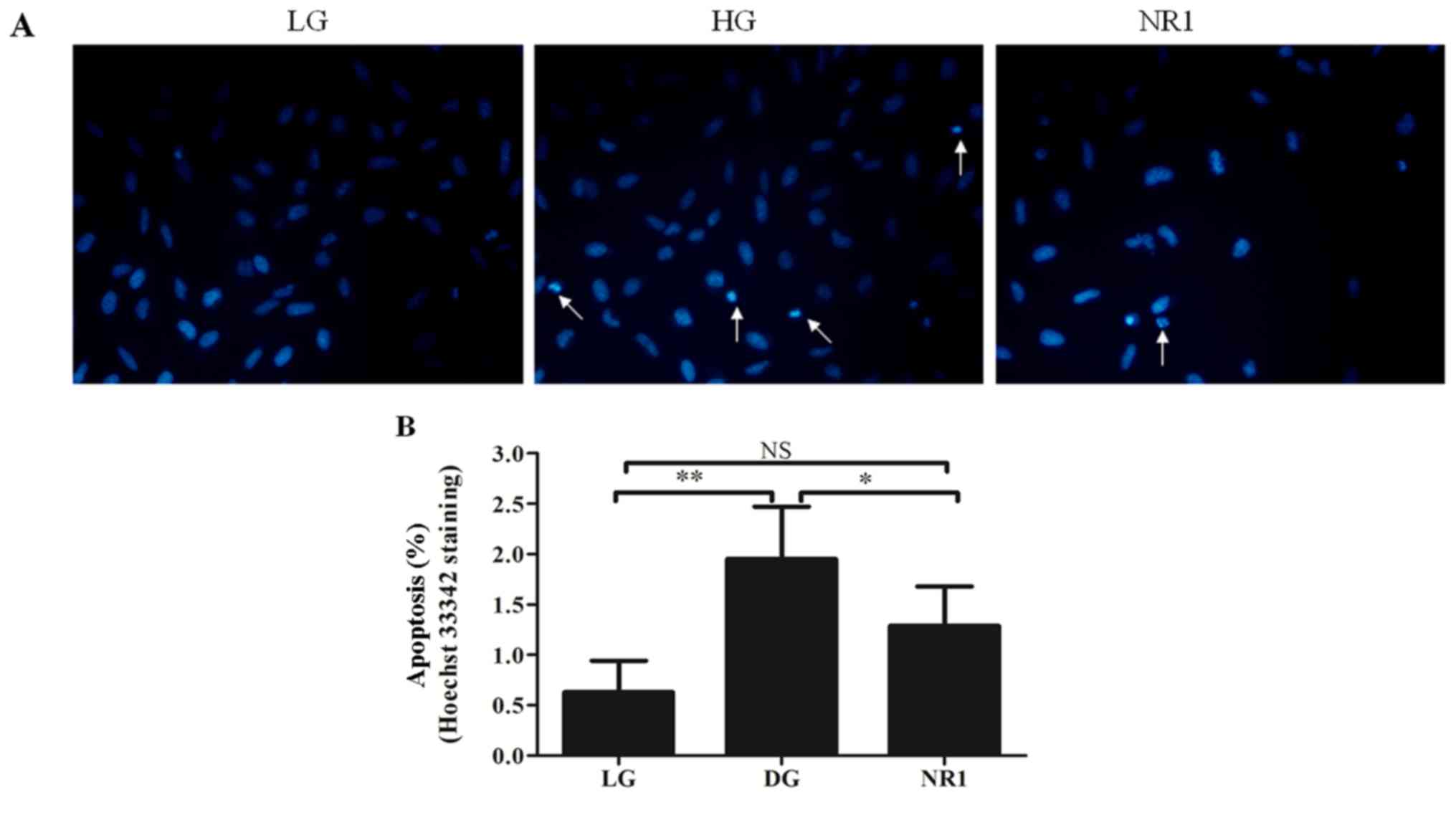
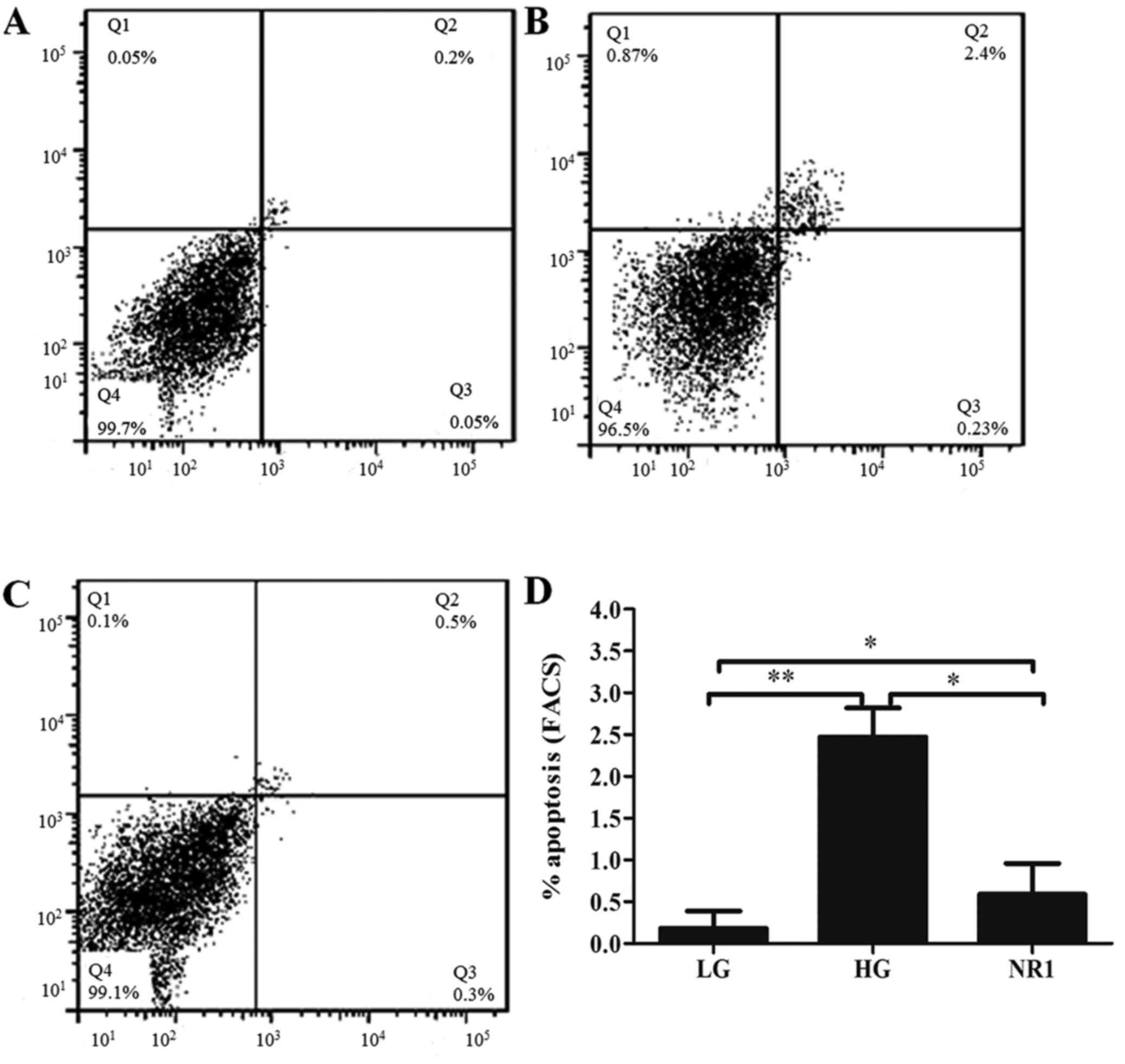
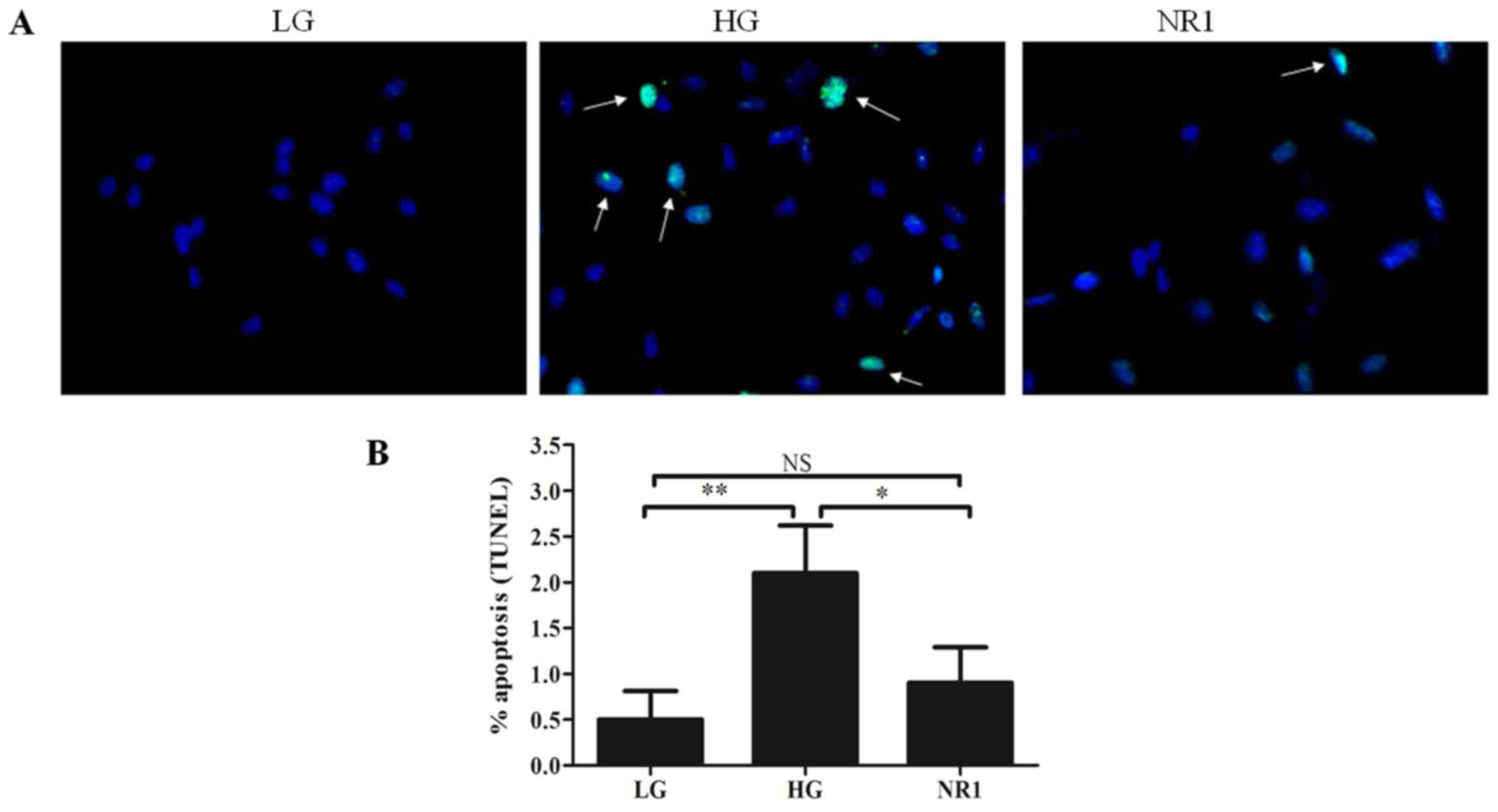
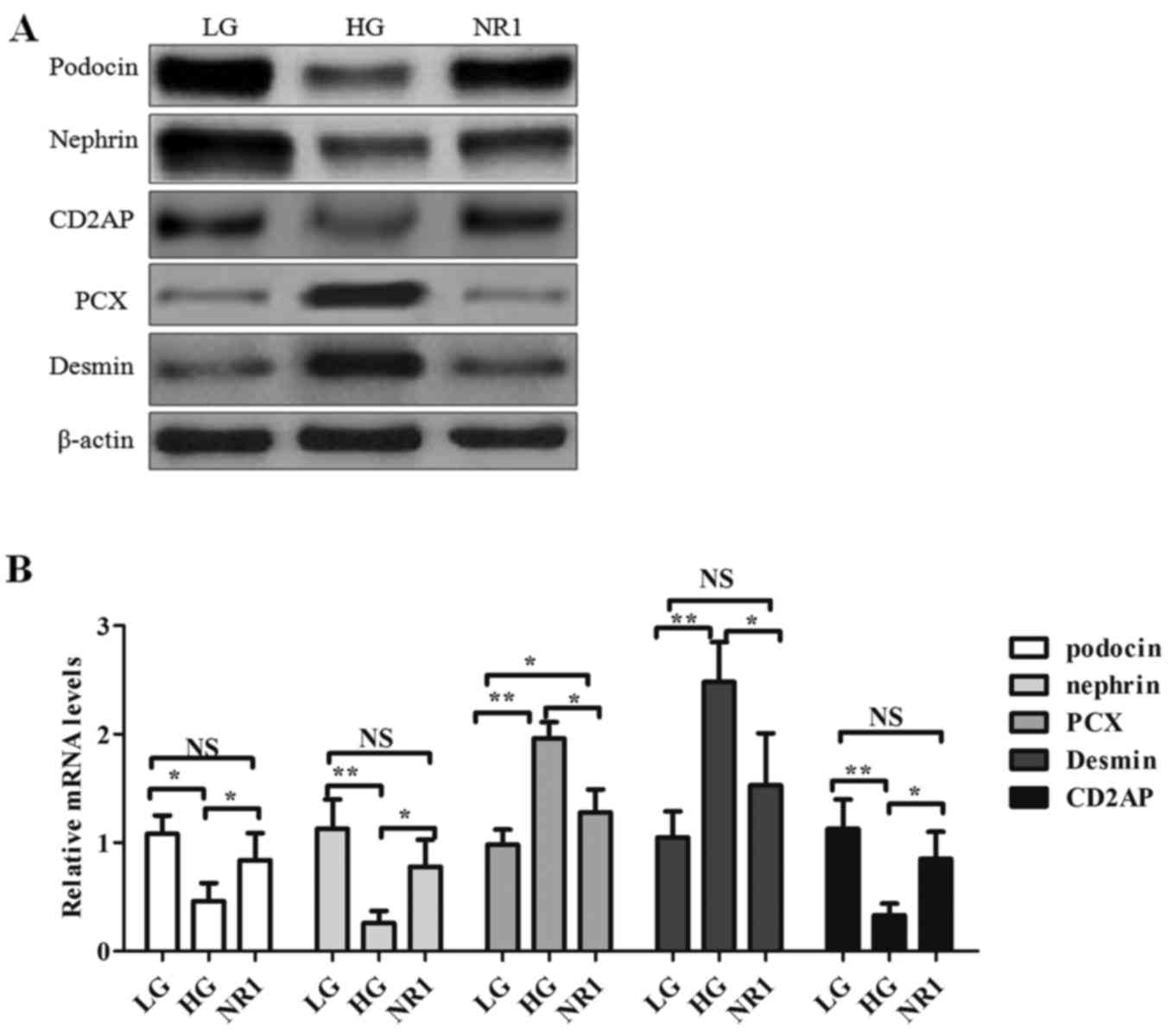
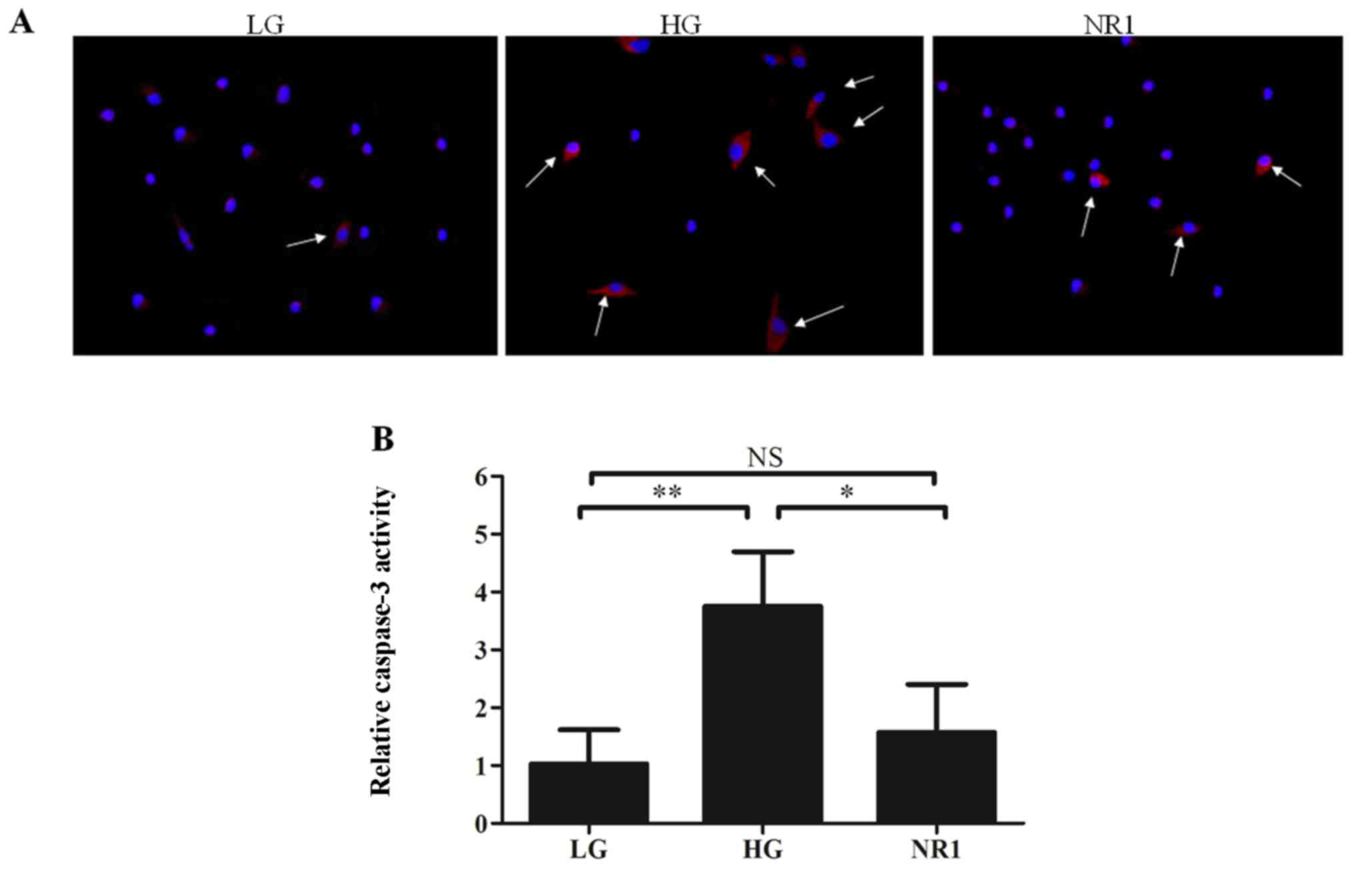
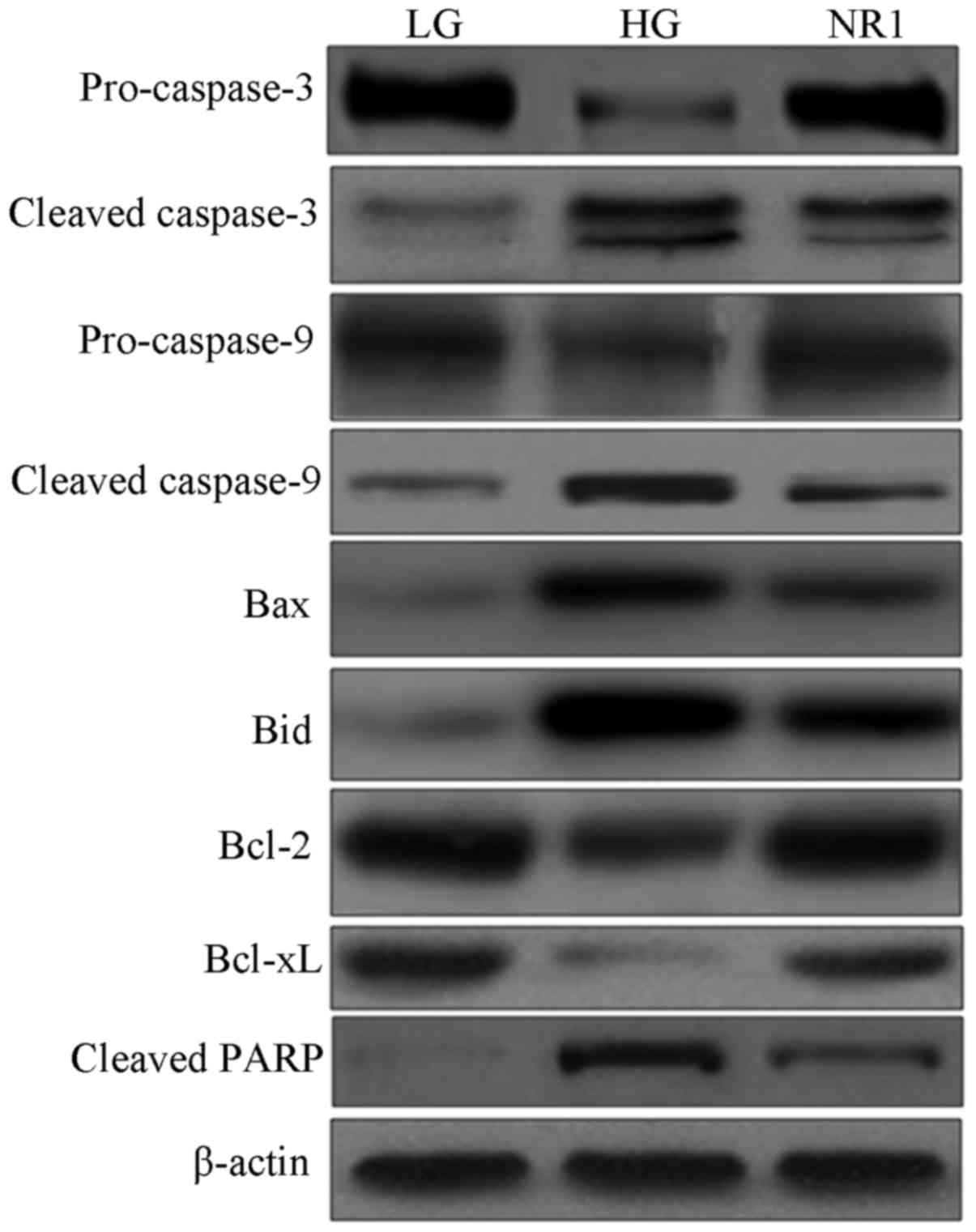
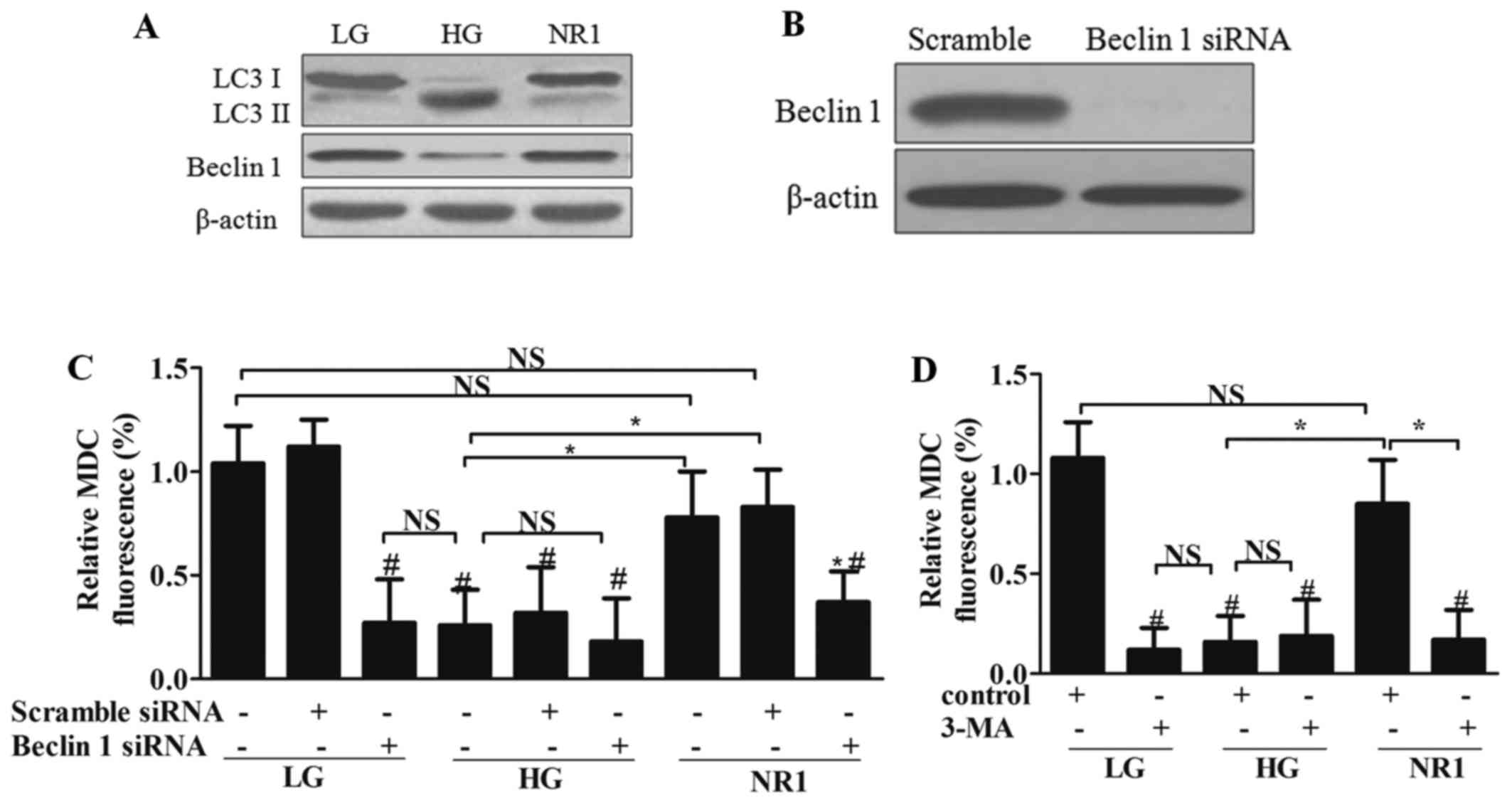
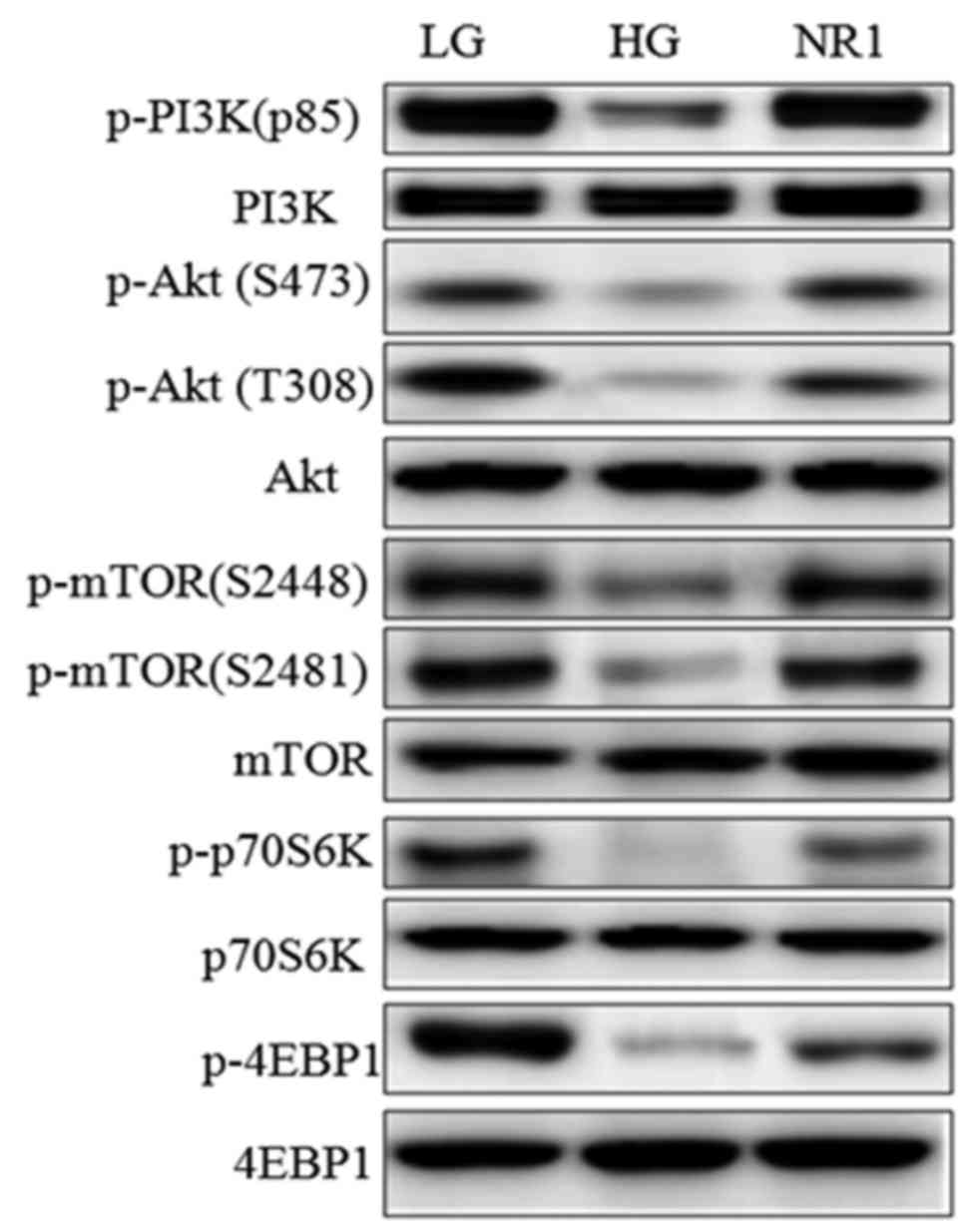
Injury to terminally differentiated podocytes contributes ignificantly to proteinuria and glomerulosclerosis. The aim of this study was to examine the protective effects of notoginsenoside R1 (NR1) on the maintenance of podocyte number and foot process architecture via the inhibition of apoptosis, the induction of autophagy and the maintenance pf podocyte biology in target cells. The effects of NR1 on conditionally immortalized human podocytes under high glucose conditions were evaluated by determining the percentage apoptosis, the percentage autophagy and the expression levels of slit diaphragm proteins. Our results revealed that NR1 protected the podocytes against high glucose-induced injury by decreasing apoptosis, increasing autophagy and by promoting cytoskeletal recovery. The phosphoinositide 3-kinase (PI3K)/Akt/mammalian target of rapamycin (mTOR) signaling pathway was further investigated in order to elucidate the mechanisms responsible for the protective effects of NR1 on podocytes. Our data indicated that treatment with NR increased the phosphorylation levels of PI3K, Akt and mTOR, leading to the activation of the PI3K/Akt/mTOR signaling pathway in podocytes. To the best of our knowledge, this is the first in vitro study to demonstrate that NR1 protects podocytes by activating the PI3K/Akt/mTOR pathway.
View Figures

Figure 1

Figure 2

Figure 3

Figure 4

Figure 5

Figure 6

Figure 7

Figure 8

Figure 9

View References

1 

Mogensen CE: Microalbuminuria as a predictor of clinical diabetic nephropathy. Kidney Int. 31:673–689. 1987. View Article : Google Scholar : PubMed/NCBI

2 

Rudberg S, Persson B and Dahlquist G: Increased glomerular filtration rate as a predictor of diabetic nephropathy - an 8-year prospective study. Kidney Int. 41:822–828. 1992. View Article : Google Scholar : PubMed/NCBI

3 

White KE, Bilous RW and Diabiopsies Study Group: Structural alterations to the podocyte are related to proteinuria in type 2 diabetic patients. Nephrol Dial Transplant. 19:1437–1440. 2004. View Article : Google Scholar : PubMed/NCBI

4 

Kriz W, Gretz N and Lemley KV: Progression of glomerular diseases: is the podocyte the culprit. Kidney Int. 54:687–697. 1998. View Article : Google Scholar : PubMed/NCBI

5 

Dalla Vestra M, Masiero A, Roiter AM, Saller A, Crepaldi G and Fioretto P: Is podocyte injury relevant in diabetic nephropathy? Studies in patients with type 2 diabetes. Diabetes. 52:1031–1035. 2003. View Article : Google Scholar : PubMed/NCBI

6 

Meyer TW, Bennett PH and Nelson RG: Podocyte number predicts long-term urinary albumin excretion in Pima Indians with Type II diabetes and microalbuminuria. Diabetologia. 42:1341–1344. 1999. View Article : Google Scholar : PubMed/NCBI

7 

Pavenstadt H, Kriz W and Kretzler M: Cell biology of the glomerular podocyte. Physiol Rev. 83:253–307. 2003. View Article : Google Scholar

8 

Huang G, Lv J, Li T, Huai G, Li X, Xiang S, Wang L, Qin Z, Pang J, Zou B and Wang Y: Notoginsenoside R1 ameliorates podocyte injury in rats with diabetic nephropathy by activating the PI3K/Akt signaling pathway. Int J Mol Med. 38:1179–1189. 2016.PubMed/NCBI

9 

Quaggin SE: Transcriptional regulation of podocyte specification and differentiation. Microsc Res Tech. 57:208–211. 2002. View Article : Google Scholar : PubMed/NCBI

10 

White KE, Bilous RW, Marshall SM, El Nahas M, Remuzzi G, Piras G, De Cosmo S and Viberti G: Podocyte number in normotensive type 1 diabetic patients with albuminuria. Diabetes. 51:3083–3089. 2002. View Article : Google Scholar : PubMed/NCBI

11 

Verzola D, Gandolfo MT, Ferrario F, Rastaldi MP, Villaggio B, Gianiorio F, Giannoni M, Rimoldi L, Lauria F, Miji M, et al: Apoptosis in the kidneys of patients with type II diabetic nephropathy. Kidney Int. 72:1262–1272. 2007. View Article : Google Scholar : PubMed/NCBI

12 

Liu WJ, Tang HT, Jia YT, Ma B, Fu JF, Wang Y, Lv KY and Xia ZF: Notoginsenoside R1 attenuates renal ischemia-reperfusion injury in rats. Shock. 34:314–320. 2010. View Article : Google Scholar

13 

Gui D, Wei L, Jian G, Guo Y, Yang J and Wang N: Notoginsenoside R1 ameliorates podocyte adhesion under diabetic condition through α3β1 integrin upregulation in vitro and in vivo. Cell Physiol Biochem. 34:1849–1862. 2014. View Article : Google Scholar

14 

Hartleben B, Gödel M, Meyer-Schwesinger C, Liu S, Ulrich T, Köbler S, Wiech T, Grahammer F, Arnold SJ, Lindenmeyer MT, et al: Autophagy influences glomerular disease susceptibility and maintains podocyte homeostasis in aging mice. J Clin Invest. 120:1084–1096. 2010. View Article : Google Scholar : PubMed/NCBI

15 

Schiffer M, Bitzer M, Roberts IS, Kopp JB, ten Dijke P, Mundel P and Böttinger EP: Apoptosis in podocytes induced by TGF-beta and Smad7. J Clin Invest. 108:807–816. 2001. View Article : Google Scholar : PubMed/NCBI

16 

Isermann B, Vinnikov IA, Madhusudhan T, Herzog S, Kashif M, Blautzik J, Corat MA, Zeier M, Blessing E, Oh J, et al: Activated protein C protects against diabetic nephropathy by inhibiting endothelial and podocyte apoptosis. Nat Med. 13:1349–1358. 2007. View Article : Google Scholar : PubMed/NCBI

17 

Mundel P and Shankland SJ: Podocyte biology and response to injury. J Am Soc Nephrol. 13:3005–3015. 2002. View Article : Google Scholar : PubMed/NCBI

18 

Zeng C, Fan Y, Wu J, Shi S, Chen Z, Zhong Y, Zhang C, Zen K and Liu Z: Podocyte autophagic activity plays a protective role in renal injury and delays the progression of podocytopathies. J Pathol. 234:203–213. 2014.PubMed/NCBI

19 

Tejada T, Catanuto P, Ijaz A, Santos JV, Xia X, Sanchez P, Sanabria N, Lenz O, Elliot SJ and Fornoni A: Failure to phosphorylate AKT in podocytes from mice with early diabetic nephropathy promotes cell death. Kidney Int. 73:1385–1393. 2008. View Article : Google Scholar : PubMed/NCBI

20 

Xiao H, Shi W, Liu S, Wang W, Zhang B, Zhang Y, Xu L, Liang X and Liang Y: 1,25-Dihydroxyvitamin D(3) prevents puromycin aminonucleoside-induced apoptosis of glomerular podocytes by activating the phosphatidylinositol 3-kinase/Akt-signaling pathway. Am J Nephrol. 30:34–43. 2009. View Article : Google Scholar : PubMed/NCBI

21 

Feng Z, Tang L, Wu L, Cui S, Hong Q, Cai G, Wu D, Fu B, Wei R and Chen X: Na+/H+ exchanger-1 reduces podocyte injury caused by endoplasmic reticulum stress via autophagy activation. Lab Invest. 94:439–454. 2014. View Article : Google Scholar : PubMed/NCBI

22 

Cinà DP, Onay T, Paltoo A, Li C, Maezawa Y, De Arteaga J, Jurisicova A and Quaggin SE: Inhibition of MTOR disrupts autophagic flux in podocytes. J Am Soc Nephrol. 23:412–420. 2012. View Article : Google Scholar :

23 

Gödel M, Hartleben B, Herbach N, Liu S, Zschiedrich S, Lu S, Debreczeni-Mór A, Lindenmeyer MT, Rastaldi MP, Hartleben G, et al: Role of mTOR in podocyte function and diabetic nephropathy in humans and mice. J Clin Invest. 121:2197–2209. 2011. View Article : Google Scholar : PubMed/NCBI

24 

Saleem MA, O'Hare MJ, Reiser J, Coward RJ, Inward CD, Farren T, Xing CY, Ni L, Mathieson PW and Mundel P: A conditionally immortalized human podocyte cell line demonstrating nephrin and podocin expression. J Am Soc Nephrol. 13:630–638. 2002.PubMed/NCBI

25 

Li C, Chen J, Lu B, Shi Z, Wang H, Zhang B, Zhao K, Qi W, Bao J and Wang Y: Molecular switch role of Akt in Polygonatum odoratum lectin-induced apoptosis and autophagy in human non-small cell lung cancer A549 cells. PLoS One. 9:e1015262014. View Article : Google Scholar : PubMed/NCBI

26 

Wang Y, Liu Y, Wang H, Li C, Qi P and Bao J: Agaricus bisporus lectins mediates islet β-cell proliferation through regulation of cell cycle proteins. Exp Biol Med (Maywood). 237:287–296. 2012. View Article : Google Scholar

27 

Wang Y, Wang H, Liu Y, Li C, Qi P and Bao J: Antihyperglycemic effect of ginsenoside Rh2 by inducing islet β-cell regeneration in mice. Horm Metab Res. 44:33–40. 2012. View Article : Google Scholar

28 

Rantanen M, Palmén T, Pätäri A, Ahola H, Lehtonen S, Aström E, Floss T, Vauti F, Wurst W and Ruiz P: Nephrin TRAP mice lack slit diaphragms and show fibrotic glomeruli and cystic tubular lesions. J Am Soc Nephrol. 13:1586–1594. 2002. View Article : Google Scholar : PubMed/NCBI

29 

Kawachi H, Koike H, Kurihara H, Sakai T and Shimizu F: Cloning of rat homologue of podocin: expression in proteinuric states and in developing glomeruli. J Am Soc Nephrol. 14:46–56. 2003. View Article : Google Scholar

30 

Wiggins JE, Goyal M, Sanden SK, Wharram BL, Shedden KA, Misek DE, Kuick RD and Wiggins RC: Podocyte hypertrophy, 'adaptation,' and 'decompensation' associated with glomerular enlargement and glomerulosclerosis in the aging rat: prevention by calorie restriction. J Am Soc Nephrol. 16:2953–2966. 2005. View Article : Google Scholar : PubMed/NCBI

31 

Schmittgen TD and Livak KJ: Analyzing real-time PCR data by the comparative C(T) method. Nat Protoc. 3:1101–1108. 2008. View Article : Google Scholar : PubMed/NCBI

32 

Reiser J, Kriz W, Kretzler M and Mundel P: The glomerular slit diaphragm is a modified adherens junction. J Am Soc Nephrol. 11:1–8. 2000.PubMed/NCBI

33 

Nielsen JS and McNagny KM: The role of podocalyxin in health and disease. J Am Soc Nephrol. 20:1669–1676. 2009. View Article : Google Scholar : PubMed/NCBI

34 

Yaoita E, Kawasaki K, Yamamoto T and Kihara I: Variable expression of desmin in rat glomerular epithelial cells. The Am J Pathol. 136:899–908. 1990.PubMed/NCBI

35 

Floege J, Alpers CE, Sage EH, Pritzl P, Gordon K, Johnson RJ and Couser WG: Markers of complement-dependent and complement-independent glomerular visceral epithelial cell injury in vivo. Expression of antiadhesive proteins and cytoskeletal changes. Lab Invest. 67:486–497. 1992.PubMed/NCBI

36 

Somlo S and Mundel P: Getting a foothold in nephrotic syndrome. Nat Genet. 24:333–335. 2000. View Article : Google Scholar : PubMed/NCBI

37 

Kerjaschki D: Caught flat-footed: podocyte damage and the molecular bases of focal glomerulosclerosis. J Clin Invest. 108:1583–1587. 2001. View Article : Google Scholar : PubMed/NCBI

38 

Saleem MA, Ni L, Witherden I, Tryggvason K, Ruotsalainen V, Mundel P and Mathieson PW: Co-localization of nephrin, podocin, and the actin cytoskeleton: evidence for a role in podocyte foot process formation. Am J Pathol. 161:1459–1466. 2002. View Article : Google Scholar : PubMed/NCBI

39 

Asanuma K, Tanida I, Shirato I, Ueno T, Takahara H, Nishitani T, Kominami E and Tomino Y: MAP-LC3, a promising autophagosomal marker, is processed during the differentiation and recovery of podocytes from PAN nephrosis. FASEB J. 17:1165–1167. 2003.PubMed/NCBI

40 

Nunez G, Benedict MA, Hu Y and Inohara N: Caspases: the proteases of the apoptotic pathway. Oncogene. 17:3237–3245. 1998. View Article : Google Scholar

41 

Mohr S, McCormick TS and Lapetina EG: Macrophages resistant to endogenously generated nitric oxide-mediated apoptosis are hypersensitive to exogenously added nitric oxide donors: dichotomous apoptotic response independent of caspase 3 and reversal by the mitogen-activated protein kinase kinase (MEK) inhibitor PD 098059. Proc Natl Acad Sci USA. 95:5045–5050. 1998. View Article : Google Scholar

42 

Wada T, Pippin JW, Marshall CB, Griffin SV and Shankland SJ: Dexamethasone prevents podocyte apoptosis induced by puromycin aminonucleoside: role of p53 and Bcl-2-related family proteins. J Am Soc Nephrol. 16:2615–2625. 2005. View Article : Google Scholar : PubMed/NCBI

43 

Li X, Zhang X, Li X, Ding F and Ding J: The role of survivin in podocyte injury induced by puromycin aminonucleoside. Int J Mol Sci. 15:6657–6673. 2014. View Article : Google Scholar : PubMed/NCBI

44 

Chen YQ, Wang XX, Yao XM, Zhang DL, Yang XF, Tian SF and Wang NS: MicroRNA-195 promotes apoptosis in mouse podocytes via enhanced caspase activity driven by BCL2 insufficiency. Am J Nephrol. 34:549–559. 2011. View Article : Google Scholar : PubMed/NCBI

45 

Gui D, Guo Y, Wang F, Liu W, Chen J, Chen Y, Huang J and Wang N: Astragaloside IV, a novel antioxidant, prevents glucose-induced podocyte apoptosis in vitro and in vivo. PLoS One. 7:e398242012. View Article : Google Scholar : PubMed/NCBI

46 

Cantley LC: The phosphoinositide 3-kinase pathway. Science. 296:1655–1657. 2002. View Article : Google Scholar : PubMed/NCBI

47 

Franke TF, Hornik CP, Segev L, Shostak GA and Sugimoto C: PI3K/Akt and apoptosis: size matters. Oncogene. 22:8983–8998. 2003. View Article : Google Scholar : PubMed/NCBI

48 

Huber TB, Hartleben B, Kim J, Schmidts M, Schermer B, Keil A, Egger L, Lecha RL, Borner C, Pavenstädt H, et al: Nephrin and CD2AP associate with phosphoinositide 3-OH kinase and stimulate AKT-dependent signaling. Mol Cell Biol. 23:4917–4928. 2003. View Article : Google Scholar : PubMed/NCBI

Related Articles

  • Abstract
  • View
  • Download
  • Twitter
Copy and paste a formatted citation
Spandidos Publications style
Huang G, Zou B, Lv J, Li T, Huai G, Xiang S, Lu S, Luo H, Zhang Y, Jin Y, Jin Y, et al: Notoginsenoside R1 attenuates glucose-induced podocyte injury via the inhibition of apoptosis and the activation of autophagy through the PI3K/Akt/mTOR signaling pathway. Int J Mol Med 39: 559-568, 2017.
APA
Huang, G., Zou, B., Lv, J., Li, T., Huai, G., Xiang, S. ... Wang, Y. (2017). Notoginsenoside R1 attenuates glucose-induced podocyte injury via the inhibition of apoptosis and the activation of autophagy through the PI3K/Akt/mTOR signaling pathway. International Journal of Molecular Medicine, 39, 559-568. https://doi.org/10.3892/ijmm.2017.2864
MLA
Huang, G., Zou, B., Lv, J., Li, T., Huai, G., Xiang, S., Lu, S., Luo, H., Zhang, Y., Jin, Y., Wang, Y."Notoginsenoside R1 attenuates glucose-induced podocyte injury via the inhibition of apoptosis and the activation of autophagy through the PI3K/Akt/mTOR signaling pathway". International Journal of Molecular Medicine 39.3 (2017): 559-568.
Chicago
Huang, G., Zou, B., Lv, J., Li, T., Huai, G., Xiang, S., Lu, S., Luo, H., Zhang, Y., Jin, Y., Wang, Y."Notoginsenoside R1 attenuates glucose-induced podocyte injury via the inhibition of apoptosis and the activation of autophagy through the PI3K/Akt/mTOR signaling pathway". International Journal of Molecular Medicine 39, no. 3 (2017): 559-568. https://doi.org/10.3892/ijmm.2017.2864
Copy and paste a formatted citation
x
Spandidos Publications style
Huang G, Zou B, Lv J, Li T, Huai G, Xiang S, Lu S, Luo H, Zhang Y, Jin Y, Jin Y, et al: Notoginsenoside R1 attenuates glucose-induced podocyte injury via the inhibition of apoptosis and the activation of autophagy through the PI3K/Akt/mTOR signaling pathway. Int J Mol Med 39: 559-568, 2017.
APA
Huang, G., Zou, B., Lv, J., Li, T., Huai, G., Xiang, S. ... Wang, Y. (2017). Notoginsenoside R1 attenuates glucose-induced podocyte injury via the inhibition of apoptosis and the activation of autophagy through the PI3K/Akt/mTOR signaling pathway. International Journal of Molecular Medicine, 39, 559-568. https://doi.org/10.3892/ijmm.2017.2864
MLA
Huang, G., Zou, B., Lv, J., Li, T., Huai, G., Xiang, S., Lu, S., Luo, H., Zhang, Y., Jin, Y., Wang, Y."Notoginsenoside R1 attenuates glucose-induced podocyte injury via the inhibition of apoptosis and the activation of autophagy through the PI3K/Akt/mTOR signaling pathway". International Journal of Molecular Medicine 39.3 (2017): 559-568.
Chicago
Huang, G., Zou, B., Lv, J., Li, T., Huai, G., Xiang, S., Lu, S., Luo, H., Zhang, Y., Jin, Y., Wang, Y."Notoginsenoside R1 attenuates glucose-induced podocyte injury via the inhibition of apoptosis and the activation of autophagy through the PI3K/Akt/mTOR signaling pathway". International Journal of Molecular Medicine 39, no. 3 (2017): 559-568. https://doi.org/10.3892/ijmm.2017.2864
Follow us
  • Twitter
  • LinkedIn
  • Facebook
About
  • Spandidos Publications
  • Careers
  • Cookie Policy
  • Privacy Policy
How can we help?
  • Help
  • Live Chat
  • Contact
  • Email to our Support Team