Spandidos Publications Logo
  • About
    • About Spandidos
    • Aims and Scopes
    • Abstracting and Indexing
    • Editorial Policies
    • Reprints and Permissions
    • Job Opportunities
    • Terms and Conditions
    • Contact
  • Journals
    • All Journals
    • Oncology Letters
      • Oncology Letters
      • Information for Authors
      • Editorial Policies
      • Editorial Board
      • Aims and Scope
      • Abstracting and Indexing
      • Bibliographic Information
      • Archive
    • International Journal of Oncology
      • International Journal of Oncology
      • Information for Authors
      • Editorial Policies
      • Editorial Board
      • Aims and Scope
      • Abstracting and Indexing
      • Bibliographic Information
      • Archive
    • Molecular and Clinical Oncology
      • Molecular and Clinical Oncology
      • Information for Authors
      • Editorial Policies
      • Editorial Board
      • Aims and Scope
      • Abstracting and Indexing
      • Bibliographic Information
      • Archive
    • Experimental and Therapeutic Medicine
      • Experimental and Therapeutic Medicine
      • Information for Authors
      • Editorial Policies
      • Editorial Board
      • Aims and Scope
      • Abstracting and Indexing
      • Bibliographic Information
      • Archive
    • International Journal of Molecular Medicine
      • International Journal of Molecular Medicine
      • Information for Authors
      • Editorial Policies
      • Editorial Board
      • Aims and Scope
      • Abstracting and Indexing
      • Bibliographic Information
      • Archive
    • Biomedical Reports
      • Biomedical Reports
      • Information for Authors
      • Editorial Policies
      • Editorial Board
      • Aims and Scope
      • Abstracting and Indexing
      • Bibliographic Information
      • Archive
    • Oncology Reports
      • Oncology Reports
      • Information for Authors
      • Editorial Policies
      • Editorial Board
      • Aims and Scope
      • Abstracting and Indexing
      • Bibliographic Information
      • Archive
    • Molecular Medicine Reports
      • Molecular Medicine Reports
      • Information for Authors
      • Editorial Policies
      • Editorial Board
      • Aims and Scope
      • Abstracting and Indexing
      • Bibliographic Information
      • Archive
    • World Academy of Sciences Journal
      • World Academy of Sciences Journal
      • Information for Authors
      • Editorial Policies
      • Editorial Board
      • Aims and Scope
      • Abstracting and Indexing
      • Bibliographic Information
      • Archive
    • International Journal of Functional Nutrition
      • International Journal of Functional Nutrition
      • Information for Authors
      • Editorial Policies
      • Editorial Board
      • Aims and Scope
      • Abstracting and Indexing
      • Bibliographic Information
      • Archive
    • International Journal of Epigenetics
      • International Journal of Epigenetics
      • Information for Authors
      • Editorial Policies
      • Editorial Board
      • Aims and Scope
      • Abstracting and Indexing
      • Bibliographic Information
      • Archive
    • Medicine International
      • Medicine International
      • Information for Authors
      • Editorial Policies
      • Editorial Board
      • Aims and Scope
      • Abstracting and Indexing
      • Bibliographic Information
      • Archive
  • Articles
  • Information
    • Information for Authors
    • Information for Reviewers
    • Information for Librarians
    • Information for Advertisers
    • Conferences
  • Language Editing
Spandidos Publications Logo
  • About
    • About Spandidos
    • Aims and Scopes
    • Abstracting and Indexing
    • Editorial Policies
    • Reprints and Permissions
    • Job Opportunities
    • Terms and Conditions
    • Contact
  • Journals
    • All Journals
    • Biomedical Reports
      • Information for Authors
      • Editorial Policies
      • Editorial Board
      • Aims and Scope
      • Abstracting and Indexing
      • Bibliographic Information
      • Archive
    • Experimental and Therapeutic Medicine
      • Information for Authors
      • Editorial Policies
      • Editorial Board
      • Aims and Scope
      • Abstracting and Indexing
      • Bibliographic Information
      • Archive
    • International Journal of Epigenetics
      • Information for Authors
      • Editorial Policies
      • Editorial Board
      • Aims and Scope
      • Abstracting and Indexing
      • Bibliographic Information
      • Archive
    • International Journal of Functional Nutrition
      • Information for Authors
      • Editorial Policies
      • Editorial Board
      • Aims and Scope
      • Abstracting and Indexing
      • Bibliographic Information
      • Archive
    • International Journal of Molecular Medicine
      • Information for Authors
      • Editorial Policies
      • Editorial Board
      • Aims and Scope
      • Abstracting and Indexing
      • Bibliographic Information
      • Archive
    • International Journal of Oncology
      • Information for Authors
      • Editorial Policies
      • Editorial Board
      • Aims and Scope
      • Abstracting and Indexing
      • Bibliographic Information
      • Archive
    • Medicine International
      • Information for Authors
      • Editorial Policies
      • Editorial Board
      • Aims and Scope
      • Abstracting and Indexing
      • Bibliographic Information
      • Archive
    • Molecular and Clinical Oncology
      • Information for Authors
      • Editorial Policies
      • Editorial Board
      • Aims and Scope
      • Abstracting and Indexing
      • Bibliographic Information
      • Archive
    • Molecular Medicine Reports
      • Information for Authors
      • Editorial Policies
      • Editorial Board
      • Aims and Scope
      • Abstracting and Indexing
      • Bibliographic Information
      • Archive
    • Oncology Letters
      • Information for Authors
      • Editorial Policies
      • Editorial Board
      • Aims and Scope
      • Abstracting and Indexing
      • Bibliographic Information
      • Archive
    • Oncology Reports
      • Information for Authors
      • Editorial Policies
      • Editorial Board
      • Aims and Scope
      • Abstracting and Indexing
      • Bibliographic Information
      • Archive
    • World Academy of Sciences Journal
      • Information for Authors
      • Editorial Policies
      • Editorial Board
      • Aims and Scope
      • Abstracting and Indexing
      • Bibliographic Information
      • Archive
  • Articles
  • Information
    • For Authors
    • For Reviewers
    • For Librarians
    • For Advertisers
    • Conferences
  • Language Editing
Login Register Submit
  • This site uses cookies
  • You can change your cookie settings at any time by following the instructions in our Cookie Policy. To find out more, you may read our Privacy Policy.

    I agree
Search articles by DOI, keyword, author or affiliation
Search
Advanced Search
presentation
International Journal of Molecular Medicine
Join Editorial Board Propose a Special Issue
Print ISSN: 1107-3756 Online ISSN: 1791-244X
Journal Cover
June-2017 Volume 39 Issue 6

Full Size Image

Sign up for eToc alerts
Recommend to Library

Journals

International Journal of Molecular Medicine

International Journal of Molecular Medicine

International Journal of Molecular Medicine is an international journal devoted to molecular mechanisms of human disease.

International Journal of Oncology

International Journal of Oncology

International Journal of Oncology is an international journal devoted to oncology research and cancer treatment.

Molecular Medicine Reports

Molecular Medicine Reports

Covers molecular medicine topics such as pharmacology, pathology, genetics, neuroscience, infectious diseases, molecular cardiology, and molecular surgery.

Oncology Reports

Oncology Reports

Oncology Reports is an international journal devoted to fundamental and applied research in Oncology.

Experimental and Therapeutic Medicine

Experimental and Therapeutic Medicine

Experimental and Therapeutic Medicine is an international journal devoted to laboratory and clinical medicine.

Oncology Letters

Oncology Letters

Oncology Letters is an international journal devoted to Experimental and Clinical Oncology.

Biomedical Reports

Biomedical Reports

Explores a wide range of biological and medical fields, including pharmacology, genetics, microbiology, neuroscience, and molecular cardiology.

Molecular and Clinical Oncology

Molecular and Clinical Oncology

International journal addressing all aspects of oncology research, from tumorigenesis and oncogenes to chemotherapy and metastasis.

World Academy of Sciences Journal

World Academy of Sciences Journal

Multidisciplinary open-access journal spanning biochemistry, genetics, neuroscience, environmental health, and synthetic biology.

International Journal of Functional Nutrition

International Journal of Functional Nutrition

Open-access journal combining biochemistry, pharmacology, immunology, and genetics to advance health through functional nutrition.

International Journal of Epigenetics

International Journal of Epigenetics

Publishes open-access research on using epigenetics to advance understanding and treatment of human disease.

Medicine International

Medicine International

An International Open Access Journal Devoted to General Medicine.

Journal Cover
June-2017 Volume 39 Issue 6

Full Size Image

Sign up for eToc alerts
Recommend to Library

  • Article
  • Citations
    • Cite This Article
    • Download Citation
    • Create Citation Alert
    • Remove Citation Alert
    • Cited By
  • Similar Articles
    • Related Articles (in Spandidos Publications)
    • Similar Articles (Google Scholar)
    • Similar Articles (PubMed)
  • Download PDF
  • Download XML
  • View XML
Article Open Access

G-protein-coupled receptor 30 mediates the effects of estrogen on endothelial cell tube formation in vitro

  • Authors:
    • Liyuan Zhou
    • Hong Chen
    • Xun Mao
    • Hongbo Qi
    • Philip N. Baker
    • Hua Zhang
  • View Affiliations / Copyright

    Affiliations: Department of Obstetrics and Gynaecology, The First Affiliated Hospital of Chongqing Medical University, Chongqing 400016, P.R. China, Canada‑China‑New Zealand Joint Laboratory of Maternal and Fetal Medicine, Chongqing Medical University, Chongqing 400016, P.R. China
    Copyright: © Zhou et al. This is an open access article distributed under the terms of Creative Commons Attribution License.
  • Pages: 1461-1467
    |
    Published online on: April 20, 2017
       https://doi.org/10.3892/ijmm.2017.2957
  • Expand metrics +
Metrics: Total Views: 0 (Spandidos Publications: | PMC Statistics: )
Metrics: Total PDF Downloads: 0 (Spandidos Publications: | PMC Statistics: )
Cited By (CrossRef): 0 citations Loading Articles...

This article is mentioned in:


Abstract

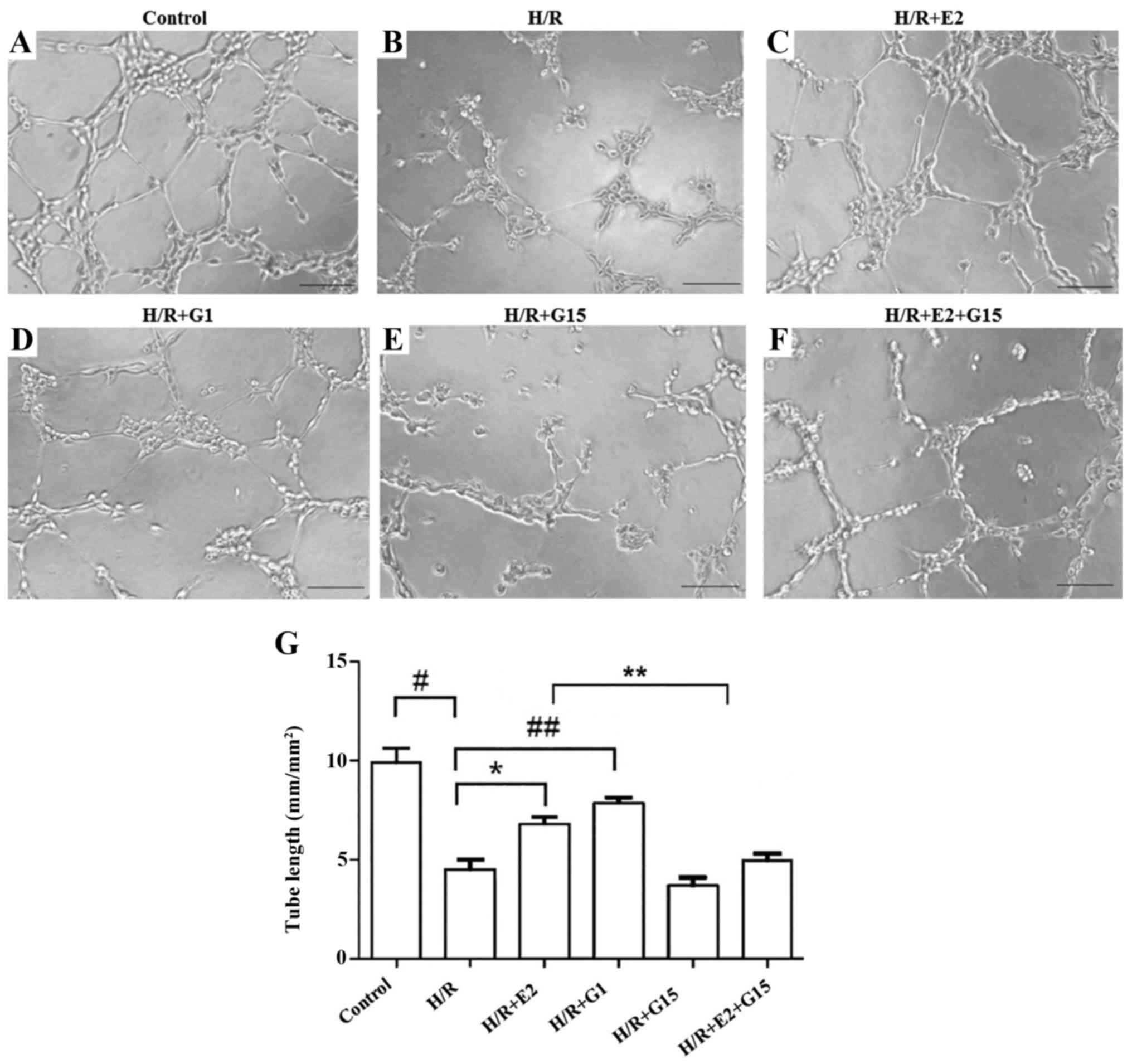
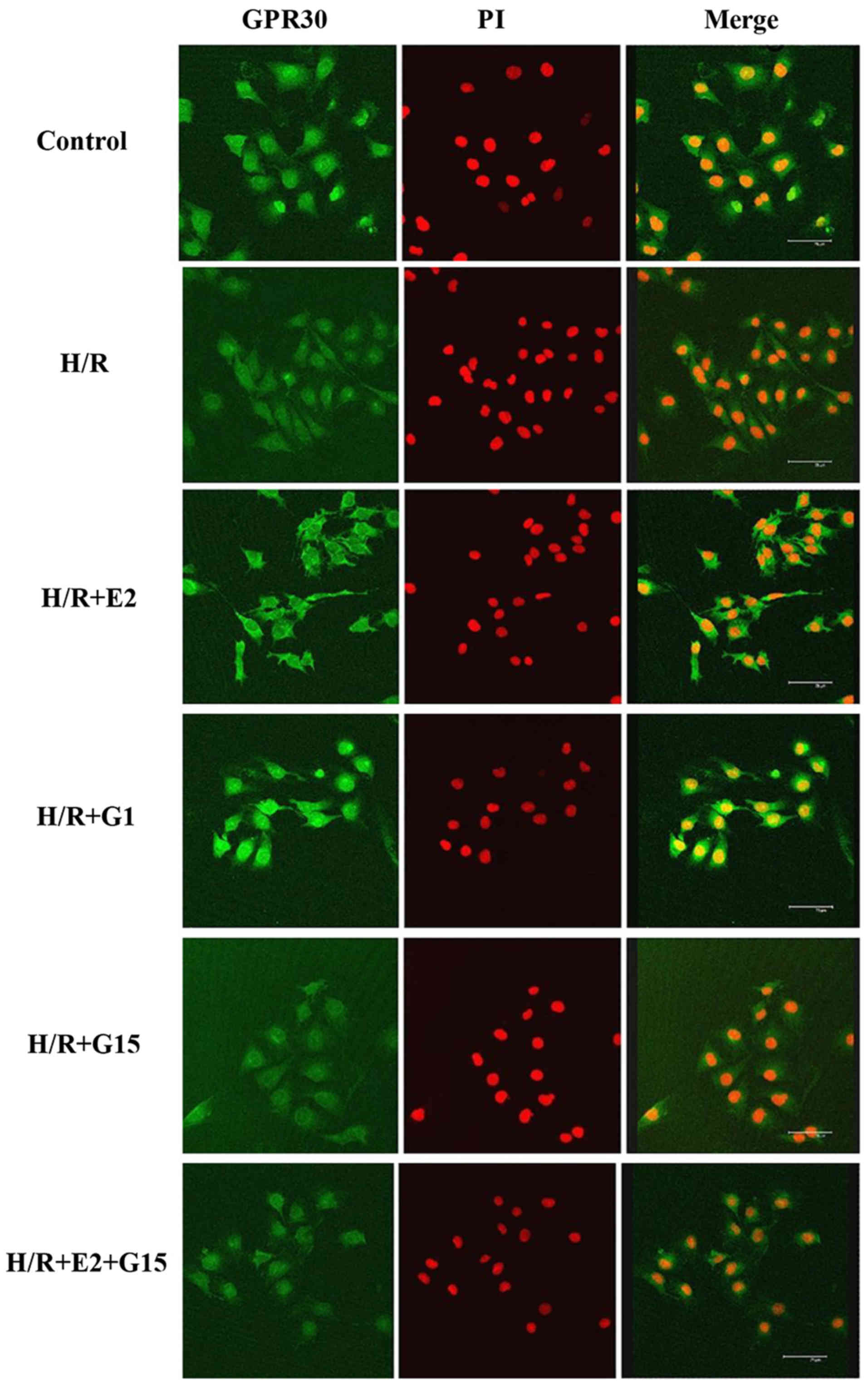
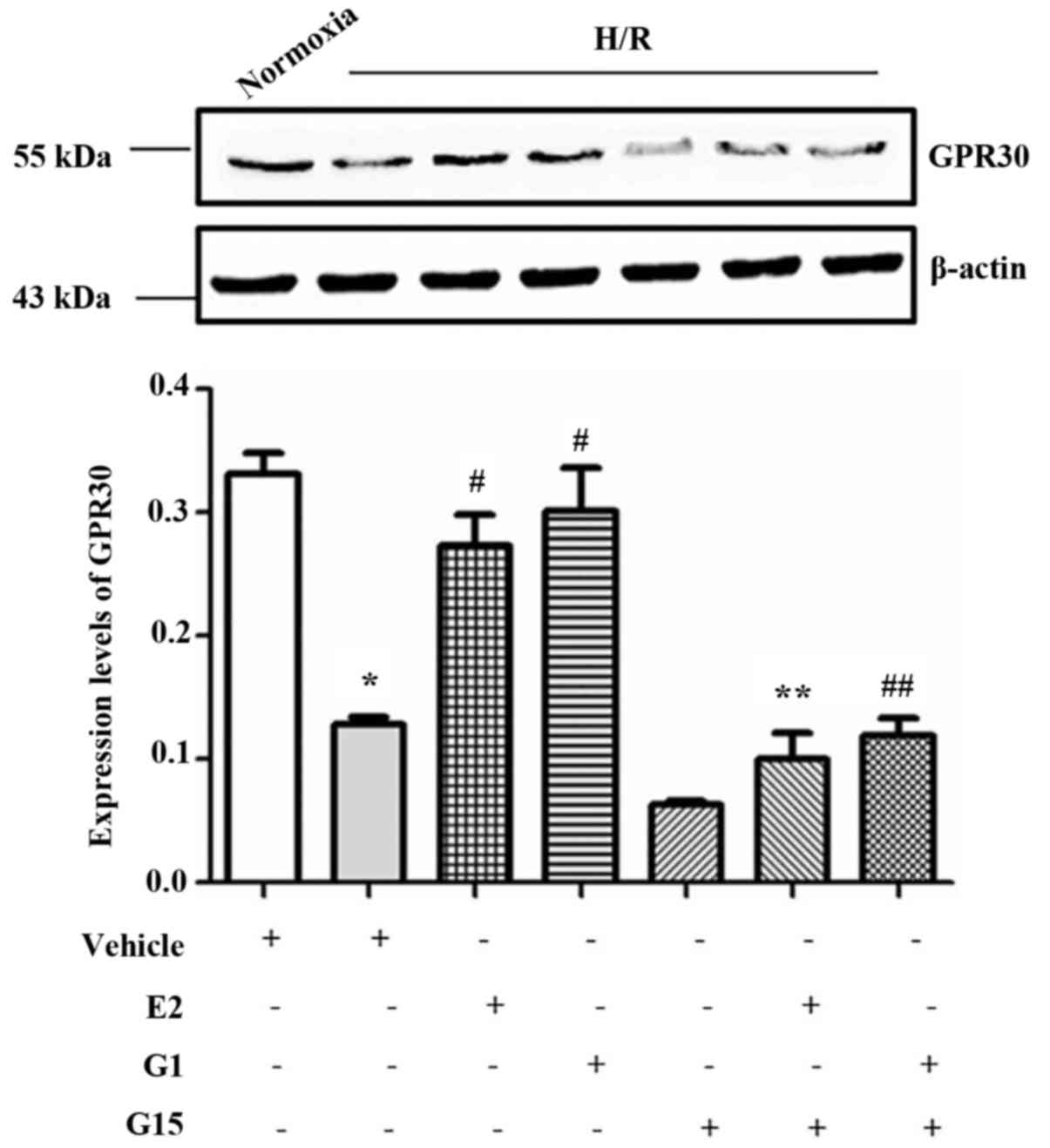
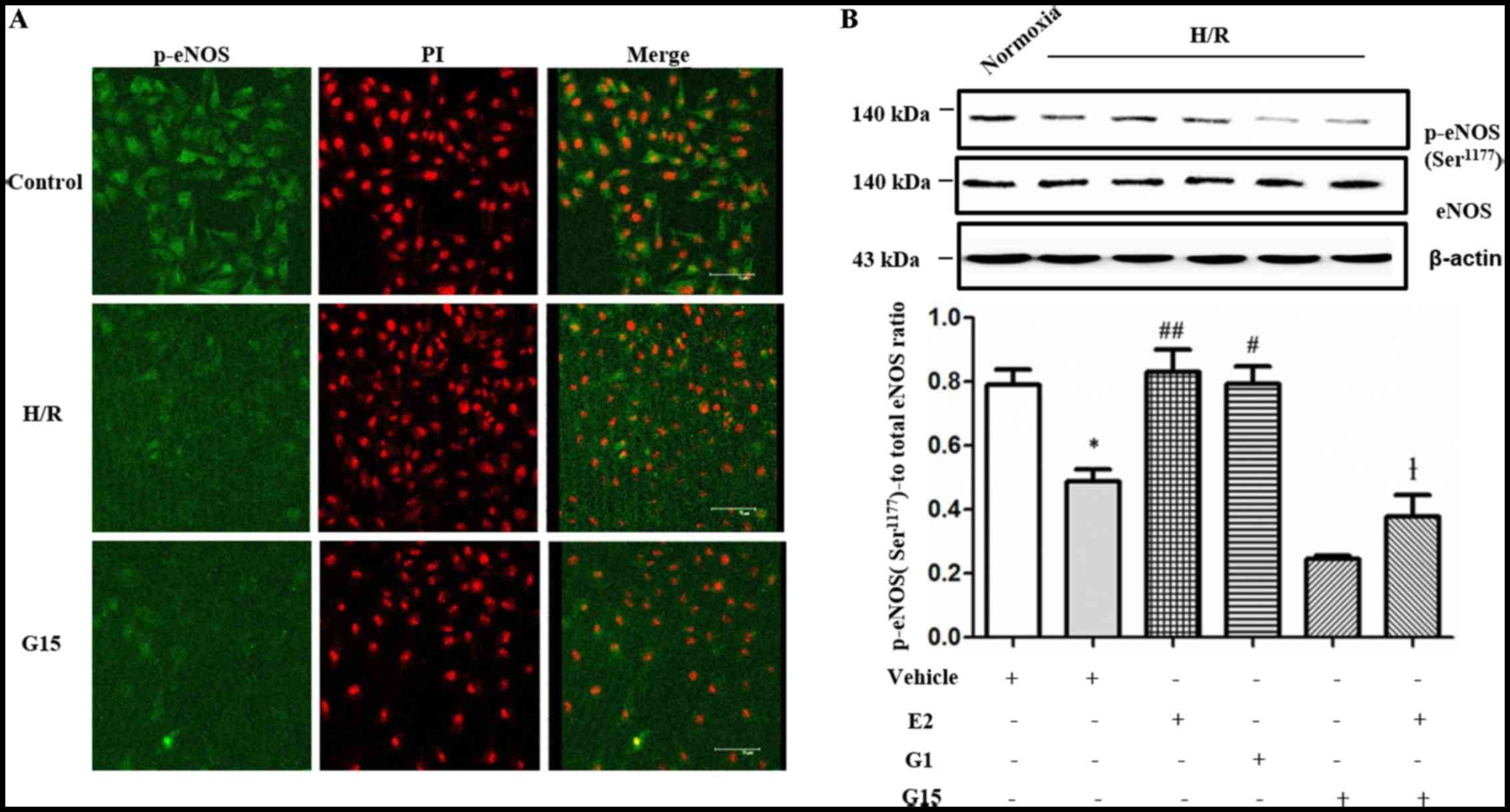
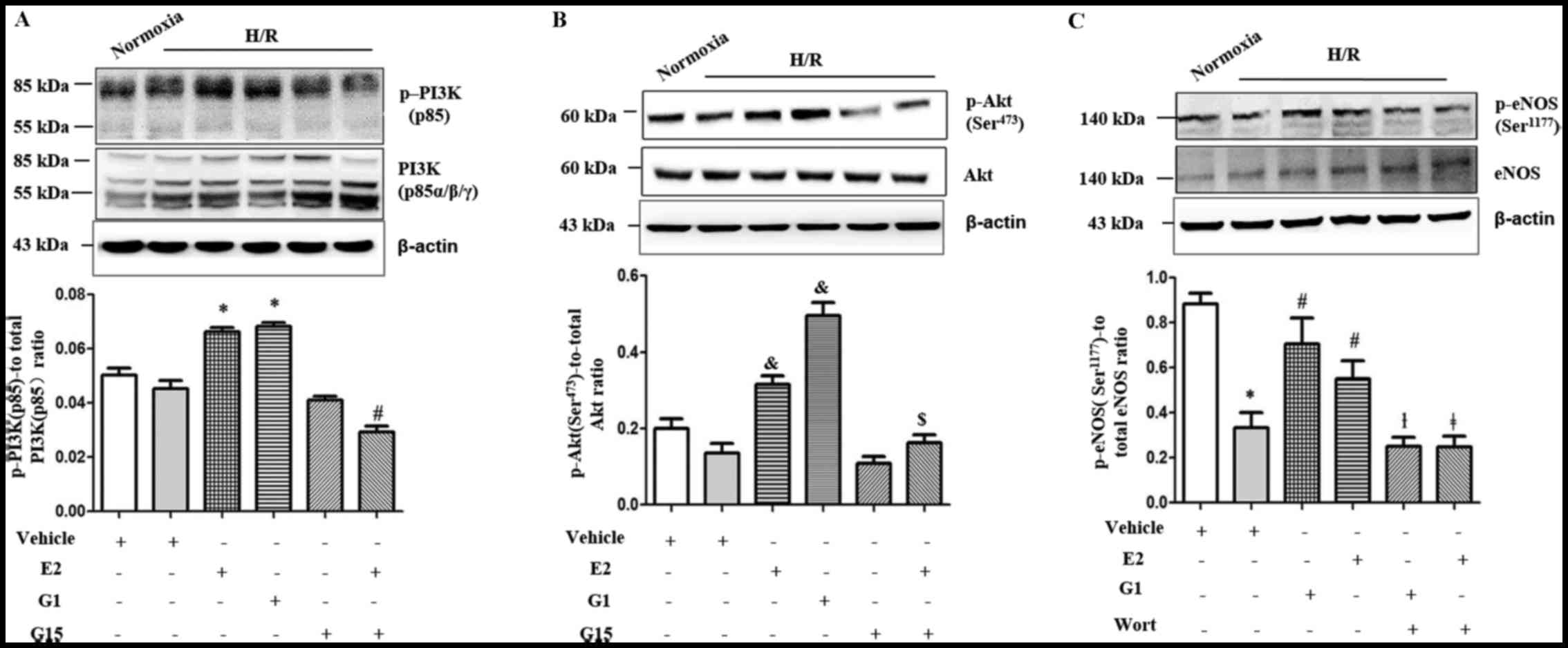
The placenta is the exchange organ between the mother and the fetus. The inadequate function of this organ is associated with a number of pregnancy disorders. Hypoxia and oxidative stress during placental development may induce endothelial dysfunction, resulting in the reduction in the perfusion of the placenta. During pregnancy, the levels of estrogen are increased. Decreased estrogen levels have been reported in women with preeclampsia. However, whether estrogen is involved in placental angiogenesis remains unclear. In this study, we aimed to investigate the effects of estrogen on endothelial cell tube formation and to elucidate the underlying mechanisms. For this purpose, human umbilical vein endothelial cells (HUVECs) were cultured with 17‑β‑estradiol under conditions of hypoxia/reoxygenation (H/R). The total pipe length of the tube‑like structure on endothelial cells was measured. The expression levels of G‑protein‑coupled receptor 30 (GPR30) and endothelial nitric oxide synthase (eNOS) and Akt were also measured in the endothelial cells following treatment with 17‑β‑estradiol under H/R conditions by western blot analysis and immunostaining. We found that the total pipe length of the tube‑like structure on endothelial cells was significantly reduced. This reduction was reversed by treatment with 17‑β‑estradiol. The expression of GPR30 in endothelial cells was significantly increased following treatment with 17‑β‑estradiol under H/R conditions. Furthermore, the levels of eNOS and Akt in endothelial cells were also significantly increased following treatment with 17-β-estradiol under H/R conditions. The activation of eNOS was inhibited by wortmannin, an inhibitor of PI3K/Akt. Our data thus demonstrate that estrogen prevents the failure of endothelial cell tube formation induced by H/R. GPR30 plays an important role in these protective effects through the activation of eNOS and Akt in endothelial cells. Our data suggest that increased levels of estrogen are important for placental angiogenesis.
View Figures

Figure 1

Figure 2

Figure 3

Figure 4

Figure 5

View References

1 

Khong Y and Brosens I: Defective deep placentation. Best Pract Res Clin Obstet Gynaecol. 25:301–311. 2011. View Article : Google Scholar

2 

Sibai B, Dekker G and Kupferminc M: Preeclampsia. Lancet. 365:785–799. 2005. View Article : Google Scholar : PubMed/NCBI

3 

Roberts JM and Hubel CA: Is oxidative stress the link in the two-stage model of preeclampsia? Lancet. 354:788–789. 1999. View Article : Google Scholar : PubMed/NCBI

4 

Hubel CA: Oxidative stress in the pathogenesis of preeclampsia. Proc Soc Exp Biol Med. 222:222–235. 1999. View Article : Google Scholar : PubMed/NCBI

5 

Chakrabarti S and Davidge ST: G-protein coupled receptor 30 (GPR30): A novel regulator of endothelial inflammation. PLoS One. 7:e523572012. View Article : Google Scholar

6 

Rubanyi GM, Johns A and Kauser K: Effect of estrogen on endothelial function and angiogenesis. Vascul Pharmacol. 38:89–98. 2002. View Article : Google Scholar : PubMed/NCBI

7 

Zeisler H, Jirecek S, Hohlagschwandtner M, Knöfler M, Tempfer C and Livingston JC: Concentrations of estrogens in patients with preeclampsia. Wien Klin Wochenschr. 114:458–461. 2002.PubMed/NCBI

8 

Tamimi R, Lagiou P, Vatten LJ, Mucci L, Trichopoulos D, Hellerstein S, Ekbom A, Adami HO and Hsieh CC: Pregnancy hormones, preeclampsia, and implications for breast cancer risk in the offspring. Cancer Epidemiol Biomarkers Prev. 12:647–650. 2003.PubMed/NCBI

9 

Jobe SO, Tyler CT and Magness RR: Aberrant synthesis, metabolism, and plasma accumulation of circulating estrogens and estrogen metabolites in preeclampsia implications for vascular dysfunction. Hypertension. 61:480–487. 2013. View Article : Google Scholar : PubMed/NCBI

10 

Molvarec A, Vér A, Fekete A, Rosta K, Derzbach L, Derzsy Z, Karádi I and Rigó J Jr: Association between estrogen receptor alpha (ESR1) gene polymorphisms and severe preeclampsia. Hypertens Res. 30:205–211. 2007. View Article : Google Scholar : PubMed/NCBI

11 

Maruyama A, Nakayama T, Sato N, Mizutani Y, Furuya K and Yamamoto T: Association study using single nucleotide polymorphisms in the estrogen receptor beta (ESR2) gene for preeclampsia. Hypertens Res. 27:903–909. 2004. View Article : Google Scholar

12 

Thomas P, Pang Y, Filardo EJ and Dong J: Identity of an estrogen membrane receptor coupled to a G protein in human breast cancer cells. Endocrinology. 146:624–632. 2005. View Article : Google Scholar

13 

Revankar CM, Cimino DF, Sklar LA, Arterburn JB and Prossnitz ER: A transmembrane intracellular estrogen receptor mediates rapid cell signaling. Science. 307:1625–1630. 2005. View Article : Google Scholar : PubMed/NCBI

14 

Tong C, Feng X, Chen J, Qi X, Zhou L, Shi S, Kc K, Stanley JL, Baker PN and Zhang H: G protein-coupled receptor 30 regulates trophoblast invasion and its deficiency is associated with preeclampsia. J Hypertens. 34:710–718. 2016. View Article : Google Scholar : PubMed/NCBI

15 

Li J, Chen Z, Zhou X, Shi S, Qi H, Baker PN and Zhang H: Imbalance between proliferation and apoptosis-related impaired GPR30 expression is involved in preeclampsia. Cell Tissue Res. 366:499–508. 2016. View Article : Google Scholar : PubMed/NCBI

16 

Prossnitz ER, Arterburn JB and Sklar LA: GPR30: A G protein-coupled receptor for estrogen. Mol Cell Endocrinol. 265–266:138–142. 2007. View Article : Google Scholar

17 

Hung TH, Skepper JN, Charnock-Jones DS and Burton GJ: Hypoxia-reoxygenation: A potent inducer of apoptotic changes in the human placenta and possible etiological factor in preeclampsia. Circ Res. 90:1274–1281. 2002. View Article : Google Scholar : PubMed/NCBI

18 

Luo X, Yao ZW, Qi HB, Liu DD, Chen GQ, Huang S and Li QS: Gadd45α as an upstream signaling molecule of p38 MAPK triggers oxidative stress-induced sFlt-1 and sEng upregulation in preeclampsia. Cell Tissue Res. 344:551–565. 2011. View Article : Google Scholar : PubMed/NCBI

19 

Dhar-Mascareño M, Cárcamo JM and Golde DW: Hypoxia-reoxygenation-induced mitochondrial damage and apoptosis in human endothelial cells are inhibited by vitamin C. Free Radic Biol Med. 38:1311–1322. 2005. View Article : Google Scholar : PubMed/NCBI

20 

Lee SR and Lo EH: Interactions between p38 mitogen-activated protein kinase and caspase-3 in cerebral endothelial cell death after hypoxia-reoxygenation. Stroke. 34:2704–2709. 2003. View Article : Google Scholar : PubMed/NCBI

21 

Lee SR and Lo EH: Induction of caspase-mediated cell death by matrix metalloproteinases in cerebral endothelial cells after hypoxia-reoxygenation. J Cereb Blood Flow Metab. 24:720–727. 2004. View Article : Google Scholar : PubMed/NCBI

22 

Tian R, Wang Z, Shi Z, Li D, Wang Y, Zhu Y, Lin W, Gui Y and Zheng XL: Differential expression of G-protein-coupled estrogen receptor-30 in human myometrial and uterine leiomyoma smooth muscle. Fertil Steril. 99:256–263. 2013. View Article : Google Scholar

23 

Otto C, Rohde-Schulz B, Schwarz G, Fuchs I, Klewer M, Brittain D, Langer G, Bader B, Prelle K, Nubbemeyer R, et al: G protein-coupled receptor 30 localizes to the endoplasmic reticulum and is not activated by estradiol. Endocrinology. 149:4846–4856. 2008. View Article : Google Scholar : PubMed/NCBI

24 

Yang Z, Bai B, Luo X, Xiao X, Liu X, Ding Y, Zhang H, Gao L, Li J and Qi H: Downregulated Krüppel-like factor 8 is involved in decreased trophoblast invasion under hypoxia-reoxygenation conditions. Reprod Sci. 21:72–81. 2014. View Article : Google Scholar :

25 

Marconcini L, Marchiò S, Morbidelli L, Cartocci E, Albini A, Ziche M, Bussolino F and Oliviero S: c-fos-induced growth factor/vascular endothelial growth factor D induces angiogenesis in vivo and in vitro. Proc Natl Acad Sci USA. 96:9671–9676. 1999. View Article : Google Scholar : PubMed/NCBI

26 

Kim KM, Kim NS, Kim J, Park JS, Yi JM, Lee J and Bang OS: Magnolol suppresses vascular endothelial growth factor-induced angiogenesis by inhibiting Ras-dependent mitogen-activated protein kinase and phosphatidylinositol 3-kinase/Akt signaling pathways. Nutr Cancer. 65:1245–1253. 2013. View Article : Google Scholar : PubMed/NCBI

27 

Batenburg WW, Jansen PM, van den Bogaerdt AJ and J Danser AH: Angiotensin II-aldosterone interaction in human coronary microarteries involves GPR30, EGFR, and endothelial NO synthase. Cardiovasc Res. 94:136–143. 2012. View Article : Google Scholar : PubMed/NCBI

28 

Li ZL, Liu JC, Liu SB, Li XQ, Yi DH and Zhao MG: Improvement of vascular function by acute and chronic treatment with the GPR30 agonist G1 in experimental diabetes mellitus. PLoS One. 7:e387872012. View Article : Google Scholar : PubMed/NCBI

29 

Redman CW and Sargent IL: Placental debris, oxidative stress and preeclampsia. Placenta. 21:597–602. 2000. View Article : Google Scholar : PubMed/NCBI

30 

Allaire AD, Ballenger KA, Wells SR, McMahon MJ and Lessey BA: Placental apoptosis in preeclampsia. Obstet Gynecol. 96:271–276. 2000.PubMed/NCBI

31 

Burton GJ, Charnock-Jones DS and Jauniaux E: Regulation of vascular growth and function in the human placenta. Reproduction. 138:895–902. 2009. View Article : Google Scholar : PubMed/NCBI

32 

Cong B, Xu Y, Sheng H, Zhu X, Wang L, Zhao W, Tang Z, Lu J and Ni X: Cardioprotection of 17β-estradiol against hypoxia/reoxygenation in cardiomyocytes is partly through up-regulation of CRH receptor type 2. Mol Cell Endocrinol. 382:17–25. 2014. View Article : Google Scholar

33 

Murata T, Dietrich HH, Xiang C and Dacey RG Jr: G protein-coupled estrogen receptor agonist improves cerebral microvascular function after hypoxia/reoxygenation injury in male and female rats. Stroke. 44:779–785. 2013. View Article : Google Scholar : PubMed/NCBI

34 

Granger DN, Kvietys PR and Perry MA: Leukocyte - endothelial cell adhesion induced by ischemia and reperfusion. Can J Physiol Pharmacol. 71:67–75. 1993. View Article : Google Scholar : PubMed/NCBI

35 

Zulueta JJ, Sawhney R, Yu FS, Cote CC and Hassoun PM: Intracellular generation of reactive oxygen species in endothelial cells exposed to anoxia-reoxygenation. Am J Physiol. 272:L897–L902. 1997.PubMed/NCBI

36 

Song Y, Zhao XP, Song K and Shang ZJ: Ephrin-A1 is up-regulated by hypoxia in cancer cells and promotes angiogenesis of HUVECs through a coordinated cross-talk with eNOS. PLoS One. 8:e744642013. View Article : Google Scholar : PubMed/NCBI

37 

Rowlands DJ, Chapple S, Siow RC and Mann GE: Equol-stimulated mitochondrial reactive oxygen species activate endothelial nitric oxide synthase and redox signaling in endothelial cells: Roles for F-actin and GPR30. Hypertension. 57:833–840. 2011. View Article : Google Scholar : PubMed/NCBI

38 

Kolkova Z, Casslén V, Henic E, Ahmadi S, Ehinger A, Jirström K and Casslén B: The G protein-coupled estrogen receptor 1 (GPER/GPR30) does not predict survival in patients with ovarian cancer. J Ovarian Res. 5:92012. View Article : Google Scholar : PubMed/NCBI

Related Articles

  • Abstract
  • View
  • Download
  • Twitter
Copy and paste a formatted citation
Spandidos Publications style
Zhou L, Chen H, Mao X, Qi H, Baker PN and Zhang H: G-protein-coupled receptor 30 mediates the effects of estrogen on endothelial cell tube formation in vitro. Int J Mol Med 39: 1461-1467, 2017.
APA
Zhou, L., Chen, H., Mao, X., Qi, H., Baker, P.N., & Zhang, H. (2017). G-protein-coupled receptor 30 mediates the effects of estrogen on endothelial cell tube formation in vitro. International Journal of Molecular Medicine, 39, 1461-1467. https://doi.org/10.3892/ijmm.2017.2957
MLA
Zhou, L., Chen, H., Mao, X., Qi, H., Baker, P. N., Zhang, H."G-protein-coupled receptor 30 mediates the effects of estrogen on endothelial cell tube formation in vitro". International Journal of Molecular Medicine 39.6 (2017): 1461-1467.
Chicago
Zhou, L., Chen, H., Mao, X., Qi, H., Baker, P. N., Zhang, H."G-protein-coupled receptor 30 mediates the effects of estrogen on endothelial cell tube formation in vitro". International Journal of Molecular Medicine 39, no. 6 (2017): 1461-1467. https://doi.org/10.3892/ijmm.2017.2957
Copy and paste a formatted citation
x
Spandidos Publications style
Zhou L, Chen H, Mao X, Qi H, Baker PN and Zhang H: G-protein-coupled receptor 30 mediates the effects of estrogen on endothelial cell tube formation in vitro. Int J Mol Med 39: 1461-1467, 2017.
APA
Zhou, L., Chen, H., Mao, X., Qi, H., Baker, P.N., & Zhang, H. (2017). G-protein-coupled receptor 30 mediates the effects of estrogen on endothelial cell tube formation in vitro. International Journal of Molecular Medicine, 39, 1461-1467. https://doi.org/10.3892/ijmm.2017.2957
MLA
Zhou, L., Chen, H., Mao, X., Qi, H., Baker, P. N., Zhang, H."G-protein-coupled receptor 30 mediates the effects of estrogen on endothelial cell tube formation in vitro". International Journal of Molecular Medicine 39.6 (2017): 1461-1467.
Chicago
Zhou, L., Chen, H., Mao, X., Qi, H., Baker, P. N., Zhang, H."G-protein-coupled receptor 30 mediates the effects of estrogen on endothelial cell tube formation in vitro". International Journal of Molecular Medicine 39, no. 6 (2017): 1461-1467. https://doi.org/10.3892/ijmm.2017.2957
Follow us
  • Twitter
  • LinkedIn
  • Facebook
About
  • Spandidos Publications
  • Careers
  • Cookie Policy
  • Privacy Policy
How can we help?
  • Help
  • Live Chat
  • Contact
  • Email to our Support Team