Spandidos Publications Logo
  • About
    • About Spandidos
    • Aims and Scopes
    • Abstracting and Indexing
    • Editorial Policies
    • Reprints and Permissions
    • Job Opportunities
    • Terms and Conditions
    • Contact
  • Journals
    • All Journals
    • Oncology Letters
      • Oncology Letters
      • Information for Authors
      • Editorial Policies
      • Editorial Board
      • Aims and Scope
      • Abstracting and Indexing
      • Bibliographic Information
      • Archive
    • International Journal of Oncology
      • International Journal of Oncology
      • Information for Authors
      • Editorial Policies
      • Editorial Board
      • Aims and Scope
      • Abstracting and Indexing
      • Bibliographic Information
      • Archive
    • Molecular and Clinical Oncology
      • Molecular and Clinical Oncology
      • Information for Authors
      • Editorial Policies
      • Editorial Board
      • Aims and Scope
      • Abstracting and Indexing
      • Bibliographic Information
      • Archive
    • Experimental and Therapeutic Medicine
      • Experimental and Therapeutic Medicine
      • Information for Authors
      • Editorial Policies
      • Editorial Board
      • Aims and Scope
      • Abstracting and Indexing
      • Bibliographic Information
      • Archive
    • International Journal of Molecular Medicine
      • International Journal of Molecular Medicine
      • Information for Authors
      • Editorial Policies
      • Editorial Board
      • Aims and Scope
      • Abstracting and Indexing
      • Bibliographic Information
      • Archive
    • Biomedical Reports
      • Biomedical Reports
      • Information for Authors
      • Editorial Policies
      • Editorial Board
      • Aims and Scope
      • Abstracting and Indexing
      • Bibliographic Information
      • Archive
    • Oncology Reports
      • Oncology Reports
      • Information for Authors
      • Editorial Policies
      • Editorial Board
      • Aims and Scope
      • Abstracting and Indexing
      • Bibliographic Information
      • Archive
    • Molecular Medicine Reports
      • Molecular Medicine Reports
      • Information for Authors
      • Editorial Policies
      • Editorial Board
      • Aims and Scope
      • Abstracting and Indexing
      • Bibliographic Information
      • Archive
    • World Academy of Sciences Journal
      • World Academy of Sciences Journal
      • Information for Authors
      • Editorial Policies
      • Editorial Board
      • Aims and Scope
      • Abstracting and Indexing
      • Bibliographic Information
      • Archive
    • International Journal of Functional Nutrition
      • International Journal of Functional Nutrition
      • Information for Authors
      • Editorial Policies
      • Editorial Board
      • Aims and Scope
      • Abstracting and Indexing
      • Bibliographic Information
      • Archive
    • International Journal of Epigenetics
      • International Journal of Epigenetics
      • Information for Authors
      • Editorial Policies
      • Editorial Board
      • Aims and Scope
      • Abstracting and Indexing
      • Bibliographic Information
      • Archive
    • Medicine International
      • Medicine International
      • Information for Authors
      • Editorial Policies
      • Editorial Board
      • Aims and Scope
      • Abstracting and Indexing
      • Bibliographic Information
      • Archive
  • Articles
  • Information
    • Information for Authors
    • Information for Reviewers
    • Information for Librarians
    • Information for Advertisers
    • Conferences
  • Language Editing
Spandidos Publications Logo
  • About
    • About Spandidos
    • Aims and Scopes
    • Abstracting and Indexing
    • Editorial Policies
    • Reprints and Permissions
    • Job Opportunities
    • Terms and Conditions
    • Contact
  • Journals
    • All Journals
    • Biomedical Reports
      • Information for Authors
      • Editorial Policies
      • Editorial Board
      • Aims and Scope
      • Abstracting and Indexing
      • Bibliographic Information
      • Archive
    • Experimental and Therapeutic Medicine
      • Information for Authors
      • Editorial Policies
      • Editorial Board
      • Aims and Scope
      • Abstracting and Indexing
      • Bibliographic Information
      • Archive
    • International Journal of Epigenetics
      • Information for Authors
      • Editorial Policies
      • Editorial Board
      • Aims and Scope
      • Abstracting and Indexing
      • Bibliographic Information
      • Archive
    • International Journal of Functional Nutrition
      • Information for Authors
      • Editorial Policies
      • Editorial Board
      • Aims and Scope
      • Abstracting and Indexing
      • Bibliographic Information
      • Archive
    • International Journal of Molecular Medicine
      • Information for Authors
      • Editorial Policies
      • Editorial Board
      • Aims and Scope
      • Abstracting and Indexing
      • Bibliographic Information
      • Archive
    • International Journal of Oncology
      • Information for Authors
      • Editorial Policies
      • Editorial Board
      • Aims and Scope
      • Abstracting and Indexing
      • Bibliographic Information
      • Archive
    • Medicine International
      • Information for Authors
      • Editorial Policies
      • Editorial Board
      • Aims and Scope
      • Abstracting and Indexing
      • Bibliographic Information
      • Archive
    • Molecular and Clinical Oncology
      • Information for Authors
      • Editorial Policies
      • Editorial Board
      • Aims and Scope
      • Abstracting and Indexing
      • Bibliographic Information
      • Archive
    • Molecular Medicine Reports
      • Information for Authors
      • Editorial Policies
      • Editorial Board
      • Aims and Scope
      • Abstracting and Indexing
      • Bibliographic Information
      • Archive
    • Oncology Letters
      • Information for Authors
      • Editorial Policies
      • Editorial Board
      • Aims and Scope
      • Abstracting and Indexing
      • Bibliographic Information
      • Archive
    • Oncology Reports
      • Information for Authors
      • Editorial Policies
      • Editorial Board
      • Aims and Scope
      • Abstracting and Indexing
      • Bibliographic Information
      • Archive
    • World Academy of Sciences Journal
      • Information for Authors
      • Editorial Policies
      • Editorial Board
      • Aims and Scope
      • Abstracting and Indexing
      • Bibliographic Information
      • Archive
  • Articles
  • Information
    • For Authors
    • For Reviewers
    • For Librarians
    • For Advertisers
    • Conferences
  • Language Editing
Login Register Submit
  • This site uses cookies
  • You can change your cookie settings at any time by following the instructions in our Cookie Policy. To find out more, you may read our Privacy Policy.

    I agree
Search articles by DOI, keyword, author or affiliation
Search
Advanced Search
presentation
International Journal of Molecular Medicine
Join Editorial Board Propose a Special Issue
Print ISSN: 1107-3756 Online ISSN: 1791-244X
Journal Cover
June-2017 Volume 39 Issue 6

Full Size Image

Sign up for eToc alerts
Recommend to Library

Journals

International Journal of Molecular Medicine

International Journal of Molecular Medicine

International Journal of Molecular Medicine is an international journal devoted to molecular mechanisms of human disease.

International Journal of Oncology

International Journal of Oncology

International Journal of Oncology is an international journal devoted to oncology research and cancer treatment.

Molecular Medicine Reports

Molecular Medicine Reports

Covers molecular medicine topics such as pharmacology, pathology, genetics, neuroscience, infectious diseases, molecular cardiology, and molecular surgery.

Oncology Reports

Oncology Reports

Oncology Reports is an international journal devoted to fundamental and applied research in Oncology.

Experimental and Therapeutic Medicine

Experimental and Therapeutic Medicine

Experimental and Therapeutic Medicine is an international journal devoted to laboratory and clinical medicine.

Oncology Letters

Oncology Letters

Oncology Letters is an international journal devoted to Experimental and Clinical Oncology.

Biomedical Reports

Biomedical Reports

Explores a wide range of biological and medical fields, including pharmacology, genetics, microbiology, neuroscience, and molecular cardiology.

Molecular and Clinical Oncology

Molecular and Clinical Oncology

International journal addressing all aspects of oncology research, from tumorigenesis and oncogenes to chemotherapy and metastasis.

World Academy of Sciences Journal

World Academy of Sciences Journal

Multidisciplinary open-access journal spanning biochemistry, genetics, neuroscience, environmental health, and synthetic biology.

International Journal of Functional Nutrition

International Journal of Functional Nutrition

Open-access journal combining biochemistry, pharmacology, immunology, and genetics to advance health through functional nutrition.

International Journal of Epigenetics

International Journal of Epigenetics

Publishes open-access research on using epigenetics to advance understanding and treatment of human disease.

Medicine International

Medicine International

An International Open Access Journal Devoted to General Medicine.

Journal Cover
June-2017 Volume 39 Issue 6

Full Size Image

Sign up for eToc alerts
Recommend to Library

  • Article
  • Citations
    • Cite This Article
    • Download Citation
    • Create Citation Alert
    • Remove Citation Alert
    • Cited By
  • Similar Articles
    • Related Articles (in Spandidos Publications)
    • Similar Articles (Google Scholar)
    • Similar Articles (PubMed)
  • Download PDF
  • Download XML
  • View XML
Article Open Access

Comparative analysis of the beneficial effects of treadmill training and electroacupuncture in a rat model of neonatal hypoxia-ischemia

  • Authors:
    • Ha Neui Kim
    • Malk Eun Pak
    • Myung Jun Shin
    • Soo Yeon Kim
    • Yong Beom Shin
    • Young Ju Yun
    • Hwa Kyoung Shin
    • Byung Tae Choi
  • View Affiliations / Copyright

    Affiliations: Department of Korean Medical Science, School of Korean Medicine, Pusan National University, Yangsan, Gyeongsangnam‑do 50612, Republic of Korea, Department of Rehabilitation Medicine, School of Medicine, Pusan National University, Busan 49241, Republic of Korea, Department of Rehabilitation Medicine, Pusan National University, Yangsan Hospital, Yangsan, Gyeongsangnam-do 50612, Republic of Korea, Department of Integrative Medicine, School of Korean Medicine, Pusan National University, Yangsan, Gyeongsangnam-do 50612, Republic of Korea
    Copyright: © Kim et al. This is an open access article distributed under the terms of Creative Commons Attribution License.
  • Pages: 1393-1402
    |
    Published online on: April 27, 2017
       https://doi.org/10.3892/ijmm.2017.2970
  • Expand metrics +
Metrics: Total Views: 0 (Spandidos Publications: | PMC Statistics: )
Metrics: Total PDF Downloads: 0 (Spandidos Publications: | PMC Statistics: )
Cited By (CrossRef): 0 citations Loading Articles...

This article is mentioned in:


Abstract

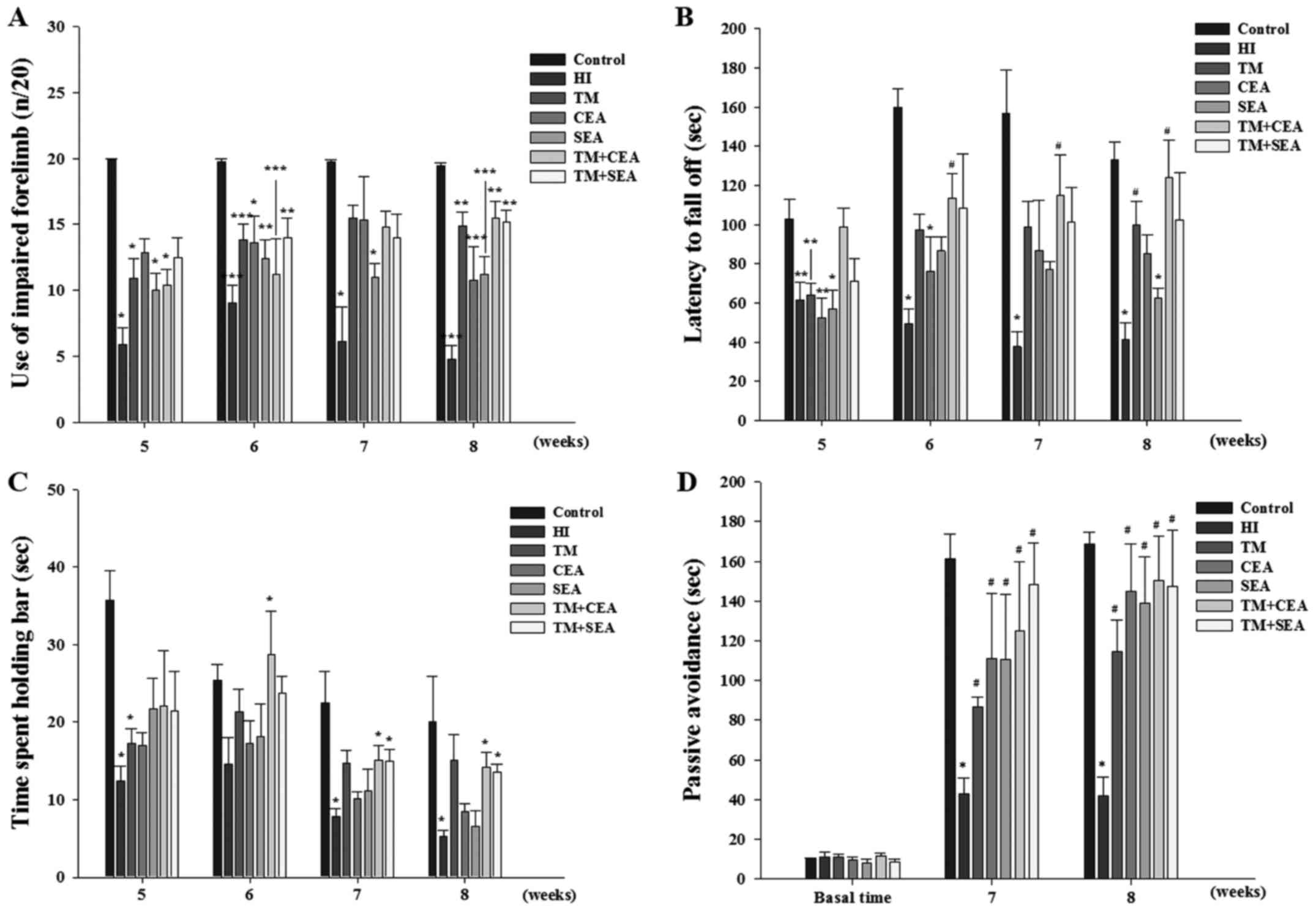
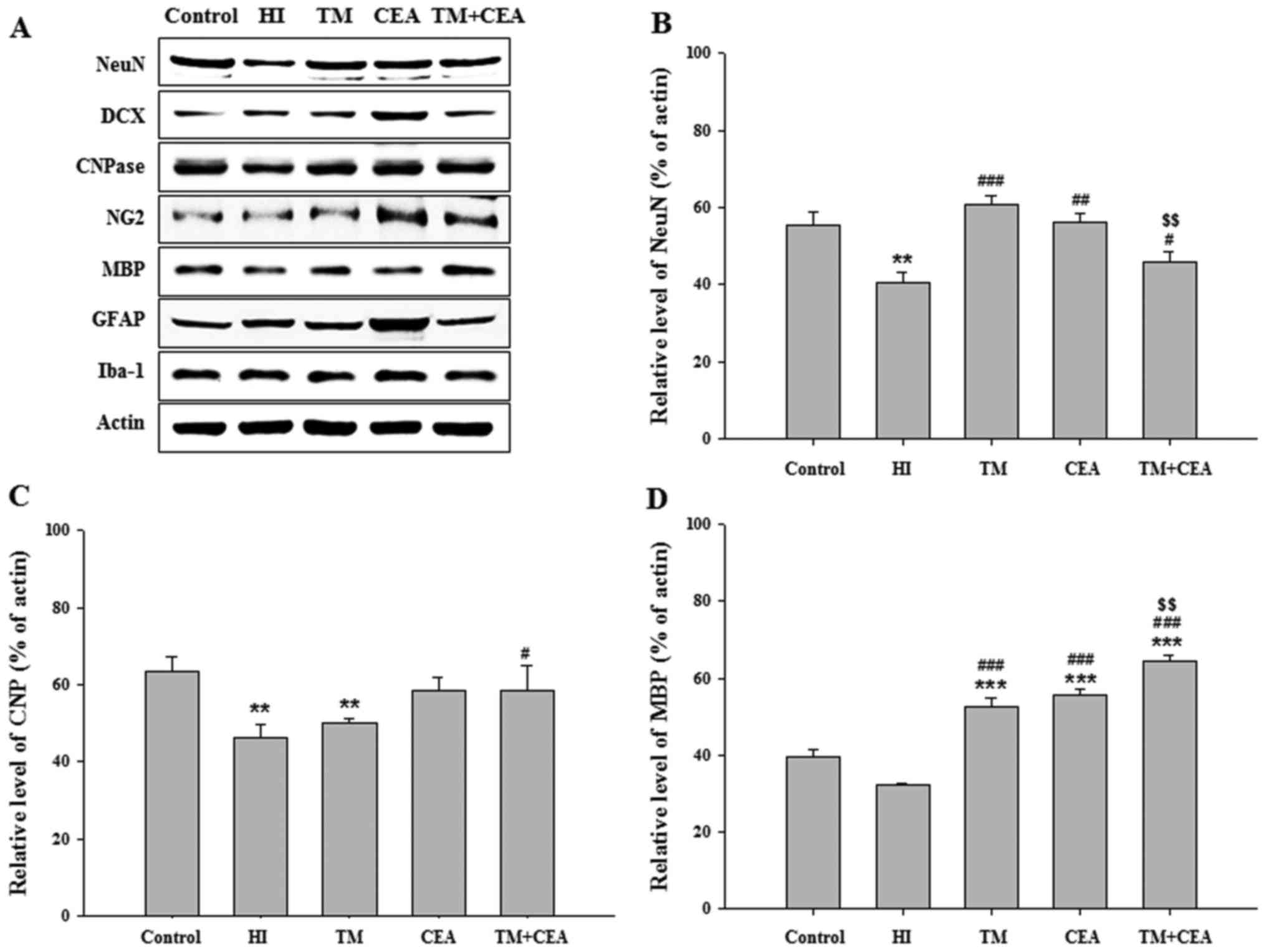
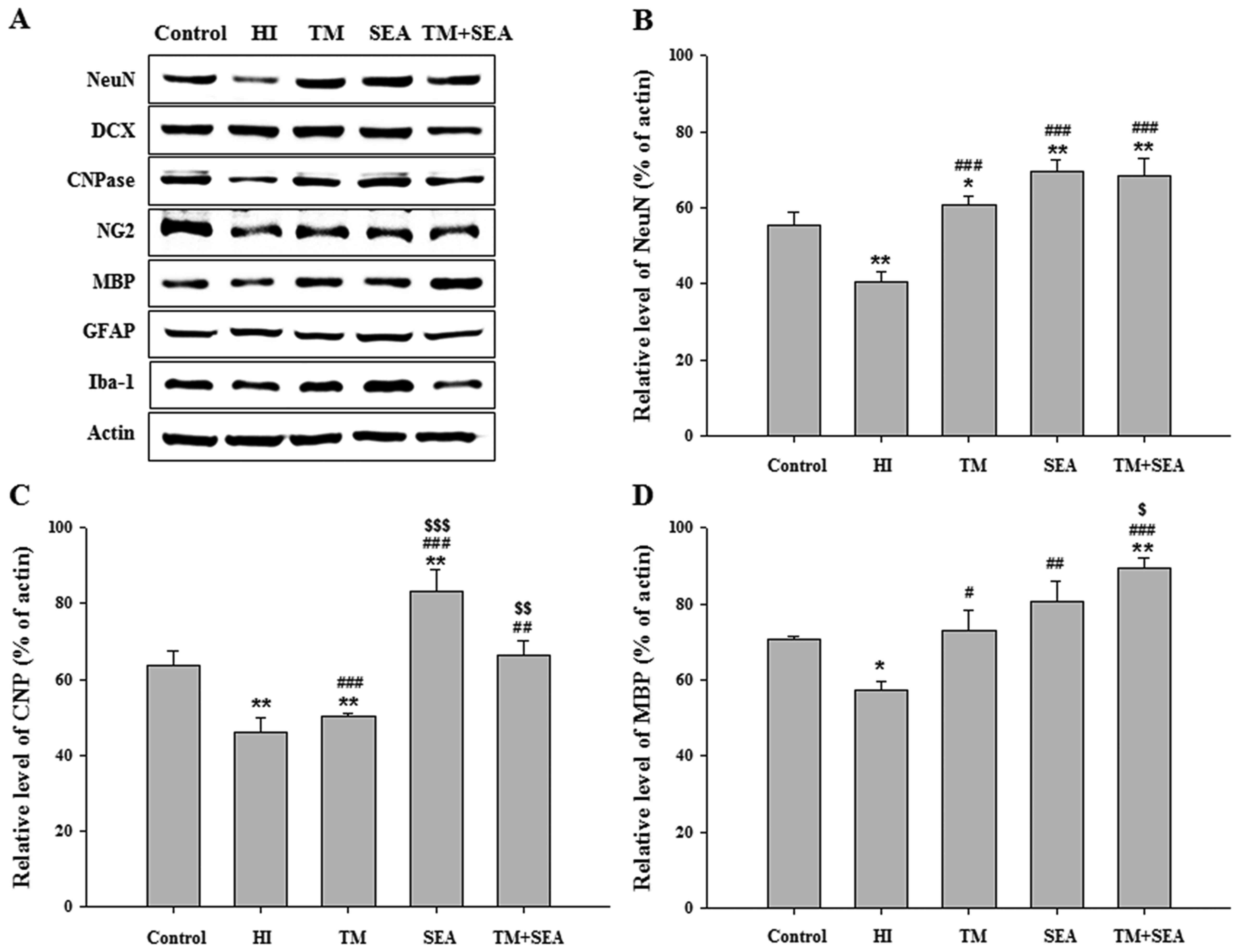
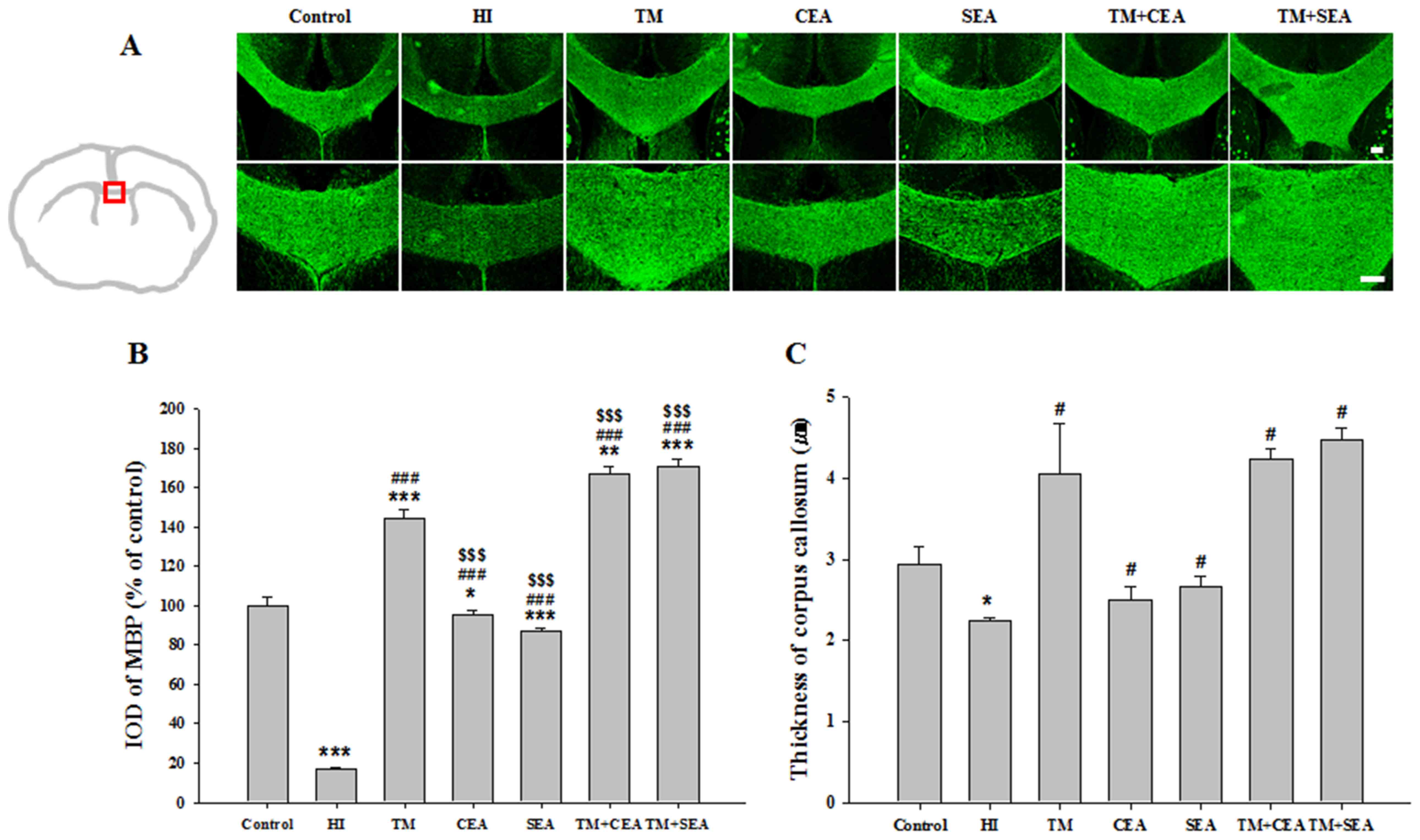
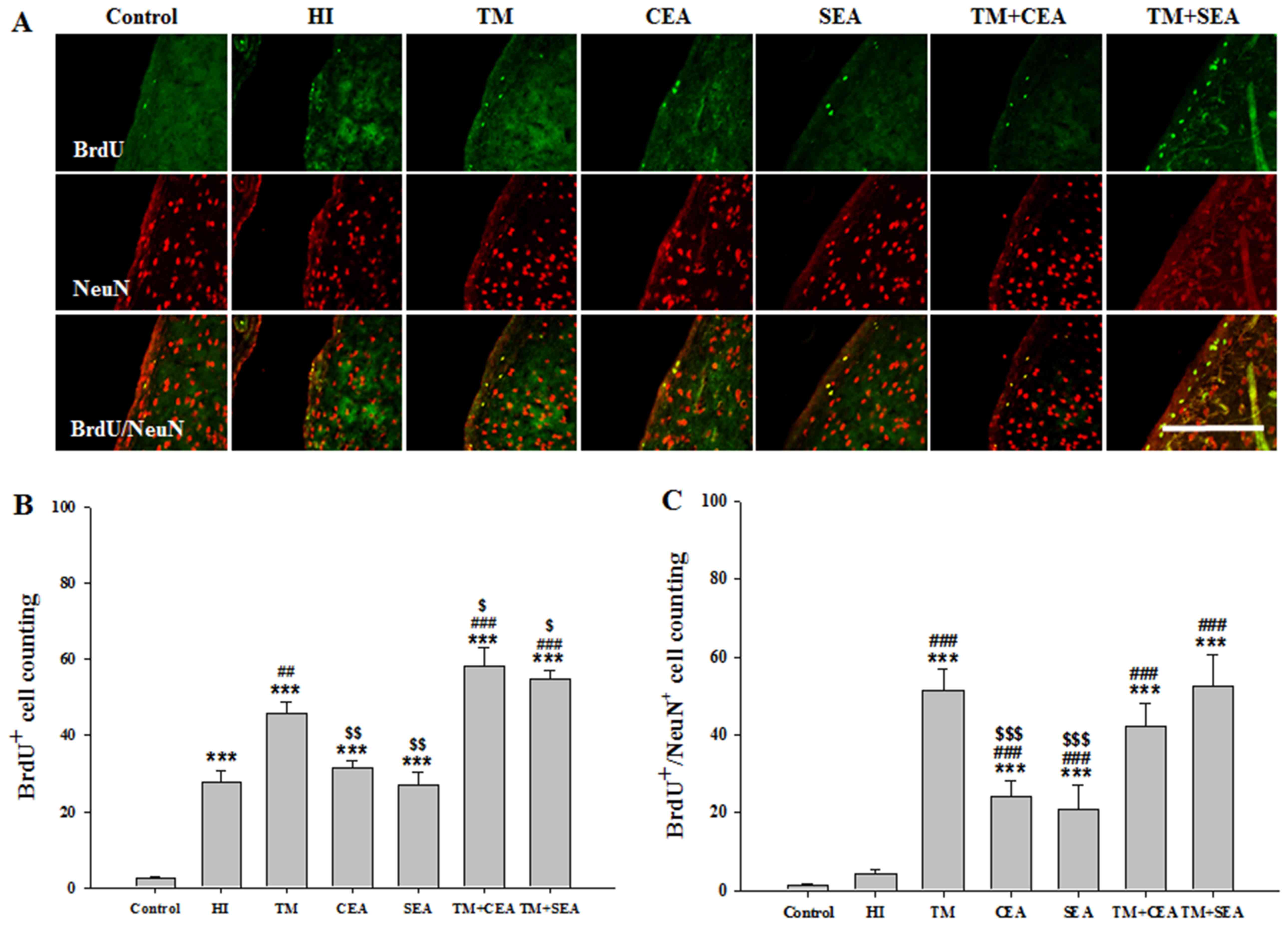
In the present study, we investigated whether treadmill training and electroacupuncture (EA) have autonomous or synergistic beneficial effects on deficits caused by neonatal hypoxia‑ischemia in Sprague-Dawley rats. For this purpose, rats subjected to hypoxia-ischemia underwent treadmill training and EA stimulation from 4 to 8 weeks of age. Conventional EA (CEA) and scalp EA (SEA) were delivered by electrical stimulation (2 Hz, 1 mA) at traditional acupoints and at the scalp to the primary motor area, respectively. In the behavioral examination, markedly improved performances in the rotarod test were observed in the rats that underwent treadmill exercise, and in the rats that underwent treadmill exercise and CEA compared to the untreated rats subjected to hypoxia-ischemia. An improvement was also observed in the passive avoidance test in the rats that underwent treadmill training and EA. As shown by western blot analysis, the expression levels of neuronal nuclei (NeuN), 2',3'-cyclic-nucleotide 3'-phosphodiesterase and myelin basic protein (MBP) exhibited a significant decrease in the contralateral subventricular zone (SVZ) of the rats subjected to hypoxia‑ischemia compared to the controls; however, these expression levels increased following treadmill exercise and EA stimulation. As shown by immunohistochemical analyses, the thickness of the corpus callosum and the integrated optical density (IOD) of MBP were significantly increased in the rats subjected to treadmill exercise and EA compared to the untreated rats subjected to hypoxiaa-ischemia. The synergistic effects of treadmill training and EA were also observed in the protein levels and IOD of MBP. A marked increase in the number of bromodeoxyuridine (BrdU)- and BrdU/NeuN-positive cells in the contralateral SVZ was also observed in the rats that underwent treadmill training and EA; the number of BrdU-positive cells was synergistically affected by treadmill training and EA. These results suggest that treadmill training and EA stimulation contribute to the enhancement of behavioral recovery following hypoxia-ischemia via the upregulation of myelin components and neurogenesis. Thus, treatment with EA stimulation, as well as treadmill training offers another treatment option to promote functional recovery in cerebral palsy.
View Figures

Figure 1

Figure 2

Figure 3

Figure 4

Figure 5

Figure 6

View References

1 

Eikenes L, Løhaugen GC, Brubakk AM, Skranes J and Håberg AK: Young adults born preterm with very low birth weight demonstrate widespread white matter alterations on brain DTI. Neuroimage. 54:1774–1785. 2011. View Article : Google Scholar

2 

Salmaso N, Jablonska B, Scafidi J, Vaccarino FM and Gallo V: Neurobiology of premature brain injury. Nat Neurosci. 17:341–346. 2014. View Article : Google Scholar : PubMed/NCBI

3 

Strata F, Coq JO, Byl N and Merzenich MM: Effects of sensorimotor restriction and anoxia on gait and motor cortex organization: implications for a rodent model of cerebral palsy. Neuroscience. 129:141–156. 2004. View Article : Google Scholar : PubMed/NCBI

4 

Bennet L, Tan S, Van den Heuij L, Derrick M, Groenendaal F, van Bel F, Juul S, Back SA, Northington F, Robertson NJ, et al: Cell therapy for neonatal hypoxia-ischemia and cerebral palsy. Ann Neurol. 71:589–600. 2012. View Article : Google Scholar : PubMed/NCBI

5 

van Handel M, Swaab H, de Vries LS and Jongmans MJ: Long-term cognitive and behavioral consequences of neonatal encephalopathy following perinatal asphyxia: a review. Eur J Pediatr. 166:645–654. 2007. View Article : Google Scholar : PubMed/NCBI

6 

Aarnoudse-Moens CS, Weisglas-Kuperus N, van Goudoever JB and Oosterlaan J: Meta-analysis of neurobehavioral outcomes in very preterm and/or very low birth weight children. Pediatrics. 124:717–728. 2009. View Article : Google Scholar : PubMed/NCBI

7 

Damiano DL: Activity, activity, activity: rethinking our physical therapy approach to cerebral palsy. Phys Ther. 86:1534–1540. 2006. View Article : Google Scholar : PubMed/NCBI

8 

Richards CLMF, Dumas F, Marcoux S, Lepage C and Menier C: Early and intensive treadmill locomotor training for young children with cerebral palsy: a feasibility study. Pediatr Phys Ther. 9:158–165. 1997. View Article : Google Scholar

9 

Cherng RJ, Liu CF, Lau TW and Hong RB: Effect of treadmill training with body weight support on gait and gross motor function in children with spastic cerebral palsy. Am J Phys Med Rehabil. 86:548–555. 2007. View Article : Google Scholar : PubMed/NCBI

10 

Tsai SW, Chen HL, Chang YC and Chen CM: Molecular mechanisms of treadmill therapy on neuromuscular atrophy induced via botulinum toxin A. Neural Plast. 2013:5932712013. View Article : Google Scholar : PubMed/NCBI

11 

Willoughby KL, Dodd KJ and Shields N: A systematic review of the effectiveness of treadmill training for children with cerebral palsy. Disabil Rehabil. 31:1971–1979. 2009. View Article : Google Scholar : PubMed/NCBI

12 

Mutlu A, Krosschell K and Spira DG: Treadmill training with partial body-weight support in children with cerebral palsy: a systematic review. Dev Med Child Neurol. 51:268–275. 2009. View Article : Google Scholar : PubMed/NCBI

13 

Chrysagis N, Skordilis EK, Stavrou N, Grammatopoulou E and Koutsouki D: The effect of treadmill training on gross motor function and walking speed in ambulatory adolescents with cerebral palsy: a randomized controlled trial. Am J Phys Med Rehabil. 91:747–760. 2012. View Article : Google Scholar : PubMed/NCBI

14 

Jones MW, Morgan E, Shelton JE and Thorogood C: Cerebral palsy: introduction and diagnosis (part I). J Pediatr Health Care. 21:146–152. 2007. View Article : Google Scholar : PubMed/NCBI

15 

Wessels M, Lucas C, Eriks I and de Groot S: Body weight-supported gait training for restoration of walking in people with an incomplete spinal cord injury: a systematic review. J Rehabil Med. 42:513–519. 2010. View Article : Google Scholar : PubMed/NCBI

16 

Wu P, Mills E, Moher D and Seely D: Acupuncture in post-stroke rehabilitation: a systematic review and meta-analysis of randomized trials. Stroke. 41:e171–e179. 2010. View Article : Google Scholar : PubMed/NCBI

17 

Duncan B, Shen K, Zou LP, Han TL, Lu ZL, Zheng H, Walsh M, Venker C, Su Y, Schnyer R, et al: Evaluating intense rehabilitative therapies with and without acupuncture for children with cerebral palsy: a randomized controlled trial. Arch Phys Med Rehabil. 93:808–815. 2012. View Article : Google Scholar : PubMed/NCBI

18 

Liu ZH, Qi YC, Pan PG, Ma MM, Qian XG and Fu WJ: Clinical observation on treatment of clearing the governor vessel and refreshing the mind needling in neural development and remediation of children with cerebral palsy. Chin J Integr Med. 19:505–509. 2013. View Article : Google Scholar : PubMed/NCBI

19 

Wang K, Zhang R, He F, Lin LB, Xiang XH, Ping XJ, Han JS, Zhao GP, Zhang QH and Cui CL: Electroacupuncture frequency-related transcriptional response in rat arcuate nucleus revealed region-distinctive changes in response to low- and high-frequency electroacupuncture. J Neurosci Res. 90:1464–1473. 2012. View Article : Google Scholar : PubMed/NCBI

20 

Kim YR, Kim HN, Ahn SM, Choi YH, Shin HK and Choi BT: Electroacupuncture promotes post-stroke functional recovery via enhancing endogenous neurogenesis in mouse focal cerebral ischemia. PLoS One. 9:e900002014. View Article : Google Scholar : PubMed/NCBI

21 

Sharma A, Sane H, Kulkarni P, D'sa M, Gokulchandran N and Badhe P: Improved quality of life in a case of cerebral palsy after bone marrow mononuclear cell transplantation. Cell J. 17:389–394. 2015.PubMed/NCBI

22 

Porambo M, Phillips AW, Marx J, Ternes K, Arauz E, Pletnikov M, Wilson MA, Rothstein JD, Johnston MV and Fatemi A: Trans planted glial restricted precursor cells improve neurobehavioral and neuropathological outcomes in a mouse model of neonatal white matter injury despite limited cell survival. Glia. 63:452–465. 2015. View Article : Google Scholar

23 

Fernández-López D, Natarajan N, Ashwal S and Vexler ZS: Mechanisms of perinatal arterial ischemic stroke. J Cereb Blood Flow Metab. 34:921–932. 2014. View Article : Google Scholar : PubMed/NCBI

24 

Back SA, Han BH, Luo L, Chricton CA, Xanthoudakis S, Tam J, Arvin KL and Holtzman DM: Selective vulnerability of late oligodendrocyte progenitors to hypoxia-ischemia. J Neurosci. 22:455–463. 2002.PubMed/NCBI

25 

Follett PL, Deng W, Dai W, Talos DM, Massillon LJ, Rosenberg PA, Volpe JJ and Jensen FE: Glutamate receptor-mediated oligodendrocyte toxicity in periventricular leukomalacia: a protective role for topiramate. J Neurosci. 24:4412–4420. 2004. View Article : Google Scholar : PubMed/NCBI

26 

Volpe JJ: Brain injury in premature infants: a complex amalgam of destructive and developmental disturbances. Lancet Neurol. 8:110–124. 2009. View Article : Google Scholar :

27 

Ploughman M: Exercise is brain food: the effects of physical activity on cognitive function. Dev Neurorehabil. 11:236–240. 2008. View Article : Google Scholar : PubMed/NCBI

28 

Cengiz P, Uluc K, Kendigelen P, Akture E, Hutchinson E, Song C, Zhang L, Lee J, Budoff GE, Meyerand E, et al: Chronic neurological deficits in mice after perinatal hypoxia and ischemia correlate with hemispheric tissue loss and white matter injury detected by MRI. Dev Neurosci. 33:270–279. 2011. View Article : Google Scholar : PubMed/NCBI

29 

Fan LW, Lin S, Pang Y, Lei M, Zhang F, Rhodes PG and Cai Z: Hypoxia-ischemia induced neurological dysfunction and brain injury in the neonatal rat. Behav Brain Res. 165:80–90. 2005. View Article : Google Scholar : PubMed/NCBI

30 

Zhang ZG and Chopp M: Neurorestorative therapies for stroke: underlying mechanisms and translation to the clinic. Lancet Neurol. 8:491–500. 2009. View Article : Google Scholar : PubMed/NCBI

31 

Abe K, Yamashita T, Takizawa S, Kuroda S, Kinouchi H and Kawahara N: Stem cell therapy for cerebral ischemia: from basic science to clinical applications. J Cereb Blood Flow Metab. 32:1317–1331. 2012. View Article : Google Scholar : PubMed/NCBI

32 

Shinoyama M, Ideguchi M, Kida H, Kajiwara K, Kagawa Y, Maeda Y, Nomura S and Suzuki M: Cortical region-specific engraftment of embryonic stem cell-derived neural progenitor cells restores axonal sprouting to a subcortical target and achieves motor functional recovery in a mouse model of neonatal hypoxic-ischemic brain injury. Front Cell Neurosci. 7:1282013. View Article : Google Scholar : PubMed/NCBI

33 

Rice JE III, Vannucci RC and Brierley JB: The influence of immaturity on hypoxic-ischemic brain damage in the rat. Ann Neurol. 9:131–141. 1981. View Article : Google Scholar : PubMed/NCBI

34 

Duarte NA, Grecco LA, Galli M, Fregni F and Oliveira CS: Effect of transcranial direct-current stimulation combined with treadmill training on balance and functional performance in children with cerebral palsy: a double-blind randomized controlled trial. PLoS One. 9:e1057772014. View Article : Google Scholar :

35 

Yager JY: Animal models of hypoxic-ischemic brain damage in the newborn. Semin Pediatr Neurol. 11:31–46. 2004. View Article : Google Scholar : PubMed/NCBI

36 

Towfighi J, Zec N, Yager J, Housman C and Vannucci RC: Temporal evolution of neuropathologic changes in an immature rat model of cerebral hypoxia: a light microscopic study. Acta Neuropathol. 90:375–386. 1995. View Article : Google Scholar : PubMed/NCBI

37 

McPherson RJ, Mascher-Denen M and Juul SE: Postnatal stress produces hyperglycemia in adult rats exposed to hypoxia-ischemia. Pediatr Res. 66:278–282. 2009. View Article : Google Scholar : PubMed/NCBI

38 

Jablonska B, Scafidi J, Aguirre A, Vaccarino F, Nguyen V, Borok E, Horvath TL, Rowitch DH and Gallo V: Oligodendrocyte regeneration after neonatal hypoxia requires FoxO1-mediated 27Kip1 expression. J Neurosci. 32:14775–14793. 2012. View Article : Google Scholar : PubMed/NCBI

39 

Couillard-Despres S, Winner B, Schaubeck S, Aigner R, Vroemen M, Weidner N, Bogdahn U, Winkler J, Kuhn HG and Aigner L: Doublecortin expression levels in adult brain reflect neurogenesis. Eur J Neurosci. 21:1–14. 2005. View Article : Google Scholar : PubMed/NCBI

40 

Schinder AF and Poo M: The neurotrophin hypothesis for synaptic plasticity. Trends Neurosci. 23:639–645. 2000. View Article : Google Scholar

41 

Ding Y, Li J, Luan X, Ding YH, Lai Q, Rafols JA, Phillis JW, Clark JC and Diaz FG: Exercise pre-conditioning reduces brain damage in ischemic rats that may be associated with regional angiogenesis and cellular overexpression of neurotrophin. Neuroscience. 124:583–591. 2004. View Article : Google Scholar : PubMed/NCBI

42 

Hwang DH, Shin HY, Kwon MJ, Choi JY, Ryu BY and Kim BG: Survival of neural stem cell grafts in the lesioned spinal cord is enhanced by a combination of treadmill locomotor training via insulin-like growth factor-1 signaling. J Neurosci. 34:12788–12800. 2014. View Article : Google Scholar : PubMed/NCBI

43 

Skup M, Dwornik A, Macias M, Sulejczak D, Wiater M and Czarkowska-Bauch J: Long-term locomotor training up-regulates TrkB(FL) receptor-like proteins, brain-derived neurotrophic factor, and neurotrophin 4 with different topographies of expression in oligodendroglia and neurons in the spinal cord. Exp Neurol. 176:289–307. 2002. View Article : Google Scholar : PubMed/NCBI

44 

Ying Z, Roy RR, Zhong H, Zdunowski S, Edgerton VR and Gomez-Pinilla F: BDNF-exercise interactions in the recovery of symmetrical stepping after a cervical hemisection in rats. Neuroscience. 155:1070–1078. 2008. View Article : Google Scholar : PubMed/NCBI

45 

Manni L, Albanesi M, Guaragna M, Barbaro Paparo S and Aloe L: Neurotrophins and acupuncture. Auton Neurosci. 157:9–17. 2010. View Article : Google Scholar : PubMed/NCBI

46 

Sun Y, Jin K, Childs JT, Xie L, Mao XO and Greenberg DA: Vascular endothelial growth factor-B (VEGFB) stimulates neurogenesis: evidence from knockout mice and growth factor administration. Dev Biol. 289:329–335. 2006. View Article : Google Scholar

47 

Ding Y, Zhang RY, He B, Liu Z, Zhang K, Ruan JW, Ling EA, Wu JL and Zeng YS: Combination of electroacupuncture and grafted mesenchymal stem cells overexpressing TrkC improves remyelination and function in demyelinated spinal cord of rats. Sci Rep. 5:91332015. View Article : Google Scholar : PubMed/NCBI

48 

Strube W, Nitsche MA, Wobrock T, Bunse T, Rein B, Herrmann M, Schmitt A, Nieratschker V, Witt SH, Rietschel M, et al: BDNF-Val66Met-polymorphism impact on cortical plasticity in schizophrenia patients: a proof-of-concept study. Int J Neuropsychopharmacol. 18:182014.

49 

Ohira K, Furuta T, Hioki H, Nakamura KC, Kuramoto E, Tanaka Y, Funatsu N, Shimizu K, Oishi T, Hayashi M, et al: Ischemia-induced neurogenesis of neocortical layer 1 progenitor cells. Nat Neurosci. 13:173–179. 2010. View Article : Google Scholar

50 

Johnston MV: Plasticity in the developing brain: implications for rehabilitation. Dev Disabil Res Rev. 15:94–101. 2009. View Article : Google Scholar : PubMed/NCBI

51 

Huang SF, Ding Y, Ruan JW, Zhang W, Wu JL, He B, Zhang YJ, Li Y and Zeng YS: An experimental electro-acupuncture study in treatment of the rat demyelinated spinal cord injury induced by ethidium bromide. Neurosci Res. 70:294–304. 2011. View Article : Google Scholar : PubMed/NCBI

52 

Elfving B, Christensen T, Ratner C, Wienecke J and Klein AB: Transient activation of mTOR following forced treadmill exercise in rats. Synapse. 67:620–625. 2013. View Article : Google Scholar : PubMed/NCBI

53 

Kim JY, Kim JM and Ko EY: The effect of the action observation physical training on the upper extremity function in children with cerebral palsy. J Exerc Rehabil. 10:176–183. 2014. View Article : Google Scholar : PubMed/NCBI

54 

Kwon SJ, Song KS, Kim H, Kim YS, Choi WS and Kwon SO: Low-intensity treadmill exercise and bright light upregulate brain-derived neurotrophic factor expression and intracellular signaling pathway in rat hippocampus and cerebral cortex. Anim Cells Syst. 18:135–142. 2014. View Article : Google Scholar

Related Articles

  • Abstract
  • View
  • Download
  • Twitter
Copy and paste a formatted citation
Spandidos Publications style
Kim HN, Pak ME, Shin MJ, Kim SY, Shin YB, Yun YJ, Shin HK and Choi BT: Comparative analysis of the beneficial effects of treadmill training and electroacupuncture in a rat model of neonatal hypoxia-ischemia. Int J Mol Med 39: 1393-1402, 2017.
APA
Kim, H.N., Pak, M.E., Shin, M.J., Kim, S.Y., Shin, Y.B., Yun, Y.J. ... Choi, B.T. (2017). Comparative analysis of the beneficial effects of treadmill training and electroacupuncture in a rat model of neonatal hypoxia-ischemia. International Journal of Molecular Medicine, 39, 1393-1402. https://doi.org/10.3892/ijmm.2017.2970
MLA
Kim, H. N., Pak, M. E., Shin, M. J., Kim, S. Y., Shin, Y. B., Yun, Y. J., Shin, H. K., Choi, B. T."Comparative analysis of the beneficial effects of treadmill training and electroacupuncture in a rat model of neonatal hypoxia-ischemia". International Journal of Molecular Medicine 39.6 (2017): 1393-1402.
Chicago
Kim, H. N., Pak, M. E., Shin, M. J., Kim, S. Y., Shin, Y. B., Yun, Y. J., Shin, H. K., Choi, B. T."Comparative analysis of the beneficial effects of treadmill training and electroacupuncture in a rat model of neonatal hypoxia-ischemia". International Journal of Molecular Medicine 39, no. 6 (2017): 1393-1402. https://doi.org/10.3892/ijmm.2017.2970
Copy and paste a formatted citation
x
Spandidos Publications style
Kim HN, Pak ME, Shin MJ, Kim SY, Shin YB, Yun YJ, Shin HK and Choi BT: Comparative analysis of the beneficial effects of treadmill training and electroacupuncture in a rat model of neonatal hypoxia-ischemia. Int J Mol Med 39: 1393-1402, 2017.
APA
Kim, H.N., Pak, M.E., Shin, M.J., Kim, S.Y., Shin, Y.B., Yun, Y.J. ... Choi, B.T. (2017). Comparative analysis of the beneficial effects of treadmill training and electroacupuncture in a rat model of neonatal hypoxia-ischemia. International Journal of Molecular Medicine, 39, 1393-1402. https://doi.org/10.3892/ijmm.2017.2970
MLA
Kim, H. N., Pak, M. E., Shin, M. J., Kim, S. Y., Shin, Y. B., Yun, Y. J., Shin, H. K., Choi, B. T."Comparative analysis of the beneficial effects of treadmill training and electroacupuncture in a rat model of neonatal hypoxia-ischemia". International Journal of Molecular Medicine 39.6 (2017): 1393-1402.
Chicago
Kim, H. N., Pak, M. E., Shin, M. J., Kim, S. Y., Shin, Y. B., Yun, Y. J., Shin, H. K., Choi, B. T."Comparative analysis of the beneficial effects of treadmill training and electroacupuncture in a rat model of neonatal hypoxia-ischemia". International Journal of Molecular Medicine 39, no. 6 (2017): 1393-1402. https://doi.org/10.3892/ijmm.2017.2970
Follow us
  • Twitter
  • LinkedIn
  • Facebook
About
  • Spandidos Publications
  • Careers
  • Cookie Policy
  • Privacy Policy
How can we help?
  • Help
  • Live Chat
  • Contact
  • Email to our Support Team