Spandidos Publications Logo
  • About
    • About Spandidos
    • Aims and Scopes
    • Abstracting and Indexing
    • Editorial Policies
    • Reprints and Permissions
    • Job Opportunities
    • Terms and Conditions
    • Contact
  • Journals
    • All Journals
    • Oncology Letters
      • Oncology Letters
      • Information for Authors
      • Editorial Policies
      • Editorial Board
      • Aims and Scope
      • Abstracting and Indexing
      • Bibliographic Information
      • Archive
    • International Journal of Oncology
      • International Journal of Oncology
      • Information for Authors
      • Editorial Policies
      • Editorial Board
      • Aims and Scope
      • Abstracting and Indexing
      • Bibliographic Information
      • Archive
    • Molecular and Clinical Oncology
      • Molecular and Clinical Oncology
      • Information for Authors
      • Editorial Policies
      • Editorial Board
      • Aims and Scope
      • Abstracting and Indexing
      • Bibliographic Information
      • Archive
    • Experimental and Therapeutic Medicine
      • Experimental and Therapeutic Medicine
      • Information for Authors
      • Editorial Policies
      • Editorial Board
      • Aims and Scope
      • Abstracting and Indexing
      • Bibliographic Information
      • Archive
    • International Journal of Molecular Medicine
      • International Journal of Molecular Medicine
      • Information for Authors
      • Editorial Policies
      • Editorial Board
      • Aims and Scope
      • Abstracting and Indexing
      • Bibliographic Information
      • Archive
    • Biomedical Reports
      • Biomedical Reports
      • Information for Authors
      • Editorial Policies
      • Editorial Board
      • Aims and Scope
      • Abstracting and Indexing
      • Bibliographic Information
      • Archive
    • Oncology Reports
      • Oncology Reports
      • Information for Authors
      • Editorial Policies
      • Editorial Board
      • Aims and Scope
      • Abstracting and Indexing
      • Bibliographic Information
      • Archive
    • Molecular Medicine Reports
      • Molecular Medicine Reports
      • Information for Authors
      • Editorial Policies
      • Editorial Board
      • Aims and Scope
      • Abstracting and Indexing
      • Bibliographic Information
      • Archive
    • World Academy of Sciences Journal
      • World Academy of Sciences Journal
      • Information for Authors
      • Editorial Policies
      • Editorial Board
      • Aims and Scope
      • Abstracting and Indexing
      • Bibliographic Information
      • Archive
    • International Journal of Functional Nutrition
      • International Journal of Functional Nutrition
      • Information for Authors
      • Editorial Policies
      • Editorial Board
      • Aims and Scope
      • Abstracting and Indexing
      • Bibliographic Information
      • Archive
    • International Journal of Epigenetics
      • International Journal of Epigenetics
      • Information for Authors
      • Editorial Policies
      • Editorial Board
      • Aims and Scope
      • Abstracting and Indexing
      • Bibliographic Information
      • Archive
    • Medicine International
      • Medicine International
      • Information for Authors
      • Editorial Policies
      • Editorial Board
      • Aims and Scope
      • Abstracting and Indexing
      • Bibliographic Information
      • Archive
  • Articles
  • Information
    • Information for Authors
    • Information for Reviewers
    • Information for Librarians
    • Information for Advertisers
    • Conferences
  • Language Editing
Spandidos Publications Logo
  • About
    • About Spandidos
    • Aims and Scopes
    • Abstracting and Indexing
    • Editorial Policies
    • Reprints and Permissions
    • Job Opportunities
    • Terms and Conditions
    • Contact
  • Journals
    • All Journals
    • Biomedical Reports
      • Information for Authors
      • Editorial Policies
      • Editorial Board
      • Aims and Scope
      • Abstracting and Indexing
      • Bibliographic Information
      • Archive
    • Experimental and Therapeutic Medicine
      • Information for Authors
      • Editorial Policies
      • Editorial Board
      • Aims and Scope
      • Abstracting and Indexing
      • Bibliographic Information
      • Archive
    • International Journal of Epigenetics
      • Information for Authors
      • Editorial Policies
      • Editorial Board
      • Aims and Scope
      • Abstracting and Indexing
      • Bibliographic Information
      • Archive
    • International Journal of Functional Nutrition
      • Information for Authors
      • Editorial Policies
      • Editorial Board
      • Aims and Scope
      • Abstracting and Indexing
      • Bibliographic Information
      • Archive
    • International Journal of Molecular Medicine
      • Information for Authors
      • Editorial Policies
      • Editorial Board
      • Aims and Scope
      • Abstracting and Indexing
      • Bibliographic Information
      • Archive
    • International Journal of Oncology
      • Information for Authors
      • Editorial Policies
      • Editorial Board
      • Aims and Scope
      • Abstracting and Indexing
      • Bibliographic Information
      • Archive
    • Medicine International
      • Information for Authors
      • Editorial Policies
      • Editorial Board
      • Aims and Scope
      • Abstracting and Indexing
      • Bibliographic Information
      • Archive
    • Molecular and Clinical Oncology
      • Information for Authors
      • Editorial Policies
      • Editorial Board
      • Aims and Scope
      • Abstracting and Indexing
      • Bibliographic Information
      • Archive
    • Molecular Medicine Reports
      • Information for Authors
      • Editorial Policies
      • Editorial Board
      • Aims and Scope
      • Abstracting and Indexing
      • Bibliographic Information
      • Archive
    • Oncology Letters
      • Information for Authors
      • Editorial Policies
      • Editorial Board
      • Aims and Scope
      • Abstracting and Indexing
      • Bibliographic Information
      • Archive
    • Oncology Reports
      • Information for Authors
      • Editorial Policies
      • Editorial Board
      • Aims and Scope
      • Abstracting and Indexing
      • Bibliographic Information
      • Archive
    • World Academy of Sciences Journal
      • Information for Authors
      • Editorial Policies
      • Editorial Board
      • Aims and Scope
      • Abstracting and Indexing
      • Bibliographic Information
      • Archive
  • Articles
  • Information
    • For Authors
    • For Reviewers
    • For Librarians
    • For Advertisers
    • Conferences
  • Language Editing
Login Register Submit
  • This site uses cookies
  • You can change your cookie settings at any time by following the instructions in our Cookie Policy. To find out more, you may read our Privacy Policy.

    I agree
Search articles by DOI, keyword, author or affiliation
Search
Advanced Search
presentation
International Journal of Molecular Medicine
Join Editorial Board Propose a Special Issue
Print ISSN: 1107-3756 Online ISSN: 1791-244X
Journal Cover
June-2017 Volume 39 Issue 6

Full Size Image

Sign up for eToc alerts
Recommend to Library

Journals

International Journal of Molecular Medicine

International Journal of Molecular Medicine

International Journal of Molecular Medicine is an international journal devoted to molecular mechanisms of human disease.

International Journal of Oncology

International Journal of Oncology

International Journal of Oncology is an international journal devoted to oncology research and cancer treatment.

Molecular Medicine Reports

Molecular Medicine Reports

Covers molecular medicine topics such as pharmacology, pathology, genetics, neuroscience, infectious diseases, molecular cardiology, and molecular surgery.

Oncology Reports

Oncology Reports

Oncology Reports is an international journal devoted to fundamental and applied research in Oncology.

Experimental and Therapeutic Medicine

Experimental and Therapeutic Medicine

Experimental and Therapeutic Medicine is an international journal devoted to laboratory and clinical medicine.

Oncology Letters

Oncology Letters

Oncology Letters is an international journal devoted to Experimental and Clinical Oncology.

Biomedical Reports

Biomedical Reports

Explores a wide range of biological and medical fields, including pharmacology, genetics, microbiology, neuroscience, and molecular cardiology.

Molecular and Clinical Oncology

Molecular and Clinical Oncology

International journal addressing all aspects of oncology research, from tumorigenesis and oncogenes to chemotherapy and metastasis.

World Academy of Sciences Journal

World Academy of Sciences Journal

Multidisciplinary open-access journal spanning biochemistry, genetics, neuroscience, environmental health, and synthetic biology.

International Journal of Functional Nutrition

International Journal of Functional Nutrition

Open-access journal combining biochemistry, pharmacology, immunology, and genetics to advance health through functional nutrition.

International Journal of Epigenetics

International Journal of Epigenetics

Publishes open-access research on using epigenetics to advance understanding and treatment of human disease.

Medicine International

Medicine International

An International Open Access Journal Devoted to General Medicine.

Journal Cover
June-2017 Volume 39 Issue 6

Full Size Image

Sign up for eToc alerts
Recommend to Library

  • Article
  • Citations
    • Cite This Article
    • Download Citation
    • Create Citation Alert
    • Remove Citation Alert
    • Cited By
  • Similar Articles
    • Related Articles (in Spandidos Publications)
    • Similar Articles (Google Scholar)
    • Similar Articles (PubMed)
  • Download PDF
  • Download XML
  • View XML
Article

Identification of the biologically active constituents of Camellia japonica leaf and anti-hyperuricemic effect in vitro and in vivo

  • Authors:
    • In‑Soo Yoon
    • Dae‑Hun Park
    • Jung‑Eun Kim
    • Jin‑Cheol Yoo
    • Min‑Suk Bae
    • Deuk‑Sil Oh
    • Jung‑Hyun Shim
    • Chul‑Yung Choi
    • Ki‑Wan An
    • Eun‑Il Kim
    • Gye‑Yeop Kim
    • Seung‑Sik Cho
  • View Affiliations / Copyright

    Affiliations: College of Pharmacy, Pusan National University, Geumjeong, Busan 46241, Republic of Korea, Department of Oriental Medicine Materials, Dongshin University, Naju, Jeonnam 58245, Republic of Korea, Department of Pharmacy, College of Pharmacy and Natural Medicine Research Institute, Mokpo National University, Muan, Jeonnam 58554, Republic of Korea, Department of Pharmacy, College of Pharmacy, Chosun University, Gwangju 61452, Republic of Korea, Department of Environmental Engineering, Mokpo National University, Muan, Jeonnam 58554, Republic of Korea, Jeollanamdo Wando Arboretum, Wando, Jeonnam 59105, Republic of Korea, Jeonnam Bioindustry Foundation, Institute of Natural Resources Research, Jangheung, Jeonnam 59338, Republic of Korea, Division of Forest Resources, College of Agriculture and Life Sciences, Chonnam National University, Gwangju 61186, Republic of Korea, Department of Landscape Architecture, College of Agriculture and Life Sciences, Chonnam National University, Gwangju 61186, Republic of Korea, Department of Physical Therapy, College of Health and Welfare, Dongshin University, Naju, Jeonnam 58245, Republic of Korea
  • Pages: 1613-1620
    |
    Published online on: May 3, 2017
       https://doi.org/10.3892/ijmm.2017.2973
  • Expand metrics +
Metrics: Total Views: 0 (Spandidos Publications: | PMC Statistics: )
Metrics: Total PDF Downloads: 0 (Spandidos Publications: | PMC Statistics: )
Cited By (CrossRef): 0 citations Loading Articles...

This article is mentioned in:


Abstract

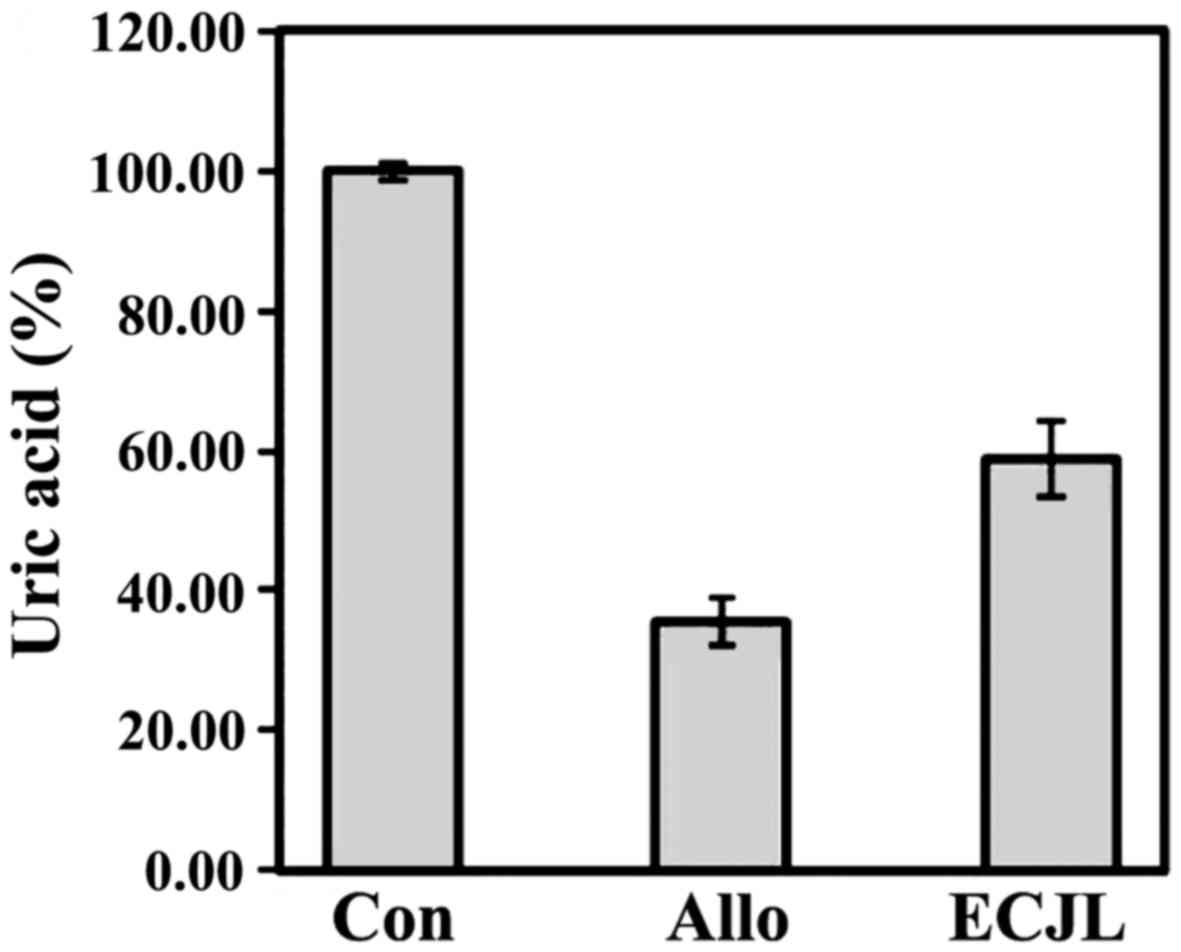
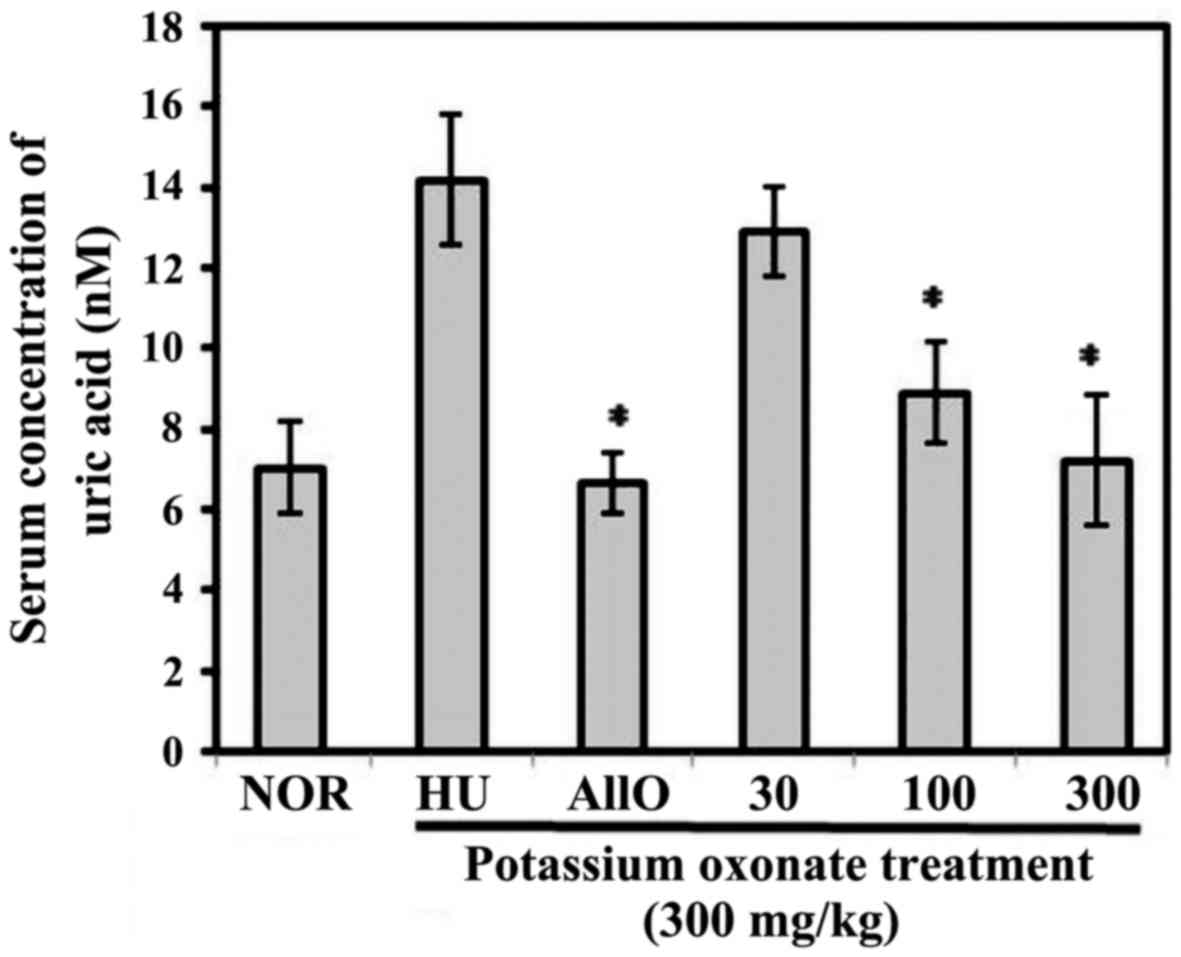
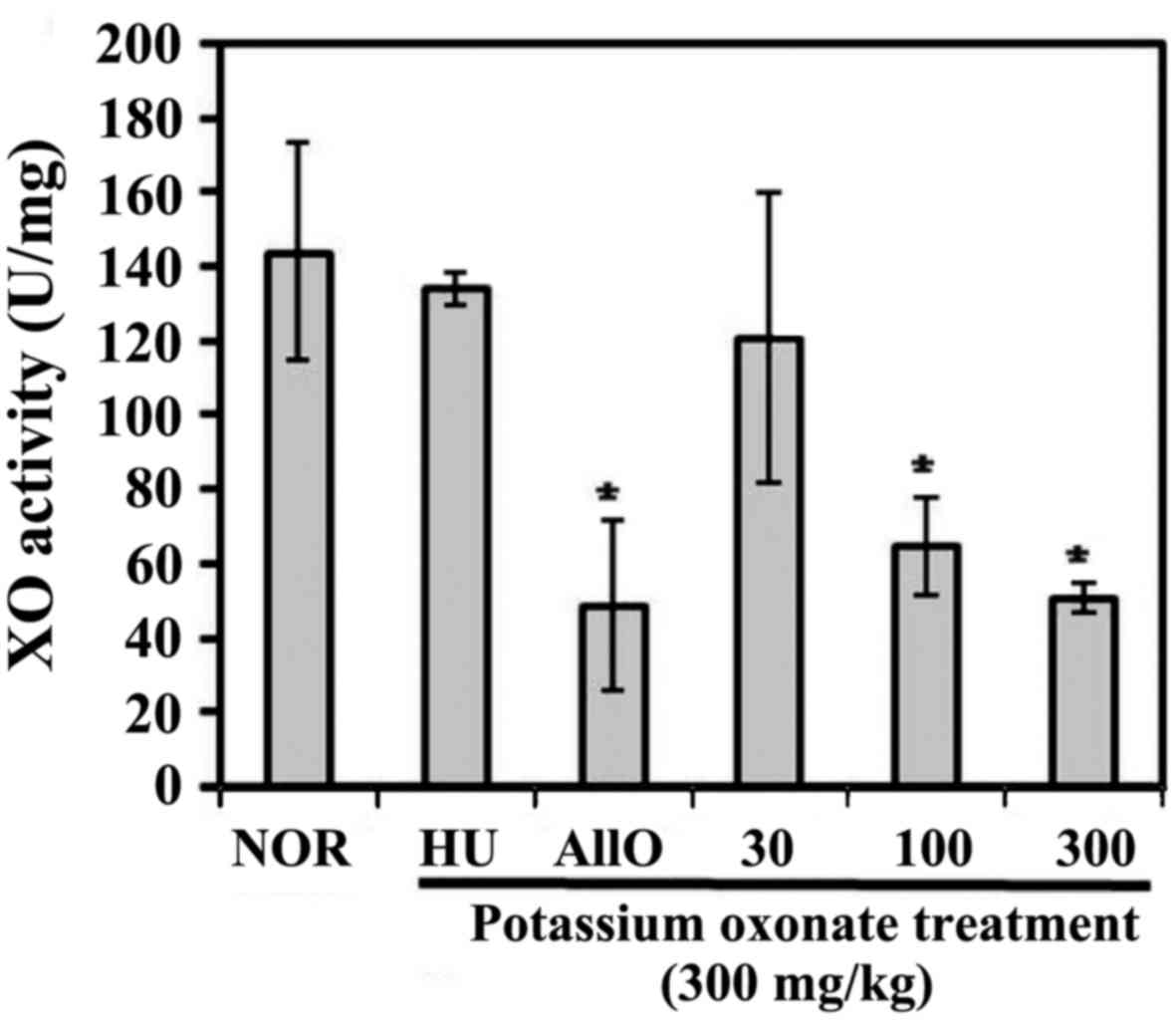
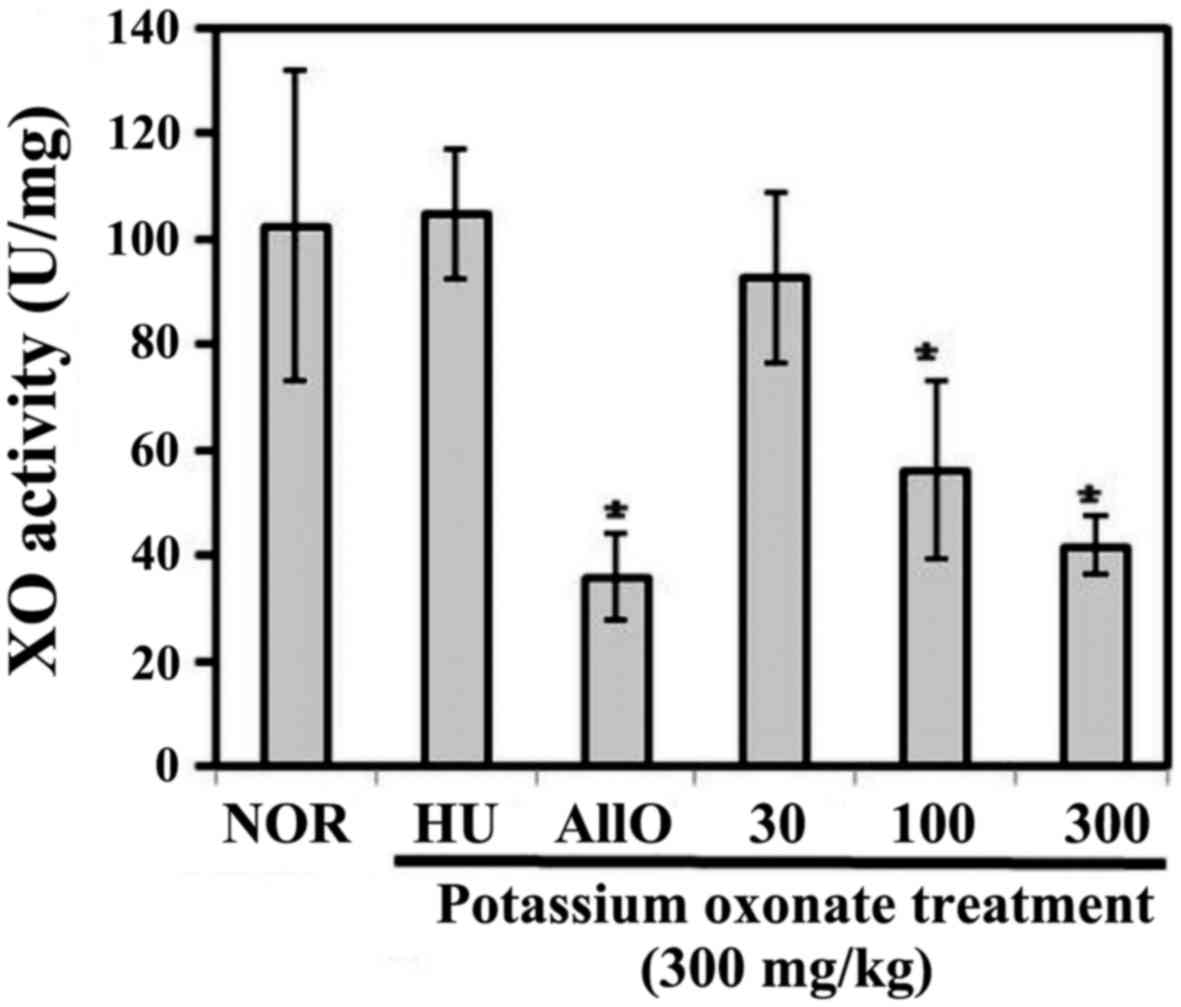
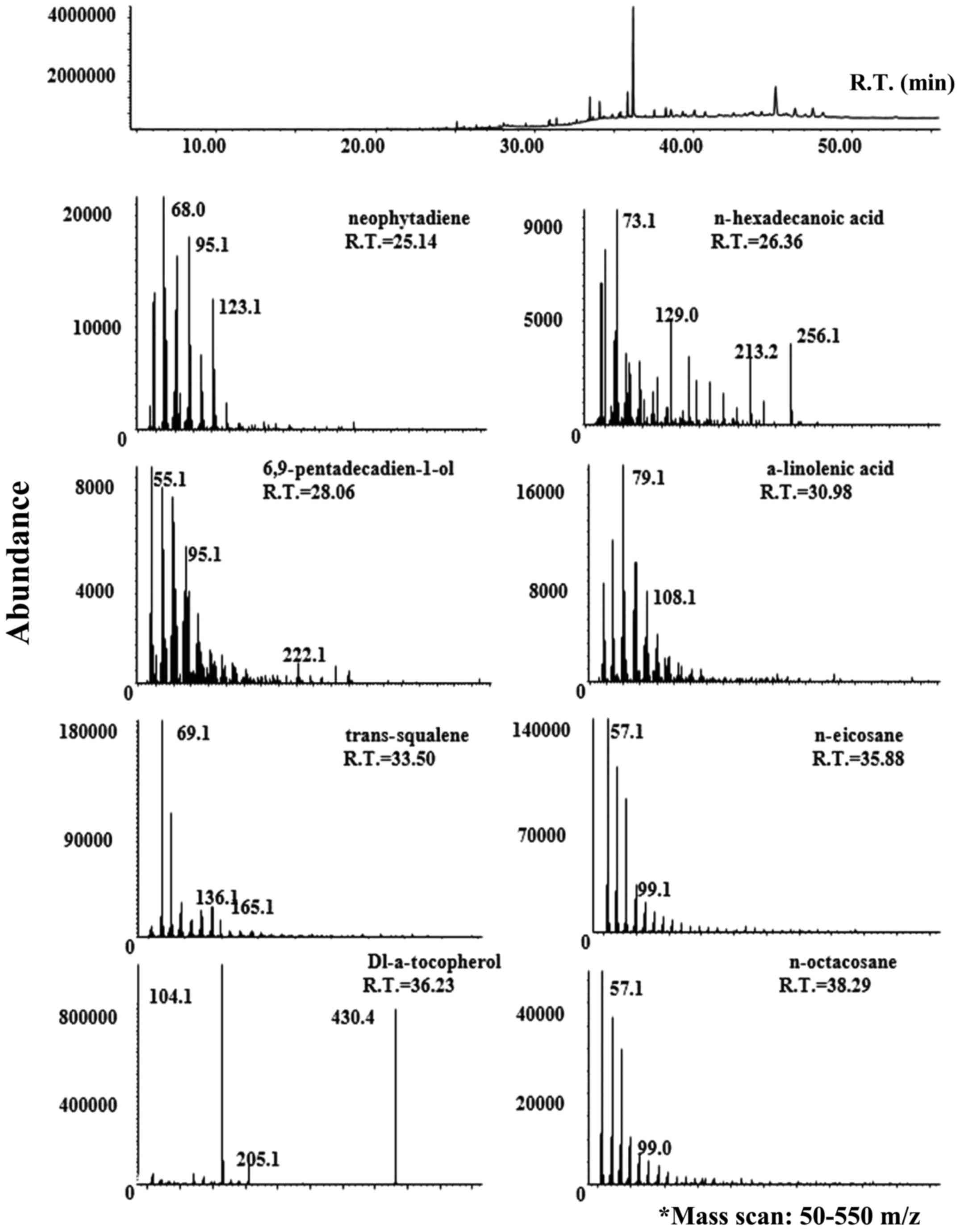
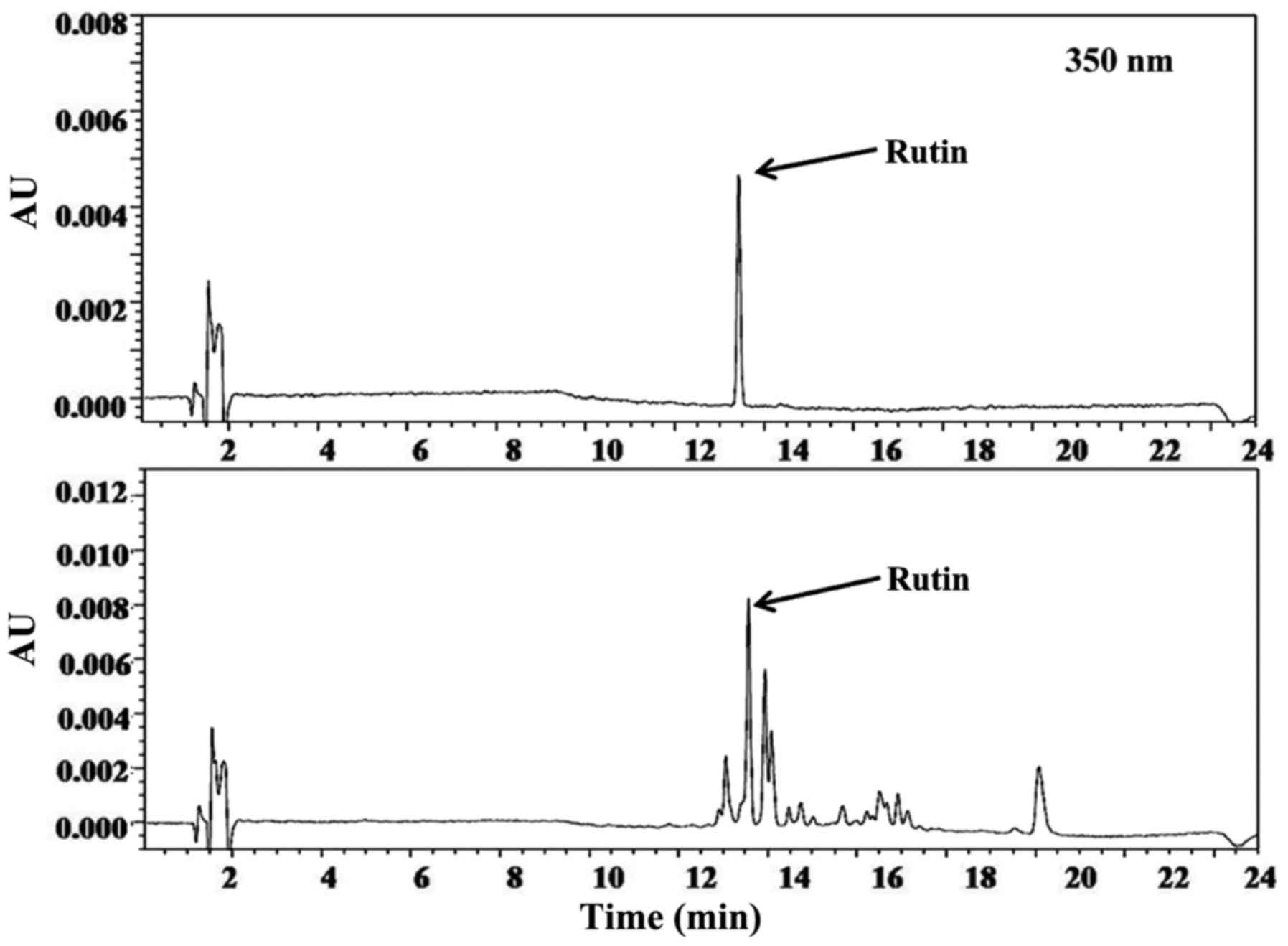
Camellia japonica L. is a plant of which the seeds are used as a folk medicine, and it is native to South Korea, Japan and China. In previous study, triterpenes, flavonoids, tannins and fatty acids which have antiviral, antioxidant and anti inflammatory activity were reported from C. japonica leaf and flower. In Korea, the seed from this plant is used as a traditional medicine and in folk remedies for the treatment of bleeding and inflammation. However, the major issue associated with the use of the seed as a medicinal and/or functional food ingredient is its application to the pharmaceutical and food industry. First, the productivity of seed extract is very much less than that of the leaf. Second, the beneficial usage of the seed extract as an alternative medicine and functional source is not yet clear. Thus, in this study, we focused on another part of the plant, the leaf, and found that the extract of Camellia japonica leaf has a high concentration of vitamin E, rutin and other biologically active compounds related to hyperuricemia. We aimed to investigate the biological activities, namely the antioxidant activities, xanthine oxidase (XO) inhibitory activity and anti‑hyperuricemic effects of extract from C. japonica leaf and the phytochemicals contained therein. Ethanol extracts of C. japonica leaf (ECJL) were prepared, and the extract was used with respect to antioxidant activities, total phenolic contents and XO inhibitory activity. The in vivo XO inhibitory activity and anti‑hyperuricemic effects of the extract were evaluated in mice with potassium oxonate‑induced hyperuricemia. To clarify the marker compounds that are responsible for the anti‑hyperuricemic effects, several key constituents were identified using gas chromatography‑mass spectrometry (GC‑MS) and and liquid chromatography-mass spectrometry (LC-MS). ECJL was found to have strong antioxidant activities, and in vitro XO inhibitory activity. The results of the in vivo experiments using mice demonstrated that ECJL at the doses of 100 and 300 mg/kg inhibited hepatic XO activity and significantly attenuated hyperuricemia. To the best of our knowledge, the present study is the first report on the XO inhibitory and anti-hyperuricemic effects of ECJL, which can be therapeutically applied in the treatment of hyperuricemia and gout.
View Figures

Figure 1

Figure 2

Figure 3

Figure 4

Figure 5

Figure 6

View References

1 

Yoshikawa M, Murakami T, Yoshizumi S, Murakami N, Yamahara J and Matsuda H: Bioactive saponins and glycosides. V. Acylated polyhydroxyolean-12-ene triterpene oligoglycosides, camelliasaponins A1, A2, B1, B2, C1, and C2, from the seeds of Camellia japonica L: Structures and inhibitory activity on alcohol absorption. Chem Pharm Bull (Tokyo). 44:1899–1907. 1996. View Article : Google Scholar

2 

Yoshikawa M, Morikawa T, Asao Y, Fujiwara E, Nakamura S and Matsuda H: Medicinal flowers. XV. The structures of noroleanane- and oleanane-type triterpene oligoglycosides with gastroprotective and platelet aggregation activities from flower buds of Camellia japonica. Chem Pharm Bull (Tokyo). 55:606–612. 2007. View Article : Google Scholar

3 

Heo J: Dongui Bogam. Naeuiwon edition. Bubinmunhwasa publisher; Seoul, Korea: 1613

4 

Cha SS, Lee KE, Lee SH, Choi MJ and Shim JK: Decomposition and nutrient dynamics of leaf litter of Camellia japonica L. in Korea. Korean J Environ Ecol. 30:110–117. 2016.In Korean. View Article : Google Scholar

5 

Hwang EJ, Cha YJ, Park MH, Lee JW and Lee SY: Cytotoxicity and chemosensitizing effect of Camellia (Camellia japonica) tea extracts. J Korean Soc Food Sci Nutr. 33:487–493. 2004.In Korean. View Article : Google Scholar

6 

Yang JL, Ha TK, Dhodary B, Pyo E, Nguyen NH, Cho H, Kim E and Oh WK: Oleanane triterpenes from the flowers of Camellia japonica inhibit porcine epidemic diarrhea virus (PEDV) replication. J Med Chem. 58:1268–1280. 2015. View Article : Google Scholar : PubMed/NCBI

7 

Onodera K, Hanashiro K and Yasumoto T: Camellianoside, a novel antioxidant glycoside from the leaves of Camellia japonica. Biosci Biotechnol Biochem. 70:1995–1998. 2006. View Article : Google Scholar : PubMed/NCBI

8 

Thao NT, Hung TM, Lee MK, Kim JC, Min BS and Bae K: Triterpenoids from Camellia japonica and their cytotoxic activity. Chem Pharm Bull (Tokyo). 58:121–124. 2010. View Article : Google Scholar

9 

Nagata T, Tsushida T, Hamaya E, Enoki N, Manabe S and Nishino C: Camellidins, antifungal saponins isolated from Camellia japonica. Agric Biol Chem. 49:1181–1186. 1985.

10 

Park JC, Hur JM, Park JG, Hatano T, Yoshida T, Miyashiro H, Min BS and Hattori M: Inhibitory effects of Korean medicinal plants and camelliatannin H from Camellia japonica on human immunodeficiency virus type 1 protease. Phytother Res. 16:422–426. 2002. View Article : Google Scholar : PubMed/NCBI

11 

Zhao M, Zhu D, Sun-Waterhouse D, Su G, Lin L, Wang X and Dong Y: In vitro and in vivo studies on adlay-derived seed extracts: Phenolic profiles, antioxidant activities, serum uric acid suppression, and xanthine oxidase inhibitory effects. J Agric Food Chem. 62:7771–7778. 2014. View Article : Google Scholar : PubMed/NCBI

12 

Lemos Lima Rde C, Ferrari FC, de Souza MR, de Sá Pereira BM, de Paula CA and Saúde-Guimarães DA: Effects of extracts of leaves from Sparattosperma leucanthum on hyperuricemia and gouty arthritis. J Ethnopharmacol. 161:194–199. 2015. View Article : Google Scholar

13 

Chu YH, Chen CJ, Wu SH and Hsieh JF: Inhibition of xanthine oxidase by Rhodiola crenulata extracts and their phytochemicals. J Agric Food Chem. 62:3742–3749. 2014. View Article : Google Scholar : PubMed/NCBI

14 

Kramer HM and Curhan G: The association between gout and nephrolithiasis: The National Health and Nutrition Examination Survey III, 1988–1994. Am J Kidney Dis. 40:37–42. 2002. View Article : Google Scholar : PubMed/NCBI

15 

Choi HJ, Lee CH, Lee JH, Yoon BY, Kim HA, Suh CH, Choi ST, Song JS, Joo HY, Choi SJ, et al: Current gout treatment and flare in South Korea: Prophylactic duration associated with fewer gout flares. Int J Rheum Dis. Aug 27–2014.Epub ahead of print. View Article : Google Scholar

16 

Bae MS, Shin JS, Lee KY, Lee KH and Kim YJ: Long-range transport of biomass burning emissions based on organic molecular markers and carbonaceous thermal distribution. Sci Total Environ. 466–467:56–66. 2014. View Article : Google Scholar

17 

Kim YH, Cho ML, Kim DB, Shin GH, Lee JH, Lee JS, Park SO, Lee SJ, Shin HM and Lee OH: The antioxidant activity and their major antioxidant compounds from Acanthopanax senticosus and A. koreanum. Molecules. 20:13281–13295. 2015. View Article : Google Scholar : PubMed/NCBI

18 

Seo JH, Kim JE, Shim JH, Yoon G, Bang MA, Bae CS, Lee KJ, Park DH and Cho SS: HPLC analysis, optimization of extraction conditions and biological evaluation of Corylopsis coreana Uyeki flos. Molecules. 21:942016. View Article : Google Scholar : PubMed/NCBI

19 

Arimboor R, Rangan M, Aravind SG and Arumughan C: Tetrahydroamentoflavone (THA) from Semecarpus anacardium as a potent inhibitor of xanthine oxidase. J Ethnopharmacol. 133:1117–1120. 2011. View Article : Google Scholar

20 

Huo LN, Wang W, Zhang CY, Shi HB, Liu Y, Liu XH, Guo BH, Zhao DM and Gao H: Bioassay-guided isolation and identification of xanthine oxidase inhibitory constituents from the leaves of Perilla frutescens. Molecules. 20:17848–17859. 2015. View Article : Google Scholar : PubMed/NCBI

21 

Bradford MM: A rapid and sensitive method for the quantitation of microgram quantities of protein utilizing the principle of protein-dye binding. Anal Biochem. 72:248–254. 1976. View Article : Google Scholar : PubMed/NCBI

22 

Perron NR and Brumaghim JL: A review of the antioxidant mechanisms of polyphenol compounds related to iron binding. Cell Biochem Biophys. 53:75–100. 2009. View Article : Google Scholar : PubMed/NCBI

23 

Liu LM, Cheng SF, Shieh PC, Lee JC, Chen JJ, Ho CT, Kuo SC, Kuo DH, Huang LJ and Way TD: The methanol extract of Euonymus laxiflorus, Rubia lanceolata and Gardenia jasminoides inhibits xanthine oxidase and reduce serum uric acid level in rats. Food Chem Toxicol. 70:179–184. 2014. View Article : Google Scholar : PubMed/NCBI

24 

Wu XH, Yu CH, Zhang CF, Anderson S and Zhang YW: Smilax riparia reduces hyperuricemia in mice as a potential treatment of gout. Am J Chin Med. 42:257–259. 2014. View Article : Google Scholar : PubMed/NCBI

25 

Gurwitz JH, Kalish SC, Bohn RL, Glynn RJ, Monane M, Mogun H and Avorn J: Thiazide diuretics and the initiation of anti-gout therapy. J Clin Epidemiol. 50:953–959. 1997. View Article : Google Scholar : PubMed/NCBI

26 

Ardan T, Kovaceva J and Cejková J: Comparative histochemical and immunohistochemical study on xanthine oxidoreductase/xanthine oxidase in mammalian corneal epithelium. Acta Histochem. 106:69–75. 2004. View Article : Google Scholar : PubMed/NCBI

27 

Grassi D, Ferri L, Desideri G, Di Giosia P, Cheli P, Del Pinto R, Properzi G and Ferri C: Chronic hyperuricemia, uric acid deposit and cardiovascular risk. Curr Pharm Des. 19:2432–2438. 2013. View Article : Google Scholar :

28 

Catignani GL, Chytil F and Darby WJ: Vitamin E deficiency: Immunochemical evidence for increased accumulation of liver xanthine oxidase. Proc Natl Acad Sci USA. 71:1966–1968. 1974. View Article : Google Scholar : PubMed/NCBI

29 

Mohd Fahami NA, Ibrahim IA, Kamisah Y and Mohd Ismail N: Palm vitamin E reduces catecholamines, xanthine oxidase activity and gastric lesions in rats exposed to water-immersion restraint stress. BMC Gastroenterol. 12:542012. View Article : Google Scholar : PubMed/NCBI

30 

Huang ZR, Lin YK and Fang JY: Biological and pharmacological activities of squalene and related compounds: Potential uses in cosmetic dermatology. Molecules. 14:540–554. 2009. View Article : Google Scholar : PubMed/NCBI

31 

Park SY, Seetharaman R, Ko MJ, Kim DY, Kim TH, Yoon MK, Kwak JH, Lee SJ, Bae YS and Choi YW: Ethyl linoleate from garlic attenuates lipopolysaccharide-induced pro-inflammatory cytokine production by inducing heme oxygenase-1 in RAW264.7 cells. Int Immunopharmacol. 19:253–261. 2014. View Article : Google Scholar : PubMed/NCBI

32 

Chen YS, Hu QH, Zhang X, Zhu Q and Kong LD: Beneficial effect of rutin on oxonate-induced hyperuricemia and renal dysfunction in mice. Pharmacology. 92:75–83. 2013. View Article : Google Scholar : PubMed/NCBI

33 

Azuma CM, dos Santos FCS and Lago JHG: Flavonoids and fatty acids of Camellia japonica leaves extract. Rev Bras Farmacogn. 21:1159–1162. 2011. View Article : Google Scholar

34 

Pauff JM and Hille R: Inhibition studies of bovine xanthine oxidase by luteolin, silibinin, quercetin, and curcumin. J Nat Prod. 72:725–731. 2009. View Article : Google Scholar : PubMed/NCBI

35 

Zhu JX, Wang Y, Kong LD, Yang C and Zhang X: Effects of Biota orientalis extract and its flavonoid constituents, quercetin and rutin on serum uric acid levels in oxonate-induced mice and xanthine dehydrogenase and xanthine oxidase activities in mouse liver. J Ethnopharmacol. 93:133–140. 2004. View Article : Google Scholar : PubMed/NCBI

36 

Shin JW, Seol IC and Son CG: Interpretation of animal dose and human equivalent dose for drug development. J Korean Orient Med. 31:1–7. 2010.

Related Articles

  • Abstract
  • View
  • Download
  • Twitter
Copy and paste a formatted citation
Spandidos Publications style
Yoon IS, Park DH, Kim JE, Yoo JC, Bae MS, Oh DS, Shim JH, Choi CY, An KW, Kim EI, Kim EI, et al: Identification of the biologically active constituents of Camellia japonica leaf and anti-hyperuricemic effect in vitro and in vivo. Int J Mol Med 39: 1613-1620, 2017.
APA
Yoon, I., Park, D., Kim, J., Yoo, J., Bae, M., Oh, D. ... Cho, S. (2017). Identification of the biologically active constituents of Camellia japonica leaf and anti-hyperuricemic effect in vitro and in vivo. International Journal of Molecular Medicine, 39, 1613-1620. https://doi.org/10.3892/ijmm.2017.2973
MLA
Yoon, I., Park, D., Kim, J., Yoo, J., Bae, M., Oh, D., Shim, J., Choi, C., An, K., Kim, E., Kim, G., Cho, S."Identification of the biologically active constituents of Camellia japonica leaf and anti-hyperuricemic effect in vitro and in vivo". International Journal of Molecular Medicine 39.6 (2017): 1613-1620.
Chicago
Yoon, I., Park, D., Kim, J., Yoo, J., Bae, M., Oh, D., Shim, J., Choi, C., An, K., Kim, E., Kim, G., Cho, S."Identification of the biologically active constituents of Camellia japonica leaf and anti-hyperuricemic effect in vitro and in vivo". International Journal of Molecular Medicine 39, no. 6 (2017): 1613-1620. https://doi.org/10.3892/ijmm.2017.2973
Copy and paste a formatted citation
x
Spandidos Publications style
Yoon IS, Park DH, Kim JE, Yoo JC, Bae MS, Oh DS, Shim JH, Choi CY, An KW, Kim EI, Kim EI, et al: Identification of the biologically active constituents of Camellia japonica leaf and anti-hyperuricemic effect in vitro and in vivo. Int J Mol Med 39: 1613-1620, 2017.
APA
Yoon, I., Park, D., Kim, J., Yoo, J., Bae, M., Oh, D. ... Cho, S. (2017). Identification of the biologically active constituents of Camellia japonica leaf and anti-hyperuricemic effect in vitro and in vivo. International Journal of Molecular Medicine, 39, 1613-1620. https://doi.org/10.3892/ijmm.2017.2973
MLA
Yoon, I., Park, D., Kim, J., Yoo, J., Bae, M., Oh, D., Shim, J., Choi, C., An, K., Kim, E., Kim, G., Cho, S."Identification of the biologically active constituents of Camellia japonica leaf and anti-hyperuricemic effect in vitro and in vivo". International Journal of Molecular Medicine 39.6 (2017): 1613-1620.
Chicago
Yoon, I., Park, D., Kim, J., Yoo, J., Bae, M., Oh, D., Shim, J., Choi, C., An, K., Kim, E., Kim, G., Cho, S."Identification of the biologically active constituents of Camellia japonica leaf and anti-hyperuricemic effect in vitro and in vivo". International Journal of Molecular Medicine 39, no. 6 (2017): 1613-1620. https://doi.org/10.3892/ijmm.2017.2973
Follow us
  • Twitter
  • LinkedIn
  • Facebook
About
  • Spandidos Publications
  • Careers
  • Cookie Policy
  • Privacy Policy
How can we help?
  • Help
  • Live Chat
  • Contact
  • Email to our Support Team