Spandidos Publications Logo
  • About
    • About Spandidos
    • Aims and Scopes
    • Abstracting and Indexing
    • Editorial Policies
    • Reprints and Permissions
    • Job Opportunities
    • Terms and Conditions
    • Contact
  • Journals
    • All Journals
    • Oncology Letters
      • Oncology Letters
      • Information for Authors
      • Editorial Policies
      • Editorial Board
      • Aims and Scope
      • Abstracting and Indexing
      • Bibliographic Information
      • Archive
    • International Journal of Oncology
      • International Journal of Oncology
      • Information for Authors
      • Editorial Policies
      • Editorial Board
      • Aims and Scope
      • Abstracting and Indexing
      • Bibliographic Information
      • Archive
    • Molecular and Clinical Oncology
      • Molecular and Clinical Oncology
      • Information for Authors
      • Editorial Policies
      • Editorial Board
      • Aims and Scope
      • Abstracting and Indexing
      • Bibliographic Information
      • Archive
    • Experimental and Therapeutic Medicine
      • Experimental and Therapeutic Medicine
      • Information for Authors
      • Editorial Policies
      • Editorial Board
      • Aims and Scope
      • Abstracting and Indexing
      • Bibliographic Information
      • Archive
    • International Journal of Molecular Medicine
      • International Journal of Molecular Medicine
      • Information for Authors
      • Editorial Policies
      • Editorial Board
      • Aims and Scope
      • Abstracting and Indexing
      • Bibliographic Information
      • Archive
    • Biomedical Reports
      • Biomedical Reports
      • Information for Authors
      • Editorial Policies
      • Editorial Board
      • Aims and Scope
      • Abstracting and Indexing
      • Bibliographic Information
      • Archive
    • Oncology Reports
      • Oncology Reports
      • Information for Authors
      • Editorial Policies
      • Editorial Board
      • Aims and Scope
      • Abstracting and Indexing
      • Bibliographic Information
      • Archive
    • Molecular Medicine Reports
      • Molecular Medicine Reports
      • Information for Authors
      • Editorial Policies
      • Editorial Board
      • Aims and Scope
      • Abstracting and Indexing
      • Bibliographic Information
      • Archive
    • World Academy of Sciences Journal
      • World Academy of Sciences Journal
      • Information for Authors
      • Editorial Policies
      • Editorial Board
      • Aims and Scope
      • Abstracting and Indexing
      • Bibliographic Information
      • Archive
    • International Journal of Functional Nutrition
      • International Journal of Functional Nutrition
      • Information for Authors
      • Editorial Policies
      • Editorial Board
      • Aims and Scope
      • Abstracting and Indexing
      • Bibliographic Information
      • Archive
    • International Journal of Epigenetics
      • International Journal of Epigenetics
      • Information for Authors
      • Editorial Policies
      • Editorial Board
      • Aims and Scope
      • Abstracting and Indexing
      • Bibliographic Information
      • Archive
    • Medicine International
      • Medicine International
      • Information for Authors
      • Editorial Policies
      • Editorial Board
      • Aims and Scope
      • Abstracting and Indexing
      • Bibliographic Information
      • Archive
  • Articles
  • Information
    • Information for Authors
    • Information for Reviewers
    • Information for Librarians
    • Information for Advertisers
    • Conferences
  • Language Editing
Spandidos Publications Logo
  • About
    • About Spandidos
    • Aims and Scopes
    • Abstracting and Indexing
    • Editorial Policies
    • Reprints and Permissions
    • Job Opportunities
    • Terms and Conditions
    • Contact
  • Journals
    • All Journals
    • Biomedical Reports
      • Information for Authors
      • Editorial Policies
      • Editorial Board
      • Aims and Scope
      • Abstracting and Indexing
      • Bibliographic Information
      • Archive
    • Experimental and Therapeutic Medicine
      • Information for Authors
      • Editorial Policies
      • Editorial Board
      • Aims and Scope
      • Abstracting and Indexing
      • Bibliographic Information
      • Archive
    • International Journal of Epigenetics
      • Information for Authors
      • Editorial Policies
      • Editorial Board
      • Aims and Scope
      • Abstracting and Indexing
      • Bibliographic Information
      • Archive
    • International Journal of Functional Nutrition
      • Information for Authors
      • Editorial Policies
      • Editorial Board
      • Aims and Scope
      • Abstracting and Indexing
      • Bibliographic Information
      • Archive
    • International Journal of Molecular Medicine
      • Information for Authors
      • Editorial Policies
      • Editorial Board
      • Aims and Scope
      • Abstracting and Indexing
      • Bibliographic Information
      • Archive
    • International Journal of Oncology
      • Information for Authors
      • Editorial Policies
      • Editorial Board
      • Aims and Scope
      • Abstracting and Indexing
      • Bibliographic Information
      • Archive
    • Medicine International
      • Information for Authors
      • Editorial Policies
      • Editorial Board
      • Aims and Scope
      • Abstracting and Indexing
      • Bibliographic Information
      • Archive
    • Molecular and Clinical Oncology
      • Information for Authors
      • Editorial Policies
      • Editorial Board
      • Aims and Scope
      • Abstracting and Indexing
      • Bibliographic Information
      • Archive
    • Molecular Medicine Reports
      • Information for Authors
      • Editorial Policies
      • Editorial Board
      • Aims and Scope
      • Abstracting and Indexing
      • Bibliographic Information
      • Archive
    • Oncology Letters
      • Information for Authors
      • Editorial Policies
      • Editorial Board
      • Aims and Scope
      • Abstracting and Indexing
      • Bibliographic Information
      • Archive
    • Oncology Reports
      • Information for Authors
      • Editorial Policies
      • Editorial Board
      • Aims and Scope
      • Abstracting and Indexing
      • Bibliographic Information
      • Archive
    • World Academy of Sciences Journal
      • Information for Authors
      • Editorial Policies
      • Editorial Board
      • Aims and Scope
      • Abstracting and Indexing
      • Bibliographic Information
      • Archive
  • Articles
  • Information
    • For Authors
    • For Reviewers
    • For Librarians
    • For Advertisers
    • Conferences
  • Language Editing
Login Register Submit
  • This site uses cookies
  • You can change your cookie settings at any time by following the instructions in our Cookie Policy. To find out more, you may read our Privacy Policy.

    I agree
Search articles by DOI, keyword, author or affiliation
Search
Advanced Search
presentation
International Journal of Molecular Medicine
Join Editorial Board Propose a Special Issue
Print ISSN: 1107-3756 Online ISSN: 1791-244X
Journal Cover
August-2017 Volume 40 Issue 2

Full Size Image

Sign up for eToc alerts
Recommend to Library

Journals

International Journal of Molecular Medicine

International Journal of Molecular Medicine

International Journal of Molecular Medicine is an international journal devoted to molecular mechanisms of human disease.

International Journal of Oncology

International Journal of Oncology

International Journal of Oncology is an international journal devoted to oncology research and cancer treatment.

Molecular Medicine Reports

Molecular Medicine Reports

Covers molecular medicine topics such as pharmacology, pathology, genetics, neuroscience, infectious diseases, molecular cardiology, and molecular surgery.

Oncology Reports

Oncology Reports

Oncology Reports is an international journal devoted to fundamental and applied research in Oncology.

Experimental and Therapeutic Medicine

Experimental and Therapeutic Medicine

Experimental and Therapeutic Medicine is an international journal devoted to laboratory and clinical medicine.

Oncology Letters

Oncology Letters

Oncology Letters is an international journal devoted to Experimental and Clinical Oncology.

Biomedical Reports

Biomedical Reports

Explores a wide range of biological and medical fields, including pharmacology, genetics, microbiology, neuroscience, and molecular cardiology.

Molecular and Clinical Oncology

Molecular and Clinical Oncology

International journal addressing all aspects of oncology research, from tumorigenesis and oncogenes to chemotherapy and metastasis.

World Academy of Sciences Journal

World Academy of Sciences Journal

Multidisciplinary open-access journal spanning biochemistry, genetics, neuroscience, environmental health, and synthetic biology.

International Journal of Functional Nutrition

International Journal of Functional Nutrition

Open-access journal combining biochemistry, pharmacology, immunology, and genetics to advance health through functional nutrition.

International Journal of Epigenetics

International Journal of Epigenetics

Publishes open-access research on using epigenetics to advance understanding and treatment of human disease.

Medicine International

Medicine International

An International Open Access Journal Devoted to General Medicine.

Journal Cover
August-2017 Volume 40 Issue 2

Full Size Image

Sign up for eToc alerts
Recommend to Library

  • Article
  • Citations
    • Cite This Article
    • Download Citation
    • Create Citation Alert
    • Remove Citation Alert
    • Cited By
  • Similar Articles
    • Related Articles (in Spandidos Publications)
    • Similar Articles (Google Scholar)
    • Similar Articles (PubMed)
  • Download PDF
  • Download XML
  • View XML
Article

Excessive nNOS/NO/AMPK signaling activation mediated by the blockage of the CBS/H2S system contributes to oxygen‑glucose deprivation‑induced endoplasmic reticulum stress in PC12 cells

  • Authors:
    • Rui Zhang
    • Yong‑Quan Lin
    • Wei‑Sheng Wang
    • Xin‑Qiang Wang
  • View Affiliations / Copyright

    Affiliations: Department of Neurology, Liaocheng People's Hospital, Liaocheng, Shandong 252000, P.R. China, Department of Emergency Medicine, Yidu Central Hospital of Weifang, Qingzhou, Shandong 262500, P.R. China, Department of Neurology, The Third People's Hospital of Liaocheng City, Liaocheng, Shandong 252000, P.R. China, Department of Neurology, The Second People's Hospital of Liaocheng City, Linqing, Shandong 252601, P.R. China
  • Pages: 549-557
    |
    Published online on: June 21, 2017
       https://doi.org/10.3892/ijmm.2017.3035
  • Expand metrics +
Metrics: Total Views: 0 (Spandidos Publications: | PMC Statistics: )
Metrics: Total PDF Downloads: 0 (Spandidos Publications: | PMC Statistics: )
Cited By (CrossRef): 0 citations Loading Articles...

This article is mentioned in:


Abstract

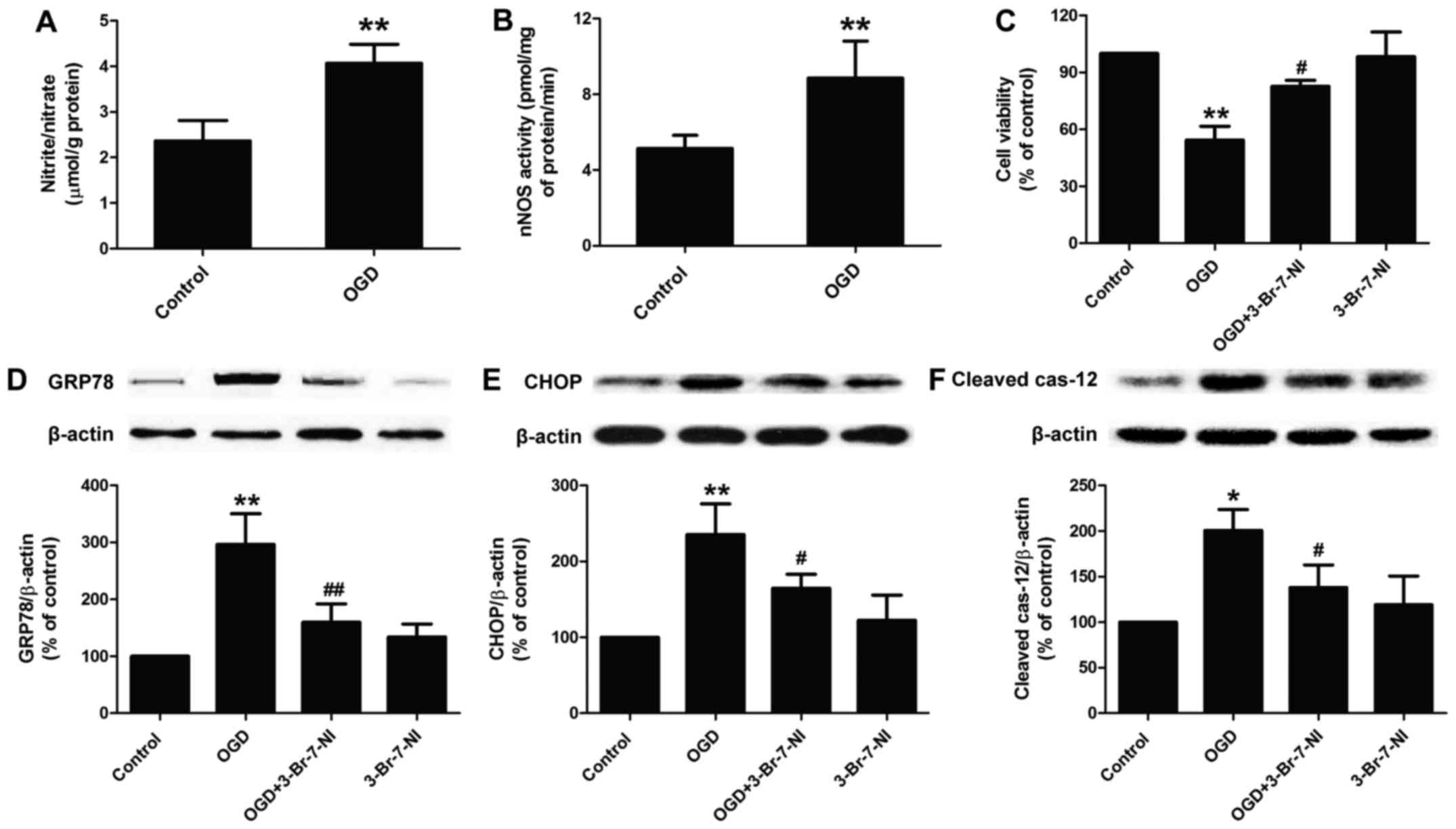
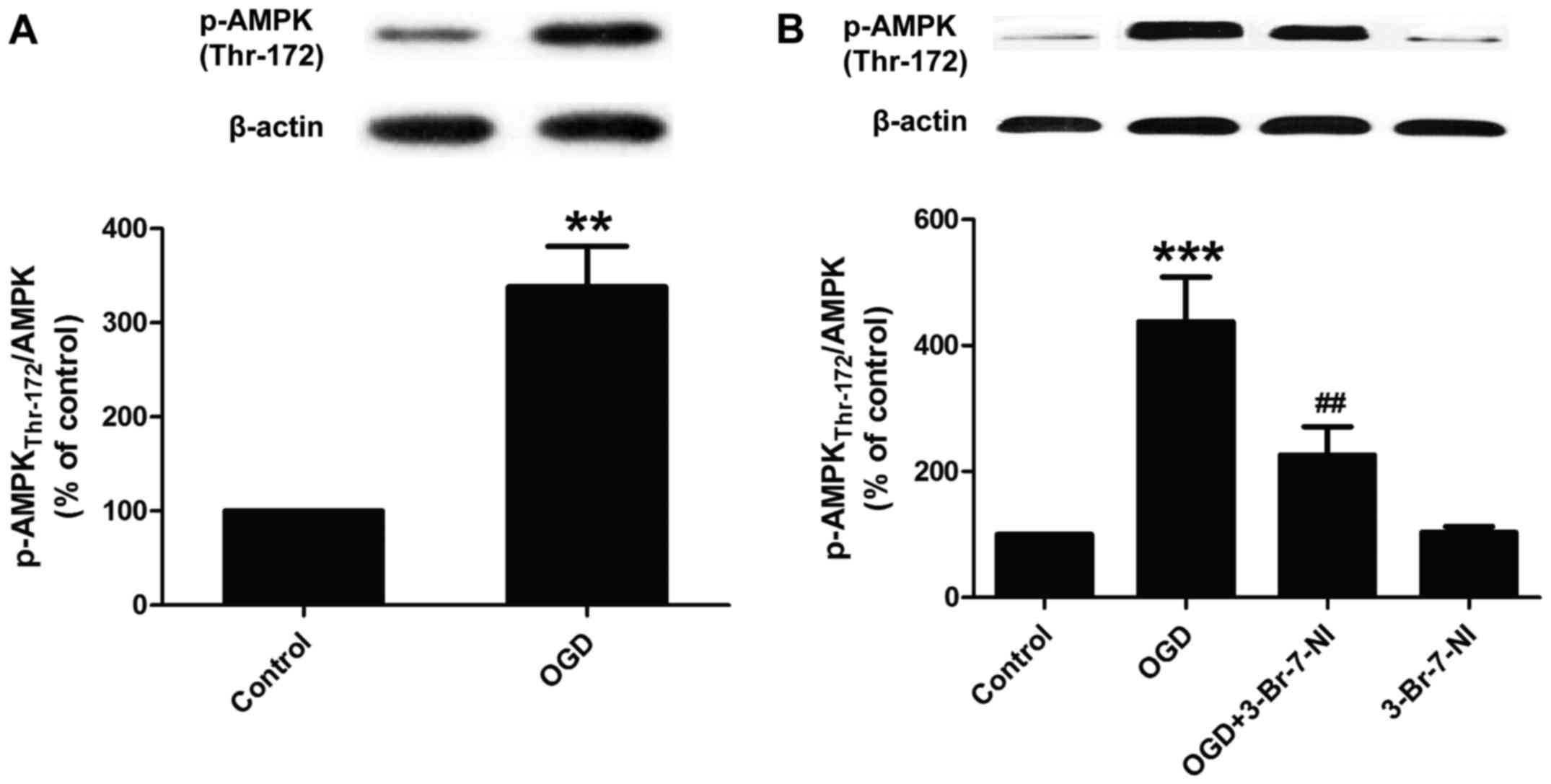
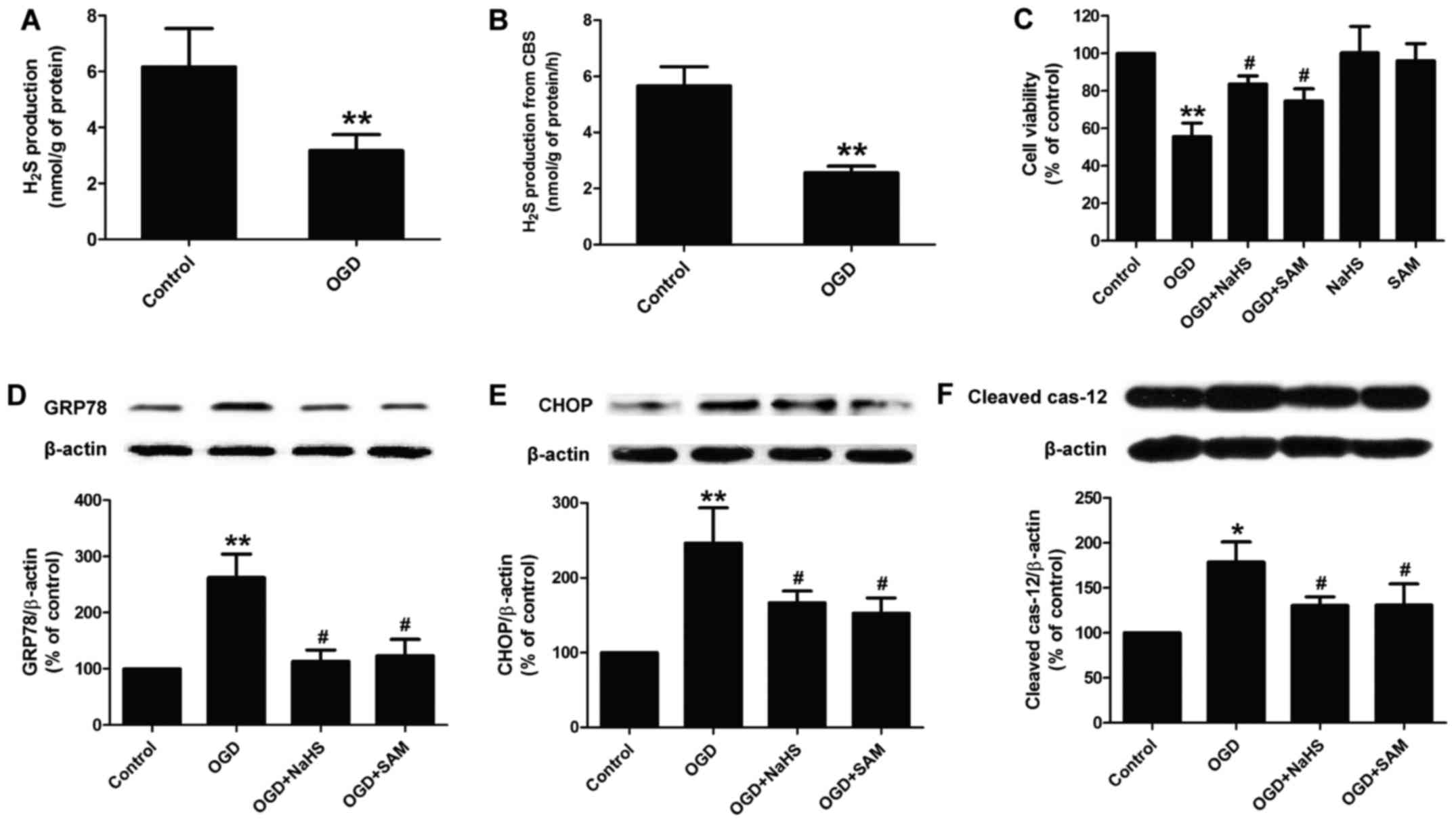
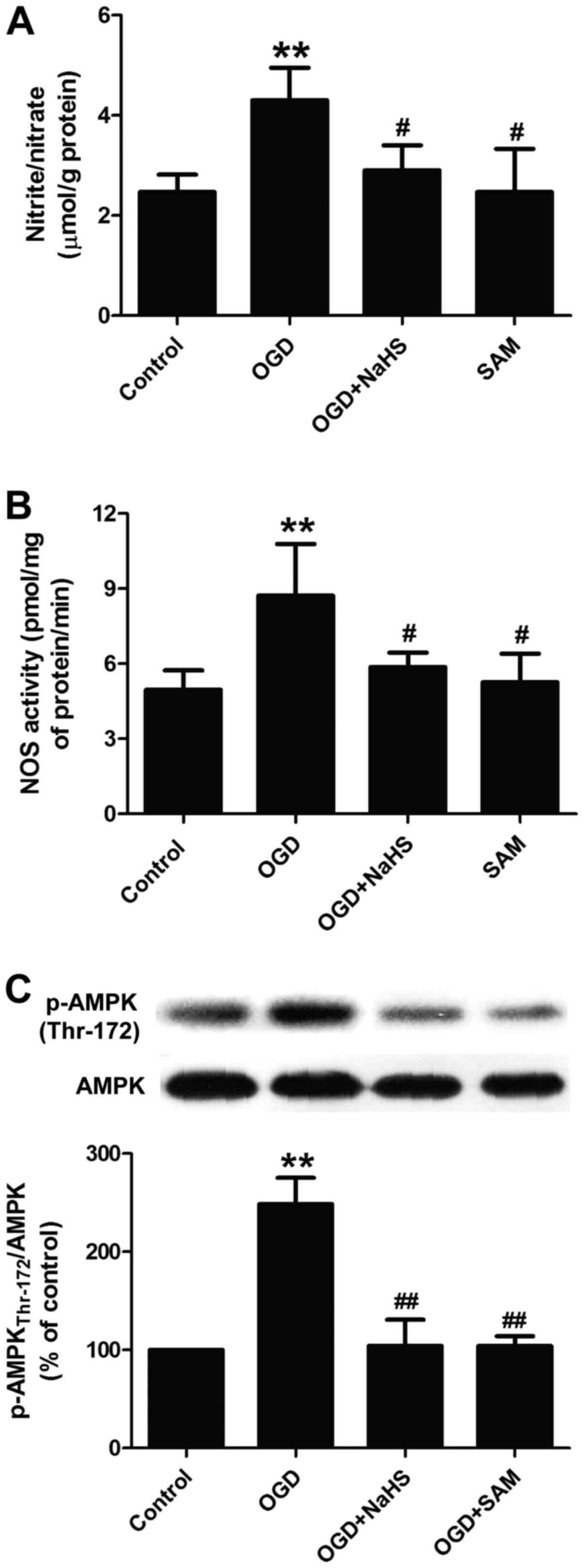
Hypoxic‑ischemia stress causes severe brain injury, leading to death and disability worldwide. Although it has been reported that endoplasmic reticulum (ER) stress is an essential step in the progression of hypoxia or ischemia‑induced brain injury, the underlying molecular mechanisms are and have not yet been fully elucidated. Accumulating evidence has indicated that both nitric oxide (NO) and hydrogen sulfide (H2S) play an important role in the development of cerebral ischemic injury. In the present study, we aimed to investigate the effect of the association between NO signaling and the cystathionine β‑synthase (CBS)/H2S system on ER stress in a cell model of cerebral hypoxia‑ischemia injury. We found that oxygen‑glucose deprivation (OGD) markedly increased the NO level and neuronal NO synthase (nNOS) activity. 3‑Bromo‑7‑nitroindazole (3‑Br‑7‑NI), a relatively selective nNOS inhibitor, abolished the OGD‑induced inhibition of cell viability and the increased expression of ER stress‑related proteins, including glucose‑regulated protein 78 (GRP78), C/EBP homologous protein (CHOP) and cleaved caspase‑12 in PC12 cells, indicating the contribution of excessive nNOS/NO signaling to OGD‑induced ER stress. Furthermore, we found that OGD increased the phosphorylated AMP‑activated protein kinase (p‑AMPK)/AMPK ratio, and the AMPK activator, 5‑aminoimidazole‑4‑carboxamide‑1‑β‑D‑ribofuranoside (AICAR), attenuated the effects on OGD‑induced ER stress, suggesting that OGD‑induced NO overproduction results in AMPK activation in PC12 cells. We also found that OGD induced the downregulation of the CBS/H2S system, as indicated by the decreased H2S level in the culture supernatant and CBS activity in PC12 cells. In addition, we found that treatment with NaHS (a H2S donor) or S‑adenosyl‑L‑methionine (SAM, a CBS agonist) mitigated OGD‑induced ER stress, as well as the NO level, nNOS activity and AMPK phosphorylation in PC12 cells. On the whole, these results suggest that the inhibition of the CBS/H2S system, which facilitated excessive nNOS/NO/AMPK activation, contributes to OGD‑induced ER stress.
View Figures

Figure 1

Figure 2

Figure 3

Figure 4

Figure 5

View References

1 

Adeoye O, Hornung R, Khatri P and Kleindorfer D: Recombinant tissue-type plasminogen activator use for ischemic stroke in the United States: A doubling of treatment rates over the course of 5 years. Stroke. 42:1952–1955. 2011. View Article : Google Scholar : PubMed/NCBI

2 

Manzanero S, Santro T and Arumugam TV: Neuronal oxidative stress in acute ischemic stroke: Sources and contribution to cell injury. Neurochem Int. 62:712–718. 2013. View Article : Google Scholar

3 

Sierra C, Coca A and Schiffrin EL: Vascular mechanisms in the pathogenesis of stroke. Curr Hypertens Rep. 13:200–207. 2011. View Article : Google Scholar : PubMed/NCBI

4 

Xin Q, Ji B, Cheng B, Wang C, Liu H, Chen X, Chen J and Bai B: Endoplasmic reticulum stress in cerebral ischemia. Neurochem Int. 68:18–27. 2014. View Article : Google Scholar : PubMed/NCBI

5 

DeGracia DJ and Montie HL: Cerebral ischemia and the unfolded protein response. J Neurochem. 91:1–8. 2004. View Article : Google Scholar : PubMed/NCBI

6 

Wang CH, Lee WJ, Ghanta VK, Wang WT, Cheng SY and Hsueh CM: Molecules involve in the self-protection of neurons against glucose-oxygen-serum deprivation (GOSD)-induced cell damage. Brain Res Bull. 79:169–176. 2009. View Article : Google Scholar : PubMed/NCBI

7 

Vincent SR: Nitric oxide: A radical neurotransmitter in the central nervous system. Prog Neurobiol. 42:129–160. 1994. View Article : Google Scholar : PubMed/NCBI

8 

Garthwaite J, Charles SL and Chess-Williams R: Endothelium-derived relaxing factor release on activation of NMDA receptors suggests role as intercellular messenger in the brain. Nature. 336:385–388. 1988. View Article : Google Scholar : PubMed/NCBI

9 

Qi SH, Hao LY, Yue J, Zong YY and Zhang GY: Exogenous nitric oxide negatively regulates the S-nitrosylation p38 mitogen-activated protein kinase activation during cerebral ischaemia and reperfusion. Neuropathol Appl Neurobiol. 39:284–297. 2013. View Article : Google Scholar

10 

Liu H, Li J, Zhao F, Wang H, Qu Y and Mu D: Nitric oxide synthase in hypoxic or ischemic brain injury. Rev Neurosci. 26:105–117. 2015. View Article : Google Scholar : PubMed/NCBI

11 

Brown GC: Nitric oxide and neuronal death. Nitric Oxide. 23:153–165. 2010. View Article : Google Scholar : PubMed/NCBI

12 

Tzatsos A and Tsichlis PN: Energy depletion inhibits phosphatidylinositol 3-kinase/Akt signaling and induces apoptosis via AMP-activated protein kinase-dependent phosphorylation of IRS-1 at Ser-794. J Biol Chem. 282:18069–18082. 2007. View Article : Google Scholar : PubMed/NCBI

13 

Li J and McCullough LD: Effects of AMP-activated protein kinase in cerebral ischemia. J Cereb Blood Flow Metab. 30:480–492. 2010. View Article : Google Scholar :

14 

Hardie DG and Frenguelli BG: A neural protection racket: AMPK and the GABA(B) receptor. Neuron. 53:159–162. 2007. View Article : Google Scholar : PubMed/NCBI

15 

Culmsee C, Monnig J, Kemp BE and Mattson MP: AMP-activated protein kinase is highly expressed in neurons in the developing rat brain and promotes neuronal survival following glucose deprivation. J Mol Neurosci. 17:45–58. 2001. View Article : Google Scholar : PubMed/NCBI

16 

Kuramoto N, Wilkins ME, Fairfax BP, Revilla-Sanchez R, Terunuma M, Tamaki K, Iemata M, Warren N, Couve A, Calver A, et al: Phospho-dependent functional modulation of GABA(B) receptors by the metabolic sensor AMP-dependent protein kinase. Neuron. 53:233–247. 2007. View Article : Google Scholar : PubMed/NCBI

17 

McCullough LD, Zeng Z, Li H, Landree LE, McFadden J and Ronnett GV: Pharmacological inhibition of AMP-activated protein kinase provides neuroprotection in stroke. J Biol Chem. 280:20493–20502. 2005. View Article : Google Scholar : PubMed/NCBI

18 

Heales SJ, Bolaños JP, Stewart VC, Brookes PS, Land JM and Clark JB: Nitric oxide, mitochondria and neurological disease. Biochim Biophys Acta. 1410:215–228. 1999. View Article : Google Scholar : PubMed/NCBI

19 

Stein A and Bailey SM: Redox biology of hydrogen sulfide: Implications for physiology, pathophysiology, and pharmacology. Redox Biol. 1:32–39. 2013. View Article : Google Scholar : PubMed/NCBI

20 

Zhang X and Bian JS: Hydrogen sulfide: A neuromodulator and neuroprotectant in the central nervous system. ACS Chem Neurosci. 5:876–883. 2014. View Article : Google Scholar : PubMed/NCBI

21 

Gheibi S, Aboutaleb N, Khaksari M, Kalalian-Moghaddam H, Vakili A, Asadi Y, Mehrjerdi FZ and Gheibi A: Hydrogen sulfide protects the brain against ischemic reperfusion injury in a transient model of focal cerebral ischemia. J Mol Neurosci. 54:264–270. 2014. View Article : Google Scholar : PubMed/NCBI

22 

Yin J, Tu C, Zhao J, Ou D, Chen G, Liu Y and Xiao X: Exogenous hydrogen sulfide protects against global cerebral ischemia/reperfusion injury via its anti-oxidative, anti-inflammatory and anti-apoptotic effects in rats. Brain Res. 1491:188–196. 2013. View Article : Google Scholar

23 

Xie L, Tiong CX and Bian JS: Hydrogen sulfide protects SH-SY5Y cells against 6-hydroxydopamine-induced endoplasmic reticulum stress. Am J Physiol Cell Physiol. 303:C81–C91. 2012. View Article : Google Scholar : PubMed/NCBI

24 

Wei HJ, Xu JH, Li MH, Tang JP, Zou W, Zhang P, Wang L, Wang CY and Tang XQ: Hydrogen sulfide inhibits homocysteine-induced endoplasmic reticulum stress and neuronal apoptosis in rat hippocampus via upregulation of the BDNF-TrkB pathway. Acta Pharmacol Sin. 35:707–715. 2014. View Article : Google Scholar : PubMed/NCBI

25 

Yin W, Lan L, Huang Z, Ji J, Fang J, Wang X, Ji H, Peng S, Xu J and Zhang Y: Discovery of a ring-opened derivative of 3-n-butylphthalide bearing NO/H2S-donating moieties as a potential anti-ischemic stroke agent. Eur J Med Chem. 115:369–380. 2016. View Article : Google Scholar : PubMed/NCBI

26 

Morikawa T, Kajimura M, Nakamura T, Hishiki T, Nakanishi T, Yukutake Y, Nagahata Y, Ishikawa M, Hattori K, Takenouchi T, et al: Hypoxic regulation of the cerebral microcirculation is mediated by a carbon monoxide-sensitive hydrogen sulfide pathway. Proc Natl Acad Sci USA. 109:1293–1298. 2012. View Article : Google Scholar : PubMed/NCBI

27 

Taoka S and Banerjee R: Characterization of NO binding to human cystathionine beta-synthase: Possible implications of the effects of CO and NO binding to the human enzyme. J Inorg Biochem. 87:245–251. 2001. View Article : Google Scholar : PubMed/NCBI

28 

Zhao W, Zhang J, Lu Y and Wang R: The vasorelaxant effect of H(2)S as a novel endogenous gaseous K(ATP) channel opener. EMBO J. 20:6008–6016. 2001. View Article : Google Scholar : PubMed/NCBI

29 

Liu HT and Mu DZ: Inducible nitric oxide synthase and brain hypoxic-ischemic brain damage. Zhongguo Dang dai er ke za zhi. 16:962–967. 2014.In Chinese. PubMed/NCBI

30 

Moskowitz MA, Lo EH and Iadecola C: The science of stroke: Mechanisms in search of treatments. Neuron. 67:181–198. 2010. View Article : Google Scholar : PubMed/NCBI

31 

Bai X, Liu S, Yuan L, Xie Y, Li T, Wang L, Wang X, Zhang T, Qin S, Song G, et al: Hydrogen-rich saline mediates neuroprotection through the regulation of endoplasmic reticulum stress and autophagy under hypoxia-ischemia neonatal brain injury in mice. Brain Res. 1646:410–417. 2016. View Article : Google Scholar : PubMed/NCBI

32 

Cao G, Zhou H, Jiang N, Han Y, Hu Y, Zhang Y, Qi J, Kou J and Yu B: YiQiFuMai powder injection ameliorates cerebral ischemia by inhibiting endoplasmic reticulum stress-mediated neuronal apoptosis. Oxid Med Cell Longev. 2016:54932792016. View Article : Google Scholar : PubMed/NCBI

33 

Osada N, Kosuge Y, Ishige K and Ito Y: Characterization of neuronal and astroglial responses to ER stress in the hippocampal CA1 area in mice following transient forebrain ischemia. Neurochem Int. 57:1–7. 2010. View Article : Google Scholar : PubMed/NCBI

34 

Herrmann AG, Deighton RF, Le Bihan T, McCulloch MC, Searcy JL, Kerr LE and McCulloch J: Adaptive changes in the neuronal proteome: Mitochondrial energy production, endoplasmic reticulum stress, and ribosomal dysfunction in the cellular response to metabolic stress. J Cereb Blood Flow Metab. 33:673–683. 2013. View Article : Google Scholar : PubMed/NCBI

35 

Edelman GM and Gally JA: Nitric oxide: Linking space and time in the brain. Proc Natl Acad Sci USA. 89:11651–11652. 1992. View Article : Google Scholar : PubMed/NCBI

36 

Lu Q, Harris VA, Rafikov R, Sun X, Kumar S and Black SM: Nitric oxide induces hypoxia ischemic injury in the neonatal brain via the disruption of neuronal iron metabolism. Redox Biol. 6:112–121. 2015. View Article : Google Scholar : PubMed/NCBI

37 

Pei DS, Song YJ, Yu HM, Hu WW, Du Y and Zhang GY: Exogenous nitric oxide negatively regulates c-Jun N-terminal kinase activation via inhibiting endogenous NO-induced S-nitrosylation during cerebral ischemia and reperfusion in rat hippocampus. J Neurochem. 106:1952–1963. 2008. View Article : Google Scholar : PubMed/NCBI

38 

Huang Z, Huang PL, Ma J, Meng W, Ayata C, Fishman MC and Moskowitz MA: Enlarged infarcts in endothelial nitric oxide synthase knockout mice are attenuated by nitro-L-arginine. J Cereb Blood Flow Metab. 16:981–987. 1996. View Article : Google Scholar : PubMed/NCBI

39 

Huang Z, Huang PL, Panahian N, Dalkara T, Fishman MC and Moskowitz MA: Effects of cerebral ischemia in mice deficient in neuronal nitric oxide synthase. Science. 265:1883–1885. 1994. View Article : Google Scholar : PubMed/NCBI

40 

Ferriero DM, Holtzman DM, Black SM and Sheldon RA: Neonatal mice lacking neuronal nitric oxide synthase are less vulnerable to hypoxic-ischemic injury. Neurobiol Dis. 3:64–71. 1996. View Article : Google Scholar : PubMed/NCBI

41 

Nowicki JP, Duval D, Poignet H and Scatton B: Nitric oxide mediates neuronal death after focal cerebral ischemia in the mouse. Eur J Pharmacol. 204:339–340. 1991. View Article : Google Scholar : PubMed/NCBI

42 

Mohammadi MT, Shid Moosavi SM and Dehghani GA: Contribution of nitric oxide synthase (NOS) activity in blood-brain barrier disruption and edema after acute ischemia/reperfusion in aortic coarctation-induced hypertensive rats. Iran Biomed J. 15:22–30. 2011.PubMed/NCBI

43 

Nadjafi S, Ebrahimi SA and Rahbar-Roshandel N: Effect of berberine on nitric oxide production during oxygen-glucose deprivation/reperfusion in OLN-93 oligodendrocytes. Pak J Biol Sci. 17:1185–1189. 2014. View Article : Google Scholar

44 

Srinivasan K and Sharma SS: 3-Bromo-7-nitroindazole attenuates brain ischemic injury in diabetic stroke via inhibition of endoplasmic reticulum stress pathway involving CHOP. Life Sci. 90:154–160. 2012. View Article : Google Scholar

45 

Gao G, Widmer J, Stapleton D, Teh T, Cox T, Kemp BE and Witters LA: Catalytic subunits of the porcine and rat 5′-AMP-activated protein kinase are members of the SNF1 protein kinase family. Biochim Biophys Acta. 1266:73–82. 1995. View Article : Google Scholar : PubMed/NCBI

46 

Ramamurthy S and Ronnett GV: Developing a head for energy sensing: AMP-activated protein kinase as a multifunctional metabolic sensor in the brain. J Physiol. 574:85–93. 2006. View Article : Google Scholar : PubMed/NCBI

47 

Ji K, Xue L, Cheng J and Bai Y: Preconditioning of H2S inha-lation protects against cerebral ischemia/reperfusion injury by induction of HSP70 through PI3K/Akt/Nrf2 pathway. Brain Res Bull. 121:68–74. 2016. View Article : Google Scholar : PubMed/NCBI

48 

Tan H, Zou W, Jiang J, Tian Y, Xiao Z, Bi L, Zeng H and Tang X: Disturbance of hippocampal H2S generation contributes to CUMS-induced depression-like behavior: Involvement in endoplasmic reticulum stress of hippocampus. Acta Biochim Biophys Sin (Shanghai). 47:285–291. 2015. View Article : Google Scholar

49 

Shen Y, Shen Z, Miao L, Xin X, Lin S, Zhu Y, Guo W and Zhu YZ: miRNA-30 family inhibition protects against cardiac ischemic injury by regulating cystathionine-gamma-lyase expression. Antioxid Redox Signal. 22:224–240. 2015. View Article : Google Scholar :

50 

Chatzianastasiou A, Bibli SI, Andreadou I, Efentakis P, Kaludercic N, Wood ME, Whiteman M, Di Lisa F, Daiber A, Manolopoulos VG, et al: Cardioprotection by H2S donors: Nitric oxide-dependent and -independent mechanisms. J Pharmacol Exp Ther. 358:431–440. 2016. View Article : Google Scholar : PubMed/NCBI

51 

Duan XC, Liu SY, Guo R, Xiao L, Xue HM, Guo Q, Jin S and Wu YM: Cystathionine-β-synthase gene transfer into rostral ventrolateral medulla exacerbates hypertension via nitric oxide in spontaneously hypertensive rats. Am J Hypertens. 28:1106–1113. 2015. View Article : Google Scholar : PubMed/NCBI

52 

Grossi L: Hydrogen sulfide induces nitric oxide release from nitrite. Bioorg Med Chem Lett. 19:6092–6094. 2009. View Article : Google Scholar : PubMed/NCBI

53 

Kubo S, Doe I, Kurokawa Y, Nishikawa H and Kawabata A: Direct inhibition of endothelial nitric oxide synthase by hydrogen sulfide: Contribution to dual modulation of vascular tension. Toxicology. 232:138–146. 2007. View Article : Google Scholar : PubMed/NCBI

Related Articles

  • Abstract
  • View
  • Download
  • Twitter
Copy and paste a formatted citation
Spandidos Publications style
Zhang R, Lin YQ, Wang WS and Wang XQ: Excessive nNOS/NO/AMPK signaling activation mediated by the blockage of the CBS/H2S system contributes to oxygen‑glucose deprivation‑induced endoplasmic reticulum stress in PC12 cells. Int J Mol Med 40: 549-557, 2017.
APA
Zhang, R., Lin, Y., Wang, W., & Wang, X. (2017). Excessive nNOS/NO/AMPK signaling activation mediated by the blockage of the CBS/H2S system contributes to oxygen‑glucose deprivation‑induced endoplasmic reticulum stress in PC12 cells. International Journal of Molecular Medicine, 40, 549-557. https://doi.org/10.3892/ijmm.2017.3035
MLA
Zhang, R., Lin, Y., Wang, W., Wang, X."Excessive nNOS/NO/AMPK signaling activation mediated by the blockage of the CBS/H2S system contributes to oxygen‑glucose deprivation‑induced endoplasmic reticulum stress in PC12 cells". International Journal of Molecular Medicine 40.2 (2017): 549-557.
Chicago
Zhang, R., Lin, Y., Wang, W., Wang, X."Excessive nNOS/NO/AMPK signaling activation mediated by the blockage of the CBS/H2S system contributes to oxygen‑glucose deprivation‑induced endoplasmic reticulum stress in PC12 cells". International Journal of Molecular Medicine 40, no. 2 (2017): 549-557. https://doi.org/10.3892/ijmm.2017.3035
Copy and paste a formatted citation
x
Spandidos Publications style
Zhang R, Lin YQ, Wang WS and Wang XQ: Excessive nNOS/NO/AMPK signaling activation mediated by the blockage of the CBS/H2S system contributes to oxygen‑glucose deprivation‑induced endoplasmic reticulum stress in PC12 cells. Int J Mol Med 40: 549-557, 2017.
APA
Zhang, R., Lin, Y., Wang, W., & Wang, X. (2017). Excessive nNOS/NO/AMPK signaling activation mediated by the blockage of the CBS/H2S system contributes to oxygen‑glucose deprivation‑induced endoplasmic reticulum stress in PC12 cells. International Journal of Molecular Medicine, 40, 549-557. https://doi.org/10.3892/ijmm.2017.3035
MLA
Zhang, R., Lin, Y., Wang, W., Wang, X."Excessive nNOS/NO/AMPK signaling activation mediated by the blockage of the CBS/H2S system contributes to oxygen‑glucose deprivation‑induced endoplasmic reticulum stress in PC12 cells". International Journal of Molecular Medicine 40.2 (2017): 549-557.
Chicago
Zhang, R., Lin, Y., Wang, W., Wang, X."Excessive nNOS/NO/AMPK signaling activation mediated by the blockage of the CBS/H2S system contributes to oxygen‑glucose deprivation‑induced endoplasmic reticulum stress in PC12 cells". International Journal of Molecular Medicine 40, no. 2 (2017): 549-557. https://doi.org/10.3892/ijmm.2017.3035
Follow us
  • Twitter
  • LinkedIn
  • Facebook
About
  • Spandidos Publications
  • Careers
  • Cookie Policy
  • Privacy Policy
How can we help?
  • Help
  • Live Chat
  • Contact
  • Email to our Support Team