Spandidos Publications Logo
  • About
    • About Spandidos
    • Aims and Scopes
    • Abstracting and Indexing
    • Editorial Policies
    • Reprints and Permissions
    • Job Opportunities
    • Terms and Conditions
    • Contact
  • Journals
    • All Journals
    • Oncology Letters
      • Oncology Letters
      • Information for Authors
      • Editorial Policies
      • Editorial Board
      • Aims and Scope
      • Abstracting and Indexing
      • Bibliographic Information
      • Archive
    • International Journal of Oncology
      • International Journal of Oncology
      • Information for Authors
      • Editorial Policies
      • Editorial Board
      • Aims and Scope
      • Abstracting and Indexing
      • Bibliographic Information
      • Archive
    • Molecular and Clinical Oncology
      • Molecular and Clinical Oncology
      • Information for Authors
      • Editorial Policies
      • Editorial Board
      • Aims and Scope
      • Abstracting and Indexing
      • Bibliographic Information
      • Archive
    • Experimental and Therapeutic Medicine
      • Experimental and Therapeutic Medicine
      • Information for Authors
      • Editorial Policies
      • Editorial Board
      • Aims and Scope
      • Abstracting and Indexing
      • Bibliographic Information
      • Archive
    • International Journal of Molecular Medicine
      • International Journal of Molecular Medicine
      • Information for Authors
      • Editorial Policies
      • Editorial Board
      • Aims and Scope
      • Abstracting and Indexing
      • Bibliographic Information
      • Archive
    • Biomedical Reports
      • Biomedical Reports
      • Information for Authors
      • Editorial Policies
      • Editorial Board
      • Aims and Scope
      • Abstracting and Indexing
      • Bibliographic Information
      • Archive
    • Oncology Reports
      • Oncology Reports
      • Information for Authors
      • Editorial Policies
      • Editorial Board
      • Aims and Scope
      • Abstracting and Indexing
      • Bibliographic Information
      • Archive
    • Molecular Medicine Reports
      • Molecular Medicine Reports
      • Information for Authors
      • Editorial Policies
      • Editorial Board
      • Aims and Scope
      • Abstracting and Indexing
      • Bibliographic Information
      • Archive
    • World Academy of Sciences Journal
      • World Academy of Sciences Journal
      • Information for Authors
      • Editorial Policies
      • Editorial Board
      • Aims and Scope
      • Abstracting and Indexing
      • Bibliographic Information
      • Archive
    • International Journal of Functional Nutrition
      • International Journal of Functional Nutrition
      • Information for Authors
      • Editorial Policies
      • Editorial Board
      • Aims and Scope
      • Abstracting and Indexing
      • Bibliographic Information
      • Archive
    • International Journal of Epigenetics
      • International Journal of Epigenetics
      • Information for Authors
      • Editorial Policies
      • Editorial Board
      • Aims and Scope
      • Abstracting and Indexing
      • Bibliographic Information
      • Archive
    • Medicine International
      • Medicine International
      • Information for Authors
      • Editorial Policies
      • Editorial Board
      • Aims and Scope
      • Abstracting and Indexing
      • Bibliographic Information
      • Archive
  • Articles
  • Information
    • Information for Authors
    • Information for Reviewers
    • Information for Librarians
    • Information for Advertisers
    • Conferences
  • Language Editing
Spandidos Publications Logo
  • About
    • About Spandidos
    • Aims and Scopes
    • Abstracting and Indexing
    • Editorial Policies
    • Reprints and Permissions
    • Job Opportunities
    • Terms and Conditions
    • Contact
  • Journals
    • All Journals
    • Biomedical Reports
      • Information for Authors
      • Editorial Policies
      • Editorial Board
      • Aims and Scope
      • Abstracting and Indexing
      • Bibliographic Information
      • Archive
    • Experimental and Therapeutic Medicine
      • Information for Authors
      • Editorial Policies
      • Editorial Board
      • Aims and Scope
      • Abstracting and Indexing
      • Bibliographic Information
      • Archive
    • International Journal of Epigenetics
      • Information for Authors
      • Editorial Policies
      • Editorial Board
      • Aims and Scope
      • Abstracting and Indexing
      • Bibliographic Information
      • Archive
    • International Journal of Functional Nutrition
      • Information for Authors
      • Editorial Policies
      • Editorial Board
      • Aims and Scope
      • Abstracting and Indexing
      • Bibliographic Information
      • Archive
    • International Journal of Molecular Medicine
      • Information for Authors
      • Editorial Policies
      • Editorial Board
      • Aims and Scope
      • Abstracting and Indexing
      • Bibliographic Information
      • Archive
    • International Journal of Oncology
      • Information for Authors
      • Editorial Policies
      • Editorial Board
      • Aims and Scope
      • Abstracting and Indexing
      • Bibliographic Information
      • Archive
    • Medicine International
      • Information for Authors
      • Editorial Policies
      • Editorial Board
      • Aims and Scope
      • Abstracting and Indexing
      • Bibliographic Information
      • Archive
    • Molecular and Clinical Oncology
      • Information for Authors
      • Editorial Policies
      • Editorial Board
      • Aims and Scope
      • Abstracting and Indexing
      • Bibliographic Information
      • Archive
    • Molecular Medicine Reports
      • Information for Authors
      • Editorial Policies
      • Editorial Board
      • Aims and Scope
      • Abstracting and Indexing
      • Bibliographic Information
      • Archive
    • Oncology Letters
      • Information for Authors
      • Editorial Policies
      • Editorial Board
      • Aims and Scope
      • Abstracting and Indexing
      • Bibliographic Information
      • Archive
    • Oncology Reports
      • Information for Authors
      • Editorial Policies
      • Editorial Board
      • Aims and Scope
      • Abstracting and Indexing
      • Bibliographic Information
      • Archive
    • World Academy of Sciences Journal
      • Information for Authors
      • Editorial Policies
      • Editorial Board
      • Aims and Scope
      • Abstracting and Indexing
      • Bibliographic Information
      • Archive
  • Articles
  • Information
    • For Authors
    • For Reviewers
    • For Librarians
    • For Advertisers
    • Conferences
  • Language Editing
Login Register Submit
  • This site uses cookies
  • You can change your cookie settings at any time by following the instructions in our Cookie Policy. To find out more, you may read our Privacy Policy.

    I agree
Search articles by DOI, keyword, author or affiliation
Search
Advanced Search
presentation
International Journal of Molecular Medicine
Join Editorial Board Propose a Special Issue
Print ISSN: 1107-3756 Online ISSN: 1791-244X
Journal Cover
August-2021 Volume 48 Issue 2

Full Size Image

Sign up for eToc alerts
Recommend to Library

Journals

International Journal of Molecular Medicine

International Journal of Molecular Medicine

International Journal of Molecular Medicine is an international journal devoted to molecular mechanisms of human disease.

International Journal of Oncology

International Journal of Oncology

International Journal of Oncology is an international journal devoted to oncology research and cancer treatment.

Molecular Medicine Reports

Molecular Medicine Reports

Covers molecular medicine topics such as pharmacology, pathology, genetics, neuroscience, infectious diseases, molecular cardiology, and molecular surgery.

Oncology Reports

Oncology Reports

Oncology Reports is an international journal devoted to fundamental and applied research in Oncology.

Experimental and Therapeutic Medicine

Experimental and Therapeutic Medicine

Experimental and Therapeutic Medicine is an international journal devoted to laboratory and clinical medicine.

Oncology Letters

Oncology Letters

Oncology Letters is an international journal devoted to Experimental and Clinical Oncology.

Biomedical Reports

Biomedical Reports

Explores a wide range of biological and medical fields, including pharmacology, genetics, microbiology, neuroscience, and molecular cardiology.

Molecular and Clinical Oncology

Molecular and Clinical Oncology

International journal addressing all aspects of oncology research, from tumorigenesis and oncogenes to chemotherapy and metastasis.

World Academy of Sciences Journal

World Academy of Sciences Journal

Multidisciplinary open-access journal spanning biochemistry, genetics, neuroscience, environmental health, and synthetic biology.

International Journal of Functional Nutrition

International Journal of Functional Nutrition

Open-access journal combining biochemistry, pharmacology, immunology, and genetics to advance health through functional nutrition.

International Journal of Epigenetics

International Journal of Epigenetics

Publishes open-access research on using epigenetics to advance understanding and treatment of human disease.

Medicine International

Medicine International

An International Open Access Journal Devoted to General Medicine.

Journal Cover
August-2021 Volume 48 Issue 2

Full Size Image

Sign up for eToc alerts
Recommend to Library

  • Article
  • Citations
    • Cite This Article
    • Download Citation
    • Create Citation Alert
    • Remove Citation Alert
    • Cited By
  • Similar Articles
    • Related Articles (in Spandidos Publications)
    • Similar Articles (Google Scholar)
    • Similar Articles (PubMed)
  • Download PDF
  • Download XML
  • View XML
Article Open Access

Role and mechanism of chaperones calreticulin and ERP57 in restoring trafficking to mutant HERG‑A561V protein

  • Authors:
    • Yujia Wu
    • Xiaoyan Huang
    • Zequn Zheng
    • Xi Yang
    • Yanna Ba
    • Jiangfang Lian
  • View Affiliations / Copyright

    Affiliations: School of Medicine, Ningbo University, Ningbo, Zhejiang 315211, P.R. China, Department of Cardiology, Lihuili Hospital, Ningbo University, Ningbo, Zhejiang 315100, P.R. China
    Copyright: © Wu et al. This is an open access article distributed under the terms of Creative Commons Attribution License.
  • Article Number: 159
    |
    Published online on: July 1, 2021
       https://doi.org/10.3892/ijmm.2021.4992
  • Expand metrics +
Metrics: Total Views: 0 (Spandidos Publications: | PMC Statistics: )
Metrics: Total PDF Downloads: 0 (Spandidos Publications: | PMC Statistics: )
Cited By (CrossRef): 0 citations Loading Articles...

This article is mentioned in:


Abstract

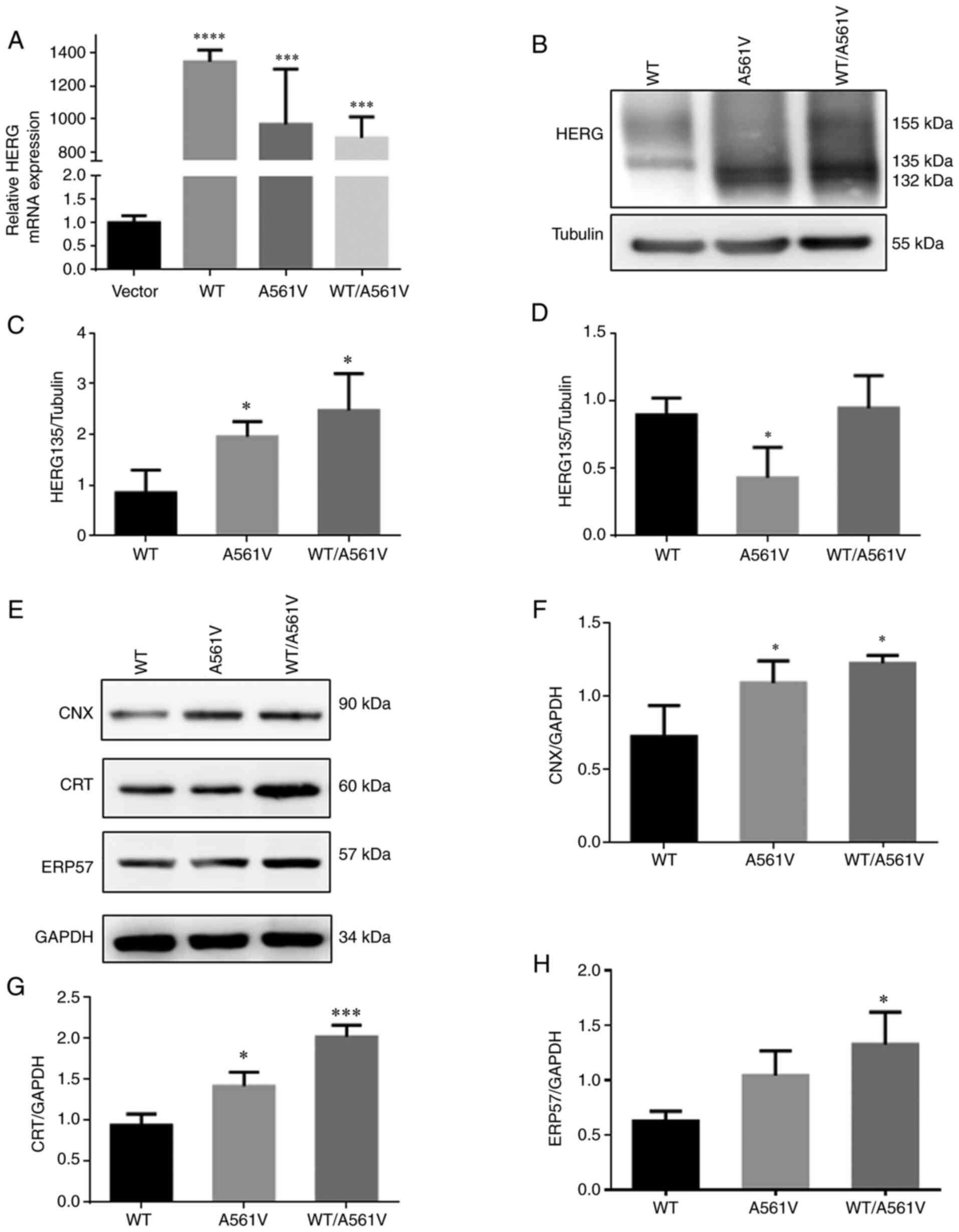
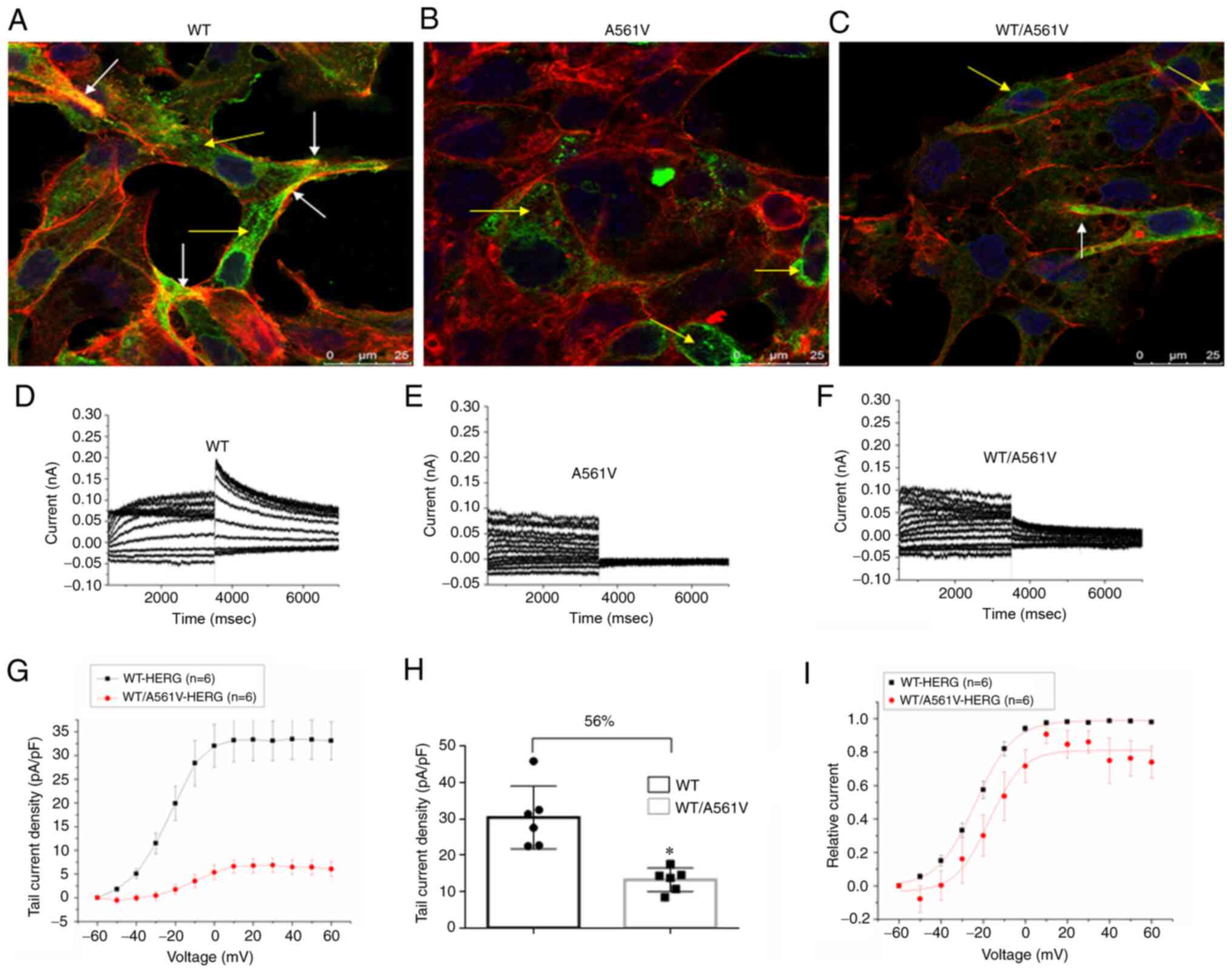
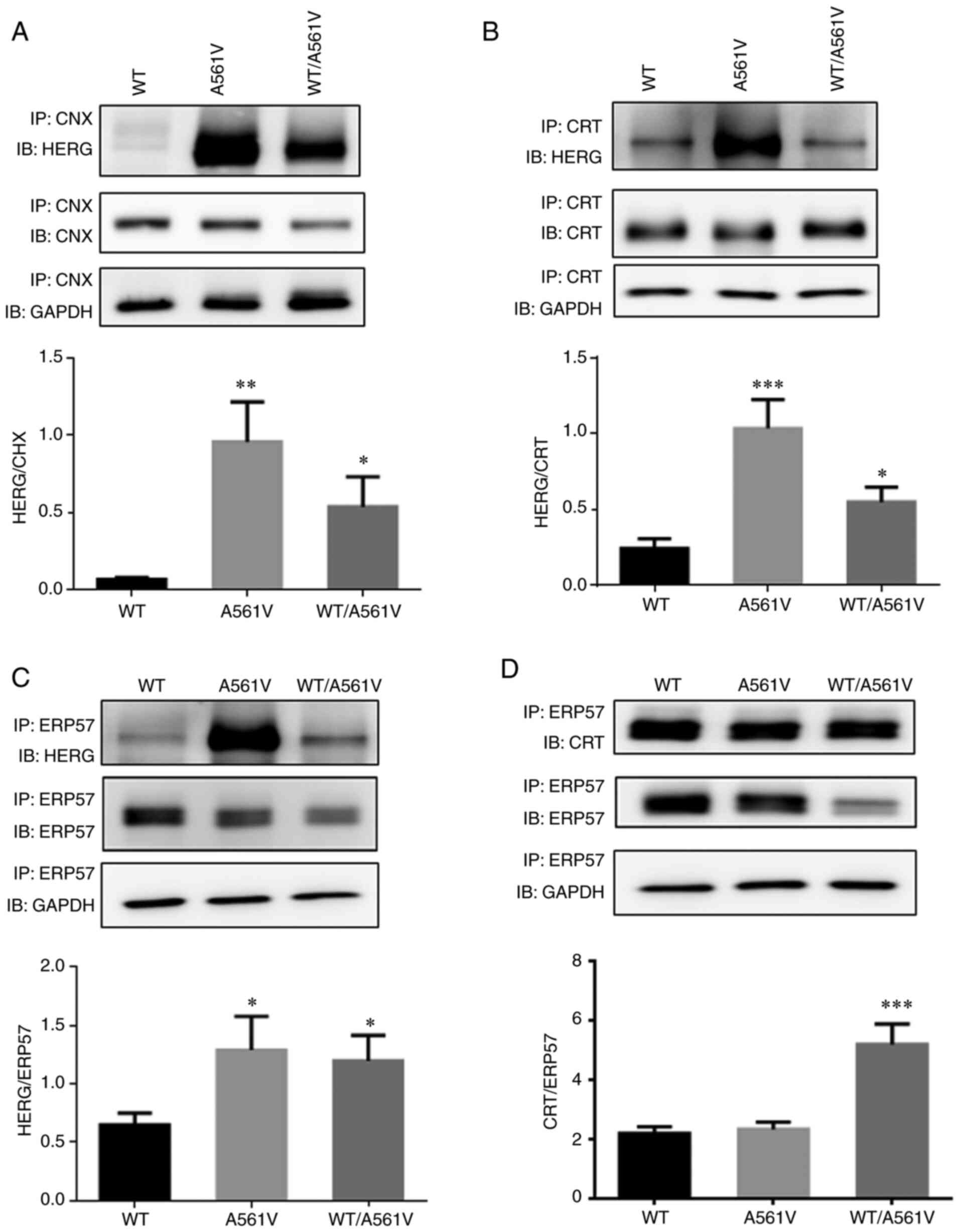
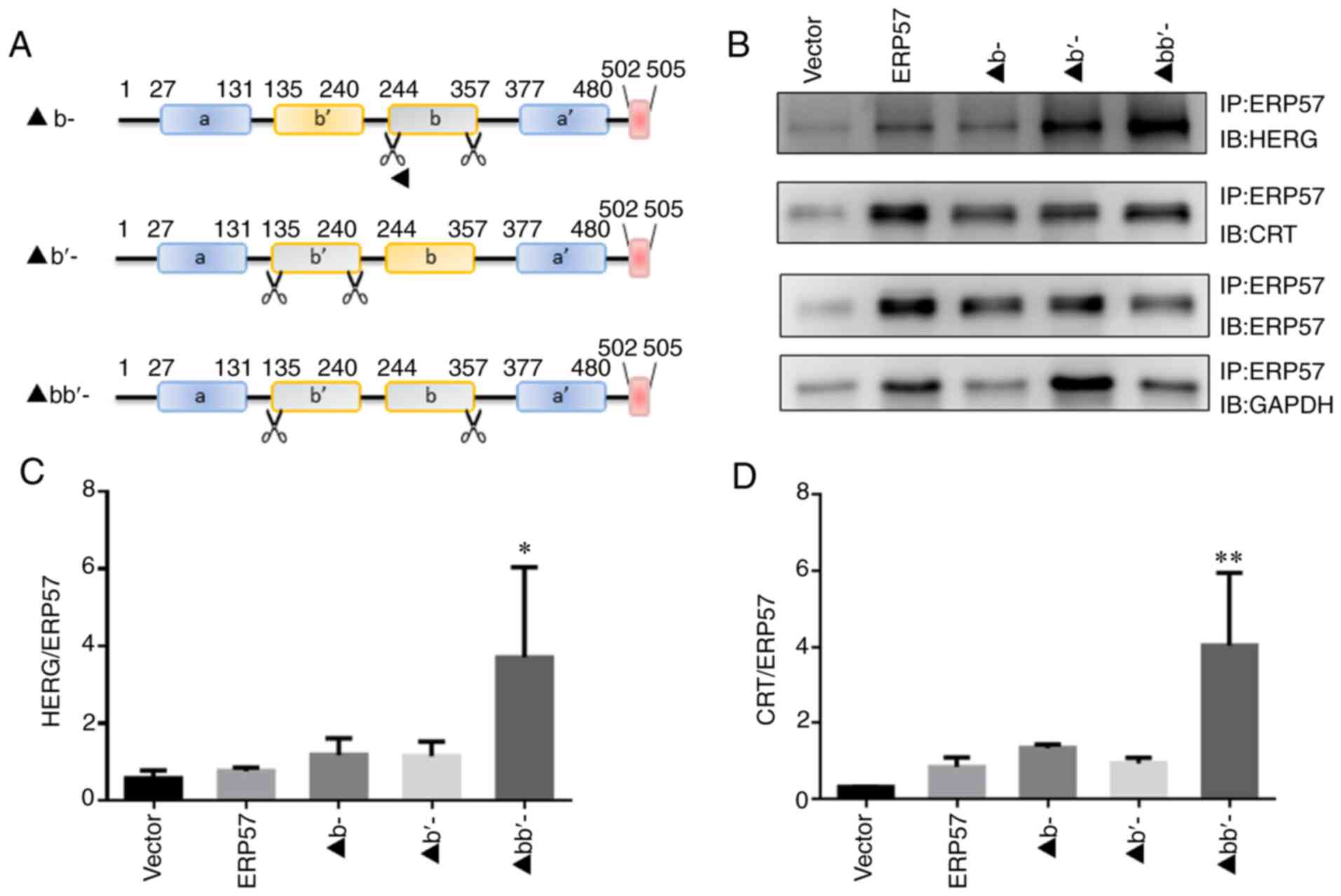
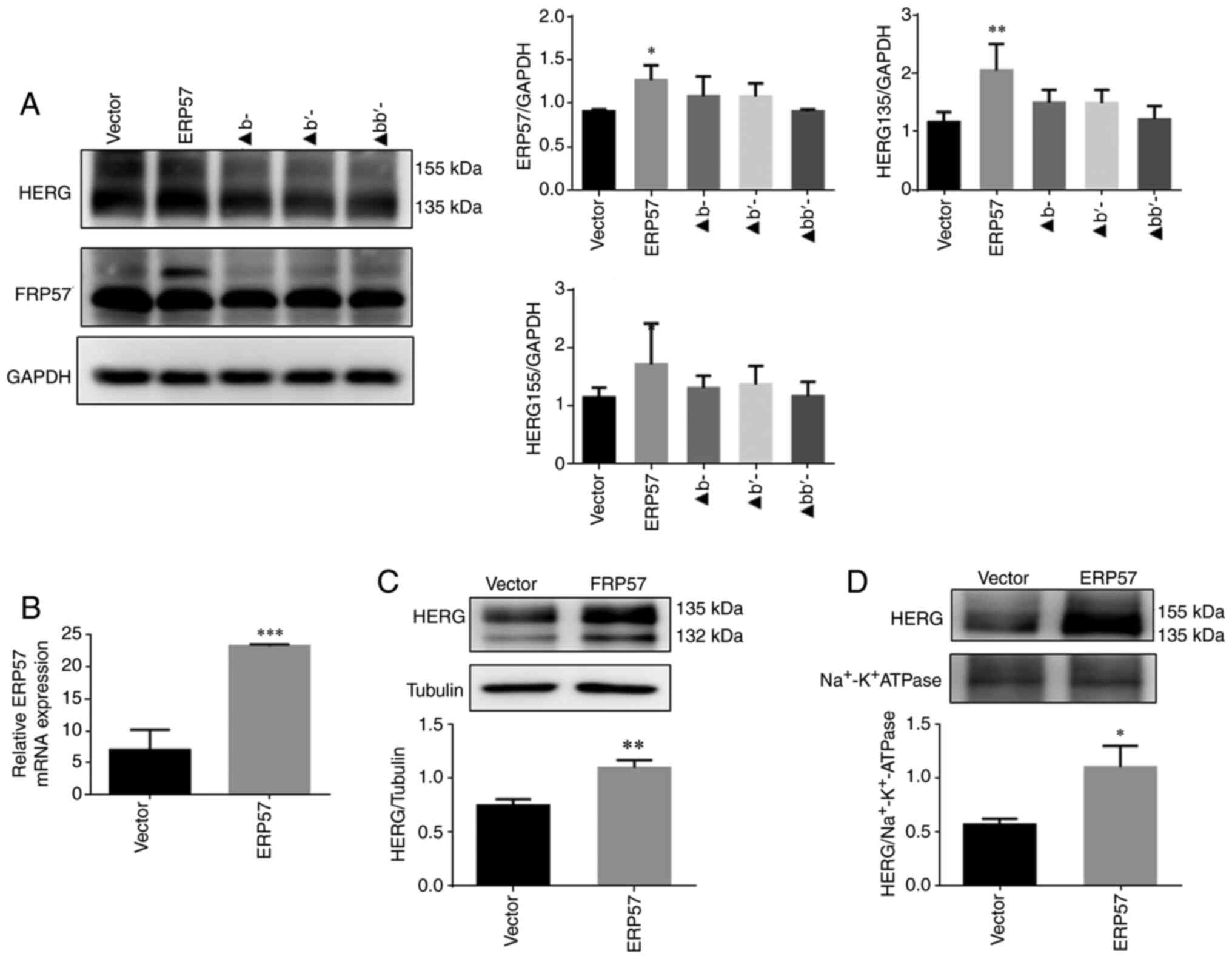
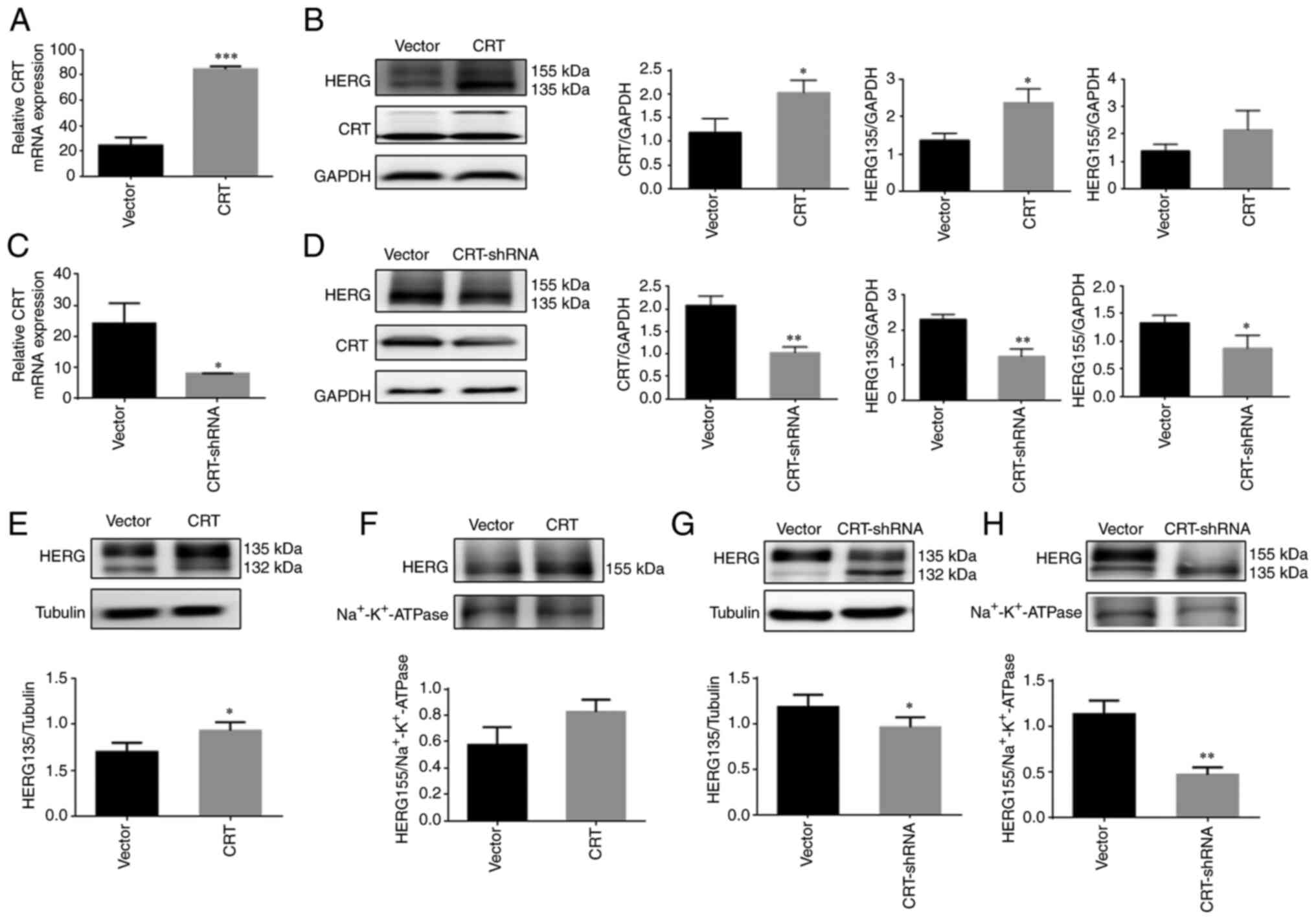
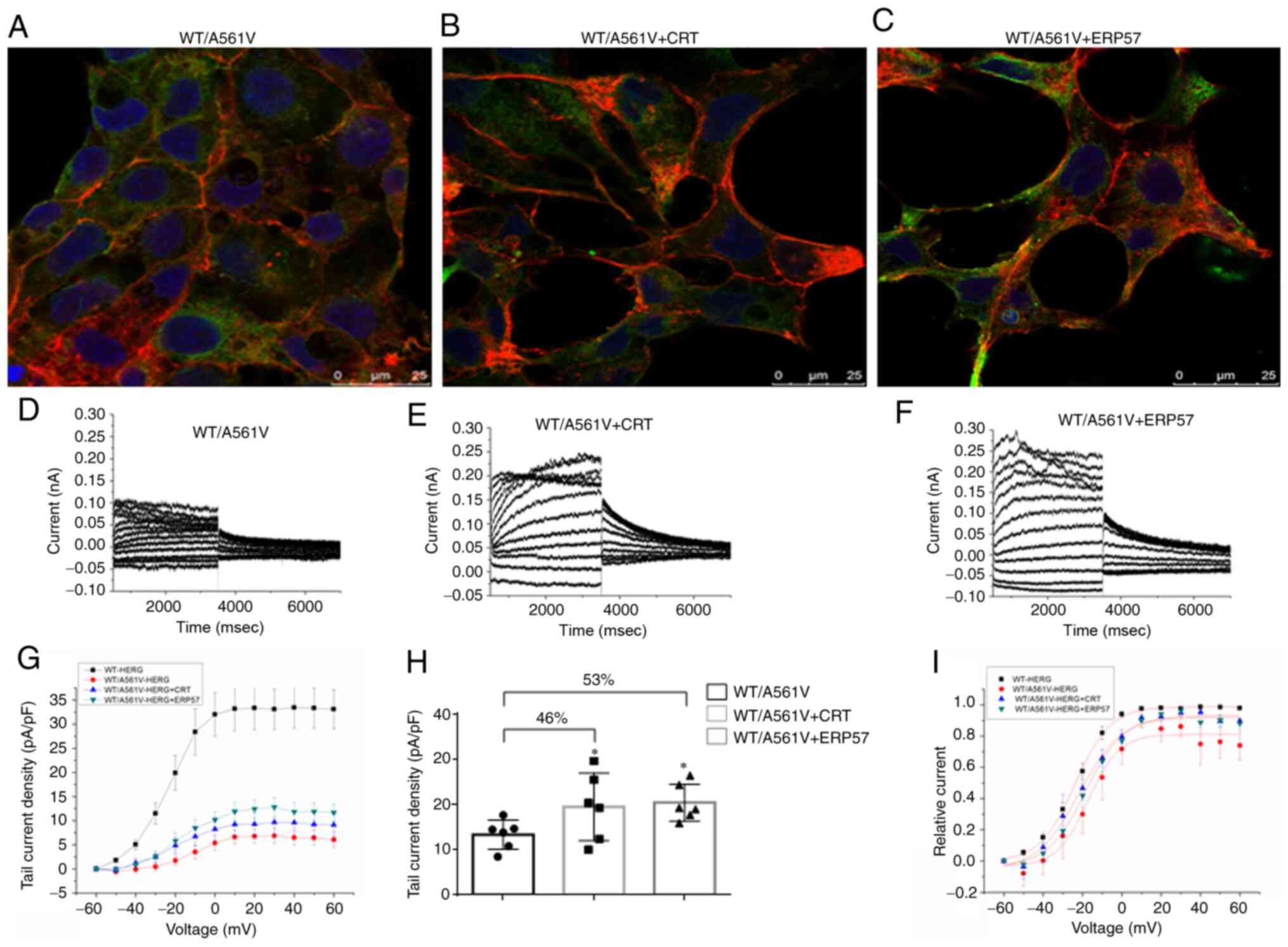
Long QT syndrome type 2 is caused by a mutation in the human‑ether‑a‑go‑go‑related gene (HERG) gene encoding the rapidly activating delayed rectifier K‑current. HERG is a key cell membrane glycoprotein; however, whether the maturation process of HERG protein involves key molecules derived from the calnexin (CNX)/calreticulin (CRT) cycle and how these molecules work remains unknown. Using western blotting, the present study screened the key molecules CNX/CRT/endoplasmic reticulum protein 57 (ERP57) involved in this cycle, and it was revealed that the protein expression levels of CNX/CRT/ERP57 in wild‑type (WT)/A561V cells were increased compared with those in WT cells (n=3; P<0.05). Additionally, a co‑immunoprecipitation experiment was used to reveal that the ability of CNX/ERP57/CRT to interact with HERG was significantly increased in A561V and WT/A561V cells (n=3; P<0.05). A plasmid lacking the bb' domain of ERP57 was constructed and it was demonstrated that the key site of ERP57 binding to CRT and immature HERG protein is the bb' domain. The whole‑cell patch‑clamp technique detected that the tail current density increased by 46% following overexpression of CRT and by 53% following overexpression of ERP57 in WT/A561V cells. Overexpression of CRT and ERP57 could increased HERG protein levels on the membrane detected by confocal imaging. Furthermore, overexpression of ERP57 and CRT proteins could restore the HERG‑A561V mutant protein trafficking process and rescue the dominant‑negative suppression of WT. Overall, ERP57/CRT served a crucial role in the HERG‑A561V mutant protein trafficking deficiency and degradation process.
View Figures

Figure 1

Figure 2

Figure 3

Figure 4

Figure 5

Figure 6

Figure 7

Figure 8

View References

1 

Wallace E, Howard L, Liu M, O'Brien T, Ward D, Shen S and Prendiville T: Long QT syndrome: Genetics and future perspective. Pediatr Cardiol. 40:1419–1430. 2019. View Article : Google Scholar : PubMed/NCBI

2 

Kanner SA, Jain A and Colecraft HM: Development of a high-throughput flow cytometry assay to monitor defective trafficking and rescue of long QT2 mutant hERG channels. Front Physiol. 9:3972018. View Article : Google Scholar : PubMed/NCBI

3 

Butler A, Helliwell MV, Zhang Y, Hancox JC and Dempsey CE: An update on the structure of hERG. Front Pharmacol. 10:15722020. View Article : Google Scholar : PubMed/NCBI

4 

Perissinotti L, Guo J, Kudaibergenova M, Lees-Miller J, Ol'khovich M, Sharapova A, Perlovich GL, Muruve DA, Gerull B, Noskov SY and Duff HJ: The pore-lipid interface: Role of amino-acid determinants of lipophilic access by ivabradine to the hERG1 pore domain. Mol Pharmacol. 96:259–271. 2019. View Article : Google Scholar : PubMed/NCBI

5 

Zhang KP, Yang BF and Li BX: Translational toxicology and rescue strategies of the hERG channel dysfunction: Biochemical and molecular mechanistic aspects. Acta Pharmacol Sin. 35:1473–1484. 2014. View Article : Google Scholar : PubMed/NCBI

6 

Li G, Shi R, Wu J, Han W, Zhang A, Cheng G, Xue X and Sun C: Association of the hERG mutation with long-QT syndrome type 2, syncope and epilepsy. Mol Med Rep. 13:2467–2475. 2016. View Article : Google Scholar : PubMed/NCBI

7 

Foo B, Williamson B, Young JC, Lukacs G and Shrier A: hERG quality control and the long QT syndrome. J Physiol. 594:2469–2481. 2016. View Article : Google Scholar : PubMed/NCBI

8 

Araki K and Nagata K: Protein folding and quality control in the ER. Cold Spring Harb Perspect Biol. 3:a0075262011. View Article : Google Scholar : PubMed/NCBI

9 

Marti L, Lia A, Reca IB, Roversi P, Santino A and Zitzmann N: In planta preliminary screening of ER glycoprotein folding quality control (ERQC) modulators. Int J Mol Sci. 19:21352018. View Article : Google Scholar :

10 

Lamothe SM, Hulbert M, Guo J, Li W, Yang T and Zhang S: Glycosylation stabilizes hERG channels on the plasma membrane by decreasing proteolytic susceptibility. FASEB J. 32:1933–1943. 2018. View Article : Google Scholar : PubMed/NCBI

11 

Patel C, Saad H, Shenkman M and Lederkremer GZ: Oxidoreductases in glycoprotein glycosylation, folding, and ERAD. Cells. 9:21382020. View Article : Google Scholar :

12 

Tannous A, Pisoni GB, Hebert DN and Molinari M: N-linked sugar-regulated protein folding and quality control in the ER. Semin Cell Dev Biol. 41:79–89. 2015. View Article : Google Scholar :

13 

Foo B, Barbier C, Guo K, Vasantharuban J, Lukacs GL and Shrier A: Mutation-specific peripheral and ER quality control of hERG channel cell-surface expression. Sci Rep. 9:60662019. View Article : Google Scholar : PubMed/NCBI

14 

Shi YQ, Yan M, Liu LR, Zhang X, Wang X, Geng HZ, Zhao X and Li BX: High glucose represses hERG K+ channel expression through trafficking inhibition. Cell Physiol Biochem. 37:284–296. 2015. View Article : Google Scholar : PubMed/NCBI

15 

Hettinghouse A, Liu R and Liu CJ: Multifunctional molecule ERp57: From cancer to neurodegenerative diseases. Pharmacol Ther. 181:34–48. 2018. View Article : Google Scholar

16 

Song D, Liu H, Wu J, Gao X, Hao J and Fan D: Insights into the role of ERp57 in cancer. J Cancer. 12:2456–2464. 2021. View Article : Google Scholar : PubMed/NCBI

17 

Kozlov G and Gehring K: Calnexin cycle-structural features of the ER chaperone system. FEBS J. 287:4322–4340. 2020. View Article : Google Scholar : PubMed/NCBI

18 

Pollock S, Kozlov G, Pelletier MF, Trempe JF, Jansen G, Sitnikov D, Bergeron JJ, Gehring K, Ekiel I and Thomas DY: Specific interaction of ERp57 and calnexin determined by NMR spectroscopy and an ER two-hybrid system. EMBO J. 23:1020–1029. 2004. View Article : Google Scholar : PubMed/NCBI

19 

Wang Y, Shen T, Fang P, Zhou J, Lou K, Cen Z, Qian H, Zhou J, Liu N and Lian J: The role and mechanism of chaperones calnexin/calreticulin in which ALLN selectively rescues the trafficking defective of HERG-A561V mutation. Biosci Rep. Sep 7–2018.Epub ahead of print.

20 

Livak KJ and Schmittgen TD: Analysis of relative gene expression data using real-time quantitative PCR and the 2(-Delta Delta C(T)) method. Methods. 25:402–408. 2001. View Article : Google Scholar

21 

Smith JL, Anderson CL, Burgess DE, Elayi CS, January CT and Delisle BP: Molecular pathogenesis of long QT syndrome type 2. J Arrhythm. 32:373–380. 2016. View Article : Google Scholar : PubMed/NCBI

22 

Jenewein T, Kanner SA, Bauer D, Hertel B, Colecraft HM, Moroni A, Thiel G and Kauferstein S: The mutation L69P in the PAS domain of the hERG potassium channel results in LQTS by trafficking deficiency. Channels (Austin). 14:163–174. 2020. View Article : Google Scholar

23 

Zhan G, Wang F, Ding YQ, Li XH, Li YX, Zhao ZR, Li JX, Liu Y, Zhao X, Yan CC and Li BX: Rutaecarpine targets hERG channels and participates in regulating electrophysiological properties leading to ventricular arrhythmia. J Cell Mol Med. 25:4938–4949. 2021. View Article : Google Scholar : PubMed/NCBI

24 

Wang Y, Huang X, Zhou J, Yang X, Li D, Mao H, Sun HH, Liu N and Lian J: Trafficking-deficient G572R-hERG and E637K-hERG activate stress and clearance pathways in endoplasmic reticulum. PLoS One. 7:e298852012. View Article : Google Scholar : PubMed/NCBI

25 

Ono M, Burgess DE, Schroder EA, Elayi CS, Anderson CL, January CT, Sun B, Immadisetty K, Kekenes-Huskey PM and Delisle BP: Long QT syndrome type 2: Emerging strategies for correcting class 2 KCNH2 (hERG) mutations and identifying new patients. Biomolecules. 10:11442020. View Article : Google Scholar :

26 

Anderson CL, Delisle BP, Anson BD, Kilby JA, Will ML, Tester DJ, Gong Q, Zhou Z, Ackerman MJ and January CT: Most LQT2 mutations reduce Kv11.1 (hERG) current by a class 2 (trafficking-deficient) mechanism. Circulation. 113:365–373. 2006. View Article : Google Scholar : PubMed/NCBI

27 

Du H, Zheng C, Aslam M, Xie X, Wang W, Yang Y and Liu X: Endoplasmic reticulum-mediated protein quality control and endoplasmic reticulum-associated degradation pathway explain the reduction of N-glycoprotein level under the lead stress. Front Plant Sci. 11:5985522021. View Article : Google Scholar : PubMed/NCBI

28 

Ito Y, Takeda Y, Seko A, Izumi M and Kajihara Y: Functional analysis of endoplasmic reticulum glucosyltransferase (UGGT): Synthetic chemistry's initiative in glycobiology. Semin Cell Dev Biol. 41:90–98. 2015. View Article : Google Scholar

29 

Tannous A, Patel N, Tamura T and Hebert DN: Reglucosylation by UDP-glucose: Glycoprotein glucosyltransferase 1 delays glycoprotein secretion but not degradation. Mol Biol Cell. 26:390–405. 2015. View Article : Google Scholar :

30 

Ferris SP, Jaber NS, Molinari M, Arvan P and Kaufman RJ: UDP-glucose: Glycoprotein glucosyltransferase (UGGT1) promotes substrate solubility in the endoplasmic reticulum. Mol Biol Cell. 24:2597–2608. 2013. View Article : Google Scholar : PubMed/NCBI

31 

Guerriero CJ and Brodsky JL: The delicate balance between secreted protein folding and endoplasmic reticulum-associated degradation in human physiology. Physiol Rev. 92:537–576. 2012. View Article : Google Scholar : PubMed/NCBI

32 

Shenkman M, Ron E, Yehuda R, Benyair R, Khalaila I and Lederkremer GZ: Mannosidase activity of EDEM1 and EDEM2 depends on an unfolded state of their glycoprotein substrates. Commun Biol. 1:1722018. View Article : Google Scholar : PubMed/NCBI

33 

Benyair R, Ogen-Shtern N, Mazkereth N, Shai B, Ehrlich M and Lederkremer GZ: Mammalian ER mannosidase I resides in quality control vesicles, where it encounters its glycoprotein substrates. Mol Biol Cell. 26:172–184. 2015. View Article : Google Scholar :

34 

Ogen-Shtern N, Avezov E, Shenkman M, Benyair R and Lederkremer GZ: Mannosidase IA is in quality control vesicles and participates in glycoprotein targeting to ERAD. J Mol Biol. 428:3194–3205. 2016. View Article : Google Scholar : PubMed/NCBI

35 

Chung H, Cho H, Perry C, Song J, Ylaya K, Lee H and Kim JH: Downregulation of ERp57 expression is associated with poor prognosis in early-stage cervical cancer. Biomarkers. 18:573–579. 2013. View Article : Google Scholar : PubMed/NCBI

36 

Choe MH, Min JW, Jeon HB, Cho DH, Oh JS, Lee HG, Hwang SG, An S, Han YH and Kim JS: ERp57 modulates STAT3 activity in radioresistant laryngeal cancer cells and serves as a prognostic marker for laryngeal cancer. Oncotarget. 6:2654–2666. 2015. View Article : Google Scholar : PubMed/NCBI

37 

Kozlov G, Pocanschi CL, Rosenauer A, Bastos-Aristizabal S, Gorelik A, Williams DB and Gehring K: Structural basis of carbohydrate recognition by calreticulin. J Biol Chem. 285:38612–38620. 2010. View Article : Google Scholar : PubMed/NCBI

38 

Kiuchi T, Izumi M, Mukogawa Y, Shimada A, Okamoto R, Seko A, Sakono M, Takeda Y, Ito Y and Kajihara Y: Monitoring of glycoprotein quality control system with a series of chemically synthesized homogeneous native and misfolded glycoproteins. J Am Chem Soc. 140:17499–17507. 2018. View Article : Google Scholar : PubMed/NCBI

39 

Ito Y, Kajihara Y and Takeda Y: Chemical-synthesis-based approach to glycoprotein functions in the endoplasmic reticulum. Chemistry. 26:15461–15470. 2020. View Article : Google Scholar : PubMed/NCBI

40 

Ghemrawi R and Khair M: Endoplasmic reticulum stress and unfolded protein response in neurodegenerative diseases. Int J Mol Sci. 21:61272020. View Article : Google Scholar :

41 

Wang SB, Shi Q, Xu Y, Xie WL, Zhang J, Tian C, Guo Y, Wang K, Zhang BY, Chen C, et al: Protein disulfide isomerase regulates endoplasmic reticulum stress and the apoptotic process during prion infection and PrP mutant-induced cytotoxicity. PLoS One. 7:e382212012. View Article : Google Scholar : PubMed/NCBI

42 

Perri E, Parakh S and Atkin J: Protein disulphide isomerases: Emerging roles of PDI and ERp57 in the nervous system and as therapeutic targets for ALS. Expert Opin Ther Targets. 21:37–49. 2017. View Article : Google Scholar

43 

Turano C, Gaucci E, Grillo C and Chichiarelli S: ERp57/GRP58: A protein with multiple functions. Cell Mol Biol Lett. 16:539–563. 2011. View Article : Google Scholar : PubMed/NCBI

44 

Sepulveda M, Rozas P, Hetz C and Medinas DB: ERp57 as a novel cellular factor controlling prion protein biosynthesis: Therapeutic potential of protein disulfide isomerases. Prion. 10:50–56. 2016. View Article : Google Scholar : PubMed/NCBI

45 

Hoffstrom BG, Kaplan A, Letso R, Schmid RS, Turmel GJ, Lo DC and Stockwell BR: Inhibitors of protein disulfide isomerase suppress apoptosis induced by misfolded proteins. Nat Chem Biol. 6:900–906. 2010. View Article : Google Scholar : PubMed/NCBI

46 

Grek C and Townsend DM: Protein disulfide isomerase superfamily in disease and the regulation of apoptosis. Endoplasmic Reticulum Stress Dis. 1:4–17. 2014.PubMed/NCBI

47 

Han A, Li C, Zahed T, Wong M, Smith I, Hoedel K, Green D and Boiko AD: Calreticulin is a critical cell survival factor in malignant neoplasms. PLoS Biol. 17:e30004022019. View Article : Google Scholar : PubMed/NCBI

Related Articles

  • Abstract
  • View
  • Download
  • Twitter
Copy and paste a formatted citation
Spandidos Publications style
Wu Y, Huang X, Zheng Z, Yang X, Ba Y and Lian J: Role and mechanism of chaperones calreticulin and ERP57 in restoring trafficking to mutant HERG‑A561V protein. Int J Mol Med 48: 159, 2021.
APA
Wu, Y., Huang, X., Zheng, Z., Yang, X., Ba, Y., & Lian, J. (2021). Role and mechanism of chaperones calreticulin and ERP57 in restoring trafficking to mutant HERG‑A561V protein. International Journal of Molecular Medicine, 48, 159. https://doi.org/10.3892/ijmm.2021.4992
MLA
Wu, Y., Huang, X., Zheng, Z., Yang, X., Ba, Y., Lian, J."Role and mechanism of chaperones calreticulin and ERP57 in restoring trafficking to mutant HERG‑A561V protein". International Journal of Molecular Medicine 48.2 (2021): 159.
Chicago
Wu, Y., Huang, X., Zheng, Z., Yang, X., Ba, Y., Lian, J."Role and mechanism of chaperones calreticulin and ERP57 in restoring trafficking to mutant HERG‑A561V protein". International Journal of Molecular Medicine 48, no. 2 (2021): 159. https://doi.org/10.3892/ijmm.2021.4992
Copy and paste a formatted citation
x
Spandidos Publications style
Wu Y, Huang X, Zheng Z, Yang X, Ba Y and Lian J: Role and mechanism of chaperones calreticulin and ERP57 in restoring trafficking to mutant HERG‑A561V protein. Int J Mol Med 48: 159, 2021.
APA
Wu, Y., Huang, X., Zheng, Z., Yang, X., Ba, Y., & Lian, J. (2021). Role and mechanism of chaperones calreticulin and ERP57 in restoring trafficking to mutant HERG‑A561V protein. International Journal of Molecular Medicine, 48, 159. https://doi.org/10.3892/ijmm.2021.4992
MLA
Wu, Y., Huang, X., Zheng, Z., Yang, X., Ba, Y., Lian, J."Role and mechanism of chaperones calreticulin and ERP57 in restoring trafficking to mutant HERG‑A561V protein". International Journal of Molecular Medicine 48.2 (2021): 159.
Chicago
Wu, Y., Huang, X., Zheng, Z., Yang, X., Ba, Y., Lian, J."Role and mechanism of chaperones calreticulin and ERP57 in restoring trafficking to mutant HERG‑A561V protein". International Journal of Molecular Medicine 48, no. 2 (2021): 159. https://doi.org/10.3892/ijmm.2021.4992
Follow us
  • Twitter
  • LinkedIn
  • Facebook
About
  • Spandidos Publications
  • Careers
  • Cookie Policy
  • Privacy Policy
How can we help?
  • Help
  • Live Chat
  • Contact
  • Email to our Support Team