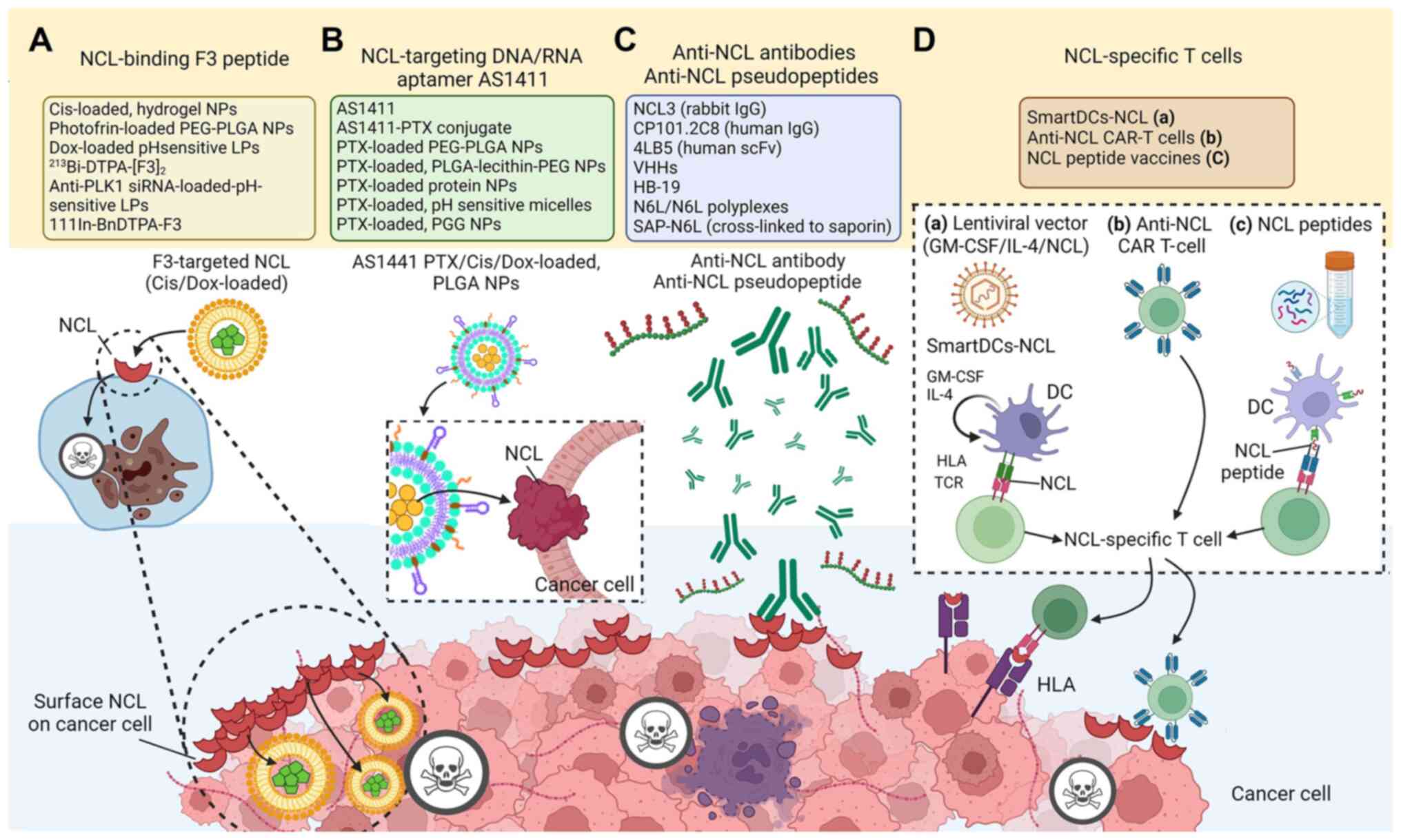
|
1
|
Sung H, Ferlay J, Siegel RL, Laversanne M,
Soerjomataram I, Jemal A and Bray F: Global cancer statistics 2020:
GLOBOCAN estimates of incidence and mortality worldwide for 36
cancers in 185 countries. CA Cancer J Clin. 71:209–249. 2021.
View Article : Google Scholar : PubMed/NCBI
|
|
2
|
Fidler MM, Bray F and Soerjomataram I: The
global cancer burden and human development: A review. Scand J
Public Health. 46:27–36. 2018. View Article : Google Scholar
|
|
3
|
Ferlay J, Soerjomataram I, Dikshit R, Eser
S, Mathers C, Rebelo M, Parkin DM, Forman D and Bray F: Cancer
incidence and mortality worldwide: Sources, methods and major
patterns in GLOBOCAN 2012. Int J Cancer. 136:E359–E386. 2015.
View Article : Google Scholar
|
|
4
|
Gotwals P, Cameron S, Cipolletta D,
Cremasco V, Crystal A, Hewes B, Mueller B, Quaratino S,
Sabatos-Peyton C, Petruzzelli L, et al: Prospects for combining
targeted and conventional cancer therapy with immunotherapy. Nat
Rev Cancer. 17:286–301. 2017. View Article : Google Scholar : PubMed/NCBI
|
|
5
|
Hanahan D and Weinberg RA: Hallmarks of
cancer: The next generation. Cell. 144:646–674. 2011. View Article : Google Scholar : PubMed/NCBI
|
|
6
|
Velcheti V and Schalper K: Basic overview
of current immunotherapy approaches in cancer. Am Soc Clin Oncol
Educ Book. 36:298–308. 2016. View Article : Google Scholar
|
|
7
|
Rodríguez Pérez Á, Campillo-Davo D, Van
Tendeloo V and Benitez-Ribas D: Cellular immunotherapy: A clinical
state-of-the-art of a new paradigm for cancer treatment. Clin
Transl Oncol. 22:1923–1937. 2020. View Article : Google Scholar : PubMed/NCBI
|
|
8
|
Rosenberg SA and Restifo NP: Adoptive cell
transfer as personalized immunotherapy for human cancer. Science.
348:62–68. 2015. View Article : Google Scholar : PubMed/NCBI
|
|
9
|
Schuster M, Nechansky A and Kircheis R:
Cancer immunotherapy. Biotechnol. 1:138–147. 2006.
|
|
10
|
Bugler B, Caizergues-Ferrer M, Bouche G,
Bourbon H and Amalric F: Detection and localization of a class of
proteins immunologically related to a 100-kDa nucleolar protein.
Eur J Biochem. 128:475–480. 1982. View Article : Google Scholar : PubMed/NCBI
|
|
11
|
Orrick LR, Olson MO and Busch H:
Comparison of nucleolar proteins of normal rat liver and Novikoff
hepatoma ascites cells by two-dimensional polyacrylamide gel
electrophoresis. Proc Natl Acad Sci USA. 70:1316–1320. 1973.
View Article : Google Scholar : PubMed/NCBI
|
|
12
|
Chen Z and Xu X: Roles of nucleolin: Focus
on cancer and anti-cancer therapy. Saudi Med J. 37:1312–1318. 2016.
View Article : Google Scholar : PubMed/NCBI
|
|
13
|
Jia W, Yao Z, Zhao J, Guan Q and Gao L:
New perspectives of physiological and pathological functions of
nucleolin (NCL). Life Sci. 186:1–10. 2017. View Article : Google Scholar : PubMed/NCBI
|
|
14
|
Qiu W, Wang G, Sun X, Ye J, Wei F, Shi X
and Lv G: The involvement of cell surface nucleolin in the
initiation of CCR6 signaling in human hepatocellular carcinoma. Med
Oncol. 32:752015. View Article : Google Scholar : PubMed/NCBI
|
|
15
|
Destouches D, El Khoury D, Hamma-Kourbali
Y, Krust B, Albanese P, Katsoris P, Guichard G, Briand JP, Courty J
and Hovanessian AG: Suppression of tumor growth and angiogenesis by
a specific antagonist of the cell-surface expressed nucleolin. PLoS
One. 3:e25182008. View Article : Google Scholar : PubMed/NCBI
|
|
16
|
Ugrinova I, Petrova M, Chalabi-Dchar M and
Bouvet P: Multifaceted nucleolin protein and its molecular partners
in oncogenesis. Adv Protein Chem Struct Biol. 111:133–164. 2018.
View Article : Google Scholar : PubMed/NCBI
|
|
17
|
Gilles ME, Maione F, Cossutta M,
Carpentier G, Caruana L, Di Maria S, Houppe C, Destouches D,
Shchors K, Prochasson C, et al: Nucleolin targeting impairs the
progression of pancreatic cancer and promotes the normalization of
tumor vasculature. Cancer Res. 76:7181–7193. 2016. View Article : Google Scholar : PubMed/NCBI
|
|
18
|
Ridley L, Rahman R, Brundler MA, Ellison
D, Lowe J, Robson K, Prebble E, Luckett I, Gilbertson RJ, Parkes S,
et al: Multifactorial analysis of predictors of outcome in
pediatric intracranial ependymoma. Neuro Oncol. 10:675–689. 2008.
View Article : Google Scholar : PubMed/NCBI
|
|
19
|
Modena P, Buttarelli FR, Miceli R,
Piccinin E, Baldi C, Antonelli M, Morra I, Lauriola L, Di Rocco C,
Garrè ML, et al: Predictors of outcome in an AIEOP series of
childhood ependymomas: A multifactorial analysis. Neuro Oncol.
14:1346–1356. 2012. View Article : Google Scholar : PubMed/NCBI
|
|
20
|
Guo X, Xiong L, Yu L, Li R, Wang Z, Ren B,
Dong J, Li B and Wang D: Increased level of nucleolin confers to
aggressive tumor progression and poor prognosis in patients with
hepatocellular carcinoma after hepatectomy. Diagn Pathol.
9:1752014. View Article : Google Scholar : PubMed/NCBI
|
|
21
|
Huang F, Wu Y, Tan H, Guo T, Zhang K, Li D
and Tong Z: Phosphorylation of nucleolin is indispensable to its
involvement in the proliferation and migration of non-small cell
lung cancer cells. Oncol Rep. 41:590–598. 2019.
|
|
22
|
Qi J, Li H, Liu N, Xing Y, Zhou G, Wu Y,
Liu Y, Chen W, Yue J, Han B, et al: The implications and mechanisms
of the extra-nuclear nucleolin in the esophageal squamous cell
carcinomas. Med Oncol. 32:452015. View Article : Google Scholar : PubMed/NCBI
|
|
23
|
Jain N, Zhu H, Khashab T, Ye Q, George B,
Mathur R, Singh RK, Berkova Z, Wise JF, Braun FK, et al: Targeting
nucleolin for better survival in diffuse large B-cell lymphoma.
Leukemia. 32:663–674. 2018. View Article : Google Scholar :
|
|
24
|
Qiu W, Zhou F, Zhang Q, Sun X, Shi X,
Liang Y, Wang X and Yue L: Overexpression of nucleolin and
different expression sites both related to the prognosis of gastric
cancer. APMIS. 121:919–925. 2013. View Article : Google Scholar : PubMed/NCBI
|
|
25
|
Lin Q, Ma X, Hu S, Li R, Wei X, Han B, Ma
Y, Liu P and Pang Y: Overexpression of nucleolin is a potential
prognostic marker in endometrial carcinoma. Cancer Manag Res.
13:1955–1965. 2021. View Article : Google Scholar : PubMed/NCBI
|
|
26
|
Yangngam S, Prasopsiri J, Hatthakarnkul P,
Thongchot S, Thuwajit P, Yenchitsomanus PT, Edwards J and Thuwajit
C: Cellular localization of nucleolin determines the prognosis in
cancers: A meta-analysis. J Mol Med (Berl). 100:1145–1157. 2022.
View Article : Google Scholar : PubMed/NCBI
|
|
27
|
Berger CM, Gaume X and Bouvet P: The roles
of nucleolin subcellular localization in cancer. Biochimie.
113:78–85. 2015. View Article : Google Scholar : PubMed/NCBI
|
|
28
|
Yenchitsomanus PT, Vasuvattakul S, Kirdpon
S, Wasanawatana S, Susaengrat W, Sreethiphayawan S, Chuawatana D,
Mingkum S, Sawasdee N, Thuwajit P, et al: Autosomal recessive
distal renal tubular acidosis caused by G701D mutation of anion
exchanger 1 gene. Am J Kidney Dis. 40:21–29. 2002. View Article : Google Scholar : PubMed/NCBI
|
|
29
|
Xu JY, Lu S, Xu XY, Hu SL, Li B, Li WX and
Chang JY: Prognostic significance of nuclear or cytoplasmic
nucleolin expression in human non-small cell lung cancer and its
relationship with DNA-PKcs. Tumour Biol. 37:10349–10356. 2016.
View Article : Google Scholar : PubMed/NCBI
|
|
30
|
Willmer T, Damerell V, Smyly S, Sims D, Du
Toit M, Ncube S, Sinkala M, Govender D, Sturrock E, Blackburn JM
and Prince S: Targeting the oncogenic TBX3: Nucleolin complex to
treat multiple sarcoma subtypes. Am J Cancer Res. 11:5680–5700.
2021.
|
|
31
|
Palmieri D, Richmond T, Piovan C, Sheetz
T, Zanesi N, Troise F, James C, Wernicke D, Nyei F, Gordon TJ, et
al: Human anti-nucleolin recombinant immunoagent for cancer
therapy. Proc Natl Acad Sci USA. 112:9418–9423. 2015. View Article : Google Scholar : PubMed/NCBI
|
|
32
|
Dzhumashev D, Timpanaro A, Ali S, De
Micheli AJ, Mamchaoui K, Cascone I, Rössler J and Bernasconi M:
Quantum Dot-based screening identifies F3 peptide and reveals cell
surface nucleolin as a therapeutic target for rhabdomyosarcoma.
Cancers (Basel). 14:50482022. View Article : Google Scholar : PubMed/NCBI
|
|
33
|
Fujiki H, Watanabe T and Suganuma M:
Cell-surface nucleolin acts as a central mediator for carcinogenic,
anti-carcinogenic, and disease-related ligands. J Cancer Res Clin
Oncol. 140:689–699. 2014. View Article : Google Scholar : PubMed/NCBI
|
|
34
|
Meng GZ, Xiao SJ, Zeng SE and Li YQ:
Downregulation of cell-surface-expressed nucleolin inhibits the
growth of hepatocellular carcinoma cells in vitro. Zhonghua Zhong
Liu Za Zhi. 33:23–27. 2011.In Chinese. PubMed/NCBI
|
|
35
|
D'Avino C, Palmieri D, Braddom A, Zanesi
N, James C, Cole S, Salvatore F, Croce CM and De Lorenzo C: A novel
fully human anti-NCL immunoRNase for triple-negative breast cancer
therapy. Oncotarget. 7:87016–87030. 2016. View Article : Google Scholar : PubMed/NCBI
|
|
36
|
Dawson MA and Kouzarides T: Cancer
epigenetics: From mechanism to therapy. Cell. 150:12–27. 2012.
View Article : Google Scholar : PubMed/NCBI
|
|
37
|
Nebbioso A, Tambaro FP, Dell'Aversana C
and Altucci L: Cancer epigenetics: Moving forward. PLoS Genet.
14:e10073622018. View Article : Google Scholar : PubMed/NCBI
|
|
38
|
Gougousis S, Petanidis S, Poutoglidis A,
Tsetsos N, Vrochidis P, Skoumpas I, Argyriou N, Katopodi T and
Domvri K: Epigenetic editing and tumor-dependent immunosuppressive
signaling in head and neck malignancies. Oncol Lett. 23:1962022.
View Article : Google Scholar : PubMed/NCBI
|
|
39
|
Toh TB, Lim JJ and Chow EKH: Epigenetics
in cancer stem cells. Mol Cancer. 16:292017. View Article : Google Scholar : PubMed/NCBI
|
|
40
|
Shen N, Yan F, Pang J, Wu LC, Al-Kali A,
Litzw MR and Liu S: A nucleolin-DNMT1 regulatory axis in acute
myeloid leukemogenesis. Oncotarget. 5:5494–5509. 2014. View Article : Google Scholar : PubMed/NCBI
|
|
41
|
Tuteja R and Tuteja N: Nucleolin: A
multifunctional major nucleolar phosphoprotein. Crit Rev Biochem
Mol Biol. 33:407–436. 1998. View Article : Google Scholar
|
|
42
|
Mamrack MD, Olson MO and Busch H: Amino
acid sequence and sites of phosphorylation in a highly acidic
region of nucleolar nonhistone protein C23. Biochemistry.
18:3381–3386. 1979. View Article : Google Scholar : PubMed/NCBI
|
|
43
|
Ginisty H, Sicard H, Roger B and Bouvet P:
Structure and functions of nucleolin. J Cell Sci. 112:761–772.
1999. View Article : Google Scholar : PubMed/NCBI
|
|
44
|
Peter M, Nakagawa J, Dorée M, Labbé JC and
Nigg EA: Identification of major nucleolar proteins as candidate
mitotic substrates of cdc2 kinase. Cell. 60:791–801. 1990.
View Article : Google Scholar : PubMed/NCBI
|
|
45
|
Caizergues-Ferrer M, Belenguer P, Lapeyre
B, Amalric F, Wallace MO and Olson MO: Phosphorylation of nucleolin
by a nucleolar type NII protein kinase. Biochemistry. 26:7876–7883.
1987. View Article : Google Scholar : PubMed/NCBI
|
|
46
|
Belenguer P, Caizergues-Ferrer M, Labbé
JC, Doree M and Amalric F: Mitosis-specific phosphorylation of
nucleolin by p34cdc2 protein kinase. Mol Cell Biol. 10:3607–3618.
1990.PubMed/NCBI
|
|
47
|
Romano S, Fonseca N, Simões S, Gonçalves J
and Moreira JN: Nucleolin-based targeting strategies for cancer
therapy: From targeted drug delivery to cytotoxic ligands. Drug
Discov Today. 24:1985–2001. 2019. View Article : Google Scholar : PubMed/NCBI
|
|
48
|
Ghisolfi-Nieto L, Joseph G,
Puvion-Dutilleul F, Amalric F and Bouvet P: Nucleolin is a
sequence-specific RNA-binding protein: Characterization of targets
on pre-ribosomal RNA. J Mol Biol. 260:34–53. 1996. View Article : Google Scholar : PubMed/NCBI
|
|
49
|
Cong R, Das S, Ugrinova I, Kumar S,
Mongelard F, Wong J and Bouvet P: Interaction of nucleolin with
ribosomal RNA genes and its role in RNA polymerase I transcription.
Nucleic Acids Res. 40:9441–9454. 2012. View Article : Google Scholar : PubMed/NCBI
|
|
50
|
Roger B, Moisand A, Amalric F and Bouvet
P: Nucleolin provides a link between RNA polymerase I transcription
and pre-ribosome assembly. Chromosoma. 111:399–407. 2003.
View Article : Google Scholar : PubMed/NCBI
|
|
51
|
Serin G, Joseph G, Ghisolfi L, Bauzan M,
Erard M, Amalric F and Bouvet P: Two RNA-binding domains determine
the RNA-binding specificity of nucleolin. J Biol Chem.
272:13109–13116. 1997. View Article : Google Scholar : PubMed/NCBI
|
|
52
|
Allain FH, Bouvet P, Dieckmann T and
Feigon J: Molecular basis of sequence-specific recognition of
pre-ribosomal RNA by nucleolin. EMBO J. 19:6870–6881. 2000.
View Article : Google Scholar : PubMed/NCBI
|
|
53
|
Ishikawa F, Matunis MJ, Dreyfuss G and
Cech TR: Nuclear proteins that bind the pre-mRNA 3′ splice site
sequence r(UUAG/G) and the human telomeric DNA sequence d(TTAGGG)n.
Mol Cell Biol. 13:4301–4310. 1993.PubMed/NCBI
|
|
54
|
Lapeyre B, Amalric F, Ghaffari SH, Rao SV,
Dumbar TS and Olson MO: Protein and cDNA sequence of a
glycine-rich, dimethylarginine-containing region located near the
carboxyl-terminal end of nucleolin (C23 and 100 kDa). J Biol Chem.
261:9167–9173. 1986. View Article : Google Scholar : PubMed/NCBI
|
|
55
|
Ghisolfi L, Joseph G, Amalric F and Erard
M: The glycine-rich domain of nucleolin has an unusual
supersecondary structure responsible for its
RNA-helix-destabilizing properties. J Biol Chem. 267:2955–2959.
1992. View Article : Google Scholar : PubMed/NCBI
|
|
56
|
Gaume X, Tassin AM, Ugrinova I, Mongelard
F, Monier K and Bouvet P: Centrosomal nucleolin is required for
microtubule network organization. Cell Cycle. 14:902–919. 2015.
View Article : Google Scholar : PubMed/NCBI
|
|
57
|
Scherl A, Couté Y, Déon C, Callé A,
Kindbeiter K, Sanchez JC, Greco A, Hochstrasser D and Diaz JJ:
Functional proteomic analysis of human nucleolus. Mol Biol Cell.
13:4100–4109. 2002. View Article : Google Scholar : PubMed/NCBI
|
|
58
|
Schwab MS and Dreyer C: Protein
phosphorylation sites regulate the function of the bipartite NLS of
nucleolin. Eur J Cell Biol. 73:287–297. 1997.PubMed/NCBI
|
|
59
|
Shen EC, Henry MF, Weiss VH, Valentini SR,
Silver PA and Lee MS: Arginine methylation facilitates the nuclear
export of hnRNP proteins. Genes Dev. 12:679–691. 1998. View Article : Google Scholar : PubMed/NCBI
|
|
60
|
Zhao Y, Butler EB and Tan M: Targeting
cellular metabolism to improve cancer therapeutics. Cell Death Dis.
4:e5322013. View Article : Google Scholar : PubMed/NCBI
|
|
61
|
Hammoudi A, Song F, Reed KR, Jenkins RE,
Meniel VS, Watson AJ, Pritchard DM, Clarke AR and Jenkins JR:
Proteomic profiling of a mouse model of acute intestinal Apc
deletion leads to identification of potential novel biomarkers of
human colorectal cancer (CRC). Biochem Biophys Res Commun.
440:364–370. 2013. View Article : Google Scholar : PubMed/NCBI
|
|
62
|
Pichiorri F, Palmieri D, De Luca L,
Consiglio J, You J, Rocci A, Talabere T, Piovan C, Lagana A,
Cascione L, et al: In vivo NCL targeting affects breast cancer
aggressiveness through miRNA regulation. J Exp Med. 210:951–968.
2013. View Article : Google Scholar : PubMed/NCBI
|
|
63
|
Borer RA, Lehner CF, Eppenberger HM and
Nigg EA: Major nucleolar proteins shuttle between nucleus and
cytoplasm. Cell. 56:379–390. 1989. View Article : Google Scholar : PubMed/NCBI
|
|
64
|
Takagi M, Absalon MJ, McLure KG and Kastan
MB: Regulation of p53 translation and induction after DNA damage by
ribosomal protein L26 and nucleolin. Cell. 123:49–63. 2005.
View Article : Google Scholar : PubMed/NCBI
|
|
65
|
Chen J, Guo K and Kastan MB: Interactions
of nucleolin and ribosomal protein L26 (RPL26) in translational
control of human p53 mRNA. J Biol Chem. 287:16467–16476. 2012.
View Article : Google Scholar : PubMed/NCBI
|
|
66
|
Otake Y, Soundararajan S, Sengupta TK, Kio
EA, Smith JC, Pineda-Roman M, Stuart RK, Spicer EK and Fernandes
DJ: Overexpression of nucleolin in chronic lymphocytic leukemia
cells induces stabilization of bcl2 mRNA. Blood. 109:3069–3075.
2007. View Article : Google Scholar
|
|
67
|
Farin K, Di Segni A, Mor A and
Pinkas-Kramarski R: Structure-function analysis of nucleolin and
ErbB receptors interactions. PLoS One. 4:e61282009. View Article : Google Scholar : PubMed/NCBI
|
|
68
|
Koutsioumpa M and Papadimitriou E: Cell
surface nucleolin as a target for anti-cancer therapies. Recent Pat
Anticancer Drug Discov. 9:137–152. 2014. View Article : Google Scholar
|
|
69
|
Watanabe T, Hirano K, Takahashi A,
Yamaguchi K, Beppu M, Fujiki H and Suganuma M: Nucleolin on the
cell surface as a new molecular target for gastric cancer
treatment. Biol Pharm Bull. 33:796–803. 2010. View Article : Google Scholar : PubMed/NCBI
|
|
70
|
Wise JF, Berkova Z, Mathur R, Zhu H, Braun
FK, Tao RH, Sabichi AL, Ao X, Maeng H and Samaniego F: Nucleolin
inhibits Fas ligand binding and suppresses Fas-mediated apoptosis
in vivo via a surface nucleolin-Fas complex. Blood. 121:4729–4739.
2013. View Article : Google Scholar : PubMed/NCBI
|
|
71
|
Schokoroy S, Juster D, Kloog Y and
Pinkas-Kramarski R: Disrupting the oncogenic synergism between
nucleolin and Ras results in cell growth inhibition and cell death.
PLoS One. 8:e752692013. View Article : Google Scholar : PubMed/NCBI
|
|
72
|
Zhang B, Wang H, Jiang B, Liang P, Liu M,
Deng G and Xiao X: Nucleolin/C23 is a negative regulator of
hydrogen peroxide-induced apoptosis in HUVECs. Cell Stress
Chaperones. 15:249–257. 2010. View Article : Google Scholar :
|
|
73
|
Kirman DC, Renganathan B, Chui WK, Chen
MW, Kaya NA and Ge R: Cell surface nucleolin is a novel ADAMTS5
receptor mediating endothelial cell apoptosis. Cell Death Dis.
13:1722022. View Article : Google Scholar : PubMed/NCBI
|
|
74
|
Semenkovich CF, Ostlund RE Jr, Olson MO
and Yang JW: A protein partially expressed on the surface of HepG2
cells that binds lipoproteins specifically is nucleolin.
Biochemistry. 29:9708–9713. 1990. View Article : Google Scholar : PubMed/NCBI
|
|
75
|
Deng JS, Ballou B and Hofmeister JK:
Internalization of anti-nucleolin antibody into viable HEp-2 cells.
Mol Biol Rep. 23:191–195. 1996. View Article : Google Scholar : PubMed/NCBI
|
|
76
|
Hovanessian AG, Puvion-Dutilleul F, Nisole
S, Svab J, Perret E, Deng JS and Krust B: The
cell-surface-expressed nucleolin is associated with the actin
cytoskeleton. Exp Cell Res. 261:312–328. 2000. View Article : Google Scholar : PubMed/NCBI
|
|
77
|
Fonseca NA, Rodrigues AS, Rodrigues-Santos
P, Alves V, Gregório AC, Valério-Fernandes Â, Gomes-da-Silva LC,
Rosa MS, Moura V, Ramalho-Santos J, et al: Nucleolin overexpression
in breast cancer cell sub-populations with different stem-like
phenotype enables targeted intracellular delivery of synergistic
drug combination. Biomaterials. 69:76–88. 2015. View Article : Google Scholar : PubMed/NCBI
|
|
78
|
Chen C, Chen L, Yao Y, Qin Z and Chen H:
Nucleolin overexpression is associated with an unfavorable outcome
for ependymoma: A multifactorial analysis of 176 patients. J
Neurooncol. 127:43–52. 2016. View Article : Google Scholar
|
|
79
|
Liu J, Wei T, Zhao J, Huang Y, Deng H,
Kumar A, Wang C, Liang Z, Ma X and Liang XJ: Multifunctional
aptamer-based nanoparticles for targeted drug delivery to
circumvent cancer resistance. Biomaterials. 91:44–56. 2016.
View Article : Google Scholar : PubMed/NCBI
|
|
80
|
Mosafer J and Mokhtarzadeh A: Cell surface
nucleolin as a promising receptor for effective AS1411
aptamer-mediated targeted drug delivery into cancer cells. Curr
Drug Deliv. 15:1323–1329. 2018. View Article : Google Scholar : PubMed/NCBI
|
|
81
|
Ke J, Gu C, Zhang H, Liu Y, Zhang W, Rao
H, Li S and Wu F: Nucleolin promotes cisplatin resistance in
cervical cancer by the YB1-MDR1 pathway. J Oncol. 2021:99922182021.
View Article : Google Scholar : PubMed/NCBI
|
|
82
|
Fu Z and Fenselau C: Proteomic evidence
for roles for nucleolin and poly[ADP-ribosyl] transferase in drug
resistance. J Proteome Res. 4:1583–1591. 2005. View Article : Google Scholar : PubMed/NCBI
|
|
83
|
Hu J, Chen Y, Wu Z, Wang L, Wen J, Jiang
P, Zhang Y and Lin M: Targeting nucleolin for reversal of
chemotherapy resistance in acute lymphoblastic leukemia. Blood.
134:50582019. View Article : Google Scholar
|
|
84
|
Cornelissen B, Waller A, Target C,
Kersemans V, Smart S and Vallis KA: 111In-BnDTPA-F3: An Auger
electron-emitting radiotherapeutic agent that targets nucleolin.
EJNMMI Res. 2:92012. View Article : Google Scholar : PubMed/NCBI
|
|
85
|
Porkka K, Laakkonen P, Hoffman JA,
Bernasconi M and Ruoslahti E: A fragment of the HMGN2 protein homes
to the nuclei of tumor cells and tumor endothelial cells in vivo.
Proc Natl Acad Sci USA. 99:7444–7449. 2002. View Article : Google Scholar : PubMed/NCBI
|
|
86
|
Christian S, Pilch J, Akerman ME, Porkka
K, Laakkonen P and Ruoslahti E: Nucleolin expressed at the cell
surface is a marker of endothelial cells in angiogenic blood
vessels. J Cell Biol. 163:871–878. 2003. View Article : Google Scholar : PubMed/NCBI
|
|
87
|
Balça-Silva J, do Carmo A, Tão H, Rebelo
O, Barbosa M, Moura-Neto V, Sarmento-Ribeiro AB, Lopes MC and
Moreira JN: Nucleolin is expressed in patient-derived samples and
glioblastoma cells, enabling improved intracellular drug delivery
and cytotoxicity. Exp Cell Res. 370:68–77. 2018. View Article : Google Scholar : PubMed/NCBI
|
|
88
|
Moura V, Lacerda M, Figueiredo P, Corvo
ML, Cruz MEM, Soares R, de Lima MCP, Simoes S and Moreira JN:
Targeted and intracellular triggered delivery of therapeutics to
cancer cells and the tumor microenvironment: Impact on the
treatment of breast cancer. Breast Cancer Res Treat. 133:61–73.
2012. View Article : Google Scholar
|
|
89
|
Winer I, Wang S, Lee YEK, Fan W, Gong Y,
Burgos-Ojeda D, Spahlinger G, Kopelman R and Buckanovich RJ:
F3-targeted cisplatin-hydrogel nanoparticles as an effective
therapeutic that targets both murine and human ovarian tumor
endothelial cells in vivo. Cancer Res. 70:8674–8683. 2010.
View Article : Google Scholar : PubMed/NCBI
|
|
90
|
Fonseca NA, Gomes-da-Silva LC, Moura V,
Simões S and Moreira JN: Simultaneous active intracellular delivery
of doxorubicin and C6-ceramide shifts the additive/antagonistic
drug interaction of non-encapsulated combination. J Control
Release. 196:122–131. 2014. View Article : Google Scholar : PubMed/NCBI
|
|
91
|
Reddy GR, Bhojani MS, McConville P, Moody
J, Moffat BA, Hall DE, Kim G, Koo YEL, Woolliscroft MJ, Sugai JV,
et al: Vascular targeted nanoparticles for imaging and treatment of
brain tumors. Clin Cancer Res. 12:6677–6686. 2006. View Article : Google Scholar : PubMed/NCBI
|
|
92
|
Drecoll E, Gaertner FC, Miederer M,
Blechert B, Vallon M, Müller JM, Alke A, Seidl C, Bruchertseifer F,
Morgenstern A, et al: Treatment of peritoneal carcinomatosis by
targeted delivery of the radio-labeled tumor homing peptide
213Bi-DTPA-[F3]2 into the nucleus of tumor
cells. PLoS One. 4:e57152009. View Article : Google Scholar
|
|
93
|
Brignole C, Bensa V, Fonseca NA, Del Zotto
G, Bruno S, Cruz AF, Malaguti F, Carlini B, Morandi F, Calarco E,
et al: Cell surface nucleolin represents a novel cellular target
for neuroblastoma therapy. J Exp Clin Cancer Res. 40:1802021.
View Article : Google Scholar : PubMed/NCBI
|
|
94
|
Cai Y, Xu Z, Shuai Q, Zhu F, Xu J, Gao X
and Sun X: Tumor-targeting peptide functionalized PEG-PLA micelles
for efficient drug delivery. Biomater Sci. 8:2274–2282. 2020.
View Article : Google Scholar : PubMed/NCBI
|
|
95
|
Chariou PL, Wang L, Desai C, Park J,
Robbins LK, von Recum HA, Ghiladi RA and Steinmetz NF: Let there be
light: Targeted photodynamic therapy using high aspect ratio plant
viral nanoparticles. Macromol Biosci. 19:18004072019. View Article : Google Scholar
|
|
96
|
Chen D, Yang D, Dougherty CA, Lu W, Wu H,
He X, Cai T, Van Dort ME, Ross BD and Hong H: In vivo targeting and
positron emission tomography imaging of tumor with intrinsically
radioactive metal-organic frameworks nanomaterials. ACS Nano.
11:4315–4327. 2017. View Article : Google Scholar : PubMed/NCBI
|
|
97
|
Cruz AF, Caleiras MB, Fonseca NA,
Gonçalves N, Mendes VM, Sampaio SF, Moura V, Melo JB, Almeida RD,
Manadas B, et al: The enhanced efficacy of intracellular delivery
of doxorubicin/C6-ceramide combination mediated by the F3
peptide/nucleolin system is supported by the downregulation of the
PI3K/Akt pathway. Cancers (Basel). 13:30522021. View Article : Google Scholar : PubMed/NCBI
|
|
98
|
Essler M, Gärtner FC, Neff F, Blechert B,
Senekowitsch-Schmidtke R, Bruchertseifer F, Morgenstern A and Seidl
C: Therapeutic efficacy and toxicity of 225Ac-labelled vs.
213Bi-labelled tumour-homing peptides in a preclinical mouse model
of peritoneal carcinomatosis. Eur J Nucl Med Mol Imaging.
39:602–612. 2012. View Article : Google Scholar : PubMed/NCBI
|
|
99
|
Ferrara B, Belbekhouche S, Habert D,
Houppe C, Vallée B, Bourgoin-Voillard S, Cohen JL, Cascone I and
Courty J: Cell surface nucleolin as active bait for nanomedicine in
cancer therapy: A promising option. Nanotechnology. 32:3220012021.
View Article : Google Scholar
|
|
100
|
Gomes-da-Silva LC, Santos AO, Bimbo LM,
Moura V, Ramalho JS, Pedroso de Lima MC, Simões S and Moreira JN:
Toward a siRNA-containing nanoparticle targeted to breast cancer
cells and the tumor microenvironment. Int J Pharm. 434:9–19. 2012.
View Article : Google Scholar : PubMed/NCBI
|
|
101
|
Hu Q, Gu G, Liu Z, Jiang M, Kang T, Miao
D, Tu Y, Pang Z, Song Q, Yao L, et al: F3 peptide-functionalized
PEG-PLA nanoparticles co-administrated with tLyp-1 peptide for
anti-glioma drug delivery. Biomaterials. 34:1135–1145. 2013.
View Article : Google Scholar
|
|
102
|
Karamchand L, Kim G, Wang S, Hah HJ, Ray
A, Jiddou R, Koo Lee YE, Philbert MA and Kopelman R: Modulation of
hydrogel nanoparticle intracellular trafficking by multivalent
surface engineering with tumor targeting peptide. Nanoscale.
5:10327–10344. 2013. View Article : Google Scholar : PubMed/NCBI
|
|
103
|
Lam PYH, Hillyar CRT, Able S and Vallis
KA: Synthesis and evaluation of an 18 F-labeled
derivative of F3 for targeting surface-expressed nucleolin in
cancer and tumor endothelial cells. J Labelled Comp Radiopharm.
59:492–499. 2016. View Article : Google Scholar : PubMed/NCBI
|
|
104
|
Lopes R, Shi K, Fonseca NA, Gama A,
Ramalho JS, Almeida L, Moura V, Simões S, Tidor B and Moreira JN:
Modelling the impact of nucleolin expression level on the activity
of F3 peptide-targeted pH-sensitive pegylated liposomes containing
doxorubicin. Drug Deliv Transl Res. 12:629–646. 2022. View Article : Google Scholar
|
|
105
|
Mäkelä AR, Närvänen A and Oker-Blom C:
Peptide-mediated interference with baculovirus transduction. J
Biotechnol. 134:20–32. 2008. View Article : Google Scholar : PubMed/NCBI
|
|
106
|
Orringer DA, Koo YEL, Chen T, Kim G, Hah
HJ, Xu H, Wang S, Keep R, Philbert MA, Kopelman R and Sagher O: In
vitro characterization of a targeted, dye-loaded nanodevice for
intraoperative tumor delineation. Neurosurgery. 64:965–972. 2009.
View Article : Google Scholar : PubMed/NCBI
|
|
107
|
Pesarrodona M, Sánchez-García L,
Seras-Franzoso J, Sánchez-Chardi A, Baltá-Foix R, Cámara-Sánchez P,
Gener P, Jara JJ, Pulido D, Serna N, et al: Engineering a
nanostructured nucleolin-binding peptide for intracellular drug
delivery in triple-negative breast cancer stem cells. ACS Appl
Mater Interfaces. 12:5381–5388. 2020. View Article : Google Scholar
|
|
108
|
Pozdniakova NV, Ryabaya OV, Semkina AS,
Skribitsky VA and Shevelev AB: Using ELP repeats as a scaffold for
de novo construction of gadolinium-binding domains within
multifunctional recombinant proteins for targeted delivery of
gadolinium to tumour cells. Int J Mol Sci. 23:32972022. View Article : Google Scholar : PubMed/NCBI
|
|
109
|
Prickett WM, Van Rite BD, Resasco DE and
Harrison RG: Vascular targeted single-walled carbon nanotubes for
near-infrared light therapy of cancer. Nanotechnology.
22:4551012011. View Article : Google Scholar : PubMed/NCBI
|
|
110
|
Qin M, Zong H and Kopelman R: Click
conjugation of peptide to hydrogel nanoparticles for tumor-targeted
drug delivery. Biomacromolecules. 15:3728–3734. 2014. View Article : Google Scholar : PubMed/NCBI
|
|
111
|
Romano S, Moura V, Simões S, Moreira JN
and Gonçalves J: Anticancer activity and antibody-dependent
cell-mediated cytotoxicity of novel anti-nucleolin antibodies. Sci
Rep. 8:74502018. View Article : Google Scholar : PubMed/NCBI
|
|
112
|
Valério-Fernandes Â, Fonseca NA, Gonçalves
N, Cruz AF, Pereira MI, Gregório AC, Moura V, Ladeirinha AF,
Alarcão A, Gonçalves J, et al: Nucleolin overexpression predicts
patient prognosis while providing a framework for targeted
therapeutic intervention in lung cancer. Cancers (Basel).
14:22172022. View Article : Google Scholar : PubMed/NCBI
|
|
113
|
Xu G, Qin M, Mukundan A, Siddiqui J,
Takada M, Vilar-Saavedra P, Tomlins SA, Kopelman R and Wang X:
Prostate cancer characterization by optical contrast enhanced
photoacoustics. Proc SPIE Int Soc Opt Eng.
9708:97080I2016.PubMed/NCBI
|
|
114
|
Yang J, Lu W, Xiao J, Zong Q, Xu H, Yin Y,
Hong H and Xu W: A positron emission tomography image-guidable
unimolecular micelle nanoplatform for cancer theranostic
applications. Acta Biomater. 79:306–316. 2018. View Article : Google Scholar : PubMed/NCBI
|
|
115
|
Zeng Y, Xiao J, Cong Y, Liu J, He Y, Ross
BD, Xu H, Yin Y, Hong H and Xu W: PEGylated nanoscale metal-organic
frameworks for targeted cancer imaging and drug delivery. Bioconjug
Chem. 32:2195–2204. 2021. View Article : Google Scholar : PubMed/NCBI
|
|
116
|
Zhang H, Ingham ES, Gagnon MKJ, Mahakian
LM, Liu J, Foiret JL, Willmann JK and Ferrara KW: In vitro
characterization and in vivo ultrasound molecular imaging of
nucleolin-targeted microbubbles. Biomaterials. 118:63–73. 2017.
View Article : Google Scholar :
|
|
117
|
Zhang Y, Yang M, Park JH, Singelyn J, Ma
H, Sailor MJ, Ruoslahti E, Ozkan M and Ozkan C: A surface-charge
study on cellular-uptake behavior of F3-peptide-conjugated iron
oxide nanoparticles. Small. 5:1990–1996. 2009. View Article : Google Scholar : PubMed/NCBI
|
|
118
|
Henke E, Perk J, Vider J, De Candia P,
Chin Y, Solit DB, Ponomarev V, Cartegni L, Manova K, Rosen N and
Benezra R: Peptide-conjugated antisense oligonucleotides for
targeted inhibition of a transcriptional regulator in vivo. Nat
Biotechnol. 26:91–100. 2008. View Article : Google Scholar : PubMed/NCBI
|
|
119
|
Ireson CR and Kelland LR: Discovery and
development of anticancer aptamers. Mol Cancer Ther. 5:2957–2962.
2006. View Article : Google Scholar : PubMed/NCBI
|
|
120
|
Morita Y, Leslie M, Kameyama H, Volk DE
and Tanaka T: Aptamer therapeutics in cancer: Current and future.
Cancers (Basel). 10:802018. View Article : Google Scholar : PubMed/NCBI
|
|
121
|
Gomes-da-Silva LC, Ramalho JS, Pedroso de
Lima MC, Simões S and Moreira JN: Impact of anti-PLK1
siRNA-containing F3-targeted liposomes on the viability of both
cancer and endothelial cells. Eur J Pharm Biopharm. 85:356–364.
2013. View Article : Google Scholar : PubMed/NCBI
|
|
122
|
Drecoll E, Gaertner FC, Miederer M,
Blechert B, Vallon M, Müller JM, Alke A, Seidl C, Bruchertseifer F,
Morgenstern A, et al: Treatment of peritoneal carcinomatosis by
targeted delivery of the radio-labeled tumor homing peptide
bi-DTPA-[F3]2 into the nucleus of tumor cells. PLoS One.
4:e57152009. View Article : Google Scholar : PubMed/NCBI
|
|
123
|
Ayatollahi S, Salmasi Z, Hashemi M,
Askarian S, Oskuee RK, Abnous K and Ramezani M: Aptamer-targeted
delivery of Bcl-xL shRNA using alkyl modified PAMAM dendrimers into
lung cancer cells. Int J Biochem Cell Biol. 92:210–217. 2017.
View Article : Google Scholar : PubMed/NCBI
|
|
124
|
Tong X, Ga L, Ai J and Wang Y: Progress in
cancer drug delivery based on AS1411 oriented nanomaterials. J
Nanobiotechnology. 20:572022. View Article : Google Scholar : PubMed/NCBI
|
|
125
|
Trinh TL, Zhu G, Xiao X, Puszyk W, Sefah
K, Wu Q, Tan W and Liu C: A Synthetic aptamer-drug adduct for
targeted liver cancer therapy. PLoS One. 10:e01366732015.
View Article : Google Scholar : PubMed/NCBI
|
|
126
|
Lohlamoh W, Soontornworajit B and Rotkrua
P: Anti-proliferative effect of doxorubicin-loaded AS1411 aptamer
on colorectal cancer cell. Asian Pac J Cancer Prev. 22:2209–2219.
2021. View Article : Google Scholar : PubMed/NCBI
|
|
127
|
Cheng Y, Zhao G, Zhang S, Nigim F, Zhou G,
Yu Z, Song Y, Chen Y and Li Y: AS1411-induced growth inhibition of
glioma cells by up-regulation of p53 and down-regulation of Bcl-2
and Akt1 via nucleolin. PLoS One. 11:e01670942016. View Article : Google Scholar : PubMed/NCBI
|
|
128
|
Ishimaru D, Zuraw L, Ramalingam S,
Sengupta TK, Bandyopadhyay S, Reuben A, Fernandes DJ and Spicer EK:
Mechanism of regulation of bcl-2 mRNA by nucleolin and A+ U-rich
element-binding factor 1 (AUF1). J Biol Chem. 285:27182–27191.
2010. View Article : Google Scholar : PubMed/NCBI
|
|
129
|
Wu J, Song C, Jiang C, Shen X, Qiao Q and
Hu Y: Nucleolin targeting AS1411 modified protein nanoparticle for
antitumor drugs delivery. Mol Pharm. 10:3555–3563. 2013. View Article : Google Scholar : PubMed/NCBI
|
|
130
|
Ai J, Xu Y, Lou B, Li D and Wang E:
Multifunctional AS1411-functionalized fluorescent gold
nanoparticles for targeted cancer cell imaging and efficient
photodynamic therapy. Talanta. 118:54–60. 2014. View Article : Google Scholar
|
|
131
|
Mongelard F and Bouvet P: AS-1411, a
guanosine-rich oligonucleotide aptamer targeting nucleolin for the
potential treatment of cancer, including acute myeloid leukemia.
Curr Opin Mol Ther. 12:107–114. 2010.PubMed/NCBI
|
|
132
|
Soundararajan S, Wang L, Sridharan V, Chen
W, Courtenay-Luck N, Jones D, Spicer EK and Fernandes DJ: Plasma
membrane nucleolin is a receptor for the anticancer aptamer AS1411
in MV4-11 leukemia cells. Mol Pharmacol. 76:984–991. 2009.
View Article : Google Scholar : PubMed/NCBI
|
|
133
|
Reyes-Reyes EM, Teng Y and Bates PJ: A new
paradigm for aptamer therapeutic AS1411 action: Uptake by
macropinocytosis and its stimulation by a nucleolin-dependent
mechanism. Cancer Res. 70:8617–8629. 2010. View Article : Google Scholar : PubMed/NCBI
|
|
134
|
Laber DA, Sharma VR, Bhupalam L, Taft B,
Hendler FJ and Barnhart KM: Update on the first phase I study of
AGRO100 in advanced cancer. J Clin Oncol. 23(Suppl): S30642005.
View Article : Google Scholar
|
|
135
|
Storck S, Shukla M, Dimitrov S and Bouvet
P: Functions of the histone chaperone nucleolin in diseases.
Subcell Biochem. 41:125–144. 2007. View Article : Google Scholar : PubMed/NCBI
|
|
136
|
Stuart RK and Acton G: Relapsed and
refractory acute myeloid leukemia (AML) treated with AS1411 and
cytarabine: A randomized phase II trial. Blood. 112:19352008.
View Article : Google Scholar
|
|
137
|
Rizzieri D, Stockerl-Goldstein K, Wei A,
Herzig RH, Erlandsson F and Stuart RK: Long-term outcomes of
responders in a randomized, controlled phase II trial of aptamer
AS1411 in AML. J Clin Oncol. 28(Suppl): S65572010. View Article : Google Scholar
|
|
138
|
Stuart R, Stockerl-Goldstein K, Cooper M,
Devetten M, Herzig R, Medeiros B, Schiller G, Wei A, Acton G and
Rizzieri D: Randomized phase II trial of the nucleolin targeting
aptamer AS1411 combined with high-dose cytarabine in
relapsed/refractory acute myeloid leukemia (AML). J Clin Oncol.
27(Suppl): S70192009. View Article : Google Scholar
|
|
139
|
Rosenberg JE, Bambury RM, Van Allen EM,
Drabkin HA, Lara PN Jr, Harzstark AL, Wagle N, Figlin RA, Smith GW,
Garraway LA, et al: A phase II trial of AS1411 (a novel
nucleolin-targeted DNA aptamer) in metastatic renal cell carcinoma.
Invest New Drugs. 32:178–187. 2014. View Article : Google Scholar
|
|
140
|
Medicine NLo: Phase I open label study of
AS1411 in advanced solid tumours. https://clinicaltrials.gov/ct2/show/NCT00881244.
Accessed June 3, 2022
|
|
141
|
Medicine NLo: An open label randomized
controlled dose escalating phase II study of AS1411 combined with
cytarabine in the treatment of patients with primary refractory or
relapsed acute myeloid leukemia. https://clinicaltrials.gov/ct2/show/NCT00512083.
Accessed June 3, 2022
|
|
142
|
Medicine NLo: A phase II, open label,
single arm study of AS1411 in patients with metastatic renal cell
carcinoma. https://clinicaltrials.gov/ct2/show/NCT00740441.
Accessed June 3, 2022
|
|
143
|
Medicine NLo: An open-label randomized
controlled phase II study of AS1411 combined with cytarabine in the
treatment of patients with primary refractory or relapsed acute
myeloid leukemia. https://clinicaltrials.gov/ct2/show/NCT01034410.
Accessed June 3, 2022
|
|
144
|
Malik MT, O'Toole MG, Casson LK, Thomas
SD, Bardi GT, Reyes-Reyes EM, Ng CK, Kang KA and Bates PJ:
AS1411-conjugated gold nanospheres and their potential for breast
cancer therapy. Oncotarget. 6:22270–22281. 2015. View Article : Google Scholar : PubMed/NCBI
|
|
145
|
Alibolandi M, Ramezani M, Abnous K and
Hadizadeh F: AS1411 aptamer-decorated biodegradable polyethylene
glycol-poly(lactic-co-glycolic acid) nanopolymersomes for the
targeted delivery of gemcitabine to non-small cell lung cancer in
vitro. J Pharm Sci. 105:1741–1750. 2016. View Article : Google Scholar : PubMed/NCBI
|
|
146
|
Lale SV, R G A, Aravind A, Kumar DS and
Koul V: AS1411 aptamer and folic acid functionalized pH-responsive
ATRP fabricated pPEGMA-PCL-pPEGMA polymeric nanoparticles for
targeted drug delivery in cancer therapy. Biomacromolecules.
15:1737–1752. 2014. View Article : Google Scholar : PubMed/NCBI
|
|
147
|
Teng Y, Girvan AC, Casson LK, Pierce WM
Jr, Qian M, Thomas SD and Bates PJ: AS1411 alters the localization
of a complex containing protein arginine methyltransferase 5 and
nucleolin. Cancer Res. 67:10491–10500. 2007. View Article : Google Scholar : PubMed/NCBI
|
|
148
|
Abdelmohsen K and Gorospe M: RNA-binding
protein nucleolin in disease. RNA Biol. 9:799–808. 2012. View Article : Google Scholar : PubMed/NCBI
|
|
149
|
Vigneron N: Human tumor antigens and
cancer immunotherapy. Biomed Res Int. 2015:9485012015. View Article : Google Scholar : PubMed/NCBI
|
|
150
|
Decker WK and Safdar A: Bioimmunoadjuvants
for the treatment of neoplastic and infectious disease: Coley's
legacy revisited. Cytokine Growth Factor Rev. 20:271–281. 2009.
View Article : Google Scholar : PubMed/NCBI
|
|
151
|
Wojtukiewicz MZ, Rek MM, Karpowicz K,
Górska M, Polityńska B, Wojtukiewicz AM, Moniuszko M, Radziwon P,
Tucker SC and Honn KV: Inhibitors of immune checkpoints-PD-1,
PD-L1, CTLA-4-new opportunities for cancer patients and a new
challenge for internists and general practitioners. Cancer
Metastasis Rev. 40:949–982. 2021. View Article : Google Scholar : PubMed/NCBI
|
|
152
|
Wang QT, Nie Y, Sun SN, Lin T, Han RJ,
Jiang J, Li Z, Li JQ, Xiao YP, Fan YY, et al: Tumor-associated
antigen-based personalized dendritic cell vaccine in solid tumor
patients. Cancer Immunol Immunother. 69:1375–1387. 2020. View Article : Google Scholar : PubMed/NCBI
|
|
153
|
Chen CM, Chiang SY and Yeh NH: Increased
stability of nucleolin in proliferating cells by inhibition of its
self-cleaving activity. J Biol Chem. 266:7754–7758. 1991.
View Article : Google Scholar : PubMed/NCBI
|
|
154
|
Fogal V, Sugahara KN, Ruoslahti E and
Christian S: Cell surface nucleolin antagonist causes endothelial
cell apoptosis and normalization of tumor vasculature.
Angiogenesis. 12:91–100. 2009. View Article : Google Scholar : PubMed/NCBI
|
|
155
|
Fernandes DJ and Tholanikunnel BG:
Abstract 1488: Development of anti-nucleolin antibodies with broad
spectrum anticancer activity and negligible toxicity to normal
cells. Cancer Res. 76(14 Suppl): S14882016. View Article : Google Scholar
|
|
156
|
De Greve H, Virdi V, Bakshi S and Depicker
A: Simplified monomeric VHH-Fc antibodies provide new opportunities
for passive immunization. Curr Opin Biotechnol. 61:96–101. 2020.
View Article : Google Scholar
|
|
157
|
Callebaut C, Blanco J, Benkirane N, Krust
B, Jacotot E, Guichard G, Seddiki N, Svab J, Dam E, Muller S, et
al: Identification of V3 loop-binding proteins as potential
receptors implicated in the binding of HIV particles to CD4(+)
cells. J Biol Chem. 273:21988–21997. 1998. View Article : Google Scholar : PubMed/NCBI
|
|
158
|
Nisole S, Krust B, Callebaut C, Guichard
G, Muller S, Briand JP and Hovanessian AG: The anti-HIV
pseudopeptide HB-19 forms a complex with the cell-surface-expressed
nucleolin independent of heparan sulfate proteoglycans. J Biol
Chem. 274:27875–27884. 1999. View Article : Google Scholar : PubMed/NCBI
|
|
159
|
Nisole S, Krust B, Dam E, Bianco A,
Seddiki N, Loaec S, Callebaut C, Guichard G, Muller S, Briand JP
and Hovanessian AG: The HB-19 pseudopeptide 5[Kpsi(CH2N) PR]-TASP
inhibits attachment of T lymophocyte- and macrophage-tropic HIV to
permissive cells. AIDS Res Hum Retroviruses. 16:237–249. 2000.
View Article : Google Scholar : PubMed/NCBI
|
|
160
|
Nisole S, Said EA, Mische C, Prevost MC,
Krust B, Bouvet P, Bianco A, Briand JP and Hovanessian AG: The
anti-HIV pentameric pseudopeptide HB-19 binds the C-terminal end of
nucleolin and prevents anchorage of virus particles in the plasma
membrane of target cells. J Biol Chem. 277:20877–20886. 2002.
View Article : Google Scholar : PubMed/NCBI
|
|
161
|
Said EA, Krust B, Nisole S, Svab J, Briand
JP and Hovanessian AG: The anti-HIV cytokine midkine binds the cell
surface-expressed nucleolin as a low affinity receptor. J Biol
Chem. 277:37492–37502. 2002. View Article : Google Scholar : PubMed/NCBI
|
|
162
|
Legrand D, Vigié K, Said EA, Elass E,
Masson M, Slomianny MC, Carpentier M, Briand JP, Mazurier J and
Hovanessian AG: Surface nucleolin participates in both the binding
and endocytosis of lactoferrin in target cells. Eur J Biochem.
271:303–317. 2004. View Article : Google Scholar : PubMed/NCBI
|
|
163
|
Said EA, Courty J, Svab J, Delbé J, Krust
B and Hovanessian AG: Pleiotrophin inhibits HIV infection by
binding the cell surface-expressed nucleolin. FEBS J.
272:4646–4659. 2005. View Article : Google Scholar : PubMed/NCBI
|
|
164
|
Hovanessian AG: Midkine, a cytokine that
inhibits HIV infection by binding to the cell surface expressed
nucleolin. Cell Res. 16:174–181. 2006. View Article : Google Scholar : PubMed/NCBI
|
|
165
|
Barel M, Hovanessian AG, Meibom K, Briand
JP, Dupuis M and Charbit A: A novel receptor-ligand pathway for
entry of Francisella tularensis in monocyte-like THP-1 cells:
Interaction between surface nucleolin and bacteria elongation
factor Tu. BMC Microbiol. 8:1452008. View Article : Google Scholar
|
|
166
|
Losfeld ME, Khoury DE, Mariot P,
Carpentier M, Krust B, Briand JP, Mazurier J, Hovanessian AG and
Legrand D: The cell surface expressed nucleolin is a glycoprotein
that triggers calcium entry into mammalian cells. Exp Cell Res.
315:357–369. 2009. View Article : Google Scholar
|
|
167
|
El Khoury D, Destouches D, Lengagne R,
Krust B, Hamma-Kourbali Y, Garcette M, Niro S, Kato M, Briand JP,
Courty J, et al: Targeting surface nucleolin with a multivalent
pseudopeptide delays development of spontaneous melanoma in RET
transgenic mice. BMC Cancer. 10:3252010. View Article : Google Scholar : PubMed/NCBI
|
|
168
|
Destouches D, Page N, Hamma-Kourbali Y,
Machi V, Chaloin O, Frechault S, Birmpas C, Katsoris P, Beyrath J,
Albanese P, et al: A simple approach to cancer therapy afforded by
multivalent pseudopeptides that target cell-surface nucleoproteins.
Cancer Res. 71:3296–3305. 2011. View Article : Google Scholar : PubMed/NCBI
|
|
169
|
Krust B, El Khoury D, Soundaramourty C,
Nondier I and Hovanessian AG: Suppression of tumorigenicity of
rhabdoid tumor derived G401 cells by the multivalent HB-19
pseudopeptide that targets surface nucleolin. Biochimie.
93:426–433. 2011. View Article : Google Scholar
|
|
170
|
Birmpas C, Briand JP, Courty J and
Katsoris P: Nucleolin mediates the antiangiogenesis effect of the
pseudopeptide N6L. BMC Cell Biol. 13:322012. View Article : Google Scholar : PubMed/NCBI
|
|
171
|
Birmpas C, Briand JP, Courty J and
Katsoris P: The pseudopeptide HB-19 binds to cell surface nucleolin
and inhibits angiogenesis. Vasc Cell. 4:212012. View Article : Google Scholar : PubMed/NCBI
|
|
172
|
Destouches D, Huet E, Sader M, Frechault
S, Carpentier G, Ayoul F, Briand JP, Menashi S and Courty J:
Multivalent pseudopeptides targeting cell surface nucleoproteins
inhibit cancer cell invasion through tissue inhibitor of
metalloproteinases 3 (TIMP-3) release. J Biol Chem.
287:43685–43693. 2012. View Article : Google Scholar : PubMed/NCBI
|
|
173
|
Koutsioumpa M, Polytarchou C, Courty J,
Zhang Y, Kieffer N, Mikelis C, Skandalis SS, Hellman U, Iliopoulos
D and Papadimitriou E: Interplay between αvβ3 integrin and
nucleolin regulates human endothelial and glioma cell migration. J
Biol Chem. 288:343–354. 2013. View Article : Google Scholar
|
|
174
|
Benedetti E, Antonosante A, d'Angelo M,
Cristiano L, Galzio R, Destouches D, Florio TM, Dhez AC, Astarita
C, Cinque B, et al: Nucleolin antagonist triggers autophagic cell
death in human glioblastoma primary cells and decreased in vivo
tumor growth in orthotopic brain tumor model. Oncotarget.
6:420912015. View Article : Google Scholar : PubMed/NCBI
|
|
175
|
Diamantopoulou Z, Gilles ME, Sader M,
Cossutta M, Vallée B, Houppe C, Habert D, Brissault B, Leroy E,
Maione F, et al: Multivalent cationic pseudopeptide polyplexes as a
tool for cancer therapy. Oncotarget. 8:90108–90122. 2017.
View Article : Google Scholar : PubMed/NCBI
|
|
176
|
De Cola A, Franceschini M, Di Matteo A,
Colotti G, Celani R, Clemente E, Ippoliti R, Cimini A, Dhez A,
Vallée B, et al: N6L pseudopeptide interferes with nucleophosmin
protein-protein interactions and sensitizes leukemic cells to
chemotherapy. Cancer Lett. 412:272–282. 2018. View Article : Google Scholar
|
|
177
|
Dhez AC, Benedetti E, Antonosante A,
Panella G, Ranieri B, Florio TM, Cristiano L, Angelucci F,
Giansanti F, Di Leandro L, et al: Targeted therapy of human
glioblastoma via delivery of a toxin through a peptide directed to
cell surface nucleolin. J Cell Physiol. 233:4091–4105. 2018.
View Article : Google Scholar
|
|
178
|
Darche M, Cossutta M, Caruana L, Houppe C,
Gilles ME, Habert D, Guilloneau X, Vignaud L, Paques M, Courty J
and Cascone I: Antagonist of nucleolin, N6L, inhibits
neovascularization in mouse models of retinopathies. FASEB J.
34:5851–5862. 2020. View Article : Google Scholar : PubMed/NCBI
|
|
179
|
Chalabi-Dchar M, Cruz E, Mertani HC, Diaz
JJ, Courty J, Cascone I and Bouvet P: Nucleolin aptamer N6L
reprograms the translational machinery and acts synergistically
with mTORi to inhibit pancreatic cancer proliferation. Cancers
(Basel). 13:49572021. View Article : Google Scholar : PubMed/NCBI
|
|
180
|
Lamprou M, Koutsioumpa M, Kaspiris A,
Zompra K, Tselios T and Papadimitriou E: Binding of pleiotrophin to
cell surface nucleolin mediates prostate cancer cell adhesion to
osteoblasts. Tissue Cell. 76:1018012022. View Article : Google Scholar : PubMed/NCBI
|
|
181
|
Thongchot S, Jirapongwattana N,
Luangwattananun P, Chiraphapphaiboon W, Chuangchot N, Sa-Nguanraksa
D, O-Charoenrat P, Thuwajit P, Yenchitsomanus PT and Thuwajit C:
Adoptive transfer of anti-nucleolin T cells combined with PD-L1
inhibition against triple-negative breast cancer. Mol Cancer Ther.
21:727–739. 2022. View Article : Google Scholar : PubMed/NCBI
|
|
182
|
Pincha M, Sundarasetty BS, Salguero G,
Gutzmer R, Garritsen H, Macke L, Schneider A, Lenz D, Figueiredo C,
Blasczyk R, et al: Identity, potency, in vivo viability, and
scaling up production of lentiviral vector-induced dendritic cells
for melanoma immunotherapy. Hum Gene Ther Methods. 23:38–55. 2012.
View Article : Google Scholar : PubMed/NCBI
|
|
183
|
Nakayama M: Antigen presentation by
MHC-dressed cells. Front Immunol. 5:6722015. View Article : Google Scholar : PubMed/NCBI
|
|
184
|
Mangare C, Tischer-Zimmermann S, Riese SB,
Dragon AC, Prinz I, Blasczyk R, Maecker-Kolhoff B and Eiz-Vesper B:
Robust identification of suitable T-cell subsets for personalized
CMV-specific T-cell immunotherapy using CD45RA and CD62L
microbeads. Int J Mol Sci. 20:14152019. View Article : Google Scholar : PubMed/NCBI
|
|
185
|
Li ZL, Zhang HL, Huang Y, Huang JH, Sun P,
Zhou NN, Chen YH, Mai J, Wang Y, Yu Y, et al: Autophagy deficiency
promotes triple-negative breast cancer resistance to T
cell-mediated cytotoxicity by blocking tenascin-C degradation. Nat
Commun. 11:38062020. View Article : Google Scholar : PubMed/NCBI
|
|
186
|
Gurung S, Khan F, Gunassekaran GR, Yoo JD,
Poongkavithai Vadevoo SM, Permpoon U, Kim SH, Kim HJ, Kim IS, Han
H, et al: Phage display-identified PD-L1-binding peptides
reinvigorate T-cell activity and inhibit tumor progression.
Biomaterials. 247:1199842020. View Article : Google Scholar : PubMed/NCBI
|
|
187
|
Liao F, Liu L, Luo E and Hu J: Curcumin
enhances anti-tumor immune response in tongue squamous cell
carcinoma. Arch Oral Biol. 92:32–37. 2018. View Article : Google Scholar : PubMed/NCBI
|
|
188
|
Zhang J, Dang F, Ren J and Wei W:
Biochemical aspects of PD-L1 regulation in cancer immunotherapy.
Trends Biochem Sci. 43:1014–1032. 2018. View Article : Google Scholar : PubMed/NCBI
|
|
189
|
Wang X, Wu WKK, Gao J, Li Z, Dong B, Lin
X, Li Y, Li Y, Gong J, Qi C, et al: Autophagy inhibition enhances
PD-L1 expression in gastric cancer. J Exp Clin Cancer Res.
38:1402019. View Article : Google Scholar : PubMed/NCBI
|
|
190
|
Abreu TR, Godinho-Santos A, Moreira J and
Gonçalves J: P06. 02 Anti-nucleolin CAR (chimeric antigen
receptor)-T cell targeting triple-negative breast cancer-critical
parameters in CAR-T cells generation. J Immunother Cancer. 10(Suppl
1): A232022.
|
|
191
|
Vigneron N, Stroobant V, Van den Eynde BJ
and van der Bruggen P: Database of T cell-defined human tumor
antigens: The 2013 update. Cancer Immun. 13:152013.PubMed/NCBI
|
|
192
|
Wu D, Gao Y, Qi Y, Chen L, Ma Y and Li Y:
Peptide-based cancer therapy: opportunity and challenge. Cancer
Lett. 351:13–22. 2014. View Article : Google Scholar : PubMed/NCBI
|
|
193
|
Kim JH, Bae C, Kim MJ, Song IH, Ryu JH,
Choi JH, Lee CJ, Nam JS and Kim JI: A novel nucleolin-binding
peptide for cancer theranostics. Theranostics. 10:9153–9171. 2020.
View Article : Google Scholar : PubMed/NCBI
|
|
194
|
Gottesman MM: Mechanisms of cancer drug
resistance. Annu Rev Med. 53:615–627. 2002. View Article : Google Scholar : PubMed/NCBI
|
|
195
|
Shadidi M and Sioud M: Selective targeting
of cancer cells using synthetic peptides. Drug Resist Updat.
6:363–371. 2003. View Article : Google Scholar
|
|
196
|
Knutson KL, Schiffman K and Disis ML:
Immunization with a HER-2/neu helper peptide vaccine generates
HER-2/neu CD8 T-cell immunity in cancer patients. J Clin Invest.
107:477–484. 2001. View Article : Google Scholar : PubMed/NCBI
|
|
197
|
Tobias J, Garner-Spitzer E, Drinić M and
Wiedermann U: Vaccination against Her-2/neu, with focus on
peptide-based vaccines. ESMO Open. 7:1003612022. View Article : Google Scholar : PubMed/NCBI
|
|
198
|
Carmichael MG, Benavides LC, Holmes JP,
Gates JD, Mittendorf EA, Ponniah S and Peoples GE: Results of the
first phase 1 clinical trial of the HER-2/neu peptide (GP2) vaccine
in disease-free breast cancer patients: United States military
cancer institute clinical trials group study I-04. Cancer.
116:292–301. 2010. View Article : Google Scholar
|
|
199
|
Abbaspour M and Akbari V: Cancer vaccines
as a targeted immunotherapy approach for breast cancer: An update
of clinical evidence. Expert Rev Vaccines. 21:337–353. 2022.
View Article : Google Scholar
|
|
200
|
Mitchell MS, Lund TA, Sewell AK, Marincola
FM, Paul E, Schroder K, Wilson DB and Kan-Mitchell J: The cytotoxic
T cell response to peptide analogs of the HLA-A*0201-restricted
MUC1 signal sequence epitope, M1.2. Cancer Immunol Immunother.
56:287–301. 2007. View Article : Google Scholar
|
|
201
|
Thueng-in K, Thanongsaksrikul J,
Jittavisutthikul S, Seesuay W, Chulanetra M, Sakolvaree Y,
Srimanote P and Chaicumpa W: Interference of HCV replication by
cell penetrable human monoclonal scFv specific to NS5B polymerase.
MAbs. 6:1327–1339. 2014. View Article : Google Scholar : PubMed/NCBI
|
|
202
|
Medicine NLo: A non-randomized,
open-label, multi-centric dose-finding adaptive phase I/IIa study
to assess safety, tolerability, pharmacokinetics and preliminary
efficacy of repeated intravenous IPP-204106N administrations in
adult patients with advanced solid tumors. Available online:
https://clinicaltrials.gov/ct2/show/NCT01711398.
Accessed June 3, 2022
|
|
203
|
Ramos KS, Moore S, Runge I, Tavera-Garcia
MA, Cascone I, Courty J and Rayes-Reyes EM: The nucleolin
antagonist N6L inhibits LINE1 retrotransposon activity in non-small
cell lung carcinoma cells. J Cancer. 11:733–740. 2020. View Article : Google Scholar : PubMed/NCBI
|
|
204
|
Hovanessian AG, Soundaramourty C, El
Khoury D, Nondier I, Svab J and Krust B: Surface expressed
nucleolin is constantly induced in tumor cells to mediate
calcium-dependent ligand internalization. PLoS One. 5:e157872010.
View Article : Google Scholar
|