Spandidos Publications Logo
  • About
    • About Spandidos
    • Aims and Scopes
    • Abstracting and Indexing
    • Editorial Policies
    • Reprints and Permissions
    • Job Opportunities
    • Terms and Conditions
    • Contact
  • Journals
    • All Journals
    • Oncology Letters
      • Oncology Letters
      • Information for Authors
      • Editorial Policies
      • Editorial Board
      • Aims and Scope
      • Abstracting and Indexing
      • Bibliographic Information
      • Archive
    • International Journal of Oncology
      • International Journal of Oncology
      • Information for Authors
      • Editorial Policies
      • Editorial Board
      • Aims and Scope
      • Abstracting and Indexing
      • Bibliographic Information
      • Archive
    • Molecular and Clinical Oncology
      • Molecular and Clinical Oncology
      • Information for Authors
      • Editorial Policies
      • Editorial Board
      • Aims and Scope
      • Abstracting and Indexing
      • Bibliographic Information
      • Archive
    • Experimental and Therapeutic Medicine
      • Experimental and Therapeutic Medicine
      • Information for Authors
      • Editorial Policies
      • Editorial Board
      • Aims and Scope
      • Abstracting and Indexing
      • Bibliographic Information
      • Archive
    • International Journal of Molecular Medicine
      • International Journal of Molecular Medicine
      • Information for Authors
      • Editorial Policies
      • Editorial Board
      • Aims and Scope
      • Abstracting and Indexing
      • Bibliographic Information
      • Archive
    • Biomedical Reports
      • Biomedical Reports
      • Information for Authors
      • Editorial Policies
      • Editorial Board
      • Aims and Scope
      • Abstracting and Indexing
      • Bibliographic Information
      • Archive
    • Oncology Reports
      • Oncology Reports
      • Information for Authors
      • Editorial Policies
      • Editorial Board
      • Aims and Scope
      • Abstracting and Indexing
      • Bibliographic Information
      • Archive
    • Molecular Medicine Reports
      • Molecular Medicine Reports
      • Information for Authors
      • Editorial Policies
      • Editorial Board
      • Aims and Scope
      • Abstracting and Indexing
      • Bibliographic Information
      • Archive
    • World Academy of Sciences Journal
      • World Academy of Sciences Journal
      • Information for Authors
      • Editorial Policies
      • Editorial Board
      • Aims and Scope
      • Abstracting and Indexing
      • Bibliographic Information
      • Archive
    • International Journal of Functional Nutrition
      • International Journal of Functional Nutrition
      • Information for Authors
      • Editorial Policies
      • Editorial Board
      • Aims and Scope
      • Abstracting and Indexing
      • Bibliographic Information
      • Archive
    • International Journal of Epigenetics
      • International Journal of Epigenetics
      • Information for Authors
      • Editorial Policies
      • Editorial Board
      • Aims and Scope
      • Abstracting and Indexing
      • Bibliographic Information
      • Archive
    • Medicine International
      • Medicine International
      • Information for Authors
      • Editorial Policies
      • Editorial Board
      • Aims and Scope
      • Abstracting and Indexing
      • Bibliographic Information
      • Archive
  • Articles
  • Information
    • Information for Authors
    • Information for Reviewers
    • Information for Librarians
    • Information for Advertisers
    • Conferences
  • Language Editing
Spandidos Publications Logo
  • About
    • About Spandidos
    • Aims and Scopes
    • Abstracting and Indexing
    • Editorial Policies
    • Reprints and Permissions
    • Job Opportunities
    • Terms and Conditions
    • Contact
  • Journals
    • All Journals
    • Biomedical Reports
      • Information for Authors
      • Editorial Policies
      • Editorial Board
      • Aims and Scope
      • Abstracting and Indexing
      • Bibliographic Information
      • Archive
    • Experimental and Therapeutic Medicine
      • Information for Authors
      • Editorial Policies
      • Editorial Board
      • Aims and Scope
      • Abstracting and Indexing
      • Bibliographic Information
      • Archive
    • International Journal of Epigenetics
      • Information for Authors
      • Editorial Policies
      • Editorial Board
      • Aims and Scope
      • Abstracting and Indexing
      • Bibliographic Information
      • Archive
    • International Journal of Functional Nutrition
      • Information for Authors
      • Editorial Policies
      • Editorial Board
      • Aims and Scope
      • Abstracting and Indexing
      • Bibliographic Information
      • Archive
    • International Journal of Molecular Medicine
      • Information for Authors
      • Editorial Policies
      • Editorial Board
      • Aims and Scope
      • Abstracting and Indexing
      • Bibliographic Information
      • Archive
    • International Journal of Oncology
      • Information for Authors
      • Editorial Policies
      • Editorial Board
      • Aims and Scope
      • Abstracting and Indexing
      • Bibliographic Information
      • Archive
    • Medicine International
      • Information for Authors
      • Editorial Policies
      • Editorial Board
      • Aims and Scope
      • Abstracting and Indexing
      • Bibliographic Information
      • Archive
    • Molecular and Clinical Oncology
      • Information for Authors
      • Editorial Policies
      • Editorial Board
      • Aims and Scope
      • Abstracting and Indexing
      • Bibliographic Information
      • Archive
    • Molecular Medicine Reports
      • Information for Authors
      • Editorial Policies
      • Editorial Board
      • Aims and Scope
      • Abstracting and Indexing
      • Bibliographic Information
      • Archive
    • Oncology Letters
      • Information for Authors
      • Editorial Policies
      • Editorial Board
      • Aims and Scope
      • Abstracting and Indexing
      • Bibliographic Information
      • Archive
    • Oncology Reports
      • Information for Authors
      • Editorial Policies
      • Editorial Board
      • Aims and Scope
      • Abstracting and Indexing
      • Bibliographic Information
      • Archive
    • World Academy of Sciences Journal
      • Information for Authors
      • Editorial Policies
      • Editorial Board
      • Aims and Scope
      • Abstracting and Indexing
      • Bibliographic Information
      • Archive
  • Articles
  • Information
    • For Authors
    • For Reviewers
    • For Librarians
    • For Advertisers
    • Conferences
  • Language Editing
Login Register Submit
  • This site uses cookies
  • You can change your cookie settings at any time by following the instructions in our Cookie Policy. To find out more, you may read our Privacy Policy.

    I agree
Search articles by DOI, keyword, author or affiliation
Search
Advanced Search
presentation
International Journal of Molecular Medicine
Join Editorial Board Propose a Special Issue
Print ISSN: 1107-3756 Online ISSN: 1791-244X
Journal Cover
November-2024 Volume 54 Issue 5

Full Size Image

Sign up for eToc alerts
Recommend to Library

Journals

International Journal of Molecular Medicine

International Journal of Molecular Medicine

International Journal of Molecular Medicine is an international journal devoted to molecular mechanisms of human disease.

International Journal of Oncology

International Journal of Oncology

International Journal of Oncology is an international journal devoted to oncology research and cancer treatment.

Molecular Medicine Reports

Molecular Medicine Reports

Covers molecular medicine topics such as pharmacology, pathology, genetics, neuroscience, infectious diseases, molecular cardiology, and molecular surgery.

Oncology Reports

Oncology Reports

Oncology Reports is an international journal devoted to fundamental and applied research in Oncology.

Experimental and Therapeutic Medicine

Experimental and Therapeutic Medicine

Experimental and Therapeutic Medicine is an international journal devoted to laboratory and clinical medicine.

Oncology Letters

Oncology Letters

Oncology Letters is an international journal devoted to Experimental and Clinical Oncology.

Biomedical Reports

Biomedical Reports

Explores a wide range of biological and medical fields, including pharmacology, genetics, microbiology, neuroscience, and molecular cardiology.

Molecular and Clinical Oncology

Molecular and Clinical Oncology

International journal addressing all aspects of oncology research, from tumorigenesis and oncogenes to chemotherapy and metastasis.

World Academy of Sciences Journal

World Academy of Sciences Journal

Multidisciplinary open-access journal spanning biochemistry, genetics, neuroscience, environmental health, and synthetic biology.

International Journal of Functional Nutrition

International Journal of Functional Nutrition

Open-access journal combining biochemistry, pharmacology, immunology, and genetics to advance health through functional nutrition.

International Journal of Epigenetics

International Journal of Epigenetics

Publishes open-access research on using epigenetics to advance understanding and treatment of human disease.

Medicine International

Medicine International

An International Open Access Journal Devoted to General Medicine.

Journal Cover
November-2024 Volume 54 Issue 5

Full Size Image

Sign up for eToc alerts
Recommend to Library

  • Article
  • Citations
    • Cite This Article
    • Download Citation
    • Create Citation Alert
    • Remove Citation Alert
    • Cited By
  • Similar Articles
    • Related Articles (in Spandidos Publications)
    • Similar Articles (Google Scholar)
    • Similar Articles (PubMed)
  • Download PDF
  • Download XML
  • View XML

  • Supplementary Files
    • Supplementary_Data.pdf
Article Open Access

miR‑155 promotes an inflammatory response in HaCaT cells via the IRF2BP2/KLF2/NF‑κB pathway in psoriasis

  • Authors:
    • Lu Chen
    • Chang Liu
    • Xuesong Xiang
    • Wenhong Qiu
    • Kaiwen Guo
  • View Affiliations / Copyright

    Affiliations: Department of Immunology, School of Medicine, Jianghan University, Wuhan, Hubei 430056, P.R. China, Department of Pathogenic Biology, Medical College, Wuhan University of Science and Technology, Wuhan, Hubei 430065, P.R. China
    Copyright: © Chen et al. This is an open access article distributed under the terms of Creative Commons Attribution License.
  • Article Number: 91
    |
    Published online on: August 21, 2024
       https://doi.org/10.3892/ijmm.2024.5415
  • Expand metrics +
Metrics: Total Views: 0 (Spandidos Publications: | PMC Statistics: )
Metrics: Total PDF Downloads: 0 (Spandidos Publications: | PMC Statistics: )
Cited By (CrossRef): 0 citations Loading Articles...

This article is mentioned in:


Abstract

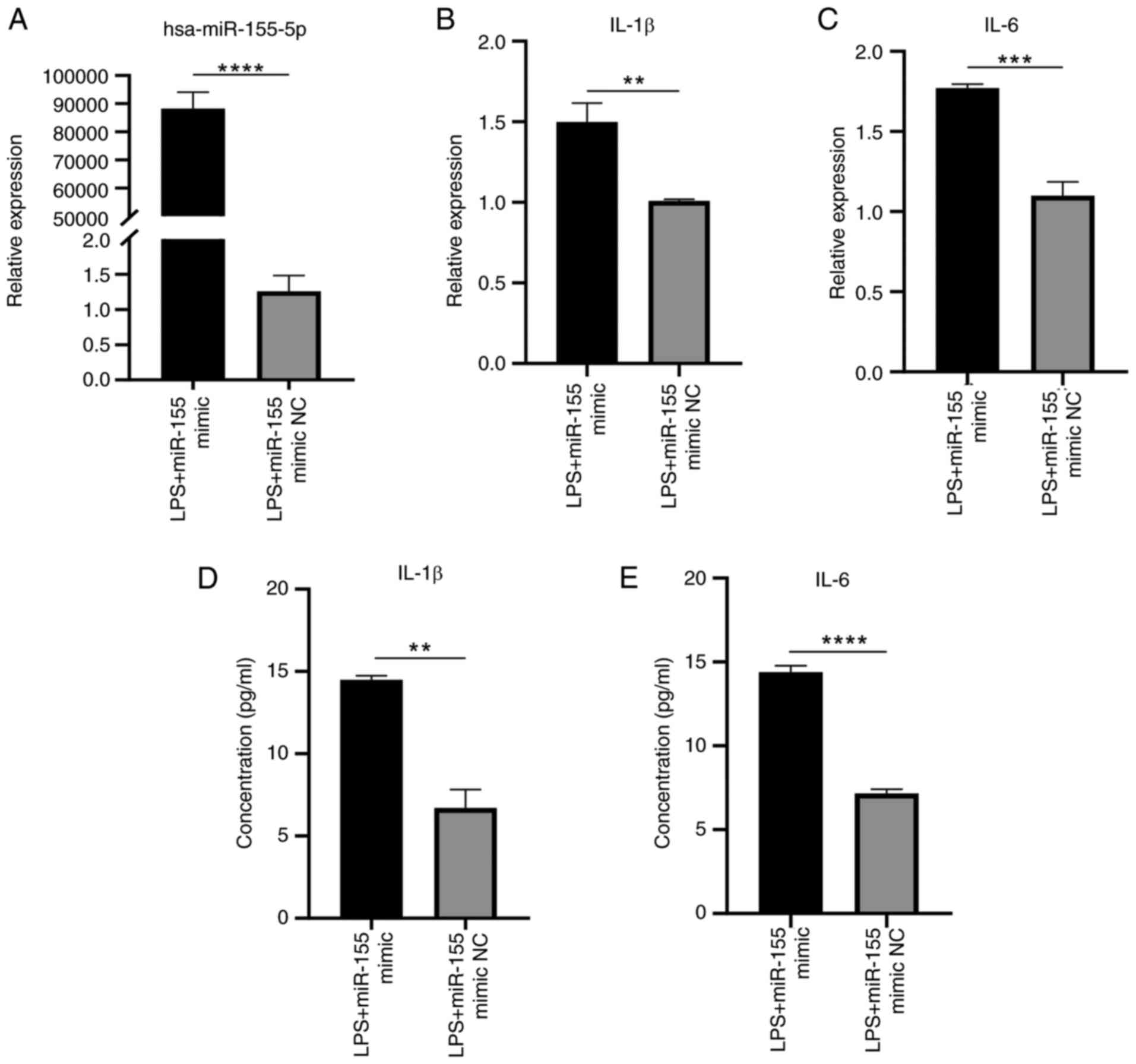
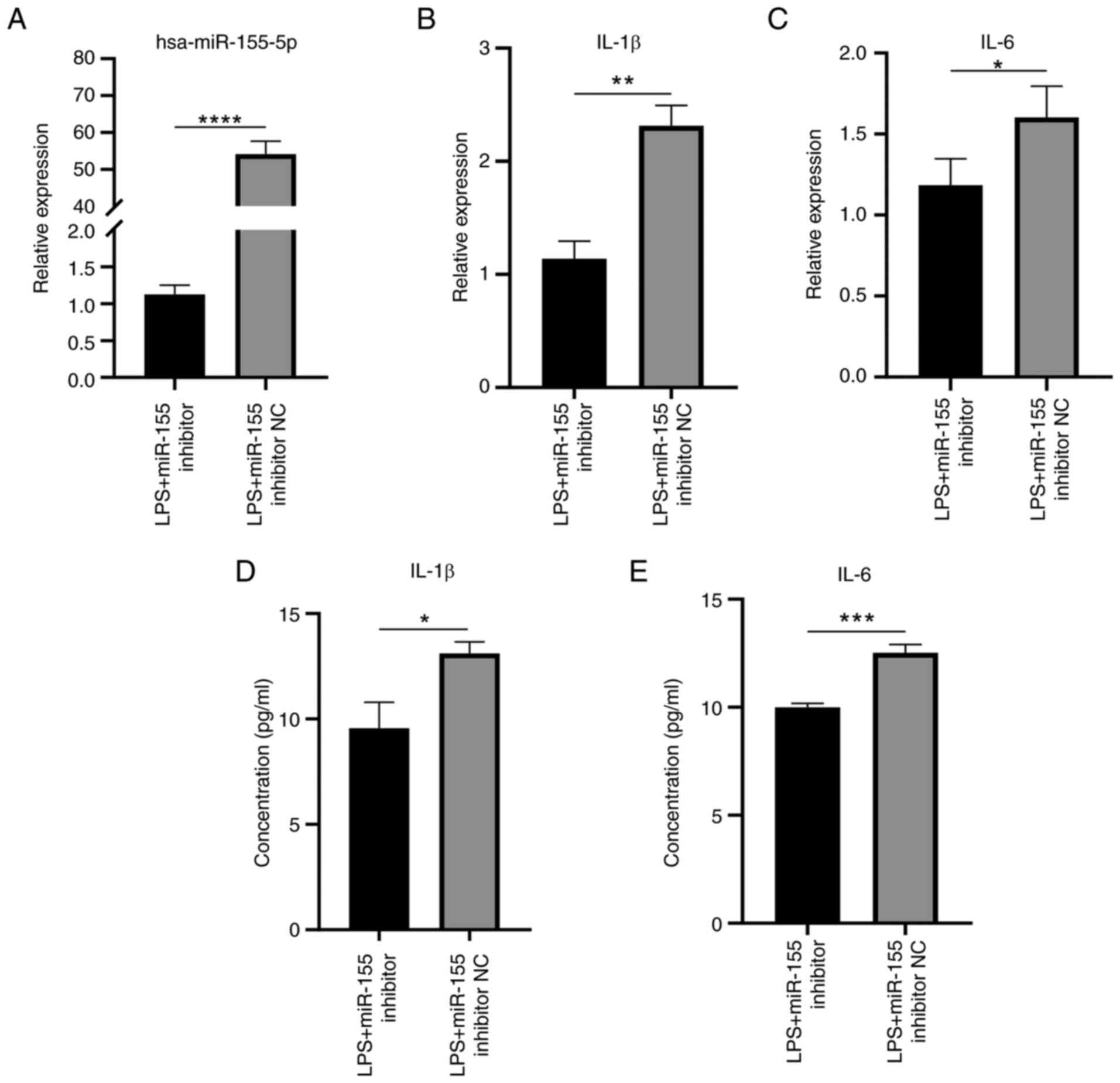
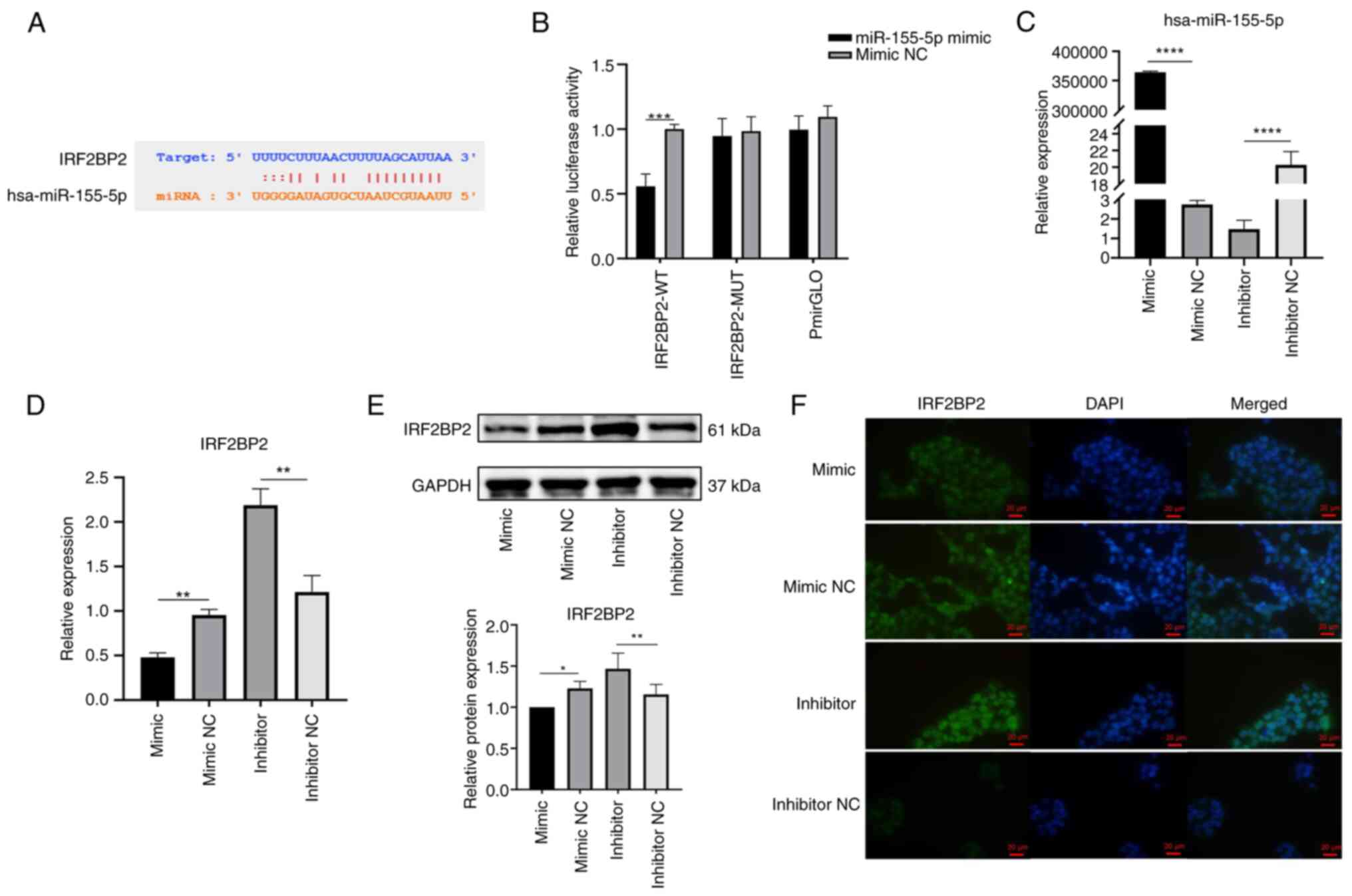
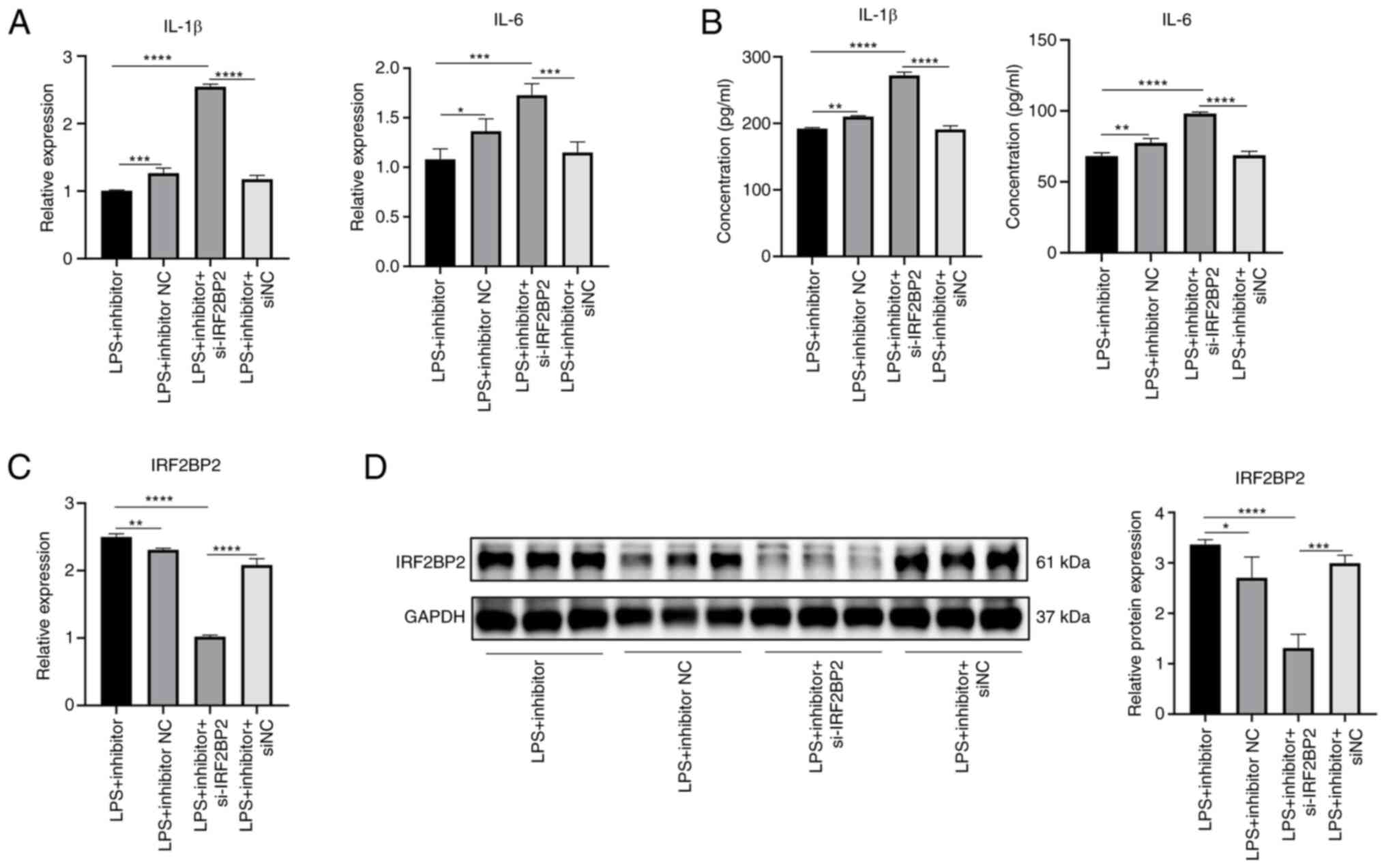
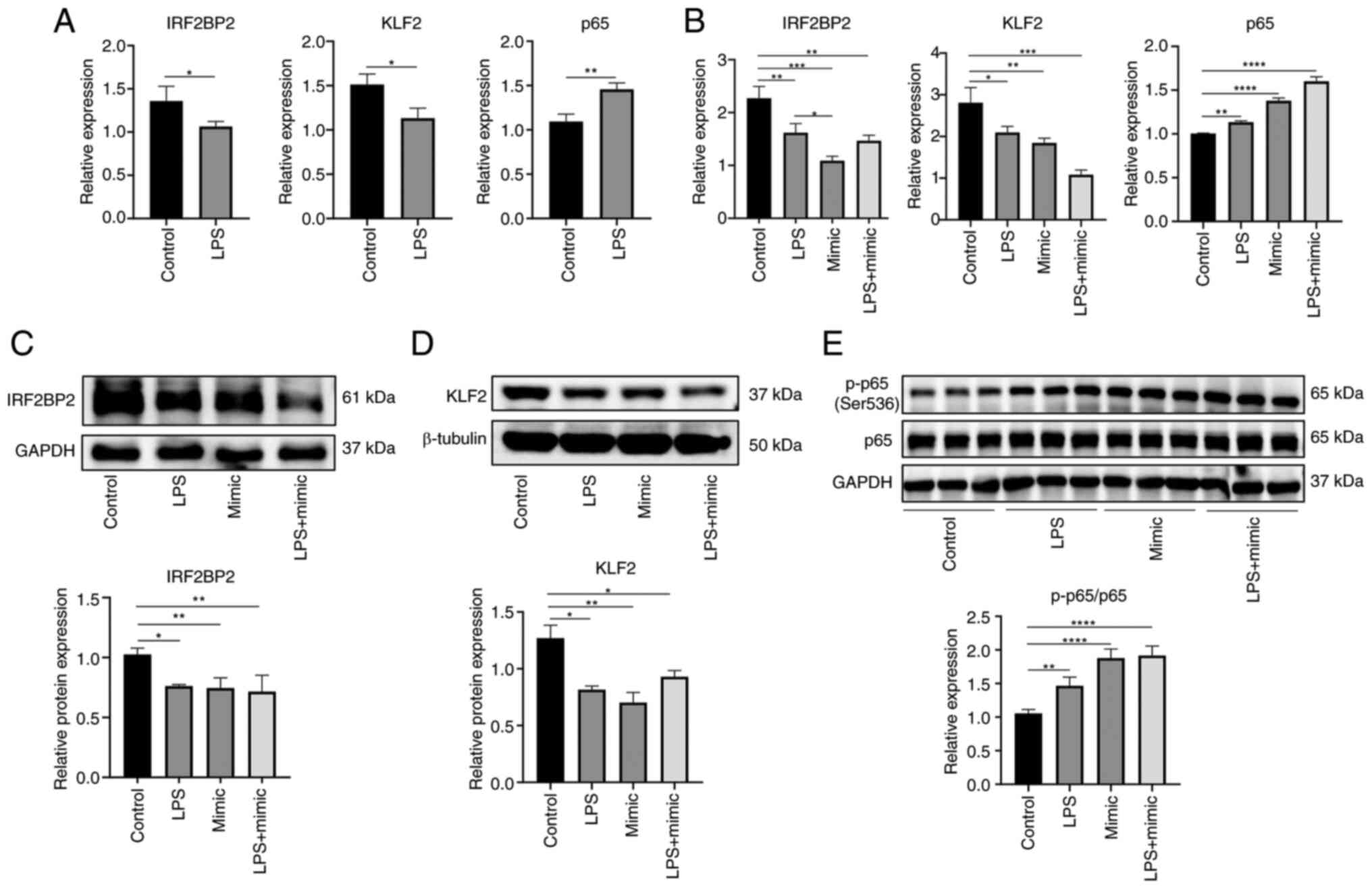
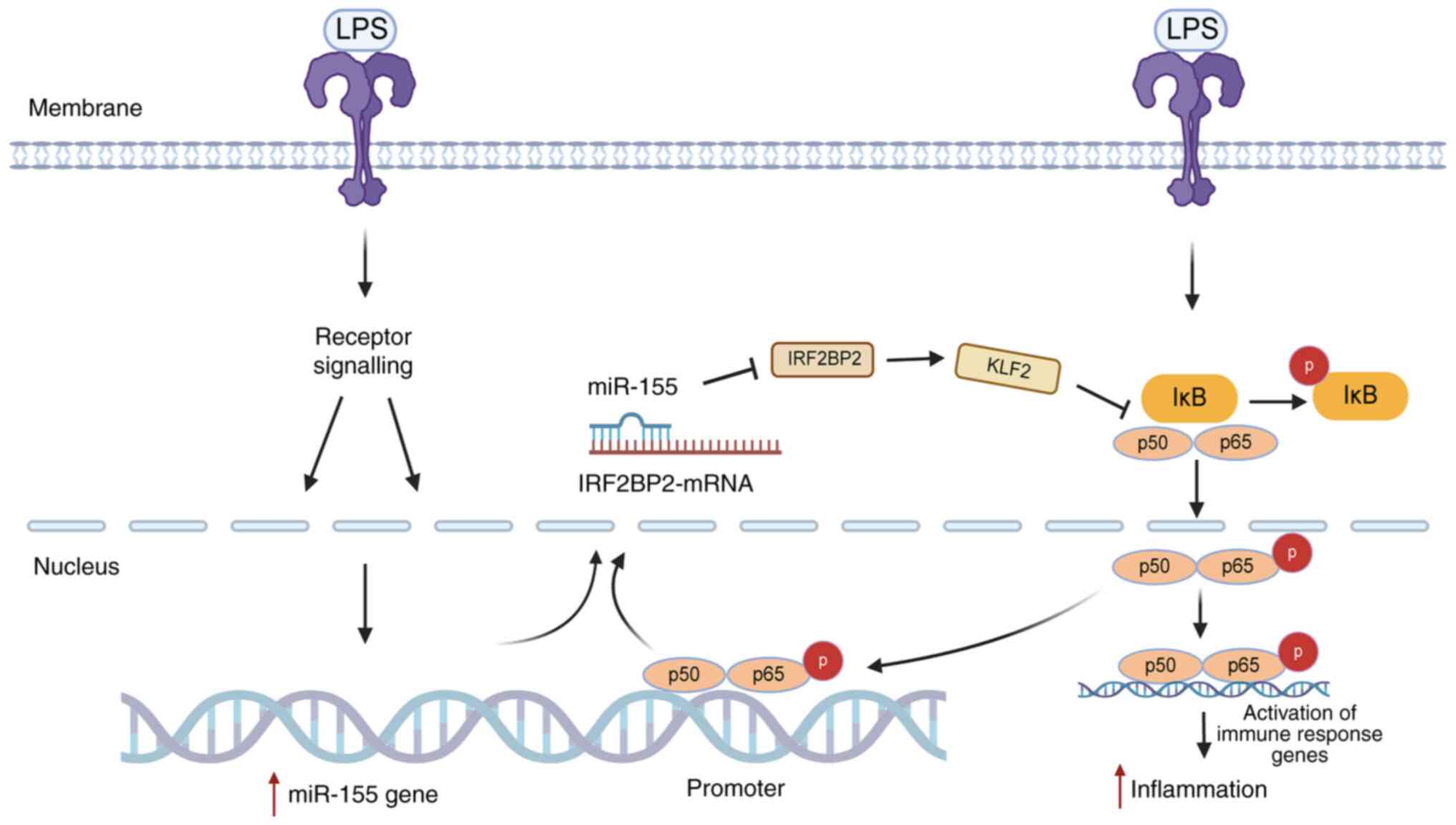
Psoriasis is a chronic inflammatory skin condition with numerous causes, including genetic, immunological and infectious factors. The course of psoriasis is long and recurrence is common; pathogenesis is not completely understood. However, there is an association between advancement of psoriasis and aberrant microRNA (miR or miRNA)‑155 expression. Through bioinformatics, the present study aimed to analyze the differentially expressed genes and miRNAs in psoriasis and its biological mechanism and function psoriatic inflammation. First of all, differentially expressed genes (DEGs) and miRNAs (DEMs) in patients with psoriasis were identified using GEO2R interactive web application. A psoriasis inflammatory model was established using lipopolysaccharide (LPS)‑treated HaCaT keratinocytes, which were transfected with miR‑155 mimic or inhibitor. Cell Counting Kit‑8 was used for the assessment of cell viability and proliferation, and changes in the cell cycle were examined using flow cytometry. ELISA and reverse transcription‑quantitative PCR (RT‑qPCR) were used to detect the expression levels of the inflammatory factors IL‑1β and IL‑6. The dual‑luciferase reporter assay was used to verify the targeting association between miR‑155‑5p and IFN regulatory factor 2 binding protein 2 (IRF2BP2). To verify the targeting association of miR‑155 and the IRF2BP2/kruppel‑like factor 2 (KLF2)/NF‑κB signaling pathway, expression levels of IRF2BP2, KLF2 and p65 were identified by RT‑qPCR and western blotting. IRF2BP2 levels were also confirmed by immunofluorescence, in conjunction with bioinformatics database analysis. Overexpression of miR‑155 inhibited proliferation of HaCaT cells and increased the number of cells in S phase and decreasing number of cells in G1 and G2 phase. In the LPS‑induced inflammatory state, miR‑155 overexpression heightened the inflammatory response of HaCaT cells while inhibition of miR‑155 lessened it. Suppression of inflammatory cytokine expression by miR‑155‑5p inhibitor was reversed by knockdown of IRF2BP2. miR‑155 was shown to interact with IRF2BP2 to negatively regulate its expression, leading to decreased KLF2 expression and increased p65 expression and secretion of inflammatory factors, intensifying the inflammatory response of HaCaT cells. Therefore, miR‑155 may contribute to development of psoriasis by inducing tissue and cell damage by increasing the inflammatory response of HaCaT cells via the IRF2BP2/KLF2/NF‑κB pathway. In conclusion, the results of the present study offer novel perspectives on the role of miR‑155 in the onset and progression of psoriasis.
View Figures

Figure 1

Figure 2

Figure 3

Figure 4

Figure 5

Figure 6

Figure 7

Figure 8

Figure 9

Figure 10

Figure 11

Figure 12

Figure 13

Figure 14

Figure 15

Figure 16

Figure 17

Figure 18

View References

1 

Boehncke WH and Schön MP: Psoriasis. Lancet. 386:983–994. 2015. View Article : Google Scholar : PubMed/NCBI

2 

Hwang ST, Nijsten T and Elder JT: Recent highlights in psoriasis research. J Invest Dermatol. 137:550–556. 2017. View Article : Google Scholar : PubMed/NCBI

3 

Chiricozzi A, Romanelli P, Volpe E, Borsellino G and Romanelli M: Scanning the immunopathogenesis of psoriasis. Int J Mol Sci. 19:1792018. View Article : Google Scholar : PubMed/NCBI

4 

Ciccia F, Triolo G and Rizzo A: Psoriatic arthritis. N Engl J Med. 376:2094–2095. 2017. View Article : Google Scholar : PubMed/NCBI

5 

Griffiths CEM, Armstrong AW, Gudjonsson JE and Barker JNWN: Psoriasis. Lancet. 397:1301–1315. 2021. View Article : Google Scholar : PubMed/NCBI

6 

Dopytalska K, Czaplicka A, Szymańska E and Walecka I: The essential role of microRNAs in inflammatory and autoimmune skin diseases-a review. Int J Mol Sci. 24:91302023. View Article : Google Scholar : PubMed/NCBI

7 

Dopytalska K, Ciechanowicz P, Wiszniewski K, Szymańska E and Walecka I: The role of epigenetic factors in psoriasis. Int J Mol Sci. 22:92942021. View Article : Google Scholar : PubMed/NCBI

8 

Yang SC, Alalaiwe A, Lin ZC, Lin YC, Aljuffali IA and Fang JY: Anti-inflammatory microRNAs for treating inflammatory skin diseases. Biomolecules. 12:10722022. View Article : Google Scholar : PubMed/NCBI

9 

Beer L, Kalinina P, Köcher M, Laggner M, Jeitler M, Abbas Zadeh S, Copic D, Tschachler E and Mildner M: miR-155 contributes to normal keratinocyte differentiation and is upregulated in the epidermis of psoriatic skin lesions. Int J Mol Sci. 21:92882020. View Article : Google Scholar : PubMed/NCBI

10 

García-Rodríguez S, Arias-Santiago S, Blasco-Morente G, Orgaz-Molina J, Rosal-Vela A, Navarro P, Magro-Checa C, Martínez-López A, Ruiz JC, Raya E, et al: Increased expression of microRNA-155 in peripheral blood mononuclear cells from psoriasis patients is related to disease activity. J Eur Acad Dermatol Venereol. 31:312–322. 2017. View Article : Google Scholar

11 

Xu L and Leng H, Shi X, Ji J, Fu J and Leng H: MiR-155 promotes cell proliferation and inhibits apoptosis by PTEN signaling pathway in the psoriasis. Biomed Pharmacother. 90:524–530. 2017. View Article : Google Scholar : PubMed/NCBI

12 

Pastor TP, Peixoto BC and Viola JPB: The transcriptional co-factor IRF2BP2: A new player in tumor development and microenvironment. Front Cell Dev Biol. 9:6553072021. View Article : Google Scholar : PubMed/NCBI

13 

Fagerberg L, Hallström BM, Oksvold P, Kampf C, Djureinovic D, Odeberg J, Habuka M, Tahmasebpoor S, Danielsson A, Edlund K, et al: Analysis of the human tissue-specific expression by genome-wide integration of transcriptomics and antibody-based proteomics. Mol Cell Proteomics. 13:397–406. 2014. View Article : Google Scholar :

14 

Ma YL, Xia JL and Gao X: Suppressing Irf2bp2 expressions accelerates metabolic syndrome-associated brain injury and hepatic dyslipidemia. Biochem Biophys Res Commun. 503:1651–1658. 2018. View Article : Google Scholar : PubMed/NCBI

15 

Ramalho-Oliveira R, Oliveira-Vieira B and Viola JPB: IRF2BP2: A new player in the regulation of cell homeostasis. J Leukoc Biol. 106:717–723. 2019. View Article : Google Scholar : PubMed/NCBI

16 

Chen HH, Keyhanian K, Zhou X, Vilmundarson RO, Almontashiri NA, Cruz SA, Pandey NR, Lerma Yap N, Ho T, Stewart CA, et al: IRF2BP2 reduces macrophage inflammation and susceptibility to atherosclerosis. Circ Res. 117:671–683. 2015. View Article : Google Scholar : PubMed/NCBI

17 

Cruz SA, Hari A, Qin Z, Couture P, Huang H, Lagace DC, Stewart AFR and Chen HH: Loss of IRF2BP2 in microglia increases inflammation and functional deficits after focal ischemic brain injury. Front Cell Neurosci. 11:2012017. View Article : Google Scholar : PubMed/NCBI

18 

Feng X, Lu T, Li J, Yang R, Hu L, Ye Y, Mao F, He L, Xu J, Wang Z, et al: The tumor suppressor interferon regulatory factor 2 binding protein 2 regulates Hippo pathway in liver cancer by a feedback loop in mice. Hepatology. 71:1988–2004. 2020. View Article : Google Scholar

19 

Hari A, Cruz SA, Qin Z, Couture P, Vilmundarson RO, Huang H, Stewart AFR and Chen HH: IRF2BP2-deficient microglia block the anxiolytic effect of enhanced postnatal care. Sci Rep. 7:98362017. View Article : Google Scholar : PubMed/NCBI

20 

Li T, Luo Q, He L, Li D, Li Q, Wang C, Xie J and Yi C: Interferon regulatory factor-2 binding protein 2 ameliorates sepsis-induced cardiomyopathy via AMPK-mediated anti-inflammation and anti-apoptosis. Inflammation. 43:1464–1475. 2020. View Article : Google Scholar : PubMed/NCBI

21 

Huang da W, Sherman BT and Lempicki RA: Bioinformatics enrichment tools: Paths toward the comprehensive functional analysis of large gene lists. Nucleic Acids Res. 37:1–13. 2009. View Article : Google Scholar

22 

Piruzian E, Bruskin S, Ishkin A, Abdeev R, Moshkovskii S, Melnik S, Nikolsky Y and Nikolskaya T: Integrated network analysis of transcriptomic and proteomic data in psoriasis. BMC Syst Biol. 4:412010. View Article : Google Scholar : PubMed/NCBI

23 

Gauthier J, Vincent AT, Charette SJ and Derome N: A brief history of bioinformatics. Brief Bioinform. 20:1981–1996. 2019. View Article : Google Scholar

24 

Livak KJ and Schmittgen TD: Analysis of relative gene expression data using real-time quantitative PCR and the 2(-Delta Delta C(T)) method. Methods. 25:402–408. 2001. View Article : Google Scholar

25 

Ni X and Lai Y: Keratinocyte: A trigger or an executor of psoriasis? J Leukoc Biol. 108:485–491. 2020. View Article : Google Scholar : PubMed/NCBI

26 

Xiuli Y and Honglin W: miRNAs flowing up and down: The concerto of psoriasis. Front Med (Lausanne). 8:6467962021. View Article : Google Scholar : PubMed/NCBI

27 

Bartel DP: MicroRNAs: Genomics, biogenesis, mechanism, and function. Cell. 116:281–297. 2004. View Article : Google Scholar : PubMed/NCBI

28 

Guo H, Ingolia NT, Weissman JS and Bartel DP: Mammalian microRNAs predominantly act to decrease target mRNA levels. Nature. 466:835–840. 2010. View Article : Google Scholar : PubMed/NCBI

29 

Jinnin M: Various applications of microRNAs in skin diseases. J Dermatol Sci. 74:3–8. 2014. View Article : Google Scholar : PubMed/NCBI

30 

Wu R, Zeng J, Yuan J, Deng X, Huang Y, Chen L, Zhang P, Feng H, Liu Z, Wang Z, et al: MicroRNA-210 overexpression promotes psoriasis-like inflammation by inducing Th1 and Th17 cell differentiation. J Clin Invest. 128:2551–2568. 2018. View Article : Google Scholar : PubMed/NCBI

31 

Raaby L, Langkilde A, Kjellerup RB, Vinter H, Khatib SH, Hjuler KF, Johansen C and Iversen L: Changes in mRNA expression precede changes in microRNA expression in lesional psoriatic skin during treatment with adalimumab. Br J Dermatol. 173:436–447. 2015. View Article : Google Scholar : PubMed/NCBI

32 

Sonkoly E, Wei T, Janson PC, Sääf A, Lundeberg L, Tengvall-Linder M, Norstedt G, Alenius H, Homey B, Scheynius A, et al: MicroRNAs: Novel regulators involved in the pathogenesis of psoriasis? PLoS One. 2:e6102007. View Article : Google Scholar : PubMed/NCBI

33 

Liu Q, Wu DH, Han L, Deng JW, Zhou L, He R, Lu CJ and Mi QS: Roles of microRNAs in psoriasis: Immunological functions and potential biomarkers. Exp Dermatol. 26:359–367. 2017. View Article : Google Scholar

34 

Luo Q, Zeng J, Li W, Lin L, Zhou X, Tian X, Liu W, Zhang L and Zhang X: Silencing of miR-155 suppresses inflammatory responses in psoriasis through inflammasome NLRP3 regulation. Int J Mol Med. 42:1086–1095. 2018.PubMed/NCBI

35 

Liu Y, Zhao X, Li J, Zhou L, Chang W, Li J, Hou R, Li J, Yin G, Li X and Zhang K: MiR-155 inhibits TP53INP1 expression leading to enhanced glycolysis of psoriatic mesenchymal stem cells. J Dermatol Sci. 105:142–151. 2022. View Article : Google Scholar : PubMed/NCBI

36 

Wang H, Zhang Y, Luomei J, Huang P, Zhou R and Peng Y: The miR-155/GATA3/IL37 axis modulates the production of proinflammatory cytokines upon TNF-α stimulation to affect psoriasis development. Exp Dermatol. 29:647–658. 2020. View Article : Google Scholar : PubMed/NCBI

37 

Koeppel M, van Heeringen SJ, Smeenk L, Navis AC, Janssen-Megens EM and Lohrum M: The novel p53 target gene IRF2BP2 participates in cell survival during the p53 stress response. Nucleic Acids Res. 37:322–335. 2009. View Article : Google Scholar

38 

Liang Y, Zhou Y and Shen P: NF-kappaB and its regulation on the immune system. Cell Mol Immunol. 1:343–350. 2004.

39 

Wu J, Ding J, Yang J, Guo X and Zheng Y: MicroRNA roles in the nuclear factor kappa B signaling pathway in cancer. Front Immunol. 9:5462018. View Article : Google Scholar : PubMed/NCBI

40 

Alexandrov P, Zhai Y, Li W and Lukiw W: Lipopolysaccharide-stimulated, NF-kB-, miRNA-146a- and miRNA-155-mediated molecular-genetic communication between the human gastrointestinal tract microbiome and the brain. Folia Neuropathol. 57:211–219. 2019. View Article : Google Scholar : PubMed/NCBI

41 

McConnell BB and Yang VW: Mammalian Krüppel-like factors in health and diseases. Physiol Rev. 90:1337–1381. 2010. View Article : Google Scholar : PubMed/NCBI

42 

Jha P and Das H: KLF2 in regulation of NF-κB-mediated immune cell function and inflammation. Int J Mol Sci. 18:23832017. View Article : Google Scholar

43 

Das M, Lu J, Joseph M, Aggarwal R, Kanji S, McMichael BK, Lee BS, Agarwal S, Ray-Chaudhury A, Iwenofu OH, et al: Kruppel-like factor 2 (KLF2) regulates monocyte differentiation and functions in mBSA and IL-1β-induced arthritis. Curr Mol Med. 12:113–125. 2012. View Article : Google Scholar : PubMed/NCBI

44 

Mahabeleshwar GH, Qureshi MA, Takami Y, Sharma N, Lingrel JB and Jain MK: A myeloid hypoxia-inducible factor 1α-Krüppel-like factor 2 pathway regulates gram-positive endotoxin-mediated sepsis. J Biol Chem. 287:1448–1457. 2012. View Article : Google Scholar

45 

Novodvorsky P and Chico TJA: The role of the transcription factor KLF2 in vascular development and disease. Prog Mol Biol Transl Sci. 124:155–188. 2014. View Article : Google Scholar : PubMed/NCBI

46 

Das H, Kumar A, Lin Z, Patino WD, Hwang PM, Feinberg MW, Majumder PK and Jain MK: Kruppel-like factor 2 (KLF2) regulates proinflammatory activation of monocytes. Proc Natl Acad Sci USA. 103:6653–6658. 2006. View Article : Google Scholar : PubMed/NCBI

47 

Mahabeleshwar GH, Kawanami D, Sharma N, Takami Y, Zhou G, Shi H, Nayak L, Jeyaraj D, Grealy R, White M, et al: The myeloid transcription factor KLF2 regulates the host response to polymicrobial infection and endotoxic shock. Immunity. 34:715–728. 2011. View Article : Google Scholar : PubMed/NCBI

48 

Nayak L, Goduni L, Takami Y, Sharma N, Kapil P, Jain MK and Mahabeleshwar GH: Kruppel-like factor 2 is a transcriptional regulator of chronic and acute inflammation. Am J Pathol. 182:1696–1704. 2013. View Article : Google Scholar : PubMed/NCBI

49 

SenBanerjee S, Lin Z, Atkins GB, Greif DM, Rao RM, Kumar A, Feinberg MW, Chen Z, Simon DI, Luscinskas FW, et al: KLF2 Is a novel transcriptional regulator of endothelial proinflammatory activation. J Exp Med. 199:1305–1315. 2004. View Article : Google Scholar : PubMed/NCBI

50 

Masalha M, Sidi Y and Avni D: The contribution of feedback loops between miRNAs, cytokines and growth factors to the pathogenesis of psoriasis. Exp Dermatol. 27:603–610. 2018. View Article : Google Scholar : PubMed/NCBI

Related Articles

  • Abstract
  • View
  • Download
  • Twitter
Copy and paste a formatted citation
Spandidos Publications style
Chen L, Liu C, Xiang X, Qiu W and Guo K: miR‑155 promotes an inflammatory response in HaCaT cells via the IRF2BP2/KLF2/NF‑κB pathway in psoriasis. Int J Mol Med 54: 91, 2024.
APA
Chen, L., Liu, C., Xiang, X., Qiu, W., & Guo, K. (2024). miR‑155 promotes an inflammatory response in HaCaT cells via the IRF2BP2/KLF2/NF‑κB pathway in psoriasis. International Journal of Molecular Medicine, 54, 91. https://doi.org/10.3892/ijmm.2024.5415
MLA
Chen, L., Liu, C., Xiang, X., Qiu, W., Guo, K."miR‑155 promotes an inflammatory response in HaCaT cells via the IRF2BP2/KLF2/NF‑κB pathway in psoriasis". International Journal of Molecular Medicine 54.5 (2024): 91.
Chicago
Chen, L., Liu, C., Xiang, X., Qiu, W., Guo, K."miR‑155 promotes an inflammatory response in HaCaT cells via the IRF2BP2/KLF2/NF‑κB pathway in psoriasis". International Journal of Molecular Medicine 54, no. 5 (2024): 91. https://doi.org/10.3892/ijmm.2024.5415
Copy and paste a formatted citation
x
Spandidos Publications style
Chen L, Liu C, Xiang X, Qiu W and Guo K: miR‑155 promotes an inflammatory response in HaCaT cells via the IRF2BP2/KLF2/NF‑κB pathway in psoriasis. Int J Mol Med 54: 91, 2024.
APA
Chen, L., Liu, C., Xiang, X., Qiu, W., & Guo, K. (2024). miR‑155 promotes an inflammatory response in HaCaT cells via the IRF2BP2/KLF2/NF‑κB pathway in psoriasis. International Journal of Molecular Medicine, 54, 91. https://doi.org/10.3892/ijmm.2024.5415
MLA
Chen, L., Liu, C., Xiang, X., Qiu, W., Guo, K."miR‑155 promotes an inflammatory response in HaCaT cells via the IRF2BP2/KLF2/NF‑κB pathway in psoriasis". International Journal of Molecular Medicine 54.5 (2024): 91.
Chicago
Chen, L., Liu, C., Xiang, X., Qiu, W., Guo, K."miR‑155 promotes an inflammatory response in HaCaT cells via the IRF2BP2/KLF2/NF‑κB pathway in psoriasis". International Journal of Molecular Medicine 54, no. 5 (2024): 91. https://doi.org/10.3892/ijmm.2024.5415
Follow us
  • Twitter
  • LinkedIn
  • Facebook
About
  • Spandidos Publications
  • Careers
  • Cookie Policy
  • Privacy Policy
How can we help?
  • Help
  • Live Chat
  • Contact
  • Email to our Support Team