Spandidos Publications Logo
  • About
    • About Spandidos
    • Aims and Scopes
    • Abstracting and Indexing
    • Editorial Policies
    • Reprints and Permissions
    • Job Opportunities
    • Terms and Conditions
    • Contact
  • Journals
    • All Journals
    • Oncology Letters
      • Oncology Letters
      • Information for Authors
      • Editorial Policies
      • Editorial Board
      • Aims and Scope
      • Abstracting and Indexing
      • Bibliographic Information
      • Archive
    • International Journal of Oncology
      • International Journal of Oncology
      • Information for Authors
      • Editorial Policies
      • Editorial Board
      • Aims and Scope
      • Abstracting and Indexing
      • Bibliographic Information
      • Archive
    • Molecular and Clinical Oncology
      • Molecular and Clinical Oncology
      • Information for Authors
      • Editorial Policies
      • Editorial Board
      • Aims and Scope
      • Abstracting and Indexing
      • Bibliographic Information
      • Archive
    • Experimental and Therapeutic Medicine
      • Experimental and Therapeutic Medicine
      • Information for Authors
      • Editorial Policies
      • Editorial Board
      • Aims and Scope
      • Abstracting and Indexing
      • Bibliographic Information
      • Archive
    • International Journal of Molecular Medicine
      • International Journal of Molecular Medicine
      • Information for Authors
      • Editorial Policies
      • Editorial Board
      • Aims and Scope
      • Abstracting and Indexing
      • Bibliographic Information
      • Archive
    • Biomedical Reports
      • Biomedical Reports
      • Information for Authors
      • Editorial Policies
      • Editorial Board
      • Aims and Scope
      • Abstracting and Indexing
      • Bibliographic Information
      • Archive
    • Oncology Reports
      • Oncology Reports
      • Information for Authors
      • Editorial Policies
      • Editorial Board
      • Aims and Scope
      • Abstracting and Indexing
      • Bibliographic Information
      • Archive
    • Molecular Medicine Reports
      • Molecular Medicine Reports
      • Information for Authors
      • Editorial Policies
      • Editorial Board
      • Aims and Scope
      • Abstracting and Indexing
      • Bibliographic Information
      • Archive
    • World Academy of Sciences Journal
      • World Academy of Sciences Journal
      • Information for Authors
      • Editorial Policies
      • Editorial Board
      • Aims and Scope
      • Abstracting and Indexing
      • Bibliographic Information
      • Archive
    • International Journal of Functional Nutrition
      • International Journal of Functional Nutrition
      • Information for Authors
      • Editorial Policies
      • Editorial Board
      • Aims and Scope
      • Abstracting and Indexing
      • Bibliographic Information
      • Archive
    • International Journal of Epigenetics
      • International Journal of Epigenetics
      • Information for Authors
      • Editorial Policies
      • Editorial Board
      • Aims and Scope
      • Abstracting and Indexing
      • Bibliographic Information
      • Archive
    • Medicine International
      • Medicine International
      • Information for Authors
      • Editorial Policies
      • Editorial Board
      • Aims and Scope
      • Abstracting and Indexing
      • Bibliographic Information
      • Archive
  • Articles
  • Information
    • Information for Authors
    • Information for Reviewers
    • Information for Librarians
    • Information for Advertisers
    • Conferences
  • Language Editing
Spandidos Publications Logo
  • About
    • About Spandidos
    • Aims and Scopes
    • Abstracting and Indexing
    • Editorial Policies
    • Reprints and Permissions
    • Job Opportunities
    • Terms and Conditions
    • Contact
  • Journals
    • All Journals
    • Biomedical Reports
      • Information for Authors
      • Editorial Policies
      • Editorial Board
      • Aims and Scope
      • Abstracting and Indexing
      • Bibliographic Information
      • Archive
    • Experimental and Therapeutic Medicine
      • Information for Authors
      • Editorial Policies
      • Editorial Board
      • Aims and Scope
      • Abstracting and Indexing
      • Bibliographic Information
      • Archive
    • International Journal of Epigenetics
      • Information for Authors
      • Editorial Policies
      • Editorial Board
      • Aims and Scope
      • Abstracting and Indexing
      • Bibliographic Information
      • Archive
    • International Journal of Functional Nutrition
      • Information for Authors
      • Editorial Policies
      • Editorial Board
      • Aims and Scope
      • Abstracting and Indexing
      • Bibliographic Information
      • Archive
    • International Journal of Molecular Medicine
      • Information for Authors
      • Editorial Policies
      • Editorial Board
      • Aims and Scope
      • Abstracting and Indexing
      • Bibliographic Information
      • Archive
    • International Journal of Oncology
      • Information for Authors
      • Editorial Policies
      • Editorial Board
      • Aims and Scope
      • Abstracting and Indexing
      • Bibliographic Information
      • Archive
    • Medicine International
      • Information for Authors
      • Editorial Policies
      • Editorial Board
      • Aims and Scope
      • Abstracting and Indexing
      • Bibliographic Information
      • Archive
    • Molecular and Clinical Oncology
      • Information for Authors
      • Editorial Policies
      • Editorial Board
      • Aims and Scope
      • Abstracting and Indexing
      • Bibliographic Information
      • Archive
    • Molecular Medicine Reports
      • Information for Authors
      • Editorial Policies
      • Editorial Board
      • Aims and Scope
      • Abstracting and Indexing
      • Bibliographic Information
      • Archive
    • Oncology Letters
      • Information for Authors
      • Editorial Policies
      • Editorial Board
      • Aims and Scope
      • Abstracting and Indexing
      • Bibliographic Information
      • Archive
    • Oncology Reports
      • Information for Authors
      • Editorial Policies
      • Editorial Board
      • Aims and Scope
      • Abstracting and Indexing
      • Bibliographic Information
      • Archive
    • World Academy of Sciences Journal
      • Information for Authors
      • Editorial Policies
      • Editorial Board
      • Aims and Scope
      • Abstracting and Indexing
      • Bibliographic Information
      • Archive
  • Articles
  • Information
    • For Authors
    • For Reviewers
    • For Librarians
    • For Advertisers
    • Conferences
  • Language Editing
Login Register Submit
  • This site uses cookies
  • You can change your cookie settings at any time by following the instructions in our Cookie Policy. To find out more, you may read our Privacy Policy.

    I agree
Search articles by DOI, keyword, author or affiliation
Search
Advanced Search
presentation
International Journal of Molecular Medicine
Join Editorial Board Propose a Special Issue
Print ISSN: 1107-3756 Online ISSN: 1791-244X
Journal Cover
March-2025 Volume 55 Issue 3

Full Size Image

Sign up for eToc alerts
Recommend to Library

Journals

International Journal of Molecular Medicine

International Journal of Molecular Medicine

International Journal of Molecular Medicine is an international journal devoted to molecular mechanisms of human disease.

International Journal of Oncology

International Journal of Oncology

International Journal of Oncology is an international journal devoted to oncology research and cancer treatment.

Molecular Medicine Reports

Molecular Medicine Reports

Covers molecular medicine topics such as pharmacology, pathology, genetics, neuroscience, infectious diseases, molecular cardiology, and molecular surgery.

Oncology Reports

Oncology Reports

Oncology Reports is an international journal devoted to fundamental and applied research in Oncology.

Experimental and Therapeutic Medicine

Experimental and Therapeutic Medicine

Experimental and Therapeutic Medicine is an international journal devoted to laboratory and clinical medicine.

Oncology Letters

Oncology Letters

Oncology Letters is an international journal devoted to Experimental and Clinical Oncology.

Biomedical Reports

Biomedical Reports

Explores a wide range of biological and medical fields, including pharmacology, genetics, microbiology, neuroscience, and molecular cardiology.

Molecular and Clinical Oncology

Molecular and Clinical Oncology

International journal addressing all aspects of oncology research, from tumorigenesis and oncogenes to chemotherapy and metastasis.

World Academy of Sciences Journal

World Academy of Sciences Journal

Multidisciplinary open-access journal spanning biochemistry, genetics, neuroscience, environmental health, and synthetic biology.

International Journal of Functional Nutrition

International Journal of Functional Nutrition

Open-access journal combining biochemistry, pharmacology, immunology, and genetics to advance health through functional nutrition.

International Journal of Epigenetics

International Journal of Epigenetics

Publishes open-access research on using epigenetics to advance understanding and treatment of human disease.

Medicine International

Medicine International

An International Open Access Journal Devoted to General Medicine.

Journal Cover
March-2025 Volume 55 Issue 3

Full Size Image

Sign up for eToc alerts
Recommend to Library

  • Article
  • Citations
    • Cite This Article
    • Download Citation
    • Create Citation Alert
    • Remove Citation Alert
    • Cited By
  • Similar Articles
    • Related Articles (in Spandidos Publications)
    • Similar Articles (Google Scholar)
    • Similar Articles (PubMed)
  • Download PDF
  • Download XML
  • View XML

  • Supplementary Files
    • Supplementary_Data.pdf
Article Open Access

RGS12 is a target of penehyclidine hydrochloride that enhances oxidative stress and ferroptosis in a model of myocardial ischemia/reperfusion injury by inhibiting the Nrf2 pathway

  • Authors:
    • Congna Zi
    • Yulei Wei
    • Ying Zhu
    • Juan Fan
  • View Affiliations / Copyright

    Affiliations: Department of Anesthesiology, The First Affiliated Hospital of Hebei North University, Zhangjiakou, Hebei 075000, P.R. China, Department of Cardiothoracic Surgery, The First Affiliated Hospital of Hebei North University, Zhangjiakou, Hebei 075000, P.R. China
    Copyright: © Zi et al. This is an open access article distributed under the terms of Creative Commons Attribution License.
  • Article Number: 52
    |
    Published online on: January 24, 2025
       https://doi.org/10.3892/ijmm.2025.5493
  • Expand metrics +
Metrics: Total Views: 0 (Spandidos Publications: | PMC Statistics: )
Metrics: Total PDF Downloads: 0 (Spandidos Publications: | PMC Statistics: )
Cited By (CrossRef): 0 citations Loading Articles...

This article is mentioned in:


Abstract

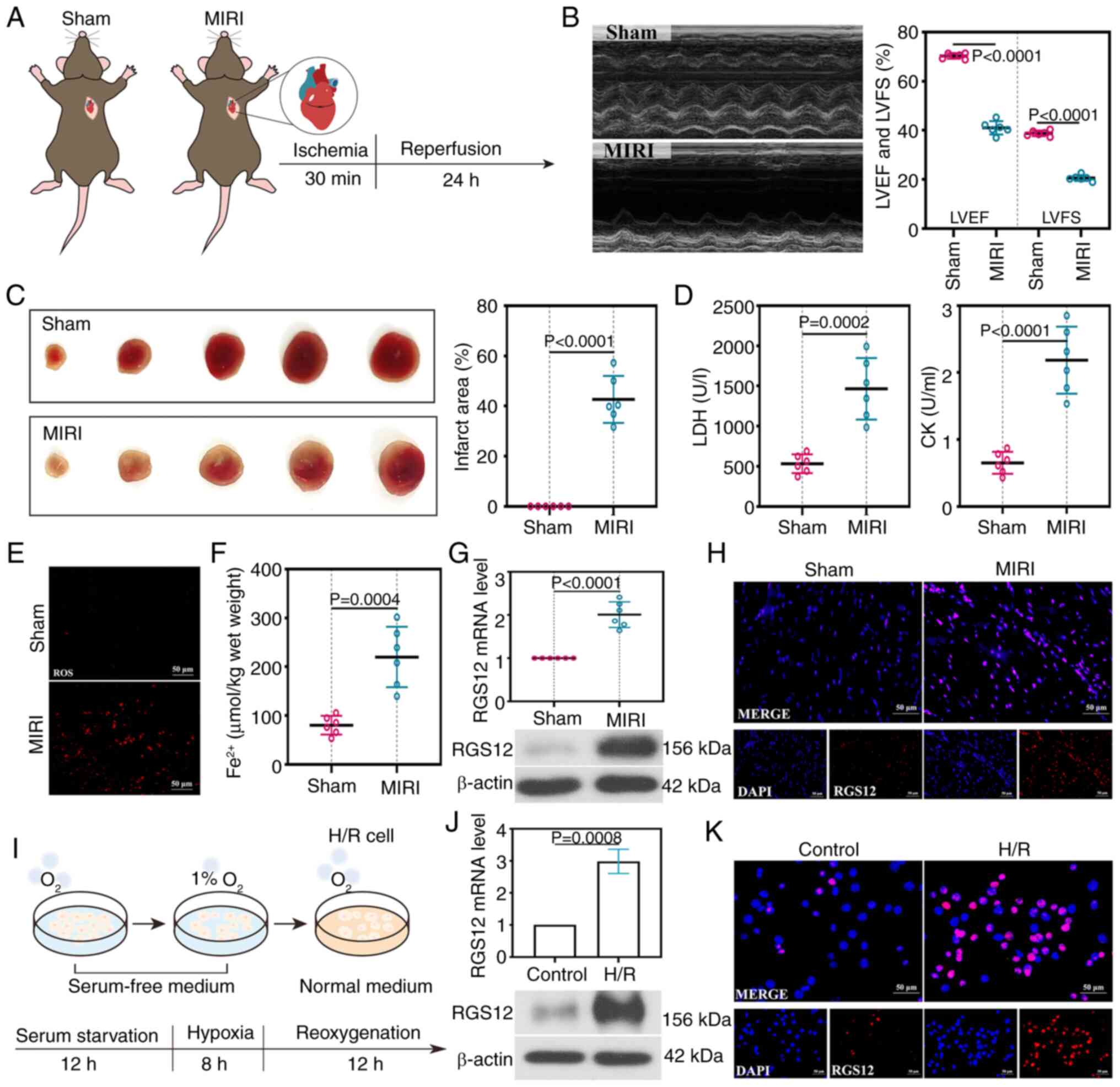
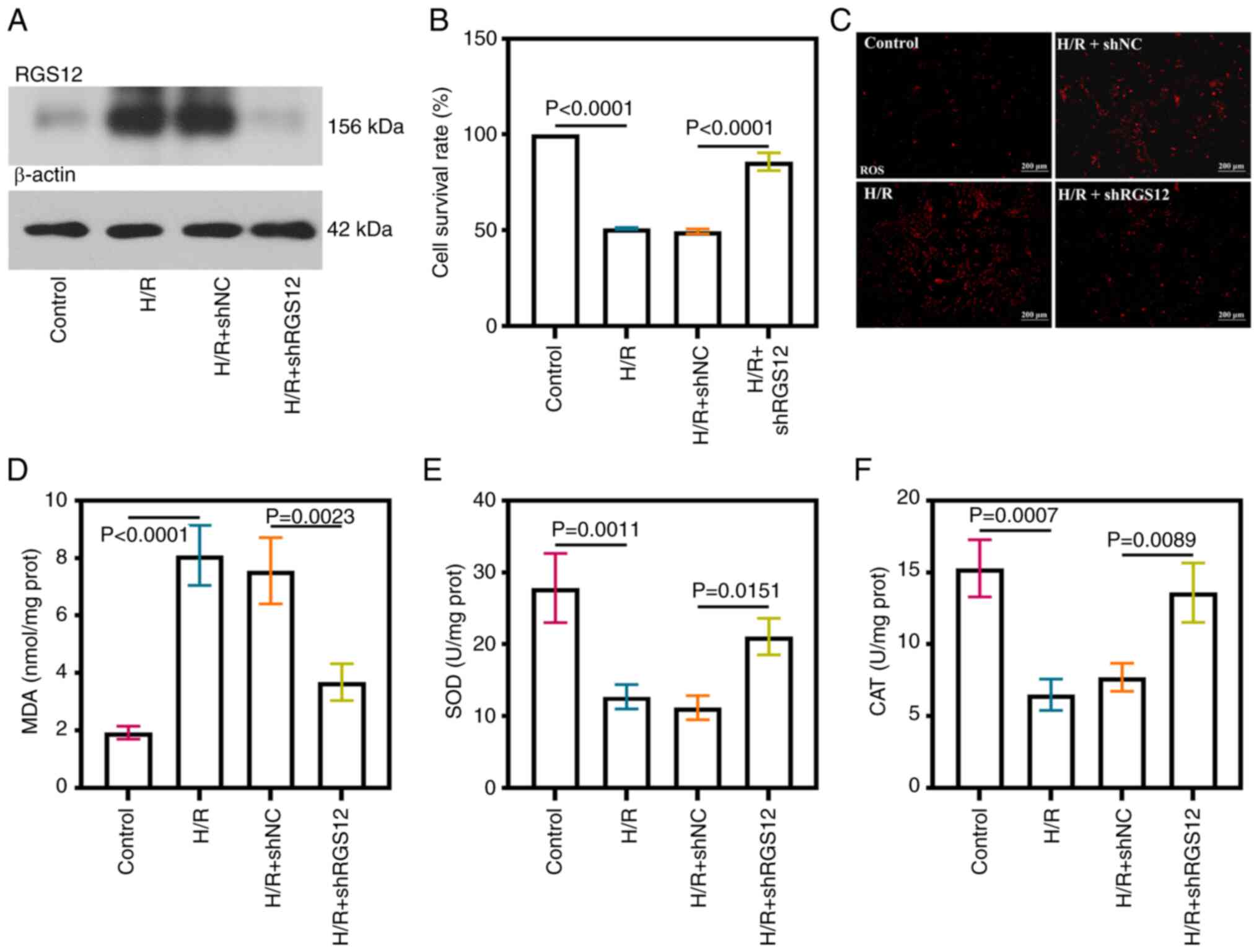
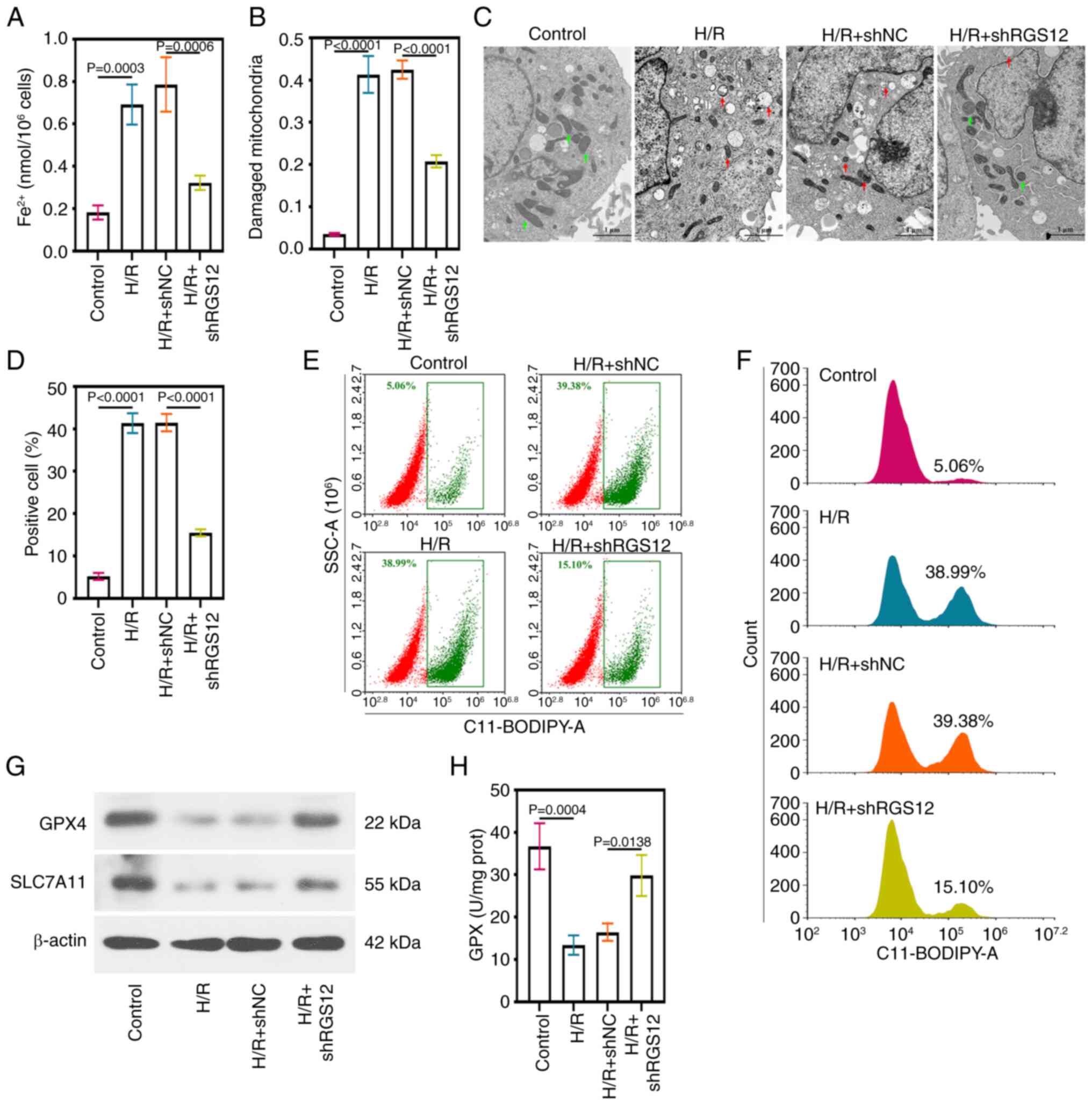
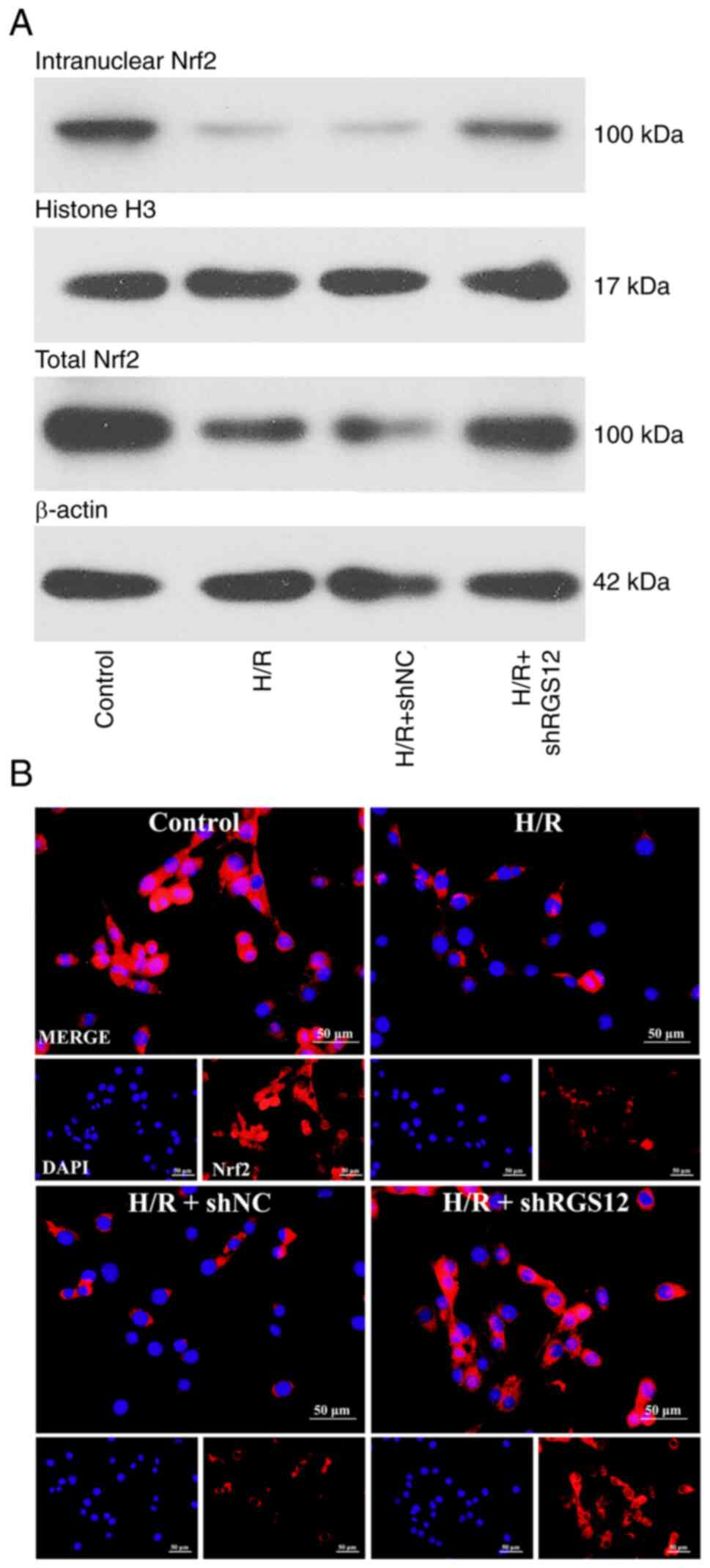
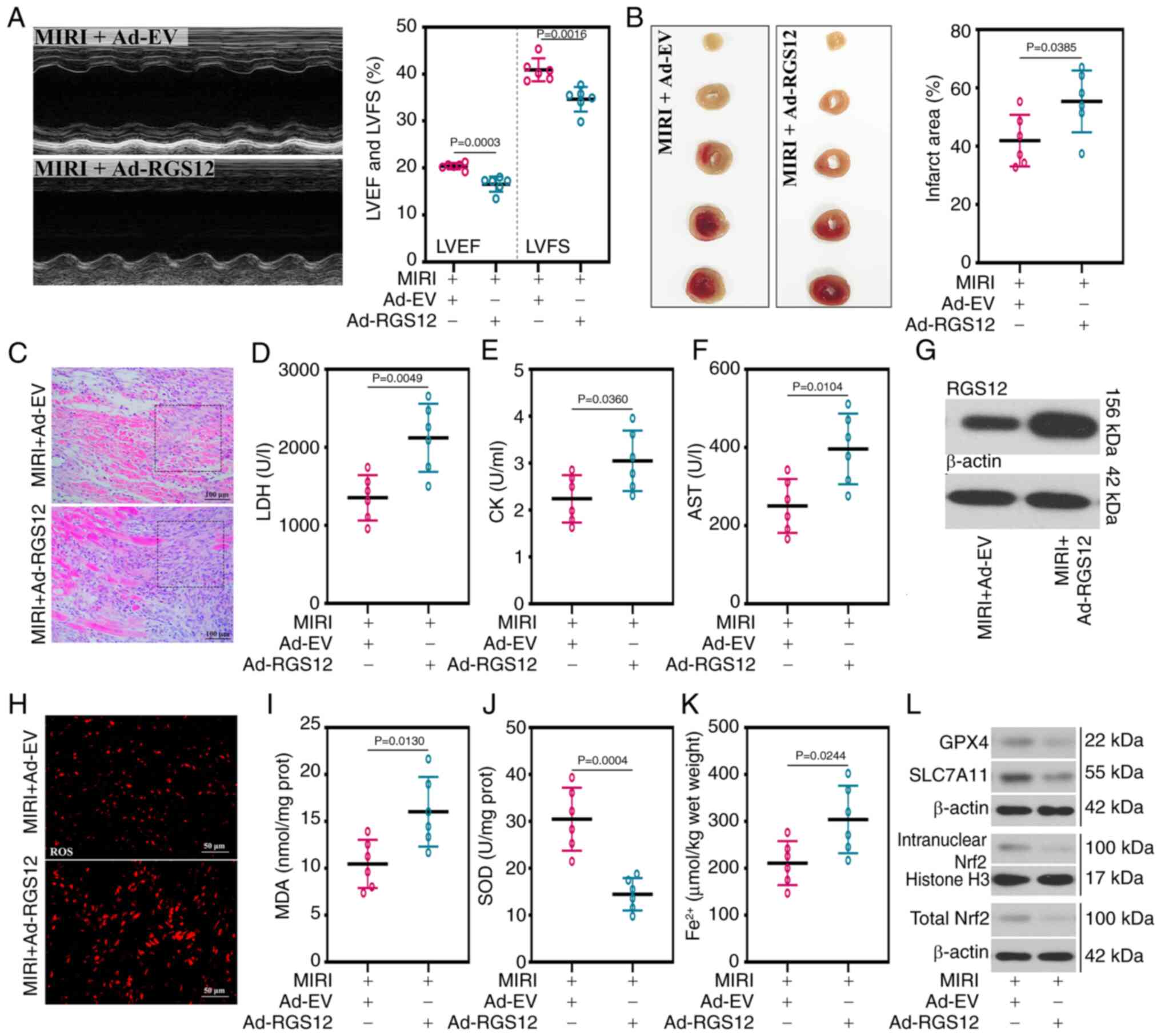
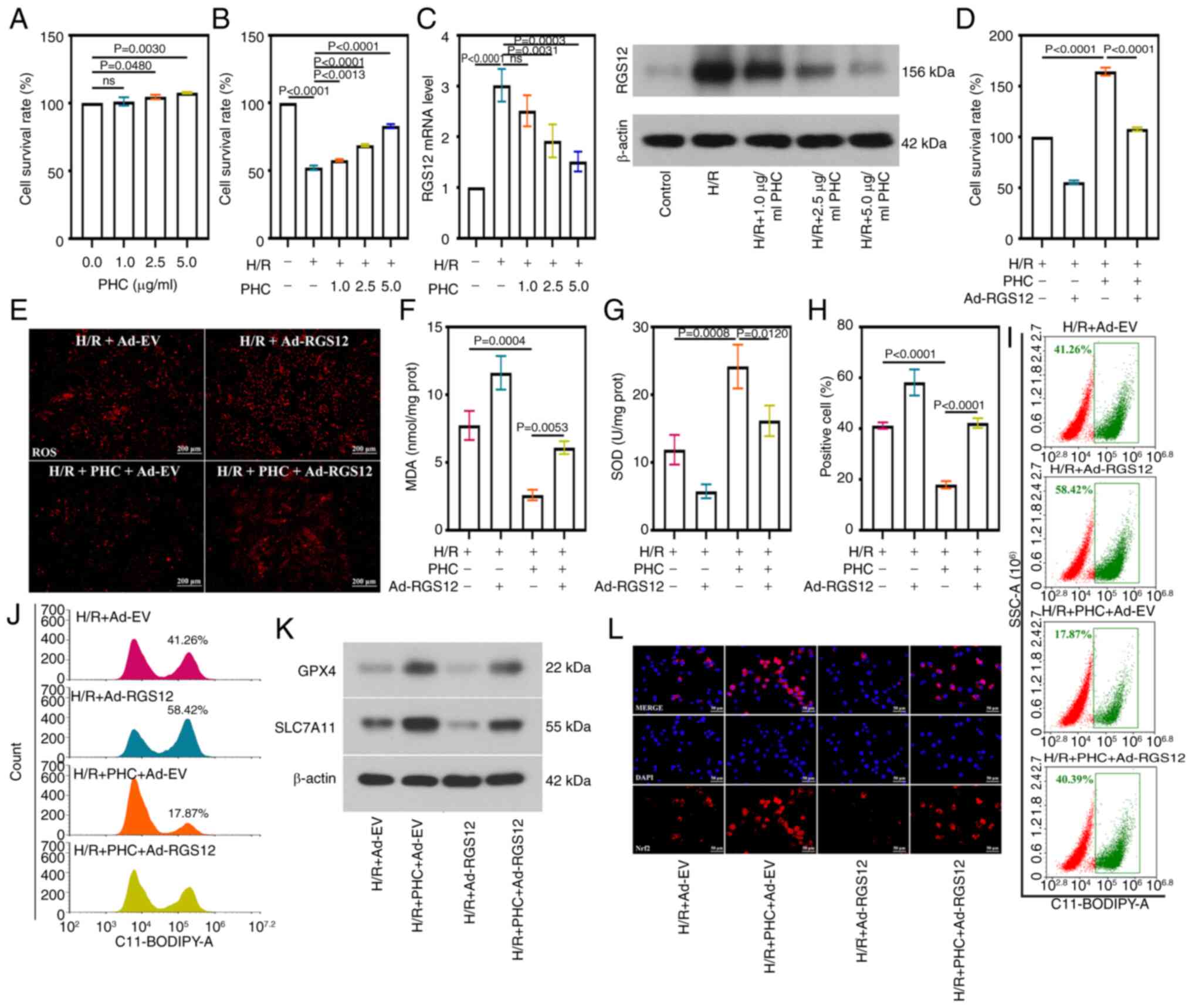
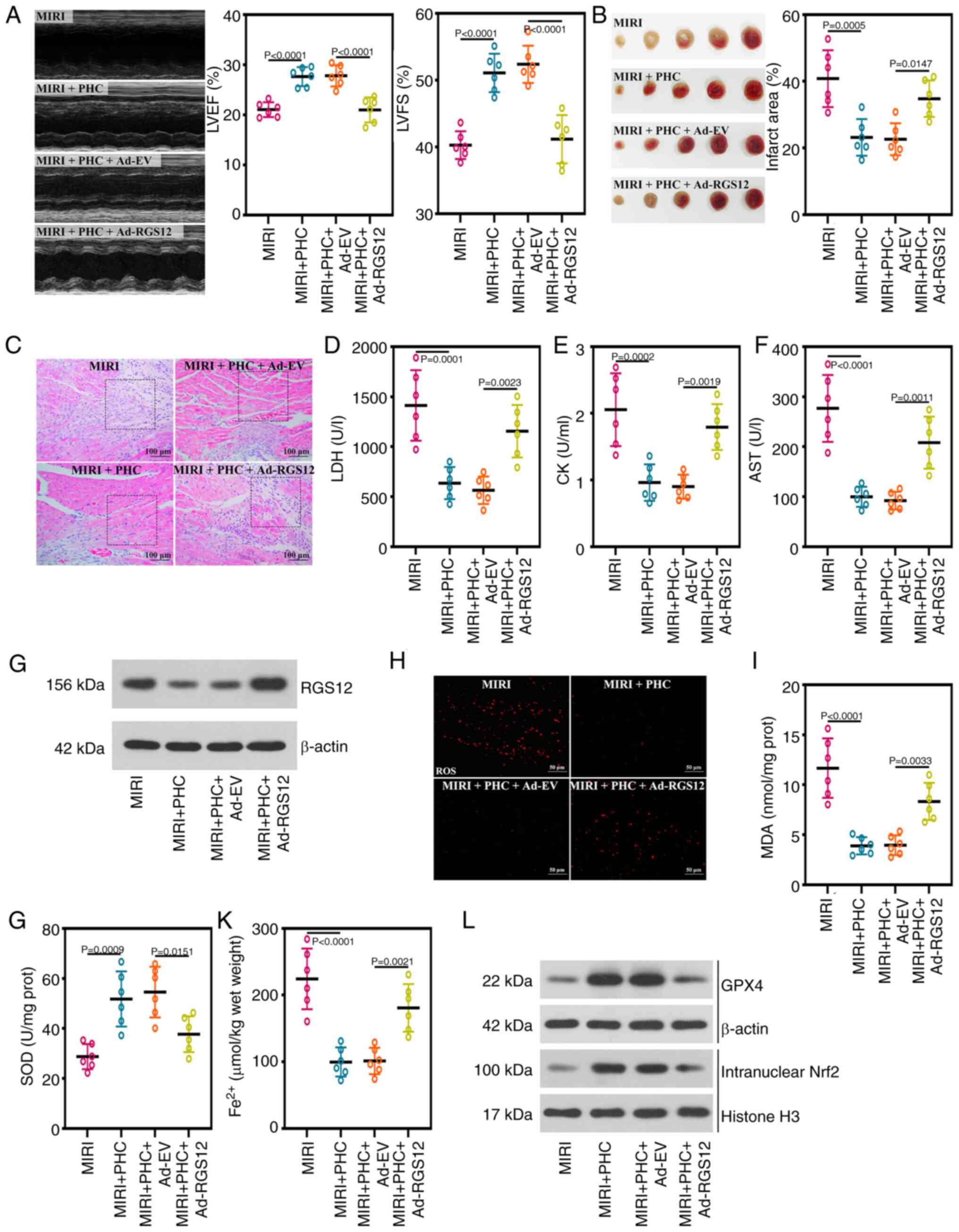
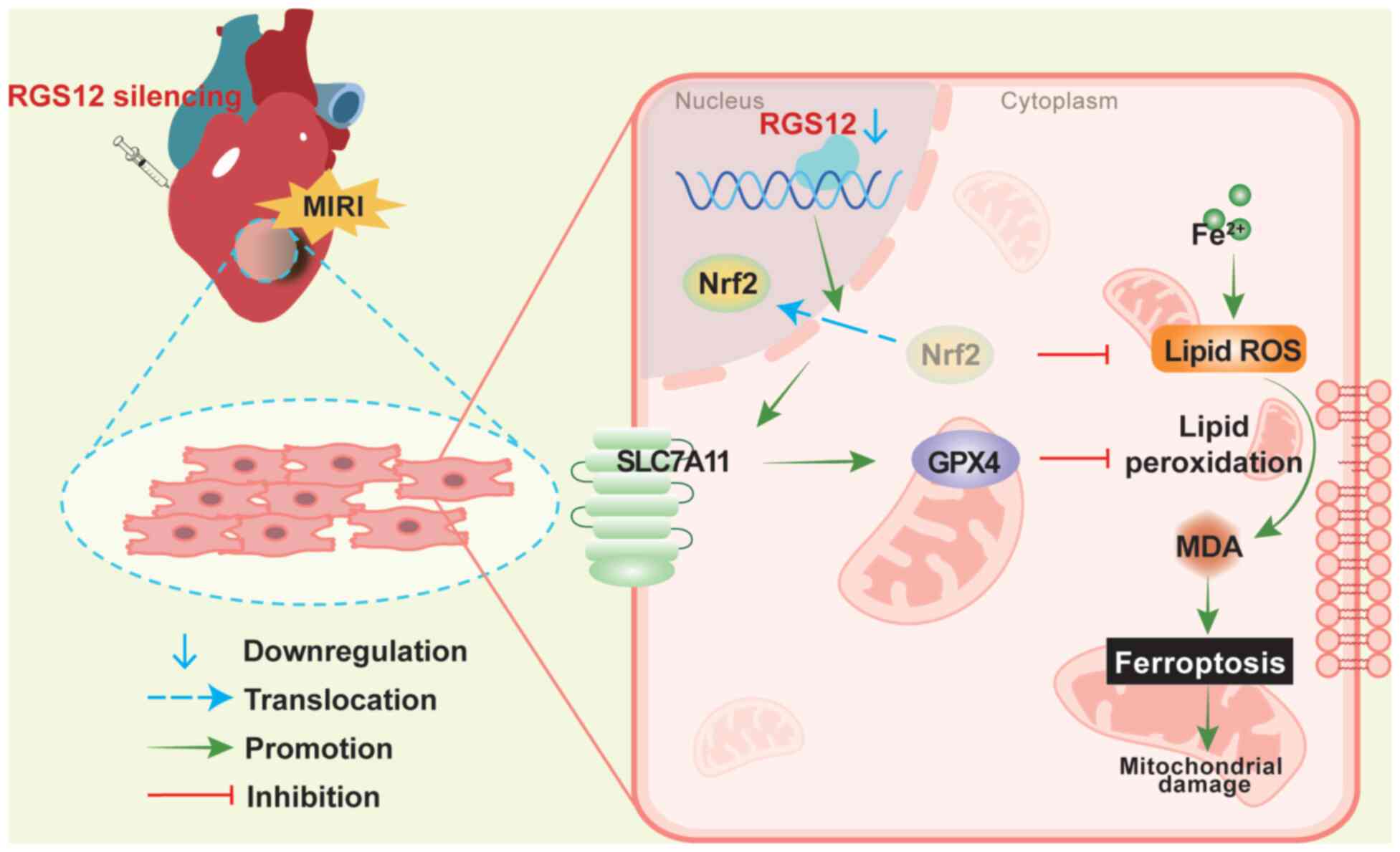
Regulator of G‑protein signaling 12 (RGS12) is a regulatory factor that is involved in various physiological processes. However, the role of RGS12 in myocardial ischemia/reperfusion injury (MIRI) currently remains unclear. The present study established a mouse model of MIRI by ligating the left main coronary artery followed by reperfusion. In addition, mouse HL‑1 cells were cultured in a hypoxic and serum‑free medium, followed by reoxygenation to establish an in vitro cell model of hypoxia/reoxygenation (H/R). Adenoviruses targeting RGS12 were subsequently used to either overexpress or silence RGS12 expression. RGS12 was highly expressed in both the myocardial tissues of mice with MIRI and HL‑1 cells subjected to H/R. The results from the in vitro experiments demonstrated that the knockdown of RGS12 reduced oxidative stress under a pathological environment, as indicated by decreased reactive oxygen species (ROS) levels and malondialdehyde activity and increased activities of superoxide dismutase and catalase. Furthermore, mice with MIRI and HL‑1 cells that underwent H/R stimulation exhibited increased ferroptosis, whereas RGS12 knockdown reversed these changes. These results showed that post‑RGS12 silencing the levels of Fe2+ and lipid ROS were decreased, the expression levels of glutathione peroxidase 4 and cystine transporter solute carrier family 7 member 11 were increased and mitochondrial structure was improved by preventing the loss of the mitochondrial crest. Mechanistically, the nuclear factor erythroid 2‑related factor 2 (Nrf2) pathway with anti‑ferroptosis and anti‑oxidative stress capacities was activated by RGS12 knockdown. Conversely, RGS12 overexpression exerted the opposite effects both in vivo and in vitro. Notably, it was demonstrated that penehyclidine hydrochloride (PHC), known to block the MIRI process, decreased RGS12 expression levels both in vivo and in vitro, and RGS12 overexpression inhibited the therapeutic effects of PHC on MIRI. In conclusion, the present study demonstrated that RGS12, a target of PHC, potentially enhanced the progression of MIRI by promoting oxidative stress and ferroptosis, and this effect may involve the regulation of the Nrf2 pathway.
View Figures

Figure 1

Figure 2

Figure 3

Figure 4

Figure 5

Figure 6

Figure 7

Figure 8

View References

1 

Roth GA, Mensah GA, Johnson CO, Addolorato G, Ammirati E, Baddour LM, Barengo NC, Beaton AZ, Benjamin EJ, Benziger CP, et al: Global burden of cardiovascular diseases and risk factors, 1990-2019: Update from the GBD 2019 study. J Am Coll Cardiol. 76:2982–3021. 2020. View Article : Google Scholar : PubMed/NCBI

2 

Wang J, Liu Y, Liu Y, Huang H, Roy S, Song Z and Guo B: Recent advances in nanomedicines for imaging and therapy of myocardial ischemia-reperfusion injury. J Control Release. 353:563–590. 2023. View Article : Google Scholar

3 

Galeone A, Grano M and Brunetti G: Tumor necrosis factor family members and myocardial ischemia-reperfusion injury: State of the art and therapeutic implications. Int J Mol Sci. 24:46062023. View Article : Google Scholar : PubMed/NCBI

4 

Chen QM and Maltagliati AJ: Nrf2 at the heart of oxidative stress and cardiac protection. Physiol Genomics. 50:77–97. 2018. View Article : Google Scholar :

5 

Bangalore S, Pursnani S, Kumar S and Bagos PG: Percutaneous coronary intervention versus optimal medical therapy for prevention of spontaneous myocardial infarction in subjects with stable ischemic heart disease. Circulation. 127:769–781. 2013. View Article : Google Scholar : PubMed/NCBI

6 

Xiang M, Lu Y, Xin L, Gao J, Shang C, Jiang Z, Lin H, Fang X, Qu Y, Wang Y, et al: Role of oxidative stress in reperfusion following myocardial ischemia and its treatments. Oxid Med Cell Longev. 2021:66140092021. View Article : Google Scholar : PubMed/NCBI

7 

Algoet M, Janssens S, Himmelreich U, Gsell W, Pusovnik M, Van den Eynde J and Oosterlinck W: Myocardial ischemia-reperfusion injury and the influence of inflammation. Trends Cardiovasc Med. 33:357–366. 2023. View Article : Google Scholar

8 

Deng F, Zhang LQ, Wu H, Chen Y, Yu WQ, Han RH, Han Y, Zhang XQ, Sun QS, Lin ZB, et al: Propionate alleviates myocardial ischemia-reperfusion injury aggravated by Angiotensin II dependent on caveolin-1/ACE2 axis through GPR41. Int J Biol Sci. 18:858–872. 2022. View Article : Google Scholar : PubMed/NCBI

9 

Chen M, Zhong G, Liu M, He H, Zhou J, Chen J, Zhang M, Liu Q, Tong G, Luan J and Zhou H: Integrating network analysis and experimental validation to reveal the mitophagy-associated mechanism of Yiqi Huoxue (YQHX) prescription in the treatment of myocardial ischemia/reperfusion injury. Pharmacol Res. 189:1066822023. View Article : Google Scholar : PubMed/NCBI

10 

Peoples JN, Saraf A, Ghazal N, Pham TT and Kwong JQ: Mitochondrial dysfunction and oxidative stress in heart disease. Exp Mol Med. 51:1–13. 2019. View Article : Google Scholar : PubMed/NCBI

11 

Bleier L and Dröse S: Superoxide generation by complex III: From mechanistic rationales to functional consequences. Biochim Biophys Acta. 1827:1320–1331. 2013. View Article : Google Scholar

12 

Burgoyne JR, Mongue-Din H, Eaton P and Shah AM: Redox signaling in cardiac physiology and pathology. Circ Res. 111:1091–1106. 2012. View Article : Google Scholar : PubMed/NCBI

13 

Wang B, Wang Y, Zhang J, Hu C, Jiang J, Li Y and Peng Z: ROS-induced lipid peroxidation modulates cell death outcome: Mechanisms behind apoptosis, autophagy, and ferroptosis. Arch Toxicol. 97:1439–1451. 2023. View Article : Google Scholar : PubMed/NCBI

14 

Dodson M, Castro-Portuguez R and Zhang DD: NRF2 plays a critical role in mitigating lipid peroxidation and ferroptosis. Redox Biol. 23:1011072019. View Article : Google Scholar : PubMed/NCBI

15 

Shen Y, Liu X, Shi J and Wu X: Involvement of Nrf2 in myocardial ischemia and reperfusion injury. Int J Biol Macromol. 125:496–502. 2019. View Article : Google Scholar

16 

Hybertson BM, Gao B, Bose SK and McCord JM: Oxidative stress in health and disease: The therapeutic potential of Nrf2 activation. Mol Aspects Med. 32:234–246. 2011. View Article : Google Scholar : PubMed/NCBI

17 

McNeill SM and Zhao P: The roles of RGS proteins in cardiometabolic disease. Br J Pharmacol. 181:2319–2337. 2024. View Article : Google Scholar

18 

Owen VJ, Burton PB, Mullen AJ, Birks EJ, Barton P and Yacoub MH: Expression of RGS3, RGS4 and Gi alpha 2 in acutely failing donor hearts and end-stage heart failure. Eur Heart J. 22:1015–1020. 2001. View Article : Google Scholar : PubMed/NCBI

19 

Takimoto E, Koitabashi N, Hsu S, Ketner EA, Zhang M, Nagayama T, Bedja D, Gabrielson KL, Blanton R, Siderovski DP, et al: Regulator of G protein signaling 2 mediates cardiac compensation to pressure overload and antihypertrophic effects of PDE5 inhibition in mice. J Clin Invest. 119:408–420. 2009.PubMed/NCBI

20 

Rorabaugh BR, Chakravarti B, Mabe NW, Seeley SL, Bui AD, Yang J, Watts SW, Neubig RR and Fisher RA: Regulator of G protein signaling 6 protects the heart from ischemic injury. J Pharmacol Exp Ther. 360:409–416. 2017. View Article : Google Scholar :

21 

Siderovski DP, Diversé-Pierluissi M and De Vries L: The GoLoco motif: A Galphai/o binding motif and potential guanine-nucleotide exchange factor. Trends Biochem Sci. 24:340–341. 1999. View Article : Google Scholar : PubMed/NCBI

22 

Huang J, Chen L, Yao Y, Tang C, Ding J, Fu C, Li H and Ma G: Pivotal role of regulator of G-protein signaling 12 in pathological cardiac hypertrophy. Hypertension. 67:1228–1236. 2016. View Article : Google Scholar : PubMed/NCBI

23 

Lan T, Li Y, Fan C, Wang L, Wang W, Chen S and Yu SY: MicroRNA-204-5p reduction in rat hippocampus contributes to stress-induced pathology via targeting RGS12 signaling pathway. J Neuroinflammation. 18:2432021. View Article : Google Scholar : PubMed/NCBI

24 

Ng AYH, Li Z, Jones MM and Yang S, Li C, Fu C, Tu C, Oursler MJ, Qu J and Yang S: Regulator of G protein signaling 12 enhances osteoclastogenesis by suppressing Nrf2-dependent antioxidant proteins to promote the generation of reactive oxygen species. Elife. 8:e429512019. View Article : Google Scholar : PubMed/NCBI

25 

Wang YA, Zhou WX, Li JX, Liu YQ, Yue YJ, Zheng JQ, Liu KL and Ruan JX: Anticonvulsant effects of phencynonate hydrochloride and other anticholinergic drugs in soman poisoning: Neurochemical mechanisms. Life Sci. 78:210–223. 2005. View Article : Google Scholar : PubMed/NCBI

26 

Wang YP, Li G, Ma LL, Zheng Y, Zhang SD, Zhang HX, Qiu M and Ma X: Penehyclidine hydrochloride ameliorates renal ischemia-reperfusion injury in rats. J Surg Res. 186:390–397. 2014. View Article : Google Scholar

27 

Yu C and Wang J: Neuroprotective effect of penehyclidine hydrochloride on focal cerebral ischemia-reperfusion injury. Neural Regen Res. 8:622–632. 2013.PubMed/NCBI

28 

Yang Y, Zhao L and Ma J: Penehyclidine hydrochloride preconditioning provides cardiac protection in a rat model of myocardial ischemia/reperfusion injury via the mechanism of mitochondrial dynamics mechanism. Eur J Pharmacol. 813:130–139. 2017. View Article : Google Scholar : PubMed/NCBI

29 

Jin JK, Blackwood EA, Azizi K, Thuerauf DJ, Fahem AG, Hofmann C, Kaufman RJ, Doroudgar S and Glembotski CC: ATF6 decreases myocardial ischemia/reperfusion damage and links ER stress and oxidative stress signaling pathways in the heart. Circ Res. 120:862–875. 2017. View Article : Google Scholar :

30 

Wei Z, Fei Y, Wang Q, Hou J, Cai X, Yang Y, Chen T, Xu Q, Wang Y and Li YG: Loss of Camk2n1 aggravates cardiac remodeling and malignant ventricular arrhythmia after myocardial infarction in mice via NLRP3 inflammasome activation. Free Radic Biol Med. 167:243–257. 2021. View Article : Google Scholar : PubMed/NCBI

31 

Guidelines for Endpoints in Animal Study Proposals. Animal Research Advisory Committee NIH:

32 

Chen L, Luo G, Liu Y, Lin H, Zheng C, Xie D, Zhu Y, Chen L, Huang X, Hu D, et al: Growth differentiation factor 11 attenuates cardiac ischemia reperfusion injury via enhancing mitochondrial biogenesis and telomerase activity. Cell Death Dis. 12:6652021. View Article : Google Scholar : PubMed/NCBI

33 

Yang Q, Li L, Liu Z, Li C, Yu L and Chang Y: Penehyclidine hydrochloride ameliorates renal ischemia reperfusion-stimulated lung injury in mice by activating Nrf2 signaling. Bioimpacts. 12:211–218. 2022.PubMed/NCBI

34 

Liu Z, Li Y, Yu L, Chang Y and Yu J: Penehyclidine hydrochloride inhibits renal ischemia/reperfusion-induced acute lung injury by activating the Nrf2 pathway. Aging (Albany NY). 12:13400–13421. 2020. View Article : Google Scholar : PubMed/NCBI

35 

Tang LJ, Zhou YJ, Xiong XM, Li NS, Zhang JJ, Luo XJ and Peng J: Ubiquitin-specific protease 7 promotes ferroptosis via activation of the p53/TfR1 pathway in the rat hearts after ischemia/reperfusion. Free Radic Biol Med. 162:339–352. 2021. View Article : Google Scholar

36 

Liu Y, Wang T, Zhang M, Chen P and Yu Y: Down-regulation of myocardial infarction associated transcript 1 improves myocardial ischemia-reperfusion injury in aged diabetic rats by inhibition of activation of NF-κB signaling pathway. Chem Biol Interact. 300:111–122. 2019. View Article : Google Scholar : PubMed/NCBI

37 

Chen GH, Song CC, Pantopoulos K, Wei XL, Zheng H and Luo Z: Mitochondrial oxidative stress mediated Fe-induced ferroptosis via the NRF2-ARE pathway. Free Radic Biol Med. 180:95–107. 2022. View Article : Google Scholar : PubMed/NCBI

38 

Gumpper-Fedus K, Park KH, Ma H, Zhou X, Bian Z, Krishnamurthy K, Sermersheim M, Zhou J, Tan T, Li L, et al: MG53 preserves mitochondrial integrity of cardiomyocytes during ischemia reperfusion-induced oxidative stress. Redox Biol. 54:1023572022. View Article : Google Scholar : PubMed/NCBI

39 

Dong J, Liu M, Bian Y, Zhang W, Yuan C, Wang D, Zhou Z, Li Y and Shi Y: MicroRNA-204-5p ameliorates renal injury via regulating Keap1/Nrf2 pathway in diabetic kidney disease. Diabetes Metab Syndr Obes. 17:75–92. 2024. View Article : Google Scholar : PubMed/NCBI

40 

Yuan G and Yang S, Ng A, Fu C, Oursler MJ, Xing L and Yang S: RGS12 Is a novel critical NF-κB activator in inflammatory arthritis. iScience. 23:1011722020. View Article : Google Scholar

41 

McGarry T, Biniecka M, Veale DJ and Fearon U: Hypoxia, oxidative stress and inflammation. Free Radic Biol Med. 125:15–24. 2018. View Article : Google Scholar : PubMed/NCBI

42 

Li D, Pi W, Sun Z, Liu X and Jiang J: Ferroptosis and its role in cardiomyopathy. Biomed Pharmacother. 153:1132792022. View Article : Google Scholar : PubMed/NCBI

43 

Yan J, Li Z, Liang Y, Yang C, Ou W, Mo H, Tang M, Chen D, Zhong C, Que D, et al: Fucoxanthin alleviated myocardial ischemia and reperfusion injury through inhibition of ferroptosis via the NRF2 signaling pathway. Food Funct. 14:10052–10068. 2023. View Article : Google Scholar : PubMed/NCBI

44 

Chen W, Zhang Y, Wang Z, Tan M, Lin J, Qian X, Li H and Jiang T: Dapagliflozin alleviates myocardial ischemia/reperfusion injury by reducing ferroptosis via MAPK signaling inhibition. Front Pharmacol. 14:10782052023. View Article : Google Scholar : PubMed/NCBI

45 

Yang T, Liu H, Yang C, Mo H, Wang X, Song X, Jiang L, Deng P, Chen R, Wu P, et al: Galangin attenuates myocardial ischemic reperfusion-induced ferroptosis by targeting Nrf2/Gpx4 signaling pathway. Drug Des Devel Ther. 17:2495–2511. 2023. View Article : Google Scholar : PubMed/NCBI

46 

Chen Y, Fang ZM, Yi X, Wei X and Jiang DS: The interaction between ferroptosis and inflammatory signaling pathways. Cell Death Dis. 14:2052023. View Article : Google Scholar : PubMed/NCBI

47 

Zhao C, Sun G, Li Y, Kong K, Li X, Kan T, Yang F, Wang L and Wang X: Forkhead box O3 attenuates osteoarthritis by suppressing ferroptosis through inactivation of NF-κB/MAPK signaling. J Orthop Translat. 39:147–162. 2023. View Article : Google Scholar : PubMed/NCBI

48 

van den Berg R, Haenen GR, van den Berg H and Bast A: Transcription factor NF-kappaB as a potential biomarker for oxidative stress. Br J Nutr. 86(Suppl 1): S121–S127. 2001. View Article : Google Scholar : PubMed/NCBI

49 

Son Y, Cheong YK, Kim NH, Chung HT, Kang DG and Pae HO: Mitogen-activated protein kinases and reactive oxygen species: How can ROS activate MAPK pathways? J Signal Transduct. 2011:7926392011. View Article : Google Scholar : PubMed/NCBI

50 

Dang X, He B, Ning Q, Liu Y, Guo J, Niu G and Chen M: Alantolactone suppresses inflammation, apoptosis and oxidative stress in cigarette smoke-induced human bronchial epithelial cells through activation of Nrf2/HO-1 and inhibition of the NF-κB pathways. Respir Res. 21:952020. View Article : Google Scholar

51 

Tang Y, Gu W and Cheng L: Evodiamine attenuates oxidative stress and ferroptosis by inhibiting the MAPK signaling to improve bortezomib-induced peripheral neurotoxicity. Environ Toxicol. 39:1556–1566. 2024. View Article : Google Scholar

52 

Litviňuková M, Talavera-López C, Maatz H, Reichart D, Worth CL, Lindberg EL, Kanda M, Polanski K, Heinig M, Lee M, et al: Cells of the adult human heart. Nature. 588:466–472. 2020. View Article : Google Scholar

53 

Zhang CX, Cheng Y, Liu DZ, Liu M, Cui H, Zhang BL, Mei QB and Zhou SY: Mitochondria-targeted cyclosporin A delivery system to treat myocardial ischemia reperfusion injury of rats. J Nanobiotechnology. 17:182019. View Article : Google Scholar : PubMed/NCBI

54 

Zhang S, Yan F, Luan F, Chai Y, Li N, Wang YW, Chen ZL, Xu DQ and Tang YP: The pathological mechanisms and potential therapeutic drugs for myocardial ischemia reperfusion injury. Phytomedicine. 129:1556492024. View Article : Google Scholar : PubMed/NCBI

55 

Zhuang Q, Li M, Hu D and Li J: Recent advances in potential targets for myocardial ischemia reperfusion injury: Role of macrophages. Mol Immunol. 169:1–9. 2024. View Article : Google Scholar : PubMed/NCBI

56 

Yuan G, Huang Y, Yang ST, Ng A and Yang S: RGS12 inhibits the progression and metastasis of multiple myeloma by driving M1 macrophage polarization and activation in the bone marrow microenvironment. Cancer Commun (Lond). 42:60–64. 2022. View Article : Google Scholar

57 

Yang Y, Wang Y, Guo L, Gao W, Tang TL and Yan M: Interaction between macrophages and ferroptosis. Cell Death Dis. 13:3552022. View Article : Google Scholar : PubMed/NCBI

58 

Yuan G and Yang S and Yang S: RGS12 represses oral squamous cell carcinoma by driving M1 polarization of tumor-associated macrophages via controlling ciliary MYCBP2/KIF2A signaling. Int J Oral Sci. 15:112023. View Article : Google Scholar : PubMed/NCBI

59 

Yuan G and Yang S and Yang S: Macrophage RGS12 contributes to osteoarthritis pathogenesis through enhancing the ubiquitination. Genes Dis. 9:1357–1367. 2022. View Article : Google Scholar : PubMed/NCBI

60 

Lin D, Ma J, Xue Y and Wang Z: Penehyclidine hydrochloride preconditioning provides cardioprotection in a rat model of myocardial ischemia/reperfusion injury. PLoS One. 10:e01380512015. View Article : Google Scholar : PubMed/NCBI

Related Articles

  • Abstract
  • View
  • Download
  • Twitter
Copy and paste a formatted citation
Spandidos Publications style
Zi C, Wei Y, Zhu Y and Fan J: RGS12 is a target of penehyclidine hydrochloride that enhances oxidative stress and ferroptosis in a model of myocardial ischemia/reperfusion injury by inhibiting the Nrf2 pathway. Int J Mol Med 55: 52, 2025.
APA
Zi, C., Wei, Y., Zhu, Y., & Fan, J. (2025). RGS12 is a target of penehyclidine hydrochloride that enhances oxidative stress and ferroptosis in a model of myocardial ischemia/reperfusion injury by inhibiting the Nrf2 pathway. International Journal of Molecular Medicine, 55, 52. https://doi.org/10.3892/ijmm.2025.5493
MLA
Zi, C., Wei, Y., Zhu, Y., Fan, J."RGS12 is a target of penehyclidine hydrochloride that enhances oxidative stress and ferroptosis in a model of myocardial ischemia/reperfusion injury by inhibiting the Nrf2 pathway". International Journal of Molecular Medicine 55.3 (2025): 52.
Chicago
Zi, C., Wei, Y., Zhu, Y., Fan, J."RGS12 is a target of penehyclidine hydrochloride that enhances oxidative stress and ferroptosis in a model of myocardial ischemia/reperfusion injury by inhibiting the Nrf2 pathway". International Journal of Molecular Medicine 55, no. 3 (2025): 52. https://doi.org/10.3892/ijmm.2025.5493
Copy and paste a formatted citation
x
Spandidos Publications style
Zi C, Wei Y, Zhu Y and Fan J: RGS12 is a target of penehyclidine hydrochloride that enhances oxidative stress and ferroptosis in a model of myocardial ischemia/reperfusion injury by inhibiting the Nrf2 pathway. Int J Mol Med 55: 52, 2025.
APA
Zi, C., Wei, Y., Zhu, Y., & Fan, J. (2025). RGS12 is a target of penehyclidine hydrochloride that enhances oxidative stress and ferroptosis in a model of myocardial ischemia/reperfusion injury by inhibiting the Nrf2 pathway. International Journal of Molecular Medicine, 55, 52. https://doi.org/10.3892/ijmm.2025.5493
MLA
Zi, C., Wei, Y., Zhu, Y., Fan, J."RGS12 is a target of penehyclidine hydrochloride that enhances oxidative stress and ferroptosis in a model of myocardial ischemia/reperfusion injury by inhibiting the Nrf2 pathway". International Journal of Molecular Medicine 55.3 (2025): 52.
Chicago
Zi, C., Wei, Y., Zhu, Y., Fan, J."RGS12 is a target of penehyclidine hydrochloride that enhances oxidative stress and ferroptosis in a model of myocardial ischemia/reperfusion injury by inhibiting the Nrf2 pathway". International Journal of Molecular Medicine 55, no. 3 (2025): 52. https://doi.org/10.3892/ijmm.2025.5493
Follow us
  • Twitter
  • LinkedIn
  • Facebook
About
  • Spandidos Publications
  • Careers
  • Cookie Policy
  • Privacy Policy
How can we help?
  • Help
  • Live Chat
  • Contact
  • Email to our Support Team