Spandidos Publications Logo
  • About
    • About Spandidos
    • Aims and Scopes
    • Abstracting and Indexing
    • Editorial Policies
    • Reprints and Permissions
    • Job Opportunities
    • Terms and Conditions
    • Contact
  • Journals
    • All Journals
    • Oncology Letters
      • Oncology Letters
      • Information for Authors
      • Editorial Policies
      • Editorial Board
      • Aims and Scope
      • Abstracting and Indexing
      • Bibliographic Information
      • Archive
    • International Journal of Oncology
      • International Journal of Oncology
      • Information for Authors
      • Editorial Policies
      • Editorial Board
      • Aims and Scope
      • Abstracting and Indexing
      • Bibliographic Information
      • Archive
    • Molecular and Clinical Oncology
      • Molecular and Clinical Oncology
      • Information for Authors
      • Editorial Policies
      • Editorial Board
      • Aims and Scope
      • Abstracting and Indexing
      • Bibliographic Information
      • Archive
    • Experimental and Therapeutic Medicine
      • Experimental and Therapeutic Medicine
      • Information for Authors
      • Editorial Policies
      • Editorial Board
      • Aims and Scope
      • Abstracting and Indexing
      • Bibliographic Information
      • Archive
    • International Journal of Molecular Medicine
      • International Journal of Molecular Medicine
      • Information for Authors
      • Editorial Policies
      • Editorial Board
      • Aims and Scope
      • Abstracting and Indexing
      • Bibliographic Information
      • Archive
    • Biomedical Reports
      • Biomedical Reports
      • Information for Authors
      • Editorial Policies
      • Editorial Board
      • Aims and Scope
      • Abstracting and Indexing
      • Bibliographic Information
      • Archive
    • Oncology Reports
      • Oncology Reports
      • Information for Authors
      • Editorial Policies
      • Editorial Board
      • Aims and Scope
      • Abstracting and Indexing
      • Bibliographic Information
      • Archive
    • Molecular Medicine Reports
      • Molecular Medicine Reports
      • Information for Authors
      • Editorial Policies
      • Editorial Board
      • Aims and Scope
      • Abstracting and Indexing
      • Bibliographic Information
      • Archive
    • World Academy of Sciences Journal
      • World Academy of Sciences Journal
      • Information for Authors
      • Editorial Policies
      • Editorial Board
      • Aims and Scope
      • Abstracting and Indexing
      • Bibliographic Information
      • Archive
    • International Journal of Functional Nutrition
      • International Journal of Functional Nutrition
      • Information for Authors
      • Editorial Policies
      • Editorial Board
      • Aims and Scope
      • Abstracting and Indexing
      • Bibliographic Information
      • Archive
    • International Journal of Epigenetics
      • International Journal of Epigenetics
      • Information for Authors
      • Editorial Policies
      • Editorial Board
      • Aims and Scope
      • Abstracting and Indexing
      • Bibliographic Information
      • Archive
    • Medicine International
      • Medicine International
      • Information for Authors
      • Editorial Policies
      • Editorial Board
      • Aims and Scope
      • Abstracting and Indexing
      • Bibliographic Information
      • Archive
  • Articles
  • Information
    • Information for Authors
    • Information for Reviewers
    • Information for Librarians
    • Information for Advertisers
    • Conferences
  • Language Editing
Spandidos Publications Logo
  • About
    • About Spandidos
    • Aims and Scopes
    • Abstracting and Indexing
    • Editorial Policies
    • Reprints and Permissions
    • Job Opportunities
    • Terms and Conditions
    • Contact
  • Journals
    • All Journals
    • Biomedical Reports
      • Information for Authors
      • Editorial Policies
      • Editorial Board
      • Aims and Scope
      • Abstracting and Indexing
      • Bibliographic Information
      • Archive
    • Experimental and Therapeutic Medicine
      • Information for Authors
      • Editorial Policies
      • Editorial Board
      • Aims and Scope
      • Abstracting and Indexing
      • Bibliographic Information
      • Archive
    • International Journal of Epigenetics
      • Information for Authors
      • Editorial Policies
      • Editorial Board
      • Aims and Scope
      • Abstracting and Indexing
      • Bibliographic Information
      • Archive
    • International Journal of Functional Nutrition
      • Information for Authors
      • Editorial Policies
      • Editorial Board
      • Aims and Scope
      • Abstracting and Indexing
      • Bibliographic Information
      • Archive
    • International Journal of Molecular Medicine
      • Information for Authors
      • Editorial Policies
      • Editorial Board
      • Aims and Scope
      • Abstracting and Indexing
      • Bibliographic Information
      • Archive
    • International Journal of Oncology
      • Information for Authors
      • Editorial Policies
      • Editorial Board
      • Aims and Scope
      • Abstracting and Indexing
      • Bibliographic Information
      • Archive
    • Medicine International
      • Information for Authors
      • Editorial Policies
      • Editorial Board
      • Aims and Scope
      • Abstracting and Indexing
      • Bibliographic Information
      • Archive
    • Molecular and Clinical Oncology
      • Information for Authors
      • Editorial Policies
      • Editorial Board
      • Aims and Scope
      • Abstracting and Indexing
      • Bibliographic Information
      • Archive
    • Molecular Medicine Reports
      • Information for Authors
      • Editorial Policies
      • Editorial Board
      • Aims and Scope
      • Abstracting and Indexing
      • Bibliographic Information
      • Archive
    • Oncology Letters
      • Information for Authors
      • Editorial Policies
      • Editorial Board
      • Aims and Scope
      • Abstracting and Indexing
      • Bibliographic Information
      • Archive
    • Oncology Reports
      • Information for Authors
      • Editorial Policies
      • Editorial Board
      • Aims and Scope
      • Abstracting and Indexing
      • Bibliographic Information
      • Archive
    • World Academy of Sciences Journal
      • Information for Authors
      • Editorial Policies
      • Editorial Board
      • Aims and Scope
      • Abstracting and Indexing
      • Bibliographic Information
      • Archive
  • Articles
  • Information
    • For Authors
    • For Reviewers
    • For Librarians
    • For Advertisers
    • Conferences
  • Language Editing
Login Register Submit
  • This site uses cookies
  • You can change your cookie settings at any time by following the instructions in our Cookie Policy. To find out more, you may read our Privacy Policy.

    I agree
Search articles by DOI, keyword, author or affiliation
Search
Advanced Search
presentation
International Journal of Oncology
Join Editorial Board Propose a Special Issue
Print ISSN: 1019-6439 Online ISSN: 1791-2423
Journal Cover
November 2013 Volume 43 Issue 5

Full Size Image

Cover Legend PDF

Sign up for eToc alerts
Recommend to Library

Journals

International Journal of Molecular Medicine

International Journal of Molecular Medicine

International Journal of Molecular Medicine is an international journal devoted to molecular mechanisms of human disease.

International Journal of Oncology

International Journal of Oncology

International Journal of Oncology is an international journal devoted to oncology research and cancer treatment.

Molecular Medicine Reports

Molecular Medicine Reports

Covers molecular medicine topics such as pharmacology, pathology, genetics, neuroscience, infectious diseases, molecular cardiology, and molecular surgery.

Oncology Reports

Oncology Reports

Oncology Reports is an international journal devoted to fundamental and applied research in Oncology.

Experimental and Therapeutic Medicine

Experimental and Therapeutic Medicine

Experimental and Therapeutic Medicine is an international journal devoted to laboratory and clinical medicine.

Oncology Letters

Oncology Letters

Oncology Letters is an international journal devoted to Experimental and Clinical Oncology.

Biomedical Reports

Biomedical Reports

Explores a wide range of biological and medical fields, including pharmacology, genetics, microbiology, neuroscience, and molecular cardiology.

Molecular and Clinical Oncology

Molecular and Clinical Oncology

International journal addressing all aspects of oncology research, from tumorigenesis and oncogenes to chemotherapy and metastasis.

World Academy of Sciences Journal

World Academy of Sciences Journal

Multidisciplinary open-access journal spanning biochemistry, genetics, neuroscience, environmental health, and synthetic biology.

International Journal of Functional Nutrition

International Journal of Functional Nutrition

Open-access journal combining biochemistry, pharmacology, immunology, and genetics to advance health through functional nutrition.

International Journal of Epigenetics

International Journal of Epigenetics

Publishes open-access research on using epigenetics to advance understanding and treatment of human disease.

Medicine International

Medicine International

An International Open Access Journal Devoted to General Medicine.

Journal Cover
November 2013 Volume 43 Issue 5

Full Size Image

Cover Legend PDF

Sign up for eToc alerts
Recommend to Library

  • Article
  • Citations
    • Cite This Article
    • Download Citation
    • Create Citation Alert
    • Remove Citation Alert
    • Cited By
  • Similar Articles
    • Related Articles (in Spandidos Publications)
    • Similar Articles (Google Scholar)
    • Similar Articles (PubMed)
  • Download PDF
  • Download XML
  • View XML
Article

Ursolic acid inhibits colorectal cancer angiogenesis through suppression of multiple signaling pathways

  • Authors:
    • Jiumao Lin
    • Youqin Chen
    • Lihui Wei
    • Zhenfeng Hong
    • Thomas J. Sferra
    • Jun Peng
  • View Affiliations / Copyright

    Affiliations: Academy of Integrative Medicine Biomedical Research Center, Fujian University of Traditional Chinese Medicine, Minhou Shangjie, Fuzhou, Fujian 350122, P.R. China, Rainbow Babies and Children's Hospital, Case Western Reserve University School of Medicine, Cleveland, OH 44106, USA
  • Pages: 1666-1674
    |
    Published online on: September 16, 2013
       https://doi.org/10.3892/ijo.2013.2101
  • Expand metrics +
Metrics: Total Views: 0 (Spandidos Publications: | PMC Statistics: )
Metrics: Total PDF Downloads: 0 (Spandidos Publications: | PMC Statistics: )
Cited By (CrossRef): 0 citations Loading Articles...

This article is mentioned in:


Abstract

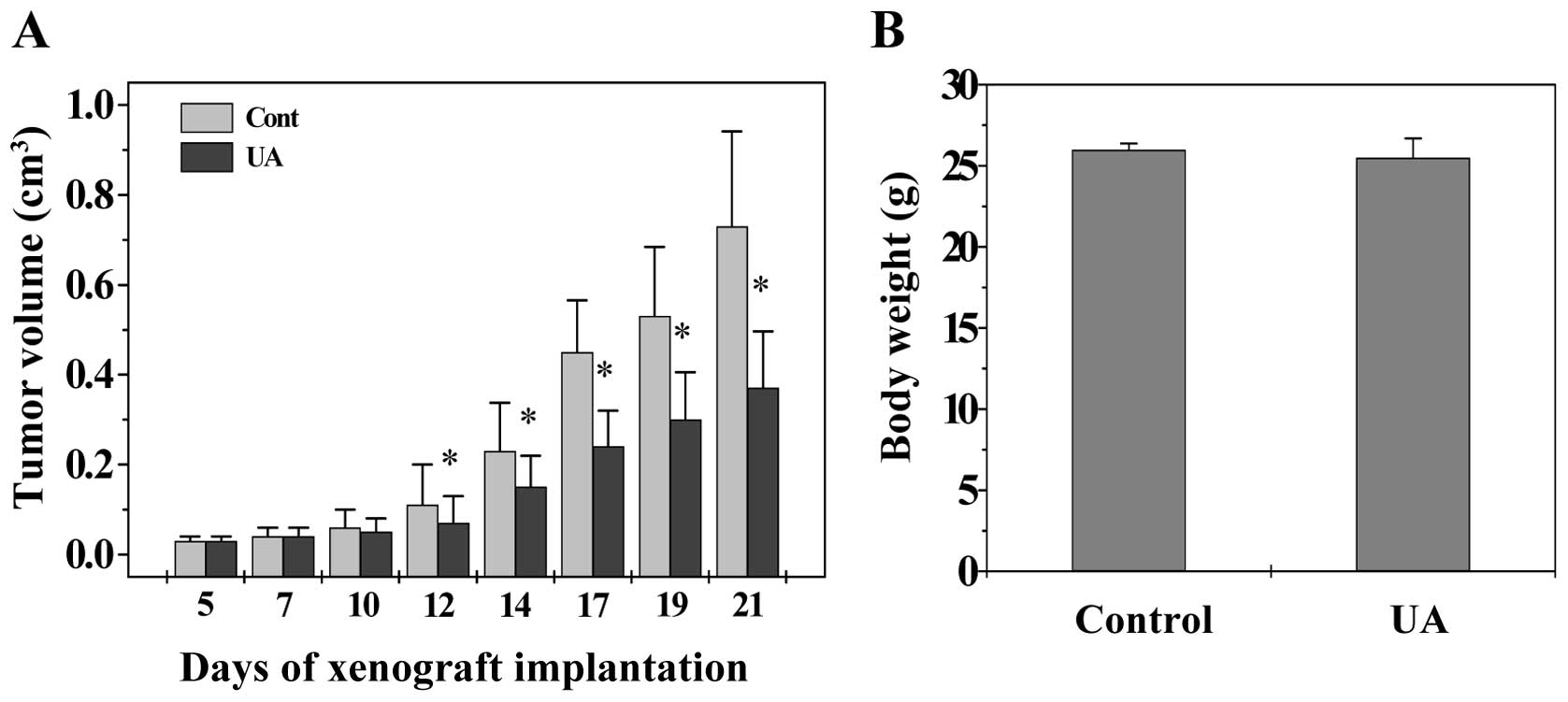
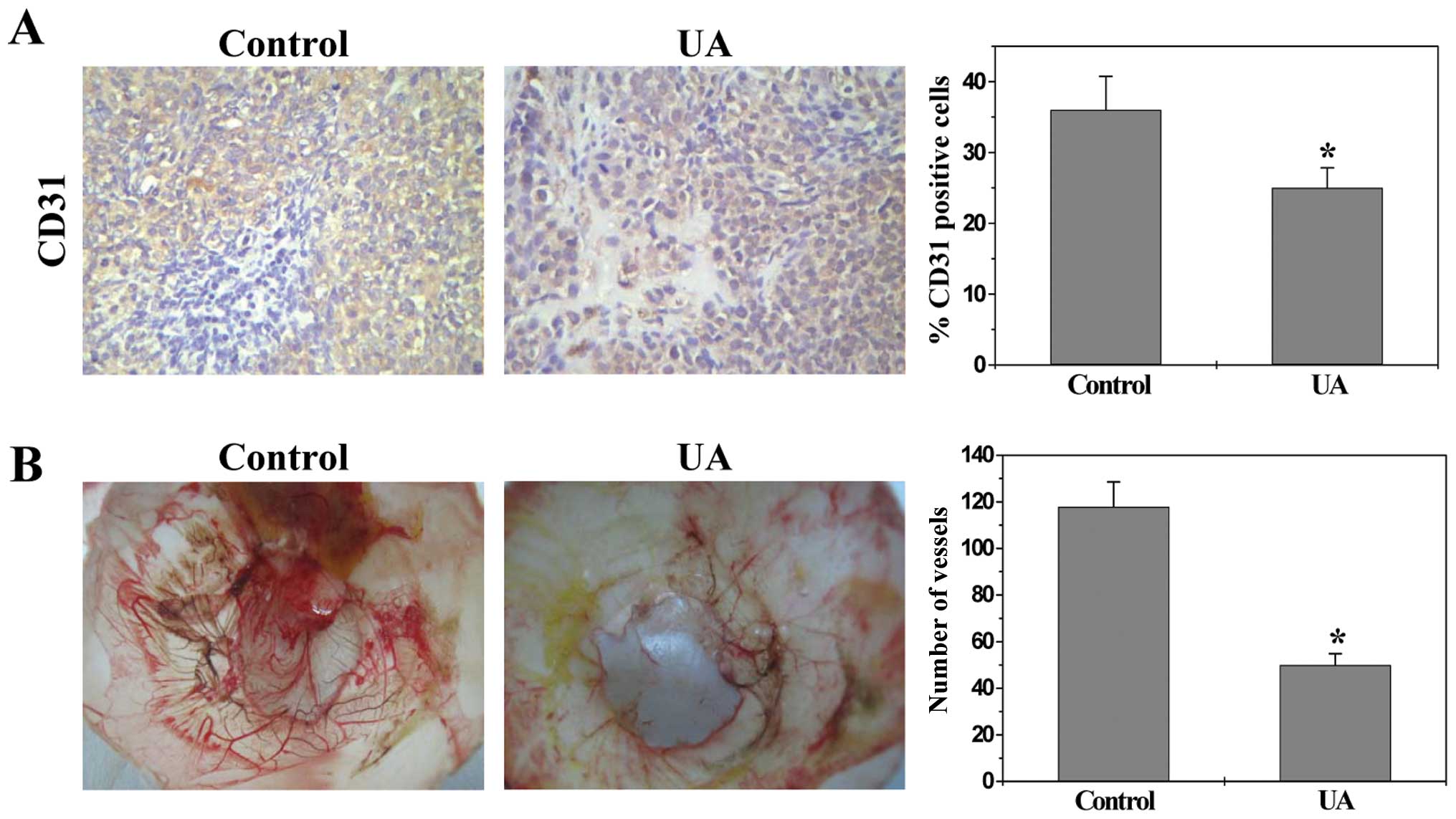
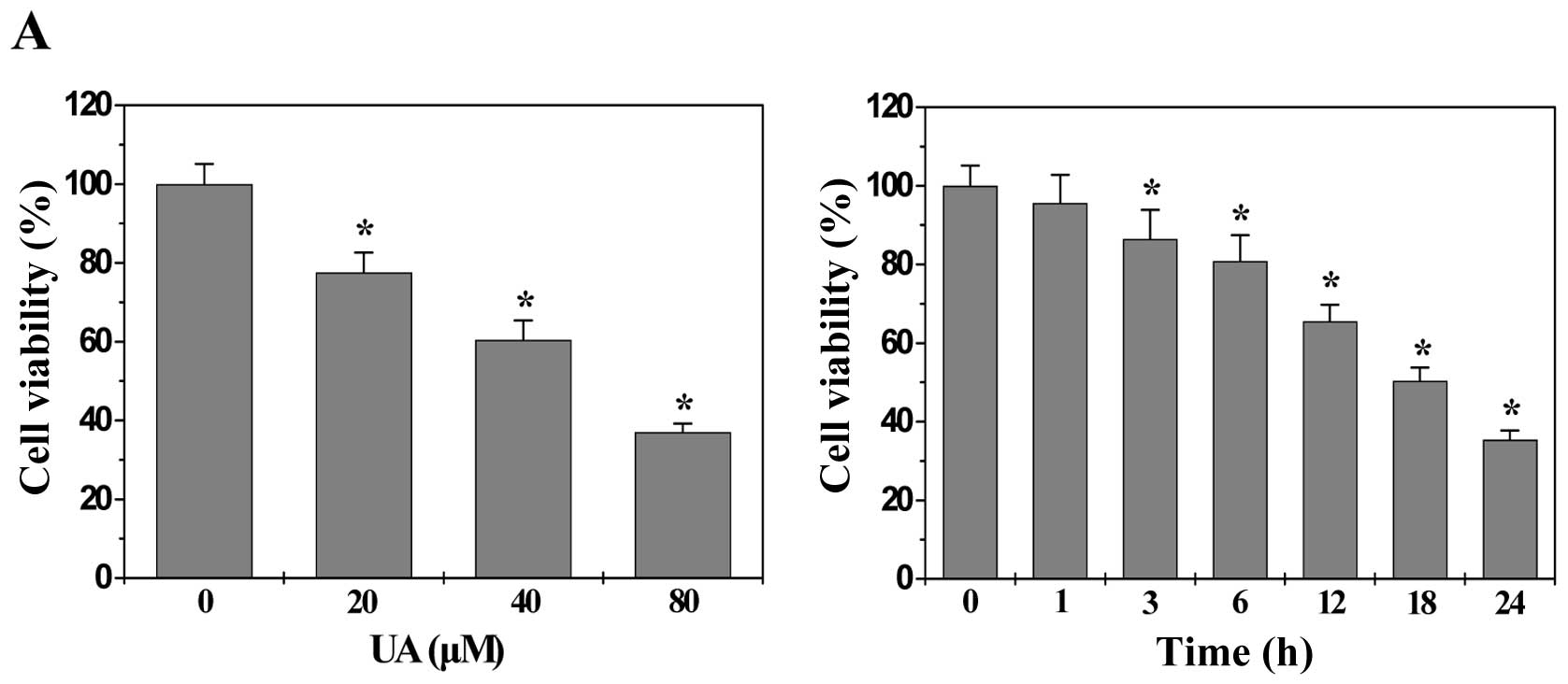
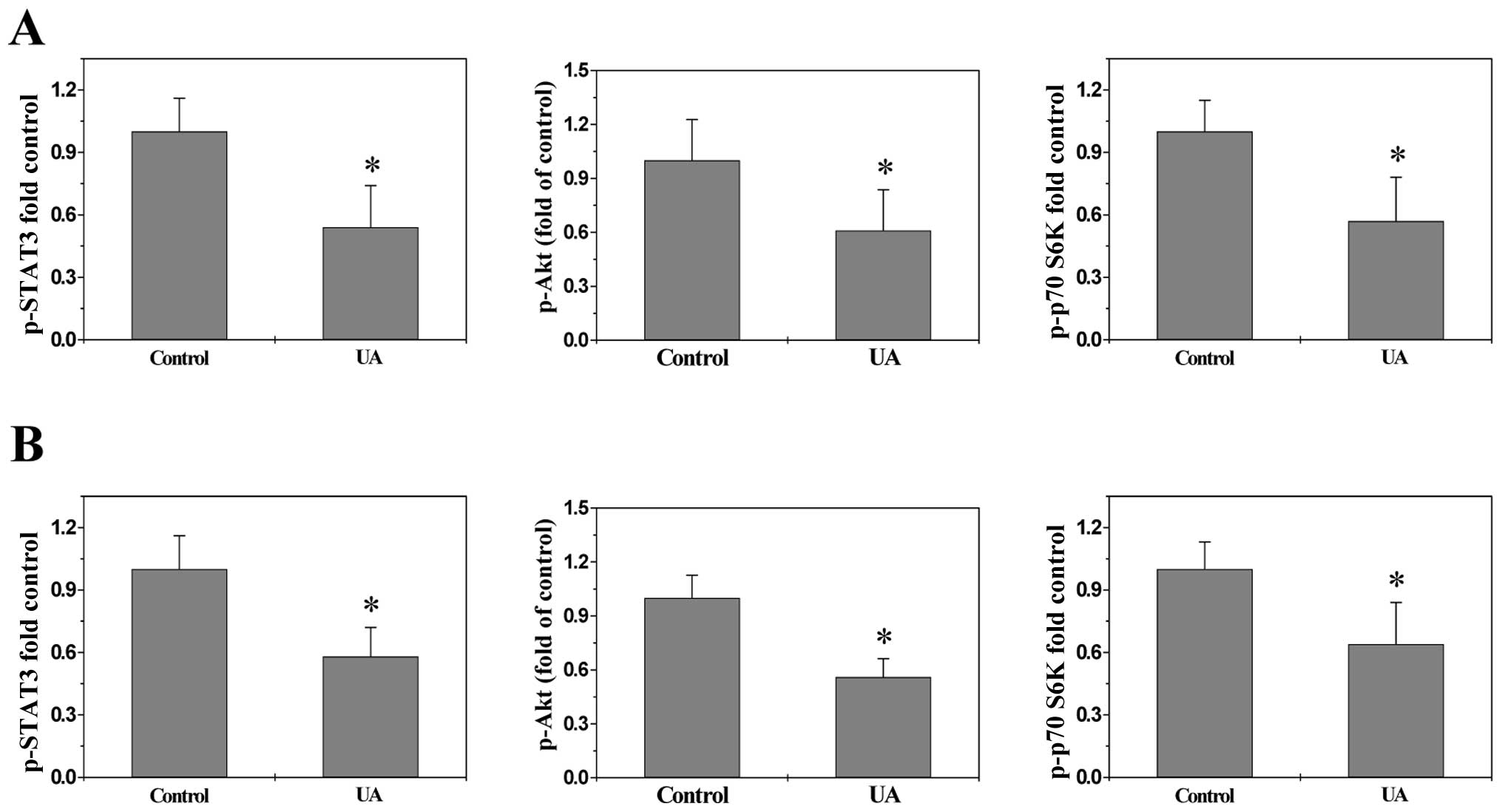
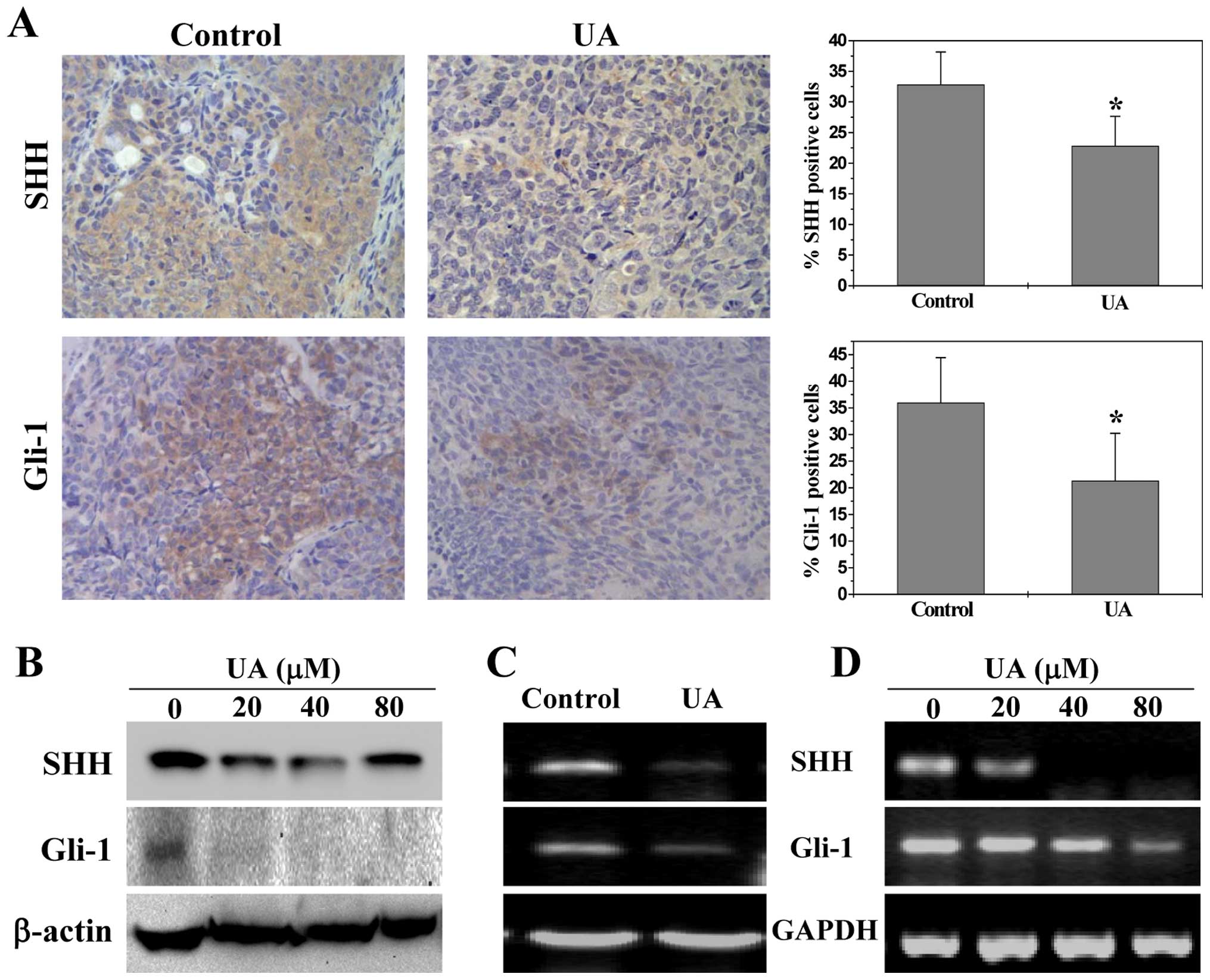
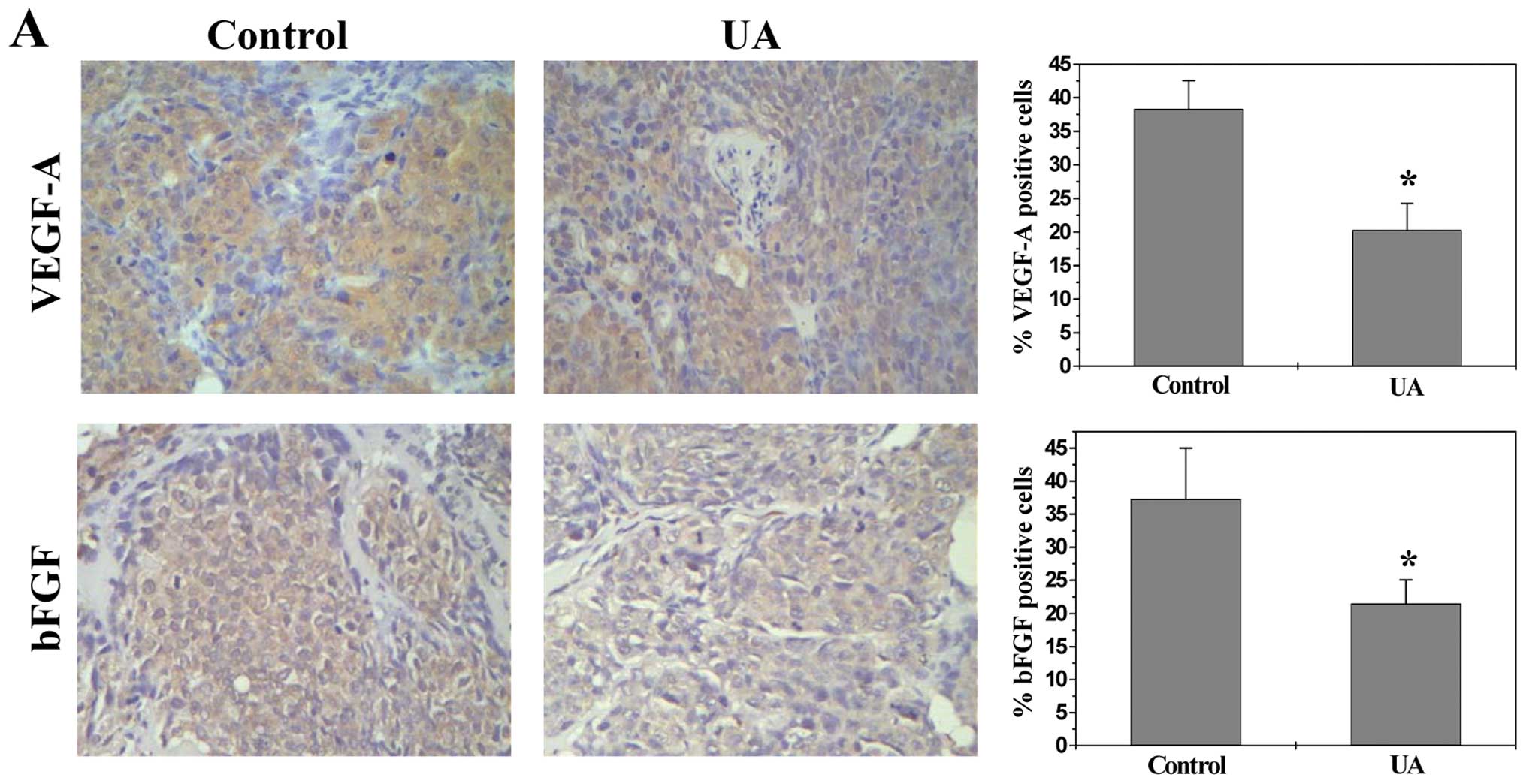
Angiogenesis plays a critical role in the development of solid tumors by supplying nutrients and oxygen to support continuous growth of tumor as well as providing an avenue for hematogenous metastasis. Tumor angiogenesis is highly regulated by multiple intracellular signaling transduction cascades such as Hedgehog, STAT3, Akt and p70S6K pathways that are known to malfunction in many types of cancer including colorectal cancer (CRC). Therefore, suppression of tumor angiogenesis through targeting these signaling pathways has become a promising strategy for cancer chemotherapy. Ursolic acid (UA) is a major active compound present in many medicinal herbs that have long been used in China for the clinical treatment of various types of cancer. Although previous studies have demonstrated an antitumor effect for UA, the precise mechanisms of its anti-angiogenic activity are not well understood. To further elucidate the mechanism(s) of the tumorcidal activity of UA, using a CRC mouse xenograft model, chick embryo chorioallantoic membrane (CAM) model, the human colon carcinoma cell line HT-29 and human umbilical vein endothelial cells (HUVECs), in the present study we evaluated the efficacy of UA against tumor growth and angiogenesis in vivo and in vitro and investigated the underlying molecular mechanisms. We found that administration of UA significantly inhibited tumor volume but had no effect on body weight changes in CRC mice, suggesting that UA can suppress colon cancer growth in vivo without noticeable signs of toxicity. In addition, UA treatment reduced intratumoral microvessel density (MVD) in CRC mice, decreased the total number of blood vessels in the CAM model, and dose and time-dependently inhibited the proliferation, migration and tube formation of HUVECs, demonstrating UA's antitumor angiogenesis in vivo and in vitro. Moreover, UA treatment inhibited the expression of critical angiogenic factors, such as VEGF-A and bFGF. Furthermore, UA suppressed the activation of sonic hedgehog (SHH), STAT3, Akt and p70S6K pathways. Collectively, our findings suggest that inhibition of tumor angiogenesis via suppression of multiple signaling pathways might be one of the mechanisms whereby UA can be effective in cancer treatment.
View Figures

Figure 1

Figure 2

Figure 3

Figure 4

Figure 5

Figure 6

View References

1. 

Jemal A, Bray F, Center MM, Ferlay J, Ward E and Forman D: Global cancer statistics. CA Cancer J Clin. 61:69–90. 2011. View Article : Google Scholar

2. 

Gustin DM and Brenner DE: Chemoprevention of colon cancer:current status and future prospects. Cancer Metastasis Rev. 21:323–348. 2002. View Article : Google Scholar : PubMed/NCBI

3. 

Lin JM, Chen YQ, Wei LH, Chen XZ, Xu W, Hong ZF, Sferra TJ and Peng J: Hedyotis Diffusa Willd extract induces apoptosis via activation of the mitochondrion-dependent pathway in human colon carcinoma cells. Int J Oncol. 37:1331–1338. 2010.

4. 

Van Cutsem E and Costa F: Progress in the adjuvant treatment of colon cancer: has it influenced clinical practice? JAMA. 294:2758–2760. 2005.PubMed/NCBI

5. 

Longley DB, Allen WL and Johnston PG: Drug resistance, predictive markers and pharmacogenomics in colorectal cancer. Biochim Biophys Acta. 1766:184–196. 2006.PubMed/NCBI

6. 

Lippman SM: The dilemma and promise of cancer chemoprevention. Nat Clin Pract Oncol. 10:5232006. View Article : Google Scholar : PubMed/NCBI

7. 

Folkman J: Anti-angiogenesis: new concept for therapy of solid tumors. Ann Surg. 75:409–416. 1972. View Article : Google Scholar : PubMed/NCBI

8. 

Holash J, Wiegand SJ and Yancopoulos GD: New model of tumor angiogenesis: dynamic balance between vessel regression and growth mediated by angiopoietins and VEGF. Oncogene. 18:5356–5362. 1999. View Article : Google Scholar : PubMed/NCBI

9. 

Folkman J: Seminars in Medicine of the Beth Israel Hospital, Boston. Clinical applications of research on angiogenesis. N Engl J Med. 333:1757–1763. 1995. View Article : Google Scholar : PubMed/NCBI

10. 

Folkman J: Angiogenesis: an organizing principle for drug discovery? Nat Rev Drug Discov. 6:273–286. 2007. View Article : Google Scholar : PubMed/NCBI

11. 

Folkman J: Angiogenesis. Annu Rev Med. 57:1–18. 2006. View Article : Google Scholar

12. 

Folkman J: Tumor angiogenesis: therapeutic implications. N Engl J Med. 285:1182–1186. 1971. View Article : Google Scholar : PubMed/NCBI

13. 

Cook KM and Figg WD: Angiogenesis inhibitors: current strategies and future prospects. CA Cancer J Clin. 60:222–243. 2010. View Article : Google Scholar : PubMed/NCBI

14. 

Ingham PW, Nakano Y and Seger C: Mechanisms and functions of Hedgehog signalling across the metazoa. Nat Rev Genet. 12:393–406. 2011. View Article : Google Scholar : PubMed/NCBI

15. 

Theunissen JW and de Sauvage FJ: Paracrine Hedgehog signaling in cancer. Cancer Res. 69:6007–6010. 2009. View Article : Google Scholar : PubMed/NCBI

16. 

Das S, Tucker JA, Khullar S, Samant RS and Shevde LA: Hedgehog signaling in tumor cells facilitates osteoblast-enhanced osteolytic metastases. PLoS One. 7:e343742012. View Article : Google Scholar : PubMed/NCBI

17. 

Sahebjam S, Siu LL and Razak AA: The utility of hedgehog signaling pathway inhibition for cancer. Oncologist. 17:1090–1099. 2012. View Article : Google Scholar : PubMed/NCBI

18. 

Yoshikawa K, Shimada M, Miyamoto H, Higashijima J, Miyatani T, Nishioka M, Kurita N, Iwata T and Uehara H: Sonic hedgehog relates to colorectal carcinogenesis. J Gastroenterol. 44:1113–1117. 2009. View Article : Google Scholar : PubMed/NCBI

19. 

Varnat F, Duquet A, Malerba M, Zbinden M, Mas C, Gervaz P and Ruiz i Altaba A: Human colon cancer epithelial cells harbour active HEDGEHOG-GLI signalling that is essential for tumour growth, recurrence, metastasis and stem cell survival and expansion. EMBO Mol Med. 1:338–351. 2009. View Article : Google Scholar

20. 

Mazumdar T, DeVecchio J, Shi T, Jones J, Agyeman A and Houghton JA: Hedgehog signaling drives cellular survival in human colon carcinoma cells. Cancer Res. 71:1092–1102. 2011. View Article : Google Scholar : PubMed/NCBI

21. 

Lum L and Beachy PA: The Hedgehog response network: sensors, switches, and routers. Science. 304:1755–1759. 2004. View Article : Google Scholar : PubMed/NCBI

22. 

Varjosalo M and Taipale J: Hedgehog: functions and mechanisms. Genes Dev. 22:2454–2472. 2008. View Article : Google Scholar : PubMed/NCBI

23. 

Lin JM, Wei LH, Shen AL, Cai QY, Xu W, Li H, Zhan YZ, Hong ZF and Peng J: Hedyotis diffusa Willd extract suppresses Sonic hedgehog signaling leading to the inhibition of colorectal cancer angiogenesis. Int J Oncol. 42:651–656. 2013. View Article : Google Scholar

24. 

Auzenne EJ, Klostergaard J, Mandal PK, Liao WS, Lu Z, Gao F, Bast RC Jr, Robertson FM and McMurray JS: A phosphopeptide mimetic prodrug targeting the SH2 domain of Stat3 inhibits tumor growth and angiogenesis. J Exp Ther Oncol. 10:155–162. 2012.PubMed/NCBI

25. 

Bromberg J and Wang TC: Inflammation and cancer: IL-6 and STAT3 complete the link. Cancer Cell. 15:79–80. 2009. View Article : Google Scholar : PubMed/NCBI

26. 

Kusaba T, Nakayama T, Yamazumi K, Yakata Y, Yoshizaki A, Inoue K, Nagayasu T and Sekine I: Activation of STAT3 is a marker of poor prognosis in human colorectal cancer. Oncol Rep. 15:1445–1451. 2006.PubMed/NCBI

27. 

Franke TF, Kaplan DR, Cantley LC and Toker A: Direct regulation of the Akt proto-oncogene product by phosphatidylinositol-3, 4-bisphosphate. Science. 275:665–668. 1997. View Article : Google Scholar : PubMed/NCBI

28. 

Clarke RB: p27KIP1 phosphorylation by PKB/Akt leads to poor breast cancer prognosis. Breast Cancer Res. 5:162–163. 2003. View Article : Google Scholar

29. 

Chang F, Lee JT, Navolanic PM, Steelman LS, Shelton JG, Blalock WL, Franklin RA and McCubrey JA: Involvement of PI3K/Akt pathway in cell cycle progression, apoptosis, and neoplastic transformation: a target for cancer chemotherapy. Leukemia. 17:590–603. 2003. View Article : Google Scholar : PubMed/NCBI

30. 

Sun D, Liu Y, Yu Q, Zhou Y, Zhang R, Chen X, Hong A and Liu J: The effects of luminescent ruthenium(II) polypyridyl functionalized selenium nanoparticles on bFGF-induced angiogenesis and AKT/ERK signaling. Biomaterials. 34:171–180. 2013. View Article : Google Scholar : PubMed/NCBI

31. 

Al-Ansari MM, Hendrayani SF, Tulbah A, Al-Tweigeri T, Shehata AI and Aboussekhra A: p16INK4A represses breast stromal fibroblasts migration/invasion and their VEGF-A-dependent promotion of angiogenesis through Akt inhibition. Neoplasia. 14:1269–1277. 2012.

32. 

Pratheeshkumar P, Budhraja A, Son YO, Wang X, Zhang Z, Ding S, Wang L, Hitron A, Lee JC, Xu M, Chen G, Luo J and Shi X: Quercetin inhibits angiogenesis mediated human prostate tumor growth by targeting VEGFR-2 regulated AKT/mTOR/P70S6K signaling pathways. PLoS One. 7:e475162012. View Article : Google Scholar : PubMed/NCBI

33. 

Li W, Tan D, Zhang Z, Liang JJ and Brown RE: Activation of Akt-mTOR-p70S6K pathway in angiogenesis in hepatocellular carcinoma. Oncol Rep. 20:713–719. 2008.PubMed/NCBI

34. 

Gordaliza M: Natural products as leads to anticancer drugs. Clin Transl Oncol. 9:767–776. 2007. View Article : Google Scholar : PubMed/NCBI

35. 

Ji HF, Li XJ and Zhang HY: Natural products and drug discovery. EMBO Rep. 10:194–200. 2009.PubMed/NCBI

36. 

Lin JM, Wei LH, Xu W, Hong ZF, Liu XX and Peng J: Effect of Hedyotis Diffusa Willd extract on tumor angiogenesis. Mol Med Rep. 4:1283–1288. 2011.PubMed/NCBI

37. 

Peng J, Chen YQ, Lin JM, Zhuang QC, Xu W, Hong ZF and Sferra TJ: Patrinia Scabiosaefolia extract suppresses proliferation and promotes apoptosis by inhibiting STAT3 pathway in human multiple myeloma cells. Mol Med Rep. 4:313–318. 2011.

38. 

Wei LH, Chen YQ, Lin JM, Zhao JY, Chen XZ, Xu W, Liu XX, Sferra TJ and Peng J: Scutellaria Barbata D. Don induces apoptosis of human colon carcinoma cell via activation of the mitochondrion-dependent pathway. J Med Plants Res. 5:1962–1970. 2011.

39. 

Zheng LP, Chen YQ, Lin W, Zhuang QC, Chen XZ, Xu W, Liu XX, Peng J and Sferra TJ: Spica Prunellae extract promotes mitochondrion-dependent apoptosis in a human colon carcinoma cell line. Afr J Pharm Pharmacol. 5:327–335. 2011. View Article : Google Scholar

40. 

Ikeda Y, Murakami A and Ohigashi H: Ursolic acid: an anti- and pro-inflammatory triterpenoid. Mol Nutr Food Res. 52:26–42. 2008. View Article : Google Scholar : PubMed/NCBI

41. 

Andersson D, Liu JJ, Nilsson A and Duan RD: Ursolic acid inhibits proliferation and stimulates apoptosis in HT29 cells following activation of alkaline sphingomyelinase. Anticancer Res. 23:3317–3322. 2003.PubMed/NCBI

42. 

Prasad S, Yadav VR, Sung B, Reuter S, Kannappan R, Deorukhkar A, Diagaradjane P, Wei C, Baladandayuthapani V, Krishnan S, Guha S and Aggarwal BB: Ursolic acid inhibits growth and metastasis of human colorectal cancer in an orthotopic nude mouse model by targeting multiple cell signaling pathways: chemosensitization with capecitabine. Clin Cancer Res. 18:4942–4953. 2012. View Article : Google Scholar : PubMed/NCBI

43. 

Pola R, Ling LE, Silver M, Corbley MJ, Kearney M, Pepinsky RB, Shapiro R, Taylor FR, Baker DP and Asahara T: The morphogen Sonic hedgehog is an indirect angiogenic agent upregulating two families of angiogenic growth factors. Nat Med. 7:706–711. 2001. View Article : Google Scholar : PubMed/NCBI

44. 

Kujawski M, Kortylewski M, Lee H, Herrmann A, Kay H and Yu H: Stat3 mediates myeloid cell-dependent tumor angiogenesis in mice. J Clin Invest. 118:3367–3677. 2008. View Article : Google Scholar : PubMed/NCBI

45. 

Muñoz-Chápuli R, Quesada AR and Angel Medina M: Angiogenesis and signal transduction in endothelial cells. Cell Mol Life Sci. 61:2224–2243. 2004.

46. 

Chen HX and Cleck JN: Adverse effects of anticancer agents that target the VEGF pathway. Nat Rev Clin Oncol. 6:465–477. 2009. View Article : Google Scholar : PubMed/NCBI

47. 

Zangari M, Fink LM, Elice F, Zhan F, Adcock DM and Tricot GJ: Thrombotic events in patients with cancer receiving antiangiogenesis agents. J Clin Oncol. 27:4865–4873. 2009. View Article : Google Scholar : PubMed/NCBI

48. 

Higa GM and Abraham J: Biological mechanisms of bevacizumab-associated adverse events. Expert Rev Anticancer Ther. 9:999–1007. 2009. View Article : Google Scholar : PubMed/NCBI

49. 

Eikesdal HP and Kalluri R: Drug resistance associated with antiangiogenesis therapy. Semin Cancer Biol. 19:310–317. 2009. View Article : Google Scholar : PubMed/NCBI

50. 

Ferrara N, Gerber HP and LeCouter J: The biology of VEGF and its receptors. Nat Med. 9:669–676. 2003. View Article : Google Scholar : PubMed/NCBI

51. 

Rak J and Kerbel RS: bFGF and tumor angiogenesis - Back in the limelight? Nat Med. 3:1083–1084. 1997. View Article : Google Scholar : PubMed/NCBI

Related Articles

  • Abstract
  • View
  • Download
  • Twitter
Copy and paste a formatted citation
Spandidos Publications style
Lin J, Chen Y, Wei L, Hong Z, Sferra TJ and Peng J: Ursolic acid inhibits colorectal cancer angiogenesis through suppression of multiple signaling pathways. Int J Oncol 43: 1666-1674, 2013.
APA
Lin, J., Chen, Y., Wei, L., Hong, Z., Sferra, T.J., & Peng, J. (2013). Ursolic acid inhibits colorectal cancer angiogenesis through suppression of multiple signaling pathways. International Journal of Oncology, 43, 1666-1674. https://doi.org/10.3892/ijo.2013.2101
MLA
Lin, J., Chen, Y., Wei, L., Hong, Z., Sferra, T. J., Peng, J."Ursolic acid inhibits colorectal cancer angiogenesis through suppression of multiple signaling pathways". International Journal of Oncology 43.5 (2013): 1666-1674.
Chicago
Lin, J., Chen, Y., Wei, L., Hong, Z., Sferra, T. J., Peng, J."Ursolic acid inhibits colorectal cancer angiogenesis through suppression of multiple signaling pathways". International Journal of Oncology 43, no. 5 (2013): 1666-1674. https://doi.org/10.3892/ijo.2013.2101
Copy and paste a formatted citation
x
Spandidos Publications style
Lin J, Chen Y, Wei L, Hong Z, Sferra TJ and Peng J: Ursolic acid inhibits colorectal cancer angiogenesis through suppression of multiple signaling pathways. Int J Oncol 43: 1666-1674, 2013.
APA
Lin, J., Chen, Y., Wei, L., Hong, Z., Sferra, T.J., & Peng, J. (2013). Ursolic acid inhibits colorectal cancer angiogenesis through suppression of multiple signaling pathways. International Journal of Oncology, 43, 1666-1674. https://doi.org/10.3892/ijo.2013.2101
MLA
Lin, J., Chen, Y., Wei, L., Hong, Z., Sferra, T. J., Peng, J."Ursolic acid inhibits colorectal cancer angiogenesis through suppression of multiple signaling pathways". International Journal of Oncology 43.5 (2013): 1666-1674.
Chicago
Lin, J., Chen, Y., Wei, L., Hong, Z., Sferra, T. J., Peng, J."Ursolic acid inhibits colorectal cancer angiogenesis through suppression of multiple signaling pathways". International Journal of Oncology 43, no. 5 (2013): 1666-1674. https://doi.org/10.3892/ijo.2013.2101
Follow us
  • Twitter
  • LinkedIn
  • Facebook
About
  • Spandidos Publications
  • Careers
  • Cookie Policy
  • Privacy Policy
How can we help?
  • Help
  • Live Chat
  • Contact
  • Email to our Support Team