Spandidos Publications Logo
  • About
    • About Spandidos
    • Aims and Scopes
    • Abstracting and Indexing
    • Editorial Policies
    • Reprints and Permissions
    • Job Opportunities
    • Terms and Conditions
    • Contact
  • Journals
    • All Journals
    • Oncology Letters
      • Oncology Letters
      • Information for Authors
      • Editorial Policies
      • Editorial Board
      • Aims and Scope
      • Abstracting and Indexing
      • Bibliographic Information
      • Archive
    • International Journal of Oncology
      • International Journal of Oncology
      • Information for Authors
      • Editorial Policies
      • Editorial Board
      • Aims and Scope
      • Abstracting and Indexing
      • Bibliographic Information
      • Archive
    • Molecular and Clinical Oncology
      • Molecular and Clinical Oncology
      • Information for Authors
      • Editorial Policies
      • Editorial Board
      • Aims and Scope
      • Abstracting and Indexing
      • Bibliographic Information
      • Archive
    • Experimental and Therapeutic Medicine
      • Experimental and Therapeutic Medicine
      • Information for Authors
      • Editorial Policies
      • Editorial Board
      • Aims and Scope
      • Abstracting and Indexing
      • Bibliographic Information
      • Archive
    • International Journal of Molecular Medicine
      • International Journal of Molecular Medicine
      • Information for Authors
      • Editorial Policies
      • Editorial Board
      • Aims and Scope
      • Abstracting and Indexing
      • Bibliographic Information
      • Archive
    • Biomedical Reports
      • Biomedical Reports
      • Information for Authors
      • Editorial Policies
      • Editorial Board
      • Aims and Scope
      • Abstracting and Indexing
      • Bibliographic Information
      • Archive
    • Oncology Reports
      • Oncology Reports
      • Information for Authors
      • Editorial Policies
      • Editorial Board
      • Aims and Scope
      • Abstracting and Indexing
      • Bibliographic Information
      • Archive
    • Molecular Medicine Reports
      • Molecular Medicine Reports
      • Information for Authors
      • Editorial Policies
      • Editorial Board
      • Aims and Scope
      • Abstracting and Indexing
      • Bibliographic Information
      • Archive
    • World Academy of Sciences Journal
      • World Academy of Sciences Journal
      • Information for Authors
      • Editorial Policies
      • Editorial Board
      • Aims and Scope
      • Abstracting and Indexing
      • Bibliographic Information
      • Archive
    • International Journal of Functional Nutrition
      • International Journal of Functional Nutrition
      • Information for Authors
      • Editorial Policies
      • Editorial Board
      • Aims and Scope
      • Abstracting and Indexing
      • Bibliographic Information
      • Archive
    • International Journal of Epigenetics
      • International Journal of Epigenetics
      • Information for Authors
      • Editorial Policies
      • Editorial Board
      • Aims and Scope
      • Abstracting and Indexing
      • Bibliographic Information
      • Archive
    • Medicine International
      • Medicine International
      • Information for Authors
      • Editorial Policies
      • Editorial Board
      • Aims and Scope
      • Abstracting and Indexing
      • Bibliographic Information
      • Archive
  • Articles
  • Information
    • Information for Authors
    • Information for Reviewers
    • Information for Librarians
    • Information for Advertisers
    • Conferences
  • Language Editing
Spandidos Publications Logo
  • About
    • About Spandidos
    • Aims and Scopes
    • Abstracting and Indexing
    • Editorial Policies
    • Reprints and Permissions
    • Job Opportunities
    • Terms and Conditions
    • Contact
  • Journals
    • All Journals
    • Biomedical Reports
      • Information for Authors
      • Editorial Policies
      • Editorial Board
      • Aims and Scope
      • Abstracting and Indexing
      • Bibliographic Information
      • Archive
    • Experimental and Therapeutic Medicine
      • Information for Authors
      • Editorial Policies
      • Editorial Board
      • Aims and Scope
      • Abstracting and Indexing
      • Bibliographic Information
      • Archive
    • International Journal of Epigenetics
      • Information for Authors
      • Editorial Policies
      • Editorial Board
      • Aims and Scope
      • Abstracting and Indexing
      • Bibliographic Information
      • Archive
    • International Journal of Functional Nutrition
      • Information for Authors
      • Editorial Policies
      • Editorial Board
      • Aims and Scope
      • Abstracting and Indexing
      • Bibliographic Information
      • Archive
    • International Journal of Molecular Medicine
      • Information for Authors
      • Editorial Policies
      • Editorial Board
      • Aims and Scope
      • Abstracting and Indexing
      • Bibliographic Information
      • Archive
    • International Journal of Oncology
      • Information for Authors
      • Editorial Policies
      • Editorial Board
      • Aims and Scope
      • Abstracting and Indexing
      • Bibliographic Information
      • Archive
    • Medicine International
      • Information for Authors
      • Editorial Policies
      • Editorial Board
      • Aims and Scope
      • Abstracting and Indexing
      • Bibliographic Information
      • Archive
    • Molecular and Clinical Oncology
      • Information for Authors
      • Editorial Policies
      • Editorial Board
      • Aims and Scope
      • Abstracting and Indexing
      • Bibliographic Information
      • Archive
    • Molecular Medicine Reports
      • Information for Authors
      • Editorial Policies
      • Editorial Board
      • Aims and Scope
      • Abstracting and Indexing
      • Bibliographic Information
      • Archive
    • Oncology Letters
      • Information for Authors
      • Editorial Policies
      • Editorial Board
      • Aims and Scope
      • Abstracting and Indexing
      • Bibliographic Information
      • Archive
    • Oncology Reports
      • Information for Authors
      • Editorial Policies
      • Editorial Board
      • Aims and Scope
      • Abstracting and Indexing
      • Bibliographic Information
      • Archive
    • World Academy of Sciences Journal
      • Information for Authors
      • Editorial Policies
      • Editorial Board
      • Aims and Scope
      • Abstracting and Indexing
      • Bibliographic Information
      • Archive
  • Articles
  • Information
    • For Authors
    • For Reviewers
    • For Librarians
    • For Advertisers
    • Conferences
  • Language Editing
Login Register Submit
  • This site uses cookies
  • You can change your cookie settings at any time by following the instructions in our Cookie Policy. To find out more, you may read our Privacy Policy.

    I agree
Search articles by DOI, keyword, author or affiliation
Search
Advanced Search
presentation
International Journal of Oncology
Join Editorial Board Propose a Special Issue
Print ISSN: 1019-6439 Online ISSN: 1791-2423
Journal Cover
2014-February Volume 44 Issue 2

Full Size Image

Cover Legend PDF

Sign up for eToc alerts
Recommend to Library

Journals

International Journal of Molecular Medicine

International Journal of Molecular Medicine

International Journal of Molecular Medicine is an international journal devoted to molecular mechanisms of human disease.

International Journal of Oncology

International Journal of Oncology

International Journal of Oncology is an international journal devoted to oncology research and cancer treatment.

Molecular Medicine Reports

Molecular Medicine Reports

Covers molecular medicine topics such as pharmacology, pathology, genetics, neuroscience, infectious diseases, molecular cardiology, and molecular surgery.

Oncology Reports

Oncology Reports

Oncology Reports is an international journal devoted to fundamental and applied research in Oncology.

Experimental and Therapeutic Medicine

Experimental and Therapeutic Medicine

Experimental and Therapeutic Medicine is an international journal devoted to laboratory and clinical medicine.

Oncology Letters

Oncology Letters

Oncology Letters is an international journal devoted to Experimental and Clinical Oncology.

Biomedical Reports

Biomedical Reports

Explores a wide range of biological and medical fields, including pharmacology, genetics, microbiology, neuroscience, and molecular cardiology.

Molecular and Clinical Oncology

Molecular and Clinical Oncology

International journal addressing all aspects of oncology research, from tumorigenesis and oncogenes to chemotherapy and metastasis.

World Academy of Sciences Journal

World Academy of Sciences Journal

Multidisciplinary open-access journal spanning biochemistry, genetics, neuroscience, environmental health, and synthetic biology.

International Journal of Functional Nutrition

International Journal of Functional Nutrition

Open-access journal combining biochemistry, pharmacology, immunology, and genetics to advance health through functional nutrition.

International Journal of Epigenetics

International Journal of Epigenetics

Publishes open-access research on using epigenetics to advance understanding and treatment of human disease.

Medicine International

Medicine International

An International Open Access Journal Devoted to General Medicine.

Journal Cover
2014-February Volume 44 Issue 2

Full Size Image

Cover Legend PDF

Sign up for eToc alerts
Recommend to Library

  • Article
  • Citations
    • Cite This Article
    • Download Citation
    • Create Citation Alert
    • Remove Citation Alert
    • Cited By
  • Similar Articles
    • Related Articles (in Spandidos Publications)
    • Similar Articles (Google Scholar)
    • Similar Articles (PubMed)
  • Download PDF
  • Download XML
  • View XML
Article

TRAP1 role in endoplasmic reticulum stress protection favors resistance to anthracyclins in breast carcinoma cells

  • Authors:
    • Lorenza Sisinni
    • Francesca Maddalena
    • Giacomo Lettini
    • Valentina Condelli
    • Danilo Swann Matassa
    • Franca Esposito
    • Matteo Landriscina
  • View Affiliations / Copyright

    Affiliations: Laboratory of Pre-Clinical and Translational Research, IRCCS, Referral Cancer Center of Basilicata, Rionero in Vulture, Potenza, Italy, Department of Molecular Medicine and Medical Biotechnologies, University of Naples Federico II, Naples, Italy, Clinical Oncology Unit, Department of Medical and Surgical Sciences, University of Foggia, Foggia, Italy
  • Pages: 573-582
    |
    Published online on: November 29, 2013
       https://doi.org/10.3892/ijo.2013.2199
  • Expand metrics +
Metrics: Total Views: 0 (Spandidos Publications: | PMC Statistics: )
Metrics: Total PDF Downloads: 0 (Spandidos Publications: | PMC Statistics: )
Cited By (CrossRef): 0 citations Loading Articles...

This article is mentioned in:


Abstract

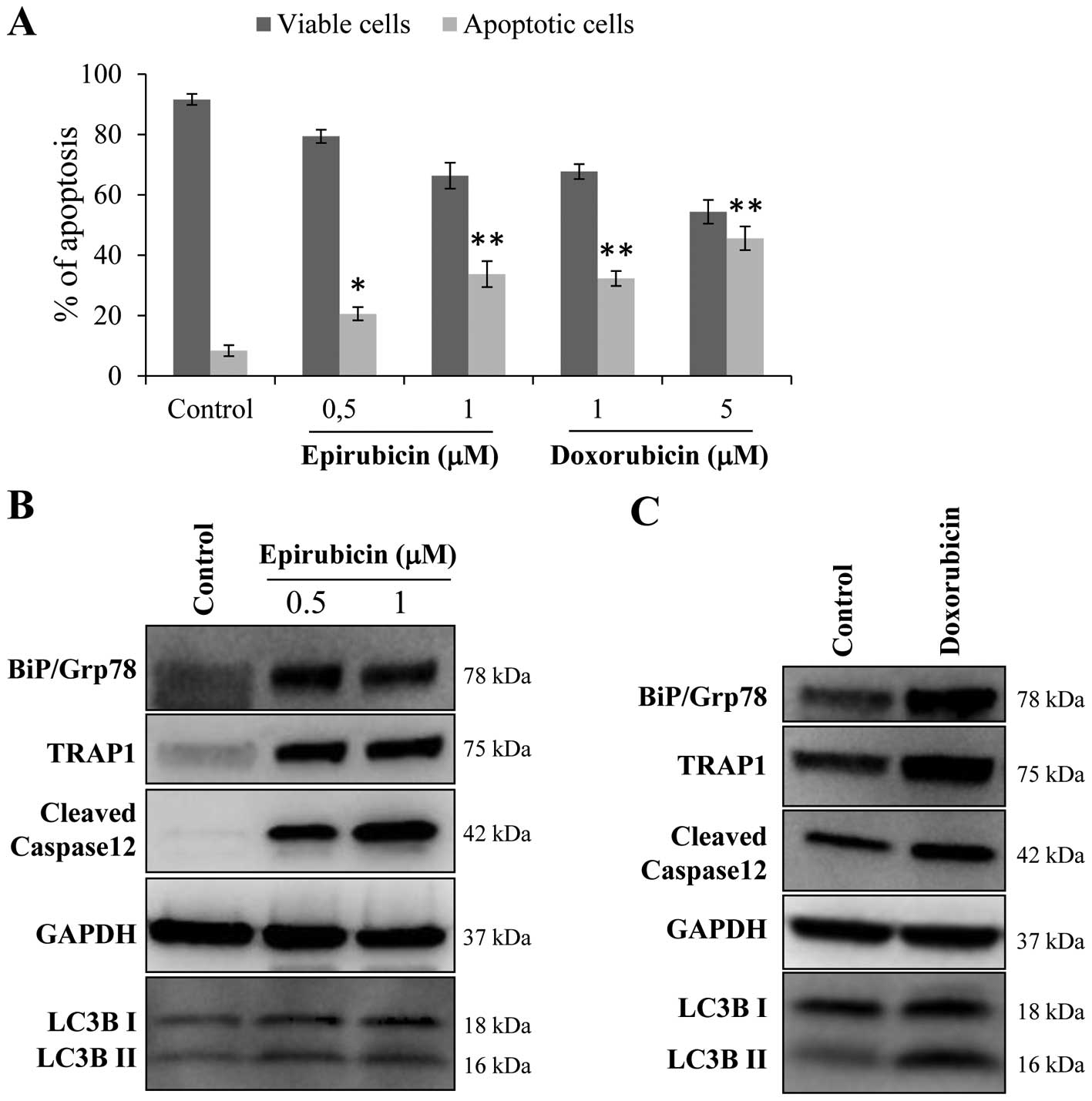
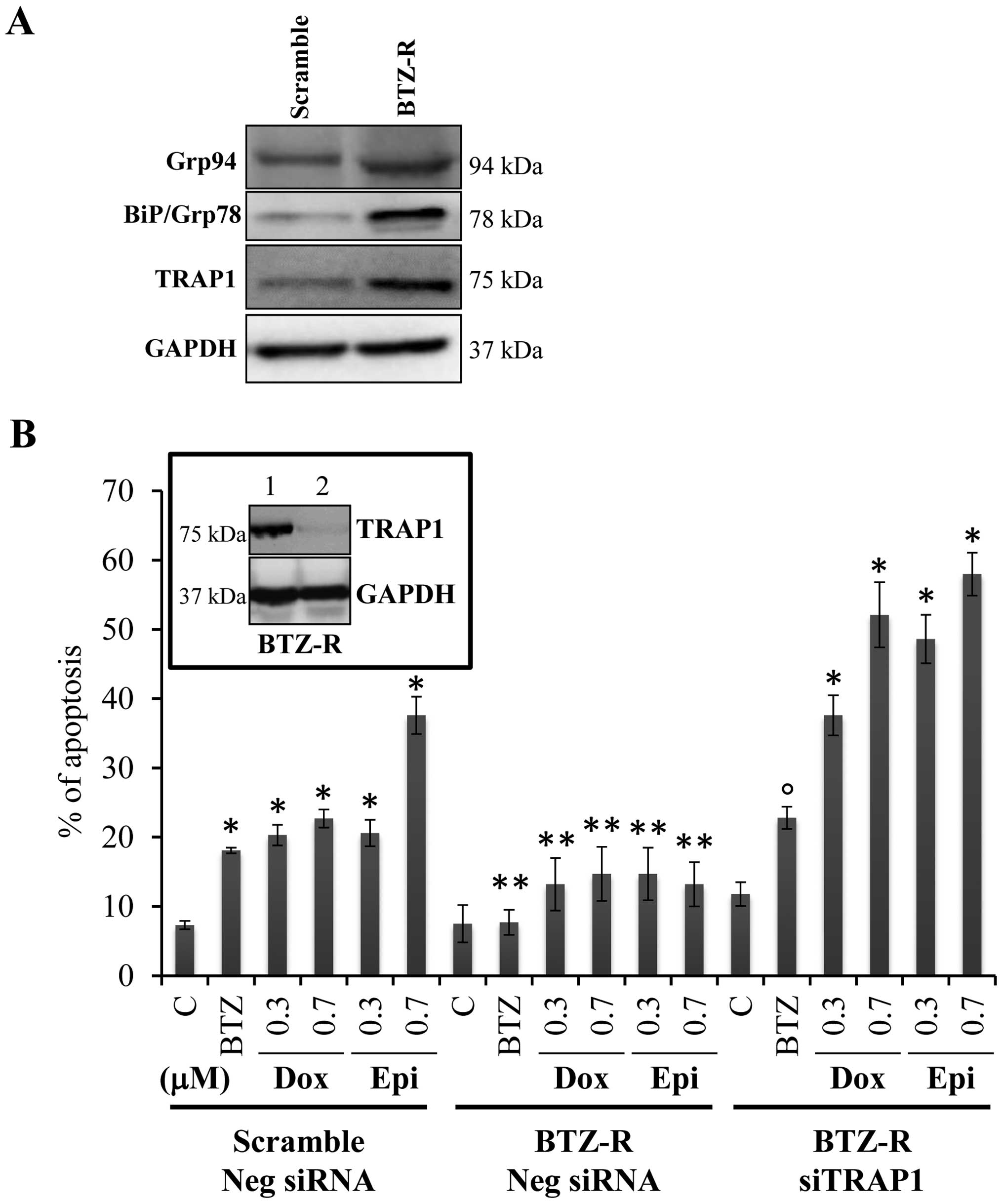
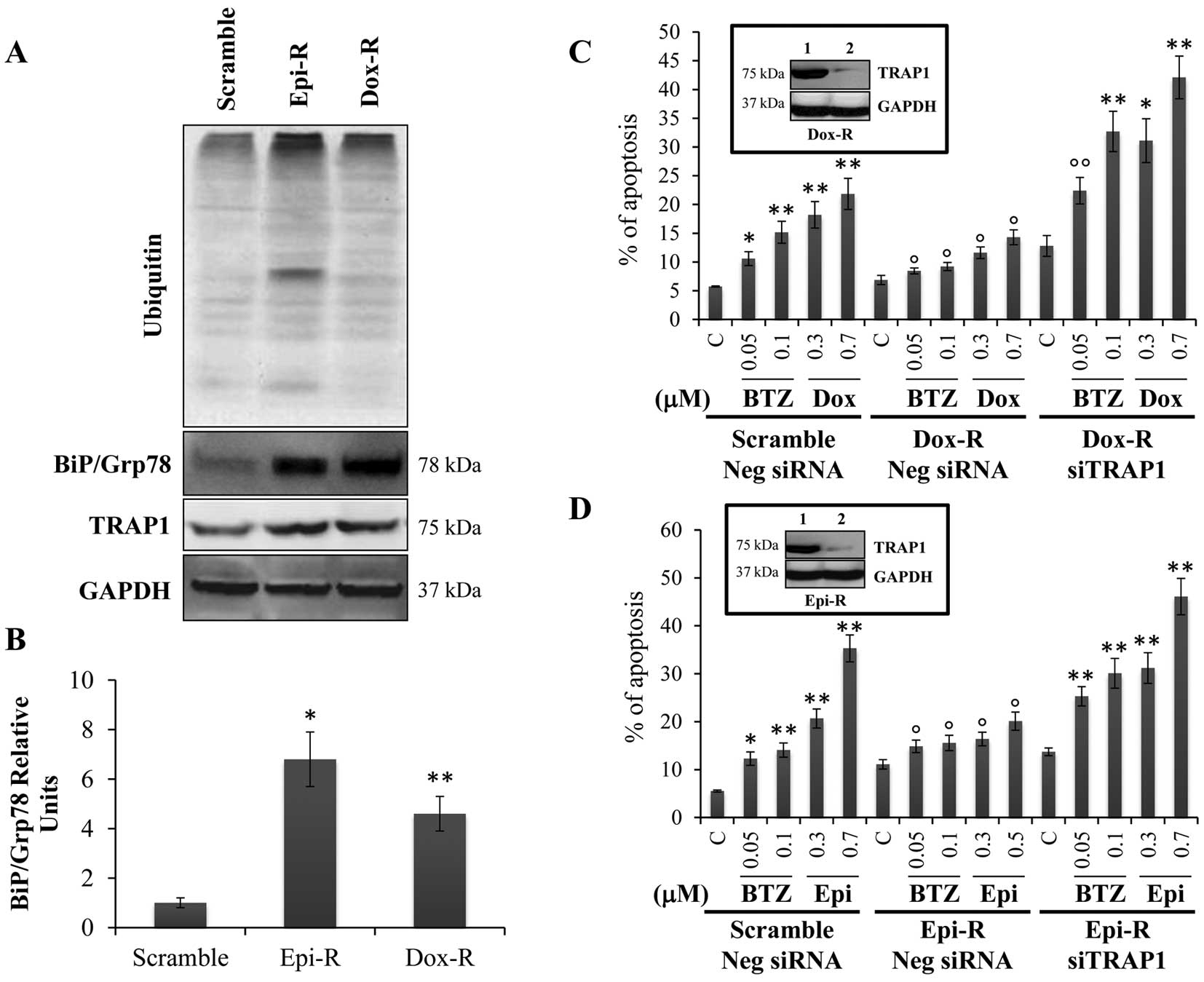
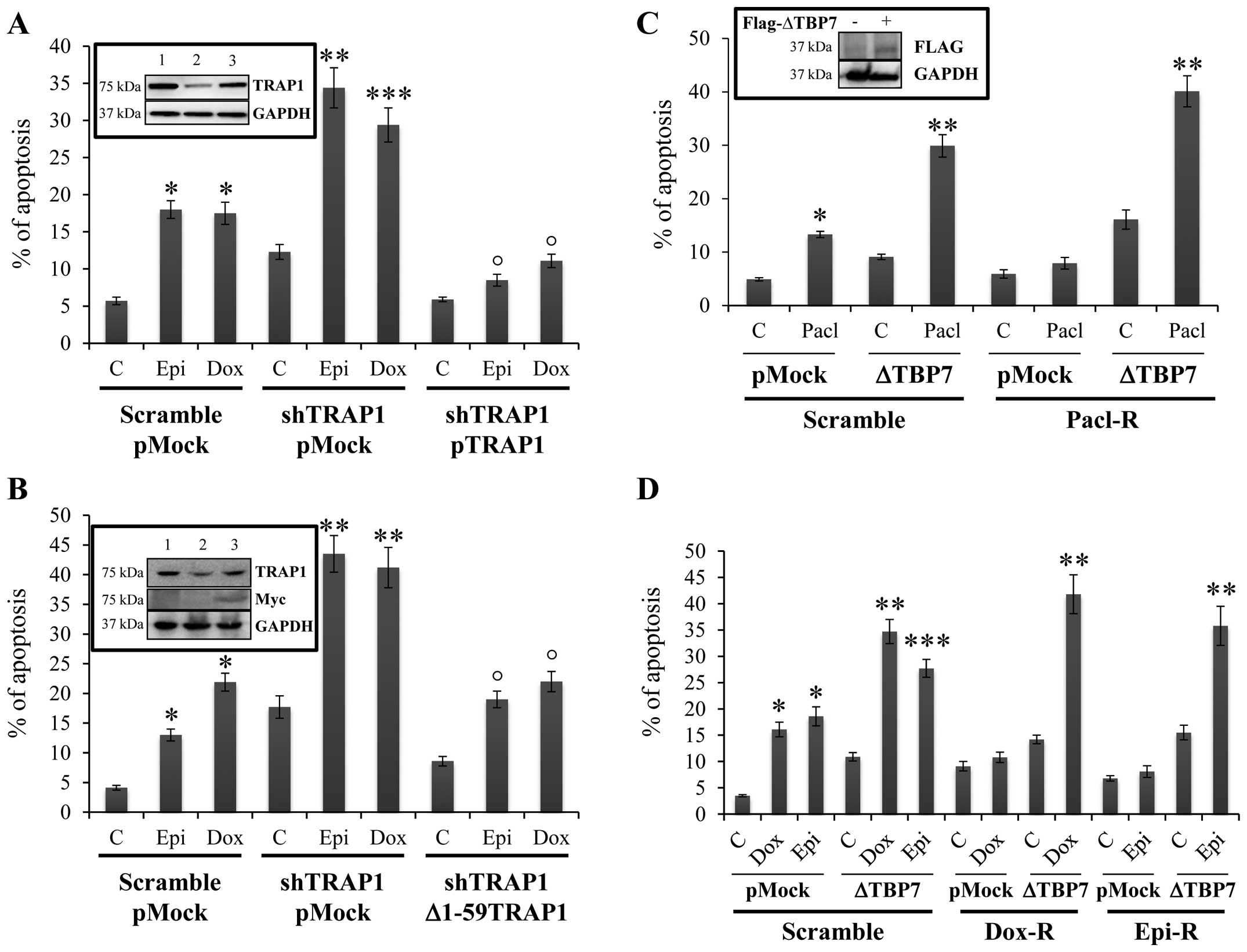
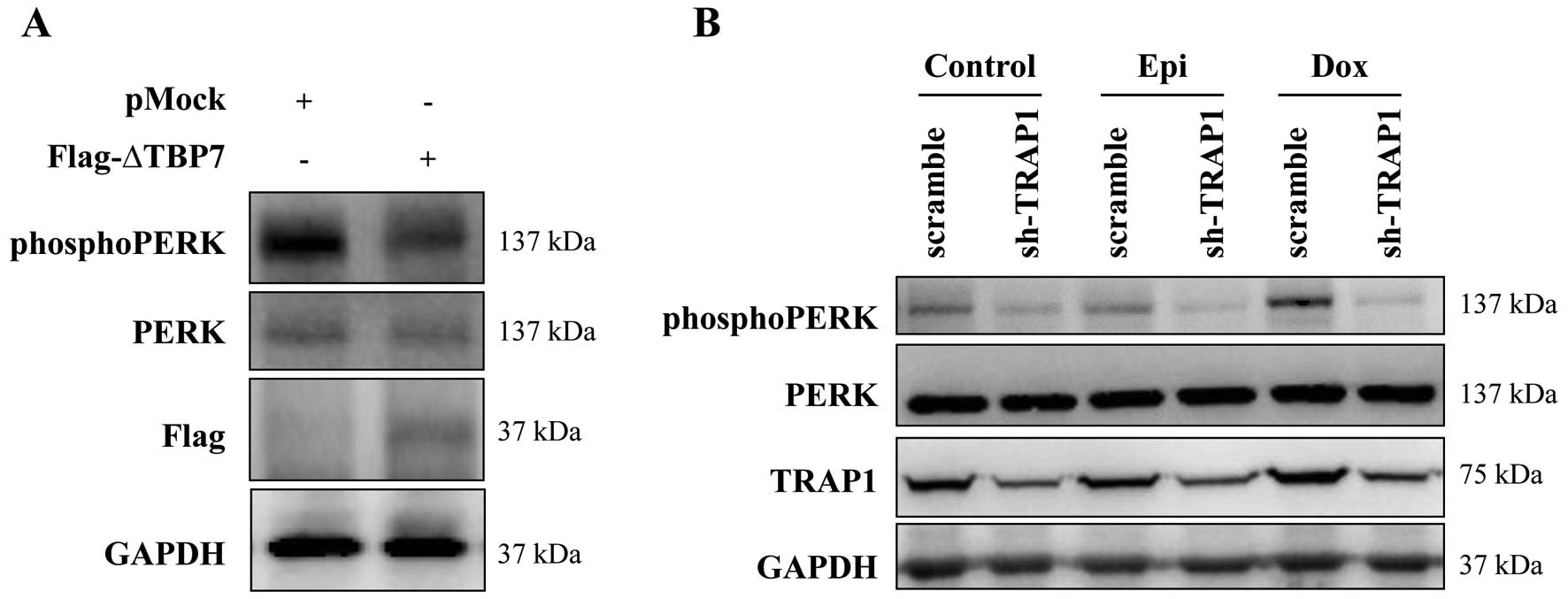
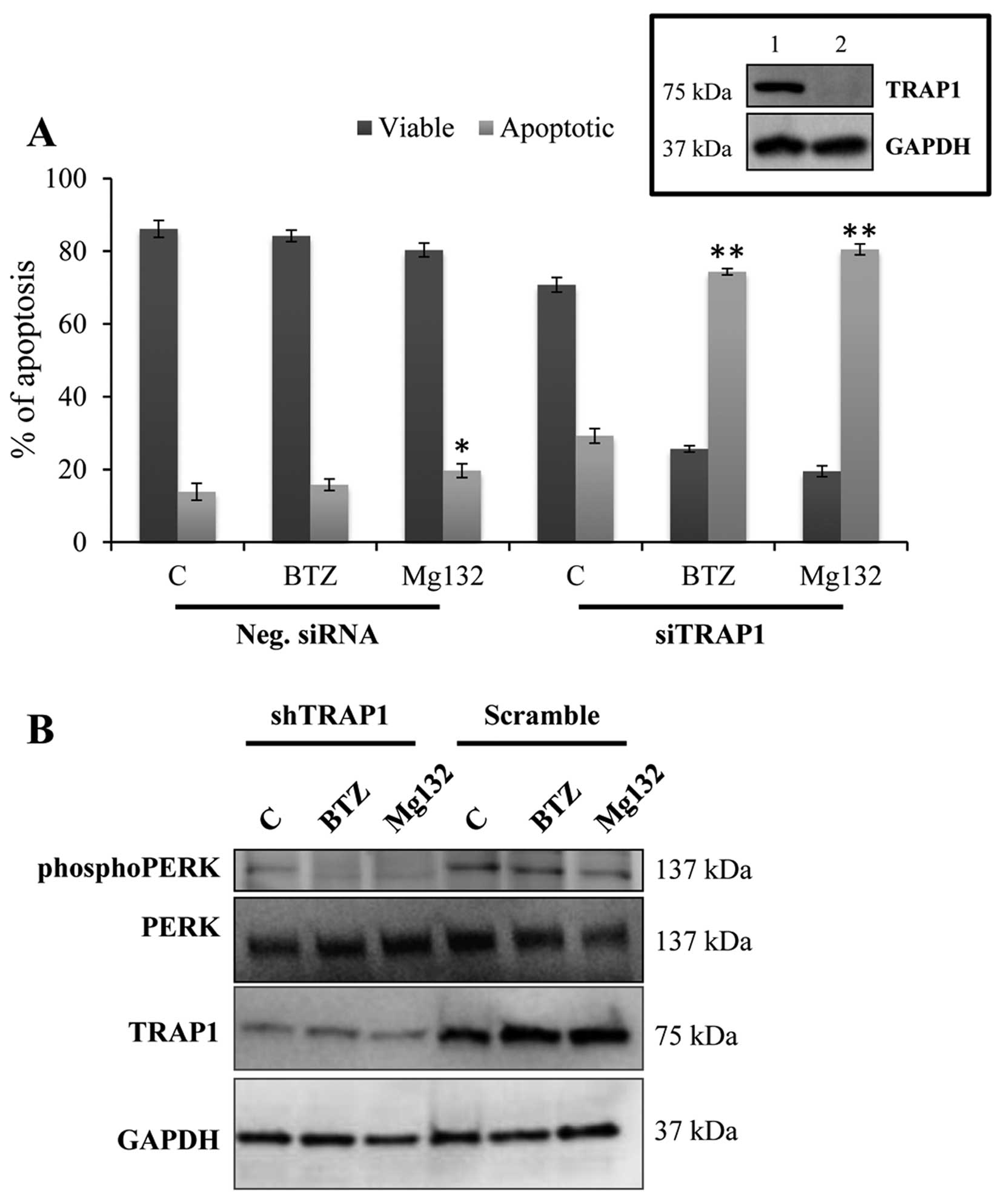
Adaptation to endoplasmic reticulum (ER) stress through the upregulation of the ER chaperone BiP/Grp78 favors resistance of cancer cells to anthracyclins. We recently demonstrated that the mitochondrial HSP90 chaperone TNF receptor-associated protein 1 (TRAP1) is also localized in the ER, where it is responsible for protection from ER stress and quality control on specific mitochondrial proteins contributing to its anti-apoptotic function and the regulation of the mitochondrial apoptotic pathway. Based on the evidence that Bip/Grp78 and TRAP1 are co-upregulated in about 50% of human breast carcinomas (BCs), and considering that the expression of TRAP1 is critical in favoring resistant phenotypes to different antitumor agents, we hypothesized that ER-associated TRAP1 is also favoring resistance to anthracyclins. Indeed, anthracyclins induce ER stress in BC cells and cross-resistance between ER stress agents and anthracyclins was observed in bortezomib- and anthracyclin‑resistant cells. Several lines of evidence suggest a mechanistic link between the ER-stress protecting function of TRAP1 and resistance to anthracyclins: i) ER stress- and anthracyclin-resistant cell lines are characterized by the upregulation of TRAP1; ii) TRAP1 silencing in both drug‑resistant cell models restored the sensitivity to bortezomib and anthracyclins; iii) the transfection of a TRAP1 deletion mutant, whose localization is restricted to the ER, in TRAP1 KD cells protected from apoptosis induced by anthracyclins; iv) the disruption of the ER-associated TRAP1/TBP7 pathway by a TBP7 dominant negative deletion mutant re-established drug sensitivity in drug-resistant cells. This process is likely mediated by the ability of TRAP1 to modulate the PERK pathway as TRAP1 KD cells failed to induce the phosphorylation of PERK in response to anthracyclins. Moreover, the downregulation of TRAP1 in combination with ER stress agents produced high cytotoxic effects in BC cells. These results suggest that ER-associated TRAP1 plays a role in protecting tumor cells against DNA damaging agents by modulating the PERK pathway.
View Figures

Figure 1

Figure 2

Figure 3

Figure 4

Figure 5

Figure 6

View References

1. 

Walter P and Ron D: The unfolded protein response: from stress pathway to homeostatic regulation. Science. 334:1081–1086. 2011. View Article : Google Scholar : PubMed/NCBI

2. 

Schröder M and Kaufman RJ: The mammalian unfolded protein response. Annu Rev Biochem. 74:739–789. 2005.

3. 

Ron D and Walter P: Signal integration in the endoplasmic reticulum unfolded protein response. Nat Rev Mol Cell Biol. 8:519–529. 2007. View Article : Google Scholar : PubMed/NCBI

4. 

Ellgaard L and Helenius A: Quality control in the endoplasmic reticulum. Nat Rev Mol Cell Biol. 4:181–191. 2003. View Article : Google Scholar

5. 

Ron D: Translational control in the endoplasmic reticulum stress response. J Clin Invest. 110:1383–1388. 2002. View Article : Google Scholar : PubMed/NCBI

6. 

Tassone P, Tagliaferri P, Fulciniti MT, Di Martino MT and Venuta S: Novel therapeutic approaches based on the targeting of microenvironment-derived survival pathways in human cancer: experimental models and translational issues. Curr Pharm Des. 13:487–496. 2007. View Article : Google Scholar

7. 

Wilson TR, Johnston PG and Longley DB: Anti-apoptotic mechanisms of drug resistance in cancer. Curr Cancer Drug Targets. 9:307–319. 2009. View Article : Google Scholar : PubMed/NCBI

8. 

Reddy RK, Mao C, Baumeister P, Austin RC, Kaufman RJ and Lee AS: Endoplasmic reticulum chaperone protein GRP78 protects cells from apoptosis induced by topoisomerase inhibitors: role of ATP binding site in suppression of caspase-7 activation. J Biol Chem. 278:20915–20924. 2003. View Article : Google Scholar : PubMed/NCBI

9. 

Amoroso MR, Matassa DS, Laudiero G, et al: TRAP1 and the proteasome regulatory particle TBP7/Rpt3 interact in the endoplasmic reticulum and control cellular ubiquitination of specific mitochondrial proteins. Cell Death Differ. 19:592–604. 2012. View Article : Google Scholar

10. 

Takemoto K, Miyata S, Takamura H, Katayama T and Tohyama M: Mitochondrial TRAP1 regulates the unfolded protein response in the endoplasmic reticulum. Neurochem Int. 58:880–887. 2011. View Article : Google Scholar : PubMed/NCBI

11. 

Siegelin MD, Dohi T, Raskett CM, et al: Exploiting the mitochondrial unfolded protein response for cancer therapy in mice and human cells. J Clin Invest. 121:1349–1360. 2011. View Article : Google Scholar : PubMed/NCBI

12. 

Kang BH, Plescia J, Dohi T, Rosa J, Doxsey SJ and Altieri DC: Regulation of tumor cell mitochondrial homeostasis by an organelle-specific Hsp90 chaperone network. Cell. 131:257–270. 2007. View Article : Google Scholar : PubMed/NCBI

13. 

Costantino E, Maddalena F, Calise S, et al: TRAP1, a novel mitochondrial chaperone responsible for multi-drug resistance and protection from apoptotis in human colorectal carcinoma cells. Cancer Lett. 279:39–46. 2009. View Article : Google Scholar : PubMed/NCBI

14. 

Leav I, Plescia J, Goel HL, et al: Cytoprotective mitochondrial chaperone TRAP-1 as a novel molecular target in localized and metastatic prostate cancer. Am J Pathol. 176:393–340. 2009. View Article : Google Scholar : PubMed/NCBI

15. 

Fang W, Li X, Jiang Q, et al: Transcriptional patterns, biomarkers and pathways characterizing nasopharyngeal carcinoma of Southern China. J Transl Med. 6:322008. View Article : Google Scholar : PubMed/NCBI

16. 

Landriscina M, Maddalena F, Laudiero G and Esposito F: Adaptation to oxidative stress, chemoresistance, and cell survival. Antioxid Redox Signal. 11:2701–2716. 2009. View Article : Google Scholar : PubMed/NCBI

17. 

Landriscina M, Laudiero G, Maddalena F, et al: Mitochondrial chaperone Trap1 and the calcium binding protein Sorcin interact and protect cells against apoptosis induced by anti-blastic agents. Cancer Res. 70:6577–6586. 2010. View Article : Google Scholar

18. 

Maddalena F, Sisinni L, Lettini G, et al: Resistance to paclitxel in breast carcinoma cells requires a quality control of mitochondrial antiapoptotic proteins by TRAP1. Mol Oncol. 7:895–906. 2013. View Article : Google Scholar : PubMed/NCBI

19. 

Hande KR: Clinical applications of anticancer drugs targeted to topoisomerase II. Biochim Biophys Acta. 1400:173–184. 1998. View Article : Google Scholar : PubMed/NCBI

20. 

Minotti G, Menna P, Salvatorelli E, Cairo G and Gianni L: Anthracyclines: molecular advances and pharmacologic developments in antitumor activity and cardiotoxicity. Pharmacol Rev. 56:185–229. 2004. View Article : Google Scholar : PubMed/NCBI

21. 

Jiang CC, Mao ZG, Avery-Kiejda KA, Wade M, Hersey P and Zhang XD: Glucose-regulated protein 78 antagonizes cisplatin and adriamycin in human melanoma cells. Carcinogenesis. 30:197–204. 2009. View Article : Google Scholar : PubMed/NCBI

22. 

Chae YC, Caino MC, Lisanti S, et al: Control of tumor bioenergetics and survival stress signaling by mitochondrial HSP90s. Cancer Cell. 22:331–344. 2012. View Article : Google Scholar : PubMed/NCBI

23. 

Scriven P, Coulson S, Haines R, Balasubramanian S, Cross S and Wyld L: Activation and clinical significance of the unfolded protein response in breast cancer. Br J Cancer. 101:1692–1698. 2009. View Article : Google Scholar : PubMed/NCBI

24. 

Tan SS, Ahmad I, Bennett HL, et al: GRP78 up-regulation is associated with androgen receptor status, Hsp70-Hsp90 client proteins and castrate-resistant prostate cancer. J Pathol. 223:81–87. 2011. View Article : Google Scholar : PubMed/NCBI

25. 

Khasraw M, Bell R and Dang C: Epirubicin: is it like doxorubicin in breast cancer? A clinical review Breast. 21:142–149. 2012.PubMed/NCBI

26. 

Barone C, Landriscina M, Quirino M, et al: Schedule-dependent activity of 5-fluorouracil and irinotecan combination in the treatment of human colorectal cancer: in vitro evidence and a phase I dose-escalating clinical trial. Br J Cancer. 96:21–28. 2007. View Article : Google Scholar

27. 

Landriscina M, Fabiano A, Altamura S, et al: Reverse transcriptase inhibitors down-regulate cell proliferation in vitro and in vivo and restore thyrotropin signaling and iodine uptake in human thyroid anaplastic carcinoma. J Clin Endocrinol Metab. 90:5663–5671. 2005. View Article : Google Scholar

28. 

Maddalena F, Laudiero G, Piscazzi A, et al: Sorcin induces a drug-resistant phenotype in human colorectal cancer by modulating Ca(2+) homeostasis. Cancer Res. 71:7659–7669. 2011.PubMed/NCBI

29. 

Feng R, Zhai WL, Yang HY, Jin H and Zhang QX: Induction of ER stress protects gastric cancer cells against apoptosis induced by cisplatin and doxorubicin through activation of p38 MAPK. Biochem Biophys Res Commun. 406:299–304. 2011. View Article : Google Scholar : PubMed/NCBI

30. 

Mhaidat NM, Thorne R, Zhang XD and Hersey P: Involvement of endoplasmic reticulum stress in Docetaxel-induced JNK-dependent apoptosis of human melanoma. Apoptosis. 13:1505–1512. 2008. View Article : Google Scholar : PubMed/NCBI

31. 

Harding HP, Zhang Y and Ron D: Protein translation and folding are coupled by an endoplasmic-reticulum-resident kinase. Nature. 397:271–274. 1999. View Article : Google Scholar : PubMed/NCBI

32. 

Harding HP, Novoa I, Zhang Y, et al: Regulated translation initiation controls stress-induced gene expression in mammalian cells. Mol Cell. 6:1099–1108. 2000. View Article : Google Scholar : PubMed/NCBI

33. 

Farmaki E, Mkrtchian S, Papazian I, Papavassiliou AG and Kiaris H: ERp29 regulates response to doxorubicin by a PERK-mediated mechanism. Biochim Biophys Acta. 1813:1165–1171. 2011. View Article : Google Scholar : PubMed/NCBI

34. 

Matassa DS, Amoroso MR, Crudele V, et al: Translational control in the stress adaptive response of cancer cells: a novel role for the heat shock protein TRAP1. Cell Death Dis. 4:e851 View Article : Google Scholar : 2013. View Article : Google Scholar : PubMed/NCBI

35. 

Wang J, Yin Y, Hua H, et al: Blockade of GRP78 sensitizes breast cancer cells to microtubules-interfering agents that induce the unfolded protein response. J Cell Mol Med. 13:3888–3897. 2009. View Article : Google Scholar : PubMed/NCBI

36. 

Kang BH: TRAP1 regulation of mitochondrial life or death decision in cancer cells and mitochondria-targeted TRAP1 inhibitors. BMB Rep. 45:1–6. 2012. View Article : Google Scholar : PubMed/NCBI

37. 

Neckers L, Kern A and Tsutsumi S: Hsp90 inhibitors disrupt mitochondrial homeostasis in cancer cells. Chem Biol. 14:1204–1206. 2007. View Article : Google Scholar : PubMed/NCBI

38. 

Xu W, Mimnaugh E, Rosser MF, et al: Sensitivity of mature Erbb2 to geldanamycin is conferred by its kinase domain and is mediated by the chaperone protein Hsp90. J Biol Chem. 276:3702–3708. 2001. View Article : Google Scholar : PubMed/NCBI

39. 

Basso AD, Solit DB, Munster PN and Rosen N: Ansamycin antibiotics inhibit Akt activation and cyclin D expression in breast cancer cells that overexpress HER2. Oncogene. 21:1159–1166. 2002. View Article : Google Scholar : PubMed/NCBI

40. 

Brouckaert O, Wildiers H, Floris G and Neven P: Update on triple-negative breast cancer: prognosis and management strategies. Int J Womens Health. 4:511–520. 2012.PubMed/NCBI

Related Articles

  • Abstract
  • View
  • Download
  • Twitter
Copy and paste a formatted citation
Spandidos Publications style
Sisinni L, Maddalena F, Lettini G, Condelli V, Matassa DS, Esposito F and Landriscina M: TRAP1 role in endoplasmic reticulum stress protection favors resistance to anthracyclins in breast carcinoma cells. Int J Oncol 44: 573-582, 2014.
APA
Sisinni, L., Maddalena, F., Lettini, G., Condelli, V., Matassa, D.S., Esposito, F., & Landriscina, M. (2014). TRAP1 role in endoplasmic reticulum stress protection favors resistance to anthracyclins in breast carcinoma cells. International Journal of Oncology, 44, 573-582. https://doi.org/10.3892/ijo.2013.2199
MLA
Sisinni, L., Maddalena, F., Lettini, G., Condelli, V., Matassa, D. S., Esposito, F., Landriscina, M."TRAP1 role in endoplasmic reticulum stress protection favors resistance to anthracyclins in breast carcinoma cells". International Journal of Oncology 44.2 (2014): 573-582.
Chicago
Sisinni, L., Maddalena, F., Lettini, G., Condelli, V., Matassa, D. S., Esposito, F., Landriscina, M."TRAP1 role in endoplasmic reticulum stress protection favors resistance to anthracyclins in breast carcinoma cells". International Journal of Oncology 44, no. 2 (2014): 573-582. https://doi.org/10.3892/ijo.2013.2199
Copy and paste a formatted citation
x
Spandidos Publications style
Sisinni L, Maddalena F, Lettini G, Condelli V, Matassa DS, Esposito F and Landriscina M: TRAP1 role in endoplasmic reticulum stress protection favors resistance to anthracyclins in breast carcinoma cells. Int J Oncol 44: 573-582, 2014.
APA
Sisinni, L., Maddalena, F., Lettini, G., Condelli, V., Matassa, D.S., Esposito, F., & Landriscina, M. (2014). TRAP1 role in endoplasmic reticulum stress protection favors resistance to anthracyclins in breast carcinoma cells. International Journal of Oncology, 44, 573-582. https://doi.org/10.3892/ijo.2013.2199
MLA
Sisinni, L., Maddalena, F., Lettini, G., Condelli, V., Matassa, D. S., Esposito, F., Landriscina, M."TRAP1 role in endoplasmic reticulum stress protection favors resistance to anthracyclins in breast carcinoma cells". International Journal of Oncology 44.2 (2014): 573-582.
Chicago
Sisinni, L., Maddalena, F., Lettini, G., Condelli, V., Matassa, D. S., Esposito, F., Landriscina, M."TRAP1 role in endoplasmic reticulum stress protection favors resistance to anthracyclins in breast carcinoma cells". International Journal of Oncology 44, no. 2 (2014): 573-582. https://doi.org/10.3892/ijo.2013.2199
Follow us
  • Twitter
  • LinkedIn
  • Facebook
About
  • Spandidos Publications
  • Careers
  • Cookie Policy
  • Privacy Policy
How can we help?
  • Help
  • Live Chat
  • Contact
  • Email to our Support Team