Spandidos Publications Logo
  • About
    • About Spandidos
    • Aims and Scopes
    • Abstracting and Indexing
    • Editorial Policies
    • Reprints and Permissions
    • Job Opportunities
    • Terms and Conditions
    • Contact
  • Journals
    • All Journals
    • Oncology Letters
      • Oncology Letters
      • Information for Authors
      • Editorial Policies
      • Editorial Board
      • Aims and Scope
      • Abstracting and Indexing
      • Bibliographic Information
      • Archive
    • International Journal of Oncology
      • International Journal of Oncology
      • Information for Authors
      • Editorial Policies
      • Editorial Board
      • Aims and Scope
      • Abstracting and Indexing
      • Bibliographic Information
      • Archive
    • Molecular and Clinical Oncology
      • Molecular and Clinical Oncology
      • Information for Authors
      • Editorial Policies
      • Editorial Board
      • Aims and Scope
      • Abstracting and Indexing
      • Bibliographic Information
      • Archive
    • Experimental and Therapeutic Medicine
      • Experimental and Therapeutic Medicine
      • Information for Authors
      • Editorial Policies
      • Editorial Board
      • Aims and Scope
      • Abstracting and Indexing
      • Bibliographic Information
      • Archive
    • International Journal of Molecular Medicine
      • International Journal of Molecular Medicine
      • Information for Authors
      • Editorial Policies
      • Editorial Board
      • Aims and Scope
      • Abstracting and Indexing
      • Bibliographic Information
      • Archive
    • Biomedical Reports
      • Biomedical Reports
      • Information for Authors
      • Editorial Policies
      • Editorial Board
      • Aims and Scope
      • Abstracting and Indexing
      • Bibliographic Information
      • Archive
    • Oncology Reports
      • Oncology Reports
      • Information for Authors
      • Editorial Policies
      • Editorial Board
      • Aims and Scope
      • Abstracting and Indexing
      • Bibliographic Information
      • Archive
    • Molecular Medicine Reports
      • Molecular Medicine Reports
      • Information for Authors
      • Editorial Policies
      • Editorial Board
      • Aims and Scope
      • Abstracting and Indexing
      • Bibliographic Information
      • Archive
    • World Academy of Sciences Journal
      • World Academy of Sciences Journal
      • Information for Authors
      • Editorial Policies
      • Editorial Board
      • Aims and Scope
      • Abstracting and Indexing
      • Bibliographic Information
      • Archive
    • International Journal of Functional Nutrition
      • International Journal of Functional Nutrition
      • Information for Authors
      • Editorial Policies
      • Editorial Board
      • Aims and Scope
      • Abstracting and Indexing
      • Bibliographic Information
      • Archive
    • International Journal of Epigenetics
      • International Journal of Epigenetics
      • Information for Authors
      • Editorial Policies
      • Editorial Board
      • Aims and Scope
      • Abstracting and Indexing
      • Bibliographic Information
      • Archive
    • Medicine International
      • Medicine International
      • Information for Authors
      • Editorial Policies
      • Editorial Board
      • Aims and Scope
      • Abstracting and Indexing
      • Bibliographic Information
      • Archive
  • Articles
  • Information
    • Information for Authors
    • Information for Reviewers
    • Information for Librarians
    • Information for Advertisers
    • Conferences
  • Language Editing
Spandidos Publications Logo
  • About
    • About Spandidos
    • Aims and Scopes
    • Abstracting and Indexing
    • Editorial Policies
    • Reprints and Permissions
    • Job Opportunities
    • Terms and Conditions
    • Contact
  • Journals
    • All Journals
    • Biomedical Reports
      • Information for Authors
      • Editorial Policies
      • Editorial Board
      • Aims and Scope
      • Abstracting and Indexing
      • Bibliographic Information
      • Archive
    • Experimental and Therapeutic Medicine
      • Information for Authors
      • Editorial Policies
      • Editorial Board
      • Aims and Scope
      • Abstracting and Indexing
      • Bibliographic Information
      • Archive
    • International Journal of Epigenetics
      • Information for Authors
      • Editorial Policies
      • Editorial Board
      • Aims and Scope
      • Abstracting and Indexing
      • Bibliographic Information
      • Archive
    • International Journal of Functional Nutrition
      • Information for Authors
      • Editorial Policies
      • Editorial Board
      • Aims and Scope
      • Abstracting and Indexing
      • Bibliographic Information
      • Archive
    • International Journal of Molecular Medicine
      • Information for Authors
      • Editorial Policies
      • Editorial Board
      • Aims and Scope
      • Abstracting and Indexing
      • Bibliographic Information
      • Archive
    • International Journal of Oncology
      • Information for Authors
      • Editorial Policies
      • Editorial Board
      • Aims and Scope
      • Abstracting and Indexing
      • Bibliographic Information
      • Archive
    • Medicine International
      • Information for Authors
      • Editorial Policies
      • Editorial Board
      • Aims and Scope
      • Abstracting and Indexing
      • Bibliographic Information
      • Archive
    • Molecular and Clinical Oncology
      • Information for Authors
      • Editorial Policies
      • Editorial Board
      • Aims and Scope
      • Abstracting and Indexing
      • Bibliographic Information
      • Archive
    • Molecular Medicine Reports
      • Information for Authors
      • Editorial Policies
      • Editorial Board
      • Aims and Scope
      • Abstracting and Indexing
      • Bibliographic Information
      • Archive
    • Oncology Letters
      • Information for Authors
      • Editorial Policies
      • Editorial Board
      • Aims and Scope
      • Abstracting and Indexing
      • Bibliographic Information
      • Archive
    • Oncology Reports
      • Information for Authors
      • Editorial Policies
      • Editorial Board
      • Aims and Scope
      • Abstracting and Indexing
      • Bibliographic Information
      • Archive
    • World Academy of Sciences Journal
      • Information for Authors
      • Editorial Policies
      • Editorial Board
      • Aims and Scope
      • Abstracting and Indexing
      • Bibliographic Information
      • Archive
  • Articles
  • Information
    • For Authors
    • For Reviewers
    • For Librarians
    • For Advertisers
    • Conferences
  • Language Editing
Login Register Submit
  • This site uses cookies
  • You can change your cookie settings at any time by following the instructions in our Cookie Policy. To find out more, you may read our Privacy Policy.

    I agree
Search articles by DOI, keyword, author or affiliation
Search
Advanced Search
presentation
International Journal of Oncology
Join Editorial Board Propose a Special Issue
Print ISSN: 1019-6439 Online ISSN: 1791-2423
Journal Cover
2014-April Volume 44 Issue 4

Full Size Image

Cover Legend PDF

Sign up for eToc alerts
Recommend to Library

Journals

International Journal of Molecular Medicine

International Journal of Molecular Medicine

International Journal of Molecular Medicine is an international journal devoted to molecular mechanisms of human disease.

International Journal of Oncology

International Journal of Oncology

International Journal of Oncology is an international journal devoted to oncology research and cancer treatment.

Molecular Medicine Reports

Molecular Medicine Reports

Covers molecular medicine topics such as pharmacology, pathology, genetics, neuroscience, infectious diseases, molecular cardiology, and molecular surgery.

Oncology Reports

Oncology Reports

Oncology Reports is an international journal devoted to fundamental and applied research in Oncology.

Experimental and Therapeutic Medicine

Experimental and Therapeutic Medicine

Experimental and Therapeutic Medicine is an international journal devoted to laboratory and clinical medicine.

Oncology Letters

Oncology Letters

Oncology Letters is an international journal devoted to Experimental and Clinical Oncology.

Biomedical Reports

Biomedical Reports

Explores a wide range of biological and medical fields, including pharmacology, genetics, microbiology, neuroscience, and molecular cardiology.

Molecular and Clinical Oncology

Molecular and Clinical Oncology

International journal addressing all aspects of oncology research, from tumorigenesis and oncogenes to chemotherapy and metastasis.

World Academy of Sciences Journal

World Academy of Sciences Journal

Multidisciplinary open-access journal spanning biochemistry, genetics, neuroscience, environmental health, and synthetic biology.

International Journal of Functional Nutrition

International Journal of Functional Nutrition

Open-access journal combining biochemistry, pharmacology, immunology, and genetics to advance health through functional nutrition.

International Journal of Epigenetics

International Journal of Epigenetics

Publishes open-access research on using epigenetics to advance understanding and treatment of human disease.

Medicine International

Medicine International

An International Open Access Journal Devoted to General Medicine.

Journal Cover
2014-April Volume 44 Issue 4

Full Size Image

Cover Legend PDF

Sign up for eToc alerts
Recommend to Library

  • Article
  • Citations
    • Cite This Article
    • Download Citation
    • Create Citation Alert
    • Remove Citation Alert
    • Cited By
  • Similar Articles
    • Related Articles (in Spandidos Publications)
    • Similar Articles (Google Scholar)
    • Similar Articles (PubMed)
  • Download PDF
  • Download XML
  • View XML
Article

The adherens junction-associated protein 1 is a negative transcriptional regulator of MAGEA2, which potentiates temozolomide-induced apoptosis in GBM

  • Authors:
    • Liang Zeng
    • Chunsheng Kang
    • Chunhui Di
    • Brian E. Fee
    • Miriam Rivas
    • James Lin
    • David Cory Adamson
  • View Affiliations / Copyright

    Affiliations: Department of Neurosurgery, Tongji Hospital, Huazhong University of Science and Technology, Wuhan, P.R. China, Preston Robert Tisch Brain Tumor Center, Departments of Surgery and Neurobiology, Duke University Medical Center, Durham, NC, USA, Durham VA Medical Center, Durham, NC, USA
  • Pages: 1243-1251
    |
    Published online on: January 24, 2014
       https://doi.org/10.3892/ijo.2014.2277
  • Expand metrics +
Metrics: Total Views: 0 (Spandidos Publications: | PMC Statistics: )
Metrics: Total PDF Downloads: 0 (Spandidos Publications: | PMC Statistics: )
Cited By (CrossRef): 0 citations Loading Articles...

This article is mentioned in:


Abstract

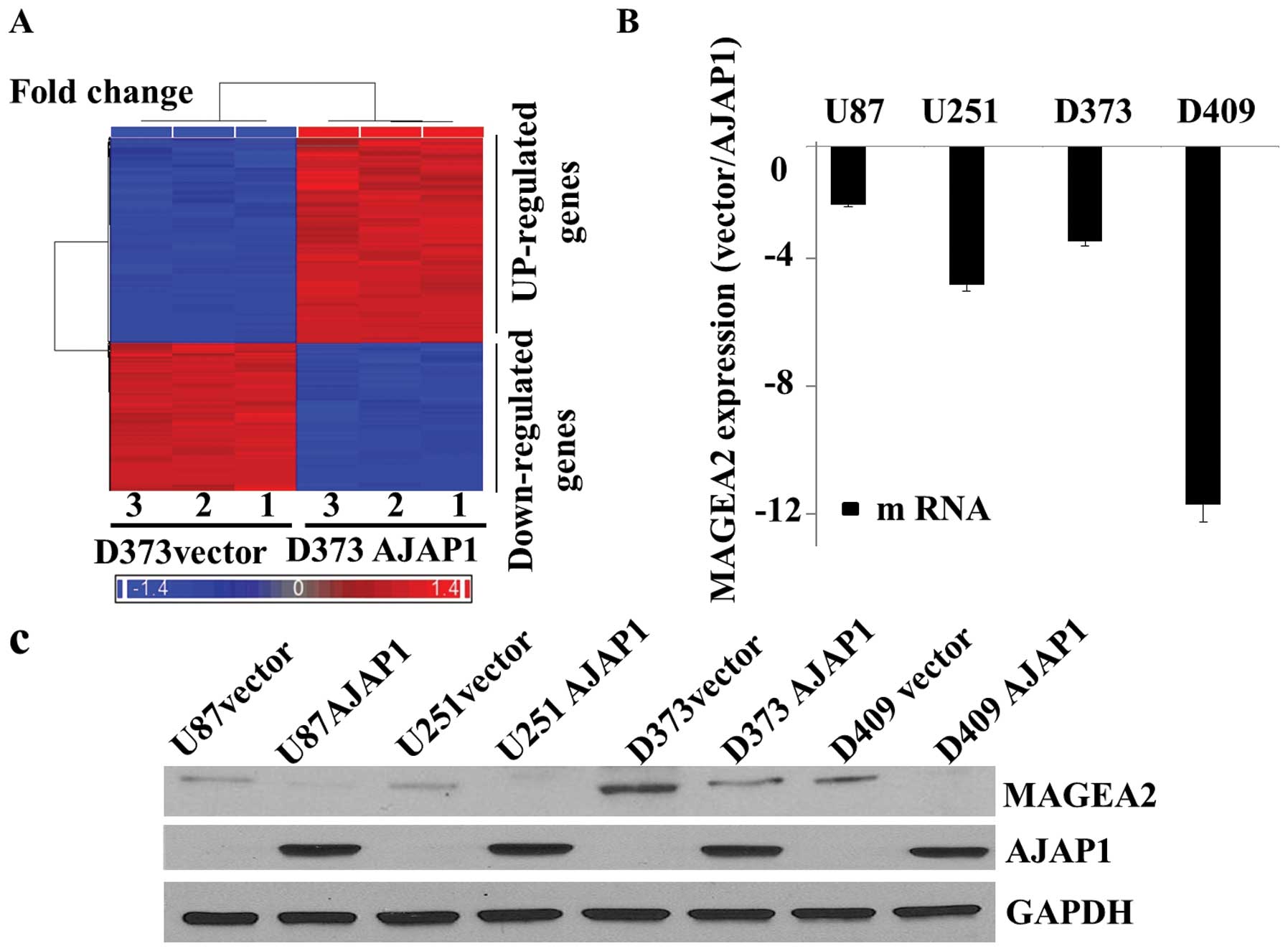
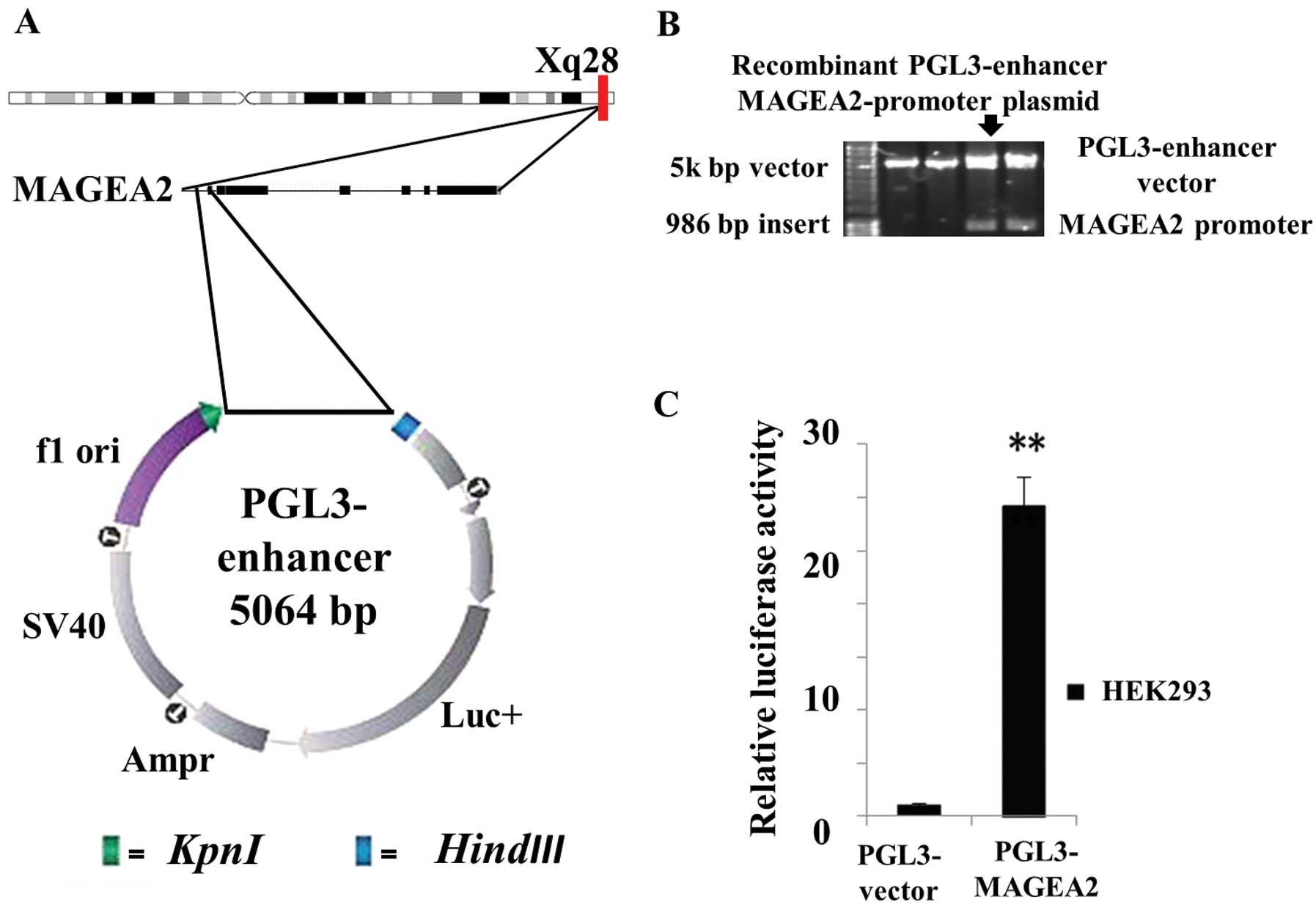
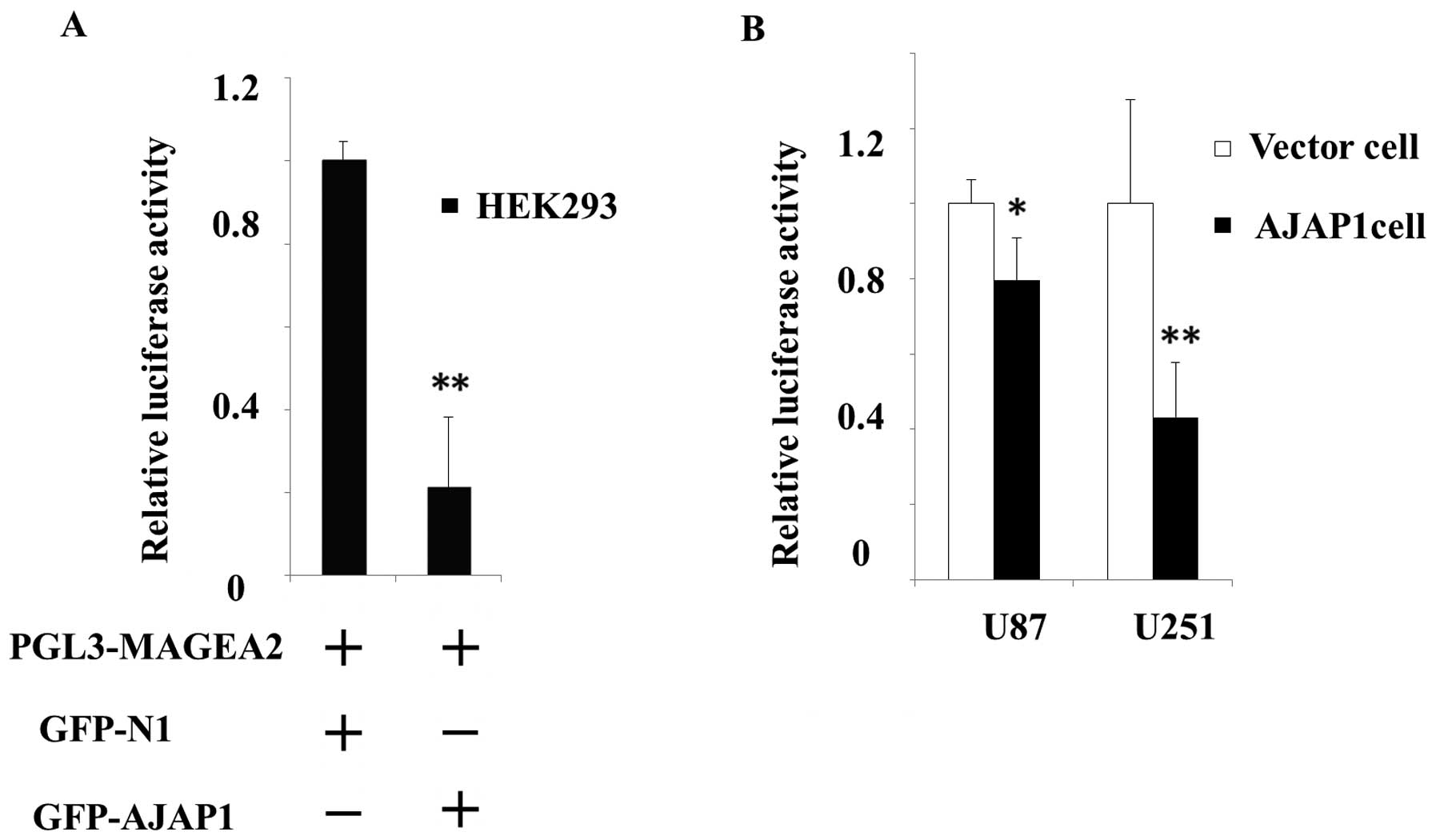
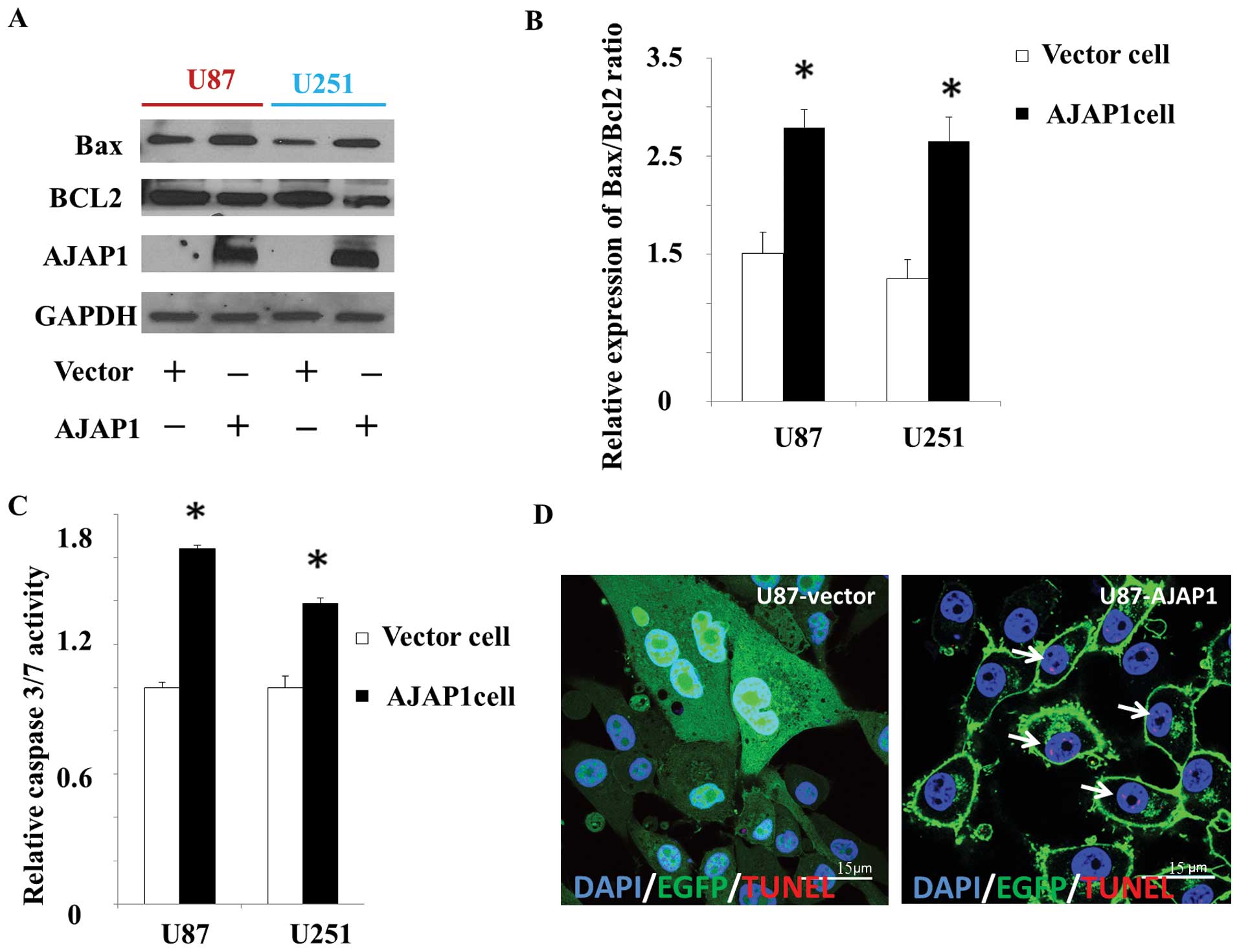
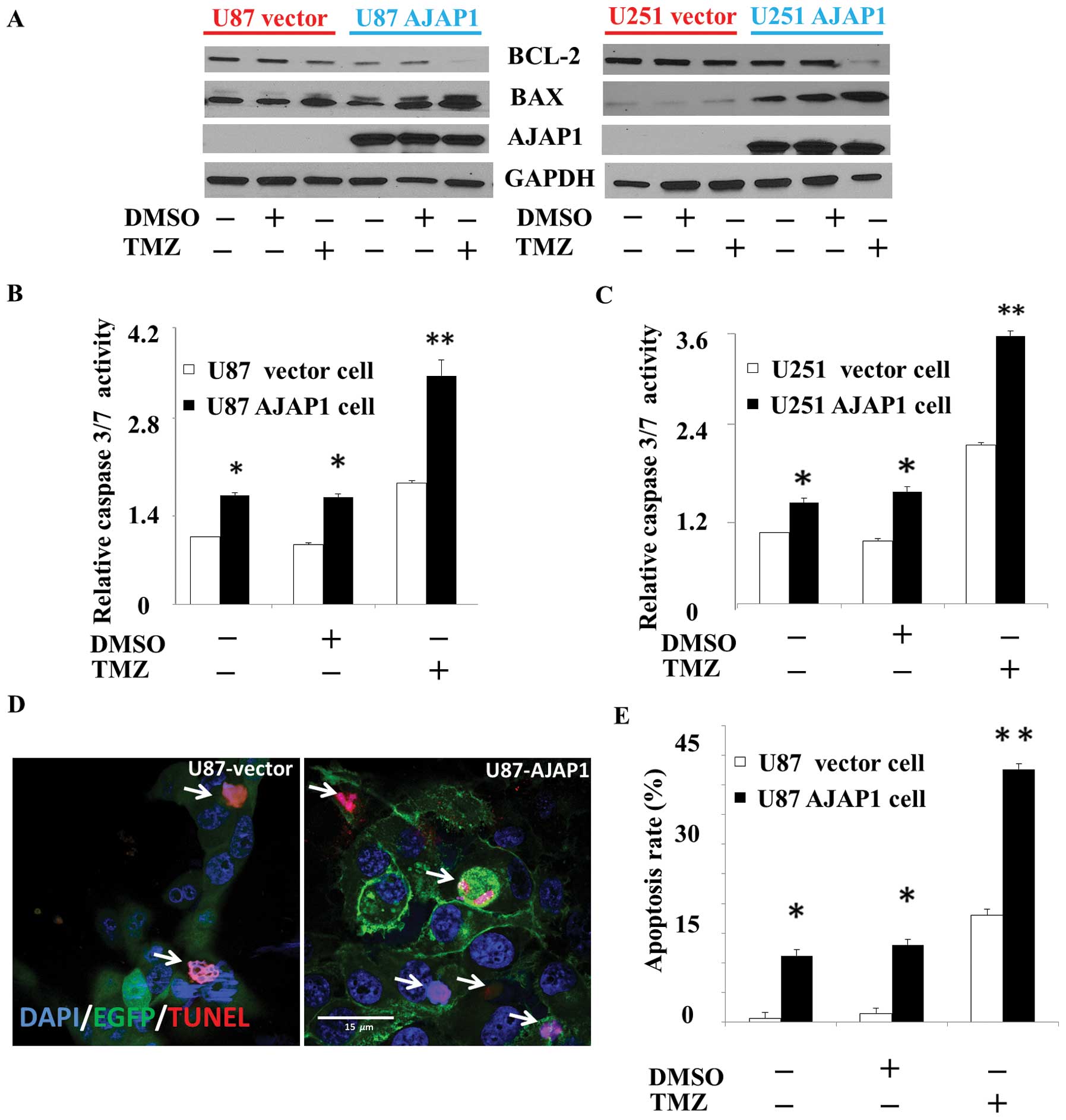
Previous studies identified the frequent loss of adherens junction-associated protein 1 (AJAP1) expression in glioblastoma (GBM) and its correlation with worse survival. AJAP1 may suppress glioma cell migration, which plays an important role in tumor progression in malignant gliomas such as GBM. However, the role of AJAP1 in cell cycle arrest or apoptosis and resistance to chemotherapy remains unclear. Based on microarray screening results, quantitative PCR and luciferase plasmid reporter constructs were used to evaluate the possible regulatory role of AJAP1 on MAGEA2 expression and function. Cell death assays, TUNEL and other markers of apoptosis were utilized to detect cell apoptosis. Restoration of AJAP1 expression in glioma cells was analyzed after temozolomide exposure. AJAP1 suppressed the expression of MAGEA2 and inhibited the transcriptional activity of MAGEA2 in glioma cells. As AJAP1 expression decreased MAGEA2 protein expression apoptosis increased moderately. Consistent with increased cell death, the induced loss of MAGEA2 expression correlated with increased caspase 3/7 activity, BCL2/BAX ratio and TUNEL signal. AJAP1 expression enhanced cell death in the presence of temozolomide. This study suggests AJAP1 may also function as a pro‑apoptotic factor and potentiate cell death by temozolomide in glioma cells. This effect may be partially explained by AJAP1‑mediated gene regulation of MAGEA2.
View Figures

Figure 1

Figure 2

Figure 3

Figure 4

Figure 5

View References

1. 

Stupp R, Hegi ME, Mason WP, van den Bent MJ, Taphoorn MJ, et al: Effects of radiotherapy with concomitant and adjuvant temozolomide versus radiotherapy alone on survival in glioblastoma in a randomised phase III study: 5-year analysis of the EORTC-NCIC trial. Lancet Oncol. 10:459–466. 2009.

2. 

Gravendeel LA, Kouwenhoven MC, Gevaert O, de Rooi JJ, Stubbs AP, et al: Intrinsic gene expression profiles of gliomas are a better predictor of survival than histology. Cancer Res. 69:9065–9072. 2009. View Article : Google Scholar : PubMed/NCBI

3. 

Verhaak RG, Hoadley KA, Purdom E, Wang V, Qi Y, et al: Integrated genomic analysis identifies clinically relevant subtypes of glioblastoma characterized by abnormalities in PDGFRA, IDH1, EGFR, and NF1. Cancer Cell. 17:98–110. 2010. View Article : Google Scholar

4. 

Henrich KO, Schwab M and Westermann F: 1p36 tumor suppression - a matter of dosage? Cancer Res. 72:6079–6088. 2012. View Article : Google Scholar : PubMed/NCBI

5. 

Zlatescu MC, TehraniYazdi A, Sasaki H, Megyesi JF, Betensky RA, Louis DN, et al: Tumor location and growth pattern correlate with genetic signature in oligodendroglial neoplasms. Cancer Res. 61:6713–6715. 2001.

6. 

Lin N, Di C, Bortoff K, Fu J, Truszkowski P, Killela P, Duncan C, McLendon R, Bigner D, Gregory S and Adamson DC: Deletion or epigenetic silencing of AJAP1 on 1p36 in glioblastoma. Mol Cancer Res. 10:208–217. 2012. View Article : Google Scholar : PubMed/NCBI

7. 

Aoki T, Hashimoto N and Matsutani M: Management of glioblastoma. Expert Opin Pharmacother. 8:3133–3146. 2007. View Article : Google Scholar

8. 

Stupp R, Mason WP, van den Bent MJ, Weller M, et al: Mirimanoff Radiotherapy plus concomitant and adjuvant temozolomide for glioblastoma. N Engl J Med. 352:987–996. 2005. View Article : Google Scholar : PubMed/NCBI

9. 

Salvati M, D’Elia A, Formichella AI and Frati A: Insights into pharmacotherapy of malignant glioma in adults. Expert Opin Pharmacother. 10:2279–2290. 2009. View Article : Google Scholar : PubMed/NCBI

10. 

Giese A, Bjerkvig R, Berens ME and Westphal M: Cost of migration: invasion of malignant gliomas and implications for treatment. J Clin Oncol. 21:1624–1636. 2003. View Article : Google Scholar : PubMed/NCBI

11. 

Kitange GJ, Carlson BL, Schroeder MA, Grogan PT, Lamont JD, Decker PA, Wu W, James CD and Sarkaria JN: Induction of MGMT expression is associated with temozolomide resistance in glioblastoma xenografts. Neuro Oncol. 11:281–289. 2009. View Article : Google Scholar : PubMed/NCBI

12. 

Frosina G: DNA repair and resistance of gliomas to chemotherapy and radiotherapy. Mol Cancer Res. 7:989–999. 2009. View Article : Google Scholar : PubMed/NCBI

13. 

Oliva CR, Nozell SE, Diers A, McClugage SG, et al: Acquisition of temozolomide chemoresistance in gliomas leads to remodeling of mitochondrial electron transport chain. J Biol Chem. 285:39759–39767. 2010. View Article : Google Scholar : PubMed/NCBI

14. 

Marcar L, Maclaine NJ, Hupp TR and Meek DW: Mage-A cancer/testis antigens inhibit p53 function by blocking its interaction with chromatin. Cancer Res. 70:10362–10370. 2010. View Article : Google Scholar : PubMed/NCBI

15. 

Monte M, Simonatto M, Peche LY, Bublik DR, Gobessi S, Pierotti MA, Rodolfo M and Schneider C: MAGE-A tumor antigens target p53 transactivation function through histone deacetylase recruitment and confer resistance to chemotherapeutic agents. Proc Natl Acad Sci. 103:11160–11165. 2006. View Article : Google Scholar

16. 

Yang B, O’Herrin SM, Wu J, Reagan-Shaw S, Ma Y, Bhat KM, Gravekamp C, Setaluri V, Peters N, Hoffmann FM, Peng H, Ivanov AV, Simpson AJ and Longley BJ: MAGE-A, MAGE-B, and MAGE-C proteins form complexes with KAP1 and suppress p53-dependent apoptosis in MAGE-positive cell lines. Cancer Res. 67:9954–9962. 2007. View Article : Google Scholar : PubMed/NCBI

17. 

Bhan S, Negi SS, Shao C, Glazer CA, Chuang A, Gaykalova DA, Sun W, Sidransky D, Ha PK and Califano JA: BORIS binding to the promoters of cancer testis antigens, MAGEA2, MAGEA3, and MAGEA4, is associated with their transcriptional activation in lung cancer. Clin Cancer Res. 17:4267–4276. 2011. View Article : Google Scholar : PubMed/NCBI

18. 

Glazer CA, Smith IM, Bhan S, Sun W, Chang SS, Pattani KM, Westra W, Khan Z and Califano JA: The role of MAGEA2 in head and neck cancer. Arch Otolaryngol Head Neck Surg. 137:286–293. 2011. View Article : Google Scholar : PubMed/NCBI

19. 

Nardiello T, Jungbluth AA, Mei A, Diliberto M, Huang X, Dabrowski A, Andrade VC, Wasserstrum R, Ely S, Niesvizky R, Pearse R, Coleman M, Jayabalan DS, Bhardwaj N, Old LJ, Chen-Kiang S and Cho HJ: MAGE-A inhibits apoptosis in proliferating myeloma cells through repression of Bax and maintenance of survivin. Clin Cancer Res. 17:4309–4319. 2011. View Article : Google Scholar : PubMed/NCBI

20. 

Sawada M, Nakashima S, Banno Y, Yamakawa H, Hayashi K, Takenaka K, Nishimura Y, Sakai N and Nozawa Y: Ordering of ceramide formation, caspase activation, and Bax/Bcl-2 expression during etoposide-induced apoptosis in C6 glioma cells. Cell Death Differ. 7:761–772. 2000. View Article : Google Scholar : PubMed/NCBI

21. 

Tanaka K, Asanuma M and Ogawa N: Molecular basis of anti-apoptotic effect of immunophilin ligands on hydrogen peroxide-induced apoptosis in human glioma cells. Neurochem Res. 29:1529–1536. 2004. View Article : Google Scholar : PubMed/NCBI

22. 

Stegh AH, Chin L, Louis DN and DePinho RA: What drives intense apoptosis resistance and propensity for necrosis in glioblastoma? A role for Bcl2L12 as a multifunctional cell death regulator. Cell Cycle. 7:2833–2839. 2008. View Article : Google Scholar : PubMed/NCBI

23. 

Shore EM and Nelson WJ: Biosynthesis of the cell adhesion molecule uvomorulin (E-cadherin) in Madin-Darby canine kidney epithelial cells. J Biol Chem. 266:19672–19680. 1991.PubMed/NCBI

24. 

Bharti S, Handrow-Metzmacher H, Zickenheiner S, Zeitvogel A, Baumann R and Starzinski-Powitz A: Novel membrane protein shrew-1 targets to cadherin-mediated junctions in polarized epithelial cells. Mol Biol Cell. 15:397–406. 2004. View Article : Google Scholar : PubMed/NCBI

25. 

Gottardi CJ and Peifer M: Terminal regions of beta-catenin come into view. Structure. 16:336–338. 2008. View Article : Google Scholar : PubMed/NCBI

26. 

Lilien J and Balsamo J: The regulation of cadherin-mediated adhesion by tyrosine phosphorylation/dephosphorylation of β-catenin. Curr Opin Cell Biol. 17:459–465. 2005.PubMed/NCBI

27. 

Castellone MD, Teramoto H, Williams BO, Druey KM and Gutkind JS: Prostaglandin E2 promotes colon cancer cell growth through a Gs-axin-beta-catenin signaling axis. Science. 310:1504–1510. 2005. View Article : Google Scholar : PubMed/NCBI

28. 

Liu X, Rubin JS and Kimmel AR: Rapid Wnt-induced changes in GSK3beta associations that regulate beta-catenin stabilization are mediated by Galpha proteins. Curr Biol. 15:1989–1997. 2005. View Article : Google Scholar : PubMed/NCBI

29. 

Hino S, Tanji C, Nakayama KI and Kikuchi A: Phosphorylation of β-catenin by cyclic AMP-dependent protein kinase stabilizes β-catenin through inhibition of its ubiquitination. Mol Cell. 25:9063–9072. 2005.

30. 

McDonald JM, Dunlap S, Cogdell D, et al: The SHREW1 gene, frequently deleted in oligodendrogliomas, functions to inhibit cell adhesion and migration. Cancer Biol Ther. 5:300–304. 2006. View Article : Google Scholar : PubMed/NCBI

31. 

Schreiner A, Ruonala M, Jakob V, et al: Junction protein shrew-1 influences cell invasion and interacts with invasion promoting protein CD147. Mol Biol Cell. 18:1272–1281. 2007. View Article : Google Scholar : PubMed/NCBI

32. 

Cogdell D, Chung W, Liu Y, McDonald JM, Aldape K, Issa JP, Fuller GN and Zhang W: Tumor-associated methylation of the putative tumor suppressor AJAP1 gene and association between decreased AJAP1 expression and shorter survival in patients with glioma. Chin J Cancer. 30:247–253. 2011. View Article : Google Scholar

33. 

Jarskog LF, Selinger ES, Lieberman JA and Gilmore JH: Apoptotic proteins in the temporal cortex in schizophrenia: high bax/bcl-2 ratio without caspase-3 activation. Am J Psychiatry. 161:109–115. 2004. View Article : Google Scholar : PubMed/NCBI

34. 

Ryan KM, Phillips AC and Vousden KH: Regulation and function of the p53 tumor suppressor protein. Curr Opin Cell Biol. 13:332–337. 2001. View Article : Google Scholar : PubMed/NCBI

35. 

Kaina B and Christmann M: DNA repair in resistance to alkylating anticancer drugs. Int J Clin Pharmacol Ther. 40:354–367. 2002. View Article : Google Scholar : PubMed/NCBI

36. 

Bredel M, Bredel C, Juric D, et al: Tumor necrosis factor-alpha induced protein 3 as a putative regulator of nuclear factorkappaB- mediated resistance to O6-alkylating agents in human glioblastoma. J Clin Oncol. 24:274–287. 2006. View Article : Google Scholar

37. 

Prokopenko O and Mirochnitchenko O: Ischemia-reperfusion-inducible protein modulates cell sensitivity to anticancer drugs by regulating activity of efflux transporter. Am J Physiol Cell Physiol. 296:1086–1097. 2009. View Article : Google Scholar : PubMed/NCBI

38. 

Chekhun VF, Lukyanova NY, Kovalchuk, et al: Epigenetic profiling of multidrug-resistant human MCF-7 breast adenocarcinoma cells reveals novel hyper- and hypomethylated targets. Mol Cancer Ther. 6:1089–1098. 2007. View Article : Google Scholar : PubMed/NCBI

39. 

Roberti A, Sala DL and Cinti C: Multiple genetic and epigenetic interacting mechanisms contribute to clonally selection of drug-resistant tumors: current views and new therapeutic prospective. J Cell Physiol. 207:571–581. 2006. View Article : Google Scholar

40. 

Duan Z, Duan Y, Lamendola DE, Yusuf RZ, et al: Overexpression of MAGE/GAGE genes in paclitaxel/doxorubicin resistant human cancer cell lines. Clin Cancer Res. 9:2778–2785. 2003.PubMed/NCBI

41. 

Weeraratne SD, Amani V, Neiss A, et al: MiR-34a confers chemosensitivity through modulation of MAGE-A and p53 in medulloblastoma. Neuro Oncol. 13:165–175. 2011. View Article : Google Scholar : PubMed/NCBI

Related Articles

  • Abstract
  • View
  • Download
  • Twitter
Copy and paste a formatted citation
Spandidos Publications style
Zeng L, Kang C, Di C, Fee BE, Rivas M, Lin J and Adamson DC: The adherens junction-associated protein 1 is a negative transcriptional regulator of MAGEA2, which potentiates temozolomide-induced apoptosis in GBM. Int J Oncol 44: 1243-1251, 2014.
APA
Zeng, L., Kang, C., Di, C., Fee, B.E., Rivas, M., Lin, J., & Adamson, D.C. (2014). The adherens junction-associated protein 1 is a negative transcriptional regulator of MAGEA2, which potentiates temozolomide-induced apoptosis in GBM. International Journal of Oncology, 44, 1243-1251. https://doi.org/10.3892/ijo.2014.2277
MLA
Zeng, L., Kang, C., Di, C., Fee, B. E., Rivas, M., Lin, J., Adamson, D. C."The adherens junction-associated protein 1 is a negative transcriptional regulator of MAGEA2, which potentiates temozolomide-induced apoptosis in GBM". International Journal of Oncology 44.4 (2014): 1243-1251.
Chicago
Zeng, L., Kang, C., Di, C., Fee, B. E., Rivas, M., Lin, J., Adamson, D. C."The adherens junction-associated protein 1 is a negative transcriptional regulator of MAGEA2, which potentiates temozolomide-induced apoptosis in GBM". International Journal of Oncology 44, no. 4 (2014): 1243-1251. https://doi.org/10.3892/ijo.2014.2277
Copy and paste a formatted citation
x
Spandidos Publications style
Zeng L, Kang C, Di C, Fee BE, Rivas M, Lin J and Adamson DC: The adherens junction-associated protein 1 is a negative transcriptional regulator of MAGEA2, which potentiates temozolomide-induced apoptosis in GBM. Int J Oncol 44: 1243-1251, 2014.
APA
Zeng, L., Kang, C., Di, C., Fee, B.E., Rivas, M., Lin, J., & Adamson, D.C. (2014). The adherens junction-associated protein 1 is a negative transcriptional regulator of MAGEA2, which potentiates temozolomide-induced apoptosis in GBM. International Journal of Oncology, 44, 1243-1251. https://doi.org/10.3892/ijo.2014.2277
MLA
Zeng, L., Kang, C., Di, C., Fee, B. E., Rivas, M., Lin, J., Adamson, D. C."The adherens junction-associated protein 1 is a negative transcriptional regulator of MAGEA2, which potentiates temozolomide-induced apoptosis in GBM". International Journal of Oncology 44.4 (2014): 1243-1251.
Chicago
Zeng, L., Kang, C., Di, C., Fee, B. E., Rivas, M., Lin, J., Adamson, D. C."The adherens junction-associated protein 1 is a negative transcriptional regulator of MAGEA2, which potentiates temozolomide-induced apoptosis in GBM". International Journal of Oncology 44, no. 4 (2014): 1243-1251. https://doi.org/10.3892/ijo.2014.2277
Follow us
  • Twitter
  • LinkedIn
  • Facebook
About
  • Spandidos Publications
  • Careers
  • Cookie Policy
  • Privacy Policy
How can we help?
  • Help
  • Live Chat
  • Contact
  • Email to our Support Team