Spandidos Publications Logo
  • About
    • About Spandidos
    • Aims and Scopes
    • Abstracting and Indexing
    • Editorial Policies
    • Reprints and Permissions
    • Job Opportunities
    • Terms and Conditions
    • Contact
  • Journals
    • All Journals
    • Oncology Letters
      • Oncology Letters
      • Information for Authors
      • Editorial Policies
      • Editorial Board
      • Aims and Scope
      • Abstracting and Indexing
      • Bibliographic Information
      • Archive
    • International Journal of Oncology
      • International Journal of Oncology
      • Information for Authors
      • Editorial Policies
      • Editorial Board
      • Aims and Scope
      • Abstracting and Indexing
      • Bibliographic Information
      • Archive
    • Molecular and Clinical Oncology
      • Molecular and Clinical Oncology
      • Information for Authors
      • Editorial Policies
      • Editorial Board
      • Aims and Scope
      • Abstracting and Indexing
      • Bibliographic Information
      • Archive
    • Experimental and Therapeutic Medicine
      • Experimental and Therapeutic Medicine
      • Information for Authors
      • Editorial Policies
      • Editorial Board
      • Aims and Scope
      • Abstracting and Indexing
      • Bibliographic Information
      • Archive
    • International Journal of Molecular Medicine
      • International Journal of Molecular Medicine
      • Information for Authors
      • Editorial Policies
      • Editorial Board
      • Aims and Scope
      • Abstracting and Indexing
      • Bibliographic Information
      • Archive
    • Biomedical Reports
      • Biomedical Reports
      • Information for Authors
      • Editorial Policies
      • Editorial Board
      • Aims and Scope
      • Abstracting and Indexing
      • Bibliographic Information
      • Archive
    • Oncology Reports
      • Oncology Reports
      • Information for Authors
      • Editorial Policies
      • Editorial Board
      • Aims and Scope
      • Abstracting and Indexing
      • Bibliographic Information
      • Archive
    • Molecular Medicine Reports
      • Molecular Medicine Reports
      • Information for Authors
      • Editorial Policies
      • Editorial Board
      • Aims and Scope
      • Abstracting and Indexing
      • Bibliographic Information
      • Archive
    • World Academy of Sciences Journal
      • World Academy of Sciences Journal
      • Information for Authors
      • Editorial Policies
      • Editorial Board
      • Aims and Scope
      • Abstracting and Indexing
      • Bibliographic Information
      • Archive
    • International Journal of Functional Nutrition
      • International Journal of Functional Nutrition
      • Information for Authors
      • Editorial Policies
      • Editorial Board
      • Aims and Scope
      • Abstracting and Indexing
      • Bibliographic Information
      • Archive
    • International Journal of Epigenetics
      • International Journal of Epigenetics
      • Information for Authors
      • Editorial Policies
      • Editorial Board
      • Aims and Scope
      • Abstracting and Indexing
      • Bibliographic Information
      • Archive
    • Medicine International
      • Medicine International
      • Information for Authors
      • Editorial Policies
      • Editorial Board
      • Aims and Scope
      • Abstracting and Indexing
      • Bibliographic Information
      • Archive
  • Articles
  • Information
    • Information for Authors
    • Information for Reviewers
    • Information for Librarians
    • Information for Advertisers
    • Conferences
  • Language Editing
Spandidos Publications Logo
  • About
    • About Spandidos
    • Aims and Scopes
    • Abstracting and Indexing
    • Editorial Policies
    • Reprints and Permissions
    • Job Opportunities
    • Terms and Conditions
    • Contact
  • Journals
    • All Journals
    • Biomedical Reports
      • Information for Authors
      • Editorial Policies
      • Editorial Board
      • Aims and Scope
      • Abstracting and Indexing
      • Bibliographic Information
      • Archive
    • Experimental and Therapeutic Medicine
      • Information for Authors
      • Editorial Policies
      • Editorial Board
      • Aims and Scope
      • Abstracting and Indexing
      • Bibliographic Information
      • Archive
    • International Journal of Epigenetics
      • Information for Authors
      • Editorial Policies
      • Editorial Board
      • Aims and Scope
      • Abstracting and Indexing
      • Bibliographic Information
      • Archive
    • International Journal of Functional Nutrition
      • Information for Authors
      • Editorial Policies
      • Editorial Board
      • Aims and Scope
      • Abstracting and Indexing
      • Bibliographic Information
      • Archive
    • International Journal of Molecular Medicine
      • Information for Authors
      • Editorial Policies
      • Editorial Board
      • Aims and Scope
      • Abstracting and Indexing
      • Bibliographic Information
      • Archive
    • International Journal of Oncology
      • Information for Authors
      • Editorial Policies
      • Editorial Board
      • Aims and Scope
      • Abstracting and Indexing
      • Bibliographic Information
      • Archive
    • Medicine International
      • Information for Authors
      • Editorial Policies
      • Editorial Board
      • Aims and Scope
      • Abstracting and Indexing
      • Bibliographic Information
      • Archive
    • Molecular and Clinical Oncology
      • Information for Authors
      • Editorial Policies
      • Editorial Board
      • Aims and Scope
      • Abstracting and Indexing
      • Bibliographic Information
      • Archive
    • Molecular Medicine Reports
      • Information for Authors
      • Editorial Policies
      • Editorial Board
      • Aims and Scope
      • Abstracting and Indexing
      • Bibliographic Information
      • Archive
    • Oncology Letters
      • Information for Authors
      • Editorial Policies
      • Editorial Board
      • Aims and Scope
      • Abstracting and Indexing
      • Bibliographic Information
      • Archive
    • Oncology Reports
      • Information for Authors
      • Editorial Policies
      • Editorial Board
      • Aims and Scope
      • Abstracting and Indexing
      • Bibliographic Information
      • Archive
    • World Academy of Sciences Journal
      • Information for Authors
      • Editorial Policies
      • Editorial Board
      • Aims and Scope
      • Abstracting and Indexing
      • Bibliographic Information
      • Archive
  • Articles
  • Information
    • For Authors
    • For Reviewers
    • For Librarians
    • For Advertisers
    • Conferences
  • Language Editing
Login Register Submit
  • This site uses cookies
  • You can change your cookie settings at any time by following the instructions in our Cookie Policy. To find out more, you may read our Privacy Policy.

    I agree
Search articles by DOI, keyword, author or affiliation
Search
Advanced Search
presentation
International Journal of Oncology
Join Editorial Board Propose a Special Issue
Print ISSN: 1019-6439 Online ISSN: 1791-2423
Journal Cover
2014-April Volume 44 Issue 4

Full Size Image

Cover Legend PDF

Sign up for eToc alerts
Recommend to Library

Journals

International Journal of Molecular Medicine

International Journal of Molecular Medicine

International Journal of Molecular Medicine is an international journal devoted to molecular mechanisms of human disease.

International Journal of Oncology

International Journal of Oncology

International Journal of Oncology is an international journal devoted to oncology research and cancer treatment.

Molecular Medicine Reports

Molecular Medicine Reports

Covers molecular medicine topics such as pharmacology, pathology, genetics, neuroscience, infectious diseases, molecular cardiology, and molecular surgery.

Oncology Reports

Oncology Reports

Oncology Reports is an international journal devoted to fundamental and applied research in Oncology.

Experimental and Therapeutic Medicine

Experimental and Therapeutic Medicine

Experimental and Therapeutic Medicine is an international journal devoted to laboratory and clinical medicine.

Oncology Letters

Oncology Letters

Oncology Letters is an international journal devoted to Experimental and Clinical Oncology.

Biomedical Reports

Biomedical Reports

Explores a wide range of biological and medical fields, including pharmacology, genetics, microbiology, neuroscience, and molecular cardiology.

Molecular and Clinical Oncology

Molecular and Clinical Oncology

International journal addressing all aspects of oncology research, from tumorigenesis and oncogenes to chemotherapy and metastasis.

World Academy of Sciences Journal

World Academy of Sciences Journal

Multidisciplinary open-access journal spanning biochemistry, genetics, neuroscience, environmental health, and synthetic biology.

International Journal of Functional Nutrition

International Journal of Functional Nutrition

Open-access journal combining biochemistry, pharmacology, immunology, and genetics to advance health through functional nutrition.

International Journal of Epigenetics

International Journal of Epigenetics

Publishes open-access research on using epigenetics to advance understanding and treatment of human disease.

Medicine International

Medicine International

An International Open Access Journal Devoted to General Medicine.

Journal Cover
2014-April Volume 44 Issue 4

Full Size Image

Cover Legend PDF

Sign up for eToc alerts
Recommend to Library

  • Article
  • Citations
    • Cite This Article
    • Download Citation
    • Create Citation Alert
    • Remove Citation Alert
    • Cited By
  • Similar Articles
    • Related Articles (in Spandidos Publications)
    • Similar Articles (Google Scholar)
    • Similar Articles (PubMed)
  • Download PDF
  • Download XML
  • View XML
Article

Identification of novel fusion genes with 28S ribosomal DNA in hematologic malignancies

  • Authors:
    • Satoru Kobayashi
    • Tomohiko Taki
    • Hisao Nagoshi
    • Yoshiaki Chinen
    • Yuichi Yokokawa
    • Hirokazu Kanegane
    • Yosuke Matsumoto
    • Junya Kuroda
    • Shigeo Horiike
    • Kazuhiro Nishida
    • Masafumi Taniwaki
  • View Affiliations / Copyright

    Affiliations: Department of Molecular Hematology and Oncology, Kyoto Prefectural University of Medicine Graduate School of Medical Science, Kyoto, Japan, Department of Molecular Diagnostics and Therapeutics, Kyoto Prefectural University of Medicine Graduate School of Medical Science, Kyoto, Japan, Department of Pediatrics, Graduate School of Medicine and Pharmaceutical Sciences, University of Toyama, Toyama, Japan
  • Pages: 1193-1198
    |
    Published online on: February 5, 2014
       https://doi.org/10.3892/ijo.2014.2291
  • Expand metrics +
Metrics: Total Views: 0 (Spandidos Publications: | PMC Statistics: )
Metrics: Total PDF Downloads: 0 (Spandidos Publications: | PMC Statistics: )
Cited By (CrossRef): 0 citations Loading Articles...

This article is mentioned in:


Abstract

Fusion genes are frequently observed in hematologic malignancies and soft tissue sarcomas, and are usually associated with chromosome abnormalities. Many of these fusion genes create in-frame fusion transcripts that result in the production of fusion proteins, and some of which aid tumorigenesis. These fusion proteins are often associated with disease phenotype and clinical outcome, and act as markers for minimal residual disease and indicators of therapeutic targets. Here, we identified the 28S ribosomal DNA (RN28S1) gene as a novel fusion partner of the B-cell leukemia/lymphoma 11B gene (BCL11B), the immunoglobulin κ variable 3-20 gene (IGKV3-20) and the component of oligomeric Golgi complex 1 gene (COG1) in hematologic malignancies. The RN28S1-BCL11B fusion transcript was identified in a case with mixed-lineage (T/myeloid) acute leukemia having t(6;14)(q25;q32) by cDNA bubble PCR using BCL11B primers; however, the gene fused to BCL11B on 14q32 was not on 6q25. IGKV3-20-RN28S1 and COG1-RN28S1 fusion transcripts were identified in the Burkitt lymphoma cell line HBL-5, and the multiple myeloma cell line KMS-18. RN28S1 would not translate, and the breakpoints in partner genes of RN28S1 were within the coding exons, suggesting that disruption of fusion partners by fusion to RN28S1 is the possible mechanism of tumorigenesis. Although further analysis is needed to elucidate the mechanism(s) through which these RN28S1-related fusions play roles in tumorigenesis, our findings provide important insights into the role of rDNA function in human genomic architecture and tumorigenesis.

Introduction

Fusion genes are frequently observed in hematologic malignancies and soft tissue sarcomas (1). These fusion genes are usually associated with chromosome abnormalities such as translocations, inversions, and deletions, but have also been identified in cryptic chromosome abnormalities. Fusion genes have also been identified in various solid tumors, including ETS-family fusion genes in prostate cancer (2), ETV6-NTRK3 in secretory breast cancer (3), and ALK fusion genes in lung cancer (4). Many of these fusion genes create in-frame fusion transcripts that result in the production of fusion proteins, and some of which aid tumorigenesis. These fusion proteins are often associated with disease phenotype and clinical outcome, and act as markers for minimal residual disease and indicators of therapeutic targets. However, several fusion genes that do not create in-frame fusion transcripts have also been identified. Oncogenic rearrangements of immunoglobulin (IG) or T-cell receptor (TCR) genes are well-known fusion genes, and some of these create fusion transcripts, such as 1GH-BACH2 by t(6;14)(q15;q32) in B-cell lymphoma/leukemia (5), IGH-MMSET by t(4;14)(p16.3;q32.3) (6) and Cα-IRTA1 by t(1;14)(q21;q32) (7) in multiple myeloma, and BCL11B-TRDC by inv(14)(q11.2q32.31) in T-cell acute lymphoblastic leukemia (8). Furthermore, chromosome abnormalities led to fusion transcripts in the non-coding gene PVT1 such as PVT1-NBEA and PVT1-WWOX in multiple myeloma (9), PVT1-CHD7 in small-cell lung carcinoma (10), and PVT1-MYC and PVT1-NDRG1 in medulloblastoma (11). The role of PVT1-fusions is uncertain, but they may represent another type of fusion transcript in cancer cells and possibly in normal cells.

In the present study, we unexpectedly identified additional fusion genes involving 28S ribosomal DNA (RN28S1) in hematologic malignancies.

Materials and methods

Clinical sample and cell lines

Leukemic cells from a 15-year-old boy with mixed-lineage (T/myeloid) acute leukemia having t(6;14)(q25;q32) were analyzed after obtaining informed consent from the patient’s parents. In addition, 14 B-cell non-Hodgkin’s lymphoma, 11 multiple myeloma, 4 B-cell precursor acute lymphoblastic leukemia cell lines, and 3 EB virus-transformed B-cell lines from normal healthy volunteers were analyzed; the cell lines were as described previously (5). The Institutional Review Board of Kyoto Prefectural University of Medicine approved this study.

cDNA bubble PCR

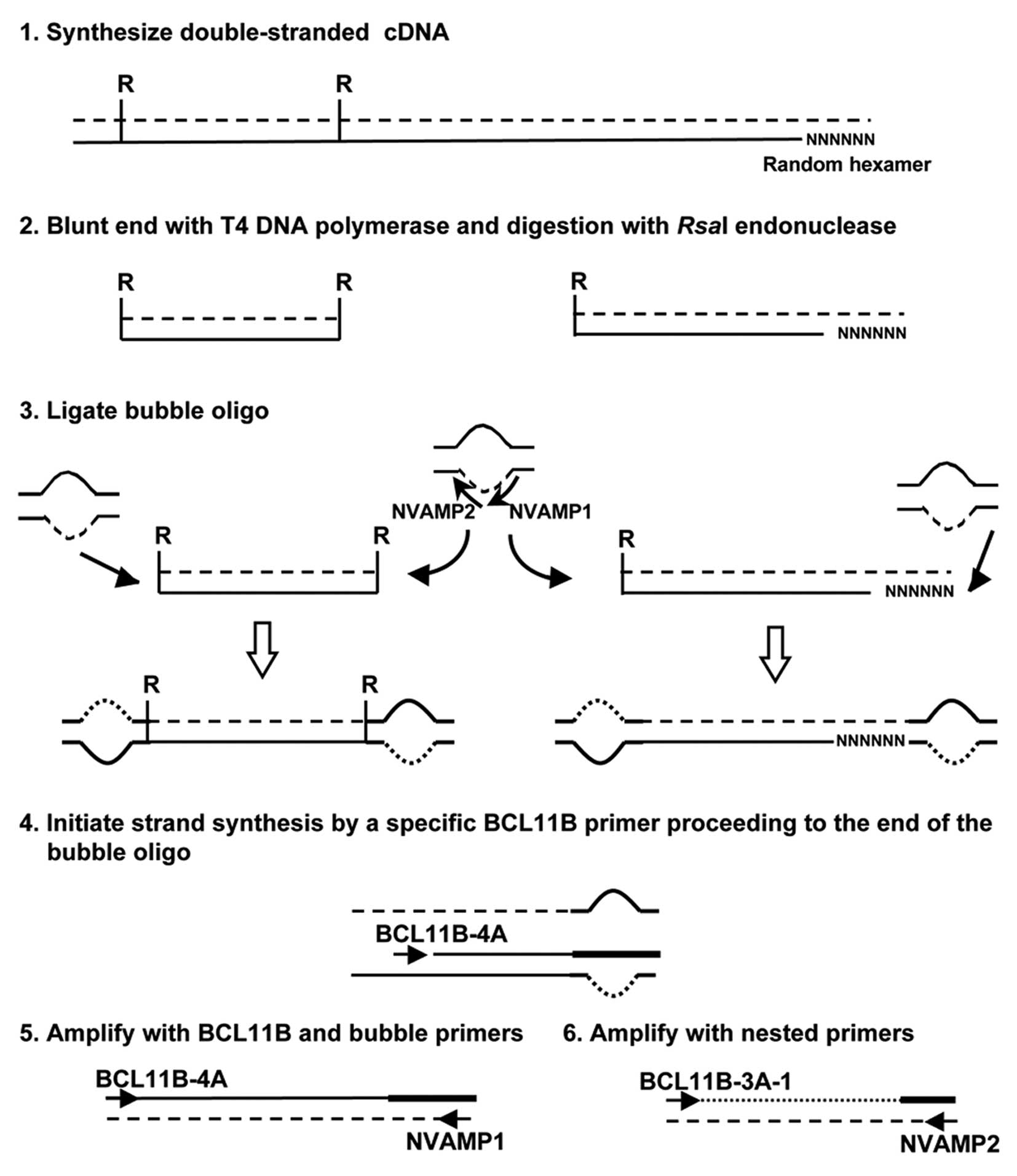
cDNA bubble PCR was used to detect the fusion partner of BCL11B, as described previously (Fig. 1) (12). Total RNA was used to generate double-stranded cDNA. Primers used were: NVAMP-1 and BCL11B-4A for first-round PCR, and NVAMP-2 and BCL11B-3A-1 for second-round PCR (Fig. 1 and Table I).

Figure 1.

Outline of cDNA bubble PCR method used for the detection of RN28S1-BCL11B fusion transcript.

Table I.

Primers used for PCR.

Table I.

Primers used for PCR.

PrimerSequence 5′-3′
BCL11B-3A-1 ACGCAGAGGTGAAGTGATCAC
BCL11B-3A-2 GACAACTGACACTGGCATCC
BCL11B-4A ACCACGCGCTGTTGAAGGG
RN28S1-GA1 CCTTAGCGGATTCCGACTTCCAT
RN28S1-GA2 GTCCTGCTGTCTATATCAACCAACAC
IGKV3-20-2F GGCTCCTCATCTATGGTGCATC
COG1-11F AACAGCAACCTTCATCGCCTG
Reverse transcription (RT)-PCR

RT-PCR analysis was performed as described previously (5). Primers used for the detection of BCL11B-RN28S1 fusion transcripts were BCL11B-3A-2 and RN28S1-GA1 for first-round PCR, and BCL11B-3A-1 and RN28S1-GA2 for second-round PCR; those for IGKV3-20-RN28S1 were IGKV3-20-2F and RN28S1-GA1; and those for COG1-RN28S1 were COG1-11F and RN28S1-GA1 (Table I).

Nucleotide sequencing

Nucleotide sequences of PCR products and, if necessary, subcloned PCR products were analyzed as previously described (5).

Results

Identification of RN28S1-BCL11B fusion transcript by cDNA bubble PCR method

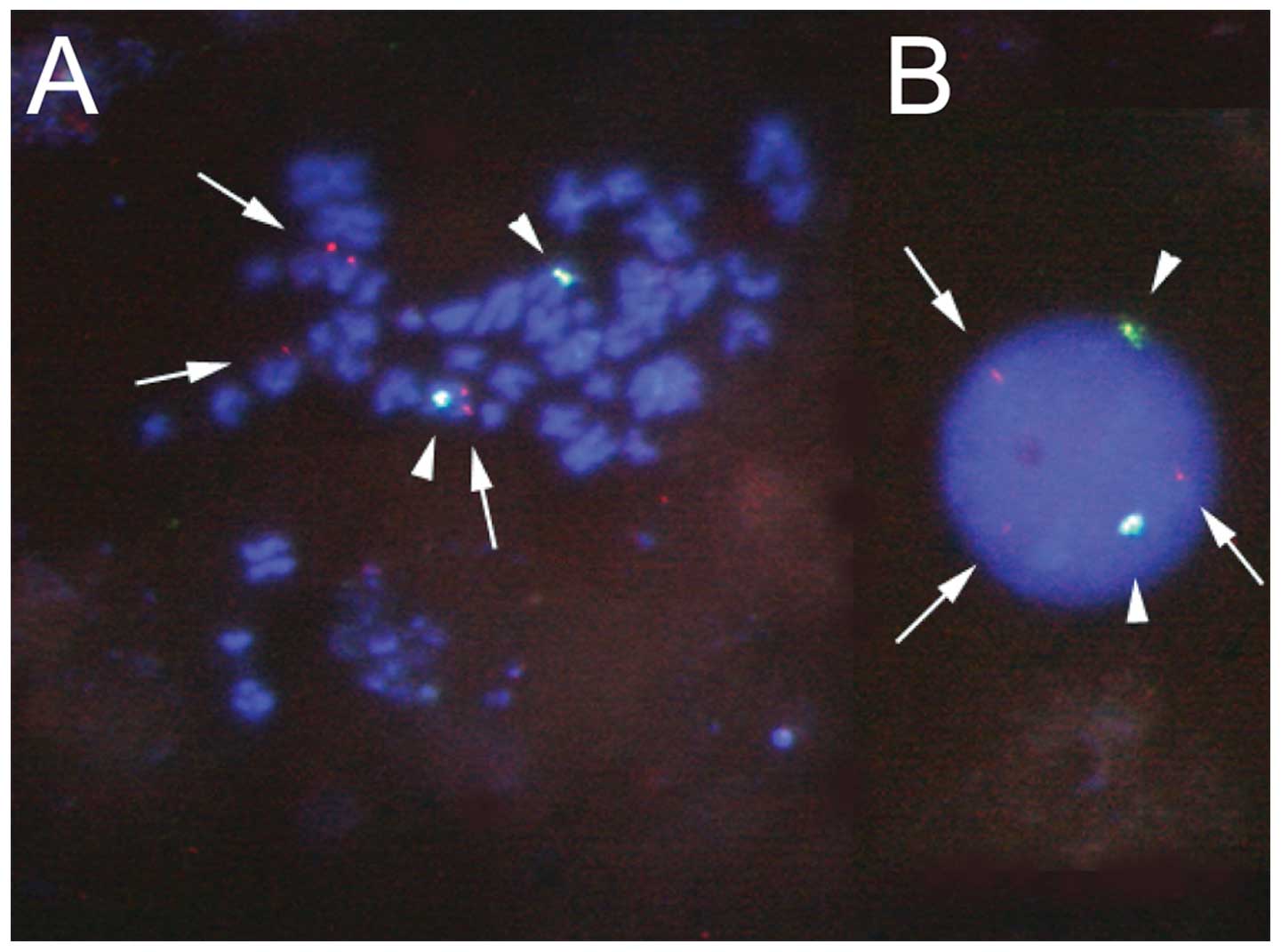
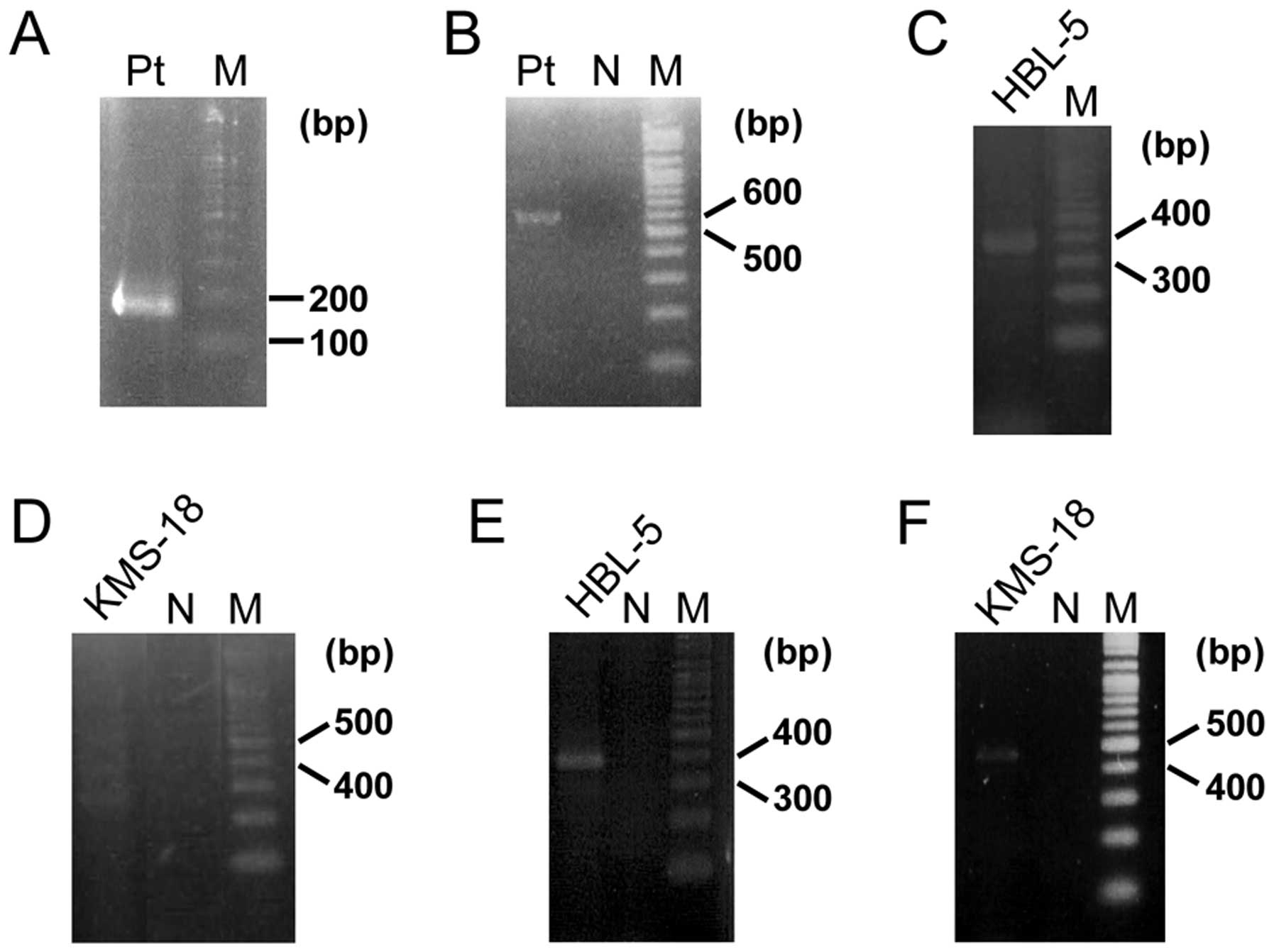
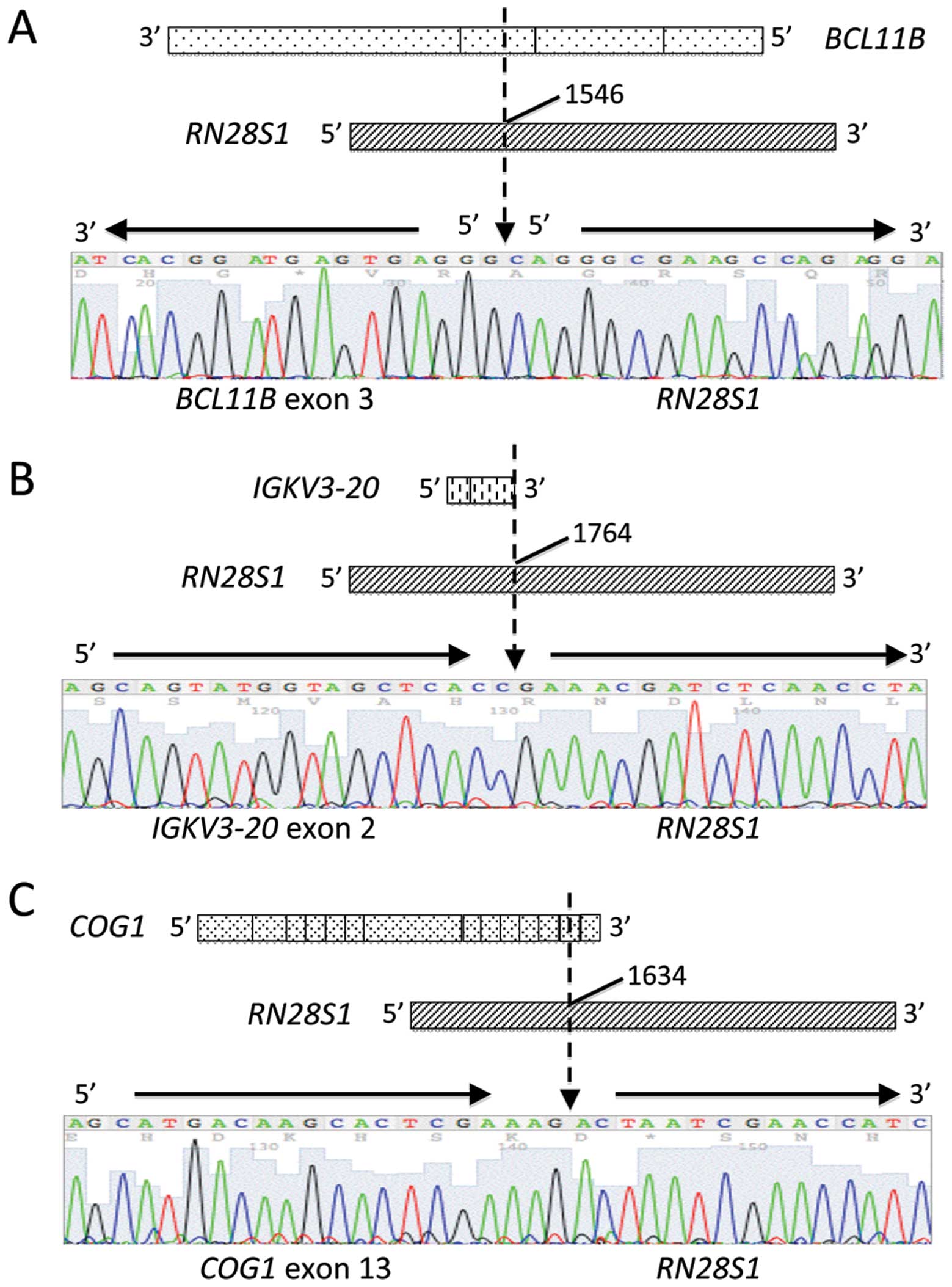
Leukemic cells from a patient with mixed-lineage acute leukemia having t(6;14)(q25;q32) were analyzed using fluorescence in situ hybridization analysis, and rearrangement of the B-cell leukemia/lymphoma 11B (BCL11B) gene was suggested (Fig. 2). Thus, we performed cDNA bubble PCR to identify the gene on chromosome 6q25 that was fused to the BCL11B gene on 14q32. Sequence analysis of multiple products amplified by second-round PCR of bubble PCR detected a product that contained a 34-bp sequence of BCL11B exon 3 fused to an unknown 96-bp sequence (Fig. 3A). A BLAST search revealed that the unknown sequence was 28S ribosomal DNA (RN28S1) (Fig. 4A). This fusion transcript was confirmed by RT-PCR (Fig. 3B). The transcriptional directions of the contributing genes in the fusion transcript were opposed, and the fusion point of BCL11B was within the exon (Fig. 4A). No sequences from chromosome 6q25 were identified.

Figure 2.

Fluorescence in situ hybridization analysis of the leukemic metaphase (A) and interphase (B). Split signals of BAC clone, RP11-431B1 (red, arrows), that encompassed BCL11B gene on 14q32, were detected. Arrowheads indicate CEP6 probe (centromere of chromosome 6, green).

Figure 3.

Identification of BCL11B-RN28S1, IGKV3-20-RN28S1 and COG1-RN28S1 fusion transcripts. (A) Bubble PCR products from a mixed-lineage acute leukemia patient sample. (B) Confirmation of BCL11B-RN28S1 fusion transcript by nested RT-PCR. Detection of IGKV3-20-RN28S1 fusion transcript (C) and multiple amplicons including COG1-RN28S1 fusion transcript (D) by nested RT-PCR for the detection of BCL11B-RN28S1. RT-PCR using specific primers confirmed IGKV3-20-RN28S1 (E) and COG1-RN28S1 (F) fusion transcripts. Lanes are: Pt, mixed-lineage acute leukemia patient; N, negative control (water); M, size marker.

Figure 4.

Structure of three fusion transcripts of RN28S1. (A) BCL11B-RN28S1. (B) IGKV3-20-RN28S1. (C) COG1-RN28S1. Dashed arrows indicate fusion points. Horizontal arrows indicate transcriptional orientation.

Accidental detection of IGK-RN28S1 and COG1-RN28S1 fusion transcripts in B-cell malignancy cell lines

RN28S1 is one of three ribosomal DNAs encoding the 18S, 5.8S and 28S rRNAs, which exist in nucleolar organizer regions on the five acrocentric chromosomes (13p, 14p, 15p, 21p and 22p). Therefore, in this case, the RN28S1-BCL11B fusion transcript was considered not to be generated by the chromosome translocation of t(6;14)(q25;q32). Thus, we could infer that a mechanism other than chromosome abnormalities was involved in the creation of the RN28S1-BCL11B fusion transcript. To analyze whether the RN28S1-BCL11B fusion transcripts were expressed in other hematologic malignancy cell lines, RT-PCR using RN28S1 and BCL11B primers was performed. PCR products were detected in several cell lines. In the Burkitt lymphoma cell line HBL-5, a 367-bp PCR product (Fig. 3C), contained 119-bp of immunoglobulin κ variable 3-20 (IGKV3-20) exon 2 fused to an RN28S1 sequence (Fig. 4B). The multiple myeloma cell line KMS-18, amplified multiple PCR products (Fig. 3D) including a 441-bp product that resulted from a 62-bp sequence of the component of oligomeric Golgi complex 1 (COG1) gene fused to an RN28S1 sequence (Fig. 4C). These fusions both occurred within the exons of IGKV3-20 and COG1, as in the RN28S1-BCL11B fusion, and they were confirmed by RT-PCR using each specific primer (Fig. 3E and F).

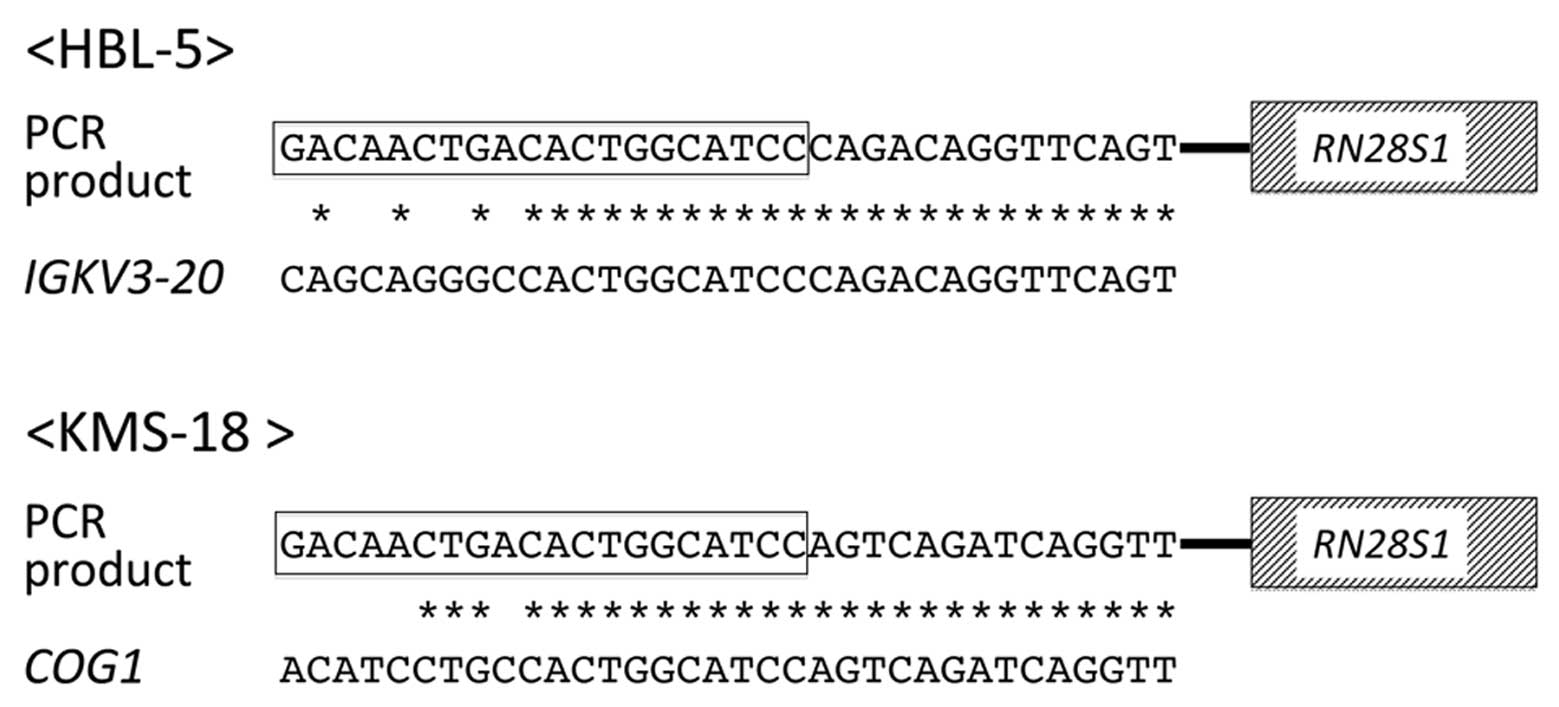
Comparison of the sequence of BCL11B primer with those of IGKV3-20 and COG1 found similarities between them, with six mismatches in 20 nucleotides, suggesting that annealing of the primer to the similar sequences of IGK and COG1 made it possible to amplify these fusion genes by chance (Fig. 5). Other products amplified by RT-PCR for the detection of RN28S1-BCL11B were either the normal sequence of RN28S1 or non-specific sequences.

Figure 5.

Comparison of nucleotide sequences of BCL11B primer and those of IGKV3-20 and COG1. Primer BCL11B-3A-1 is boxed. *Identity.

Discussion

In the present study, we identified three novel fusion transcripts involving RN28S1. Only one RN28S1-related fusion gene, RN28S1-BCL6, has been previously reported, and this was in a case of gastric lymphoma (13). RN28S1 is a gene that would not translate to protein, and the breakpoints in partner genes of RN28S1 were within the coding exons. Notably, BCL11B and RN28S1 were fused with opposite transcription directions. These findings suggest that fusion genes involving RN28S1 do not produce fusion proteins, but that disruption of the normal functions of fusion partners contribute to tumorigenesis in these cases.

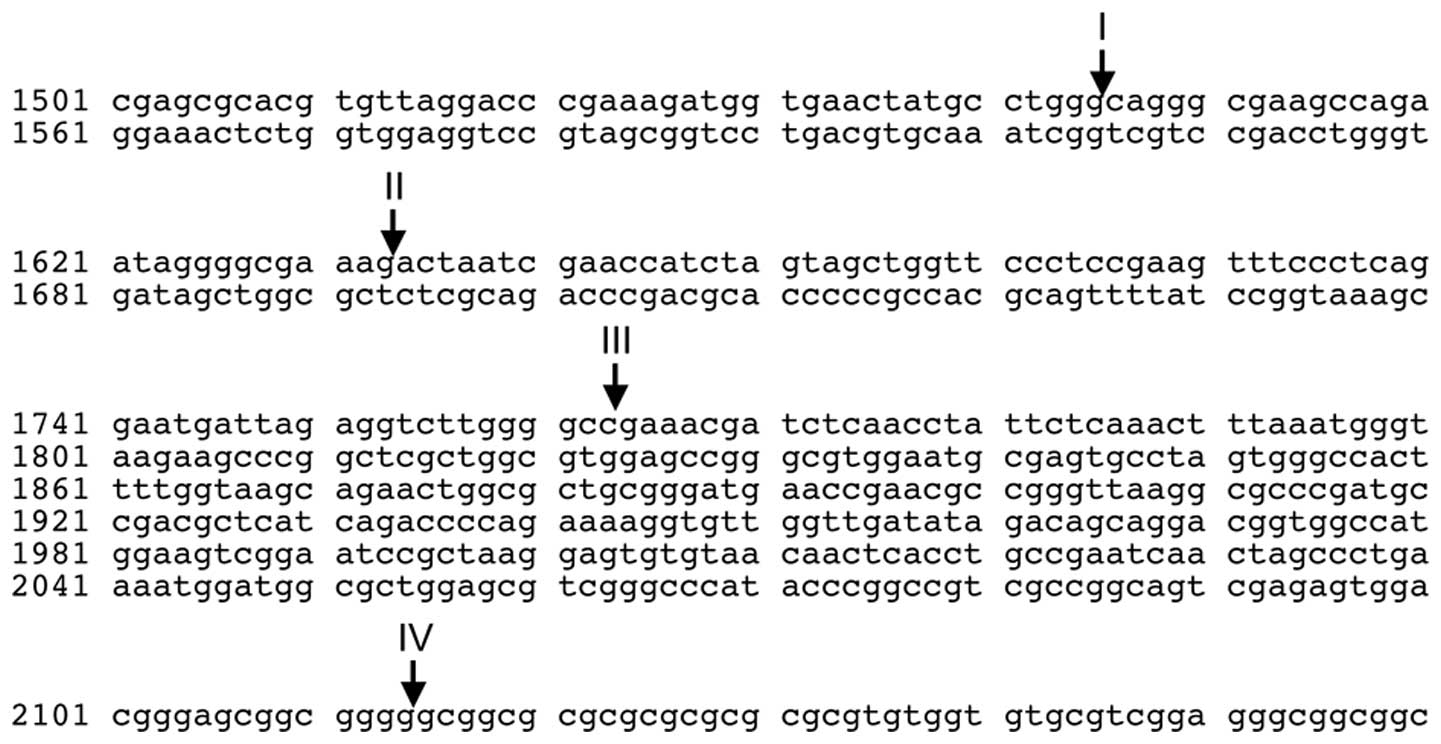
Several studies have noted an association of ribosomal DNA (RNA) with tumorigenesis. rRNA transcription and ribosome biogenesis are controlled by several cancer-related genes through the PI3 kinase/mTOR, MYC or RAS/ERK pathways (14). Proto-oncoprotein MYC controls ribosome biogenesis through the regulation of transcription by all three RNA polymerases (15). Another cancer-related gene, nucleophosmin (NPM1), which is frequently mutated in acute myeloid leukemia with a normal karyotype and creates fusion genes with ALK in anaplastic large cell lymphoma with t(2;5) (p23;q35), is necessary for MYC-mediated rRNA synthesis (16). RN28S1 has three MYC-binding sites (17), and the breakpoints within RN28S1 in our cases were to the 5’ side of the MYC-binding sites (Fig. 6), suggesting that the RN28S1-fusion transcripts we detected are associated with tumorigenesis through the dysregulation of MYC-mediated rRNA synthesis. In other correlations of rDNA with tumorigenesis, a high frequency of rDNA rearrangements was noted in lung and colon cancers (18) and overexpression of rDNA was seen in prostatic cancer (19). The breakpoints of RN28S1 in our three cases were within an ∼600 bp region (Fig. 6); these may be related to recombinational hot spots in repetitive sequences.

Figure 6.

Breakpoint cluster region within RN28S1. Nucleotides are numbered (left side of the sequence) according to GenBank accession NR_003287. Vertical arrows indicate the breakpoints in cases with BCL11B-RN28S1 (I), COG1-RN28S1 (II), IGKV3-20-RN28S1 (III) and BCL-6-RN28S1 (IV). Three MYC binding sites are at positions 1344-1349, 1507-1521 (relates to the coanonical pathway) and 3655-3661 (relate to non-canonical pathway).

The three genes fused to RN28S1 that we found in our study are related to tumorigenesis in certain types of malignancies. IGK is one of the immunoglobulin light chain genes that is frequently rearranged by chromosome translocations, such as t(2;8)(p11;q24) in B-cell malignancies (20). Rearrangement of the BCL11B gene locus is observed in T-cell malignancies, and three fusion transcripts involving BCL11B have been identified: TLX3-BCL11B fusion gene by cryptic t(5;14)(q35;q32.2) in T-ALL (21), BCL11B-TRDC by inv(14) (q11.2q32.31) in T-ALL (8) and HELIOS-BCL11B by t(2;14) (q34;q32) in adult T-cell leukemia (22). COG1 is a component of the conserved oligomeric Golgi (COG) complex, Golgi transport complex, that is involved in glycosylation reactions and vesicular transport (23). Although the COG1 gene has not been firmly associated with tumorigenesis to date, one COG family gene, COG5, was found fused to HMGA2 in uterine leiomyoma (24), suggesting a possible link with tumorigenesis. Although the fusion genes we identified in this study were not related to chromosome translocations, each gene is involved in tumorigenesis in some way, suggesting that RN28S1-related fusion genes play some roles in tumorigenesis.

Molecular analysis of ribosomal DNA is challenging due to its repetitive nature. In this study, we attempted to confirm the three fusions at the genomic level; however, genomic PCR was unsuccessful. A possible explanation for the failure of amplification of genomic junctions is the quantitative imbalance of genomic DNAs between partner genes and RN28S1 due to the ∼400 copies of ribosomal DNA in a diploid human genome. Whole-transcriptome analysis by next-generation sequencing is usually a powerful tool for the detection of fusion transcripts. However, detection of RN28S1 fusion transcripts using this method is difficult, because ribosomal RNAs, which comprises >95% of total RNA, is usually removed from total RNA prior to sequencing. While further analysis is needed to clarify the role of rDNA in tumorigenesis, our findings provide an important insight into the role of rDNA function in human genomic architecture and tumorigenesis.

Acknowledgements

We express appreciation to Akari Kazami for the outstanding technical assistance. This study was supported by a research program of the Project for Development of Innovative Research on Cancer Therapeutics (P-Direct), a Grant-in-Aid for Cancer Research from the Ministry of Health, Labor and Welfare of Japan, and a Grant-in-Aid for Scientific Research (C) from the Ministry of Education, Culture, Sports, Science and Technology of Japan.

References

1. 

Taki T and Taniwaki M: Chromosomal translocations in cancer and their relevance for therapy. Curr Opin Oncol. 18:62–68. 2006. View Article : Google Scholar : PubMed/NCBI

2. 

Tomlins SA, Rhodes DR, Perner S, et al: Recurrent fusion of TMPRSS2 and ETS transcription factor genes in prostate cancer. Science. 310:644–648. 2005. View Article : Google Scholar : PubMed/NCBI

3. 

Euhus DM, Timmons CF and Tomlinson GE: ETV6-NTRK3 - Trk-ing the primary event in human secretory breast cancer. Cancer Cell. 2:347–348. 2002. View Article : Google Scholar : PubMed/NCBI

4. 

Soda M, Choi YL, Enomoto M, et al: Identification of the transforming EML4-ALK fusion gene in non-small-cell lung cancer. Nature. 448:561–566. 2007. View Article : Google Scholar : PubMed/NCBI

5. 

Kobayashi S, Taki T, Chinen Y, et al: Identification of IGHC5-BACH2 fusion transcripts resulting from cryptic chromosomal rearrangements of 14q32 with 6q15 in aggressive B-cell lymphoma/leukemia. Genes Chromosomes Cancer. 50:207–216. 2011.

6. 

Chesi M, Nardini E, Lim RS, Smith KD, Kuehl WM and Bergsagel PL: The t(4;14) translocation in myeloma dysregulates both FGFR3 and a novel gene, MMSET, resulting in IgH/MMSET hybrid transcripts. Blood. 92:3025–3034. 1998.PubMed/NCBI

7. 

Hatzivassiliou G, Miller I, Takizawa J, et al: IRTA1 and IRTA2, novel immunoglobulin superfamily receptors expressed in B cells and involved in chromosome 1q21 abnormalities in B cell malignancy. Immunity. 14:277–289. 2001. View Article : Google Scholar

8. 

Przybylski GK, Dik WA, Wanzeck J, et al: Disruption of the BCL11B gene through inv(14)(q11.2q32.31) results in the expression of BCL11B-TRDC fusion transcripts and is associated with the absence of wild-type BCL11B transcripts in T-ALL. Leukemia. 19:201–208. 2005. View Article : Google Scholar : PubMed/NCBI

9. 

Nagoshi H, Taki T, Hanamura I, et al: Frequent PVT1 rearrangement and novel chimeric genes PVT1-NBEA and PVT1-WWOX occur in multiple myeloma with 8q24 abnormality. Cancer Res. 72:4954–4962. 2012. View Article : Google Scholar : PubMed/NCBI

10. 

Pleasance ED, Stephens PJ, O’Meara S, et al: A small-cell lung cancer genome with complex signatures of tobacco exposure. Nature. 463:184–190. 2010. View Article : Google Scholar : PubMed/NCBI

11. 

Northcott PA, Shih DJ, Peacock J, et al: Subgroup-specific structural variation across 1,000 medulloblastoma genomes. Nature. 488:49–56. 2012. View Article : Google Scholar

12. 

Chinen Y, Taki T, Nishida K, et al: Identification of the novel AML1 fusion partner gene, LAF4, a fusion partner of MLL, in childhood T-cell acute lymphoblastic leukemia with t(2;21) (q11;q22) by bubble PCR method for cDNA. Oncogene. 27:2249–2256. 2008. View Article : Google Scholar : PubMed/NCBI

13. 

Chen YW, Hu XT, Liang AC, et al: High BCL6 expression predicts better prognosis, independent of BCL6 translocation status, translocation partner, or BCL6-deregulating mutations, in gastric lymphoma. Blood. 108:2373–2383. 2006. View Article : Google Scholar

14. 

Montanaro L, Treré D and Derenzini M: Changes in ribosome biogenesis may induce cancer by down-regulating the cell tumor suppressor potential. Biochim Biophys Acta. 1825:101–110. 2012.PubMed/NCBI

15. 

Dai MS and Lu H: Crosstalk between c-Myc and ribosome in ribosomal biogenesis and cancer. J Cell Biochem. 105:670–677. 2008. View Article : Google Scholar : PubMed/NCBI

16. 

Li Z and Hann SR: Nucleophosmin is essential for c-Myc nucleolar localization and c-Myc-mediated rDNA transcription. Oncogene. 32:1988–1994. 2013. View Article : Google Scholar

17. 

Grandori C, Gomez-Roman N, Felton-Edkins ZA, et al: c-Myc binds to human ribosomal DNA and stimulates transcription of rRNA genes by RNA polymerase I. Nat Cell Biol. 7:311–318. 2005. View Article : Google Scholar : PubMed/NCBI

18. 

Stults DM, Killen MW, Williamson EP, et al: Human rRNA gene clusters are recombinational hotspots in cancer. Cancer Res. 69:9096–10104. 2009. View Article : Google Scholar : PubMed/NCBI

19. 

Uemura M, Zheng Q, Koh CM, Nelson WG, Yegnasubramanian S and De Marzo AM: Overexpression of ribosomal RNA in prostate cancer is common but not linked to rDNA promoter hypomethylation. Oncogene. 31:1254–1263. 2012. View Article : Google Scholar : PubMed/NCBI

20. 

Croce CM and Nowell PC: Molecular basis of human B cell neoplasia. Blood. 65:1–7. 1985.

21. 

MacLeod RA, Nagel S, Kaufmann M, Janssen JW and Drexler HG: Activation of HOX11L2 by juxtaposition with 3’-BCL11B in an acute lymphoblastic leukemia cell line (HPB-ALL) with t(5;14) (q35;q32.2). Genes Chromosomes Cancer. 37:84–91. 2003.PubMed/NCBI

22. 

Fujimoto R, Ozawa T, Itoyama T, Sadamori N, Kurosawa N and Isobe M: HELIOS-BCL11B fusion gene involvement in a t(2;14) (q34;q32) in an adult T-cell leukemia patient. Cancer Genet. 205:356–364. 2012. View Article : Google Scholar : PubMed/NCBI

23. 

Ungar D, Oka T, Brittle EE, et al: Characterization of a mammalian Golgi-localized protein complex, COG, that is required for normal Golgi morphology and function. J Cell Biol. 157:405–415. 2002. View Article : Google Scholar : PubMed/NCBI

24. 

Velagaleti GV, Tonk VS, Hakim NM, et al: Fusion of HMGA2 to COG5 in uterine leiomyoma. Cancer Genet Cytogenet. 202:11–16. 2010. View Article : Google Scholar : PubMed/NCBI

Related Articles

  • Abstract
  • View
  • Download
  • Twitter
Copy and paste a formatted citation
Spandidos Publications style
Kobayashi S, Taki T, Nagoshi H, Chinen Y, Yokokawa Y, Kanegane H, Matsumoto Y, Kuroda J, Horiike S, Nishida K, Nishida K, et al: Identification of novel fusion genes with 28S ribosomal DNA in hematologic malignancies. Int J Oncol 44: 1193-1198, 2014.
APA
Kobayashi, S., Taki, T., Nagoshi, H., Chinen, Y., Yokokawa, Y., Kanegane, H. ... Taniwaki, M. (2014). Identification of novel fusion genes with 28S ribosomal DNA in hematologic malignancies. International Journal of Oncology, 44, 1193-1198. https://doi.org/10.3892/ijo.2014.2291
MLA
Kobayashi, S., Taki, T., Nagoshi, H., Chinen, Y., Yokokawa, Y., Kanegane, H., Matsumoto, Y., Kuroda, J., Horiike, S., Nishida, K., Taniwaki, M."Identification of novel fusion genes with 28S ribosomal DNA in hematologic malignancies". International Journal of Oncology 44.4 (2014): 1193-1198.
Chicago
Kobayashi, S., Taki, T., Nagoshi, H., Chinen, Y., Yokokawa, Y., Kanegane, H., Matsumoto, Y., Kuroda, J., Horiike, S., Nishida, K., Taniwaki, M."Identification of novel fusion genes with 28S ribosomal DNA in hematologic malignancies". International Journal of Oncology 44, no. 4 (2014): 1193-1198. https://doi.org/10.3892/ijo.2014.2291
Copy and paste a formatted citation
x
Spandidos Publications style
Kobayashi S, Taki T, Nagoshi H, Chinen Y, Yokokawa Y, Kanegane H, Matsumoto Y, Kuroda J, Horiike S, Nishida K, Nishida K, et al: Identification of novel fusion genes with 28S ribosomal DNA in hematologic malignancies. Int J Oncol 44: 1193-1198, 2014.
APA
Kobayashi, S., Taki, T., Nagoshi, H., Chinen, Y., Yokokawa, Y., Kanegane, H. ... Taniwaki, M. (2014). Identification of novel fusion genes with 28S ribosomal DNA in hematologic malignancies. International Journal of Oncology, 44, 1193-1198. https://doi.org/10.3892/ijo.2014.2291
MLA
Kobayashi, S., Taki, T., Nagoshi, H., Chinen, Y., Yokokawa, Y., Kanegane, H., Matsumoto, Y., Kuroda, J., Horiike, S., Nishida, K., Taniwaki, M."Identification of novel fusion genes with 28S ribosomal DNA in hematologic malignancies". International Journal of Oncology 44.4 (2014): 1193-1198.
Chicago
Kobayashi, S., Taki, T., Nagoshi, H., Chinen, Y., Yokokawa, Y., Kanegane, H., Matsumoto, Y., Kuroda, J., Horiike, S., Nishida, K., Taniwaki, M."Identification of novel fusion genes with 28S ribosomal DNA in hematologic malignancies". International Journal of Oncology 44, no. 4 (2014): 1193-1198. https://doi.org/10.3892/ijo.2014.2291
Follow us
  • Twitter
  • LinkedIn
  • Facebook
About
  • Spandidos Publications
  • Careers
  • Cookie Policy
  • Privacy Policy
How can we help?
  • Help
  • Live Chat
  • Contact
  • Email to our Support Team