Spandidos Publications Logo
  • About
    • About Spandidos
    • Aims and Scopes
    • Abstracting and Indexing
    • Editorial Policies
    • Reprints and Permissions
    • Job Opportunities
    • Terms and Conditions
    • Contact
  • Journals
    • All Journals
    • Oncology Letters
      • Oncology Letters
      • Information for Authors
      • Editorial Policies
      • Editorial Board
      • Aims and Scope
      • Abstracting and Indexing
      • Bibliographic Information
      • Archive
    • International Journal of Oncology
      • International Journal of Oncology
      • Information for Authors
      • Editorial Policies
      • Editorial Board
      • Aims and Scope
      • Abstracting and Indexing
      • Bibliographic Information
      • Archive
    • Molecular and Clinical Oncology
      • Molecular and Clinical Oncology
      • Information for Authors
      • Editorial Policies
      • Editorial Board
      • Aims and Scope
      • Abstracting and Indexing
      • Bibliographic Information
      • Archive
    • Experimental and Therapeutic Medicine
      • Experimental and Therapeutic Medicine
      • Information for Authors
      • Editorial Policies
      • Editorial Board
      • Aims and Scope
      • Abstracting and Indexing
      • Bibliographic Information
      • Archive
    • International Journal of Molecular Medicine
      • International Journal of Molecular Medicine
      • Information for Authors
      • Editorial Policies
      • Editorial Board
      • Aims and Scope
      • Abstracting and Indexing
      • Bibliographic Information
      • Archive
    • Biomedical Reports
      • Biomedical Reports
      • Information for Authors
      • Editorial Policies
      • Editorial Board
      • Aims and Scope
      • Abstracting and Indexing
      • Bibliographic Information
      • Archive
    • Oncology Reports
      • Oncology Reports
      • Information for Authors
      • Editorial Policies
      • Editorial Board
      • Aims and Scope
      • Abstracting and Indexing
      • Bibliographic Information
      • Archive
    • Molecular Medicine Reports
      • Molecular Medicine Reports
      • Information for Authors
      • Editorial Policies
      • Editorial Board
      • Aims and Scope
      • Abstracting and Indexing
      • Bibliographic Information
      • Archive
    • World Academy of Sciences Journal
      • World Academy of Sciences Journal
      • Information for Authors
      • Editorial Policies
      • Editorial Board
      • Aims and Scope
      • Abstracting and Indexing
      • Bibliographic Information
      • Archive
    • International Journal of Functional Nutrition
      • International Journal of Functional Nutrition
      • Information for Authors
      • Editorial Policies
      • Editorial Board
      • Aims and Scope
      • Abstracting and Indexing
      • Bibliographic Information
      • Archive
    • International Journal of Epigenetics
      • International Journal of Epigenetics
      • Information for Authors
      • Editorial Policies
      • Editorial Board
      • Aims and Scope
      • Abstracting and Indexing
      • Bibliographic Information
      • Archive
    • Medicine International
      • Medicine International
      • Information for Authors
      • Editorial Policies
      • Editorial Board
      • Aims and Scope
      • Abstracting and Indexing
      • Bibliographic Information
      • Archive
  • Articles
  • Information
    • Information for Authors
    • Information for Reviewers
    • Information for Librarians
    • Information for Advertisers
    • Conferences
  • Language Editing
Spandidos Publications Logo
  • About
    • About Spandidos
    • Aims and Scopes
    • Abstracting and Indexing
    • Editorial Policies
    • Reprints and Permissions
    • Job Opportunities
    • Terms and Conditions
    • Contact
  • Journals
    • All Journals
    • Biomedical Reports
      • Information for Authors
      • Editorial Policies
      • Editorial Board
      • Aims and Scope
      • Abstracting and Indexing
      • Bibliographic Information
      • Archive
    • Experimental and Therapeutic Medicine
      • Information for Authors
      • Editorial Policies
      • Editorial Board
      • Aims and Scope
      • Abstracting and Indexing
      • Bibliographic Information
      • Archive
    • International Journal of Epigenetics
      • Information for Authors
      • Editorial Policies
      • Editorial Board
      • Aims and Scope
      • Abstracting and Indexing
      • Bibliographic Information
      • Archive
    • International Journal of Functional Nutrition
      • Information for Authors
      • Editorial Policies
      • Editorial Board
      • Aims and Scope
      • Abstracting and Indexing
      • Bibliographic Information
      • Archive
    • International Journal of Molecular Medicine
      • Information for Authors
      • Editorial Policies
      • Editorial Board
      • Aims and Scope
      • Abstracting and Indexing
      • Bibliographic Information
      • Archive
    • International Journal of Oncology
      • Information for Authors
      • Editorial Policies
      • Editorial Board
      • Aims and Scope
      • Abstracting and Indexing
      • Bibliographic Information
      • Archive
    • Medicine International
      • Information for Authors
      • Editorial Policies
      • Editorial Board
      • Aims and Scope
      • Abstracting and Indexing
      • Bibliographic Information
      • Archive
    • Molecular and Clinical Oncology
      • Information for Authors
      • Editorial Policies
      • Editorial Board
      • Aims and Scope
      • Abstracting and Indexing
      • Bibliographic Information
      • Archive
    • Molecular Medicine Reports
      • Information for Authors
      • Editorial Policies
      • Editorial Board
      • Aims and Scope
      • Abstracting and Indexing
      • Bibliographic Information
      • Archive
    • Oncology Letters
      • Information for Authors
      • Editorial Policies
      • Editorial Board
      • Aims and Scope
      • Abstracting and Indexing
      • Bibliographic Information
      • Archive
    • Oncology Reports
      • Information for Authors
      • Editorial Policies
      • Editorial Board
      • Aims and Scope
      • Abstracting and Indexing
      • Bibliographic Information
      • Archive
    • World Academy of Sciences Journal
      • Information for Authors
      • Editorial Policies
      • Editorial Board
      • Aims and Scope
      • Abstracting and Indexing
      • Bibliographic Information
      • Archive
  • Articles
  • Information
    • For Authors
    • For Reviewers
    • For Librarians
    • For Advertisers
    • Conferences
  • Language Editing
Login Register Submit
  • This site uses cookies
  • You can change your cookie settings at any time by following the instructions in our Cookie Policy. To find out more, you may read our Privacy Policy.

    I agree
Search articles by DOI, keyword, author or affiliation
Search
Advanced Search
presentation
International Journal of Oncology
Join Editorial Board Propose a Special Issue
Print ISSN: 1019-6439 Online ISSN: 1791-2423
Journal Cover
August-2014 Volume 45 Issue 2

Full Size Image

Cover Legend PDF

Sign up for eToc alerts
Recommend to Library

Journals

International Journal of Molecular Medicine

International Journal of Molecular Medicine

International Journal of Molecular Medicine is an international journal devoted to molecular mechanisms of human disease.

International Journal of Oncology

International Journal of Oncology

International Journal of Oncology is an international journal devoted to oncology research and cancer treatment.

Molecular Medicine Reports

Molecular Medicine Reports

Covers molecular medicine topics such as pharmacology, pathology, genetics, neuroscience, infectious diseases, molecular cardiology, and molecular surgery.

Oncology Reports

Oncology Reports

Oncology Reports is an international journal devoted to fundamental and applied research in Oncology.

Experimental and Therapeutic Medicine

Experimental and Therapeutic Medicine

Experimental and Therapeutic Medicine is an international journal devoted to laboratory and clinical medicine.

Oncology Letters

Oncology Letters

Oncology Letters is an international journal devoted to Experimental and Clinical Oncology.

Biomedical Reports

Biomedical Reports

Explores a wide range of biological and medical fields, including pharmacology, genetics, microbiology, neuroscience, and molecular cardiology.

Molecular and Clinical Oncology

Molecular and Clinical Oncology

International journal addressing all aspects of oncology research, from tumorigenesis and oncogenes to chemotherapy and metastasis.

World Academy of Sciences Journal

World Academy of Sciences Journal

Multidisciplinary open-access journal spanning biochemistry, genetics, neuroscience, environmental health, and synthetic biology.

International Journal of Functional Nutrition

International Journal of Functional Nutrition

Open-access journal combining biochemistry, pharmacology, immunology, and genetics to advance health through functional nutrition.

International Journal of Epigenetics

International Journal of Epigenetics

Publishes open-access research on using epigenetics to advance understanding and treatment of human disease.

Medicine International

Medicine International

An International Open Access Journal Devoted to General Medicine.

Journal Cover
August-2014 Volume 45 Issue 2

Full Size Image

Cover Legend PDF

Sign up for eToc alerts
Recommend to Library

  • Article
  • Citations
    • Cite This Article
    • Download Citation
    • Create Citation Alert
    • Remove Citation Alert
    • Cited By
  • Similar Articles
    • Related Articles (in Spandidos Publications)
    • Similar Articles (Google Scholar)
    • Similar Articles (PubMed)
  • Download PDF
  • Download XML
  • View XML
Article

Licochalcone A, a natural chalconoid isolated from Glycyrrhiza inflata root, induces apoptosis via Sp1 and Sp1 regulatory proteins in oral squamous cell carcinoma

  • Authors:
    • Jung Jae Cho
    • Jung-Il Chae
    • Goo Yoon
    • Ka Hwi Kim
    • Jin Hyoung Cho
    • Seung-Sik Cho
    • Young Sik Cho
    • Jung-Hyun Shim
  • View Affiliations / Copyright

    Affiliations: Natural Medicine Research Institute, Department of Pharmacy, College of Pharmacy, Mokpo National University, Jeonnam 534-729, Republic of Korea, Department of Oral Pharmacology, School of Dentistry and Institute of Oral Bioscience, BK21 plus, Chonbuk National University, Jeonju 651-756, Republic of Korea, College of Pharmacy, Keimyung University, Dalseo-gu, Daegu 704-701, Republic of Korea
  • Pages: 667-674
    |
    Published online on: May 23, 2014
       https://doi.org/10.3892/ijo.2014.2461
  • Expand metrics +
Metrics: Total Views: 0 (Spandidos Publications: | PMC Statistics: )
Metrics: Total PDF Downloads: 0 (Spandidos Publications: | PMC Statistics: )
Cited By (CrossRef): 0 citations Loading Articles...

This article is mentioned in:


Abstract

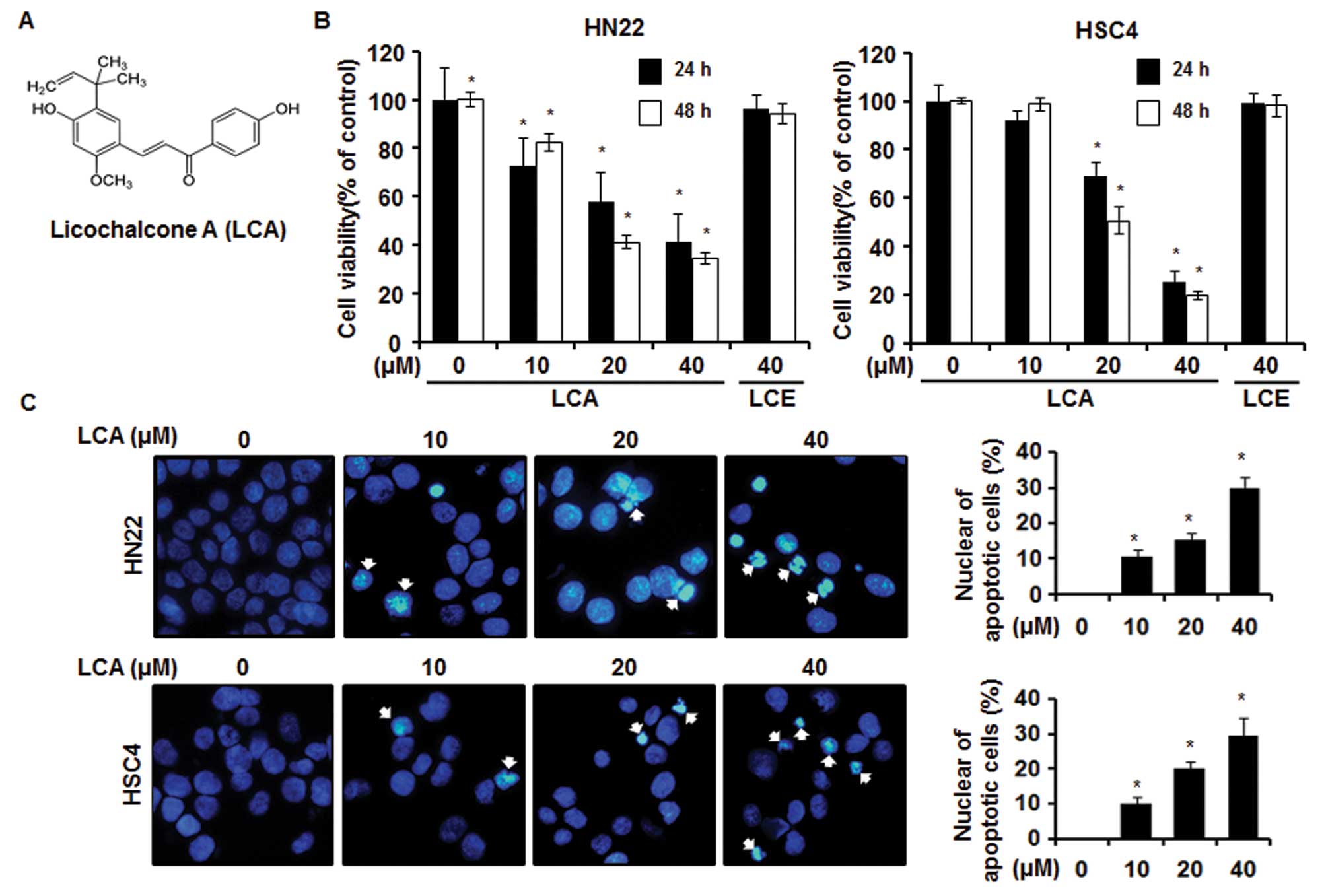
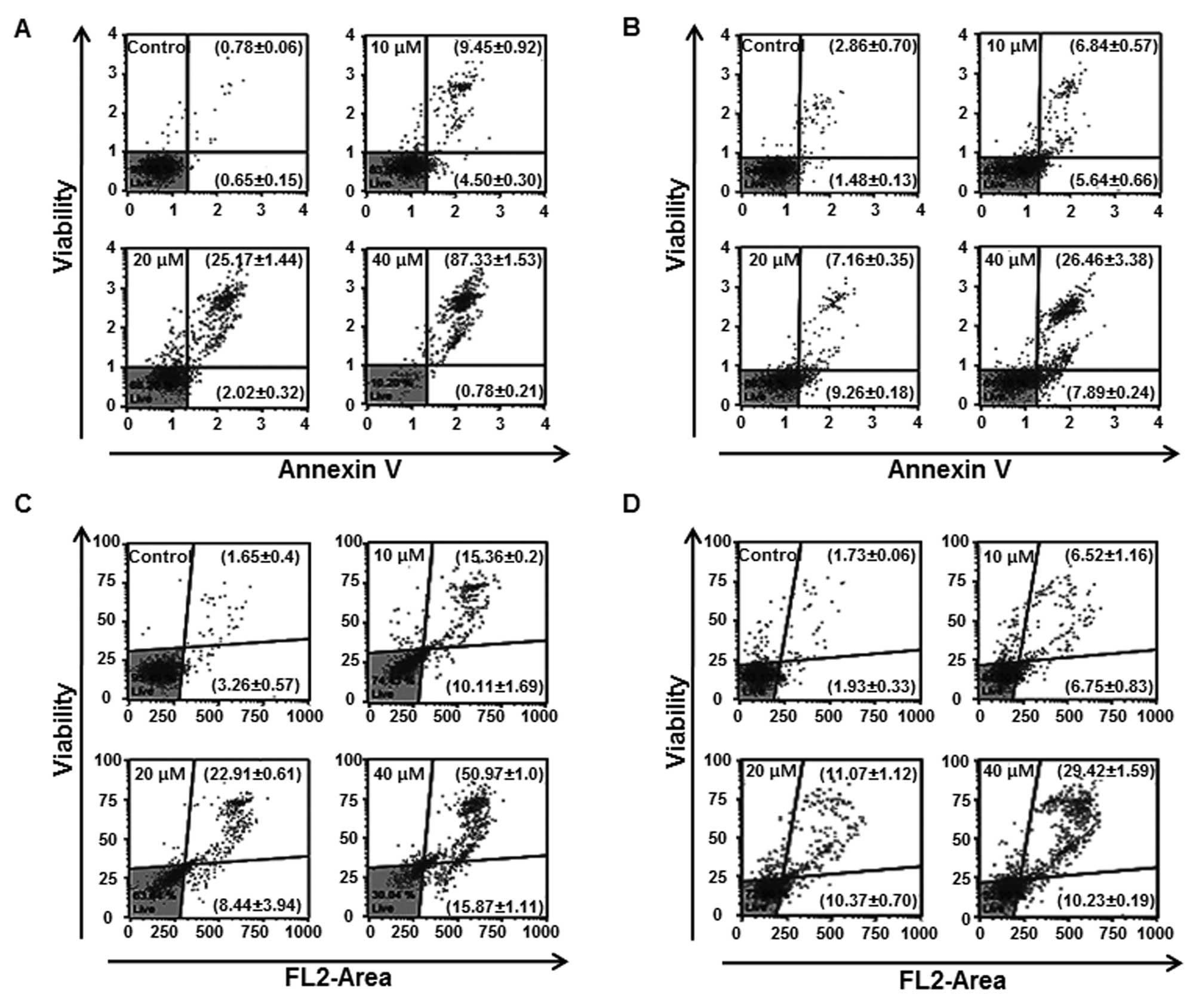
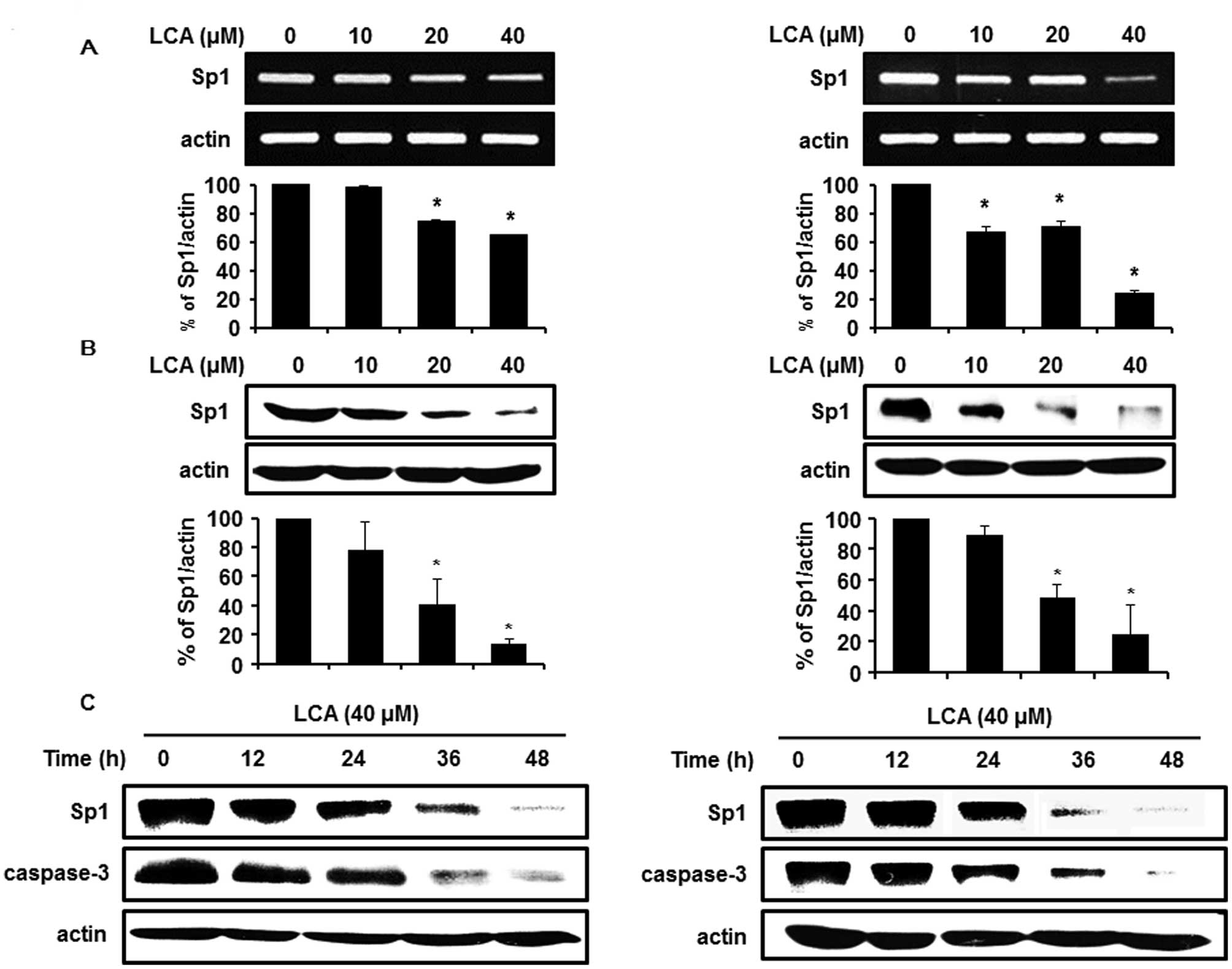
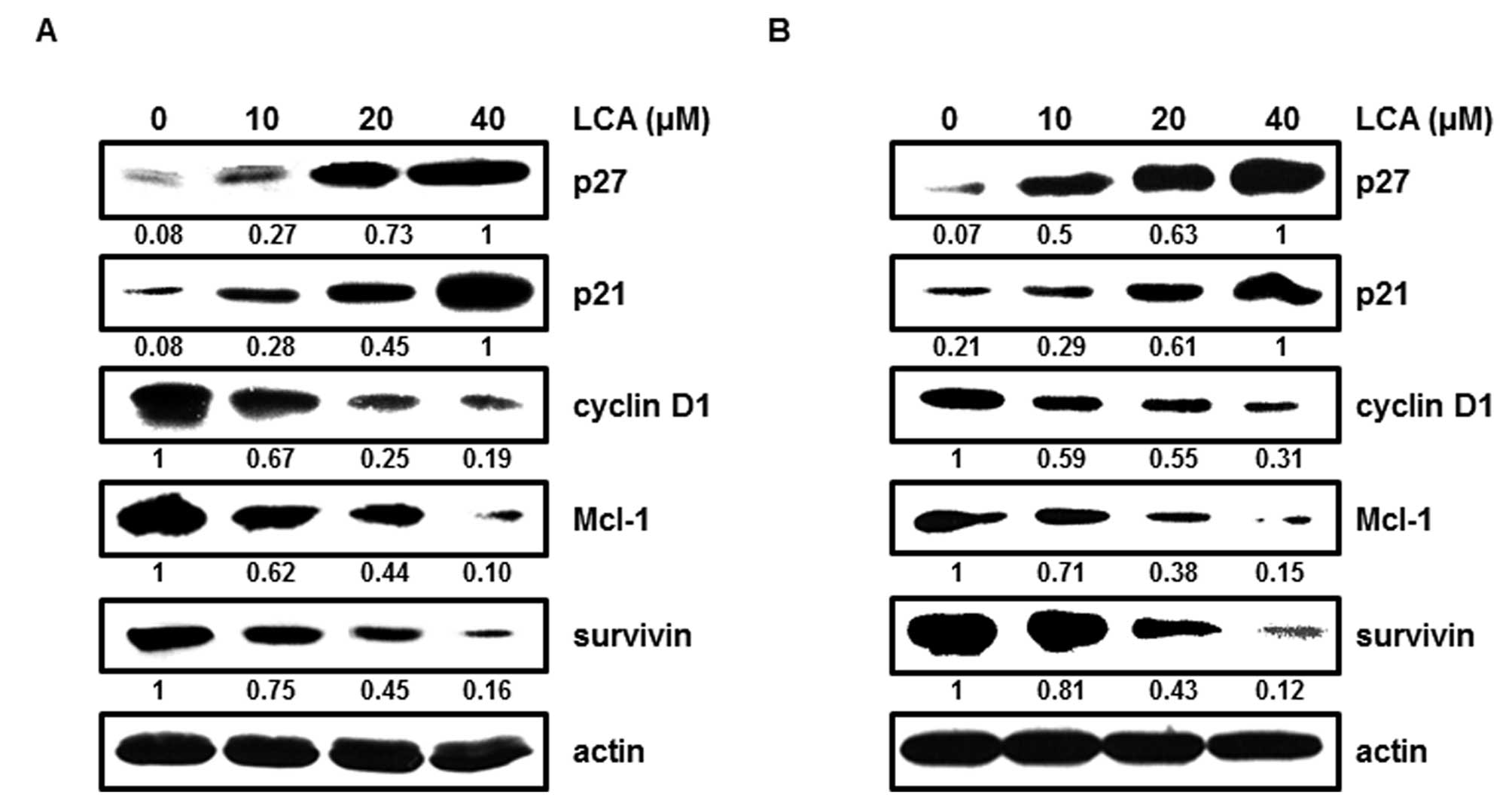
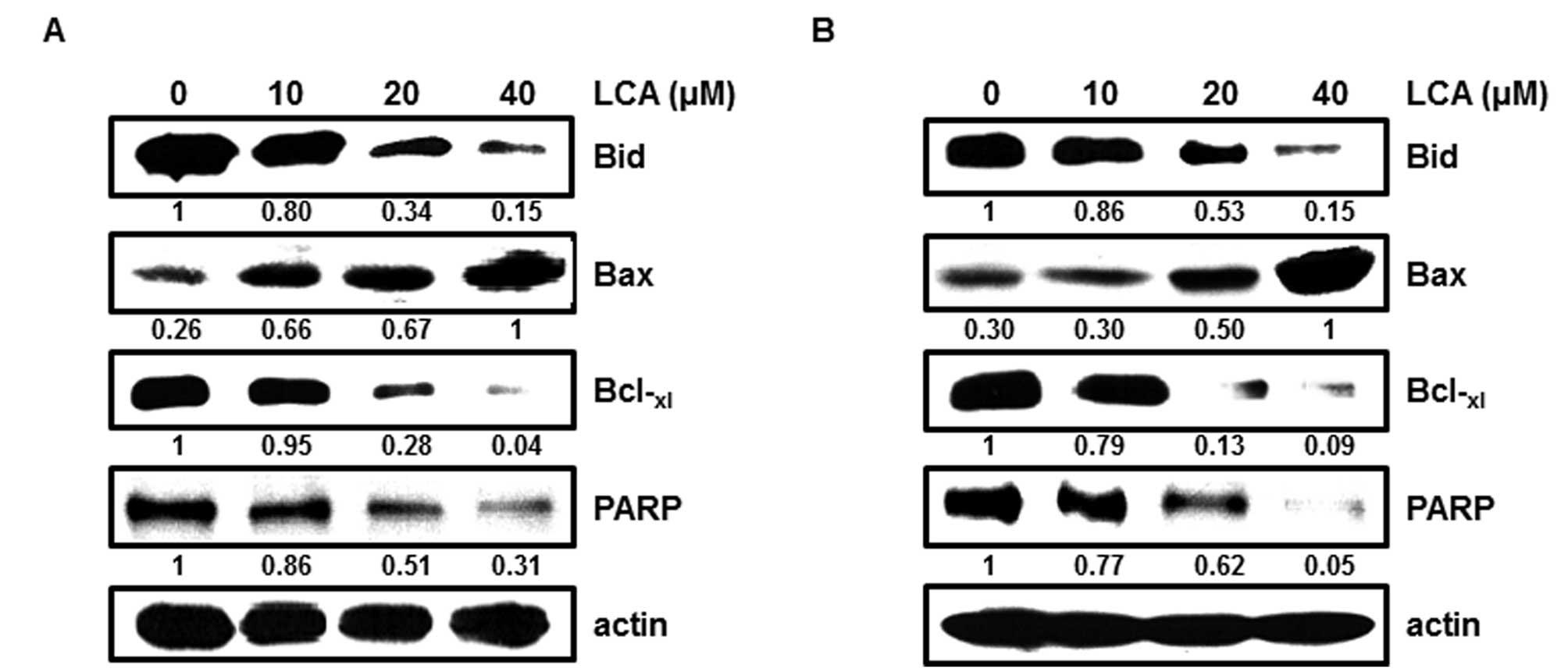
Licochalcone A (LCA), a chalconoid derived from root of Glycyrrhiza inflata, has been known to possess a wide range of biological functions such as antitumor, anti-angiogenesis, antiparasitic, anti-oxidant, antibacterial and anti-inflammatory effects. However, the anticancer effects of LCA on oral squamous cell carcinoma (OSCC) have not been reported. Our data showed that LCA inhibited OSCC cell (HN22 and HSC4) growth in a concentration- and time-dependent manner. Mechanistically, it was mediated via downregulation of specificity protein 1 (Sp1) expression and subsequent regulation of Sp1 downstream proteins such as p27, p21, cyclin D1, Mcl-1 and survivin. Here, we found that LCA caused apoptotic cell death in HSC4 and HN22 cells, as characterized by sub-G1 population, nuclear condensation, Annexin V staining, and multi-caspase activity and apoptotic regulatory proteins such as Bax, Bid, Bcl?xl, caspase-3 and PARP. Consequently, this study strongly suggests that LCA induces apoptotic cell death of OSCC cells via downregulation of Sp1 expression, prompting its potential use for the treatment of human OSCC.
View Figures

Figure 1

Figure 2

Figure 3

Figure 4

Figure 5

View References

1 

Oliveira LR, Castilho-Fernandes A, Oliveira-Costa JP, et al: CD44+/CD133+immunophenotype and matrix metalloproteinase-9 influences on prognosis of early stage oral squamous cell carcinoma patients. Head Neck. Nov 1–2013.(Epub ahead of print). View Article : Google Scholar

2 

Tanaka T, Tanaka M and Tanaka T: Oral carcinogenesis and oral cancer chemoprevention: a review. Pathol Res Int. 2011:4312462011. View Article : Google Scholar : PubMed/NCBI

3 

Yu HJ, Shin JA, Nam JS, et al: Apoptotic effect of dibenzylideneacetone on oral cancer cells via modulation of specificity protein 1 and Bax. Oral Dis. 19:767–774. 2012.PubMed/NCBI

4 

Choi ES, Cho SD, Jeon JG, et al: The apoptotic effect of the hexane extract of Rheum undulatum L. in oral cancer cells through the down-regulation of specificity protein 1 and survivin. Lab Anim Res. 27:19–24. 2011.PubMed/NCBI

5 

Ariyawardana A and Ekanayake L: Screening for oral cancer/pre-cancer: knowledge and opinions of dentists employed in the public sector dental services of Sri Lanka. Asian Pac J Cancer Prev. 9:615–618. 2008.PubMed/NCBI

6 

Yeole BB, Ramanakumar AV and Sankaranarayanan R: Survival from oral cancer in Mumbai (Bombay), India. Cancer Causes Control. 14:945–952. 2003. View Article : Google Scholar : PubMed/NCBI

7 

Lee HE, Choi ES, Shin JA, et al: Apoptotic effect of methanol extract of Picrasma quassioides by regulating specificity protein 1 in human cervical cancer cells. Cell Biochem Funct. 32:229–235. 2014. View Article : Google Scholar : PubMed/NCBI

8 

Firestone GL and Bjeldanes LF: Indole-3-carbinol and 3-3′-diindolylmethane antiproliferative signaling pathways control cell-cycle gene transcription in human breast cancer cells by regulating promoter-Sp1 transcription factor interactions. J Nutr. 133:S2448–S2455. 2003.

9 

Jeon YJ, Ko SM, Cho JH, et al: The HDAC inhibitor, panobinostat, induces apoptosis by suppressing the expresssion of specificity protein 1 in oral squamous cell carcinoma. Int J Mol Med. 32:860–866. 2013.PubMed/NCBI

10 

Tsai JP, Hsiao PC, Yang SF, et al: Licochalcone A suppresses migration and invasion of human hepatocellular carcinoma cells through downregulation of MKK4/JNK via NF-κB mediated urokinase plasminogen activator expression. PloS One. 9:e865372014.PubMed/NCBI

11 

Hao H, Hui W, Liu P, et al: Effect of licochalcone A on growth and properties of Streptococcus suis. PloS One. 8:e677282013. View Article : Google Scholar : PubMed/NCBI

12 

Yuan X, Li D, Zhao H, et al: Licochalcone A-induced human bladder cancer T24 cell apoptosis triggered by mitochondria dysfunction and endoplasmic reticulum stress. Biomed Res Int. 2013:4742722013. View Article : Google Scholar : PubMed/NCBI

13 

Lee CS, Kwak SW, Kim YJ, et al: Guanylate cyclase activator YC-1 potentiates apoptotic effect of licochalcone A on human epithelial ovarian carcinoma cells via activation of death receptor and mitochondrial pathways. Eur J Pharmacol. 683:54–62. 2012. View Article : Google Scholar

14 

Funakoshi-Tago M, Tanabe S, Tago K, et al: Licochalcone A potently inhibits tumor necrosis factor alpha-induced nuclear factor-kappaB activation through the direct inhibition of IkappaB kinase complex activation. Mol Pharmacol. 76:745–753. 2009. View Article : Google Scholar

15 

Fu Y, Hsieh TC, Guo J, et al: Licochalcone-A, a novel flavonoid isolated from licorice root (Glycyrrhiza glabra), causes G2 and late-G1 arrests in androgen-independent PC-3 prostate cancer cells. Biochem Biophys Res Commun. 322:263–270. 2004. View Article : Google Scholar : PubMed/NCBI

16 

Xiao XY, Hao M, Yang XY, et al: Licochalcone A inhibits growth of gastric cancer cells by arresting cell cycle progression and inducing apoptosis. Cancer Lett. 302:69–75. 2011. View Article : Google Scholar : PubMed/NCBI

17 

Yoon G, Jung YD and Cheon SH: Cytotoxic allyl retrochalcone from the roots of Glycyrrhiza inflata. Chem Pharm Bull. 53:694–695. 2005. View Article : Google Scholar : PubMed/NCBI

18 

Fu Y, Chen J, Li YJ, et al: Antioxidant and anti-inflammatory activities of six flavonoids separated from licorice. Food Chem. 141:1063–1071. 2013. View Article : Google Scholar : PubMed/NCBI

19 

Chang SF, Chang CA, Lee DY, et al: Tumor cell cycle arrest induced by shear stress: Roles of integrins and Smad. Proc Natl Acad Sci USA. 105:3927–3932. 2008. View Article : Google Scholar : PubMed/NCBI

20 

Lee KA, Lee SH, Lee YJ, et al: Hesperidin induces apoptosis by inhibiting Sp1 and its regulatory protein in MSTO-211H cells. Biomol Ther. 20:273–279. 2012. View Article : Google Scholar

21 

Li L and Davie JR: The role of Sp1 and Sp3 in normal and cancer cell biology. Ann Anat. 192:275–283. 2010. View Article : Google Scholar : PubMed/NCBI

22 

Willoughby JA Sr, Sundar SN, Cheung M, et al: Artemisinin blocks prostate cancer growth and cell cycle progression by disrupting Sp1 interactions with the cyclin-dependent kinase-4 (CDK4) promoter and inhibiting CDK4 gene expression. J Biol Chem. 284:2203–2213. 2009. View Article : Google Scholar : PubMed/NCBI

23 

Kim DW, Ko SM, Jeon YJ, et al: Anti-proliferative effect of honokiol in oral squamous cancer through the regulation of specificity protein 1. Int J Oncol. 43:1103–1110. 2013.PubMed/NCBI

24 

Deniaud E, Baguet J, Mathieu AL, et al: Overexpression of Sp1 transcription factor induces apoptosis. Oncogene. 25:7096–7105. 2006. View Article : Google Scholar : PubMed/NCBI

25 

Jutooru I, Chadalapaka G, Sreevalsan S, et al: Arsenic trioxide downregulates specificity protein (Sp) transcription factors and inhibits bladder cancer cell and tumor growth. Exp Cell Res. 316:2174–2188. 2010. View Article : Google Scholar : PubMed/NCBI

26 

Shin JA, Kim JJ, Choi ES, et al: In vitro apoptotic effects of methanol extracts of Dianthus chinensis and Acalypha australis L. targeting specificity protein 1 in human oral cancer cells. Head Neck. 35:992–998. 2012.PubMed/NCBI

27 

Park HG, Bak EJ, Woo GH, et al: Licochalcone E has an antidiabetic effect. J Nutr Biochem. 23:759–767. 2012. View Article : Google Scholar

28 

Chiefari E, Brunetti A, Arturi F, et al: Increased expression of AP2 and Sp1 transcription factors in human thyroid tumors: a role in NIS expression regulation? BMC Cancer. 2:352002. View Article : Google Scholar : PubMed/NCBI

29 

Hosoi Y, Watanabe T, Nakagawa K, et al: Upregulation of DNA-dependent protein kinase activity and Sp1 in colorectal cancer. Int J Oncol. 25:461–468. 2004.PubMed/NCBI

30 

Yao JC, Wang L, Wei D, et al: Association between expression of transcription factor Sp1 and increased vascular endothelial growth factor expression, advanced stage, and poor survival in patients with resected gastric cancer. Clin Cancer Res. 10:4109–4117. 2004. View Article : Google Scholar

31 

Chu S and Ferro TJ: Sp1: regulation of gene expression by phosphorylation. Gene. 348:1–11. 2005. View Article : Google Scholar : PubMed/NCBI

32 

Deniaud E, Baguet J, Chalard R, et al: Overexpression of transcription factor Sp1 leads to gene expression perturbations and cell cycle inhibition. PLoS One. 4:e70352009. View Article : Google Scholar : PubMed/NCBI

33 

Blume SW, Snyder RC, Ray R, et al: Mithramycin inhibits SP1 binding and selectively inhibits transcriptional activity of the dihydrofolate reductase gene in vitro and in vivo. J Clin Invest. 88:1613–1621. 1991. View Article : Google Scholar : PubMed/NCBI

34 

Pietrzak M and Puzianowska-Kuznicka M: p53-dependent repression of the human MCL-1 gene encoding an anti-apoptotic member of the BCL-2 family: the role of Sp1 and of basic transcription factor binding sites in the MCL-1 promoter. Biol Chem. 389:383–393. 2008. View Article : Google Scholar : PubMed/NCBI

35 

Choi KH, Shim JH, Huong LD, et al: Inhibition of myeloid cell leukemia-1 by tolfenamic acid induces apoptosis in mucoepidermoid carcinoma. Oral Dis. 17:469–475. 2011. View Article : Google Scholar : PubMed/NCBI

36 

Li F and Altieri DC: Transcriptional analysis of human survivin gene expression. Biochem J. 344(Pt 2): 305–311. 1999. View Article : Google Scholar

37 

Li Y, Xie M, Yang J, et al: The expression of antiapoptotic protein survivin is transcriptionally upregulated by DEC1 primarily through multiple sp1 binding sites in the proximal promoter. Oncogene. 25:3296–3306. 2006. View Article : Google Scholar : PubMed/NCBI

38 

Sherr CJ and Roberts JM: CDK inhibitors: positive and negative regulators of G1-phase progression. Genes Dev. 13:1501–1512. 1999. View Article : Google Scholar : PubMed/NCBI

39 

Murray AW: Recycling the cell cycle: cyclins revisited. Cell. 116:221–234. 2004. View Article : Google Scholar : PubMed/NCBI

40 

Weinstein IB: Relevance of cyclin D1 and other molecular markers to cancer chemoprevention. J Cell Biochem (Suppl). 25:23–28. 1996. View Article : Google Scholar : PubMed/NCBI

41 

Alao JP: The regulation of cyclin D1 degradation: roles in cancer development and the potential for therapeutic invention. Mol Cancer. 6:242007. View Article : Google Scholar : PubMed/NCBI

42 

Akgul C: Mcl-1 is a potential therapeutic target in multiple types of cancer. Cell Mol Life Sci. 66:1326–1336. 2009. View Article : Google Scholar : PubMed/NCBI

43 

Andersson Y, Juell S and Fodstad O: Downregulation of the antiapoptotic MCL-1 protein and apoptosis in MA-11 breast cancer cells induced by an anti-epidermal growth factor receptor - Pseudomonas exotoxin a immunotoxin. Int J Cancer. 112:475–483. 2004. View Article : Google Scholar : PubMed/NCBI

44 

Chun JY, Hu Y, Pinder E, et al: Selenium inhibition of survivin expression by preventing Sp1 binding to its promoter. Mol Cancer Ther. 6:2572–2580. 2007. View Article : Google Scholar : PubMed/NCBI

45 

Sun Y, Giacalone NJ and Lu B: Terameprocol (tetra-O-methyl nordihydroguaiaretic acid), an inhibitor of Sp1-mediated survivin transcription, induces radiosensitization in non-small cell lung carcinoma. J Thorac Oncol. 6:8–14. 2011. View Article : Google Scholar : PubMed/NCBI

Related Articles

  • Abstract
  • View
  • Download
  • Twitter
Copy and paste a formatted citation
Spandidos Publications style
Cho JJ, Chae J, Yoon G, Kim KH, Cho JH, Cho S, Cho YS and Shim J: Licochalcone A, a natural chalconoid isolated from Glycyrrhiza inflata root, induces apoptosis via Sp1 and Sp1 regulatory proteins in oral squamous cell carcinoma. Int J Oncol 45: 667-674, 2014.
APA
Cho, J.J., Chae, J., Yoon, G., Kim, K.H., Cho, J.H., Cho, S. ... Shim, J. (2014). Licochalcone A, a natural chalconoid isolated from Glycyrrhiza inflata root, induces apoptosis via Sp1 and Sp1 regulatory proteins in oral squamous cell carcinoma. International Journal of Oncology, 45, 667-674. https://doi.org/10.3892/ijo.2014.2461
MLA
Cho, J. J., Chae, J., Yoon, G., Kim, K. H., Cho, J. H., Cho, S., Cho, Y. S., Shim, J."Licochalcone A, a natural chalconoid isolated from Glycyrrhiza inflata root, induces apoptosis via Sp1 and Sp1 regulatory proteins in oral squamous cell carcinoma". International Journal of Oncology 45.2 (2014): 667-674.
Chicago
Cho, J. J., Chae, J., Yoon, G., Kim, K. H., Cho, J. H., Cho, S., Cho, Y. S., Shim, J."Licochalcone A, a natural chalconoid isolated from Glycyrrhiza inflata root, induces apoptosis via Sp1 and Sp1 regulatory proteins in oral squamous cell carcinoma". International Journal of Oncology 45, no. 2 (2014): 667-674. https://doi.org/10.3892/ijo.2014.2461
Copy and paste a formatted citation
x
Spandidos Publications style
Cho JJ, Chae J, Yoon G, Kim KH, Cho JH, Cho S, Cho YS and Shim J: Licochalcone A, a natural chalconoid isolated from Glycyrrhiza inflata root, induces apoptosis via Sp1 and Sp1 regulatory proteins in oral squamous cell carcinoma. Int J Oncol 45: 667-674, 2014.
APA
Cho, J.J., Chae, J., Yoon, G., Kim, K.H., Cho, J.H., Cho, S. ... Shim, J. (2014). Licochalcone A, a natural chalconoid isolated from Glycyrrhiza inflata root, induces apoptosis via Sp1 and Sp1 regulatory proteins in oral squamous cell carcinoma. International Journal of Oncology, 45, 667-674. https://doi.org/10.3892/ijo.2014.2461
MLA
Cho, J. J., Chae, J., Yoon, G., Kim, K. H., Cho, J. H., Cho, S., Cho, Y. S., Shim, J."Licochalcone A, a natural chalconoid isolated from Glycyrrhiza inflata root, induces apoptosis via Sp1 and Sp1 regulatory proteins in oral squamous cell carcinoma". International Journal of Oncology 45.2 (2014): 667-674.
Chicago
Cho, J. J., Chae, J., Yoon, G., Kim, K. H., Cho, J. H., Cho, S., Cho, Y. S., Shim, J."Licochalcone A, a natural chalconoid isolated from Glycyrrhiza inflata root, induces apoptosis via Sp1 and Sp1 regulatory proteins in oral squamous cell carcinoma". International Journal of Oncology 45, no. 2 (2014): 667-674. https://doi.org/10.3892/ijo.2014.2461
Follow us
  • Twitter
  • LinkedIn
  • Facebook
About
  • Spandidos Publications
  • Careers
  • Cookie Policy
  • Privacy Policy
How can we help?
  • Help
  • Live Chat
  • Contact
  • Email to our Support Team