Spandidos Publications Logo
  • About
    • About Spandidos
    • Aims and Scopes
    • Abstracting and Indexing
    • Editorial Policies
    • Reprints and Permissions
    • Job Opportunities
    • Terms and Conditions
    • Contact
  • Journals
    • All Journals
    • Oncology Letters
      • Oncology Letters
      • Information for Authors
      • Editorial Policies
      • Editorial Board
      • Aims and Scope
      • Abstracting and Indexing
      • Bibliographic Information
      • Archive
    • International Journal of Oncology
      • International Journal of Oncology
      • Information for Authors
      • Editorial Policies
      • Editorial Board
      • Aims and Scope
      • Abstracting and Indexing
      • Bibliographic Information
      • Archive
    • Molecular and Clinical Oncology
      • Molecular and Clinical Oncology
      • Information for Authors
      • Editorial Policies
      • Editorial Board
      • Aims and Scope
      • Abstracting and Indexing
      • Bibliographic Information
      • Archive
    • Experimental and Therapeutic Medicine
      • Experimental and Therapeutic Medicine
      • Information for Authors
      • Editorial Policies
      • Editorial Board
      • Aims and Scope
      • Abstracting and Indexing
      • Bibliographic Information
      • Archive
    • International Journal of Molecular Medicine
      • International Journal of Molecular Medicine
      • Information for Authors
      • Editorial Policies
      • Editorial Board
      • Aims and Scope
      • Abstracting and Indexing
      • Bibliographic Information
      • Archive
    • Biomedical Reports
      • Biomedical Reports
      • Information for Authors
      • Editorial Policies
      • Editorial Board
      • Aims and Scope
      • Abstracting and Indexing
      • Bibliographic Information
      • Archive
    • Oncology Reports
      • Oncology Reports
      • Information for Authors
      • Editorial Policies
      • Editorial Board
      • Aims and Scope
      • Abstracting and Indexing
      • Bibliographic Information
      • Archive
    • Molecular Medicine Reports
      • Molecular Medicine Reports
      • Information for Authors
      • Editorial Policies
      • Editorial Board
      • Aims and Scope
      • Abstracting and Indexing
      • Bibliographic Information
      • Archive
    • World Academy of Sciences Journal
      • World Academy of Sciences Journal
      • Information for Authors
      • Editorial Policies
      • Editorial Board
      • Aims and Scope
      • Abstracting and Indexing
      • Bibliographic Information
      • Archive
    • International Journal of Functional Nutrition
      • International Journal of Functional Nutrition
      • Information for Authors
      • Editorial Policies
      • Editorial Board
      • Aims and Scope
      • Abstracting and Indexing
      • Bibliographic Information
      • Archive
    • International Journal of Epigenetics
      • International Journal of Epigenetics
      • Information for Authors
      • Editorial Policies
      • Editorial Board
      • Aims and Scope
      • Abstracting and Indexing
      • Bibliographic Information
      • Archive
    • Medicine International
      • Medicine International
      • Information for Authors
      • Editorial Policies
      • Editorial Board
      • Aims and Scope
      • Abstracting and Indexing
      • Bibliographic Information
      • Archive
  • Articles
  • Information
    • Information for Authors
    • Information for Reviewers
    • Information for Librarians
    • Information for Advertisers
    • Conferences
  • Language Editing
Spandidos Publications Logo
  • About
    • About Spandidos
    • Aims and Scopes
    • Abstracting and Indexing
    • Editorial Policies
    • Reprints and Permissions
    • Job Opportunities
    • Terms and Conditions
    • Contact
  • Journals
    • All Journals
    • Biomedical Reports
      • Information for Authors
      • Editorial Policies
      • Editorial Board
      • Aims and Scope
      • Abstracting and Indexing
      • Bibliographic Information
      • Archive
    • Experimental and Therapeutic Medicine
      • Information for Authors
      • Editorial Policies
      • Editorial Board
      • Aims and Scope
      • Abstracting and Indexing
      • Bibliographic Information
      • Archive
    • International Journal of Epigenetics
      • Information for Authors
      • Editorial Policies
      • Editorial Board
      • Aims and Scope
      • Abstracting and Indexing
      • Bibliographic Information
      • Archive
    • International Journal of Functional Nutrition
      • Information for Authors
      • Editorial Policies
      • Editorial Board
      • Aims and Scope
      • Abstracting and Indexing
      • Bibliographic Information
      • Archive
    • International Journal of Molecular Medicine
      • Information for Authors
      • Editorial Policies
      • Editorial Board
      • Aims and Scope
      • Abstracting and Indexing
      • Bibliographic Information
      • Archive
    • International Journal of Oncology
      • Information for Authors
      • Editorial Policies
      • Editorial Board
      • Aims and Scope
      • Abstracting and Indexing
      • Bibliographic Information
      • Archive
    • Medicine International
      • Information for Authors
      • Editorial Policies
      • Editorial Board
      • Aims and Scope
      • Abstracting and Indexing
      • Bibliographic Information
      • Archive
    • Molecular and Clinical Oncology
      • Information for Authors
      • Editorial Policies
      • Editorial Board
      • Aims and Scope
      • Abstracting and Indexing
      • Bibliographic Information
      • Archive
    • Molecular Medicine Reports
      • Information for Authors
      • Editorial Policies
      • Editorial Board
      • Aims and Scope
      • Abstracting and Indexing
      • Bibliographic Information
      • Archive
    • Oncology Letters
      • Information for Authors
      • Editorial Policies
      • Editorial Board
      • Aims and Scope
      • Abstracting and Indexing
      • Bibliographic Information
      • Archive
    • Oncology Reports
      • Information for Authors
      • Editorial Policies
      • Editorial Board
      • Aims and Scope
      • Abstracting and Indexing
      • Bibliographic Information
      • Archive
    • World Academy of Sciences Journal
      • Information for Authors
      • Editorial Policies
      • Editorial Board
      • Aims and Scope
      • Abstracting and Indexing
      • Bibliographic Information
      • Archive
  • Articles
  • Information
    • For Authors
    • For Reviewers
    • For Librarians
    • For Advertisers
    • Conferences
  • Language Editing
Login Register Submit
  • This site uses cookies
  • You can change your cookie settings at any time by following the instructions in our Cookie Policy. To find out more, you may read our Privacy Policy.

    I agree
Search articles by DOI, keyword, author or affiliation
Search
Advanced Search
presentation
International Journal of Oncology
Join Editorial Board Propose a Special Issue
Print ISSN: 1019-6439 Online ISSN: 1791-2423
Journal Cover
September-2014 Volume 45 Issue 3

Full Size Image

Cover Legend PDF

Sign up for eToc alerts
Recommend to Library

Journals

International Journal of Molecular Medicine

International Journal of Molecular Medicine

International Journal of Molecular Medicine is an international journal devoted to molecular mechanisms of human disease.

International Journal of Oncology

International Journal of Oncology

International Journal of Oncology is an international journal devoted to oncology research and cancer treatment.

Molecular Medicine Reports

Molecular Medicine Reports

Covers molecular medicine topics such as pharmacology, pathology, genetics, neuroscience, infectious diseases, molecular cardiology, and molecular surgery.

Oncology Reports

Oncology Reports

Oncology Reports is an international journal devoted to fundamental and applied research in Oncology.

Experimental and Therapeutic Medicine

Experimental and Therapeutic Medicine

Experimental and Therapeutic Medicine is an international journal devoted to laboratory and clinical medicine.

Oncology Letters

Oncology Letters

Oncology Letters is an international journal devoted to Experimental and Clinical Oncology.

Biomedical Reports

Biomedical Reports

Explores a wide range of biological and medical fields, including pharmacology, genetics, microbiology, neuroscience, and molecular cardiology.

Molecular and Clinical Oncology

Molecular and Clinical Oncology

International journal addressing all aspects of oncology research, from tumorigenesis and oncogenes to chemotherapy and metastasis.

World Academy of Sciences Journal

World Academy of Sciences Journal

Multidisciplinary open-access journal spanning biochemistry, genetics, neuroscience, environmental health, and synthetic biology.

International Journal of Functional Nutrition

International Journal of Functional Nutrition

Open-access journal combining biochemistry, pharmacology, immunology, and genetics to advance health through functional nutrition.

International Journal of Epigenetics

International Journal of Epigenetics

Publishes open-access research on using epigenetics to advance understanding and treatment of human disease.

Medicine International

Medicine International

An International Open Access Journal Devoted to General Medicine.

Journal Cover
September-2014 Volume 45 Issue 3

Full Size Image

Cover Legend PDF

Sign up for eToc alerts
Recommend to Library

  • Article
  • Citations
    • Cite This Article
    • Download Citation
    • Create Citation Alert
    • Remove Citation Alert
    • Cited By
  • Similar Articles
    • Related Articles (in Spandidos Publications)
    • Similar Articles (Google Scholar)
    • Similar Articles (PubMed)
  • Download PDF
  • Download XML
  • View XML
Article

Apogossypolone, a small-molecule inhibitor of Bcl-2, induces radiosensitization of nasopharyngeal carcinoma cells by stimulating autophagy

  • Authors:
    • Jin-Hua He
    • Xiao-Li Liao
    • Wei Wang
    • Dan-Dan Li
    • Wen-Dan Chen
    • Rong Deng
    • Dajun Yang
    • Ze-Ping Han
    • Jian-Wei Jiang
    • Xiao-Feng Zhu
  • View Affiliations / Copyright

    Affiliations: Department of Laboratory, Central Hospital of Panyu, Guangzhou, Guangdong, P.R. China, State Key Laboratory of Oncology in South China, Sun Yat-sen University Cancer Center, Guangzhou, Guangdong, P.R. China, Department of Biochemistry, Medical College, Jinan University, Guangzhou, Guangdong, P.R. China, Ascenta Therapeutics Incorporation, Malvern, PA 19355, USA
  • Pages: 1099-1108
    |
    Published online on: June 11, 2014
       https://doi.org/10.3892/ijo.2014.2497
  • Expand metrics +
Metrics: Total Views: 0 (Spandidos Publications: | PMC Statistics: )
Metrics: Total PDF Downloads: 0 (Spandidos Publications: | PMC Statistics: )
Cited By (CrossRef): 0 citations Loading Articles...

This article is mentioned in:


Abstract

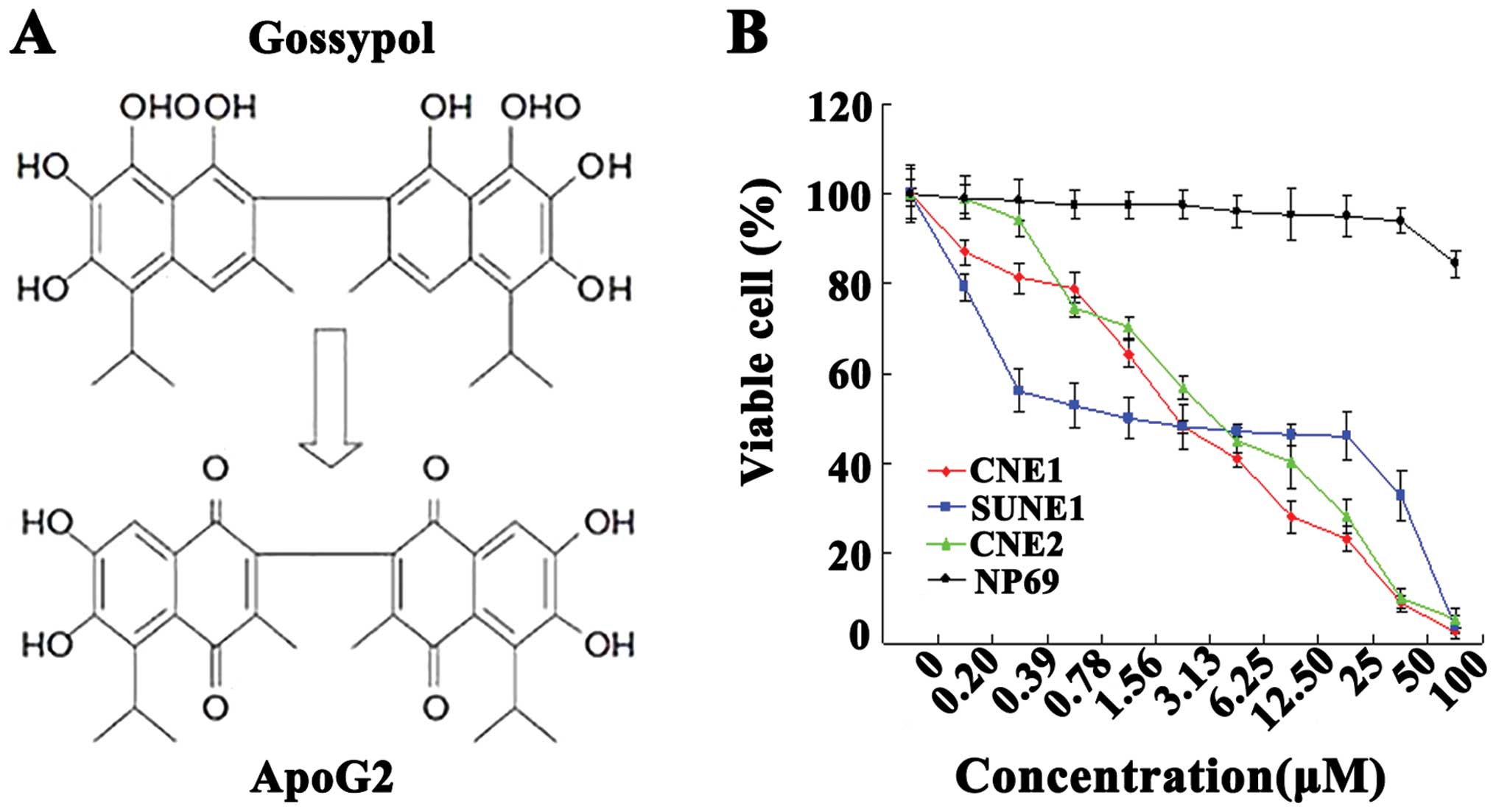
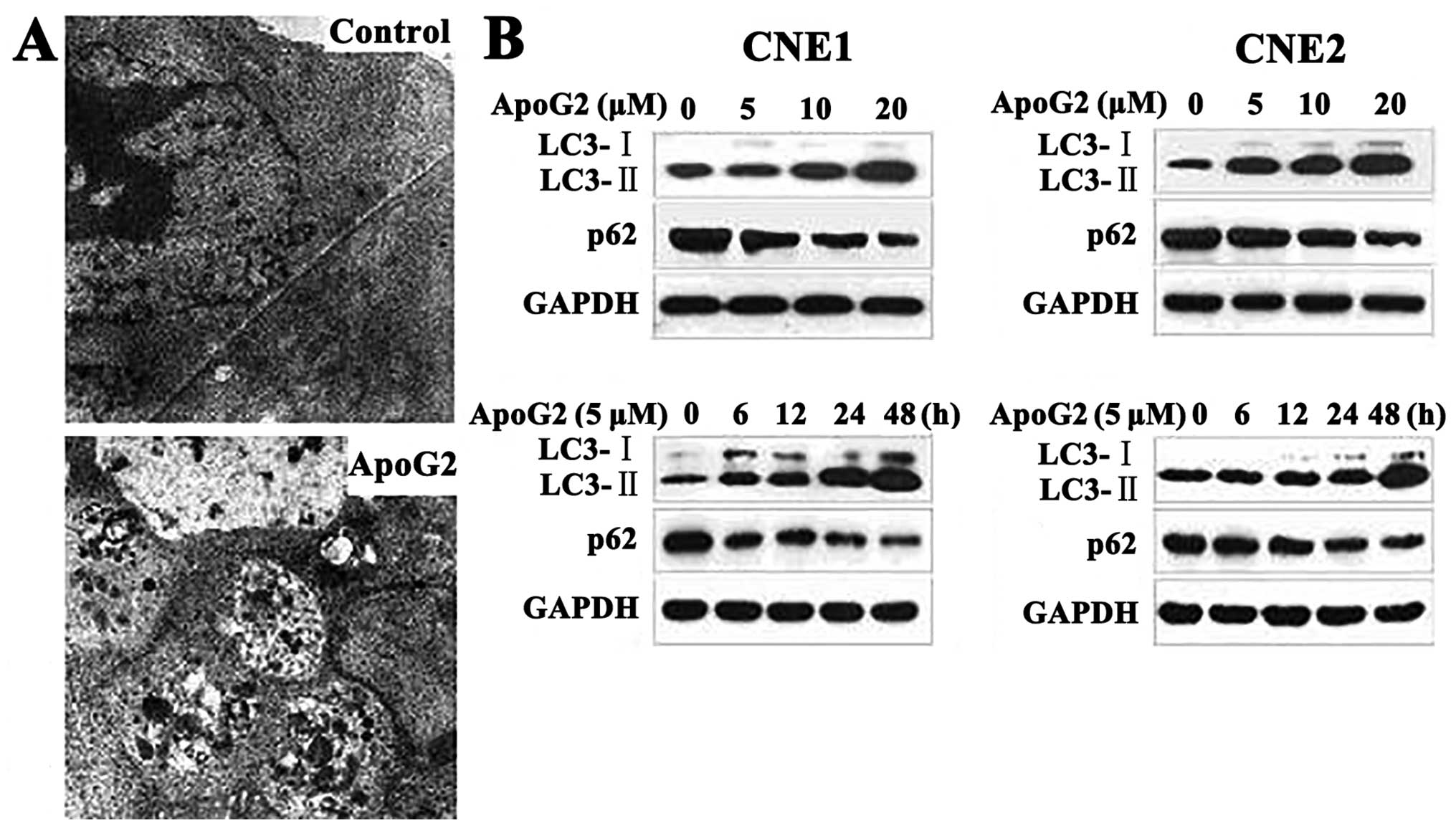
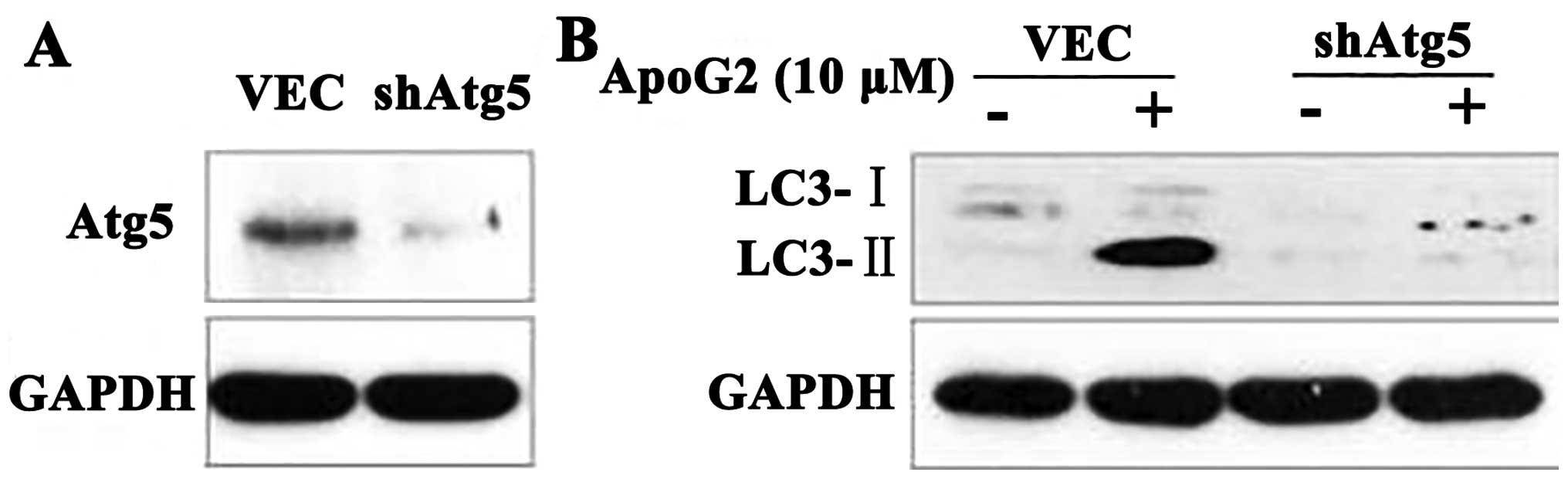
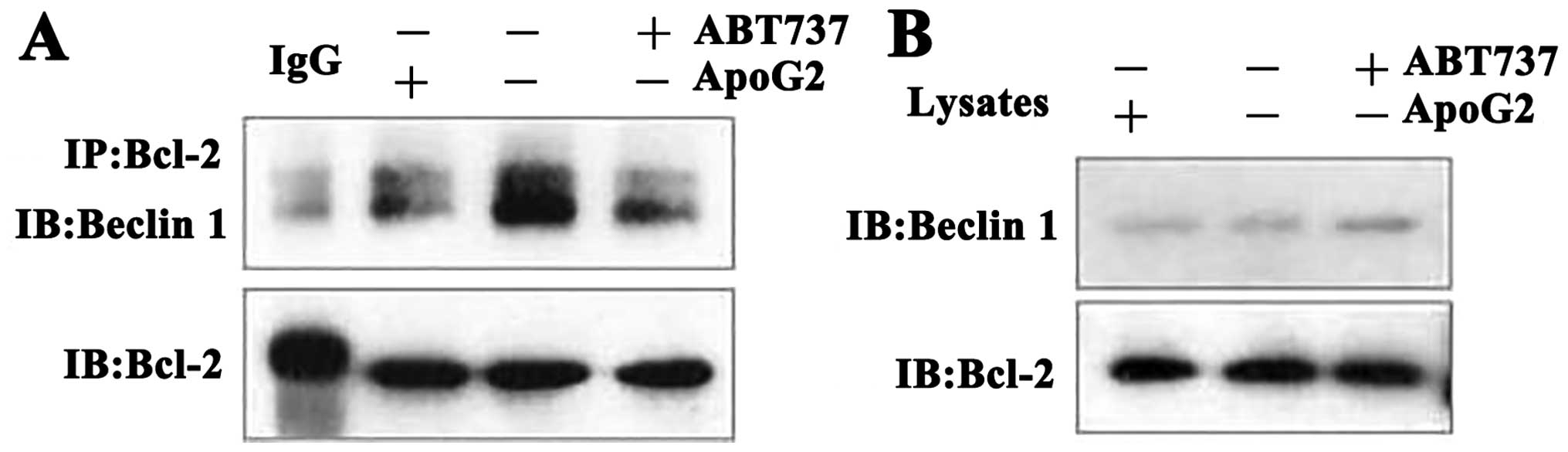
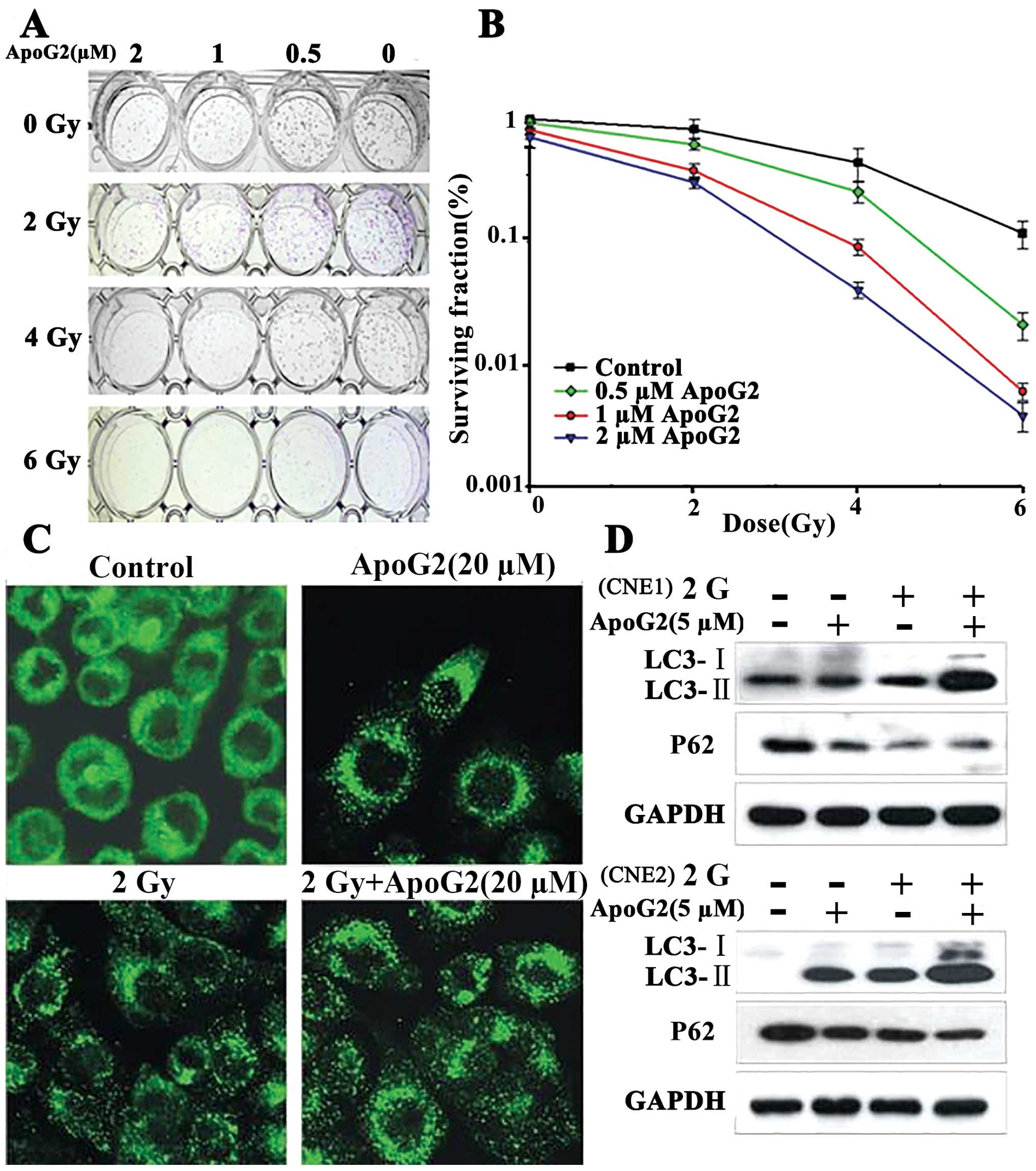
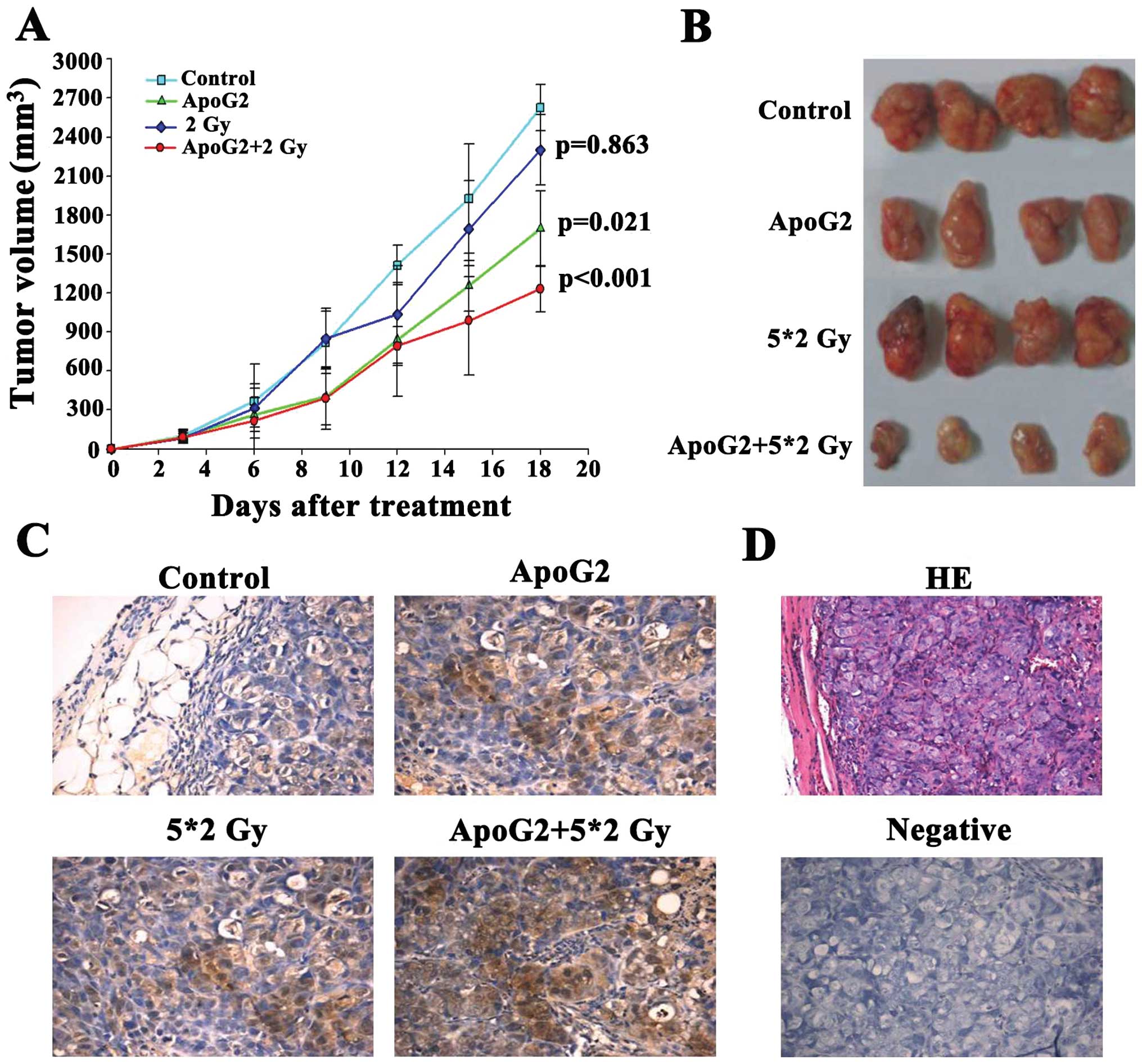
Nasopharyngeal carcinoma (NPC) is a major cause of cancer deaths. Concurrent administration of radiation and chemotherapy is the treatment of choice for advanced NPC. Previously, we showed that apogossypolone (ApoG2) induced apoptosis by blocking the binding of Bcl-2 to Bax, arresting the cell cycle in the S phase, in turn inhibiting proliferation of NPC cells both in vitro and in vivo. In the present study, we showed that ApoG2 inhibited the proliferation of NPC cells in a dose-dependent manner. We treated CNE1, CNE2 and SUNE1 cells with ApoG2 for 72 h, and calculated the IC50 values as 2.84, 5.64 and 2.18 µM, respectively. Normal NP69 cell proliferation was not significantly inhibited. ApoG2 treatment induced significant autophagy, demonstrated by an increase in LC3-II protein expression, reduced protein p62 expression, and accumulation of punctuate GFP-LC3 in the cytoplasm of CNE1 or CNE2 cells. Sh-Atg5 attenuated the autophagy induced by ApoG2, indicating that Atg5 was required for ApoG2-induced autophagy. In addition, ApoG2 treatment blocked the binding of Bcl-2 to Beclin 1 protein, releasing pro-autophagic Beclin 1, which in turn triggered the autophagic cascade. Colony formation assays indicated that ApoG2 enhanced radiosensitization of CNE2 cells. In the ApoG2-plus-radiation combination group, more ring-shaped structures were evident in CNE1 and CNE2 cultures. LC3-II expression was enhanced and that of p62 reduced, compared to the ApoG2-only, radiation-only and control groups. ApoG2 enhanced the radiosensitivity of CNE2 xenografts in nude mice as measured by (C-T)/C ratios (as percentages); the values for the ApoG2 and radiation groups were 46.89% and 19.34%, respectively. The ApoG2-plus-radiation group exhibited greater antitumor activity (the inhibitory rate was 61.64%). Immunohistological staining showed that LC3-II expression became gradually upregulated in the ApoG2-plus-radiation group. Together, the results suggest that ApoG2 inhibits the binding of Bcl-2 to Beclin 1, inducing autophagy and radio­sensitizing NPC cells both in vitro and in vivo.
View Figures

Figure 1

Figure 2

Figure 3

Figure 4

Figure 5

Figure 6

View References

1 

McDermott AL, Dutt SN and Watkinson JC: The aetiology of nasopharyngeal carcinoma. Clin Otolaryngol Allied Sci. 26:82–92. 2001. View Article : Google Scholar : PubMed/NCBI

2 

Bei JX, Jia WH and Zeng YX: Familial and large-scale case-control studies identify genes associated with nasopharyngeal carcinoma. Semin Cancer Biol. 22:96–106. 2012. View Article : Google Scholar : PubMed/NCBI

3 

Lee AW, Lin JC and Ng WT: Current management of nasopharyngeal cancer. Semin Radiat Oncol. 22:233–244. 2012. View Article : Google Scholar : PubMed/NCBI

4 

Yoshizaki T, Ito M, Murono S, Wakisaka N, Kondo S and Endo K: Current understanding and management of nasopharyngeal carcinoma. Auris Nasus Larynx. 39:137–144. 2012. View Article : Google Scholar

5 

Kang MH and Reynolds CP: Bcl-2 inhibitors: targeting mitochondrial apoptotic pathways in cancer therapy. Clin Cancer Res. 15:1126–1132. 2009. View Article : Google Scholar : PubMed/NCBI

6 

Zhou FF, Yang Y and Xing D: Bcl-2 and Bcl-xL play important roles in the crosstalk between autophagy and apoptosis. FEBS J. 278:403–413. 2011. View Article : Google Scholar : PubMed/NCBI

7 

Levine B, Sinha S and Kroemer G: Bcl-2 family members: dual regulators of apoptosis and autophagy. Autophagy. 4:600–606. 2008. View Article : Google Scholar : PubMed/NCBI

8 

Green DR and Evan GI: A matter of life and death. Cancer Cell. 1:19–30. 2002. View Article : Google Scholar

9 

Lu QL, Elia G, Lucas S and Thomas JA: Bcl-2 proto-oncogene expression in Epstein-Barr-virus-associated nasopharyngeal carcinoma. Int J Cancer. 53:29–35. 1993. View Article : Google Scholar : PubMed/NCBI

10 

Fan SQ, Ma J, Zhou J, Xiong W, Xiao BY, Zhang WL, Tan C, Li XL, Shen SR, Zhou M, Zhang QH and Ou YJ: Differential expression of Epstein-Barr virus-encoded RNA and several tumor-related genes in various types of nasopharyngeal epithelial lesions and nasopharyngeal carcinoma using tissue microarray analysis. Hum Pathol. 37:593–605. 2006. View Article : Google Scholar

11 

Sheu LF, Chen A, Meng CL, Ho KC, Lin FG and Lee WH: Analysis of bcl-2 expression in normal, inflamed, dysplastic nasopharyngeal epithelia, and nasopharyngeal carcinoma: association with p53 expression. Hum Pathol. 28:556–562. 1997. View Article : Google Scholar

12 

Yu Y, Dong W, Li X, Yu E, Zhou X and Li S: Significance of c-Myc and Bcl-2 protein expression in nasopharyngeal carcinoma. Arch Otolaryngol Head Neck Surg. 129:1322–1326. 2003. View Article : Google Scholar : PubMed/NCBI

13 

Hu ZY, Zhu XF, Zhong ZD, Sun J, Wang J, Yang D and Zeng YX: ApoG2, a novel inhibitor of antiapoptotic Bcl-2 family proteins, induces apoptosis and suppresses tumor growth in nasopharyngeal carcinoma xenografts. Int J Cancer. 123:2418–2429. 2008. View Article : Google Scholar

14 

Del Poeta G, Venditti A, Del Principe MI, et al: Amount of spontaneous apoptosis detected by Bax/Bcl-2 ratio predicts outcome in acute myeloid leukemia (AML). Blood. 101:2125–2131. 2003.PubMed/NCBI

15 

Minn AJ, Rudin CM, Boise LH and Thompson CB: Expression of bcl-xL can confer a multidrug resistance phenotype. Blood. 86:1903–1910. 1995.PubMed/NCBI

16 

Yoshino T, Shiina H, Urakami S, et al: Bcl-2 expression as a predictive marker of hormone-refractory prostate cancer treated with taxane-based chemotherapy. Clin Cancer Res. 12:6116–6124. 2006. View Article : Google Scholar : PubMed/NCBI

17 

Lacy J, Loomis R, Grill S, Srimatkandada P, Carbone R and Cheng YC: Systemic Bcl-2 antisense oligodeoxynucleotide in combination with cisplatin cures EBV1 nasopharyngeal carcinoma xenografts in SCID mice. Int J Cancer. 119:309–316. 2006. View Article : Google Scholar : PubMed/NCBI

18 

Oltersdorf T, Elmore SW, Shoemaker AR, Armstrong RC, Augeri DJ, Belli BA, Bruncko M, Deckwerth TL, Dinges J, Hajduk PJ, Joseph MK and Kitada S: An inhibitor of Bcl-2 family proteins induces regression of solid tumours. Nature. 435:677–681. 2005. View Article : Google Scholar : PubMed/NCBI

19 

Kang MH, Wan Z, Kang Y, Sposto R and Reynolds CP: Mechanism of synergy of N-(4-hydroxyphenyl) retinamide and ABT-737 in acute lymphoblastic leukemia cell lines: Mcl-1inactivation. J Natl Cancer Inst. 100:580–595. 2008. View Article : Google Scholar : PubMed/NCBI

20 

Konopleva M, Contractor R, Tsao T, et al: Mechanisms of apoptosis sensitivity and resistance to the BH3 mimetic ABT-737 in acute myeloid leukemia. Cancer Cell. 10:375–388. 2006. View Article : Google Scholar : PubMed/NCBI

21 

Chauhan D, Velankar M, Brahmandam M, et al: A novel Bcl-2/Bcl-X(L)/Bcl-w inhibitor ABT-737 as therapy in multiple myeloma. Oncogene. 26:2374–2380. 2006. View Article : Google Scholar : PubMed/NCBI

22 

Van Delft MF, Wei AH, Mason KD, et al: The BH3 efficiently induces apoptosis via Bak/Bax if Mcl-1 is neutralized. Cancer Cell. 10:389–399. 2006.PubMed/NCBI

23 

Del Gaizo Moore V, Brown JR, Certo M, Love TM, Novina CD and Letai A: Chronic lymphocytic leukemia requires BCL2 to sequester prodeath BIM, explaining sensitivity to BCL2 antagonist ABT-737. J Clin Invest. 117:112–121. 2007.PubMed/NCBI

24 

Lin X, Morgan-Lappe S and Huang X: ‘Seed’ analysis of off-target siRNAs reveals an essential role of Mcl-1 in resistance to the small-molecule Bcl-2/Bcl-X(L) inhibitorABT-737. Oncogene. 26:3972–3979. 2007.

25 

Hann CL, Daniel VC, Sugar EA, Dobromilskaya I, Murphy SC, Cope L, Lin X, Hierman JS, Wilburn DL, Watkins DN and Rudin CM: Therapeutic efficacy of ABT-737, a selective inhibitor of BCL-2, in small cell lung cancer. Cancer Res. 68:2321–2328. 2008. View Article : Google Scholar : PubMed/NCBI

26 

MacVicar GR, Kuzel TM and Curti BD: An open label, multicenter, phase I/II study of AT-101 in combination with docetaxel (D) and prednisone (P) in men with hormone refractory prostate cancer (HRPC). J Clin Oncol. 26:160482008.

27 

Yang D, Chen J, Xu L, Gao W, Guo J, Qiu S, Holmlund J, Sorensen M and Wang S: AT-101 and ApoG2, highly potent and orally active small molecule inhibitors of Mcl-1 protein and potential application for apoptosis-targeted anticancer therapy. AACR-NCI-EORCT International Conference on Molecular Targets and Cancer Therapeutics; pp. 255abs. 223. Nov 14–18 2005; http://www.aacr.org/Uploads/DocumentRepository/pdf_files/2005MTCT/MT05_abstracts_C.pdf.

28 

Arnold AA, Aboukameel A, Chen J, Yang D and Wang S: Preclinical studies of Apogossypolone: a new nonpeptidic pan small-molecule inhibitor of Bcl-2, Bcl-XL and Mcl-1 proteins in Follicular Small Cleaved Cell Lymphoma model. Mol Cancer. 7:202008. View Article : Google Scholar : PubMed/NCBI

29 

Dao VT, Dowd MK, Martin MT, Gaspard C, Mayer M and Michelot RJ: Cytotoxicity of enantiomers of gossypol Schiff’s bases and optical stability of gossypolone. Eur J Med Chem. 39:619–624. 2004.PubMed/NCBI

30 

Sun J, Li ZM, Hu ZY, Lin XB, Zhou NN, Xian LJ, Yang DJ and Jiang WQ: ApoG2 inhibits antiapoptotic Bcl-2 family proteins and induces mitochondria-dependent apoptosis in human lymphoma U937 cells. Anticancer Drugs. 19:967–974. 2008. View Article : Google Scholar : PubMed/NCBI

31 

Zhang XQ, Huang XF, Hu XB, Zhan YH, An QX, Yang SM, Xia AJ, Yi J, Chen R, Mu SJ and Wu DC: Apogossypolone, a novel inhibitor of antiapoptotic Bcl-2 family proteins, induces autophagy of PC-3 and LNCaP prostate cancer cells in vitro. Asian J Androl. 12:697–708. 2010. View Article : Google Scholar : PubMed/NCBI

32 

Hu ZY, Sun J, Zhu XF, Yang D and Zeng YX: ApoG2 induces cell cycle arrest of nasopharyngeal carcinoma cells by suppressing the c-Myc signaling pathway. J Transl Med. 7:742009. View Article : Google Scholar : PubMed/NCBI

33 

Zhou WJ, Deng R, Zhang XY, Feng GK, Gu LQ and Zhu XF: G-quadruplex ligand SYUIQ-5 induces autophagy by telomere damage and TRF2 delocalization in cancer cells. Mol Cancer Ther. 8:3203–3213. 2009. View Article : Google Scholar : PubMed/NCBI

34 

Adams R, Morris RC, Geissman TA, et al: Structure of gossypol. XV An interpretation of its reactions. J Am Chem Soc. 60:21931938. View Article : Google Scholar

35 

Tanida I, Ueno T and Kominami E: LC3 conjugation system in mammalian autophagy. Int J Biochem Cell Biol. 36:2503–2518. 2004. View Article : Google Scholar : PubMed/NCBI

36 

Pankiv S, Clausen TH, Lamark T, Brech A, Bruun JA, Outzen H, Øvervatn A, Bjørkøy G and Johansen T: p62/SQSTM1 binds directly to Atg8/LC3 to facilitate degradation of ubiquitinated protein aggregates by autophagy. J Biol Chem. 282:24131–24145. 2007. View Article : Google Scholar : PubMed/NCBI

37 

Pyo JO, Nah J, Kim HJ, Lee HJ, Heo J and Lee H: Compensatory activation of ERK1/2 inAtg5-deficient mouse embryo fibroblasts suppresses oxidative stress-induced cell death. Autophagy. 4:315–321. 2008. View Article : Google Scholar : PubMed/NCBI

38 

Maiuri MC, Criollo A, Tasdemir E, Vicencio JM, Tajeddine N and Hickman JA: BH3-only proteins and BH3 mimetics induce autophagy by competitively disrupting the interaction between Beclin 1 and Bcl-2/ Bcl-X(L). Autophagy. 3:374–376. 2007. View Article : Google Scholar

39 

Gao P, Bauvy C, Souquère S, Tonelli G, Liu L, Zhu Y, Qiao Z, Bakula D, Proikas-Cezanne T, Pierron G, Codogno P, Chen Q and Mehrpour M: The Bcl-2 homology domain 3 mimetic gossypol induces both Beclin 1-dependent and Beclin 1-independent cytoprotective autophagy in cancer cells. J Biol Chem. 285:25570–25581. 2010. View Article : Google Scholar : PubMed/NCBI

40 

Maiuri MC, Le Toumelin G, Criollo A, Rain JC, Gautier F, Juin P, Tasdemir E, Pierron G, Troulinaki K and Tavernarakis N: Functional and physical interaction between Bcl-X(L) and a BH3-like domain in Beclin-1. EMBO J. 26:2527–2539. 2007. View Article : Google Scholar : PubMed/NCBI

41 

Bjørkøy G, Lamark T and Brech A: p62/SQSTM1 forms protein aggregates degraded by autophagy and has a protective effect on huntingtin-induced cell death. J Cell Biol. 171:603–614. 2005.PubMed/NCBI

42 

Boland B and Nixon RA: Neuronal macroautophagy: from development to degeneration. Mol Aspects Med. 27:503–519. 2006. View Article : Google Scholar

43 

Lian J, Wu X, He F, Karnak D, Tang W, Meng Y, Xiang D, Ji M, Lawrence TS and Xu L: A natural BH3 mimetic induces autophagy in apoptosis-resistant prostate cancer via modulating Bcl-2-Beclin1 interaction at endoplasmic reticulum. Cell Death Differ. 8:60–71. 2011. View Article : Google Scholar : PubMed/NCBI

44 

Pattingre S, Tassa A, Qu X, et al: Bcl-2 antiapoptotic proteins inhibit Beclin 1-dependent autophagy. Cell. 122:927–939. 2005. View Article : Google Scholar : PubMed/NCBI

Related Articles

  • Abstract
  • View
  • Download
  • Twitter
Copy and paste a formatted citation
Spandidos Publications style
He J, Liao X, Wang W, Li D, Chen W, Deng R, Yang D, Han Z, Jiang J, Zhu X, Zhu X, et al: Apogossypolone, a small-molecule inhibitor of Bcl-2, induces radiosensitization of nasopharyngeal carcinoma cells by stimulating autophagy. Int J Oncol 45: 1099-1108, 2014.
APA
He, J., Liao, X., Wang, W., Li, D., Chen, W., Deng, R. ... Zhu, X. (2014). Apogossypolone, a small-molecule inhibitor of Bcl-2, induces radiosensitization of nasopharyngeal carcinoma cells by stimulating autophagy. International Journal of Oncology, 45, 1099-1108. https://doi.org/10.3892/ijo.2014.2497
MLA
He, J., Liao, X., Wang, W., Li, D., Chen, W., Deng, R., Yang, D., Han, Z., Jiang, J., Zhu, X."Apogossypolone, a small-molecule inhibitor of Bcl-2, induces radiosensitization of nasopharyngeal carcinoma cells by stimulating autophagy". International Journal of Oncology 45.3 (2014): 1099-1108.
Chicago
He, J., Liao, X., Wang, W., Li, D., Chen, W., Deng, R., Yang, D., Han, Z., Jiang, J., Zhu, X."Apogossypolone, a small-molecule inhibitor of Bcl-2, induces radiosensitization of nasopharyngeal carcinoma cells by stimulating autophagy". International Journal of Oncology 45, no. 3 (2014): 1099-1108. https://doi.org/10.3892/ijo.2014.2497
Copy and paste a formatted citation
x
Spandidos Publications style
He J, Liao X, Wang W, Li D, Chen W, Deng R, Yang D, Han Z, Jiang J, Zhu X, Zhu X, et al: Apogossypolone, a small-molecule inhibitor of Bcl-2, induces radiosensitization of nasopharyngeal carcinoma cells by stimulating autophagy. Int J Oncol 45: 1099-1108, 2014.
APA
He, J., Liao, X., Wang, W., Li, D., Chen, W., Deng, R. ... Zhu, X. (2014). Apogossypolone, a small-molecule inhibitor of Bcl-2, induces radiosensitization of nasopharyngeal carcinoma cells by stimulating autophagy. International Journal of Oncology, 45, 1099-1108. https://doi.org/10.3892/ijo.2014.2497
MLA
He, J., Liao, X., Wang, W., Li, D., Chen, W., Deng, R., Yang, D., Han, Z., Jiang, J., Zhu, X."Apogossypolone, a small-molecule inhibitor of Bcl-2, induces radiosensitization of nasopharyngeal carcinoma cells by stimulating autophagy". International Journal of Oncology 45.3 (2014): 1099-1108.
Chicago
He, J., Liao, X., Wang, W., Li, D., Chen, W., Deng, R., Yang, D., Han, Z., Jiang, J., Zhu, X."Apogossypolone, a small-molecule inhibitor of Bcl-2, induces radiosensitization of nasopharyngeal carcinoma cells by stimulating autophagy". International Journal of Oncology 45, no. 3 (2014): 1099-1108. https://doi.org/10.3892/ijo.2014.2497
Follow us
  • Twitter
  • LinkedIn
  • Facebook
About
  • Spandidos Publications
  • Careers
  • Cookie Policy
  • Privacy Policy
How can we help?
  • Help
  • Live Chat
  • Contact
  • Email to our Support Team