Spandidos Publications Logo
  • About
    • About Spandidos
    • Aims and Scopes
    • Abstracting and Indexing
    • Editorial Policies
    • Reprints and Permissions
    • Job Opportunities
    • Terms and Conditions
    • Contact
  • Journals
    • All Journals
    • Oncology Letters
      • Oncology Letters
      • Information for Authors
      • Editorial Policies
      • Editorial Board
      • Aims and Scope
      • Abstracting and Indexing
      • Bibliographic Information
      • Archive
    • International Journal of Oncology
      • International Journal of Oncology
      • Information for Authors
      • Editorial Policies
      • Editorial Board
      • Aims and Scope
      • Abstracting and Indexing
      • Bibliographic Information
      • Archive
    • Molecular and Clinical Oncology
      • Molecular and Clinical Oncology
      • Information for Authors
      • Editorial Policies
      • Editorial Board
      • Aims and Scope
      • Abstracting and Indexing
      • Bibliographic Information
      • Archive
    • Experimental and Therapeutic Medicine
      • Experimental and Therapeutic Medicine
      • Information for Authors
      • Editorial Policies
      • Editorial Board
      • Aims and Scope
      • Abstracting and Indexing
      • Bibliographic Information
      • Archive
    • International Journal of Molecular Medicine
      • International Journal of Molecular Medicine
      • Information for Authors
      • Editorial Policies
      • Editorial Board
      • Aims and Scope
      • Abstracting and Indexing
      • Bibliographic Information
      • Archive
    • Biomedical Reports
      • Biomedical Reports
      • Information for Authors
      • Editorial Policies
      • Editorial Board
      • Aims and Scope
      • Abstracting and Indexing
      • Bibliographic Information
      • Archive
    • Oncology Reports
      • Oncology Reports
      • Information for Authors
      • Editorial Policies
      • Editorial Board
      • Aims and Scope
      • Abstracting and Indexing
      • Bibliographic Information
      • Archive
    • Molecular Medicine Reports
      • Molecular Medicine Reports
      • Information for Authors
      • Editorial Policies
      • Editorial Board
      • Aims and Scope
      • Abstracting and Indexing
      • Bibliographic Information
      • Archive
    • World Academy of Sciences Journal
      • World Academy of Sciences Journal
      • Information for Authors
      • Editorial Policies
      • Editorial Board
      • Aims and Scope
      • Abstracting and Indexing
      • Bibliographic Information
      • Archive
    • International Journal of Functional Nutrition
      • International Journal of Functional Nutrition
      • Information for Authors
      • Editorial Policies
      • Editorial Board
      • Aims and Scope
      • Abstracting and Indexing
      • Bibliographic Information
      • Archive
    • International Journal of Epigenetics
      • International Journal of Epigenetics
      • Information for Authors
      • Editorial Policies
      • Editorial Board
      • Aims and Scope
      • Abstracting and Indexing
      • Bibliographic Information
      • Archive
    • Medicine International
      • Medicine International
      • Information for Authors
      • Editorial Policies
      • Editorial Board
      • Aims and Scope
      • Abstracting and Indexing
      • Bibliographic Information
      • Archive
  • Articles
  • Information
    • Information for Authors
    • Information for Reviewers
    • Information for Librarians
    • Information for Advertisers
    • Conferences
  • Language Editing
Spandidos Publications Logo
  • About
    • About Spandidos
    • Aims and Scopes
    • Abstracting and Indexing
    • Editorial Policies
    • Reprints and Permissions
    • Job Opportunities
    • Terms and Conditions
    • Contact
  • Journals
    • All Journals
    • Biomedical Reports
      • Information for Authors
      • Editorial Policies
      • Editorial Board
      • Aims and Scope
      • Abstracting and Indexing
      • Bibliographic Information
      • Archive
    • Experimental and Therapeutic Medicine
      • Information for Authors
      • Editorial Policies
      • Editorial Board
      • Aims and Scope
      • Abstracting and Indexing
      • Bibliographic Information
      • Archive
    • International Journal of Epigenetics
      • Information for Authors
      • Editorial Policies
      • Editorial Board
      • Aims and Scope
      • Abstracting and Indexing
      • Bibliographic Information
      • Archive
    • International Journal of Functional Nutrition
      • Information for Authors
      • Editorial Policies
      • Editorial Board
      • Aims and Scope
      • Abstracting and Indexing
      • Bibliographic Information
      • Archive
    • International Journal of Molecular Medicine
      • Information for Authors
      • Editorial Policies
      • Editorial Board
      • Aims and Scope
      • Abstracting and Indexing
      • Bibliographic Information
      • Archive
    • International Journal of Oncology
      • Information for Authors
      • Editorial Policies
      • Editorial Board
      • Aims and Scope
      • Abstracting and Indexing
      • Bibliographic Information
      • Archive
    • Medicine International
      • Information for Authors
      • Editorial Policies
      • Editorial Board
      • Aims and Scope
      • Abstracting and Indexing
      • Bibliographic Information
      • Archive
    • Molecular and Clinical Oncology
      • Information for Authors
      • Editorial Policies
      • Editorial Board
      • Aims and Scope
      • Abstracting and Indexing
      • Bibliographic Information
      • Archive
    • Molecular Medicine Reports
      • Information for Authors
      • Editorial Policies
      • Editorial Board
      • Aims and Scope
      • Abstracting and Indexing
      • Bibliographic Information
      • Archive
    • Oncology Letters
      • Information for Authors
      • Editorial Policies
      • Editorial Board
      • Aims and Scope
      • Abstracting and Indexing
      • Bibliographic Information
      • Archive
    • Oncology Reports
      • Information for Authors
      • Editorial Policies
      • Editorial Board
      • Aims and Scope
      • Abstracting and Indexing
      • Bibliographic Information
      • Archive
    • World Academy of Sciences Journal
      • Information for Authors
      • Editorial Policies
      • Editorial Board
      • Aims and Scope
      • Abstracting and Indexing
      • Bibliographic Information
      • Archive
  • Articles
  • Information
    • For Authors
    • For Reviewers
    • For Librarians
    • For Advertisers
    • Conferences
  • Language Editing
Login Register Submit
  • This site uses cookies
  • You can change your cookie settings at any time by following the instructions in our Cookie Policy. To find out more, you may read our Privacy Policy.

    I agree
Search articles by DOI, keyword, author or affiliation
Search
Advanced Search
presentation
International Journal of Oncology
Join Editorial Board Propose a Special Issue
Print ISSN: 1019-6439 Online ISSN: 1791-2423
Journal Cover
February-2015 Volume 46 Issue 2

Full Size Image

Cover Legend PDF

Sign up for eToc alerts
Recommend to Library

Journals

International Journal of Molecular Medicine

International Journal of Molecular Medicine

International Journal of Molecular Medicine is an international journal devoted to molecular mechanisms of human disease.

International Journal of Oncology

International Journal of Oncology

International Journal of Oncology is an international journal devoted to oncology research and cancer treatment.

Molecular Medicine Reports

Molecular Medicine Reports

Covers molecular medicine topics such as pharmacology, pathology, genetics, neuroscience, infectious diseases, molecular cardiology, and molecular surgery.

Oncology Reports

Oncology Reports

Oncology Reports is an international journal devoted to fundamental and applied research in Oncology.

Experimental and Therapeutic Medicine

Experimental and Therapeutic Medicine

Experimental and Therapeutic Medicine is an international journal devoted to laboratory and clinical medicine.

Oncology Letters

Oncology Letters

Oncology Letters is an international journal devoted to Experimental and Clinical Oncology.

Biomedical Reports

Biomedical Reports

Explores a wide range of biological and medical fields, including pharmacology, genetics, microbiology, neuroscience, and molecular cardiology.

Molecular and Clinical Oncology

Molecular and Clinical Oncology

International journal addressing all aspects of oncology research, from tumorigenesis and oncogenes to chemotherapy and metastasis.

World Academy of Sciences Journal

World Academy of Sciences Journal

Multidisciplinary open-access journal spanning biochemistry, genetics, neuroscience, environmental health, and synthetic biology.

International Journal of Functional Nutrition

International Journal of Functional Nutrition

Open-access journal combining biochemistry, pharmacology, immunology, and genetics to advance health through functional nutrition.

International Journal of Epigenetics

International Journal of Epigenetics

Publishes open-access research on using epigenetics to advance understanding and treatment of human disease.

Medicine International

Medicine International

An International Open Access Journal Devoted to General Medicine.

Journal Cover
February-2015 Volume 46 Issue 2

Full Size Image

Cover Legend PDF

Sign up for eToc alerts
Recommend to Library

  • Article
  • Citations
    • Cite This Article
    • Download Citation
    • Create Citation Alert
    • Remove Citation Alert
    • Cited By
  • Similar Articles
    • Related Articles (in Spandidos Publications)
    • Similar Articles (Google Scholar)
    • Similar Articles (PubMed)
  • Download PDF
  • Download XML
  • View XML
Article

The HMGB1 protein sensitizes colon carcinoma cells to cell death triggered by pro-apoptotic agents

  • Authors:
    • Chengcheng Christine Zhang
    • Georg Gdynia
    • Volker Ehemann
    • Wilfried Roth
  • View Affiliations / Copyright

    Affiliations: Molecular Tumor Pathology, German Cancer Research Center (DKFZ), Im Neuenheimer Feld 280, D-69120 Heidelberg, Germany, Institute of Pathology, University of Heidelberg, Im Neuenheimer Feld 224, D-69120 Heidelberg, Germany
  • Pages: 667-676
    |
    Published online on: December 1, 2014
       https://doi.org/10.3892/ijo.2014.2785
  • Expand metrics +
Metrics: Total Views: 0 (Spandidos Publications: | PMC Statistics: )
Metrics: Total PDF Downloads: 0 (Spandidos Publications: | PMC Statistics: )
Cited By (CrossRef): 0 citations Loading Articles...

This article is mentioned in:


Abstract

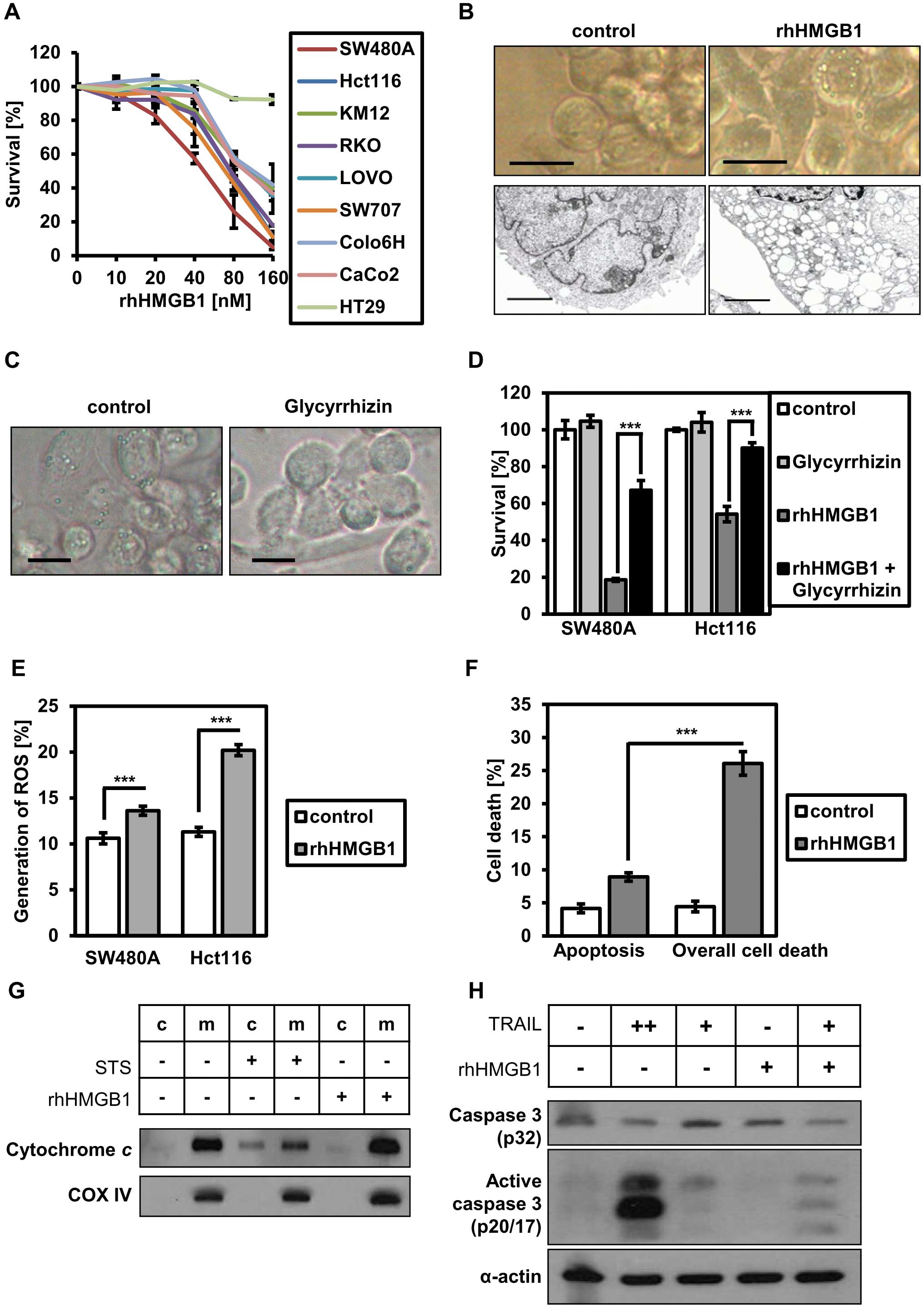
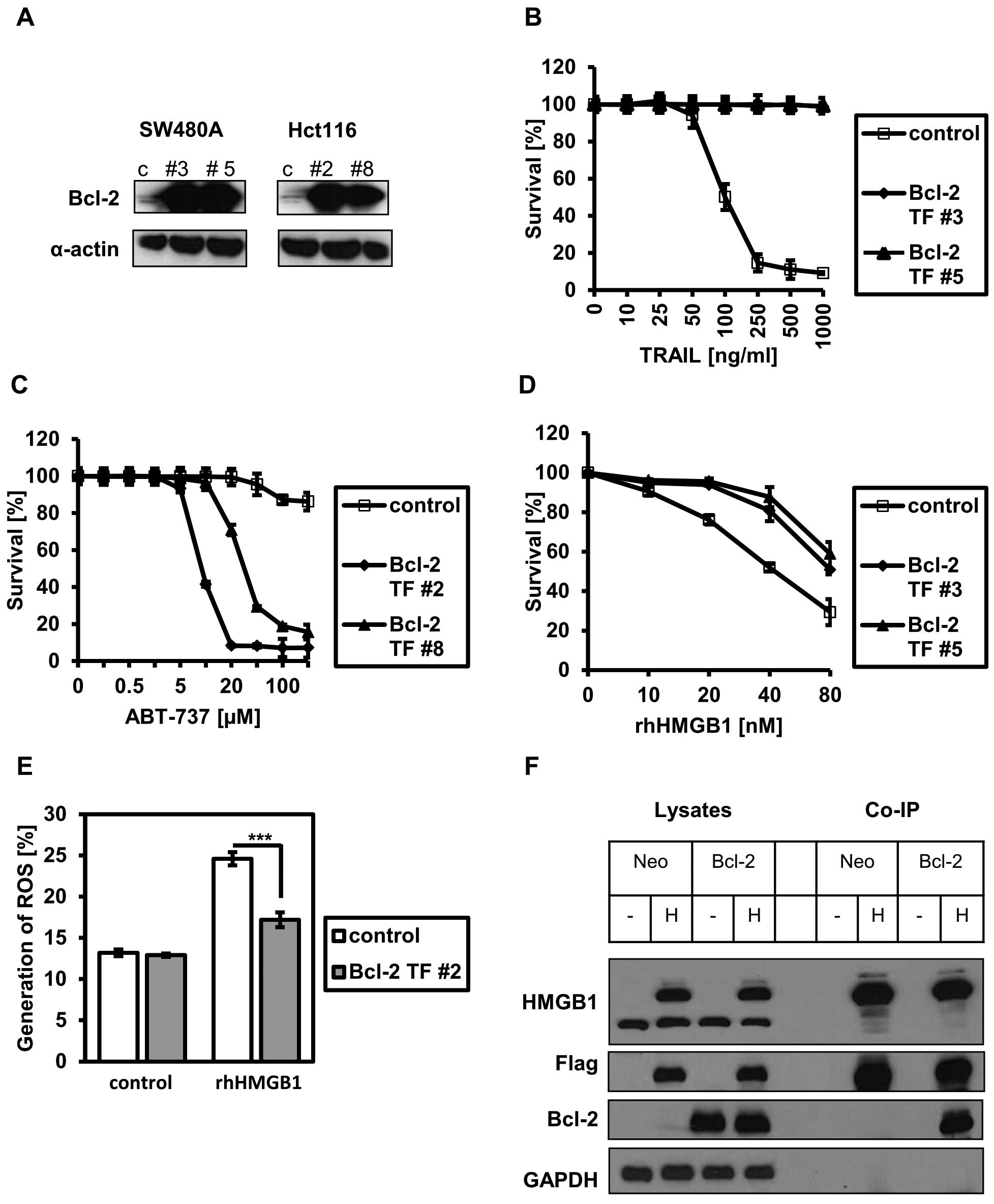
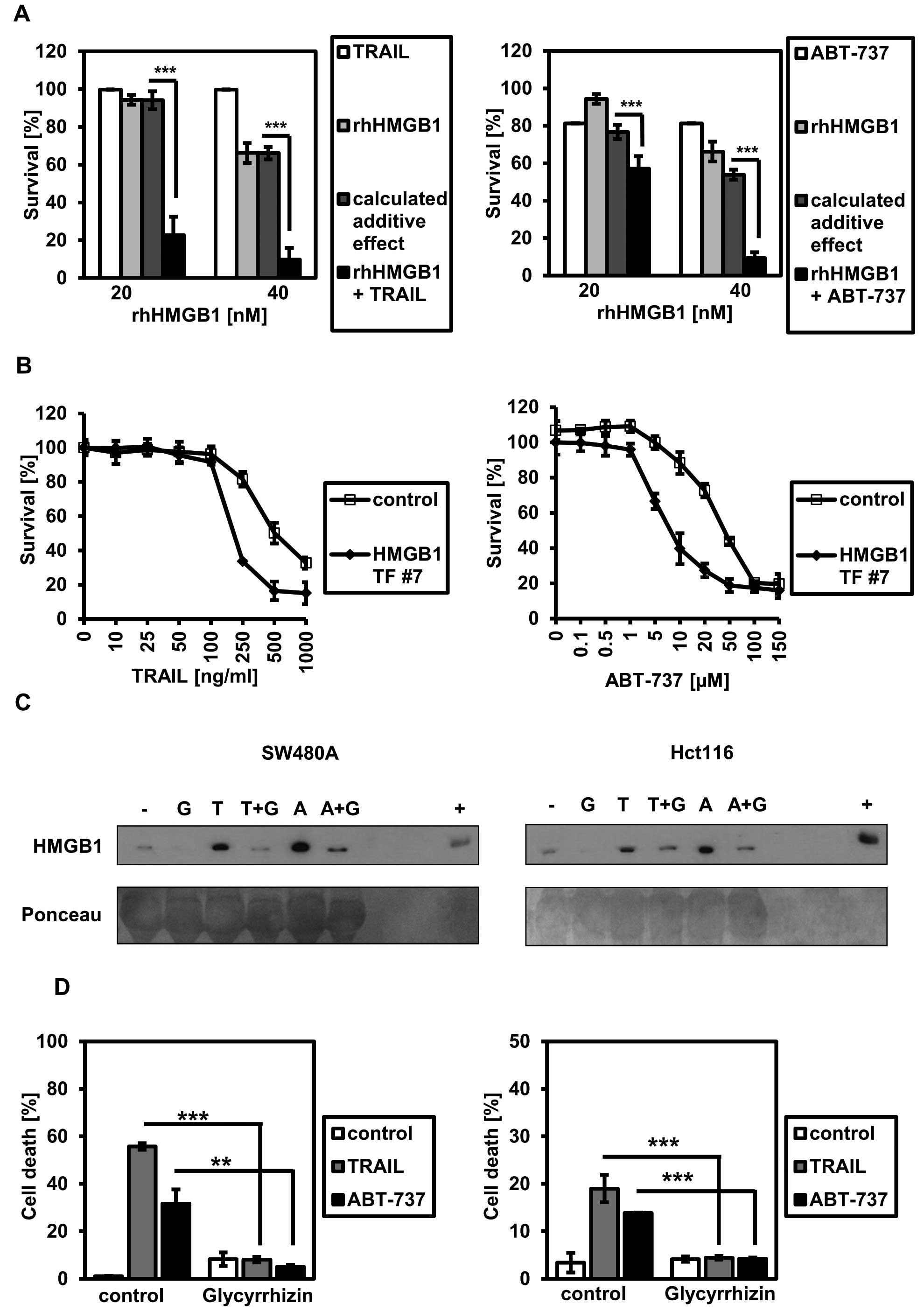
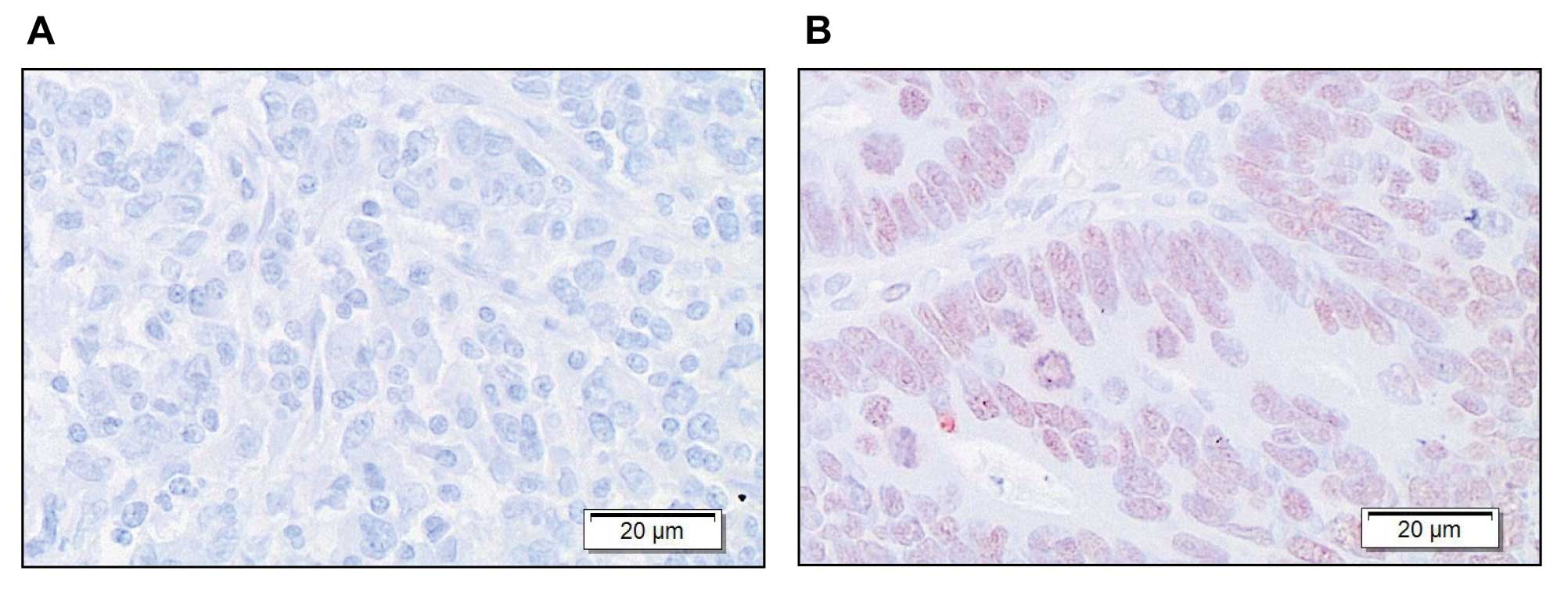
The HMGB1 protein has multiple functions in tumor biology and can act both as a transcription factor and as a cytokine. HMGB1 is released during cell death, and in our previous studies we demonstrated that HMGB1 induces a distinct, necrosis-like cell death in glioblastoma. In epithelial malignant tumors such as colorectal cancer (CRC), the HMGB1-dependent effects show cross-talk with apoptotic signal transduction. Treatment of CRC cells with low concentrations of recombinant HMGB1 results in dose-dependent cytotoxicity which is morphologically characterized by the formation of giant mitochondria and does not share features of apoptosis. HMGB1-triggered cell death is associated with intracellular ROS release, and overexpression of Bcl-2 blocks both the increase of ROS as well as HMGB1-dependent cell death. Importantly, treatment with recombinant HMGB1 or overexpression of endogenous HMGB1 strongly sensitizes CRC cells to the cytotoxic activity of the pro-apoptotic death ligand TRAIL as well as the small molecule Bcl-2 family inhibitor ABT‑737. Moreover, treatment of CRC cells with TRAIL or ABT‑737 induces a release of endogenous HMGB1 into the extracellular space, and preincubation with glycyrrhizin, an HMGB1 inhibitor, significantly inhibits induction of cell death by TRAIL and ABT‑737, suggesting that HMGB1 functionally contributes to the execution of cell death triggered by pro-apoptotic agents. Finally, we investigated the expression of HMGB1 in human CRC tumor samples and found that loss of HMGB1 expression is associated with a more aggressive phenotype and a more advanced stage of disease in patients with CRC. Altogether, our findings demonstrate a functional link between cytotoxic signaling cascades triggered by HMGB1 and pro-apoptotic agents leading to an HMGB1-dependent sensitization to CRC cell death. Thus, a further evaluation of recombinant HMGB1 as part of an experimental combination treatment of CRC seems warranted.
View Figures

Figure 1

Figure 2

Figure 3

Figure 4

View References

1 

Muller S, Scaffidi P, Degryse B, et al: New EMBO members’ review: the double life of HMGB1 chromatin protein: architectural factor and extracellular signal. EMBO J. 20:4337–4340. 2001. View Article : Google Scholar

2 

Lotze MT and Tracey KJ: High-mobility group box 1 protein (HMGB1): nuclear weapon in the immune arsenal. Nat Rev Immunol. 5:331–342. 2005. View Article : Google Scholar : PubMed/NCBI

3 

Shirakawa H, Tsuda K and Yoshida M: Primary structure of non-histone chromosomal protein HMG2 revealed by the nucleotide sequence. Biochemistry. 29:4419–4423. 1990. View Article : Google Scholar : PubMed/NCBI

4 

Bustin M: Chromatin unfolding and activation by HMGN(*) chromosomal proteins. Trends Biochem Sci. 26:431–437. 2001. View Article : Google Scholar : PubMed/NCBI

5 

Wang H, Bloom O, Zhang M, et al: HMG-1 as a late mediator of endotoxin lethality in mice. Science. 285:248–251. 1999. View Article : Google Scholar : PubMed/NCBI

6 

Andersson U, Wang H, Palmblad K, et al: High mobility group 1 protein (HMG-1) stimulates proinflammatory cytokine synthesis in human monocytes. J Exp Med. 192:565–570. 2000. View Article : Google Scholar : PubMed/NCBI

7 

Zhang XD, Gillespie SK, Borrow JM and Hersey P: The histone deacetylase inhibitor suberic bishydroxamate regulates the expression of multiple apoptotic mediators and induces mitochondria-dependent apoptosis of melanoma cells. Mol Cancer Ther. 3:425–435. 2004.PubMed/NCBI

8 

Scaffidi P, Misteli T and Bianchi ME: Release of chromatin protein HMGB1 by necrotic cells triggers inflammation. Nature. 418:191–195. 2002. View Article : Google Scholar : PubMed/NCBI

9 

Bell CW, Jiang W, Reich CF III and Pisetsky DS: The extracellular release of HMGB1 during apoptotic cell death. Am J Physiol Cell Physiol. 291:C1318–C1325. 2006. View Article : Google Scholar : PubMed/NCBI

10 

Wang H, Yang H, Czura CJ, Sama AE and Tracey KJ: HMGB1 as a late mediator of lethal systemic inflammation. Am J Respir Crit Care Med. 164:1768–1773. 2001. View Article : Google Scholar : PubMed/NCBI

11 

Wang H, Ward MF and Sama AE: Novel HMGB1-inhibiting therapeutic agents for experimental sepsis. Shock. 32:348–357. 2009. View Article : Google Scholar : PubMed/NCBI

12 

Yang H, Wang H, Czura CJ and Tracey KJ: The cytokine activity of HMGB1. J Leukoc Biol. 78:1–8. 2005. View Article : Google Scholar : PubMed/NCBI

13 

Bianchi ME: HMGB1 loves company. J Leukoc Biol. 86:573–576. 2009. View Article : Google Scholar : PubMed/NCBI

14 

Taniguchi N, Kawahara K, Yone K, et al: High mobility group box chromosomal protein 1 plays a role in the pathogenesis of rheumatoid arthritis as a novel cytokine. Arthritis Rheum. 48:971–981. 2003. View Article : Google Scholar : PubMed/NCBI

15 

Dumitriu IE, Baruah P, Valentinis B, et al: Release of high mobility group box 1 by dendritic cells controls T cell activation via the receptor for advanced glycation end products. J Immunol. 174:7506–7515. 2005. View Article : Google Scholar : PubMed/NCBI

16 

Gdynia G, Keith M, Kopitz J, et al: Danger signaling protein HMGB1 induces a distinct form of cell death accompanied by formation of giant mitochondria. Cancer Res. 70:8558–8568. 2010. View Article : Google Scholar : PubMed/NCBI

17 

Gillies RJ, Didier N and Denton M: Determination of cell number in monolayer cultures. Anal Biochem. 159:109–113. 1986. View Article : Google Scholar : PubMed/NCBI

18 

Nicoletti I, Migliorati G, Pagliacci MC, Grignani F and Riccardi C: A rapid and simple method for measuring thymocyte apoptosis by propidium iodide staining and flow cytometry. J Immunol Methods. 139:271–279. 1991. View Article : Google Scholar : PubMed/NCBI

19 

Ehemann V, Sykora J, Vera-Delgado J, Lange A and Otto HF: Flow cytometric detection of spontaneous apoptosis in human breast cancer using the TUNEL-technique. Cancer Lett. 194:125–131. 2003. View Article : Google Scholar : PubMed/NCBI

20 

Ehemann V, Kern MA, Breinig M, et al: Establishment, characterization and drug sensitivity testing in primary cultures of human thymoma and thymic carcinoma. Int J Cancer. 122:2719–2725. 2008. View Article : Google Scholar : PubMed/NCBI

21 

Webb J: Effect of more than one inhibitor. Enzyme Metabolic Inhibitors. 1:488–512. 1963.

22 

Ulloa L, Ochani M, Yang H, et al: Ethyl pyruvate prevents lethality in mice with established lethal sepsis and systemic inflammation. Proc Natl Acad Sci USA. 99:12351–12356. 2002. View Article : Google Scholar : PubMed/NCBI

23 

Mollica L, De Marchis F, Spitaleri A, et al: Glycyrrhizin binds to high-mobility group box 1 protein and inhibits its cytokine activities. Chem Biol. 14:431–441. 2007. View Article : Google Scholar : PubMed/NCBI

24 

Krishna S, Low IC and Pervaiz S: Regulation of mitochondrial metabolism: yet another facet in the biology of the oncoprotein Bcl-2. Biochem J. 435:545–551. 2011. View Article : Google Scholar : PubMed/NCBI

25 

Oltersdorf T, Elmore SW, Shoemaker AR, et al: An inhibitor of Bcl-2 family proteins induces regression of solid tumours. Nature. 435:677–681. 2005. View Article : Google Scholar : PubMed/NCBI

26 

Tagscherer KE, Fassl A, Campos B, et al: Apoptosis-based treatment of glioblastomas with ABT-737, a novel small molecule inhibitor of Bcl-2 family proteins. Oncogene. 27:6646–6656. 2008. View Article : Google Scholar : PubMed/NCBI

27 

Kroemer G, Galluzzi L, Vandenabeele P, et al: Classification of cell death: recommendations of the Nomenclature Committee on Cell Death 2009. Cell Death Differ. 16:3–11. 2009. View Article : Google Scholar :

28 

Kerr JF, Wyllie AH and Currie AR: Apoptosis: a basic biological phenomenon with wide-ranging implications in tissue kinetics. Br J Cancer. 26:239–257. 1972. View Article : Google Scholar : PubMed/NCBI

29 

Girard JP: A direct inhibitor of HMGB1 cytokine. Chem Biol. 14:345–347. 2007. View Article : Google Scholar : PubMed/NCBI

30 

Chen ZX and Pervaiz S: Bcl-2 induces pro-oxidant state by engaging mitochondrial respiration in tumor cells. Cell Death Differ. 14:1617–1627. 2007. View Article : Google Scholar : PubMed/NCBI

31 

Hockenbery DM, Oltvai ZN, Yin XM, Milliman CL and Korsmeyer SJ: Bcl-2 functions in an antioxidant pathway to prevent apoptosis. Cell. 75:241–251. 1993. View Article : Google Scholar : PubMed/NCBI

32 

Huang JC, Zamble DB, Reardon JT, Lippard SJ and Sancar A: HMG-domain proteins specifically inhibit the repair of the major DNA adduct of the anticancer drug cisplatin by human excision nuclease. Proc Natl Acad Sci USA. 91:10394–10398. 1994. View Article : Google Scholar : PubMed/NCBI

33 

Wei M, Burenkova O and Lippard SJ: Cisplatin sensitivity in Hmbg1−/− and Hmbg1+/+ mouse cells. J Biol Chem. 278:1769–1773. 2003. View Article : Google Scholar

34 

Matsui S, Matsumoto H, Sonoda Y, et al: Glycyrrhizin and related compounds down-regulate production of inflammatory chemokines IL-8 and eotaxin 1 in a human lung fibroblast cell line. Int Immunopharmacol. 4:1633–1644. 2004. View Article : Google Scholar : PubMed/NCBI

35 

Nagai T, Egashira T, Yamanaka Y and Kohno M: The protective effect of glycyrrhizin against injury of the liver caused by ischemia-reperfusion. Arch Environ Contam Toxicol. 20:432–436. 1991. View Article : Google Scholar : PubMed/NCBI

36 

Kim DE, Youn YC, Kim YK, Hong KM and Lee CS: Glycyrrhizin prevents 7-ketocholesterol toxicity against differentiated PC12 cells by suppressing mitochondrial membrane permeability change. Neurochem Res. 34:1433–1442. 2009. View Article : Google Scholar : PubMed/NCBI

37 

Nestl A, Von Stein OD, Zatloukal K, et al: Gene expression patterns associated with the metastatic phenotype in rodent and human tumors. Cancer Res. 61:1569–1577. 2001.PubMed/NCBI

38 

Fedele M, Bandiera A, Chiappetta G, et al: Human colorectal carcinomas express high levels of high mobility group HMGI(Y) proteins. Cancer Res. 56:1896–1901. 1996.PubMed/NCBI

39 

Leman ES, Madigan MC, Brunagel G, Takaha N, Coffey DS and Getzenberg RH: Nuclear matrix localization of high mobility group protein I(Y) in a transgenic mouse model for prostate cancer. J Cell Biochem. 88:599–608. 2003. View Article : Google Scholar : PubMed/NCBI

40 

Kuniyasu H, Chihara Y, Kondo H, Ohmori H and Ukai R: Amphoterin induction in prostatic stromal cells by androgen deprivation is associated with metastatic prostate cancer. Oncol Rep. 10:1863–1868. 2003.PubMed/NCBI

41 

Ram TG, Reeves R and Hosick HL: Elevated high mobility group-I(Y) gene expression is associated with progressive transformation of mouse mammary epithelial cells. Cancer Res. 53:2655–2660. 1993.PubMed/NCBI

42 

Bussemakers MJ, van de Ven WJ, Debruyne FM and Schalken JA: Identification of high mobility group protein I(Y) as potential progression marker for prostate cancer by differential hybridization analysis. Cancer Res. 51:606–611. 1991.PubMed/NCBI

43 

Dolde CE, Mukherjee M, Cho C and Resar LM: HMG-I/Y in human breast cancer cell lines. Breast Cancer Res Treat. 71:181–191. 2002. View Article : Google Scholar : PubMed/NCBI

44 

Kuniyasu H, Sasaki T, Sasahira T, Ohmori H and Takahashi T: Depletion of tumor-infiltrating macrophages is associated with amphoterin expression in colon cancer. Pathobiology. 71:129–136. 2004. View Article : Google Scholar : PubMed/NCBI

45 

Peng RQ, Wu XJ, Ding Y, et al: Co-expression of nuclear and cytoplasmic HMGB1 is inversely associated with infiltration of CD45RO+ T cells and prognosis in patients with stage IIIB colon cancer. BMC Cancer. 10:4962010. View Article : Google Scholar

46 

Volp K, Brezniceanu ML, Bosser S, et al: Increased expression of high mobility group box 1 (HMGB1) is associated with an elevated level of the antiapoptotic c-IAP2 protein in human colon carcinomas. Gut. 55:234–242. 2006. View Article : Google Scholar

47 

Kusume A, Sasahira T, Luo Y, et al: Suppression of dendritic cells by HMGB1 is associated with lymph node metastasis of human colon cancer. Pathobiology. 76:155–162. 2009. View Article : Google Scholar : PubMed/NCBI

48 

Apetoh L, Ghiringhelli F, Tesniere A, et al: The interaction between HMGB1 and TLR4 dictates the outcome of anticancer chemotherapy and radiotherapy. Immunol Rev. 220:47–59. 2007. View Article : Google Scholar : PubMed/NCBI

49 

Apetoh L, Ghiringhelli F, Tesniere A, et al: Toll-like receptor 4-dependent contribution of the immune system to anticancer chemotherapy and radiotherapy. Nat Med. 13:1050–1059. 2007. View Article : Google Scholar : PubMed/NCBI

50 

Tesniere A, Schlemmer F, Boige V, et al: Immunogenic death of colon cancer cells treated with oxaliplatin. Oncogene. 29:482–491. 2010. View Article : Google Scholar

51 

Lim B, Scicchitano A, Beachler C, et al: FOLFIRI plus dulanermin (rhApo2L/TRAIL) in a patient with BRAF-mutant metastatic colon cancer. Cancer Biol Ther. 14:711–719. 2013. View Article : Google Scholar : PubMed/NCBI

52 

Duiker EW, Mom CH, de Jong S, et al: The clinical trail of TRAIL. Eur J Cancer. 42:2233–2240. 2006. View Article : Google Scholar : PubMed/NCBI

53 

Balakrishnan K and Gandhi V: Bcl-2 antagonists: a proof of concept for CLL therapy. Invest New Drugs. 31:1384–1394. 2013. View Article : Google Scholar : PubMed/NCBI

Related Articles

  • Abstract
  • View
  • Download
  • Twitter
Copy and paste a formatted citation
Spandidos Publications style
Zhang CC, Gdynia G, Ehemann V and Roth W: The HMGB1 protein sensitizes colon carcinoma cells to cell death triggered by pro-apoptotic agents. Int J Oncol 46: 667-676, 2015.
APA
Zhang, C.C., Gdynia, G., Ehemann, V., & Roth, W. (2015). The HMGB1 protein sensitizes colon carcinoma cells to cell death triggered by pro-apoptotic agents. International Journal of Oncology, 46, 667-676. https://doi.org/10.3892/ijo.2014.2785
MLA
Zhang, C. C., Gdynia, G., Ehemann, V., Roth, W."The HMGB1 protein sensitizes colon carcinoma cells to cell death triggered by pro-apoptotic agents". International Journal of Oncology 46.2 (2015): 667-676.
Chicago
Zhang, C. C., Gdynia, G., Ehemann, V., Roth, W."The HMGB1 protein sensitizes colon carcinoma cells to cell death triggered by pro-apoptotic agents". International Journal of Oncology 46, no. 2 (2015): 667-676. https://doi.org/10.3892/ijo.2014.2785
Copy and paste a formatted citation
x
Spandidos Publications style
Zhang CC, Gdynia G, Ehemann V and Roth W: The HMGB1 protein sensitizes colon carcinoma cells to cell death triggered by pro-apoptotic agents. Int J Oncol 46: 667-676, 2015.
APA
Zhang, C.C., Gdynia, G., Ehemann, V., & Roth, W. (2015). The HMGB1 protein sensitizes colon carcinoma cells to cell death triggered by pro-apoptotic agents. International Journal of Oncology, 46, 667-676. https://doi.org/10.3892/ijo.2014.2785
MLA
Zhang, C. C., Gdynia, G., Ehemann, V., Roth, W."The HMGB1 protein sensitizes colon carcinoma cells to cell death triggered by pro-apoptotic agents". International Journal of Oncology 46.2 (2015): 667-676.
Chicago
Zhang, C. C., Gdynia, G., Ehemann, V., Roth, W."The HMGB1 protein sensitizes colon carcinoma cells to cell death triggered by pro-apoptotic agents". International Journal of Oncology 46, no. 2 (2015): 667-676. https://doi.org/10.3892/ijo.2014.2785
Follow us
  • Twitter
  • LinkedIn
  • Facebook
About
  • Spandidos Publications
  • Careers
  • Cookie Policy
  • Privacy Policy
How can we help?
  • Help
  • Live Chat
  • Contact
  • Email to our Support Team