Spandidos Publications Logo
  • About
    • About Spandidos
    • Aims and Scopes
    • Abstracting and Indexing
    • Editorial Policies
    • Reprints and Permissions
    • Job Opportunities
    • Terms and Conditions
    • Contact
  • Journals
    • All Journals
    • Oncology Letters
      • Oncology Letters
      • Information for Authors
      • Editorial Policies
      • Editorial Board
      • Aims and Scope
      • Abstracting and Indexing
      • Bibliographic Information
      • Archive
    • International Journal of Oncology
      • International Journal of Oncology
      • Information for Authors
      • Editorial Policies
      • Editorial Board
      • Aims and Scope
      • Abstracting and Indexing
      • Bibliographic Information
      • Archive
    • Molecular and Clinical Oncology
      • Molecular and Clinical Oncology
      • Information for Authors
      • Editorial Policies
      • Editorial Board
      • Aims and Scope
      • Abstracting and Indexing
      • Bibliographic Information
      • Archive
    • Experimental and Therapeutic Medicine
      • Experimental and Therapeutic Medicine
      • Information for Authors
      • Editorial Policies
      • Editorial Board
      • Aims and Scope
      • Abstracting and Indexing
      • Bibliographic Information
      • Archive
    • International Journal of Molecular Medicine
      • International Journal of Molecular Medicine
      • Information for Authors
      • Editorial Policies
      • Editorial Board
      • Aims and Scope
      • Abstracting and Indexing
      • Bibliographic Information
      • Archive
    • Biomedical Reports
      • Biomedical Reports
      • Information for Authors
      • Editorial Policies
      • Editorial Board
      • Aims and Scope
      • Abstracting and Indexing
      • Bibliographic Information
      • Archive
    • Oncology Reports
      • Oncology Reports
      • Information for Authors
      • Editorial Policies
      • Editorial Board
      • Aims and Scope
      • Abstracting and Indexing
      • Bibliographic Information
      • Archive
    • Molecular Medicine Reports
      • Molecular Medicine Reports
      • Information for Authors
      • Editorial Policies
      • Editorial Board
      • Aims and Scope
      • Abstracting and Indexing
      • Bibliographic Information
      • Archive
    • World Academy of Sciences Journal
      • World Academy of Sciences Journal
      • Information for Authors
      • Editorial Policies
      • Editorial Board
      • Aims and Scope
      • Abstracting and Indexing
      • Bibliographic Information
      • Archive
    • International Journal of Functional Nutrition
      • International Journal of Functional Nutrition
      • Information for Authors
      • Editorial Policies
      • Editorial Board
      • Aims and Scope
      • Abstracting and Indexing
      • Bibliographic Information
      • Archive
    • International Journal of Epigenetics
      • International Journal of Epigenetics
      • Information for Authors
      • Editorial Policies
      • Editorial Board
      • Aims and Scope
      • Abstracting and Indexing
      • Bibliographic Information
      • Archive
    • Medicine International
      • Medicine International
      • Information for Authors
      • Editorial Policies
      • Editorial Board
      • Aims and Scope
      • Abstracting and Indexing
      • Bibliographic Information
      • Archive
  • Articles
  • Information
    • Information for Authors
    • Information for Reviewers
    • Information for Librarians
    • Information for Advertisers
    • Conferences
  • Language Editing
Spandidos Publications Logo
  • About
    • About Spandidos
    • Aims and Scopes
    • Abstracting and Indexing
    • Editorial Policies
    • Reprints and Permissions
    • Job Opportunities
    • Terms and Conditions
    • Contact
  • Journals
    • All Journals
    • Biomedical Reports
      • Information for Authors
      • Editorial Policies
      • Editorial Board
      • Aims and Scope
      • Abstracting and Indexing
      • Bibliographic Information
      • Archive
    • Experimental and Therapeutic Medicine
      • Information for Authors
      • Editorial Policies
      • Editorial Board
      • Aims and Scope
      • Abstracting and Indexing
      • Bibliographic Information
      • Archive
    • International Journal of Epigenetics
      • Information for Authors
      • Editorial Policies
      • Editorial Board
      • Aims and Scope
      • Abstracting and Indexing
      • Bibliographic Information
      • Archive
    • International Journal of Functional Nutrition
      • Information for Authors
      • Editorial Policies
      • Editorial Board
      • Aims and Scope
      • Abstracting and Indexing
      • Bibliographic Information
      • Archive
    • International Journal of Molecular Medicine
      • Information for Authors
      • Editorial Policies
      • Editorial Board
      • Aims and Scope
      • Abstracting and Indexing
      • Bibliographic Information
      • Archive
    • International Journal of Oncology
      • Information for Authors
      • Editorial Policies
      • Editorial Board
      • Aims and Scope
      • Abstracting and Indexing
      • Bibliographic Information
      • Archive
    • Medicine International
      • Information for Authors
      • Editorial Policies
      • Editorial Board
      • Aims and Scope
      • Abstracting and Indexing
      • Bibliographic Information
      • Archive
    • Molecular and Clinical Oncology
      • Information for Authors
      • Editorial Policies
      • Editorial Board
      • Aims and Scope
      • Abstracting and Indexing
      • Bibliographic Information
      • Archive
    • Molecular Medicine Reports
      • Information for Authors
      • Editorial Policies
      • Editorial Board
      • Aims and Scope
      • Abstracting and Indexing
      • Bibliographic Information
      • Archive
    • Oncology Letters
      • Information for Authors
      • Editorial Policies
      • Editorial Board
      • Aims and Scope
      • Abstracting and Indexing
      • Bibliographic Information
      • Archive
    • Oncology Reports
      • Information for Authors
      • Editorial Policies
      • Editorial Board
      • Aims and Scope
      • Abstracting and Indexing
      • Bibliographic Information
      • Archive
    • World Academy of Sciences Journal
      • Information for Authors
      • Editorial Policies
      • Editorial Board
      • Aims and Scope
      • Abstracting and Indexing
      • Bibliographic Information
      • Archive
  • Articles
  • Information
    • For Authors
    • For Reviewers
    • For Librarians
    • For Advertisers
    • Conferences
  • Language Editing
Login Register Submit
  • This site uses cookies
  • You can change your cookie settings at any time by following the instructions in our Cookie Policy. To find out more, you may read our Privacy Policy.

    I agree
Search articles by DOI, keyword, author or affiliation
Search
Advanced Search
presentation
International Journal of Oncology
Join Editorial Board Propose a Special Issue
Print ISSN: 1019-6439 Online ISSN: 1791-2423
Journal Cover
June-2015 Volume 46 Issue 6

Full Size Image

Cover Legend PDF

Sign up for eToc alerts
Recommend to Library

Journals

International Journal of Molecular Medicine

International Journal of Molecular Medicine

International Journal of Molecular Medicine is an international journal devoted to molecular mechanisms of human disease.

International Journal of Oncology

International Journal of Oncology

International Journal of Oncology is an international journal devoted to oncology research and cancer treatment.

Molecular Medicine Reports

Molecular Medicine Reports

Covers molecular medicine topics such as pharmacology, pathology, genetics, neuroscience, infectious diseases, molecular cardiology, and molecular surgery.

Oncology Reports

Oncology Reports

Oncology Reports is an international journal devoted to fundamental and applied research in Oncology.

Experimental and Therapeutic Medicine

Experimental and Therapeutic Medicine

Experimental and Therapeutic Medicine is an international journal devoted to laboratory and clinical medicine.

Oncology Letters

Oncology Letters

Oncology Letters is an international journal devoted to Experimental and Clinical Oncology.

Biomedical Reports

Biomedical Reports

Explores a wide range of biological and medical fields, including pharmacology, genetics, microbiology, neuroscience, and molecular cardiology.

Molecular and Clinical Oncology

Molecular and Clinical Oncology

International journal addressing all aspects of oncology research, from tumorigenesis and oncogenes to chemotherapy and metastasis.

World Academy of Sciences Journal

World Academy of Sciences Journal

Multidisciplinary open-access journal spanning biochemistry, genetics, neuroscience, environmental health, and synthetic biology.

International Journal of Functional Nutrition

International Journal of Functional Nutrition

Open-access journal combining biochemistry, pharmacology, immunology, and genetics to advance health through functional nutrition.

International Journal of Epigenetics

International Journal of Epigenetics

Publishes open-access research on using epigenetics to advance understanding and treatment of human disease.

Medicine International

Medicine International

An International Open Access Journal Devoted to General Medicine.

Journal Cover
June-2015 Volume 46 Issue 6

Full Size Image

Cover Legend PDF

Sign up for eToc alerts
Recommend to Library

  • Article
  • Citations
    • Cite This Article
    • Download Citation
    • Create Citation Alert
    • Remove Citation Alert
    • Cited By
  • Similar Articles
    • Related Articles (in Spandidos Publications)
    • Similar Articles (Google Scholar)
    • Similar Articles (PubMed)
  • Download PDF
  • Download XML
  • View XML
Article Open Access

Taurolithocholic acid promotes intrahepatic cholangiocarcinoma cell growth via muscarinic acetylcholine receptor and EGFR/ERK1/2 signaling pathway

  • Authors:
    • Sumet Amonyingcharoen
    • Tawit Suriyo
    • Apinya Thiantanawat
    • Piyajit Watcharasit
    • Jutamaad Satayavivad
  • View Affiliations / Copyright

    Affiliations: Chulabhorn Graduate Institute, Bangkok 10210, Thailand, Laboratory of Pharmacology, Chulabhorn Research Institute, Bangkok 10210, Thailand
    Copyright: © Amonyingcharoen et al. This is an open access article distributed under the terms of Creative Commons Attribution License [CC BY_NC 3.0].
  • Pages: 2317-2326
    |
    Published online on: March 27, 2015
       https://doi.org/10.3892/ijo.2015.2939
  • Expand metrics +
Metrics: Total Views: 0 (Spandidos Publications: | PMC Statistics: )
Metrics: Total PDF Downloads: 0 (Spandidos Publications: | PMC Statistics: )
Cited By (CrossRef): 0 citations Loading Articles...

This article is mentioned in:


Abstract

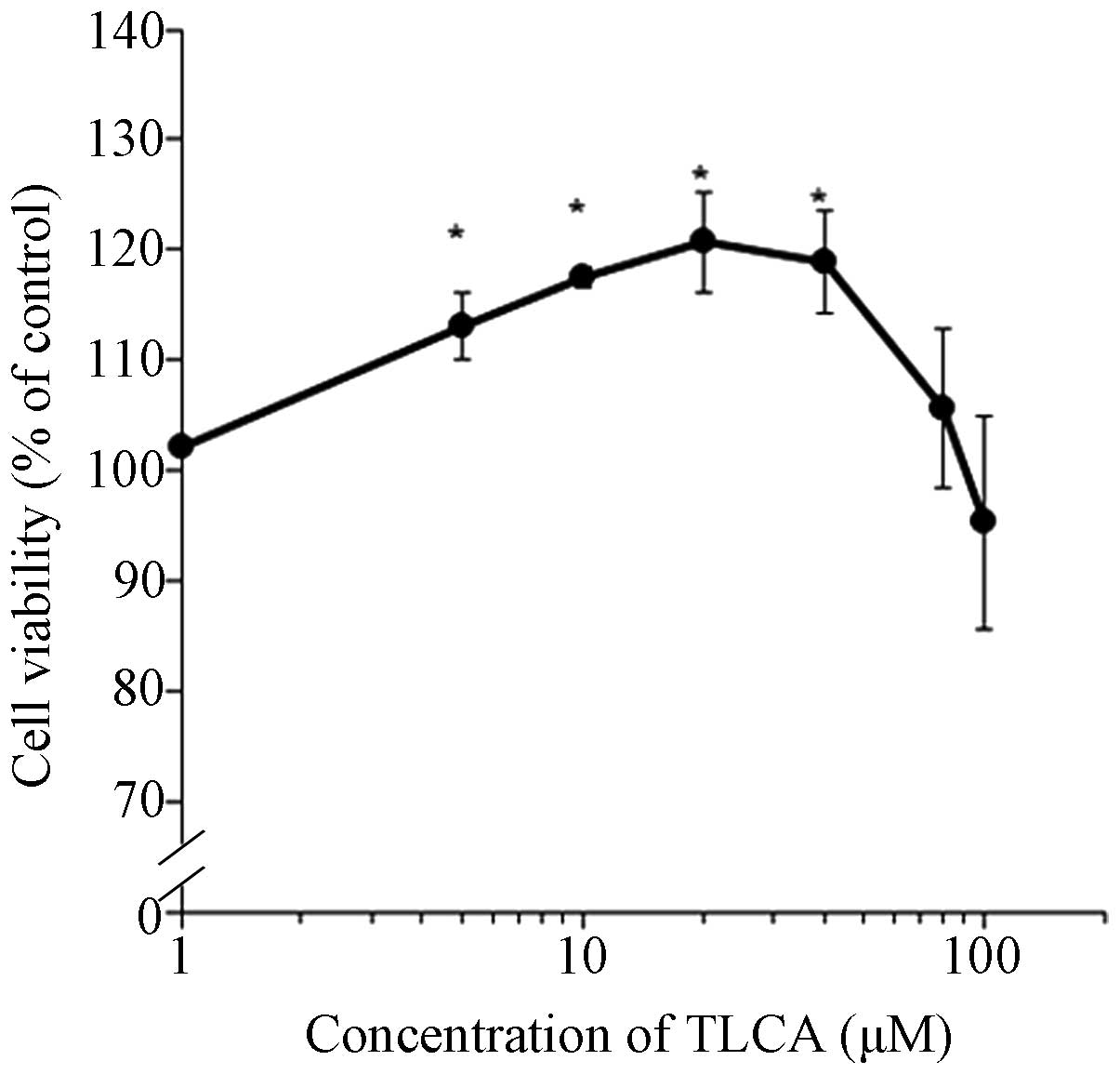
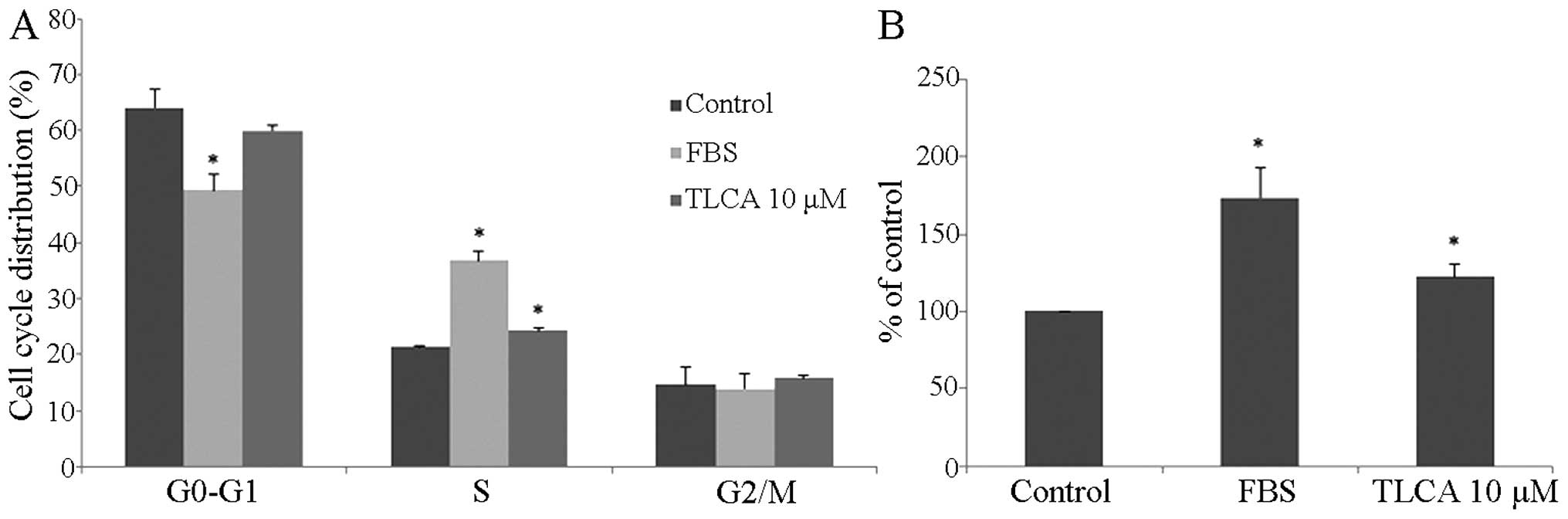
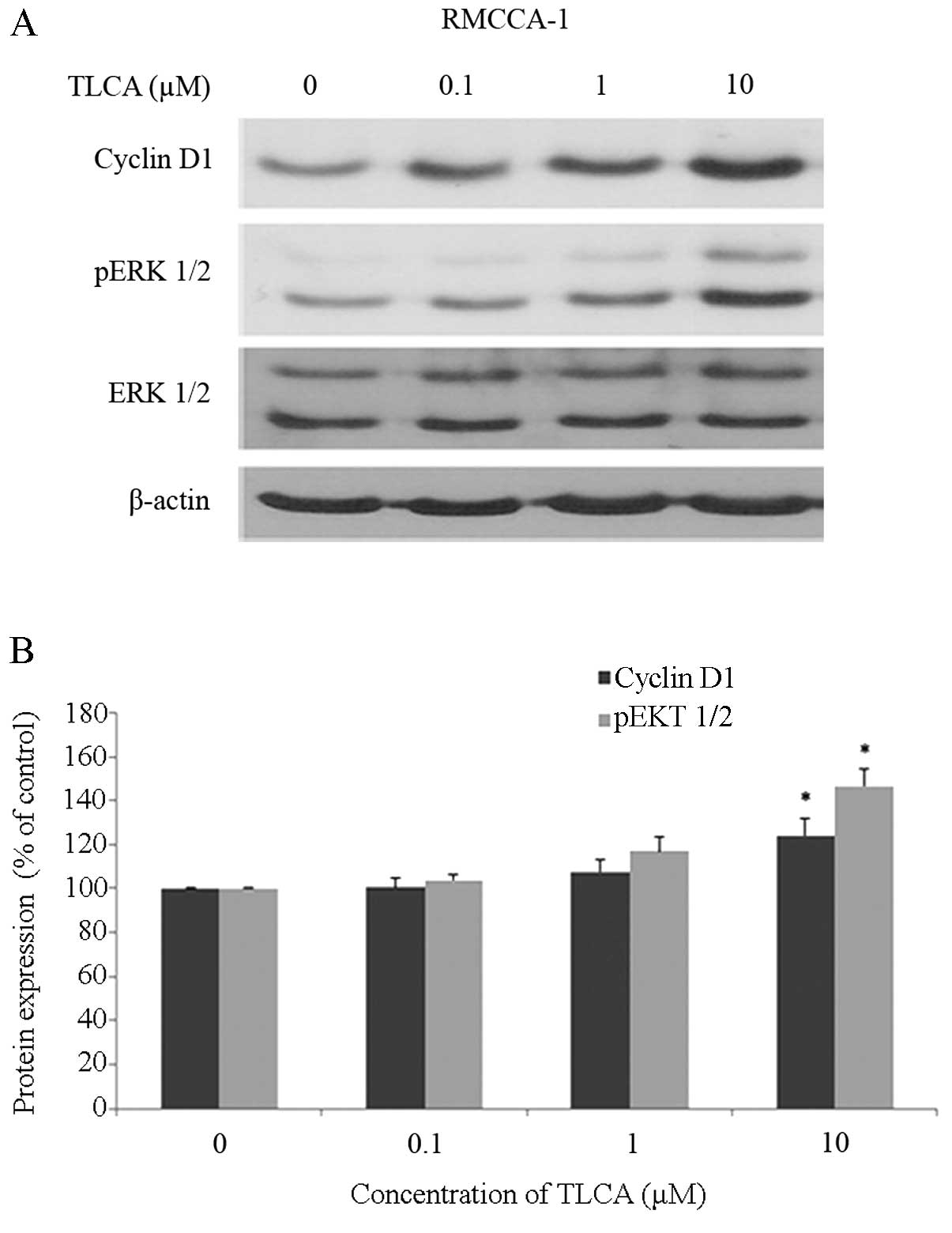
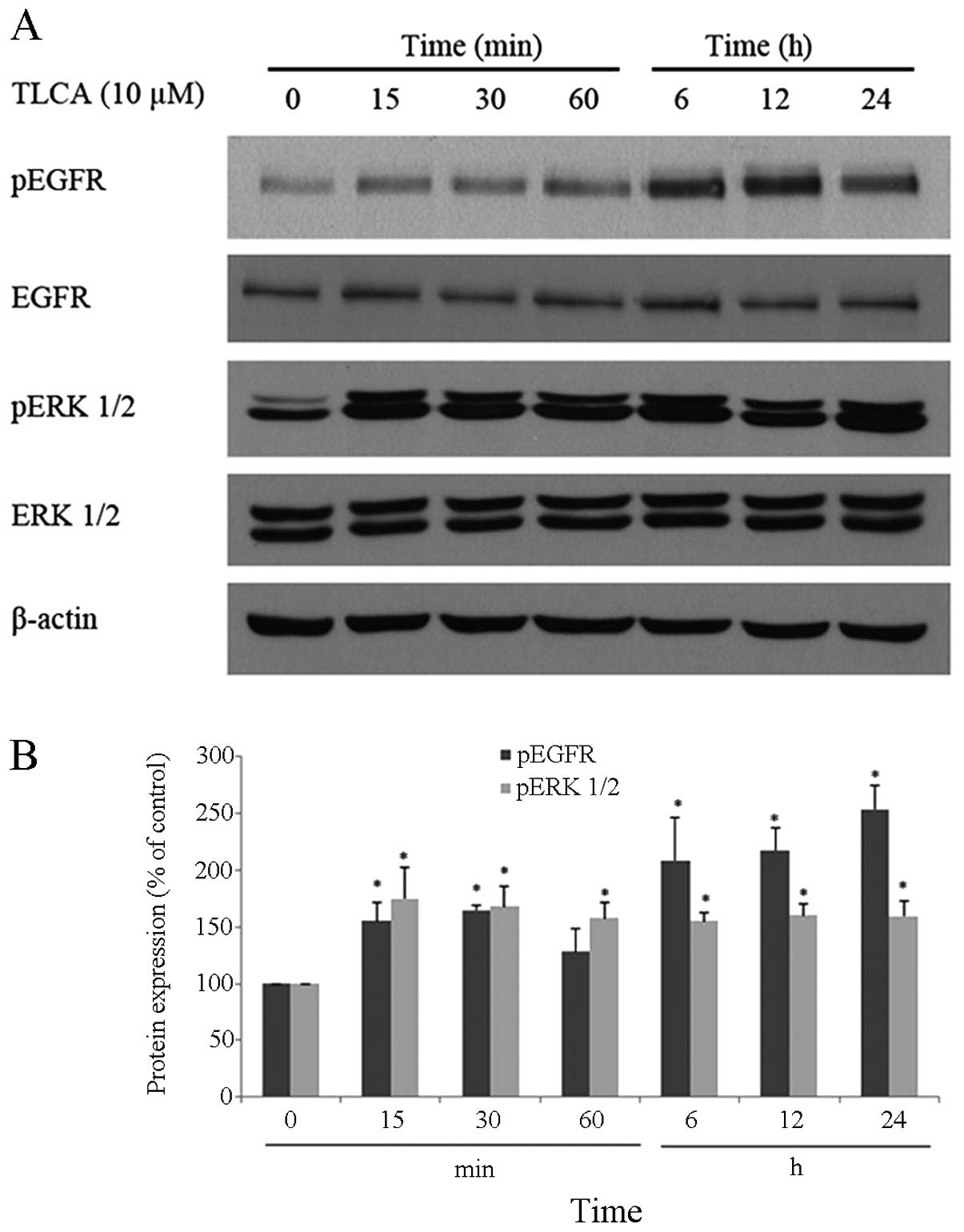
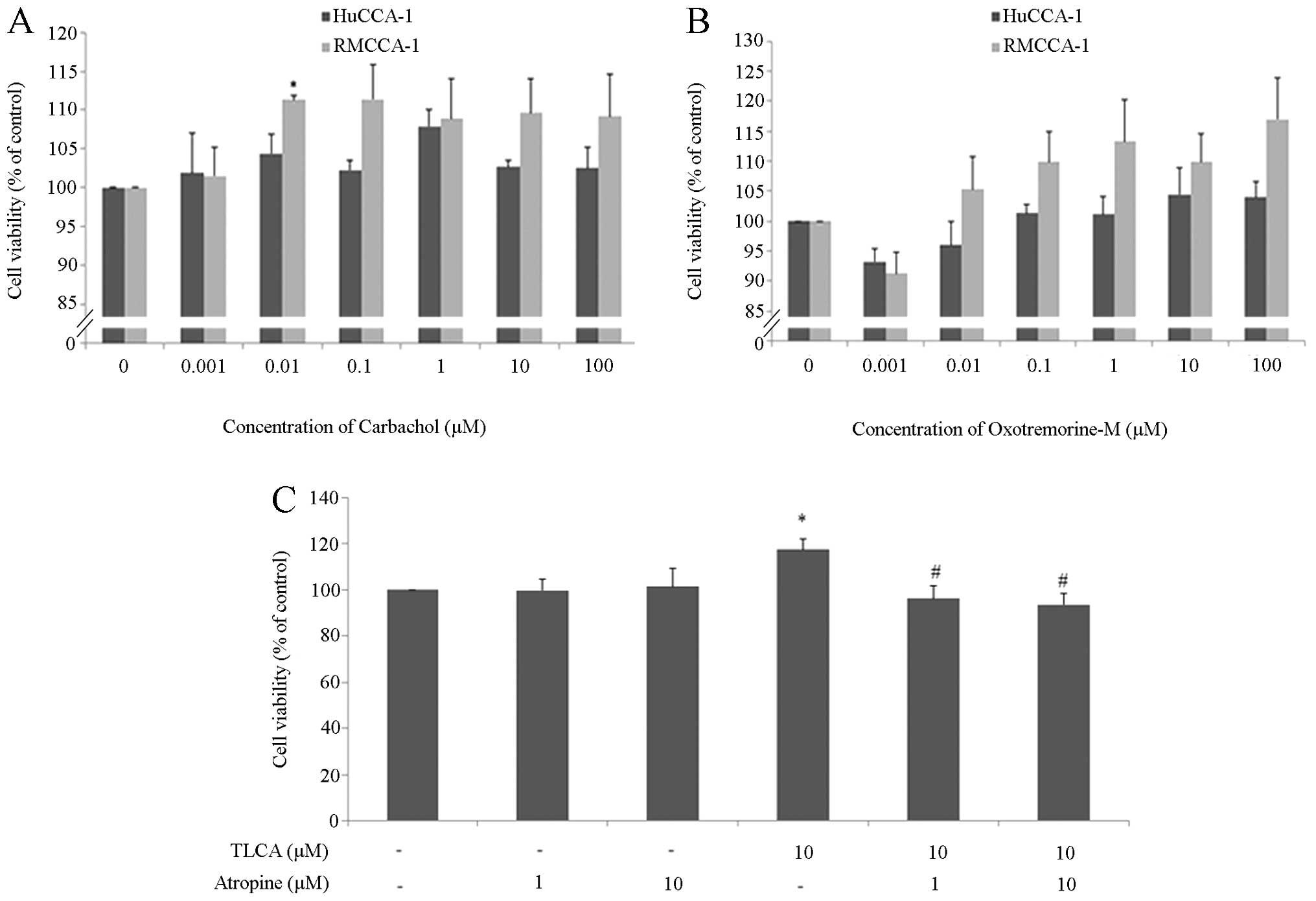
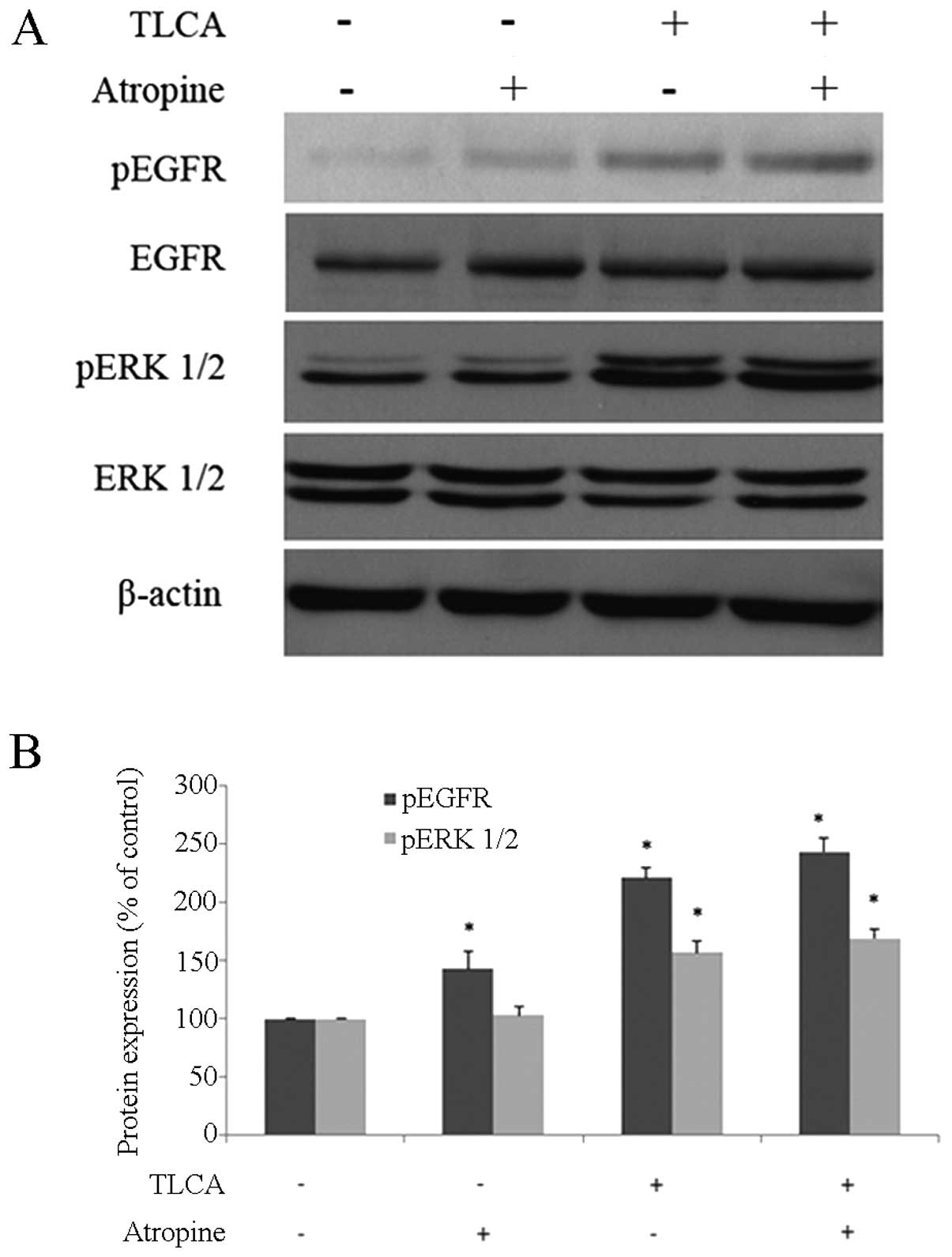
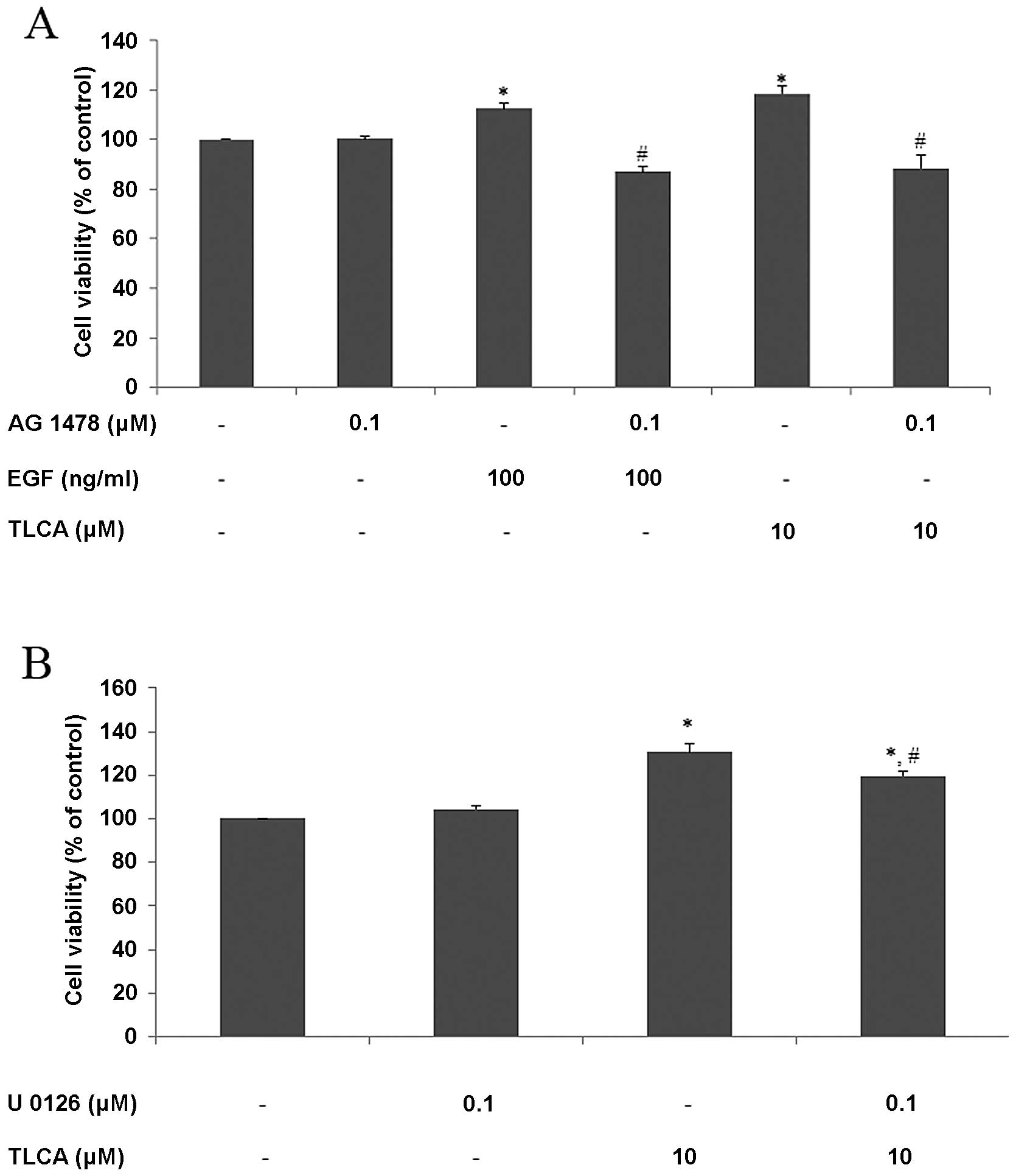
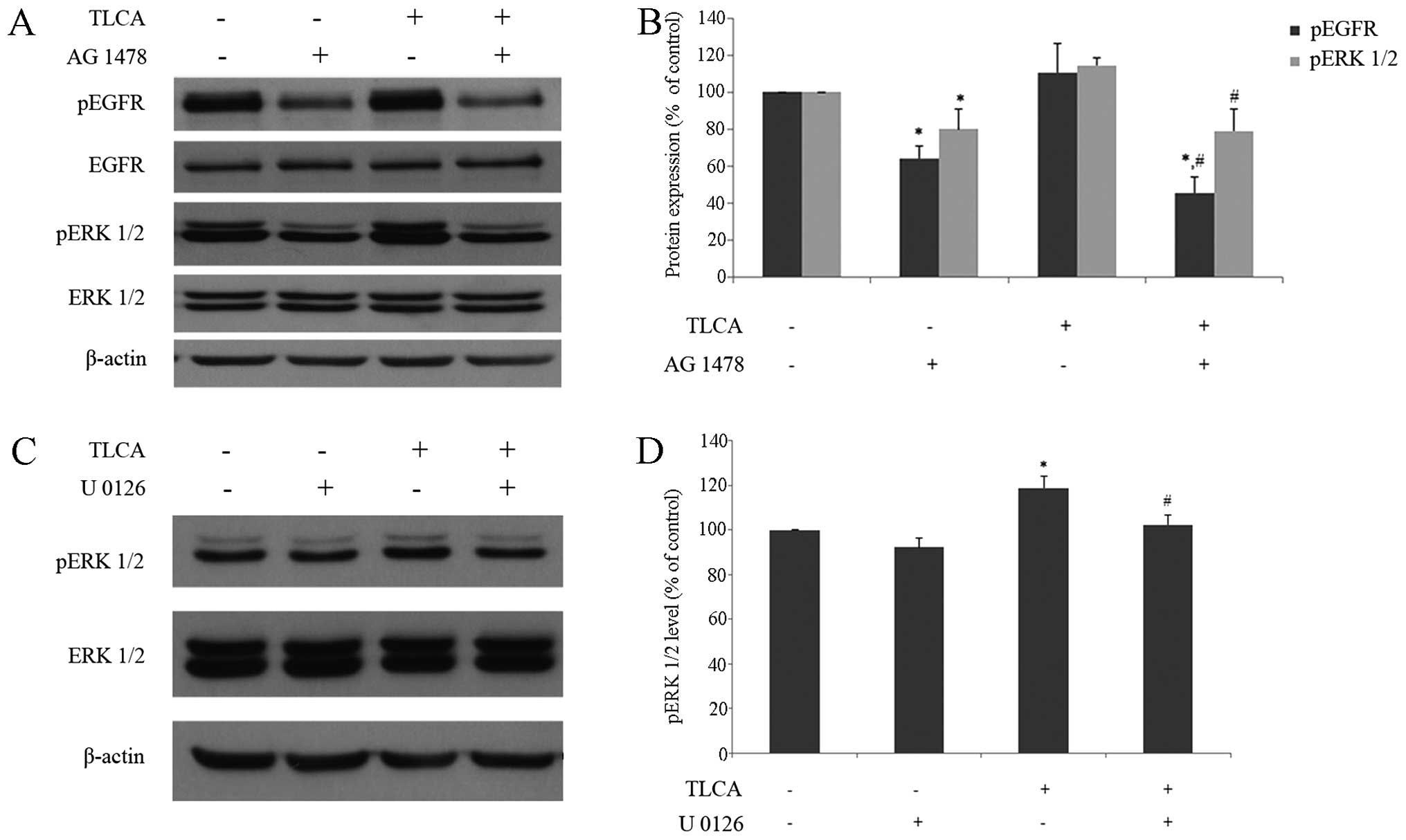
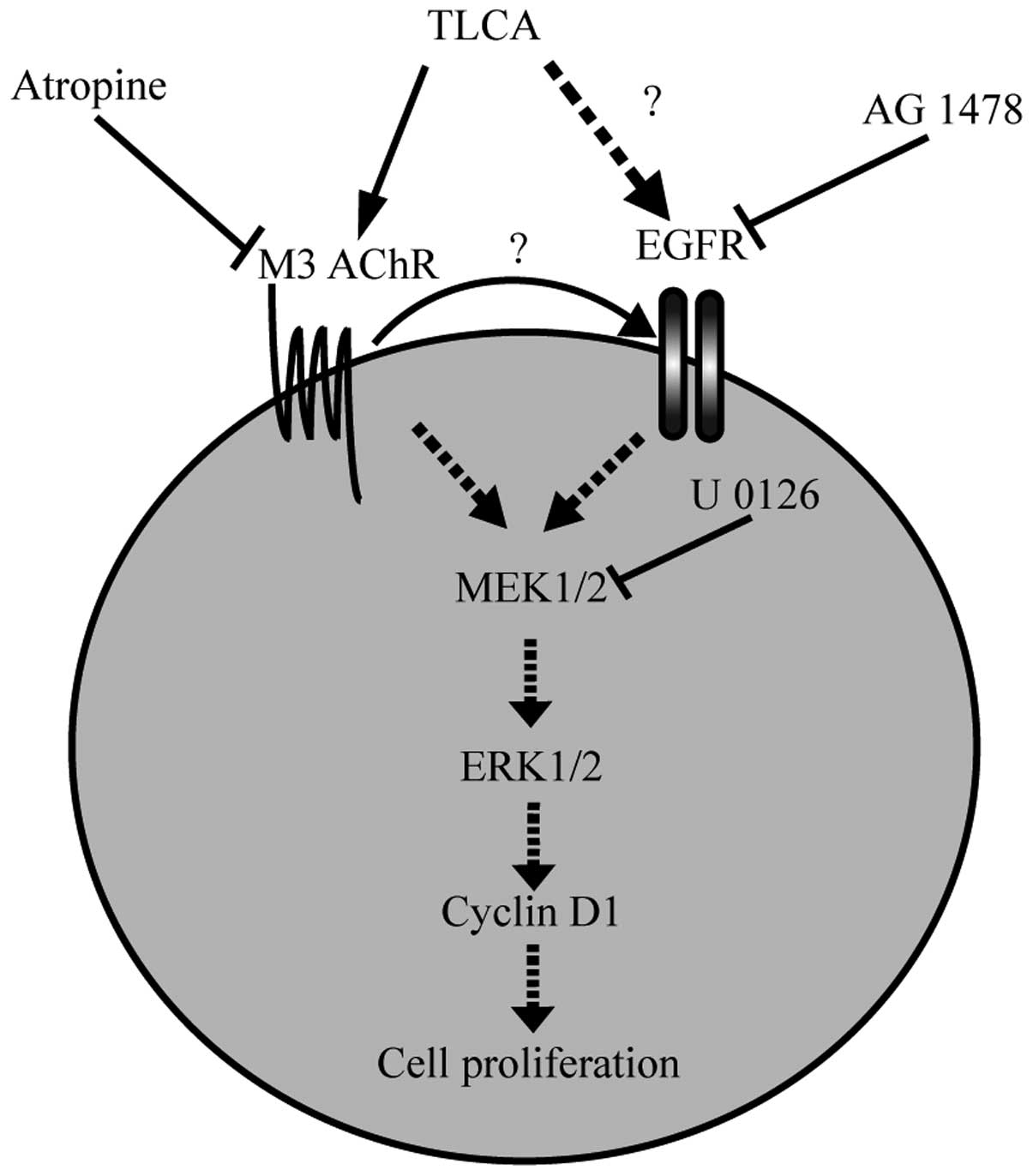
Cholangiocarcinoma (CCA) is a malignant cancer of the biliary tract and its occurrence is associated with chronic cholestasis which causes an elevation of bile acids in the liver and bile duct. The present study aimed to investigate the role and mechanistic effect of bile acids on the CCA cell growth. Intrahepatic CCA cell lines, RMCCA-1 and HuCCA-1, were treated with bile acids and their metabolites to determine the growth promoting effect. Cell viability, cell cycle analysis, EdU incorporation assays were conducted. Intracellular signaling proteins were detected by western immunoblotting. Among eleven forms of bile acids and their metabolites, only taurolithocholic acid (TLCA) concentration dependently (1-40 µM) increased the cell viability of RMCCA-1, but not HuCCA-1 cells. The cell cycle analysis showed induction of cells in the S phase and the EdU incorporation assay revealed induction of DNA synthesis in the TLCA-treated RMCCA-1 cells. Moreover, TLCA increased the phosphorylation of EGFR, ERK 1/2 and also increased the expression of cyclin D1 in RMCCA-1 cells. Furthermore, TLCA-induced RMCCA-1 cell growth could be inhibited by atropine, a non-selective muscarinic acetylcholine receptor (mAChR) antagonist, AG 1478, a specific EGFR inhibitor, or U 0126, a specific MEK 1/2 inhibitor. These results suggest that TLCA induces CCA cell growth via mAChR and EGFR/EKR1/2 signaling pathway. Moreover, the functional presence of cholinergic system plays a certain role in TLCA-induced CCA cell growth.
View Figures

Figure 1

Figure 2

Figure 3

Figure 4

Figure 5

Figure 6

Figure 7

Figure 8

Figure 9

Figure 10

View References

1 

Patel T: Cholangiocarcinoma - controversies and challenges. Nat Rev Gastroenterol Hepatol. 8:189–200. 2011. View Article : Google Scholar : PubMed/NCBI

2 

Raufman JP, Cheng K and Zimniak P: Activation of muscarinic receptor signaling by bile acids: Physiological and medical implications. Dig Dis Sci. 48:1431–1444. 2003. View Article : Google Scholar : PubMed/NCBI

3 

Bernstein H, Bernstein C, Payne CM, Dvorakova K and Garewal H: Bile acids as carcinogens in human gastrointestinal cancers. Mutat Res. 589:47–65. 2005. View Article : Google Scholar : PubMed/NCBI

4 

Cheng K and Raufman JP: Bile acid-induced proliferation of a human colon cancer cell line is mediated by transactivation of epidermal growth factor receptors. Biochem Pharmacol. 70:1035–1047. 2005. View Article : Google Scholar : PubMed/NCBI

5 

Fujino T, Takeuchi A, Maruko-Ohtake A, Ohtake Y, Satoh J, Kobayashi T, Tanaka T, Ito H, Sakamaki R, Kashimura R, et al: Critical role of farnesoid X receptor for hepatocellular carcinoma cell proliferation. J Biochem. 152:577–586. 2012. View Article : Google Scholar : PubMed/NCBI

6 

Liu R, Zhao R, Zhou X, Liang X, Campbell DJ, Zhang X, Zhang L, Shi R, Wang G, Pandak WM, et al: Conjugated bile acids promote cholangiocarcinoma cell invasive growth via activation of sphingosine 1-phosphate receptor 2. Hepatology. 60:908–918. 2014. View Article : Google Scholar : PubMed/NCBI

7 

Casaburi I, Avena P, Lanzino M, Sisci D, Giordano F, Maris P, Catalano S, Morelli C and Andò S: Chenodeoxycholic acid through a TGR5-dependent CREB signaling activation enhances cyclin D1 expression and promotes human endometrial cancer cell proliferation. Cell Cycle. 11:2699–2710. 2012. View Article : Google Scholar : PubMed/NCBI

8 

Cheng K, Chen Y, Zimniak P, Raufman JP, Xiao Y and Frucht H: Functional interaction of lithocholic acid conjugates with M3 muscarinic receptors on a human colon cancer cell line. Biochim Biophys Acta. 1588:48–55. 2002. View Article : Google Scholar : PubMed/NCBI

9 

Raufman JP, Chen Y, Cheng K, Compadre C, Compadre L and Zimniak P: Selective interaction of bile acids with muscarinic receptors: A case of molecular mimicry. Eur J Pharmacol. 457:77–84. 2002. View Article : Google Scholar : PubMed/NCBI

10 

Shah N, Khurana S, Cheng K and Raufman JP: Muscarinic receptors and ligands in cancer. Am J Physiol Cell Physiol. 296:C221–C232. 2009. View Article : Google Scholar :

11 

Trombino S, Bisio A, Catassi A, Cesario A, Falugi C and Russo P: Role of the non-neuronal human cholinergic system in lung cancer and mesothelioma: Possibility of new therapeutic strategies. Curr Med Chem Anticancer Agents. 4:535–542. 2004. View Article : Google Scholar : PubMed/NCBI

12 

Español AJ, de la Torre E, Fiszman GL and Sales ME: Role of non-neuronal cholinergic system in breast cancer progression. Life Sci. 80:2281–2285. 2007. View Article : Google Scholar : PubMed/NCBI

13 

Belo A, Cheng K, Chahdi A, Shant J, Xie G, Khurana S and Raufman JP: Muscarinic receptor agonists stimulate human colon cancer cell migration and invasion. Am J Physiol Gastrointest Liver Physiol. 300:G749–G760. 2011. View Article : Google Scholar : PubMed/NCBI

14 

Parnell EA, Calleja-Macias IE, Kalantari M, Grando SA and Bernard HU: Muscarinic cholinergic signaling in cervical cancer cells affects cell motility via ERK1/2 signaling. Life Sci. 91:1093–1098. 2012. View Article : Google Scholar : PubMed/NCBI

15 

Rayford W, Noble MJ, Austenfeld MA, Weigel J, Mebust WK and Shah GV: Muscarinic cholinergic receptors promote growth of human prostate cancer cells. Prostate. 30:160–166. 1997. View Article : Google Scholar : PubMed/NCBI

16 

Paleari L, Grozio A, Cesario A and Russo P: The cholinergic system and cancer. Semin Cancer Biol. 18:211–217. 2008. View Article : Google Scholar : PubMed/NCBI

17 

Schuller HM: Is cancer triggered by altered signalling of nicotinic acetylcholine receptors? Nat Rev Cancer. 9:195–205. 2009. View Article : Google Scholar : PubMed/NCBI

18 

Feng YJ, Zhang BY, Yao RY and Lu Y: Muscarinic acetylcholine receptor M3 in proliferation and perineural invasion of cholangiocarcinoma cells. Hepatobiliary Pancreat Dis Int. 11:418–423. 2012. View Article : Google Scholar : PubMed/NCBI

19 

Fava G, Marzioni M, Francis H, Glaser S, Demorrrow S, Ueno Y, Benedetti A and Alpini G: Novel interaction of bile acid and neural signaling in the regulation of cholangiocyte function. Hepatol Res. 37(Suppl 3): S420–S429. 2007. View Article : Google Scholar : PubMed/NCBI

20 

Sirisinha S, Tengchaisri T, Boonpucknavig S, Prempracha N, Ratanarapee S and Pausawasdi A: Establishment and characterization of a cholangiocarcinoma cell line from a Thai patient with intrahepatic bile duct cancer. Asian Pac J Allergy Immunol. 9:153–157. 1991.PubMed/NCBI

21 

Rattanasinganchan P, Leelawat K, Treepongkaruna SA, Tocharoentanaphol C, Subwongcharoen S, Suthiphongchai T and Tohtong R: Establishment and characterization of a cholangiocarcinoma cell line (RMCCA-1) from a Thai patient. World J Gastroenterol. 12:6500–6506. 2006.PubMed/NCBI

22 

LeSage G, Alvaro D, Benedetti A, Glaser S, Marucci L, Baiocchi L, Eisel W, Caligiuri A, Phinizy JL, Rodgers R, et al: Cholinergic system modulates growth, apoptosis, and secretion of cholangiocytes from bile duct-ligated rats. Gastroenterology. 117:191–199. 1999. View Article : Google Scholar : PubMed/NCBI

23 

Dai J, Wang H, Dong Y, Zhang Y and Wang J: Bile acids affect the growth of human cholangiocarcinoma via NF-κB pathway. Cancer Invest. 31:111–120. 2013. View Article : Google Scholar : PubMed/NCBI

24 

Werneburg NW, Yoon JH, Higuchi H and Gores GJ: Bile acids activate EGF receptor via a TGF-alpha-dependent mechanism in human cholangiocyte cell lines. Am J Physiol Gastrointest Liver Physiol. 285:G31–G36. 2003. View Article : Google Scholar : PubMed/NCBI

25 

Degirolamo C, Modica S, Palasciano G and Moschetta A: Bile acids and colon cancer: Solving the puzzle with nuclear receptors. Trends Mol Med. 17:564–572. 2011. View Article : Google Scholar : PubMed/NCBI

26 

Renga B, Mencarelli A, Cipriani S, D’Amore C, Carino A, Bruno A, Francisci D, Zampella A, Distrutti E and Fiorucci S: The bile acid sensor FXR is required for immune-regulatory activities of TLR-9 in intestinal inflammation. PLoS One. 8:e544722013. View Article : Google Scholar : PubMed/NCBI

27 

Zhang Y, Hong JY, Rockwell CE, Copple BL, Jaeschke H and Klaassen CD: Effect of bile duct ligation on bile acid composition in mouse serum and liver. Liver Int. 32:58–69. 2012. View Article : Google Scholar :

28 

Tribe RM, Dann AT, Kenyon AP, Seed P, Shennan AH and Mallet A: Longitudinal profiles of 15 serum bile acids in patients with intrahepatic cholestasis of pregnancy. Am J Gastroenterol. 105:585–595. 2010. View Article : Google Scholar

29 

Sharif AW, Williams HR, Lampejo T, Khan SA, Bansi DS, Westaby D, Thillainayagam AV, Thomas HC, Cox IJ and Taylor-Robinson SD: Metabolic profiling of bile in cholangiocarcinoma using in vitro magnetic resonance spectroscopy. HPB (Oxford). 12:396–402. 2010. View Article : Google Scholar

30 

Bobeldijk I, Hekman M, de Vries-van der Weij J, Coulier L, Ramaker R, Kleemann R, Kooistra T, Rubingh C, Freidig A and Verheij E: Quantitative profiling of bile acids in biofluids and tissues based on accurate mass high resolution LC-FT-MS: Compound class targeting in a metabolomics workflow. J Chromatogr B Analyt Technol Biomed Life Sci. 871:306–313. 2008. View Article : Google Scholar : PubMed/NCBI

31 

Greco AV and Mingrone G: Serum bile acid concentrations in mild liver cirrhosis. Clin Chim Acta. 221:183–189. 1993. View Article : Google Scholar : PubMed/NCBI

32 

Xu ZP, Yang K, Xu GN, Zhu L, Hou LN, Zhang WH, Chen HZ and Cui YY: Role of M3 mAChR in in vivo and in vitro models of LPS-induced inflammatory response. Int Immunopharmacol. 14:320–327. 2012. View Article : Google Scholar : PubMed/NCBI

33 

Sales ME: Muscarinic receptors as targets for anti-inflammatory therapy. Curr Opin Investig Drugs. 11:1239–1245. 2010.PubMed/NCBI

34 

Avissar NE, Toia L, Hu Y, Watson TJ, Jones C, Raymond DP, Matousek A and Peters JH: Bile acid alone, or in combination with acid, induces CDX2 expression through activation of the epidermal growth factor receptor (EGFR). J Gastrointest Surg. 13:212–222. 2009. View Article : Google Scholar

Related Articles

  • Abstract
  • View
  • Download
  • Twitter
Copy and paste a formatted citation
Spandidos Publications style
Amonyingcharoen S, Suriyo T, Thiantanawat A, Watcharasit P and Satayavivad J: Taurolithocholic acid promotes intrahepatic cholangiocarcinoma cell growth via muscarinic acetylcholine receptor and EGFR/ERK1/2 signaling pathway. Int J Oncol 46: 2317-2326, 2015.
APA
Amonyingcharoen, S., Suriyo, T., Thiantanawat, A., Watcharasit, P., & Satayavivad, J. (2015). Taurolithocholic acid promotes intrahepatic cholangiocarcinoma cell growth via muscarinic acetylcholine receptor and EGFR/ERK1/2 signaling pathway. International Journal of Oncology, 46, 2317-2326. https://doi.org/10.3892/ijo.2015.2939
MLA
Amonyingcharoen, S., Suriyo, T., Thiantanawat, A., Watcharasit, P., Satayavivad, J."Taurolithocholic acid promotes intrahepatic cholangiocarcinoma cell growth via muscarinic acetylcholine receptor and EGFR/ERK1/2 signaling pathway". International Journal of Oncology 46.6 (2015): 2317-2326.
Chicago
Amonyingcharoen, S., Suriyo, T., Thiantanawat, A., Watcharasit, P., Satayavivad, J."Taurolithocholic acid promotes intrahepatic cholangiocarcinoma cell growth via muscarinic acetylcholine receptor and EGFR/ERK1/2 signaling pathway". International Journal of Oncology 46, no. 6 (2015): 2317-2326. https://doi.org/10.3892/ijo.2015.2939
Copy and paste a formatted citation
x
Spandidos Publications style
Amonyingcharoen S, Suriyo T, Thiantanawat A, Watcharasit P and Satayavivad J: Taurolithocholic acid promotes intrahepatic cholangiocarcinoma cell growth via muscarinic acetylcholine receptor and EGFR/ERK1/2 signaling pathway. Int J Oncol 46: 2317-2326, 2015.
APA
Amonyingcharoen, S., Suriyo, T., Thiantanawat, A., Watcharasit, P., & Satayavivad, J. (2015). Taurolithocholic acid promotes intrahepatic cholangiocarcinoma cell growth via muscarinic acetylcholine receptor and EGFR/ERK1/2 signaling pathway. International Journal of Oncology, 46, 2317-2326. https://doi.org/10.3892/ijo.2015.2939
MLA
Amonyingcharoen, S., Suriyo, T., Thiantanawat, A., Watcharasit, P., Satayavivad, J."Taurolithocholic acid promotes intrahepatic cholangiocarcinoma cell growth via muscarinic acetylcholine receptor and EGFR/ERK1/2 signaling pathway". International Journal of Oncology 46.6 (2015): 2317-2326.
Chicago
Amonyingcharoen, S., Suriyo, T., Thiantanawat, A., Watcharasit, P., Satayavivad, J."Taurolithocholic acid promotes intrahepatic cholangiocarcinoma cell growth via muscarinic acetylcholine receptor and EGFR/ERK1/2 signaling pathway". International Journal of Oncology 46, no. 6 (2015): 2317-2326. https://doi.org/10.3892/ijo.2015.2939
Follow us
  • Twitter
  • LinkedIn
  • Facebook
About
  • Spandidos Publications
  • Careers
  • Cookie Policy
  • Privacy Policy
How can we help?
  • Help
  • Live Chat
  • Contact
  • Email to our Support Team