Spandidos Publications Logo
  • About
    • About Spandidos
    • Aims and Scopes
    • Abstracting and Indexing
    • Editorial Policies
    • Reprints and Permissions
    • Job Opportunities
    • Terms and Conditions
    • Contact
  • Journals
    • All Journals
    • Oncology Letters
      • Oncology Letters
      • Information for Authors
      • Editorial Policies
      • Editorial Board
      • Aims and Scope
      • Abstracting and Indexing
      • Bibliographic Information
      • Archive
    • International Journal of Oncology
      • International Journal of Oncology
      • Information for Authors
      • Editorial Policies
      • Editorial Board
      • Aims and Scope
      • Abstracting and Indexing
      • Bibliographic Information
      • Archive
    • Molecular and Clinical Oncology
      • Molecular and Clinical Oncology
      • Information for Authors
      • Editorial Policies
      • Editorial Board
      • Aims and Scope
      • Abstracting and Indexing
      • Bibliographic Information
      • Archive
    • Experimental and Therapeutic Medicine
      • Experimental and Therapeutic Medicine
      • Information for Authors
      • Editorial Policies
      • Editorial Board
      • Aims and Scope
      • Abstracting and Indexing
      • Bibliographic Information
      • Archive
    • International Journal of Molecular Medicine
      • International Journal of Molecular Medicine
      • Information for Authors
      • Editorial Policies
      • Editorial Board
      • Aims and Scope
      • Abstracting and Indexing
      • Bibliographic Information
      • Archive
    • Biomedical Reports
      • Biomedical Reports
      • Information for Authors
      • Editorial Policies
      • Editorial Board
      • Aims and Scope
      • Abstracting and Indexing
      • Bibliographic Information
      • Archive
    • Oncology Reports
      • Oncology Reports
      • Information for Authors
      • Editorial Policies
      • Editorial Board
      • Aims and Scope
      • Abstracting and Indexing
      • Bibliographic Information
      • Archive
    • Molecular Medicine Reports
      • Molecular Medicine Reports
      • Information for Authors
      • Editorial Policies
      • Editorial Board
      • Aims and Scope
      • Abstracting and Indexing
      • Bibliographic Information
      • Archive
    • World Academy of Sciences Journal
      • World Academy of Sciences Journal
      • Information for Authors
      • Editorial Policies
      • Editorial Board
      • Aims and Scope
      • Abstracting and Indexing
      • Bibliographic Information
      • Archive
    • International Journal of Functional Nutrition
      • International Journal of Functional Nutrition
      • Information for Authors
      • Editorial Policies
      • Editorial Board
      • Aims and Scope
      • Abstracting and Indexing
      • Bibliographic Information
      • Archive
    • International Journal of Epigenetics
      • International Journal of Epigenetics
      • Information for Authors
      • Editorial Policies
      • Editorial Board
      • Aims and Scope
      • Abstracting and Indexing
      • Bibliographic Information
      • Archive
    • Medicine International
      • Medicine International
      • Information for Authors
      • Editorial Policies
      • Editorial Board
      • Aims and Scope
      • Abstracting and Indexing
      • Bibliographic Information
      • Archive
  • Articles
  • Information
    • Information for Authors
    • Information for Reviewers
    • Information for Librarians
    • Information for Advertisers
    • Conferences
  • Language Editing
Spandidos Publications Logo
  • About
    • About Spandidos
    • Aims and Scopes
    • Abstracting and Indexing
    • Editorial Policies
    • Reprints and Permissions
    • Job Opportunities
    • Terms and Conditions
    • Contact
  • Journals
    • All Journals
    • Biomedical Reports
      • Information for Authors
      • Editorial Policies
      • Editorial Board
      • Aims and Scope
      • Abstracting and Indexing
      • Bibliographic Information
      • Archive
    • Experimental and Therapeutic Medicine
      • Information for Authors
      • Editorial Policies
      • Editorial Board
      • Aims and Scope
      • Abstracting and Indexing
      • Bibliographic Information
      • Archive
    • International Journal of Epigenetics
      • Information for Authors
      • Editorial Policies
      • Editorial Board
      • Aims and Scope
      • Abstracting and Indexing
      • Bibliographic Information
      • Archive
    • International Journal of Functional Nutrition
      • Information for Authors
      • Editorial Policies
      • Editorial Board
      • Aims and Scope
      • Abstracting and Indexing
      • Bibliographic Information
      • Archive
    • International Journal of Molecular Medicine
      • Information for Authors
      • Editorial Policies
      • Editorial Board
      • Aims and Scope
      • Abstracting and Indexing
      • Bibliographic Information
      • Archive
    • International Journal of Oncology
      • Information for Authors
      • Editorial Policies
      • Editorial Board
      • Aims and Scope
      • Abstracting and Indexing
      • Bibliographic Information
      • Archive
    • Medicine International
      • Information for Authors
      • Editorial Policies
      • Editorial Board
      • Aims and Scope
      • Abstracting and Indexing
      • Bibliographic Information
      • Archive
    • Molecular and Clinical Oncology
      • Information for Authors
      • Editorial Policies
      • Editorial Board
      • Aims and Scope
      • Abstracting and Indexing
      • Bibliographic Information
      • Archive
    • Molecular Medicine Reports
      • Information for Authors
      • Editorial Policies
      • Editorial Board
      • Aims and Scope
      • Abstracting and Indexing
      • Bibliographic Information
      • Archive
    • Oncology Letters
      • Information for Authors
      • Editorial Policies
      • Editorial Board
      • Aims and Scope
      • Abstracting and Indexing
      • Bibliographic Information
      • Archive
    • Oncology Reports
      • Information for Authors
      • Editorial Policies
      • Editorial Board
      • Aims and Scope
      • Abstracting and Indexing
      • Bibliographic Information
      • Archive
    • World Academy of Sciences Journal
      • Information for Authors
      • Editorial Policies
      • Editorial Board
      • Aims and Scope
      • Abstracting and Indexing
      • Bibliographic Information
      • Archive
  • Articles
  • Information
    • For Authors
    • For Reviewers
    • For Librarians
    • For Advertisers
    • Conferences
  • Language Editing
Login Register Submit
  • This site uses cookies
  • You can change your cookie settings at any time by following the instructions in our Cookie Policy. To find out more, you may read our Privacy Policy.

    I agree
Search articles by DOI, keyword, author or affiliation
Search
Advanced Search
presentation
International Journal of Oncology
Join Editorial Board Propose a Special Issue
Print ISSN: 1019-6439 Online ISSN: 1791-2423
Journal Cover
August-2015 Volume 47 Issue 2

Full Size Image

Cover Legend PDF

Sign up for eToc alerts
Recommend to Library

Journals

International Journal of Molecular Medicine

International Journal of Molecular Medicine

International Journal of Molecular Medicine is an international journal devoted to molecular mechanisms of human disease.

International Journal of Oncology

International Journal of Oncology

International Journal of Oncology is an international journal devoted to oncology research and cancer treatment.

Molecular Medicine Reports

Molecular Medicine Reports

Covers molecular medicine topics such as pharmacology, pathology, genetics, neuroscience, infectious diseases, molecular cardiology, and molecular surgery.

Oncology Reports

Oncology Reports

Oncology Reports is an international journal devoted to fundamental and applied research in Oncology.

Experimental and Therapeutic Medicine

Experimental and Therapeutic Medicine

Experimental and Therapeutic Medicine is an international journal devoted to laboratory and clinical medicine.

Oncology Letters

Oncology Letters

Oncology Letters is an international journal devoted to Experimental and Clinical Oncology.

Biomedical Reports

Biomedical Reports

Explores a wide range of biological and medical fields, including pharmacology, genetics, microbiology, neuroscience, and molecular cardiology.

Molecular and Clinical Oncology

Molecular and Clinical Oncology

International journal addressing all aspects of oncology research, from tumorigenesis and oncogenes to chemotherapy and metastasis.

World Academy of Sciences Journal

World Academy of Sciences Journal

Multidisciplinary open-access journal spanning biochemistry, genetics, neuroscience, environmental health, and synthetic biology.

International Journal of Functional Nutrition

International Journal of Functional Nutrition

Open-access journal combining biochemistry, pharmacology, immunology, and genetics to advance health through functional nutrition.

International Journal of Epigenetics

International Journal of Epigenetics

Publishes open-access research on using epigenetics to advance understanding and treatment of human disease.

Medicine International

Medicine International

An International Open Access Journal Devoted to General Medicine.

Journal Cover
August-2015 Volume 47 Issue 2

Full Size Image

Cover Legend PDF

Sign up for eToc alerts
Recommend to Library

  • Article
  • Citations
    • Cite This Article
    • Download Citation
    • Create Citation Alert
    • Remove Citation Alert
    • Cited By
  • Similar Articles
    • Related Articles (in Spandidos Publications)
    • Similar Articles (Google Scholar)
    • Similar Articles (PubMed)
  • Download PDF
  • Download XML
  • View XML
Article

Growth inhibition of luteolin on HepG2 cells is induced via p53 and Fas/Fas-ligand besides the TGF-β pathway

  • Authors:
    • Su Bog Yee
    • Hye Joung Choi
    • Sang Woon Chung
    • Dong Heun Park
    • Bokyung Sung
    • Hae Young Chung
    • Nam Deuk Kim
  • View Affiliations / Copyright

    Affiliations: Department of Clinical Laboratory Science, College of Nursing and Healthcare Sciences, Dong-Eui University, Busan 614-714, Republic of Korea, Department of Pharmacy, Molecular Inflammation Research Center for Aging Intervention, Pusan National University, Busan 609-735, Republic of Korea, School of Medicine, Korea University, Seoul 136-701, Republic of Korea
  • Pages: 747-754
    |
    Published online on: June 18, 2015
       https://doi.org/10.3892/ijo.2015.3053
  • Expand metrics +
Metrics: Total Views: 0 (Spandidos Publications: | PMC Statistics: )
Metrics: Total PDF Downloads: 0 (Spandidos Publications: | PMC Statistics: )
Cited By (CrossRef): 0 citations Loading Articles...

This article is mentioned in:


Abstract

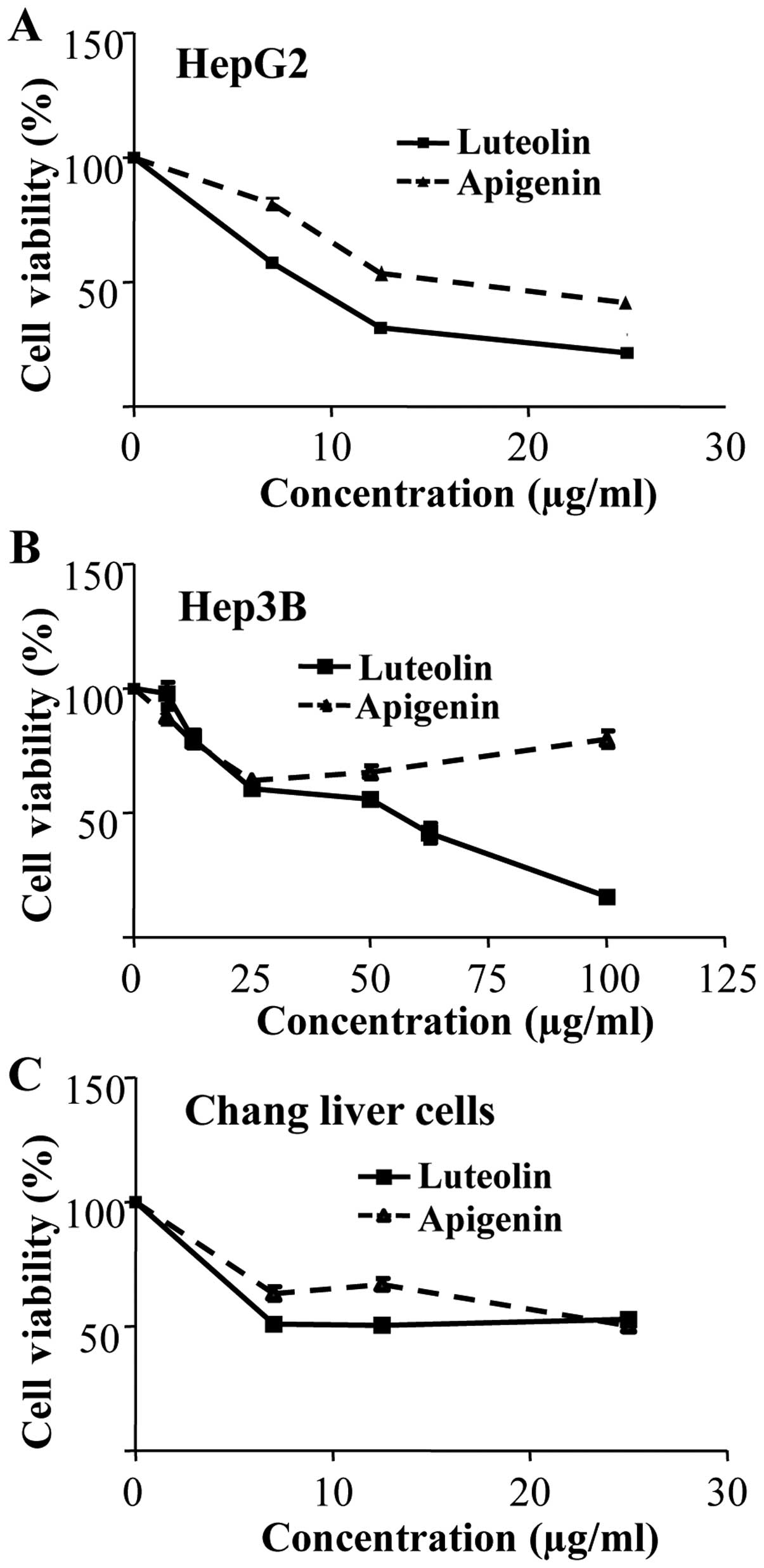
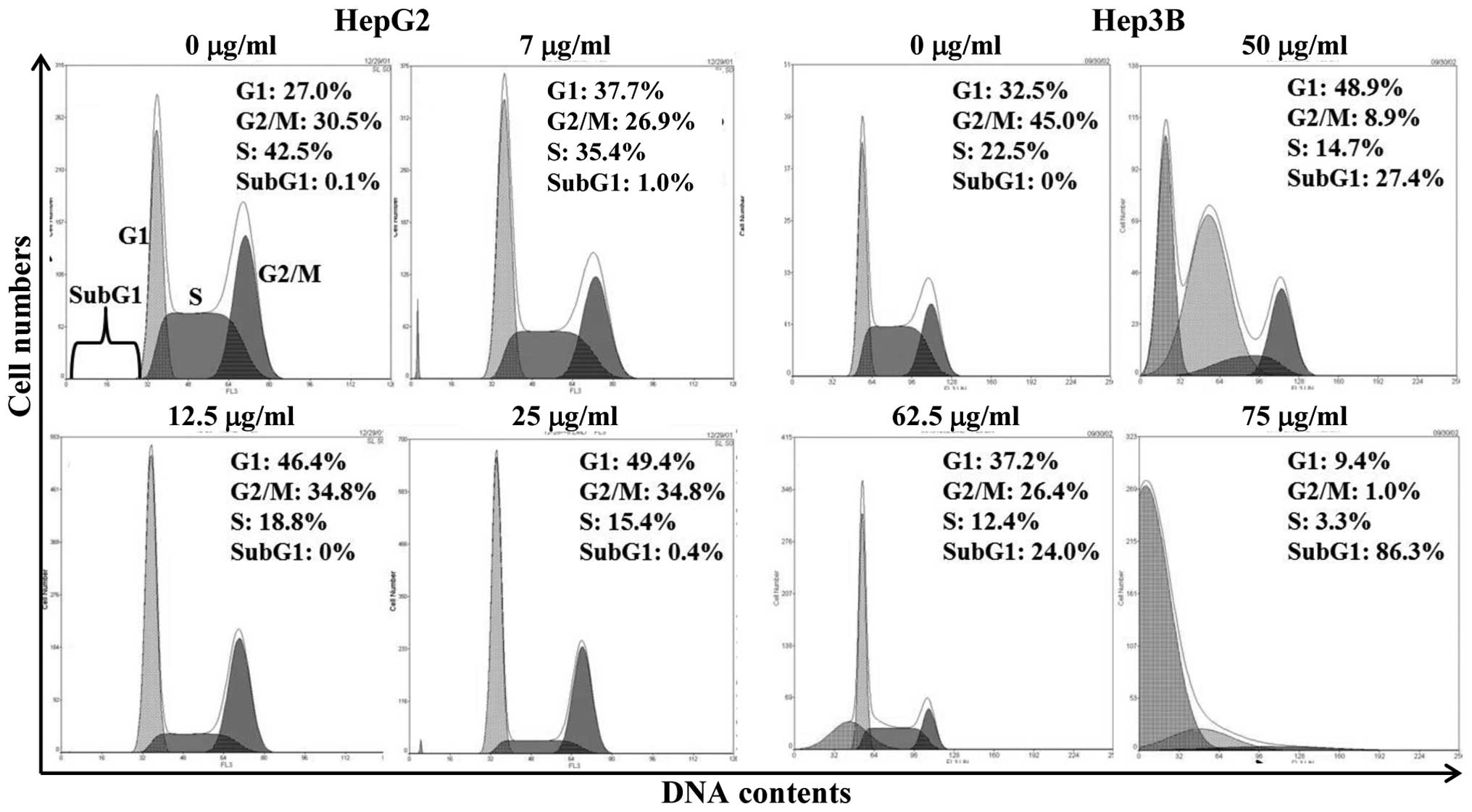
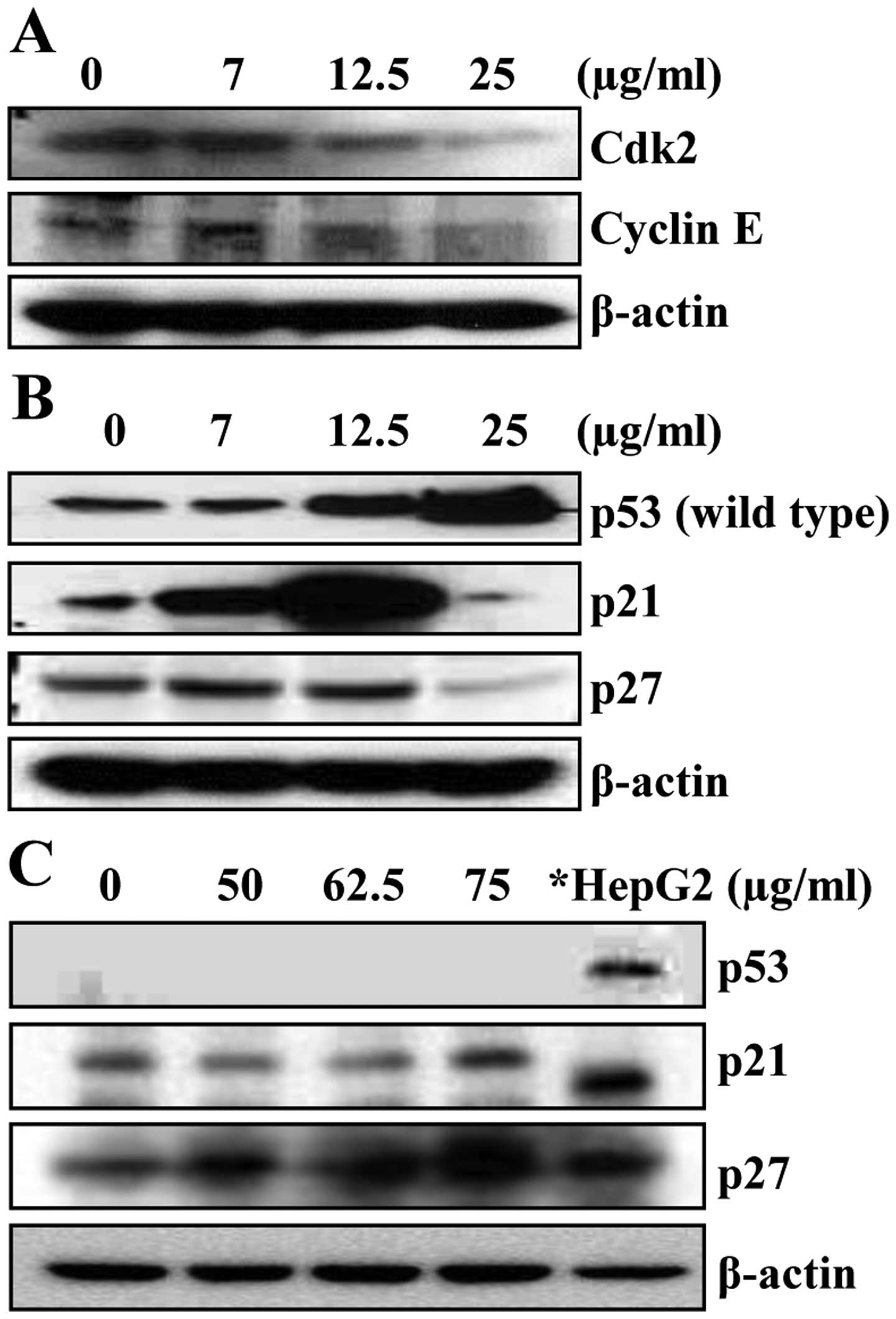
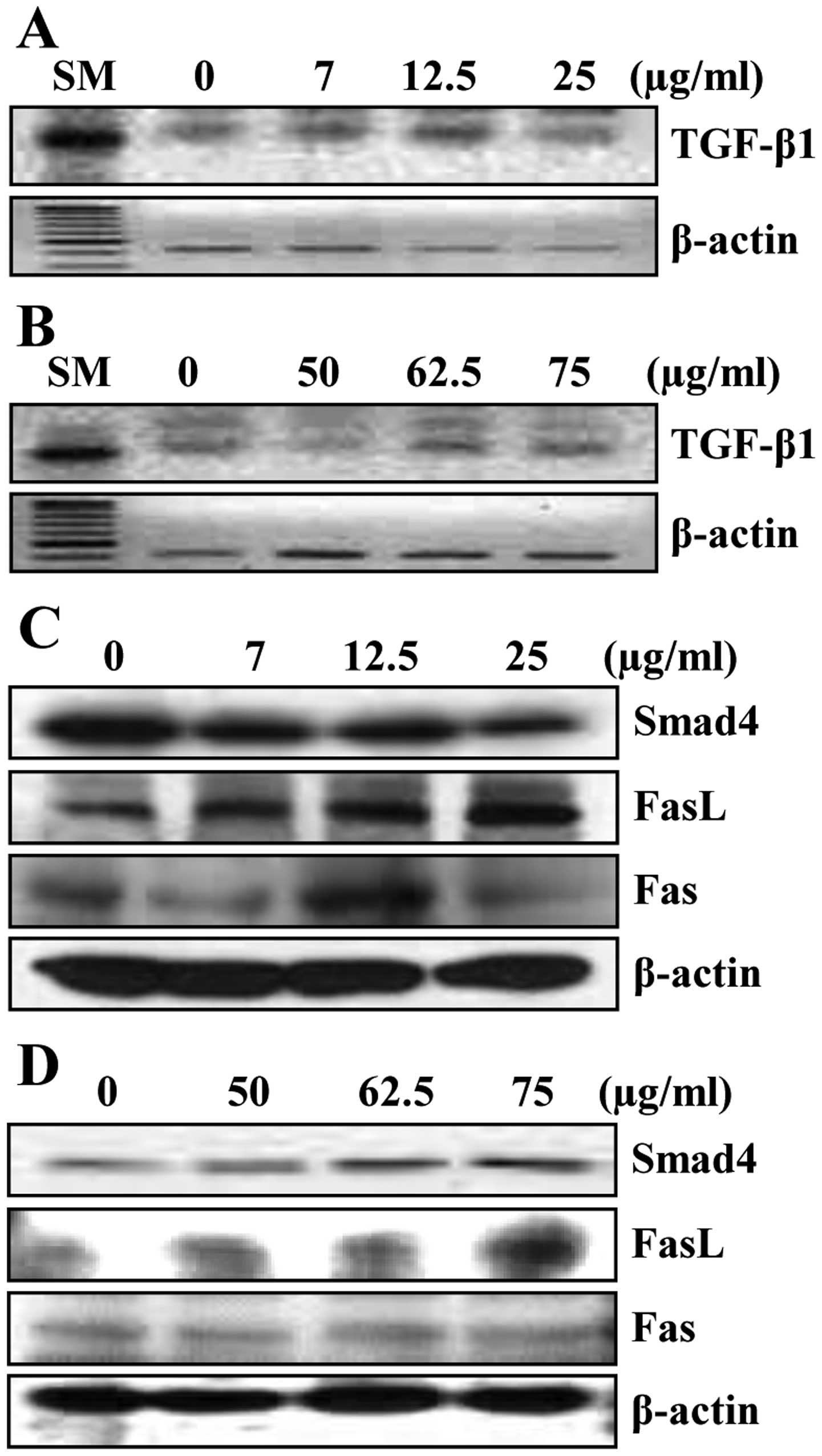
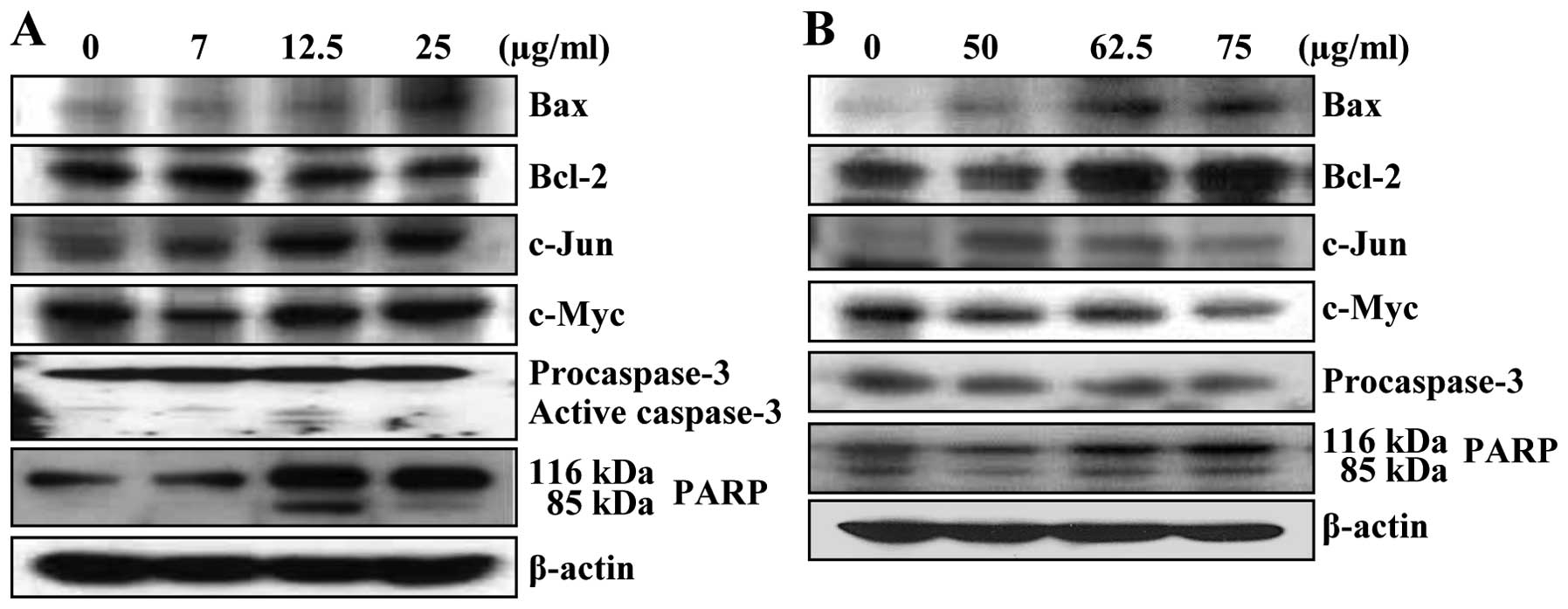
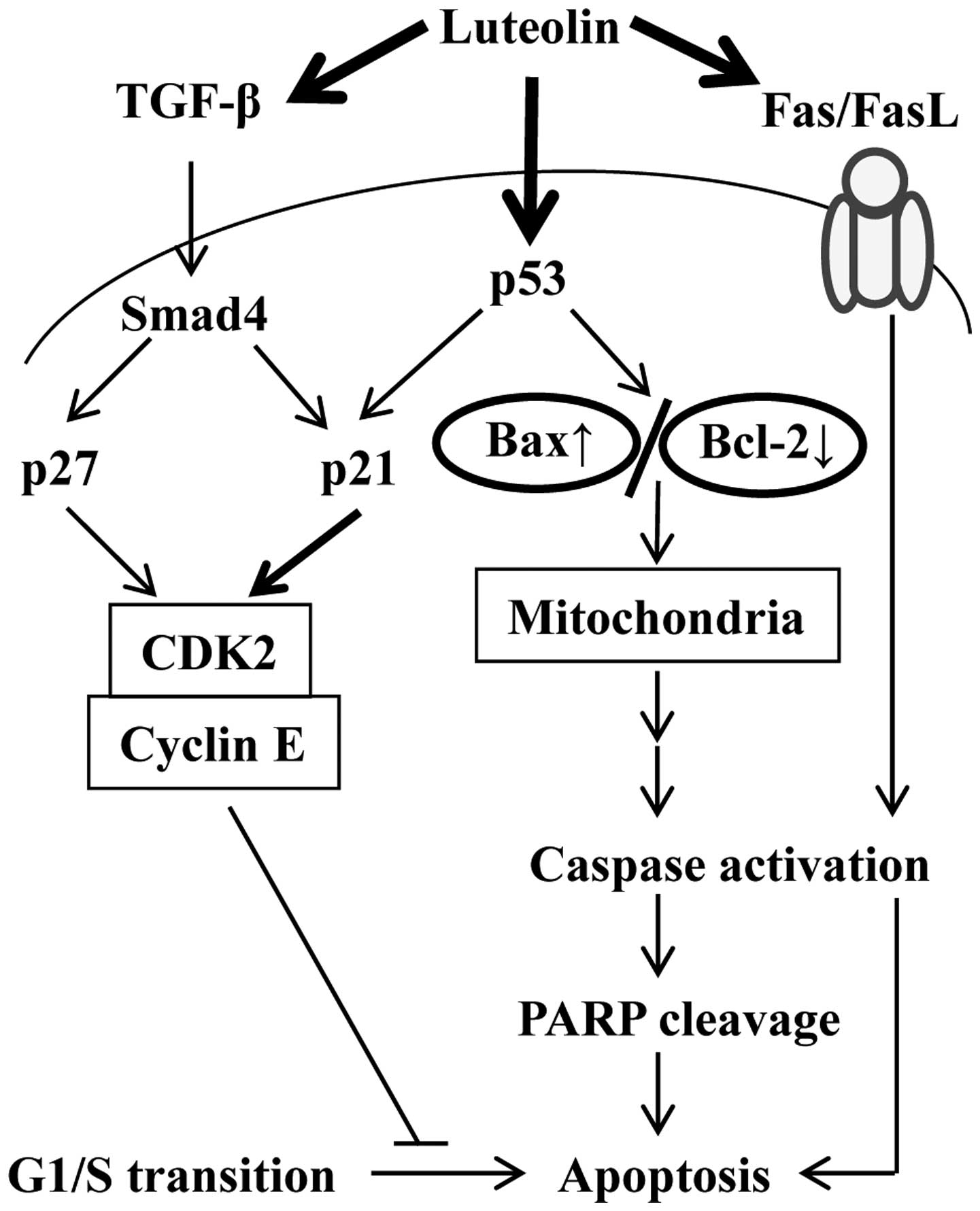
Flavonoids, a class of natural polyphenolic compounds, inhibit cell cycle progression and induce apoptosis. This study was performed to investigate the antiproliferative effect of luteolin, the flavonoid isolated from Ixeris sonchifolia Hance, and to elucidate the detailed apoptotic mechanism in HCC cells. According to the result of MTT assay luteolin possessed antiproliferative effect, and HepG2 cells were the most sensitive to luteolin. Propidium iodide staining, fluorescence activated cell sorting analysis, western blot analysis and RT-PCR were applied to compare the difference of apoptotic event between the two HCC cell lines, with wild-type p53 (HepG2) or not (Hep3B) based on time and concentration. The treatment of luteolin upregulated the expression levels of transforming growth factor β1 (TGF‑β1), p21WAF1/CIP1, p27KIP1, Smad4, and Fas in HCC cells. Thus, the expression of p21WAF1/CIP1 was controlled by another factor, such as TGF‑β1 in addition to p53, and notably the key factor might be p21WAF1/CIP1 in the remarkable switch to G1 cell cycle arrest in HepG2 cells rather than p27KIP1. Luteolin induced apoptotic cell death in Hep3B cells while caused G1 arrest in HepG2 cells. Taken together, we conclude that luteolin induces apoptosis from G1 arrest via three signaling pathways of TGF‑β1, p53, and Fas/Fas-ligand in HCC cells.
View Figures

Figure 1

Figure 2

Figure 3

Figure 4

Figure 5

Figure 6

View References

1 

Chen D and Dou QP: Tea polyphenols and their roles in cancer prevention and chemotherapy. Int J Mol Sci. 9:1196–1206. 2008. View Article : Google Scholar

2 

Berdowska I, Zieliński B, Fecka I, Kulbacka J, Saczko J and Gamian A: Cytotoxic impact of phenolics from Lamiaceae species on human breast cancer cells. Food Chem. 141:1313–1321. 2013. View Article : Google Scholar : PubMed/NCBI

3 

Woodman OL and Chan EC: Vascular and anti-oxidant actions of flavonols and flavones. Clin Exp Pharmacol Physiol. 31:786–790. 2004. View Article : Google Scholar : PubMed/NCBI

4 

Russo P, Del Bufalo A and Cesario A: Flavonoids acting on DNA topoisomerases: Recent advances and future perspectives in cancer therapy. Curr Med Chem. 19:5287–5293. 2012. View Article : Google Scholar : PubMed/NCBI

5 

Guerra-Araiza C, Álvarez-Mejía AL, Sánchez-Torres S, Farfan-García E, Mondragón-Lozano R, Pinto-Almazán R and Salgado-Ceballos H: Effect of natural exogenous antioxidants on aging and on neurodegenerative diseases. Free Radic Res. 47:451–462. 2013. View Article : Google Scholar : PubMed/NCBI

6 

Kritas SK, Saggini A, Varvara G, Murmura G, Caraffa A, Antinolfi P, Toniato E, Pantalone A, Neri G, Frydas S, et al: Luteolin inhibits mast cell-mediated allergic inflammation. J Biol Regul Homeost Agents. 27:955–959. 2013.

7 

Sak K: Cytotoxicity of dietary flavonoids on different human cancer types. Pharmacogn Rev. 8:122–146. 2014. View Article : Google Scholar : PubMed/NCBI

8 

Kaul TN, Middleton E Jr and Ogra PL: Antiviral effect of flavonoids on human viruses. J Med Virol. 15:71–79. 1985. View Article : Google Scholar : PubMed/NCBI

9 

Kayser O, Kiderlen AF and Croft SL: Natural products as anti-parasitic drugs. Parasitol Res. 90(Suppl 2): S55–S62. 2003. View Article : Google Scholar

10 

Lin YS, Tsai PH, Kandaswami CC, Cheng CH, Ke FC, Lee PP, Hwang JJ and Lee MT: Effects of dietary flavonoids, luteolin, and quercetin on the reversal of epithelial-mesenchymal transition in A431 epidermal cancer cells. Cancer Sci. 102:1829–1839. 2011. View Article : Google Scholar : PubMed/NCBI

11 

López-Lázaro M: Flavonoids as anticancer agents: Structure-activity relationship study. Curr Med Chem Anticancer Agents. 2:691–714. 2002. View Article : Google Scholar

12 

Chahar MK, Sharma N, Dobhal MP and Joshi YC: Flavonoids: A versatile source of anticancer drugs. Pharmacogn Rev. 5:1–12. 2011. View Article : Google Scholar : PubMed/NCBI

13 

Kawaii S, Tomono Y, Katase E, Ogawa K and Yano M: Antiproliferative activity of flavonoids on several cancer cell lines. Biosci Biotechnol Biochem. 63:896–899. 1999. View Article : Google Scholar : PubMed/NCBI

14 

Singh RP and Agarwal R: Natural flavonoids targeting deregulated cell cycle progression in cancer cells. Curr Drug Targets. 7:345–354. 2006. View Article : Google Scholar : PubMed/NCBI

15 

Ramos S: Effects of dietary flavonoids on apoptotic pathways related to cancer chemoprevention. J Nutr Biochem. 18:427–442. 2007. View Article : Google Scholar : PubMed/NCBI

16 

Pandurangan AK, Kumar SA, Dharmalingam P and Ganapasam S: Luteolin, a bioflavonoid inhibits azoxymethane-induced colon carcinogenesis: Involvement of iNOS and COX-2. Pharmacogn Mag. 10(Suppl 2): S306–S310. 2014. View Article : Google Scholar : PubMed/NCBI

17 

Tofighi Z, Molazem M, Doostdar B, Taban P, Shahverdi AR, Samadi N and Yassa N: Antimicrobial activities of three medicinal plants and investigation of flavonoids of tripleurospermum disciforme. Iran J Pharm Res. 14:225–231. 2015.PubMed/NCBI

18 

Li YC, Hung CF, Yeh FT, Lin JP and Chung JG: Luteolin-inhibited arylamineN-acetyltransferaseactivityandDNA-2-aminofluorene adduct in human and mouse leukemia cells. Food Chem Toxicol. 39:641–647. 2001. View Article : Google Scholar : PubMed/NCBI

19 

Pérez-García F, Adzet T and Cañigueral S: Activity of artichoke leaf extract on reactive oxygen species in human leukocytes. Free Radic Res. 33:661–665. 2000. View Article : Google Scholar

20 

Gebhardt R: Inhibition of cholesterol biosynthesis in HepG2 cells by artichoke extracts is reinforced by glucosidase pretreatment. Phytother Res. 16:368–372. 2002. View Article : Google Scholar : PubMed/NCBI

21 

Wang TT, Wang SK, Huang GL and Sun GJ: Luteolin induced-growth inhibition and apoptosis of human esophageal squamous carcinoma cell line Eca109 cells in vitro. Asian Pac J Cancer Prev. 13:5455–5461. 2012. View Article : Google Scholar

22 

Cai X, Lu W, Ye T, Lu M, Wang J, Huo J, Qian S, Wang X and Cao P: The molecular mechanism of luteolin-induced apoptosis is potentially related to inhibition of angiogenesis in human pancreatic carcinoma cells. Oncol Rep. 28:1353–1361. 2012.PubMed/NCBI

23 

Lu J, Li G, He K, Jiang W, Xu C, Li Z, Wang H, Wang W, Wang H, Teng X, et al: Luteolin exerts a marked antitumor effect in cMet-overexpressing patient-derived tumor xenograft models of gastric cancer. J Transl Med. 13:422015. View Article : Google Scholar : PubMed/NCBI

24 

Chiu FL and Lin JK: Downregulation of androgen receptor expression by luteolin causes inhibition of cell proliferation and induction of apoptosis in human prostate cancer cells and xenografts. Prostate. 68:61–71. 2008. View Article : Google Scholar

25 

Chowdhury AR, Sharma S, Mandal S, Goswami A, Mukhopadhyay S and Majumder HK: Luteolin, an emerging anti-cancer flavonoid, poisons eukaryotic DNA topoisomerase I. Biochem J. 366:653–661. 2002. View Article : Google Scholar : PubMed/NCBI

26 

Buening MK, Chang RL, Huang MT, Fortner JG, Wood AW and Conney AH: Activation and inhibition of benzo(a)pyrene and aflatoxin B1 metabolism in human liver microsomes by naturally occurring flavonoids. Cancer Res. 41:67–72. 1981.PubMed/NCBI

27 

Ferriola PC, Cody V and Middleton E Jr: Protein kinase C inhibition by plant flavonoids. Kinetic mechanisms and structure-activity relationships. Biochem Pharmacol. 38:1617–1624. 1989. View Article : Google Scholar : PubMed/NCBI

28 

Ko WG, Kang TH, Lee SJ, Kim YC and Lee BH: Effects of luteolin on the inhibition of proliferation and induction of apoptosis in human myeloid leukaemia cells. Phytother Res. 16:295–298. 2002. View Article : Google Scholar : PubMed/NCBI

29 

Selvendiran K, Koga H, Ueno T, Yoshida T, Maeyama M, Torimura T, Yano H, Kojiro M and Sata M: Luteolin promotes degradation in signal transducer and activator of transcription 3 in human hepatoma cells: An implication for the antitumor potential of flavonoids. Cancer Res. 66:4826–4834. 2006. View Article : Google Scholar : PubMed/NCBI

30 

Chang J, Hsu Y, Kuo P, Kuo Y, Chiang L and Lin C: Increase of Bax/ Bcl-XL ratio and arrest of cell cycle by luteolin in immortalized human hepatoma cell line. Life Sci. 76:1883–1893. 2005. View Article : Google Scholar : PubMed/NCBI

31 

Villanueva A, García C, Paules AB, Vicente M, Megías M, Reyes G, de Villalonga P, Agell N, Lluís F, Bachs O, et al: Disruption of the antiproliferative TGF-beta signaling pathways in human pancreatic cancer cells. Oncogene. 17:1969–1978. 1998. View Article : Google Scholar : PubMed/NCBI

32 

Yee SB, Lee JH, Chung HY, Im KS, Bae SJ, Choi JS and Kim ND: Inhibitory effects of luteolin isolated from Ixeris sonchifolia Hance on the proliferation of HepG2 human hepatocellular carcinoma cells. Arch Pharm Res. 26:151–156. 2003. View Article : Google Scholar : PubMed/NCBI

33 

Derynck R, Jarrett JA, Chen EY, Eaton DH, Bell JR, Assoian RK, Roberts AB, Sporn MB and Goeddel DV: Human transforming growth factor-beta complementary DNA sequence and expression in normal and transformed cells. Nature. 316:701–705. 1985. View Article : Google Scholar : PubMed/NCBI

34 

Hartwell LH and Kastan MB: Cell cycle control and cancer. Science. 266:1821–1828. 1994. View Article : Google Scholar : PubMed/NCBI

35 

Polyak K, Kato JY, Solomon MJ, Sherr CJ, Massague J, Roberts JM and Koff A: p27Kip1, a cyclin-Cdk inhibitor, links transforming growth factor-beta and contact inhibition to cell cycle arrest. Genes Dev. 8:9–22. 1994. View Article : Google Scholar : PubMed/NCBI

36 

Toyoshima H and Hunter T: p27, a novel inhibitor of G1 cyclin-Cdk protein kinase activity, is related to p21. Cell. 78:67–74. 1994. View Article : Google Scholar : PubMed/NCBI

37 

Massagué J: TGF-beta signal transduction. Annu Rev Biochem. 67:753–791. 1998. View Article : Google Scholar : PubMed/NCBI

38 

Kim SG, Jong HS, Kim TY, Lee JW, Kim NK, Hong SH and Bang YJ: Transforming growth factor-beta 1 induces apoptosis through Fas ligand-independent activation of the Fas death pathway in human gastric SNU-620 carcinoma cells. Mol Biol Cell. 15:420–434. 2004. View Article : Google Scholar :

39 

Depoortere F, Pirson I, Bartek J, Dumont JE and Roger PP: Transforming growth factor beta(1) selectively inhibits the cyclic AMP-dependent proliferation of primary thyroid epithelial cells by preventing the association of cyclin D3-cdk4 with nuclear p27(kip1). Mol Biol Cell. 11:1061–1076. 2000. View Article : Google Scholar : PubMed/NCBI

40 

Park BJ, Park JI, Byun DS, Park JH and Chi SG: Mitogenic conversion of transforming growth factor-beta1 effect by oncogenic Ha-Ras-induced activation of the mitogen-activated protein kinase signaling pathway in human prostate cancer. Cancer Res. 60:3031–3038. 2000.PubMed/NCBI

41 

Nakao A, Imamura T, Souchelnytskyi S, Kawabata M, Ishisaki A, Oeda E, Tamaki K, Hanai J, Heldin CH, Miyazono K, et al: TGF-beta receptor-mediated signalling through Smad2, Smad3 and Smad4. EMBO J. 16:5353–5362. 1997. View Article : Google Scholar : PubMed/NCBI

42 

Zhang Q, Zhao XH and Wang ZJ: Cytotoxicity of flavones and flavonols to a human esophageal squamous cell carcinoma cell line (KYSE-510) by induction of G2/M arrest and apoptosis. Toxicol In Vitro. 23:797–807. 2009. View Article : Google Scholar : PubMed/NCBI

43 

Kobayashi T, Nakata T and Kuzumaki T: Effect of flavonoids on cell cycle progression in prostate cancer cells. Cancer Lett. 176:17–23. 2002. View Article : Google Scholar : PubMed/NCBI

44 

Walker A, Taylor ST, Hickman JA and Dive C: Germinal center-derived signals act with Bcl-2 to decrease apoptosis and increase clonogenicity of drug-treated human B lymphoma cells. Cancer Res. 57:1939–1945. 1997.PubMed/NCBI

45 

Cory S, Vaux DL, Strasser A, Harris AW and Adams JM: Insights from Bcl-2 and Myc: Malignancy involves abrogation of apoptosis as well as sustained proliferation. Cancer Res. 59(Suppl): S1685–S1692. 1999.

46 

Green DR and Evan GI: A matter of life and death. Cancer Cell. 1:19–30. 2002. View Article : Google Scholar : PubMed/NCBI

47 

Crescenzi E and Palumbo G: Bcl-2 exerts a pRb-mediated cell cycle inhibitory function in HEC1B endometrial carcinoma cells. Gynecol Oncol. 81:184–192. 2001. View Article : Google Scholar : PubMed/NCBI

48 

Attoub S, Hassan AH, Vanhoecke B, Iratni R, Takahashi T, Gaben AM, Bracke M, Awad S, John A, Kamalboor HA, et al: Inhibition of cell survival, invasion, tumor growth and histone deacetylase activity by the dietary flavonoid luteolin in human epithelioid cancer cells. Eur J Pharmacol. 651:18–25. 2011. View Article : Google Scholar

Related Articles

  • Abstract
  • View
  • Download
  • Twitter
Copy and paste a formatted citation
Spandidos Publications style
Yee SB, Choi HJ, Chung SW, Park DH, Sung B, Chung HY and Kim ND: Growth inhibition of luteolin on HepG2 cells is induced via p53 and Fas/Fas-ligand besides the TGF-β pathway. Int J Oncol 47: 747-754, 2015.
APA
Yee, S.B., Choi, H.J., Chung, S.W., Park, D.H., Sung, B., Chung, H.Y., & Kim, N.D. (2015). Growth inhibition of luteolin on HepG2 cells is induced via p53 and Fas/Fas-ligand besides the TGF-β pathway. International Journal of Oncology, 47, 747-754. https://doi.org/10.3892/ijo.2015.3053
MLA
Yee, S. B., Choi, H. J., Chung, S. W., Park, D. H., Sung, B., Chung, H. Y., Kim, N. D."Growth inhibition of luteolin on HepG2 cells is induced via p53 and Fas/Fas-ligand besides the TGF-β pathway". International Journal of Oncology 47.2 (2015): 747-754.
Chicago
Yee, S. B., Choi, H. J., Chung, S. W., Park, D. H., Sung, B., Chung, H. Y., Kim, N. D."Growth inhibition of luteolin on HepG2 cells is induced via p53 and Fas/Fas-ligand besides the TGF-β pathway". International Journal of Oncology 47, no. 2 (2015): 747-754. https://doi.org/10.3892/ijo.2015.3053
Copy and paste a formatted citation
x
Spandidos Publications style
Yee SB, Choi HJ, Chung SW, Park DH, Sung B, Chung HY and Kim ND: Growth inhibition of luteolin on HepG2 cells is induced via p53 and Fas/Fas-ligand besides the TGF-β pathway. Int J Oncol 47: 747-754, 2015.
APA
Yee, S.B., Choi, H.J., Chung, S.W., Park, D.H., Sung, B., Chung, H.Y., & Kim, N.D. (2015). Growth inhibition of luteolin on HepG2 cells is induced via p53 and Fas/Fas-ligand besides the TGF-β pathway. International Journal of Oncology, 47, 747-754. https://doi.org/10.3892/ijo.2015.3053
MLA
Yee, S. B., Choi, H. J., Chung, S. W., Park, D. H., Sung, B., Chung, H. Y., Kim, N. D."Growth inhibition of luteolin on HepG2 cells is induced via p53 and Fas/Fas-ligand besides the TGF-β pathway". International Journal of Oncology 47.2 (2015): 747-754.
Chicago
Yee, S. B., Choi, H. J., Chung, S. W., Park, D. H., Sung, B., Chung, H. Y., Kim, N. D."Growth inhibition of luteolin on HepG2 cells is induced via p53 and Fas/Fas-ligand besides the TGF-β pathway". International Journal of Oncology 47, no. 2 (2015): 747-754. https://doi.org/10.3892/ijo.2015.3053
Follow us
  • Twitter
  • LinkedIn
  • Facebook
About
  • Spandidos Publications
  • Careers
  • Cookie Policy
  • Privacy Policy
How can we help?
  • Help
  • Live Chat
  • Contact
  • Email to our Support Team