Spandidos Publications Logo
  • About
    • About Spandidos
    • Aims and Scopes
    • Abstracting and Indexing
    • Editorial Policies
    • Reprints and Permissions
    • Job Opportunities
    • Terms and Conditions
    • Contact
  • Journals
    • All Journals
    • Oncology Letters
      • Oncology Letters
      • Information for Authors
      • Editorial Policies
      • Editorial Board
      • Aims and Scope
      • Abstracting and Indexing
      • Bibliographic Information
      • Archive
    • International Journal of Oncology
      • International Journal of Oncology
      • Information for Authors
      • Editorial Policies
      • Editorial Board
      • Aims and Scope
      • Abstracting and Indexing
      • Bibliographic Information
      • Archive
    • Molecular and Clinical Oncology
      • Molecular and Clinical Oncology
      • Information for Authors
      • Editorial Policies
      • Editorial Board
      • Aims and Scope
      • Abstracting and Indexing
      • Bibliographic Information
      • Archive
    • Experimental and Therapeutic Medicine
      • Experimental and Therapeutic Medicine
      • Information for Authors
      • Editorial Policies
      • Editorial Board
      • Aims and Scope
      • Abstracting and Indexing
      • Bibliographic Information
      • Archive
    • International Journal of Molecular Medicine
      • International Journal of Molecular Medicine
      • Information for Authors
      • Editorial Policies
      • Editorial Board
      • Aims and Scope
      • Abstracting and Indexing
      • Bibliographic Information
      • Archive
    • Biomedical Reports
      • Biomedical Reports
      • Information for Authors
      • Editorial Policies
      • Editorial Board
      • Aims and Scope
      • Abstracting and Indexing
      • Bibliographic Information
      • Archive
    • Oncology Reports
      • Oncology Reports
      • Information for Authors
      • Editorial Policies
      • Editorial Board
      • Aims and Scope
      • Abstracting and Indexing
      • Bibliographic Information
      • Archive
    • Molecular Medicine Reports
      • Molecular Medicine Reports
      • Information for Authors
      • Editorial Policies
      • Editorial Board
      • Aims and Scope
      • Abstracting and Indexing
      • Bibliographic Information
      • Archive
    • World Academy of Sciences Journal
      • World Academy of Sciences Journal
      • Information for Authors
      • Editorial Policies
      • Editorial Board
      • Aims and Scope
      • Abstracting and Indexing
      • Bibliographic Information
      • Archive
    • International Journal of Functional Nutrition
      • International Journal of Functional Nutrition
      • Information for Authors
      • Editorial Policies
      • Editorial Board
      • Aims and Scope
      • Abstracting and Indexing
      • Bibliographic Information
      • Archive
    • International Journal of Epigenetics
      • International Journal of Epigenetics
      • Information for Authors
      • Editorial Policies
      • Editorial Board
      • Aims and Scope
      • Abstracting and Indexing
      • Bibliographic Information
      • Archive
    • Medicine International
      • Medicine International
      • Information for Authors
      • Editorial Policies
      • Editorial Board
      • Aims and Scope
      • Abstracting and Indexing
      • Bibliographic Information
      • Archive
  • Articles
  • Information
    • Information for Authors
    • Information for Reviewers
    • Information for Librarians
    • Information for Advertisers
    • Conferences
  • Language Editing
Spandidos Publications Logo
  • About
    • About Spandidos
    • Aims and Scopes
    • Abstracting and Indexing
    • Editorial Policies
    • Reprints and Permissions
    • Job Opportunities
    • Terms and Conditions
    • Contact
  • Journals
    • All Journals
    • Biomedical Reports
      • Information for Authors
      • Editorial Policies
      • Editorial Board
      • Aims and Scope
      • Abstracting and Indexing
      • Bibliographic Information
      • Archive
    • Experimental and Therapeutic Medicine
      • Information for Authors
      • Editorial Policies
      • Editorial Board
      • Aims and Scope
      • Abstracting and Indexing
      • Bibliographic Information
      • Archive
    • International Journal of Epigenetics
      • Information for Authors
      • Editorial Policies
      • Editorial Board
      • Aims and Scope
      • Abstracting and Indexing
      • Bibliographic Information
      • Archive
    • International Journal of Functional Nutrition
      • Information for Authors
      • Editorial Policies
      • Editorial Board
      • Aims and Scope
      • Abstracting and Indexing
      • Bibliographic Information
      • Archive
    • International Journal of Molecular Medicine
      • Information for Authors
      • Editorial Policies
      • Editorial Board
      • Aims and Scope
      • Abstracting and Indexing
      • Bibliographic Information
      • Archive
    • International Journal of Oncology
      • Information for Authors
      • Editorial Policies
      • Editorial Board
      • Aims and Scope
      • Abstracting and Indexing
      • Bibliographic Information
      • Archive
    • Medicine International
      • Information for Authors
      • Editorial Policies
      • Editorial Board
      • Aims and Scope
      • Abstracting and Indexing
      • Bibliographic Information
      • Archive
    • Molecular and Clinical Oncology
      • Information for Authors
      • Editorial Policies
      • Editorial Board
      • Aims and Scope
      • Abstracting and Indexing
      • Bibliographic Information
      • Archive
    • Molecular Medicine Reports
      • Information for Authors
      • Editorial Policies
      • Editorial Board
      • Aims and Scope
      • Abstracting and Indexing
      • Bibliographic Information
      • Archive
    • Oncology Letters
      • Information for Authors
      • Editorial Policies
      • Editorial Board
      • Aims and Scope
      • Abstracting and Indexing
      • Bibliographic Information
      • Archive
    • Oncology Reports
      • Information for Authors
      • Editorial Policies
      • Editorial Board
      • Aims and Scope
      • Abstracting and Indexing
      • Bibliographic Information
      • Archive
    • World Academy of Sciences Journal
      • Information for Authors
      • Editorial Policies
      • Editorial Board
      • Aims and Scope
      • Abstracting and Indexing
      • Bibliographic Information
      • Archive
  • Articles
  • Information
    • For Authors
    • For Reviewers
    • For Librarians
    • For Advertisers
    • Conferences
  • Language Editing
Login Register Submit
  • This site uses cookies
  • You can change your cookie settings at any time by following the instructions in our Cookie Policy. To find out more, you may read our Privacy Policy.

    I agree
Search articles by DOI, keyword, author or affiliation
Search
Advanced Search
presentation
International Journal of Oncology
Join Editorial Board Propose a Special Issue
Print ISSN: 1019-6439 Online ISSN: 1791-2423
Journal Cover
March-2016 Volume 48 Issue 3

Full Size Image

Cover Legend PDF

Sign up for eToc alerts
Recommend to Library

Journals

International Journal of Molecular Medicine

International Journal of Molecular Medicine

International Journal of Molecular Medicine is an international journal devoted to molecular mechanisms of human disease.

International Journal of Oncology

International Journal of Oncology

International Journal of Oncology is an international journal devoted to oncology research and cancer treatment.

Molecular Medicine Reports

Molecular Medicine Reports

Covers molecular medicine topics such as pharmacology, pathology, genetics, neuroscience, infectious diseases, molecular cardiology, and molecular surgery.

Oncology Reports

Oncology Reports

Oncology Reports is an international journal devoted to fundamental and applied research in Oncology.

Experimental and Therapeutic Medicine

Experimental and Therapeutic Medicine

Experimental and Therapeutic Medicine is an international journal devoted to laboratory and clinical medicine.

Oncology Letters

Oncology Letters

Oncology Letters is an international journal devoted to Experimental and Clinical Oncology.

Biomedical Reports

Biomedical Reports

Explores a wide range of biological and medical fields, including pharmacology, genetics, microbiology, neuroscience, and molecular cardiology.

Molecular and Clinical Oncology

Molecular and Clinical Oncology

International journal addressing all aspects of oncology research, from tumorigenesis and oncogenes to chemotherapy and metastasis.

World Academy of Sciences Journal

World Academy of Sciences Journal

Multidisciplinary open-access journal spanning biochemistry, genetics, neuroscience, environmental health, and synthetic biology.

International Journal of Functional Nutrition

International Journal of Functional Nutrition

Open-access journal combining biochemistry, pharmacology, immunology, and genetics to advance health through functional nutrition.

International Journal of Epigenetics

International Journal of Epigenetics

Publishes open-access research on using epigenetics to advance understanding and treatment of human disease.

Medicine International

Medicine International

An International Open Access Journal Devoted to General Medicine.

Journal Cover
March-2016 Volume 48 Issue 3

Full Size Image

Cover Legend PDF

Sign up for eToc alerts
Recommend to Library

  • Article
  • Citations
    • Cite This Article
    • Download Citation
    • Create Citation Alert
    • Remove Citation Alert
    • Cited By
  • Similar Articles
    • Related Articles (in Spandidos Publications)
    • Similar Articles (Google Scholar)
    • Similar Articles (PubMed)
  • Download PDF
  • Download XML
  • View XML
Article Open Access

Insulin-like growth factor 2 mRNA-binding protein-3 as a marker for distinguishing between cutaneous squamous cell carcinoma and keratoacanthoma

  • Authors:
    • Akiko Kanzaki
    • Mitsuhiro Kudo
    • Shin-Ichi Ansai
    • Wei-Xia Peng
    • Kousuke Ishino
    • Tetsushi Yamamoto
    • Ryuichi Wada
    • Takenori Fujii
    • Kiyoshi Teduka
    • Kiyoko Kawahara
    • Yoko Kawamoto
    • Taeko Kitamura
    • Seiji Kawana
    • Hidehisa Saeki
    • Zenya Naito
  • View Affiliations / Copyright

    Affiliations: Department of Integrated Diagnostic Pathology, Nippon Medical School, Tokyo, Japan, Department of Dermatology, Nippon Medical School Musashikosugi Hospital, Tokyo, Japan, Faculty of Pharmacy, Kinki University, Osaka, Japan, Department of Dermatology, Nippon Medical School, Tokyo, Japan
    Copyright: © Kanzaki et al. This is an open access article distributed under the terms of Creative Commons Attribution License.
  • Pages: 1007-1015
    |
    Published online on: January 5, 2016
       https://doi.org/10.3892/ijo.2016.3323
  • Expand metrics +
Metrics: Total Views: 0 (Spandidos Publications: | PMC Statistics: )
Metrics: Total PDF Downloads: 0 (Spandidos Publications: | PMC Statistics: )
Cited By (CrossRef): 0 citations Loading Articles...

This article is mentioned in:


Abstract

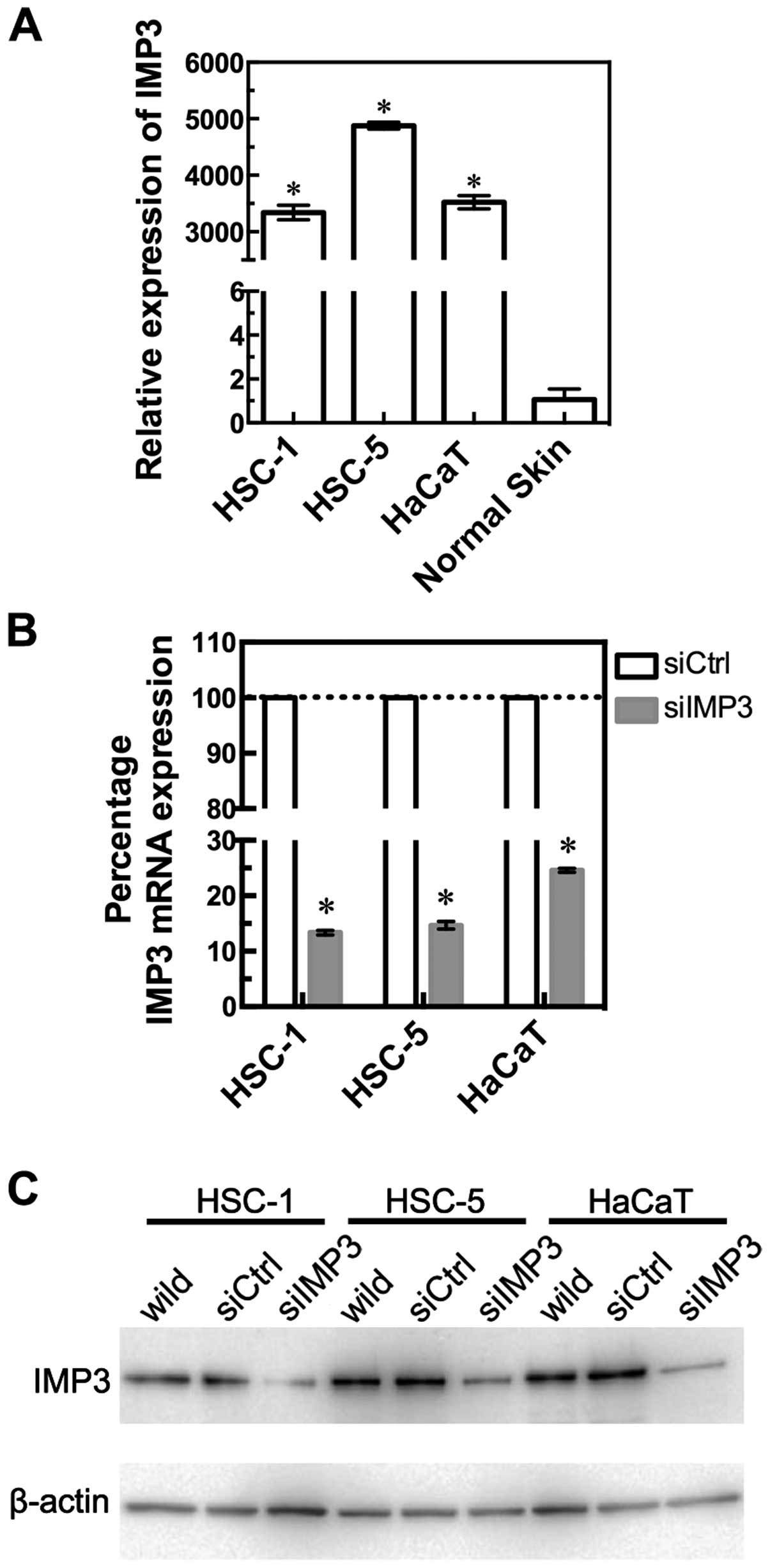
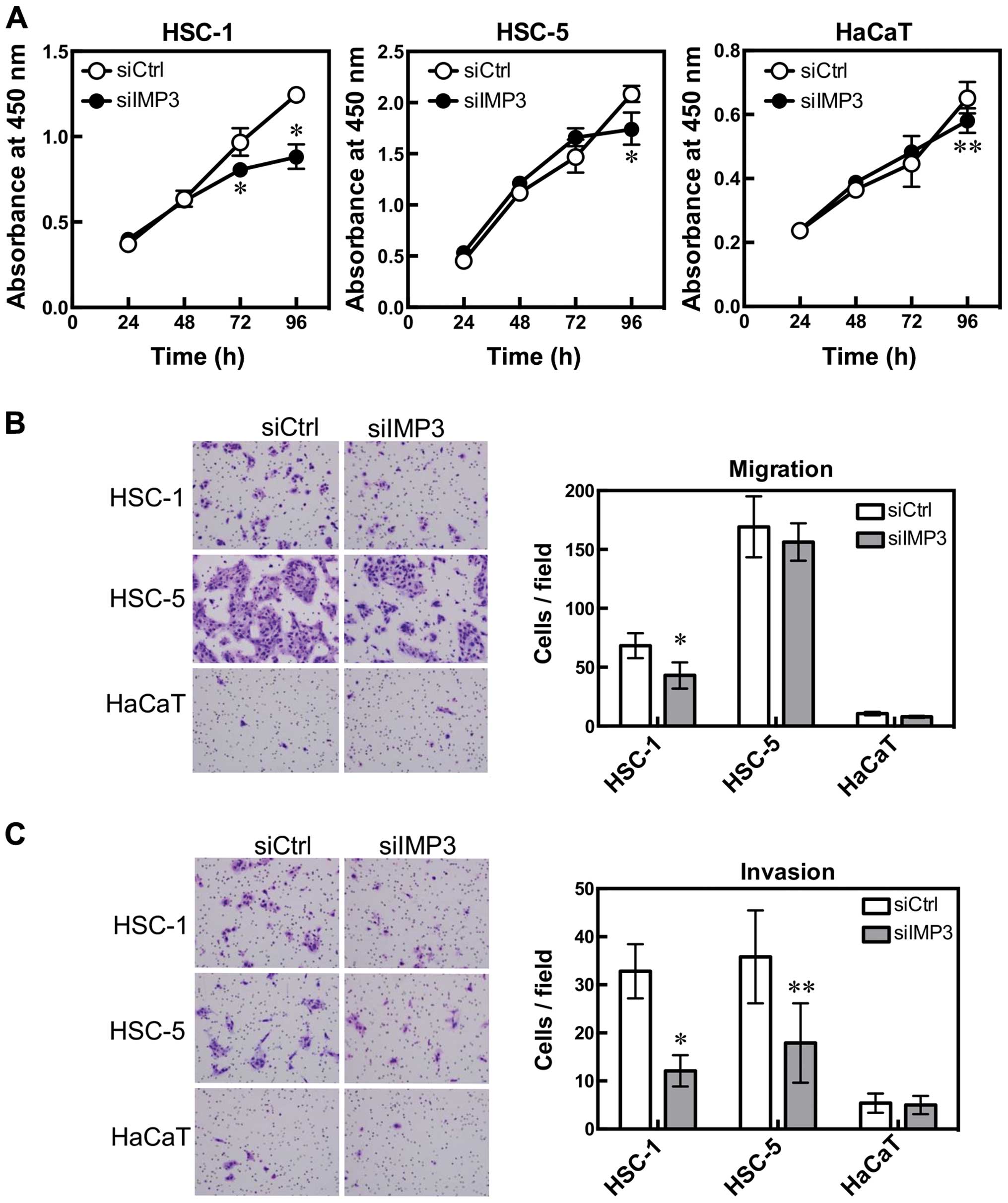
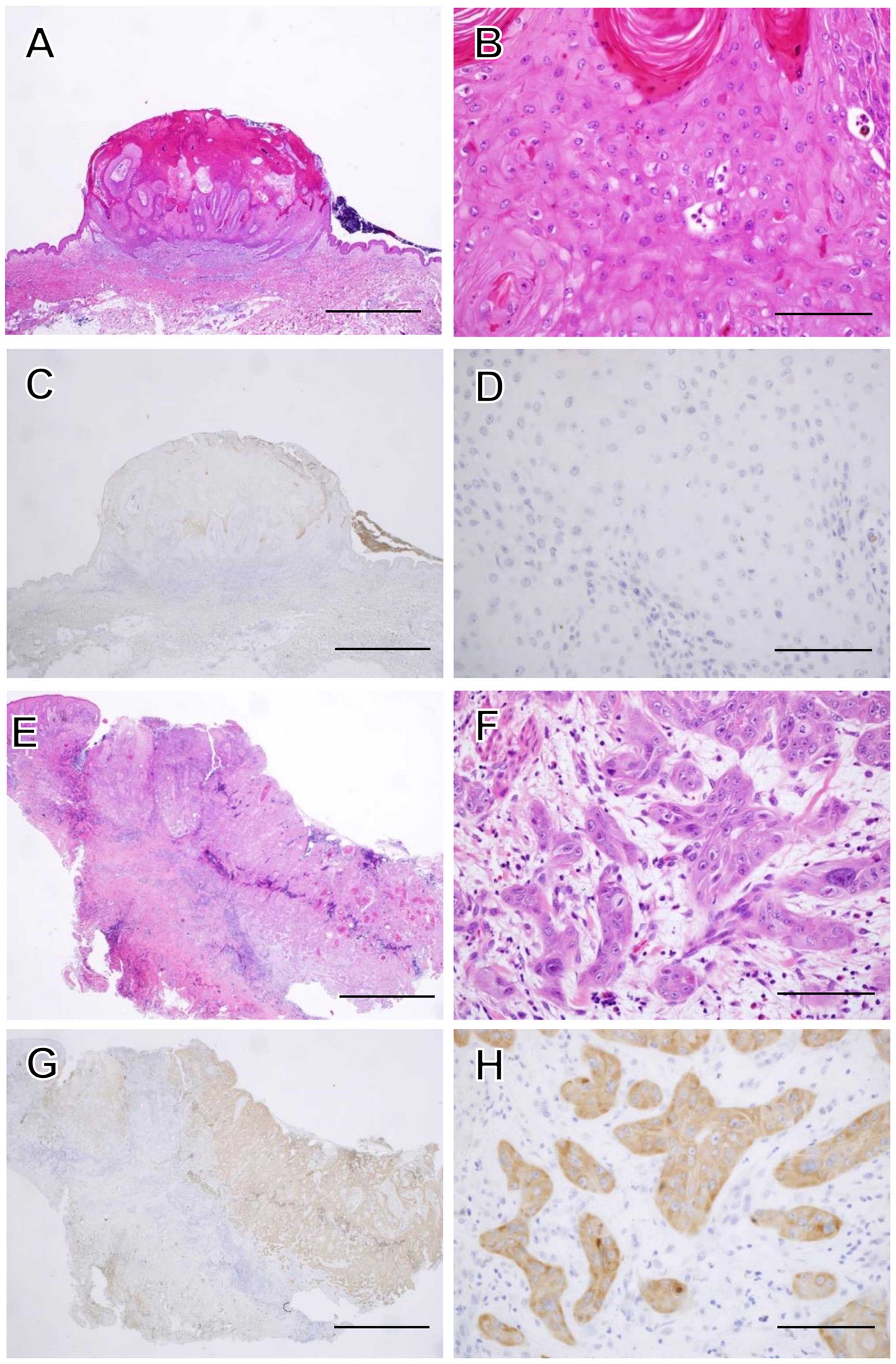
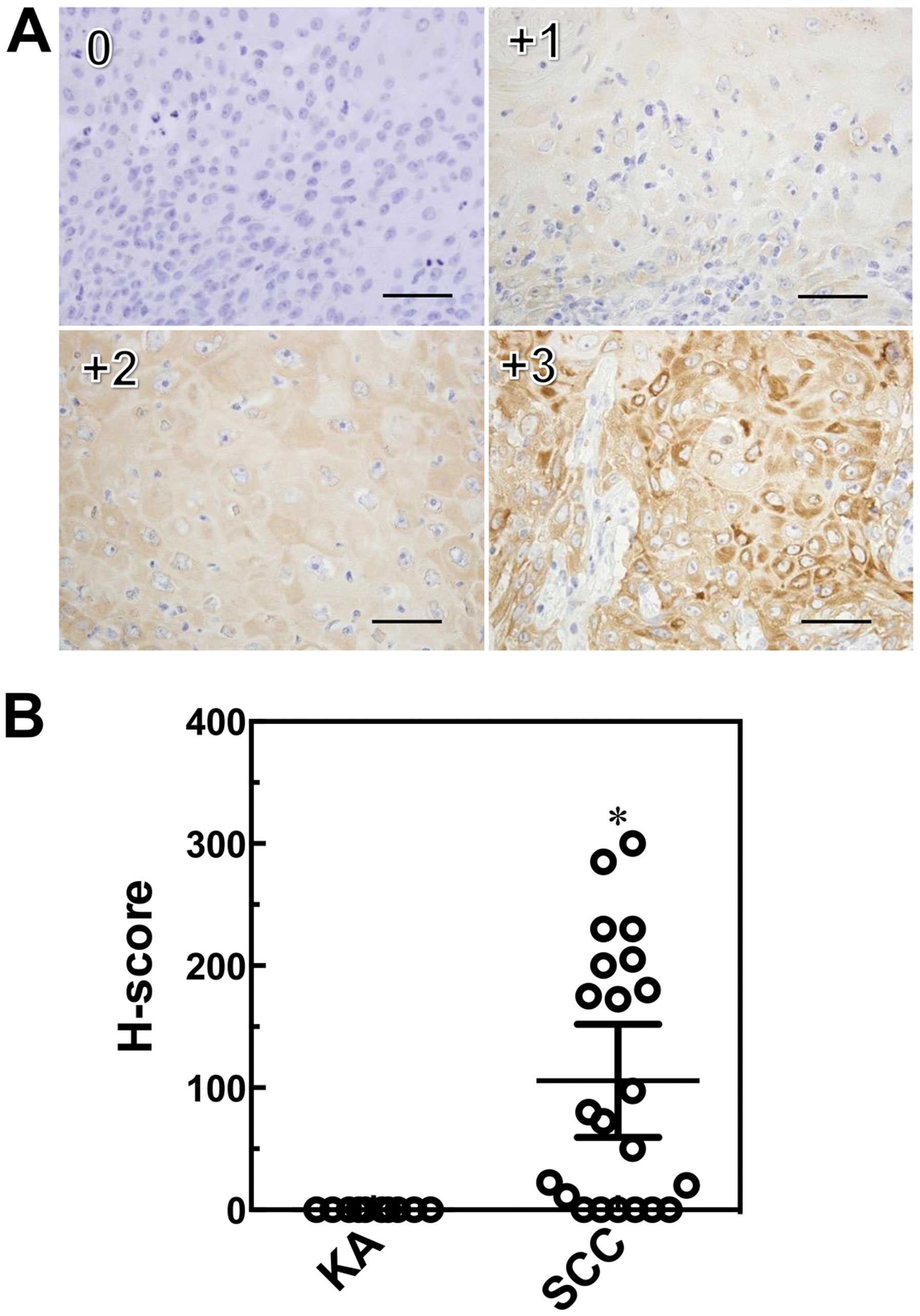
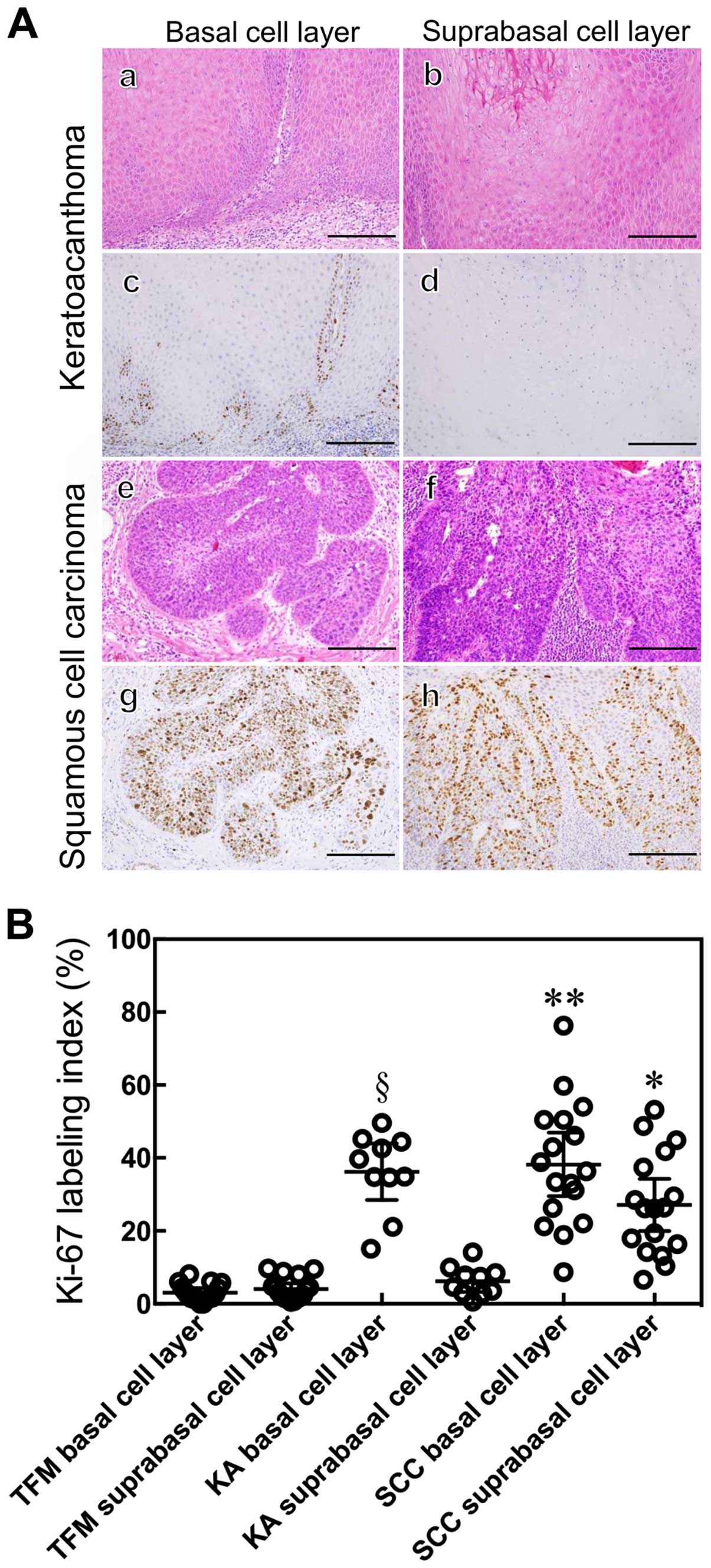
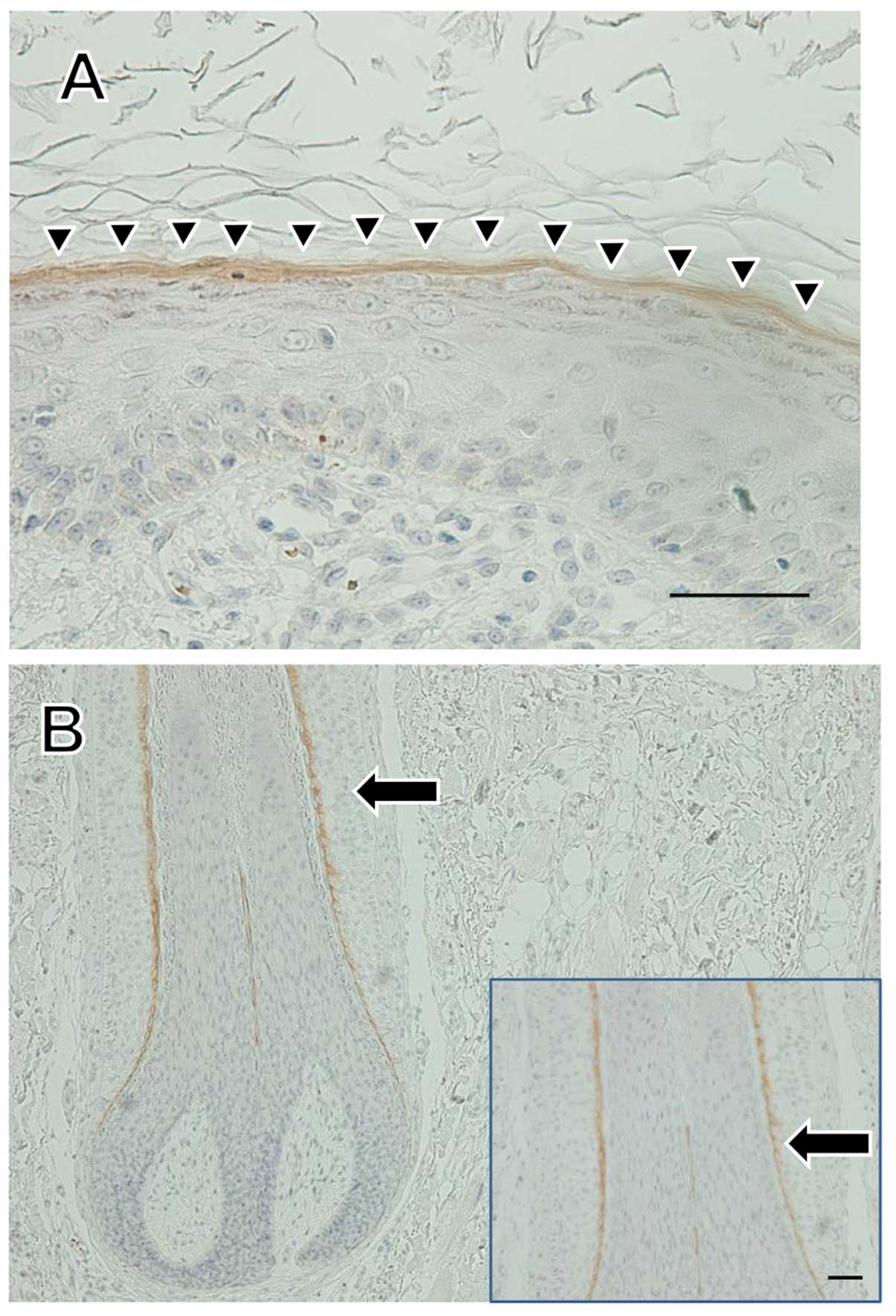
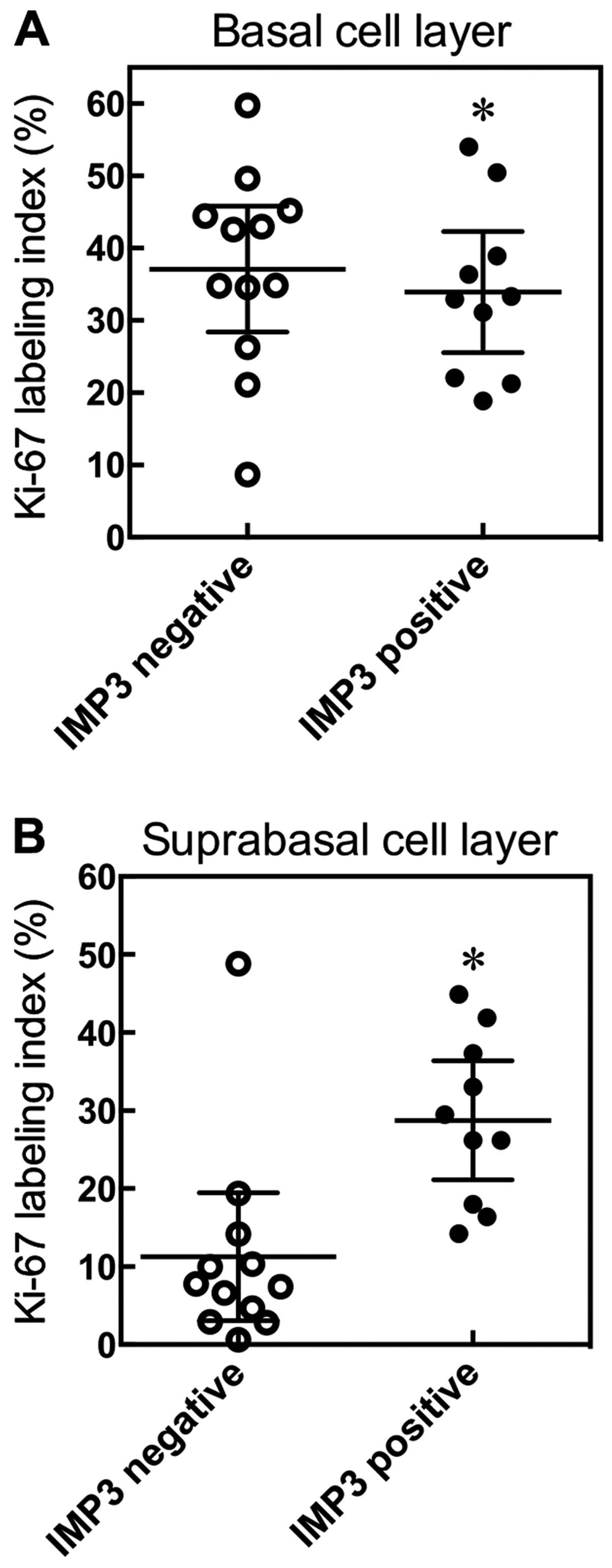
In the histopathological diagnosis of cutaneous tumors, the differential diagnosis of squamous cell carcinoma (SCC) with crateriform architecture and keratoacanthoma (KA) is often difficult so an accurate understanding of the biological features and the identification of reliable markers of SCC and KA are crucial issues. Insulin-like growth factor 2 mRNA-binding protein-3 (IGF2BP3, also known as IMP3) is thought of as a bona fide oncofetal protein, which is overexpressed and is involved in cell proliferation, migration, and invasion in several kinds of tumors. However, the role of IMP3 in cutaneous SCC and KA has not been well studied. Therefore, we focused on studying the biological functions of IMP3 in SCC and KA. In human skin SCC cell lines, HSC-1 and HSC-5, and the human keratinocyte cell line, HaCaT, IMP3 mRNA levels were significantly higher than that of normal human skin. The knockdown of IMP3 expression reduced the proliferation of HSC-1, and significantly reduced invasion by HSC-1 and HSC-5. In contrast, the knockdown of IMP3 did not significantly affect invasion by HaCaT cells. In immunohistochemical studies of SCC and KA tissues, the Ki-67 labeling index (LI) of the suprabasal cell layer was significantly higher in SCC, compared with KA tissues and the tumor-free margin (TFM) adjacent to SCC and KA. Most SCC tissues stained strongly positive for IMP3, but KA tissues and TFM were mostly negative for IMP3. The Ki-67 LI of the IMP3-positive group was significantly higher than that of the IMP3-negative group in the suprabasal cell layer of SCC. These results suggest that IMP3 plays an important role in proliferation and, more significantly, in the invasion of SCC, and may be a suitable marker for the histopathological diagnosis of SCC with a crateriform architecture and KA. Furthermore, IMP3 may potentially be a new therapeutic target for SCC.
View Figures

Figure 1

Figure 2

Figure 3

Figure 4

Figure 5

Figure 6

Figure 7

View References

1 

Schwartz RA: The keratoacanthoma: A review. J Surg Oncol. 12:305–317. 1979. View Article : Google Scholar : PubMed/NCBI

2 

Misago N, Inoue T, Koba S and Narisawa Y: Keratoacanthoma and other types of squamous cell carcinoma with crateriform architecture: Classification and identification. J Dermatol. 40:443–452. 2013. View Article : Google Scholar : PubMed/NCBI

3 

Hodak E, Jones RE and Ackerman AB: Solitary keratoacanthoma is a squamous-cell carcinoma: Three examples with metastases. Am J Dermatopathol. 15:332–342; discussion 343–352. 1993. View Article : Google Scholar : PubMed/NCBI

4 

Weedon DD, Malo J, Brooks D and Williamson R: Squamous cell carcinoma arising in keratoacanthoma: A neglected phenomenon in the elderly. Am J Dermatopathol. 32:423–426. 2010. View Article : Google Scholar : PubMed/NCBI

5 

Kossard S, Tan KB and Choy C: Keratoacanthoma and infundibulocystic squamous cell carcinoma. Am J Dermatopathol. 30:127–134. 2008. View Article : Google Scholar : PubMed/NCBI

6 

Misago N, Inoue T, Toda S and Narisawa Y: Infundibular (follicular) and infundibulocystic squamous cell carcinoma: A clinicopathological and immunohistochemical study. Am J Dermatopathol. 33:687–694. 2011. View Article : Google Scholar : PubMed/NCBI

7 

Müeller-Pillasch F, Lacher U, Wallrapp C, Micha A, Zimmerhackl F, Hameister H, Varga G, Friess H, Büchler M, Beger HG, et al: Cloning of a gene highly overexpressed in cancer coding for a novel KH-domain containing protein. Oncogene. 14:2729–2733. 1997. View Article : Google Scholar : PubMed/NCBI

8 

Nielsen J, Christiansen J, Lykke-Andersen J, Johnsen AH, Wewer UM and Nielsen FC: A family of insulin-like growth factor II mRNA-binding proteins represses translation in late development. Mol Cell Biol. 19:1262–1270. 1999. View Article : Google Scholar : PubMed/NCBI

9 

Simon R, Bourne PA, Yang Q, Spaulding BO, di Sant'Agnese PA, Wang HL and Xu H: Extrapulmonary small cell carcinomas express K homology domain containing protein overexpressed in cancer, but carcinoid tumors do not. Hum Pathol. 38:1178–1183. 2007. View Article : Google Scholar : PubMed/NCBI

10 

Hammer NA, Hansen T, Byskov AG, Rajpert-De Meyts E, Grøndahl ML, Bredkjaer HE, Wewer UM, Christiansen J and Nielsen FC: Expression of IGF-II mRNA-binding proteins (IMPs) in gonads and testicular cancer. Reproduction. 130:203–212. 2005. View Article : Google Scholar : PubMed/NCBI

11 

Pryor JG, Simon RA, Bourne PA, Spaulding BO, Scott GA and Xu H: Merkel cell carcinoma expresses K homology domain-containing protein overexpressed in cancer similar to other high-grade neuroendocrine carcinomas. Hum Pathol. 40:238–243. 2009. View Article : Google Scholar

12 

Righi A, Zhang S, Jin L, Scheithauer BW, Kovacs K, Kovacs G, Goth MI, Korbonits M and Lloyd RV: Analysis of IMP3 expression in normal and neoplastic human pituitary tissues. Endocr Pathol. 21:25–31. 2010. View Article : Google Scholar

13 

King RL, Pasha T, Roullet MR, Zhang PJ and Bagg A: IMP-3 is differentially expressed in normal and neoplastic lymphoid tissue. Hum Pathol. 40:1699–1705. 2009. View Article : Google Scholar : PubMed/NCBI

14 

Liao B, Hu Y, Herrick DJ and Brewer G: The RNA-binding protein IMP-3 is a translational activator of insulin-like growth factor II leader-3 mRNA during proliferation of human K562 leukemia cells. J Biol Chem. 280:18517–18524. 2005. View Article : Google Scholar : PubMed/NCBI

15 

Clauditz TS, Wang CJ, Gontarewicz A, Blessmann M, Tennstedt P, Borgmann K, Tribius S, Sauter G, Dalchow C, Knecht R, et al: Expression of insulin-like growth factor II mRNA-binding protein 3 in squamous cell carcinomas of the head and neck. J Oral Pathol Med. 42:125–132. 2013. View Article : Google Scholar

16 

Wang T, Fan L, Watanabe Y, McNeill PD, Moulton GG, Bangur C, Fanger GR, Okada M, Inoue Y, Persing DH, et al: L523S, an RNA-binding protein as a potential therapeutic target for lung cancer. Br J Cancer. 88:887–894. 2003. View Article : Google Scholar : PubMed/NCBI

17 

Pryor JG, Bourne PA, Yang Q, Spaulding BO, Scott GA and Xu H: IMP-3 is a novel progression marker in malignant melanoma. Mod Pathol. 21:431–437. 2008. View Article : Google Scholar : PubMed/NCBI

18 

Sheen YS, Liao YH, Lin MH, Chu CY, Ho BY, Hsieh MC, Chen PC, Cha ST, Jeng YM, Chang CC, et al: IMP-3 promotes migration and invasion of melanoma cells by modulating the expression of HMGA2 and predicts poor prognosis in melanoma. J Invest Dermatol. 135:1065–1073. 2015. View Article : Google Scholar

19 

Yu L, Xu H, Wasco MJ, Bourne PA and Ma L: IMP-3 expression in melanocytic lesions. J Cutan Pathol. 37:316–322. 2010. View Article : Google Scholar

20 

Mentrikoski MJ, Ma L, Pryor JG, McMahon LA, Yang Q, Spaulding BO, Scott GA, Wang HL and Xu H: Diagnostic utility of IMP3 in segregating metastatic melanoma from benign nevi in lymph nodes. Mod Pathol. 22:1582–1587. 2009. View Article : Google Scholar : PubMed/NCBI

21 

Takata A, Takiguchi S, Okada K, Takahashi T, Kurokawa Y, Yamasaki M, Miyata H, Nakajima K, Mori M and Doki Y: Expression of insulin-like growth factor-II mRNA-binding protein-3 as a marker for predicting clinical outcome in patients with esophageal squamous cell carcinoma. Oncol Lett. 8:2027–2031. 2014.PubMed/NCBI

22 

Zhang J, Ou Y, Ma Y, Zheng L, Zhang X, Xia R, Kong F, Shen Y, Wang S and Lin L: Clinical implications of insulin-like growth factor II mRNA-binding protein 3 expression in non-small cell lung carcinoma. Oncol Lett. 9:1927–1933. 2015.PubMed/NCBI

23 

Pasiliao CC, Chang CW, Sutherland BW, Valdez SM, Schaeffer D, Yapp DT and Ng SS: The involvement of insulin-like growth factor 2 binding protein 3 (IMP3) in pancreatic cancer cell migration, invasion, and adhesion. BMC Cancer. 15:2662015. View Article : Google Scholar : PubMed/NCBI

24 

Soddu S, Di Felice E, Cabras S, Castellanos ME, Atzori L, Faa G and Pilloni L: IMP-3 expression in keratoacanthomas and squamous cell carcinomas of the skin: an immunohistochemical study. Eur J Histochem. 57:e62013. View Article : Google Scholar : PubMed/NCBI

25 

Kondo S, Hozumi Y and Aso K: Autocrine secretion of an EGF-like substance by a cell line (HSC-1) derived from a human skin squamous cell carcinoma. J Dermatol Sci. 2:161–165. 1991. View Article : Google Scholar : PubMed/NCBI

26 

Hozumi Y, Kondo S, Shimoura T and Aso K: Human squamous cell carcinoma from skin: Establishment and characterization of a new cell line (HSC-5). J Dermatol. 17:143–148. 1990. View Article : Google Scholar : PubMed/NCBI

27 

Abdou AG, Maraee AH, El-Sayed EM and Elnaidany NF: Immunohistochemical expression of ezrin in cutaneous basal and squamous cell carcinomas. Ann Diagn Pathol. 15:394–401. 2011.PubMed/NCBI

28 

Pei X, Li M, Zhan J, Yu Y, Wei X, Guan L, Aydin H, Elson P, Zhou M, He H, et al: Enhanced IMP3 expression activates NF-κB pathway and promotes renal cell carcinoma progression. PLoS One. 10:e01243382015. View Article : Google Scholar

29 

Su P, Hu J, Zhang H, Li W, Jia M, Zhang X, Wu X, Cheng H, Xiang L and Zhou G: IMP3 expression is associated with epithelial-mesenchymal transition in breast cancer. Int J Clin Exp Pathol. 7:3008–3017. 2014.PubMed/NCBI

30 

Lin CY, Chen ST, Jeng YM, Yeh CC, Chou HY, Deng YT, Chang CC and Kuo MY: Insulin-like growth factor II mRNA-binding protein 3 expression promotes tumor formation and invasion and predicts poor prognosis in oral squamous cell carcinoma. J Oral Pathol Med. 40:699–705. 2011. View Article : Google Scholar : PubMed/NCBI

31 

Kim KY, Li S, Cha JD, Zhang X and Cha IH: Significance of molecular markers in survival prediction of oral squamous cell carcinoma. Head Neck. 34:929–936. 2012. View Article : Google Scholar

32 

Wei Q, Yan J, Fu B, Liu J, Zhong L, Yang Q and Zhao T: IMP3 expression is associated with poor survival in cervical squamous cell carcinoma. Hum Pathol. 45:2218–2224. 2014. View Article : Google Scholar : PubMed/NCBI

33 

Li HG, Han JJ, Huang ZQ, Wang L, Chen WL and Shen XM: IMP3 is a novel biomarker to predict metastasis and prognosis of tongue squamous cell carcinoma. J Craniofac Surg. 22:2022–2025. 2011. View Article : Google Scholar : PubMed/NCBI

34 

Schwartz RA: Keratoacanthoma: A clinico-pathologic enigma. Dermatol Surg. 30:326–333. 2004.PubMed/NCBI

35 

Sánchez Yus E, Simón P, Requena L, Ambrojo P and de Eusebio E: Solitary keratoacanthoma: A self-healing proliferation that frequently becomes malignant. Am J Dermatopathol. 22:305–310. 2000. View Article : Google Scholar : PubMed/NCBI

36 

Weedon D, Malo J, Brooks D and Williamson R: Keratoacanthoma: Is it really a variant of squamous cell carcinoma? ANZ J Surg. 80:129–130. 2010. View Article : Google Scholar : PubMed/NCBI

37 

Ni C, Su A, Ra S, Li X, Cochran A and Binder S: Squamous cell carcinoma arising from keratoacanthoma: An evaluation by RT-PCR. Am J Dermatopathol. Jun 2–2015.Epub ahead of print. View Article : Google Scholar : PubMed/NCBI

38 

Hu S, Wu X, Zhou B, Xu Z, Qin J, Lu H, Lv L, Gao Y, Deng L, Yin J, et al: IMP3 combined with CD44s, a novel predictor for prognosis of patients with hepatocellular carcinoma. J Cancer Res Clin Oncol. 140:883–893. 2014. View Article : Google Scholar : PubMed/NCBI

39 

Liu K, Kasper M, Bierhaus A, Langer S, Peterson I, Müller M and Trott KR: Differential expression of CD44s and CD44v10 proteins and syndecan in normal and irradiated mouse epidermis. Histochem Cell Biol. 107:159–167. 1997. View Article : Google Scholar : PubMed/NCBI

40 

Bourguignon LY: Matrix hyaluronan-activated CD44 signaling promotes keratinocyte activities and improves abnormal epidermal functions. Am J Pathol. 184:1912–1919. 2014. View Article : Google Scholar : PubMed/NCBI

41 

Brown DC and Gatter KC: Ki67 protein: The immaculate deception? Histopathology. 40:2–11. 2002. View Article : Google Scholar : PubMed/NCBI

42 

Ribeiro D, Narikawa S and Marques ME: Expression of apoptotic and cell proliferation regulatory proteins in keratoacanthomas and squamous cell carcinomas of the skin. Pathol Res Pract. 204:97–104. 2008. View Article : Google Scholar

43 

Scola N, Segert HM, Stücker M, Altmeyer P, Gambichler T and Kreuter A: Ki-67 may be useful in differentiating between keratoacanthoma and cutaneous squamous cell carcinoma. Clin Exp Dermatol. 39:216–218. 2014. View Article : Google Scholar : PubMed/NCBI

44 

Rivera Vargas T, Boudoukha S, Simon A, Souidi M, Cuvellier S, Pinna G and Polesskaya A: Post-transcriptional regulation of cyclins D1, D3 and G1 and proliferation of human cancer cells depend on IMP-3 nuclear localization. Oncogene. 33:2866–2875. 2014. View Article : Google Scholar

45 

Lin L, Zhang J, Wang Y, Ju W, Ma Y, Li L and Chen L: Insulin-like growth factor-II mRNA-binding protein 3 predicts a poor prognosis for colorectal adenocarcinoma. Oncol Lett. 6:740–744. 2013.PubMed/NCBI

Related Articles

  • Abstract
  • View
  • Download
  • Twitter
Copy and paste a formatted citation
Spandidos Publications style
Kanzaki A, Kudo M, Ansai S, Peng W, Ishino K, Yamamoto T, Wada R, Fujii T, Teduka K, Kawahara K, Kawahara K, et al: Insulin-like growth factor 2 mRNA-binding protein-3 as a marker for distinguishing between cutaneous squamous cell carcinoma and keratoacanthoma. Int J Oncol 48: 1007-1015, 2016.
APA
Kanzaki, A., Kudo, M., Ansai, S., Peng, W., Ishino, K., Yamamoto, T. ... Naito, Z. (2016). Insulin-like growth factor 2 mRNA-binding protein-3 as a marker for distinguishing between cutaneous squamous cell carcinoma and keratoacanthoma. International Journal of Oncology, 48, 1007-1015. https://doi.org/10.3892/ijo.2016.3323
MLA
Kanzaki, A., Kudo, M., Ansai, S., Peng, W., Ishino, K., Yamamoto, T., Wada, R., Fujii, T., Teduka, K., Kawahara, K., Kawamoto, Y., Kitamura, T., Kawana, S., Saeki, H., Naito, Z."Insulin-like growth factor 2 mRNA-binding protein-3 as a marker for distinguishing between cutaneous squamous cell carcinoma and keratoacanthoma". International Journal of Oncology 48.3 (2016): 1007-1015.
Chicago
Kanzaki, A., Kudo, M., Ansai, S., Peng, W., Ishino, K., Yamamoto, T., Wada, R., Fujii, T., Teduka, K., Kawahara, K., Kawamoto, Y., Kitamura, T., Kawana, S., Saeki, H., Naito, Z."Insulin-like growth factor 2 mRNA-binding protein-3 as a marker for distinguishing between cutaneous squamous cell carcinoma and keratoacanthoma". International Journal of Oncology 48, no. 3 (2016): 1007-1015. https://doi.org/10.3892/ijo.2016.3323
Copy and paste a formatted citation
x
Spandidos Publications style
Kanzaki A, Kudo M, Ansai S, Peng W, Ishino K, Yamamoto T, Wada R, Fujii T, Teduka K, Kawahara K, Kawahara K, et al: Insulin-like growth factor 2 mRNA-binding protein-3 as a marker for distinguishing between cutaneous squamous cell carcinoma and keratoacanthoma. Int J Oncol 48: 1007-1015, 2016.
APA
Kanzaki, A., Kudo, M., Ansai, S., Peng, W., Ishino, K., Yamamoto, T. ... Naito, Z. (2016). Insulin-like growth factor 2 mRNA-binding protein-3 as a marker for distinguishing between cutaneous squamous cell carcinoma and keratoacanthoma. International Journal of Oncology, 48, 1007-1015. https://doi.org/10.3892/ijo.2016.3323
MLA
Kanzaki, A., Kudo, M., Ansai, S., Peng, W., Ishino, K., Yamamoto, T., Wada, R., Fujii, T., Teduka, K., Kawahara, K., Kawamoto, Y., Kitamura, T., Kawana, S., Saeki, H., Naito, Z."Insulin-like growth factor 2 mRNA-binding protein-3 as a marker for distinguishing between cutaneous squamous cell carcinoma and keratoacanthoma". International Journal of Oncology 48.3 (2016): 1007-1015.
Chicago
Kanzaki, A., Kudo, M., Ansai, S., Peng, W., Ishino, K., Yamamoto, T., Wada, R., Fujii, T., Teduka, K., Kawahara, K., Kawamoto, Y., Kitamura, T., Kawana, S., Saeki, H., Naito, Z."Insulin-like growth factor 2 mRNA-binding protein-3 as a marker for distinguishing between cutaneous squamous cell carcinoma and keratoacanthoma". International Journal of Oncology 48, no. 3 (2016): 1007-1015. https://doi.org/10.3892/ijo.2016.3323
Follow us
  • Twitter
  • LinkedIn
  • Facebook
About
  • Spandidos Publications
  • Careers
  • Cookie Policy
  • Privacy Policy
How can we help?
  • Help
  • Live Chat
  • Contact
  • Email to our Support Team