Spandidos Publications Logo
  • About
    • About Spandidos
    • Aims and Scopes
    • Abstracting and Indexing
    • Editorial Policies
    • Reprints and Permissions
    • Job Opportunities
    • Terms and Conditions
    • Contact
  • Journals
    • All Journals
    • Oncology Letters
      • Oncology Letters
      • Information for Authors
      • Editorial Policies
      • Editorial Board
      • Aims and Scope
      • Abstracting and Indexing
      • Bibliographic Information
      • Archive
    • International Journal of Oncology
      • International Journal of Oncology
      • Information for Authors
      • Editorial Policies
      • Editorial Board
      • Aims and Scope
      • Abstracting and Indexing
      • Bibliographic Information
      • Archive
    • Molecular and Clinical Oncology
      • Molecular and Clinical Oncology
      • Information for Authors
      • Editorial Policies
      • Editorial Board
      • Aims and Scope
      • Abstracting and Indexing
      • Bibliographic Information
      • Archive
    • Experimental and Therapeutic Medicine
      • Experimental and Therapeutic Medicine
      • Information for Authors
      • Editorial Policies
      • Editorial Board
      • Aims and Scope
      • Abstracting and Indexing
      • Bibliographic Information
      • Archive
    • International Journal of Molecular Medicine
      • International Journal of Molecular Medicine
      • Information for Authors
      • Editorial Policies
      • Editorial Board
      • Aims and Scope
      • Abstracting and Indexing
      • Bibliographic Information
      • Archive
    • Biomedical Reports
      • Biomedical Reports
      • Information for Authors
      • Editorial Policies
      • Editorial Board
      • Aims and Scope
      • Abstracting and Indexing
      • Bibliographic Information
      • Archive
    • Oncology Reports
      • Oncology Reports
      • Information for Authors
      • Editorial Policies
      • Editorial Board
      • Aims and Scope
      • Abstracting and Indexing
      • Bibliographic Information
      • Archive
    • Molecular Medicine Reports
      • Molecular Medicine Reports
      • Information for Authors
      • Editorial Policies
      • Editorial Board
      • Aims and Scope
      • Abstracting and Indexing
      • Bibliographic Information
      • Archive
    • World Academy of Sciences Journal
      • World Academy of Sciences Journal
      • Information for Authors
      • Editorial Policies
      • Editorial Board
      • Aims and Scope
      • Abstracting and Indexing
      • Bibliographic Information
      • Archive
    • International Journal of Functional Nutrition
      • International Journal of Functional Nutrition
      • Information for Authors
      • Editorial Policies
      • Editorial Board
      • Aims and Scope
      • Abstracting and Indexing
      • Bibliographic Information
      • Archive
    • International Journal of Epigenetics
      • International Journal of Epigenetics
      • Information for Authors
      • Editorial Policies
      • Editorial Board
      • Aims and Scope
      • Abstracting and Indexing
      • Bibliographic Information
      • Archive
    • Medicine International
      • Medicine International
      • Information for Authors
      • Editorial Policies
      • Editorial Board
      • Aims and Scope
      • Abstracting and Indexing
      • Bibliographic Information
      • Archive
  • Articles
  • Information
    • Information for Authors
    • Information for Reviewers
    • Information for Librarians
    • Information for Advertisers
    • Conferences
  • Language Editing
Spandidos Publications Logo
  • About
    • About Spandidos
    • Aims and Scopes
    • Abstracting and Indexing
    • Editorial Policies
    • Reprints and Permissions
    • Job Opportunities
    • Terms and Conditions
    • Contact
  • Journals
    • All Journals
    • Biomedical Reports
      • Information for Authors
      • Editorial Policies
      • Editorial Board
      • Aims and Scope
      • Abstracting and Indexing
      • Bibliographic Information
      • Archive
    • Experimental and Therapeutic Medicine
      • Information for Authors
      • Editorial Policies
      • Editorial Board
      • Aims and Scope
      • Abstracting and Indexing
      • Bibliographic Information
      • Archive
    • International Journal of Epigenetics
      • Information for Authors
      • Editorial Policies
      • Editorial Board
      • Aims and Scope
      • Abstracting and Indexing
      • Bibliographic Information
      • Archive
    • International Journal of Functional Nutrition
      • Information for Authors
      • Editorial Policies
      • Editorial Board
      • Aims and Scope
      • Abstracting and Indexing
      • Bibliographic Information
      • Archive
    • International Journal of Molecular Medicine
      • Information for Authors
      • Editorial Policies
      • Editorial Board
      • Aims and Scope
      • Abstracting and Indexing
      • Bibliographic Information
      • Archive
    • International Journal of Oncology
      • Information for Authors
      • Editorial Policies
      • Editorial Board
      • Aims and Scope
      • Abstracting and Indexing
      • Bibliographic Information
      • Archive
    • Medicine International
      • Information for Authors
      • Editorial Policies
      • Editorial Board
      • Aims and Scope
      • Abstracting and Indexing
      • Bibliographic Information
      • Archive
    • Molecular and Clinical Oncology
      • Information for Authors
      • Editorial Policies
      • Editorial Board
      • Aims and Scope
      • Abstracting and Indexing
      • Bibliographic Information
      • Archive
    • Molecular Medicine Reports
      • Information for Authors
      • Editorial Policies
      • Editorial Board
      • Aims and Scope
      • Abstracting and Indexing
      • Bibliographic Information
      • Archive
    • Oncology Letters
      • Information for Authors
      • Editorial Policies
      • Editorial Board
      • Aims and Scope
      • Abstracting and Indexing
      • Bibliographic Information
      • Archive
    • Oncology Reports
      • Information for Authors
      • Editorial Policies
      • Editorial Board
      • Aims and Scope
      • Abstracting and Indexing
      • Bibliographic Information
      • Archive
    • World Academy of Sciences Journal
      • Information for Authors
      • Editorial Policies
      • Editorial Board
      • Aims and Scope
      • Abstracting and Indexing
      • Bibliographic Information
      • Archive
  • Articles
  • Information
    • For Authors
    • For Reviewers
    • For Librarians
    • For Advertisers
    • Conferences
  • Language Editing
Login Register Submit
  • This site uses cookies
  • You can change your cookie settings at any time by following the instructions in our Cookie Policy. To find out more, you may read our Privacy Policy.

    I agree
Search articles by DOI, keyword, author or affiliation
Search
Advanced Search
presentation
International Journal of Oncology
Join Editorial Board Propose a Special Issue
Print ISSN: 1019-6439 Online ISSN: 1791-2423
Journal Cover
March-2016 Volume 48 Issue 3

Full Size Image

Cover Legend PDF

Sign up for eToc alerts
Recommend to Library

Journals

International Journal of Molecular Medicine

International Journal of Molecular Medicine

International Journal of Molecular Medicine is an international journal devoted to molecular mechanisms of human disease.

International Journal of Oncology

International Journal of Oncology

International Journal of Oncology is an international journal devoted to oncology research and cancer treatment.

Molecular Medicine Reports

Molecular Medicine Reports

Covers molecular medicine topics such as pharmacology, pathology, genetics, neuroscience, infectious diseases, molecular cardiology, and molecular surgery.

Oncology Reports

Oncology Reports

Oncology Reports is an international journal devoted to fundamental and applied research in Oncology.

Experimental and Therapeutic Medicine

Experimental and Therapeutic Medicine

Experimental and Therapeutic Medicine is an international journal devoted to laboratory and clinical medicine.

Oncology Letters

Oncology Letters

Oncology Letters is an international journal devoted to Experimental and Clinical Oncology.

Biomedical Reports

Biomedical Reports

Explores a wide range of biological and medical fields, including pharmacology, genetics, microbiology, neuroscience, and molecular cardiology.

Molecular and Clinical Oncology

Molecular and Clinical Oncology

International journal addressing all aspects of oncology research, from tumorigenesis and oncogenes to chemotherapy and metastasis.

World Academy of Sciences Journal

World Academy of Sciences Journal

Multidisciplinary open-access journal spanning biochemistry, genetics, neuroscience, environmental health, and synthetic biology.

International Journal of Functional Nutrition

International Journal of Functional Nutrition

Open-access journal combining biochemistry, pharmacology, immunology, and genetics to advance health through functional nutrition.

International Journal of Epigenetics

International Journal of Epigenetics

Publishes open-access research on using epigenetics to advance understanding and treatment of human disease.

Medicine International

Medicine International

An International Open Access Journal Devoted to General Medicine.

Journal Cover
March-2016 Volume 48 Issue 3

Full Size Image

Cover Legend PDF

Sign up for eToc alerts
Recommend to Library

  • Article
  • Citations
    • Cite This Article
    • Download Citation
    • Create Citation Alert
    • Remove Citation Alert
    • Cited By
  • Similar Articles
    • Related Articles (in Spandidos Publications)
    • Similar Articles (Google Scholar)
    • Similar Articles (PubMed)
  • Download PDF
  • Download XML
  • View XML
Article Open Access

Quantitative phosphoproteomics reveals genistein as a modulator of cell cycle and DNA damage response pathways in triple-negative breast cancer cells

  • Authors:
    • Yi Fang
    • Qian Zhang
    • Xin Wang
    • Xue Yang
    • Xiangyu Wang
    • Zhen Huang
    • Yuchen Jiao
    • Jing Wang
  • View Affiliations / Copyright

    Affiliations: Department of Breast Surgical Oncology, Cancer Institute and Hospital, Chinese Academy of Medical Sciences and Peking Union Medical College, Beijing, P.R. China, Department of Gastroenterology, Beijing Tiantan Hospital, Capital Medical University, Beijing, P.R. China, Department of Abdominal Surgical Oncology, Cancer Institute and Hospital, Chinese Academy of Medical Sciences and Peking Union Medical College, Beijing, P.R. China, Laboratory of Cell and Molecular Biology and State Key Laboratory of Molecular Oncology, Cancer Institute and Hospital, Chinese Academy of Medical Sciences and Peking Union Medical College, Beijing, P.R. China
    Copyright: © Fang et al. This is an open access article distributed under the terms of Creative Commons Attribution License.
  • Pages: 1016-1028
    |
    Published online on: January 11, 2016
       https://doi.org/10.3892/ijo.2016.3327
  • Expand metrics +
Metrics: Total Views: 0 (Spandidos Publications: | PMC Statistics: )
Metrics: Total PDF Downloads: 0 (Spandidos Publications: | PMC Statistics: )
Cited By (CrossRef): 0 citations Loading Articles...

This article is mentioned in:


Abstract

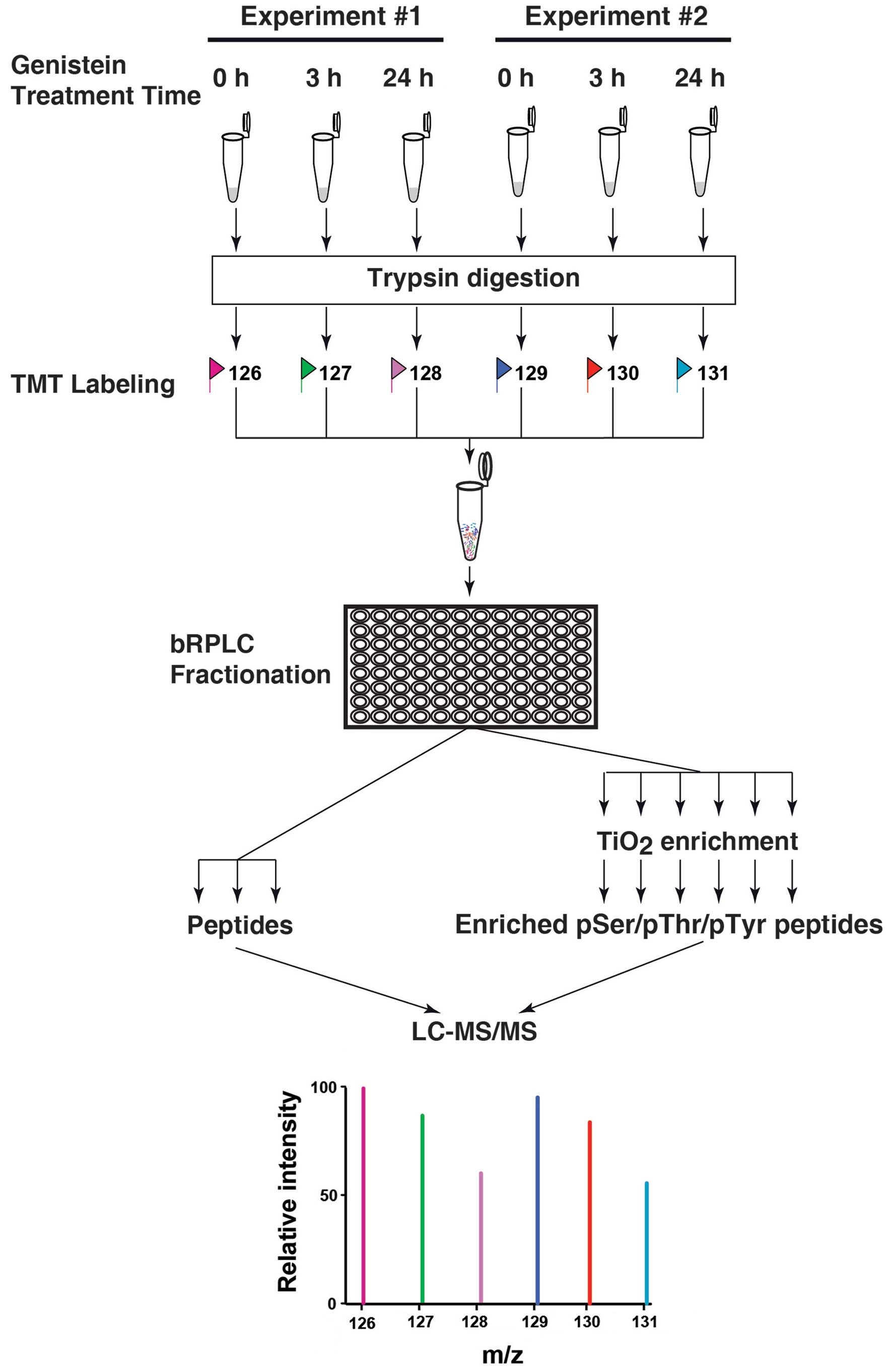
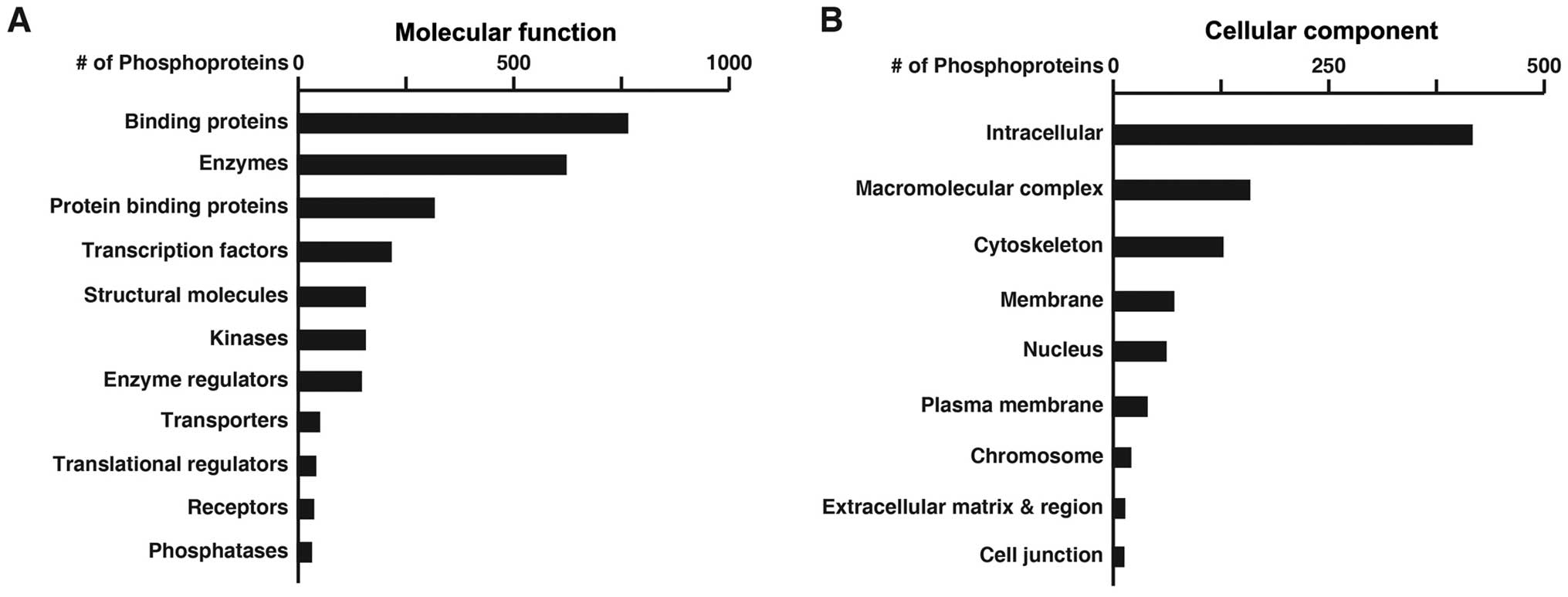
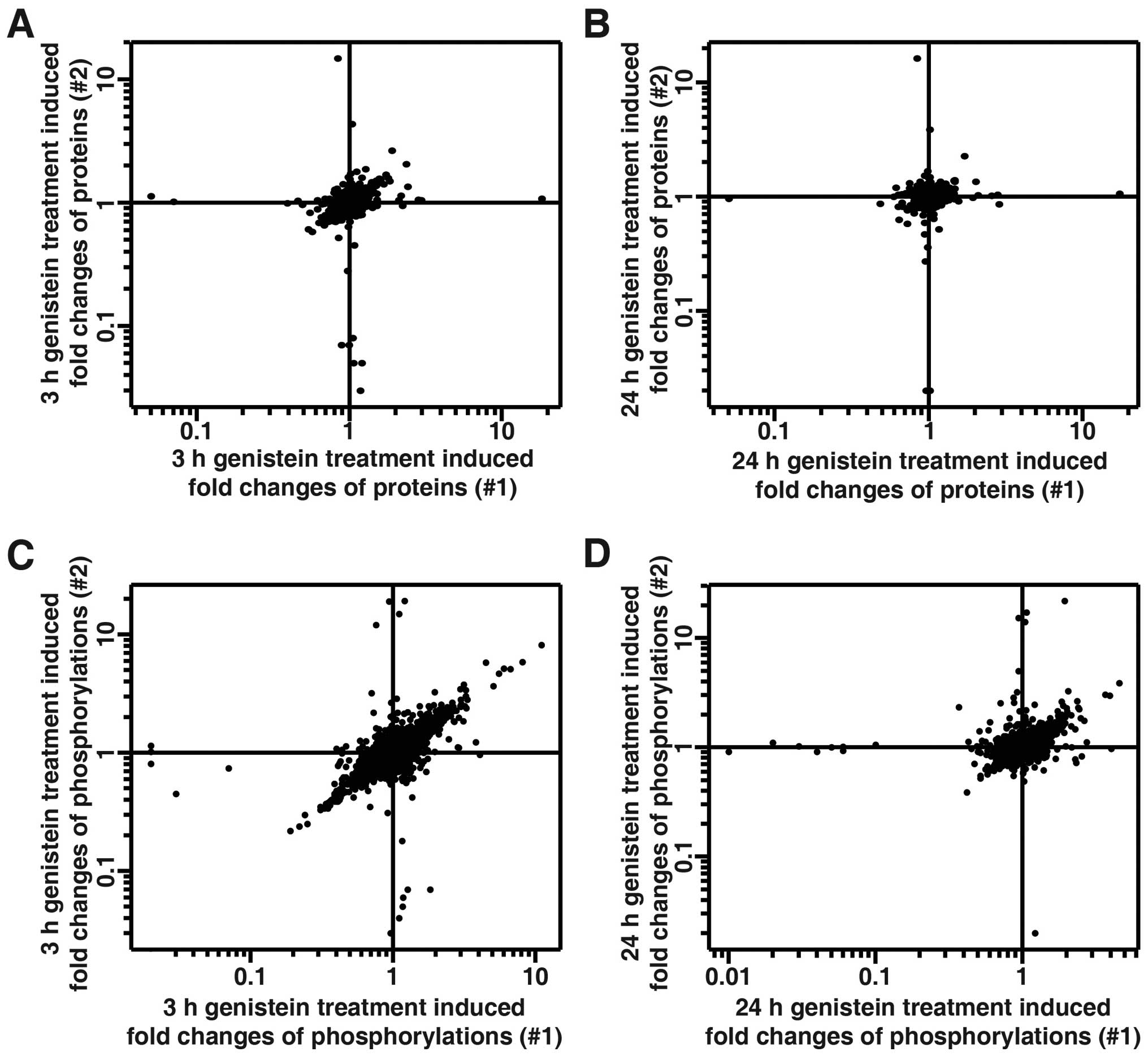
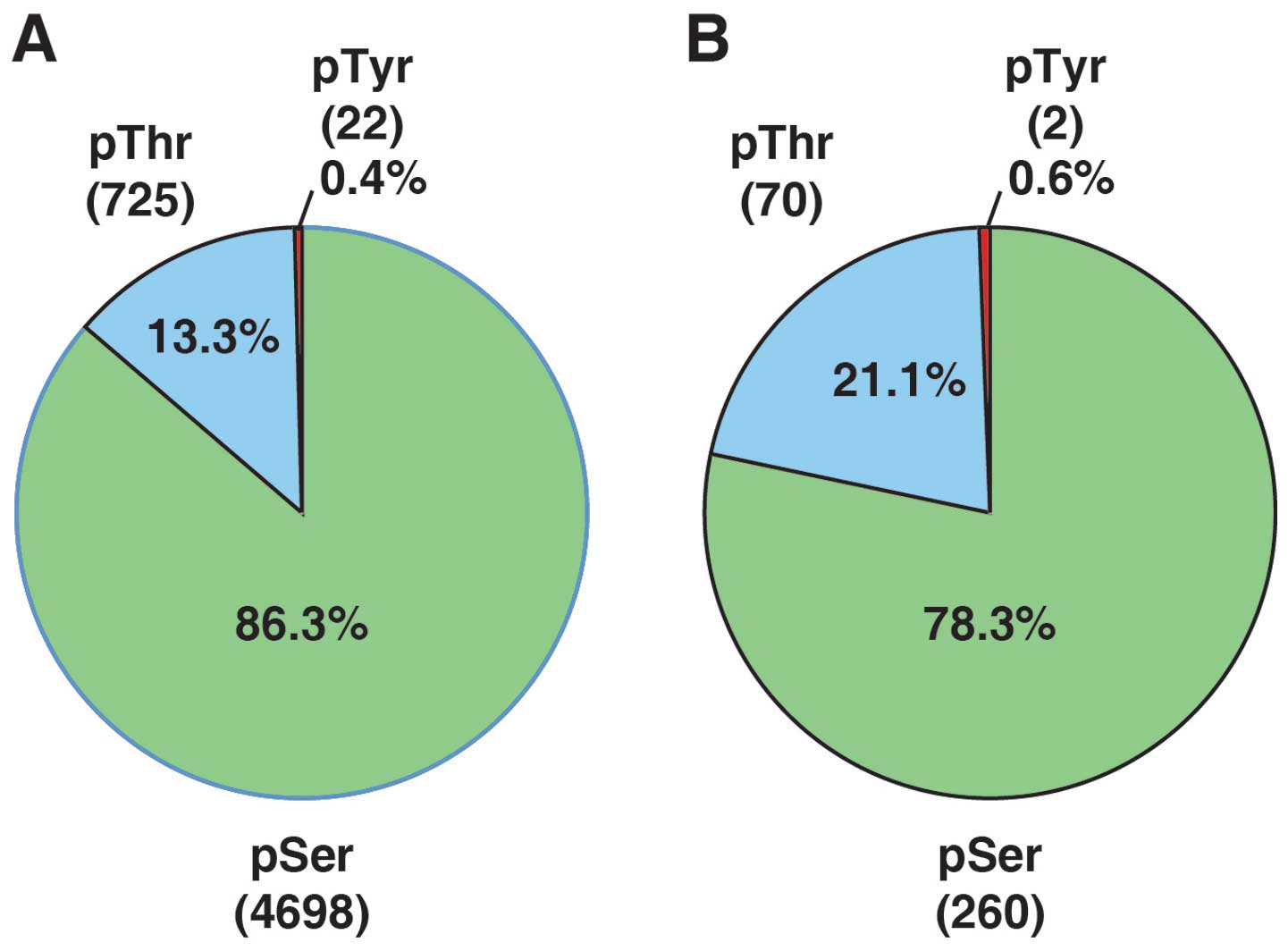
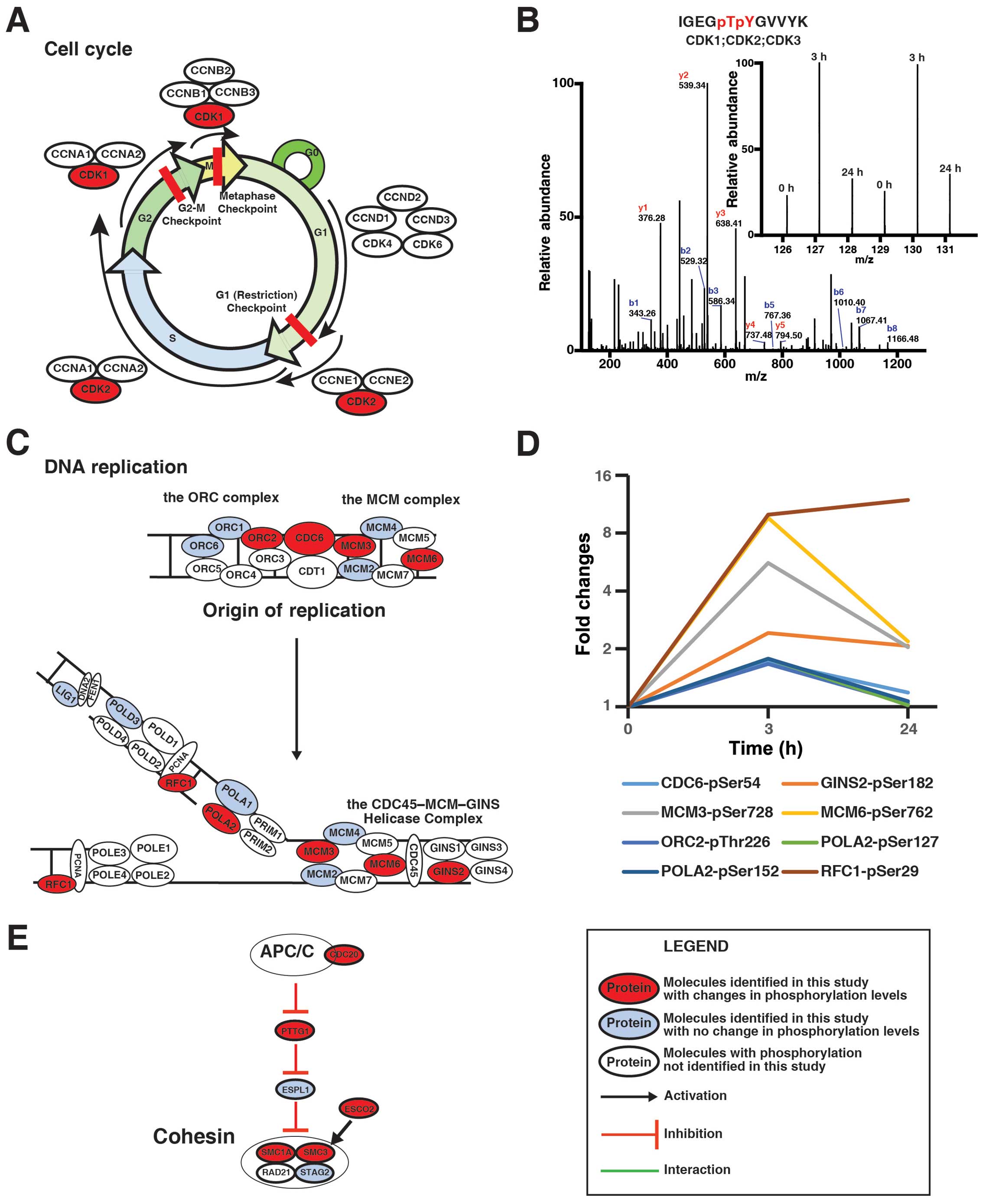
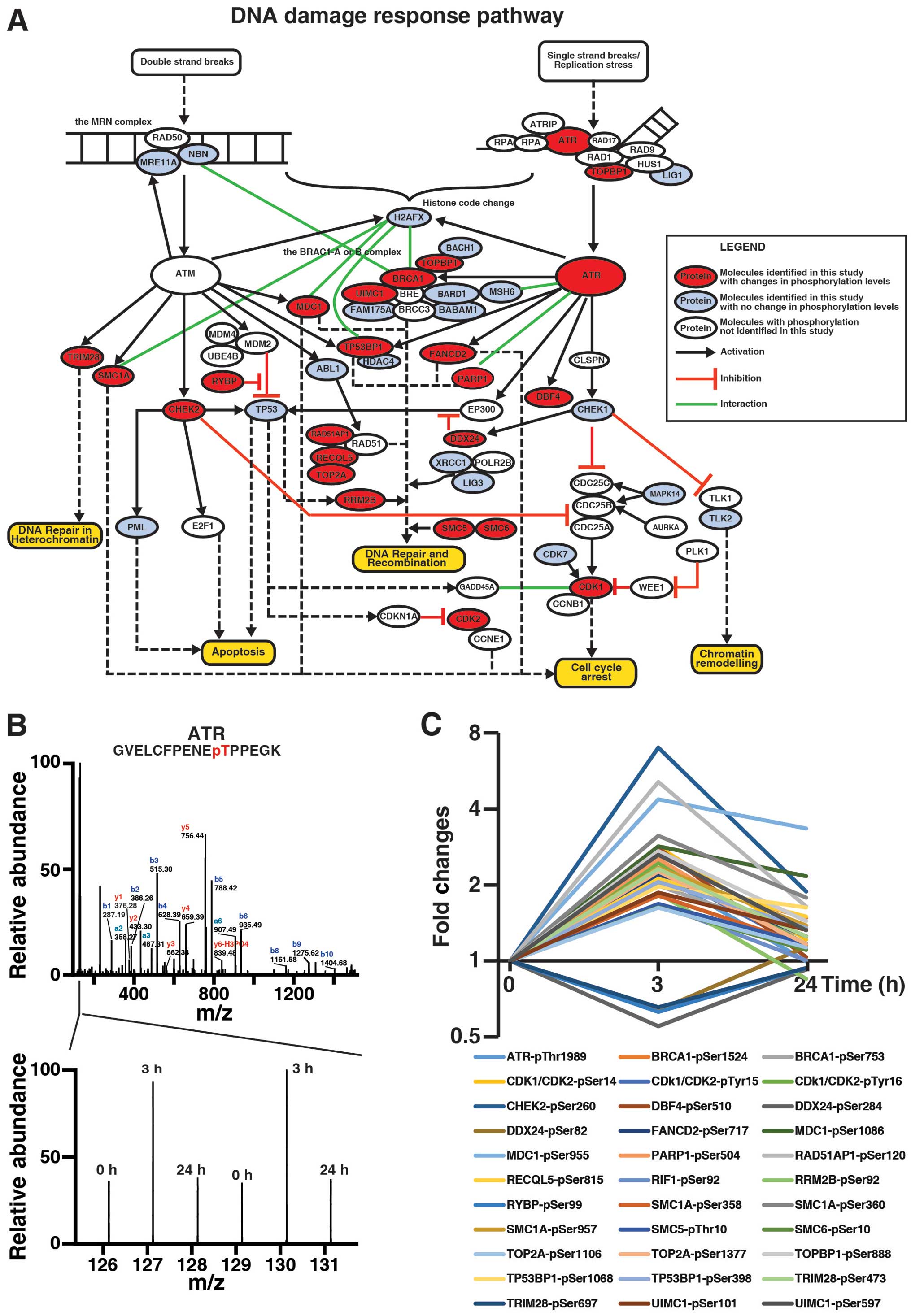
Around one sixth of breast cancer cases are classified as triple-negative breast cancer (TNBC), named after the absence of the expression of estrogen receptor (ER), progesterone receptor (PR), and human epidermal growth factor receptor 2 (HER2); however, patients with TNBC suffer from poor clinical outcome and shortage of targeted therapy. Genistein, an estrogenic soy isoflavone, shows anticancer effects in TNBC cells such as inducing G2/M cell cycle arrest and apoptosis. However, the underlying mechanism of its anticancer effects is poorly understood and its elucidation can help the development of novel therapeutic strategies for TNBC. In this study, by combining isobaric tag-based TMT labeling with titanium dioxide-based phosphopeptide enrichment, we quantitated 5,445 phosphorylation sites on 2,008 phosphoproteins in the TNBC cell line MDA-MB-231, upon genistein treatment. Our analysis revealed 332 genistein-regulated phosphorylation sites on 226 proteins. Our data show that genistein can regulate several biological processes during the cell cycle, including DNA replication, cohesin complex cleavage, and kinetochore formation. Furthermore, genistein can also activate DNA damage response, including activation of ATR and BRCA1 complex. Overall, our study presents evidence at a phosphoproteomic level that genistein is able to inhibit TNBC cell growth by regulating the cell cycle and DNA damage response in a more complex manner. Our findings help elucidate the mechanisms through which genistein exerts its anticancer effects in TNBC cells.
View Figures

Figure 1

Figure 2

Figure 3

Figure 4

Figure 5

Figure 6

View References

1 

Torre LA, Bray F, Siegel RL, Ferlay J, Lortet-Tieulent J and Jemal A: Global cancer statistics, 2012. CA Cancer J Clin. 65:87–108. 2015. View Article : Google Scholar : PubMed/NCBI

2 

Reis-Filho JS and Pusztai L: Gene expression profiling in breast cancer: Classification, prognostication, and prediction. Lancet. 378:1812–1823. 2011. View Article : Google Scholar : PubMed/NCBI

3 

Perou CM and Børresen-Dale AL: Systems biology and genomics of breast cancer. Cold Spring Harb Perspect Biol. 3:a0032932011. View Article : Google Scholar

4 

Adlercreutz CH, Goldin BR, Gorbach SL, Höckerstedt KA, Watanabe S, Hämäläinen EK, Markkanen MH, Mäkelä TH, Wähälä KT and Adlercreutz T: Soybean phytoestrogen intake and cancer risk. J Nutr. 125(Suppl): S757–S770. 1995.

5 

Messina MJ, Persky V, Setchell KD and Barnes S: Soy intake and cancer risk: A review of the in vitro and in vivo data. Nutr Cancer. 21:113–131. 1994. View Article : Google Scholar : PubMed/NCBI

6 

Nechuta SJ, Caan BJ, Chen WY, Lu W, Chen Z, Kwan ML, Flatt SW, Zheng Y, Zheng W, Pierce JP, et al: Soy food intake after diagnosis of breast cancer and survival: An in-depth analysis of combined evidence from cohort studies of US and Chinese women. Am J Clin Nutr. 96:123–132. 2012. View Article : Google Scholar : PubMed/NCBI

7 

Fioravanti L, Cappelletti V, Miodini P, Ronchi E, Brivio M and Di Fronzo G: Genistein in the control of breast cancer cell growth: Insights into the mechanism of action in vitro. Cancer Lett. 130:143–152. 1998. View Article : Google Scholar : PubMed/NCBI

8 

Li Y, Upadhyay S, Bhuiyan M and Sarkar FH: Induction of apoptosis in breast cancer cells MDA-MB-231 by genistein. Oncogene. 18:3166–3172. 1999. View Article : Google Scholar : PubMed/NCBI

9 

Cappelletti V, Fioravanti L, Miodini P and Di Fronzo G: Genistein blocks breast cancer cells in the G(2)M phase of the cell cycle. J Cell Biochem. 79:594–600. 2000. View Article : Google Scholar : PubMed/NCBI

10 

Horia E and Watkins BA: Complementary actions of docosahexaenoic acid and genistein on COX-2, PGE2 and invasiveness in MDA-MB-231 breast cancer cells. Carcinogenesis. 28:809–815. 2007. View Article : Google Scholar

11 

Li Z, Li J, Mo B, Hu C, Liu H, Qi H, Wang X and Xu J: Genistein induces G2/M cell cycle arrest via stable activation of ERK1/2 pathway in MDA-MB-231 breast cancer cells. Cell Biol Toxicol. 24:401–409. 2008. View Article : Google Scholar : PubMed/NCBI

12 

Li Z, Li J, Mo B, Hu C, Liu H, Qi H, Wang X and Xu J: Genistein induces cell apoptosis in MDA-MB-231 breast cancer cells via the mitogen-activated protein kinase pathway. Toxicol In Vitro. 22:1749–1753. 2008. View Article : Google Scholar : PubMed/NCBI

13 

Gong L, Li Y, Nedeljkovic-Kurepa A and Sarkar FH: Inactivation of NF-kappaB by genistein is mediated via Akt signaling pathway in breast cancer cells. Oncogene. 22:4702–4709. 2003. View Article : Google Scholar : PubMed/NCBI

14 

Thompson A, Schäfer J, Kuhn K, Kienle S, Schwarz J, Schmidt G, Neumann T, Johnstone R, Mohammed AK and Hamon C: Tandem mass tags: A novel quantification strategy for comparative analysis of complex protein mixtures by MS/MS. Anal Chem. 75:1895–1904. 2003. View Article : Google Scholar : PubMed/NCBI

15 

Ross PL, Huang YN, Marchese JN, Williamson B, Parker K, Hattan S, Khainovski N, Pillai S, Dey S, Daniels S, et al: Multiplexed protein quantitation in Saccharomyces cerevisiae using amine-reactive isobaric tagging reagents. Mol Cell Proteomics. 3:1154–1169. 2004. View Article : Google Scholar : PubMed/NCBI

16 

Nirujogi RS, Wright JD Jr, Manda SS, Zhong J, Na CH, Meyerhoff J, Benton B, Jabbour R, Willis K, Kim MS, et al: Phosphoproteomic analysis reveals compensatory effects in the piriform cortex of VX nerve agent exposed rats. Proteomics. 15:487–499. 2015. View Article : Google Scholar

17 

Roitinger E, Hofer M, Köcher T, Pichler P, Novatchkova M, Yang J, Schlögelhofer P and Mechtler K: Quantitative phosphoproteomics of the ataxia telangiectasia-mutated (ATM) and ataxia telangiectasia-mutated and rad3-related (ATR) dependent DNA damage response in Arabidopsis thaliana. Mol Cell Proteomics. 14:556–571. 2015. View Article : Google Scholar : PubMed/NCBI

18 

Wiśniewski JR, Zougman A, Nagaraj N and Mann M: Universal sample preparation method for proteome analysis. Nat Methods. 6:359–362. 2009. View Article : Google Scholar

19 

Larsen MR, Thingholm TE, Jensen ON, Roepstorff P and Jørgensen TJ: Highly selective enrichment of phosphorylated peptides from peptide mixtures using titanium dioxide micro-columns. Mol Cell Proteomics. 4:873–886. 2005. View Article : Google Scholar : PubMed/NCBI

20 

Rappsilber J, Ishihama Y and Mann M: Stop and go extraction tips for matrix-assisted laser desorption/ionization, nanoelectrospray, and LC/MS sample pretreatment in proteomics. Anal Chem. 75:663–670. 2003. View Article : Google Scholar : PubMed/NCBI

21 

Cox J, Neuhauser N, Michalski A, Scheltema RA, Olsen JV and Mann M: Andromeda: A peptide search engine integrated into the MaxQuant environment. J Proteome Res. 10:1794–1805. 2011. View Article : Google Scholar : PubMed/NCBI

22 

Cox J, Matic I, Hilger M, Nagaraj N, Selbach M, Olsen JV and Mann M: A practical guide to the MaxQuant computational platform for SILAC-based quantitative proteomics. Nat Protoc. 4:698–705. 2009. View Article : Google Scholar : PubMed/NCBI

23 

Cox J and Mann M: MaxQuant enables high peptide identification rates, individualized p.p.b.-range mass accuracies and proteome-wide protein quantification. Nat Biotechnol. 26:1367–1372. 2008. View Article : Google Scholar : PubMed/NCBI

24 

Vizcaíno JA, Deutsch EW, Wang R, Csordas A, Reisinger F, Ríos D, Dianes JA, Sun Z, Farrah T, Bandeira N, et al: ProteomeXchange provides globally coordinated proteomics data submission and dissemination. Nat Biotechnol. 32:223–226. 2014. View Article : Google Scholar : PubMed/NCBI

25 

Mi H, Muruganujan A and Thomas PD: PANTHER in 2013: Modeling the evolution of gene function, and other gene attributes, in the context of phylogenetic trees. Nucleic Acids Res. 41:D377–D386. 2013. View Article : Google Scholar :

26 

Mi H, Muruganujan A, Casagrande JT and Thomas PD: Large-scale gene function analysis with the PANTHER classification system. Nat Protoc. 8:1551–1566. 2013. View Article : Google Scholar : PubMed/NCBI

27 

Huang W, Sherman BT and Lempicki RA: Bioinformatics enrichment tools: Paths toward the comprehensive functional analysis of large gene lists. Nucleic Acids Res. 37:1–13. 2009. View Article : Google Scholar :

28 

Huang W, Sherman BT and Lempicki RA: Systematic and integrative analysis of large gene lists using DAVID bioinformatics resources. Nat Protoc. 4:44–57. 2009. View Article : Google Scholar

29 

Pan H, Zhou W, He W, Liu X, Ding Q, Ling L, Zha X and Wang S: Genistein inhibits MDA-MB-231 triple-negative breast cancer cell growth by inhibiting NF-κB activity via the Notch-1 pathway. Int J Mol Med. 30:337–343. 2012.PubMed/NCBI

30 

Wang Z, Liang S, Lian X, Liu L, Zhao S, Xuan Q, Guo L, Liu H, Yang Y, Dong T, et al: Identification of proteins responsible for adriamycin resistance in breast cancer cells using proteomics analysis. Sci Rep. 5:93012015. View Article : Google Scholar : PubMed/NCBI

31 

Liu S, Shiotani B, Lahiri M, Maréchal A, Tse A, Leung CC, Glover JN, Yang XH and Zou L: ATR autophosphorylation as a molecular switch for checkpoint activation. Mol Cell. 43:192–202. 2011. View Article : Google Scholar : PubMed/NCBI

32 

Vauzour D, Vafeiadou K, Rice-Evans C, Cadenas E and Spencer JP: Inhibition of cellular proliferation by the genistein metabolite 5,7,3′,4′-tetrahydroxyisoflavone is mediated by DNA damage and activation of the ATR signalling pathway. Arch Biochem Biophys. 468:159–166. 2007. View Article : Google Scholar : PubMed/NCBI

33 

Tuul M, Kitao H, Iimori M, Matsuoka K, Kiyonari S, Saeki H, Oki E, Morita M and Maehara Y: Rad9, Rad17, TopBP1 and claspin play essential roles in heat-induced activation of ATR kinase and heat tolerance. PLoS One. 8:e553612013. View Article : Google Scholar : PubMed/NCBI

34 

Kumagai A, Lee J, Yoo HY and Dunphy WG: TopBP1 activates the ATR-ATRIP complex. Cell. 124:943–955. 2006. View Article : Google Scholar : PubMed/NCBI

35 

Foulkes WD, Smith IE and Reis-Filho JS: Triple-negative breast cancer. N Engl J Med. 363:1938–1948. 2010. View Article : Google Scholar : PubMed/NCBI

36 

Tichy JR, Deal AM, Anders CK, Reeder-Hayes K and Carey LA: Race, response to chemotherapy, and outcome within clinical breast cancer subtypes. Breast Cancer Res Treat. 150:667–674. 2015. View Article : Google Scholar : PubMed/NCBI

37 

Rajah TT, Peine KJ, Du N, Serret CA and Drews NR: Physiological concentrations of genistein and 17β-estradiol inhibit MDA-MB-231 breast cancer cell growth by increasing BAX/BCL-2 and reducing pERK1/2. Anticancer Res. 32:1181–1191. 2012.PubMed/NCBI

38 

Santell RC, Kieu N and Helferich WG: Genistein inhibits growth of estrogen-independent human breast cancer cells in culture but not in athymic mice. J Nutr. 130:1665–1669. 2000.PubMed/NCBI

39 

Krek W and Nigg EA: Differential phosphorylation of vertebrate p34cdc2 kinase at the G1/S and G2/M transitions of the cell cycle: Identification of major phosphorylation sites. EMBO J. 10:305–316. 1991.PubMed/NCBI

40 

Hagstrom KA and Meyer BJ: Condensin and cohesin: More than chromosome compactor and glue. Nat Rev Genet. 4:520–534. 2003. View Article : Google Scholar : PubMed/NCBI

41 

Tang Z, Shu H, Oncel D, Chen S and Yu H: Phosphorylation of Cdc20 by Bub1 provides a catalytic mechanism for APC/C inhibition by the spindle checkpoint. Mol Cell. 16:387–397. 2004. View Article : Google Scholar : PubMed/NCBI

42 

Whelan G, Kreidl E, Wutz G, Egner A, Peters JM and Eichele G: Cohesin acetyltransferase Esco2 is a cell viability factor and is required for cohesion in pericentric heterochromatin. EMBO J. 31:71–82. 2012. View Article : Google Scholar :

43 

Vega H, Waisfisz Q, Gordillo M, Sakai N, Yanagihara I, Yamada M, van Gosliga D, Kayserili H, Xu C, Ozono K, et al: Roberts syndrome is caused by mutations in ESCO2, a human homolog of yeast ECO1 that is essential for the establishment of sister chromatid cohesion. Nat Genet. 37:468–470. 2005. View Article : Google Scholar : PubMed/NCBI

44 

Maiato H, Fairley EA, Rieder CL, Swedlow JR, Sunkel CE and Earnshaw WC: Human CLASP1 is an outer kinetochore component that regulates spindle microtubule dynamics. Cell. 113:891–904. 2003. View Article : Google Scholar : PubMed/NCBI

45 

Maia AR, Garcia Z, Kabeche L, Barisic M, Maffini S, Macedo-Ribeiro S, Cheeseman IM, Compton DA, Kaverina I and Maiato H: Cdk1 and Plk1 mediate a CLASP2 phospho-switch that stabilizes kinetochore-microtubule attachments. J Cell Biol. 199:285–301. 2012. View Article : Google Scholar : PubMed/NCBI

46 

Liao H, Winkfein RJ, Mack G, Rattner JB and Yen TJ: CENP-F is a protein of the nuclear matrix that assembles onto kinetochores at late G2 and is rapidly degraded after mitosis. J Cell Biol. 130:507–518. 1995. View Article : Google Scholar : PubMed/NCBI

47 

Tadeu AM, Ribeiro S, Johnston J, Goldberg I, Gerloff D and Earnshaw WC: CENP-V is required for centromere organization, chromosome alignment and cytokinesis. EMBO J. 27:2510–2522. 2008. View Article : Google Scholar : PubMed/NCBI

48 

Lawo S, Bashkurov M, Mullin M, Ferreria MG, Kittler R, Habermann B, Tagliaferro A, Poser I, Hutchins JR, Hegemann B, et al: HAUS, the 8-subunit human Augmin complex, regulates centrosome and spindle integrity. Curr Biol. 19:816–826. 2009. View Article : Google Scholar : PubMed/NCBI

49 

Maddox PS, Hyndman F, Monen J, Oegema K and Desai A: Functional genomics identifies a Myb domain-containing protein family required for assembly of CENP-A chromatin. J Cell Biol. 176:757–763. 2007. View Article : Google Scholar : PubMed/NCBI

50 

Dunleavy EM, Roche D, Tagami H, Lacoste N, Ray-Gallet D, Nakamura Y, Daigo Y, Nakatani Y and Almouzni-Pettinotti G: HJURP is a cell-cycle-dependent maintenance and deposition factor of CENP-A at centromeres. Cell. 137:485–497. 2009. View Article : Google Scholar : PubMed/NCBI

51 

Barnhart MC, Kuich PH, Stellfox ME, Ward JA, Bassett EA, Black BE and Foltz DR: HJURP is a CENP-A chromatin assembly factor sufficient to form a functional de novo kinetochore. J Cell Biol. 194:229–243. 2011. View Article : Google Scholar : PubMed/NCBI

52 

Barisic M, Sohm B, Mikolcevic P, Wandke C, Rauch V, Ringer T, Hess M, Bonn G and Geley S: Spindly/CCDC99 is required for efficient chromosome congression and mitotic checkpoint regulation. Mol Biol Cell. 21:1968–1981. 2010. View Article : Google Scholar : PubMed/NCBI

53 

Maréchal A and Zou L: DNA damage sensing by the ATM and ATR kinases. Cold Spring Harb Perspect Biol. 5:52013. View Article : Google Scholar

54 

Liu X, Sun C, Jin X, Li P, Ye F, Zhao T, Gong L and Li Q: Genistein enhances the radiosensitivity of breast cancer cells via G(2)/M cell cycle arrest and apoptosis. Molecules. 18:13200–13217. 2013. View Article : Google Scholar : PubMed/NCBI

55 

Narod SA and Foulkes WD: BRCA1 and BRCA2: 1994 and beyond. Nat Rev Cancer. 4:665–676. 2004. View Article : Google Scholar : PubMed/NCBI

56 

Venkitaraman AR: Cancer susceptibility and the functions of BRCA1 and BRCA2. Cell. 108:171–182. 2002. View Article : Google Scholar : PubMed/NCBI

57 

Wang B: BRCA1 tumor suppressor network: Focusing on its tail. Cell Biosci. 2:62012. View Article : Google Scholar : PubMed/NCBI

58 

Wang B, Hurov K, Hofmann K and Elledge SJ: NBA1, a new player in the Brca1 A complex, is required for DNA damage resistance and checkpoint control. Genes Dev. 23:729–739. 2009. View Article : Google Scholar : PubMed/NCBI

59 

Greenberg RA, Sobhian B, Pathania S, Cantor SB, Nakatani Y and Livingston DM: Multifactorial contributions to an acute DNA damage response by BRCA1/BARD1-containing complexes. Genes Dev. 20:34–46. 2006. View Article : Google Scholar : PubMed/NCBI

60 

Yu X and Chen J: DNA damage-induced cell cycle checkpoint control requires CtIP, a phosphorylation-dependent binding partner of BRCA1 C-terminal domains. Mol Cell Biol. 24:9478–9486. 2004. View Article : Google Scholar : PubMed/NCBI

61 

Xu B, O'Donnell AH, Kim ST and Kastan MB: Phosphorylation of serine 1387 in Brca1 is specifically required for the Atm-mediated S-phase checkpoint after ionizing irradiation. Cancer Res. 62:4588–4591. 2002.PubMed/NCBI

62 

Cortez D, Wang Y, Qin J and Elledge SJ: Requirement of ATM-dependent phosphorylation of brca1 in the DNA damage response to double-strand breaks. Science. 286:1162–1166. 1999. View Article : Google Scholar : PubMed/NCBI

63 

Kim H, Chen J and Yu X: Ubiquitin-binding protein RAP80 mediates BRCA1-dependent DNA damage response. Science. 316:1202–1205. 2007. View Article : Google Scholar : PubMed/NCBI

64 

Sobhian B, Shao G, Lilli DR, Culhane AC, Moreau LA, Xia B, Livingston DM and Greenberg RA: RAP80 targets BRCA1 to specific ubiquitin structures at DNA damage sites. Science. 316:1198–1202. 2007. View Article : Google Scholar : PubMed/NCBI

65 

Ilves I, Tamberg N and Botchan MR: Checkpoint kinase 2 (Chk2) inhibits the activity of the Cdc45/MCM2-7/GINS (CMG) replicative helicase complex. Proc Natl Acad Sci USA. 109:13163–13170. 2012. View Article : Google Scholar : PubMed/NCBI

Related Articles

  • Abstract
  • View
  • Download
  • Twitter
Copy and paste a formatted citation
Spandidos Publications style
Fang Y, Zhang Q, Wang X, Yang X, Wang X, Huang Z, Jiao Y and Wang J: Quantitative phosphoproteomics reveals genistein as a modulator of cell cycle and DNA damage response pathways in triple-negative breast cancer cells. Int J Oncol 48: 1016-1028, 2016.
APA
Fang, Y., Zhang, Q., Wang, X., Yang, X., Wang, X., Huang, Z. ... Wang, J. (2016). Quantitative phosphoproteomics reveals genistein as a modulator of cell cycle and DNA damage response pathways in triple-negative breast cancer cells. International Journal of Oncology, 48, 1016-1028. https://doi.org/10.3892/ijo.2016.3327
MLA
Fang, Y., Zhang, Q., Wang, X., Yang, X., Wang, X., Huang, Z., Jiao, Y., Wang, J."Quantitative phosphoproteomics reveals genistein as a modulator of cell cycle and DNA damage response pathways in triple-negative breast cancer cells". International Journal of Oncology 48.3 (2016): 1016-1028.
Chicago
Fang, Y., Zhang, Q., Wang, X., Yang, X., Wang, X., Huang, Z., Jiao, Y., Wang, J."Quantitative phosphoproteomics reveals genistein as a modulator of cell cycle and DNA damage response pathways in triple-negative breast cancer cells". International Journal of Oncology 48, no. 3 (2016): 1016-1028. https://doi.org/10.3892/ijo.2016.3327
Copy and paste a formatted citation
x
Spandidos Publications style
Fang Y, Zhang Q, Wang X, Yang X, Wang X, Huang Z, Jiao Y and Wang J: Quantitative phosphoproteomics reveals genistein as a modulator of cell cycle and DNA damage response pathways in triple-negative breast cancer cells. Int J Oncol 48: 1016-1028, 2016.
APA
Fang, Y., Zhang, Q., Wang, X., Yang, X., Wang, X., Huang, Z. ... Wang, J. (2016). Quantitative phosphoproteomics reveals genistein as a modulator of cell cycle and DNA damage response pathways in triple-negative breast cancer cells. International Journal of Oncology, 48, 1016-1028. https://doi.org/10.3892/ijo.2016.3327
MLA
Fang, Y., Zhang, Q., Wang, X., Yang, X., Wang, X., Huang, Z., Jiao, Y., Wang, J."Quantitative phosphoproteomics reveals genistein as a modulator of cell cycle and DNA damage response pathways in triple-negative breast cancer cells". International Journal of Oncology 48.3 (2016): 1016-1028.
Chicago
Fang, Y., Zhang, Q., Wang, X., Yang, X., Wang, X., Huang, Z., Jiao, Y., Wang, J."Quantitative phosphoproteomics reveals genistein as a modulator of cell cycle and DNA damage response pathways in triple-negative breast cancer cells". International Journal of Oncology 48, no. 3 (2016): 1016-1028. https://doi.org/10.3892/ijo.2016.3327
Follow us
  • Twitter
  • LinkedIn
  • Facebook
About
  • Spandidos Publications
  • Careers
  • Cookie Policy
  • Privacy Policy
How can we help?
  • Help
  • Live Chat
  • Contact
  • Email to our Support Team