Spandidos Publications Logo
  • About
    • About Spandidos
    • Aims and Scopes
    • Abstracting and Indexing
    • Editorial Policies
    • Reprints and Permissions
    • Job Opportunities
    • Terms and Conditions
    • Contact
  • Journals
    • All Journals
    • Oncology Letters
      • Oncology Letters
      • Information for Authors
      • Editorial Policies
      • Editorial Board
      • Aims and Scope
      • Abstracting and Indexing
      • Bibliographic Information
      • Archive
    • International Journal of Oncology
      • International Journal of Oncology
      • Information for Authors
      • Editorial Policies
      • Editorial Board
      • Aims and Scope
      • Abstracting and Indexing
      • Bibliographic Information
      • Archive
    • Molecular and Clinical Oncology
      • Molecular and Clinical Oncology
      • Information for Authors
      • Editorial Policies
      • Editorial Board
      • Aims and Scope
      • Abstracting and Indexing
      • Bibliographic Information
      • Archive
    • Experimental and Therapeutic Medicine
      • Experimental and Therapeutic Medicine
      • Information for Authors
      • Editorial Policies
      • Editorial Board
      • Aims and Scope
      • Abstracting and Indexing
      • Bibliographic Information
      • Archive
    • International Journal of Molecular Medicine
      • International Journal of Molecular Medicine
      • Information for Authors
      • Editorial Policies
      • Editorial Board
      • Aims and Scope
      • Abstracting and Indexing
      • Bibliographic Information
      • Archive
    • Biomedical Reports
      • Biomedical Reports
      • Information for Authors
      • Editorial Policies
      • Editorial Board
      • Aims and Scope
      • Abstracting and Indexing
      • Bibliographic Information
      • Archive
    • Oncology Reports
      • Oncology Reports
      • Information for Authors
      • Editorial Policies
      • Editorial Board
      • Aims and Scope
      • Abstracting and Indexing
      • Bibliographic Information
      • Archive
    • Molecular Medicine Reports
      • Molecular Medicine Reports
      • Information for Authors
      • Editorial Policies
      • Editorial Board
      • Aims and Scope
      • Abstracting and Indexing
      • Bibliographic Information
      • Archive
    • World Academy of Sciences Journal
      • World Academy of Sciences Journal
      • Information for Authors
      • Editorial Policies
      • Editorial Board
      • Aims and Scope
      • Abstracting and Indexing
      • Bibliographic Information
      • Archive
    • International Journal of Functional Nutrition
      • International Journal of Functional Nutrition
      • Information for Authors
      • Editorial Policies
      • Editorial Board
      • Aims and Scope
      • Abstracting and Indexing
      • Bibliographic Information
      • Archive
    • International Journal of Epigenetics
      • International Journal of Epigenetics
      • Information for Authors
      • Editorial Policies
      • Editorial Board
      • Aims and Scope
      • Abstracting and Indexing
      • Bibliographic Information
      • Archive
    • Medicine International
      • Medicine International
      • Information for Authors
      • Editorial Policies
      • Editorial Board
      • Aims and Scope
      • Abstracting and Indexing
      • Bibliographic Information
      • Archive
  • Articles
  • Information
    • Information for Authors
    • Information for Reviewers
    • Information for Librarians
    • Information for Advertisers
    • Conferences
  • Language Editing
Spandidos Publications Logo
  • About
    • About Spandidos
    • Aims and Scopes
    • Abstracting and Indexing
    • Editorial Policies
    • Reprints and Permissions
    • Job Opportunities
    • Terms and Conditions
    • Contact
  • Journals
    • All Journals
    • Biomedical Reports
      • Information for Authors
      • Editorial Policies
      • Editorial Board
      • Aims and Scope
      • Abstracting and Indexing
      • Bibliographic Information
      • Archive
    • Experimental and Therapeutic Medicine
      • Information for Authors
      • Editorial Policies
      • Editorial Board
      • Aims and Scope
      • Abstracting and Indexing
      • Bibliographic Information
      • Archive
    • International Journal of Epigenetics
      • Information for Authors
      • Editorial Policies
      • Editorial Board
      • Aims and Scope
      • Abstracting and Indexing
      • Bibliographic Information
      • Archive
    • International Journal of Functional Nutrition
      • Information for Authors
      • Editorial Policies
      • Editorial Board
      • Aims and Scope
      • Abstracting and Indexing
      • Bibliographic Information
      • Archive
    • International Journal of Molecular Medicine
      • Information for Authors
      • Editorial Policies
      • Editorial Board
      • Aims and Scope
      • Abstracting and Indexing
      • Bibliographic Information
      • Archive
    • International Journal of Oncology
      • Information for Authors
      • Editorial Policies
      • Editorial Board
      • Aims and Scope
      • Abstracting and Indexing
      • Bibliographic Information
      • Archive
    • Medicine International
      • Information for Authors
      • Editorial Policies
      • Editorial Board
      • Aims and Scope
      • Abstracting and Indexing
      • Bibliographic Information
      • Archive
    • Molecular and Clinical Oncology
      • Information for Authors
      • Editorial Policies
      • Editorial Board
      • Aims and Scope
      • Abstracting and Indexing
      • Bibliographic Information
      • Archive
    • Molecular Medicine Reports
      • Information for Authors
      • Editorial Policies
      • Editorial Board
      • Aims and Scope
      • Abstracting and Indexing
      • Bibliographic Information
      • Archive
    • Oncology Letters
      • Information for Authors
      • Editorial Policies
      • Editorial Board
      • Aims and Scope
      • Abstracting and Indexing
      • Bibliographic Information
      • Archive
    • Oncology Reports
      • Information for Authors
      • Editorial Policies
      • Editorial Board
      • Aims and Scope
      • Abstracting and Indexing
      • Bibliographic Information
      • Archive
    • World Academy of Sciences Journal
      • Information for Authors
      • Editorial Policies
      • Editorial Board
      • Aims and Scope
      • Abstracting and Indexing
      • Bibliographic Information
      • Archive
  • Articles
  • Information
    • For Authors
    • For Reviewers
    • For Librarians
    • For Advertisers
    • Conferences
  • Language Editing
Login Register Submit
  • This site uses cookies
  • You can change your cookie settings at any time by following the instructions in our Cookie Policy. To find out more, you may read our Privacy Policy.

    I agree
Search articles by DOI, keyword, author or affiliation
Search
Advanced Search
presentation
International Journal of Oncology
Join Editorial Board Propose a Special Issue
Print ISSN: 1019-6439 Online ISSN: 1791-2423
Journal Cover
December-2016 Volume 49 Issue 6

Full Size Image

Cover Legend PDF

Sign up for eToc alerts
Recommend to Library

Journals

International Journal of Molecular Medicine

International Journal of Molecular Medicine

International Journal of Molecular Medicine is an international journal devoted to molecular mechanisms of human disease.

International Journal of Oncology

International Journal of Oncology

International Journal of Oncology is an international journal devoted to oncology research and cancer treatment.

Molecular Medicine Reports

Molecular Medicine Reports

Covers molecular medicine topics such as pharmacology, pathology, genetics, neuroscience, infectious diseases, molecular cardiology, and molecular surgery.

Oncology Reports

Oncology Reports

Oncology Reports is an international journal devoted to fundamental and applied research in Oncology.

Experimental and Therapeutic Medicine

Experimental and Therapeutic Medicine

Experimental and Therapeutic Medicine is an international journal devoted to laboratory and clinical medicine.

Oncology Letters

Oncology Letters

Oncology Letters is an international journal devoted to Experimental and Clinical Oncology.

Biomedical Reports

Biomedical Reports

Explores a wide range of biological and medical fields, including pharmacology, genetics, microbiology, neuroscience, and molecular cardiology.

Molecular and Clinical Oncology

Molecular and Clinical Oncology

International journal addressing all aspects of oncology research, from tumorigenesis and oncogenes to chemotherapy and metastasis.

World Academy of Sciences Journal

World Academy of Sciences Journal

Multidisciplinary open-access journal spanning biochemistry, genetics, neuroscience, environmental health, and synthetic biology.

International Journal of Functional Nutrition

International Journal of Functional Nutrition

Open-access journal combining biochemistry, pharmacology, immunology, and genetics to advance health through functional nutrition.

International Journal of Epigenetics

International Journal of Epigenetics

Publishes open-access research on using epigenetics to advance understanding and treatment of human disease.

Medicine International

Medicine International

An International Open Access Journal Devoted to General Medicine.

Journal Cover
December-2016 Volume 49 Issue 6

Full Size Image

Cover Legend PDF

Sign up for eToc alerts
Recommend to Library

  • Article
  • Citations
    • Cite This Article
    • Download Citation
    • Create Citation Alert
    • Remove Citation Alert
    • Cited By
  • Similar Articles
    • Related Articles (in Spandidos Publications)
    • Similar Articles (Google Scholar)
    • Similar Articles (PubMed)
  • Download PDF
  • Download XML
  • View XML
Article

AKT/mTOR signaling pathway is involved in salvianolic acid B-induced autophagy and apoptosis in hepatocellular carcinoma cells

  • Authors:
    • Ling Gong
    • Chunhong Di
    • Xiaofang Xia
    • Jie Wang
    • Gongying Chen
    • Junping Shi
    • Pengshuai Chen
    • Hui Xu
    • Weibing Zhang
  • View Affiliations / Copyright

    Affiliations: Department of Liver Diseases, The Affiliated Hospital of Hangzhou Normal University, Hangzhou, Zhejiang 310015, P.R. China, Department of Laboratory, The Affiliated Hospital of Hangzhou Normal University, Hangzhou, Zhejiang 310015, P.R. China, Department of Pharmacy, The First Affiliated Hospital of Wenzhou Medical University, Wenzhou, Zhejiang 325000, P.R. China
  • Pages: 2538-2548
    |
    Published online on: October 24, 2016
       https://doi.org/10.3892/ijo.2016.3748
  • Expand metrics +
Metrics: Total Views: 0 (Spandidos Publications: | PMC Statistics: )
Metrics: Total PDF Downloads: 0 (Spandidos Publications: | PMC Statistics: )
Cited By (CrossRef): 0 citations Loading Articles...

This article is mentioned in:


Abstract

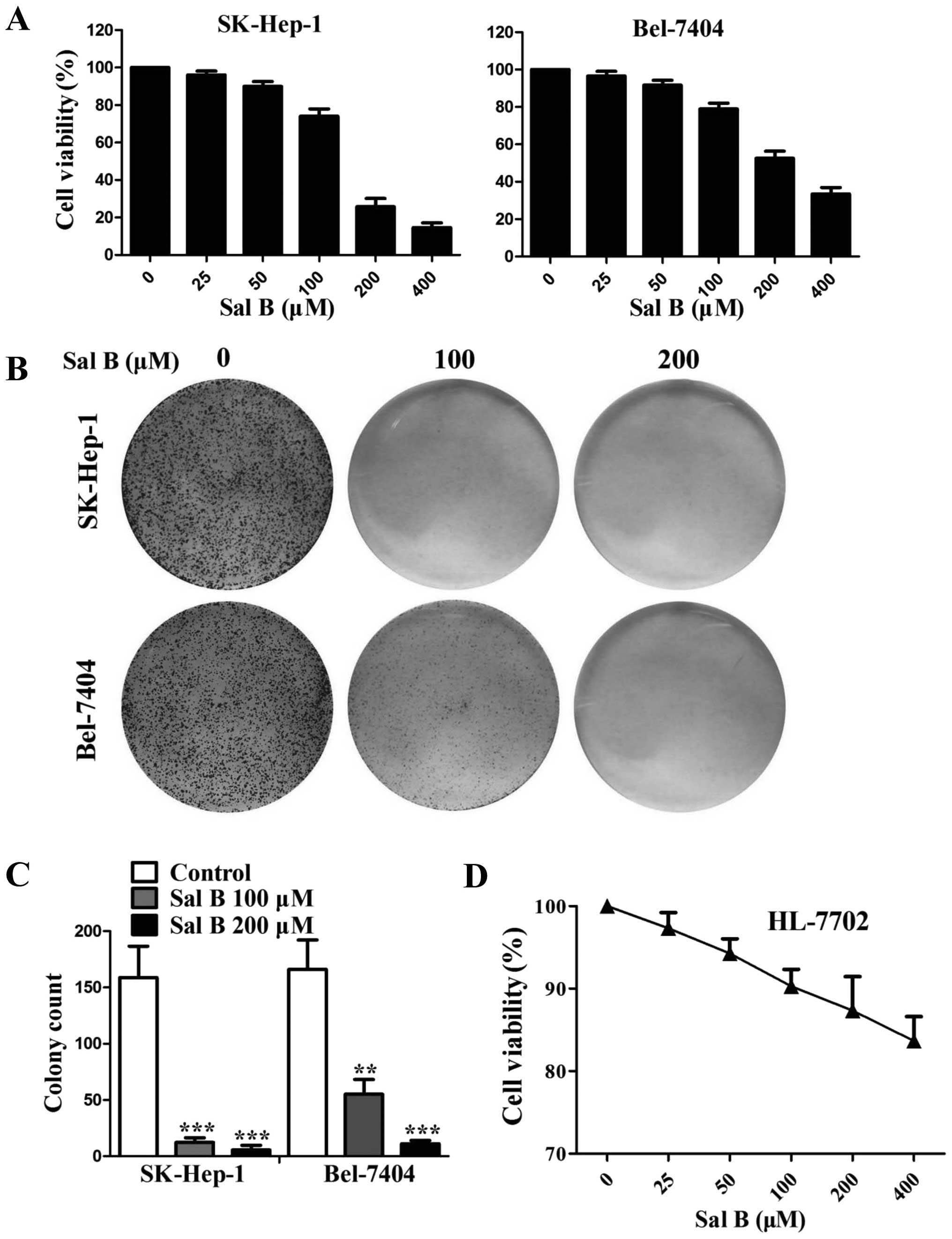
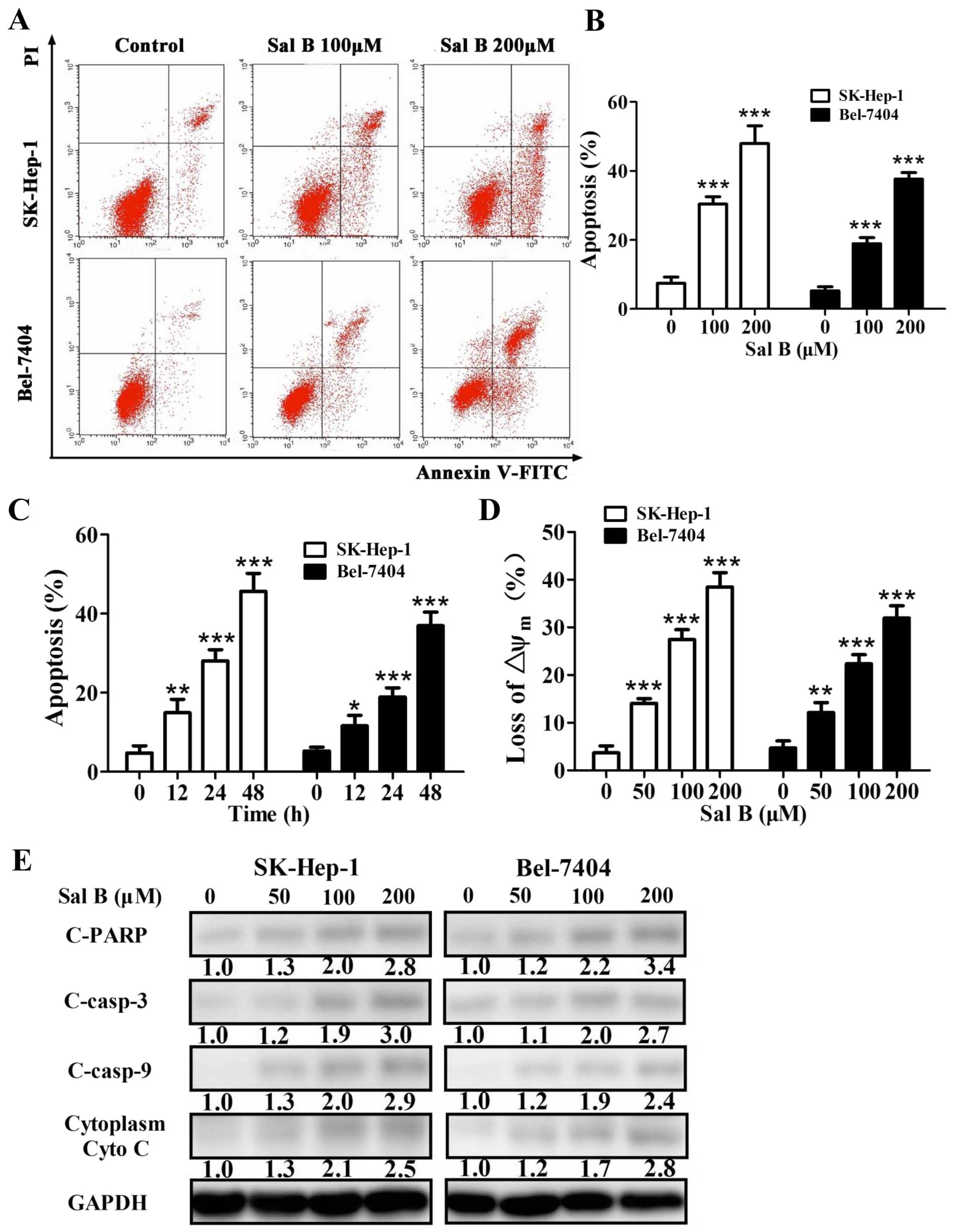
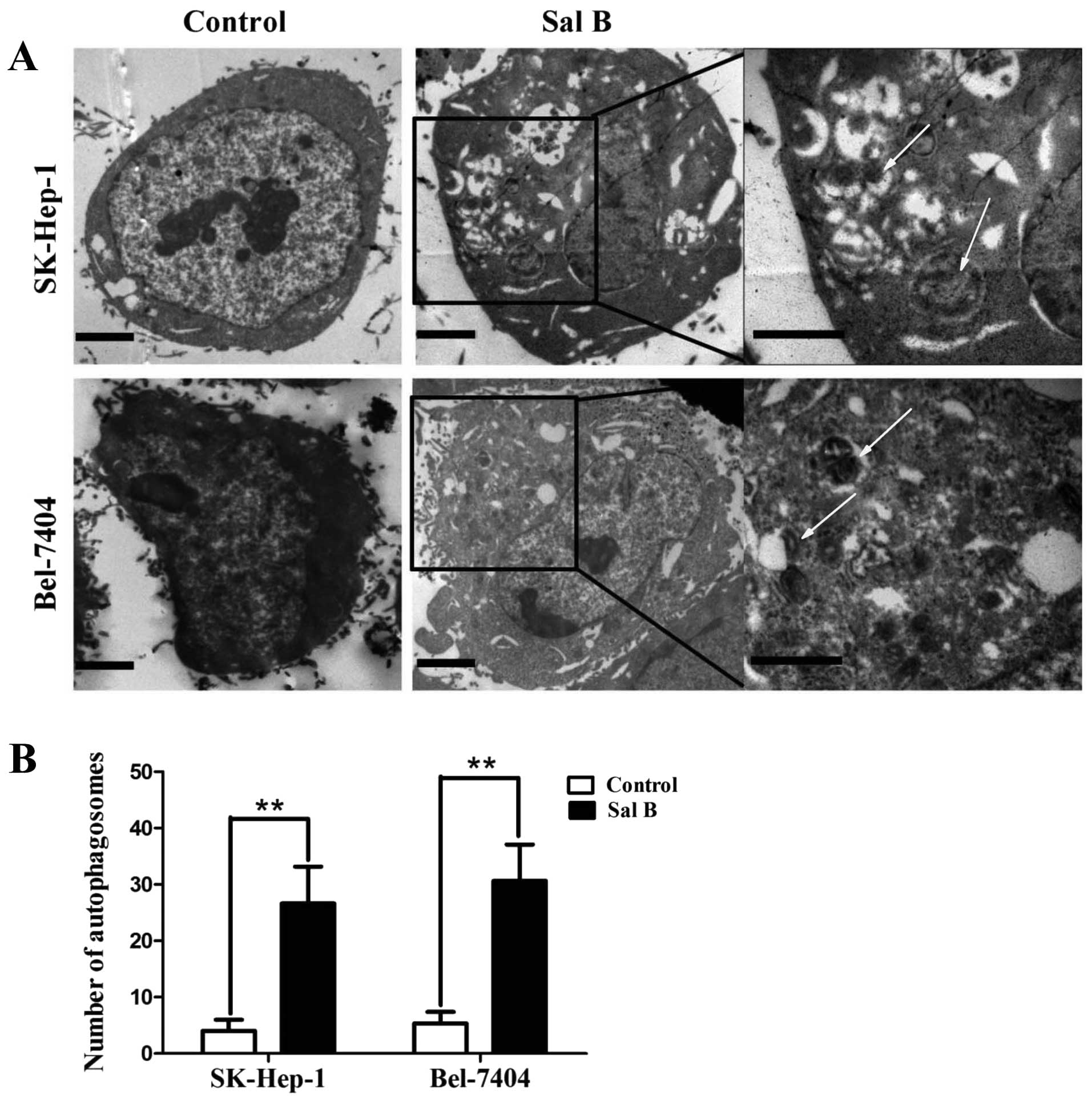
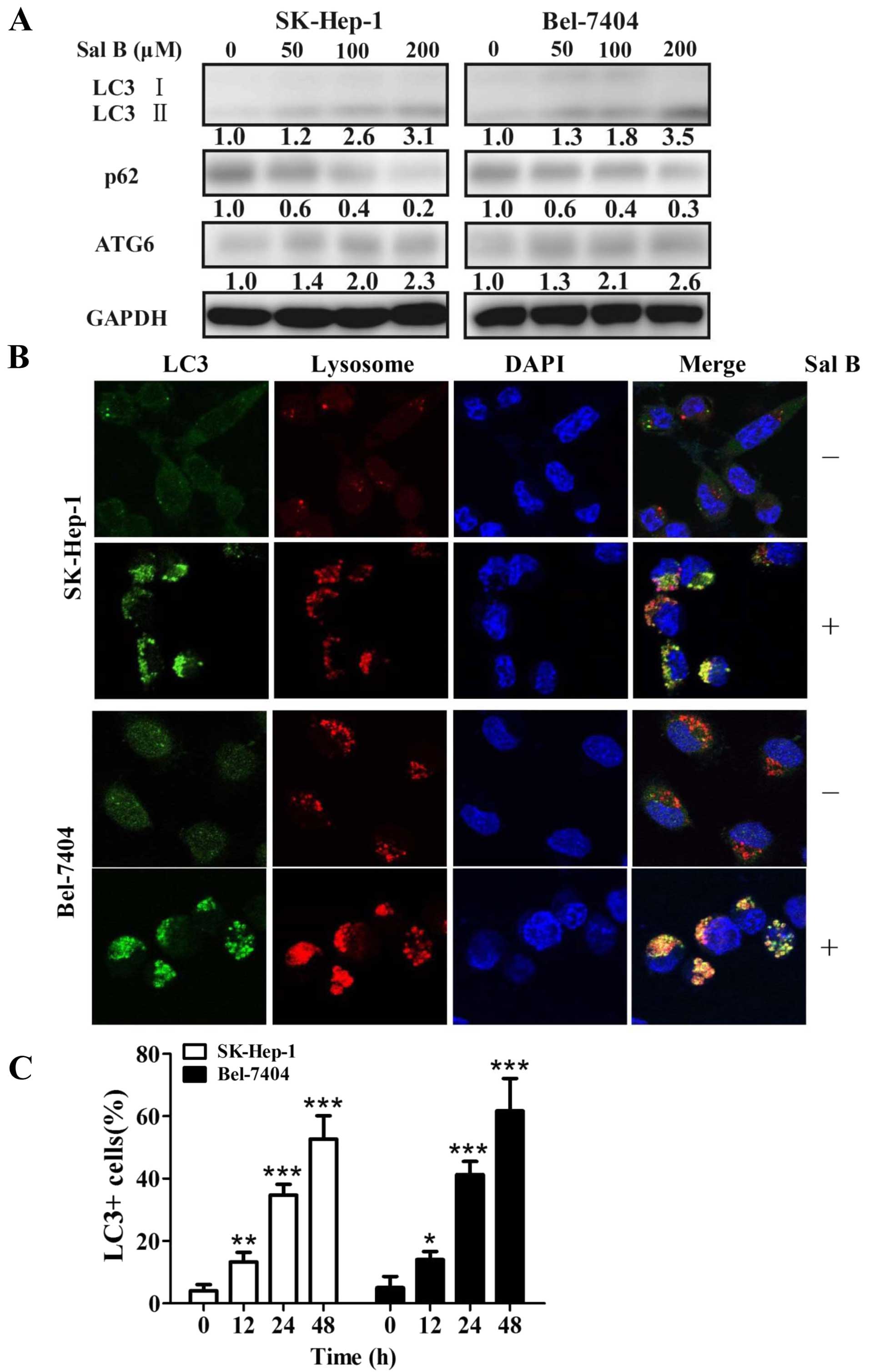
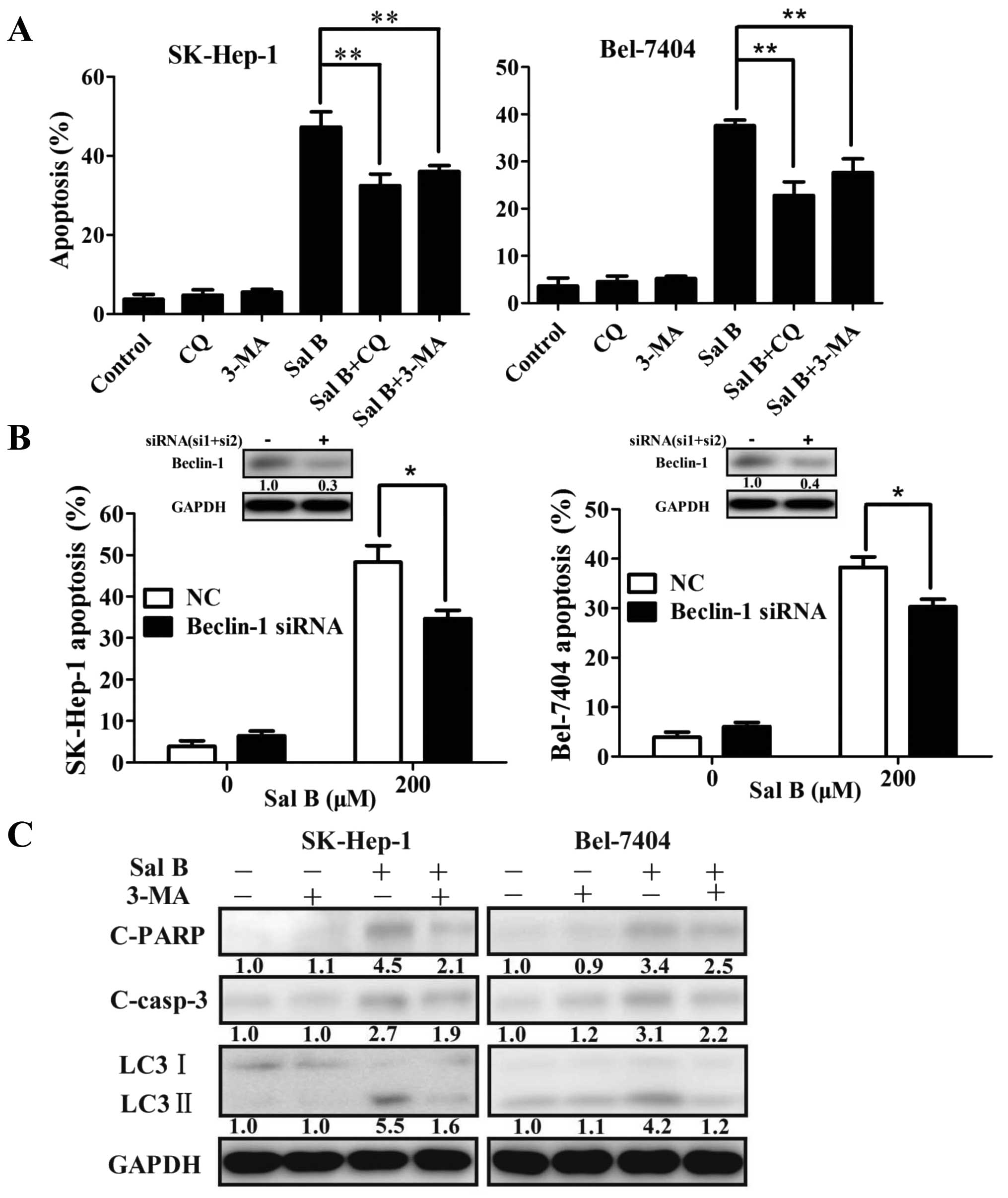
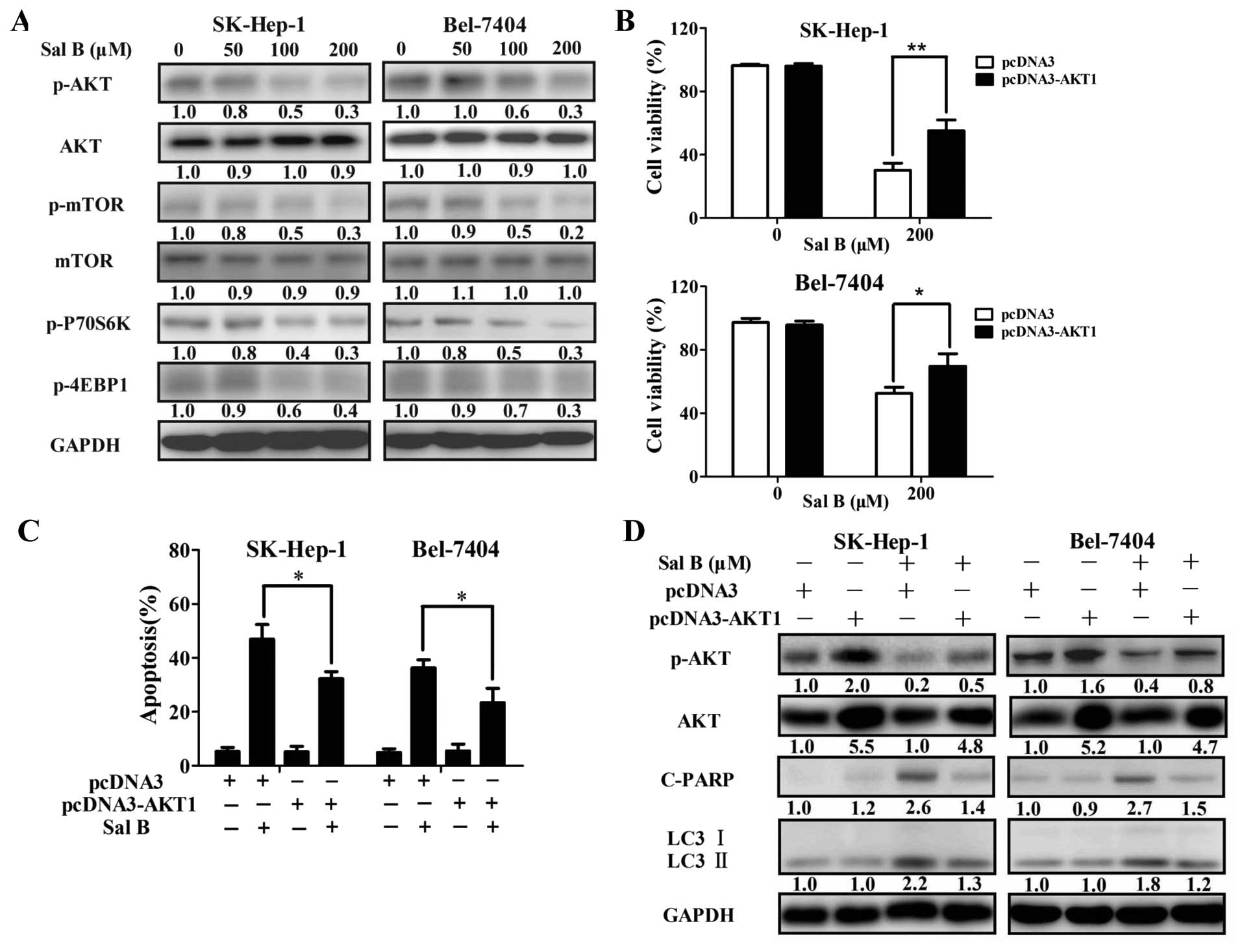
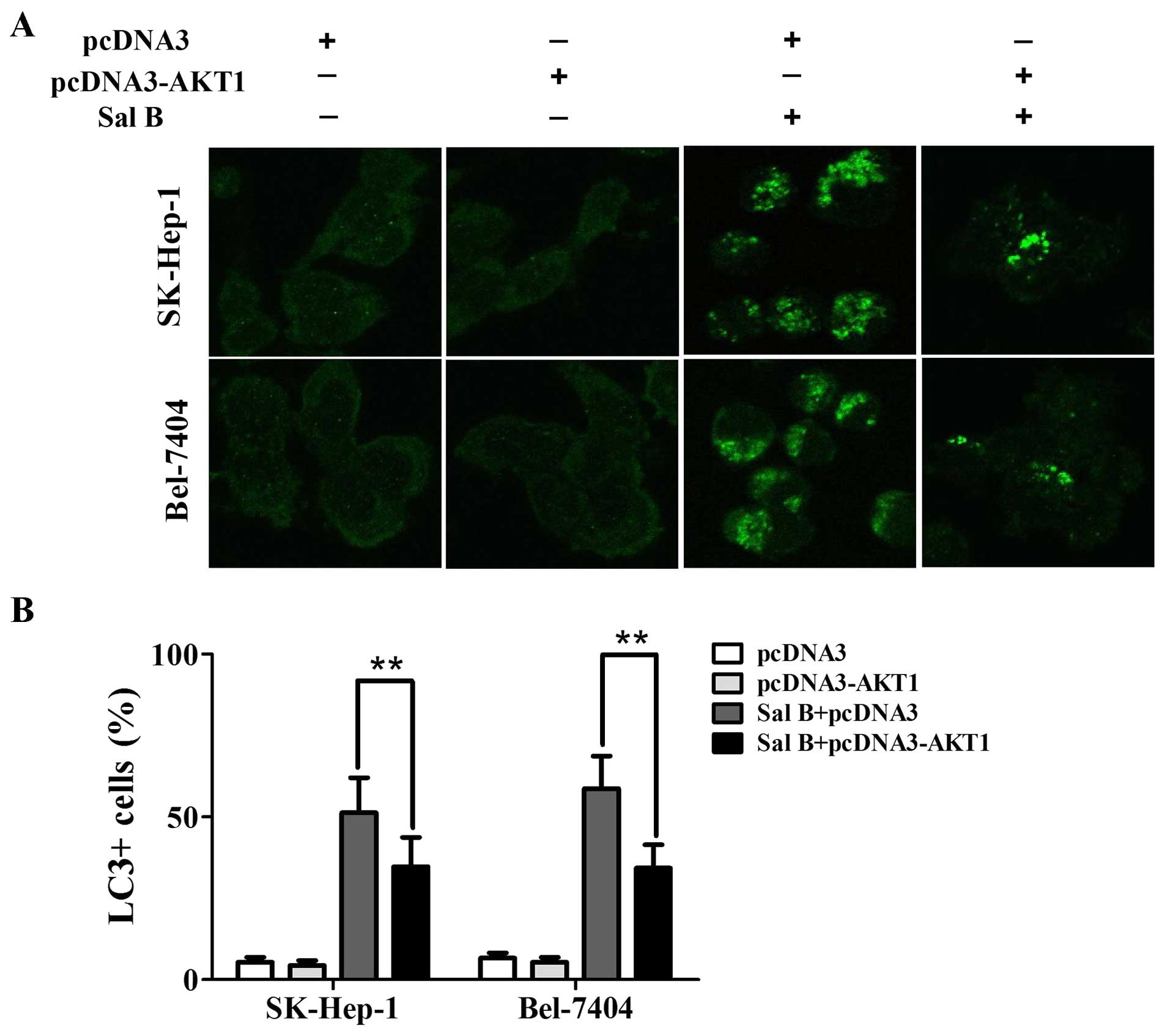
Chinese medicines are emerging as an attractive new generation of anticancer drugs. Here, we explored the impact of salvianolic acid B (Sal B), the major water-soluble compounds of Danshen, on apoptosis and autophagy of human hepatocellular carcinoma cells (HCC). We also investigated the related molecular mechanisms. We found that Sal B exhibits potent ability to inhibit HCC cells viability in a concentration-dependent manner, and to induce apoptosis via the mitochondrial apoptosis pathway. Additionally, Sal B could also induce autophagy. Furthermore, pretreatment with the autophagy inhibitor chloroquine or 3-methyladenine showed the potential in attenuating the apoptosis rate induced by Sal B. Mechanistically, Sal B treatment inhibited the AKT/mTOR signaling cascade in vitro. Overexpression of AKT abolished the effects of Sal B on HCC cells, suggesting a critical role of the AKT/mTOR signaling pathway in Sal B-induced biological effects. Our results indicated that the mitochondrial pathway was involved in Sal B-induced apoptosis of HCC cells. Moreover, the AKT/mTOR signaling pathway was involved in Sal B-induced autophagy, which promoted apoptosis. This study may provide a promising strategy for using Sal B as a chemotherapeutic agent for patients with HCC.
View Figures

Figure 1

Figure 2

Figure 3

Figure 4

Figure 5

Figure 6

Figure 7

View References

1 

Fares N and Peron JM: Epidemiology, natural history, and risk factors of hepatocellular carcinoma. Rev Prat. 63:216–217. 220–212. 2013.(In French).

2 

Torre LA, Bray F, Siegel RL, Ferlay J, Lortet-Tieulent J and Jemal A: Global cancer statistics, 2012. CA Cancer J Clin. 65:87–108. 2015. View Article : Google Scholar : PubMed/NCBI

3 

Karaman B, Battal B, Sari S and Verim S: Hepatocellular carcinoma review: Current treatment, and evidence-based medicine. World J Gastroenterol. 20:18059–18060. 2014.PubMed/NCBI

4 

Uhm JE, Park JO, Lee J, Park YS, Park SH, Yoo BC, Paik SW, Koh KC, Kang WK and Lim HY: A phase II study of oxaliplatin in combination with doxorubicin as first-line systemic chemotherapy in patients with inoperable hepatocellular carcinoma. Cancer Chemother Pharmacol. 63:929–935. 2009. View Article : Google Scholar

5 

Ge S and Huang D: Systemic therapies for hepatocellular carcinoma. Drug Discov Ther. 9:352–362. 2015. View Article : Google Scholar : PubMed/NCBI

6 

Yoon EL, Yeon JE, Lee HJ, Suh SJ, Lee SJ, Kang SH, Kang K, Yoo YJ, Kim JH, Yim HJ, et al: Systemic cytotoxic chemotherapy of patients with advanced hepatocellular carcinoma in the era of sorafenib nonavailability. J Clin Gastroenterol. 48:e22–e29. 2014. View Article : Google Scholar

7 

Llovet JM, Ricci S, Mazzaferro V, Hilgard P, Gane E, Blanc JF, de Oliveira AC, Santoro A, Raoul JL, Forner A, et al; SHARP Investigators Study Group. Sorafenib in advanced hepatocellular carcinoma. N Engl J Med. 359:378–390. 2008. View Article : Google Scholar : PubMed/NCBI

8 

Han LT, Fang Y, Cao Y, Wu FH, Liu E, Mo GY and Huang F: Triterpenoid saponin flaccidoside II from Anemone flaccida triggers apoptosis of NF1-associated malignant peripheral nerve sheath tumors via the MAPK-HO-1 pathway. Onco Targets Ther. 9:1969–1979. 2016.PubMed/NCBI

9 

Xu J, Song Z, Guo Q and Li J: Synergistic effect and molecular mechanisms of traditional Chinese medicine on regulating tumor microenvironment and cancer cells. BioMed Res Int. 2016:14907382016. View Article : Google Scholar : PubMed/NCBI

10 

Feng M, Zhong LX, Zhan ZY, Huang ZH and Xiong JP: Resveratrol treatment inhibits proliferation of and induces apoptosis in human colon cancer cells. Med Sci Monit. 22:1101–1108. 2016. View Article : Google Scholar : PubMed/NCBI

11 

Kim MS, Bang JH, Lee J, Kim HW, Sung SH, Han JS and Jeon WK: Salvia miltiorrhiza extract protects white matter and the hippocampus from damage induced by chronic cerebral hypoperfusion in rats. BMC Complement Altern Med. 15:4152015. View Article : Google Scholar : PubMed/NCBI

12 

Jiang Y, Wang L, Zhang L, Wang T, Zhou Y, Ding C, Yang R, Wang X and Yu L: Optimization of extraction and antioxidant activity of polysaccharides from Salvia miltiorrhiza Bunge residue. Int J Biol Macromol. 79:533–541. 2015. View Article : Google Scholar : PubMed/NCBI

13 

Zhou X, Cheung CM, Yang JM, Or PM, Lee WY and Yeung JH: Danshen (Salvia miltiorrhiza) water extract inhibits paracetamol-induced toxicity in primary rat hepatocytes via reducing CYP2E1 activity and oxidative stress. J Pharm Pharmacol. 67:980–989. 2015. View Article : Google Scholar : PubMed/NCBI

14 

Huang M, Wang P, Xu S, Xu W, Xu W, Chu K and Lu J: Biological activities of salvianolic acid B from Salvia miltiorrhiza on type 2 diabetes induced by high-fat diet and streptozotocin. Pharm Biol. 53:1058–1065. 2015. View Article : Google Scholar : PubMed/NCBI

15 

Wang ZS, Luo P, Dai SH, Liu ZB, Zheng XR and Chen T: Salvianolic acid B induces apoptosis in human glioma U87 cells through p38-mediated ROS generation. Cell Mol Neurobiol. 33:921–928. 2013. View Article : Google Scholar : PubMed/NCBI

16 

Yang Y, Ge PJ, Jiang L, Li FL and Zhu QY: Modulation of growth and angiogenic potential of oral squamous carcinoma cells in vitro using salvianolic acid B. BMC Complement Altern Med. 11:542011. View Article : Google Scholar : PubMed/NCBI

17 

Wang QL, Wu Q, Tao YY, Liu CH and El-Nezami H: Salvianolic acid B modulates the expression of drug-metabolizing enzymes in HepG2 cells. Hepatobiliary Pancreat Dis Int. 10:502–508. 2011. View Article : Google Scholar : PubMed/NCBI

18 

Lin C, Liu Z, Lu Y, Yao Y, Zhang Y, Ma Z, Kuai M, Sun X, Sun S, Jing Y, et al: Cardioprotective effect of salvianolic acid B on acute myocardial infarction by promoting autophagy and neovascularization and inhibiting apoptosis. J Pharm Pharmacol. 68:941–952. 2016. View Article : Google Scholar : PubMed/NCBI

19 

Wang JY, Sun J, Huang MY, Wang YS, Hou MF, Sun Y, He H, Krishna N, Chiu SJ, Lin S, et al: STIM1 overexpression promotes colorectal cancer progression, cell motility and COX-2 expression. Oncogene. 34:4358–4367. 2015. View Article : Google Scholar :

20 

Tagliamonte M, Petrizzo A, Tornesello ML, Ciliberto G, Buonaguro FM and Buonaguro L: Combinatorial immunotherapy strategies for hepatocellular carcinoma. Curr Opin Immunol. 39:103–113. 2016. View Article : Google Scholar : PubMed/NCBI

21 

Lee JH, Lee Y, Lee M, Heo MK, Song JS, Kim KH, Lee H, Yi NJ, Lee KW, Suh KS, et al: A phase I/IIa study of adjuvant immunotherapy with tumour antigen-pulsed dendritic cells in patients with hepatocellular carcinoma. Br J Cancer. 113:1666–1676. 2015. View Article : Google Scholar : PubMed/NCBI

22 

Babbitt SE, Sutherland MC, San Francisco B, Mendez DL and Kranz RG: Mitochondrial cytochrome c biogenesis: No longer an enigma. Trends Biochem Sci. 40:446–455. 2015. View Article : Google Scholar : PubMed/NCBI

23 

Kulikov AV, Shilov ES, Mufazalov IA, Gogvadze V, Nedospasov SA and Zhivotovsky B: Cytochrome c: The Achilles’ heel in apoptosis. Cell Mol Life Sci. 69:1787–1797. 2012. View Article : Google Scholar

24 

Hao Y, Xie T, Korotcov A, Zhou Y, Pang X, Shan L, Ji H, Sridhar R, Wang P, Califano J, et al: Salvianolic acid B inhibits growth of head and neck squamous cell carcinoma in vitro and in vivo via cyclooxygenase-2 and apoptotic pathways. Int J Cancer. 124:2200–2209. 2009. View Article : Google Scholar : PubMed/NCBI

25 

Zhao Y, Guo Y and Gu X: Salvianolic acid B, a potential chemopreventive agent, for head and neck squamous cell cancer. J Oncol. 2011:5345482011. View Article : Google Scholar : PubMed/NCBI

26 

Ryter SW, Mizumura K and Choi AM: The impact of autophagy on cell death modalities. Int J Cell Biol. 2014:5026762014. View Article : Google Scholar : PubMed/NCBI

27 

Levine B and Kroemer G: Autophagy in the pathogenesis of disease. Cell. 132:27–42. 2008. View Article : Google Scholar : PubMed/NCBI

28 

Levine B and Kroemer G: Autophagy in aging, disease and death: The true identity of a cell death impostor. Cell Death Differ. 16:1–2. 2009. View Article : Google Scholar :

29 

Eskelinen EL and Saftig P: Autophagy: A lysosomal degradation pathway with a central role in health and disease. Biochim Biophys Acta. 1793:664–673. 2009. View Article : Google Scholar

30 

Yang Z and Klionsky DJ: Eaten alive: A history of macroautophagy. Nat Cell Biol. 12:814–822. 2010. View Article : Google Scholar : PubMed/NCBI

31 

Mizushima N, Levine B, Cuervo AM and Klionsky DJ: Autophagy fights disease through cellular self-digestion. Nature. 451:1069–1075. 2008. View Article : Google Scholar : PubMed/NCBI

32 

Kim N, Jeong S, Jing K, Shin S, Kim S, Heo JY, Kweon GR, Park SK, Wu T, Park JI, et al: Docosahexaenoic acid induces cell death in human non-small cell lung cancer cells by repressing mTOR via AMPK activation and PI3K/Akt inhibition. BioMed Res Int. 2015:2397642015. View Article : Google Scholar : PubMed/NCBI

33 

Pan WR, Chen YL, Hsu HC and Chen WJ: Antimicrobial peptide GW-H1-induced apoptosis of human gastric cancer AGS cell line is enhanced by suppression of autophagy. Mol Cell Biochem. 400:77–86. 2015. View Article : Google Scholar

34 

Jing Z, Sui X, Yao J, Xie J, Jiang L, Zhou Y, Pan H and Han W: SKF-96365 activates cytoprotective autophagy to delay apoptosis in colorectal cancer cells through inhibition of the calcium/CaMKIIγ/AKT-mediated pathway. Cancer Lett. 372:226–238. 2016. View Article : Google Scholar : PubMed/NCBI

35 

Hsin IL, Ou CC, Wu MF, Jan MS, Hsiao YM, Lin CH and Ko JL: GMI, an immunomodulatory protein from Ganoderma microsporum, potentiates cisplatin-induced apoptosis via autophagy in lung cancer cells. Mol Pharm. 12:1534–1543. 2015. View Article : Google Scholar : PubMed/NCBI

36 

Chen L, Meng Y, Sun Q, Zhang Z, Guo X, Sheng X, Tai G, Cheng H and Zhou Y: Ginsenoside compound K sensitizes human colon cancer cells to TRAIL-induced apoptosis via autophagy-dependent and -independent DR5 upregulation. Cell Death Dis. 7:e23342016. View Article : Google Scholar : PubMed/NCBI

37 

Young MM, Takahashi Y, Khan O, Park S, Hori T, Yun J, Sharma AK, Amin S, Hu CD, Zhang J, et al: Autophagosomal membrane serves as platform for intracellular death-inducing signaling complex (iDISC)-mediated caspase-8 activation and apoptosis. J Biol Chem. 287:12455–12468. 2012. View Article : Google Scholar : PubMed/NCBI

38 

Zhang L, Wang K, Lei Y, Li Q, Nice EC and Huang C: Redox signaling: Potential arbitrator of autophagy and apoptosis in therapeutic response. Free Radic Biol Med. 89:452–465. 2015. View Article : Google Scholar : PubMed/NCBI

39 

Lee JJ, Loh K and Yap YS: PI3K/Akt/mTOR inhibitors in breast cancer. Cancer Biol Med. 12:342–354. 2015.

40 

Janku F, Kaseb AO, Tsimberidou AM, Wolff RA and Kurzrock R: Identification of novel therapeutic targets in the PI3K/AKT/mTOR pathway in hepatocellular carcinoma using targeted next generation sequencing. Oncotarget. 5:3012–3022. 2014. View Article : Google Scholar : PubMed/NCBI

41 

Wang F, Mao Y, You Q, Hua D and Cai D: Piperlongumine induces apoptosis and autophagy in human lung cancer cells through inhibition of PI3K/Akt/mTOR pathway. Int J Immunopathol Pharmacol. 28:362–373. 2015. View Article : Google Scholar : PubMed/NCBI

42 

Saito Y, Tanaka Y, Aita Y, Ishii KA, Ikeda T, Isobe K, Kawakami Y, Shimano H, Hara H and Takekoshi K: Sunitinib induces apoptosis in pheochromocytoma tumor cells by inhibiting VEGFR2/Akt/mTOR/S6K1 pathways through modulation of Bcl-2 and BAD. Am J Physiol Endocrinol Metab. 302:E615–E625. 2012. View Article : Google Scholar

Related Articles

  • Abstract
  • View
  • Download
  • Twitter
Copy and paste a formatted citation
Spandidos Publications style
Gong L, Di C, Xia X, Wang J, Chen G, Shi J, Chen P, Xu H and Zhang W: AKT/mTOR signaling pathway is involved in salvianolic acid B-induced autophagy and apoptosis in hepatocellular carcinoma cells. Int J Oncol 49: 2538-2548, 2016.
APA
Gong, L., Di, C., Xia, X., Wang, J., Chen, G., Shi, J. ... Zhang, W. (2016). AKT/mTOR signaling pathway is involved in salvianolic acid B-induced autophagy and apoptosis in hepatocellular carcinoma cells. International Journal of Oncology, 49, 2538-2548. https://doi.org/10.3892/ijo.2016.3748
MLA
Gong, L., Di, C., Xia, X., Wang, J., Chen, G., Shi, J., Chen, P., Xu, H., Zhang, W."AKT/mTOR signaling pathway is involved in salvianolic acid B-induced autophagy and apoptosis in hepatocellular carcinoma cells". International Journal of Oncology 49.6 (2016): 2538-2548.
Chicago
Gong, L., Di, C., Xia, X., Wang, J., Chen, G., Shi, J., Chen, P., Xu, H., Zhang, W."AKT/mTOR signaling pathway is involved in salvianolic acid B-induced autophagy and apoptosis in hepatocellular carcinoma cells". International Journal of Oncology 49, no. 6 (2016): 2538-2548. https://doi.org/10.3892/ijo.2016.3748
Copy and paste a formatted citation
x
Spandidos Publications style
Gong L, Di C, Xia X, Wang J, Chen G, Shi J, Chen P, Xu H and Zhang W: AKT/mTOR signaling pathway is involved in salvianolic acid B-induced autophagy and apoptosis in hepatocellular carcinoma cells. Int J Oncol 49: 2538-2548, 2016.
APA
Gong, L., Di, C., Xia, X., Wang, J., Chen, G., Shi, J. ... Zhang, W. (2016). AKT/mTOR signaling pathway is involved in salvianolic acid B-induced autophagy and apoptosis in hepatocellular carcinoma cells. International Journal of Oncology, 49, 2538-2548. https://doi.org/10.3892/ijo.2016.3748
MLA
Gong, L., Di, C., Xia, X., Wang, J., Chen, G., Shi, J., Chen, P., Xu, H., Zhang, W."AKT/mTOR signaling pathway is involved in salvianolic acid B-induced autophagy and apoptosis in hepatocellular carcinoma cells". International Journal of Oncology 49.6 (2016): 2538-2548.
Chicago
Gong, L., Di, C., Xia, X., Wang, J., Chen, G., Shi, J., Chen, P., Xu, H., Zhang, W."AKT/mTOR signaling pathway is involved in salvianolic acid B-induced autophagy and apoptosis in hepatocellular carcinoma cells". International Journal of Oncology 49, no. 6 (2016): 2538-2548. https://doi.org/10.3892/ijo.2016.3748
Follow us
  • Twitter
  • LinkedIn
  • Facebook
About
  • Spandidos Publications
  • Careers
  • Cookie Policy
  • Privacy Policy
How can we help?
  • Help
  • Live Chat
  • Contact
  • Email to our Support Team