Spandidos Publications Logo
  • About
    • About Spandidos
    • Aims and Scopes
    • Abstracting and Indexing
    • Editorial Policies
    • Reprints and Permissions
    • Job Opportunities
    • Terms and Conditions
    • Contact
  • Journals
    • All Journals
    • Oncology Letters
      • Oncology Letters
      • Information for Authors
      • Editorial Policies
      • Editorial Board
      • Aims and Scope
      • Abstracting and Indexing
      • Bibliographic Information
      • Archive
    • International Journal of Oncology
      • International Journal of Oncology
      • Information for Authors
      • Editorial Policies
      • Editorial Board
      • Aims and Scope
      • Abstracting and Indexing
      • Bibliographic Information
      • Archive
    • Molecular and Clinical Oncology
      • Molecular and Clinical Oncology
      • Information for Authors
      • Editorial Policies
      • Editorial Board
      • Aims and Scope
      • Abstracting and Indexing
      • Bibliographic Information
      • Archive
    • Experimental and Therapeutic Medicine
      • Experimental and Therapeutic Medicine
      • Information for Authors
      • Editorial Policies
      • Editorial Board
      • Aims and Scope
      • Abstracting and Indexing
      • Bibliographic Information
      • Archive
    • International Journal of Molecular Medicine
      • International Journal of Molecular Medicine
      • Information for Authors
      • Editorial Policies
      • Editorial Board
      • Aims and Scope
      • Abstracting and Indexing
      • Bibliographic Information
      • Archive
    • Biomedical Reports
      • Biomedical Reports
      • Information for Authors
      • Editorial Policies
      • Editorial Board
      • Aims and Scope
      • Abstracting and Indexing
      • Bibliographic Information
      • Archive
    • Oncology Reports
      • Oncology Reports
      • Information for Authors
      • Editorial Policies
      • Editorial Board
      • Aims and Scope
      • Abstracting and Indexing
      • Bibliographic Information
      • Archive
    • Molecular Medicine Reports
      • Molecular Medicine Reports
      • Information for Authors
      • Editorial Policies
      • Editorial Board
      • Aims and Scope
      • Abstracting and Indexing
      • Bibliographic Information
      • Archive
    • World Academy of Sciences Journal
      • World Academy of Sciences Journal
      • Information for Authors
      • Editorial Policies
      • Editorial Board
      • Aims and Scope
      • Abstracting and Indexing
      • Bibliographic Information
      • Archive
    • International Journal of Functional Nutrition
      • International Journal of Functional Nutrition
      • Information for Authors
      • Editorial Policies
      • Editorial Board
      • Aims and Scope
      • Abstracting and Indexing
      • Bibliographic Information
      • Archive
    • International Journal of Epigenetics
      • International Journal of Epigenetics
      • Information for Authors
      • Editorial Policies
      • Editorial Board
      • Aims and Scope
      • Abstracting and Indexing
      • Bibliographic Information
      • Archive
    • Medicine International
      • Medicine International
      • Information for Authors
      • Editorial Policies
      • Editorial Board
      • Aims and Scope
      • Abstracting and Indexing
      • Bibliographic Information
      • Archive
  • Articles
  • Information
    • Information for Authors
    • Information for Reviewers
    • Information for Librarians
    • Information for Advertisers
    • Conferences
  • Language Editing
Spandidos Publications Logo
  • About
    • About Spandidos
    • Aims and Scopes
    • Abstracting and Indexing
    • Editorial Policies
    • Reprints and Permissions
    • Job Opportunities
    • Terms and Conditions
    • Contact
  • Journals
    • All Journals
    • Biomedical Reports
      • Information for Authors
      • Editorial Policies
      • Editorial Board
      • Aims and Scope
      • Abstracting and Indexing
      • Bibliographic Information
      • Archive
    • Experimental and Therapeutic Medicine
      • Information for Authors
      • Editorial Policies
      • Editorial Board
      • Aims and Scope
      • Abstracting and Indexing
      • Bibliographic Information
      • Archive
    • International Journal of Epigenetics
      • Information for Authors
      • Editorial Policies
      • Editorial Board
      • Aims and Scope
      • Abstracting and Indexing
      • Bibliographic Information
      • Archive
    • International Journal of Functional Nutrition
      • Information for Authors
      • Editorial Policies
      • Editorial Board
      • Aims and Scope
      • Abstracting and Indexing
      • Bibliographic Information
      • Archive
    • International Journal of Molecular Medicine
      • Information for Authors
      • Editorial Policies
      • Editorial Board
      • Aims and Scope
      • Abstracting and Indexing
      • Bibliographic Information
      • Archive
    • International Journal of Oncology
      • Information for Authors
      • Editorial Policies
      • Editorial Board
      • Aims and Scope
      • Abstracting and Indexing
      • Bibliographic Information
      • Archive
    • Medicine International
      • Information for Authors
      • Editorial Policies
      • Editorial Board
      • Aims and Scope
      • Abstracting and Indexing
      • Bibliographic Information
      • Archive
    • Molecular and Clinical Oncology
      • Information for Authors
      • Editorial Policies
      • Editorial Board
      • Aims and Scope
      • Abstracting and Indexing
      • Bibliographic Information
      • Archive
    • Molecular Medicine Reports
      • Information for Authors
      • Editorial Policies
      • Editorial Board
      • Aims and Scope
      • Abstracting and Indexing
      • Bibliographic Information
      • Archive
    • Oncology Letters
      • Information for Authors
      • Editorial Policies
      • Editorial Board
      • Aims and Scope
      • Abstracting and Indexing
      • Bibliographic Information
      • Archive
    • Oncology Reports
      • Information for Authors
      • Editorial Policies
      • Editorial Board
      • Aims and Scope
      • Abstracting and Indexing
      • Bibliographic Information
      • Archive
    • World Academy of Sciences Journal
      • Information for Authors
      • Editorial Policies
      • Editorial Board
      • Aims and Scope
      • Abstracting and Indexing
      • Bibliographic Information
      • Archive
  • Articles
  • Information
    • For Authors
    • For Reviewers
    • For Librarians
    • For Advertisers
    • Conferences
  • Language Editing
Login Register Submit
  • This site uses cookies
  • You can change your cookie settings at any time by following the instructions in our Cookie Policy. To find out more, you may read our Privacy Policy.

    I agree
Search articles by DOI, keyword, author or affiliation
Search
Advanced Search
presentation
International Journal of Oncology
Join Editorial Board Propose a Special Issue
Print ISSN: 1019-6439 Online ISSN: 1791-2423
Journal Cover
February-2017 Volume 50 Issue 2

Full Size Image

Cover Legend PDF

Sign up for eToc alerts
Recommend to Library

Journals

International Journal of Molecular Medicine

International Journal of Molecular Medicine

International Journal of Molecular Medicine is an international journal devoted to molecular mechanisms of human disease.

International Journal of Oncology

International Journal of Oncology

International Journal of Oncology is an international journal devoted to oncology research and cancer treatment.

Molecular Medicine Reports

Molecular Medicine Reports

Covers molecular medicine topics such as pharmacology, pathology, genetics, neuroscience, infectious diseases, molecular cardiology, and molecular surgery.

Oncology Reports

Oncology Reports

Oncology Reports is an international journal devoted to fundamental and applied research in Oncology.

Experimental and Therapeutic Medicine

Experimental and Therapeutic Medicine

Experimental and Therapeutic Medicine is an international journal devoted to laboratory and clinical medicine.

Oncology Letters

Oncology Letters

Oncology Letters is an international journal devoted to Experimental and Clinical Oncology.

Biomedical Reports

Biomedical Reports

Explores a wide range of biological and medical fields, including pharmacology, genetics, microbiology, neuroscience, and molecular cardiology.

Molecular and Clinical Oncology

Molecular and Clinical Oncology

International journal addressing all aspects of oncology research, from tumorigenesis and oncogenes to chemotherapy and metastasis.

World Academy of Sciences Journal

World Academy of Sciences Journal

Multidisciplinary open-access journal spanning biochemistry, genetics, neuroscience, environmental health, and synthetic biology.

International Journal of Functional Nutrition

International Journal of Functional Nutrition

Open-access journal combining biochemistry, pharmacology, immunology, and genetics to advance health through functional nutrition.

International Journal of Epigenetics

International Journal of Epigenetics

Publishes open-access research on using epigenetics to advance understanding and treatment of human disease.

Medicine International

Medicine International

An International Open Access Journal Devoted to General Medicine.

Journal Cover
February-2017 Volume 50 Issue 2

Full Size Image

Cover Legend PDF

Sign up for eToc alerts
Recommend to Library

  • Article
  • Citations
    • Cite This Article
    • Download Citation
    • Create Citation Alert
    • Remove Citation Alert
    • Cited By
  • Similar Articles
    • Related Articles (in Spandidos Publications)
    • Similar Articles (Google Scholar)
    • Similar Articles (PubMed)
  • Download PDF
  • Download XML
  • View XML
Article

CXCR4 is involved in CD133-induced EMT in non-small cell lung cancer

  • Authors:
    • Zhenbo Tu
    • Songping Xie
    • Meng Xiong
    • Yinchu Liu
    • Xiangyong Yang
    • Kingsley Miyanda Tembo
    • Jie Huang
    • Weidong Hu
    • Xiaoxing Huang
    • Shan Pan
    • Pan Liu
    • Ehtisham Altaf
    • Ganjun Kang
    • Jie Xiong
    • Qiuping Zhang
  • View Affiliations / Copyright

    Affiliations: Department of Immunology, School of Basic Medical Sciences, Wuhan University, Wuhan, Hubei, P.R. China, Department of Thoracic Surgery, Renmin Hospital of Wuhan University, Wuhan, Hubei, P.R. China, School of Basic Medical Sciences, Wuhan University, Wuhan, Hubei, P.R. China, Engineering and Technology College, Hubei University of Technology, Wuhan, Hubei, P.R. China, Department of Thoracic Oncology, Zhongnan Hospital, Wuhan, Hubei, P.R. China
  • Pages: 505-514
    |
    Published online on: December 19, 2016
       https://doi.org/10.3892/ijo.2016.3812
  • Expand metrics +
Metrics: Total Views: 0 (Spandidos Publications: | PMC Statistics: )
Metrics: Total PDF Downloads: 0 (Spandidos Publications: | PMC Statistics: )
Cited By (CrossRef): 0 citations Loading Articles...

This article is mentioned in:


Abstract

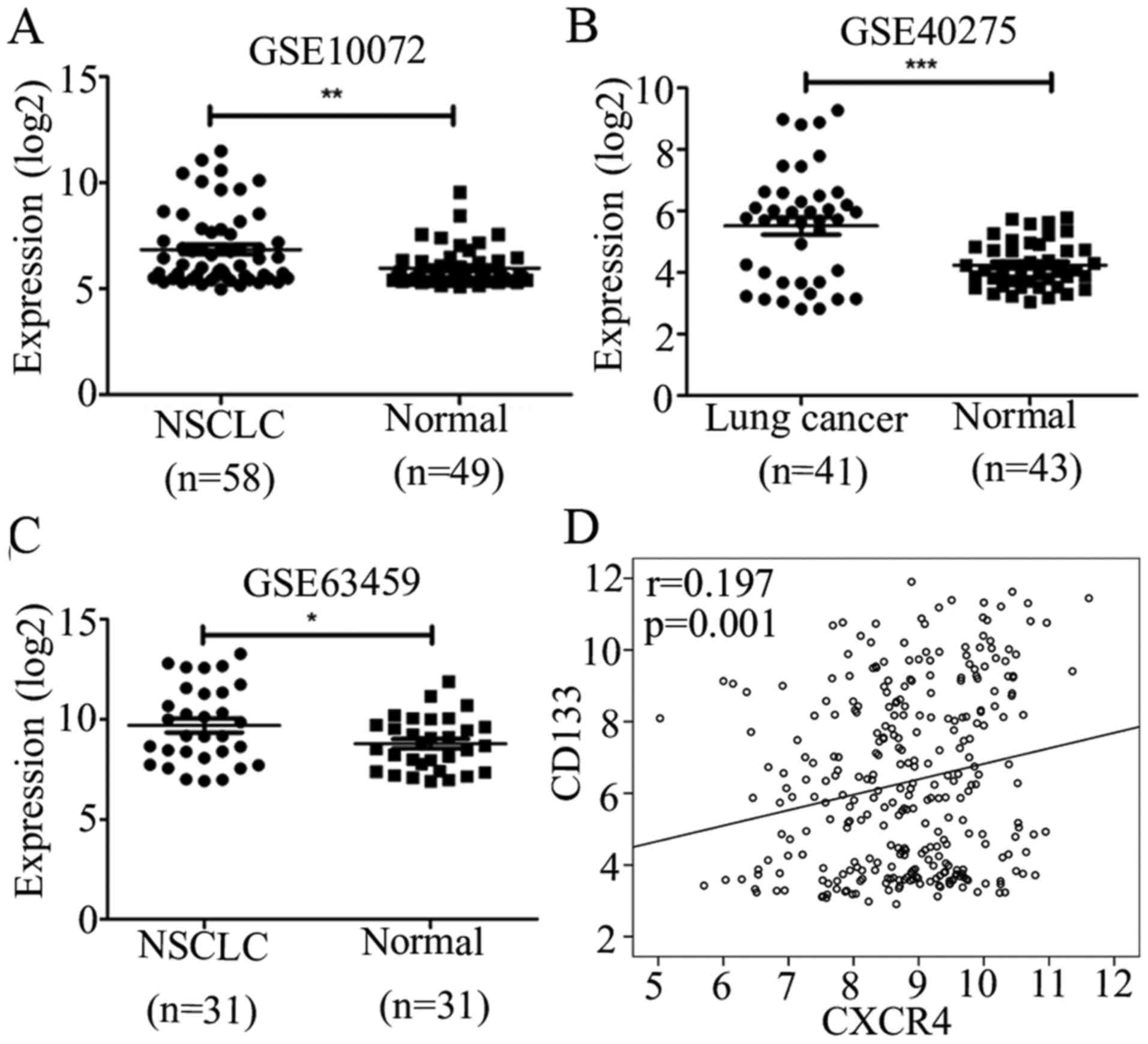
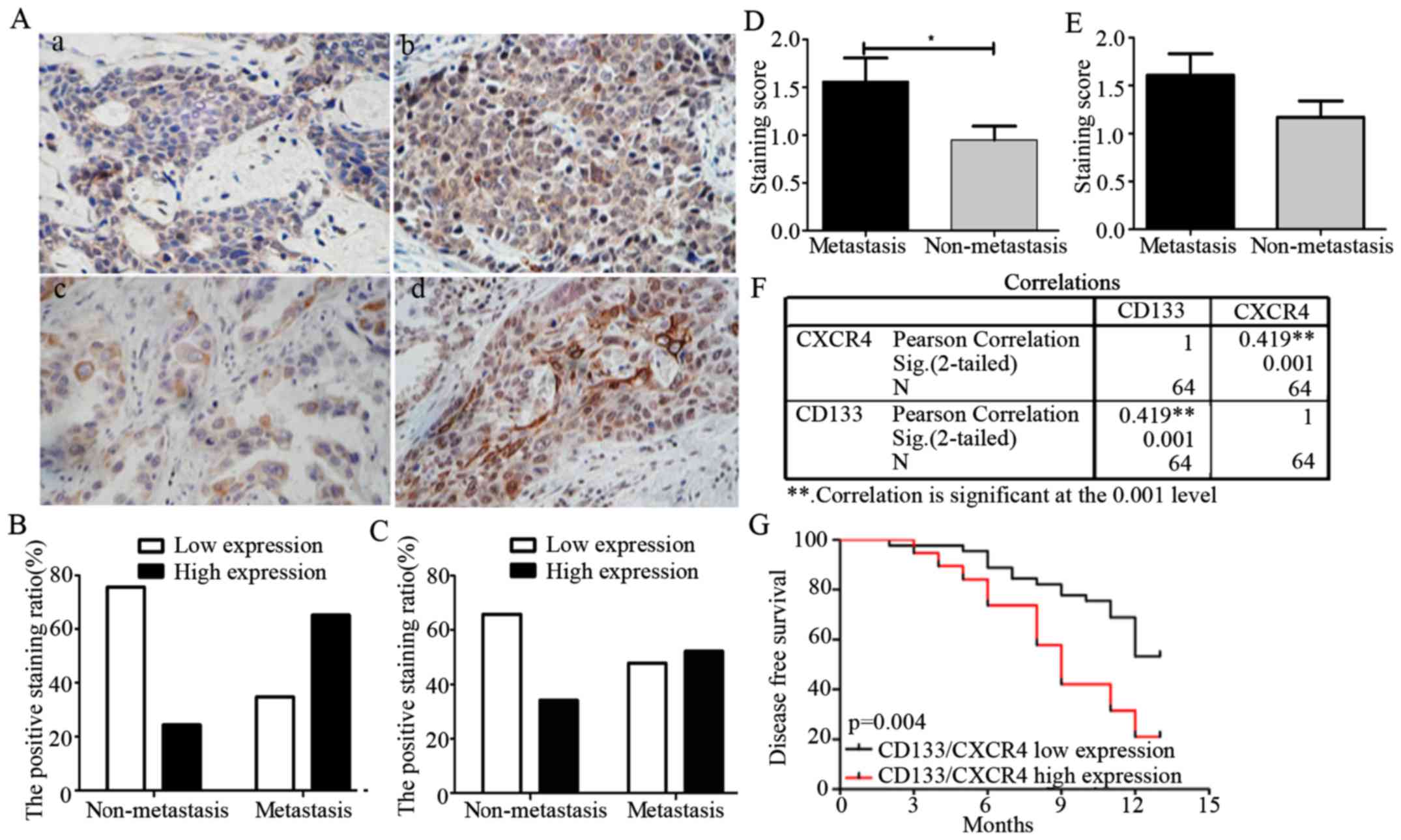
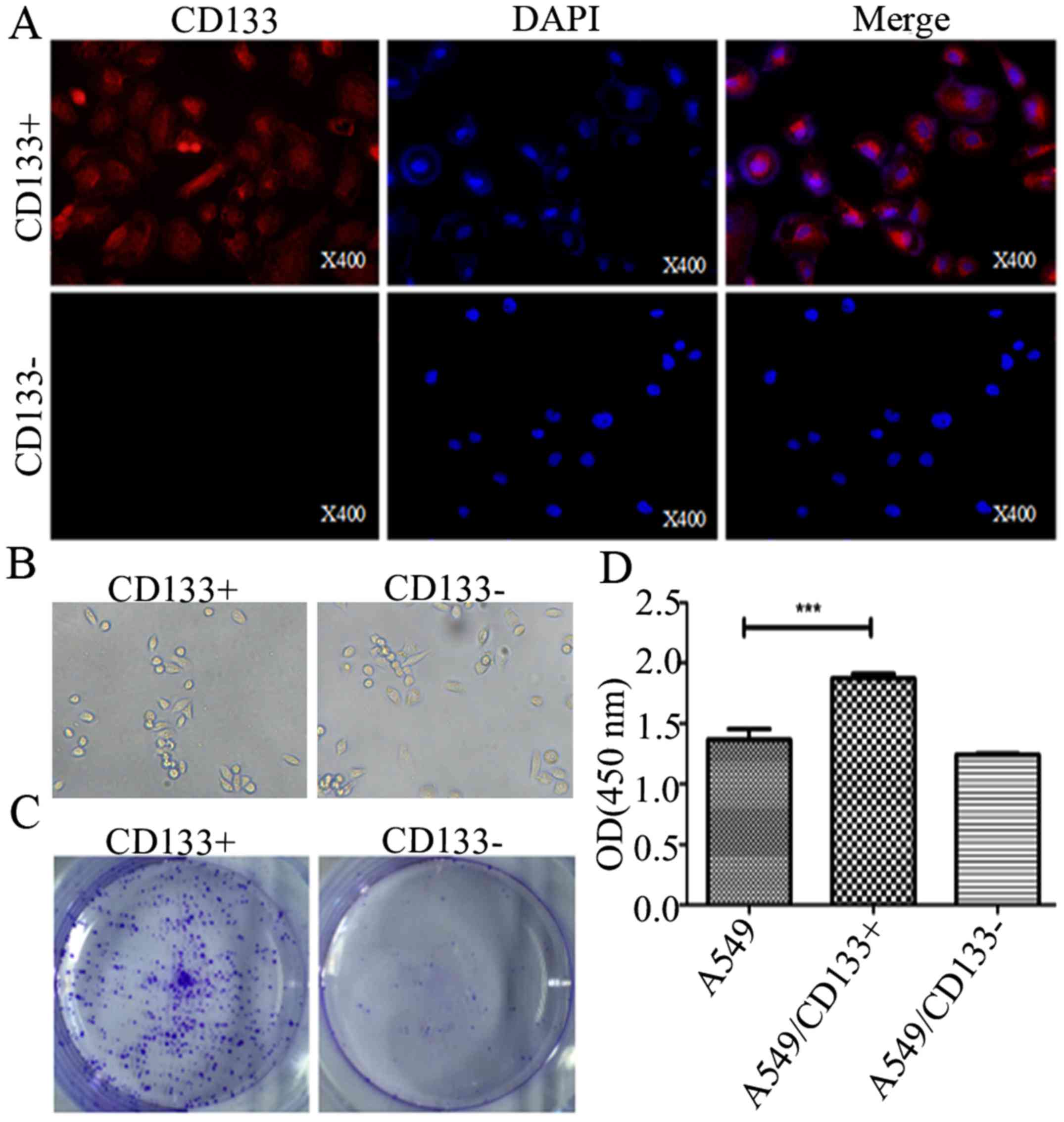
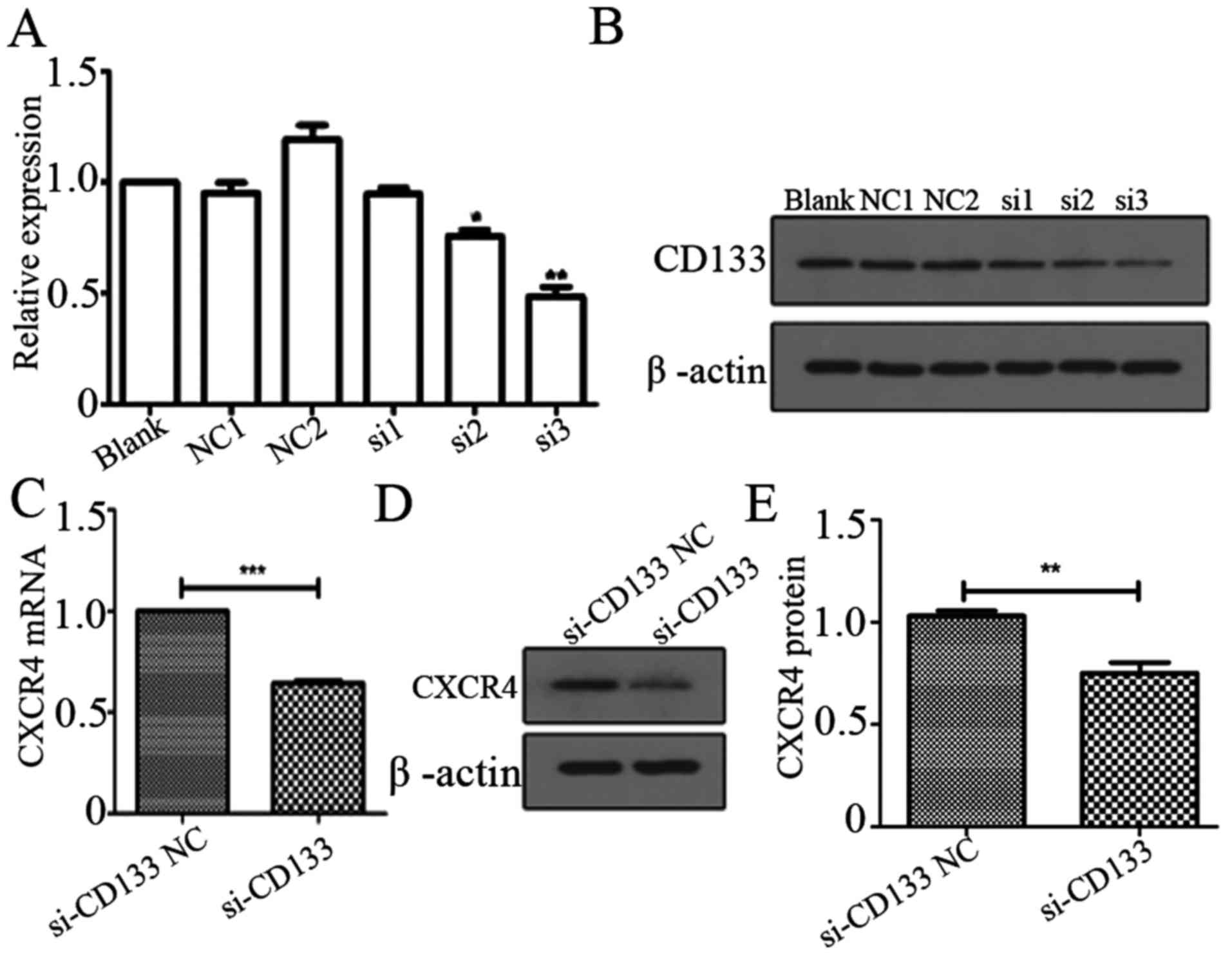
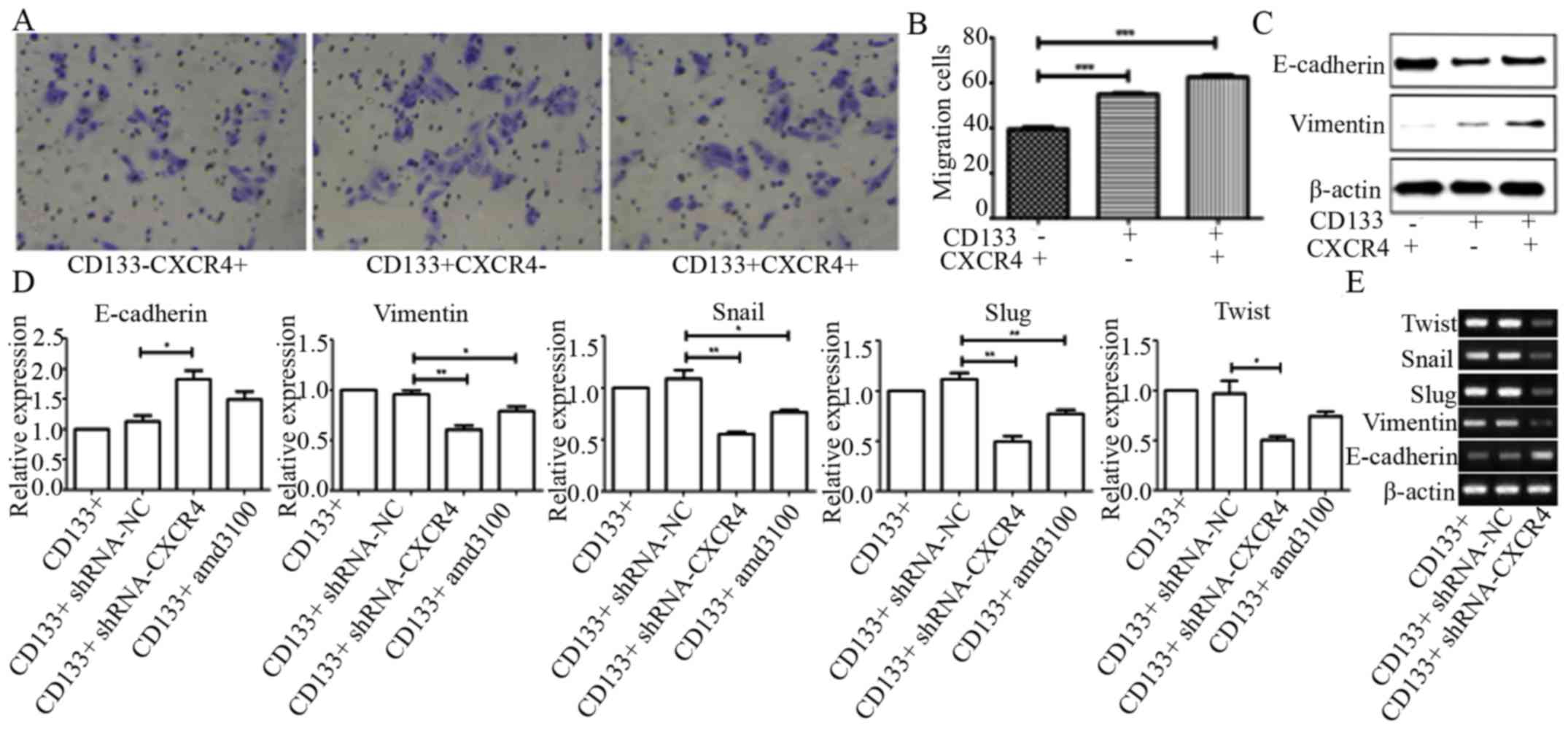
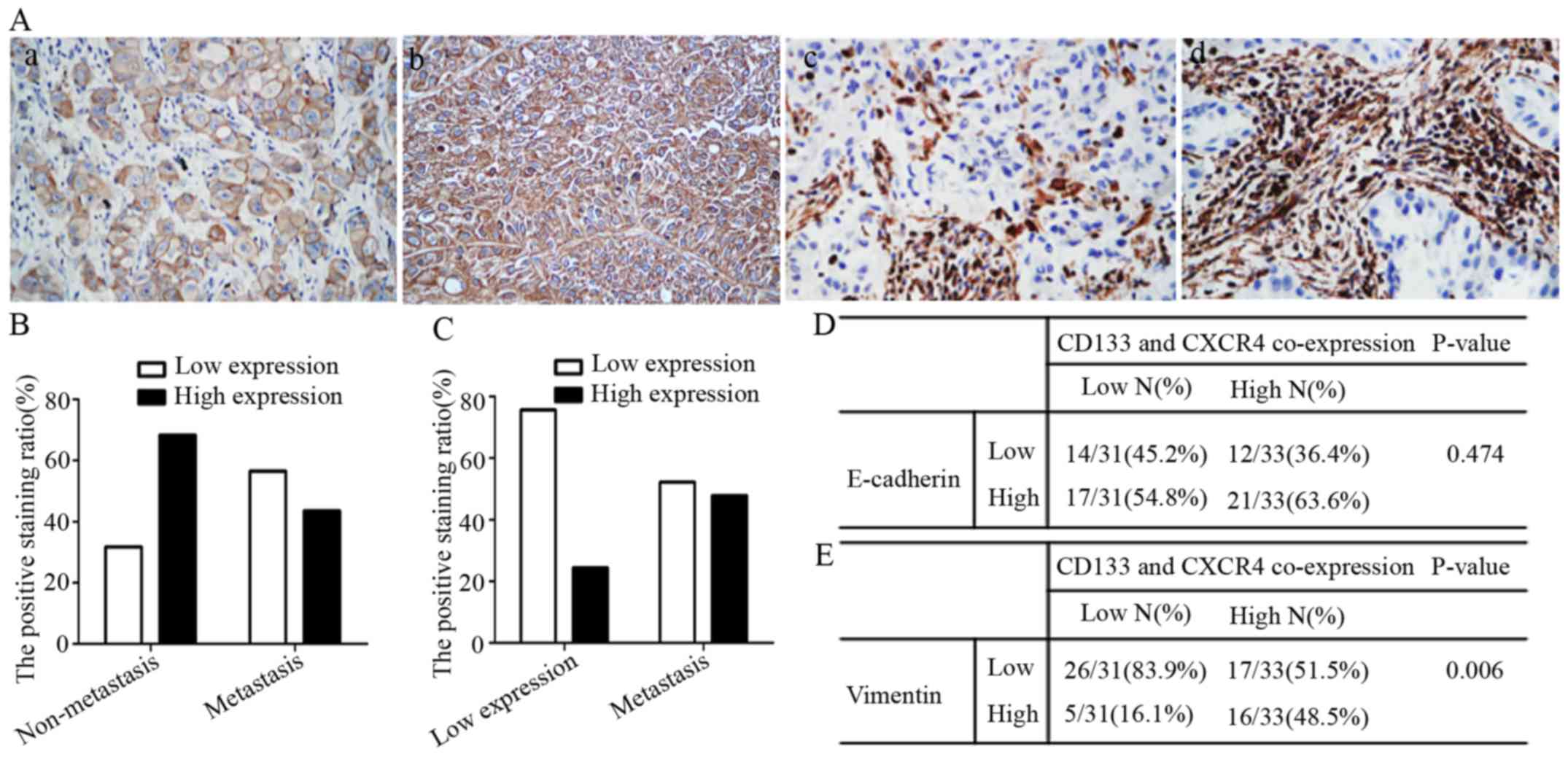
Metastasis is the major cause of death in patients with non-small cell lung cancer (NSCLC), and epithelial-mesenchymal transition (EMT) has been observed to be one of the key regulators of metastasis in certain cancers as it confers an invasive phenotype. CD133 is a widely used cancer stem cell (CSC) marker, and CD133-positive cancer cells are thought to be tumor-initiating cells with CSC characteristics, while CXCR4, a stromal-derived-factor-1 specific chemokine receptor, is highly expressed in NSCLC tissues and participates in cancer progression by regulating cell anti-apoptosis. We previously demonstrated that CXCR4 promotes NSCLC chemoresistance by upregulating CYP1B1, however, the relationship of CD133, CXCR4 and EMT processes in NSCLC metastasis are unclear. In this study, we detected a CD133 and CXCR4 high expression in tissue specimens from 64 NSCLC patients by immunohistochemistry, of which CD133 and CXCR4 were found to be positively associated with metastatic NSCLC patients. CD133 was found to promote NSCLC tumorigenesis and mediated the expression of CXCR4. Furthermore, CD133/CXCR4 co-expression was found to be an independent prognostic factor as shown by univariate and multivariate Cox regression analysis, and was observed to regulate the expression of EMT-related molecules and transcriptional factors in NSCLC. In addition, our results showed that E-cadherin and Vimentin were simultaneously downregulated and upregulated, in CD133+CXCR4+ A549 cells, respectively. While E-cadherin was upregulated and Vimentin was downregulated in metastatic NSCLC patients. Vimentin expression was also observed to have a positive correlation with CD133/CXCR4 co-expression in NSCLC patients and survival analysis results suggested that Vimentin high expression might be significantly associated with poor survival rates of the patients. Thus, these results suggest that the CD133/CXCR4/EMT axis may be a prognostic marker and may provide novel targets for combinational therapies in the treatment of NSCLC.
View Figures

Figure 1

Figure 2

Figure 3

Figure 4

Figure 5

Figure 6

View References

1 

Miller KD, Siegel RL, Lin CC, Mariotto AB, Kramer JL, Rowland JH, Stein KD, Alteri R and Jemal A: Cancer treatment and survivorship statistics, 2016. CA Cancer J Clin. 66:271–289. 2016. View Article : Google Scholar : PubMed/NCBI

2 

Siegel RL, Miller KD and Jemal A: Cancer statistics, 2016. CA Cancer J Clin. 66:7–30. 2016. View Article : Google Scholar : PubMed/NCBI

3 

Chen W, Zheng R, Baade PD, Zhang S, Zeng H, Bray F, Jemal A, Yu XQ and He J: Cancer statistics in China, 2015. CA Cancer J Clin. 66:115–132. 2016. View Article : Google Scholar : PubMed/NCBI

4 

Torre LA, Bray F, Siegel RL, Ferlay J, Lortet-Tieulent J and Jemal A: Global cancer statistics, 2012. CA Cancer J Clin. 65:87–108. 2015. View Article : Google Scholar : PubMed/NCBI

5 

Chaffer CL and Weinberg RA: A perspective on cancer cell metastasis. Science. 331:1559–1564. 2011. View Article : Google Scholar : PubMed/NCBI

6 

Thiery JP, Acloque H, Huang RY and Nieto MA: Epithelial-mesenchymal transitions in development and disease. Cell. 139:871–890. 2009. View Article : Google Scholar : PubMed/NCBI

7 

Cai C, Yu JW, Wu JG, Lu RQ, Ni XC, Wang SL and Jiang BJ: CD133 promotes the invasion and metastasis of gastric cancer via epithelial-mesenchymal transition. Zhonghua Wei Chang Wai Ke Za Zhi. 16:662–667. 2013.In Chinese. PubMed/NCBI

8 

Bock C, Kuhn C, Ditsch N, Krebold R, Heublein S, Mayr D, Doisneau-Sixou S and Jeschke U: Strong correlation between N-cadherin and CD133 in breast cancer: Role of both markers in metastatic events. J Cancer Res Clin Oncol. 140:1873–1881. 2014. View Article : Google Scholar : PubMed/NCBI

9 

Ding Q, Miyazaki Y, Tsukasa K, Matsubara S, Yoshimitsu M and Takao S: CD133 facilitates epithelial-mesenchymal transition through interaction with the ERK pathway in pancreatic cancer metastasis. Mol Cancer. 13:152014. View Article : Google Scholar : PubMed/NCBI

10 

Nomura A, Banerjee S, Chugh R, Dudeja V, Yamamoto M, Vickers SM and Saluja AK: CD133 initiates tumors, induces epithelial-mesenchymal transition and increases metastasis in pancreatic cancer. Oncotarget. 6:8313–8322. 2015. View Article : Google Scholar : PubMed/NCBI

11 

Long H, Xiang T, Qi W, Huang J, Chen J, He L, Liang Z, Guo B, Li Y, Xie R, et al: CD133+ ovarian cancer stem-like cells promote non-stem cancer cell metastasis via CCL5 induced epithelial-mesenchymal transition. Oncotarget. 6:5846–5859. 2015. View Article : Google Scholar : PubMed/NCBI

12 

Koren A, Rijavec M, Kern I, Sodja E, Korosec P and Cufer T: BMI1, ALDH1A1, and CD133 transcripts connect epithelial-mesenchymal transition to cancer stem cells in lung carcinoma. Stem Cells Int. 2016:97143152016. View Article : Google Scholar : PubMed/NCBI

13 

Latorre E, Carelli S, Raimondi I, D'Agostino V, Castiglioni I, Zucal C, Moro G, Luciani A, Ghilardi G, Monti E, et al: The ribonucleic complex HuR-MALAT1 represses CD133 expression and suppresses epithelial-mesenchymal transition in breast cancer. Cancer Res. 76:2626–2636. 2016. View Article : Google Scholar : PubMed/NCBI

14 

Lee SO, Yang X, Duan S, Tsai Y, Strojny LR, Keng P and Chen Y: IL-6 promotes growth and epithelial-mesenchymal transition of CD133+ cells of non-small cell lung cancer. Oncotarget. 7:6626–6638. 2016.

15 

Moon Y, Kim D, Sohn H and Lim W: Effect of CD133 overexpression on the epithelial-to-mesenchymal transition in oral cancer cell lines. Clin Exp Metastasis. 33:487–496. 2016. View Article : Google Scholar : PubMed/NCBI

16 

Fargeas CA, Florek M, Huttner WB and Corbeil D: Characterization of prominin-2, a new member of the prominin family of pentaspan membrane glycoproteins. J Biol Chem. 278:8586–8596. 2003. View Article : Google Scholar : PubMed/NCBI

17 

Sowa T, Menju T, Sonobe M, Nakanishi T, Shikuma K, Imamura N, Motoyama H, Hijiya K, Aoyama A, Chen F, et al: Association between epithelial-mesenchymal transition and cancer stemness and their effect on the prognosis of lung adenocarcinoma. Cancer Med. 4:1853–1862. 2015. View Article : Google Scholar : PubMed/NCBI

18 

Bertolini G, D'Amico L, Moro M, Landoni E, Perego P, Miceli R, Gatti L, Andriani F, Wong D, Caserini R, et al: Microenvironment-modulated metastatic CD133+/CXCR4+/EpCAM− lung cancer-initiating cells sustain tumor dissemination and correlate with poor prognosis. Cancer Res. 75:3636–3649. 2015. View Article : Google Scholar : PubMed/NCBI

19 

Teicher BA and Fricker SP: CXCL12 (SDF-1)/CXCR4 pathway in cancer. Clin Cancer Res. 16:2927–2931. 2010. View Article : Google Scholar : PubMed/NCBI

20 

Dai X, Mao Z, Huang J, Xie S and Zhang H: The CXCL12/CXCR4 autocrine loop increases the metastatic potential of non-small cell lung cancer in vitro. Oncol Lett. 5:277–282. 2013.

21 

Xie S, Zeng W, Fan G, Huang J, Kang G, Geng Q, Cheng B, Wang W and Dong P: Effect of CXCL12/CXCR4 on increasing the metastatic potential of non-small cell lung cancer in vitro is inhibited through the downregulation of CXCR4 chemokine receptor expression. Oncol Lett. 7:941–947. 2014.PubMed/NCBI

22 

Nikzaban M, Hakhamaneshi MS, Fakhari S, Sheikhesmaili F, Roshani D, Ahsan B, Kamali F and Jalili A: The chemokine receptor CXCR4 is associated with the staging of gastric cancer. Adv Biomed Res. 3:162014. View Article : Google Scholar : PubMed/NCBI

23 

Okuyama Kishima M, de Oliveira CE, Banin-Hirata BK, Losi-Guembarovski R, Brajão de Oliveira K, Amarante MK and Watanabe MA: Immunohistochemical expression of CXCR4 on breast cancer and its clinical significance. Anal Cell Pathol (Amst). 2015:8910202015.

24 

Teng F, Tian WY, Wang YM, Zhang YF, Guo F, Zhao J, Gao C and Xue FX: Cancer-associated fibroblasts promote the progression of endometrial cancer via the SDF-1/CXCR4 axis. J Hematol Oncol. 9:82016. View Article : Google Scholar : PubMed/NCBI

25 

Hu TH, Yao Y, Yu S, Han LL, Wang WJ, Guo H, Tian T, Ruan ZP, Kang XM, Wang J, et al: SDF-1/CXCR4 promotes epithelial-mesenchymal transition and progression of colorectal cancer by activation of the Wnt/β-catenin signaling pathway. Cancer Lett. 354:417–426. 2014. View Article : Google Scholar : PubMed/NCBI

26 

Li X, Li P, Chang Y, Xu Q, Wu Z, Ma Q and Wang Z: The SDF-1/CXCR4 axis induces epithelial-mesenchymal transition in hepatocellular carcinoma. Mol Cell Biochem. 392:77–84. 2014. View Article : Google Scholar : PubMed/NCBI

27 

Lv B, Yang X, Lv S, Wang L, Fan K, Shi R, Wang F, Song H, Ma X, Tan X, et al: CXCR4 signaling induced epithelial-mesenchymal transition by PI3K/AKT and ERK pathways in glioblastoma. Mol Neurobiol. 52:1263–1268. 2015. View Article : Google Scholar

28 

Yang P, Wang G, Huo H, Li Q, Zhao Y and Liu Y: SDF-1/CXCR4 signaling up-regulates survivin to regulate human sacral chondrosarcoma cell cycle and epithelial-mesenchymal transition via ERK and PI3K/AKT pathway. Med Oncol. 32:3772015. View Article : Google Scholar

29 

Liao A, Shi R, Jiang Y, Tian S, Li P, Song F, Qu Y, Li J, Yun H and Yang X: SDF-1/CXCR4 axis regulates cell cycle progression and epithelial-mesenchymal transition via up-regulation of survivin in glioblastoma. Mol Neurobiol. 53:210–215. 2016. View Article : Google Scholar

30 

Zhang SS, Han ZP, Jing YY, Tao SF, Li TJ, Wang H, Wang Y, Li R, Yang Y, Zhao X, et al: CD133(+)CXCR4(+) colon cancer cells exhibit metastatic potential and predict poor prognosis of patients. BMC Med. 10:852012. View Article : Google Scholar : PubMed/NCBI

31 

Silinsky J, Grimes C, Driscoll T, Green H, Cordova J, Davis NK, Li L and Margolin DA: CD 133+ and CXCR4+ colon cancer cells as a marker for lymph node metastasis. J Surg Res. 185:113–118. 2013. View Article : Google Scholar : PubMed/NCBI

32 

Li XF, Guo XG, Yang YY and Liu AY: Effect of CXCR4 and CD133 co-expression on the prognosis of patients with stage II–III colon cancer. Asian Pac J Cancer Prev. 16:1073–1076. 2015. View Article : Google Scholar

33 

Lu C, Xu F, Gu J, Yuan Y, Zhao G, Yu X and Ge D: Clinical and biological significance of stem-like CD133(+)CXCR4(+) cells in esophageal squamous cell carcinoma. J Thorac Cardiovasc Surg. 150:386–395. 2015. View Article : Google Scholar : PubMed/NCBI

34 

Siegel R, Naishadham D and Jemal A: Cancer statistics, 2013. CA Cancer J Clin. 63:11–30. 2013. View Article : Google Scholar : PubMed/NCBI

35 

DeSantis CE, Lin CC, Mariotto AB, Siegel RL, Stein KD, Kramer JL, Alteri R, Robbins AS and Jemal A: Cancer treatment and survivorship statistics, 2014. CA Cancer J Clin. 64:252–271. 2014. View Article : Google Scholar : PubMed/NCBI

36 

Sun Y and Ma L: The emerging molecular machinery and therapeutic targets of metastasis. Trends Pharmacol Sci. 36:349–359. 2015. View Article : Google Scholar : PubMed/NCBI

37 

Kakarala M and Wicha MS: Implications of the cancer stem-cell hypothesis for breast cancer prevention and therapy. J Clin Oncol. 26:2813–2820. 2008. View Article : Google Scholar : PubMed/NCBI

38 

Chen Y, Zhang F, Tsai Y, Yang X, Yang L, Duan S, Wang X, Keng P and Lee SO: IL-6 signaling promotes DNA repair and prevents apoptosis in CD133+ stem-like cells of lung cancer after radiation. Radiat Oncol. 10:2272015. View Article : Google Scholar

39 

Roudi R, Korourian A, Shariftabrizi A and Madjd Z: Differential expression of cancer stem cell markers ALDH1 and CD133 in various lung cancer subtypes. Cancer Invest. 33:294–302. 2015. View Article : Google Scholar : PubMed/NCBI

40 

Liu QF, Zhang ZF, Hou GJ, Yang GY and He Y: Polymorphisms of the stem cell marker gene CD133 and the risk of lung cancer in Chinese population. Lung. 194:393–400. 2016. View Article : Google Scholar : PubMed/NCBI

41 

Nian WQ, Chen FL, Ao XJ and Chen ZT: CXCR4 positive cells from Lewis lung carcinoma cell line have cancer metastatic stem cell characteristics. Mol Cell Biochem. 355:241–248. 2011. View Article : Google Scholar : PubMed/NCBI

42 

Jung MJ, Rho JK, Kim YM, Jung JE, Jin YB, Ko YG, Lee JS, Lee SJ, Lee JC and Park MJ: Upregulation of CXCR4 is functionally crucial for maintenance of stemness in drug-resistant non-small cell lung cancer cells. Oncogene. 32:209–221. 2013. View Article : Google Scholar

43 

Wang Z, Sun J, Feng Y, Tian X, Wang B and Zhou Y: Oncogenic roles and drug target of CXCR4/CXCL12 axis in lung cancer and cancer stem cell. Tumour Biol. 37:8515–8528. 2016. View Article : Google Scholar : PubMed/NCBI

44 

Jiang YX, Yang SW, Li PA, Luo X, Li ZY, Hao YX and Yu PW: The promotion of the transformation of quiescent gastric cancer stem cells by IL-17 and the underlying mechanisms. Oncogene. Aug 15–2016.Epub ahead of print. View Article : Google Scholar

45 

Fish KM: Mesenchymal stem cells drive cardiac stem cell chemotaxis, proliferation, and phenotype via CXCR4 and ckit signaling. Circ Res. 119:891–892. 2016. View Article : Google Scholar : PubMed/NCBI

46 

Zhang C, Zhou C, Wu XJ, Yang M, Yang ZH, Xiong HZ, Zhou CP, Lu YX, Li Y and Li XN: Human CD133-positive hematopoietic progenitor cells initiate growth and metastasis of colorectal cancer cells. Carcinogenesis. 35:2771–2777. 2014. View Article : Google Scholar : PubMed/NCBI

47 

Won C, Kim BH, Yi EH, Choi KJ, Kim EK, Jeong JM, Lee JH, Jang JJ, Yoon JH, Jeong WI, et al: Signal transducer and activator of transcription 3-mediated CD133 up-regulation contributes to promotion of hepatocellular carcinoma. Hepatology. 62:1160–1173. 2015. View Article : Google Scholar : PubMed/NCBI

48 

Zhao W, Luo Y, Li B and Zhang T: Tumorigenic lung tumorospheres exhibit stem-like features with significantly increased expression of CD133 and ABCG2. Mol Med Rep. 14:2598–2606. 2016.PubMed/NCBI

49 

Yuan X, Wu H, Han N, Xu H, Chu Q, Yu S, Chen Y and Wu K: Notch signaling and EMT in non-small cell lung cancer: Biological significance and therapeutic application. J Hematol Oncol. 7:872014. View Article : Google Scholar : PubMed/NCBI

50 

Knapp CF, Sayegh Z, Schell MJ, Rawal B, Ochoa T, Sondak VK and Messina JL: Expression of CXCR4, E-cadherin, Bcl-2, and survivin in Merkel cell carcinoma: An immunohistochemical study using a tissue microarray. Am J Dermatopathol. 34:592–596. 2012. View Article : Google Scholar : PubMed/NCBI

51 

Havel LS, Kline ER, Salgueiro AM and Marcus AI: Vimentin regulates lung cancer cell adhesion through a VAV2-Rac1 pathway to control focal adhesion kinase activity. Oncogene. 34:1979–1990. 2015. View Article : Google Scholar

Related Articles

  • Abstract
  • View
  • Download
  • Twitter
Copy and paste a formatted citation
Spandidos Publications style
Tu Z, Xie S, Xiong M, Liu Y, Yang X, Tembo KM, Huang J, Hu W, Huang X, Pan S, Pan S, et al: CXCR4 is involved in CD133-induced EMT in non-small cell lung cancer. Int J Oncol 50: 505-514, 2017.
APA
Tu, Z., Xie, S., Xiong, M., Liu, Y., Yang, X., Tembo, K.M. ... Zhang, Q. (2017). CXCR4 is involved in CD133-induced EMT in non-small cell lung cancer. International Journal of Oncology, 50, 505-514. https://doi.org/10.3892/ijo.2016.3812
MLA
Tu, Z., Xie, S., Xiong, M., Liu, Y., Yang, X., Tembo, K. M., Huang, J., Hu, W., Huang, X., Pan, S., Liu, P., Altaf, E., Kang, G., Xiong, J., Zhang, Q."CXCR4 is involved in CD133-induced EMT in non-small cell lung cancer". International Journal of Oncology 50.2 (2017): 505-514.
Chicago
Tu, Z., Xie, S., Xiong, M., Liu, Y., Yang, X., Tembo, K. M., Huang, J., Hu, W., Huang, X., Pan, S., Liu, P., Altaf, E., Kang, G., Xiong, J., Zhang, Q."CXCR4 is involved in CD133-induced EMT in non-small cell lung cancer". International Journal of Oncology 50, no. 2 (2017): 505-514. https://doi.org/10.3892/ijo.2016.3812
Copy and paste a formatted citation
x
Spandidos Publications style
Tu Z, Xie S, Xiong M, Liu Y, Yang X, Tembo KM, Huang J, Hu W, Huang X, Pan S, Pan S, et al: CXCR4 is involved in CD133-induced EMT in non-small cell lung cancer. Int J Oncol 50: 505-514, 2017.
APA
Tu, Z., Xie, S., Xiong, M., Liu, Y., Yang, X., Tembo, K.M. ... Zhang, Q. (2017). CXCR4 is involved in CD133-induced EMT in non-small cell lung cancer. International Journal of Oncology, 50, 505-514. https://doi.org/10.3892/ijo.2016.3812
MLA
Tu, Z., Xie, S., Xiong, M., Liu, Y., Yang, X., Tembo, K. M., Huang, J., Hu, W., Huang, X., Pan, S., Liu, P., Altaf, E., Kang, G., Xiong, J., Zhang, Q."CXCR4 is involved in CD133-induced EMT in non-small cell lung cancer". International Journal of Oncology 50.2 (2017): 505-514.
Chicago
Tu, Z., Xie, S., Xiong, M., Liu, Y., Yang, X., Tembo, K. M., Huang, J., Hu, W., Huang, X., Pan, S., Liu, P., Altaf, E., Kang, G., Xiong, J., Zhang, Q."CXCR4 is involved in CD133-induced EMT in non-small cell lung cancer". International Journal of Oncology 50, no. 2 (2017): 505-514. https://doi.org/10.3892/ijo.2016.3812
Follow us
  • Twitter
  • LinkedIn
  • Facebook
About
  • Spandidos Publications
  • Careers
  • Cookie Policy
  • Privacy Policy
How can we help?
  • Help
  • Live Chat
  • Contact
  • Email to our Support Team