Spandidos Publications Logo
  • About
    • About Spandidos
    • Aims and Scopes
    • Abstracting and Indexing
    • Editorial Policies
    • Reprints and Permissions
    • Job Opportunities
    • Terms and Conditions
    • Contact
  • Journals
    • All Journals
    • Oncology Letters
      • Oncology Letters
      • Information for Authors
      • Editorial Policies
      • Editorial Board
      • Aims and Scope
      • Abstracting and Indexing
      • Bibliographic Information
      • Archive
    • International Journal of Oncology
      • International Journal of Oncology
      • Information for Authors
      • Editorial Policies
      • Editorial Board
      • Aims and Scope
      • Abstracting and Indexing
      • Bibliographic Information
      • Archive
    • Molecular and Clinical Oncology
      • Molecular and Clinical Oncology
      • Information for Authors
      • Editorial Policies
      • Editorial Board
      • Aims and Scope
      • Abstracting and Indexing
      • Bibliographic Information
      • Archive
    • Experimental and Therapeutic Medicine
      • Experimental and Therapeutic Medicine
      • Information for Authors
      • Editorial Policies
      • Editorial Board
      • Aims and Scope
      • Abstracting and Indexing
      • Bibliographic Information
      • Archive
    • International Journal of Molecular Medicine
      • International Journal of Molecular Medicine
      • Information for Authors
      • Editorial Policies
      • Editorial Board
      • Aims and Scope
      • Abstracting and Indexing
      • Bibliographic Information
      • Archive
    • Biomedical Reports
      • Biomedical Reports
      • Information for Authors
      • Editorial Policies
      • Editorial Board
      • Aims and Scope
      • Abstracting and Indexing
      • Bibliographic Information
      • Archive
    • Oncology Reports
      • Oncology Reports
      • Information for Authors
      • Editorial Policies
      • Editorial Board
      • Aims and Scope
      • Abstracting and Indexing
      • Bibliographic Information
      • Archive
    • Molecular Medicine Reports
      • Molecular Medicine Reports
      • Information for Authors
      • Editorial Policies
      • Editorial Board
      • Aims and Scope
      • Abstracting and Indexing
      • Bibliographic Information
      • Archive
    • World Academy of Sciences Journal
      • World Academy of Sciences Journal
      • Information for Authors
      • Editorial Policies
      • Editorial Board
      • Aims and Scope
      • Abstracting and Indexing
      • Bibliographic Information
      • Archive
    • International Journal of Functional Nutrition
      • International Journal of Functional Nutrition
      • Information for Authors
      • Editorial Policies
      • Editorial Board
      • Aims and Scope
      • Abstracting and Indexing
      • Bibliographic Information
      • Archive
    • International Journal of Epigenetics
      • International Journal of Epigenetics
      • Information for Authors
      • Editorial Policies
      • Editorial Board
      • Aims and Scope
      • Abstracting and Indexing
      • Bibliographic Information
      • Archive
    • Medicine International
      • Medicine International
      • Information for Authors
      • Editorial Policies
      • Editorial Board
      • Aims and Scope
      • Abstracting and Indexing
      • Bibliographic Information
      • Archive
  • Articles
  • Information
    • Information for Authors
    • Information for Reviewers
    • Information for Librarians
    • Information for Advertisers
    • Conferences
  • Language Editing
Spandidos Publications Logo
  • About
    • About Spandidos
    • Aims and Scopes
    • Abstracting and Indexing
    • Editorial Policies
    • Reprints and Permissions
    • Job Opportunities
    • Terms and Conditions
    • Contact
  • Journals
    • All Journals
    • Biomedical Reports
      • Information for Authors
      • Editorial Policies
      • Editorial Board
      • Aims and Scope
      • Abstracting and Indexing
      • Bibliographic Information
      • Archive
    • Experimental and Therapeutic Medicine
      • Information for Authors
      • Editorial Policies
      • Editorial Board
      • Aims and Scope
      • Abstracting and Indexing
      • Bibliographic Information
      • Archive
    • International Journal of Epigenetics
      • Information for Authors
      • Editorial Policies
      • Editorial Board
      • Aims and Scope
      • Abstracting and Indexing
      • Bibliographic Information
      • Archive
    • International Journal of Functional Nutrition
      • Information for Authors
      • Editorial Policies
      • Editorial Board
      • Aims and Scope
      • Abstracting and Indexing
      • Bibliographic Information
      • Archive
    • International Journal of Molecular Medicine
      • Information for Authors
      • Editorial Policies
      • Editorial Board
      • Aims and Scope
      • Abstracting and Indexing
      • Bibliographic Information
      • Archive
    • International Journal of Oncology
      • Information for Authors
      • Editorial Policies
      • Editorial Board
      • Aims and Scope
      • Abstracting and Indexing
      • Bibliographic Information
      • Archive
    • Medicine International
      • Information for Authors
      • Editorial Policies
      • Editorial Board
      • Aims and Scope
      • Abstracting and Indexing
      • Bibliographic Information
      • Archive
    • Molecular and Clinical Oncology
      • Information for Authors
      • Editorial Policies
      • Editorial Board
      • Aims and Scope
      • Abstracting and Indexing
      • Bibliographic Information
      • Archive
    • Molecular Medicine Reports
      • Information for Authors
      • Editorial Policies
      • Editorial Board
      • Aims and Scope
      • Abstracting and Indexing
      • Bibliographic Information
      • Archive
    • Oncology Letters
      • Information for Authors
      • Editorial Policies
      • Editorial Board
      • Aims and Scope
      • Abstracting and Indexing
      • Bibliographic Information
      • Archive
    • Oncology Reports
      • Information for Authors
      • Editorial Policies
      • Editorial Board
      • Aims and Scope
      • Abstracting and Indexing
      • Bibliographic Information
      • Archive
    • World Academy of Sciences Journal
      • Information for Authors
      • Editorial Policies
      • Editorial Board
      • Aims and Scope
      • Abstracting and Indexing
      • Bibliographic Information
      • Archive
  • Articles
  • Information
    • For Authors
    • For Reviewers
    • For Librarians
    • For Advertisers
    • Conferences
  • Language Editing
Login Register Submit
  • This site uses cookies
  • You can change your cookie settings at any time by following the instructions in our Cookie Policy. To find out more, you may read our Privacy Policy.

    I agree
Search articles by DOI, keyword, author or affiliation
Search
Advanced Search
presentation
International Journal of Oncology
Join Editorial Board Propose a Special Issue
Print ISSN: 1019-6439 Online ISSN: 1791-2423
Journal Cover
November-2017 Volume 51 Issue 5

Full Size Image

Cover Legend PDF

Sign up for eToc alerts
Recommend to Library

Journals

International Journal of Molecular Medicine

International Journal of Molecular Medicine

International Journal of Molecular Medicine is an international journal devoted to molecular mechanisms of human disease.

International Journal of Oncology

International Journal of Oncology

International Journal of Oncology is an international journal devoted to oncology research and cancer treatment.

Molecular Medicine Reports

Molecular Medicine Reports

Covers molecular medicine topics such as pharmacology, pathology, genetics, neuroscience, infectious diseases, molecular cardiology, and molecular surgery.

Oncology Reports

Oncology Reports

Oncology Reports is an international journal devoted to fundamental and applied research in Oncology.

Experimental and Therapeutic Medicine

Experimental and Therapeutic Medicine

Experimental and Therapeutic Medicine is an international journal devoted to laboratory and clinical medicine.

Oncology Letters

Oncology Letters

Oncology Letters is an international journal devoted to Experimental and Clinical Oncology.

Biomedical Reports

Biomedical Reports

Explores a wide range of biological and medical fields, including pharmacology, genetics, microbiology, neuroscience, and molecular cardiology.

Molecular and Clinical Oncology

Molecular and Clinical Oncology

International journal addressing all aspects of oncology research, from tumorigenesis and oncogenes to chemotherapy and metastasis.

World Academy of Sciences Journal

World Academy of Sciences Journal

Multidisciplinary open-access journal spanning biochemistry, genetics, neuroscience, environmental health, and synthetic biology.

International Journal of Functional Nutrition

International Journal of Functional Nutrition

Open-access journal combining biochemistry, pharmacology, immunology, and genetics to advance health through functional nutrition.

International Journal of Epigenetics

International Journal of Epigenetics

Publishes open-access research on using epigenetics to advance understanding and treatment of human disease.

Medicine International

Medicine International

An International Open Access Journal Devoted to General Medicine.

Journal Cover
November-2017 Volume 51 Issue 5

Full Size Image

Cover Legend PDF

Sign up for eToc alerts
Recommend to Library

  • Article
  • Citations
    • Cite This Article
    • Download Citation
    • Create Citation Alert
    • Remove Citation Alert
    • Cited By
  • Similar Articles
    • Related Articles (in Spandidos Publications)
    • Similar Articles (Google Scholar)
    • Similar Articles (PubMed)
  • Download PDF
  • Download XML
  • View XML
Article Open Access

Two novel atypical PKC inhibitors; ACPD and DNDA effectively mitigate cell proliferation and epithelial to mesenchymal transition of metastatic melanoma while inducing apoptosis

  • Authors:
    • Wishrawana S. Ratnayake
    • André H. Apostolatos
    • David A. Ostrov
    • Mildred Acevedo-Duncan
  • View Affiliations / Copyright

    Affiliations: Department of Chemistry, University of South Florida, Tampa, FL 33620, USA, Department of Pathology, Immunology and Laboratory Medicine, University of Florida, College of Medicine, Gainesville, FL 32610, USA
    Copyright: © Ratnayake et al. This is an open access article distributed under the terms of Creative Commons Attribution License.
  • Pages: 1370-1382
    |
    Published online on: September 22, 2017
       https://doi.org/10.3892/ijo.2017.4131
  • Expand metrics +
Metrics: Total Views: 0 (Spandidos Publications: | PMC Statistics: )
Metrics: Total PDF Downloads: 0 (Spandidos Publications: | PMC Statistics: )
Cited By (CrossRef): 0 citations Loading Articles...

This article is mentioned in:


Abstract

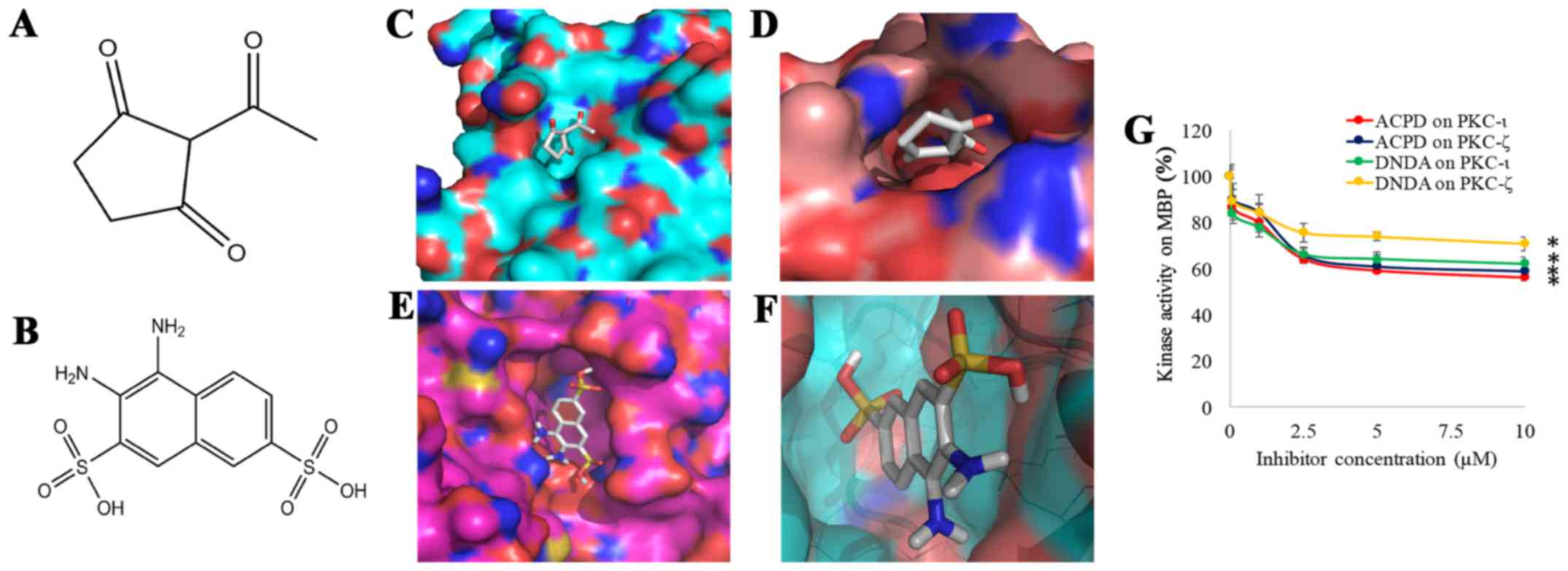
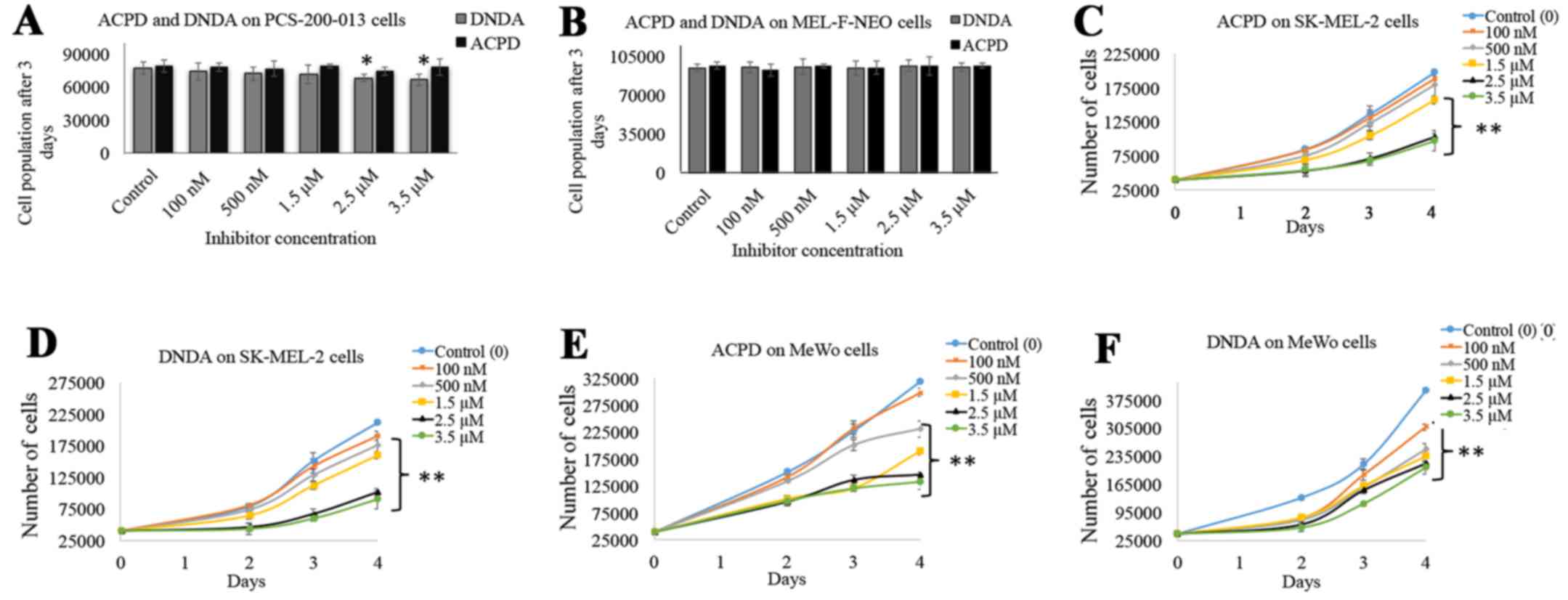
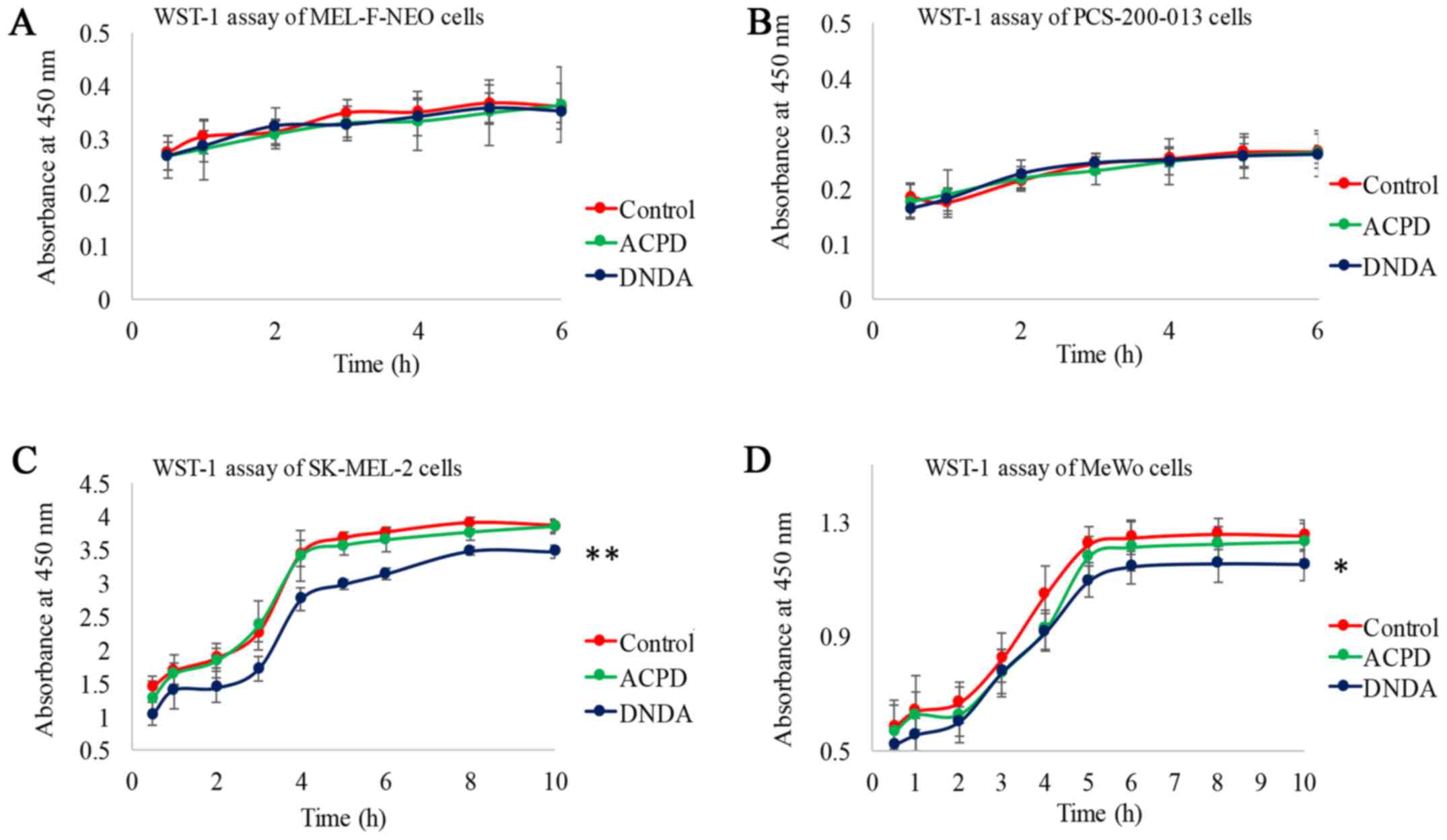
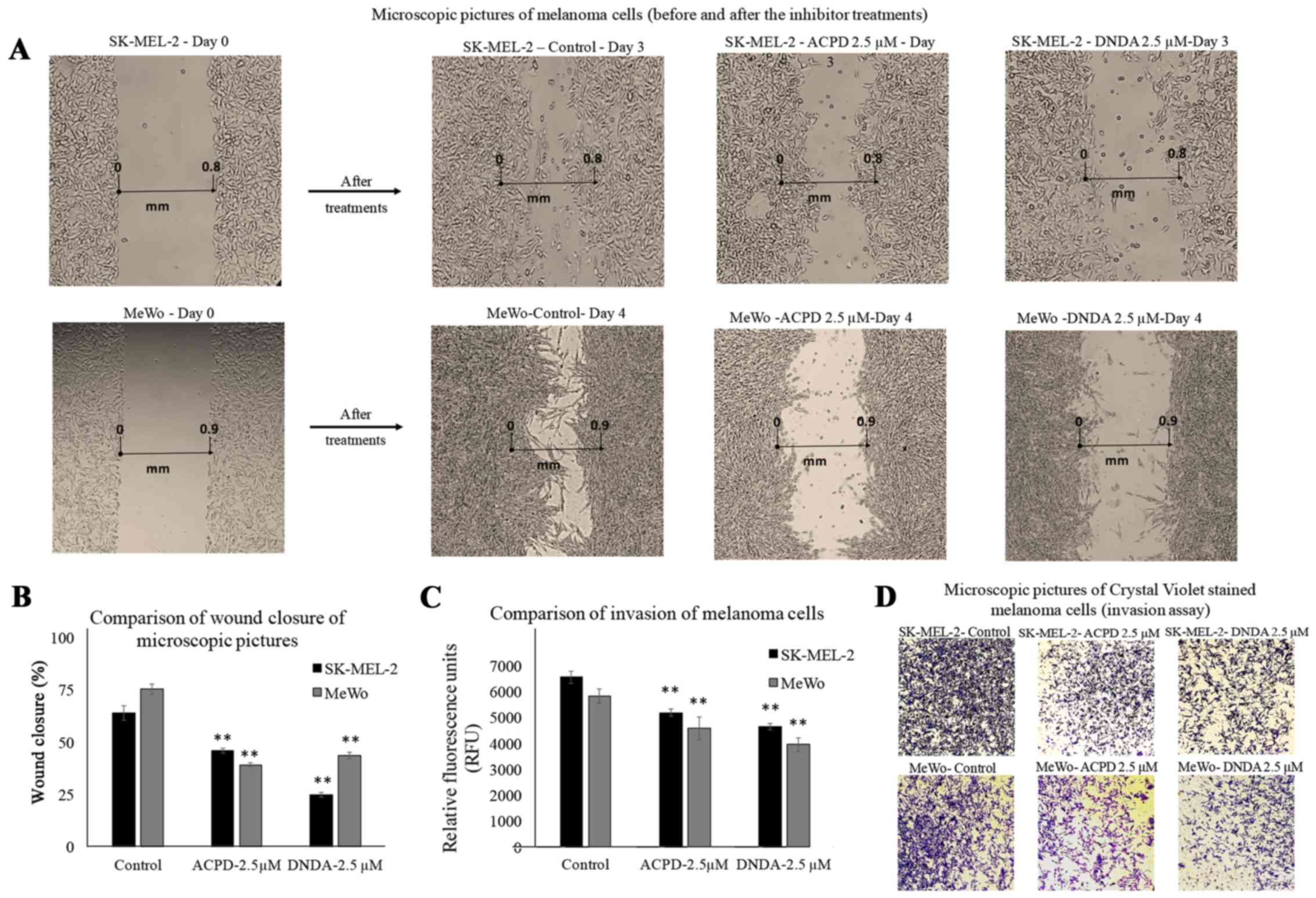
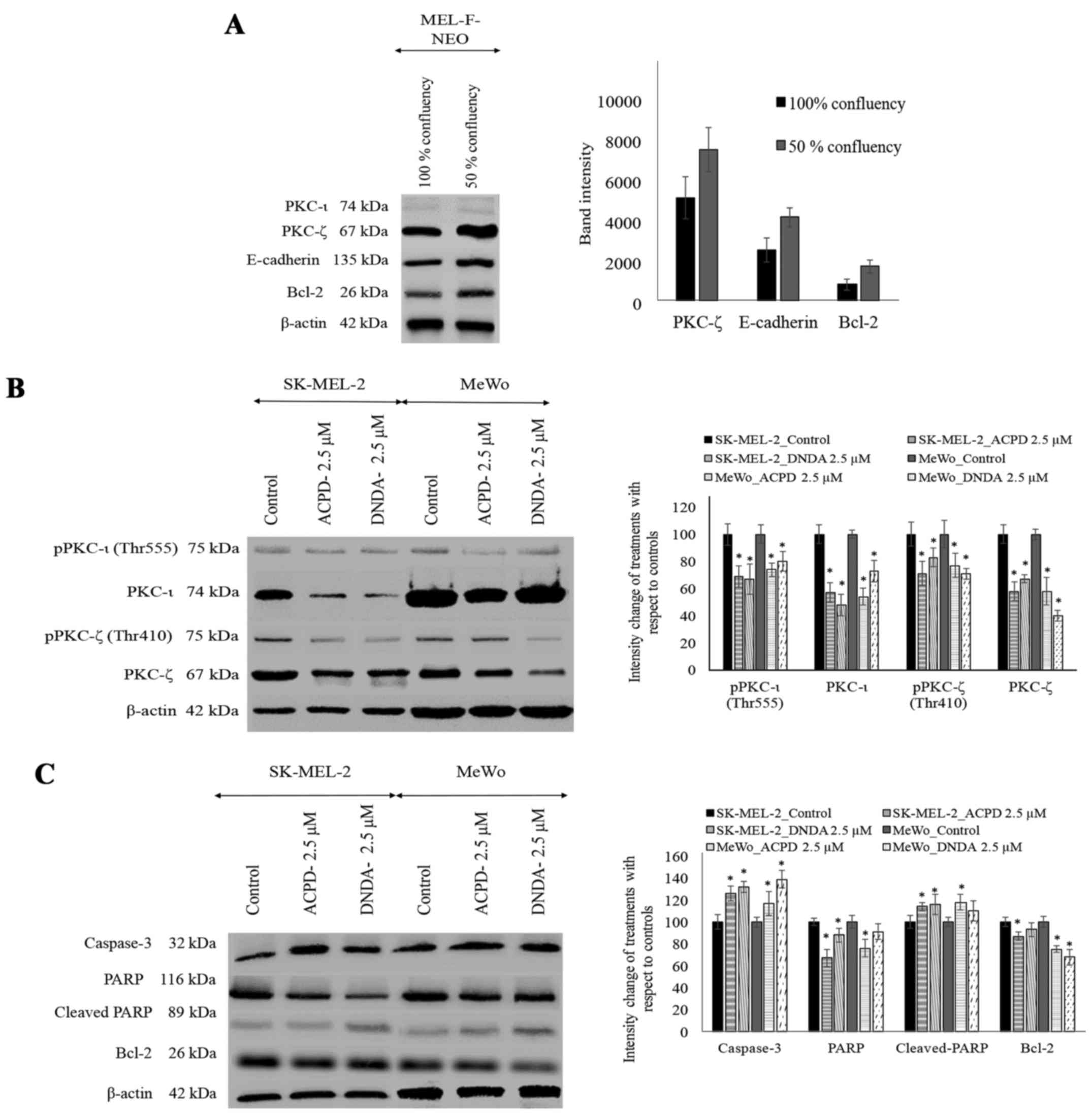
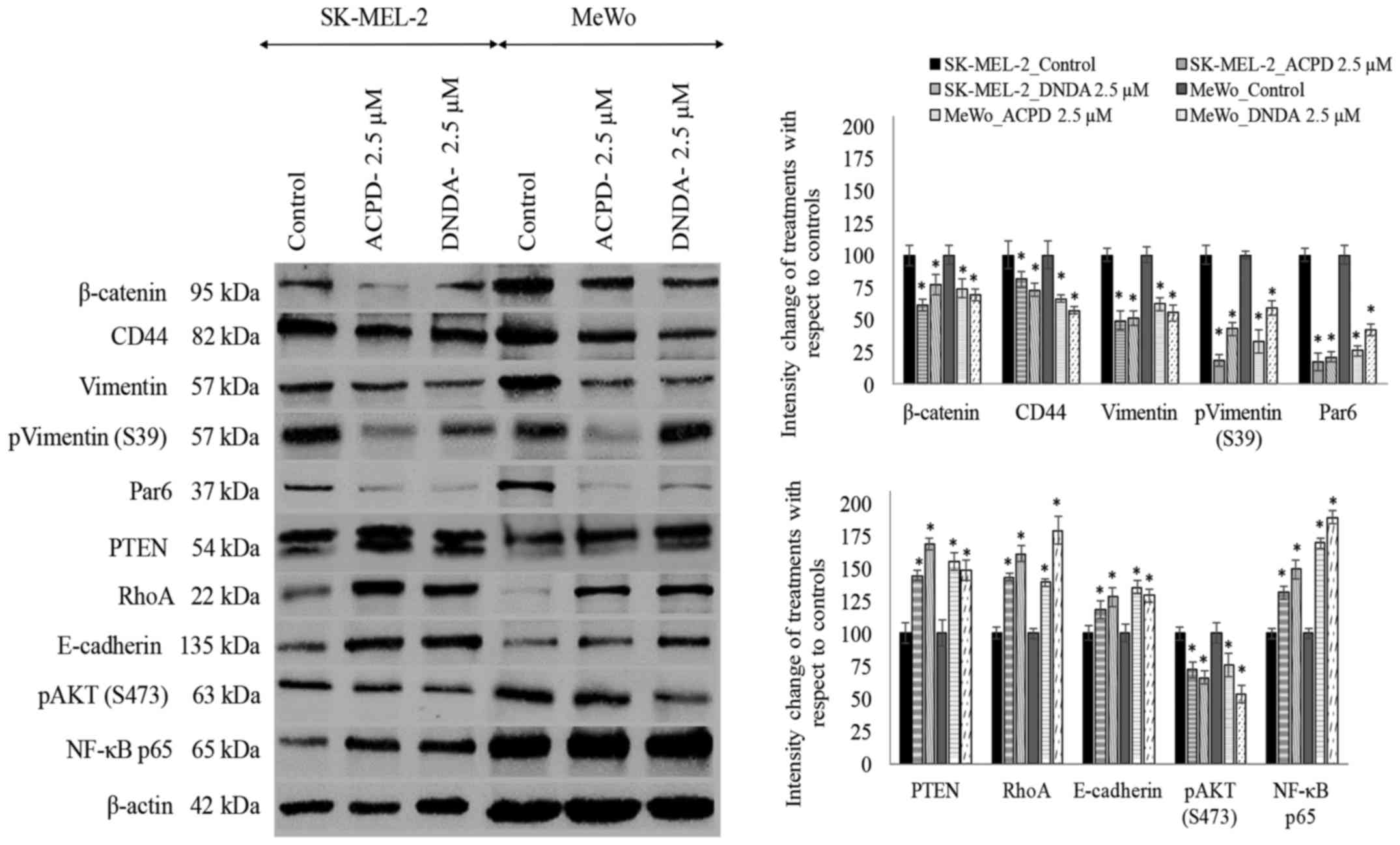
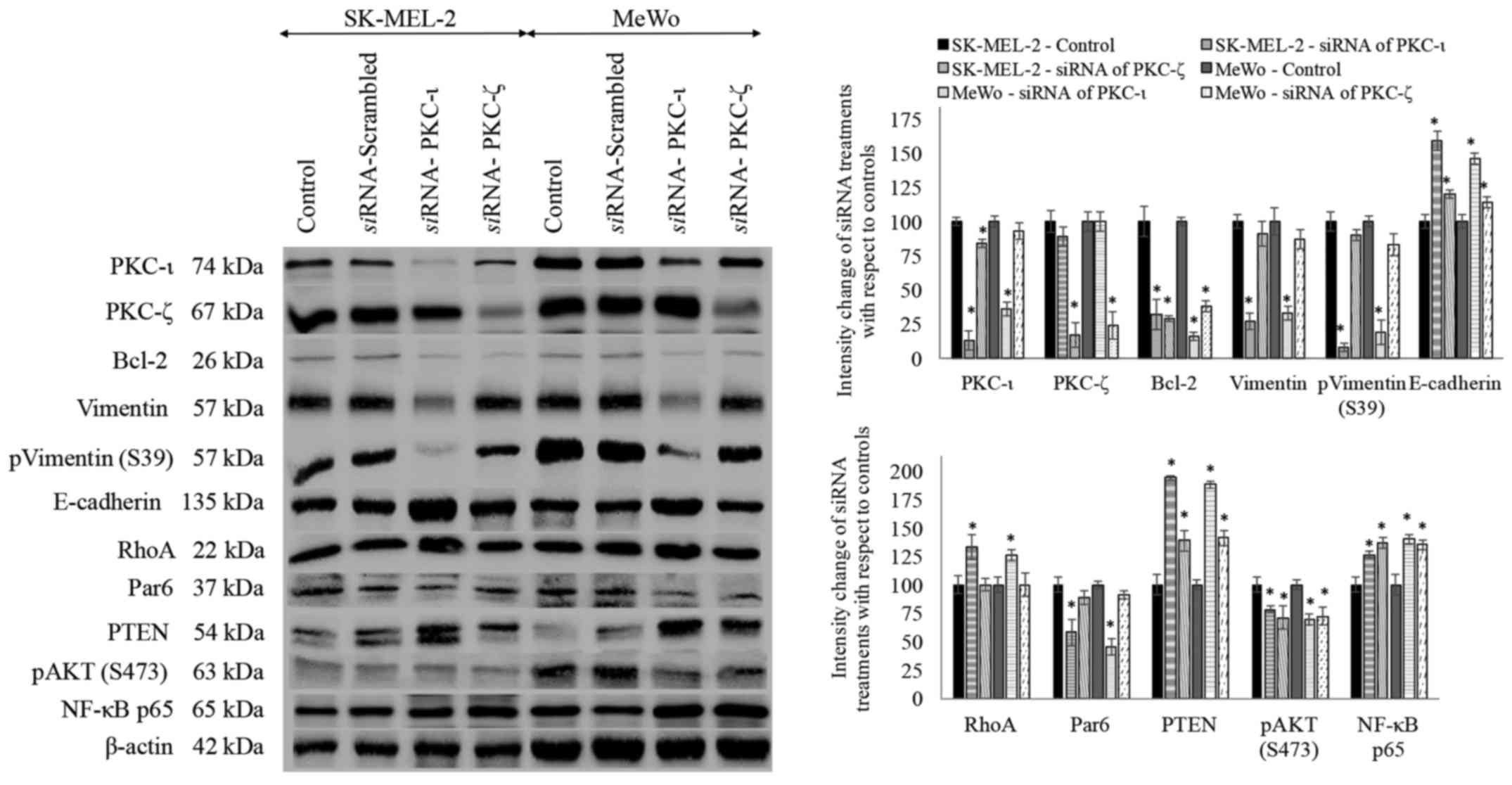
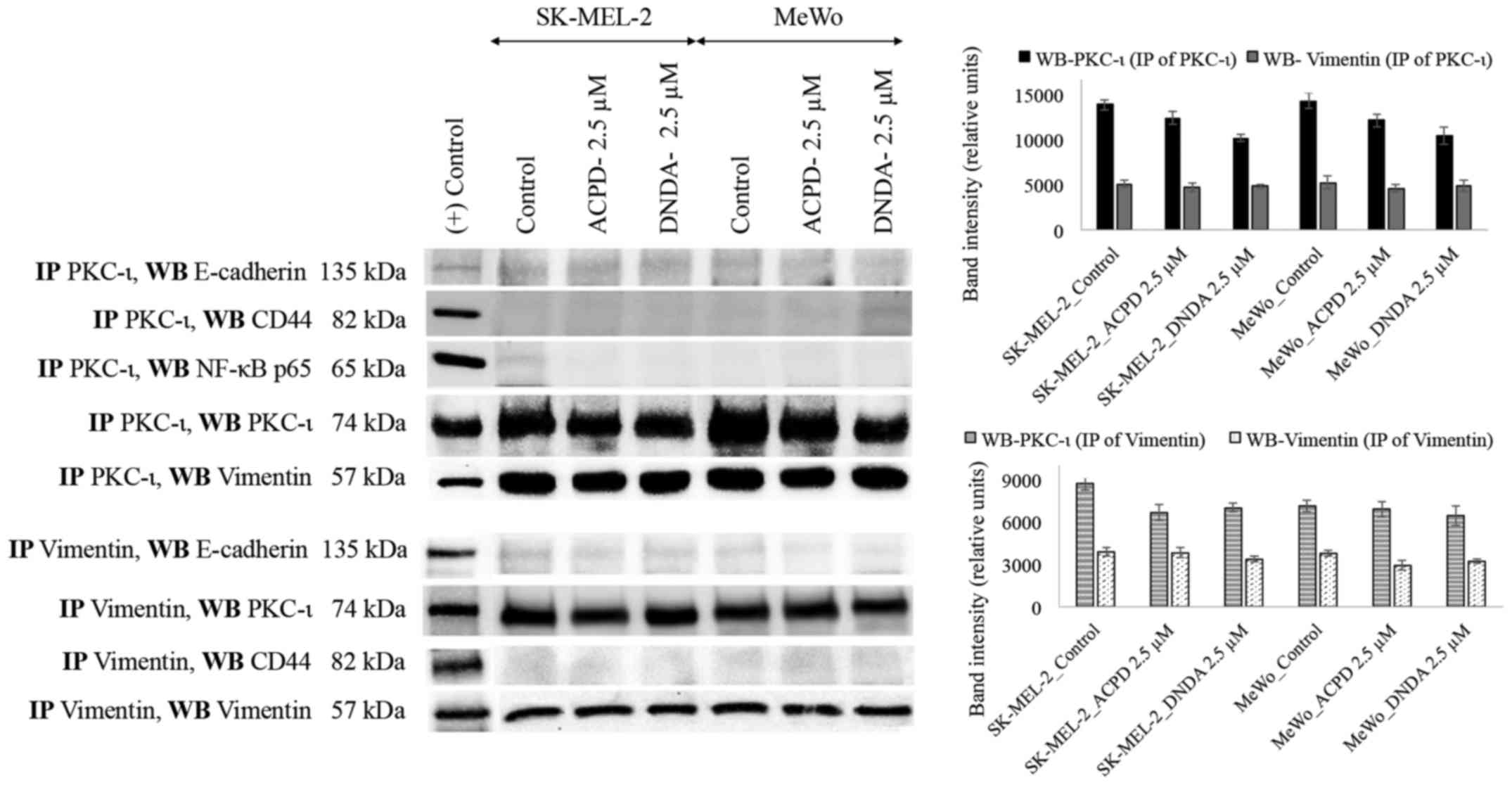
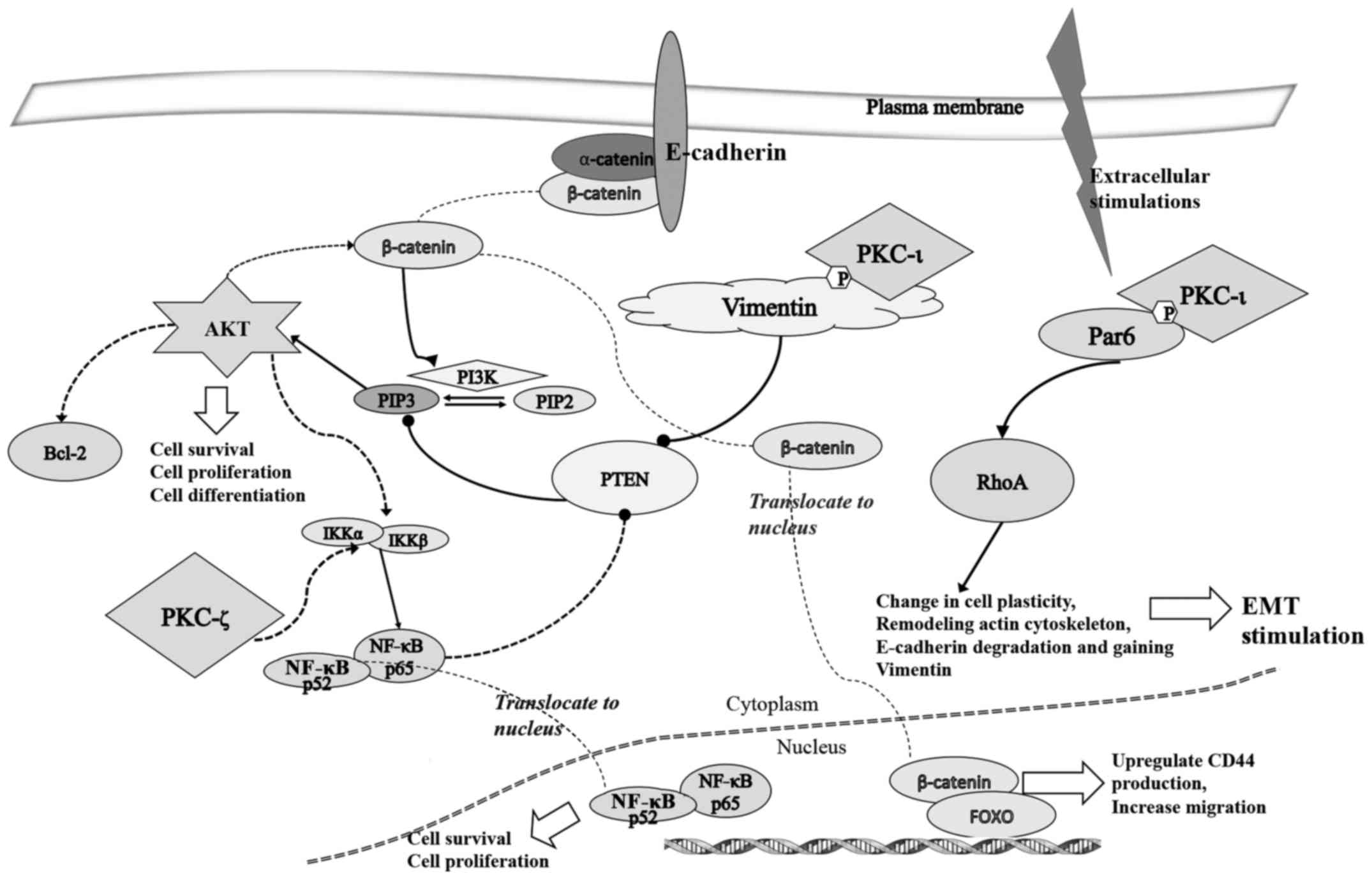
Atypical protein kinase Cs (aPKC) are involved in cell cycle progression, tumorigenesis, cell survival and migration in many cancers. We believe that aPKCs play an important role in cell motility of melanoma by regulating cell signaling pathways and inducing epithelial to mesenchymal transition (EMT). We have investigated the effects of two novel aPKC inhibitors; 2-acetyl-1,3-cyclopentanedione (ACPD) and 3,4-diaminonaphthalene-2,7-disulfonic acid (DNDA) on cell proliferation, apoptosis, migration and invasion of two malignant melanoma cell lines compared to normal melanocytes. Molecular docking data suggested that both inhibitors specifically bind to protein kinase C-zeta (PKC-ζ) and PKC-iota (PKC-ι) and kinase activity assays were carried out to confirm these observations. Both inhibitors decreased the levels of total and phosphorylated PKC-ζ and PKC-ι. Increased levels of E-cadherin, RhoA, PTEN and decreased levels of phosphorylated vimentin, total vimentin, CD44, β-catenin and phosphorylated AKT in inhibitor treated cells. This suggests that inhibition of both PKC-ζ and PKC-ι using ACPD and DNDA downregulates EMT and induces apoptosis in melanoma cells. We also carried out PKC-ι and PKC-ζ directed siRNA treatments to prove the above observations. Immunoprecipitation data suggested an association between PKC-ι and vimentin and PKC-ι siRNA treatments confirmed that PKC-ι activates vimentin by phosphorylation. These results further suggested that PKC-ι is involved in signaling pathways which upregulate EMT and which can be effectively suppressed using ACPD and DNDA. Our results summarize that melanoma cells proliferate via aPKC/AKT/NF-κB mediated pathway while inducing the EMT via PKC-ι/Par6/RhoA pathway. Overall, results show that aPKCs are essential for melanoma progression and metastasis, suggesting that ACPD and DNDA can be effectively used as potential therapeutic drugs for melanoma by inhibiting aPKCs.
View Figures

Figure 1

Figure 2

Figure 3

Figure 4

Figure 5

Figure 6

Figure 7

Figure 8

Figure 9

View References

1 

Eggermont AM: Adjuvant ipilimumab in stage III melanoma: New landscape, new questions. Eur J Cancer. 69:39–42. 2016. View Article : Google Scholar : PubMed/NCBI

2 

Hao M, Song F, Du X, Wang G, Yang Y, Chen K and Yang J: Advances in targeted therapy for unresectable melanoma: New drugs and combinations. Cancer Lett. 359:1–8. 2015. View Article : Google Scholar : PubMed/NCBI

3 

Melanoma of the Skin - Cancer Stat Facts. <http://seer.cancer.gov/statfacts/html/melan.html>, 03/30/2017.

4 

Manning G, Whyte DB, Martinez R, Hunter T and Sudarsanam S: The protein kinase complement of the human genome. Science. 298:1912–1934. 2002. View Article : Google Scholar : PubMed/NCBI

5 

Koivunen J, Aaltonen V and Peltonen J: Protein kinase C (PKC) family in cancer progression. Cancer Lett. 235:1–10. 2006. View Article : Google Scholar

6 

Regala RP, Weems C, Jamieson L, Khoor A, Edell ES, Lohse CM and Fields AP: Atypical protein kinase C iota is an oncogene in human non-small cell lung cancer. Cancer Res. 65:8905–8911. 2005. View Article : Google Scholar : PubMed/NCBI

7 

Murray NR and Fields AP: Atypical protein kinase C ι protects human leukemia cells against drug-induced apoptosis. J Biol Chem. 272:27521–27524. 1997. View Article : Google Scholar : PubMed/NCBI

8 

Acevedo-Duncan M, Patel R, Whelan S and Bicaku E: Human glioma PKC-iota and PKC-betaII phosphorylate cyclin-dependent kinase activating kinase during the cell cycle. Cell Prolif. 35:23–36. 2002. View Article : Google Scholar : PubMed/NCBI

9 

Patel R, Win H, Desai S, Patel K, Matthews JA and Acevedo-Duncan M: Involvement of PKC-iota in glioma proliferation. Cell Prolif. 41:122–135. 2008. View Article : Google Scholar : PubMed/NCBI

10 

Regala RP, Thompson EA and Fields AP: Atypical protein kinase C iota expression and aurothiomalate sensitivity in human lung cancer cells. Cancer Res. 68:5888–5895. 2008. View Article : Google Scholar : PubMed/NCBI

11 

Gunaratne A, Thai BL and Di Guglielmo GM: Atypical protein kinase C phosphorylates Par6 and facilitates transforming growth factor β-induced epithelial-to-mesenchymal transition. Mol Cell Biol. 33:874–886. 2013. View Article : Google Scholar :

12 

Kim KK, Kugler MC, Wolters PJ, Robillard L, Galvez MG, Brumwell AN, Sheppard D and Chapman HA: Alveolar epithelial cell mesenchymal transition develops in vivo during pulmonary fibrosis and is regulated by the extracellular matrix. Proc Natl Acad Sci USA. 103:13180–13185. 2006. View Article : Google Scholar : PubMed/NCBI

13 

Wei J, Xu G, Wu M, Zhang Y, Li Q, Liu P, Zhu T, Song A, Zhao L, Han Z, et al: Overexpression of vimentin contributes to prostate cancer invasion and metastasis via src regulation. Anticancer Res. 28(1A): 327–334. 2008.PubMed/NCBI

14 

Selzer E, Okamoto I, Lucas T, Kodym R, Pehamberger H and Jansen B: Protein kinase C isoforms in normal and transformed cells of the melanocytic lineage. Melanoma Res. 12:201–209. 2002. View Article : Google Scholar : PubMed/NCBI

15 

Ratnayake WS and Acevedo-Duncan M: Use of ACPD and ICA-1 as inhibitors of atypical protein kinase C-zeta (ζ) and iota (ι) in metastasized melanoma cells. Cancer Res. 76(14 suppl): Abs 4569. 2016. View Article : Google Scholar

16 

Dissanayake SK, Wade M, Johnson CE, O'Connell MP, Leotlela PD, French AD, Shah KV, Hewitt KJ, Rosenthal DT, Indig FE, et al: The Wnt5A/protein kinase C pathway mediates motility in melanoma cells via the inhibition of metastasis suppressors and initiation of an epithelial to mesenchymal transition. J Biol Chem. 282:17259–17271. 2007. View Article : Google Scholar : PubMed/NCBI

17 

Weeraratna AT, Jiang Y, Hostetter G, Rosenblatt K, Duray P, Bittner M and Trent JM: Wnt5a signaling directly affects cell motility and invasion of metastatic melanoma. Cancer Cell. 1:279–288. 2002. View Article : Google Scholar : PubMed/NCBI

18 

Qureshi R, Arora H and Rizvi MA: EMT in cervical cancer: Its role in tumour progression and response to therapy. Cancer Lett. 356:321–331. 2015. View Article : Google Scholar

19 

Pillai P, Desai S, Patel R, Sajan M, Farese R, Ostrov D and Acevedo-Duncan M: A novel PKC-ι inhibitor abrogates cell proliferation and induces apoptosis in neuroblastoma. Int J Biochem Cell Biol. 43:784–794. 2011. View Article : Google Scholar : PubMed/NCBI

20 

Win HY and Acevedo-Duncan M: Role of protein kinase C-iota in transformed non-malignant RWPE-1 cells and androgen-independent prostate carcinoma DU-145 cells. Cell Prolif. 42:182–194. 2009. View Article : Google Scholar : PubMed/NCBI

21 

O'Connell MP, French AD, Leotlela PD and Weeraratna AT: Assaying Wnt5A-mediated invasion in melanoma cells. Methods Mol Biol. 468:243–253. 2008. View Article : Google Scholar : PubMed/NCBI

22 

Win HY and Acevedo-Duncan M: Atypical protein kinase C phosphorylates IKKalphabeta in transformed non-malignant and malignant prostate cell survival. Cancer Lett. 270:302–311. 2008. View Article : Google Scholar : PubMed/NCBI

23 

Selbie LA, Schmitz-Peiffer C, Sheng Y and Biden TJ: Molecular cloning and characterization of PKC iota, an atypical isoform of protein kinase C derived from insulin-secreting cells. J Biol Chem. 268:24296–24302. 1993.PubMed/NCBI

24 

Xiao H and Liu M: Atypical protein kinase C in cell motility. Cell Mol Life Sci. 70:3057–3066. 2013. View Article : Google Scholar

25 

Sajan MP, Acevedo-Duncan ME, Standaert ML, Ivey RA, Lee M and Farese RV: Akt-dependent phosphorylation of hepatic FoxO1 is compartmentalized on a WD40/ProF scaffold and is selectively inhibited by aPKC in early phases of diet-induced obesity. Diabetes. 63:2690–2701. 2014. View Article : Google Scholar : PubMed/NCBI

26 

Sajan MP, Ivey RA III and Farese RV: Metformin action in human hepatocytes: Coactivation of atypical protein kinase C alters 5′-AMP-activated protein kinase effects on lipogenic and gluconeogenic enzyme expression. Diabetologia. 56:2507–2516. 2013. View Article : Google Scholar : PubMed/NCBI

27 

Sajan MP, Ivey RA, Lee MC and Farese RV: Hepatic insulin resistance in ob/ob mice involves increases in ceramide, aPKC activity, and selective impairment of Akt-dependent FoxO1 phosphorylation. J Lipid Res. 56:70–80. 2015. View Article : Google Scholar :

28 

Wooten MW, Seibenhener ML, Zhou G, Vandenplas ML and Tan TH: Overexpression of atypical PKC in PC12 cells enhances NGF-responsiveness and survival through an NF-kappaB dependent pathway. Cell Death Differ. 6:753–764. 1999. View Article : Google Scholar : PubMed/NCBI

29 

Ukeda H, Maeda S, Ishii T and Sawamura M: Spectro-photometric assay for superoxide dismutase based on tetrazolium salt 3′-{1-[phenylamino)-carbonyl]3,4-tetrazolium]-bis(4-methoxy-6-nitro)benzenesulfonic acid hydrate reduction by xanthine-xanthine oxidase. Anal Biochem. 251:206–209. 1997. View Article : Google Scholar : PubMed/NCBI

30 

Xu S, Wang H, Pan H, Shi Y, Li T, Ge S, Jia R, Zhang H and Fan X: ANRIL lncRNA triggers efficient therapeutic efficacy by reprogramming the aberrant INK4-hub in melanoma. Cancer Lett. 381:41–48. 2016. View Article : Google Scholar : PubMed/NCBI

31 

Farese RV: Function and dysfunction of aPKC isoforms for glucose transport in insulin-sensitive and insulin-resistant states. Am J Physiol Endocrinol Metab. 283:E1–E11. 2002. View Article : Google Scholar : PubMed/NCBI

32 

Suzuki A, Yamanaka T, Hirose T, Manabe N, Mizuno K, Shimizu M, Akimoto K, Izumi Y, Ohnishi T and Ohno S: Atypical protein kinase C is involved in the evolutionarily conserved par protein complex and plays a critical role in establishing epithelia-specific junctional structures. J Cell Biol. 152:1183–1196. 2001. View Article : Google Scholar : PubMed/NCBI

33 

Du R, Lu KV, Petritsch C, Liu P, Ganss R, Passegué E, Song H, Vandenberg S, Johnson RS, Werb Z, et al: HIF1α induces the recruitment of bone marrow-derived vascular modulatory cells to regulate tumor angiogenesis and invasion. Cancer Cell. 13:206–220. 2008. View Article : Google Scholar : PubMed/NCBI

34 

Suzuki A, Akimoto K and Ohno S: Protein kinase C lambda/iota (PKClambda/iota): A PKC isotype essential for the development of multicellular organisms. J Biochem. 133:9–16. 2003. View Article : Google Scholar : PubMed/NCBI

35 

Mamidipudi V, Lin C, Seibenhener ML and Wooten MW: Regulation of interleukin receptor-associated kinase (IRAK) phosphorylation and signaling by iota protein kinase C. J Biol Chem. 279:4161–4165. 2004. View Article : Google Scholar

36 

Mah IK, Soloff R, Hedrick SM and Mariani FV: Atypical PKC-iota controls Stem cell expansion via regulation of the Notch pathway. Stem Cell Rep. 5:866–880. 2015. View Article : Google Scholar

37 

Brady SC, Allan LA and Clarke PR: Regulation of caspase 9 through phosphorylation by protein kinase C zeta in response to hyperosmotic stress. Mol Cell Biol. 25:10543–10555. 2005. View Article : Google Scholar : PubMed/NCBI

38 

Shultz JC, Vu N, Shultz MD, Mba M-UU, Shapiro BA and Chalfant CE: The Proto-oncogene PKCι regulates the alternative splicing of Bcl-x pre-mRNA. Mol Cancer Res. 10:660–669. 2012. View Article : Google Scholar : PubMed/NCBI

39 

do Carmo A, Balça-Silva J, Matias D and Lopes MC: PKC signaling in glioblastoma. Cancer Biol Ther. 14:287–294. 2013. View Article : Google Scholar : PubMed/NCBI

40 

Jänicke RU, Sprengart ML, Wati MR and Porter AG: Caspase-3 is required for DNA fragmentation and morphological changes associated with apoptosis. J Biol Chem. 273:9357–9360. 1998. View Article : Google Scholar : PubMed/NCBI

41 

Kroemer G: The proto-oncogene Bcl-2 and its role in regulating apoptosis. Nat Med. 3:614–620. 1997. View Article : Google Scholar : PubMed/NCBI

42 

Watson AJ, Askew JN and Benson RS: Poly(adenosine diphosphate ribose) polymerase inhibition prevents necrosis induced by H2O2 but not apoptosis. Gastroenterology. 109:472–482. 1995. View Article : Google Scholar : PubMed/NCBI

43 

Soldani C and Scovassi AI: Poly(ADP-ribose) polymerase-1 cleavage during apoptosis: An update. Apoptosis. 7:321–328. 2002. View Article : Google Scholar : PubMed/NCBI

44 

van Raam BJ, Drewniak A, Groenewold V, van den Berg TK and and Kuijpers TW: Granulocyte colony-stimulating factor delays neutrophil apoptosis by inhibition of calpains upstream of caspase-3. Blood. 112:2046–2054. 2008. View Article : Google Scholar : PubMed/NCBI

45 

Cohen GM: Caspases: The executioners of apoptosis. Biochem J. 326:1–16. 1997. View Article : Google Scholar : PubMed/NCBI

46 

Kasof GM, Lu JJ, Liu D, Speer B, Mongan KN, Gomes BC and Lorenzi MV: Tumor necrosis factor-alpha induces the expression of DR6, a member of the TNF receptor family, through activation of NF-kappaB. Oncogene. 20:7965–7975. 2001. View Article : Google Scholar : PubMed/NCBI

47 

Mendez MG, Kojima S and Goldman RD: Vimentin induces changes in cell shape, motility, and adhesion during the epithelial to mesenchymal transition. FASEB J. 24:1838–1851. 2010. View Article : Google Scholar : PubMed/NCBI

48 

Chaw SY, Majeed AA, Dalley AJ, Chan A, Stein S and Farah CS: Epithelial to mesenchymal transition (EMT) biomarkers -E-cadherin, beta-catenin, APC and Vimentin - in oral squamous cell carcinogenesis and transformation. Oral Oncol. 48:997–1006. 2012. View Article : Google Scholar : PubMed/NCBI

49 

Gunaratne A and Di Guglielmo GM: Par6 is phosphorylated by aPKC to facilitate EMT. Cell Adhes Migr. 7:357–361. 2013. View Article : Google Scholar

50 

Xi G, Shen X, Rosen CJ and Clemmons DR: IRS-1 functions as a molecular scaffold to coordinate IGF-I/IGFBP-2 signaling during osteoblast differentiation. J Bone Miner Res. 31:1300–1314. 2016. View Article : Google Scholar : PubMed/NCBI

51 

Brumatti G, Salmanidis M and Ekert PG: Crossing paths: Interactions between the cell death machinery and growth factor survival signals. Cell Mol Life Sci. 67:1619–1630. 2010. View Article : Google Scholar : PubMed/NCBI

52 

Scott ML, Fujita T, Liou HC, Nolan GP and Baltimore D: The p65 subunit of NF-kappa B regulates I kappa B by two distinct mechanisms. Genes Dev. 7(7A): 1266–1276. 1993. View Article : Google Scholar : PubMed/NCBI

Related Articles

  • Abstract
  • View
  • Download
  • Twitter
Copy and paste a formatted citation
Spandidos Publications style
Ratnayake WS, Apostolatos AH, Ostrov DA and Acevedo-Duncan M: Two novel atypical PKC inhibitors; ACPD and DNDA effectively mitigate cell proliferation and epithelial to mesenchymal transition of metastatic melanoma while inducing apoptosis. Int J Oncol 51: 1370-1382, 2017.
APA
Ratnayake, W.S., Apostolatos, A.H., Ostrov, D.A., & Acevedo-Duncan, M. (2017). Two novel atypical PKC inhibitors; ACPD and DNDA effectively mitigate cell proliferation and epithelial to mesenchymal transition of metastatic melanoma while inducing apoptosis. International Journal of Oncology, 51, 1370-1382. https://doi.org/10.3892/ijo.2017.4131
MLA
Ratnayake, W. S., Apostolatos, A. H., Ostrov, D. A., Acevedo-Duncan, M."Two novel atypical PKC inhibitors; ACPD and DNDA effectively mitigate cell proliferation and epithelial to mesenchymal transition of metastatic melanoma while inducing apoptosis". International Journal of Oncology 51.5 (2017): 1370-1382.
Chicago
Ratnayake, W. S., Apostolatos, A. H., Ostrov, D. A., Acevedo-Duncan, M."Two novel atypical PKC inhibitors; ACPD and DNDA effectively mitigate cell proliferation and epithelial to mesenchymal transition of metastatic melanoma while inducing apoptosis". International Journal of Oncology 51, no. 5 (2017): 1370-1382. https://doi.org/10.3892/ijo.2017.4131
Copy and paste a formatted citation
x
Spandidos Publications style
Ratnayake WS, Apostolatos AH, Ostrov DA and Acevedo-Duncan M: Two novel atypical PKC inhibitors; ACPD and DNDA effectively mitigate cell proliferation and epithelial to mesenchymal transition of metastatic melanoma while inducing apoptosis. Int J Oncol 51: 1370-1382, 2017.
APA
Ratnayake, W.S., Apostolatos, A.H., Ostrov, D.A., & Acevedo-Duncan, M. (2017). Two novel atypical PKC inhibitors; ACPD and DNDA effectively mitigate cell proliferation and epithelial to mesenchymal transition of metastatic melanoma while inducing apoptosis. International Journal of Oncology, 51, 1370-1382. https://doi.org/10.3892/ijo.2017.4131
MLA
Ratnayake, W. S., Apostolatos, A. H., Ostrov, D. A., Acevedo-Duncan, M."Two novel atypical PKC inhibitors; ACPD and DNDA effectively mitigate cell proliferation and epithelial to mesenchymal transition of metastatic melanoma while inducing apoptosis". International Journal of Oncology 51.5 (2017): 1370-1382.
Chicago
Ratnayake, W. S., Apostolatos, A. H., Ostrov, D. A., Acevedo-Duncan, M."Two novel atypical PKC inhibitors; ACPD and DNDA effectively mitigate cell proliferation and epithelial to mesenchymal transition of metastatic melanoma while inducing apoptosis". International Journal of Oncology 51, no. 5 (2017): 1370-1382. https://doi.org/10.3892/ijo.2017.4131
Follow us
  • Twitter
  • LinkedIn
  • Facebook
About
  • Spandidos Publications
  • Careers
  • Cookie Policy
  • Privacy Policy
How can we help?
  • Help
  • Live Chat
  • Contact
  • Email to our Support Team