Spandidos Publications Logo
  • About
    • About Spandidos
    • Aims and Scopes
    • Abstracting and Indexing
    • Editorial Policies
    • Reprints and Permissions
    • Job Opportunities
    • Terms and Conditions
    • Contact
  • Journals
    • All Journals
    • Oncology Letters
      • Oncology Letters
      • Information for Authors
      • Editorial Policies
      • Editorial Board
      • Aims and Scope
      • Abstracting and Indexing
      • Bibliographic Information
      • Archive
    • International Journal of Oncology
      • International Journal of Oncology
      • Information for Authors
      • Editorial Policies
      • Editorial Board
      • Aims and Scope
      • Abstracting and Indexing
      • Bibliographic Information
      • Archive
    • Molecular and Clinical Oncology
      • Molecular and Clinical Oncology
      • Information for Authors
      • Editorial Policies
      • Editorial Board
      • Aims and Scope
      • Abstracting and Indexing
      • Bibliographic Information
      • Archive
    • Experimental and Therapeutic Medicine
      • Experimental and Therapeutic Medicine
      • Information for Authors
      • Editorial Policies
      • Editorial Board
      • Aims and Scope
      • Abstracting and Indexing
      • Bibliographic Information
      • Archive
    • International Journal of Molecular Medicine
      • International Journal of Molecular Medicine
      • Information for Authors
      • Editorial Policies
      • Editorial Board
      • Aims and Scope
      • Abstracting and Indexing
      • Bibliographic Information
      • Archive
    • Biomedical Reports
      • Biomedical Reports
      • Information for Authors
      • Editorial Policies
      • Editorial Board
      • Aims and Scope
      • Abstracting and Indexing
      • Bibliographic Information
      • Archive
    • Oncology Reports
      • Oncology Reports
      • Information for Authors
      • Editorial Policies
      • Editorial Board
      • Aims and Scope
      • Abstracting and Indexing
      • Bibliographic Information
      • Archive
    • Molecular Medicine Reports
      • Molecular Medicine Reports
      • Information for Authors
      • Editorial Policies
      • Editorial Board
      • Aims and Scope
      • Abstracting and Indexing
      • Bibliographic Information
      • Archive
    • World Academy of Sciences Journal
      • World Academy of Sciences Journal
      • Information for Authors
      • Editorial Policies
      • Editorial Board
      • Aims and Scope
      • Abstracting and Indexing
      • Bibliographic Information
      • Archive
    • International Journal of Functional Nutrition
      • International Journal of Functional Nutrition
      • Information for Authors
      • Editorial Policies
      • Editorial Board
      • Aims and Scope
      • Abstracting and Indexing
      • Bibliographic Information
      • Archive
    • International Journal of Epigenetics
      • International Journal of Epigenetics
      • Information for Authors
      • Editorial Policies
      • Editorial Board
      • Aims and Scope
      • Abstracting and Indexing
      • Bibliographic Information
      • Archive
    • Medicine International
      • Medicine International
      • Information for Authors
      • Editorial Policies
      • Editorial Board
      • Aims and Scope
      • Abstracting and Indexing
      • Bibliographic Information
      • Archive
  • Articles
  • Information
    • Information for Authors
    • Information for Reviewers
    • Information for Librarians
    • Information for Advertisers
    • Conferences
  • Language Editing
Spandidos Publications Logo
  • About
    • About Spandidos
    • Aims and Scopes
    • Abstracting and Indexing
    • Editorial Policies
    • Reprints and Permissions
    • Job Opportunities
    • Terms and Conditions
    • Contact
  • Journals
    • All Journals
    • Biomedical Reports
      • Information for Authors
      • Editorial Policies
      • Editorial Board
      • Aims and Scope
      • Abstracting and Indexing
      • Bibliographic Information
      • Archive
    • Experimental and Therapeutic Medicine
      • Information for Authors
      • Editorial Policies
      • Editorial Board
      • Aims and Scope
      • Abstracting and Indexing
      • Bibliographic Information
      • Archive
    • International Journal of Epigenetics
      • Information for Authors
      • Editorial Policies
      • Editorial Board
      • Aims and Scope
      • Abstracting and Indexing
      • Bibliographic Information
      • Archive
    • International Journal of Functional Nutrition
      • Information for Authors
      • Editorial Policies
      • Editorial Board
      • Aims and Scope
      • Abstracting and Indexing
      • Bibliographic Information
      • Archive
    • International Journal of Molecular Medicine
      • Information for Authors
      • Editorial Policies
      • Editorial Board
      • Aims and Scope
      • Abstracting and Indexing
      • Bibliographic Information
      • Archive
    • International Journal of Oncology
      • Information for Authors
      • Editorial Policies
      • Editorial Board
      • Aims and Scope
      • Abstracting and Indexing
      • Bibliographic Information
      • Archive
    • Medicine International
      • Information for Authors
      • Editorial Policies
      • Editorial Board
      • Aims and Scope
      • Abstracting and Indexing
      • Bibliographic Information
      • Archive
    • Molecular and Clinical Oncology
      • Information for Authors
      • Editorial Policies
      • Editorial Board
      • Aims and Scope
      • Abstracting and Indexing
      • Bibliographic Information
      • Archive
    • Molecular Medicine Reports
      • Information for Authors
      • Editorial Policies
      • Editorial Board
      • Aims and Scope
      • Abstracting and Indexing
      • Bibliographic Information
      • Archive
    • Oncology Letters
      • Information for Authors
      • Editorial Policies
      • Editorial Board
      • Aims and Scope
      • Abstracting and Indexing
      • Bibliographic Information
      • Archive
    • Oncology Reports
      • Information for Authors
      • Editorial Policies
      • Editorial Board
      • Aims and Scope
      • Abstracting and Indexing
      • Bibliographic Information
      • Archive
    • World Academy of Sciences Journal
      • Information for Authors
      • Editorial Policies
      • Editorial Board
      • Aims and Scope
      • Abstracting and Indexing
      • Bibliographic Information
      • Archive
  • Articles
  • Information
    • For Authors
    • For Reviewers
    • For Librarians
    • For Advertisers
    • Conferences
  • Language Editing
Login Register Submit
  • This site uses cookies
  • You can change your cookie settings at any time by following the instructions in our Cookie Policy. To find out more, you may read our Privacy Policy.

    I agree
Search articles by DOI, keyword, author or affiliation
Search
Advanced Search
presentation
International Journal of Oncology
Join Editorial Board Propose a Special Issue
Print ISSN: 1019-6439 Online ISSN: 1791-2423
Journal Cover
April-2020 Volume 56 Issue 4

Full Size Image

Cover Legend PDF

Sign up for eToc alerts
Recommend to Library

Journals

International Journal of Molecular Medicine

International Journal of Molecular Medicine

International Journal of Molecular Medicine is an international journal devoted to molecular mechanisms of human disease.

International Journal of Oncology

International Journal of Oncology

International Journal of Oncology is an international journal devoted to oncology research and cancer treatment.

Molecular Medicine Reports

Molecular Medicine Reports

Covers molecular medicine topics such as pharmacology, pathology, genetics, neuroscience, infectious diseases, molecular cardiology, and molecular surgery.

Oncology Reports

Oncology Reports

Oncology Reports is an international journal devoted to fundamental and applied research in Oncology.

Experimental and Therapeutic Medicine

Experimental and Therapeutic Medicine

Experimental and Therapeutic Medicine is an international journal devoted to laboratory and clinical medicine.

Oncology Letters

Oncology Letters

Oncology Letters is an international journal devoted to Experimental and Clinical Oncology.

Biomedical Reports

Biomedical Reports

Explores a wide range of biological and medical fields, including pharmacology, genetics, microbiology, neuroscience, and molecular cardiology.

Molecular and Clinical Oncology

Molecular and Clinical Oncology

International journal addressing all aspects of oncology research, from tumorigenesis and oncogenes to chemotherapy and metastasis.

World Academy of Sciences Journal

World Academy of Sciences Journal

Multidisciplinary open-access journal spanning biochemistry, genetics, neuroscience, environmental health, and synthetic biology.

International Journal of Functional Nutrition

International Journal of Functional Nutrition

Open-access journal combining biochemistry, pharmacology, immunology, and genetics to advance health through functional nutrition.

International Journal of Epigenetics

International Journal of Epigenetics

Publishes open-access research on using epigenetics to advance understanding and treatment of human disease.

Medicine International

Medicine International

An International Open Access Journal Devoted to General Medicine.

Journal Cover
April-2020 Volume 56 Issue 4

Full Size Image

Cover Legend PDF

Sign up for eToc alerts
Recommend to Library

  • Article
  • Citations
    • Cite This Article
    • Download Citation
    • Create Citation Alert
    • Remove Citation Alert
    • Cited By
  • Similar Articles
    • Related Articles (in Spandidos Publications)
    • Similar Articles (Google Scholar)
    • Similar Articles (PubMed)
  • Download PDF
  • Download XML
  • View XML
Article

Prostate field cancerization and exosomes: Association between CD9, early growth response 1 and fatty acid synthase

  • Authors:
    • Farideh Amirrad
    • Philip A. Pytak
    • Neda Sadeghiani‑Pelar
    • Julie P.T. Nguyen
    • Emily L. Cauble
    • Anna C. Jones
    • Marco Bisoffi
  • View Affiliations / Copyright

    Affiliations: Department of Biomedical and Pharmaceutical Sciences, Chapman University School of Pharmacy, Harry and Diane Rinker Health Science Campus, Irvine, CA 92618, USA, Division of Chemistry and Biochemistry, Chapman University Schmid College of Science and Technology, Keck Center for Science and Engineering, Orange, CA 92866, USA, Division of Biological Sciences, Chapman University Schmid College of Science and Technology, Keck Center for Science and Engineering, Orange, CA 92866, USA, University of New Mexico Comprehensive Cancer Center, Albuquerque, NM 87102, USA
  • Pages: 957-968
    |
    Published online on: February 10, 2020
       https://doi.org/10.3892/ijo.2020.4980
  • Expand metrics +
Metrics: Total Views: 0 (Spandidos Publications: | PMC Statistics: )
Metrics: Total PDF Downloads: 0 (Spandidos Publications: | PMC Statistics: )
Cited By (CrossRef): 0 citations Loading Articles...

This article is mentioned in:


Abstract

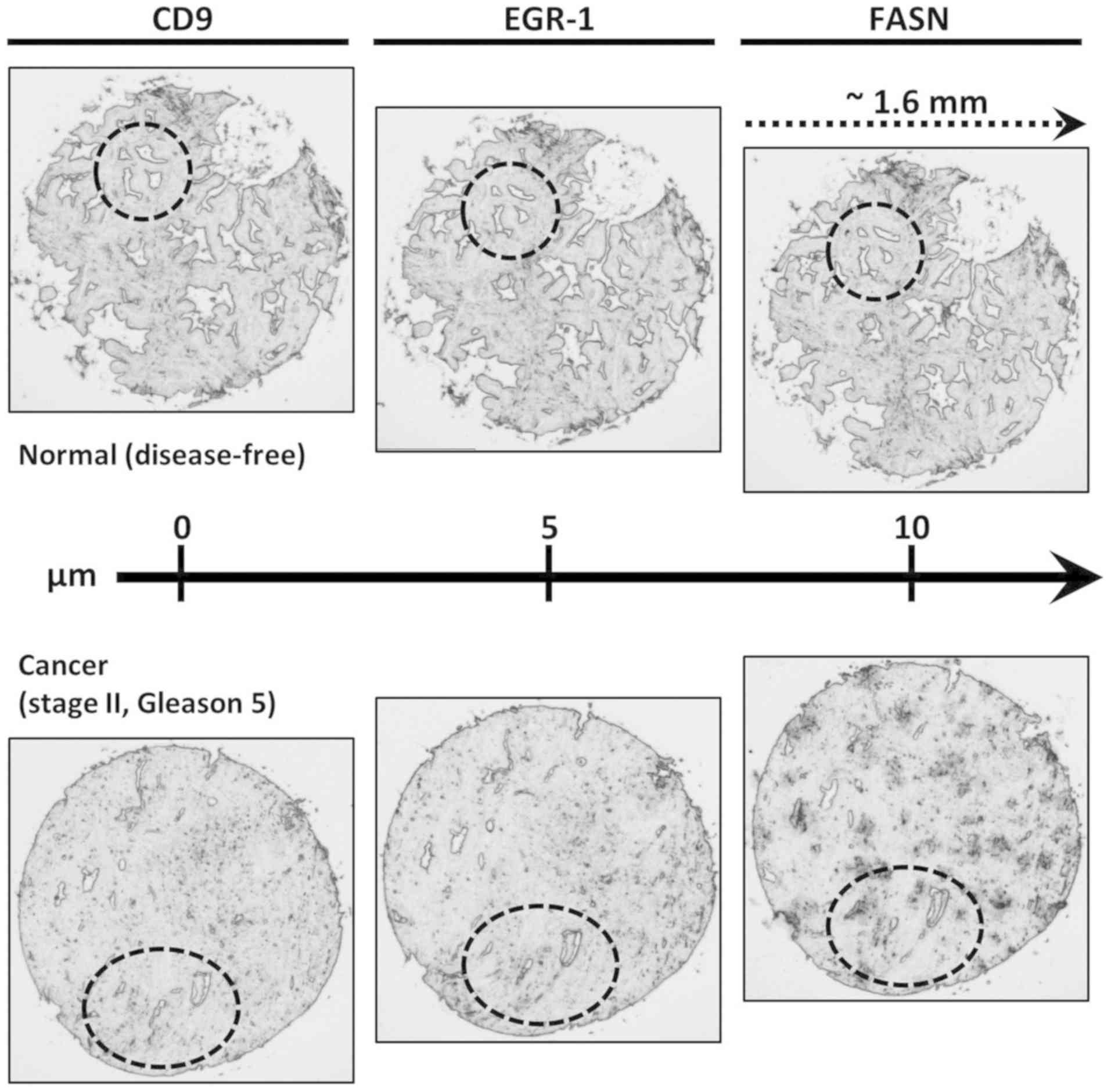
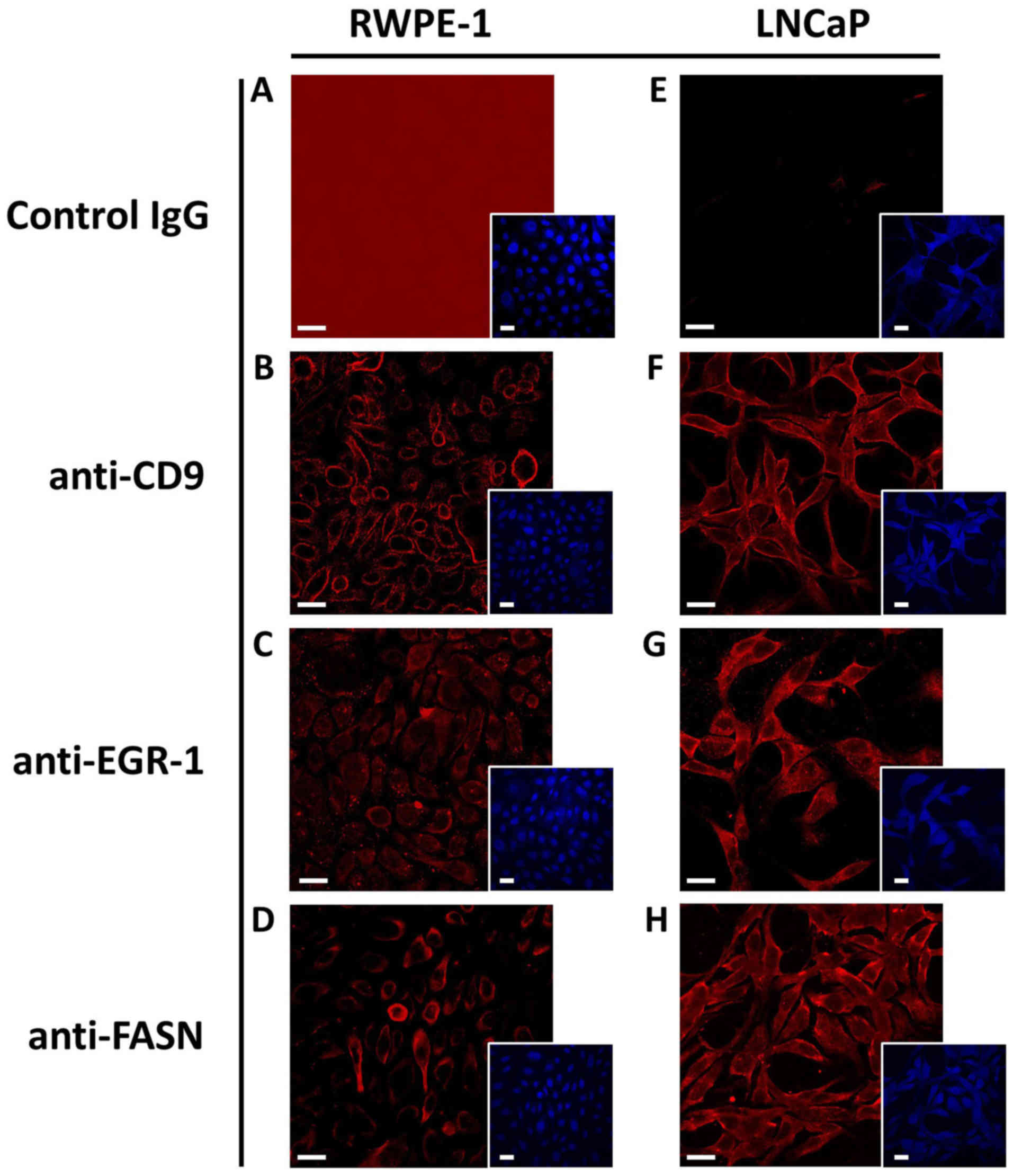
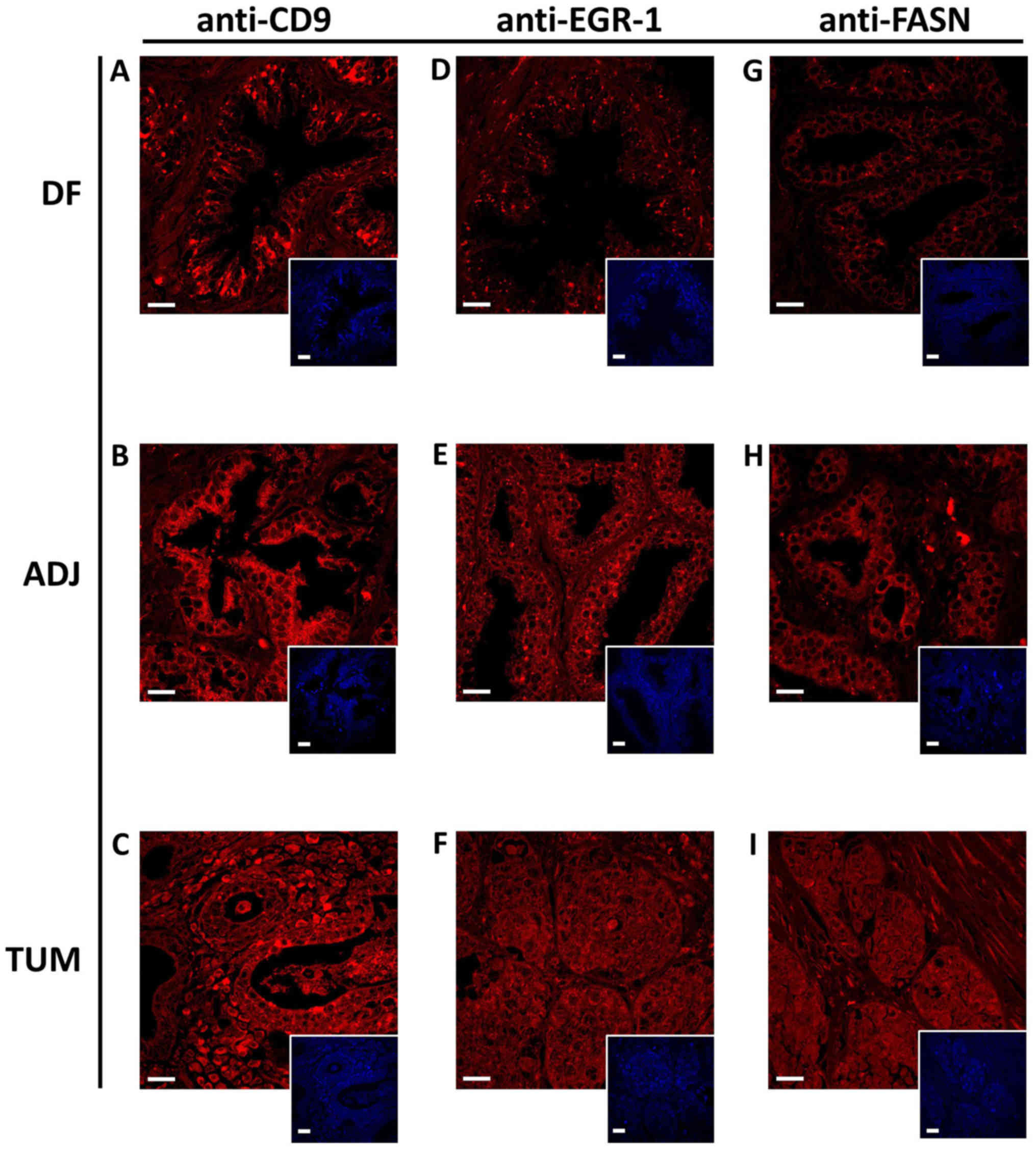
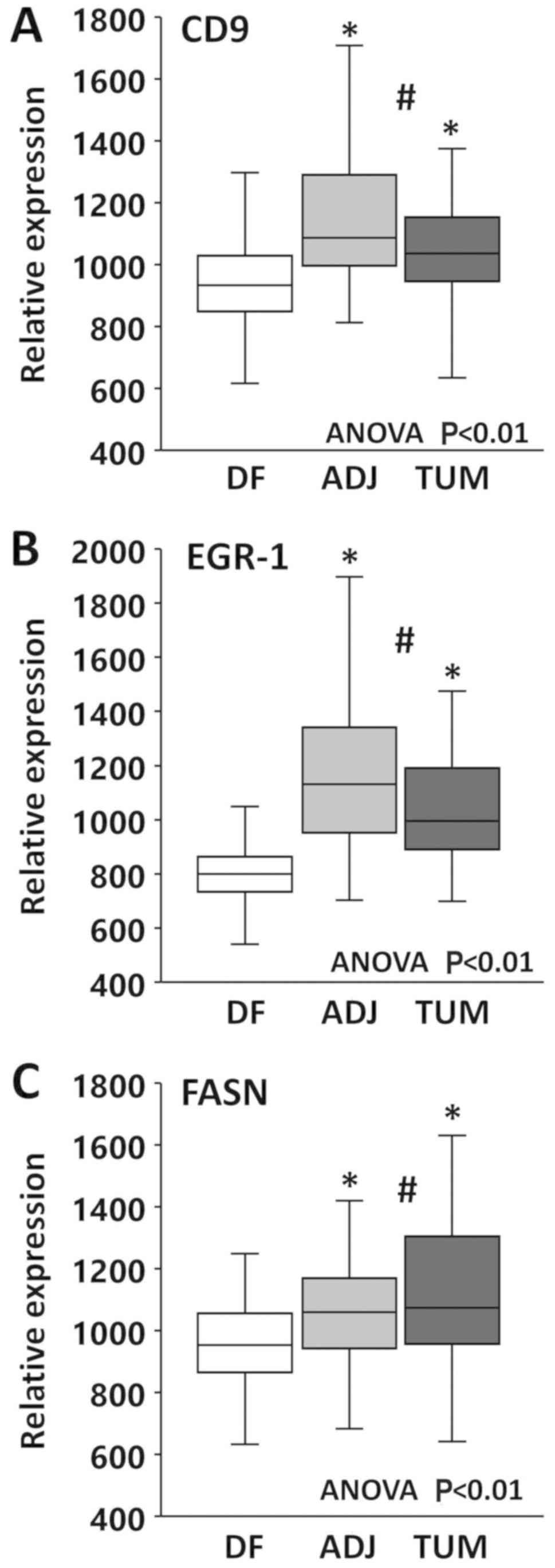
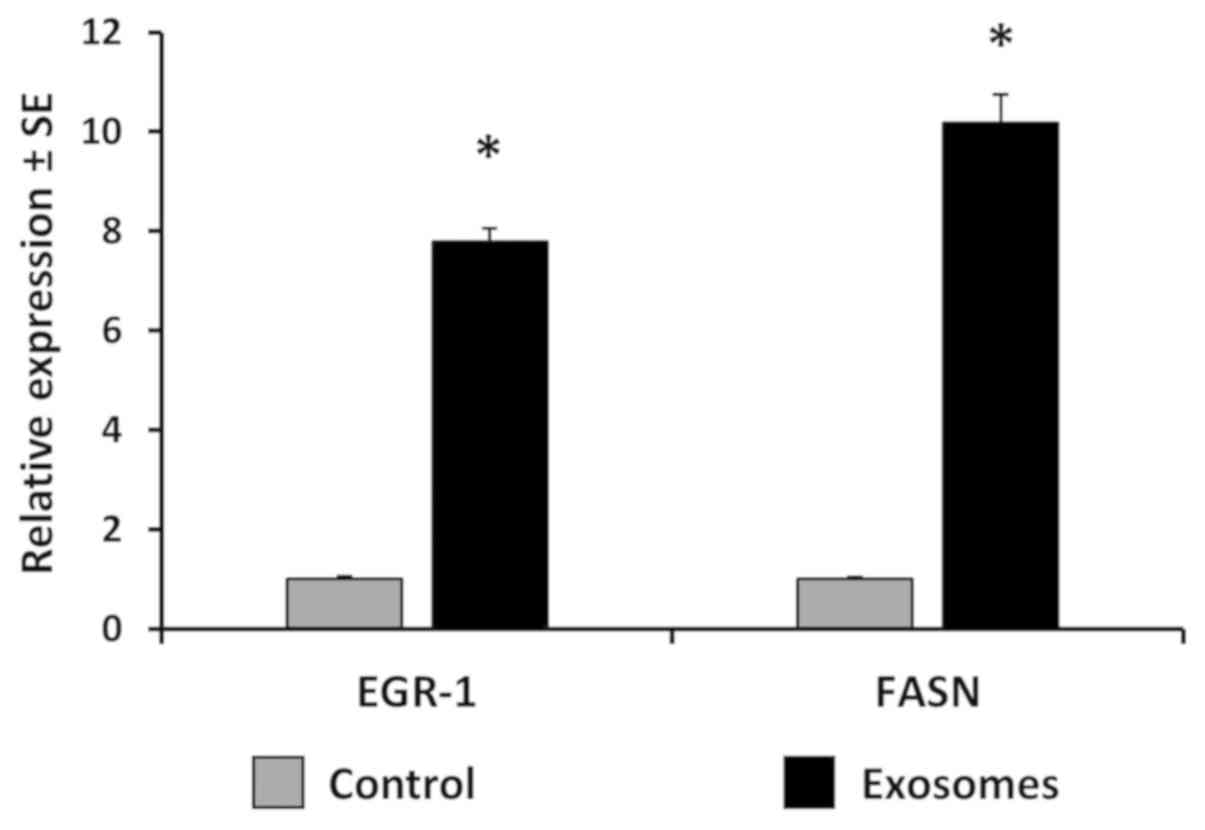
Intracapsular and well‑defined adenocarcinomas of the prostate are often surrounded by tissue areas that harbor molecular aberrations, including those of genetic, epigenetic and biochemical nature. This is known as field cancerization, or a field effect and denotes a state of pre‑malignancy. Such alterations in histologically normal tumor‑adjacent prostatic tissues have been recognized as clinically important and are potentially exploitable as biomarkers of disease and/or targets for preventative/therapeutic intervention. The authors have previously identified and validated two protein markers of field cancerization: The expressional upregulation of the transcription factor early growth response 1 (EGR‑1) and the lipogenic enzyme fatty acid synthase (FASN). However, the molecular etiology of prostate field cancerization, including EGR‑1 and FASN upregulation, remains largely unknown. It was thus hypothesized that extracellular vesicles, notably exosomes, released by tumor lesions may induce molecular alterations in the surrounding tissues, resulting in field cancerization, priming the tissue, and ultimately promoting multifocal tumorigenesis, which is often observed in prostate cancer. Towards testing this hypothesis, the current study, to the best of our knowledge, for the first time, presents correlative protein expression data, generated in disease‑free, tumor‑adjacent and cancerous human prostate tissues by quantitative immunofluorescence, between the exosomal marker CD9, and EGR‑1 and FASN. Despite the pilot character of the present study, and the static nature and heterogeneity of human tissues, the data suggest that CD9 expression itself is part of a field effect. In support of this hypothesis, the results suggest a possible contribution of exosomes to the induction of field cancerization in the prostate, particularly for EGR‑1. These findings were corroborated in established cell models of cancerous (LNCaP) and non‑cancerous (RWPE‑1) human prostate epithelial cells. The findings of this study warrant further investigation into the functional interface between exosomes and field cancerization, as a detailed understanding of this characterization may lead to the development of clinical applications related to diagnosis and/or prognosis and targeted intervention to prevent progression from pre‑malignancy to cancer.
View Figures

Figure 1

Figure 2

Figure 3

Figure 4

Figure 5

Figure 6

Figure 7

Figure 8

Figure 9

View References

1 

Slaughter DP, Southwick HW and Smejkal W: Field cancerization in oral stratified squamous epithelium; clinical implications of multicentric origin. Cancer. 6:963–968. 1953. View Article : Google Scholar : PubMed/NCBI

2 

Angadi PV, Savitha JK, Rao SS and Sivaranjini Y: Oral field cancerization: Current evidence and future perspectives. Oral Maxillofac Surg. 16:171–180. 2012. View Article : Google Scholar : PubMed/NCBI

3 

Braakhuis BJ, Tabor MP, Kummer JA, Leemans CR and Brakenhoff RH: A genetic explanation of Slaughter's concept of field cancerization: Evidence and clinical implications. Cancer Res. 63:1727–1730. 2003.PubMed/NCBI

4 

Curtius K, Wright NA and Graham TA: An evolutionary perspective on field cancerization. Nat Rev Cancer. 18:19–32. 2018. View Article : Google Scholar

5 

Takeshima H and Ushijima T: Accumulation of genetic and epigenetic alterations in normal cells and cancer risk. NPJ Precis Oncol. 3:72019. View Article : Google Scholar : PubMed/NCBI

6 

Lochhead P, Chan AT, Nishihara R, Fuchs CS, Beck AH, Giovannucci E and Ogino S: Etiologic field effect: Reappraisal of the field effect concept in cancer predisposition and progression. Mod Pathol. 28:14–29. 2015. View Article : Google Scholar

7 

Gabriel KN, Jones AC, Nguyen JP, Antillon KS, Janos SN, Overton HN, Jenkins SM, Frisch EH, Trujillo KA and Bisoffi M: Association and regulation of protein factors of field effect in prostate tissues. Int J Oncol. 49:1541–1552. 2016. View Article : Google Scholar : PubMed/NCBI

8 

Haaland CM, Heaphy CM, Butler KS, Fischer EG, Griffith JK and Bisoffi M: Differential gene expression in tumor adjacent histologically normal prostatic tissue indicates field cancerization. Int J Oncol. 35:537–546. 2009.PubMed/NCBI

9 

Heaphy CM, Fleet TM, Treat EG, Lee SJ, Smith AY, Davis MS, Griffith JK, Fischer EG and Bisoffi M: Organ-wide telomeric status in diseased and disease-free prostatic tissues. Prostate. 70:1471–1479. 2010. View Article : Google Scholar : PubMed/NCBI

10 

Jones AC, Antillon KS, Jenkins SM, Janos SN, Overton HN, Shoshan DS, Fischer EG, Trujillo KA and Bisoffi M: Prostate field cancerization: Deregulated expression of macrophage inhibitory cytokine 1 (MIC-1) and platelet derived growth factor A (PDGF-A) in tumor adjacent tissue. PLoS One. 10:e01193142015. View Article : Google Scholar : PubMed/NCBI

11 

Jones AC, Trujillo KA, Phillips GK, Fleet TM, Murton JK, Severns V, Shah SK, Davis MS, Smith AY, Griffith JK, et al: Early growth response 1 and fatty acid synthase expression is altered in tumor adjacent prostate tissue and indicates field cancerization. Prostate. 72:1159–1170. 2012. View Article : Google Scholar

12 

Treat EG, Heaphy CM, Massie LW, Bisoffi M, Smith AY, Davis MS and Griffith JK: Telomere DNA content in prostate biopsies predicts early rise in prostate-specific antigen after radical prostatectomy for prostate cancer. Urology. 75:724–729. 2010. View Article : Google Scholar

13 

Trujillo KA, Jones AC, Griffith JK and Bisoffi M: Markers of field cancerization: Proposed clinical applications in prostate biopsies. Prostate Cancer. 2012:3028942012. View Article : Google Scholar : PubMed/NCBI

14 

Nonn L, Ananthanarayanan V and Gann PH: Evidence for field cancerization of the prostate. Prostate. 69:1470–1479. 2009. View Article : Google Scholar : PubMed/NCBI

15 

Choi JY, Kim S, Kwak HB, Park DH, Park JH, Ryu JS, Park CS and Kang JH: Extracellular Vesicles as a Source of Urological Biomarkers: Lessons Learned From Advances and Challenges in Clinical Applications to Major Diseases. Int Neurourol J. 21:83–96. 2017. View Article : Google Scholar : PubMed/NCBI

16 

Dhondt B, Van Deun J, Vermaerke S, de Marco A, Lumen N, De Wever O and Hendrix A: Urinary extracellular vesicle biomarkers in urological cancers: From discovery towards clinical implementation. Int J Biochem Cell Biol. 99:236–256. 2018. View Article : Google Scholar : PubMed/NCBI

17 

Pan J, Ding M, Xu K, Yang C and Mao LJ: Exosomes in diagnosis and therapy of prostate cancer. Oncotarget. 8:97693–97700. 2017.PubMed/NCBI

18 

Vlaeminck-Guillem V: Extracellular Vesicles in Prostate Cancer Carcinogenesis, Diagnosis, and Management. Front Oncol. 8:2222018. View Article : Google Scholar : PubMed/NCBI

19 

Panigrahi GK and Deep G: Exosomes-based biomarker discovery for diagnosis and prognosis of prostate cancer. Front Biosci. 22:1682–1696. 2017. View Article : Google Scholar

20 

Soekmadji C, Russell PJ and Nelson CC: Exosomes in prostate cancer: Putting together the pieces of a puzzle. Cancers (Basel). 5:1522–1544. 2013. View Article : Google Scholar

21 

Fordyce CA, Heaphy CM, Joste NE, Smith AY, Hunt WC and Griffith JK: Association between cancer-free survival and telomere DNA content in prostate tumors. J Urol. 173:610–614. 2005. View Article : Google Scholar : PubMed/NCBI

22 

Livak KJ and Schmittgen TD: Analysis of relative gene expression data using real-time quantitative PCR and the 2(-Delta Delta C(T)) Method. Methods. 25:402–408. 2001. View Article : Google Scholar

23 

Mora GR, Olivier KR, Cheville JC, Mitchell RF Jr, Lingle WL and Tindall DJ: The cytoskeleton differentially localizes the early growth response gene-1 protein in cancer and benign cells of the prostate. Mol Cancer Res. 2:115–128. 2004.PubMed/NCBI

24 

Duijvesz D, Burnum-Johnson KE, Gritsenko MA, Hoogland AM, Vredenbregt-van den Berg MS, Willemsen R, Luider T, Paša-Tolić L and Jenster G: Proteomic profiling of exosomes leads to the identification of novel biomarkers for prostate cancer. PLoS One. 8:e825892013. View Article : Google Scholar

25 

Malla RR, Pandrangi S, Kumari S, Gavara MM and Badana AK: Exosomal tetraspanins as regulators of cancer progression and metastasis and novel diagnostic markers. Asia Pac J Clin Oncol. 14:383–391. 2018. View Article : Google Scholar : PubMed/NCBI

26 

Mizutani K, Terazawa R, Kameyama K, Kato T, Horie K, Tsuchiya T, Seike K, Ehara H, Fujita Y, Kawakami K, et al: Isolation of prostate cancer-related exosomes. Anticancer Res. 34:3419–3423. 2014.PubMed/NCBI

27 

Dakubo GD, Jakupciak JP, Birch-Machin MA and Parr RL: Clinical implications and utility of field cancerization. Cancer Cell Int. 7:22007. View Article : Google Scholar : PubMed/NCBI

28 

Bjurlin MA, Meng X, Le Nobin J, Wysock JS, Lepor H, Rosenkrantz AB and Taneja SS: Optimization of prostate biopsy: The role of magnetic resonance imaging targeted biopsy in detection, localization and risk assessment. J Urol. 192:648–658. 2014. View Article : Google Scholar : PubMed/NCBI

29 

Bostanci Y, Kazzazi A and Djavan B: Optimizing prostate biopsy. Minerva Urol Nefrol. 64:233–243. 2012.

30 

Delongchamps NB and Haas GP: Saturation biopsies for prostate cancer: Current uses and future prospects. Nat Rev Urol. 6:645–652. 2009. View Article : Google Scholar : PubMed/NCBI

31 

Rabbani F, Stroumbakis N, Kava BR, Cookson MS and Fair WR: Incidence and clinical significance of false-negative sextant prostate biopsies. J Urol. 159:1247–1250. 1998. View Article : Google Scholar : PubMed/NCBI

32 

Halin S, Hammarsten P, Adamo H, Wikström P and Bergh A: Tumor indicating normal tissue could be a new source of diagnostic and prognostic markers for prostate cancer. Expert Opin Med Diagn. 5:37–47. 2011. View Article : Google Scholar : PubMed/NCBI

33 

Mazzucchelli R, Galosi AB, Santoni M, Lopez-Beltran A, Scarpelli M, Cheng L and Montironi R: Role of the pathologist in active surveillance for prostate cancer. Anal Quant Cytopathol Histpathol. 37:65–68. 2015.PubMed/NCBI

34 

Pomerantz M: Active Surveillance: Pathologic and Clinical Variables Associated with Outcome. Surg Pathol Clin. 8:581–585. 2015. View Article : Google Scholar : PubMed/NCBI

35 

Bellardita L, Valdagni R, van den Bergh R, Randsdorp H, Repetto C, Venderbos LD, Lane JA and Korfage IJ: How does active surveillance for prostate cancer affect quality of life? A systematic review. Eur Urol. 67:637–645. 2015. View Article : Google Scholar

36 

Kwon O and Hong S: Active surveillance and surgery in localized prostate cancer. Minerva Urol Nefrol. 66:175–187. 2014.PubMed/NCBI

37 

Lou DY and Fong L: Neoadjuvant therapy for localized prostate cancer: Examining mechanism of action and efficacy within the tumor. Urol Oncol. 34:182–192. 2016. View Article : Google Scholar

38 

Marshall S and Taneja S: Focal therapy for prostate cancer: The current status. Prostate Int. 3:35–41. 2015. View Article : Google Scholar : PubMed/NCBI

39 

Andreoiu M and Cheng L: Multifocal prostate cancer: Biologic, prognostic, and therapeutic implications. Hum Pathol. 41:781–793. 2010. View Article : Google Scholar : PubMed/NCBI

40 

Duan Y, Tan Z, Yang M, Li J, Liu C, Wang C, Zhang F, Jin Y, Wang Y and Zhu L: PC-3-Derived Exosomes Inhibit Osteoclast Differentiation by Downregulating miR-214 and Blocking NF-κB Signaling Pathway. BioMed Res Int. 2019:86508462019. View Article : Google Scholar

41 

Li SL, An N, Liu B, Wang SY, Wang JJ and Ye Y: Exosomes from LNCaP cells promote osteoblast activity through miR-375 transfer. Oncol Lett. 17:4463–4473. 2019.PubMed/NCBI

42 

Krishn SR, Singh A, Bowler N, Duffy AN, Friedman A, Fedele C, Kurtoglu S, Tripathi SK, Wang K, Hawkins A, et al: Prostate cancer sheds the αvβ3 integrin in vivo through exosomes. Matrix Biol. 77:41–57. 2019. View Article : Google Scholar

43 

McAtee CO, Booth C, Elowsky C, Zhao L, Payne J, Fangman T, Caplan S, Henry MD and Simpson MA: Prostate tumor cell exosomes containing hyaluronidase Hyal1 stimulate prostate stromal cell motility by engagement of FAK-mediated integrin signaling. Matrix Biol. 78-79:165–179. 2019. View Article : Google Scholar

44 

Panigrahi GK, Praharaj PP, Peak TC, Long J, Singh R, Rhim JS, Abd Elmageed ZY and Deep G: Hypoxia-induced exosome secretion promotes survival of African-American and Caucasian prostate cancer cells. Sci Rep. 8:38532018. View Article : Google Scholar : PubMed/NCBI

45 

Ramteke A, Ting H, Agarwal C, Mateen S, Somasagara R, Hussain A, Graner M, Frederick B, Agarwal R and Deep G: Exosomes secreted under hypoxia enhance invasiveness and stemness of prostate cancer cells by targeting adherens junction molecules. Mol Carcinog. 54:554–565. 2015. View Article : Google Scholar

46 

Soekmadji C, Riches JD, Russell PJ, Ruelcke JE, McPherson S, Wang C, Hovens CM, Corcoran NM, Hill MM and Nelson CC; Australian Prostate Cancer Collaboration BioResource: Modulation of paracrine signaling by CD9 positive small extracellular vesicles mediates cellular growth of androgen deprived prostate cancer. Oncotarget. 8:52237–52255. 2016.

47 

Gitenay D and Baron VT: Is EGR1 a potential target for prostate cancer therapy? Future Oncol. 5:993–1003. 2009. View Article : Google Scholar : PubMed/NCBI

48 

Pagel JI and Deindl E: Early growth response 1 - a transcription factor in the crossfire of signal transduction cascades. Indian J Biochem Biophys. 48:226–235. 2011.PubMed/NCBI

49 

Adamson E, de Belle I, Mittal S, Wang Y, Hayakawa J, Korkmaz K, O'Hagan D, McClelland M and Mercola D: Egr1 signaling in prostate cancer. Cancer Biol Ther. 2:617–622. 2003. View Article : Google Scholar : PubMed/NCBI

50 

Adamson ED and Mercola D: Egr1 transcription factor: Multiple roles in prostate tumor cell growth and survival. Tumour Biol. 23:93–102. 2002. View Article : Google Scholar : PubMed/NCBI

51 

Baron A, Migita T, Tang D and Loda M: Fatty acid synthase: A metabolic oncogene in prostate cancer? J Cell Biochem. 91:47–53. 2004. View Article : Google Scholar

52 

Zadra G, Photopoulos C and Loda M: The fat side of prostate cancer. Biochim Biophys Acta. 1831:1518–1532. 2013. View Article : Google Scholar : PubMed/NCBI

53 

Duijvesz D, Versluis CY, van der Fels CA, Vredenbregt-van den Berg MS, Leivo J, Peltola MT, Bangma CH, Pettersson KS and Jenster G: Immuno-based detection of extracellular vesicles in urine as diagnostic marker for prostate cancer. Int J Cancer. 137:2869–2878. 2015. View Article : Google Scholar : PubMed/NCBI

54 

Pan J, Alimujiang M, Chen Q, Shi H and Luo X: Exosomes derived from miR-146a-modified adipose-derived stem cells attenuate acute myocardial infarction-induced myocardial damage via downregulation of early growth response factor 1. J Cell Biochem. 120:4433–4443. 2019. View Article : Google Scholar

Related Articles

  • Abstract
  • View
  • Download
  • Twitter
Copy and paste a formatted citation
Spandidos Publications style
Amirrad F, Pytak PA, Sadeghiani‑Pelar N, Nguyen JP, Cauble EL, Jones AC and Bisoffi M: Prostate field cancerization and exosomes: Association between CD9, early growth response 1 and fatty acid synthase. Int J Oncol 56: 957-968, 2020.
APA
Amirrad, F., Pytak, P.A., Sadeghiani‑Pelar, N., Nguyen, J.P., Cauble, E.L., Jones, A.C., & Bisoffi, M. (2020). Prostate field cancerization and exosomes: Association between CD9, early growth response 1 and fatty acid synthase. International Journal of Oncology, 56, 957-968. https://doi.org/10.3892/ijo.2020.4980
MLA
Amirrad, F., Pytak, P. A., Sadeghiani‑Pelar, N., Nguyen, J. P., Cauble, E. L., Jones, A. C., Bisoffi, M."Prostate field cancerization and exosomes: Association between CD9, early growth response 1 and fatty acid synthase". International Journal of Oncology 56.4 (2020): 957-968.
Chicago
Amirrad, F., Pytak, P. A., Sadeghiani‑Pelar, N., Nguyen, J. P., Cauble, E. L., Jones, A. C., Bisoffi, M."Prostate field cancerization and exosomes: Association between CD9, early growth response 1 and fatty acid synthase". International Journal of Oncology 56, no. 4 (2020): 957-968. https://doi.org/10.3892/ijo.2020.4980
Copy and paste a formatted citation
x
Spandidos Publications style
Amirrad F, Pytak PA, Sadeghiani‑Pelar N, Nguyen JP, Cauble EL, Jones AC and Bisoffi M: Prostate field cancerization and exosomes: Association between CD9, early growth response 1 and fatty acid synthase. Int J Oncol 56: 957-968, 2020.
APA
Amirrad, F., Pytak, P.A., Sadeghiani‑Pelar, N., Nguyen, J.P., Cauble, E.L., Jones, A.C., & Bisoffi, M. (2020). Prostate field cancerization and exosomes: Association between CD9, early growth response 1 and fatty acid synthase. International Journal of Oncology, 56, 957-968. https://doi.org/10.3892/ijo.2020.4980
MLA
Amirrad, F., Pytak, P. A., Sadeghiani‑Pelar, N., Nguyen, J. P., Cauble, E. L., Jones, A. C., Bisoffi, M."Prostate field cancerization and exosomes: Association between CD9, early growth response 1 and fatty acid synthase". International Journal of Oncology 56.4 (2020): 957-968.
Chicago
Amirrad, F., Pytak, P. A., Sadeghiani‑Pelar, N., Nguyen, J. P., Cauble, E. L., Jones, A. C., Bisoffi, M."Prostate field cancerization and exosomes: Association between CD9, early growth response 1 and fatty acid synthase". International Journal of Oncology 56, no. 4 (2020): 957-968. https://doi.org/10.3892/ijo.2020.4980
Follow us
  • Twitter
  • LinkedIn
  • Facebook
About
  • Spandidos Publications
  • Careers
  • Cookie Policy
  • Privacy Policy
How can we help?
  • Help
  • Live Chat
  • Contact
  • Email to our Support Team