Spandidos Publications Logo
  • About
    • About Spandidos
    • Aims and Scopes
    • Abstracting and Indexing
    • Editorial Policies
    • Reprints and Permissions
    • Job Opportunities
    • Terms and Conditions
    • Contact
  • Journals
    • All Journals
    • Oncology Letters
      • Oncology Letters
      • Information for Authors
      • Editorial Policies
      • Editorial Board
      • Aims and Scope
      • Abstracting and Indexing
      • Bibliographic Information
      • Archive
    • International Journal of Oncology
      • International Journal of Oncology
      • Information for Authors
      • Editorial Policies
      • Editorial Board
      • Aims and Scope
      • Abstracting and Indexing
      • Bibliographic Information
      • Archive
    • Molecular and Clinical Oncology
      • Molecular and Clinical Oncology
      • Information for Authors
      • Editorial Policies
      • Editorial Board
      • Aims and Scope
      • Abstracting and Indexing
      • Bibliographic Information
      • Archive
    • Experimental and Therapeutic Medicine
      • Experimental and Therapeutic Medicine
      • Information for Authors
      • Editorial Policies
      • Editorial Board
      • Aims and Scope
      • Abstracting and Indexing
      • Bibliographic Information
      • Archive
    • International Journal of Molecular Medicine
      • International Journal of Molecular Medicine
      • Information for Authors
      • Editorial Policies
      • Editorial Board
      • Aims and Scope
      • Abstracting and Indexing
      • Bibliographic Information
      • Archive
    • Biomedical Reports
      • Biomedical Reports
      • Information for Authors
      • Editorial Policies
      • Editorial Board
      • Aims and Scope
      • Abstracting and Indexing
      • Bibliographic Information
      • Archive
    • Oncology Reports
      • Oncology Reports
      • Information for Authors
      • Editorial Policies
      • Editorial Board
      • Aims and Scope
      • Abstracting and Indexing
      • Bibliographic Information
      • Archive
    • Molecular Medicine Reports
      • Molecular Medicine Reports
      • Information for Authors
      • Editorial Policies
      • Editorial Board
      • Aims and Scope
      • Abstracting and Indexing
      • Bibliographic Information
      • Archive
    • World Academy of Sciences Journal
      • World Academy of Sciences Journal
      • Information for Authors
      • Editorial Policies
      • Editorial Board
      • Aims and Scope
      • Abstracting and Indexing
      • Bibliographic Information
      • Archive
    • International Journal of Functional Nutrition
      • International Journal of Functional Nutrition
      • Information for Authors
      • Editorial Policies
      • Editorial Board
      • Aims and Scope
      • Abstracting and Indexing
      • Bibliographic Information
      • Archive
    • International Journal of Epigenetics
      • International Journal of Epigenetics
      • Information for Authors
      • Editorial Policies
      • Editorial Board
      • Aims and Scope
      • Abstracting and Indexing
      • Bibliographic Information
      • Archive
    • Medicine International
      • Medicine International
      • Information for Authors
      • Editorial Policies
      • Editorial Board
      • Aims and Scope
      • Abstracting and Indexing
      • Bibliographic Information
      • Archive
  • Articles
  • Information
    • Information for Authors
    • Information for Reviewers
    • Information for Librarians
    • Information for Advertisers
    • Conferences
  • Language Editing
Spandidos Publications Logo
  • About
    • About Spandidos
    • Aims and Scopes
    • Abstracting and Indexing
    • Editorial Policies
    • Reprints and Permissions
    • Job Opportunities
    • Terms and Conditions
    • Contact
  • Journals
    • All Journals
    • Biomedical Reports
      • Information for Authors
      • Editorial Policies
      • Editorial Board
      • Aims and Scope
      • Abstracting and Indexing
      • Bibliographic Information
      • Archive
    • Experimental and Therapeutic Medicine
      • Information for Authors
      • Editorial Policies
      • Editorial Board
      • Aims and Scope
      • Abstracting and Indexing
      • Bibliographic Information
      • Archive
    • International Journal of Epigenetics
      • Information for Authors
      • Editorial Policies
      • Editorial Board
      • Aims and Scope
      • Abstracting and Indexing
      • Bibliographic Information
      • Archive
    • International Journal of Functional Nutrition
      • Information for Authors
      • Editorial Policies
      • Editorial Board
      • Aims and Scope
      • Abstracting and Indexing
      • Bibliographic Information
      • Archive
    • International Journal of Molecular Medicine
      • Information for Authors
      • Editorial Policies
      • Editorial Board
      • Aims and Scope
      • Abstracting and Indexing
      • Bibliographic Information
      • Archive
    • International Journal of Oncology
      • Information for Authors
      • Editorial Policies
      • Editorial Board
      • Aims and Scope
      • Abstracting and Indexing
      • Bibliographic Information
      • Archive
    • Medicine International
      • Information for Authors
      • Editorial Policies
      • Editorial Board
      • Aims and Scope
      • Abstracting and Indexing
      • Bibliographic Information
      • Archive
    • Molecular and Clinical Oncology
      • Information for Authors
      • Editorial Policies
      • Editorial Board
      • Aims and Scope
      • Abstracting and Indexing
      • Bibliographic Information
      • Archive
    • Molecular Medicine Reports
      • Information for Authors
      • Editorial Policies
      • Editorial Board
      • Aims and Scope
      • Abstracting and Indexing
      • Bibliographic Information
      • Archive
    • Oncology Letters
      • Information for Authors
      • Editorial Policies
      • Editorial Board
      • Aims and Scope
      • Abstracting and Indexing
      • Bibliographic Information
      • Archive
    • Oncology Reports
      • Information for Authors
      • Editorial Policies
      • Editorial Board
      • Aims and Scope
      • Abstracting and Indexing
      • Bibliographic Information
      • Archive
    • World Academy of Sciences Journal
      • Information for Authors
      • Editorial Policies
      • Editorial Board
      • Aims and Scope
      • Abstracting and Indexing
      • Bibliographic Information
      • Archive
  • Articles
  • Information
    • For Authors
    • For Reviewers
    • For Librarians
    • For Advertisers
    • Conferences
  • Language Editing
Login Register Submit
  • This site uses cookies
  • You can change your cookie settings at any time by following the instructions in our Cookie Policy. To find out more, you may read our Privacy Policy.

    I agree
Search articles by DOI, keyword, author or affiliation
Search
Advanced Search
presentation
International Journal of Oncology
Join Editorial Board Propose a Special Issue
Print ISSN: 1019-6439 Online ISSN: 1791-2423
Journal Cover
August-2020 Volume 57 Issue 2

Full Size Image

Cover Legend PDF

Sign up for eToc alerts
Recommend to Library

Journals

International Journal of Molecular Medicine

International Journal of Molecular Medicine

International Journal of Molecular Medicine is an international journal devoted to molecular mechanisms of human disease.

International Journal of Oncology

International Journal of Oncology

International Journal of Oncology is an international journal devoted to oncology research and cancer treatment.

Molecular Medicine Reports

Molecular Medicine Reports

Covers molecular medicine topics such as pharmacology, pathology, genetics, neuroscience, infectious diseases, molecular cardiology, and molecular surgery.

Oncology Reports

Oncology Reports

Oncology Reports is an international journal devoted to fundamental and applied research in Oncology.

Experimental and Therapeutic Medicine

Experimental and Therapeutic Medicine

Experimental and Therapeutic Medicine is an international journal devoted to laboratory and clinical medicine.

Oncology Letters

Oncology Letters

Oncology Letters is an international journal devoted to Experimental and Clinical Oncology.

Biomedical Reports

Biomedical Reports

Explores a wide range of biological and medical fields, including pharmacology, genetics, microbiology, neuroscience, and molecular cardiology.

Molecular and Clinical Oncology

Molecular and Clinical Oncology

International journal addressing all aspects of oncology research, from tumorigenesis and oncogenes to chemotherapy and metastasis.

World Academy of Sciences Journal

World Academy of Sciences Journal

Multidisciplinary open-access journal spanning biochemistry, genetics, neuroscience, environmental health, and synthetic biology.

International Journal of Functional Nutrition

International Journal of Functional Nutrition

Open-access journal combining biochemistry, pharmacology, immunology, and genetics to advance health through functional nutrition.

International Journal of Epigenetics

International Journal of Epigenetics

Publishes open-access research on using epigenetics to advance understanding and treatment of human disease.

Medicine International

Medicine International

An International Open Access Journal Devoted to General Medicine.

Journal Cover
August-2020 Volume 57 Issue 2

Full Size Image

Cover Legend PDF

Sign up for eToc alerts
Recommend to Library

  • Article
  • Citations
    • Cite This Article
    • Download Citation
    • Create Citation Alert
    • Remove Citation Alert
    • Cited By
  • Similar Articles
    • Related Articles (in Spandidos Publications)
    • Similar Articles (Google Scholar)
    • Similar Articles (PubMed)
  • Download PDF
  • Download XML
  • View XML

  • Supplementary Files
    • Supplementary_Data.pdf
Article

MicroRNA‑137 regulates hypoxia‑mediated migration and epithelial‑mesenchymal transition in prostate cancer by targeting LGR4 via the EGFR/ERK signaling pathway

  • Authors:
    • Hao Zhang
    • Fang Liang
    • Junmin Yue
    • Peng Liu
    • Junyong Wang
    • Zhaoyang Wang
    • Hongxing Li
    • Duo Cheng
    • Jie Du
    • Kai Zhang
    • Peng Du
  • View Affiliations / Copyright

    Affiliations: Department of Urology, Zhengzhou Central Hospital Affiliated to Zhengzhou University (Zhengzhou Central Hospital), Zhengzhou, Henan 450007, P.R. China, Department of Oncology, Zhengzhou Central Hospital Affiliated to Zhengzhou University (Zhengzhou Central Hospital), Zhengzhou, Henan 450007, P.R. China, Department of Urology, Key Laboratory of Carcinogenesis and Translational Research (Ministry of Education/Beijing ), Peking University Cancer Hospital and Institute, Beijing 100142, P.R. China
  • Pages: 540-549
    |
    Published online on: May 14, 2020
       https://doi.org/10.3892/ijo.2020.5064
  • Expand metrics +
Metrics: Total Views: 0 (Spandidos Publications: | PMC Statistics: )
Metrics: Total PDF Downloads: 0 (Spandidos Publications: | PMC Statistics: )
Cited By (CrossRef): 0 citations Loading Articles...

This article is mentioned in:


Abstract

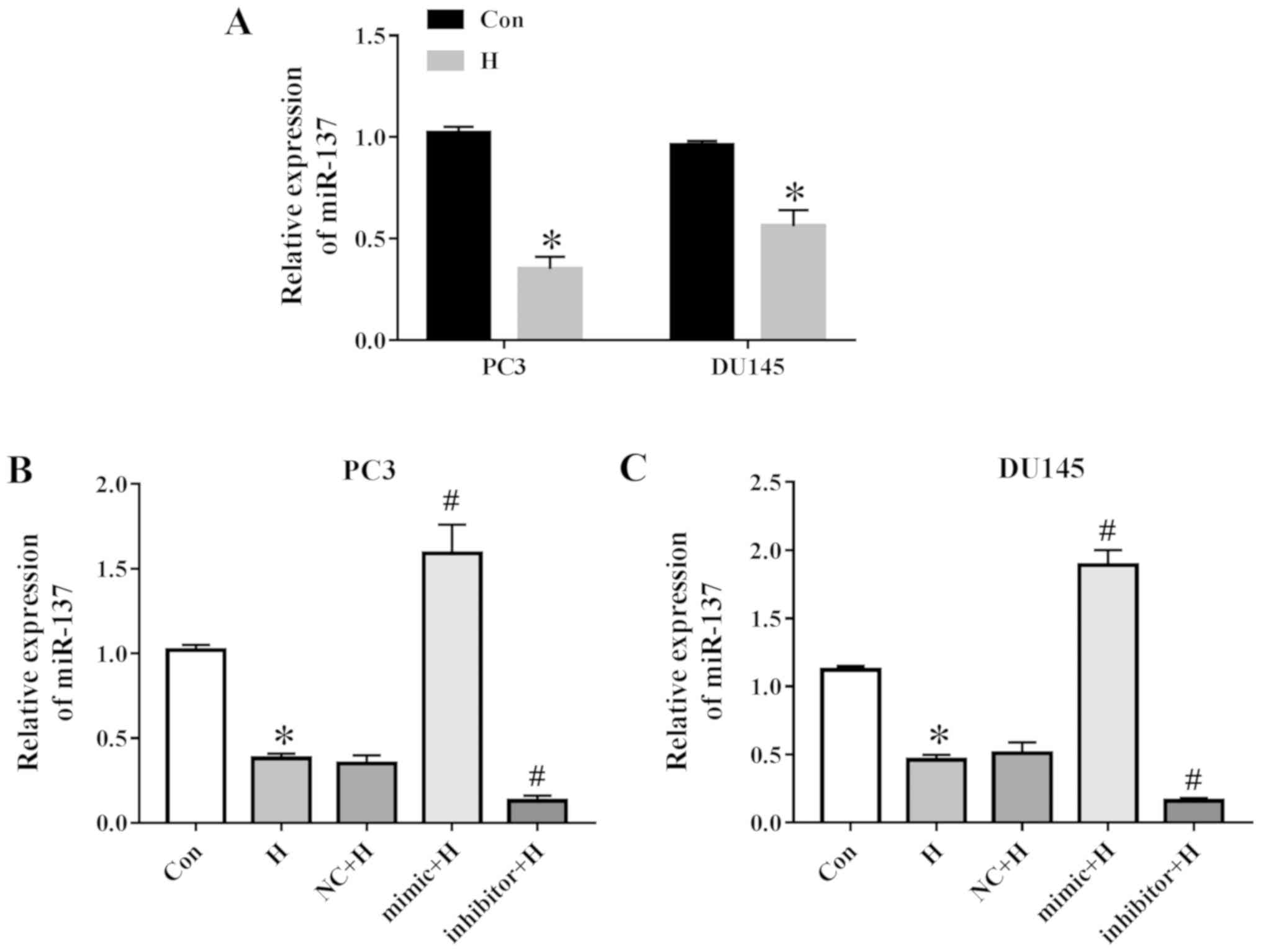
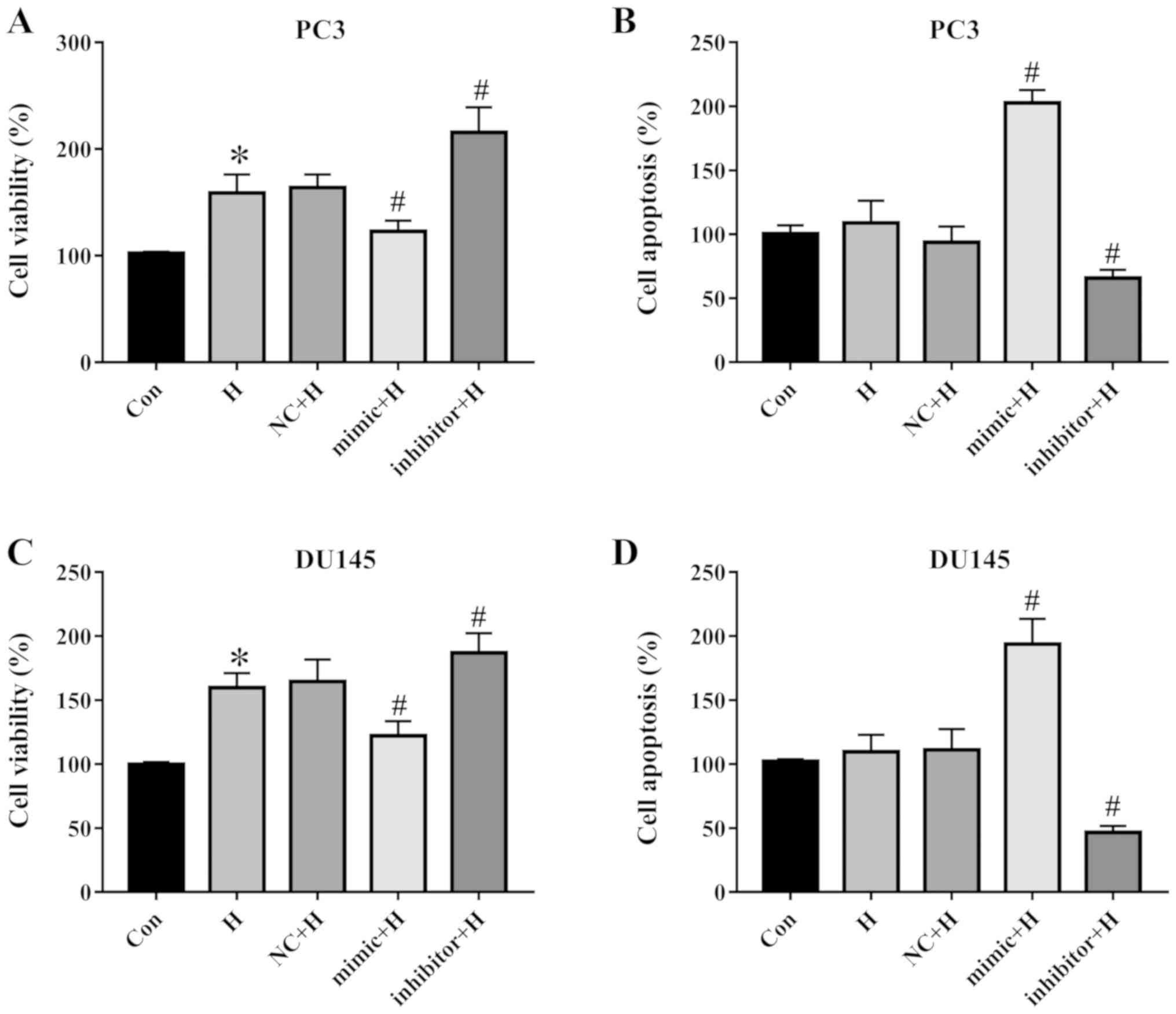
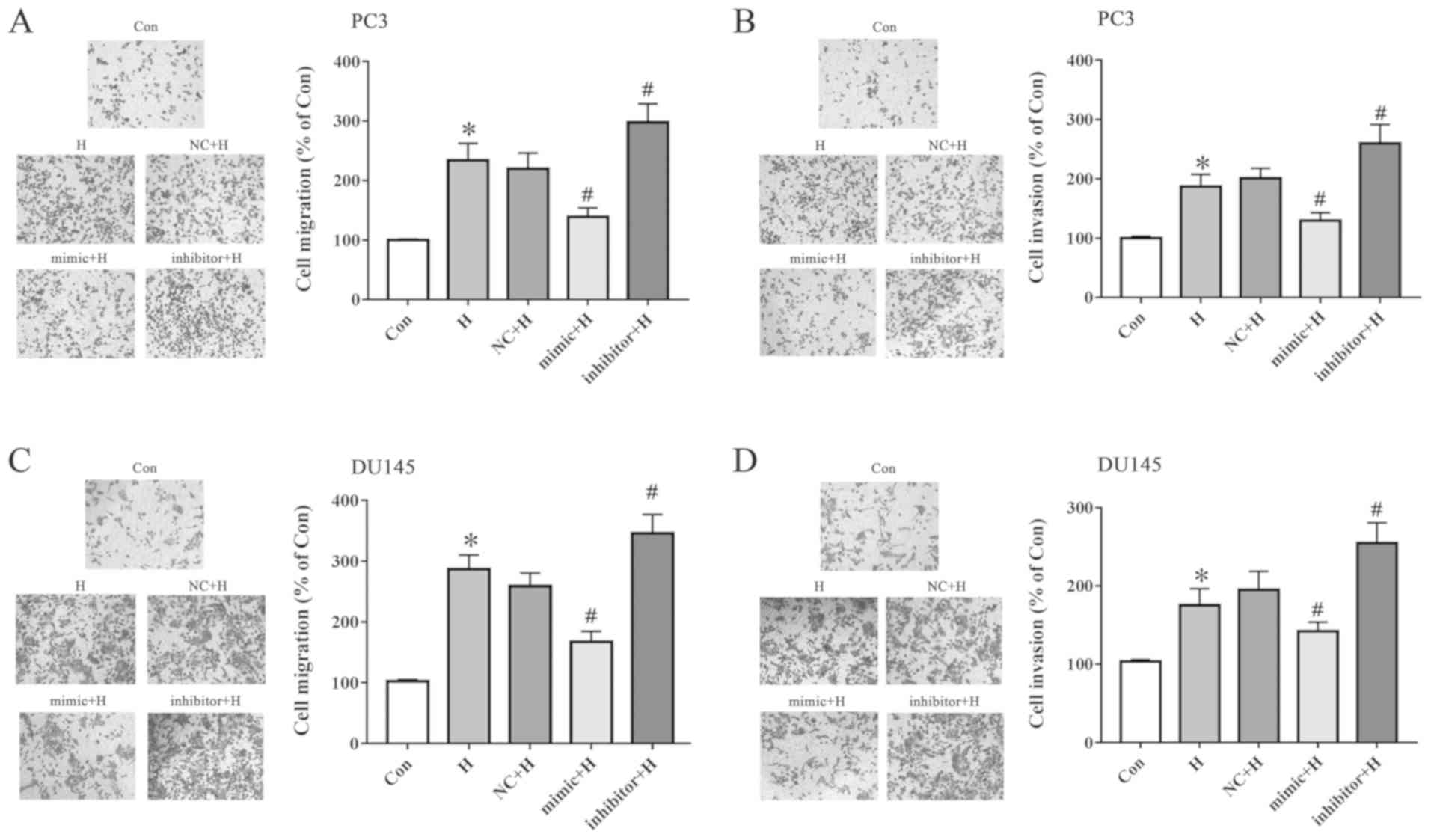
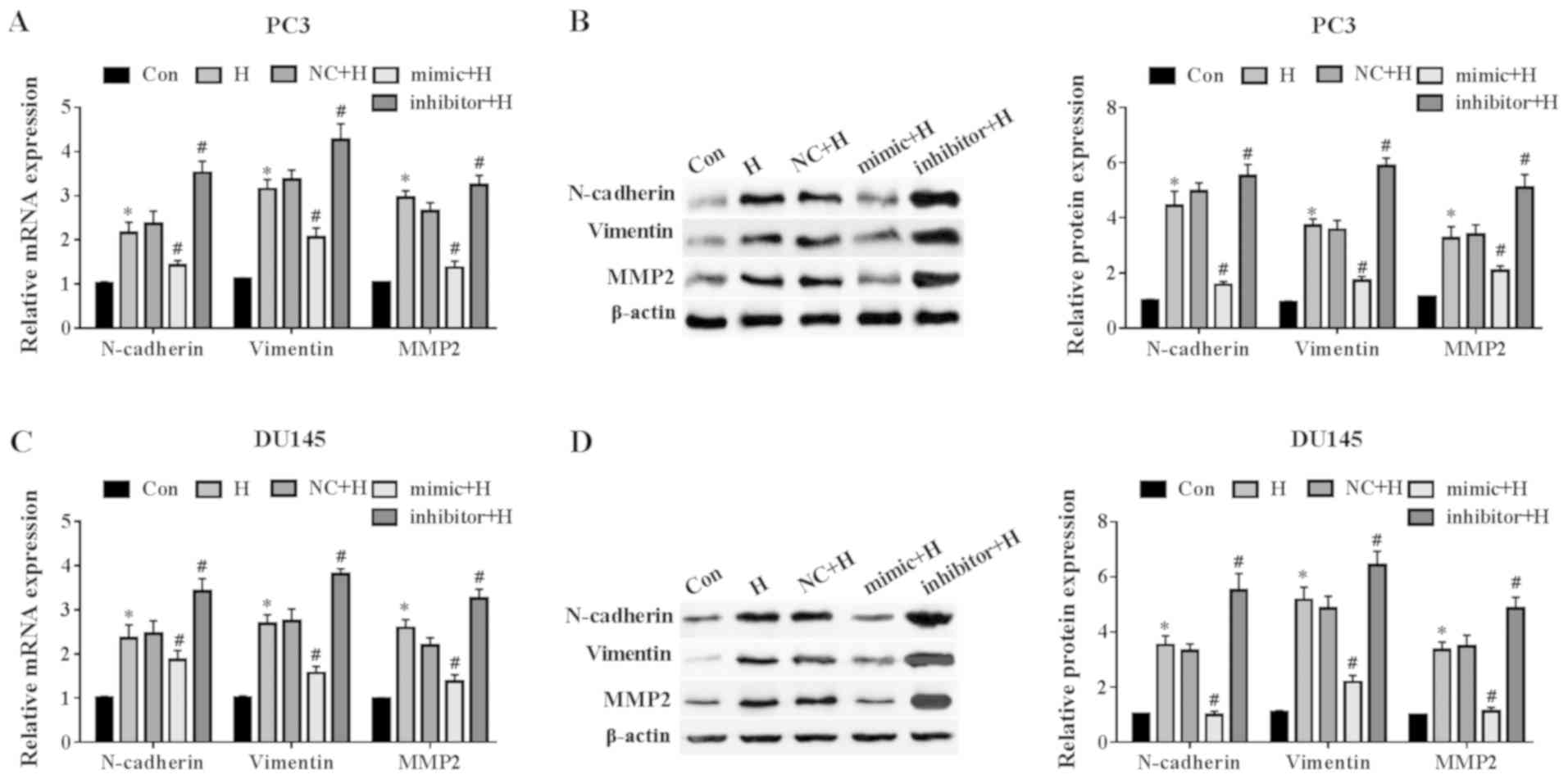
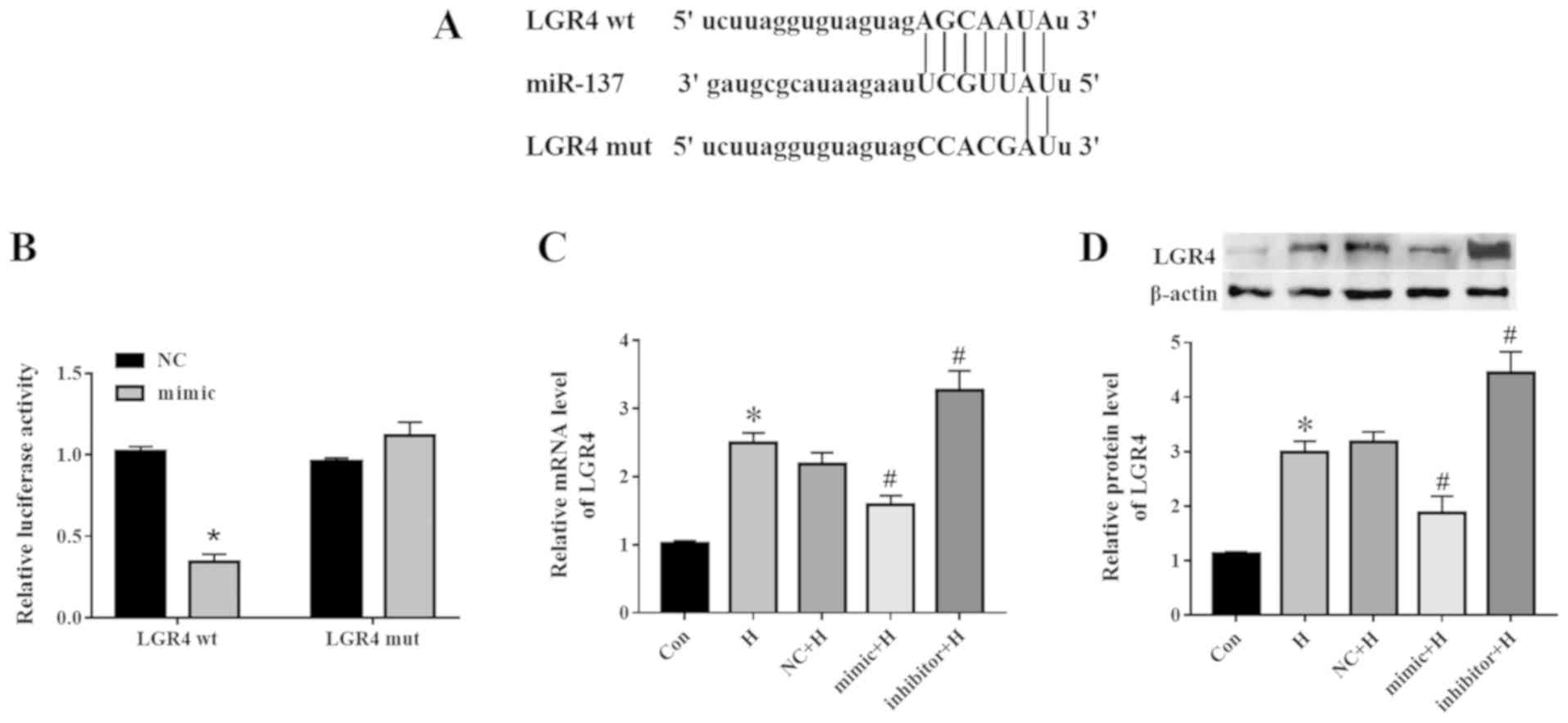
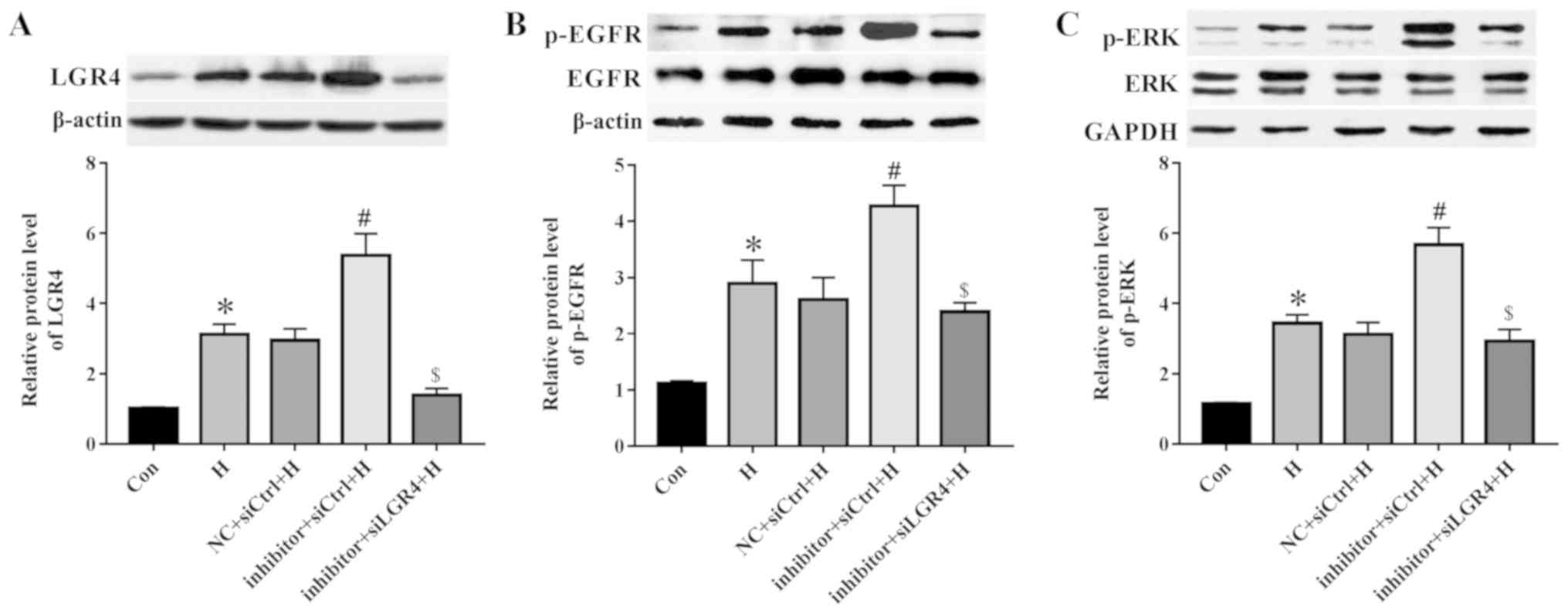
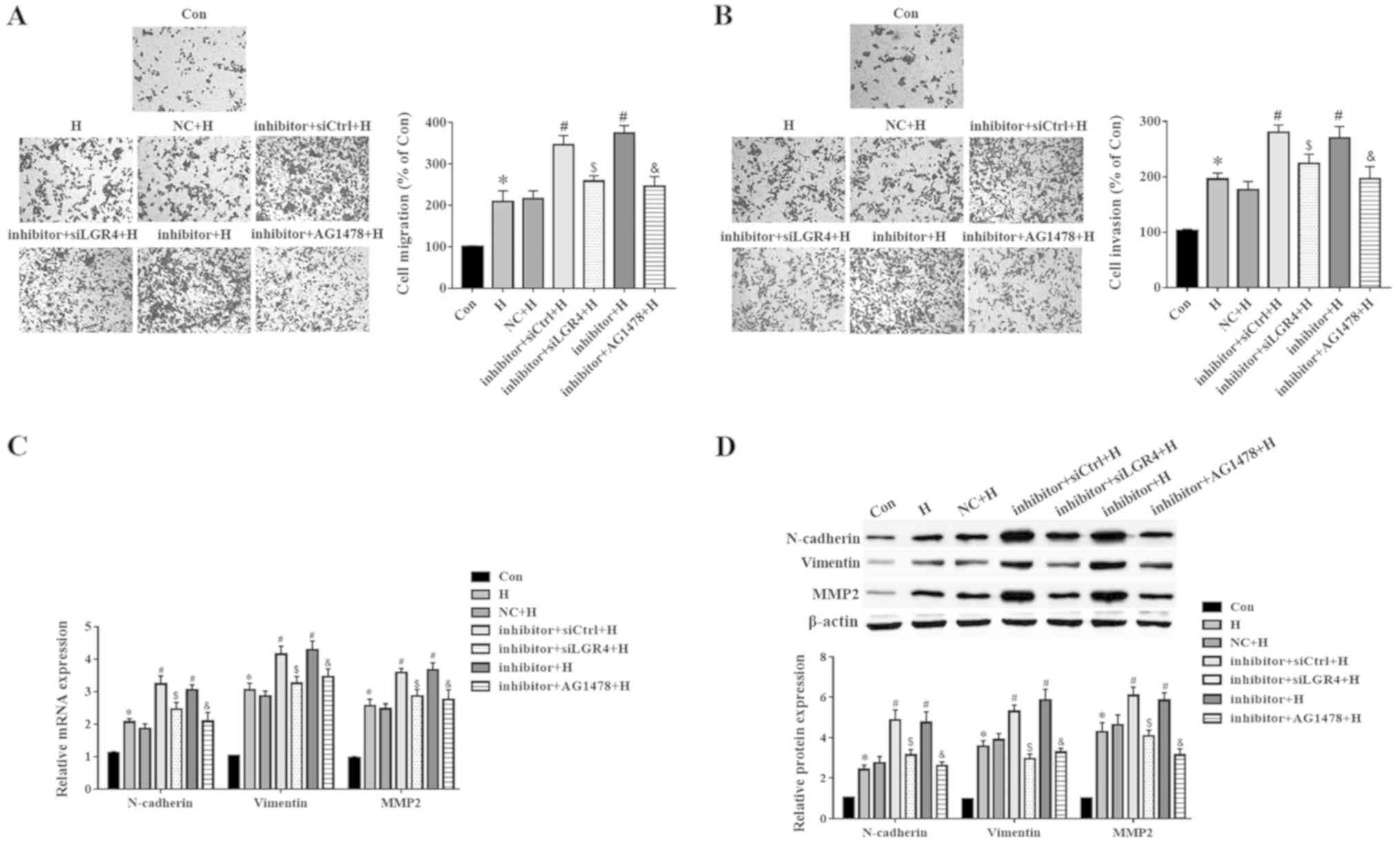
MicroRNAs (miRs) serve an integral role in prostate cancer. The present study aimed to investigate the effects and mechanisms of miR‑137 in hypoxia‑mediated migration and epithelial‑mesenchymal transition (EMT). PC3 and DU145 prostate cancer cells were exposed to hypoxia for 24 h, after which the expression of miR‑137 was determined by reverse transcription‑quantitative PCR (RT‑qPCR). The cells were transfected with a miR‑137 mimic or inhibitor, followed by hypoxia exposure. The results demonstrated that hypoxia reduced miR‑137 expression. Further results from the Cell Counting Kit‑8, Cell Death Detection ELISA plus kit, Transwell assay, RT‑qPCR and western blotting assays revealed that the miR‑137 mimic prevented cell proliferation, facilitated apoptosis and repressed cell migration, invasiveness, and expression of N‑cadherin, vimentin and matrix metalloproteinase 2; the miR‑137 inhibitor exerted the opposite effects. A dual‑­luciferase reporter assay determined that miR‑137 directly targeted leucine‑rich repeat‑containing G protein‑coupled receptor 4 (LGR4). Additionally, miR‑137 negatively regulated the epidermal growth factor receptor/extracellular signal‑­regulated kinase (EGFR/ERK) signaling pathway by targeting LGR4. LGR4 silencing or EGFR/ERK inhibition abolished the effects of miR‑137 inhibitor on cell migration and EMT. In conclusion, by targeting LGR4 via the EGFR/ERK signaling pathway, miR‑137 inhibited prostate cancer cell migration and EMT.
View Figures

Figure 1

Figure 2

Figure 3

Figure 4

Figure 5

Figure 6

Figure 7

View References

1 

Bashir MN: Epidemiology of prostate cancer. Asian Pac J Cancer Prev. 16:5137–5141. 2015. View Article : Google Scholar : PubMed/NCBI

2 

Kazuto I: Prostate cancer in Asian men. Nat Rev Urol. 11:197–212. 2014. View Article : Google Scholar

3 

Zhu Y, Freedland SJ and Ye D: Prostate cancer and prostatic diseases best of Asia, 2019: Challenges and opportunities. Prostate Cancer Prostatic Dis. Dec 6–2019, Epub ahead of print. PubMed/NCBI

4 

Marusic G, Vojinov S and Levakov I: Treatment of locally advanced prostatic cancer. Med Pregl. 63:689–695. 2010.In Serbian. View Article : Google Scholar

5 

Noman MZ, Hasmim M, Messai Y, Terry S, Kieda C, Janji B and Chouaib S: Hypoxia: A key player in antitumor immune response. A review in the theme: Cellular responses to hypoxia. Am J Physiol Cell Physiol. 309:C569–C579. 2015. View Article : Google Scholar : PubMed/NCBI

6 

Ramteke A, Ting H, Agarwal C, Mateen S, Somasagara R, Hussain A, Graner M, Frederick B, Agarwal R and Deep G: Exosomes secreted under hypoxia enhance invasiveness and stemness of prostate cancer cells by targeting adherens junction molecules. Mol Carcinog. 54:554–565. 2015. View Article : Google Scholar

7 

Deep G and Panigrahi GK: Hypoxia-induced signaling promotes prostate cancer progression: Exosomes role as messenger of hypoxic response in tumor microenvironment. Crit Rev Oncog. 20:419–434. 2015. View Article : Google Scholar : PubMed/NCBI

8 

Roldo C, Missiaglia E, Hagan JP, Falconi M, Capelli P, Bersani S, Calin GA, Volinia S, Liu CG, Scarpa A and Croce CM: MicroRNA expression abnormalities in pancreatic endocrine and acinar tumors are associated with distinctive pathologic features and clinical behavior. J Clin Oncol. 24:4677–4684. 2006. View Article : Google Scholar : PubMed/NCBI

9 

Farazi TA, Hoell JI, Morozov P and Tuschl T: MicroRNAs in human cancer. Adv Exp Med Biol. 774:1–20. 2013. View Article : Google Scholar : PubMed/NCBI

10 

Hong X and Yu JJ: MicroRNA-150 suppresses epithelial mesenchymal transition, invasion and metastasis in prostate cancer through the TRPM4-mediated β-catenin signaling pathway. Am J Physiol Cell Physiol. 316:C463–C480. 2019. View Article : Google Scholar

11 

Blenkiron C, Goldstein LD, Thorne NP, Spiteri I, Chin SF, Dunning MJ, Barbosa-Morais NL, Teschendorff AE, Green AR, Ellis IO, et al: MicroRNA expression profiling of human breast cancer identifies new markers of tumor subtype. Genome Biol. 8:R2142007. View Article : Google Scholar : PubMed/NCBI

12 

Kota J, Chivukula RR, O'Donnell KA, Wentzel EA, Montgomery CL, Hwang HW, Chang TC, Vivekanandan P, Torbenson M, Clark KR, et al: Therapeutic microRNA delivery suppresses tumorigenesis in a murine liver cancer model. Cell. 137:1005–1017. 2009. View Article : Google Scholar : PubMed/NCBI

13 

Zhao S, Gao X, Zang S, Li Y, Feng X and Yuan X: MicroRNA-383-5p acts as a prognostic marker and inhibitor of cell proliferation in lung adenocarcinoma by cancerous inhibitor of protein phosphatase 2A. Oncol Lett. 14:3573–3579. 2017. View Article : Google Scholar : PubMed/NCBI

14 

Zhiping C, Shijun T, Linhui W, Yapei W, Lianxi Q and Qiang D: miR-181a promotes epithelial to mesenchymal transition of prostate cancer cells by targeting TGIF2. Eur Rev Med Pharmacol Sci. 21:4835–4843. 2017.PubMed/NCBI

15 

Yang ZG, Ma XD, He ZH and Guo YX: miR-483-5p promotes prostate cancer cell proliferation and invasion by targeting RBM5. Int Braz J Urol. 43:1060–1067. 2017. View Article : Google Scholar : PubMed/NCBI

16 

Xu S, Ge J, Zhang Z and Zhou W: miR-129 inhibits cell proliferation and metastasis by targeting ETS1 via PI3K/AKT/mTOR pathway in prostate cancer. Biomed Pharmacother. 96:634–641. 2017. View Article : Google Scholar : PubMed/NCBI

17 

Pashaei E, Ahmady M, Ozen M and Aydin N: Meta-analysis of miRNA expression profiles for prostate cancer recurrence following radical prostatectomy. PLoS One. 12:e01795432017. View Article : Google Scholar : PubMed/NCBI

18 

Li W, Zhang X, Zhuang H, Chen HG, Chen Y, Tian W, Wu W, Li Y, Wang S, Zhang L, et al: MicroRNA-137 is a novel hypoxia-responsive microRNA that inhibits mitophagy via regulation of two mitophagy receptors FUNDC1 and NIX. J Biol Chem. 289:10691–10701. 2014. View Article : Google Scholar : PubMed/NCBI

19 

Livak KJ and Schmittgen TD: Analysis of relative gene expression data using real-time quantitative PCR and the 2(-Delta Delta C(T)) method. Methods. 25:402–408. 2001. View Article : Google Scholar

20 

Pulukuri SM, Gondi CS, Lakka SS, Jutla A, Estes N, Gujrati M and Rao JS: RNA interference-directed knockdown of urokinase plasminogen activator and urokinase plasminogen activator receptor inhibits prostate cancer cell invasion, survival, and tumorigenicity in vivo. J Biol Chem. 280:36529–36540. 2005. View Article : Google Scholar : PubMed/NCBI

21 

Viticchie G, Lena AM, Latina A, Formosa A, Gregersen LH, Lund AH, Bernardini S, Mauriello A, Miano R, Spagnoli LG, et al: miR-203 controls proliferation, migration and invasive potential of prostate cancer cell lines. Cell Cycle. 10:1121–1131. 2011. View Article : Google Scholar : PubMed/NCBI

22 

Vaupel P and Mayer A: Hypoxia in cancer: Significance and impact on clinical outcome. Cancer Metastasis Rev. 26:225–239. 2007. View Article : Google Scholar : PubMed/NCBI

23 

Shin S, Moon KC, Park KU and Ha E: MicroRNA-513a-5p mediates TNF-α and LPS induced apoptosis via downregulation of X-linked inhibitor of apoptotic protein in endothelial cells. Biochimie. 94:1431–1436. 2012. View Article : Google Scholar : PubMed/NCBI

24 

Chan SY, Zhang YY, Hemann C, Mahoney CE, Zweier JL and Loscalzo J: MicroRNA-210 controls mitochondrial metabolism during hypoxia by repressing the iron-sulfur cluster assembly proteins ISCU1/2. Cell Metab. 10:273–284. 2009. View Article : Google Scholar : PubMed/NCBI

25 

Tang J, Chen Y, Cui R, Li D, Xiao L, Lin P, Du Y, Sun H, Yu X and Zheng X: Upregulation of fractalkine contributes to the proliferative response of prostate cancer cells to hypoxia via promoting the G1/S phase transition. Mol Med Rep. 12:7907–7914. 2015. View Article : Google Scholar : PubMed/NCBI

26 

Shannon AM, Bouchier-Hayes DJ, Condron CM and Toomey D: Tumour hypoxia, chemotherapeutic resistance and hypoxia-related therapies. Cancer Treat Rev. 29:297–307. 2003. View Article : Google Scholar : PubMed/NCBI

27 

Coffey RN, Morrissey C, Taylor CT, Fitzpatrick JM and Watson RW: Resistance to caspase-dependent, hypoxia-induced apoptosis is not hypoxia-inducible factor-1 alpha mediated in prostate carcinoma cells. Cancer. 103:1363–1374. 2005. View Article : Google Scholar : PubMed/NCBI

28 

Huang Y, Zou Y, Zheng R and Ma X: miR-137 inhibits cell proliferation in acute lymphoblastic leukemia by targeting JARID1B. Eur J Haematol. 103:215–224. 2019. View Article : Google Scholar : PubMed/NCBI

29 

Ding F, Zhang S, Gao S, Shang J, Li Y, Cui N and Zhao Q: miR-137 functions as a tumor suppressor in pancreatic cancer by targeting MRGBP. J Cell Biochem. 119:4799–4807. 2018. View Article : Google Scholar : PubMed/NCBI

30 

Du Y, Chen Y, Wang F and Gu L: miR-137 plays tumor suppressor roles in gastric cancer cell lines by targeting KLF12 and MYO1C. Tumour Biol. 37:13557–13569. 2016. View Article : Google Scholar : PubMed/NCBI

31 

Huang B, Huang M and Li Q: miR-137 suppresses migration and invasion by targeting EZH2-STAT3 signaling in human hepatocellular carcinoma. Pathol Res Pract. 214:1980–1986. 2018. View Article : Google Scholar : PubMed/NCBI

32 

Wang M, Gao H, Qu H, Li J, Liu K and Han Z: miR-137 suppresses tumor growth and metastasis in clear cell renal cell carcinoma. Pharmacol Rep. 70:963–971. 2018. View Article : Google Scholar : PubMed/NCBI

33 

Zhang W, Chen JH, Shan T, Aguilera-Barrantes I, Wang LS, Huang TH, Rader JS, Sheng X and Huang YW: miR-137 is a tumor suppressor in endometrial cancer and is repressed by DNA hypermethylation. Lab Invest. 98:1397–1407. 2018. View Article : Google Scholar : PubMed/NCBI

34 

Bi WP, Xia M and Wang XJ: miR-137 suppresses proliferation, migration and invasion of colon cancer cell lines by targeting TCF4. Oncol Lett. 15:8744–8748. 2018.PubMed/NCBI

35 

Lee SJ, Jeong JH, Kang SH, Kang J, Kim EA, Lee J, Jung JH, Park HY and Chae YS: MicroRNA-137 inhibits cancer progression by targeting Del-1 in Triple-negative breast cancer cells. Int J Mol Sci. 20:pii: E6162. 2019. View Article : Google Scholar

36 

Schoore GV, Mendive F, Pochet R and Vassart G: Expression pattern of the orphan receptor LGR4/GPR48 gene in the mouse. Histochem Cell Biol. 124:35–50. 2005. View Article : Google Scholar : PubMed/NCBI

37 

Carmon KS, Gong X, Lin Q, Thomas A and Liu Q: R-spondins function as ligands of the orphan receptors LGR4 and LGR5 to regulate Wnt/beta-catenin signaling. Proc Natl Acad Sci USA. 108:11452–11457. 2011. View Article : Google Scholar : PubMed/NCBI

38 

Hoshii T, Takeo T, Nakagata N, Takeya M, Araki K and Yamamura K: LGR4 regulates the postnatal development and integrity of male reproductive tracts in mice. Biol Reprod. 76:303–313. 2007. View Article : Google Scholar

39 

Koo BK and Clevers H: Stem cells marked by the R-spondin receptor LGR5. Gastroenterology. 147:289–302. 2014. View Article : Google Scholar : PubMed/NCBI

40 

Leushacke M and Barker N: Lgr5 and Lgr6 as markers to study adult stem cell roles in self-renewal and cancer. Oncogene. 31:3009–3022. 2012. View Article : Google Scholar

41 

Dongli W, Binlu H, Senyan Z, Xiaojuan Y, Wei W and Xinquan W: Structural basis for R-spondin recognition by LGR4/5/6 receptors. Genes Dev. 27:1339–1344. 2013. View Article : Google Scholar

42 

Kang YE, Kim JM, Kim KS, Chang JY, Jung M, Lee J, Yi S, Kim HW, Kim JT, Lee K, et al: Upregulation of RSPO2-GPR48/LGR4 signaling in papillary thyroid carcinoma contributes to tumor progression. Oncotarget. 8:114980–114994. 2017. View Article : Google Scholar

43 

Luo W, Tan P, Rodriguez M, He L, Tan K, Zeng L, Siwko S and Liu M: Leucine-rich repeat-containing G protein coupled receptor 4 (Lgr4) is necessary for prostate cancer metastasis via epithelial-mesenchymal transition. J Biol Chem. 292:15525–15537. 2017. View Article : Google Scholar : PubMed/NCBI

44 

Zhang J, Qi L, Zhang S, Xu Q and Wang T: Lgr4 promotes prostate tumorigenesis through the Jmjd2a/AR signaling pathway. Exp Cell Res. 349:77–84. 2016. View Article : Google Scholar : PubMed/NCBI

45 

Fang L, Junmin Y, Junyong W, Lijuan Z, Rui F, Hao Z and Qingsong Z: GPCR48/LGR4 promotes tumorigenesis of prostate cancer via PI3K/Akt signaling pathway. Med Oncol. 32:492015. View Article : Google Scholar

46 

Orton RJ, Adriaens ME, Gormand A, Sturm OE, Kolch W and Gilbert DR: Computational modelling of cancerous mutations in the EGFR/ERK signalling pathway. BMC Syst Biol. 3:1002009. View Article : Google Scholar : PubMed/NCBI

47 

Yang Y, Zhao W, Xu QW, Wang XS, Zhang Y and Zhang J: IQGAP3 promotes EGFR-ERK signaling and the growth and metastasis of lung cancer cells. PLoS One. 9:e975782014. View Article : Google Scholar : PubMed/NCBI

48 

Li L, Gao Y, Zhang L, Zeng J, He D and Sun Y: Silibinin inhibits cell growth and induces apoptosis by caspase activation, down-regulating survivin and blocking EGFR-ERK activation in renal cell carcinoma. Cancer Lett. 272:61–69. 2008. View Article : Google Scholar : PubMed/NCBI

49 

Oh HY, Lee EJ, Yoon S, Chung BH, Cho KS and Hong SJ: Cholesterol level of lipid raft microdomains regulates apoptotic cell death in prostate cancer cells through EGFR-mediated Akt and ERK signal transduction. Prostate. 67:1061–1069. 2010. View Article : Google Scholar

50 

Pan H, Cui H, Liu S, Qian Y, Wu H, Li L, Guan Y, Guan X, Zhang L, Fan HY, et al: Lgr4 gene regulates corpus luteum maturation through modulation of the WNT-mediated EGFR-ERK signaling pathway. Endocrinology. 155:3624–3637. 2014. View Article : Google Scholar : PubMed/NCBI

Related Articles

  • Abstract
  • View
  • Download
  • Twitter
Copy and paste a formatted citation
Spandidos Publications style
Zhang H, Liang F, Yue J, Liu P, Wang J, Wang Z, Li H, Cheng D, Du J, Zhang K, Zhang K, et al: MicroRNA‑137 regulates hypoxia‑mediated migration and epithelial‑mesenchymal transition in prostate cancer by targeting LGR4 via the EGFR/ERK signaling pathway. Int J Oncol 57: 540-549, 2020.
APA
Zhang, H., Liang, F., Yue, J., Liu, P., Wang, J., Wang, Z. ... Du, P. (2020). MicroRNA‑137 regulates hypoxia‑mediated migration and epithelial‑mesenchymal transition in prostate cancer by targeting LGR4 via the EGFR/ERK signaling pathway. International Journal of Oncology, 57, 540-549. https://doi.org/10.3892/ijo.2020.5064
MLA
Zhang, H., Liang, F., Yue, J., Liu, P., Wang, J., Wang, Z., Li, H., Cheng, D., Du, J., Zhang, K., Du, P."MicroRNA‑137 regulates hypoxia‑mediated migration and epithelial‑mesenchymal transition in prostate cancer by targeting LGR4 via the EGFR/ERK signaling pathway". International Journal of Oncology 57.2 (2020): 540-549.
Chicago
Zhang, H., Liang, F., Yue, J., Liu, P., Wang, J., Wang, Z., Li, H., Cheng, D., Du, J., Zhang, K., Du, P."MicroRNA‑137 regulates hypoxia‑mediated migration and epithelial‑mesenchymal transition in prostate cancer by targeting LGR4 via the EGFR/ERK signaling pathway". International Journal of Oncology 57, no. 2 (2020): 540-549. https://doi.org/10.3892/ijo.2020.5064
Copy and paste a formatted citation
x
Spandidos Publications style
Zhang H, Liang F, Yue J, Liu P, Wang J, Wang Z, Li H, Cheng D, Du J, Zhang K, Zhang K, et al: MicroRNA‑137 regulates hypoxia‑mediated migration and epithelial‑mesenchymal transition in prostate cancer by targeting LGR4 via the EGFR/ERK signaling pathway. Int J Oncol 57: 540-549, 2020.
APA
Zhang, H., Liang, F., Yue, J., Liu, P., Wang, J., Wang, Z. ... Du, P. (2020). MicroRNA‑137 regulates hypoxia‑mediated migration and epithelial‑mesenchymal transition in prostate cancer by targeting LGR4 via the EGFR/ERK signaling pathway. International Journal of Oncology, 57, 540-549. https://doi.org/10.3892/ijo.2020.5064
MLA
Zhang, H., Liang, F., Yue, J., Liu, P., Wang, J., Wang, Z., Li, H., Cheng, D., Du, J., Zhang, K., Du, P."MicroRNA‑137 regulates hypoxia‑mediated migration and epithelial‑mesenchymal transition in prostate cancer by targeting LGR4 via the EGFR/ERK signaling pathway". International Journal of Oncology 57.2 (2020): 540-549.
Chicago
Zhang, H., Liang, F., Yue, J., Liu, P., Wang, J., Wang, Z., Li, H., Cheng, D., Du, J., Zhang, K., Du, P."MicroRNA‑137 regulates hypoxia‑mediated migration and epithelial‑mesenchymal transition in prostate cancer by targeting LGR4 via the EGFR/ERK signaling pathway". International Journal of Oncology 57, no. 2 (2020): 540-549. https://doi.org/10.3892/ijo.2020.5064
Follow us
  • Twitter
  • LinkedIn
  • Facebook
About
  • Spandidos Publications
  • Careers
  • Cookie Policy
  • Privacy Policy
How can we help?
  • Help
  • Live Chat
  • Contact
  • Email to our Support Team