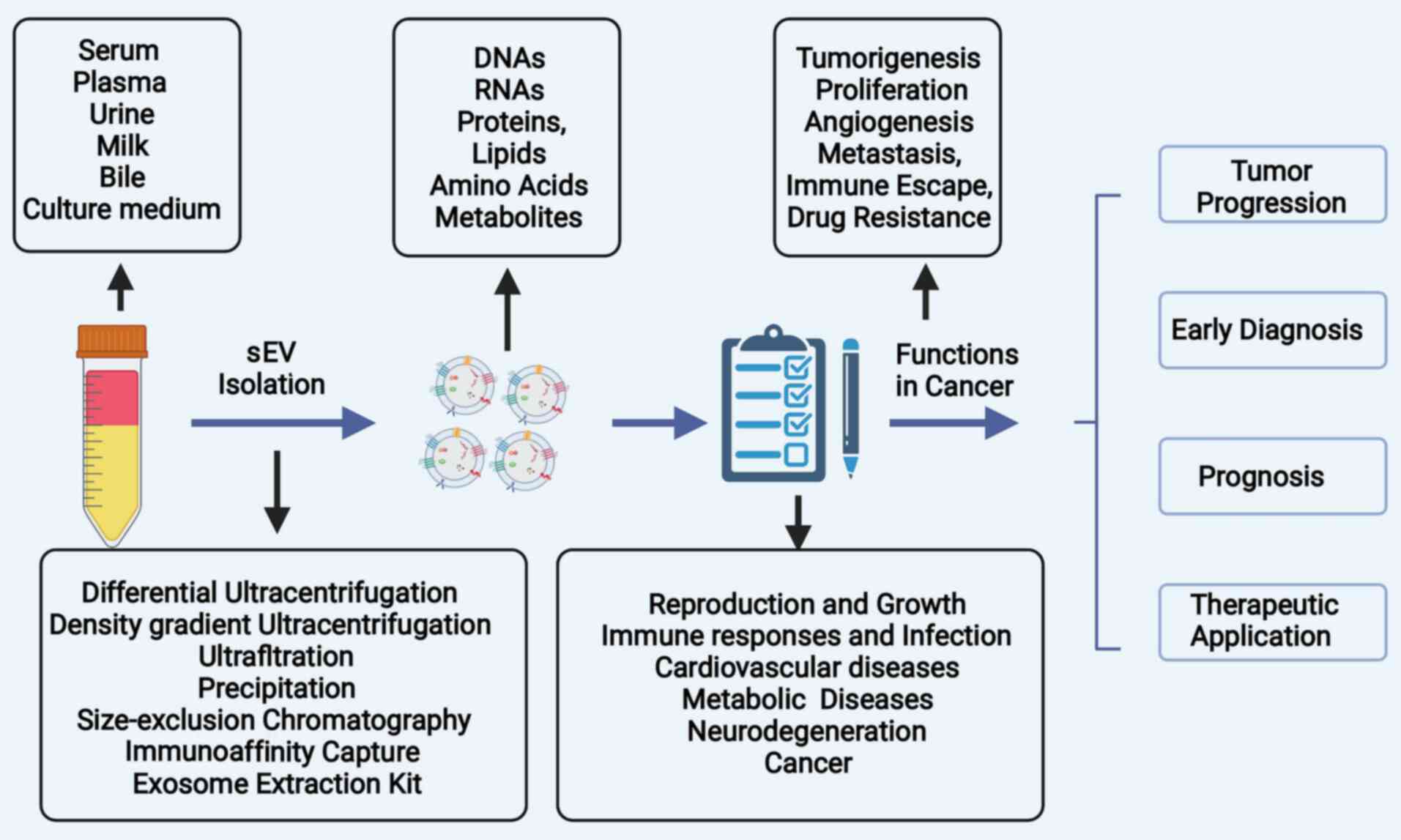
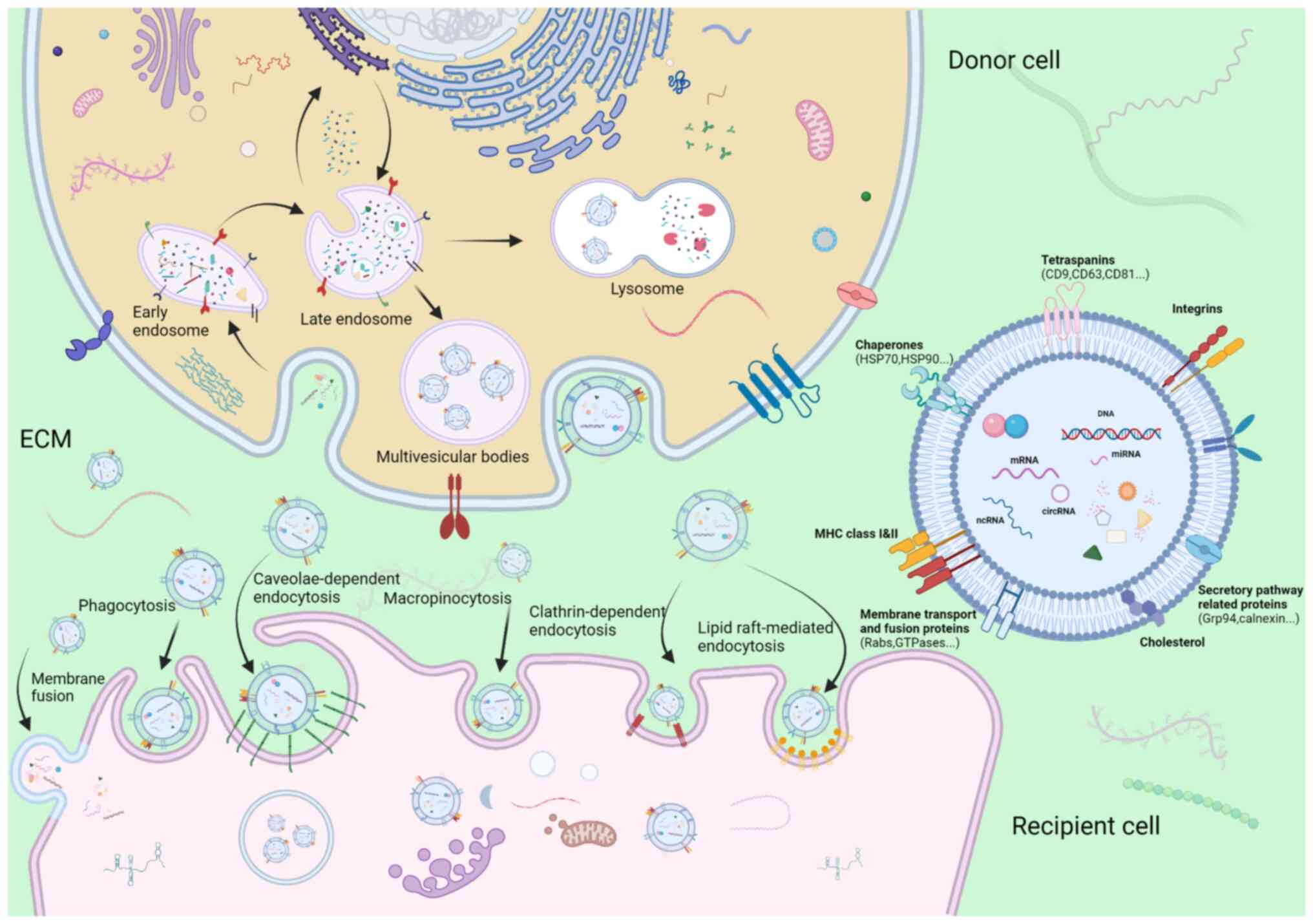
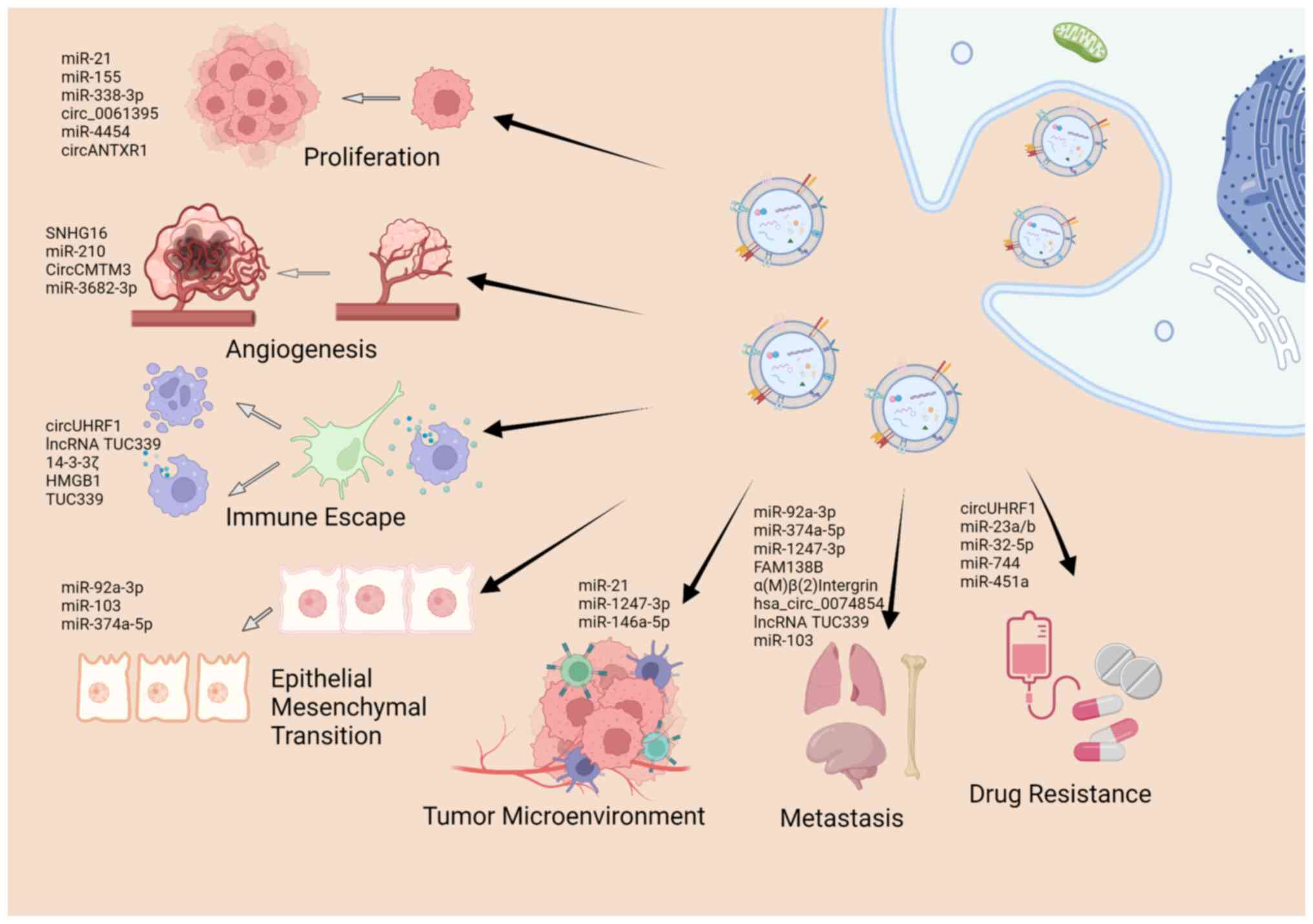
|
1
|
Sung H, Ferlay J, Siegel RL, Laversanne M,
Soerjomataram I, Jemal A and Bray F: Global cancer statistics 2020:
GLOBOCAN estimates of incidence and mortality worldwide for 36
cancers in 185 countries. CA Cancer J Clin. 71:209–249. 2021.
View Article : Google Scholar : PubMed/NCBI
|
|
2
|
Petrick JL, Florio AA, Znaor A, Ruggieri
D, Laversanne M, Alvarez CS, Ferlay J, Valery PC, Bray F and
McGlynn KA: International trends in hepatocellular carcinoma
incidence, 1978-2012. Int J Cancer. 147:317–330. 2020. View Article : Google Scholar :
|
|
3
|
Ringelhan M, McKeating JA and Protzer U:
Viral hepatitis and liver cancer. Philos Trans R Soc Lond B Biol
Sci. 372:201602742017. View Article : Google Scholar : PubMed/NCBI
|
|
4
|
Chen SQ, Li J, Wang D, Fung H, Wong LY and
Zhao L: The hepatitis B epidemic in China should receive more
attention. Lancet. 391:15722018. View Article : Google Scholar : PubMed/NCBI
|
|
5
|
Sarin SK, Kumar M, Eslam M, George J, Al
Mahtab M, Akbar SMF, Jia J, Tian Q, Aggarwal R, Muljono DH, et al:
Liver diseases in the Asia-pacific region: A lancet
gastroenterology & hepatology commission. Lancet Gastroenterol
Hepatol. 5:167–228. 2020. View Article : Google Scholar :
|
|
6
|
Zhao C, Xing F, Yeo YH, Jin M, Le R, Le M,
Jin M, Henry L, Cheung R and Nguyen MH: Only one-third of
hepatocellular carcinoma cases are diagnosed via screening or
surveillance: A systematic review and meta-analysis. Eur J
Gastroenterol Hepatol. 32:406–419. 2020. View Article : Google Scholar
|
|
7
|
Wu G, Wu J, Wang B, Zhu X, Shi X and Ding
Y: Importance of tumor size at diagnosis as a prognostic factor for
hepatocellular carcinoma survival: A population-based study. Cancer
Manag Res. 10:4401–4410. 2018. View Article : Google Scholar : PubMed/NCBI
|
|
8
|
Johnstone RM, Adam M, Hammond JR, Orr L
and Turbide C: Vesicle formation during reticulocyte maturation.
Association of plasma membrane activities with released vesicles
(exosomes). J Biol Chem. 262:9412–9420. 1987. View Article : Google Scholar : PubMed/NCBI
|
|
9
|
Chen W, Mao Y, Liu C, Wu H and Chen S:
Exosome in hepatocellular carcinoma: An update. J Cancer.
12:2526–2536. 2021. View Article : Google Scholar : PubMed/NCBI
|
|
10
|
Chang W, Xiao D, Fang X and Wang J:
Phospholipids in small extracellular vesicles: Emerging regulators
of neurodegenerative diseases and cancer. Cytotherapy. 24:93–100.
2022. View Article : Google Scholar
|
|
11
|
Sun F, Wang JZ, Luo JJ, Wang YQ and Pan Q:
Exosomes in the oncobiology, diagnosis, and therapy of hepatic
carcinoma: A new player of an old game. Biomed Res Int.
2018:27474612018. View Article : Google Scholar : PubMed/NCBI
|
|
12
|
Wen SW, Lima LG, Lobb RJ, Norris EL,
Hastie ML, Krumeich S and Möller A: Breast cancer-derived exosomes
reflect the cell-of-origin phenotype. Proteomics. 19:e18001802019.
View Article : Google Scholar : PubMed/NCBI
|
|
13
|
Wang S, Xu M, Li X, Su X, Xiao X, Keating
A and Zhao RC: Exosomes released by hepatocarcinoma cells endow
adipocytes with tumor-promoting properties. J Hematol Oncol.
11:822018. View Article : Google Scholar : PubMed/NCBI
|
|
14
|
Zheng X, Hermann DM, Bähr M and Doeppner
TR: The role of small extracellular vesicles in cerebral and
myocardial ischemia-molecular signals, treatment targets, and
future clinical translation. Stem Cells. 39:403–413. 2021.
View Article : Google Scholar : PubMed/NCBI
|
|
15
|
Zhang L, He F, Gao L, Cong M, Sun J, Xu J,
Wang Y, Hu Y, Asghar S, Hu L and Qiao H: Engineering exosome-like
nanovesicles derived from asparagus cochinchinensis can inhibit the
proliferation of hepatocellular carcinoma cells with better safety
profile. Int J Nanomedicine. 16:1575–1586. 2021. View Article : Google Scholar :
|
|
16
|
Kim OY, Lee J and Gho YS: Extracellular
vesicle mimetics: Novel alternatives to extracellular vesicle-based
theranostics, drug delivery, and vaccines. Semin Cell Dev Biol.
67:74–82. 2017. View Article : Google Scholar
|
|
17
|
Théry C, Witwer KW, Aikawa E, Alcaraz MJ,
Anderson JD, Andriantsitohaina R, Antoniou A, Arab T, Archer F,
Atkin-Smith GK, et al: Minimal information for studies of
extracellular vesicles 2018 (MISEV2018): A position statement of
the international society for extracellular vesicles and update of
the MISEV2014 guidelines. J Extracell Vesicles. 7:15357502018.
View Article : Google Scholar
|
|
18
|
Murphy DE, de Jong OG, Brouwer M, Wood MJ,
Lavieu G, Schiffelers RM and Vader P: Extracellular vesicle-based
therapeutics: Natural versus engineered targeting and trafficking.
Exp Mol Med. 51:1–12. 2019. View Article : Google Scholar : PubMed/NCBI
|
|
19
|
Aslan C, Maralbashi S, Salari F, Kahroba
H, Sigaroodi F, Kazemi T and Kharaziha P: Tumor-derived exosomes:
Implication in angiogenesis and antiangiogenesis cancer therapy. J
Cell Physiol. 234:16885–16903. 2019. View Article : Google Scholar : PubMed/NCBI
|
|
20
|
Antimisiaris SG, Mourtas S and Marazioti
A: Exosomes and exosome-inspired vesicles for targeted drug
delivery. Pharmaceutics. 10:2182018. View Article : Google Scholar
|
|
21
|
Tian X, Shen H, Li Z, Wang T and Wang S:
Tumor-derived exosomes, myeloid-derived suppressor cells, and tumor
microenvironment. J Hematol Oncol. 12:842019. View Article : Google Scholar : PubMed/NCBI
|
|
22
|
Hessvik NP and Llorente A: Current
knowledge on exosome biogenesis and release. Cell Mol Life Sci.
75:193–208. 2018. View Article : Google Scholar :
|
|
23
|
Doyle LM and Wang MZ: Overview of
extracellular vesicles, their origin, composition, purpose, and
methods for exosome isolation and analysis. Cells. 8:7272019.
View Article : Google Scholar :
|
|
24
|
Farooqi AA, Desai NN, Qureshi MZ,
Librelotto DRN, Gasparri ML, Bishayee A, Nabavi SM, Curti V and
Daglia M: Exosome biogenesis, bioactivities and functions as new
delivery systems of natural compounds. Biotechnol Adv. 36:328–334.
2018. View Article : Google Scholar
|
|
25
|
Li X, Wang Y, Wang Q, Liu Y, Bao W and Wu
S: Exosomes in cancer: Small transporters with big functions.
Cancer Lett. 435:55–65. 2018. View Article : Google Scholar : PubMed/NCBI
|
|
26
|
Xie JY, Wei JX, Lv LH, Han QF, Yang WB, Li
GL, Wang PX, Wu SB, Duan JX, Zhuo WF, et al: Angiopoietin-2 induces
angiogenesis via exosomes in human hepatocellular carcinoma. Cell
Commun Signal. 18:462020. View Article : Google Scholar : PubMed/NCBI
|
|
27
|
Zhao Z, Yang S, Zhou A, Li X, Fang R,
Zhang S, Zhao G and Li P: Small extracellular vesicles in the
development, diagnosis, and possible therapeutic application of
esophageal squamous cell carcinoma. Front Oncol. 11:7327022021.
View Article : Google Scholar : PubMed/NCBI
|
|
28
|
Yu S, Cao H, Shen B and Feng J:
Tumor-derived exosomes in cancer progression and treatment failure.
Oncotarget. 6:37151–37168. 2015. View Article : Google Scholar : PubMed/NCBI
|
|
29
|
Greening DW, Xu R, Ji H, Tauro BJ and
Simpson RJ: A protocol for exosome isolation and characterization:
Evaluation of ultra-centrifugation, density-gradient separation,
and immunoaffinity capture methods. Methods Mol Biol. 1295:179–209.
2015. View Article : Google Scholar
|
|
30
|
Vaswani K, Koh YQ, Almughlliq FB, Peiris
HN and Mitchell MD: A method for the isolation and enrichment of
purified bovine milk exosomes. Reprod Biol. 17:341–348. 2017.
View Article : Google Scholar : PubMed/NCBI
|
|
31
|
Yugawa K, Yoshizumi T, Mano Y, Itoh S,
Harada N, Ikegami T, Kohashi K, Oda Y and Mori M: Cancer-associated
fibroblasts promote hepatocellular carcinoma progression through
downregulation of exosomal miR-150-3p. Eur J Surg Oncol.
47:384–393. 2021. View Article : Google Scholar
|
|
32
|
Nakano T, Chen IH, Wang CC, Chen PJ, Tseng
HP, Huang KT, Hu TH, Li LC, Goto S, Cheng YF, et al: Circulating
exosomal miR-92b: Its role for cancer immunoediting and clinical
value for prediction of posttransplant hepatocellular carcinoma
recurrence. Am J Transplant. 19:3250–3262. 2019. View Article : Google Scholar : PubMed/NCBI
|
|
33
|
Moh-Moh-Aung A, Fujisawa M, Ito S,
Katayama H, Ohara T, Ota Y, Yoshimura T and Matsukawa A: Decreased
miR-200b-3p in cancer cells leads to angiogenesis in HCC by
enhancing endothelial ERG expression. Sci Rep. 10:104182020.
View Article : Google Scholar : PubMed/NCBI
|
|
34
|
Fu X, Liu M, Qu S, Ma J, Zhang Y, Shi T,
Wen H, Yang Y, Wang S, Wang J, et al: Exosomal microRNA-32-5p
induces multidrug resistance in hepatocellular carcinoma via the
PI3K/Akt pathway. J Exp Clin Cancer Res. 37:522018. View Article : Google Scholar : PubMed/NCBI
|
|
35
|
Tang J, Li Y, Liu K, Zhu Q, Yang WH, Xiong
LK and Guo DL: Exosomal miR-9-3p suppresses HBGF-5 expression and
is a functional biomarker in hepatocellular carcinoma. Minerva Med.
109:15–23. 2018.
|
|
36
|
Xue X, Wang X, Zhao Y, Hu R and Qin L:
Exosomal miR-93 promotes proliferation and invasion in
hepatocellular carcinoma by directly inhibiting
TIMP2/TP53INP1/CDKN1A. Biochem Biophys Res Commun. 502:515–521.
2018. View Article : Google Scholar : PubMed/NCBI
|
|
37
|
Wang Q, Wang G, Niu L, Zhao S, Li J, Zhang
Z, Jiang H, Zhang Q, Wang H, Sun P, et al: Exosomal MiR-1290
promotes angiogenesis of hepatocellular carcinoma via targeting
SMEK1. J Oncol. 2021:66177002021.PubMed/NCBI
|
|
38
|
Ouyang Y, Tang Y, Fu L, Peng S, Wu W, Tan
D and Fu X: Exosomes secreted by chronic hepatitis B patients with
PNALT and liver inflammation grade ≥ A2 promoted the progression of
liver cancer by transferring miR-25-3p to inhibit the co-expression
of TCF21 and HHIP. Cell Prolif. 53:e128332020. View Article : Google Scholar
|
|
39
|
Shi Y, Yang X, Xue X, Sun D, Cai P, Song
Q, Zhang B and Qin L: HANR promotes lymphangiogenesis of
hepatocellular carcinoma via secreting miR-296 exosome and
regulating EAG1/VEGFA signaling in HDLEC cells. J Cell Biochem.
120:17699–17708. 2019. View Article : Google Scholar : PubMed/NCBI
|
|
40
|
Xiong L, Zhen S, Yu Q and Gong Z: HCV-E2
inhibits hepatocellular carcinoma metastasis by stimulating mast
cells to secrete exosomal shuttle microRNAs. Oncol Lett.
14:2141–2146. 2017. View Article : Google Scholar : PubMed/NCBI
|
|
41
|
Chen W, Huang L, Liang J, Ye Y, He S and
Niu J: Hepatocellular carcinoma cells-derived exosomal
microRNA-378b enhances hepatocellular carcinoma angiogenesis. Life
Sci. 273:1191842021. View Article : Google Scholar : PubMed/NCBI
|
|
42
|
Fang JH, Zhang ZJ, Shang LR, Luo YW, Lin
YF, Yuan Y and Zhuang SM: Hepatoma cell-secreted exosomal
microRNA-103 increases vascular permeability and promotes
metastasis by targeting junction proteins. Hepatology.
68:1459–1475. 2018. View Article : Google Scholar : PubMed/NCBI
|
|
43
|
Zhang Z, Li X, Sun W, Yue S, Yang J, Li J,
Ma B, Wang J, Yang X, Pu M, et al: Loss of exosomal miR-320a from
cancer-associated fibroblasts contributes to HCC proliferation and
metastasis. Cancer Lett. 397:33–42. 2017. View Article : Google Scholar : PubMed/NCBI
|
|
44
|
Bai ZZ, Li HY, Li CH, Sheng CL and Zhao
XN: M1 macrophage-derived exosomal MicroRNA-326 suppresses
hepatocellular carcinoma cell progression via mediating NF-κB
signaling pathway. Nanoscale Res Lett. 15:2212020. View Article : Google Scholar
|
|
45
|
Chen QL, Xie CF, Feng KL, Cui DY, Sun SL,
Zhang JC, Xiong CM, Huang JH and Chong Z: microRNAs carried by
exosomes promote epithelial-mesenchymal transition and metastasis
of liver cancer cells. Am J Transl Res. 12:6811–6826.
2020.PubMed/NCBI
|
|
46
|
Fan F, Chen K, Lu X, Li A, Liu C and Wu B:
Dual targeting of PD-L1 and PD-L2 by PCED1B-AS1 via sponging
hsa-miR-194-5p induces immunosuppression in hepatocellular
carcinoma. Hepatol Int. 15:444–458. 2021. View Article : Google Scholar
|
|
47
|
Wang LP, Lin J, Ma XQ, Xu DY, Shi CF, Wang
W and Jiang XJ: Exosomal DLX6-AS1 from hepatocellular carcinoma
cells induces M2 macrophage polarization to promote migration and
invasion in hepatocellular carcinoma through microRNA-15a-5p/CXCL17
axis. J Exp Clin Cancer Res. 40:1772021. View Article : Google Scholar : PubMed/NCBI
|
|
48
|
Sun L, Su Y, Liu X, Xu M, Chen X, Zhu Y,
Guo Z, Bai T, Dong L, Wei C, et al: Serum and exosome long non
coding RNAs as potential biomarkers for hepatocellular carcinoma. J
Cancer. 9:2631–2639. 2018. View Article : Google Scholar : PubMed/NCBI
|
|
49
|
Wang J, Pu J, Zhang Y, Yao T, Luo Z, Li W,
Xu G, Liu J, Wei W and Deng Y: Exosome-transmitted long non-coding
RNA SENP3-EIF4A1 suppresses the progression of hepatocellular
carcinoma. Aging (Albany NY). 12:11550–11567. 2020. View Article : Google Scholar
|
|
50
|
Li X and Li N: LINC ROR from
hepatocarcinoma cell-derived exosomes modulates inflammation in
human macrophages. Sichuan Da Xue Xue Bao Yi Xue Ban. 50:177–181.
2019.In Chinese. PubMed/NCBI
|
|
51
|
Li B, Mao R, Liu C, Zhang W, Tang Y and
Guo Z: LncRNA FAL1 promotes cell proliferation and migration by
acting as a CeRNA of miR-1236 in hepatocellular carcinoma cells.
Life Sci. 197:122–129. 2018. View Article : Google Scholar : PubMed/NCBI
|
|
52
|
Zhang PF, Gao C, Huang XY, Lu JC, Guo XJ,
Shi GM, Cai JB and Ke AW: Cancer cell-derived exosomal circUHRF1
induces natural killer cell exhaustion and may cause resistance to
anti-PD1 therapy in hepatocellular carcinoma. Mol Cancer.
19:1102020. View Article : Google Scholar : PubMed/NCBI
|
|
53
|
Su Y, Lv X, Yin W, Zhou L, Hu Y, Zhou A
and Qi F: CircRNA Cdr1as functions as a competitive endogenous RNA
to promote hepatocellular carcinoma progression. Aging (Albany NY).
11:8183–8203. 2019. View Article : Google Scholar
|
|
54
|
Xu J, Ji L, Liang Y, Wan Z, Zheng W, Song
X, Gorshkov K, Sun Q, Lin H, Zheng X, et al: CircRNA-SORE mediates
sorafenib resistance in hepatocellular carcinoma by stabilizing
YBX1. Signal Transduct Target Ther. 5:2982020. View Article : Google Scholar : PubMed/NCBI
|
|
55
|
Zhu C, Su Y, Liu L, Wang S, Liu Y and Wu
J: Circular RNA hsa_circ_0004277 stimulates malignant phenotype of
hepatocellular carcinoma and epithelial-mesenchymal transition of
peripheral cells. Front Cell Dev Biol. 8:5855652021. View Article : Google Scholar : PubMed/NCBI
|
|
56
|
Yu Y, Bian L, Liu R, Wang Y and Xiao X:
Circular RNA hsa_circ_0061395 accelerates hepatocellular carcinoma
progression via regulation of the miR-877-5p/PIK3R3 axis. Cancer
Cell Int. 21:102021. View Article : Google Scholar : PubMed/NCBI
|
|
57
|
Li Y, Zang H, Zhang X and Huang G:
Exosomal circ-ZNF652 promotes cell proliferation, migration,
invasion and glycolysis in hepatocellular carcinoma via
miR-29a-3p/GUCD1 axis. Cancer Manag Res. 12:7739–7751. 2020.
View Article : Google Scholar : PubMed/NCBI
|
|
58
|
Hu K, Li NF, Li JR, Chen ZG, Wang JH and
Sheng LQ: Exosome circCMTM3 promotes angiogenesis and tumorigenesis
of hepatocellular carcinoma through miR-3619-5p/SOX9. Hepatol Res.
51:1139–1152. 2021. View Article : Google Scholar : PubMed/NCBI
|
|
59
|
Liu D, Kang H, Gao M, Jin L, Zhang F, Chen
D, Li M and Xiao L: Exosome-transmitted circ_MMP2 promotes
hepatocellular carcinoma metastasis by upregulating MMP2. Mol
Oncol. 14:1365–1380. 2020. View Article : Google Scholar : PubMed/NCBI
|
|
60
|
Wang G, Liu W, Zou Y, Wang G, Deng Y, Luo
J, Zhang Y, Li H, Zhang Q, Yang Y and Chen G: Three isoforms of
exosomal circPTGR1 promote hepatocellular carcinoma metastasis via
the miR449a-MET pathway. EBioMedicine. 40:432–445. 2019. View Article : Google Scholar : PubMed/NCBI
|
|
61
|
Chen W, Quan Y, Fan S, Wang H, Liang J,
Huang L, Chen L, Liu Q, He P and Ye Y: Exosome-transmitted circular
RNA hsa_circ_0051443 suppresses hepatocellular carcinoma
progression. Cancer Lett. 475:119–128. 2020. View Article : Google Scholar : PubMed/NCBI
|
|
62
|
Huang C, Yu W, Wang Q, Huang T and Ding Y:
CircANTXR1 contributes to the malignant progression of
hepatocellular carcinoma by promoting proliferation and metastasis.
J Hepatocell Carcinoma. 8:1339–1353. 2021. View Article : Google Scholar : PubMed/NCBI
|
|
63
|
Dai W, Wang Y, Yang T, Wang J, Wu W and Gu
J: Downregulation of exosomal CLEC3B in hepatocellular carcinoma
promotes metastasis and angiogenesis via AMPK and VEGF signals.
Cell Commun Signal. 17:1132019. View Article : Google Scholar : PubMed/NCBI
|
|
64
|
Huang A, Dong J, Li S, Wang C, Ding H, Li
H, Su X, Ge X, Sun L, Bai C, et al: Exosomal transfer of vasorin
expressed in hepatocellular carcinoma cells promotes migration of
human umbilical vein endothelial cells. Int J Biol Sci. 11:961–969.
2015. View Article : Google Scholar : PubMed/NCBI
|
|
65
|
Cheng Z, Lei Z, Yang P, Si A, Xiang D,
Tang X, Guo G, Zhou J and Hüser N: Exosome-transmitted p120-catenin
suppresses hepatocellular carcinoma progression via STAT3 pathways.
Mol Carcinog. 58:1389–1399. 2019. View Article : Google Scholar : PubMed/NCBI
|
|
66
|
Li M, Lu Y, Xu Y, Wang J, Zhang C, Du Y,
Wang L, Li L, Wang B, Shen J, et al: Horizontal transfer of
exosomal CXCR4 promotes murine hepatocarcinoma cell migration,
invasion and lymphangiogenesis. Gene. 676:101–109. 2018. View Article : Google Scholar : PubMed/NCBI
|
|
67
|
Xia Y, Zhen L, Li H, Wang S, Chen S, Wang
C and Yang X: MIRLET7BHG promotes hepatocellular carcinoma
progression by activating hepatic stellate cells through exosomal
SMO to trigger Hedgehog pathway. Cell Death Dis. 12:3262021.
View Article : Google Scholar : PubMed/NCBI
|
|
68
|
Fu Q, Zhang Q, Lou Y, Yang J, Nie G, Chen
Q, Chen Y, Zhang J, Wang J, Wei T, et al: Primary tumor-derived
exosomes facilitate metastasis by regulating adhesion of
circulating tumor cells via SMAD3 in liver cancer. Oncogene.
37:6105–6118. 2018. View Article : Google Scholar : PubMed/NCBI
|
|
69
|
Zhou Y, Zhang Y, Gong H, Luo S and Cui Y:
The role of exosomes and their applications in cancer. Int J Mol
Sci. 22:122042021. View Article : Google Scholar : PubMed/NCBI
|
|
70
|
Wang H, Lu Z and Zhao X: Tumorigenesis,
diagnosis, and therapeutic potential of exosomes in liver cancer. J
Hematol Oncol. 12:1332019. View Article : Google Scholar : PubMed/NCBI
|
|
71
|
Cao LQ, Yang XW, Chen YB, Zhang DW, Jiang
XF and Xue P: Exosomal miR-21 regulates the TETs/PTENp1/PTEN
pathway to promote hepatocellular carcinoma growth. Mol Cancer.
18:1482019. View Article : Google Scholar : PubMed/NCBI
|
|
72
|
Fu X, Tang Y, Wu W, Ouyang Y, Tan D and
Huang Y: Exosomal microRNA-25 released from cancer cells targets
SIK1 to promote hepatocellular carcinoma tumorigenesis. Dig Liver
Dis. S1590-8658(21): 00385–6. 2021.Epub ahead of print.
|
|
73
|
Huang X, Sun L, Wen S, Deng D, Wan F, He
X, Tian L, Liang L, Wei C, Gao K, et al: RNA sequencing of plasma
exosomes revealed novel functional long noncoding RNAs in
hepatocellular carcinoma. Cancer Sci. 111:3338–3349. 2020.
View Article : Google Scholar : PubMed/NCBI
|
|
74
|
Jiang K, Dong C, Yin Z, Li R, Mao J, Wang
C, Zhang J, Gao Z, Liang R, Wang Q and Wang L: Exosome-derived ENO1
regulates integrin α6β4 expression and promotes hepatocellular
carcinoma growth and metastasis. Cell Death Dis. 11:9722020.
View Article : Google Scholar
|
|
75
|
Lai Z, Wei T, Li Q, Wang X, Zhang Y and
Zhang S: Exosomal circFBLIM1 promotes hepatocellular carcinoma
progression and glycolysis by regulating the miR-338/LRP6 axis.
Cancer Biother Radiopharm. Sep 9–2020.Epub ahead of print.
View Article : Google Scholar : PubMed/NCBI
|
|
76
|
Ma YS, Liu JB, Lin L, Zhang H, Wu JJ, Shi
Y, Jia CY, Zhang DD, Yu F, Wang HM, et al: Exosomal microRNA-15a
from mesenchymal stem cells impedes hepatocellular carcinoma
progression via downregulation of SALL4. Cell Death Discov.
7:2242021. View Article : Google Scholar : PubMed/NCBI
|
|
77
|
Yin C, Han Q, Xu D, Zheng B, Zhao X and
Zhang J: SALL4-mediated upregulation of exosomal miR-146a-5p drives
T-cell exhaustion by M2 tumor-associated macrophages in HCC.
Oncoimmunology. 8:16014792019. View Article : Google Scholar : PubMed/NCBI
|
|
78
|
Conigliaro A, Costa V, Lo Dico A, Saieva
L, Buccheri S, Dieli F, Manno M, Raccosta S, Mancone C, Tripodi M,
et al: CD90+ liver cancer cells modulate endothelial cell phenotype
through the release of exosomes containing H19 lncRNA. Mol Cancer.
14:1552015. View Article : Google Scholar : PubMed/NCBI
|
|
79
|
Li R, Wang Y, Zhang X, Feng M, Ma J, Li J,
Yang X, Fang F, Xia Q, Zhang Z, et al: Exosome-mediated secretion
of LOXL4 promotes hepatocellular carcinoma cell invasion and
metastasis. Mol Cancer. 18:182019. View Article : Google Scholar : PubMed/NCBI
|
|
80
|
Tian XP, Wang CY, Jin XH, Li M, Wang FW,
Huang WJ, Yun JP, Xu RH, Cai QQ and Xie D: Acidic microenvironment
up-regulates exosomal miR-21 and miR-10b in early-stage
hepatocellular carcinoma to promote cancer cell proliferation and
metastasis. Theranostics. 9:1965–1979. 2019. View Article : Google Scholar : PubMed/NCBI
|
|
81
|
Liu H, Chen W, Zhi X, Chen EJ, Wei T,
Zhang J, Shen J, Hu LQ, Zhao B, Feng XH, et al: Tumor-derived
exosomes promote tumor self-seeding in hepatocellular carcinoma by
transferring miRNA-25-5p to enhance cell motility. Oncogene.
37:4964–4978. 2018. View Article : Google Scholar : PubMed/NCBI
|
|
82
|
Liu G, Ouyang X, Sun Y, Xiao Y, You B, Gao
Y, Yeh S, Li Y and Chang C: The miR-92a-2-5p in exosomes from
macrophages increases liver cancer cells invasion via altering the
AR/PHLPP/p-AKT/β-catenin signaling. Cell Death Differ.
27:3258–3272. 2020. View Article : Google Scholar : PubMed/NCBI
|
|
83
|
Liu C, Zhou X, Long Q, Zeng H, Sun Q, Chen
Y, Wu D and Liu L: Small extracellular vesicles containing
miR-30a-3p attenuate the migration and invasion of hepatocellular
carcinoma by targeting SNAP23 gene. Oncogene. 40:233–245. 2021.
View Article : Google Scholar
|
|
84
|
Zeng Y, Yao X, Liu X, He X, Li L, Liu X,
Yan Z, Wu J and Fu BM: Anti-angiogenesis triggers exosomes release
from endothelial cells to promote tumor vasculogenesis. J Extracell
Vesicles. 8:16298652019. View Article : Google Scholar : PubMed/NCBI
|
|
85
|
Wu Q, Zhou L, Lv D, Zhu X and Tang H:
Exosome-mediated communication in the tumor microenvironment
contributes to hepatocellular carcinoma development and
progression. J Hematol Oncol. 12:532019. View Article : Google Scholar : PubMed/NCBI
|
|
86
|
Yang Y, Han Q, Hou Z, Zhang C, Tian Z and
Zhang J: Exosomes mediate hepatitis B virus (HBV) transmission and
NK-cell dysfunction. Cell Mol Immunol. 14:465–475. 2017. View Article : Google Scholar :
|
|
87
|
Wu W, Wu D, Yan W, Wang Y, You J, Wan X,
Xi D, Luo X, Han M and Ning Q: Interferon-induced
macrophage-derived exosomes mediate antiviral activity against
hepatitis B virus through miR-574-5p. J Infect Dis. 223:686–698.
2021. View Article : Google Scholar
|
|
88
|
Liu QM, He YY, Liu LL and Wang LK:
Exosomal lncRNA HOTTIP mediates antiviral effect of tenofovir
alafenamide (TAF) on HBV infection. J Inflamm Res. 14:5489–5500.
2021. View Article : Google Scholar : PubMed/NCBI
|
|
89
|
Lu J, Wu J, Xie F, Tian J, Tang X, Guo H,
Ma J, Xu P, Mao L, Xu H and Wang S: CD4+ T cell-released
extracellular vesicles potentiate the efficacy of the HBsAg vaccine
by enhancing B cell responses. Adv Sci (Weinh). 6:18022192019.
View Article : Google Scholar
|
|
90
|
Wei Y, Tang X, Ren Y, Yang Y, Song F, Fu
J, Liu S, Yu M, Chen L, Wang S, et al: An RNA-RNA crosstalk network
involving HMGB1 and RICTOR facilitates hepatocellular carcinoma
tumorigenesis by promoting glutamine metabolism and impedes
immunotherapy by PD-L1+ exosomes activity. Signal Transduct Target
Ther. 6:4212021. View Article : Google Scholar : PubMed/NCBI
|
|
91
|
Zhou Y, Ren H, Dai B, Li J, Shang L, Huang
J and Shi X: Hepatocellular carcinoma-derived exosomal miRNA-21
contributes to tumor progression by converting hepatocyte stellate
cells to cancer-associated fibroblasts. J Exp Clin Cancer Res.
37:3242018. View Article : Google Scholar : PubMed/NCBI
|
|
92
|
Fang T, Lv H, Lv G, Li T, Wang C, Han Q,
Yu L, Su B, Guo L, Huang S, et al: Tumor-derived exosomal
miR-1247-3p induces cancer-associated fibroblast activation to
foster lung metastasis of liver cancer. Nat Commun. 9:1912018.
View Article : Google Scholar : PubMed/NCBI
|
|
93
|
Lou G, Song X, Yang F, Wu S, Wang J, Chen
Z and Liu Y: Exosomes derived from miR-122-modified adipose
tissue-derived MSCs increase chemosensitivity of hepatocellular
carcinoma. J Hematol Oncol. 8:1222015. View Article : Google Scholar : PubMed/NCBI
|
|
94
|
Lin M, Liao W, Dong M, Zhu R, Xiao J, Sun
T, Chen Z, Wu B and Jin J: Exosomal neutral sphingomyelinase 1
suppresses hepatocellular carcinoma via decreasing the ratio of
sphingomyelin/ceramide. FEBS J. 285:3835–3848. 2018. View Article : Google Scholar : PubMed/NCBI
|
|
95
|
Lin H, Zhang R, Wu W and Lei L: miR-4454
promotes hepatic carcinoma progression by targeting Vps4A and
Rab27A. Oxid Med Cell Longev. 2021:92304352021. View Article : Google Scholar : PubMed/NCBI
|
|
96
|
Sun JF, Zhang D, Gao CJ, Zhang YW and Dai
QS: Exosome-mediated MiR-155 transfer contributes to hepatocellular
carcinoma cell proliferation by targeting PTEN. Med Sci Monit Basic
Res. 25:218–228. 2019. View Article : Google Scholar : PubMed/NCBI
|
|
97
|
Li YH, Lv MF, Lu MS and Bi JP: Bone marrow
mesenchymal stem cell-derived exosomal MiR-338-3p represses
progression of hepatocellular carcinoma by targeting ETS1. J Biol
Regul Homeost Agents. 35:617–627. 2021.PubMed/NCBI
|
|
98
|
Wang D, Xing N, Yang T, Liu J, Zhao H, He
J, Ai Y and Yang J: Exosomal lncRNA H19 promotes the progression of
hepatocellular carcinoma treated with Propofol via
miR-520a-3p/LIMK1 axis. Cancer Med. 9:7218–7230. 2020. View Article : Google Scholar : PubMed/NCBI
|
|
99
|
Li S, Qi Y, Huang Y, Guo Y, Huang T and
Jia L: Exosome-derived SNHG16 sponging miR-4500 activates HUVEC
angiogenesis by targeting GALNT1 via PI3K/Akt/mTOR pathway in
hepatocellular carcinoma. J Physiol Biochem. 77:667–682. 2021.
View Article : Google Scholar : PubMed/NCBI
|
|
100
|
Lin XJ, Fang JH, Yang XJ, Zhang C, Yuan Y,
Zheng L and Zhuang SM: Hepatocellular carcinoma cell-secreted
exosomal MicroRNA-210-promotes angiogenesis in vitro and in vivo.
Mol Ther Nucleic Acids. 11:243–252. 2018. View Article : Google Scholar : PubMed/NCBI
|
|
101
|
Dong SS, Dong DD, Yang ZF, Zhu GQ, Gao DM,
Chen J, Zhao Y and Liu BB: Exosomal miR-3682-3p suppresses
angiogenesis by targeting ANGPT1 via the RAS-MEK1/2ERK1/2 pathway
in hepatocellular carcinoma. Front Cell Dev Biol. 9:6333582021.
View Article : Google Scholar
|
|
102
|
Huang XY, Huang ZL, Huang J, Xu B, Huang
XY, Xu YH, Zhou J and Tang ZY: Exosomal circRNA-100338 promotes
hepatocellular carcinoma metastasis via enhancing invasiveness and
angiogenesis. J Exp Clin Cancer Res. 39:202020. View Article : Google Scholar : PubMed/NCBI
|
|
103
|
Yang B, Feng X, Liu H, Tong R, Wu J, Li C,
Yu H, Chen Y, Cheng Q, Chen J, et al: High-metastatic cancer cells
derived exosomal miR92a-3p promotes epithelial-mesenchymal
transition and metastasis of low-metastatic cancer cells by
regulating PTEN/Akt pathway in hepatocellular carcinoma. Oncogene.
39:6529–6543. 2020. View Article : Google Scholar : PubMed/NCBI
|
|
104
|
Chen L, Guo P, He Y, Chen Z, Chen L, Luo
Y, Qi L, Liu Y, Wu Q, Cui Y, et al: HCC-derived exosomes elicit HCC
progression and recurrence by epithelial-mesenchymal transition
through MAPK/ERK signalling pathway. Cell Death Dis. 9:5132018.
View Article : Google Scholar : PubMed/NCBI
|
|
105
|
Lin Q, Zhou CR, Bai MJ, Zhu D, Chen JW,
Wang HF, Li MA, Wu C, Li ZR and Huang MS: Exosome-mediated miRNA
delivery promotes liver cancer EMT and metastasis. Am J Transl Res.
12:1080–1095. 2020.PubMed/NCBI
|
|
106
|
Zhuo C, Yi T, Pu J, Cen X, Zhou Y, Feng S,
Wei C, Chen P, Wang W, Bao C, et al: Exosomal linc-FAM138B from
cancer cells alleviates hepatocellular carcinoma progression via
regulating miR-765. Aging (Albany NY). 12:26236–26247. 2020.
View Article : Google Scholar
|
|
107
|
Wu J, Gao W, Tang Q, Yu Y, You W, Wu Z,
Fan Y, Zhang L, Wu C, Han G, et al: M2 macrophage-derived exosomes
facilitate HCC metastasis by transferring αM β2 integrin to tumor
cells. Hepatology. 73:1365–1380. 2021. View Article : Google Scholar
|
|
108
|
Wang Y, Gao R, Li J, Tang S and Li S, Tong
Q and Li S: Downregulation of hsa_circ_0074854 suppresses the
migration and invasion in hepatocellular carcinoma via interacting
with HuR and via suppressing exosomes-mediated macrophage M2
polarization. Int J Nanomedicine. 16:2803–2818. 2021. View Article : Google Scholar : PubMed/NCBI
|
|
109
|
Li X, Lei Y, Wu M and Li N: Regulation of
macrophage activation and polarization by HCC-derived exosomal
lncRNA TUC339. Int J Mol Sci. 19:29582018. View Article : Google Scholar :
|
|
110
|
Ozga AJ, Chow MT and Luster AD: Chemokines
and the immune response to cancer. Immunity. 54:859–874. 2021.
View Article : Google Scholar : PubMed/NCBI
|
|
111
|
Syn NL, Wang L, Chow EK, Lim CT and Goh
BC: Exosomes in cancer nanomedicine and immunotherapy: Prospects
and challenges. Trends Biotechnol. 35:665–676. 2017. View Article : Google Scholar : PubMed/NCBI
|
|
112
|
Wang X, Shen H, Zhangyuan G, Huang R,
Zhang W, He Q, Jin K, Zhuo H, Zhang Z, Wang J, et al: 14-3-3ζ
delivered by hepatocellular carcinoma-derived exosomes impaired
anti-tumor function of tumor-infiltrating T lymphocytes. Cell Death
Dis. 9:1592018. View Article : Google Scholar
|
|
113
|
Ye L, Zhang Q, Cheng Y, Chen X, Wang G,
Shi M, Zhang T, Cao Y, Pan H, Zhang L, et al: Tumor-derived
exosomal HMGB1 fosters hepatocellular carcinoma immune evasion by
promoting TIM-1+ regulatory B cell expansion. J
Immunother Cancer. 6:1452018. View Article : Google Scholar
|
|
114
|
Li H, Yang C, Shi Y and Zhao L: Exosomes
derived from siRNA against GRP78 modified bone-marrow-derived
mesenchymal stem cells suppress Sorafenib resistance in
hepatocellular carcinoma. J Nanobiotechnology. 16:1032018.
View Article : Google Scholar : PubMed/NCBI
|
|
115
|
Liu Y, Tan J, Ou S, Chen J and Chen L:
Adipose-derived exosomes deliver miR-23a/b to regulate tumor growth
in hepatocellular cancer by targeting the VHL/HIF axis. J Physiol
Biochem. 75:391–401. 2019. View Article : Google Scholar : PubMed/NCBI
|
|
116
|
Huang H, Hou J, Liu K, Liu Q, Shen L, Liu
B, Lu Q, Zhang N, Che L, Li J, et al: RAB27A-dependent release of
exosomes by liver cancer stem cells induces Nanog expression in
their differentiated progenies and confers regorafenib resistance.
J Gastroenterol Hepatol. 36:3429–3437. 2021. View Article : Google Scholar : PubMed/NCBI
|
|
117
|
Xu Y, Lai Y, Cao L, Li Y, Chen G, Chen L,
Weng H, Chen T, Wang L and Ye Y: Human umbilical cord mesenchymal
stem cells-derived exosomal microRNA-451a represses
epithelial-mesenchymal transition of hepatocellular carcinoma cells
by inhibiting ADAM10. RNA Biol. 18:14232021. View Article : Google Scholar
|
|
118
|
Wang G, Zhao W, Wang H, Qiu G, Jiang Z,
Wei G and Li X: Exosomal MiR-744 inhibits proliferation and
sorafenib chemoresistance in hepatocellular carcinoma by targeting
PAX2. Med Sci Monit. 25:7209–7217. 2019. View Article : Google Scholar : PubMed/NCBI
|
|
119
|
Pinyol R, Montal R, Bassaganyas L, Sia D,
Takayama T, Chau GY, Mazzaferro V, Roayaie S, Lee HC, Kokudo N, et
al: Molecular predictors of prevention of recurrence in HCC with
sorafenib as adjuvant treatment and prognostic factors in the phase
3 STORM trial. Gut. 68:1065–1075. 2019. View Article : Google Scholar
|
|
120
|
Zhang Y, Xi H, Nie X, Zhang P, Lan N, Lu
Y, Liu J and Yuan W: Assessment of miR-212 and other biomarkers in
the diagnosis and treatment of HBV-infection-related liver
diseases. Curr Drug Metab. 20:785–798. 2019. View Article : Google Scholar : PubMed/NCBI
|
|
121
|
Guo S, Hu C, Zhai X and Sun D: Circular
RNA 0006602 in plasma exosomes: A new potential diagnostic
biomarker for hepatocellular carcinoma. Am J Transl Res.
13:6001–6015. 2021.PubMed/NCBI
|
|
122
|
De Stefano F, Chacon E, Turcios L, Marti F
and Gedaly R: Novel biomarkers in hepatocellular carcinoma. Dig
Liver Dis. 50:1115–1123. 2018. View Article : Google Scholar : PubMed/NCBI
|
|
123
|
Galle PR, Foerster F, Kudo M, Chan SL,
Llovet JM, Qin S, Schelman WR, Chintharlapalli S, Abada PB, Sherman
M and Zhu AX: Biology and significance of alpha-fetoprotein in
hepatocellular carcinoma. Liver Int. 39:2214–2229. 2019. View Article : Google Scholar : PubMed/NCBI
|
|
124
|
Ahn JC, Teng PC, Chen PJ, Posadas E, Tseng
HR, Lu SC and Yang JD: Detection of circulating tumor cells and
their implications as a biomarker for diagnosis, prognostication,
and therapeutic monitoring in hepatocellular carcinoma. Hepatology.
73:422–436. 2021. View Article : Google Scholar
|
|
125
|
von Felden J, Garcia-Lezana T, Schulze K,
Losic B and Villanueva A: Liquid biopsy in the clinical management
of hepatocellular carcinoma. Gut. 69:2025–2034. 2020. View Article : Google Scholar : PubMed/NCBI
|
|
126
|
Mjelle R, Dima SO, Bacalbasa N, Chawla K,
Sorop A, Cucu D, Herlea V, Sætrom P and Popescu I: Comprehensive
transcriptomic analyses of tissue, serum, and serum exosomes from
hepatocellular carcinoma patients. BMC Cancer. 19:10072019.
View Article : Google Scholar : PubMed/NCBI
|
|
127
|
Sheng LQ, Li JR, Qin H, Liu L, Zhang DD,
Zhang Q, Huang ML, Li XL, Xu XY, Wei YN, et al: Blood exosomal
micro ribonucleic acid profiling reveals the complexity of
hepatocellular carcinoma and identifies potential biomarkers for
differential diagnosis. World J Gastrointest Oncol. 12:1195–1208.
2020. View Article : Google Scholar : PubMed/NCBI
|
|
128
|
Thind A and Wilson C: Exosomal miRNAs as
cancer biomarkers and therapeutic targets. J Extracell Vesicles.
5:312922016. View Article : Google Scholar : PubMed/NCBI
|
|
129
|
Salehi M and Sharifi M: Exosomal miRNAs as
novel cancer biomarkers: Challenges and opportunities. J Cell
Physiol. 233:6370–6380. 2018. View Article : Google Scholar : PubMed/NCBI
|
|
130
|
Fitts CA, Ji N, Li Y and Tan C: Exploiting
exosomes in cancer liquid biopsies and drug delivery. Adv Healthc
Mater. 8:e18012682019. View Article : Google Scholar : PubMed/NCBI
|
|
131
|
Caradec J, Kharmate G, Hosseini-Beheshti
E, Adomat H, Gleave M and Guns E: Reproducibility and efficiency of
serum-derived exosome extraction methods. Clin Biochem.
47:1286–1292. 2014. View Article : Google Scholar : PubMed/NCBI
|
|
132
|
Ge Y, Mu W, Ba Q, Li J, Jiang Y, Xia Q and
Wang H: Hepatocellular carcinoma-derived exosomes in organotropic
metastasis, recurrence and early diagnosis application. Cancer
Lett. 477:41–48. 2020. View Article : Google Scholar : PubMed/NCBI
|
|
133
|
Zhang C, Yang X, Qi Q, Gao Y, Wei Q and
Han S: lncRNA-HEIH in serum and exosomes as a potential biomarker
in the HCV-related hepatocellular carcinoma. Cancer Biomark.
21:651–659. 2018. View Article : Google Scholar
|
|
134
|
Lyu L, Yang W, Yao J, Wang H, Zhu J, Jin
A, Liu T, Wang B, Zhou J, Fan J, et al: The diagnostic value of
plasma exosomal hsa_circ_0070396 for hepatocellular carcinoma.
Biomark Med. 15:359–371. 2021. View Article : Google Scholar : PubMed/NCBI
|
|
135
|
Cho HJ, Baek GO, Seo CW, Ahn HR, Sung S,
Son JA, Kim SS, Cho SW, Jang JW, Nam SW, et al: Exosomal
microRNA-4661-5p-based serum panel as a potential diagnostic
biomarker for early-stage hepatocellular carcinoma. Cancer Med.
9:5459–5472. 2020. View Article : Google Scholar : PubMed/NCBI
|
|
136
|
Cui Y, Xu HF, Liu MY, Xu YJ, He JC, Zhou Y
and Cang SD: Mechanism of exosomal microRNA-224 in development of
hepatocellular carcinoma and its diagnostic and prognostic value.
World J Gastroenterol. 25:1890–1898. 2019. View Article : Google Scholar : PubMed/NCBI
|
|
137
|
Fründt T, Krause L, Hussey E, Steinbach B,
Köhler D, von Felden J, Schulze K, Lohse AW, Wege H and
Schwarzenbach H: Diagnostic and prognostic value of miR-16,
miR-146a, miR-192 and miR-221 in exosomes of hepatocellular
carcinoma and liver cirrhosis patients. Cancers (Basel).
13:24842021. View Article : Google Scholar
|
|
138
|
Wang S, Yang Y, Sun L, Qiao G, Song Y and
Liu B: Exosomal MicroRNAs as liquid biopsy biomarkers in
hepatocellular carcinoma. Onco Targets Ther. 13:2021–2030. 2020.
View Article : Google Scholar : PubMed/NCBI
|
|
139
|
Liu WH, Ren LN, Wang X, Wang T, Zhang N,
Gao Y, Luo H, Navarro-Alvarez N and Tang LJ: Combination of
exosomes and circulating microRNAs may serve as a promising tumor
marker complementary to alpha-fetoprotein for early-stage
hepatocellular carcinoma diagnosis in rats. J Cancer Res Clin
Oncol. 141:1767–1778. 2015. View Article : Google Scholar : PubMed/NCBI
|
|
140
|
Wang Y, Zhang C, Zhang P, Guo G, Jiang T,
Zhao X, Jiang J, Huang X, Tong H and Tian Y: Serum exosomal
microRNAs combined with alpha-fetoprotein as diagnostic markers of
hepatocellular carcinoma. Cancer Med. 7:1670–1679. 2018. View Article : Google Scholar : PubMed/NCBI
|
|
141
|
Cui Z, Li Y, Gao Y, Kong L, Lin Y and Chen
Y: Cancer-testis antigen lactate dehydrogenase C4 in hepatocellular
carcinoma: A promising biomarker for early diagnosis, efficacy
evaluation and prognosis prediction. Aging (Albany NY).
12:19455–19467. 2020.Epub ahead of print. View Article : Google Scholar
|
|
142
|
Kim SS, Baek GO, Ahn HR, Sung S, Seo CW,
Cho HJ, Nam SW, Cheong JY and Eun JW: Serum small extracellular
vesicle-derived LINC00853 as a novel diagnostic marker for early
hepatocellular carcinoma. Mol Oncol. 14:2646–2659. 2020. View Article : Google Scholar : PubMed/NCBI
|
|
143
|
Sanchez JI, Jiao J, Kwan SY, Veillon L,
Warmoes MO, Tan L, Odewole M, Rich NE, Wei P, Lorenzi PL, et al:
Lipidomic profiles of plasma exosomes identify candidate biomarkers
for early detection of hepatocellular carcinoma in patients with
cirrhosis. Cancer Prev Res (Phila). 14:955–962. 2021. View Article : Google Scholar
|
|
144
|
Li W, Ding X, Wang S, Xu L, Yin T, Han S,
Geng J and Sun W: Downregulation of serum exosomal miR-320d
predicts poor prognosis in hepatocellular carcinoma. J Clin Lab
Anal. 34:e232392020.PubMed/NCBI
|
|
145
|
Qu Z, Wu J, Wu J, Ji A, Qiang G, Jiang Y,
Jiang C and Ding Y: Exosomal miR-665 as a novel minimally invasive
biomarker for hepatocellular carcinoma diagnosis and prognosis.
Oncotarget. 8:80666–80678. 2017. View Article : Google Scholar : PubMed/NCBI
|
|
146
|
Xu H, Chen Y, Dong X and Wang X: Serum
exosomal long noncoding RNAs ENSG00000258332.1 and LINC00635 for
the diagnosis and prognosis of hepatocellular carcinoma. Cancer
Epidemiol Biomarkers Prev. 27:710–716. 2018. View Article : Google Scholar : PubMed/NCBI
|
|
147
|
Cho HJ, Baek GO, Yoon MG, Ahn HR, Son JA,
Kim SS, Cheong JY and Eun JW: Overexpressed proteins in HCC
cell-derived exosomes, CCT8, and cofilin-1 are potential biomarkers
for patients with HCC. Diagnostics (Basel). 11:12212021. View Article : Google Scholar
|
|
148
|
Eun JW, Seo CW, Baek GO, Yoon MG, Ahn HR,
Son JA, Sung S, Kim DW, Kim SS, Cho HJ and Cheong JY: Circulating
exosomal MicroRNA-1307-5p as a predictor for metastasis in patients
with hepatocellular carcinoma. Cancers (Basel). 12:38192020.
View Article : Google Scholar
|
|
149
|
Liu W, Hu J, Zhou K, Chen F, Wang Z, Liao
B, Dai Z, Cao Y, Fan J and Zhou J: Serum exosomal miR-125b is a
novel prognostic marker for hepatocellular carcinoma. Onco Targets
Ther. 10:3843–3851. 2017. View Article : Google Scholar : PubMed/NCBI
|
|
150
|
Kim HS, Kim JS, Park NR, Nam H, Sung PS,
Bae SH, Choi JY, Yoon SK, Hur W and Jang JW: Exosomal miR-125b
exerts anti-metastatic properties and predicts early metastasis of
hepatocellular carcinoma. Front Oncol. 11:6372472021. View Article : Google Scholar : PubMed/NCBI
|
|
151
|
Lee YR, Kim G, Tak WY, Jang SY, Kweon YO,
Park JG, Lee HW, Han YS, Chun JM, Park SY and Hur K: Circulating
exosomal noncoding RNAs as prognostic biomarkers in human
hepatocellular carcinoma. Int J Cancer. 144:1444–1452. 2019.
View Article : Google Scholar
|
|
152
|
Xu H, Dong X, Chen Y and Wang X: Serum
exosomal hnRNPH1 mRNA as a novel marker for hepatocellular
carcinoma. Clin Chem Lab Med. 56:479–484. 2018. View Article : Google Scholar
|
|
153
|
Ma D, Gao X, Liu Z, Lu X, Ju H and Zhang
N: Exosome-transferred long non-coding RNA ASMTL-AS1 contributes to
malignant phenotypes in residual hepatocellular carcinoma after
insufficient radiofrequency ablation. Cell Prolif. 53:e127952020.
View Article : Google Scholar : PubMed/NCBI
|
|
154
|
Shi M, Jiang Y, Yang L, Yan S, Wang YG and
Lu XJ: Decreased levels of serum exosomal miR-638 predict poor
prognosis in hepatocellular carcinoma. J Cell Biochem.
119:4711–4716. 2018. View Article : Google Scholar
|
|
155
|
Wang T, Zhu H, Xiao M and Zhou S: Serum
exosomal long noncoding RNA CRNDE as a prognostic biomarker for
hepatocellular carcinoma. J Clin Lab Anal. 35:e239592021.
View Article : Google Scholar : PubMed/NCBI
|
|
156
|
Luo Y, Liu F and Gui R: High expression of
circulating exosomal circAKT3 is associated with higher recurrence
in HCC patients undergoing surgical treatment. Surg Oncol.
33:276–281. 2020. View Article : Google Scholar : PubMed/NCBI
|
|
157
|
Yokota Y, Noda T, Okumura Y, Kobayashi S,
Iwagami Y, Yamada D, Tomimaru Y, Akita H, Gotoh K, Takeda Y, et al:
Serum exosomal miR-638 is a prognostic marker of HCC via
downregulation of VE-cadherin and ZO-1 of endothelial cells. Cancer
Sci. 112:1275–1288. 2021. View Article : Google Scholar : PubMed/NCBI
|
|
158
|
Sugimachi K, Matsumura T, Hirata H, Uchi
R, Ueda M, Ueo H, Shinden Y, Iguchi T, Eguchi H, Shirabe K, et al:
Identification of a bona fide microRNA biomarker in serum exosomes
that predicts hepatocellular carcinoma recurrence after liver
transplantation. Br J Cancer. 112:532–538. 2015. View Article : Google Scholar : PubMed/NCBI
|
|
159
|
Suehiro T, Miyaaki H, Kanda Y, Shibata H,
Honda T, Ozawa E, Miuma S, Taura N and Nakao K: Serum exosomal
microRNA-122 and microRNA-21 as predictive biomarkers in
transarterial chemoembolization-treated hepatocellular carcinoma
patients. Oncol Lett. 16:3267–3273. 2018.PubMed/NCBI
|
|
160
|
Wang SC, Li CY, Chang WT, Cheng WC, Yen
CH, Tu WY, Lin ZY, Lin CC, Yeh ML, Huang CF, et al: Exosome-derived
differentiation antagonizing non-protein coding RNA with risk of
hepatitis C virus-related hepatocellular carcinoma recurrence.
Liver Int. 41:956–968. 2021. View Article : Google Scholar
|
|
161
|
Qin L, Zhan Z, Wei C, Li X, Zhang T and Li
J: Has-circRNA-G004213 promotes cisplatin sensitivity by regulating
miR-513b-5p/PRPF39 in liver cancer. Mol Med Rep. 23:4212021.
View Article : Google Scholar
|
|
162
|
Ghosh S, Bhowmik S, Majumdar S, Goswami A,
Chakraborty J, Gupta S, Aggarwal S, Ray S, Chatterjee R,
Bhattacharyya S, et al: The exosome encapsulated microRNAs as
circulating diagnostic marker for hepatocellular carcinoma with low
alpha-fetoprotein. Int J Cancer. 147:2934–2947. 2020. View Article : Google Scholar : PubMed/NCBI
|
|
163
|
Sun XH, Wang YT, Li GF, Zhang N and Fan L:
Serum-derived three-circRNA signature as a diagnostic biomarker for
hepatocellular carcinoma. Cancer Cell Int. 20:2262020. View Article : Google Scholar : PubMed/NCBI
|
|
164
|
Kim SS, Baek GO, Son JA, Ahn HR, Yoon MK,
Cho HJ, Yoon JH, Nam SW, Cheong JY and Eun JW: Early detection of
hepatocellular carcinoma via liquid biopsy: Panel of small
extracellular vesicle-derived long noncoding RNAs identified as
markers. Mol Oncol. 15:2715–2731. 2021. View Article : Google Scholar : PubMed/NCBI
|
|
165
|
Huang C, Tang S, Shen D, Li X, Liang L,
Ding Y and Xu B: Circulating plasma exosomal miRNA profiles serve
as potential metastasis-related biomarkers for hepatocellular
carcinoma. Oncol Lett. 21:1682021. View Article : Google Scholar : PubMed/NCBI
|
|
166
|
Itami-Matsumoto S, Hayakawa M,
Uchida-Kobayashi S, Enomoto M, Tamori A, Mizuno K, Toyoda H, Tamura
T, Akutsu T, Ochiya T, et al: Circulating exosomal miRNA profiles
predict the occurrence and recurrence of hepatocellular carcinoma
in patients with direct-acting antiviral-induced sustained viral
response. Biomedicines. 7:872019. View Article : Google Scholar
|
|
167
|
Sorop A, Iacob R, Iacob S, Constantinescu
D, Chitoiu L, Fertig TE, Dinischiotu A, Chivu-Economescu M,
Bacalbasa N, Savu L, et al: Plasma small extracellular vesicles
derived miR-21-5p and miR-92a-3p as potential biomarkers for
hepatocellular carcinoma screening. Front Genet. 11:7122020.
View Article : Google Scholar : PubMed/NCBI
|
|
168
|
Xu LX, He MH, Dai ZH, Yu J, Wang JG, Li
XC, Jiang BB, Ke ZF, Su TH, Peng ZW, et al: Genomic and
transcriptional heterogeneity of multifocal hepatocellular
carcinoma. Ann Oncol. 30:990–997. 2019. View Article : Google Scholar : PubMed/NCBI
|
|
169
|
Huang A, Yang XR, Chung WY, Dennison AR
and Zhou J: Targeted therapy for hepatocellular carcinoma. Signal
Transduct Target Ther. 5:1462020. View Article : Google Scholar : PubMed/NCBI
|
|
170
|
Yang Y, Hong Y, Cho E, Kim GB and Kim IS:
Extracellular vesicles as a platform for membrane-associated
therapeutic protein delivery. J Extracell Vesicles. 7:14401312018.
View Article : Google Scholar : PubMed/NCBI
|
|
171
|
Ha D, Yang N and Nadithe V: Exosomes as
therapeutic drug carriers and delivery vehicles across biological
membranes: Current perspectives and future challenges. Acta Pharm
Sin B. 6:287–296. 2016. View Article : Google Scholar : PubMed/NCBI
|
|
172
|
Ding J, Wang J and Chen J: Exosomes as
therapeutic vehicles in liver diseases. Ann Transl Med. 9:7352021.
View Article : Google Scholar : PubMed/NCBI
|
|
173
|
Tai YL, Chen KC, Hsieh JT and Shen TL:
Exosomes in cancer development and clinical applications. Cancer
Sci. 109:2364–2374. 2018. View Article : Google Scholar : PubMed/NCBI
|
|
174
|
Lowry MC, Gallagher WM and O'Driscoll L:
The role of exosomes in breast cancer. Clin Chem. 61:1457–1465.
2015. View Article : Google Scholar : PubMed/NCBI
|
|
175
|
Xue D, Han J, Liu Y, Tuo H and Peng Y:
Current perspectives on exosomes in the diagnosis and treatment of
hepatocellular carcinoma (review). Cancer Biol Ther. 22:279–290.
2021. View Article : Google Scholar : PubMed/NCBI
|
|
176
|
Khan N, Maurya S, Bammidi S and
Jayandharan GR: AAV6 vexosomes mediate robust suicide gene delivery
in a murine model of hepatocellular carcinoma. Mol Ther Methods
Clin Dev. 17:497–504. 2020. View Article : Google Scholar : PubMed/NCBI
|
|
177
|
Du J, Wan Z, Wang C, Lu F, Wei M, Wang D
and Hao Q: Designer exosomes for targeted and efficient ferroptosis
induction in cancer via chemo-photodynamic therapy. Theranostics.
11:8185–8196. 2021. View Article : Google Scholar : PubMed/NCBI
|
|
178
|
Li I and Nabet BY: Exosomes in the tumor
microenvironment as mediators of cancer therapy resistance. Mol
Cancer. 18:322019. View Article : Google Scholar : PubMed/NCBI
|
|
179
|
Le Grazie M, Biagini MR, Tarocchi M,
Polvani S and Galli A: Chemotherapy for hepatocellular carcinoma:
The present and the future. World J Hepatol. 9:907–920. 2017.
View Article : Google Scholar : PubMed/NCBI
|
|
180
|
Shi S, Rao Q, Zhang C, Zhang X, Qin Y and
Niu Z: Dendritic cells pulsed with exosomes in combination with
PD-1 antibody increase the efficacy of sorafenib in hepatocellular
carcinoma model. Transl Oncol. 11:250–258. 2018. View Article : Google Scholar : PubMed/NCBI
|
|
181
|
Loch-Neckel G, Matos AT, Vaz AR and Brites
D: Challenges in the development of drug delivery systems based on
small extracellular vesicles for therapy of brain diseases. Front
Pharmacol. 13:8397902022. View Article : Google Scholar : PubMed/NCBI
|
|
182
|
Pospichalova V, Svoboda J, Dave Z,
Kotrbova A, Kaiser K, Klemova D, Ilkovics L, Hampl A, Crha I,
Jandakova E, et al: Simplified protocol for flow cytometry analysis
of fluorescently labeled exosomes and microvesicles using dedicated
flow cytometer. J Extracell Vesicles. 4:255302015. View Article : Google Scholar : PubMed/NCBI
|
|
183
|
Zarovni N, Corrado A, Guazzi P, Zocco D,
Lari E, Radano G, Muhhina J, Fondelli C, Gavrilova J and Chiesi A:
Integrated isolation and quantitative analysis of exosome shuttled
proteins and nucleic acids using immunocapture approaches. Methods.
87:46–58. 2015. View Article : Google Scholar : PubMed/NCBI
|
|
184
|
Bala S, Csak T, Momen-Heravi F, Lippai D,
Kodys K, Catalano D, Satishchandran A, Ambros V and Szabo G:
Biodistribution and function of extracellular miRNA-155 in mice.
Sci Rep. 5:107212015. View Article : Google Scholar : PubMed/NCBI
|
|
185
|
Zhou H, Yuen PS, Pisitkun T, Gonzales PA,
Yasuda H, Dear JW, Gross P, Knepper MA and Star RA: Collection,
storage, preservation, and normalization of human urinary exosomes
for biomarker discovery. Kidney Int. 69:1471–1476. 2006. View Article : Google Scholar : PubMed/NCBI
|