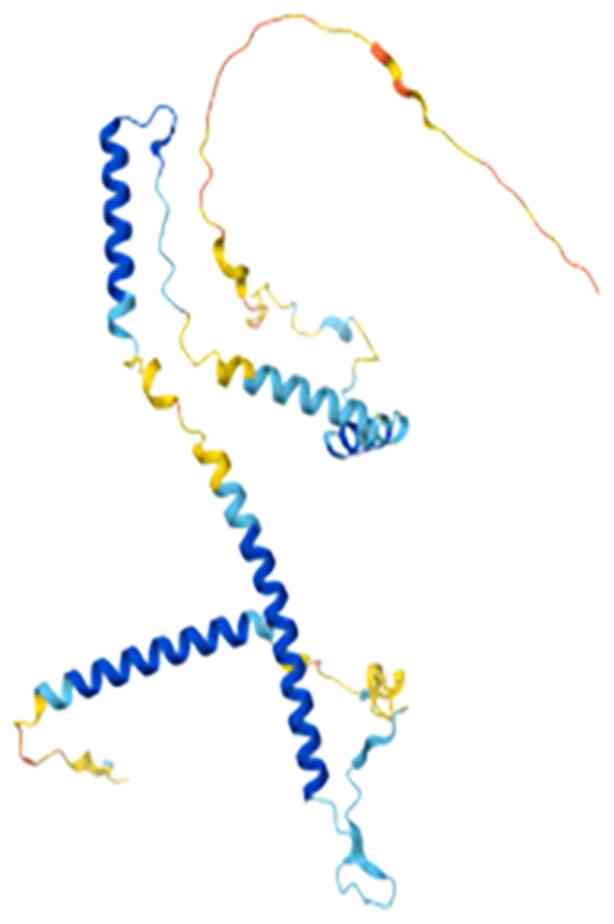
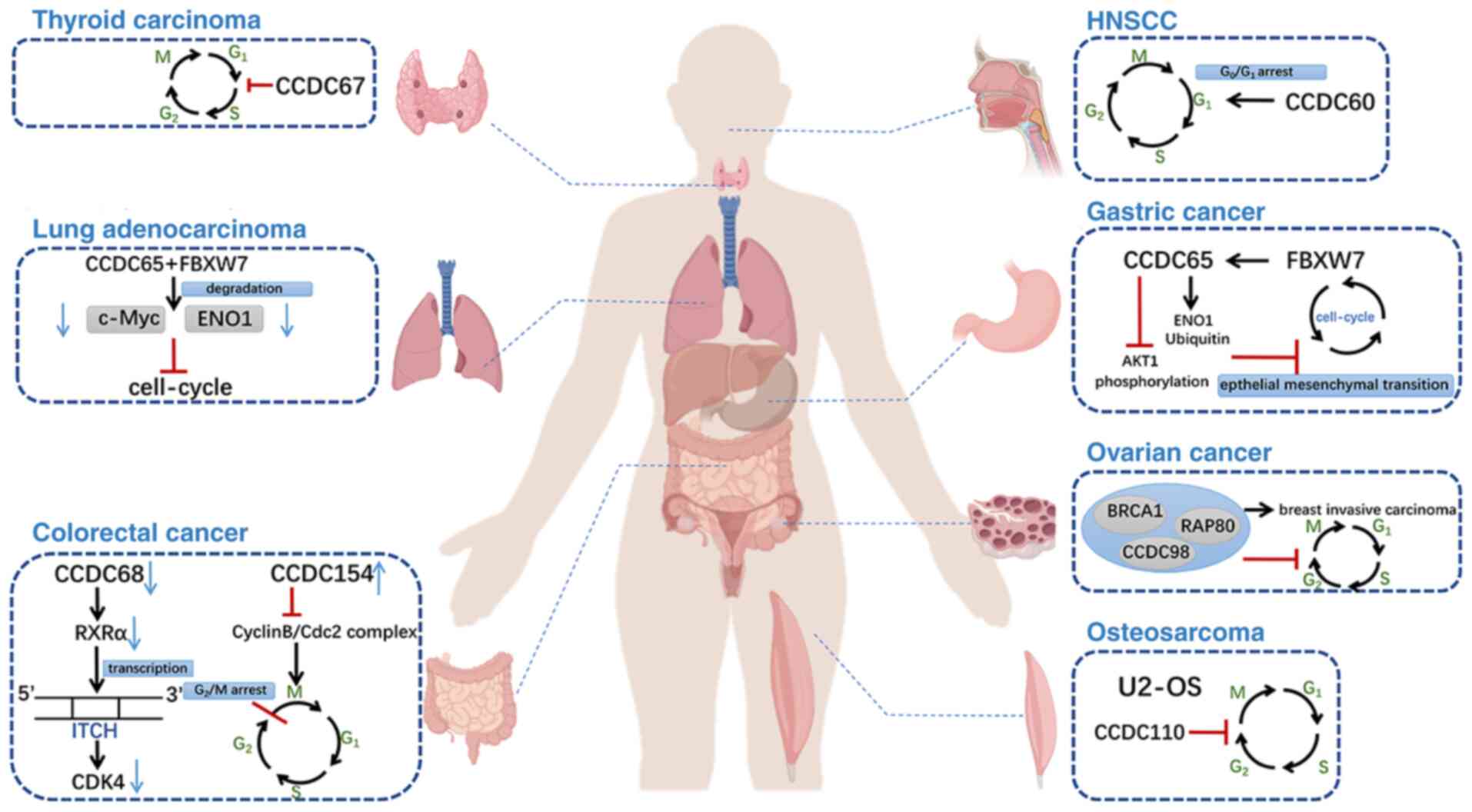
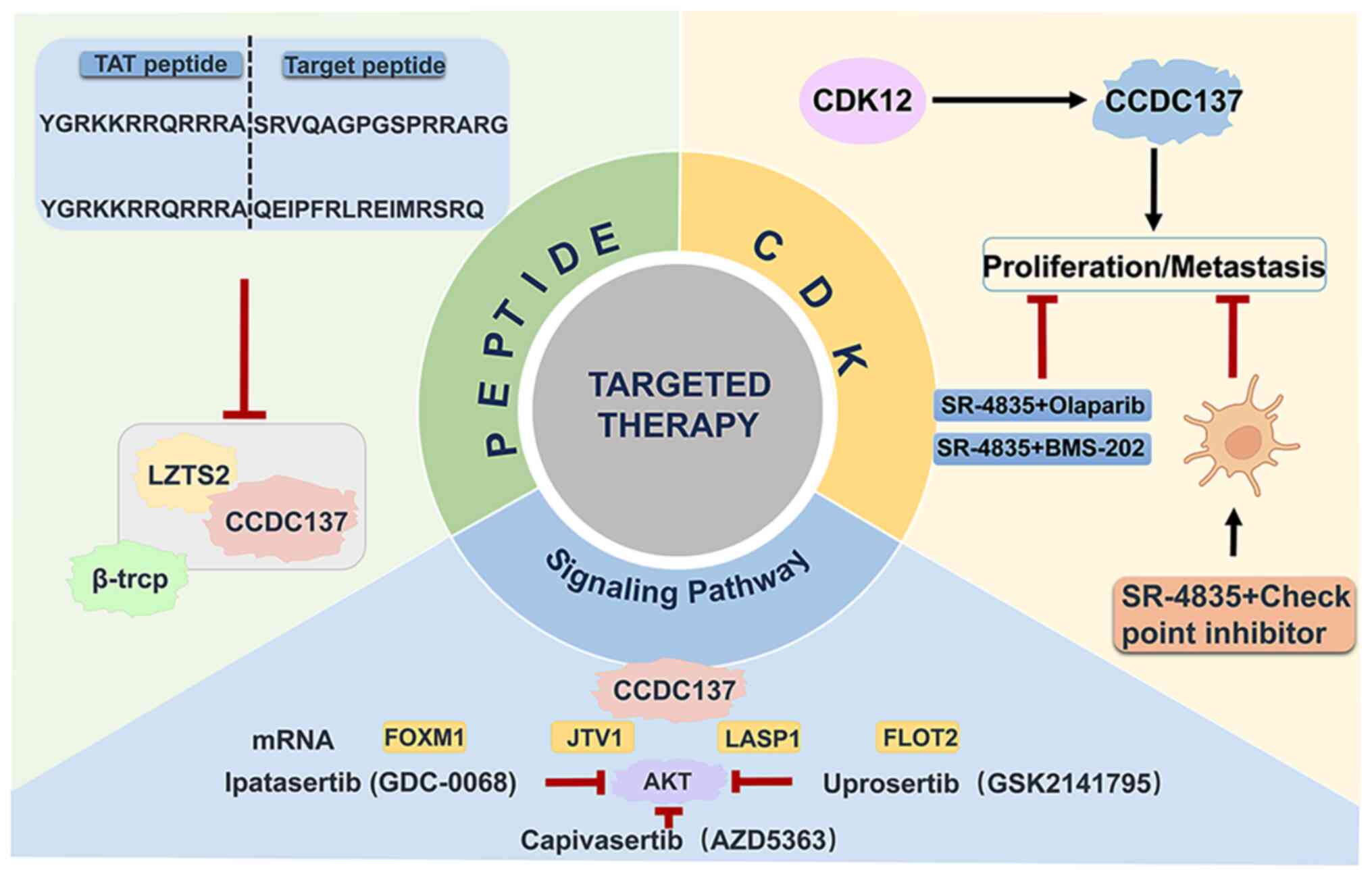
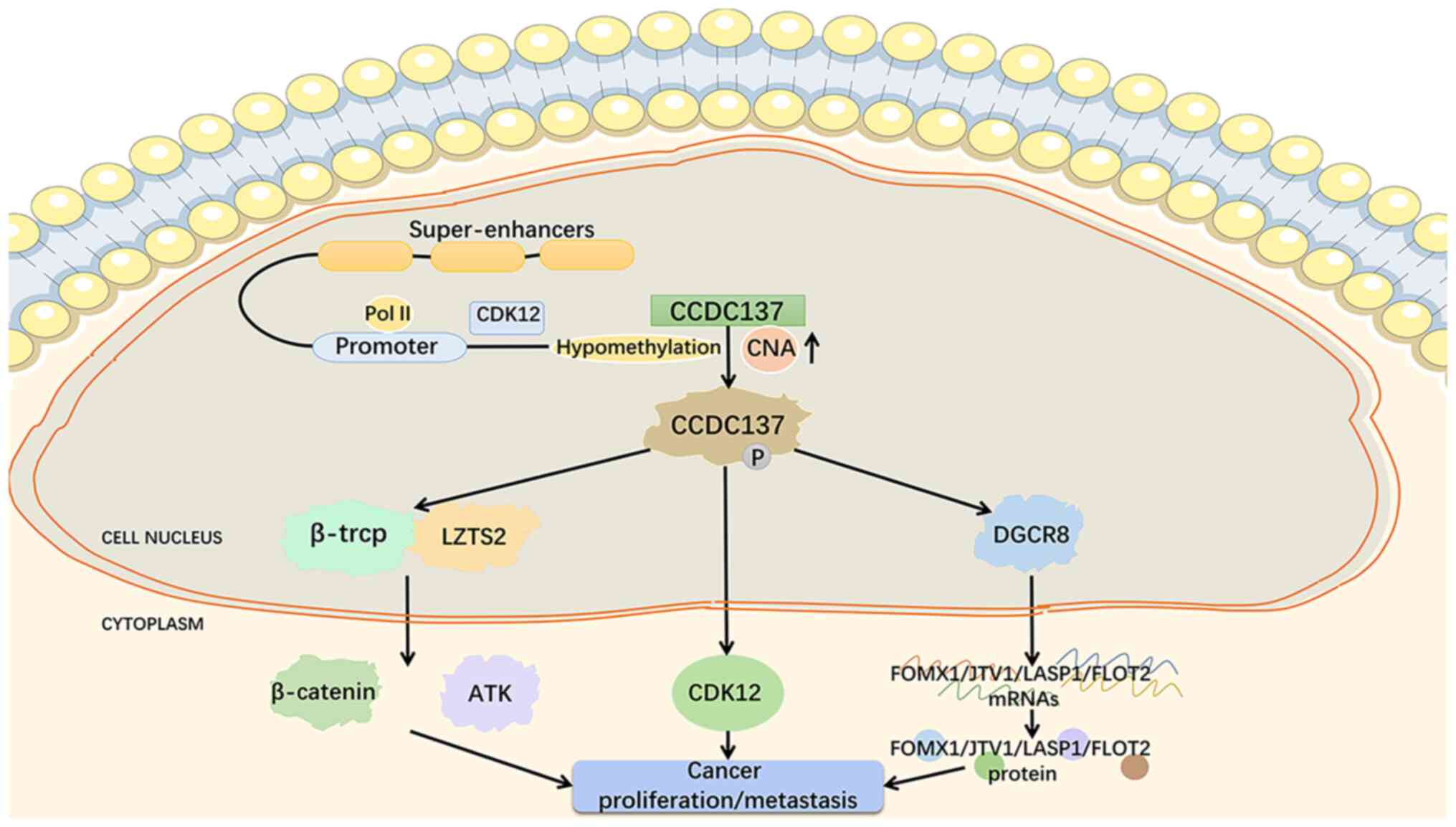
|
1
|
Hernandez-Segura A, Nehme J and Demaria M:
Hallmarks of cellular senescence. Trends Cell Biol. 28:436–453.
2018. View Article : Google Scholar : PubMed/NCBI
|
|
2
|
Chakravarti D, LaBella KA and DePinho RA:
Telomeres: History, health, and hallmarks of aging. Cell.
184:306–322. 2021. View Article : Google Scholar : PubMed/NCBI
|
|
3
|
Conlon EG and Manley JL: RNA-binding
proteins in neurodegeneration: Mechanisms in aggregate. Genes Dev.
31:1509–1528. 2017. View Article : Google Scholar : PubMed/NCBI
|
|
4
|
Cookson MR: Aging-RNA in development and
disease. Wiley Interdiscip Rev RNA. 3:133–143. 2012. View Article : Google Scholar : PubMed/NCBI
|
|
5
|
Corley M, Burns MC and Yeo GW: How
RNA-binding proteins interact with RNA: Molecules and mechanisms.
Mol Cell. 78:9–29. 2020. View Article : Google Scholar : PubMed/NCBI
|
|
6
|
Gebauer F, Schwarzl T, Valcarcel J and
Hentze MW: RNA-binding proteins in human genetic disease. Nat Rev
Genet. 22:185–198. 2021. View Article : Google Scholar : PubMed/NCBI
|
|
7
|
Schneider-Lunitz V, Ruiz-Orera J, Hubner N
and van Heesch S: Multifunctional RNA-binding proteins influence
mRNA abundance and translational efficiency of distinct sets of
target genes. PLoS Comput Biol. 17:e10096582021. View Article : Google Scholar : PubMed/NCBI
|
|
8
|
Varesi A, Campagnoli LIM, Barbieri A,
Rossi L, Ricevuti G, Esposito C, Chirumbolo S, Marchesi N and
Pascale A: RNA binding proteins in senescence: A potential common
linker for age-related diseases? Ageing Res Rev. 88:1019582023.
View Article : Google Scholar : PubMed/NCBI
|
|
9
|
Avila-Lopez P and Lauberth SM: Exploring
new roles for RNA-binding proteins in epigenetic and gene
regulation. Curr Opin Genet Dev. 84:1021362024. View Article : Google Scholar : PubMed/NCBI
|
|
10
|
Yu J, Chai P, Xie M, Ge S, Ruan J, Fan X
and Jia R: Histone lactylation drives oncogenesis by facilitating
m(6)A reader protein YTHDF2 expression in ocular melanoma. Genome
Biol. 22:852021. View Article : Google Scholar : PubMed/NCBI
|
|
11
|
Recillas-Targa F: Cancer epigenetics: An
overview. Arch Med Res. 53:732–740. 2022. View Article : Google Scholar : PubMed/NCBI
|
|
12
|
van der Laan L, Rooney K, Trooster TM,
Mannens MM, Sadikovic B and Henneman P: DNA methylation
episignatures: Insight into copy number variation. Epigenomics.
14:1373–1388. 2022. View Article : Google Scholar : PubMed/NCBI
|
|
13
|
Priyanka PP and Yenugu S: Coiled-Coil
domain-containing (CCDC) proteins: Functional roles in general and
male reproductive physiology. Reprod Sci. 28:2725–2734. 2021.
View Article : Google Scholar : PubMed/NCBI
|
|
14
|
Zhang F and Bieniasz PD: HIV-1 Vpr induces
cell cycle arrest and enhances viral gene expression by depleting
CCDC137. Elife. 9:e558062020. View Article : Google Scholar : PubMed/NCBI
|
|
15
|
Dai W, Wu J, Peng X, Hou W, Huang H, Cheng
Q, Liu Z, Luyten W, Schoofs L, Zhou J and Liu S: CDK12 orchestrates
super-enhancer-associated CCDC137 transcription to direct hepatic
metastasis in colorectal cancer. Clin Transl Med. 12:e10872022.
View Article : Google Scholar : PubMed/NCBI
|
|
16
|
Hong JH, Ko YH and Kang K: RNA variant
identification discrepancy among splice-aware alignment algorithms.
PLoS One. 13:e02018222018. View Article : Google Scholar : PubMed/NCBI
|
|
17
|
Tao S, Xie SJ, Diao LT, Lv G, Hou YR, Hu
YX, Xu WY, Du B and Xiao ZD: RNA-binding protein CCDC137 activates
AKT signaling and promotes hepatocellular carcinoma through a novel
non-canonical role of DGCR8 in mRNA localization. J Exp Clin Cancer
Res. 42:1942023. View Article : Google Scholar : PubMed/NCBI
|
|
18
|
Guo L, Li B, Lu Z, Liang H, Yang H, Chen
Y, Zhu S, Zeng M, Wei Y, Liu T, et al: CCDC137 is a prognostic
biomarker and correlates with immunosuppressive tumor
microenvironment based on pan-cancer analysis. Front Mol Biosci.
8:6748632021. View Article : Google Scholar : PubMed/NCBI
|
|
19
|
Noh JH, Kim KM, Abdelmohsen K, Yoon JH,
Panda AC, Munk R, Kim J, Curtis J, Moad CA, Wohler CM, et al: HuR
and GRSF1 modulate the nuclear export and mitochondrial
localization of the lncRNA RMRP. Genes Dev. 30:1224–1239. 2016.
View Article : Google Scholar : PubMed/NCBI
|
|
20
|
Lee JW, Chun YL, Kim AY, Lloyd LT, Ko S,
Yoon JH and Min KW: Accumulation of mitochondrial RPPH1 RNA is
associated with cellular senescence. Int J Mol Sci. 22:7822021.
View Article : Google Scholar : PubMed/NCBI
|
|
21
|
Sun L, Wan A, Zhou Z, Chen D, Liang H, Liu
C, Yan S, Niu Y, Lin Z, Zhan S, et al: RNA-binding protein RALY
reprogrammes mitochondrial metabolism via mediating miRNA
processing in colorectal cancer. Gut. 70:1698–1712. 2021.
View Article : Google Scholar : PubMed/NCBI
|
|
22
|
Ma J, Sun L, Gao W, Li Y and Dong D: RNA
binding protein: coordinated expression between the nuclear and
mitochondrial genomes in tumors. J Transl Med. 21:5122023.
View Article : Google Scholar : PubMed/NCBI
|
|
23
|
Yan J, Dutta B, Hee YT and Chng WJ:
Towards understanding of PRC2 binding to RNA. RNA Biol. 16:176–184.
2019. View Article : Google Scholar : PubMed/NCBI
|
|
24
|
Zhao J, Ohsumi TK, Kung JT, Ogawa Y, Grau
DJ, Sarma K, Song JJ, Kingston RE, Borowsky M and Lee JT:
Genome-wide identification of polycomb-associated RNAs by RIP-seq.
Mol Cell. 40:939–953. 2010. View Article : Google Scholar : PubMed/NCBI
|
|
25
|
Davidovich C, Zheng L, Goodrich KJ and
Cech TR: Promiscuous RNA binding by Polycomb repressive complex 2.
Nat Struct Mol Biol. 20:1250–1257. 2013. View Article : Google Scholar : PubMed/NCBI
|
|
26
|
Rosenberg M, Blum R, Kesner B, Aeby E,
Garant JM, Szanto A and Lee JT: Motif-driven interactions between
RNA and PRC2 are rheostats that regulate transcription elongation.
Nat Struct Mol Biol. 28:103–117. 2021. View Article : Google Scholar : PubMed/NCBI
|
|
27
|
Aguilar R, Rosenberg M, Levy V and Lee JT:
An evolving landscape of PRC2-RNA interactions in chromatin
regulation. Nat Rev Mol Cell Biol. 26:631–642. 2025. View Article : Google Scholar : PubMed/NCBI
|
|
28
|
Rose A, Schraegle SJ, Stahlberg EA and
Meier I: Coiled-coil protein composition of 22
proteomes-differences and common themes in subcellular
infrastructure and traffic control. BMC Evol Biol. 5:662005.
View Article : Google Scholar : PubMed/NCBI
|
|
29
|
Lupas AN, Bassler J and Dunin-Horkawicz S:
The structure and topology of alpha-helical coiled coils. Subcell
Biochem. 82:95–129. 2017. View Article : Google Scholar : PubMed/NCBI
|
|
30
|
Truebestein L and Leonard TA:
Coiled-coils: The long and short of it. Bioessays. 38:903–916.
2016. View Article : Google Scholar : PubMed/NCBI
|
|
31
|
Liu Z, Yan W, Liu S, Liu Z, Xu P and Fang
W: Regulatory network and targeted interventions for CCDC family in
tumor pathogenesis. Cancer Lett. 565:2162252023. View Article : Google Scholar : PubMed/NCBI
|
|
32
|
Hu X, Zhao Y, Wei L, Zhu B, Song D, Wang
J, Yu L and Wu J: CCDC178 promotes hepatocellular carcinoma
metastasis through modulation of anoikis. Oncogene. 36:4047–4059.
2017. View Article : Google Scholar : PubMed/NCBI
|
|
33
|
Cheng X, Wang Y, Gong Y, Li F, Guo Y, Hu
S, Liu J and Pan L: Structural basis of FYCO1 and MAP1LC3A
interaction reveals a novel binding mode for Atg8-family proteins.
Autophagy. 12:1330–1339. 2016. View Article : Google Scholar : PubMed/NCBI
|
|
34
|
Wang H, Zhang CZ, Lu SX, Zhang MF, Liu LL,
Luo RZ, Yang X, Wang CH, Chen SL, He YF, et al: A coiled-coil
domain containing 50 splice variant is modulated by
serine/arginine-rich splicing factor 3 and promotes hepatocellular
carcinoma in mice by the ras signaling pathway. Hepatology.
69:179–195. 2019. View Article : Google Scholar : PubMed/NCBI
|
|
35
|
Xu L, Liu Q, Liu H, Fan F, Li P, Yue S, Mo
J, Liu Z, Dong R, Zhang X, et al: Disrupting CCDC137-mediated LZTS2
and beta-TrCP interaction in the nucleus inhibits hepatocellular
carcinoma development via beta-catenin and AKT. Cell Death Differ.
32:134–148. 2025. View Article : Google Scholar : PubMed/NCBI
|
|
36
|
Malhotra Y, John J, Yadav D, Sharma D,
Vanshika Rawal K, Mishra V and Chaturvedi N: Advancements in
protein structure prediction: A comparative overview of AlphaFold
and its derivatives. Comput Biol Med. 188:1098422025. View Article : Google Scholar : PubMed/NCBI
|
|
37
|
Tang N and Ji Q: Miniature CRISPR-Cas12
systems: Mechanisms, engineering, and genome editing applications.
ACS Chem Biol. 19:1399–1408. 2024. View Article : Google Scholar : PubMed/NCBI
|
|
38
|
Zhao J, Tang J, Men W and Ren K:
FBXW7-mediated degradation of CCDC6 is impaired by ATM during DNA
damage response in lung cancer cells. FEBS Lett. 586:4257–4263.
2012. View Article : Google Scholar : PubMed/NCBI
|
|
39
|
D'Amico D, Mottis A, Potenza F, Sorrentino
V, Li H, Romani M, Lemos V, Schoonjans K, Zamboni N, Knott G, et
al: The RNA-Binding Protein PUM2 impairs mitochondrial dynamics and
mitophagy during aging. Mol Cell. 73:775–787. e7102019. View Article : Google Scholar : PubMed/NCBI
|
|
40
|
Kosti A, de Araujo PR, Li WQ, Guardia GDA,
Chiou J, Yi C, Ray D, Meliso F, Li YM, Delambre T, et al: The
RNA-binding protein SERBP1 functions as a novel oncogenic factor in
glioblastoma by bridging cancer metabolism and epigenetic
regulation. Genome Biol. 21:1952020. View Article : Google Scholar : PubMed/NCBI
|
|
41
|
Sondergaard JN, Sommerauer C, Atanasoai I,
Hinte LC, Geng K, Guiducci G, Brautigam L, Aouadi M, Stojic L,
Barragan I and Kutter C: CCT3-LINC00326 axis regulates
hepatocarcinogenic lipid metabolism. Gut. 71:2081–2092. 2022.
View Article : Google Scholar : PubMed/NCBI
|
|
42
|
Moore S, Jarvelin AI, Davis I, Bond GL and
Castello A: Expanding horizons: New roles for non-canonical
RNA-binding proteins in cancer. Curr Opin Genet Dev. 48:112–120.
2018. View Article : Google Scholar : PubMed/NCBI
|
|
43
|
Qin H, Ni H, Liu Y, Yuan Y, Xi T, Li X and
Zheng L: RNA-binding proteins in tumor progression. J Hematol
Oncol. 13:902020. View Article : Google Scholar : PubMed/NCBI
|
|
44
|
Beckmann BM, Castello A and Medenbach J:
The expanding universe of ribonucleoproteins: Of novel RNA-binding
proteins and unconventional interactions. Pflugers Arch.
468:1029–1040. 2016. View Article : Google Scholar : PubMed/NCBI
|
|
45
|
Yee BA, Pratt GA, Graveley BR, Van
Nostrand EL and Yeo GW: RBP-Maps enables robust generation of
splicing regulatory maps. RNA. 25:193–204. 2019. View Article : Google Scholar : PubMed/NCBI
|
|
46
|
Moore KS and von Lindern M: RNA binding
proteins and regulation of mRNA translation in erythropoiesis.
Front Physiol. 9:9102018. View Article : Google Scholar : PubMed/NCBI
|
|
47
|
Harvey R, Dezi V, Pizzinga M and Willis
AE: Post-transcriptional control of gene expression following
stress: The role of RNA-binding proteins. Biochem Soc Trans.
45:1007–1014. 2017. View Article : Google Scholar : PubMed/NCBI
|
|
48
|
Yeom KH, Lee Y, Han J, Suh MR and Kim VN:
Characterization of DGCR8/Pasha, the essential cofactor for Drosha
in primary miRNA processing. Nucleic Acids Res. 34:4622–4629. 2006.
View Article : Google Scholar : PubMed/NCBI
|
|
49
|
Brennicke A, Marchfelder A and Binder S:
RNA editing. FEMS Microbiol Rev. 23:297–316. 1999. View Article : Google Scholar : PubMed/NCBI
|
|
50
|
Li JB, Levanon EY, Yoon JK, Aach J, Xie B,
Leproust E, Zhang K, Gao Y and Church GM: Genome-wide
identification of human RNA editing sites by parallel DNA capturing
and sequencing. Science. 324:1210–1213. 2009. View Article : Google Scholar : PubMed/NCBI
|
|
51
|
Peng Z, Cheng Y, Tan BC, Kang L, Tian Z,
Zhu Y, Zhang W, Liang Y, Hu X, Tan X, et al: Comprehensive analysis
of RNA-Seq data reveals extensive RNA editing in a human
transcriptome. Nat Biotechnol. 30:253–260. 2012. View Article : Google Scholar : PubMed/NCBI
|
|
52
|
Blanc V and Davidson NO: C-to-U RNA
editing: Mechanisms leading to genetic diversity. J Biol Chem.
278:1395–1398. 2003. View Article : Google Scholar : PubMed/NCBI
|
|
53
|
Sharma S, Patnaik SK, Taggart RT, Kannisto
ED, Enriquez SM, Gollnick P and Baysal BE: APOBEC3A cytidine
deaminase induces RNA editing in monocytes and macrophages. Nat
Commun. 6:68812015. View Article : Google Scholar : PubMed/NCBI
|
|
54
|
Gagliardi M and Matarazzo MR: RIP: RNA
immunoprecipitation. Methods Mol Biol. 1480:73–86. 2016. View Article : Google Scholar : PubMed/NCBI
|
|
55
|
Arslan O, Soylu NK, Akillilar PT and
Tazebay UH: Coiled-coil domain-containing protein-124 (Ccdc124) is
a novel RNA binding factor up-regulated in endometrial, ovarian,
and urinary bladder cancers. Cancer Biomark. 31:149–164. 2021.
View Article : Google Scholar : PubMed/NCBI
|
|
56
|
Telkoparan P, Erkek S, Yaman E, Alotaibi
H, Bayik D and Tazebay UH: Coiled-coil domain containing protein
124 is a novel centrosome and midbody protein that interacts with
the Ras-guanine nucleotide exchange factor 1B and is involved in
cytokinesis. PLoS One. 8:e692892013. View Article : Google Scholar : PubMed/NCBI
|
|
57
|
Ren QS, Sun Q, Cheng SQ, Du LM and Guo PX:
Hepatocellular carcinoma: An analysis of the expression status of
stress granules and their prognostic value. World J Gastrointest
Oncol. 16:2571–2591. 2024. View Article : Google Scholar : PubMed/NCBI
|
|
58
|
Feinberg AP, Koldobskiy MA and Gondor A:
Epigenetic modulators, modifiers and mediators in cancer aetiology
and progression. Nat Rev Genet. 17:284–299. 2016. View Article : Google Scholar : PubMed/NCBI
|
|
59
|
Cavalli G and Heard E: Advances in
epigenetics link genetics to the environment and disease. Nature.
571:489–499. 2019. View Article : Google Scholar : PubMed/NCBI
|
|
60
|
Hargreaves DC and Crabtree GR:
ATP-dependent chromatin remodeling: Genetics, genomics and
mechanisms. Cell Res. 21:396–420. 2011. View Article : Google Scholar : PubMed/NCBI
|
|
61
|
Zhang H, Huang W, Cai Z, Mou S, Liu Y, Yan
B, Jiang W, Liu Y, Mei Q, Liao X, et al: CCDC137 knockdown
suppresses bladder cancer progression by downregulating SCD. J
Transl Med. 23:10132025. View Article : Google Scholar : PubMed/NCBI
|
|
62
|
Runello F, Jary A, Duin S, Kim Y, van Eer
K, Voss FO, Thuijs NB, Bleeker MCG and Steenbergen RDM: DNA
methylation and copy number alterations in the progression of
HPV-associated high-grade vulvar intraepithelial lesion. Int J
Cancer. 156:1926–1935. 2025. View Article : Google Scholar : PubMed/NCBI
|
|
63
|
Thuijs NB, Berkhof J, Ozer M, Duin S, van
Splunter AP, Snoek BC, Heideman DAM, van Beurden M, Steenbergen RDM
and Bleeker MCG: DNA methylation markers for cancer risk prediction
of vulvar intraepithelial neoplasia. Int J Cancer. 148:2481–2488.
2021. View Article : Google Scholar : PubMed/NCBI
|
|
64
|
Voss FO, Thuijs NB, Duin S, Ozer M, van
Beurden M, Berkhof J, Steenbergen RDM and Bleeker MCG: Clinical
validation of methylation biomarkers for optimal detection of
high-grade vulvar intraepithelial neoplasia. Int J Cancer.
153:783–791. 2023. View Article : Google Scholar : PubMed/NCBI
|
|
65
|
Swarts DRA, Voorham QJM, van Splunter AP,
Wilting SM, Sie D, Pronk D, van Beurden M, Heideman DAM, Snijders
PJF, Meijer C, et al: Molecular heterogeneity in human
papillomavirus-dependent and -independent vulvar carcinogenesis.
Cancer Med. 7:4542–4553. 2018. View Article : Google Scholar : PubMed/NCBI
|
|
66
|
Wang Z, Gu H, Qin P and Wang J: Single
nucleotide and copy number variants of cancer driver genes inform
drug response in multiple cancers. PLoS One. 19:e03063432024.
View Article : Google Scholar : PubMed/NCBI
|
|
67
|
Cui J, Wang L, Zhong W, Chen Z, Chen J,
Yang H and Liu G: Identification and validation of
methylation-driven genes prognostic signature for recurrence of
laryngeal squamous cell carcinoma by integrated bioinformatics
analysis. Cancer Cell Int. 20:4722020. View Article : Google Scholar : PubMed/NCBI
|
|
68
|
Park SJ, Jang HR, Kim M, Kim JH, Kwon OH,
Park JL, Noh SM, Song KS, Kim SY, Kim YH and Kim YS: Epigenetic
alteration of CCDC67 and its tumor suppressor function in gastric
cancer. Carcinogenesis. 33:1494–1501. 2012. View Article : Google Scholar : PubMed/NCBI
|
|
69
|
Jelin AC and Vora N: Whole exome
sequencing: Applications in prenatal genetics. Obstet Gynecol Clin
North Am. 45:69–81. 2018. View Article : Google Scholar : PubMed/NCBI
|
|
70
|
Pirooznia M, Goes FS and Zandi PP:
Whole-genome CNV analysis: Advances in computational approaches.
Front Genet. 6:1382015. View Article : Google Scholar : PubMed/NCBI
|
|
71
|
Garrido-Cardenas JA, Garcia-Maroto F,
Alvarez-Bermejo JA and Manzano-Agugliaro F: DNA sequencing sensors:
An overview. Sensors (Basel). 17:5882017. View Article : Google Scholar : PubMed/NCBI
|
|
72
|
Majewski J, Schwartzentruber J, Lalonde E,
Montpetit A and Jabado N: What can exome sequencing do for you? J
Med Genet. 48:580–589. 2011. View Article : Google Scholar : PubMed/NCBI
|
|
73
|
Liang WS, Stephenson K, Adkins J,
Christofferson A, Helland A, Cuyugan L and Keats JJ: Whole exome
library construction for next generation sequencing. Methods Mol
Biol. 1706:163–174. 2018. View Article : Google Scholar : PubMed/NCBI
|
|
74
|
Kerkhof J, Schenkel LC, Reilly J, McRobbie
S, Aref-Eshghi E, Stuart A, Rupar CA, Adams P, Hegele RA, Lin H, et
al: Clinical validation of copy number variant detection from
targeted next-generation sequencing panels. J Mol Diagn.
19:905–920. 2017. View Article : Google Scholar : PubMed/NCBI
|
|
75
|
Manickam K, McClain MR, Demmer LA, Biswas
S, Kearney HM, Malinowski J, Massingham LJ, Miller D, Yu TW, Hisama
FM, et al: Exome and genome sequencing for pediatric patients with
congenital anomalies or intellectual disability: An evidence-based
clinical guideline of the American College of Medical Genetics and
Genomics (ACMG). Genet Med. 23:2029–2037. 2021. View Article : Google Scholar : PubMed/NCBI
|
|
76
|
Bie F, Wang Z, Li Y, Guo W, Hong Y, Han T,
Lv F, Yang S, Li S, Li X, et al: Multimodal analysis of cell-free
DNA whole-methylome sequencing for cancer detection and
localization. Nat Commun. 14:60422023. View Article : Google Scholar : PubMed/NCBI
|
|
77
|
Whyte WA, Orlando DA, Hnisz D, Abraham BJ,
Lin CY, Kagey MH, Rahl PB, Lee TI and Young RA: Master
transcription factors and mediator establish super-enhancers at key
cell identity genes. Cell. 153:307–319. 2013. View Article : Google Scholar : PubMed/NCBI
|
|
78
|
Hnisz D, Shrinivas K, Young RA,
Chakraborty AK and Sharp PA: A phase separation model for
transcriptional control. Cell. 169:13–23. 2017. View Article : Google Scholar : PubMed/NCBI
|
|
79
|
Sabari BR, Dall'Agnese A, Boija A, Klein
IA, Coffey EL, Shrinivas K, Abraham BJ, Hannett NM, Zamudio AV,
Manteiga JC, et al: Coactivator condensation at super-enhancers
links phase separation and gene control. Science. 361:eaar39582018.
View Article : Google Scholar : PubMed/NCBI
|
|
80
|
Liu S, Dai W, Jin B, Jiang F, Huang H, Hou
W, Lan J, Jin Y, Peng W and Pan J: Effects of super-enhancers in
cancer metastasis: Mechanisms and therapeutic targets. Mol Cancer.
23:1222024. View Article : Google Scholar : PubMed/NCBI
|
|
81
|
Liao W, Liu H, Zhang Y, Jung JH, Chen J,
Su X, Kim YC, Flores ER, Wang SM, Czarny-Ratajczak M, et al: Ccdc3:
A New P63 target involved in regulation of liver lipid metabolism.
Sci Rep. 7:90202017. View Article : Google Scholar : PubMed/NCBI
|
|
82
|
Ke ZB, You Q, Chen JY, Sun JB, Xue YT,
Zhuang RB, Zheng QS, Chen YH, Wei Y, Sun XL, et al: A radiation
resistance related index for biochemical recurrence and tumor
immune environment in prostate cancer patients. Comput Biol Med.
146:1057112022. View Article : Google Scholar : PubMed/NCBI
|
|
83
|
Raman R, Villefranc JA, Ullmann TM,
Thiesmeyer J, Anelli V, Yao J, Hurley JR, Pauli C, Bareja R, Eng
KW, et al: Inhibition of FGF receptor blocks adaptive resistance to
RET inhibition in CCDC6-RET-rearranged thyroid cancer. J Exp Med.
219:e202103902022. View Article : Google Scholar : PubMed/NCBI
|
|
84
|
Cerrato A, Morra F, Di Domenico I and
Celetti A: NSCLC mutated isoforms of CCDC6 affect the intracellular
distribution of the wild type protein promoting cisplatinum
resistance and PARP inhibitors sensitivity in lung cancer cells.
Cancers (Basel). 12:442019. View Article : Google Scholar : PubMed/NCBI
|
|
85
|
Takeuchi K, Soda M, Togashi Y, Suzuki R,
Sakata S, Hatano S, Asaka R, Hamanaka W, Ninomiya H, Uehara H, et
al: RET, ROS1 and ALK fusions in lung cancer. Nat Med. 18:378–381.
2012. View Article : Google Scholar : PubMed/NCBI
|
|
86
|
Wang Y, Ding X, Wang S, Moser CD, Shaleh
HM, Mohamed EA, Chaiteerakij R, Allotey LK, Chen G, Miyabe K, et
al: Antitumor effect of FGFR inhibitors on a novel
cholangiocarcinoma patient derived xenograft mouse model
endogenously expressing an FGFR2-CCDC6 fusion protein. Cancer Lett.
380:163–173. 2016. View Article : Google Scholar : PubMed/NCBI
|
|
87
|
Barakat TS, Halbritter F, Zhang M,
Rendeiro AF, Perenthaler E, Bock C and Chambers I: Functional
dissection of the enhancer repertoire in human embryonic stem
cells. Cell Stem Cell. 23:276–288. e2782018. View Article : Google Scholar : PubMed/NCBI
|
|
88
|
Quinodoz SA, Jachowicz JW, Bhat P,
Ollikainen N, Banerjee AK, Goronzy IN, Blanco MR, Chovanec P, Chow
A, Markaki Y, et al: RNA promotes the formation of spatial
compartments in the nucleus. Cell. 184:5775–5790. e57302021.
View Article : Google Scholar : PubMed/NCBI
|
|
89
|
Oh HJ, Aguilar R, Kesner B, Lee HG, Kriz
AJ, Chu HP and Lee JT: Jpx RNA regulates CTCF anchor site selection
and formation of chromosome loops. Cell. 184:6157–6173. e61242021.
View Article : Google Scholar : PubMed/NCBI
|
|
90
|
Saldana-Meyer R, Gonzalez-Buendia E,
Guerrero G, Narendra V, Bonasio R, Recillas-Targa F and Reinberg D:
CTCF regulates the human p53 gene through direct interaction with
its natural antisense transcript, Wrap53. Genes Dev. 28:723–734.
2014. View Article : Google Scholar : PubMed/NCBI
|
|
91
|
Hansen AS, Hsieh TS, Cattoglio C, Pustova
I, Saldana-Meyer R, Reinberg D, Darzacq X and Tjian R: Distinct
classes of chromatin loops revealed by deletion of an RNA-binding
region in CTCF. Mol Cell. 76:395–411. e3132019. View Article : Google Scholar : PubMed/NCBI
|
|
92
|
Saldana-Meyer R, Rodriguez-Hernaez J,
Escobar T, Nishana M, Jacome-Lopez K, Nora EP, Bruneau BG, Tsirigos
A, Furlan-Magaril M, Skok J and Reinberg D: RNA interactions are
essential for CTCF-mediated genome organization. Mol Cell.
76:412–422. e4152019. View Article : Google Scholar : PubMed/NCBI
|
|
93
|
Kumar B, Navarro C, Yung PYK, Lyu J,
Mantero AS, Katsori AM, Schwammle H, Martin M and Elsasser SJ:
Multiplexed chromatin immunoprecipitation sequencing for
quantitative study of histone modifications and chromatin factors.
Nat Protoc. 20:779–809. 2025. View Article : Google Scholar : PubMed/NCBI
|
|
94
|
Wang Y, Kong S, Zhou C, Wang Y, Zhang Y,
Fang Y and Li G: A review of deep learning models for the
prediction of chromatin interactions with DNA and epigenomic
profiles. Brief Bioinform. 26:bbae6512024. View Article : Google Scholar : PubMed/NCBI
|
|
95
|
Leone V, Mansueto G, Pierantoni GM,
Tornincasa M, Merolla F, Cerrato A, Santoro M, Grieco M, Scaloni A,
Celetti A and Fusco A: CCDC6 represses CREB1 activity by recruiting
histone deacetylase 1 and protein phosphatase 1. Oncogene.
29:4341–4351. 2010. View Article : Google Scholar : PubMed/NCBI
|
|
96
|
Miao C, Huang Y, Zhang C, Wang X, Wang B,
Zhou X, Song Y, Wu P, Chen ZS and Feng Y: Post-translational
modifications in drug resistance. Drug Resist Updat. 78:1011732025.
View Article : Google Scholar : PubMed/NCBI
|
|
97
|
Millan-Zambrano G, Burton A, Bannister AJ
and Schneider R: Histone post-translational modifications-cause and
consequence of genome function. Nat Rev Genet. 23:563–580. 2022.
View Article : Google Scholar : PubMed/NCBI
|
|
98
|
Cui X, Wang J, Li K, Lv B, Hou B and Ding
Z: Protein post-translational modifications in auxin signaling. J
Genet Genomics. 51:279–291. 2024. View Article : Google Scholar : PubMed/NCBI
|
|
99
|
Zhong J, Zhao M, Luo Q, Ma Y, Liu J, Wang
J, Yang M, Yuan X, Sang J and Huang C: CCDC134 is down-regulated in
gastric cancer and its silencing promotes cell migration and
invasion of GES-1 and AGS cells via the MAPK pathway. Mol Cell
Biochem. 372:1–8. 2013. View Article : Google Scholar : PubMed/NCBI
|
|
100
|
Malapelle U, Morra F, Ilardi G, Visconti
R, Merolla F, Cerrato A, Napolitano V, Monaco R, Guggino G, Monaco
G, et al: USP7 inhibitors, downregulating CCDC6, sensitize lung
neuroendocrine cancer cells to PARP-inhibitor drugs. Lung Cancer.
107:41–49. 2017. View Article : Google Scholar : PubMed/NCBI
|
|
101
|
Bai J, Li Y and Zhang G: Cell cycle
regulation and anticancer drug discovery. Cancer Biol Med.
14:348–362. 2017. View Article : Google Scholar : PubMed/NCBI
|
|
102
|
Malumbres M: Cyclin-dependent kinases.
Genome Biol. 15:1222014. View
Article : Google Scholar : PubMed/NCBI
|
|
103
|
Otto T and Sicinski P: Cell cycle proteins
as promising targets in cancer therapy. Nat Rev Cancer. 17:93–115.
2017. View Article : Google Scholar : PubMed/NCBI
|
|
104
|
Yousefi T, Jobani BM, Taebi R and Qujeq D:
Innovating cancer treatment through cell cycle, telomerase,
angiogenesis, and metastasis. DNA Cell Biol. 43:438–451. 2024.
View Article : Google Scholar : PubMed/NCBI
|
|
105
|
Wang C, Li H, Wu L, Jiao X, Jin Z, Zhu Y,
Fang Z, Zhang X, Huang H and Zhao L: Coiled-Coil domain-containing
68 downregulation promotes colorectal cancer cell growth by
inhibiting ITCH-Mediated CDK4 degradation. Front Oncol.
11:6687432021. View Article : Google Scholar : PubMed/NCBI
|
|
106
|
Cassim S and Pouyssegur J: Tumor
microenvironment: A metabolic player that shapes the immune
response. Int J Mol Sci. 21:1572019. View Article : Google Scholar : PubMed/NCBI
|
|
107
|
Lei X, Lei Y, Li JK, Du WX, Li RG, Yang J,
Li J, Li F and Tan HB: Immune cells within the tumor
microenvironment: Biological functions and roles in cancer
immunotherapy. Cancer Lett. 470:126–133. 2020. View Article : Google Scholar : PubMed/NCBI
|
|
108
|
Pathria P, Louis TL and Varner JA:
Targeting tumor-associated macrophages in cancer. Trends Immunol.
40:310–327. 2019. View Article : Google Scholar : PubMed/NCBI
|
|
109
|
Liao Z, Tan ZW, Zhu P and Tan NS:
Cancer-associated fibroblasts in tumor microenvironment-Accomplices
in tumor malignancy. Cell Immunol. 343:1037292019. View Article : Google Scholar : PubMed/NCBI
|
|
110
|
Charoentong P, Finotello F, Angelova M,
Mayer C, Efremova M, Rieder D, Hackl H and Trajanoski Z: Pan-cancer
immunogenomic analyses reveal genotype-immunophenotype
relationships and predictors of response to checkpoint blockade.
Cell Rep. 18:248–262. 2017. View Article : Google Scholar : PubMed/NCBI
|
|
111
|
Langfelder P and Horvath S: WGCNA: An R
package for weighted correlation network analysis. BMC
Bioinformatics. 9:5592008. View Article : Google Scholar : PubMed/NCBI
|
|
112
|
Huang N, Chen Q and Wang X: Exploration of
the regulatory mechanism for hepatocellular carcinoma based on
ceRNA networks analysis and immune infiltration. 2021. View Article : Google Scholar
|
|
113
|
Wang Z, Li Y, Zhong Y, Wang Y and Peng M:
Comprehensive analysis of aberrantly expressed competitive
endogenous RNA Network and identification of prognostic biomarkers
in pheochromocytoma and paraganglioma. Onco Targets Ther.
13:11377–11395. 2020. View Article : Google Scholar : PubMed/NCBI
|
|
114
|
Lyssiotis CA and Kimmelman AC: Metabolic
interactions in the tumor microenvironment. Trends Cell Biol.
27:863–875. 2017. View Article : Google Scholar : PubMed/NCBI
|
|
115
|
Van Herck MA, Weyler J, Kwanten WJ,
Dirinck EL, De Winter BY, Francque SM and Vonghia L: The
differential roles of T cells in non-alcoholic fatty liver disease
and obesity. Front Immunol. 10:822019. View Article : Google Scholar : PubMed/NCBI
|
|
116
|
Brown ZJ, Fu Q, Ma C, Kruhlak M, Zhang H,
Luo J, Heinrich B, Yu SJ, Zhang Q, Wilson A, et al: Carnitine
palmitoyltransferase gene upregulation by linoleic acid induces
CD4(+) T cell apoptosis promoting HCC development. Cell Death Dis.
9:6202018. View Article : Google Scholar : PubMed/NCBI
|
|
117
|
Dobransky A, Root M, Hafner N, Marcum M
and Sharifi HJ: CRL4-DCAF1 ubiquitin ligase dependent functions of
HIV viral protein R and viral protein X. Viruses. 16:13132024.
View Article : Google Scholar : PubMed/NCBI
|
|
118
|
Zhang Z, Xu P, Hu Z, Fu Z, Deng T, Deng X,
Peng L, Xie Y, Long L, Zheng D, et al: CCDC65, a gene knockout that
leads to early death of mice, acts as a potentially novel tumor
suppressor in lung adenocarcinoma. Int J Biol Sci. 18:4171–4186.
2022. View Article : Google Scholar : PubMed/NCBI
|
|
119
|
Zhang L, Wang L, Lei M, Ma R, Yu F, Liu C
and Yin D: Generation and identification of a thyroid cancer cell
line with stable expression of CCDC67 and luciferase reporter
genes. Oncol Lett. 18:4495–4502. 2019.PubMed/NCBI
|
|
120
|
Kim H, Huang J and Chen J: CCDC98 is a
BRCA1-BRCT domain-binding protein involved in the DNA damage
response. Nat Struct Mol Biol. 14:710–715. 2007. View Article : Google Scholar : PubMed/NCBI
|
|
121
|
Hong WF, Zhu DX, Chen YJ, Shen XZ, Cui YH,
Du SS, Liu TS and Liang L: Coiled-coil domain-containing 154
promotes colorectal cancer proliferation and metastasis via
interacting with minichromosome maintenance complex component 2.
Cancer Lett. 578:2164602023. View Article : Google Scholar : PubMed/NCBI
|
|
122
|
Liao W, Zhao R, Lu L, Zhang R, Zou J, Xu
T, Wu C, Tang J, Deng Y and Lu X: Overexpression of a novel
osteopetrosis-related gene CCDC154 suppresses cell proliferation by
inducing G2/M arrest. Cell Cycle. 11:3270–3279. 2012.
View Article : Google Scholar : PubMed/NCBI
|
|
123
|
Liu Z, Chen S, Jia W, Qian Y, Yang X,
Zhang M, Fang T and Liu H: Comprehensive analysis reveals CCDC60 as
a potential biomarker correlated with prognosis and immune
infiltration of head and neck squamous cell carcinoma. Front Oncol.
13:11137812023. View Article : Google Scholar : PubMed/NCBI
|
|
124
|
Lee SN, Hong KM, Seong YS and Kwak SJ:
Ectopic overexpression of coiled-coil domain containing 110 delays
G2/M entry in U2-OS cells. Dev Reprod. 24:101–111. 2020.
View Article : Google Scholar : PubMed/NCBI
|
|
125
|
Andre F, Ciruelos E, Rubovszky G, Campone
M, Loibl S, Rugo HS, Iwata H, Conte P, Mayer IA, Kaufman B, et al:
Alpelisib for PIK3CA-mutated, hormone receptor-positive advanced
breast cancer. N Engl J Med. 380:1929–1940. 2019. View Article : Google Scholar : PubMed/NCBI
|
|
126
|
Finn RS, Martin M, Rugo HS, Jones S, Im
SA, Gelmon K, Harbeck N, Lipatov ON, Walshe JM, Moulder S, et al:
Palbociclib and letrozole in advanced breast cancer. N Engl J Med.
375:1925–1936. 2016. View Article : Google Scholar : PubMed/NCBI
|
|
127
|
Zou M, Ke Q, Nie Q, Qi R, Zhu X, Liu W, Hu
X, Sun Q, Fu JL, Tang X, et al: Inhibition of cGAS-STING by JQ1
alleviates oxidative stress-induced retina inflammation and
degeneration. Cell Death Differ. 29:1816–1833. 2022. View Article : Google Scholar : PubMed/NCBI
|
|
128
|
Hayashi MA, Ducancel F and Konno K:
Natural peptides with potential applications in drug development,
diagnosis, and/or biotechnology. Int J Pept. 2012:7578382012.
View Article : Google Scholar : PubMed/NCBI
|
|
129
|
Marqus S, Pirogova E and Piva TJ:
Evaluation of the use of therapeutic peptides for cancer treatment.
J Biomed Sci. 24:212017. View Article : Google Scholar : PubMed/NCBI
|
|
130
|
Wang J, Masehi-Lano JJ and Chung EJ:
Peptide and antibody ligands for renal targeting: Nanomedicine
strategies for kidney disease. Biomater Sci. 5:1450–1459. 2017.
View Article : Google Scholar : PubMed/NCBI
|
|
131
|
Manning BD and Toker A: AKT/PKB signaling:
Navigating the network. Cell. 169:381–405. 2017. View Article : Google Scholar : PubMed/NCBI
|
|
132
|
Yu L, Wei J and Liu P: Attacking the
PI3K/Akt/mTOR signaling pathway for targeted therapeutic treatment
in human cancer. Semin Cancer Biol. 85:69–94. 2022. View Article : Google Scholar : PubMed/NCBI
|
|
133
|
Zhang X, Zheng Q, Wang C, Zhou H, Jiang G,
Miao Y, Zhang Y, Liu Y, Li Q, Qiu X and Wang E: CCDC106 promotes
non-small cell lung cancer cell proliferation. Oncotarget.
8:26662–26670. 2017. View Article : Google Scholar : PubMed/NCBI
|
|
134
|
Hayes MJ, Thomas D, Emmons A, Giordano TJ
and Kleer CG: Genetic changes of Wnt pathway genes are common
events in metaplastic carcinomas of the breast. Clin Cancer Res.
14:4038–4044. 2008. View Article : Google Scholar : PubMed/NCBI
|
|
135
|
Lepourcelet M, Chen YN, France DS, Wang H,
Crews P, Petersen F, Bruseo C, Wood AW and Shivdasani RA:
Small-molecule antagonists of the oncogenic Tcf/beta-catenin
protein complex. Cancer Cell. 5:91–102. 2004. View Article : Google Scholar : PubMed/NCBI
|
|
136
|
Mologni L, Brussolo S, Ceccon M and
Gambacorti-Passerini C: Synergistic effects of combined Wnt/KRAS
inhibition in colorectal cancer cells. PLoS One. 7:e514492012.
View Article : Google Scholar : PubMed/NCBI
|
|
137
|
Lu W, Lin C, Roberts MJ, Waud WR, Piazza
GA and Li Y: Niclosamide suppresses cancer cell growth by inducing
Wnt co-receptor LRP6 degradation and inhibiting the Wnt/β-catenin
pathway. PLoS One. 6:e292902011. View Article : Google Scholar : PubMed/NCBI
|
|
138
|
Hanahan D and Weinberg RA: Hallmarks of
cancer: The next generation. Cell. 144:646–674. 2011. View Article : Google Scholar : PubMed/NCBI
|
|
139
|
Baylin SB and Jones PA: Epigenetic
determinants of cancer. Cold Spring Harb Perspect Biol.
8:a0195052016. View Article : Google Scholar : PubMed/NCBI
|
|
140
|
Shen H and Laird PW: Interplay between the
cancer genome and epigenome. Cell. 153:38–55. 2013. View Article : Google Scholar : PubMed/NCBI
|
|
141
|
Pawel K and Malgorzata SM: CpG island
methylator phenotype-A hope for the future or a road to nowhere?
Int J Mol Sci. 23:8302022. View Article : Google Scholar : PubMed/NCBI
|
|
142
|
Feinberg AP and Vogelstein B:
Hypomethylation distinguishes genes of some human cancers from
their normal counterparts. Nature. 301:89–92. 1983. View Article : Google Scholar : PubMed/NCBI
|
|
143
|
Baylin SB and Jones PA: A decade of
exploring the cancer epigenome-biological and translational
implications. Nat Rev Cancer. 11:726–734. 2011. View Article : Google Scholar : PubMed/NCBI
|
|
144
|
Ohtani-Fujita N, Fujita T, Aoike A,
Osifchin NE, Robbins PD and Sakai T: CpG methylation inactivates
the promoter activity of the human retinoblastoma tumor-suppressor
gene. Oncogene. 8:1063–1067. 1993.PubMed/NCBI
|
|
145
|
Yao Y, Gu X, Xu X, Ge S and Jia R: Novel
insights into RB1 mutation. Cancer Lett. 547:2158702022. View Article : Google Scholar : PubMed/NCBI
|
|
146
|
Xia L, Oyang L, Lin J, Tan S, Han Y, Wu N,
Yi P, Tang L, Pan Q, Rao S, et al: The cancer metabolic
reprogramming and immune response. Mol Cancer. 20:282021.
View Article : Google Scholar : PubMed/NCBI
|
|
147
|
Walenta S, Wetterling M, Lehrke M,
Schwickert G, Sundfor K, Rofstad EK and Mueller-Klieser W: High
lactate levels predict likelihood of metastases, tumor recurrence,
and restricted patient survival in human cervical cancers. Cancer
Res. 60:916–921. 2000.PubMed/NCBI
|
|
148
|
Brooks GA: Lactate as a fulcrum of
metabolism. Redox Biol. 35:1014542020. View Article : Google Scholar : PubMed/NCBI
|
|
149
|
Chen J, Huang Z, Chen Y, Tian H, Chai P,
Shen Y, Yao Y, Xu S, Ge S and Jia R: Lactate and lactylation in
cancer. Signal Transduct Target Ther. 10:382025. View Article : Google Scholar : PubMed/NCBI
|
|
150
|
Dale B, Cheng M, Park KS, Kaniskan HU,
Xiong Y and Jin J: Advancing targeted protein degradation for
cancer therapy. Nat Rev Cancer. 21:638–654. 2021. View Article : Google Scholar : PubMed/NCBI
|
|
151
|
Bekes M, Langley DR and Crews CM: PROTAC
targeted protein degraders: The past is prologue. Nat Rev Drug
Discov. 21:181–200. 2022. View Article : Google Scholar : PubMed/NCBI
|
|
152
|
Wang Y, Deng S and Xu J: Proteasomal and
lysosomal degradation for specific and durable suppression of
immunotherapeutic targets. Cancer Biol Med. 17:583–598. 2020.
View Article : Google Scholar : PubMed/NCBI
|
|
153
|
Li S, Chen T, Liu J, Zhang H, Li J, Wang Z
and Shang G: PROTACs: Novel tools for improving immunotherapy in
cancer. Cancer Lett. 560:2161282023. View Article : Google Scholar : PubMed/NCBI
|