Spandidos Publications Logo
  • About
    • About Spandidos
    • Aims and Scopes
    • Abstracting and Indexing
    • Editorial Policies
    • Reprints and Permissions
    • Job Opportunities
    • Terms and Conditions
    • Contact
  • Journals
    • All Journals
    • Oncology Letters
      • Oncology Letters
      • Information for Authors
      • Editorial Policies
      • Editorial Board
      • Aims and Scope
      • Abstracting and Indexing
      • Bibliographic Information
      • Archive
    • International Journal of Oncology
      • International Journal of Oncology
      • Information for Authors
      • Editorial Policies
      • Editorial Board
      • Aims and Scope
      • Abstracting and Indexing
      • Bibliographic Information
      • Archive
    • Molecular and Clinical Oncology
      • Molecular and Clinical Oncology
      • Information for Authors
      • Editorial Policies
      • Editorial Board
      • Aims and Scope
      • Abstracting and Indexing
      • Bibliographic Information
      • Archive
    • Experimental and Therapeutic Medicine
      • Experimental and Therapeutic Medicine
      • Information for Authors
      • Editorial Policies
      • Editorial Board
      • Aims and Scope
      • Abstracting and Indexing
      • Bibliographic Information
      • Archive
    • International Journal of Molecular Medicine
      • International Journal of Molecular Medicine
      • Information for Authors
      • Editorial Policies
      • Editorial Board
      • Aims and Scope
      • Abstracting and Indexing
      • Bibliographic Information
      • Archive
    • Biomedical Reports
      • Biomedical Reports
      • Information for Authors
      • Editorial Policies
      • Editorial Board
      • Aims and Scope
      • Abstracting and Indexing
      • Bibliographic Information
      • Archive
    • Oncology Reports
      • Oncology Reports
      • Information for Authors
      • Editorial Policies
      • Editorial Board
      • Aims and Scope
      • Abstracting and Indexing
      • Bibliographic Information
      • Archive
    • Molecular Medicine Reports
      • Molecular Medicine Reports
      • Information for Authors
      • Editorial Policies
      • Editorial Board
      • Aims and Scope
      • Abstracting and Indexing
      • Bibliographic Information
      • Archive
    • World Academy of Sciences Journal
      • World Academy of Sciences Journal
      • Information for Authors
      • Editorial Policies
      • Editorial Board
      • Aims and Scope
      • Abstracting and Indexing
      • Bibliographic Information
      • Archive
    • International Journal of Functional Nutrition
      • International Journal of Functional Nutrition
      • Information for Authors
      • Editorial Policies
      • Editorial Board
      • Aims and Scope
      • Abstracting and Indexing
      • Bibliographic Information
      • Archive
    • International Journal of Epigenetics
      • International Journal of Epigenetics
      • Information for Authors
      • Editorial Policies
      • Editorial Board
      • Aims and Scope
      • Abstracting and Indexing
      • Bibliographic Information
      • Archive
    • Medicine International
      • Medicine International
      • Information for Authors
      • Editorial Policies
      • Editorial Board
      • Aims and Scope
      • Abstracting and Indexing
      • Bibliographic Information
      • Archive
  • Articles
  • Information
    • Information for Authors
    • Information for Reviewers
    • Information for Librarians
    • Information for Advertisers
    • Conferences
  • Language Editing
Spandidos Publications Logo
  • About
    • About Spandidos
    • Aims and Scopes
    • Abstracting and Indexing
    • Editorial Policies
    • Reprints and Permissions
    • Job Opportunities
    • Terms and Conditions
    • Contact
  • Journals
    • All Journals
    • Biomedical Reports
      • Information for Authors
      • Editorial Policies
      • Editorial Board
      • Aims and Scope
      • Abstracting and Indexing
      • Bibliographic Information
      • Archive
    • Experimental and Therapeutic Medicine
      • Information for Authors
      • Editorial Policies
      • Editorial Board
      • Aims and Scope
      • Abstracting and Indexing
      • Bibliographic Information
      • Archive
    • International Journal of Epigenetics
      • Information for Authors
      • Editorial Policies
      • Editorial Board
      • Aims and Scope
      • Abstracting and Indexing
      • Bibliographic Information
      • Archive
    • International Journal of Functional Nutrition
      • Information for Authors
      • Editorial Policies
      • Editorial Board
      • Aims and Scope
      • Abstracting and Indexing
      • Bibliographic Information
      • Archive
    • International Journal of Molecular Medicine
      • Information for Authors
      • Editorial Policies
      • Editorial Board
      • Aims and Scope
      • Abstracting and Indexing
      • Bibliographic Information
      • Archive
    • International Journal of Oncology
      • Information for Authors
      • Editorial Policies
      • Editorial Board
      • Aims and Scope
      • Abstracting and Indexing
      • Bibliographic Information
      • Archive
    • Medicine International
      • Information for Authors
      • Editorial Policies
      • Editorial Board
      • Aims and Scope
      • Abstracting and Indexing
      • Bibliographic Information
      • Archive
    • Molecular and Clinical Oncology
      • Information for Authors
      • Editorial Policies
      • Editorial Board
      • Aims and Scope
      • Abstracting and Indexing
      • Bibliographic Information
      • Archive
    • Molecular Medicine Reports
      • Information for Authors
      • Editorial Policies
      • Editorial Board
      • Aims and Scope
      • Abstracting and Indexing
      • Bibliographic Information
      • Archive
    • Oncology Letters
      • Information for Authors
      • Editorial Policies
      • Editorial Board
      • Aims and Scope
      • Abstracting and Indexing
      • Bibliographic Information
      • Archive
    • Oncology Reports
      • Information for Authors
      • Editorial Policies
      • Editorial Board
      • Aims and Scope
      • Abstracting and Indexing
      • Bibliographic Information
      • Archive
    • World Academy of Sciences Journal
      • Information for Authors
      • Editorial Policies
      • Editorial Board
      • Aims and Scope
      • Abstracting and Indexing
      • Bibliographic Information
      • Archive
  • Articles
  • Information
    • For Authors
    • For Reviewers
    • For Librarians
    • For Advertisers
    • Conferences
  • Language Editing
Login Register Submit
  • This site uses cookies
  • You can change your cookie settings at any time by following the instructions in our Cookie Policy. To find out more, you may read our Privacy Policy.

    I agree
Search articles by DOI, keyword, author or affiliation
Search
Advanced Search
presentation
Molecular and Clinical Oncology
Join Editorial Board Propose a Special Issue
Print ISSN: 2049-9450 Online ISSN: 2049-9469
Journal Cover
March-2018 Volume 8 Issue 3

Full Size Image

Sign up for eToc alerts
Recommend to Library

Journals

International Journal of Molecular Medicine

International Journal of Molecular Medicine

International Journal of Molecular Medicine is an international journal devoted to molecular mechanisms of human disease.

International Journal of Oncology

International Journal of Oncology

International Journal of Oncology is an international journal devoted to oncology research and cancer treatment.

Molecular Medicine Reports

Molecular Medicine Reports

Covers molecular medicine topics such as pharmacology, pathology, genetics, neuroscience, infectious diseases, molecular cardiology, and molecular surgery.

Oncology Reports

Oncology Reports

Oncology Reports is an international journal devoted to fundamental and applied research in Oncology.

Experimental and Therapeutic Medicine

Experimental and Therapeutic Medicine

Experimental and Therapeutic Medicine is an international journal devoted to laboratory and clinical medicine.

Oncology Letters

Oncology Letters

Oncology Letters is an international journal devoted to Experimental and Clinical Oncology.

Biomedical Reports

Biomedical Reports

Explores a wide range of biological and medical fields, including pharmacology, genetics, microbiology, neuroscience, and molecular cardiology.

Molecular and Clinical Oncology

Molecular and Clinical Oncology

International journal addressing all aspects of oncology research, from tumorigenesis and oncogenes to chemotherapy and metastasis.

World Academy of Sciences Journal

World Academy of Sciences Journal

Multidisciplinary open-access journal spanning biochemistry, genetics, neuroscience, environmental health, and synthetic biology.

International Journal of Functional Nutrition

International Journal of Functional Nutrition

Open-access journal combining biochemistry, pharmacology, immunology, and genetics to advance health through functional nutrition.

International Journal of Epigenetics

International Journal of Epigenetics

Publishes open-access research on using epigenetics to advance understanding and treatment of human disease.

Medicine International

Medicine International

An International Open Access Journal Devoted to General Medicine.

Journal Cover
March-2018 Volume 8 Issue 3

Full Size Image

Sign up for eToc alerts
Recommend to Library

  • Article
  • Citations
    • Cite This Article
    • Download Citation
    • Create Citation Alert
    • Remove Citation Alert
    • Cited By
  • Similar Articles
    • Related Articles (in Spandidos Publications)
    • Similar Articles (Google Scholar)
    • Similar Articles (PubMed)
  • Download PDF
  • Download XML
  • View XML
Case Report

Duodenal mucinous adenocarcinoma presenting as ileus, obstructive jaundice and massive ascites: A case report

  • Authors:
    • Dongbing Ding
    • Yao Yao
    • Songbai Zhang
  • View Affiliations / Copyright

    Affiliations: Department of Gastrointestinal Surgery, Jingmen First People's Hospital, Jingmen, Hubei 448000, P.R. China, Department of Ophthalmology, Jingmen First People's Hospital, Jingmen, Hubei 448000, P.R. China
  • Pages: 441-444
    |
    Published online on: January 11, 2018
       https://doi.org/10.3892/mco.2018.1552
  • Expand metrics +
Metrics: Total Views: 0 (Spandidos Publications: | PMC Statistics: )
Metrics: Total PDF Downloads: 0 (Spandidos Publications: | PMC Statistics: )
Cited By (CrossRef): 0 citations Loading Articles...

This article is mentioned in:


Abstract

Duodenal mucinous adenocarcinoma (DMA) is a malignancy with a rather low morbidity. However, its incidence in China has not been clearly determined. We herein report a case of a 70‑year‑old female patient who presented with ileus, obstructive jaundice and massive ascites simultaneously. Gastroendoscopy revealed copious amounts of colloidal mucin in the gastric cavity. The neoplasm was not visualized on computed tomography or magnetic resonance imaging, and an exploratory laparotomy was performed to investigate the abdomen. During the operation, the anterior wall of the gastric antrum was incised to explore the first and second portions of the duodenum, as well as the gastric lumen, and a neoplasm sized ~2.0 cm was identified at the antimesenteric border of the duodenal bulb after clearing the colloidal mucin content of the stomach and duodenum. Gastrojejunostomy rather than radical resection was performed due to the poor condition of the patient. The postoperative histopathological examination of the colloidal substance removed from the duodenal cavity revealed mucinous adenocarcinoma. On immunohistochemical analysis, the tissue stained positive for pan‑cytokeratin, cytokeratin 19, CDX‑2, carcinoembryonic antigen and Ki‑67 (8%), and negative for excision repair‑1. The general condition of the patient postoperatively was poor; thus, adjuvant chemotherapy was not administered and the patient finally succumbed to the disease 42 days after surgery.

Introduction

Primary duodenal cancer (PDC) is rare, accounting for only a small proportion of gastrointestinal malignancies. The most frequent symptoms of PDC include abdominal pain, vomiting and weight loss. However, the clinical presentations of PDC are non-specific. The most common type of PDC is adenocarcinoma and it frequently occurs in the descending duodenum (1). Mucinous adenocarcinoma (MA) is derived from the epithelium, is characterized by the production of copious amounts of mucin, and is considered as a distinct pathological entity with poor prognosis. MA has been described in the breast, ovary, vulva, lung, pancreas, stomach, appendix and colorectum, but rarely in the duodenum (2,3). As duodenal mucinous adenocarcinoma (DMA) is rare, its typical clinical presentation has not been well-documented. Gastroduodenoscopy and gastrointestinal barium radiography are considered as effective auxiliary examinations in the diagnosis of DMA. Currently, surgical resection is the standard treatment of choice for DMA, and the patients may benefit markedly from curative surgery with negative resection margins (1).

To the best of our knowledge, this is the first report of DMA presenting as ileus, obstructive jaundice and massive ascites simultaneously.

Case report

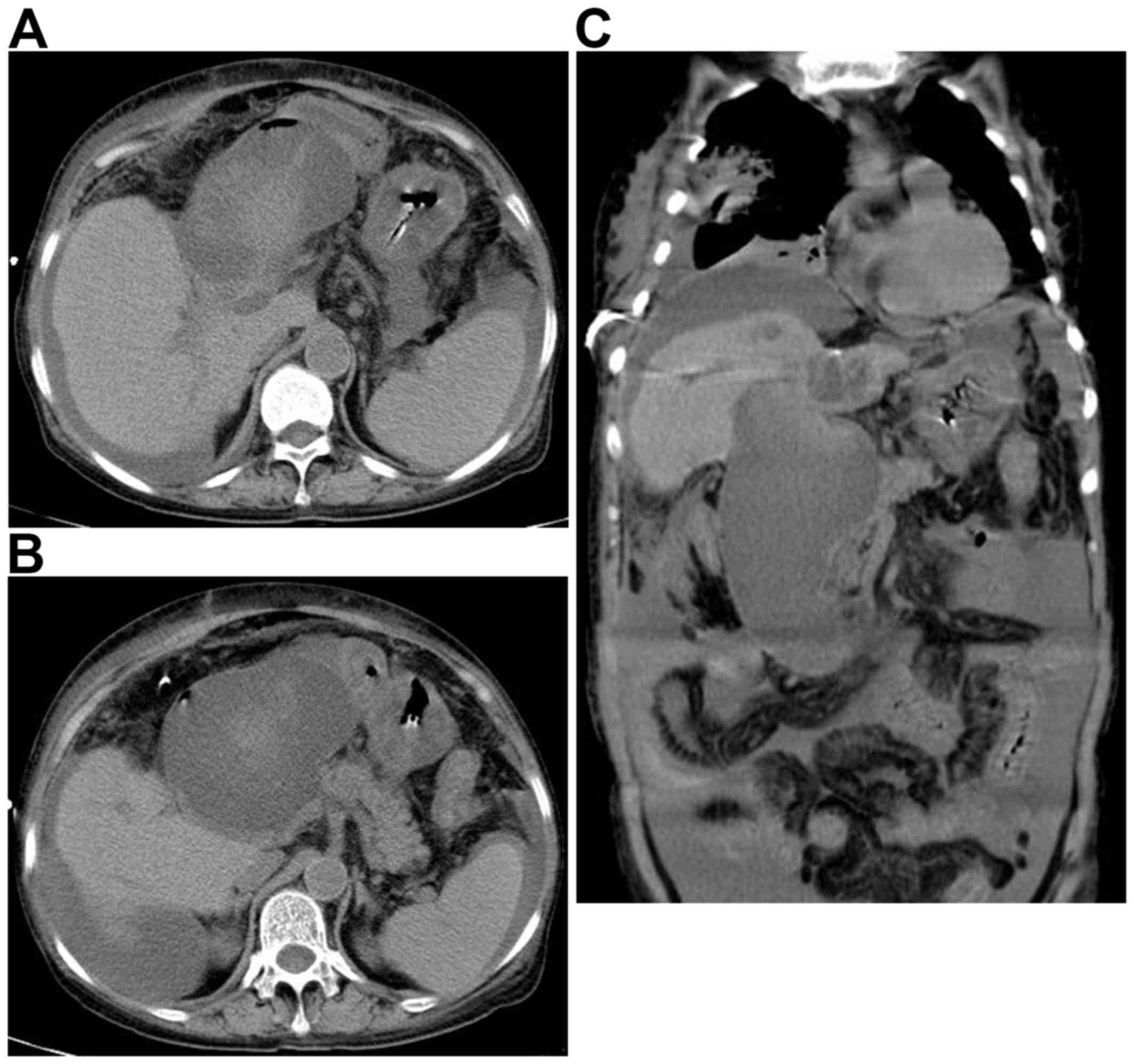
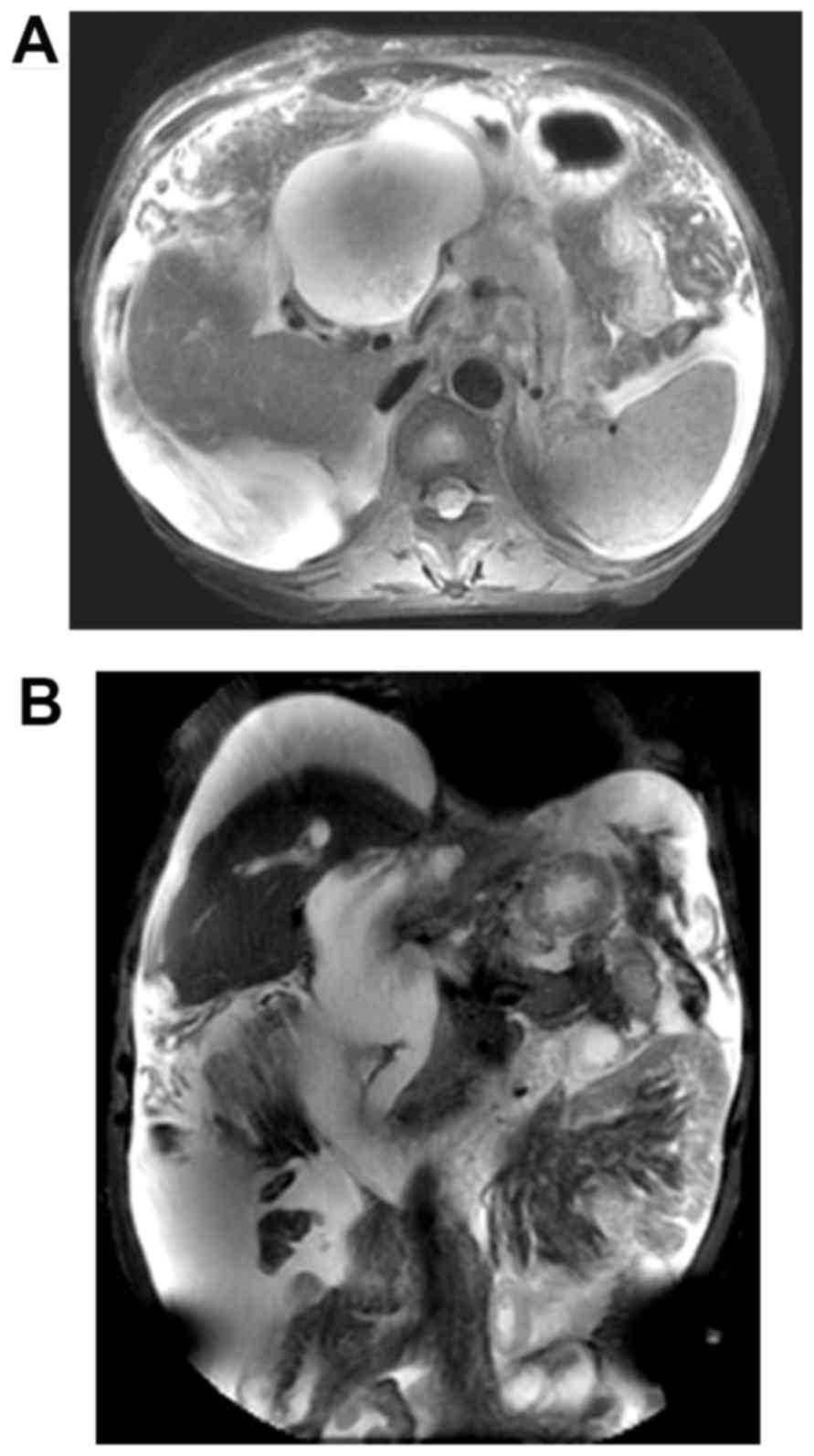
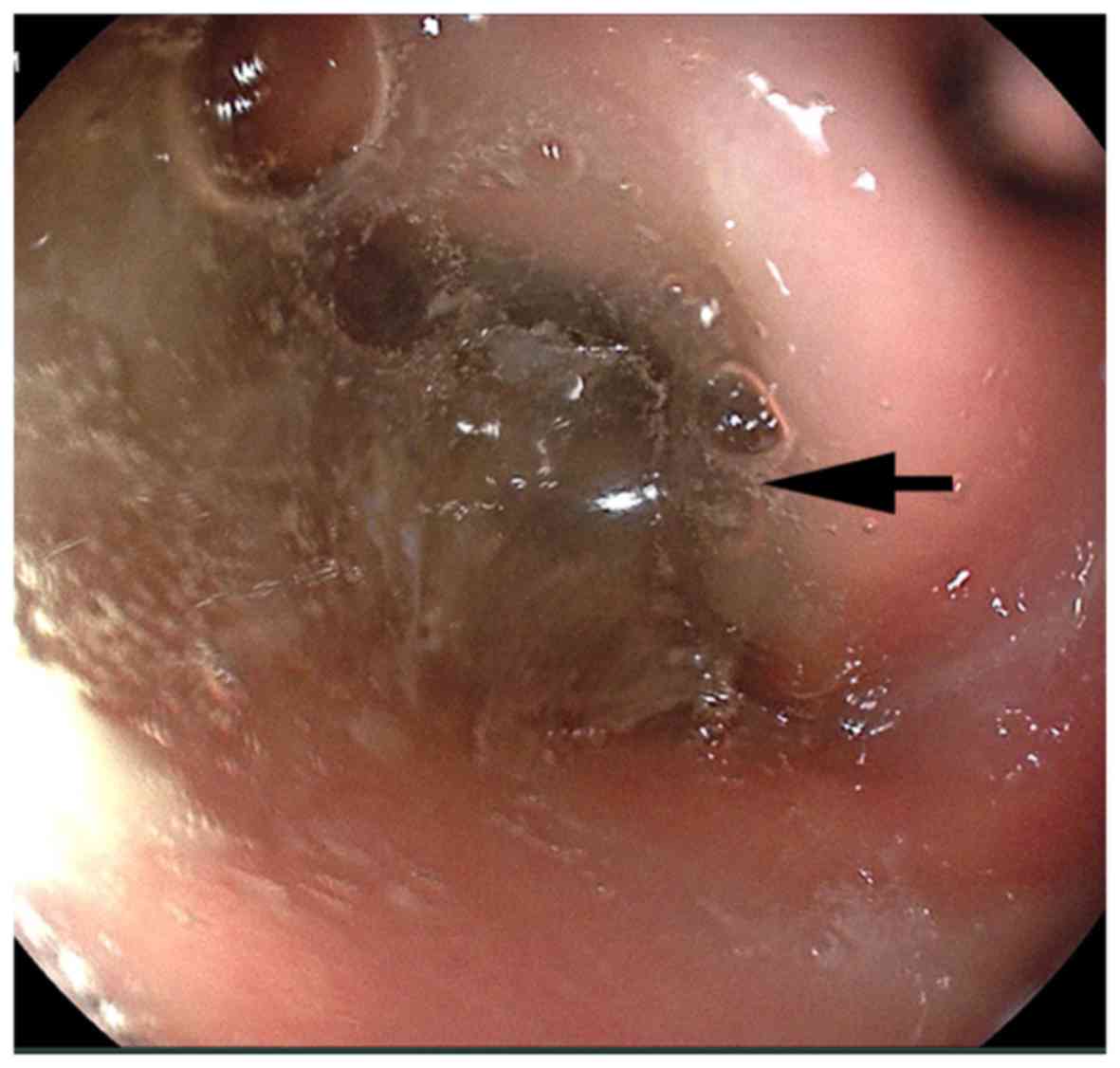
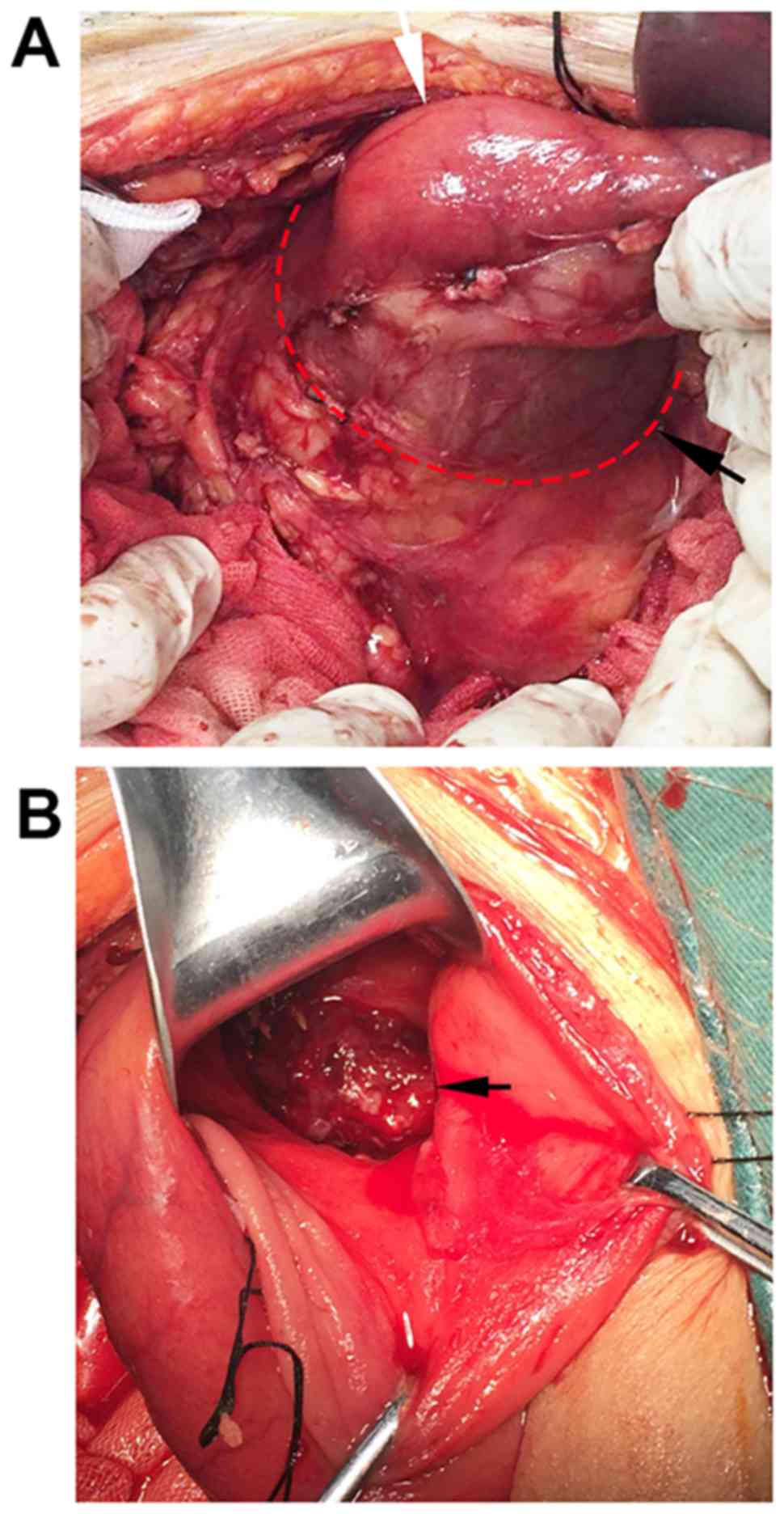
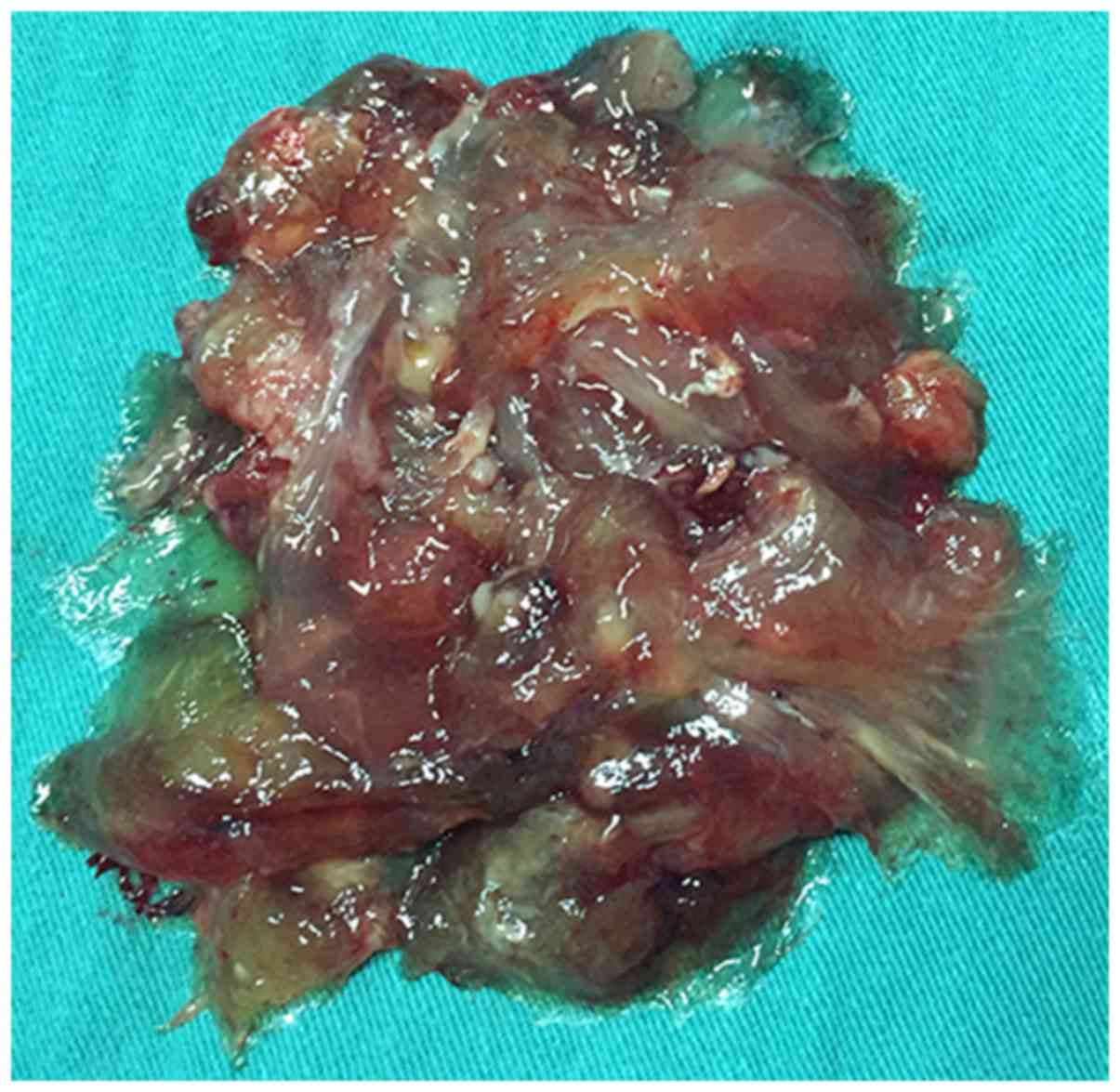
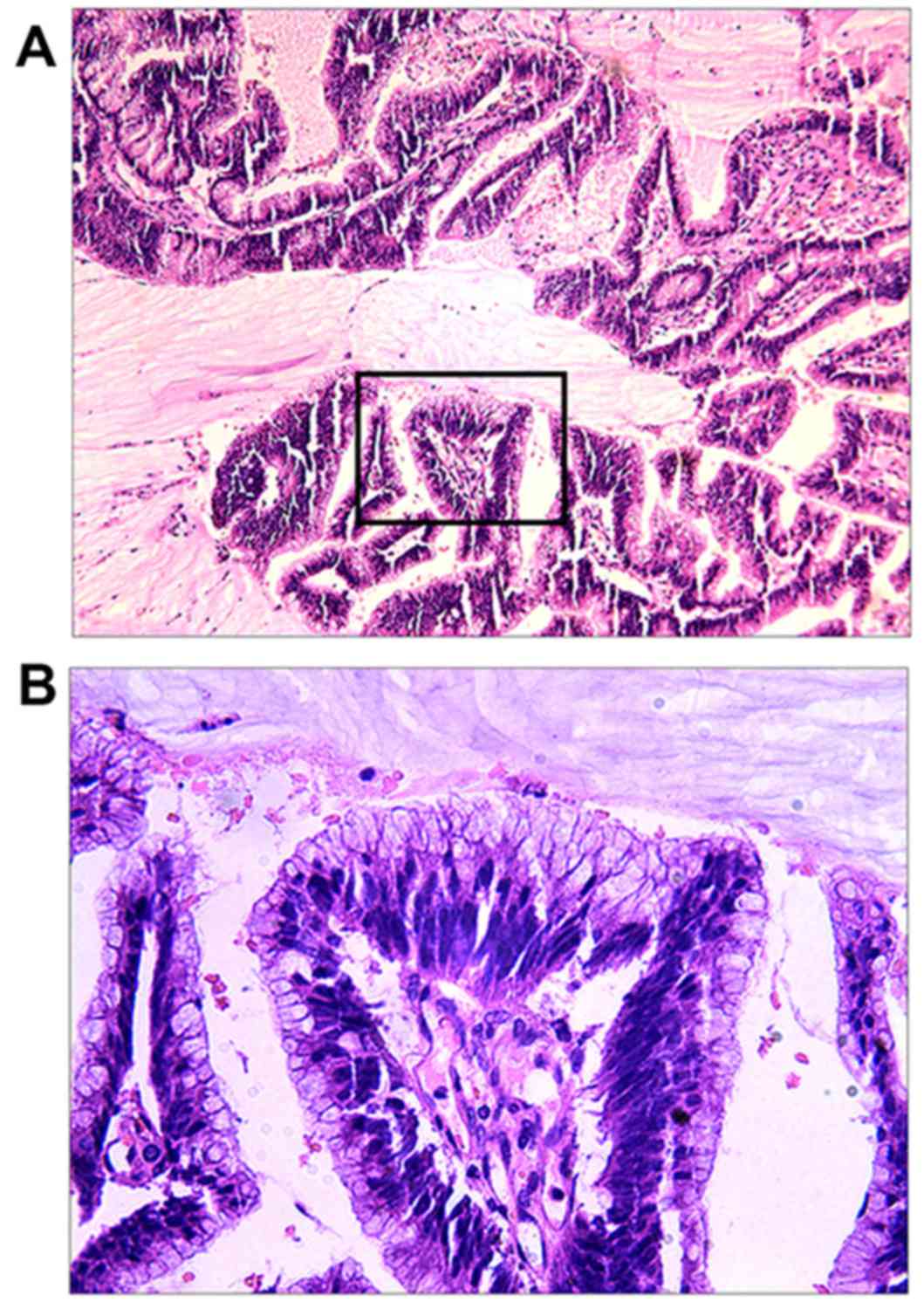
A 70-year-old female patient was admitted to the First People's Hospital of Jingmen (Jingmen, China) in February 2016 due to gradually aggravated abdominal pain and distension accompanied by jaundice for 10 days. The pain was localized to the subxiphoid and right upper abdominal areas, with paroxysmal exacerbations. There was no associated fever, nausea or vomiting. The abdominal examination revealed positive shifting dullness and prominent direct tenderness in the subxiphoid area and the right upper quadrant, with no rebound tenderness or muscle spasm. The bowel sounds were diminished. No subcutaneous varicose veins on the abdominal wall or gastrointestinal peristaltic wave was observed. The patient had undergone cholecystectomy and choledochoduodenostomy 10 years prior, but further information was unavailable. Hematological investigations revealed an elevated white blood cell count of 13.5×10⁹/l (normal range, 3.5–9.5×10⁹/l), a hemoglobin level of 85 g/l (normal range, 115–150 g/l) and a platelet count of 164×109/l (normal range, 100–300×109/l). Hepatic function tests revealed a total bilirubin concentration of 127.8 µmol/l (normal range, 0–21 µmol/l), a direct bilirubin concentration of 112.2 µmol/l (normal range, 0–7 µmol/l), an albumin concentration of 23.8 g/l (normal range, 40–55 g/l), an alkaline phosphatase concentration of 410.0 U/l (normal range, 35–125 µmol/l), and a γ-glutamate transpeptidase concentration of 135.0 U/l (normal range, 4–60 µmol/l). There was renal insufficiency, with elevated creatinine concentration (140.9 µmol/l; normal range, 41–84 µmol/l). The level of the C-reactive protein was 148.5 mg/l (normal range, 0–10 mg/l). The levels of carbohydrate antigen (CA) 125 and CA199 were 418.0 U/ml (normal range, 0–35 U/ml) and 459.7 U/ml (normal range, 0–27 U/ml), respectively. The α-fetoprotein (AFP), CA153 and carcinoembryonic antigen (CEA) levels were normal. Carcinoma cells were not found on exfoliative cytology of the ascitic fluid. An abdominal X-ray revealed an air-fluid level. Computed tomography (CT) scans revealed calculi and dilation of intrahepatic duct, choledochectasia, a possible choledochocyst and a large fluid collection in the abdominal and pelvic cavity; no duodenal neoplasm or enlarged lymph nodes were identified (Fig. 1). The results of magnetic resonance imaging (MRI) scans were similar to those of CT scans (Fig. 2). Due to the renal insufficiency, the patient did not undergo enhanced CT or MRI. A gastroscopy revealed a large amount of semi-transparent colloidal substance (Fig. 3). Symptomatic nutritional support therapy was conducted after hospitalization and the patient was actively investigated to determine the cause of the symptoms. However, abdominal pain and distension gradually increased and were accompanied by discontinuous nausea and vomiting. An etiology could not be identified based on the symptoms, signs and auxiliary examination. The possibility of a malignant neoplasm was considered. However, the CT and MRI scans did not reveal any lesions and cancer cells were not detected in exfoliative cytology examination of the ascitic fluid. Therefore, an exploratory laparotomy was conducted to investigate the status of the abdomen. Peritoneal cancer foci were not observed. The duodenum was obviously dilated, rather than a choledochocyst that was initially suspected based on the CT findigs (Fig. 4A). The gastric antrum was then incised to explore the duodenum and it was found to contain a copious amount of a colloidal substance (Fig. 5). After clearing this colloidal substance, a cancer lesion with an irregular margin, 2.0 cm in diameter, was identified in the antimesenteric border of the duodenal bulb (Fig. 4B), and DMA was considered as the possible diagnosis. Based on the findings in the abdomen, and since the patient was elderly and in poor general condition, a gastrojejunostomy rather than radical resection was performed. The postoperative histopathological examination of the colloidal tumor revealed MA (Fig. 6A and B). On immunohistochemical examination, the cancer tissue was positive for pan-cytokeratin, cytokeratin 19, CDX-2, CEA and Ki-67 (8%), and negative for excision repair-1. The general condition of the patient postoperatively was poor and adjuvant chemotherapy was not administered. The patient succumbed to the disease 42 days after surgery.

Figure 1.

Computed tomography of the abdomen revealed dilation of the bulb and descending part of the duodenum, with massive ascites. No neoplasm was detected in the duodenum. (A and B) Transverse plane; (C) coronal plane.

Figure 2.

T2-weighted images on magnetic resonance imaging were similar to the computed tomography scans. (A) Transverse plane; (B) coronal plane.

Figure 3.

Esophagogastroduodenoscopy revealed copious amounts of mucin in the gastric lumen (arrow).

Figure 4.

(A) The first and second portions of the duodenum were obviously dilated and slightly edematous (dotted line). White arrow, gastric antrum. Black arrow, dilated duodenum. (B) The anterior wall of the gastric antrum was incised to explore the first and second portions of the duodenum, and a neoplasm sized ~2.0 cm (arrow) was identified in the antimesenteric border of the duodenal bulb after clearing the mucin.

Figure 5.

Colloidal substance removed from the gastric and duodenal lumen.

Figure 6.

Histological examination of the colloidal substance removed from the duodenal cavity revealed mucinous adenocarcinoma. Hematoxylin and eosin staining; magnification, (A) ×100 and (B) ×400.

Consent was obtained from the patient and her family regarding the publication of the case details and associated images.

Discussion

Primary DMA is an exceedingly rare type of duodenal cancer and little information on this subject is available in the literature. At present, the pathogenesis of DMA has not been fully elucidated. The low incidence rate and non-specific presentation increase the difficulty of DMA diagnosis.

Mucinous adenocarcinoma (MA) is diagnosed when >50% of the neoplasm comprises mucinous cells on histological examination, according to the criteria of the World Health Organization (4). MA may arise at various sites of the gastrointestinal tract, more frequently the stomach and colorectum, and the prognosis is unfavorable. Mucinous gastric carcinoma (MGC) is usually diagnosed at an advanced stage, and diagnosis of early MGC is extremely rare. Advanced-stage MGC is associated with a dismal prognosis, as its biological behavior is similar to that of other types of gastric cancer (5). Colorectal MA, a subtype of colorectal cancer, is associated with a high risk of metastasis and a poorer prognosis compared with non-mucinous subtypes (6). The College of American Pathologists reported that the prognosis does not vary significantly among different MA subtypes, but rather relies on stage and grade (7). Generally, ~0.1–1.3% of gastrointestinal malignancies are located in the small intestine, and the duodenum accounts for >50% of those cases (8). Unfortunately, the majority of small bowel adenocarcinomas are diagnosed at an advanced stage, with metastasis in 35% of the cases (9). Thus, early diagnosis of DMA is crucial.

The common symptoms of PDC include abdominal pain, vomiting, weight loss, gastrointestinal bleeding and jaundice (10). The cause of jaundice is frequently a peripapillary carcinoma, resulting in obstructive jaundice. In addition to abdominal pain, our patient presented with ileus, obstructive jaundice and massive ascites. The symptoms were attributed to the copious amount of colloidal substance accumulating in the duodenum. Gastroduodenoscopy and gastrointestinal barium radiography are commonly effective methods for diagnosing PDC (1). However, in the present case, only a large amount of colloidal substance was observed and the tumor in the duodenum was not identified. The presence of the colloidal substance was initially mistaken for a recently ingested food of similar consistency and the possibility of DMA was not considered. The role of CT in detecting PDC has not been adequately addressed. Zhang et al reported a sensitivity of 74.2% of CT scans in identifying the lesion in patients with PDC (1). Other studies reported that CT was effective for detecting cancerous lesions of the duodenum as well as for tumor staging preoperatively and postoperatively (11). However, there is currently no information on the DMA characteristics on CT and MRI. In the present case, CT and MRI scans revealed no signs of DMA. It may be hypothesized that the copious amount of the colloidal substance in the duodenum affected the findings on CT imaging. Gastroduodenoscopy is a valuable method for detection of duodenal cancers, and it has been reported that it may detect ~90% of PDCs (12). Chae et al reported a DMA presenting as a laterally spreading tumor at the antimesenteric border of the second portion of the duodenum on upper gastroendoscopy, with no extracellular mucin or exudate due to the early stage (13). In the present case, the gastric cavity was filled with copious amounts of colloidal mucin on gastroendoscopy. However, the possibility of DMA was not considered at the time. Compared with early DMA, a large amount of mucin in the gastric cavity on gastroendoscopy may be a warning sign for advanced DMA. The levels of five serological tumor markers (CEA, CA199, CA125, CA724 and AFP) are valuable tools in the diagnosis, evaluation of prognosis and monitoring of the treatment response of several gastrointestinal cancers, although their role in predicting DMA has not been elucidated. Serum CA125 is a relatively sensitive tool for the differentiation of malignant ascites (14). In the present case, the serum CA125 level was markedly elevated and accompanied by massive ascites. The possibility of malignant ascites was considered, despite the uncertain location of the neoplasm. Therefore, increased serum tumor markers may be potential signals for DMA.

Since radical resection with a negative margin may prolong survival, curative surgery is considered as the best option for duodenal cancer. Chae et al reported the case of an asymptomatic patient with early DMA, and with the cancer only invading the submucosa; subsequently, Roux-en-Y duodenojejunostomy and jejunojejunostomy were performed (13), with no evidence of recurrence during 1 year of follow-up. Considering her poor condition, the patient in the present case was unable to tolerate complete resection; thus, a gastrojejunostomy was performed to relieve the obstruction. Unfortunately, the patient's general condition was poor postoperatively and adjuvant chemotherapy was not administered; she finally succumbed to the disease 42 days after surgery.

In conclusion, DMA is a rare malignancy with no specific manifestations. To the best of our knowledge, this is the first case of DMA presenting as ileus, obstructive jaundice and massive ascites simultaneously. Early detection and subsequent radical resection appear to be an effective way for improving the outcome. At present, preoperative diagnosis of DMA remains difficult and surgeons should include this neoplasm in the differential diagnosis when encountering the abovementioned symptoms. Further studies are required to establish standard protocols for the diagnosis and treatment of DMA.

Competing interests

The authors declare that they have no competing interests.'

References

1 

Zhang S, Cui Y, Zhong B, Xiao W, Gong X, Chao K and Chen M: Clinicopathological characteristics and survival analysis of primary duodenal cancers: A 14-year experience in a tertiary centre in South China. Int J Colorectal Dis. 26:219–226. 2011. View Article : Google Scholar : PubMed/NCBI

2 

Sui Y, Zou J, Batchu N, Lv S, Sun C, DU J, Wang Q, Song Q and Li Q: Primary mucinous adenocarcinoma of the vulva: A case report and review of the literature. Mol Clin Oncol. 4:545–548. 2016. View Article : Google Scholar : PubMed/NCBI

3 

Tan J, Yang S, Shen P, Sun H, Xiao J, Wang Y, Wu B, Ji F, Yan J, Xue H and Zhou D: C-kit signaling promotes proliferation and invasion of colorectal mucinous adenocarcinoma in a murine model. Oncotarget. 6:27037–27048. 2015. View Article : Google Scholar : PubMed/NCBI

4 

Jass JR and Sobin LH: Histologic Typing of Intestinal Tumours. 2nd. Berlin: Springer Verlag; 1989, View Article : Google Scholar

5 

Yasuda K, Adachi Y, Shiraishi N, Yamaguchi K, Shiromizu A and Kitano S: Pathology and prognosis of mucinous gastric carcinoma. J Surg Oncol. 76:272–277. 2001. View Article : Google Scholar : PubMed/NCBI

6 

Symonds DA and Vickery AL: Mucinous carcinoma of the colon and rectum. Cancer. 37:1891–1900. 1976. View Article : Google Scholar : PubMed/NCBI

7 

Compton C, Fenoglio-Preiser CM, Pettigrew N and Fielding LP: American joint committee on cancer prognostic factors consensus conference: Colorectal working group. Cancer. 88:1739–1757. 2000. View Article : Google Scholar : PubMed/NCBI

8 

Wilson JM, Melvin DB, Gray GF and Thorbjarnarson B: Primary malignancies of the small bowel: A report of 96 cases and review of the literature. Ann Surg. 180:175–179. 1974. View Article : Google Scholar : PubMed/NCBI

9 

Halfdanarson TR, McWilliams RR, Donohue JH and Quevedo JF: A single-institution experience with 491 cases of small bowel adenocarcinoma. Am J Surg. 199:797–803. 2010. View Article : Google Scholar : PubMed/NCBI

10 

Bakaeen FG, Murr MM, Sarr MG, Thompson GB, Farnell MB, Nagorney DM, Farley DR, van Heerden JA, Wiersema LM, Schleck CD and Donohue JH: What prognostic factors are important in duodenal adenocarcinoma? Arch Surg. 135:635–642. 2000. View Article : Google Scholar : PubMed/NCBI

11 

Adedeji OA, Trescoli-Serrano C and Garcia-Zarco M: Primary duodenal carcinoma. Postgrad Med J. 71:354–358. 1995. View Article : Google Scholar : PubMed/NCBI

12 

Han SL, Cheng J, Zhou HZ, Zeng QQ and Lan SH: The surgical treatment and outcome for primary duodenal adenocarcinoma. J Gastrointest Cancer. 40:33–37. 2009. View Article : Google Scholar : PubMed/NCBI

13 

Chae MJ, Baek IH, Oh YM, Lim JU, Jeon JW, Shin HP, Joo KR and Lee JI: A Patient with duodenal mucinous adenocarcinoma presenting as a laterally spreading tumor. Clin Endosc. 48:336–339. 2015. View Article : Google Scholar : PubMed/NCBI

14 

Trapé J, Gurt G, Franquesa J, Montesinos J, Arnau A, Sala M, Sant F, Casado E, Ordeig JM, Bergos C, et al: Diagnostic accuracy of tumor markers CYFRA21-1 and CA125 in the differential diagnosis of ascites. Anticancer Res. 35:5655–5660. 2015.PubMed/NCBI

Related Articles

  • Abstract
  • View
  • Download
  • Twitter
Copy and paste a formatted citation
Spandidos Publications style
Ding D, Yao Y and Zhang S: Duodenal mucinous adenocarcinoma presenting as ileus, obstructive jaundice and massive ascites: A case report. Mol Clin Oncol 8: 441-444, 2018.
APA
Ding, D., Yao, Y., & Zhang, S. (2018). Duodenal mucinous adenocarcinoma presenting as ileus, obstructive jaundice and massive ascites: A case report. Molecular and Clinical Oncology, 8, 441-444. https://doi.org/10.3892/mco.2018.1552
MLA
Ding, D., Yao, Y., Zhang, S."Duodenal mucinous adenocarcinoma presenting as ileus, obstructive jaundice and massive ascites: A case report". Molecular and Clinical Oncology 8.3 (2018): 441-444.
Chicago
Ding, D., Yao, Y., Zhang, S."Duodenal mucinous adenocarcinoma presenting as ileus, obstructive jaundice and massive ascites: A case report". Molecular and Clinical Oncology 8, no. 3 (2018): 441-444. https://doi.org/10.3892/mco.2018.1552
Copy and paste a formatted citation
x
Spandidos Publications style
Ding D, Yao Y and Zhang S: Duodenal mucinous adenocarcinoma presenting as ileus, obstructive jaundice and massive ascites: A case report. Mol Clin Oncol 8: 441-444, 2018.
APA
Ding, D., Yao, Y., & Zhang, S. (2018). Duodenal mucinous adenocarcinoma presenting as ileus, obstructive jaundice and massive ascites: A case report. Molecular and Clinical Oncology, 8, 441-444. https://doi.org/10.3892/mco.2018.1552
MLA
Ding, D., Yao, Y., Zhang, S."Duodenal mucinous adenocarcinoma presenting as ileus, obstructive jaundice and massive ascites: A case report". Molecular and Clinical Oncology 8.3 (2018): 441-444.
Chicago
Ding, D., Yao, Y., Zhang, S."Duodenal mucinous adenocarcinoma presenting as ileus, obstructive jaundice and massive ascites: A case report". Molecular and Clinical Oncology 8, no. 3 (2018): 441-444. https://doi.org/10.3892/mco.2018.1552
Follow us
  • Twitter
  • LinkedIn
  • Facebook
About
  • Spandidos Publications
  • Careers
  • Cookie Policy
  • Privacy Policy
How can we help?
  • Help
  • Live Chat
  • Contact
  • Email to our Support Team