International Journal of Molecular Medicine is an international journal devoted to molecular mechanisms of human disease.
International Journal of Oncology is an international journal devoted to oncology research and cancer treatment.
Covers molecular medicine topics such as pharmacology, pathology, genetics, neuroscience, infectious diseases, molecular cardiology, and molecular surgery.
Oncology Reports is an international journal devoted to fundamental and applied research in Oncology.
Experimental and Therapeutic Medicine is an international journal devoted to laboratory and clinical medicine.
Oncology Letters is an international journal devoted to Experimental and Clinical Oncology.
Explores a wide range of biological and medical fields, including pharmacology, genetics, microbiology, neuroscience, and molecular cardiology.
International journal addressing all aspects of oncology research, from tumorigenesis and oncogenes to chemotherapy and metastasis.
Multidisciplinary open-access journal spanning biochemistry, genetics, neuroscience, environmental health, and synthetic biology.
Open-access journal combining biochemistry, pharmacology, immunology, and genetics to advance health through functional nutrition.
Publishes open-access research on using epigenetics to advance understanding and treatment of human disease.
An International Open Access Journal Devoted to General Medicine.
Cardiac arrest complicating routine throat pack insertion in oral and maxillofacial surgery under general anesthesia: A case report
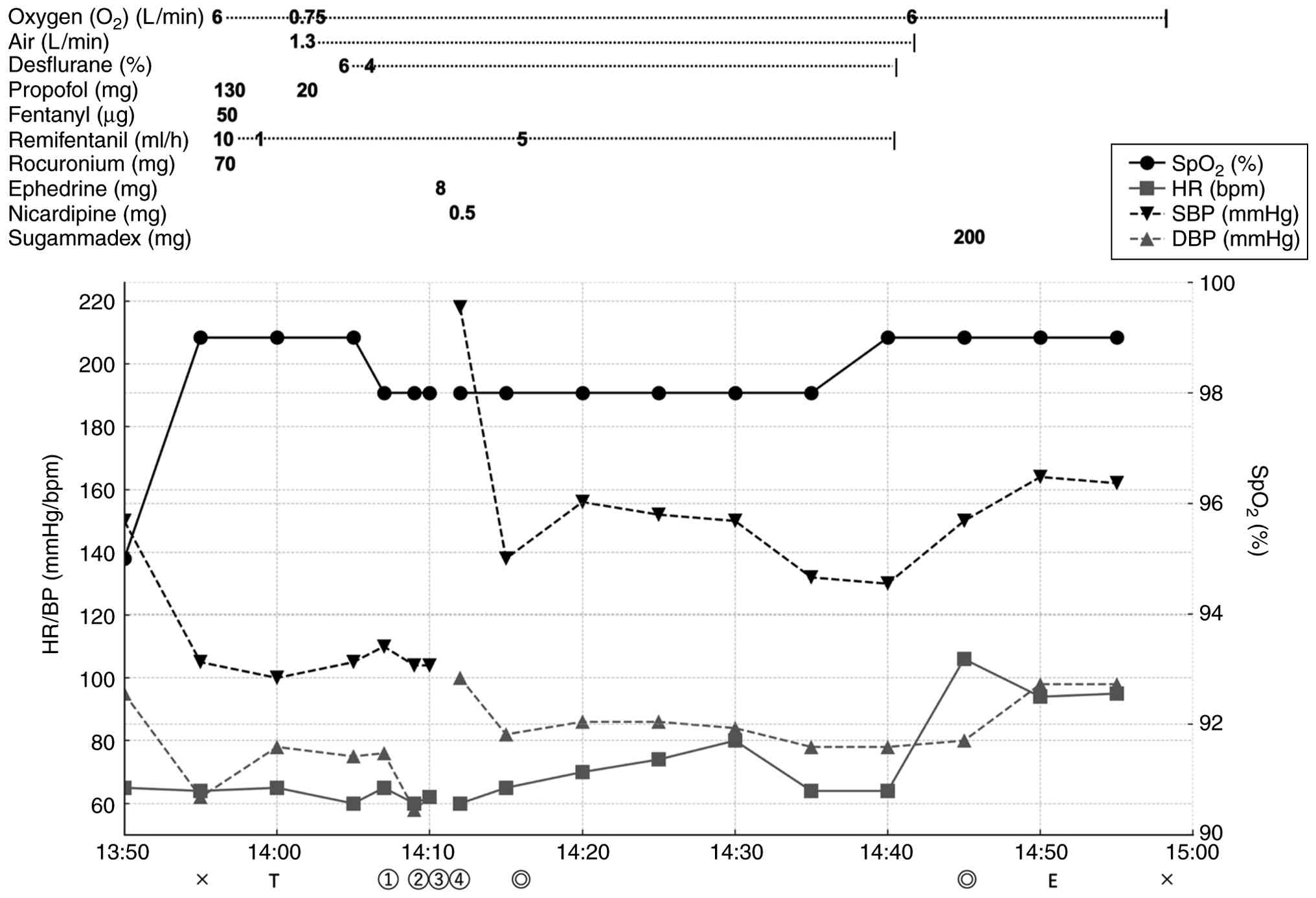
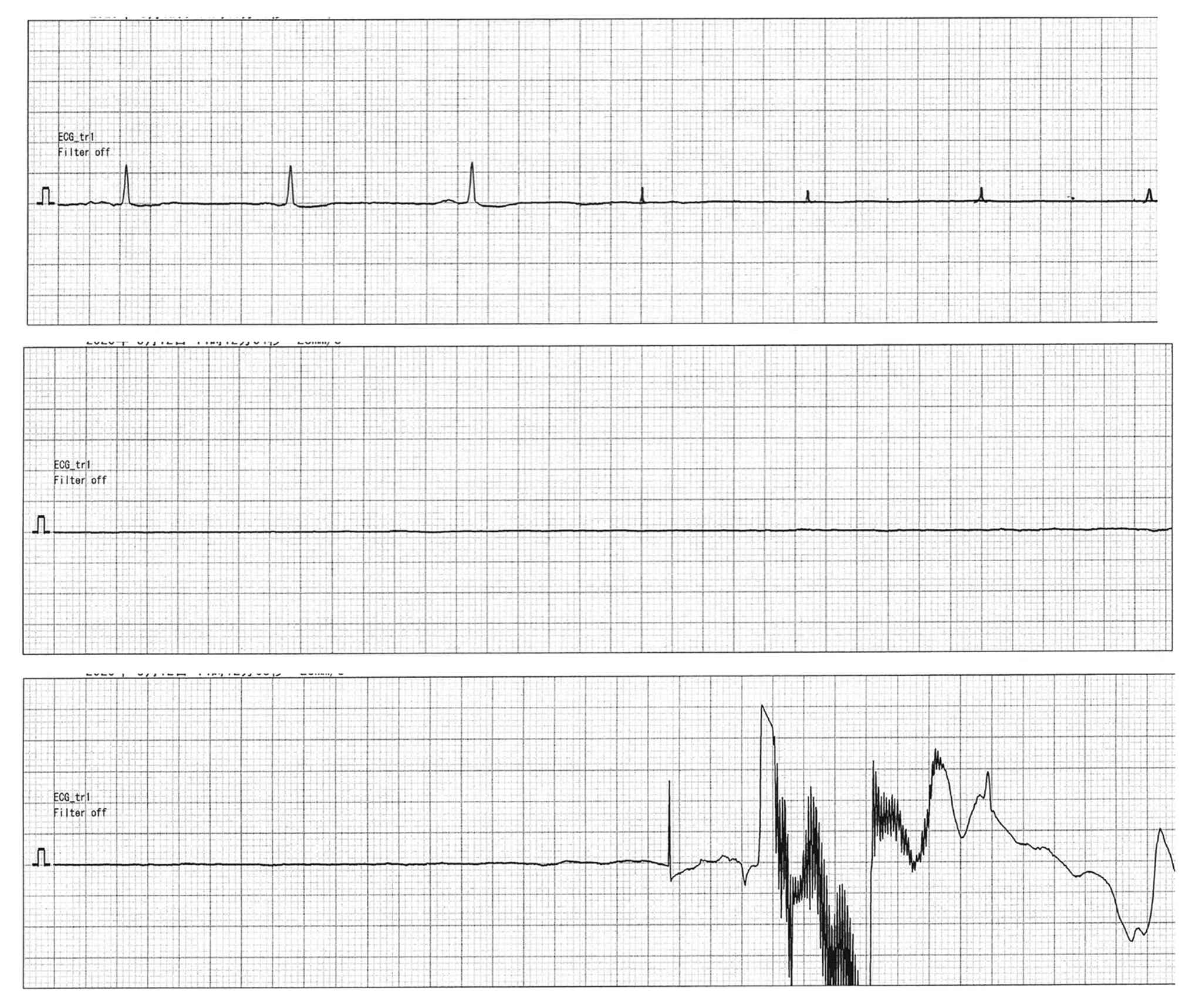
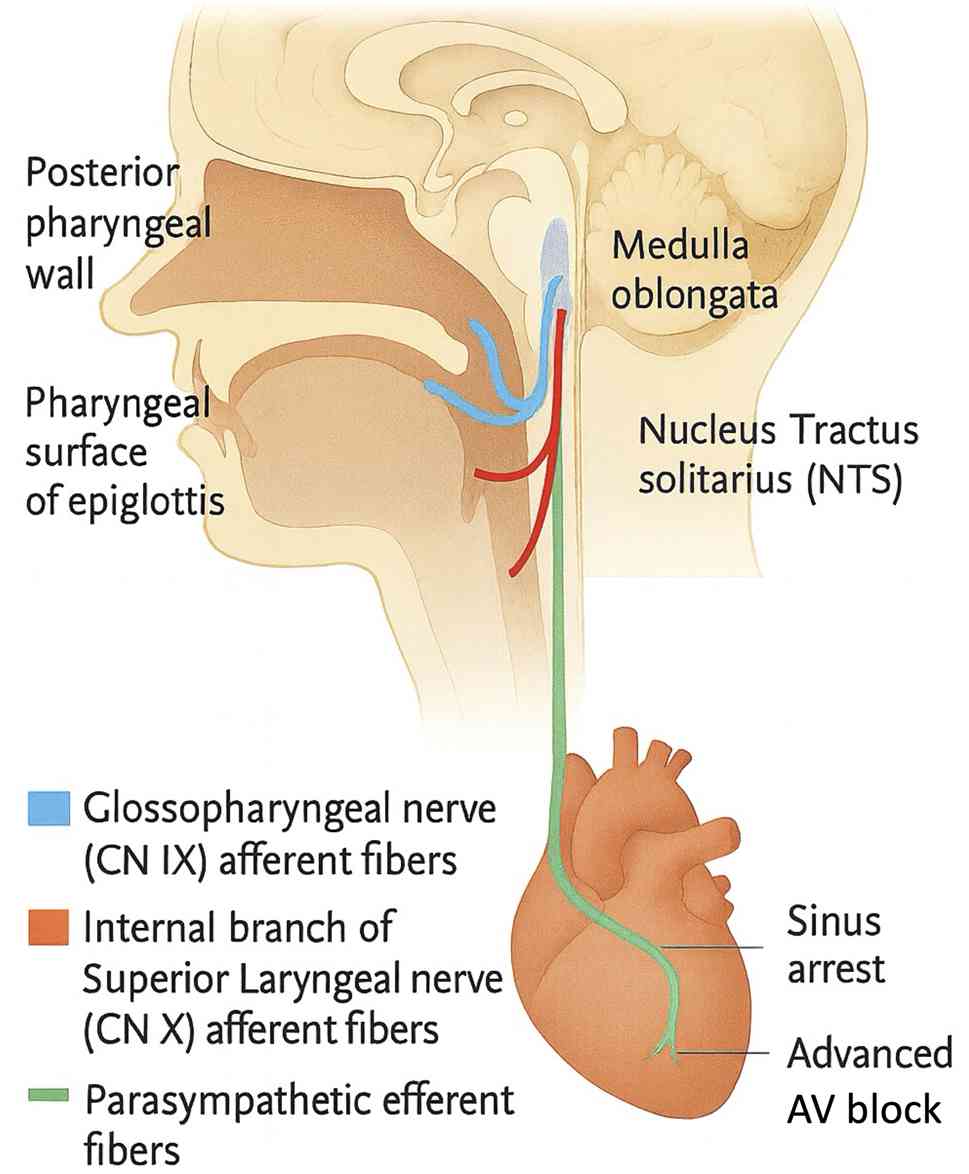
Throat packs are routinely inserted during oral and maxillofacial surgery and are generally considered safe. However, severe vagally mediated cardiovascular reflexes can rarely occur during airway or oropharyngeal manipulation. The present study describes a rare case of cardiac arrest directly attributed to throat pack insertion. A healthy 54‑year‑old male patient underwent third molar extraction under general anesthesia. Immediately following throat pack placement, he developed sudden cardiac arrest with complete electrical asystole lasting ~20 sec. Spontaneous circulation returned rapidly following the intravenous administration of ephedrine (8 mg) without the need for chest compressions. This event was most consistent with a vagal reflex‑mediated response. The present case report indicates that vigilant hemodynamic monitoring, adequate ventilation and appropriate anesthetic depth are essential even during routine adjunctive steps, such as throat pack insertion.