Spandidos Publications Logo
  • About
    • About Spandidos
    • Aims and Scopes
    • Abstracting and Indexing
    • Editorial Policies
    • Reprints and Permissions
    • Job Opportunities
    • Terms and Conditions
    • Contact
  • Journals
    • All Journals
    • Oncology Letters
      • Oncology Letters
      • Information for Authors
      • Editorial Policies
      • Editorial Board
      • Aims and Scope
      • Abstracting and Indexing
      • Bibliographic Information
      • Archive
    • International Journal of Oncology
      • International Journal of Oncology
      • Information for Authors
      • Editorial Policies
      • Editorial Board
      • Aims and Scope
      • Abstracting and Indexing
      • Bibliographic Information
      • Archive
    • Molecular and Clinical Oncology
      • Molecular and Clinical Oncology
      • Information for Authors
      • Editorial Policies
      • Editorial Board
      • Aims and Scope
      • Abstracting and Indexing
      • Bibliographic Information
      • Archive
    • Experimental and Therapeutic Medicine
      • Experimental and Therapeutic Medicine
      • Information for Authors
      • Editorial Policies
      • Editorial Board
      • Aims and Scope
      • Abstracting and Indexing
      • Bibliographic Information
      • Archive
    • International Journal of Molecular Medicine
      • International Journal of Molecular Medicine
      • Information for Authors
      • Editorial Policies
      • Editorial Board
      • Aims and Scope
      • Abstracting and Indexing
      • Bibliographic Information
      • Archive
    • Biomedical Reports
      • Biomedical Reports
      • Information for Authors
      • Editorial Policies
      • Editorial Board
      • Aims and Scope
      • Abstracting and Indexing
      • Bibliographic Information
      • Archive
    • Oncology Reports
      • Oncology Reports
      • Information for Authors
      • Editorial Policies
      • Editorial Board
      • Aims and Scope
      • Abstracting and Indexing
      • Bibliographic Information
      • Archive
    • Molecular Medicine Reports
      • Molecular Medicine Reports
      • Information for Authors
      • Editorial Policies
      • Editorial Board
      • Aims and Scope
      • Abstracting and Indexing
      • Bibliographic Information
      • Archive
    • World Academy of Sciences Journal
      • World Academy of Sciences Journal
      • Information for Authors
      • Editorial Policies
      • Editorial Board
      • Aims and Scope
      • Abstracting and Indexing
      • Bibliographic Information
      • Archive
    • International Journal of Functional Nutrition
      • International Journal of Functional Nutrition
      • Information for Authors
      • Editorial Policies
      • Editorial Board
      • Aims and Scope
      • Abstracting and Indexing
      • Bibliographic Information
      • Archive
    • International Journal of Epigenetics
      • International Journal of Epigenetics
      • Information for Authors
      • Editorial Policies
      • Editorial Board
      • Aims and Scope
      • Abstracting and Indexing
      • Bibliographic Information
      • Archive
    • Medicine International
      • Medicine International
      • Information for Authors
      • Editorial Policies
      • Editorial Board
      • Aims and Scope
      • Abstracting and Indexing
      • Bibliographic Information
      • Archive
  • Articles
  • Information
    • Information for Authors
    • Information for Reviewers
    • Information for Librarians
    • Information for Advertisers
    • Conferences
  • Language Editing
Spandidos Publications Logo
  • About
    • About Spandidos
    • Aims and Scopes
    • Abstracting and Indexing
    • Editorial Policies
    • Reprints and Permissions
    • Job Opportunities
    • Terms and Conditions
    • Contact
  • Journals
    • All Journals
    • Biomedical Reports
      • Information for Authors
      • Editorial Policies
      • Editorial Board
      • Aims and Scope
      • Abstracting and Indexing
      • Bibliographic Information
      • Archive
    • Experimental and Therapeutic Medicine
      • Information for Authors
      • Editorial Policies
      • Editorial Board
      • Aims and Scope
      • Abstracting and Indexing
      • Bibliographic Information
      • Archive
    • International Journal of Epigenetics
      • Information for Authors
      • Editorial Policies
      • Editorial Board
      • Aims and Scope
      • Abstracting and Indexing
      • Bibliographic Information
      • Archive
    • International Journal of Functional Nutrition
      • Information for Authors
      • Editorial Policies
      • Editorial Board
      • Aims and Scope
      • Abstracting and Indexing
      • Bibliographic Information
      • Archive
    • International Journal of Molecular Medicine
      • Information for Authors
      • Editorial Policies
      • Editorial Board
      • Aims and Scope
      • Abstracting and Indexing
      • Bibliographic Information
      • Archive
    • International Journal of Oncology
      • Information for Authors
      • Editorial Policies
      • Editorial Board
      • Aims and Scope
      • Abstracting and Indexing
      • Bibliographic Information
      • Archive
    • Medicine International
      • Information for Authors
      • Editorial Policies
      • Editorial Board
      • Aims and Scope
      • Abstracting and Indexing
      • Bibliographic Information
      • Archive
    • Molecular and Clinical Oncology
      • Information for Authors
      • Editorial Policies
      • Editorial Board
      • Aims and Scope
      • Abstracting and Indexing
      • Bibliographic Information
      • Archive
    • Molecular Medicine Reports
      • Information for Authors
      • Editorial Policies
      • Editorial Board
      • Aims and Scope
      • Abstracting and Indexing
      • Bibliographic Information
      • Archive
    • Oncology Letters
      • Information for Authors
      • Editorial Policies
      • Editorial Board
      • Aims and Scope
      • Abstracting and Indexing
      • Bibliographic Information
      • Archive
    • Oncology Reports
      • Information for Authors
      • Editorial Policies
      • Editorial Board
      • Aims and Scope
      • Abstracting and Indexing
      • Bibliographic Information
      • Archive
    • World Academy of Sciences Journal
      • Information for Authors
      • Editorial Policies
      • Editorial Board
      • Aims and Scope
      • Abstracting and Indexing
      • Bibliographic Information
      • Archive
  • Articles
  • Information
    • For Authors
    • For Reviewers
    • For Librarians
    • For Advertisers
    • Conferences
  • Language Editing
Login Register Submit
  • This site uses cookies
  • You can change your cookie settings at any time by following the instructions in our Cookie Policy. To find out more, you may read our Privacy Policy.

    I agree
Search articles by DOI, keyword, author or affiliation
Search
Advanced Search
presentation
Molecular Medicine Reports
Join Editorial Board Propose a Special Issue
Print ISSN: 1791-2997 Online ISSN: 1791-3004
Journal Cover
August-2017 Volume 16 Issue 2

Full Size Image

Sign up for eToc alerts
Recommend to Library

Journals

International Journal of Molecular Medicine

International Journal of Molecular Medicine

International Journal of Molecular Medicine is an international journal devoted to molecular mechanisms of human disease.

International Journal of Oncology

International Journal of Oncology

International Journal of Oncology is an international journal devoted to oncology research and cancer treatment.

Molecular Medicine Reports

Molecular Medicine Reports

Covers molecular medicine topics such as pharmacology, pathology, genetics, neuroscience, infectious diseases, molecular cardiology, and molecular surgery.

Oncology Reports

Oncology Reports

Oncology Reports is an international journal devoted to fundamental and applied research in Oncology.

Experimental and Therapeutic Medicine

Experimental and Therapeutic Medicine

Experimental and Therapeutic Medicine is an international journal devoted to laboratory and clinical medicine.

Oncology Letters

Oncology Letters

Oncology Letters is an international journal devoted to Experimental and Clinical Oncology.

Biomedical Reports

Biomedical Reports

Explores a wide range of biological and medical fields, including pharmacology, genetics, microbiology, neuroscience, and molecular cardiology.

Molecular and Clinical Oncology

Molecular and Clinical Oncology

International journal addressing all aspects of oncology research, from tumorigenesis and oncogenes to chemotherapy and metastasis.

World Academy of Sciences Journal

World Academy of Sciences Journal

Multidisciplinary open-access journal spanning biochemistry, genetics, neuroscience, environmental health, and synthetic biology.

International Journal of Functional Nutrition

International Journal of Functional Nutrition

Open-access journal combining biochemistry, pharmacology, immunology, and genetics to advance health through functional nutrition.

International Journal of Epigenetics

International Journal of Epigenetics

Publishes open-access research on using epigenetics to advance understanding and treatment of human disease.

Medicine International

Medicine International

An International Open Access Journal Devoted to General Medicine.

Journal Cover
August-2017 Volume 16 Issue 2

Full Size Image

Sign up for eToc alerts
Recommend to Library

  • Article
  • Citations
    • Cite This Article
    • Download Citation
    • Create Citation Alert
    • Remove Citation Alert
    • Cited By
  • Similar Articles
    • Related Articles (in Spandidos Publications)
    • Similar Articles (Google Scholar)
    • Similar Articles (PubMed)
  • Download PDF
  • Download XML
  • View XML
Article

N-acetylcysteine ameliorates repetitive/stereotypic behavior due to its antioxidant properties without activation of the canonical Wnt pathway in a valproic acid-induced rat model of autism

  • Authors:
    • Yinghua Zhang
    • Weigang Cui
    • Qianqian Zhai
    • Tianran Zhang
    • Xiaojun Wen
  • View Affiliations / Copyright

    Affiliations: Henan Key Laboratory of Medical Tissue Regeneration, Department of Human Anatomy, Xinxiang Medical University, Xinxiang, Henan 453003, P.R. China, Department of Endocrinology, The First Affiliated Hospital, Xinxiang Medical University, Weihui, Henan 453100, P.R. China, Undergraduate Student of Basic Medicine School, Xinxiang Medical University, Xinxiang, Henan 453003, P.R. China
  • Pages: 2233-2240
    |
    Published online on: June 15, 2017
       https://doi.org/10.3892/mmr.2017.6787
  • Expand metrics +
Metrics: Total Views: 0 (Spandidos Publications: | PMC Statistics: )
Metrics: Total PDF Downloads: 0 (Spandidos Publications: | PMC Statistics: )
Cited By (CrossRef): 0 citations Loading Articles...

This article is mentioned in:


Abstract

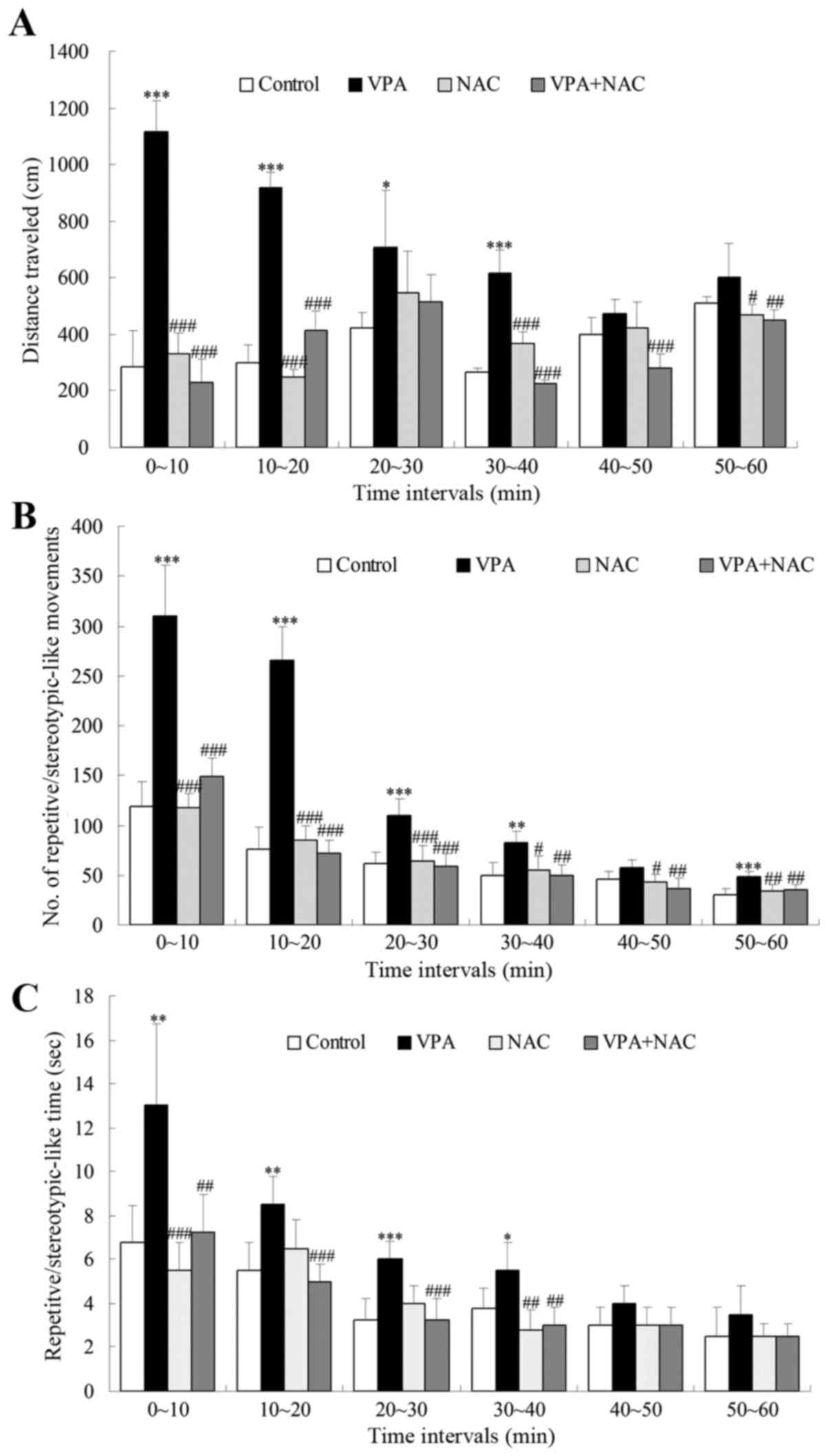
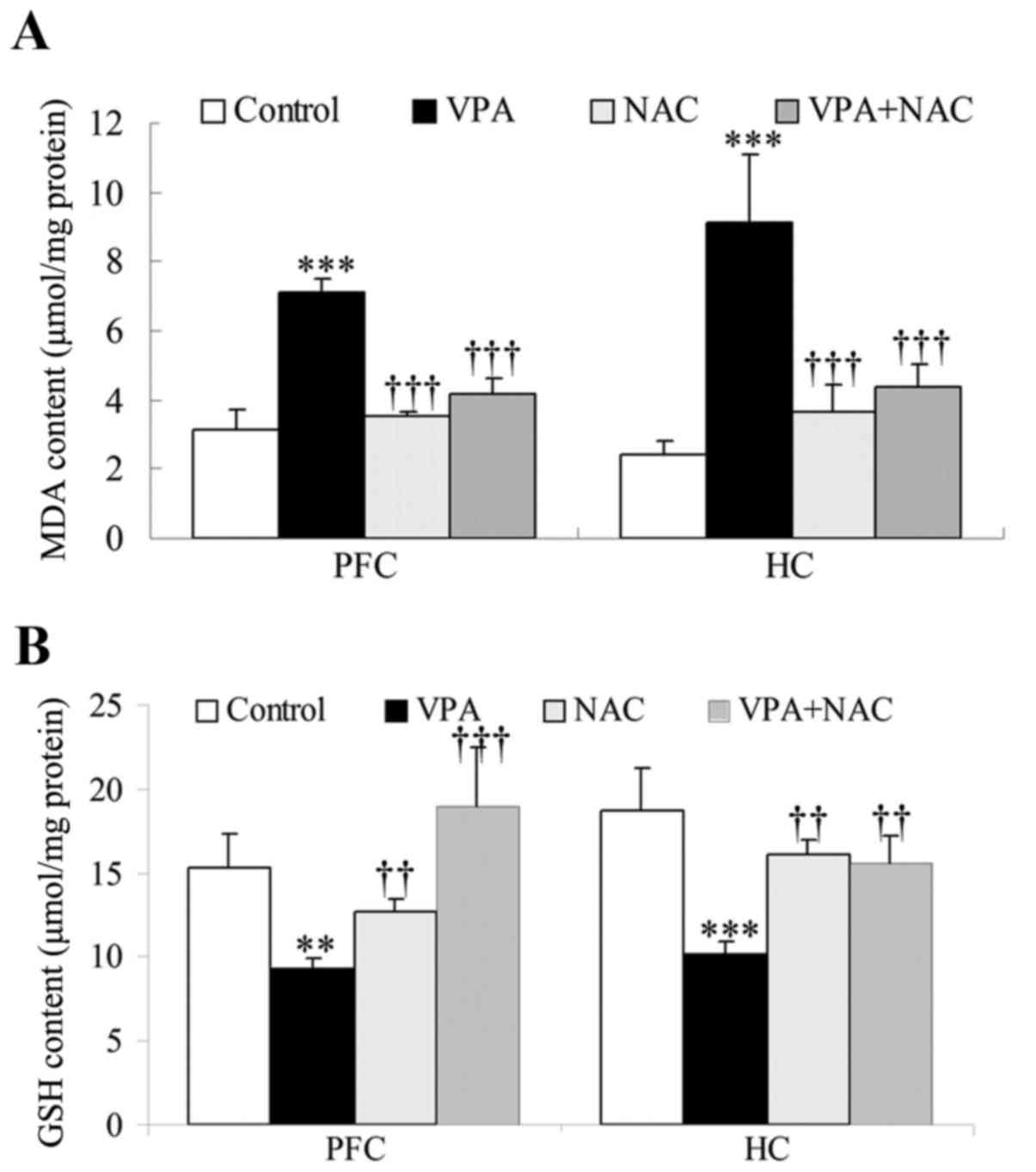
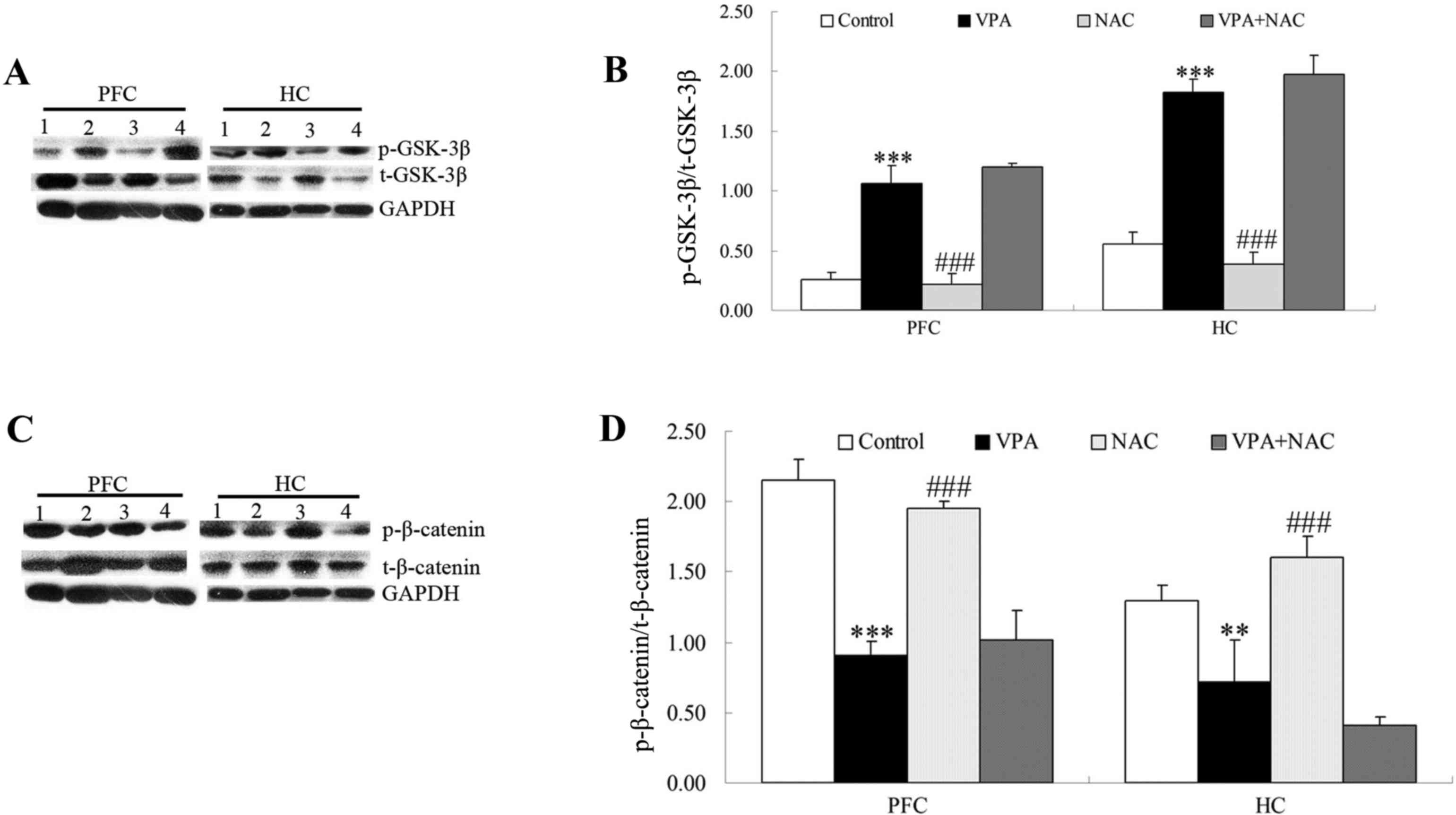
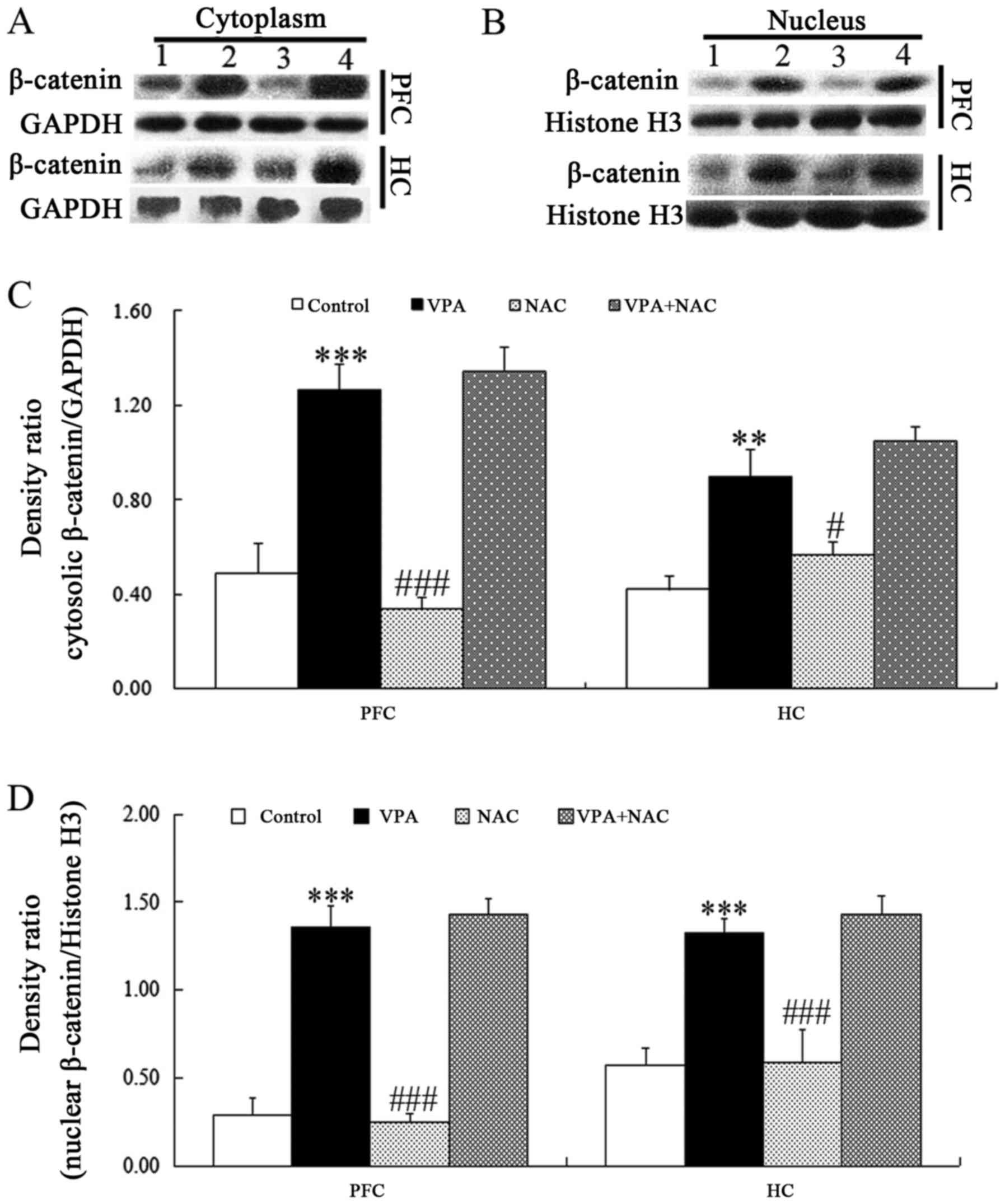
N-acetylcysteine (NAC) is widely used as an antioxidant, and previous studies have suggested that it may have potential as an alternative therapeutic strategy for the treatment of patients with autism. However, the exact effects of NAC administration on the development of autism, as well as the molecular mechanisms underlying its actions, have yet to be fully elucidated. The present study aimed to investigate the effects of NAC on the oxidative status of rats in a valproic acid (VPA)‑induced model of autism, and to examine the involvement of the canonical Wnt signaling pathway in the actions of NAC. Rats exposed to VPA were monitored for behavioral changes, and oxidative stress indicators and key molecules of the canonical Wnt pathway were investigated using colorimetric and western blot analysis, respectively. The present results demonstrated that NAC ameliorated repetitive and stereotypic activity in autism model rats. Furthermore, NAC was revealed to relieve oxidative stress, as demonstrated by the increased glutathione and reduced malondialdehyde levels compared with VPA‑treated rats. However, NAC did not appear to affect the activity of the canonical Wnt signaling pathway. The present findings suggested that the beneficial effects of NAC in autism may be associated with its antioxidative properties, and may not be mediated by the canonical Wnt pathway. However, it may be hypothesized that the canonical Wnt pathway can be indirectly regulated by NAC through the activation of other signaling pathways or upstream factors. Taken together, the present study has contributed to the elucidation of the molecular mechanisms that underlie the actions of NAC in autism, suggesting its potential for the development of novel therapeutic strategies for the treatment of patients with autism.
View Figures

Figure 1

Figure 2

Figure 3

Figure 4

View References

1 

Baird G, Simonoff E, Pickles A, Chandler S, Loucas T, Meldrum D and Charman T: Prevalence of disorders of the autism spectrum in a population cohort of children in South Thames: The special needs and autism project (SNAP). Lancet. 368:210–215. 2006. View Article : Google Scholar : PubMed/NCBI

2 

Levitt P and Campbell DB: The genetic and neurobiologic compass points toward common signaling dysfunctions in autism spectrum disorders. J Clin Invest. 119:747–754. 2009. View Article : Google Scholar : PubMed/NCBI

3 

Christensen DL, Baio J, Van Naarden Braun K, Bilder D, Charles J, Constantino JN, Daniels J, Durkin MS, Fitzgerald RT, Kurzius-Spencer M, et al: Prevalence and characteristics of autism spectrum disorder among children aged 8 years-autism and developmental disabilities monitoring network, 11 sites, United States, 2012. MMWR Surveill Summ. 65:1–23. 2016. View Article : Google Scholar : PubMed/NCBI

4 

Ghezzo A, Visconti P, Abruzzo PM, Bolotta A, Ferreri C, Gobbi G, Malisardi G, Manfredini S, Marini M, Nanetti L, et al: Oxidative stress and erythrocyte membrane alterations in children with autism: Correlation with clinical features. PLoS One. 8:e664182013. View Article : Google Scholar : PubMed/NCBI

5 

Ghanizadeh A, Akhondzadeh S, Hormozi M, Makarem A, Abotorabi-Zarchi M and Firoozabadi A: Glutathione-related factors and oxidative stress in autism, a review. Curr Med Chem. 19:4000–4005. 2012. View Article : Google Scholar : PubMed/NCBI

6 

Dean O, Giorlando F and Berk M: N-acetylcysteine in psychiatry: Current therapeutic evidence and potential mechanisms of action. J Psychiatry Neurosci. 36:78–86. 2011. View Article : Google Scholar : PubMed/NCBI

7 

Ghanizadeh A and Derakhshan N: N-acetylcysteine for treatment of autism, a case report. J Res Med Sci. 17:985–987. 2012.PubMed/NCBI

8 

Paintlia MK, Paintlia AS, Barbosa E, Singh I and Singh AK: N-acetylcysteine prevents endotoxin-induced degeneration of oligodendrocyte progenitors and hypomyelination in developing rat brain. J Neurosci Res. 78:347–361. 2004. View Article : Google Scholar : PubMed/NCBI

9 

Wang X, Svedin P, Nie C, Lapatto R, Zhu C, Gustavsson M, Sandberg M, Karlsson JO, Romero R, Hagberg H and Mallard C: N-acetylcysteine reduces lipopolysaccharide-sensitized hypoxic-ischemic brain injury. Ann Neurol. 61:263–271. 2007. View Article : Google Scholar : PubMed/NCBI

10 

Farr SA, Poon HF, Dogrukol-Ak D, Drake J, Banks WA, Eyerman E, Butterfield DA and Morley JE: The antioxidants alpha-lipoic acid and N-acetylcysteine reverse memory impairment and brain oxidative stress in aged SAMP8 mice. J Neurochem. 84:1173–1183. 2003. View Article : Google Scholar : PubMed/NCBI

11 

Holmay MJ, Terpstra M, Coles LD, Mishra U, Ahlskog M, Öz G, Cloyd JC and Tuite PJ: N-acetylcysteine boosts brain and blood glutathione in gaucher and parkinson diseases. Clin Neuropharmacol. 36:103–106. 2013. View Article : Google Scholar : PubMed/NCBI

12 

Hardan AY, Fung LK, Libove RA, Obukhanych TV, Nair S, Herzenberg LA, Frazier TW and Tirouvanziam R: A randomized controlled pilot trial of oral N-acetylcysteine in children with autism. Biol Psychiatry. 71:956–961. 2012. View Article : Google Scholar : PubMed/NCBI

13 

Marler S, Sanders KB and Veenstra-VanderWeele J: N-acetylcysteine as treatment for self-injurious behavior in a child with autism. J Child Adolesc Psychopharmacol. 24:231–234. 2014. View Article : Google Scholar : PubMed/NCBI

14 

Ghanizadeh A and Moghimi-Sarani E: A randomized double blind placebo controlled clinical trial of N-Acetylcysteine added to risperidone for treating autistic disorders. BMC Psychiatry. 13:1962013. View Article : Google Scholar : PubMed/NCBI

15 

Nikoo M, Radnia H, Farokhnia M, Mohammadi MR and Akhondzadeh S: N-acetylcysteine as an adjunctive therapy to risperidone for treatment of irritability in autism: A randomized, double-blind, placebo-controlled clinical trial of efficacy and safety. Clin Neuropharmacol. 38:11–17. 2015. View Article : Google Scholar : PubMed/NCBI

16 

Chen YW, Lin HC, Ng MC, Hsiao YH, Wang CC, Gean PW and Chen PS: Activation of mGluR2/3 underlies the effects of N-acetylcystein on amygdala-associated autism-like phenotypes in a valproate-induced rat model of autism. Front Behav Neurosci. 8:2192014. View Article : Google Scholar : PubMed/NCBI

17 

Kimelman D and Xu W: Beta-catenin destruction complex: Insights and questions from a structural perspective. Oncogene. 25:7482–7491. 2006. View Article : Google Scholar : PubMed/NCBI

18 

Sierra J, Yoshida T, Joazeiro CA and Jones KA: The APC tumor suppressor counteracts beta-catenin activation and H3K4 methylation at Wnt target genes. Genes Dev. 20:586–600. 2006. View Article : Google Scholar : PubMed/NCBI

19 

Toledo EM, Colombres M and Inestrosa NC: Wnt signaling in neuroprotection and stem cell differentiation. Prog Neurobiol. 86:281–296. 2008. View Article : Google Scholar : PubMed/NCBI

20 

Zhuang B, Luo X, Rao H, Li Q, Shan N, Liu X and Qi H: Oxidative stress-induced C/EBPβ inhibits β-catenin signaling molecule involving in the pathology of preeclampsia. Placenta. 36:839–846. 2015. View Article : Google Scholar : PubMed/NCBI

21 

Hsu YC, Lee PH, Lei CC, Ho C, Shih YH and Lin CL: Nitric oxide donors rescue diabetic nephropathy through oxidative-stress-and nitrosative-stress-mediated Wnt signaling pathways. J Diabetes Investig. 6:24–34. 2015. View Article : Google Scholar : PubMed/NCBI

22 

Yoshida GJ and Saya H: Inversed relationship between CD44 variant and c-Myc due to oxidative stress-induced canonical Wnt activation. Biochem Biophys Res Commun. 443:622–627. 2014. View Article : Google Scholar : PubMed/NCBI

23 

Hormozdiari F, Penn O, Borenstein E and Eichler EE: The discovery of integrated gene networks for autism and related disorders. Genome Res. 25:142–154. 2015. View Article : Google Scholar : PubMed/NCBI

24 

Zhang Y, Yuan X, Wang Z and Li R: The canonical Wnt signaling pathway in autism. CNS Neurol Disord Drug Targets. 13:765–770. 2014. View Article : Google Scholar : PubMed/NCBI

25 

Marui T, Funatogawa I, Koishi S, Yamamoto K, Matsumoto H, Hashimoto O, Jinde S, Nishida H, Sugiyama T, Kasai K, et al: Association between autism and variants in the wingless-type MMTV integration site family member 2 (WNT2) gene. Int J Neuropsychopharmacol. 13:443–449. 2010. View Article : Google Scholar : PubMed/NCBI

26 

Schneider T, Turczak J and Przewłocki R: Environmental enrichment reverses behavioral alterations in rats prenatally exposed to valproic acid: Issues for a therapeutic approach in autism. Neuropsychopharmacology. 31:36–46. 2006.PubMed/NCBI

27 

Silvestrin R Bristot, Bambini-Junior V, Galland F, Bobermim L Daniele, Quincozes-Santos A, Abib R Torres, Zanotto C, Batassini C, Brolese G, Gonçalves CA, et al: Animal model of autism induced by prenatal exposure to valproate: Altered glutamate metabolism in the hippocampus. Brain Res. 1495:52–60. 2013. View Article : Google Scholar : PubMed/NCBI

28 

Zhang Y, Sun Y, Wang F, Wang Z, Peng Y and Li R: Downregulating the canonical Wnt/β-catenin signaling pathway attenuates the susceptibility to autism-like phenotypes by decreasing oxidative stress. Neurochem Res. 37:1409–1419. 2012. View Article : Google Scholar : PubMed/NCBI

29 

Slattery J Deepmala, Kumar N, Delhey L, Berk M, Dean O, Spielholz C and Frye R: Clinical trials of N-acetylcysteine in psychiatry and neurology: A systematic review. Neurosci Biobehav Rev. 55:294–321. 2015. View Article : Google Scholar : PubMed/NCBI

30 

Wink LK, Adams R, Wang Z, Klaunig JE, Plawecki MH, Posey DJ, McDougle CJ and Erickson CA: A randomized placebo-controlled pilot study of N-acetylcysteine in youth with autism spectrum disorder. Mol Autism. 7:262016. View Article : Google Scholar : PubMed/NCBI

31 

Nelson WJ and Nusse R: Convergence of Wnt, beta-catenin, and cadherin pathways. Science. 303:1483–1487. 2004. View Article : Google Scholar : PubMed/NCBI

32 

Rose S, Frye RE, Slattery J, Wynne R, Tippett M, Melnyk S and James SJ: Oxidative stress induces mitochondrial dysfunction in a subset of autistic lymphoblastoid cell lines. Transl Psychiatry. 4:e3772014. View Article : Google Scholar : PubMed/NCBI

33 

Gvozdjáková A, Kucharská J, Ostatníková D, Babinská K, Nakládal D and Crane FL: Ubiquinol improves symptoms in children with autism. Oxid Med Cell Longev. 2014:7989572014. View Article : Google Scholar : PubMed/NCBI

34 

Gu F, Chauhan V and Chauhan A: Glutathione redox imbalance in brain disorders. Curr Opin Clin Nutr Metab Care. 18:89–95. 2015. View Article : Google Scholar : PubMed/NCBI

35 

Raymond LJ, Deth RC and Ralston NV: Potential role of selenoenzymes and antioxidant metabolism in relation to autism etiology and pathology. Autism Res Treat. 2014:1649382014.PubMed/NCBI

36 

James SJ, Rose S, Melnyk S, Jernigan S, Blossom S, Pavliv O and Gaylor DW: Cellular and mitochondrial glutathione redox imbalance in lymphoblastoid cells derived from children with autism. FASEB J. 23:2374–2383. 2009. View Article : Google Scholar : PubMed/NCBI

37 

Green JL, Heard KJ, Reynolds KM and Albert D: Oral and intravenous acetylcysteine for treatment of acetaminophen toxicity: A systematic review and meta-analysis. West J Emerg Med. 14:218–226. 2013. View Article : Google Scholar : PubMed/NCBI

38 

Quintavalle C, Donnarumma E, Fiore D, Briguori C and Condorelli G: Therapeutic strategies to prevent contrast-induced acute kidney injury. Curr Opin Cardiol. 28:676–682. 2013. View Article : Google Scholar : PubMed/NCBI

39 

Liu XH, Xu CY and Fan GH: Efficacy of N-acetylcysteine in preventing atrial fibrillation after cardiac surgery: A meta-analysis of published randomized controlled trials. BMC Cardiovasc Disord. 14:522014. View Article : Google Scholar : PubMed/NCBI

40 

Shahripour R Bavarsad, Harrigan MR and Alexandrov AV: N-acetylcysteine (NAC) in neurological disorders: Mechanisms of action and therapeutic opportunities. Brain Behav. 4:108–122. 2014. View Article : Google Scholar : PubMed/NCBI

41 

Berk M, Malhi GS, Gray LJ and Dean OM: The promise of N-acetylcysteine in neuropsychiatry. Trends Pharmacol Sci. 34:167–177. 2013. View Article : Google Scholar : PubMed/NCBI

42 

Baker MS, Feigan J and Lowther DA: Chondrocyte antioxidant defences: The roles of catalase and glutathione peroxidase in protection against H2O2 dependent inhibition of proteoglycan biosynthesis. J Rheumatol. 15:670–677. 1988.PubMed/NCBI

43 

Zhou T, Zhou KK, Lee K, Gao G, Lyons TJ, Kowluru R and Ma JX: The role of lipid peroxidation products and oxidative stress in activation of the canonical wingless-type MMTV integration site (WNT) pathway in a rat model of diabetic retinopathy. Diabetologia. 54:459–468. 2011. View Article : Google Scholar : PubMed/NCBI

44 

Gong SP, Lee EJ, Lee ST, Kim H, Lee SH, Han HJ and Lim JM: Improved establishment of autologous stem cells derived from preantral follicle culture and oocyte parthenogenesis. Stem Cells Dev. 17:695–712. 2008. View Article : Google Scholar : PubMed/NCBI

45 

Zhang Y, Yang C, Yuan G, Wang Z, Cui W and Li R: Sulindac attenuates valproic acid-induced oxidative stress levels in primary cultured cortical neurons and ameliorates repetitive/stereotypic-like movement disorders in Wistar rats prenatally exposed to valproic acid. Int J Mol Med. 35:263–270. 2015.PubMed/NCBI

46 

Wang Z, Xu L, Zhu X, Cui W, Sun Y, Nishijo H, Peng Y and Li R: Demethylation of specific Wnt/β-catenin pathway genes and its upregulation in rat brain induced by prenatal valproate exposure. Anat Rec (Hoboken). 293:1947–1953. 2010. View Article : Google Scholar : PubMed/NCBI

47 

Strakovsky RS and Pan YX: A decrease in DKK1, a WNT inhibitor, contributes to placental lipid accumulation in an obesity-prone rat model. Biol Reprod. 86:812012. View Article : Google Scholar : PubMed/NCBI

48 

Chen JR, Lazarenko OP, Shankar K, Blackburn ML, Badger TM and Ronis MJ: A role for ethanol-induced oxidative stress in controlling lineage commitment of mesenchymal stromal cells through inhibition of Wnt/beta-catenin signaling. J Bone Miner Res. 25:1117–1127. 2010. View Article : Google Scholar : PubMed/NCBI

49 

McGrew LL, Takemaru K, Bates R and Moon RT: Direct regulation of the Xenopus engrailed-2 promoter by the Wnt signaling pathway, and a molecular screen for Wnt-responsive genes, confirm a role for Wnt signaling during neural patterning in Xenopus. Mech Dev. 87:21–32. 1999. View Article : Google Scholar : PubMed/NCBI

50 

Bilodeau JF, Wang M, Chung FL and Castonguay A: Effects of nonsteroidal antiinflammatory drugs on oxidative pathways in A/J mice. Free Radic Biol Med. 18:47–54. 1995. View Article : Google Scholar : PubMed/NCBI

51 

Dairam A, Müller AC and Daya S: Non-steroidal anti-inflammatory agents, tolmetin and sulindac attenuate quinolinic acid (QA)-induced oxidative stress in primary hippocampal neurons and reduce QA-induced spatial reference memory deficits in male Wistar rats. Life Sci. 80:1431–1438. 2007. View Article : Google Scholar : PubMed/NCBI

52 

Sur A, Kesaraju S, Prentice H, Ayyanathan K, Baronas-Lowell D, Zhu D, Hinton DR, Blanks J and Weissbach H: Pharmacological protection of retinal pigmented epithelial cells by sulindac involves PPAR-α. Proc Natl Acad Sci USA. 111:16754–16759. 2014. View Article : Google Scholar : PubMed/NCBI

Related Articles

  • Abstract
  • View
  • Download
  • Twitter
Copy and paste a formatted citation
Spandidos Publications style
Zhang Y, Cui W, Zhai Q, Zhang T and Wen X: N-acetylcysteine ameliorates repetitive/stereotypic behavior due to its antioxidant properties without activation of the canonical Wnt pathway in a valproic acid-induced rat model of autism. Mol Med Rep 16: 2233-2240, 2017.
APA
Zhang, Y., Cui, W., Zhai, Q., Zhang, T., & Wen, X. (2017). N-acetylcysteine ameliorates repetitive/stereotypic behavior due to its antioxidant properties without activation of the canonical Wnt pathway in a valproic acid-induced rat model of autism. Molecular Medicine Reports, 16, 2233-2240. https://doi.org/10.3892/mmr.2017.6787
MLA
Zhang, Y., Cui, W., Zhai, Q., Zhang, T., Wen, X."N-acetylcysteine ameliorates repetitive/stereotypic behavior due to its antioxidant properties without activation of the canonical Wnt pathway in a valproic acid-induced rat model of autism". Molecular Medicine Reports 16.2 (2017): 2233-2240.
Chicago
Zhang, Y., Cui, W., Zhai, Q., Zhang, T., Wen, X."N-acetylcysteine ameliorates repetitive/stereotypic behavior due to its antioxidant properties without activation of the canonical Wnt pathway in a valproic acid-induced rat model of autism". Molecular Medicine Reports 16, no. 2 (2017): 2233-2240. https://doi.org/10.3892/mmr.2017.6787
Copy and paste a formatted citation
x
Spandidos Publications style
Zhang Y, Cui W, Zhai Q, Zhang T and Wen X: N-acetylcysteine ameliorates repetitive/stereotypic behavior due to its antioxidant properties without activation of the canonical Wnt pathway in a valproic acid-induced rat model of autism. Mol Med Rep 16: 2233-2240, 2017.
APA
Zhang, Y., Cui, W., Zhai, Q., Zhang, T., & Wen, X. (2017). N-acetylcysteine ameliorates repetitive/stereotypic behavior due to its antioxidant properties without activation of the canonical Wnt pathway in a valproic acid-induced rat model of autism. Molecular Medicine Reports, 16, 2233-2240. https://doi.org/10.3892/mmr.2017.6787
MLA
Zhang, Y., Cui, W., Zhai, Q., Zhang, T., Wen, X."N-acetylcysteine ameliorates repetitive/stereotypic behavior due to its antioxidant properties without activation of the canonical Wnt pathway in a valproic acid-induced rat model of autism". Molecular Medicine Reports 16.2 (2017): 2233-2240.
Chicago
Zhang, Y., Cui, W., Zhai, Q., Zhang, T., Wen, X."N-acetylcysteine ameliorates repetitive/stereotypic behavior due to its antioxidant properties without activation of the canonical Wnt pathway in a valproic acid-induced rat model of autism". Molecular Medicine Reports 16, no. 2 (2017): 2233-2240. https://doi.org/10.3892/mmr.2017.6787
Follow us
  • Twitter
  • LinkedIn
  • Facebook
About
  • Spandidos Publications
  • Careers
  • Cookie Policy
  • Privacy Policy
How can we help?
  • Help
  • Live Chat
  • Contact
  • Email to our Support Team