Spandidos Publications Logo
  • About
    • About Spandidos
    • Aims and Scopes
    • Abstracting and Indexing
    • Editorial Policies
    • Reprints and Permissions
    • Job Opportunities
    • Terms and Conditions
    • Contact
  • Journals
    • All Journals
    • Oncology Letters
      • Oncology Letters
      • Information for Authors
      • Editorial Policies
      • Editorial Board
      • Aims and Scope
      • Abstracting and Indexing
      • Bibliographic Information
      • Archive
    • International Journal of Oncology
      • International Journal of Oncology
      • Information for Authors
      • Editorial Policies
      • Editorial Board
      • Aims and Scope
      • Abstracting and Indexing
      • Bibliographic Information
      • Archive
    • Molecular and Clinical Oncology
      • Molecular and Clinical Oncology
      • Information for Authors
      • Editorial Policies
      • Editorial Board
      • Aims and Scope
      • Abstracting and Indexing
      • Bibliographic Information
      • Archive
    • Experimental and Therapeutic Medicine
      • Experimental and Therapeutic Medicine
      • Information for Authors
      • Editorial Policies
      • Editorial Board
      • Aims and Scope
      • Abstracting and Indexing
      • Bibliographic Information
      • Archive
    • International Journal of Molecular Medicine
      • International Journal of Molecular Medicine
      • Information for Authors
      • Editorial Policies
      • Editorial Board
      • Aims and Scope
      • Abstracting and Indexing
      • Bibliographic Information
      • Archive
    • Biomedical Reports
      • Biomedical Reports
      • Information for Authors
      • Editorial Policies
      • Editorial Board
      • Aims and Scope
      • Abstracting and Indexing
      • Bibliographic Information
      • Archive
    • Oncology Reports
      • Oncology Reports
      • Information for Authors
      • Editorial Policies
      • Editorial Board
      • Aims and Scope
      • Abstracting and Indexing
      • Bibliographic Information
      • Archive
    • Molecular Medicine Reports
      • Molecular Medicine Reports
      • Information for Authors
      • Editorial Policies
      • Editorial Board
      • Aims and Scope
      • Abstracting and Indexing
      • Bibliographic Information
      • Archive
    • World Academy of Sciences Journal
      • World Academy of Sciences Journal
      • Information for Authors
      • Editorial Policies
      • Editorial Board
      • Aims and Scope
      • Abstracting and Indexing
      • Bibliographic Information
      • Archive
    • International Journal of Functional Nutrition
      • International Journal of Functional Nutrition
      • Information for Authors
      • Editorial Policies
      • Editorial Board
      • Aims and Scope
      • Abstracting and Indexing
      • Bibliographic Information
      • Archive
    • International Journal of Epigenetics
      • International Journal of Epigenetics
      • Information for Authors
      • Editorial Policies
      • Editorial Board
      • Aims and Scope
      • Abstracting and Indexing
      • Bibliographic Information
      • Archive
    • Medicine International
      • Medicine International
      • Information for Authors
      • Editorial Policies
      • Editorial Board
      • Aims and Scope
      • Abstracting and Indexing
      • Bibliographic Information
      • Archive
  • Articles
  • Information
    • Information for Authors
    • Information for Reviewers
    • Information for Librarians
    • Information for Advertisers
    • Conferences
  • Language Editing
Spandidos Publications Logo
  • About
    • About Spandidos
    • Aims and Scopes
    • Abstracting and Indexing
    • Editorial Policies
    • Reprints and Permissions
    • Job Opportunities
    • Terms and Conditions
    • Contact
  • Journals
    • All Journals
    • Biomedical Reports
      • Information for Authors
      • Editorial Policies
      • Editorial Board
      • Aims and Scope
      • Abstracting and Indexing
      • Bibliographic Information
      • Archive
    • Experimental and Therapeutic Medicine
      • Information for Authors
      • Editorial Policies
      • Editorial Board
      • Aims and Scope
      • Abstracting and Indexing
      • Bibliographic Information
      • Archive
    • International Journal of Epigenetics
      • Information for Authors
      • Editorial Policies
      • Editorial Board
      • Aims and Scope
      • Abstracting and Indexing
      • Bibliographic Information
      • Archive
    • International Journal of Functional Nutrition
      • Information for Authors
      • Editorial Policies
      • Editorial Board
      • Aims and Scope
      • Abstracting and Indexing
      • Bibliographic Information
      • Archive
    • International Journal of Molecular Medicine
      • Information for Authors
      • Editorial Policies
      • Editorial Board
      • Aims and Scope
      • Abstracting and Indexing
      • Bibliographic Information
      • Archive
    • International Journal of Oncology
      • Information for Authors
      • Editorial Policies
      • Editorial Board
      • Aims and Scope
      • Abstracting and Indexing
      • Bibliographic Information
      • Archive
    • Medicine International
      • Information for Authors
      • Editorial Policies
      • Editorial Board
      • Aims and Scope
      • Abstracting and Indexing
      • Bibliographic Information
      • Archive
    • Molecular and Clinical Oncology
      • Information for Authors
      • Editorial Policies
      • Editorial Board
      • Aims and Scope
      • Abstracting and Indexing
      • Bibliographic Information
      • Archive
    • Molecular Medicine Reports
      • Information for Authors
      • Editorial Policies
      • Editorial Board
      • Aims and Scope
      • Abstracting and Indexing
      • Bibliographic Information
      • Archive
    • Oncology Letters
      • Information for Authors
      • Editorial Policies
      • Editorial Board
      • Aims and Scope
      • Abstracting and Indexing
      • Bibliographic Information
      • Archive
    • Oncology Reports
      • Information for Authors
      • Editorial Policies
      • Editorial Board
      • Aims and Scope
      • Abstracting and Indexing
      • Bibliographic Information
      • Archive
    • World Academy of Sciences Journal
      • Information for Authors
      • Editorial Policies
      • Editorial Board
      • Aims and Scope
      • Abstracting and Indexing
      • Bibliographic Information
      • Archive
  • Articles
  • Information
    • For Authors
    • For Reviewers
    • For Librarians
    • For Advertisers
    • Conferences
  • Language Editing
Login Register Submit
  • This site uses cookies
  • You can change your cookie settings at any time by following the instructions in our Cookie Policy. To find out more, you may read our Privacy Policy.

    I agree
Search articles by DOI, keyword, author or affiliation
Search
Advanced Search
presentation
Molecular Medicine Reports
Join Editorial Board Propose a Special Issue
Print ISSN: 1791-2997 Online ISSN: 1791-3004
Journal Cover
August-2017 Volume 16 Issue 2

Full Size Image

Sign up for eToc alerts
Recommend to Library

Journals

International Journal of Molecular Medicine

International Journal of Molecular Medicine

International Journal of Molecular Medicine is an international journal devoted to molecular mechanisms of human disease.

International Journal of Oncology

International Journal of Oncology

International Journal of Oncology is an international journal devoted to oncology research and cancer treatment.

Molecular Medicine Reports

Molecular Medicine Reports

Covers molecular medicine topics such as pharmacology, pathology, genetics, neuroscience, infectious diseases, molecular cardiology, and molecular surgery.

Oncology Reports

Oncology Reports

Oncology Reports is an international journal devoted to fundamental and applied research in Oncology.

Experimental and Therapeutic Medicine

Experimental and Therapeutic Medicine

Experimental and Therapeutic Medicine is an international journal devoted to laboratory and clinical medicine.

Oncology Letters

Oncology Letters

Oncology Letters is an international journal devoted to Experimental and Clinical Oncology.

Biomedical Reports

Biomedical Reports

Explores a wide range of biological and medical fields, including pharmacology, genetics, microbiology, neuroscience, and molecular cardiology.

Molecular and Clinical Oncology

Molecular and Clinical Oncology

International journal addressing all aspects of oncology research, from tumorigenesis and oncogenes to chemotherapy and metastasis.

World Academy of Sciences Journal

World Academy of Sciences Journal

Multidisciplinary open-access journal spanning biochemistry, genetics, neuroscience, environmental health, and synthetic biology.

International Journal of Functional Nutrition

International Journal of Functional Nutrition

Open-access journal combining biochemistry, pharmacology, immunology, and genetics to advance health through functional nutrition.

International Journal of Epigenetics

International Journal of Epigenetics

Publishes open-access research on using epigenetics to advance understanding and treatment of human disease.

Medicine International

Medicine International

An International Open Access Journal Devoted to General Medicine.

Journal Cover
August-2017 Volume 16 Issue 2

Full Size Image

Sign up for eToc alerts
Recommend to Library

  • Article
  • Citations
    • Cite This Article
    • Download Citation
    • Create Citation Alert
    • Remove Citation Alert
    • Cited By
  • Similar Articles
    • Related Articles (in Spandidos Publications)
    • Similar Articles (Google Scholar)
    • Similar Articles (PubMed)
  • Download PDF
  • Download XML
  • View XML
Article Open Access

Homeobox B9 facilitates hypertrophic scar formation via activating the mitogen-activated protein kinase signaling pathway

  • Authors:
    • Qun Xie
    • Dandan Liu
    • Mosheng Yu
    • Xiaowei Wu
    • Yueqiang Zhao
    • Qiang Hu
    • Qi Wang
  • View Affiliations / Copyright

    Affiliations: Department of Plastic Surgery, Xiangyang Central Hospital, Xiangyang, Hubei 441021, P.R. China, Department of Plastic Surgery, Renmin Hospital of Wuhan University, Wuhan, Hubei 430000, P.R. China
    Copyright: © Xie et al. This is an open access article distributed under the terms of Creative Commons Attribution License.
  • Pages: 1669-1676
    |
    Published online on: June 21, 2017
       https://doi.org/10.3892/mmr.2017.6836
  • Expand metrics +
Metrics: Total Views: 0 (Spandidos Publications: | PMC Statistics: )
Metrics: Total PDF Downloads: 0 (Spandidos Publications: | PMC Statistics: )
Cited By (CrossRef): 0 citations Loading Articles...

This article is mentioned in:


Abstract

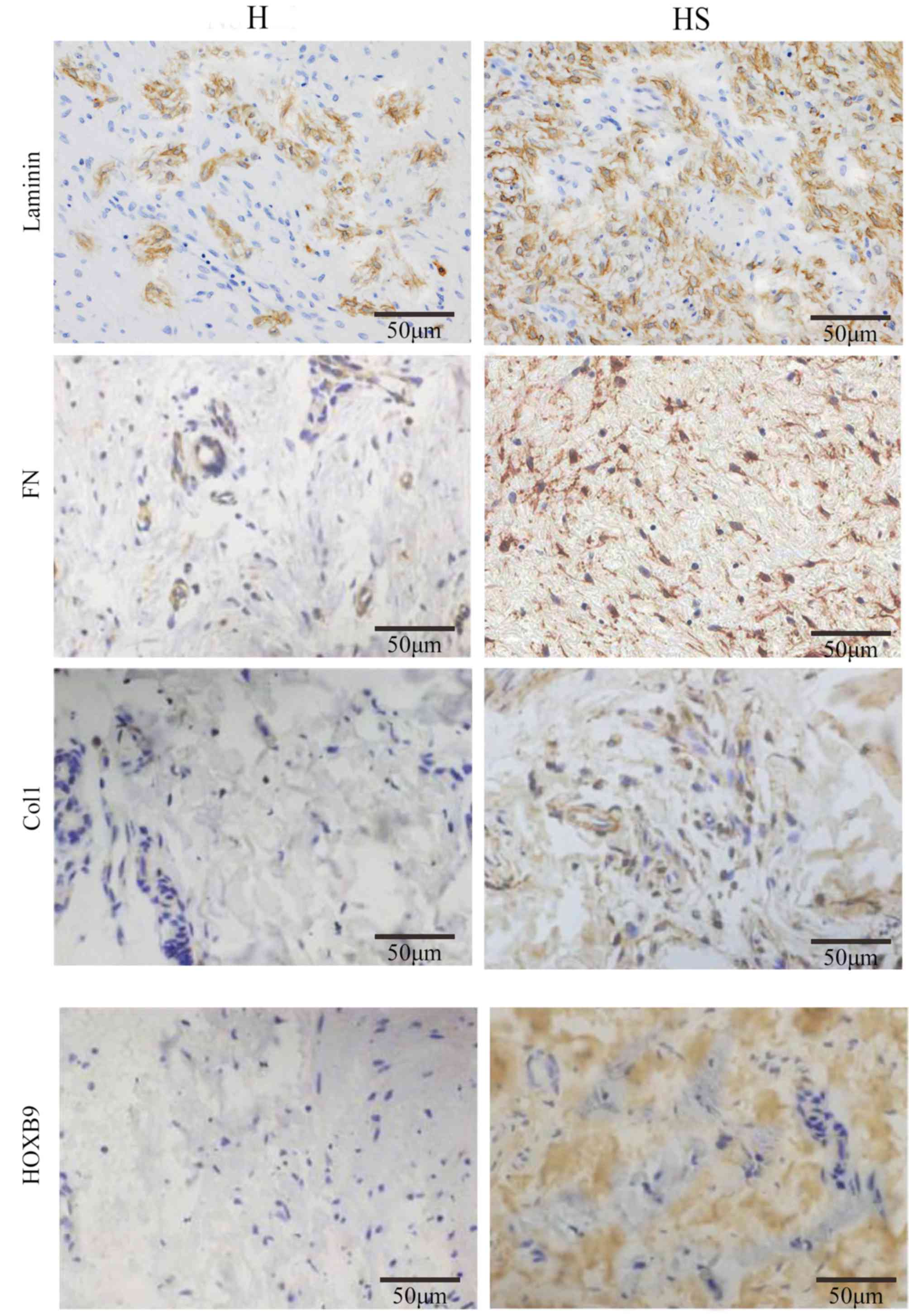
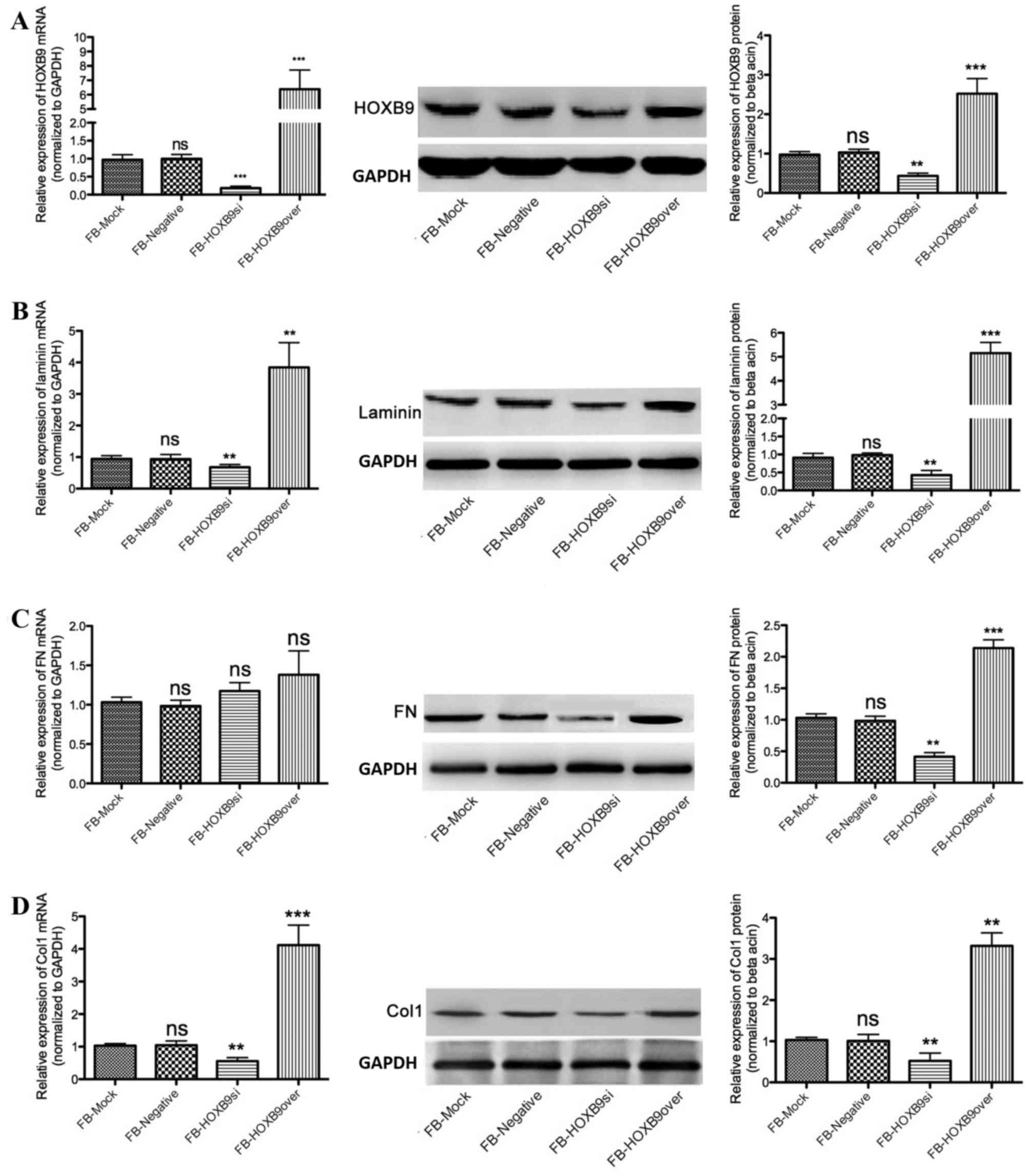
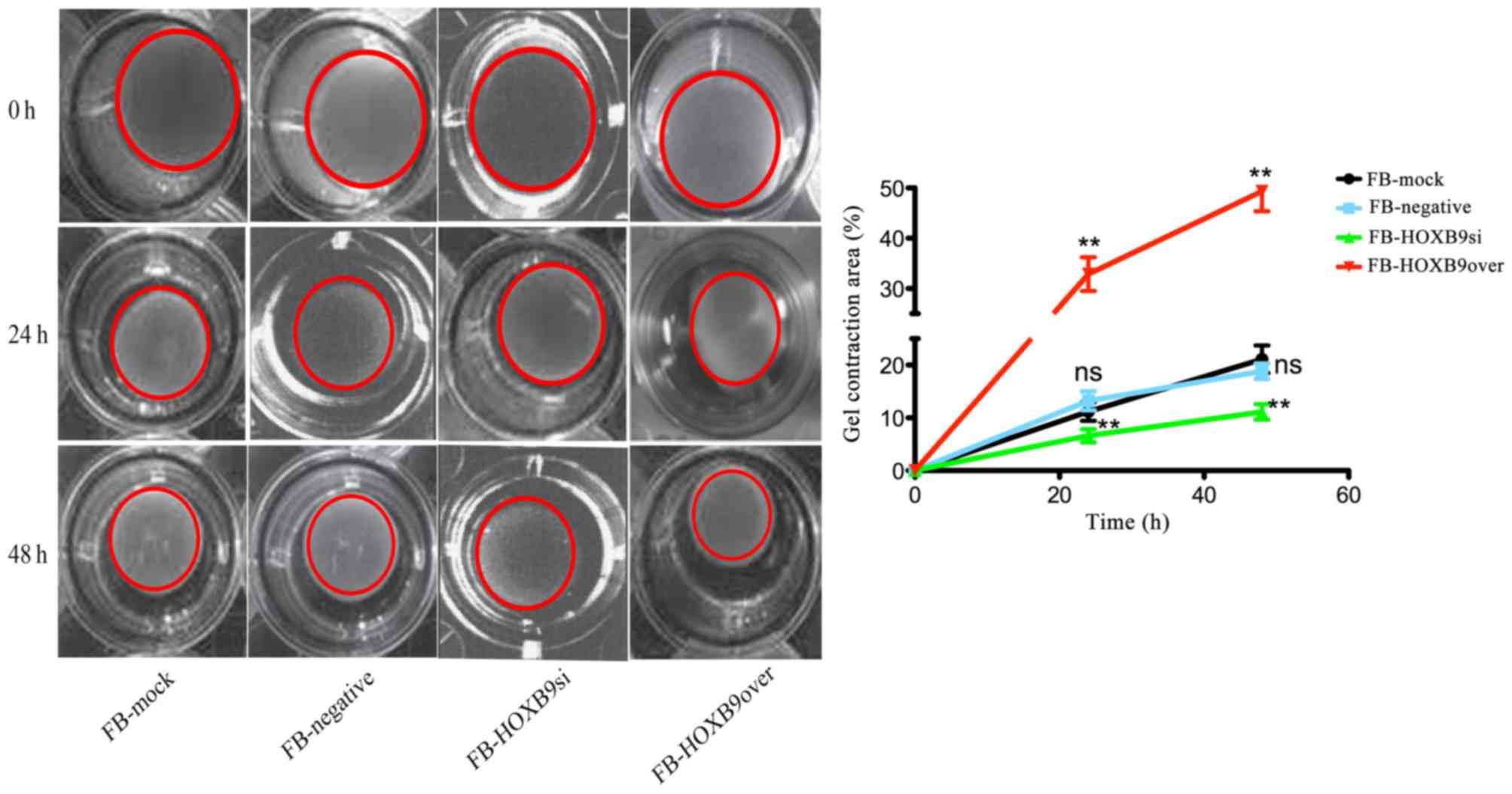
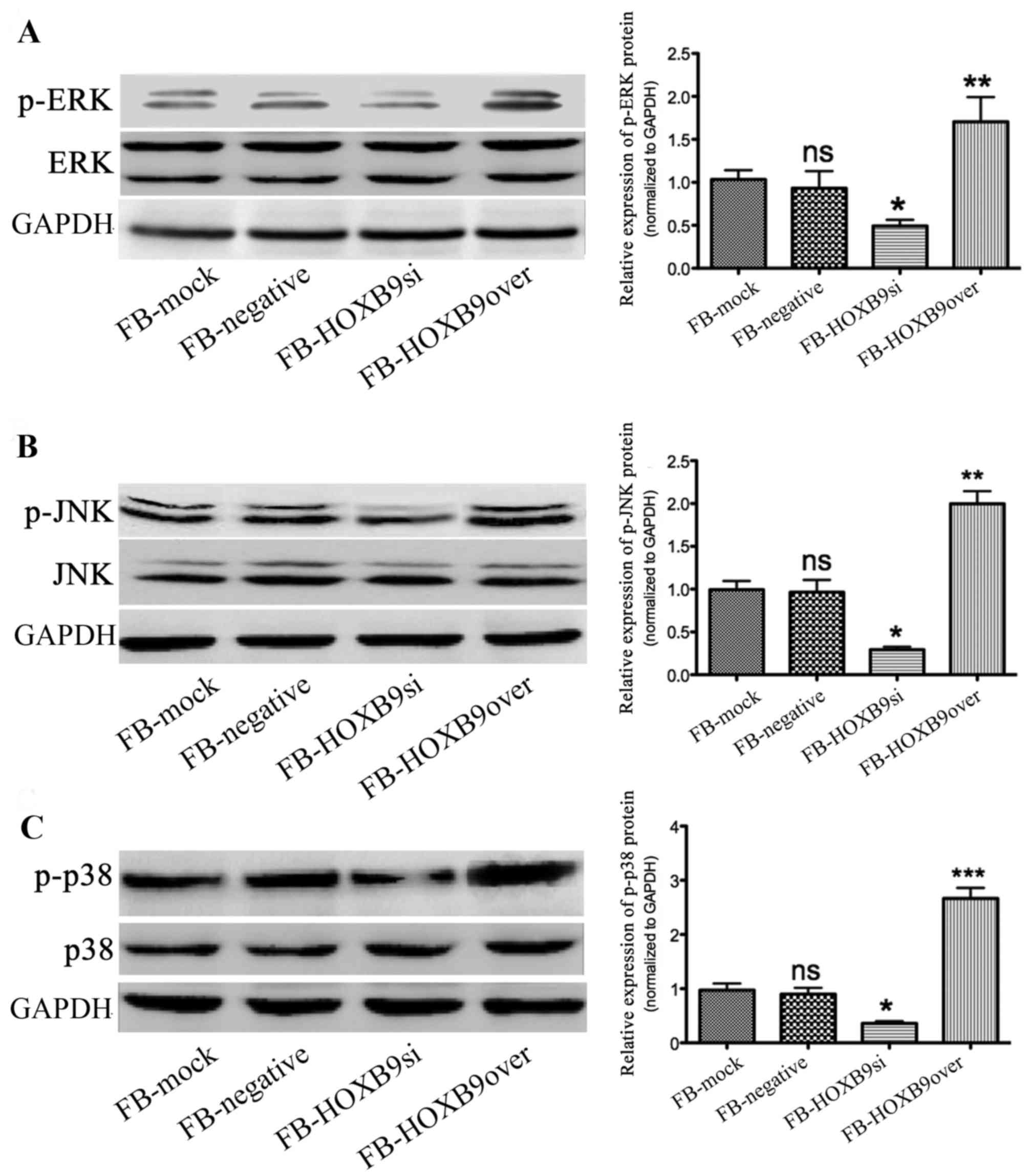
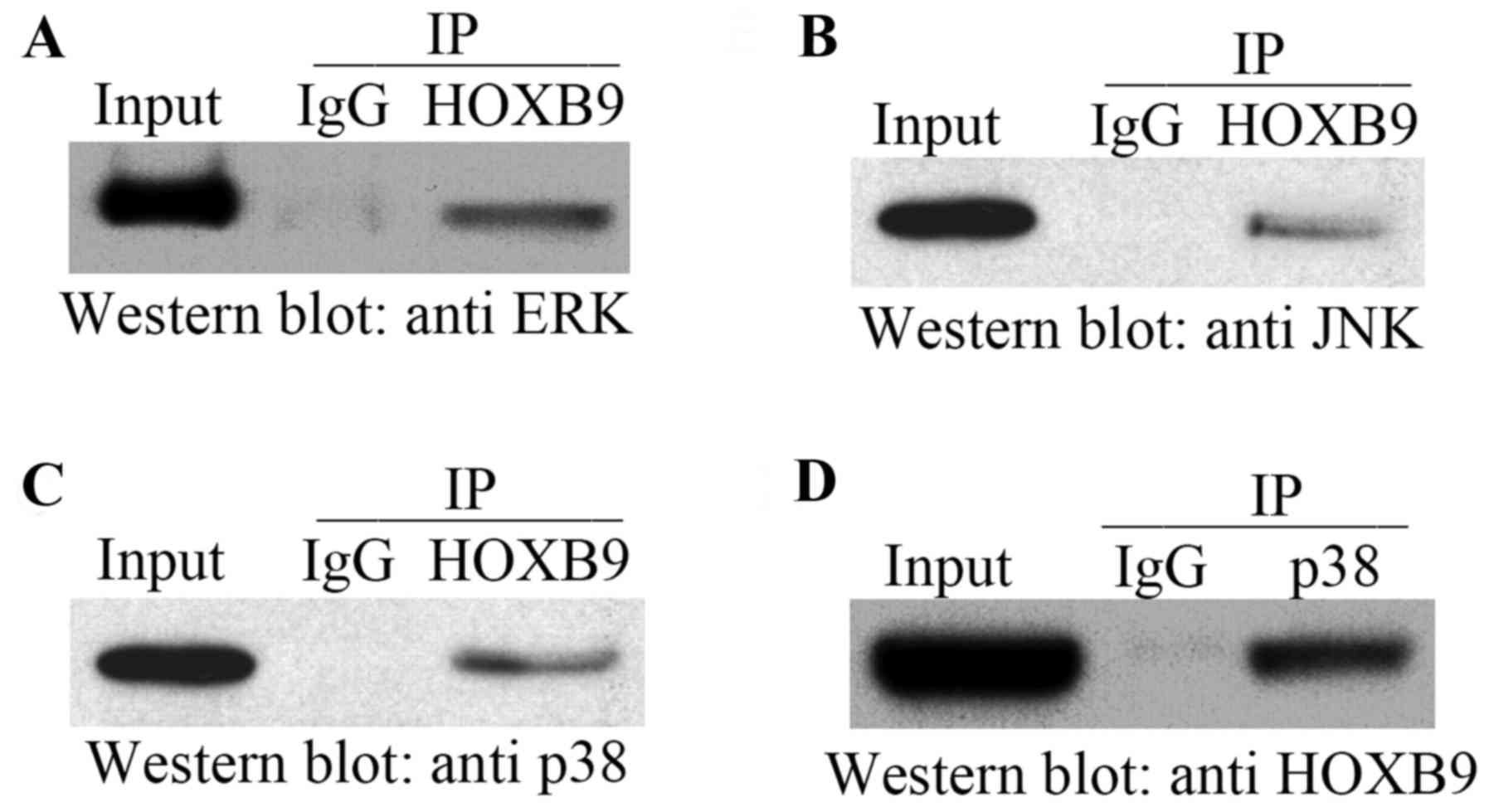
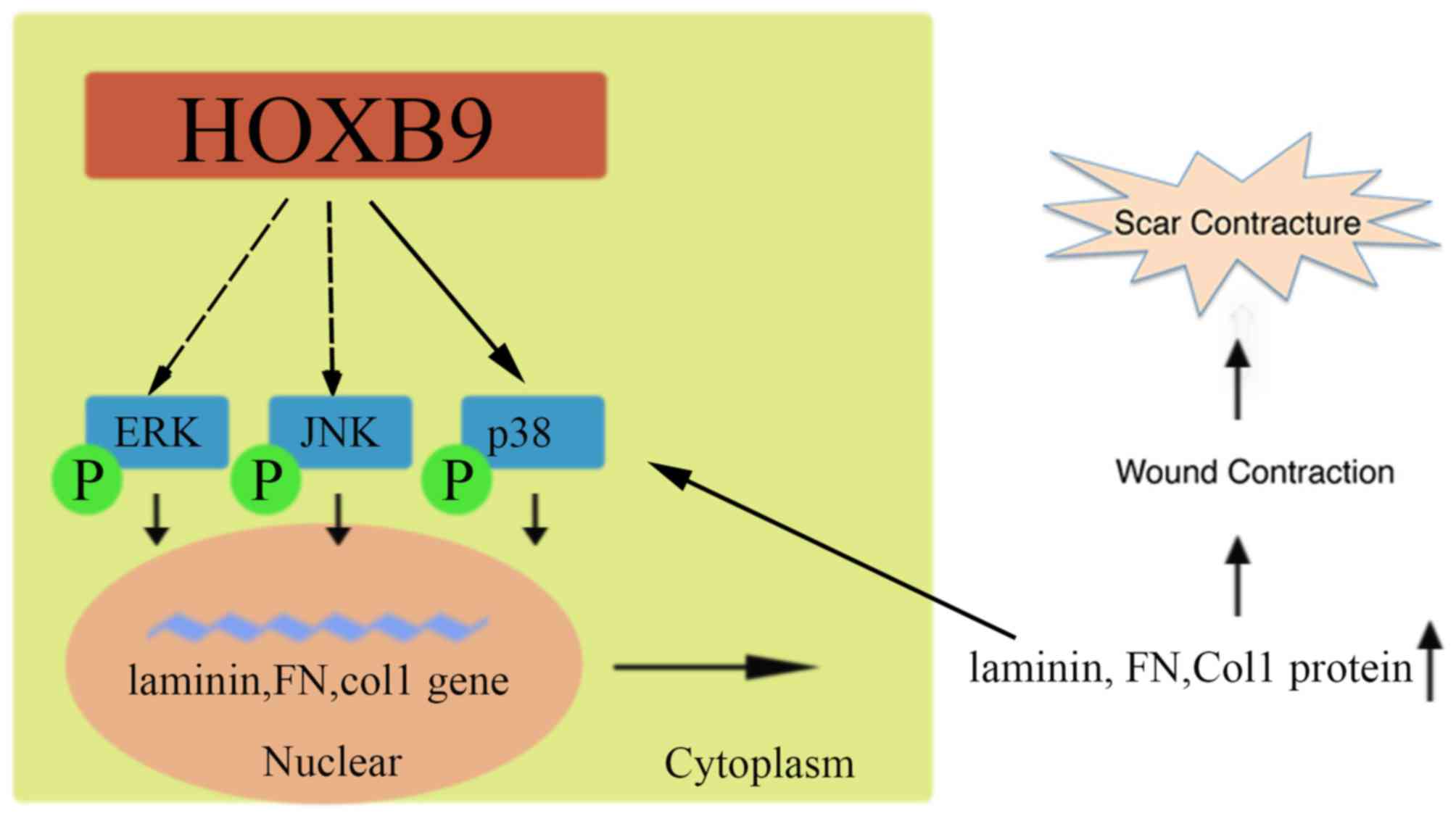
The functions and underlying mechanisms of homeobox B9 (HOXB9) in scar formation remain unclear; therefore, the present study aimed to investigate whether HOXB9 is highly expressed in hypertrophic scar formation. Immunohistochemistry was performed to examine the expression levels of laminin, fibronectin (FN), collagen type I (Col1) and HOXB9 in hypertrophic scar and healthy skin tissues, and in lentivirus‑constructed HOXB9‑overexpressed or ‑silenced fibroblasts (FBs). Reverse transcription‑quantitative polymerase chain reaction and western blotting were performed to evaluate the mRNA and protein expression levels of HOXB9, laminin, FN, Col1, extracellular signal‑regulated kinase (ERK), c‑Jun N‑terminal kinase (JNK), p38, p‑c‑Jun N‑terminal kinase (JNK), p‑ERK and p‑p38. A gel contraction assay was used to evaluate the effect of HOXB9 on FB contraction. Co‑immunoprecipitation assays were performed to verify the reciprocal interactions between HOXB9 and ERK, JNK and p38. It was demonstrated that HOXB9, laminin, FN and Col1 were upregulated in hypertrophic scar tissues, and HOXB9 upregulated laminin, FN, Col1, p‑ERK, p‑JNK and p38, potentially by interacting directly with p38. Furthermore, FBs overexpressing HOXB9 exhibited enhanced contractile capacity. In conclusion, the present study demonstrated that HOXB9 may facilitate hypertrophic scar formation via activating the mitogen‑activated protein kinase signaling pathway.
View Figures

Figure 1

Figure 2

Figure 3

Figure 4

Figure 5

Figure 6

View References

1 

Rabello FB, Souza CD and Júnior JA Farina: Update on hypertrophic scar treatment. Clinics (Sao Paulo). 69:565–573. 2014. View Article : Google Scholar : PubMed/NCBI

2 

Branski LK, Rennekampff HO and Vogt PM: Keloid and hypertrophic scar treatment modalities. An update. Chirurg. 83:831–846. 2012.(In German). View Article : Google Scholar

3 

Hayashi T, Furukawa H, Oyama A, Funayama E, Saito A, Murao N and Yamamoto Y: A new uniform protocol of combined corticosteroid injections and ointment application reduces recurrence rates after surgical keloid/hypertrophic scar excision. Dermatol Surg. 38:893–897. 2012. View Article : Google Scholar : PubMed/NCBI

4 

Huang D, Shen KH and Wang HG: Pressure therapy upregulates matrix metalloproteinase expression and downregulates collagen expression in hypertrophic scar tissue. Chin Med J (Engl). 126:3321–3324. 2013.PubMed/NCBI

5 

Chesnut C, Mednik S and Lask G: Hypertrophic scar treatment with intralesional triamcinolone acetonide and pulsed dye laser results in necrosis. Cutis. 94:E12–E13. 2014.PubMed/NCBI

6 

On HR, Lee SH, Lee YS, Chang HS, Park C and Roh MR: Evaluating hypertrophic thyroidectomy scar outcomes after treatment with triamcinolone injections and copper bromide laser therapy. Lasers Surg Med. 47:479–484. 2015. View Article : Google Scholar : PubMed/NCBI

7 

Al-Mohamady Ael-S, Ibrahim SM and Muhammad MM: Pulsed dye laser versus long pulsed Nd:YAG laser in the treatment of hypertrophic scars and keloid: A comparative randomized split-scar trial. J Cosmet Laser Ther. 18:208–212. 2016. View Article : Google Scholar : PubMed/NCBI

8 

Zhu Z, Ding J, Shankowsky HA and Tredget EE: The molecular mechanism of hypertrophic scar. J Cell Commun Signal. 7:239–252. 2013. View Article : Google Scholar : PubMed/NCBI

9 

Werner S, Krieg T and Smola H: Keratinocyte-fibroblast interactions in wound healing. J Invest Dermatol. 127:998–1008. 2007. View Article : Google Scholar : PubMed/NCBI

10 

Li B and Wang JH: Fibroblasts and myofibroblasts in wound healing: Force generation and measurement. J Tissue Viability. 20:108–120. 2011. View Article : Google Scholar : PubMed/NCBI

11 

Gehring WJ, Affolter M and Bürglin T: Homeodomain proteins. Annu Rev Biochem. 63:487–526. 1994. View Article : Google Scholar : PubMed/NCBI

12 

Apiou F, Flagiello D, Cillo C, Malfoy B, Poupon MF and Dutrillaux B: Fine mapping of human HOX gene clusters. Cytogenet Cell Genet. 73:114–115. 1996. View Article : Google Scholar : PubMed/NCBI

13 

Mace KA, Hansen SL, Myers C, Young DM and Boudreau N: HOXA3 induces cell migration in endothelial and epithelial cells promoting angiogenesis and wound repair. J Cell Sci. 118:2567–2577. 2005. View Article : Google Scholar : PubMed/NCBI

14 

Hansen SL, Myers CA, Charboneau A, Young DM and Boudreau N: HoxD3 accelerates wound healing in diabetic mice. Am J Pathol. 163:2421–2431. 2003. View Article : Google Scholar : PubMed/NCBI

15 

Mack JA and Maytin EV: Persistent inflammation and angiogenesis during wound healing in K14-directed Hoxb13 transgenic mice. J Invest Dermatol. 130:856–865. 2010. View Article : Google Scholar : PubMed/NCBI

16 

Mack JA, Abramson SR, Ben Y, Coffin JC, Rothrock JK, Maytin EV, Hascall VC, Largman C and Stelnicki EJ: Hoxb13 knockout adult skin exhibits high levels of hyaluronan and enhanced wound healing. FASEB J. 17:1352–1354. 2003.PubMed/NCBI

17 

Chen F and Capecchi MR: Paralogous mouse Hox genes, Hoxa9, Hoxb9 and Hoxd9, function together to control development of the mammary gland in response to pregnancy. Proc Natl Acad Sci USA. 96:541–546. 1999. View Article : Google Scholar : PubMed/NCBI

18 

Seki H, Hayashida T, Jinno H, Hirose S, Sakata M, Takahashi M, Maheswaran S, Mukai M and Kitagawa Y: HOXB9 expression promoting tumor cell proliferation and angiogenesis is associated with clinical outcomes in breast cancer patients. Ann Surg Oncol. 19:1831–1840. 2012. View Article : Google Scholar : PubMed/NCBI

19 

Kwon OS, Oh E, Park JR, Lee JS, Bae GY, Koo JH, Kim H, Choi YL, Choi YS, Kim J and Cha HJ: GalNAc-T14 promotes metastasis through Wnt dependent HOXB9 expression in lung adenocarcinoma. Oncotarget. 6:41916–41928. 2015.PubMed/NCBI

20 

Zhan J, Wang P, Niu M, Wang Y, Zhu X, Guo Y and Zhang H: High expression of transcriptional factor HoxB9 predicts poor prognosis in patients with lung adenocarcinoma. Histopathology. 66:955–965. 2015. View Article : Google Scholar : PubMed/NCBI

21 

Hayashida T, Takahashi F, Chiba N, Brachtel E, Takahashi M, Godin-Heymann N, Gross KW, Vivanco Md, Wijendran V, Shioda T, et al: HOXB9, a gene overexpressed in breast cancer, promotes tumorigenicity and lung metastasis. Proc Natl Acad Sci USA. 107:1100–1105. 2010. View Article : Google Scholar : PubMed/NCBI

22 

Nguyen DX, Chiang AC, Zhang XH, Kim JY, Kris MG, Ladanyi M, Gerald WL and Massagué J: WNT/TCF signaling through LEF1 and HOXB9 mediates lung adenocarcinoma metastasis. Cell. 138:51–62. 2009. View Article : Google Scholar : PubMed/NCBI

23 

Sha S, Gu Y, Xu B, Hu H, Yang Y, Kong X and Wu K: Decreased expression of HOXB9 is related to poor overall survival in patients with gastric carcinoma. Dig Liver Dis. 45:422–429. 2013. View Article : Google Scholar : PubMed/NCBI

24 

Chang Q, Zhang L, He C, Zhang B, Zhang J, Liu B, Zeng N and Zhu Z: HOXB9 induction of mesenchymal-to-epithelial transition in gastric carcinoma is negatively regulated by its hexapeptide motif. Oncotarget. 6:42838–42853. 2015.PubMed/NCBI

25 

He T, Bai X, Yang L, Fan L, Li Y, Su L, Gao J, Han S and Hu D: Loureirin B inhibits hypertrophic scar formation via inhibition of the TGF-β1-ERK/JNK Pathway. Cell Physiol Biochem. 37:666–676. 2015. View Article : Google Scholar : PubMed/NCBI

26 

Root DE, Hacohen N, Hahn WC, Lander ES and Sabatini DM: Genome-scale loss-of-function screening with a lentiviral RNAi library. Nat Methods. 3:715–719. 2006. View Article : Google Scholar : PubMed/NCBI

27 

Livak KJ and Schmittgen TD: Analysis of relative gene expression data using real-time quantitative PCR and the 2(−Delta Delta C(T)) method. Methods. 25:402–408. 2001. View Article : Google Scholar : PubMed/NCBI

28 

Ngo P, Ramalingam P, Phillips JA and Furuta GT: Collagen gel contraction assay. Methods Mol Biol. 341:103–109. 2006.PubMed/NCBI

29 

Vernon RB and Gooden MD: An improved method for the collagen gel contraction assay. In Vitro Cell Dev Biol Anim. 38:97–101. 2002. View Article : Google Scholar : PubMed/NCBI

30 

Viera MH, Amini S, Valins W and Berman B: Innovative therapies in the treatment of keloids and hypertrophic scars. J Clin Aesthet Dermatol. 3:20–26. 2010.

31 

Shaarawy E, Hegazy RA and Hay RM Abdel: Intralesional botulinum toxin type A equally effective and better tolerated than intralesional steroid in the treatment of keloids: A randomized controlled trial. J Cosmet Dermatol. 14:161–166. 2015. View Article : Google Scholar : PubMed/NCBI

32 

Gauglitz GG, Bureik D, Dombrowski Y, Pavicic T, Ruzicka T and Schauber J: Botulinum toxin A for the treatment of keloids. Skin Pharmacol Physiol. 25:313–318. 2012. View Article : Google Scholar : PubMed/NCBI

33 

Gauglitz GG, Korting HC, Pavicic T, Ruzicka T and Jeschke MG: Hypertrophic scarring and keloids: Pathomechanisms and current and emerging treatment strategies. Mol Med. 17:113–125. 2011. View Article : Google Scholar : PubMed/NCBI

34 

Xue M and Jackson CJ: Extracellular matrix reorganization during wound healing and its impact on abnormal scarring. Adv Wound Care (New Rochelle). 4:119–136. 2015. View Article : Google Scholar : PubMed/NCBI

35 

Crean JK, Finlay D, Murphy M, Moss C, Godson C, Martin F and Brady HR: The role of p42/44 MAPK and protein kinase B in connective tissue growth factor induced extracellular matrix protein production, cell migration, and actin cytoskeletal rearrangement in human mesangial cells. J Biol Chem. 277:44187–44194. 2002. View Article : Google Scholar : PubMed/NCBI

36 

Xiao G, Gopalakrishnan R, Jiang D, Reith E, Benson MD and Franceschi RT: Bone morphogenetic proteins, extracellular matrix, and mitogen-activated protein kinase signaling pathways are required for osteoblast-specific gene expression and differentiation in MC3T3-E1 cells. J Bone Miner Res. 17:101–110. 2002. View Article : Google Scholar : PubMed/NCBI

37 

Qin H, Ishiwata T, Wang R, Kudo M, Yokoyama M, Naito Z and Asano G: Effects of extracellular matrix on phenotype modulation and MAPK transduction of rat aortic smooth muscle cells in vitro. Exp Mol Pathol. 69:79–90. 2000. View Article : Google Scholar : PubMed/NCBI

38 

Kyriakis JM and Avruch J: Mammalian MAPK signal transduction pathways activated by stress and inflammation: A 10-year update. Physiol Rev. 92:689–737. 2012. View Article : Google Scholar : PubMed/NCBI

39 

Zhang W and Liu HT: MAPK signal pathways in the regulation of cell proliferation in mammalian cells. Cell Res. 12:9–18. 2002. View Article : Google Scholar : PubMed/NCBI

Related Articles

  • Abstract
  • View
  • Download
  • Twitter
Copy and paste a formatted citation
Spandidos Publications style
Xie Q, Liu D, Yu M, Wu X, Zhao Y, Hu Q and Wang Q: Homeobox B9 facilitates hypertrophic scar formation via activating the mitogen-activated protein kinase signaling pathway. Mol Med Rep 16: 1669-1676, 2017.
APA
Xie, Q., Liu, D., Yu, M., Wu, X., Zhao, Y., Hu, Q., & Wang, Q. (2017). Homeobox B9 facilitates hypertrophic scar formation via activating the mitogen-activated protein kinase signaling pathway. Molecular Medicine Reports, 16, 1669-1676. https://doi.org/10.3892/mmr.2017.6836
MLA
Xie, Q., Liu, D., Yu, M., Wu, X., Zhao, Y., Hu, Q., Wang, Q."Homeobox B9 facilitates hypertrophic scar formation via activating the mitogen-activated protein kinase signaling pathway". Molecular Medicine Reports 16.2 (2017): 1669-1676.
Chicago
Xie, Q., Liu, D., Yu, M., Wu, X., Zhao, Y., Hu, Q., Wang, Q."Homeobox B9 facilitates hypertrophic scar formation via activating the mitogen-activated protein kinase signaling pathway". Molecular Medicine Reports 16, no. 2 (2017): 1669-1676. https://doi.org/10.3892/mmr.2017.6836
Copy and paste a formatted citation
x
Spandidos Publications style
Xie Q, Liu D, Yu M, Wu X, Zhao Y, Hu Q and Wang Q: Homeobox B9 facilitates hypertrophic scar formation via activating the mitogen-activated protein kinase signaling pathway. Mol Med Rep 16: 1669-1676, 2017.
APA
Xie, Q., Liu, D., Yu, M., Wu, X., Zhao, Y., Hu, Q., & Wang, Q. (2017). Homeobox B9 facilitates hypertrophic scar formation via activating the mitogen-activated protein kinase signaling pathway. Molecular Medicine Reports, 16, 1669-1676. https://doi.org/10.3892/mmr.2017.6836
MLA
Xie, Q., Liu, D., Yu, M., Wu, X., Zhao, Y., Hu, Q., Wang, Q."Homeobox B9 facilitates hypertrophic scar formation via activating the mitogen-activated protein kinase signaling pathway". Molecular Medicine Reports 16.2 (2017): 1669-1676.
Chicago
Xie, Q., Liu, D., Yu, M., Wu, X., Zhao, Y., Hu, Q., Wang, Q."Homeobox B9 facilitates hypertrophic scar formation via activating the mitogen-activated protein kinase signaling pathway". Molecular Medicine Reports 16, no. 2 (2017): 1669-1676. https://doi.org/10.3892/mmr.2017.6836
Follow us
  • Twitter
  • LinkedIn
  • Facebook
About
  • Spandidos Publications
  • Careers
  • Cookie Policy
  • Privacy Policy
How can we help?
  • Help
  • Live Chat
  • Contact
  • Email to our Support Team