Spandidos Publications Logo
  • About
    • About Spandidos
    • Aims and Scopes
    • Abstracting and Indexing
    • Editorial Policies
    • Reprints and Permissions
    • Job Opportunities
    • Terms and Conditions
    • Contact
  • Journals
    • All Journals
    • Oncology Letters
      • Oncology Letters
      • Information for Authors
      • Editorial Policies
      • Editorial Board
      • Aims and Scope
      • Abstracting and Indexing
      • Bibliographic Information
      • Archive
    • International Journal of Oncology
      • International Journal of Oncology
      • Information for Authors
      • Editorial Policies
      • Editorial Board
      • Aims and Scope
      • Abstracting and Indexing
      • Bibliographic Information
      • Archive
    • Molecular and Clinical Oncology
      • Molecular and Clinical Oncology
      • Information for Authors
      • Editorial Policies
      • Editorial Board
      • Aims and Scope
      • Abstracting and Indexing
      • Bibliographic Information
      • Archive
    • Experimental and Therapeutic Medicine
      • Experimental and Therapeutic Medicine
      • Information for Authors
      • Editorial Policies
      • Editorial Board
      • Aims and Scope
      • Abstracting and Indexing
      • Bibliographic Information
      • Archive
    • International Journal of Molecular Medicine
      • International Journal of Molecular Medicine
      • Information for Authors
      • Editorial Policies
      • Editorial Board
      • Aims and Scope
      • Abstracting and Indexing
      • Bibliographic Information
      • Archive
    • Biomedical Reports
      • Biomedical Reports
      • Information for Authors
      • Editorial Policies
      • Editorial Board
      • Aims and Scope
      • Abstracting and Indexing
      • Bibliographic Information
      • Archive
    • Oncology Reports
      • Oncology Reports
      • Information for Authors
      • Editorial Policies
      • Editorial Board
      • Aims and Scope
      • Abstracting and Indexing
      • Bibliographic Information
      • Archive
    • Molecular Medicine Reports
      • Molecular Medicine Reports
      • Information for Authors
      • Editorial Policies
      • Editorial Board
      • Aims and Scope
      • Abstracting and Indexing
      • Bibliographic Information
      • Archive
    • World Academy of Sciences Journal
      • World Academy of Sciences Journal
      • Information for Authors
      • Editorial Policies
      • Editorial Board
      • Aims and Scope
      • Abstracting and Indexing
      • Bibliographic Information
      • Archive
    • International Journal of Functional Nutrition
      • International Journal of Functional Nutrition
      • Information for Authors
      • Editorial Policies
      • Editorial Board
      • Aims and Scope
      • Abstracting and Indexing
      • Bibliographic Information
      • Archive
    • International Journal of Epigenetics
      • International Journal of Epigenetics
      • Information for Authors
      • Editorial Policies
      • Editorial Board
      • Aims and Scope
      • Abstracting and Indexing
      • Bibliographic Information
      • Archive
    • Medicine International
      • Medicine International
      • Information for Authors
      • Editorial Policies
      • Editorial Board
      • Aims and Scope
      • Abstracting and Indexing
      • Bibliographic Information
      • Archive
  • Articles
  • Information
    • Information for Authors
    • Information for Reviewers
    • Information for Librarians
    • Information for Advertisers
    • Conferences
  • Language Editing
Spandidos Publications Logo
  • About
    • About Spandidos
    • Aims and Scopes
    • Abstracting and Indexing
    • Editorial Policies
    • Reprints and Permissions
    • Job Opportunities
    • Terms and Conditions
    • Contact
  • Journals
    • All Journals
    • Biomedical Reports
      • Information for Authors
      • Editorial Policies
      • Editorial Board
      • Aims and Scope
      • Abstracting and Indexing
      • Bibliographic Information
      • Archive
    • Experimental and Therapeutic Medicine
      • Information for Authors
      • Editorial Policies
      • Editorial Board
      • Aims and Scope
      • Abstracting and Indexing
      • Bibliographic Information
      • Archive
    • International Journal of Epigenetics
      • Information for Authors
      • Editorial Policies
      • Editorial Board
      • Aims and Scope
      • Abstracting and Indexing
      • Bibliographic Information
      • Archive
    • International Journal of Functional Nutrition
      • Information for Authors
      • Editorial Policies
      • Editorial Board
      • Aims and Scope
      • Abstracting and Indexing
      • Bibliographic Information
      • Archive
    • International Journal of Molecular Medicine
      • Information for Authors
      • Editorial Policies
      • Editorial Board
      • Aims and Scope
      • Abstracting and Indexing
      • Bibliographic Information
      • Archive
    • International Journal of Oncology
      • Information for Authors
      • Editorial Policies
      • Editorial Board
      • Aims and Scope
      • Abstracting and Indexing
      • Bibliographic Information
      • Archive
    • Medicine International
      • Information for Authors
      • Editorial Policies
      • Editorial Board
      • Aims and Scope
      • Abstracting and Indexing
      • Bibliographic Information
      • Archive
    • Molecular and Clinical Oncology
      • Information for Authors
      • Editorial Policies
      • Editorial Board
      • Aims and Scope
      • Abstracting and Indexing
      • Bibliographic Information
      • Archive
    • Molecular Medicine Reports
      • Information for Authors
      • Editorial Policies
      • Editorial Board
      • Aims and Scope
      • Abstracting and Indexing
      • Bibliographic Information
      • Archive
    • Oncology Letters
      • Information for Authors
      • Editorial Policies
      • Editorial Board
      • Aims and Scope
      • Abstracting and Indexing
      • Bibliographic Information
      • Archive
    • Oncology Reports
      • Information for Authors
      • Editorial Policies
      • Editorial Board
      • Aims and Scope
      • Abstracting and Indexing
      • Bibliographic Information
      • Archive
    • World Academy of Sciences Journal
      • Information for Authors
      • Editorial Policies
      • Editorial Board
      • Aims and Scope
      • Abstracting and Indexing
      • Bibliographic Information
      • Archive
  • Articles
  • Information
    • For Authors
    • For Reviewers
    • For Librarians
    • For Advertisers
    • Conferences
  • Language Editing
Login Register Submit
  • This site uses cookies
  • You can change your cookie settings at any time by following the instructions in our Cookie Policy. To find out more, you may read our Privacy Policy.

    I agree
Search articles by DOI, keyword, author or affiliation
Search
Advanced Search
presentation
Molecular Medicine Reports
Join Editorial Board Propose a Special Issue
Print ISSN: 1791-2997 Online ISSN: 1791-3004
Journal Cover
December-2017 Volume 16 Issue 6

Full Size Image

Sign up for eToc alerts
Recommend to Library

Journals

International Journal of Molecular Medicine

International Journal of Molecular Medicine

International Journal of Molecular Medicine is an international journal devoted to molecular mechanisms of human disease.

International Journal of Oncology

International Journal of Oncology

International Journal of Oncology is an international journal devoted to oncology research and cancer treatment.

Molecular Medicine Reports

Molecular Medicine Reports

Covers molecular medicine topics such as pharmacology, pathology, genetics, neuroscience, infectious diseases, molecular cardiology, and molecular surgery.

Oncology Reports

Oncology Reports

Oncology Reports is an international journal devoted to fundamental and applied research in Oncology.

Experimental and Therapeutic Medicine

Experimental and Therapeutic Medicine

Experimental and Therapeutic Medicine is an international journal devoted to laboratory and clinical medicine.

Oncology Letters

Oncology Letters

Oncology Letters is an international journal devoted to Experimental and Clinical Oncology.

Biomedical Reports

Biomedical Reports

Explores a wide range of biological and medical fields, including pharmacology, genetics, microbiology, neuroscience, and molecular cardiology.

Molecular and Clinical Oncology

Molecular and Clinical Oncology

International journal addressing all aspects of oncology research, from tumorigenesis and oncogenes to chemotherapy and metastasis.

World Academy of Sciences Journal

World Academy of Sciences Journal

Multidisciplinary open-access journal spanning biochemistry, genetics, neuroscience, environmental health, and synthetic biology.

International Journal of Functional Nutrition

International Journal of Functional Nutrition

Open-access journal combining biochemistry, pharmacology, immunology, and genetics to advance health through functional nutrition.

International Journal of Epigenetics

International Journal of Epigenetics

Publishes open-access research on using epigenetics to advance understanding and treatment of human disease.

Medicine International

Medicine International

An International Open Access Journal Devoted to General Medicine.

Journal Cover
December-2017 Volume 16 Issue 6

Full Size Image

Sign up for eToc alerts
Recommend to Library

  • Article
  • Citations
    • Cite This Article
    • Download Citation
    • Create Citation Alert
    • Remove Citation Alert
    • Cited By
  • Similar Articles
    • Related Articles (in Spandidos Publications)
    • Similar Articles (Google Scholar)
    • Similar Articles (PubMed)
  • Download PDF
  • Download XML
  • View XML
Article Open Access

Gaseous signalling molecule SO2 via Hippo‑MST pathway to improve myocardial fibrosis of diabetic rats

  • Authors:
    • Maojun Liu
    • Shengquan Liu
    • Wenting Tan
    • Fen Tang
    • Junrong Long
    • Zining Li
    • Biao Liang
    • Chun Chu
    • Jun Yang
  • View Affiliations / Copyright

    Affiliations: Department of Cardiology, The First Affiliated Hospital of University of South China, Hengyang, Hunan 421001, P.R. China, Department of Pharmacy, The Second Affiliated Hospital of University of South China, Hengyang, Hunan 421001, P.R. China
    Copyright: © Liu et al. This is an open access article distributed under the terms of Creative Commons Attribution License.
  • Pages: 8953-8963
    |
    Published online on: October 4, 2017
       https://doi.org/10.3892/mmr.2017.7714
  • Expand metrics +
Metrics: Total Views: 0 (Spandidos Publications: | PMC Statistics: )
Metrics: Total PDF Downloads: 0 (Spandidos Publications: | PMC Statistics: )
Cited By (CrossRef): 0 citations Loading Articles...

This article is mentioned in:


Abstract

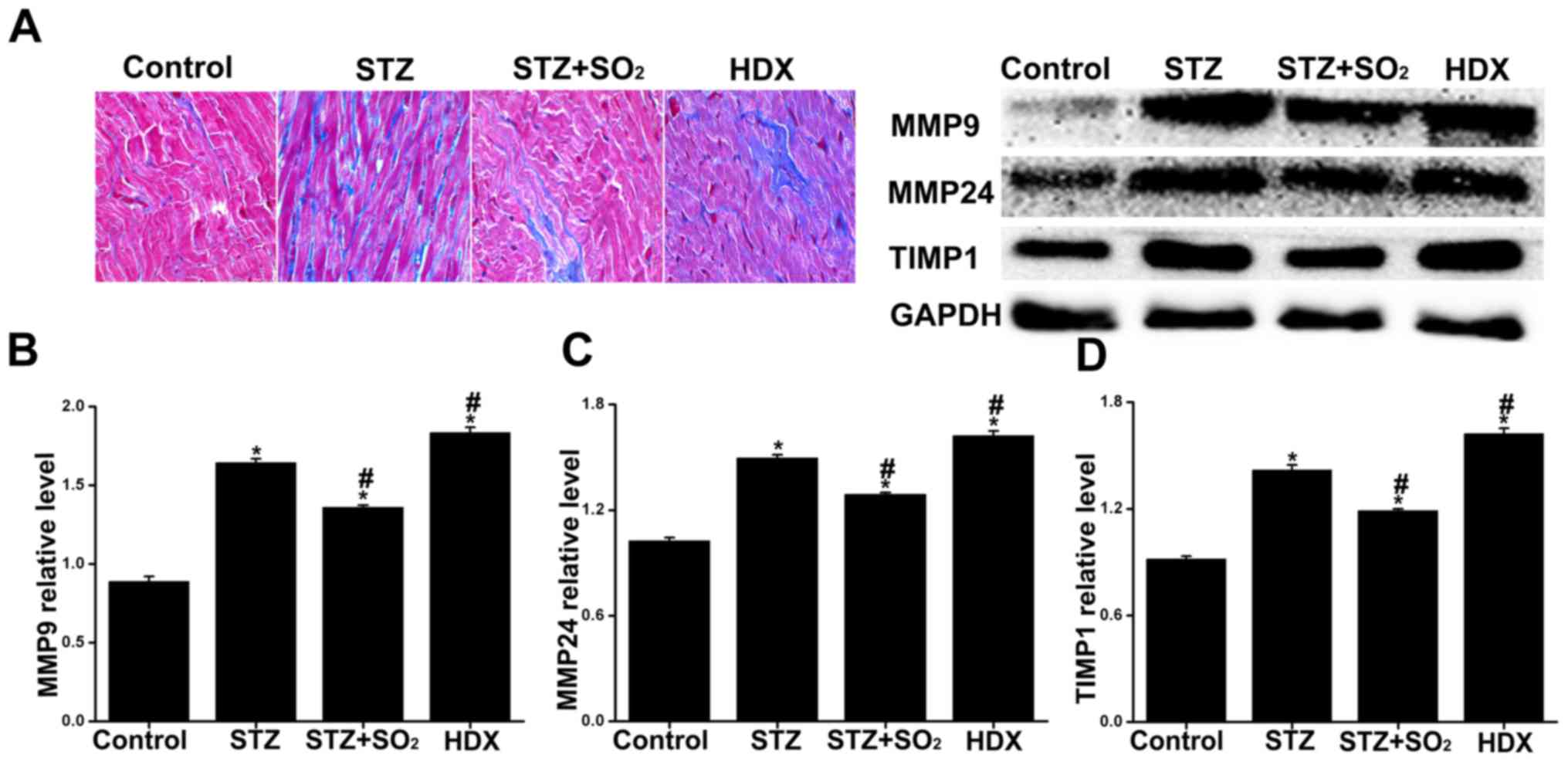
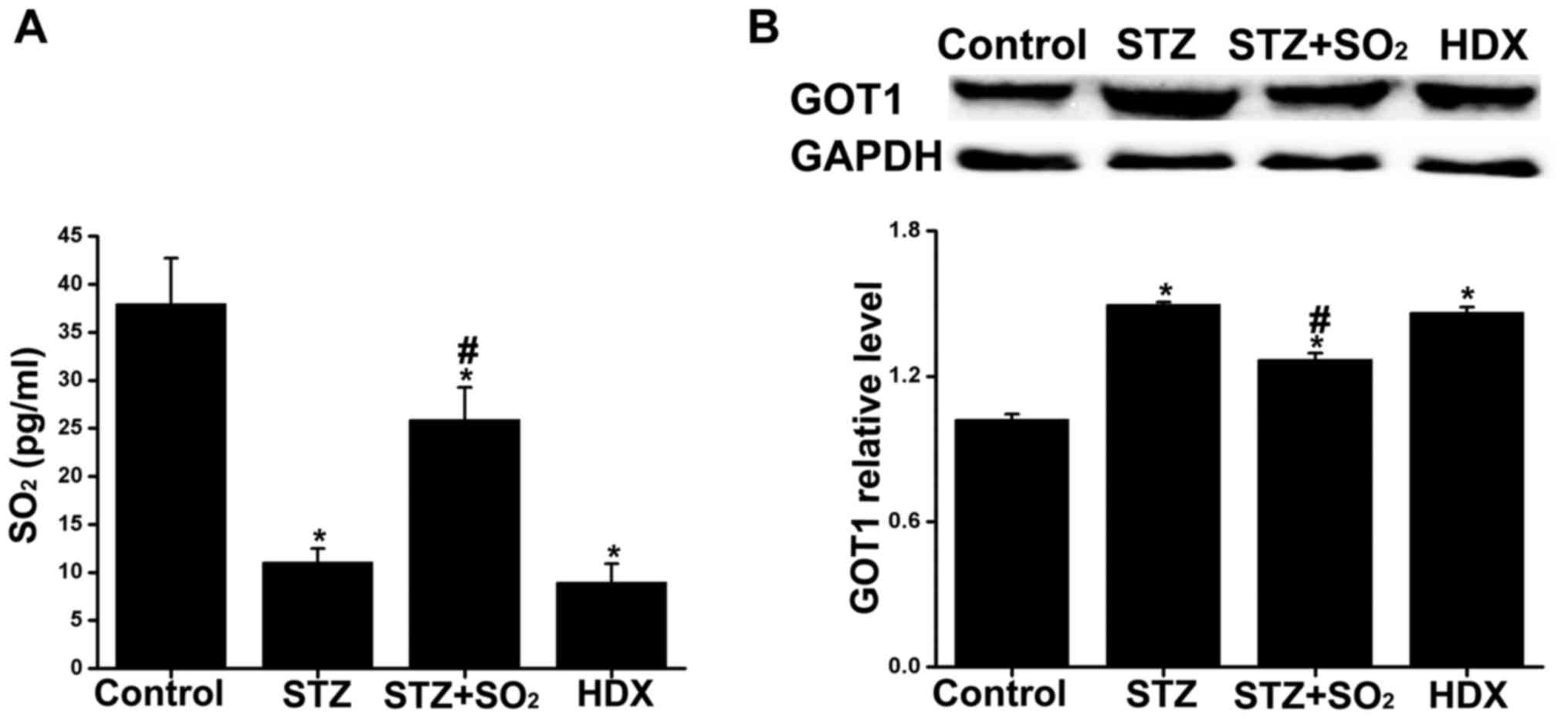
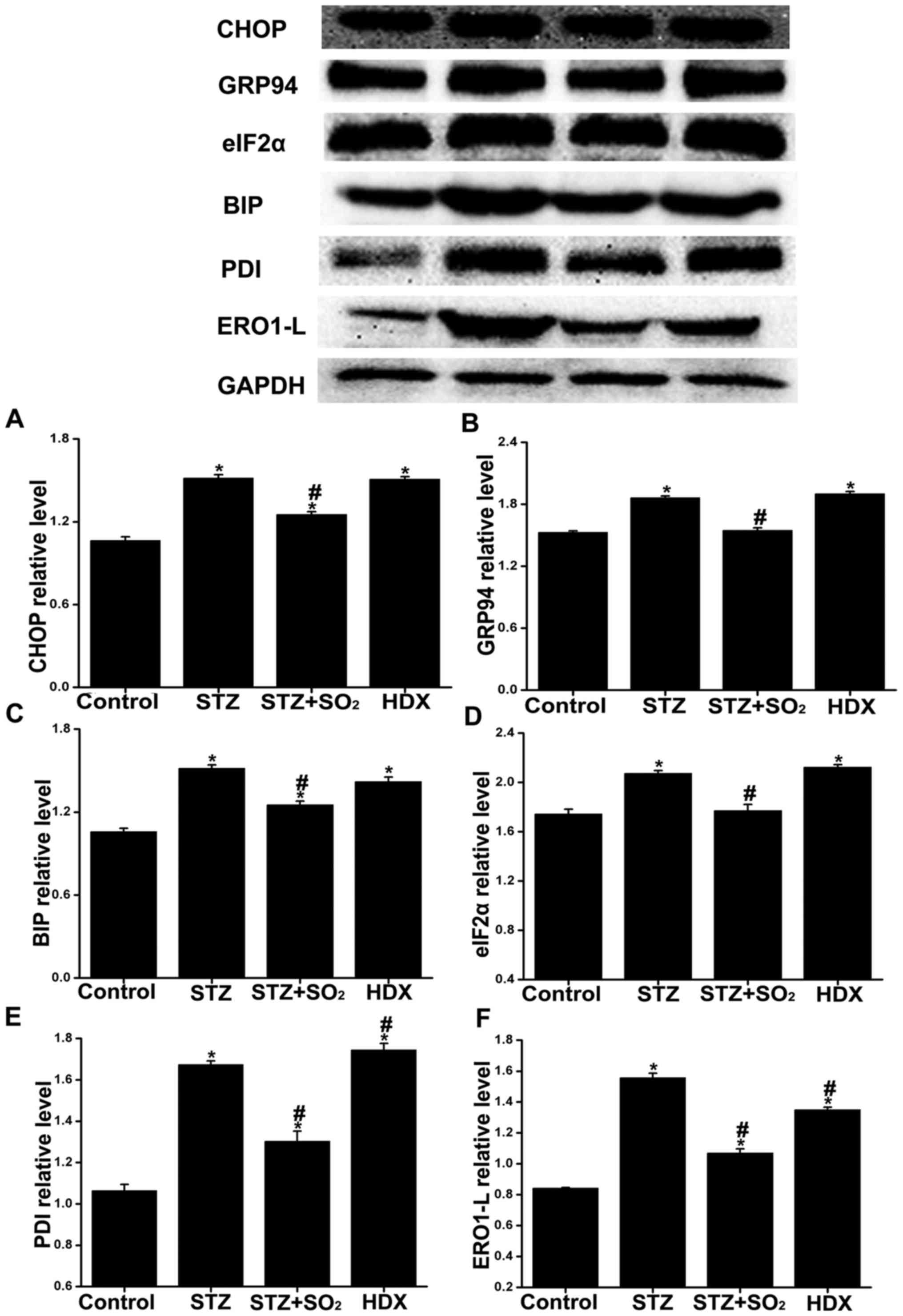
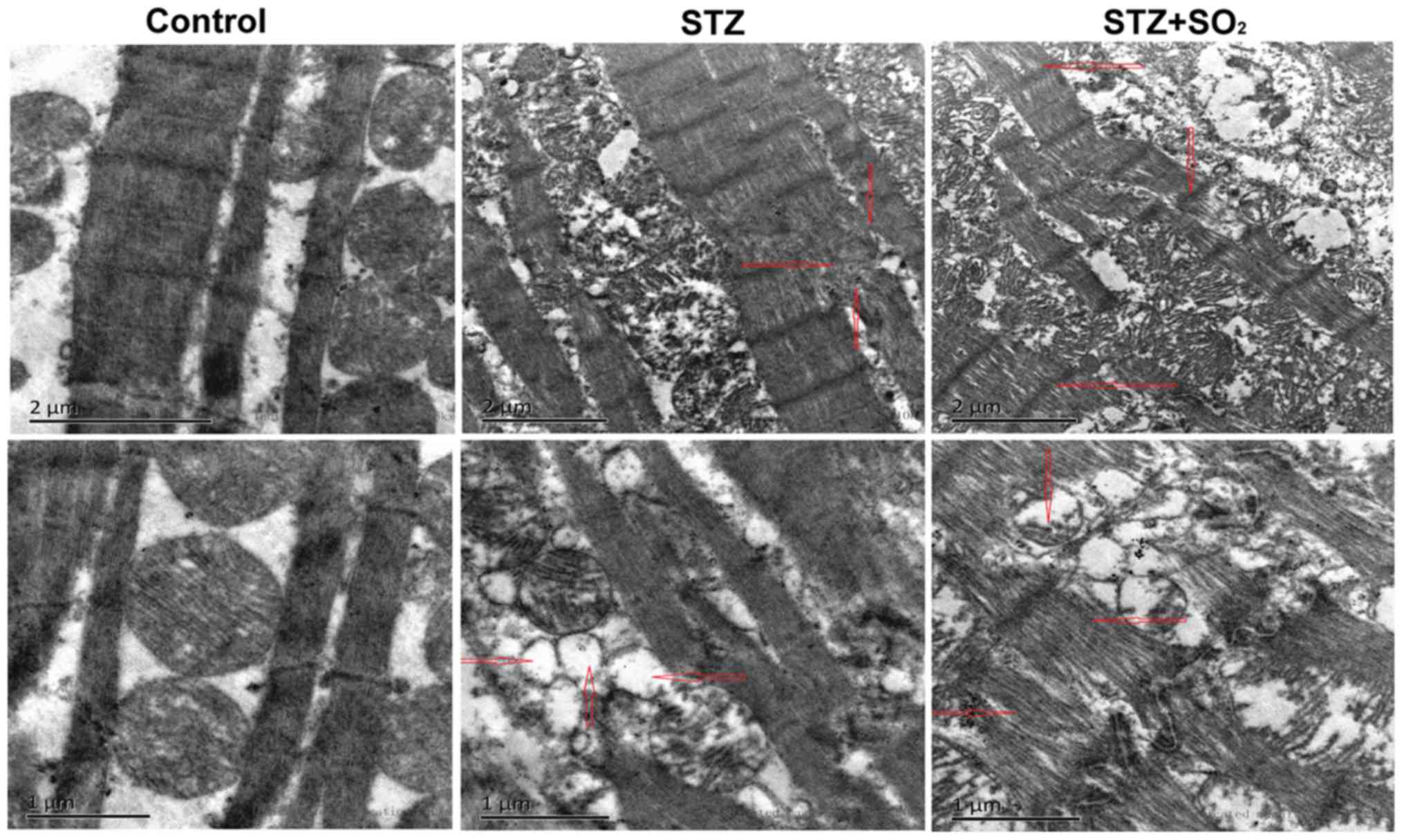
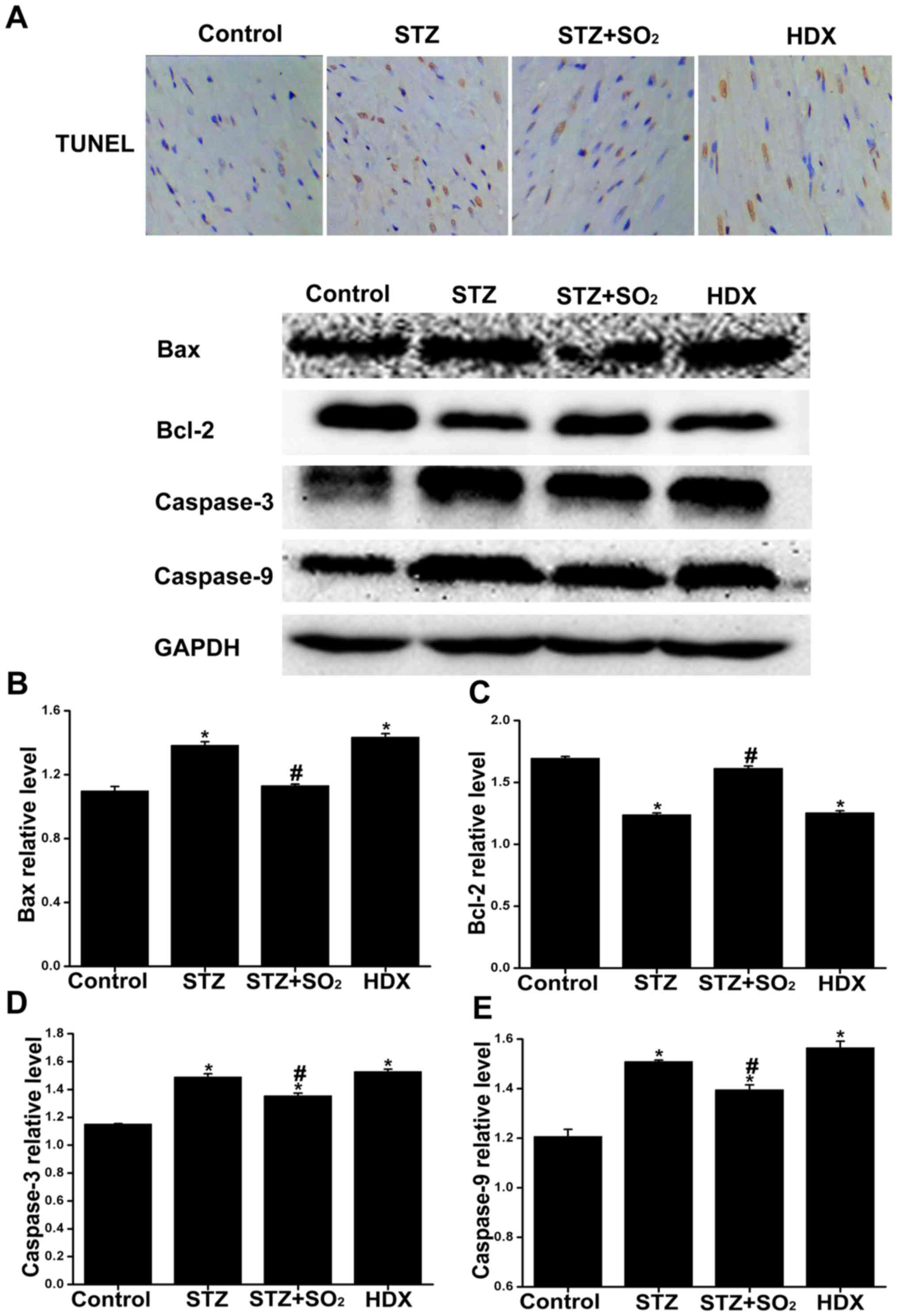
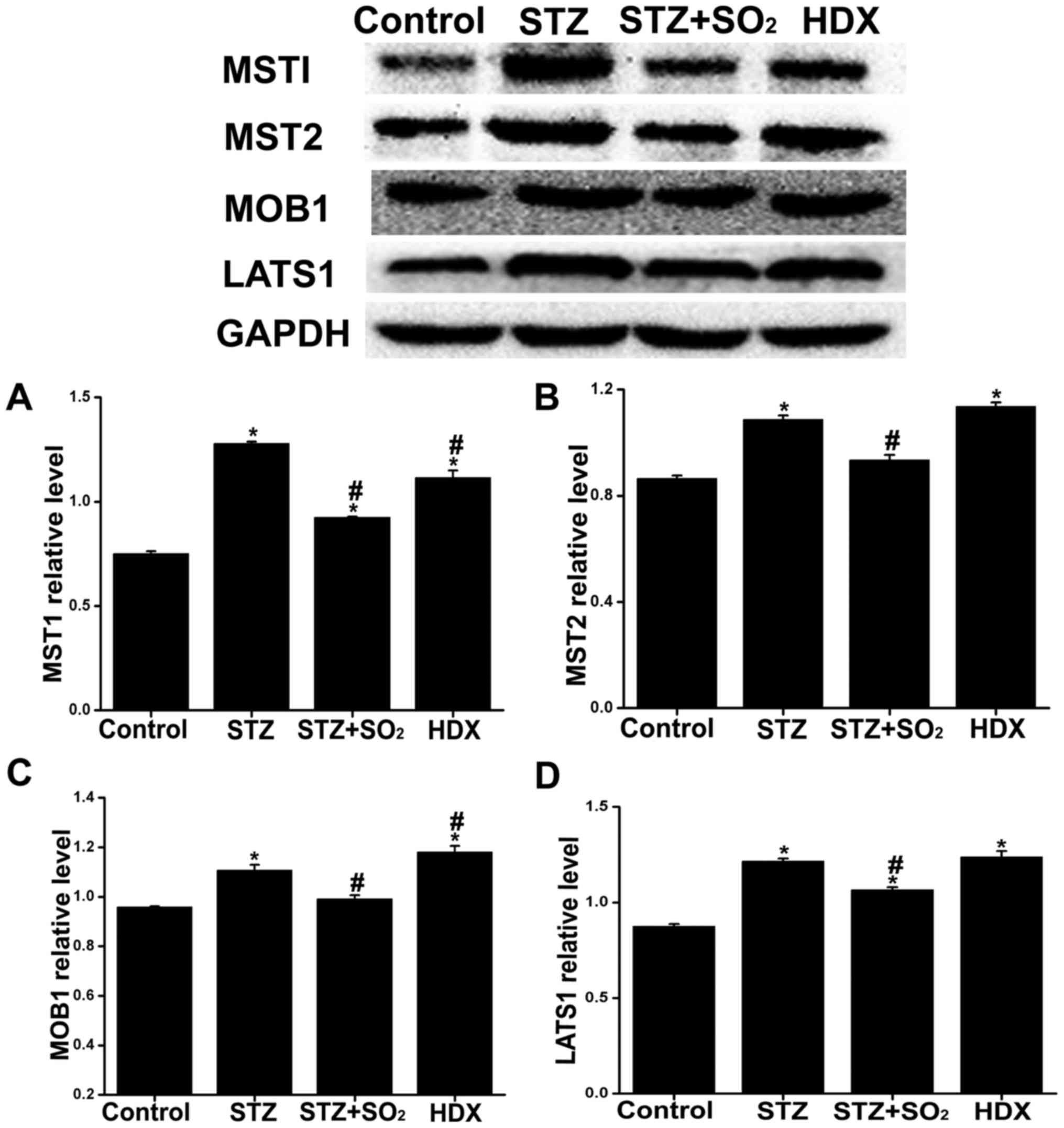
Recent studies have indicated the existence of an endogenous sulfur dioxide (SO2)‑generating system in the cardiovascular system. The present study aimed to discuss the function and regulatory mechanism of gaseous signal molecule SO2 in inhibiting apoptosis and endoplasmic reticulum stress (ERS) via the Hippo‑MST signaling pathway to improve myocardial fibrosis of diabetic rats. A total of 40 male Sprague‑Dawley rats were randomly divided into four groups (10 rats per group): Normal control group (control group), diabetic rats group [streptozotocin (STZ) group], SO2 intervention group (STZ+SO2 group) and diabetes mellitus rats treated with L‑Aspartic acid β‑hydroxamate (HDX) group (HDX group). Diabetic rats models were established by intra‑peritoneal injection of STZ (40 mg/kg) Following model establishment, intra‑peritoneal injection of Na2SO3/NaHSO3 solution (0.54 mmol/kg) was administered in the STZ+SO2 group, and HDX solution (25 mg/kg/week) was administered in the HDX group. A total of 4 weeks later, echocardiography was performed to evaluate rats' cardiac function; Masson staining, terminal deoxynucleotidyl transferase dUTP nick end labeling staining and transmission electron microscopy examinations were performed to observe myocardial morphological changes. ELISA was employed to determine the SO2 content. Western blot analysis was performed to detect the expression of proteins associated with apoptosis, ERS and the Hippo‑MST signalling pathway. Compared with the control group, the STZ group and HDX group had a disordered arrangement of myocardial cells with apparent myocardial fibrosis, and echocardiography indicated that the cardiac function was lowered, there was an obvious increase of apoptosis in myocardial tissue, the expression levels of apoptosis‑associated protein B‑cell lymphoma associated protein X, caspase‑3 and caspase‑9 were upregulated, and Bcl‑2 expression was downregulated. The expression of ERS and Hippo‑MST pathway‑associated proteins, including CHOP, GRP94, MST1 and MST2, were significantly upregulated. By contrast, these above‑mentioned changes were reversed by SO2 treatment. Compared with STZ group, the HDX group had a further increase of myocardial fibrosis and apoptosis, while there were no statistically significant differences in the expression of Bax/Bcl‑2, caspase‑3, caspase‑9 and ERS and Hippo‑MST pathway‑associated proteins. The results of the present study demonstrated that the gaseous signal molecule SO2 can effectively improve the myocardial fibrosis of diabetic rats, and its mechanism may be associated with reduced apoptosis and ERS by downregulated Hippo‑MST pathway.
View Figures

Figure 1

Figure 2

Figure 3

Figure 4

Figure 5

Figure 6

View References

1 

Yang W, Lu J, Weng J, Jia W, Ji L, Xiao J, Shan Z, Liu J, Tian H, Ji Q, et al: Prevalence of diabetes among men and women in China. N Engl J Med. 362:1090–1101. 2010. View Article : Google Scholar : PubMed/NCBI

2 

Jia G, DeMarco VG and Sowers JR: Insulin resistance and hyperinsulinaemia in diabetic cardiomyopathy. Nat Rev Endocrinol. 12:144–153. 2016. View Article : Google Scholar : PubMed/NCBI

3 

Mizushige K, Yao L, Noma T, Kiyomoto H, Yu Y, Hosomi N, Ohmori K and Matsuo H: Alteration in left ventricular diastolic filling and accumulation of myocardial collagen at insulin-resistant prediabetic stage of a type II diabetic rat model. Circulation. 101:899–907. 2000. View Article : Google Scholar : PubMed/NCBI

4 

Varga ZV, Giricz Z, Liaudet L, Haskó G, Ferdinandy P and Pacher P: Interplay of oxidative, nitrosative/nitrative stress, inflammation, cell death and autophagy in diabetic cardiomyopathy. Biochim Biophys Acta. 1852:232–242. 2015. View Article : Google Scholar : PubMed/NCBI

5 

Zhang JS, Hou YL, Lu WW, Ni XQ, Lin F, Yu YR, Tang CS and Qi YF: Intermedin1-53 protects against myocardial fibrosis by inhibiting endoplasmic reticulum stress and inflammation induced by homocysteine in apolipoprotein E-deficient mice. J AtherosclerThromb. 23:1294–1306. 2016.

6 

Li F, Luo J, Wu Z, Xiao T, Zeng O, Li L, Li Y and Yang J: Hydrogen sulfide exhibits cardioprotective effects by decreasing endoplasmic reticulum stressin a diabetic cardiomyopathy rat model. Mol Med Rep. 14:865–873. 2016. View Article : Google Scholar : PubMed/NCBI

7 

Bugger H and Abel ED: Molecular mechanisms of diabetic cardiomyopathy. Diabetologia. 57:660–671. 2014. View Article : Google Scholar : PubMed/NCBI

8 

Nerheim P, Krishnan SC and Olshansky B: Apoptosis in the genesis of cardiac rhythm disorders. Cardiology clinics. 19:155–163. 2001. View Article : Google Scholar : PubMed/NCBI

9 

Huang Y, Tang C, Du J and Jin H: Endogenous sulfur dioxide: A new member of gasotransmitter family in the cardiovascular system. Oxid Med Cell Longev. 2016:89619512016. View Article : Google Scholar : PubMed/NCBI

10 

Pan D: The hippo signaling pathway in development and cancer. Dev Cell. 19:491–505. 2010. View Article : Google Scholar : PubMed/NCBI

11 

Radu M and Chernoff J: The DeMSTification of mammalian Ste20 kinases. Curr Bio. 19:R421–R425. 2009. View Article : Google Scholar

12 

Lin J, Zhang L, Zhang M, Hu J, Wang T, Duan Y, Man W, Wu B, Feng J, Sun L, et al: Mst1 inhibits CMECs autophagy and participates in the development of diabetic coronary microvascular dysfunction. Sci Rep. 6:341992016. View Article : Google Scholar : PubMed/NCBI

13 

Chen Y, Du J, Zhao YT, Zhang L, Lv G, Zhuang S, Qin G and Zhao TC: Histone deacetylase (HDAC) inhibition improves myocardial function and prevents cardiac remodeling in diabetic mice. Cardiovasc Diabetol. 14:992015. View Article : Google Scholar : PubMed/NCBI

14 

Zhang L, Ding WY, Wang ZH, Tang MX, Wang F, Li Y, Zhong M, Zhang Y and Zhang W: Erratum to: Early administration of trimetazidine attenuates diabetic cardiomyopathy in rats by alleviating fibrosis, reducing apoptosis and enhancing autophagy. J Transl Med. 14:3092016. View Article : Google Scholar : PubMed/NCBI

15 

Zhang B, Shen Q, Chen Y, Pan R, Kuang S, Liu G, Sun G and Sun X: Myricitrin alleviates oxidative stress-induced inflammation and apoptosis and protects mice against diabetic cardiomyopathy. Sci Rep. 7:442392017. View Article : Google Scholar : PubMed/NCBI

16 

Yu W, Zha W, Guo S, Cheng H, Wu J and Liu C: Flos puerariae extract prevents myocardial apoptosis via attenuation oxidative stress in streptozotocin-induced diabetic mice. PLoS One. 9:e980442014. View Article : Google Scholar : PubMed/NCBI

17 

Zhou W, Yang J, Zhang DI, Li F, Li G, Gu Y and Luo M: Role of Bcl-2/adenovirus E1B 19 kDa-interacting protein 3 in myocardial cells in diabetes. Exp Ther Med. 10:67–73. 2015. View Article : Google Scholar : PubMed/NCBI

18 

Biden TJ, Boslem E, Chu KY and Sue N: Lipotoxic endoplasmic reticulum stress, β cell failure and type 2 diabetes mellitus. Trends Endocrinol Metab. 25:389–398. 2014. View Article : Google Scholar : PubMed/NCBI

19 

Tang C, Koulajian K, Schuiki I, Zhang L, Desai T, Ivovic A, Wang P, Robson-Doucette C, Wheeler MB, Minassian B, et al: Glucose-induced beta cell dysfunction in vivo in rats: Link between oxidative stress and endoplasmic reticulum stress. Diabetologia. 55:1366–1379. 2012. View Article : Google Scholar : PubMed/NCBI

20 

Avruch J, Zhou D, Fitamant J, Bardeesy N, Mou F and Barrufet LR: Protein kinases of the Hippo pathway: Regulation and substrates. Semin Cell Dev Biol. 23:770–784. 2012. View Article : Google Scholar : PubMed/NCBI

21 

Meng Z, Moroishi T and Guan KL: Mechanisms of Hippo pathway regulation. Genes Dev. 30:1–17. 2016. View Article : Google Scholar : PubMed/NCBI

22 

Praskova M, Xia F and Avruch J: MOBKL1A/MOBKL1B phosphorylation by MST1 and MST2 inhibits cell proliferation. Curr Biol. 18:311–321. 2008. View Article : Google Scholar : PubMed/NCBI

23 

Nakamura M, Zhai P, Del Re DP, Maejima Y and Sadoshima J: Mst1-mediated phosphorylation of Bcl-xL is required for myocardial reperfusion injury. JCI Insight. 1:e862172016. View Article : Google Scholar : PubMed/NCBI

24 

Lee GJ, Yan L, Vatner DE and Vatner SF: Mst1 inhibition rescues β1-adrenergic cardiomyopathy by reducing myocyte necrosis and non-myocyte apoptosis ratherthan myocyte apoptosis. Basic Res Cardiol. 110:72015. View Article : Google Scholar : PubMed/NCBI

25 

Hu J, Man W, Shen M, Zhang M, Lin J, Wang T, Duan Y, Li C, Zhang R, Gao E, et al: Luteolin alleviates post-infarction cardiac dysfunction by up-regulating autophagy through Mst1 inhibition. J Cell Mol Med. 20:147–156. 2016. View Article : Google Scholar : PubMed/NCBI

26 

Yamamoto S, Yang G, Zablocki D, Liu J, Hong C, Kim SJ, Soler S, Odashima M, Thaisz J, Yehia G, et al: Activation of Mst1 causes dilated cardiomyopathy by stimulating apoptosis without compensatory ventricular myocyte hypertrophy. J Clin Invest. 111:1463–1474. 2003. View Article : Google Scholar : PubMed/NCBI

27 

Zhang M, Zhang L, Hu J, Lin J, Wang T, Duan Y, Man W, Feng J, Sun L, Jia H, et al: MST1 coordinately regulates autophagy and apoptosis in in mice. Diabetologia. 59:2435–2447. 2016. View Article : Google Scholar : PubMed/NCBI

28 

Ardestani A and Maedler K: MST1: A promising therapeutic target to restore functional beta cell mass in diabetes. Diabetologia. 59:1843–1849. 2016. View Article : Google Scholar : PubMed/NCBI

29 

Shen Y, Shen Z, Luo S, Guo W and Zhu YZ: The cardioprotective effects of hydrogen sulfide in heart diseases: From molecular mechanisms to therapeutic potential. Oxid Med Cell Longev. 2015:9251672015. View Article : Google Scholar : PubMed/NCBI

30 

Stipanuk MH: Sulfur amino acid metabolism: Pathways for production and removal of homocysteine and cysteine. Annu Rev Nutr. 24:539–577. 2004. View Article : Google Scholar : PubMed/NCBI

31 

Singer TP and Kearney EB: Intermediary metabolism of L-cysteinesulfinic acid in animal tissues. Arch Biochem Biophys. 61:397–409. 1956. View Article : Google Scholar : PubMed/NCBI

32 

Jin H, Liu AD, Holmberg L, Zhao M, Chen S, Yang J, Sun Y, Chen S, Tang C and Du J: The role of sulfur dioxide in the regulation of mitochondrion-related cardiomyocyte apoptosis in ratswith isopropylarterenol-induced myocardial injury. Int J Mol Sci. 14:10465–10482. 2013. View Article : Google Scholar : PubMed/NCBI

33 

Huang Y, Shen Z, Chen Q, Huang P, Zhang H, Du S, Geng B, Zhang C, Li K, Tang C, et al: Endogenous sulfur dioxide alleviates collagen remodeling via inhibiting TGF-β/Smad pathway invascular smooth muscle cells. Sci Rep. 6:195032016. View Article : Google Scholar : PubMed/NCBI

34 

Zhang H, Huang Y, Bu D, Chen S, Tang C, Wang G, Du J and Jin H: Endogenous sulfur dioxide isa novel adipocyte-derived inflammatory inhibitor. Sci Rep. 6:270262016. View Article : Google Scholar : PubMed/NCBI

35 

Liu D, Huang Y, Bu D, Liu AD, Holmberg L, Jia Y, Tang C, Du J and Jin H: Sulfur dioxide inhibits vascular smooth muscle cell proliferation via suppressing the Erk/MAP kinasepathway mediated by cAMP/PKA signaling. Cell Death Dis. 5:e12512014. View Article : Google Scholar : PubMed/NCBI

36 

Wang XB, Jin HF, Tang CS and Du JB: The biological effect of endogenous sulfur dioxide in the cardiovascular system. Eur J Pharmacol. 670:1–6. 2011. View Article : Google Scholar : PubMed/NCBI

37 

Huang P, Sun Y, Yang J, Chen S, Liu AD, Holmberg L, Huang X, Tang C, Du J and Jin H: The ERK1/2 signaling pathway is involved in sulfur dioxide preconditioning-induced protection against cardiac dysfunction in isolated perfused rat heart subjected tomyocardial ischemia/reperfusion. Int J Mol Sci. 14:22190–22201. 2013. View Article : Google Scholar : PubMed/NCBI

38 

Yu W, Liu D, Liang C, Ochs T, Chen S, Chen S, Du S, Tang C, Huang Y, Du J and Jin H: Sulfur dioxide protects against collagen accumulation in pulmonary artery in association with downregulation of the transforming growth factor β1/smad pathway in pulmonary hypertensive rats. J Am Heart Assoc. 5:e0039102016. View Article : Google Scholar : PubMed/NCBI

39 

Chen Q, Zhang L, Chen S, Huang Y, Li K, Yu X, Wu H, Tian X, Zhang C, Tang C, et al: Downregulated endogenous sulfur dioxide/aspartate aminotransferase pathway is involved inangiotensin II-stimulated cardiomyocyte autophagy and myocardial hypertrophy in mice. Int J Cardiol. 225:392–401. 2016. View Article : Google Scholar : PubMed/NCBI

40 

Liu J, Huang Y, Chen S, Tang C, Jin H and Du J: Role of endogenous sulfur dioxide in regulating vascular structural remodeling in hypertension. Oxid Med Cell Longev. 2016:45290602016. View Article : Google Scholar : PubMed/NCBI

Related Articles

  • Abstract
  • View
  • Download
  • Twitter
Copy and paste a formatted citation
Spandidos Publications style
Liu M, Liu S, Tan W, Tang F, Long J, Li Z, Liang B, Chu C and Yang J: Gaseous signalling molecule SO2 via Hippo‑MST pathway to improve myocardial fibrosis of diabetic rats. Mol Med Rep 16: 8953-8963, 2017.
APA
Liu, M., Liu, S., Tan, W., Tang, F., Long, J., Li, Z. ... Yang, J. (2017). Gaseous signalling molecule SO2 via Hippo‑MST pathway to improve myocardial fibrosis of diabetic rats. Molecular Medicine Reports, 16, 8953-8963. https://doi.org/10.3892/mmr.2017.7714
MLA
Liu, M., Liu, S., Tan, W., Tang, F., Long, J., Li, Z., Liang, B., Chu, C., Yang, J."Gaseous signalling molecule SO2 via Hippo‑MST pathway to improve myocardial fibrosis of diabetic rats". Molecular Medicine Reports 16.6 (2017): 8953-8963.
Chicago
Liu, M., Liu, S., Tan, W., Tang, F., Long, J., Li, Z., Liang, B., Chu, C., Yang, J."Gaseous signalling molecule SO2 via Hippo‑MST pathway to improve myocardial fibrosis of diabetic rats". Molecular Medicine Reports 16, no. 6 (2017): 8953-8963. https://doi.org/10.3892/mmr.2017.7714
Copy and paste a formatted citation
x
Spandidos Publications style
Liu M, Liu S, Tan W, Tang F, Long J, Li Z, Liang B, Chu C and Yang J: Gaseous signalling molecule SO2 via Hippo‑MST pathway to improve myocardial fibrosis of diabetic rats. Mol Med Rep 16: 8953-8963, 2017.
APA
Liu, M., Liu, S., Tan, W., Tang, F., Long, J., Li, Z. ... Yang, J. (2017). Gaseous signalling molecule SO2 via Hippo‑MST pathway to improve myocardial fibrosis of diabetic rats. Molecular Medicine Reports, 16, 8953-8963. https://doi.org/10.3892/mmr.2017.7714
MLA
Liu, M., Liu, S., Tan, W., Tang, F., Long, J., Li, Z., Liang, B., Chu, C., Yang, J."Gaseous signalling molecule SO2 via Hippo‑MST pathway to improve myocardial fibrosis of diabetic rats". Molecular Medicine Reports 16.6 (2017): 8953-8963.
Chicago
Liu, M., Liu, S., Tan, W., Tang, F., Long, J., Li, Z., Liang, B., Chu, C., Yang, J."Gaseous signalling molecule SO2 via Hippo‑MST pathway to improve myocardial fibrosis of diabetic rats". Molecular Medicine Reports 16, no. 6 (2017): 8953-8963. https://doi.org/10.3892/mmr.2017.7714
Follow us
  • Twitter
  • LinkedIn
  • Facebook
About
  • Spandidos Publications
  • Careers
  • Cookie Policy
  • Privacy Policy
How can we help?
  • Help
  • Live Chat
  • Contact
  • Email to our Support Team