Spandidos Publications Logo
  • About
    • About Spandidos
    • Aims and Scopes
    • Abstracting and Indexing
    • Editorial Policies
    • Reprints and Permissions
    • Job Opportunities
    • Terms and Conditions
    • Contact
  • Journals
    • All Journals
    • Oncology Letters
      • Oncology Letters
      • Information for Authors
      • Editorial Policies
      • Editorial Board
      • Aims and Scope
      • Abstracting and Indexing
      • Bibliographic Information
      • Archive
    • International Journal of Oncology
      • International Journal of Oncology
      • Information for Authors
      • Editorial Policies
      • Editorial Board
      • Aims and Scope
      • Abstracting and Indexing
      • Bibliographic Information
      • Archive
    • Molecular and Clinical Oncology
      • Molecular and Clinical Oncology
      • Information for Authors
      • Editorial Policies
      • Editorial Board
      • Aims and Scope
      • Abstracting and Indexing
      • Bibliographic Information
      • Archive
    • Experimental and Therapeutic Medicine
      • Experimental and Therapeutic Medicine
      • Information for Authors
      • Editorial Policies
      • Editorial Board
      • Aims and Scope
      • Abstracting and Indexing
      • Bibliographic Information
      • Archive
    • International Journal of Molecular Medicine
      • International Journal of Molecular Medicine
      • Information for Authors
      • Editorial Policies
      • Editorial Board
      • Aims and Scope
      • Abstracting and Indexing
      • Bibliographic Information
      • Archive
    • Biomedical Reports
      • Biomedical Reports
      • Information for Authors
      • Editorial Policies
      • Editorial Board
      • Aims and Scope
      • Abstracting and Indexing
      • Bibliographic Information
      • Archive
    • Oncology Reports
      • Oncology Reports
      • Information for Authors
      • Editorial Policies
      • Editorial Board
      • Aims and Scope
      • Abstracting and Indexing
      • Bibliographic Information
      • Archive
    • Molecular Medicine Reports
      • Molecular Medicine Reports
      • Information for Authors
      • Editorial Policies
      • Editorial Board
      • Aims and Scope
      • Abstracting and Indexing
      • Bibliographic Information
      • Archive
    • World Academy of Sciences Journal
      • World Academy of Sciences Journal
      • Information for Authors
      • Editorial Policies
      • Editorial Board
      • Aims and Scope
      • Abstracting and Indexing
      • Bibliographic Information
      • Archive
    • International Journal of Functional Nutrition
      • International Journal of Functional Nutrition
      • Information for Authors
      • Editorial Policies
      • Editorial Board
      • Aims and Scope
      • Abstracting and Indexing
      • Bibliographic Information
      • Archive
    • International Journal of Epigenetics
      • International Journal of Epigenetics
      • Information for Authors
      • Editorial Policies
      • Editorial Board
      • Aims and Scope
      • Abstracting and Indexing
      • Bibliographic Information
      • Archive
    • Medicine International
      • Medicine International
      • Information for Authors
      • Editorial Policies
      • Editorial Board
      • Aims and Scope
      • Abstracting and Indexing
      • Bibliographic Information
      • Archive
  • Articles
  • Information
    • Information for Authors
    • Information for Reviewers
    • Information for Librarians
    • Information for Advertisers
    • Conferences
  • Language Editing
Spandidos Publications Logo
  • About
    • About Spandidos
    • Aims and Scopes
    • Abstracting and Indexing
    • Editorial Policies
    • Reprints and Permissions
    • Job Opportunities
    • Terms and Conditions
    • Contact
  • Journals
    • All Journals
    • Biomedical Reports
      • Information for Authors
      • Editorial Policies
      • Editorial Board
      • Aims and Scope
      • Abstracting and Indexing
      • Bibliographic Information
      • Archive
    • Experimental and Therapeutic Medicine
      • Information for Authors
      • Editorial Policies
      • Editorial Board
      • Aims and Scope
      • Abstracting and Indexing
      • Bibliographic Information
      • Archive
    • International Journal of Epigenetics
      • Information for Authors
      • Editorial Policies
      • Editorial Board
      • Aims and Scope
      • Abstracting and Indexing
      • Bibliographic Information
      • Archive
    • International Journal of Functional Nutrition
      • Information for Authors
      • Editorial Policies
      • Editorial Board
      • Aims and Scope
      • Abstracting and Indexing
      • Bibliographic Information
      • Archive
    • International Journal of Molecular Medicine
      • Information for Authors
      • Editorial Policies
      • Editorial Board
      • Aims and Scope
      • Abstracting and Indexing
      • Bibliographic Information
      • Archive
    • International Journal of Oncology
      • Information for Authors
      • Editorial Policies
      • Editorial Board
      • Aims and Scope
      • Abstracting and Indexing
      • Bibliographic Information
      • Archive
    • Medicine International
      • Information for Authors
      • Editorial Policies
      • Editorial Board
      • Aims and Scope
      • Abstracting and Indexing
      • Bibliographic Information
      • Archive
    • Molecular and Clinical Oncology
      • Information for Authors
      • Editorial Policies
      • Editorial Board
      • Aims and Scope
      • Abstracting and Indexing
      • Bibliographic Information
      • Archive
    • Molecular Medicine Reports
      • Information for Authors
      • Editorial Policies
      • Editorial Board
      • Aims and Scope
      • Abstracting and Indexing
      • Bibliographic Information
      • Archive
    • Oncology Letters
      • Information for Authors
      • Editorial Policies
      • Editorial Board
      • Aims and Scope
      • Abstracting and Indexing
      • Bibliographic Information
      • Archive
    • Oncology Reports
      • Information for Authors
      • Editorial Policies
      • Editorial Board
      • Aims and Scope
      • Abstracting and Indexing
      • Bibliographic Information
      • Archive
    • World Academy of Sciences Journal
      • Information for Authors
      • Editorial Policies
      • Editorial Board
      • Aims and Scope
      • Abstracting and Indexing
      • Bibliographic Information
      • Archive
  • Articles
  • Information
    • For Authors
    • For Reviewers
    • For Librarians
    • For Advertisers
    • Conferences
  • Language Editing
Login Register Submit
  • This site uses cookies
  • You can change your cookie settings at any time by following the instructions in our Cookie Policy. To find out more, you may read our Privacy Policy.

    I agree
Search articles by DOI, keyword, author or affiliation
Search
Advanced Search
presentation
Molecular Medicine Reports
Join Editorial Board Propose a Special Issue
Print ISSN: 1791-2997 Online ISSN: 1791-3004
Journal Cover
March-2018 Volume 17 Issue 3

Full Size Image

Sign up for eToc alerts
Recommend to Library

Journals

International Journal of Molecular Medicine

International Journal of Molecular Medicine

International Journal of Molecular Medicine is an international journal devoted to molecular mechanisms of human disease.

International Journal of Oncology

International Journal of Oncology

International Journal of Oncology is an international journal devoted to oncology research and cancer treatment.

Molecular Medicine Reports

Molecular Medicine Reports

Covers molecular medicine topics such as pharmacology, pathology, genetics, neuroscience, infectious diseases, molecular cardiology, and molecular surgery.

Oncology Reports

Oncology Reports

Oncology Reports is an international journal devoted to fundamental and applied research in Oncology.

Experimental and Therapeutic Medicine

Experimental and Therapeutic Medicine

Experimental and Therapeutic Medicine is an international journal devoted to laboratory and clinical medicine.

Oncology Letters

Oncology Letters

Oncology Letters is an international journal devoted to Experimental and Clinical Oncology.

Biomedical Reports

Biomedical Reports

Explores a wide range of biological and medical fields, including pharmacology, genetics, microbiology, neuroscience, and molecular cardiology.

Molecular and Clinical Oncology

Molecular and Clinical Oncology

International journal addressing all aspects of oncology research, from tumorigenesis and oncogenes to chemotherapy and metastasis.

World Academy of Sciences Journal

World Academy of Sciences Journal

Multidisciplinary open-access journal spanning biochemistry, genetics, neuroscience, environmental health, and synthetic biology.

International Journal of Functional Nutrition

International Journal of Functional Nutrition

Open-access journal combining biochemistry, pharmacology, immunology, and genetics to advance health through functional nutrition.

International Journal of Epigenetics

International Journal of Epigenetics

Publishes open-access research on using epigenetics to advance understanding and treatment of human disease.

Medicine International

Medicine International

An International Open Access Journal Devoted to General Medicine.

Journal Cover
March-2018 Volume 17 Issue 3

Full Size Image

Sign up for eToc alerts
Recommend to Library

  • Article
  • Citations
    • Cite This Article
    • Download Citation
    • Create Citation Alert
    • Remove Citation Alert
    • Cited By
  • Similar Articles
    • Related Articles (in Spandidos Publications)
    • Similar Articles (Google Scholar)
    • Similar Articles (PubMed)
  • Download PDF
  • Download XML
  • View XML
Article Open Access

Identification of key genes implicated in the suppressive function of human FOXP3+CD25+CD4+ regulatory T cells through the analysis of time‑series data

  • Authors:
    • Xiaofeng Bai
    • Hua Shi
    • Mingxi Yang
    • Yuanlin Wang
    • Zhaolin Sun
    • Shuxiong Xu
  • View Affiliations / Copyright

    Affiliations: Department of Urology, Guizhou Provincial People's Hospital, Guiyang, Guizhou 550002, P.R. China
    Copyright: © Bai et al. This is an open access article distributed under the terms of Creative Commons Attribution License.
  • Pages: 3647-3657
    |
    Published online on: December 29, 2017
       https://doi.org/10.3892/mmr.2017.8366
  • Expand metrics +
Metrics: Total Views: 0 (Spandidos Publications: | PMC Statistics: )
Metrics: Total PDF Downloads: 0 (Spandidos Publications: | PMC Statistics: )
Cited By (CrossRef): 0 citations Loading Articles...

This article is mentioned in:


Abstract

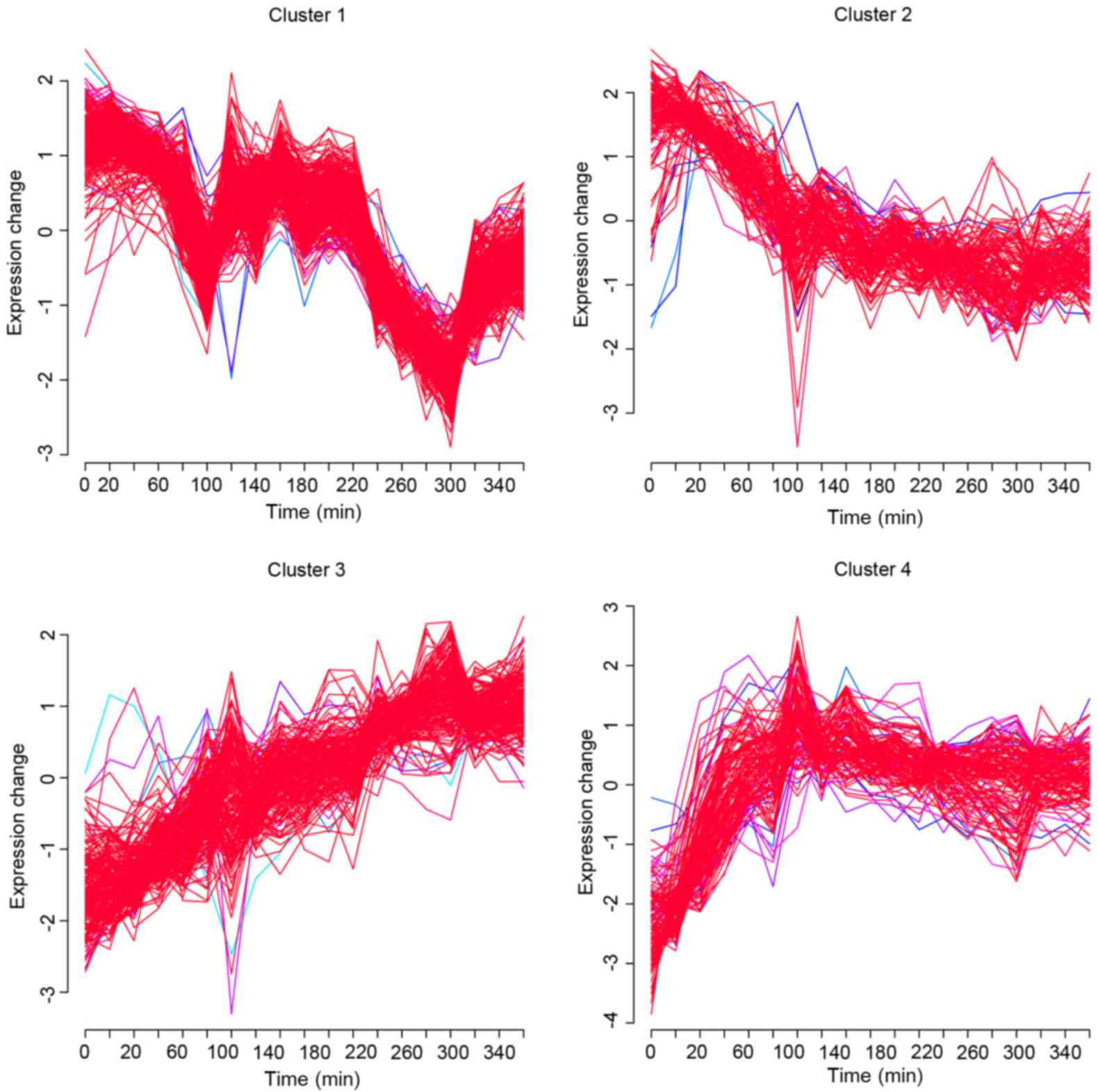
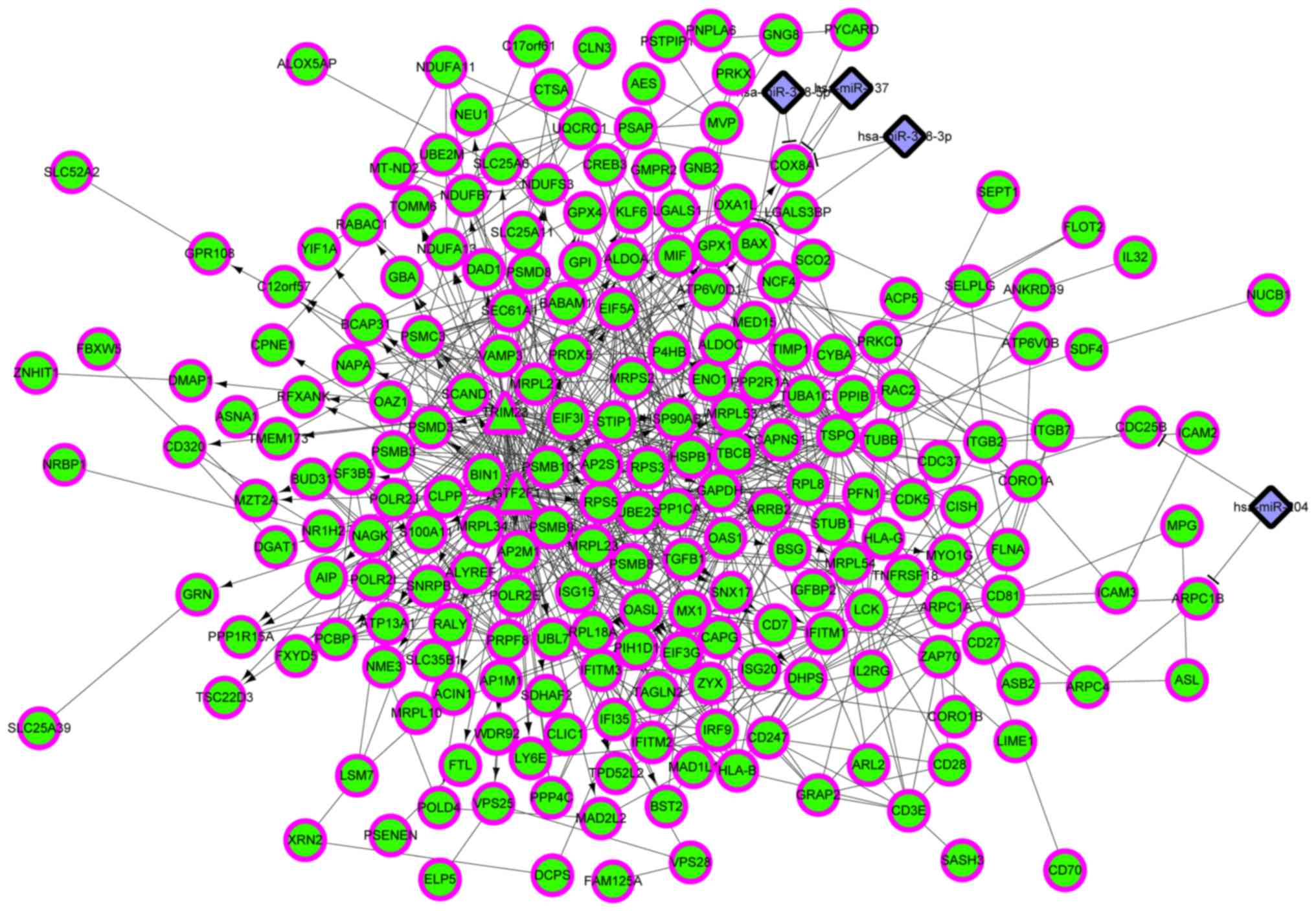
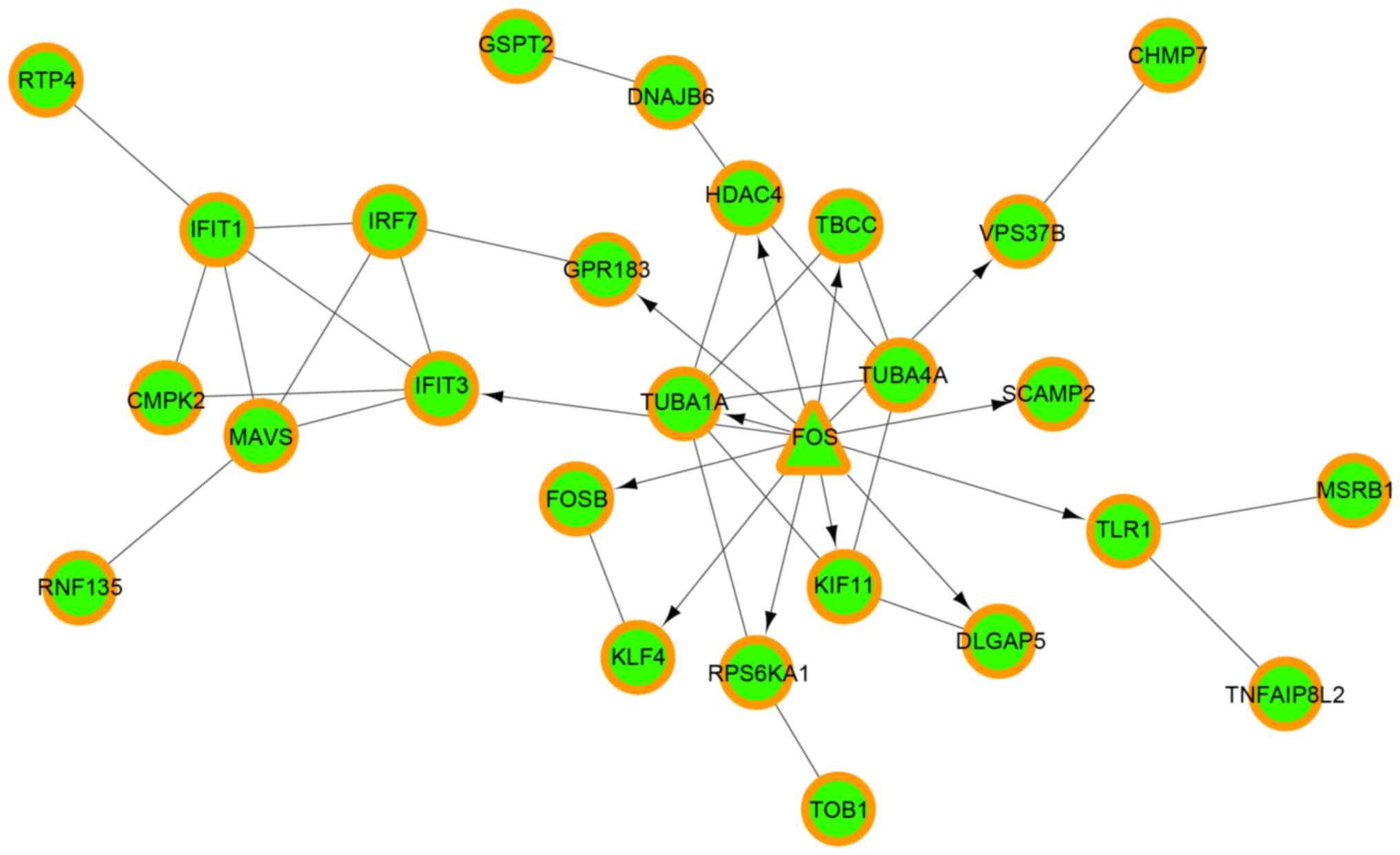
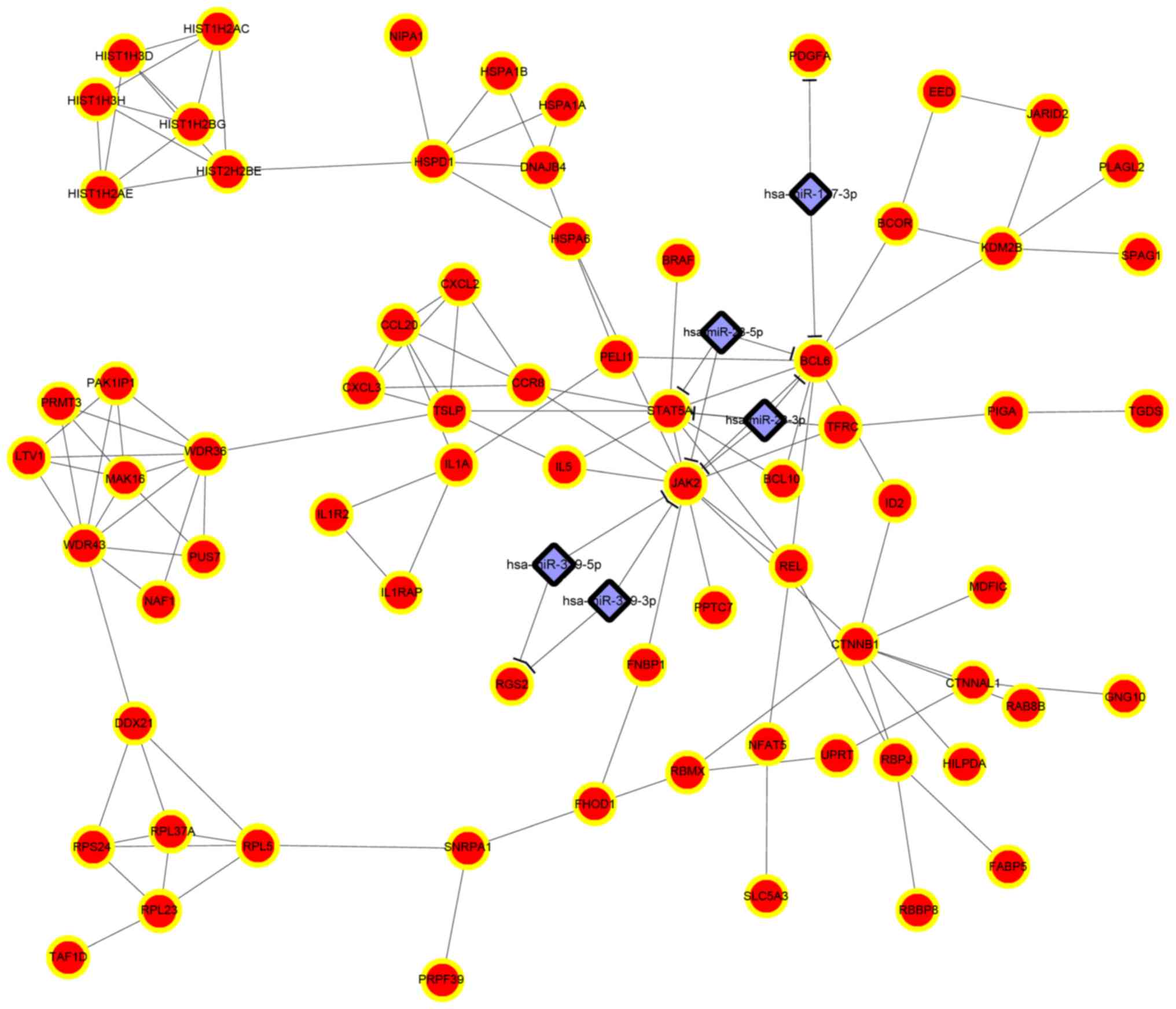
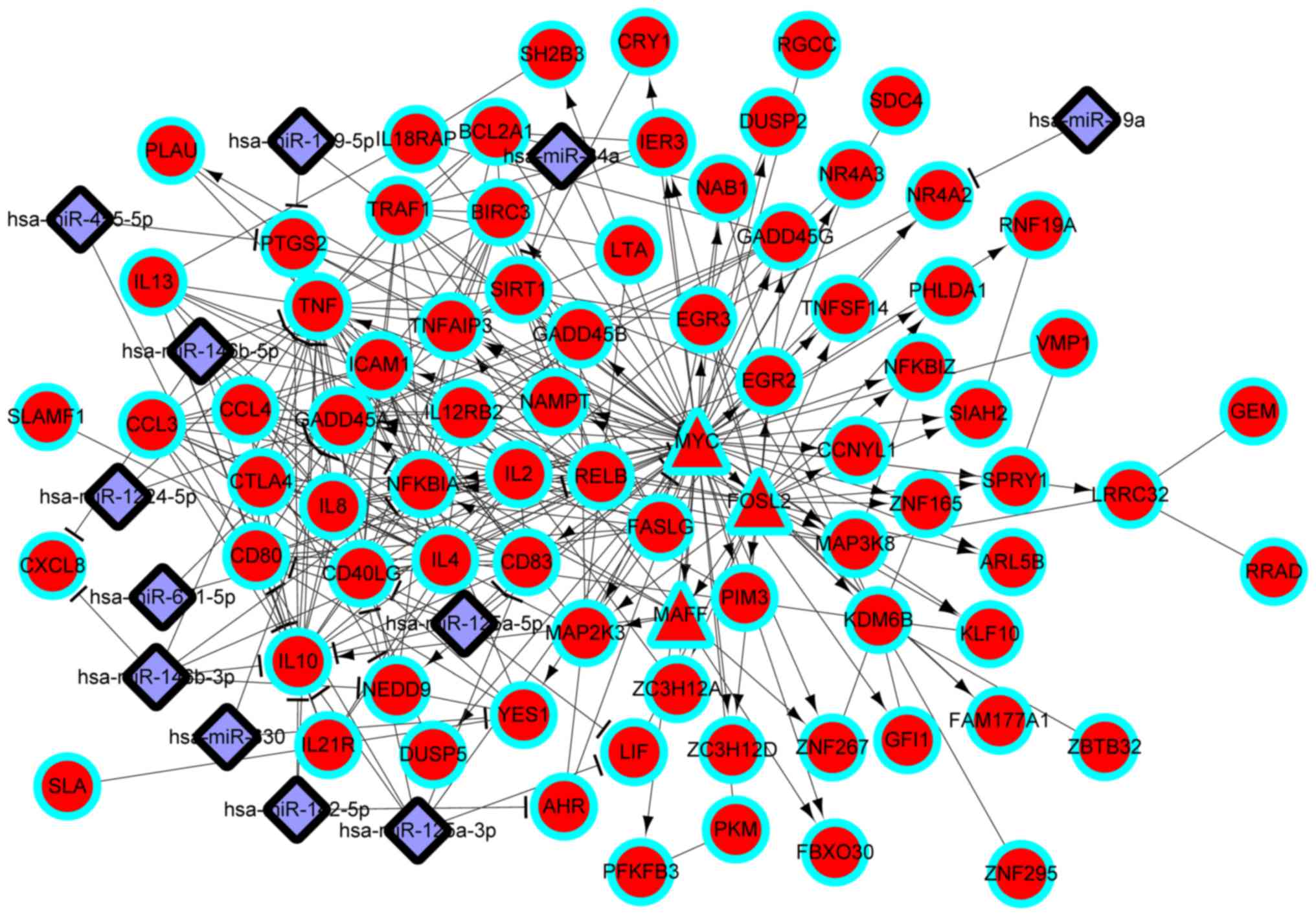
Human forkhead box P3 (FOXP3)+ cluster of differentiation (CD)25+CD4+ regulatory T cells (Tregs) are a type of T cell that express CD4, CD25 and FOXP3, which are critical for maintaining immune homeostasis. The present study aimed to determine the mechanisms underlying Treg function. The GSE11292 dataset was downloaded from the Gene Expression Omnibus, which included data from Treg cells at 19 time points (0‑360 min) with an equal interval of 20 min, and corresponding repeated samples. However, data for Treg cells at time point 120 min were missing. Using the Mfuzz package, the key genes were identified by clustering analysis. Subsequently, regulatory networks and protein‑protein interaction (PPI) networks were constructed and merged into integrated networks using Cytoscape software. Using Database for Annotation, Visualization and Integrated Discover software, enrichment analyses were performed for the genes involved in the PPI networks. Cluster 1 (including 292 genes), cluster 2 (including 111 genes), cluster 3 (including 194 genes) and cluster 4 (including 103 genes) were obtained from the clustering analysis. GAPDH (degree, 40) in cluster 1, Janus kinase 2 (JAK2) (degree, 10) and signal transducer and activator of transcription 5A (STAT5A) (degree, 9) in cluster 3, and tumor necrosis factor (TNF) (degree, 26) and interleukin 2 (IL2) (degree, 22) in cluster 4 had higher degrees in the PPI networks. In addition, it was indicated that several genes may have a role in Treg function by targeting other genes [e.g. microRNA (miR)‑146b‑3p→TNF, miR‑146b‑5p→TNF, miR‑142‑5p→TNF and tripartite motif containing 28 (TRIM28)→GAPDH]. Enrichment analyses indicated that IL2 and TNF were enriched in the immune response and T cell receptor signaling pathway. In conclusion, GAPDH targeted by TRIM28, TNF targeted by miR‑146b‑3p, miR‑146b‑5p and miR‑142‑5p, in addition to JAK2, IL2, and STAT5A may serve important roles in Treg function.
View Figures

Figure 1

Figure 2

Figure 3

Figure 4

Figure 5

View References

1 

Thompson C and Powrie F: Regulatory T cells. Curr Opin Pharmacol. 4:408–414. 2004. View Article : Google Scholar : PubMed/NCBI

2 

Curiel TJ: Tregs and rethinking cancer immunotherapy. J Clin Invest. 117:1167–1174. 2007. View Article : Google Scholar : PubMed/NCBI

3 

Adeegbe DO and Nishikawa H: Natural and induced T regulatory cells in cancer. Front immunol. 4:1902013. View Article : Google Scholar : PubMed/NCBI

4 

Afzali B, Lombardi G, Lechler RI and Lord GM: The role of T helper 17 (Th17) and regulatory T cells (Treg) in human organ transplantation and autoimmune disease. Clin Exp Immunol. 148:32–46. 2007. View Article : Google Scholar : PubMed/NCBI

5 

Wing K, Onishi Y, Prieto-Martin P, Yamaguchi T, Miyara M, Fehervari Z, Nomura T and Sakaguchi S: CTLA-4 control over Foxp3+ regulatory T cell function. Science. 322:271–275. 2008. View Article : Google Scholar : PubMed/NCBI

6 

Tai X, Van Laethem F, Pobezinsky L, Guinter T, Sharrow SO, Adams A, Granger L, Kruhlak M, Lindsten T, Thompson CB, et al: Basis of CTLA-4 function in regulatory and conventional CD4+ T cells. Blood. 119:5155–5163. 2012. View Article : Google Scholar : PubMed/NCBI

7 

Sansom DM and Walker LS: The role of CD28 and cytotoxic T-lymphocyte antigen-4 (CTLA-4) in regulatory T-cell biology. Immunol Rev. 212:131–148. 2006. View Article : Google Scholar : PubMed/NCBI

8 

Huang CT, Workman CJ, Flies D, Pan X, Marson AL, Zhou G, Hipkiss EL, Ravi S, Kowalski J, Levitsky HI, et al: Role of LAG-3 in regulatory T cells. Immunity. 21:503–513. 2004. View Article : Google Scholar : PubMed/NCBI

9 

Baratelli F, Lin Y, Zhu L, Yang SC, Heuzé-Vourc'h N, Zeng G, Reckamp K, Dohadwala M, Sharma S and Dubinett SM: Prostaglandin E2 induces FOXP3 gene expression and T regulatory cell function in human CD4+ T cells. J Immunol. 175:1483–1490. 2005. View Article : Google Scholar : PubMed/NCBI

10 

Li J, Feng G, Liu J, Rong R, Luo F, Guo L, Zhu T, Wang G and Chu Y: Renal cell carcinoma may evade the immune system by converting CD4+ Foxp3-T cells into CD4+ CD25+ Foxp3+ regulatory T cells: Role of tumor COX-2-derived PGE2. Mol Med Rep. 3:959–963. 2010.PubMed/NCBI

11 

Sutmuller RP, den Brok MH, Kramer M, Bennink EJ, Toonen LW, Kullberg BJ, Joosten LA, Akira S, Netea MG and Adema GJ: Toll-like receptor 2 controls expansion and function of regulatory T cells. J Clin Invest. 116:485–494. 2006. View Article : Google Scholar : PubMed/NCBI

12 

Zhang Y, Luo F, Cai Y, Liu N, Wang L, Xu D and Chu Y: TLR1/TLR2 agonist induces tumor regression by reciprocal modulation of effector and regulatory T cells. J Immunol. 186:1963–1969. 2011. View Article : Google Scholar : PubMed/NCBI

13 

Baban B, Chandler PR, Sharma MD, Pihkala J, Koni PA, Munn DH and Mellor AL: IDO activates regulatory T cells and blocks their conversion into Th17-like T cells. J Immunol. 183:2475–2483. 2009. View Article : Google Scholar : PubMed/NCBI

14 

Tran DQ, Andersson J, Wang R, Ramsey H, Unutmaz D and Shevach EM: GARP (LRRC32) is essential for the surface expression of latent TGF-beta on platelets and activated FOXP3+ regulatory T cells. Proc Natl Acad Sci USA. 106:pp. 13445–13450. 2009; View Article : Google Scholar : PubMed/NCBI

15 

He F, Chen H, Probst-Kepper M, Geffers R, Eifes S, Del Sol A, Schughart K, Zeng AP and Balling R: PLAU inferred from a correlation network is critical for suppressor function of regulatory T cells. Mol Syst Biol. 8:6242012. View Article : Google Scholar : PubMed/NCBI

16 

Probst-Kepper M, Geffers R, Kröger A, Viegas N, Erck C, Hecht HJ, Lünsdorf H, Roubin R, Moharregh-Khiabani D, Wagner K, et al: GARP: A key receptor controlling FOXP3 in human regulatory T cells. J Cell Mol Med. 13:3343–3357. 2009. View Article : Google Scholar : PubMed/NCBI

17 

Gautier L, Cope L, Bolstad BM and Irizarry RA: affy-analysis of Affymetrix GeneChip data at the probe level. Bioinformatics. 20:307–315. 2004. View Article : Google Scholar : PubMed/NCBI

18 

Futschik ME and Carlisle B: Noise-robust soft clustering of gene expression time-course data. J Bioinform Comput Biol. 3:965–988. 2005. View Article : Google Scholar : PubMed/NCBI

19 

Kumar L and Futschik E: Mfuzz: A software package for soft clustering of microarray data. Bioinformation. 2:5–7. 2007. View Article : Google Scholar : PubMed/NCBI

20 

Xiao F, Zuo Z, Cai G, Kang S, Gao X and Li T: miRecords: An integrated resource for microRNA-target interactions. Nucleic Acids Res. 37:D105–D110. 2009. View Article : Google Scholar : PubMed/NCBI

21 

Enright AJ, John B, Gaul U, Tuschl T, Sander C and Marks DS: MicroRNA targets in Drosophila. Genome Biol. 5:R12003. View Article : Google Scholar : PubMed/NCBI

22 

Wang X: miRDB: A microRNA target prediction and functional annotation database with a wiki interface. RNA. 14:1012–1017. 2008. View Article : Google Scholar : PubMed/NCBI

23 

Krek A, Grün D, Poy MN, Wolf R, Rosenberg L, Epstein EJ, MacMenamin P, da Piedade I, Gunsalus KC, Stoffel M and Rajewsky N: Combinatorial microRNA target predictions. Nat Genet. 37:495–500. 2005. View Article : Google Scholar : PubMed/NCBI

24 

Kertesz M, Iovino N, Unnerstall U, Gaul U and Segal E: The role of site accessibility in microRNA target recognition. Nat Genet. 39:1278–1284. 2007. View Article : Google Scholar : PubMed/NCBI

25 

Lewis BP, Burge CB and Bartel DP: Conserved seed pairing, often flanked by adenosines, indicates that thousands of human genes are microRNA targets. cell. 120:15–20. 2005. View Article : Google Scholar : PubMed/NCBI

26 

Kohl M, Wiese S and Warscheid B: Cytoscape: Software for visualization and analysis of biological networks. Methods Mol Biol. 696:291–303. 2011. View Article : Google Scholar : PubMed/NCBI

27 

Raney BJ, Cline MS, Rosenbloom KR, Dreszer TR, Learned K, Barber GP, Meyer LR, Sloan CA, Malladi VS, Roskin KM, et al: ENCODE whole-genome data in the UCSC genome browser (2011 update). Nucleic Acids Res. 39:D871–D875. 2011. View Article : Google Scholar : PubMed/NCBI

28 

Von Mering C, Jensen LJ, Kuhn M, Chaffron S, Doerks T, Krüger B, Snel B and Bork P: STRING 7-recent developments in the integration and prediction of protein interactions. Nucleic Acids Res. 35:D358–D362. 2007. View Article : Google Scholar : PubMed/NCBI

29 

Saito R, Smoot ME, Ono K, Ruscheinski J, Wang PL, Lotia S, Pico AR, Bader GD and Ideker T: A travel guide to Cytoscape plugins. Nat Methods. 9:1069–1076. 2012. View Article : Google Scholar : PubMed/NCBI

30 

He X and Zhang J: Why do hubs tend to be essential in protein networks? PLoS Genet. 2:e882006. View Article : Google Scholar : PubMed/NCBI

31 

Binns D, Dimmer E, Huntley R, Barrell D, O'Donovan C and Apweiler R: QuickGO: A web-based tool for gene ontology searching. Bioinformatics. 25:3045–3046. 2009. View Article : Google Scholar : PubMed/NCBI

32 

Kanehisa M, Araki M, Goto S, Hattori M, Hirakawa M, Itoh M, Katayama T, Kawashima S, Okuda S, Tokimatsu T and Yamanishi Y: KEGG for linking genomes to life and the environment. Nucleic Acids Res. 36:D480–D484. 2008. View Article : Google Scholar : PubMed/NCBI

33 

Huang DW, Sherman BT, Tan Q, Collins JR, Alvord WG, Roayaei J, Stephens R, Baseler MW, Lane HC and Lempicki RA: The DAVID gene functional classification tool: A novel biological module-centric algorithm to functionally analyze large gene lists. Genome Biol. 8:R1832007. View Article : Google Scholar : PubMed/NCBI

34 

Fu S, Zhang M, Ou J, Liu H, Tan C, Liu J, Chen H and Bei W: Construction and immune effect of Haemophilus parasuis DNA vaccine encoding glyceraldehyde-3-phosphate dehydrogenase (GAPDH) in mice. Vaccine. 30:6839–6844. 2012. View Article : Google Scholar : PubMed/NCBI

35 

Madureira P, Baptista M, Vieira M, Liu H, Tan C, Liu J, Chen H and Bei W: Streptococcus agalactiae GAPDH is a virulence-associated immunomodulatory protein. J Immunol. 178:1379–1387. 2007. View Article : Google Scholar : PubMed/NCBI

36 

Chikuma S, Suita N, Okazaki IM, Shibayama S and Honjo T: TRIM28 prevents autoinflammatory T cell development in vivo. Nat Immunol. 13:596–603. 2012. View Article : Google Scholar : PubMed/NCBI

37 

Betts BC, Abdel-Wahab O, Curran SA, St Angelo ET, Koppikar P, Heller G, Levine RL and Young JW: Janus kinase-2 inhibition induces durable tolerance to alloantigen by human dendritic cell-stimulated T cells yet preserves immunity to recall antigen. Blood. 118:5330–5339. 2011. View Article : Google Scholar : PubMed/NCBI

38 

O'Shea JJ and Plenge R: JAK and STAT signaling molecules in immunoregulation and immune-mediated disease. Immunity. 36:542–550. 2012. View Article : Google Scholar : PubMed/NCBI

39 

Watts TH: TNF/TNFR family members in costimulation of T cell responses. Annu Rev Immunol. 23:23–68. 2005. View Article : Google Scholar : PubMed/NCBI

40 

Valencia X, Stephens G, Goldbach-Mansky R, Wilson M, Shevach EM and Lipsky PE: TNF downmodulates the function of human CD4+ CD25hi T-regulatory cells. Blood. 108:253–261. 2006. View Article : Google Scholar : PubMed/NCBI

41 

Croft M: The role of TNF superfamily members in T-cell function and diseases. Nature Reviews Immunology. 9:271–285. 2009. View Article : Google Scholar : PubMed/NCBI

42 

Ramirez-Montagut T, Chow A, Hirschhorn-Cymerman D, Terwey TH, Kochman AA, Lu S, Miles RC, Sakaguchi S, Houghton AN and van den Brink MR: Glucocorticoid-induced TNF receptor family related gene activation overcomes tolerance/ignorance to melanoma differentiation antigens and enhances antitumor immunity. J Immunol. 176:6434–6442. 2006. View Article : Google Scholar : PubMed/NCBI

43 

Kanamaru F, Youngnak P, Hashiguchi M, Nishioka T, Takahashi T, Sakaguchi S, Ishikawa I and Azuma M: Costimulation via glucocorticoid-induced TNF receptor in both conventional and CD25+ regulatory CD4+ T cells. J Immunol. 172:7306–7314. 2004. View Article : Google Scholar : PubMed/NCBI

44 

Rusca N and Monticelli S: MiR-146a in immunity and disease. Mol Biol Int. 2011:4373012011. View Article : Google Scholar : PubMed/NCBI

45 

Lu LF, Boldin MP, Chaudhry A, Lin LL, Taganov KD, Hanada T, Yoshimura A, Baltimore D and Rudensky AY: Function of miR-146a in controlling Treg cell-mediated regulation of Th1 responses. Cell. 142:914–929. 2010. View Article : Google Scholar : PubMed/NCBI

46 

Huang B, Zhao J, Lei Z, Shen S, Li D, Shen GX, Zhang GM and Feng ZH: miR-142-3p restricts cAMP production in CD4+ CD25-T cells and CD4+ CD25+ TREG cells by targeting AC9 mRNA. EMBO Rep. 10:180–185. 2009. View Article : Google Scholar : PubMed/NCBI

47 

Lv M, Zhang X, Jia H, Li D, Zhang B, Zhang H, Hong M, Jiang T, Jiang Q, Lu J, et al: An oncogenic role of miR-142-3p in human T-cell acute lymphoblastic leukemia (T-ALL) by targeting glucocorticoid receptor-α and cAMP/PKA pathways. Leukemia. 26:769–777. 2012. View Article : Google Scholar : PubMed/NCBI

48 

Burchill MA, Yang J, Vogtenhuber C, Blazar BR and Farrar MA: IL-2 receptor β-dependent STAT5 activation is required for the development of Foxp3+ regulatory T cells. J Immunol. 178:280–290. 2007. View Article : Google Scholar : PubMed/NCBI

49 

Yao Z, Kanno Y, Kerenyi M, Stephens G, Durant L, Watford WT, Laurence A, Robinson GW, Shevach EM, Moriggl R, et al: Nonredundant roles for Stat5a/b in directly regulating Foxp3. Blood. 109:4368–4375. 2007. View Article : Google Scholar : PubMed/NCBI

50 

Cohen AC, Nadeau KC, Tu W, Hwa V, Dionis K, Bezrodnik L, Teper A, Gaillard M, Heinrich J, Krensky AM, et al: Cutting edge: Decreased accumulation and regulatory function of CD4+ CD25high T cells in human STAT5b deficiency. J Immunol. 177:2770–2774. 2006. View Article : Google Scholar : PubMed/NCBI

51 

Tamiya T, Kashiwagi I, Takahashi R, Yasukawa H and Yoshimura A: Suppressors of cytokine signaling (SOCS) proteins and JAK/STAT pathways regulation of T-Cell inflammation by SOCS1 and SOCS3. Arterioscler Thromb Vasc Biol. 31:980–985. 2011. View Article : Google Scholar : PubMed/NCBI

Related Articles

  • Abstract
  • View
  • Download
  • Twitter
Copy and paste a formatted citation
Spandidos Publications style
Bai X, Shi H, Yang M, Wang Y, Sun Z and Xu S: Identification of key genes implicated in the suppressive function of human FOXP3+CD25+CD4+ regulatory T cells through the analysis of time‑series data. Mol Med Rep 17: 3647-3657, 2018.
APA
Bai, X., Shi, H., Yang, M., Wang, Y., Sun, Z., & Xu, S. (2018). Identification of key genes implicated in the suppressive function of human FOXP3+CD25+CD4+ regulatory T cells through the analysis of time‑series data. Molecular Medicine Reports, 17, 3647-3657. https://doi.org/10.3892/mmr.2017.8366
MLA
Bai, X., Shi, H., Yang, M., Wang, Y., Sun, Z., Xu, S."Identification of key genes implicated in the suppressive function of human FOXP3+CD25+CD4+ regulatory T cells through the analysis of time‑series data". Molecular Medicine Reports 17.3 (2018): 3647-3657.
Chicago
Bai, X., Shi, H., Yang, M., Wang, Y., Sun, Z., Xu, S."Identification of key genes implicated in the suppressive function of human FOXP3+CD25+CD4+ regulatory T cells through the analysis of time‑series data". Molecular Medicine Reports 17, no. 3 (2018): 3647-3657. https://doi.org/10.3892/mmr.2017.8366
Copy and paste a formatted citation
x
Spandidos Publications style
Bai X, Shi H, Yang M, Wang Y, Sun Z and Xu S: Identification of key genes implicated in the suppressive function of human FOXP3+CD25+CD4+ regulatory T cells through the analysis of time‑series data. Mol Med Rep 17: 3647-3657, 2018.
APA
Bai, X., Shi, H., Yang, M., Wang, Y., Sun, Z., & Xu, S. (2018). Identification of key genes implicated in the suppressive function of human FOXP3+CD25+CD4+ regulatory T cells through the analysis of time‑series data. Molecular Medicine Reports, 17, 3647-3657. https://doi.org/10.3892/mmr.2017.8366
MLA
Bai, X., Shi, H., Yang, M., Wang, Y., Sun, Z., Xu, S."Identification of key genes implicated in the suppressive function of human FOXP3+CD25+CD4+ regulatory T cells through the analysis of time‑series data". Molecular Medicine Reports 17.3 (2018): 3647-3657.
Chicago
Bai, X., Shi, H., Yang, M., Wang, Y., Sun, Z., Xu, S."Identification of key genes implicated in the suppressive function of human FOXP3+CD25+CD4+ regulatory T cells through the analysis of time‑series data". Molecular Medicine Reports 17, no. 3 (2018): 3647-3657. https://doi.org/10.3892/mmr.2017.8366
Follow us
  • Twitter
  • LinkedIn
  • Facebook
About
  • Spandidos Publications
  • Careers
  • Cookie Policy
  • Privacy Policy
How can we help?
  • Help
  • Live Chat
  • Contact
  • Email to our Support Team