Spandidos Publications Logo
  • About
    • About Spandidos
    • Aims and Scopes
    • Abstracting and Indexing
    • Editorial Policies
    • Reprints and Permissions
    • Job Opportunities
    • Terms and Conditions
    • Contact
  • Journals
    • All Journals
    • Oncology Letters
      • Oncology Letters
      • Information for Authors
      • Editorial Policies
      • Editorial Board
      • Aims and Scope
      • Abstracting and Indexing
      • Bibliographic Information
      • Archive
    • International Journal of Oncology
      • International Journal of Oncology
      • Information for Authors
      • Editorial Policies
      • Editorial Board
      • Aims and Scope
      • Abstracting and Indexing
      • Bibliographic Information
      • Archive
    • Molecular and Clinical Oncology
      • Molecular and Clinical Oncology
      • Information for Authors
      • Editorial Policies
      • Editorial Board
      • Aims and Scope
      • Abstracting and Indexing
      • Bibliographic Information
      • Archive
    • Experimental and Therapeutic Medicine
      • Experimental and Therapeutic Medicine
      • Information for Authors
      • Editorial Policies
      • Editorial Board
      • Aims and Scope
      • Abstracting and Indexing
      • Bibliographic Information
      • Archive
    • International Journal of Molecular Medicine
      • International Journal of Molecular Medicine
      • Information for Authors
      • Editorial Policies
      • Editorial Board
      • Aims and Scope
      • Abstracting and Indexing
      • Bibliographic Information
      • Archive
    • Biomedical Reports
      • Biomedical Reports
      • Information for Authors
      • Editorial Policies
      • Editorial Board
      • Aims and Scope
      • Abstracting and Indexing
      • Bibliographic Information
      • Archive
    • Oncology Reports
      • Oncology Reports
      • Information for Authors
      • Editorial Policies
      • Editorial Board
      • Aims and Scope
      • Abstracting and Indexing
      • Bibliographic Information
      • Archive
    • Molecular Medicine Reports
      • Molecular Medicine Reports
      • Information for Authors
      • Editorial Policies
      • Editorial Board
      • Aims and Scope
      • Abstracting and Indexing
      • Bibliographic Information
      • Archive
    • World Academy of Sciences Journal
      • World Academy of Sciences Journal
      • Information for Authors
      • Editorial Policies
      • Editorial Board
      • Aims and Scope
      • Abstracting and Indexing
      • Bibliographic Information
      • Archive
    • International Journal of Functional Nutrition
      • International Journal of Functional Nutrition
      • Information for Authors
      • Editorial Policies
      • Editorial Board
      • Aims and Scope
      • Abstracting and Indexing
      • Bibliographic Information
      • Archive
    • International Journal of Epigenetics
      • International Journal of Epigenetics
      • Information for Authors
      • Editorial Policies
      • Editorial Board
      • Aims and Scope
      • Abstracting and Indexing
      • Bibliographic Information
      • Archive
    • Medicine International
      • Medicine International
      • Information for Authors
      • Editorial Policies
      • Editorial Board
      • Aims and Scope
      • Abstracting and Indexing
      • Bibliographic Information
      • Archive
  • Articles
  • Information
    • Information for Authors
    • Information for Reviewers
    • Information for Librarians
    • Information for Advertisers
    • Conferences
  • Language Editing
Spandidos Publications Logo
  • About
    • About Spandidos
    • Aims and Scopes
    • Abstracting and Indexing
    • Editorial Policies
    • Reprints and Permissions
    • Job Opportunities
    • Terms and Conditions
    • Contact
  • Journals
    • All Journals
    • Biomedical Reports
      • Information for Authors
      • Editorial Policies
      • Editorial Board
      • Aims and Scope
      • Abstracting and Indexing
      • Bibliographic Information
      • Archive
    • Experimental and Therapeutic Medicine
      • Information for Authors
      • Editorial Policies
      • Editorial Board
      • Aims and Scope
      • Abstracting and Indexing
      • Bibliographic Information
      • Archive
    • International Journal of Epigenetics
      • Information for Authors
      • Editorial Policies
      • Editorial Board
      • Aims and Scope
      • Abstracting and Indexing
      • Bibliographic Information
      • Archive
    • International Journal of Functional Nutrition
      • Information for Authors
      • Editorial Policies
      • Editorial Board
      • Aims and Scope
      • Abstracting and Indexing
      • Bibliographic Information
      • Archive
    • International Journal of Molecular Medicine
      • Information for Authors
      • Editorial Policies
      • Editorial Board
      • Aims and Scope
      • Abstracting and Indexing
      • Bibliographic Information
      • Archive
    • International Journal of Oncology
      • Information for Authors
      • Editorial Policies
      • Editorial Board
      • Aims and Scope
      • Abstracting and Indexing
      • Bibliographic Information
      • Archive
    • Medicine International
      • Information for Authors
      • Editorial Policies
      • Editorial Board
      • Aims and Scope
      • Abstracting and Indexing
      • Bibliographic Information
      • Archive
    • Molecular and Clinical Oncology
      • Information for Authors
      • Editorial Policies
      • Editorial Board
      • Aims and Scope
      • Abstracting and Indexing
      • Bibliographic Information
      • Archive
    • Molecular Medicine Reports
      • Information for Authors
      • Editorial Policies
      • Editorial Board
      • Aims and Scope
      • Abstracting and Indexing
      • Bibliographic Information
      • Archive
    • Oncology Letters
      • Information for Authors
      • Editorial Policies
      • Editorial Board
      • Aims and Scope
      • Abstracting and Indexing
      • Bibliographic Information
      • Archive
    • Oncology Reports
      • Information for Authors
      • Editorial Policies
      • Editorial Board
      • Aims and Scope
      • Abstracting and Indexing
      • Bibliographic Information
      • Archive
    • World Academy of Sciences Journal
      • Information for Authors
      • Editorial Policies
      • Editorial Board
      • Aims and Scope
      • Abstracting and Indexing
      • Bibliographic Information
      • Archive
  • Articles
  • Information
    • For Authors
    • For Reviewers
    • For Librarians
    • For Advertisers
    • Conferences
  • Language Editing
Login Register Submit
  • This site uses cookies
  • You can change your cookie settings at any time by following the instructions in our Cookie Policy. To find out more, you may read our Privacy Policy.

    I agree
Search articles by DOI, keyword, author or affiliation
Search
Advanced Search
presentation
Molecular Medicine Reports
Join Editorial Board Propose a Special Issue
Print ISSN: 1791-2997 Online ISSN: 1791-3004
Journal Cover
March-2018 Volume 17 Issue 3

Full Size Image

Sign up for eToc alerts
Recommend to Library

Journals

International Journal of Molecular Medicine

International Journal of Molecular Medicine

International Journal of Molecular Medicine is an international journal devoted to molecular mechanisms of human disease.

International Journal of Oncology

International Journal of Oncology

International Journal of Oncology is an international journal devoted to oncology research and cancer treatment.

Molecular Medicine Reports

Molecular Medicine Reports

Covers molecular medicine topics such as pharmacology, pathology, genetics, neuroscience, infectious diseases, molecular cardiology, and molecular surgery.

Oncology Reports

Oncology Reports

Oncology Reports is an international journal devoted to fundamental and applied research in Oncology.

Experimental and Therapeutic Medicine

Experimental and Therapeutic Medicine

Experimental and Therapeutic Medicine is an international journal devoted to laboratory and clinical medicine.

Oncology Letters

Oncology Letters

Oncology Letters is an international journal devoted to Experimental and Clinical Oncology.

Biomedical Reports

Biomedical Reports

Explores a wide range of biological and medical fields, including pharmacology, genetics, microbiology, neuroscience, and molecular cardiology.

Molecular and Clinical Oncology

Molecular and Clinical Oncology

International journal addressing all aspects of oncology research, from tumorigenesis and oncogenes to chemotherapy and metastasis.

World Academy of Sciences Journal

World Academy of Sciences Journal

Multidisciplinary open-access journal spanning biochemistry, genetics, neuroscience, environmental health, and synthetic biology.

International Journal of Functional Nutrition

International Journal of Functional Nutrition

Open-access journal combining biochemistry, pharmacology, immunology, and genetics to advance health through functional nutrition.

International Journal of Epigenetics

International Journal of Epigenetics

Publishes open-access research on using epigenetics to advance understanding and treatment of human disease.

Medicine International

Medicine International

An International Open Access Journal Devoted to General Medicine.

Journal Cover
March-2018 Volume 17 Issue 3

Full Size Image

Sign up for eToc alerts
Recommend to Library

  • Article
  • Citations
    • Cite This Article
    • Download Citation
    • Create Citation Alert
    • Remove Citation Alert
    • Cited By
  • Similar Articles
    • Related Articles (in Spandidos Publications)
    • Similar Articles (Google Scholar)
    • Similar Articles (PubMed)
  • Download PDF
  • Download XML
  • View XML
Article Open Access

Tunicamycin inhibits colon carcinoma growth and aggressiveness via modulation of the ERK-JNK-mediated AKT/mTOR signaling pathway

Retraction in: /10.3892/mmr.2024.13184
  • Authors:
    • Shuping You
    • Weihong Li
    • Yun Guan
  • View Affiliations / Copyright

    Affiliations: Department of Anus and Bowel Surgery, Jingmen No. 2 People's Hospital, Jingmen, Hubei 448000, P.R. China
    Copyright: © You et al. This is an open access article distributed under the terms of Creative Commons Attribution License.
  • Pages: 4203-4212
    |
    Published online on: January 17, 2018
       https://doi.org/10.3892/mmr.2018.8444
  • Expand metrics +
Metrics: Total Views: 0 (Spandidos Publications: | PMC Statistics: )
Metrics: Total PDF Downloads: 0 (Spandidos Publications: | PMC Statistics: )
Cited By (CrossRef): 0 citations Loading Articles...

This article is mentioned in:


Abstract

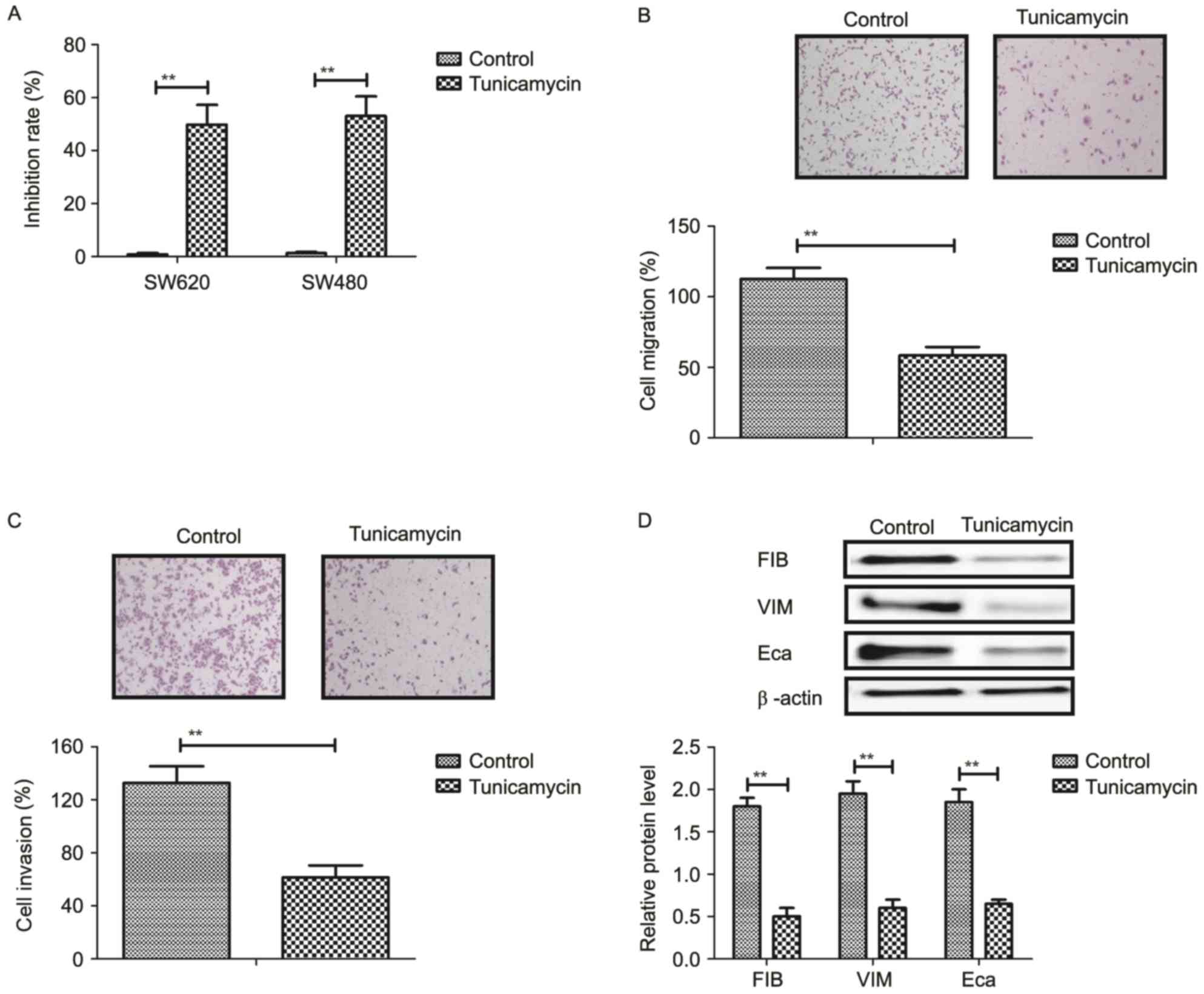
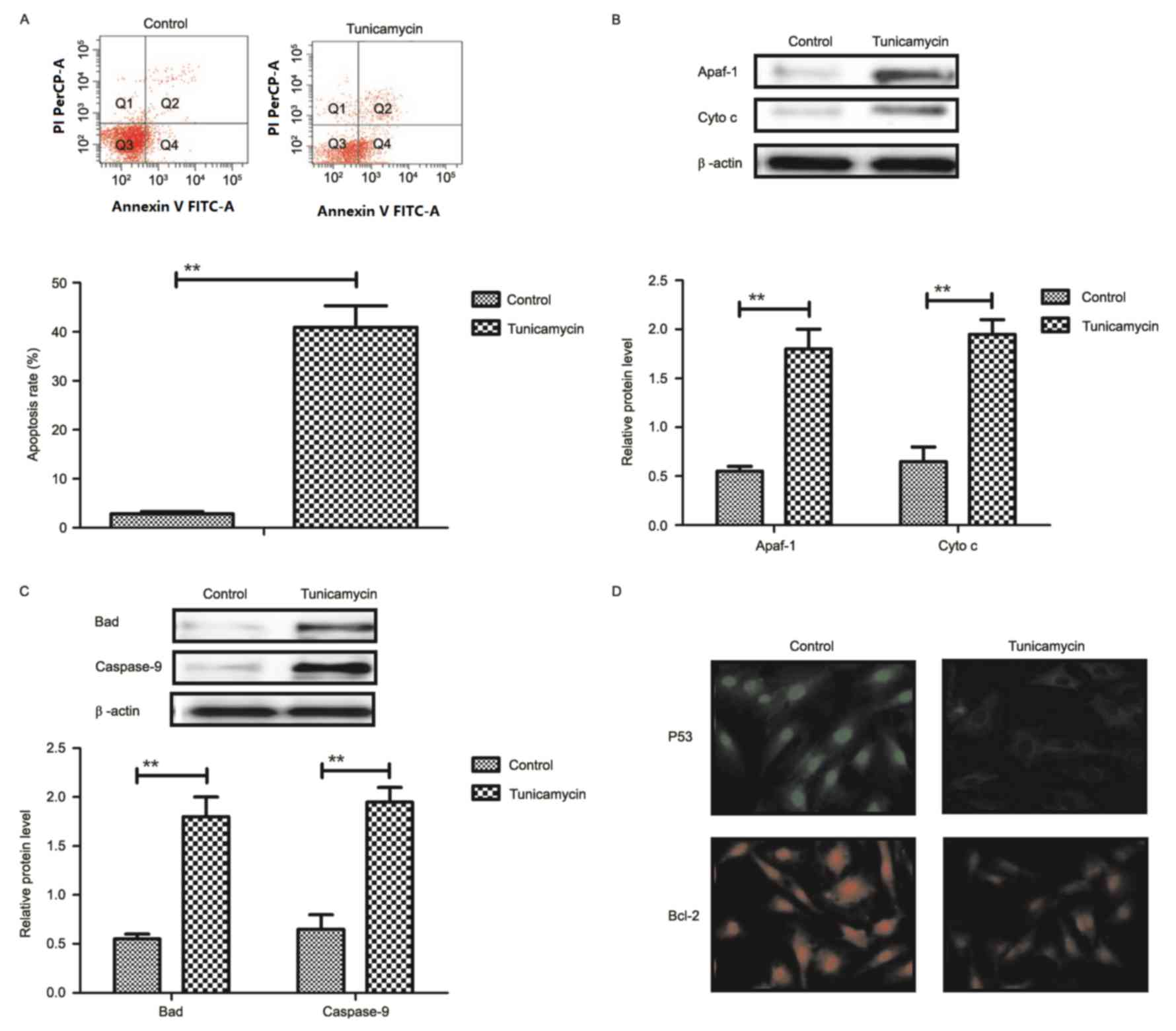
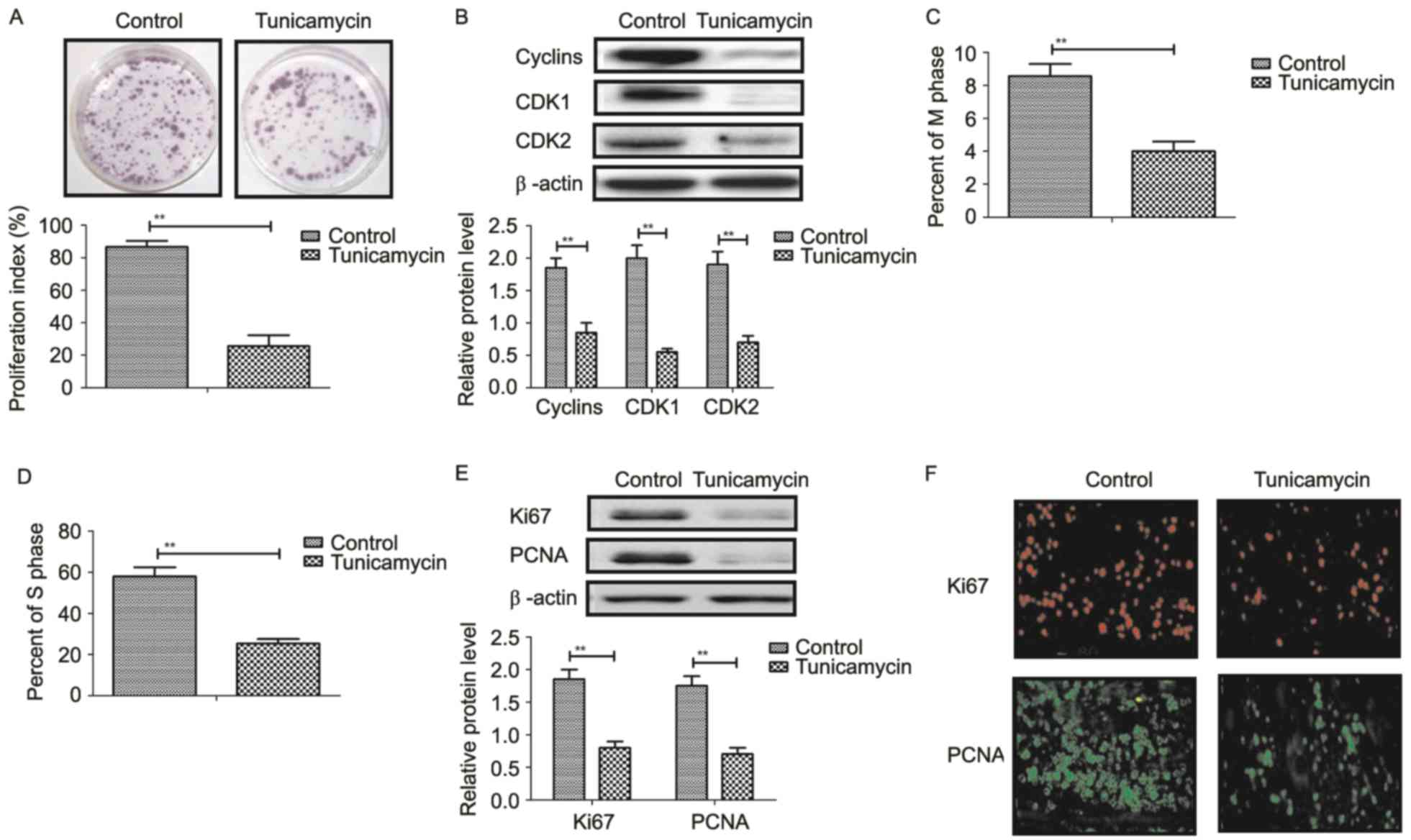
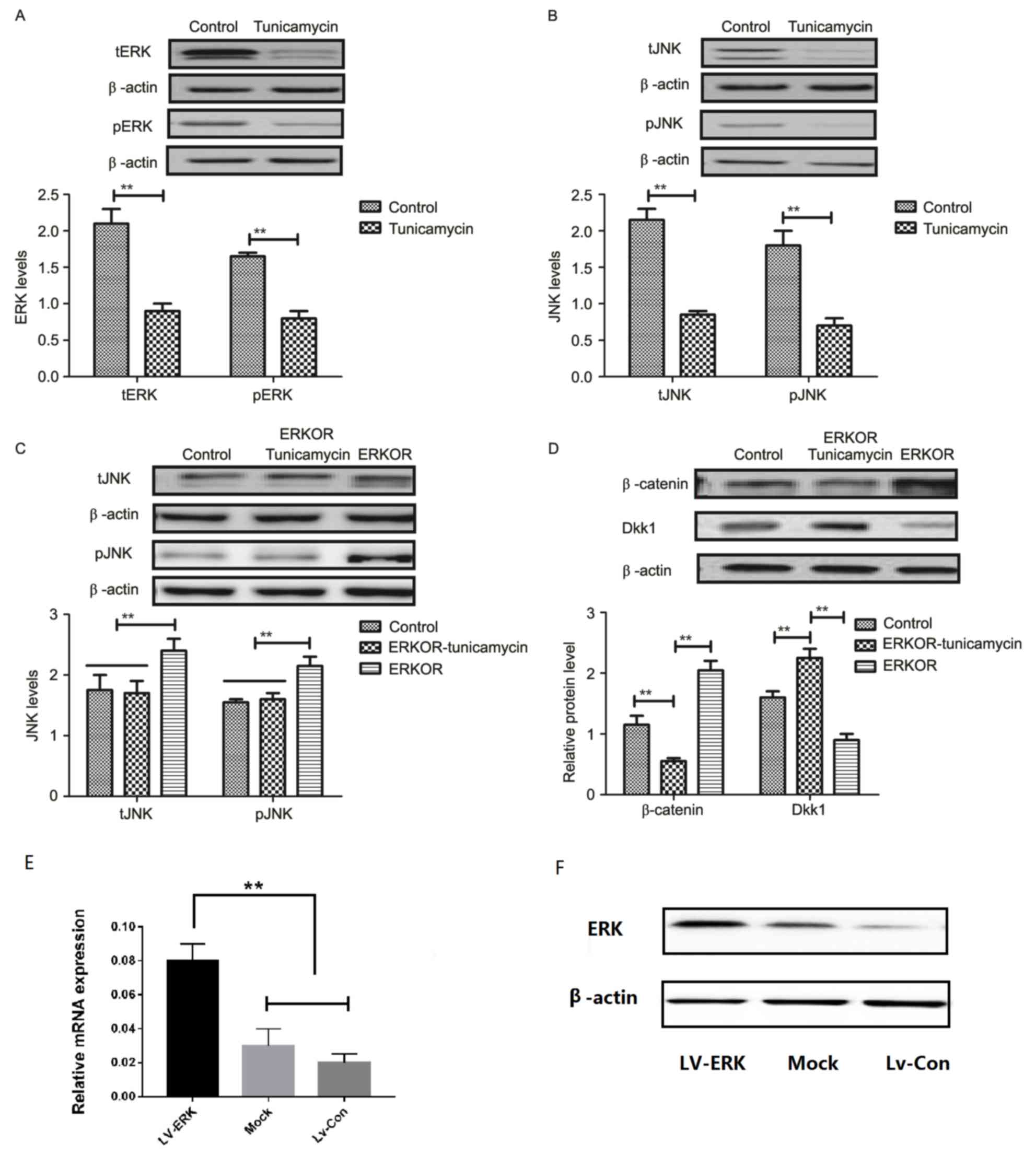
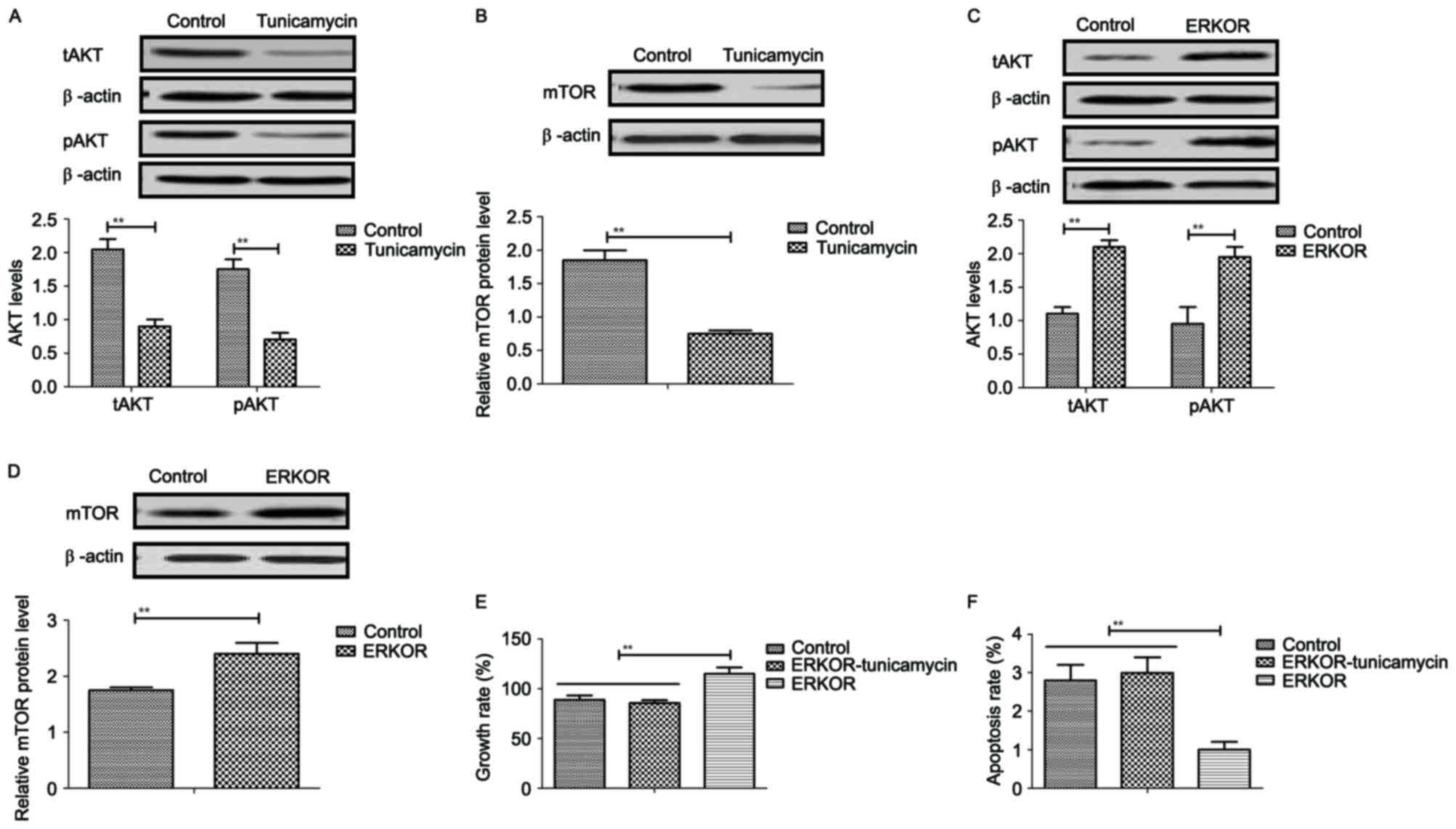
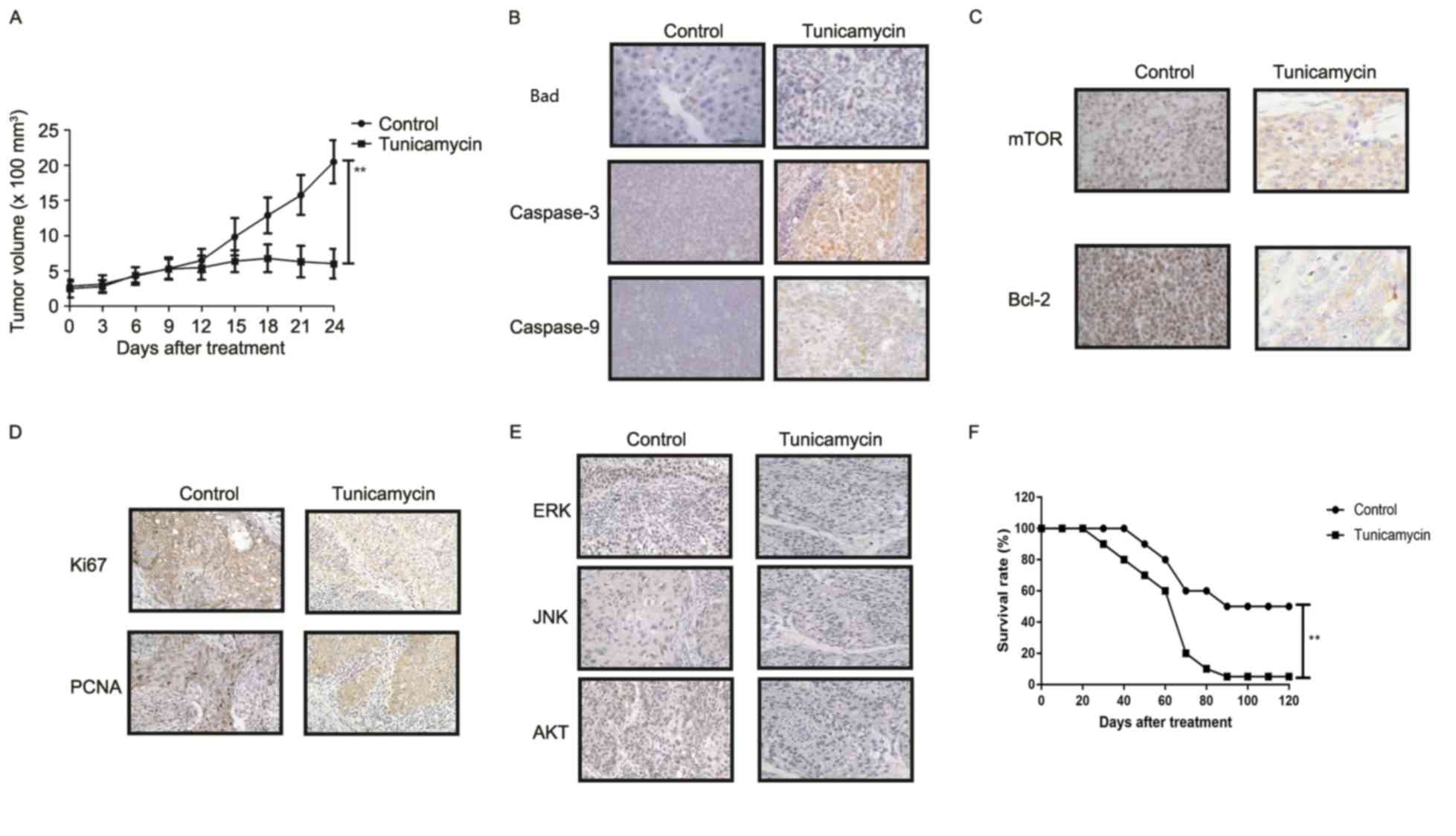
Epidemiology and evidence have demonstrated that colon carcinoma is one of the most common gastrointestinal tumors in the clinic. Reports have suggested that Tunicamycin significantly inhibits aggressiveness of colon carcinoma cells by promotion of apoptosis. In the present study, the inhibitory effect of tunicamycin on colon cancer cells and the potential underlying molecular mechanism was investigated. Western blotting, immunohistochemistry, apoptotic assays and immunofluorescence were used to analyze the therapeutic effects of tunicamycin on apoptosis, growth, aggressiveness and cell cycle of colon tumor cells, by downregulation of fibronectin, vimentin and E‑cadherin expression levels. In vitro experiments demonstrated that tunicamycin significantly inhibited growth, migration and invasion of colon carcinoma cells. In addition, tunicamycin administration promoted apoptosis of colon carcinoma cells via upregulation of apoptotic protease activating factor 1 and cytochrome c expression levels, which are proteins that have a role in mitochondrial apoptosis signaling. Cell cycle assays revealed that tunicamycin suppressed proliferation and arrested S phase entry of colon carcinoma cells. Mechanistic analysis demonstrated that tunicamycin reduced expression and phosphorylation levels of extracellular signal‑regulated kinase (ERK), c‑JUN N‑terminal kinase (JNK) and protein kinase B (AKT), and inhibited mammalian target of rapamycin (mTOR) expression levels in colon carcinoma cells. Endogenous overexpression of ERK inhibited tunicamycin‑mediated downregulation of JNK, AKT and mTOR expression, which further blocked tunicamycin‑mediated inhibition of growth and aggressiveness of colon carcinoma. In vivo assays revealed that tunicamycin treatment significantly inhibited tumor growth and promoted apoptosis, which led to long‑term survival of tumor‑bearing mice compared with the control group. In conclusion, these results suggested that tunicamycin may inhibit growth and aggressiveness of colon cancer via the ERK‑JNK‑mediated AKT/mTOR signaling pathway, and suggested that tunicamycin may be a potential anti‑cancer agent for colon carcinoma therapy.
View Figures

Figure 1

Figure 2

Figure 3

Figure 4

Figure 5

Figure 6

View References

1 

Siegel R, Desantis C and Jemal A: Colorectal cancer statistics, 2014. CA Cancer J Clin. 64:104–117. 2014. View Article : Google Scholar : PubMed/NCBI

2 

Hirai HW, Tsoi KK, Chan JY, Wong SH, Ching JY, Wong MC, Wu JC, Chan FK, Sung JJ and Ng SC: Systematic review with meta-analysis: Faecal occult blood tests show lower colorectal cancer detection rates in the proximal colon in colonoscopy-verified diagnostic studies. Aliment Pharmacol Ther. 43:755–764. 2016. View Article : Google Scholar : PubMed/NCBI

3 

Fahrner R, Theis B, Ardelt M, Rauchfuss F, Schüle S and Settmacher U: Rapid progressive colon cancer metastasized to the right epididymis and liver: Report of a case and review of the literature. Int J Colorectal Dis. 31:721–722. 2016. View Article : Google Scholar : PubMed/NCBI

4 

Gall TM, Markar SR, Jackson D, Haji A and Faiz O: Mini-probe ultrasonography for the staging of colon cancer: A systematic review and meta-analysis. Colorectal Dis. 16:O1–O8. 2014. View Article : Google Scholar : PubMed/NCBI

5 

Kim HD, Ha KS, Woo IS, Jung YH, Han CW and Kim TJ: Tumor lysis syndrome in a patient with metastatic colon cancer after treatment with 5-fluorouracil/leucovorin and oxaliplatin: Case report and literature review. Cancer Res Treat. 46:204–207. 2014. View Article : Google Scholar : PubMed/NCBI

6 

Petrelli F, Tomasello G, Borgonovo K, Ghidini M, Turati L, Dallera P, Passalacqua R, Sgroi G and Barni S: Prognostic survival associated with left-sided vs right-sided colon cancer: A systematic review and meta-analysis. JAMA Oncol. Oct 27–2016.(Epub ahead of print).

7 

Moilanen JM, Kokkonen N, Löffek S, Väyrynen JP, Syväniemi E, Hurskainen T, Mäkinen M, Klintrup K, Mäkelä J, Sormunen R, et al: Collagen XVII expression correlates with the invasion and metastasis of colorectal cancer. Hum Pathol. 46:434–442. 2015. View Article : Google Scholar : PubMed/NCBI

8 

Fan Z, Cui H, Xu X, Lin Z, Zhang X, Kang L, Han B, Meng J, Yan Z, Yan X and Jiao S: MiR-125a suppresses tumor growth, invasion and metastasis in cervical cancer by targeting STAT3. Oncotarget. 6:25266–25280. 2015. View Article : Google Scholar : PubMed/NCBI

9 

Siani LM and Garulli G: Laparoscopic complete mesocolic excision with central vascular ligation in right colon cancer: A comprehensive review. World J Gastrointest Surg. 8:106–114. 2016. View Article : Google Scholar : PubMed/NCBI

10 

Ma J, Ma P, Zhao C, Xue X, Han H, Liu C, Tao H, Xiu W, Cai J and Zhang M: B7-H3 as a promising target for cytotoxicity T cell in human cancer therapy. Oncotarget. 7:29480–29491. 2016.PubMed/NCBI

11 

Hamamoto R and Nakamura Y: Dysregulation of protein methyltransferases in human cancer: An emerging target class for anticancer therapy. Cancer Sci. 107:377–384. 2016. View Article : Google Scholar : PubMed/NCBI

12 

Matsui H, Ito H, Taniguchi Y, Takeda S and Takahashi R: Ammonium chloride and tunicamycin are novel toxins for dopaminergic neurons and induce Parkinson's disease-like phenotypes in medaka fish. J Neurochem. 115:1150–1160. 2010. View Article : Google Scholar : PubMed/NCBI

13 

Reszka N, Krol E, Patel AH and Szewczyk B: Effect of tunicamycin on the biogenesis of hepatitis C virus glycoproteins. Acta Biochim Pol. 57:541–546. 2010.PubMed/NCBI

14 

Nami B, Donmez H and Kocak N: Tunicamycin-induced endoplasmic reticulum stress reduces in vitro subpopulation and invasion of CD44+/CD24- phenotype breast cancer stem cells. Exp Toxicol Pathol. 68:419–426. 2016. View Article : Google Scholar : PubMed/NCBI

15 

Miyake H, Hara I, Arakawa S and Kamidono S: Stress protein GRP78 prevents apoptosis induced by calcium ionophore, ionomycin, but not by glycosylation inhibitor, tunicamycin, in human prostate cancer cells. J Cell Biochem. 77:396–408. 2000. View Article : Google Scholar : PubMed/NCBI

16 

Shiraishi T, Yoshida T, Nakata S, Horinaka M, Wakada M, Mizutani Y, Miki T and Sakai T: Tunicamycin enhances tumor necrosis factor-related apoptosis-inducing ligand-induced apoptosis in human prostate cancer cells. Cancer Res. 65:6364–6370. 2005. View Article : Google Scholar : PubMed/NCBI

17 

Ling YH, Li T, Perez-Soler R and Haigentz M Jr: Activation of ER stress and inhibition of EGFR N-glycosylation by tunicamycin enhances susceptibility of human non-small cell lung cancer cells to erlotinib. Cancer Chemother Pharmacol. 64:539–548. 2009. View Article : Google Scholar : PubMed/NCBI

18 

de Freitas Junior JC, Silva Bdu R, de Souza WF, de Araújo WM, Abdelhay ES and Morgado-Diaz JA: Inhibition of N-linked glycosylation by tunicamycin induces E-cadherin-mediated cell-cell adhesion and inhibits cell proliferation in undifferentiated human colon cancer cells. Cancer Chemother Pharmacol. 68:227–238. 2011. View Article : Google Scholar : PubMed/NCBI

19 

BukurovaIu A, Khankin SL, Krasnov GS, Grigor'eva ES, Mashkova TD, Lisitsin NA, Karpov VL and Beresten' SF: Comparison of 2D analysis and bioinformatics search efficiency for colon cancer marker identification. Mol Biol (Mosk). 44:375–381. 2010.(In Russian). PubMed/NCBI

20 

Thompson BA, Goldgar DE, Paterson C, Clendenning M, Walters R, Arnold S, Parsons MT, Michael DW, Gallinger S, Haile RW, et al: A multifactorial likelihood model for MMR gene variant classification incorporating probabilities based on sequence bioinformatics and tumor characteristics: A report from the colon cancer family registry. Hum Mutat. 34:200–209. 2013. View Article : Google Scholar : PubMed/NCBI

21 

Renshaw A and Elsheikh TM: A validation study of the Focalpoint GS imaging system for gynecologic cytology screening. Cancer Cytopathol. 121:737–738. 2013. View Article : Google Scholar : PubMed/NCBI

22 

Livak KJ and Schmittgen TD: Analysis of relative gene expression data using real-time quantitative PCR and the 2(-Delta Delta C(T)) method. Methods. 25:402–408. 2001. View Article : Google Scholar : PubMed/NCBI

23 

Bai FL, Yu YH, Tian H, Ren GP, Wang H, Zhou B, Han XH, Yu QZ and Li DS: Genetically engineered Newcastle disease virus expressing interleukin-2 and TNF-related apoptosis-inducing ligand for cancer therapy. Cancer Biol Ther. 15:1226–1238. 2014. View Article : Google Scholar : PubMed/NCBI

24 

Stipa F, Burza A, Curinga R, Santini E, Delle Site P, Avantifiori R and Picchio M: Laparoscopic colon and rectal resections with intracorporeal anastomosis and trans-vaginal specimen extraction for colorectal cancer. A case series and systematic literature review. Int J Colorectal Dis. 30:955–962. 2015. View Article : Google Scholar : PubMed/NCBI

25 

Nadler A, McCart JA and Govindarajan A: Peritoneal carcinomatosis from colon cancer: A systematic review of the data for cytoreduction and intraperitoneal chemotherapy. Clin Colon Rectal Surg. 28:234–246. 2015. View Article : Google Scholar : PubMed/NCBI

26 

Pandor A, Eggington S, Paisley S, Tappenden P and Sutcliffe P: The clinical and cost-effectiveness of oxaliplatin and capecitabine for the adjuvant treatment of colon cancer: Systematic review and economic evaluation. Health Technol Assess. 10:iii–iv, xi-xiv, 1–185. 2006. View Article : Google Scholar : PubMed/NCBI

27 

Millat B, Rougier P, Aparicio T, Guimbaud R and Chaussade S: Conference review. Colon cancer: What treatment in 2004? The point in five questions. Ann Chir. 130:277–283. 2005.(In French).

28 

Chibaudel B, Bonnetain F, Tournigand C and de Gramont A: Maintenance treatment in metastatic colorectal cancer. Lancet Oncol. 16:e583–e584. 2015. View Article : Google Scholar : PubMed/NCBI

29 

Kim MK, Kang YJ, Kim DH, Hossain MA, Jang JY, Lee SH, Yoon JH, Chun P, Moon HR, Kim HS, et al: A novel hydroxamic acid derivative, MHY218, induces apoptosis and cell cycle arrest through downregulation of NF-κB in HCT116 human colon cancer cells. Int J Oncol. 44:256–264. 2014. View Article : Google Scholar : PubMed/NCBI

30 

Wan Y, Xin Y, Zhang C, Wu D, Ding D, Tang L, Owusu L, Bai J and Li W: Fermentation supernatants of Lactobacillus delbrueckii inhibit growth of human colon cancer cells and induce apoptosis through a caspase 3-dependent pathway. Oncol Lett. 7:1738–1742. 2014. View Article : Google Scholar : PubMed/NCBI

31 

Lee JS, Jung WK, Jeong MH, Yoon TR and Kim HK: Sanguinarine induces apoptosis of HT-29 human colon cancer cells via the regulation of Bax/Bcl-2 ratio and caspase-9-dependent pathway. Int J Toxicol. 31:70–77. 2012. View Article : Google Scholar : PubMed/NCBI

32 

Travica S, Pors K, Loadman PM, Shnyder SD, Johansson I, Alandas MN, Sheldrake HM, Mkrtchian S, Patterson LH and Ingelman-Sundberg M: Colon cancer-specific cytochrome P450 2W1 converts duocarmycin analogues into potent tumor cytotoxins. Clin Cancer Res. 19:2952–2961. 2013. View Article : Google Scholar : PubMed/NCBI

33 

Rawłuszko AA, Sławek S, Gollogly A, Szkudelska K and Jagodziński PP: Effect of butyrate on aromatase cytochrome P450 levels in HT29, DLD-1 and LoVo colon cancer cells. Biomed Pharmacother. 66:77–82. 2012. View Article : Google Scholar : PubMed/NCBI

34 

Dowling CM, Herranz Ors C and Kiely PA: Using real-time impedance-based assays to monitor the effects of fibroblast-derived media on the adhesion, proliferation, migration and invasion of colon cancer cells. Biosci Rep. 34:pii: e001262014. View Article : Google Scholar

35 

Kim J, Kang HS, Lee YJ, Lee HJ, Yun J, Shin JH, Lee CW, Kwon BM and Hong SH: EGR1-dependent PTEN upregulation by 2-benzoyloxycinnamaldehyde attenuates cell invasion and EMT in colon cancer. Cancer Lett. 349:35–44. 2014. View Article : Google Scholar : PubMed/NCBI

36 

Heckmann D, Maier P, Laufs S, Li L, Sleeman JP, Trunk MJ, Leupold JH, Wenz F, Zeller WJ, Fruehauf S and Allgayer H: The disparate twins: A comparative study of CXCR4 and CXCR7 in SDF-1α-induced gene expression, invasion and chemosensitivity of colon cancer. Clin Cancer Res. 20:604–616. 2014. View Article : Google Scholar : PubMed/NCBI

37 

Radziwon-Balicka A, Santos-Martinez MJ, Corbalan JJ, Corbalan JJ, O'Sullivan S, Treumann A, Gilmer JF, Radomski MW and Medina C: Mechanisms of platelet-stimulated colon cancer invasion: Role of clusterin and thrombospondin 1 in regulation of the P38MAPK-MMP-9 pathway. Carcinogenesis. 35:324–332. 2014. View Article : Google Scholar : PubMed/NCBI

38 

Lee YS, Kim SY, Song SJ, Hong HK, Lee Y, Oh BY, Lee WY and Cho YB: Crosstalk between CCL7 and CCR3 promotes metastasis of colon cancer cells via ERK-JNK signaling pathways. Oncotarget. 7:36842–36853. 2016.PubMed/NCBI

39 

Chen J, Shao R, Li F, Monteiro M, Liu JP, Xu ZP and Gu W: PI3K/Akt/mTOR pathway dual inhibitor BEZ235 suppresses the stemness of colon cancer stem cells. Clin Exp Pharmacol Physiol. 42:1317–1326. 2015. View Article : Google Scholar : PubMed/NCBI

40 

Zhang X, Shi H, Tang H, Fang Z, Wang J and Cui S: miR-218 inhibits the invasion and migration of colon cancer cells by targeting the PI3K/Akt/mTOR signaling pathway. Int J Mol Med. 35:1301–1308. 2015. View Article : Google Scholar : PubMed/NCBI

41 

Ponnurangam S, Standing D, Rangarajan P and Subramaniam D: Tandutinib inhibits the Akt/mTOR signaling pathway to inhibit colon cancer growth. Mol Cancer Ther. 12:598–609. 2013. View Article : Google Scholar : PubMed/NCBI

42 

Emenaker NJ, Calaf GM, Cox D, Basson MD and Qureshi N: Short-chain fatty acids inhibit invasive human colon cancer by modulating uPA, TIMP-1, TIMP-2, mutant p53, Bcl-2, Bax, p21 and PCNA protein expression in an in vitro cell culture model. J Nutr. 131 11 Suppl:3041S–3046S. 2001. View Article : Google Scholar : PubMed/NCBI

Related Articles

  • Abstract
  • View
  • Download
  • Twitter
Copy and paste a formatted citation
Spandidos Publications style
You S, Li W and Guan Y: Tunicamycin inhibits colon carcinoma growth and aggressiveness via modulation of the ERK-JNK-mediated AKT/mTOR signaling pathway Retraction in /10.3892/mmr.2024.13184. Mol Med Rep 17: 4203-4212, 2018.
APA
You, S., Li, W., & Guan, Y. (2018). Tunicamycin inhibits colon carcinoma growth and aggressiveness via modulation of the ERK-JNK-mediated AKT/mTOR signaling pathway Retraction in /10.3892/mmr.2024.13184. Molecular Medicine Reports, 17, 4203-4212. https://doi.org/10.3892/mmr.2018.8444
MLA
You, S., Li, W., Guan, Y."Tunicamycin inhibits colon carcinoma growth and aggressiveness via modulation of the ERK-JNK-mediated AKT/mTOR signaling pathway Retraction in /10.3892/mmr.2024.13184". Molecular Medicine Reports 17.3 (2018): 4203-4212.
Chicago
You, S., Li, W., Guan, Y."Tunicamycin inhibits colon carcinoma growth and aggressiveness via modulation of the ERK-JNK-mediated AKT/mTOR signaling pathway Retraction in /10.3892/mmr.2024.13184". Molecular Medicine Reports 17, no. 3 (2018): 4203-4212. https://doi.org/10.3892/mmr.2018.8444
Copy and paste a formatted citation
x
Spandidos Publications style
You S, Li W and Guan Y: Tunicamycin inhibits colon carcinoma growth and aggressiveness via modulation of the ERK-JNK-mediated AKT/mTOR signaling pathway Retraction in /10.3892/mmr.2024.13184. Mol Med Rep 17: 4203-4212, 2018.
APA
You, S., Li, W., & Guan, Y. (2018). Tunicamycin inhibits colon carcinoma growth and aggressiveness via modulation of the ERK-JNK-mediated AKT/mTOR signaling pathway Retraction in /10.3892/mmr.2024.13184. Molecular Medicine Reports, 17, 4203-4212. https://doi.org/10.3892/mmr.2018.8444
MLA
You, S., Li, W., Guan, Y."Tunicamycin inhibits colon carcinoma growth and aggressiveness via modulation of the ERK-JNK-mediated AKT/mTOR signaling pathway Retraction in /10.3892/mmr.2024.13184". Molecular Medicine Reports 17.3 (2018): 4203-4212.
Chicago
You, S., Li, W., Guan, Y."Tunicamycin inhibits colon carcinoma growth and aggressiveness via modulation of the ERK-JNK-mediated AKT/mTOR signaling pathway Retraction in /10.3892/mmr.2024.13184". Molecular Medicine Reports 17, no. 3 (2018): 4203-4212. https://doi.org/10.3892/mmr.2018.8444
Follow us
  • Twitter
  • LinkedIn
  • Facebook
About
  • Spandidos Publications
  • Careers
  • Cookie Policy
  • Privacy Policy
How can we help?
  • Help
  • Live Chat
  • Contact
  • Email to our Support Team