Spandidos Publications Logo
  • About
    • About Spandidos
    • Aims and Scopes
    • Abstracting and Indexing
    • Editorial Policies
    • Reprints and Permissions
    • Job Opportunities
    • Terms and Conditions
    • Contact
  • Journals
    • All Journals
    • Oncology Letters
      • Oncology Letters
      • Information for Authors
      • Editorial Policies
      • Editorial Board
      • Aims and Scope
      • Abstracting and Indexing
      • Bibliographic Information
      • Archive
    • International Journal of Oncology
      • International Journal of Oncology
      • Information for Authors
      • Editorial Policies
      • Editorial Board
      • Aims and Scope
      • Abstracting and Indexing
      • Bibliographic Information
      • Archive
    • Molecular and Clinical Oncology
      • Molecular and Clinical Oncology
      • Information for Authors
      • Editorial Policies
      • Editorial Board
      • Aims and Scope
      • Abstracting and Indexing
      • Bibliographic Information
      • Archive
    • Experimental and Therapeutic Medicine
      • Experimental and Therapeutic Medicine
      • Information for Authors
      • Editorial Policies
      • Editorial Board
      • Aims and Scope
      • Abstracting and Indexing
      • Bibliographic Information
      • Archive
    • International Journal of Molecular Medicine
      • International Journal of Molecular Medicine
      • Information for Authors
      • Editorial Policies
      • Editorial Board
      • Aims and Scope
      • Abstracting and Indexing
      • Bibliographic Information
      • Archive
    • Biomedical Reports
      • Biomedical Reports
      • Information for Authors
      • Editorial Policies
      • Editorial Board
      • Aims and Scope
      • Abstracting and Indexing
      • Bibliographic Information
      • Archive
    • Oncology Reports
      • Oncology Reports
      • Information for Authors
      • Editorial Policies
      • Editorial Board
      • Aims and Scope
      • Abstracting and Indexing
      • Bibliographic Information
      • Archive
    • Molecular Medicine Reports
      • Molecular Medicine Reports
      • Information for Authors
      • Editorial Policies
      • Editorial Board
      • Aims and Scope
      • Abstracting and Indexing
      • Bibliographic Information
      • Archive
    • World Academy of Sciences Journal
      • World Academy of Sciences Journal
      • Information for Authors
      • Editorial Policies
      • Editorial Board
      • Aims and Scope
      • Abstracting and Indexing
      • Bibliographic Information
      • Archive
    • International Journal of Functional Nutrition
      • International Journal of Functional Nutrition
      • Information for Authors
      • Editorial Policies
      • Editorial Board
      • Aims and Scope
      • Abstracting and Indexing
      • Bibliographic Information
      • Archive
    • International Journal of Epigenetics
      • International Journal of Epigenetics
      • Information for Authors
      • Editorial Policies
      • Editorial Board
      • Aims and Scope
      • Abstracting and Indexing
      • Bibliographic Information
      • Archive
    • Medicine International
      • Medicine International
      • Information for Authors
      • Editorial Policies
      • Editorial Board
      • Aims and Scope
      • Abstracting and Indexing
      • Bibliographic Information
      • Archive
  • Articles
  • Information
    • Information for Authors
    • Information for Reviewers
    • Information for Librarians
    • Information for Advertisers
    • Conferences
  • Language Editing
Spandidos Publications Logo
  • About
    • About Spandidos
    • Aims and Scopes
    • Abstracting and Indexing
    • Editorial Policies
    • Reprints and Permissions
    • Job Opportunities
    • Terms and Conditions
    • Contact
  • Journals
    • All Journals
    • Biomedical Reports
      • Information for Authors
      • Editorial Policies
      • Editorial Board
      • Aims and Scope
      • Abstracting and Indexing
      • Bibliographic Information
      • Archive
    • Experimental and Therapeutic Medicine
      • Information for Authors
      • Editorial Policies
      • Editorial Board
      • Aims and Scope
      • Abstracting and Indexing
      • Bibliographic Information
      • Archive
    • International Journal of Epigenetics
      • Information for Authors
      • Editorial Policies
      • Editorial Board
      • Aims and Scope
      • Abstracting and Indexing
      • Bibliographic Information
      • Archive
    • International Journal of Functional Nutrition
      • Information for Authors
      • Editorial Policies
      • Editorial Board
      • Aims and Scope
      • Abstracting and Indexing
      • Bibliographic Information
      • Archive
    • International Journal of Molecular Medicine
      • Information for Authors
      • Editorial Policies
      • Editorial Board
      • Aims and Scope
      • Abstracting and Indexing
      • Bibliographic Information
      • Archive
    • International Journal of Oncology
      • Information for Authors
      • Editorial Policies
      • Editorial Board
      • Aims and Scope
      • Abstracting and Indexing
      • Bibliographic Information
      • Archive
    • Medicine International
      • Information for Authors
      • Editorial Policies
      • Editorial Board
      • Aims and Scope
      • Abstracting and Indexing
      • Bibliographic Information
      • Archive
    • Molecular and Clinical Oncology
      • Information for Authors
      • Editorial Policies
      • Editorial Board
      • Aims and Scope
      • Abstracting and Indexing
      • Bibliographic Information
      • Archive
    • Molecular Medicine Reports
      • Information for Authors
      • Editorial Policies
      • Editorial Board
      • Aims and Scope
      • Abstracting and Indexing
      • Bibliographic Information
      • Archive
    • Oncology Letters
      • Information for Authors
      • Editorial Policies
      • Editorial Board
      • Aims and Scope
      • Abstracting and Indexing
      • Bibliographic Information
      • Archive
    • Oncology Reports
      • Information for Authors
      • Editorial Policies
      • Editorial Board
      • Aims and Scope
      • Abstracting and Indexing
      • Bibliographic Information
      • Archive
    • World Academy of Sciences Journal
      • Information for Authors
      • Editorial Policies
      • Editorial Board
      • Aims and Scope
      • Abstracting and Indexing
      • Bibliographic Information
      • Archive
  • Articles
  • Information
    • For Authors
    • For Reviewers
    • For Librarians
    • For Advertisers
    • Conferences
  • Language Editing
Login Register Submit
  • This site uses cookies
  • You can change your cookie settings at any time by following the instructions in our Cookie Policy. To find out more, you may read our Privacy Policy.

    I agree
Search articles by DOI, keyword, author or affiliation
Search
Advanced Search
presentation
Molecular Medicine Reports
Join Editorial Board Propose a Special Issue
Print ISSN: 1791-2997 Online ISSN: 1791-3004
Journal Cover
April-2018 Volume 17 Issue 4

Full Size Image

Sign up for eToc alerts
Recommend to Library

Journals

International Journal of Molecular Medicine

International Journal of Molecular Medicine

International Journal of Molecular Medicine is an international journal devoted to molecular mechanisms of human disease.

International Journal of Oncology

International Journal of Oncology

International Journal of Oncology is an international journal devoted to oncology research and cancer treatment.

Molecular Medicine Reports

Molecular Medicine Reports

Covers molecular medicine topics such as pharmacology, pathology, genetics, neuroscience, infectious diseases, molecular cardiology, and molecular surgery.

Oncology Reports

Oncology Reports

Oncology Reports is an international journal devoted to fundamental and applied research in Oncology.

Experimental and Therapeutic Medicine

Experimental and Therapeutic Medicine

Experimental and Therapeutic Medicine is an international journal devoted to laboratory and clinical medicine.

Oncology Letters

Oncology Letters

Oncology Letters is an international journal devoted to Experimental and Clinical Oncology.

Biomedical Reports

Biomedical Reports

Explores a wide range of biological and medical fields, including pharmacology, genetics, microbiology, neuroscience, and molecular cardiology.

Molecular and Clinical Oncology

Molecular and Clinical Oncology

International journal addressing all aspects of oncology research, from tumorigenesis and oncogenes to chemotherapy and metastasis.

World Academy of Sciences Journal

World Academy of Sciences Journal

Multidisciplinary open-access journal spanning biochemistry, genetics, neuroscience, environmental health, and synthetic biology.

International Journal of Functional Nutrition

International Journal of Functional Nutrition

Open-access journal combining biochemistry, pharmacology, immunology, and genetics to advance health through functional nutrition.

International Journal of Epigenetics

International Journal of Epigenetics

Publishes open-access research on using epigenetics to advance understanding and treatment of human disease.

Medicine International

Medicine International

An International Open Access Journal Devoted to General Medicine.

Journal Cover
April-2018 Volume 17 Issue 4

Full Size Image

Sign up for eToc alerts
Recommend to Library

  • Article
  • Citations
    • Cite This Article
    • Download Citation
    • Create Citation Alert
    • Remove Citation Alert
    • Cited By
  • Similar Articles
    • Related Articles (in Spandidos Publications)
    • Similar Articles (Google Scholar)
    • Similar Articles (PubMed)
  • Download PDF
  • Download XML
  • View XML
Article

Anti‑cancer effects of a novel Pan‑RAF inhibitor in a hepatocellular carcinoma cell line

  • Authors:
    • Wei Wang
    • Bo Xu
    • Qixiang Li
    • Dechun Jiang
    • Suying Yan
  • View Affiliations / Copyright

    Affiliations: Department of Pharmacy, Xuanwu Hospital, Capital Medical University, Beijing 100053, P.R. China, State Key Laboratory of Natural and Biomimetic Drugs, Peking University Health Science Center, Beijing 100191, P.R. China, Biomarker and Diagnostic Technology, Crown Bioscience Inc., Beijing 102200, P.R. China
  • Pages: 6185-6193
    |
    Published online on: February 16, 2018
       https://doi.org/10.3892/mmr.2018.8615
  • Expand metrics +
Metrics: Total Views: 0 (Spandidos Publications: | PMC Statistics: )
Metrics: Total PDF Downloads: 0 (Spandidos Publications: | PMC Statistics: )
Cited By (CrossRef): 0 citations Loading Articles...

This article is mentioned in:


Abstract

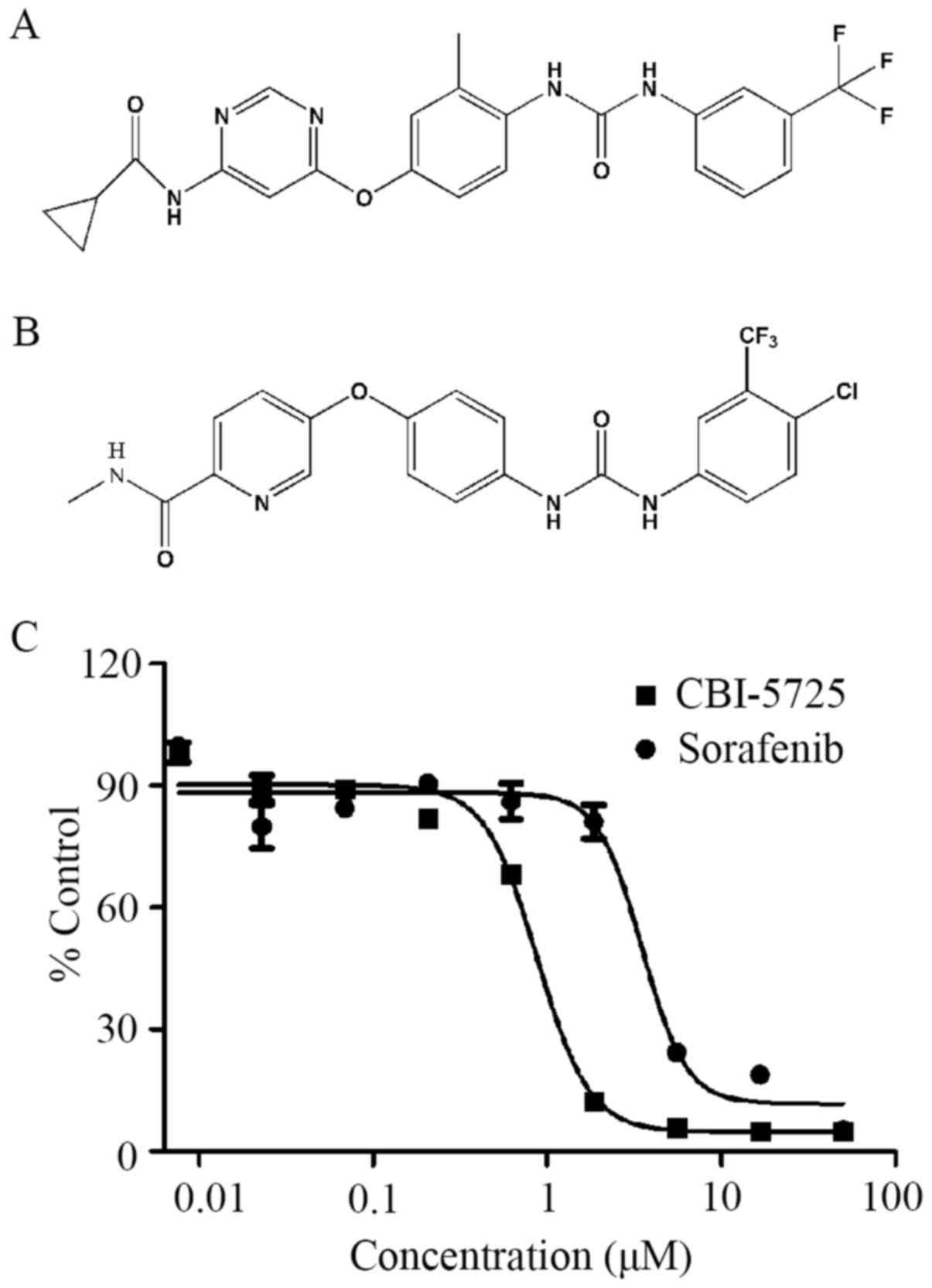
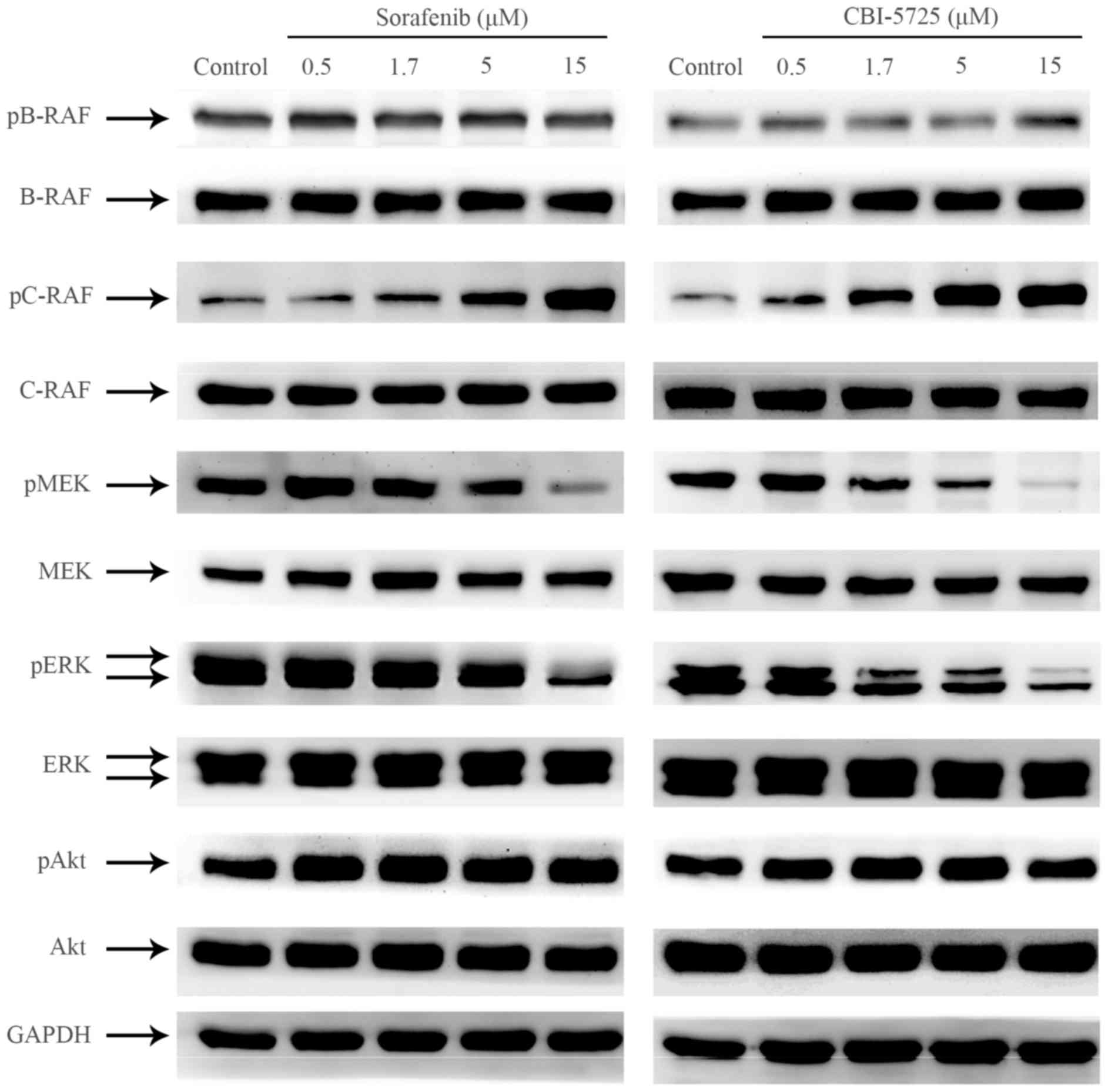
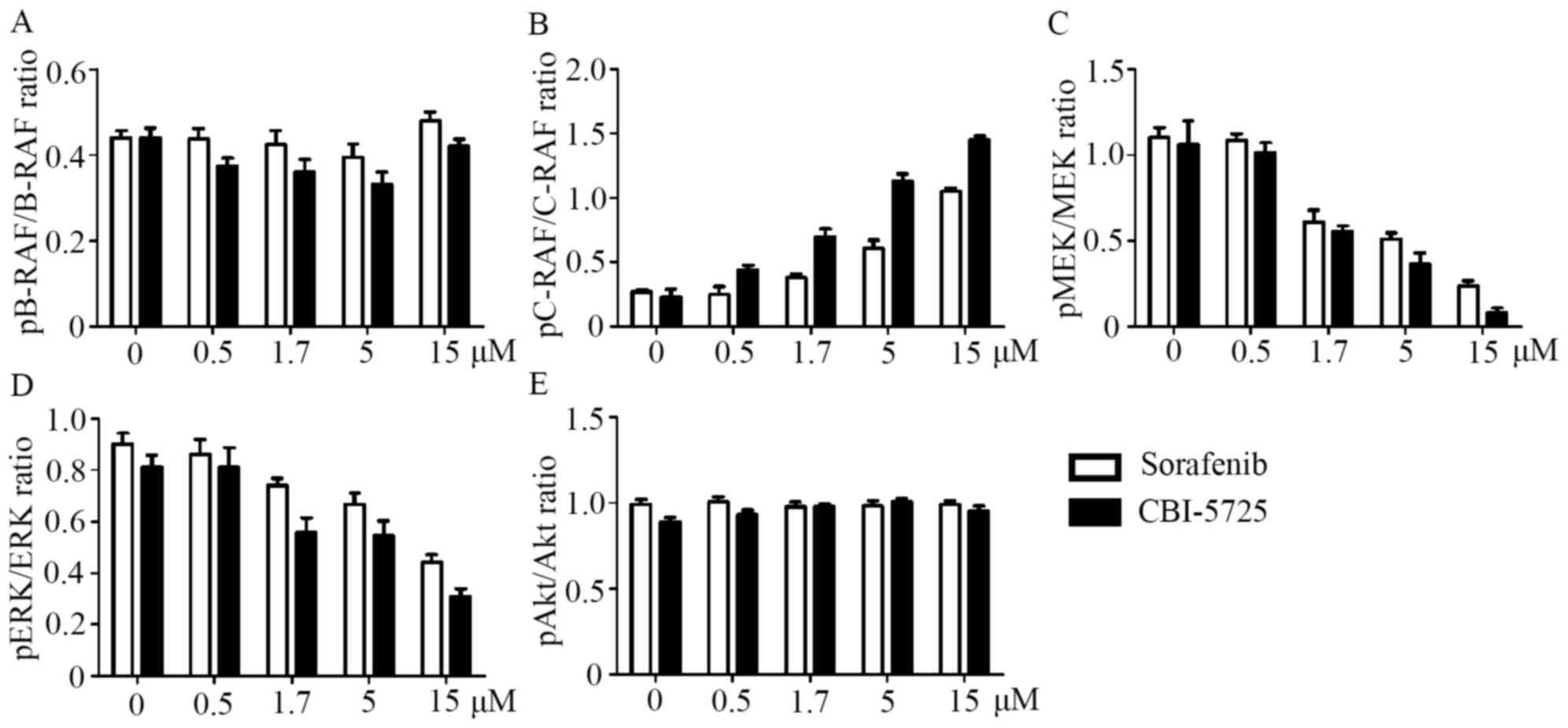
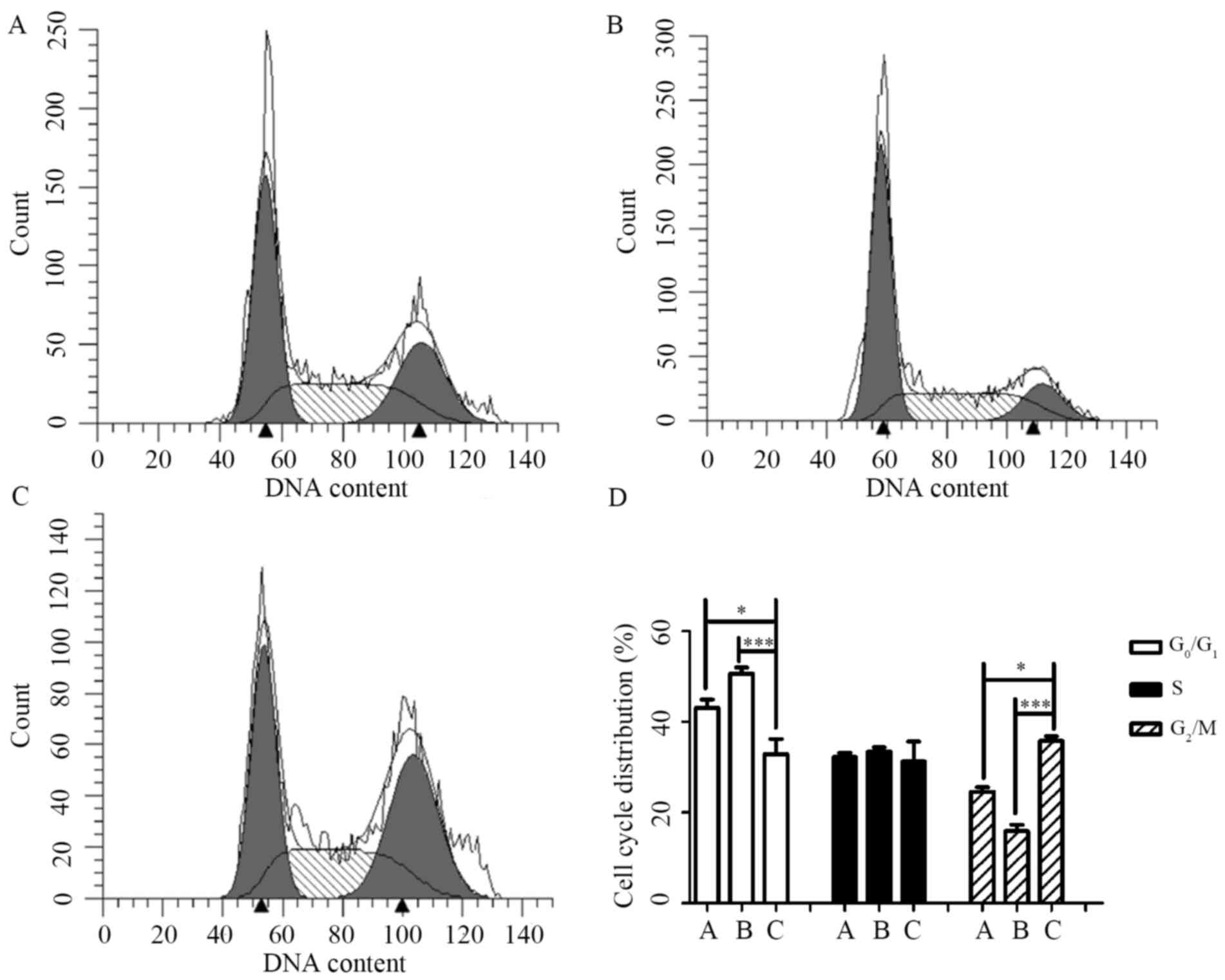
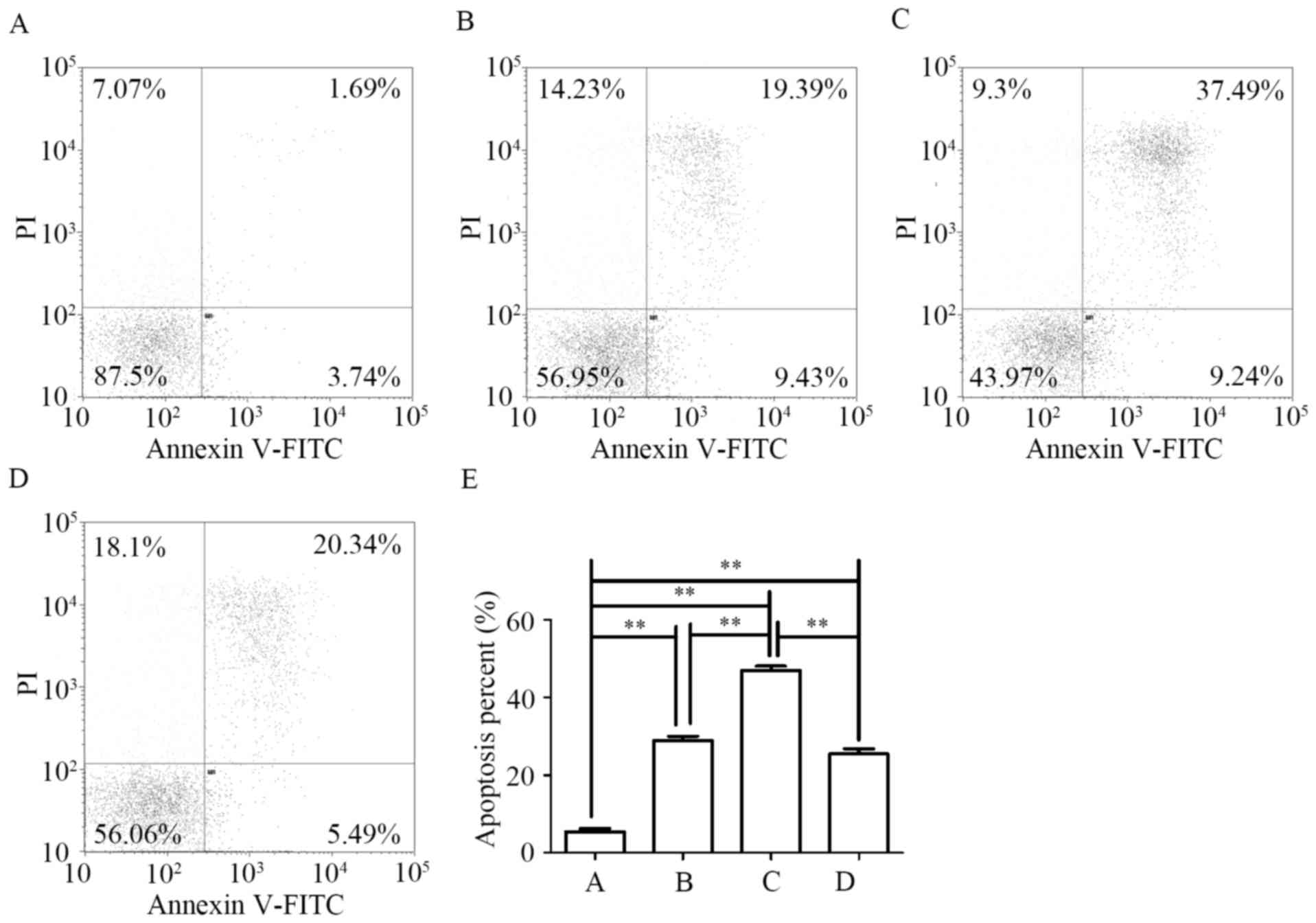
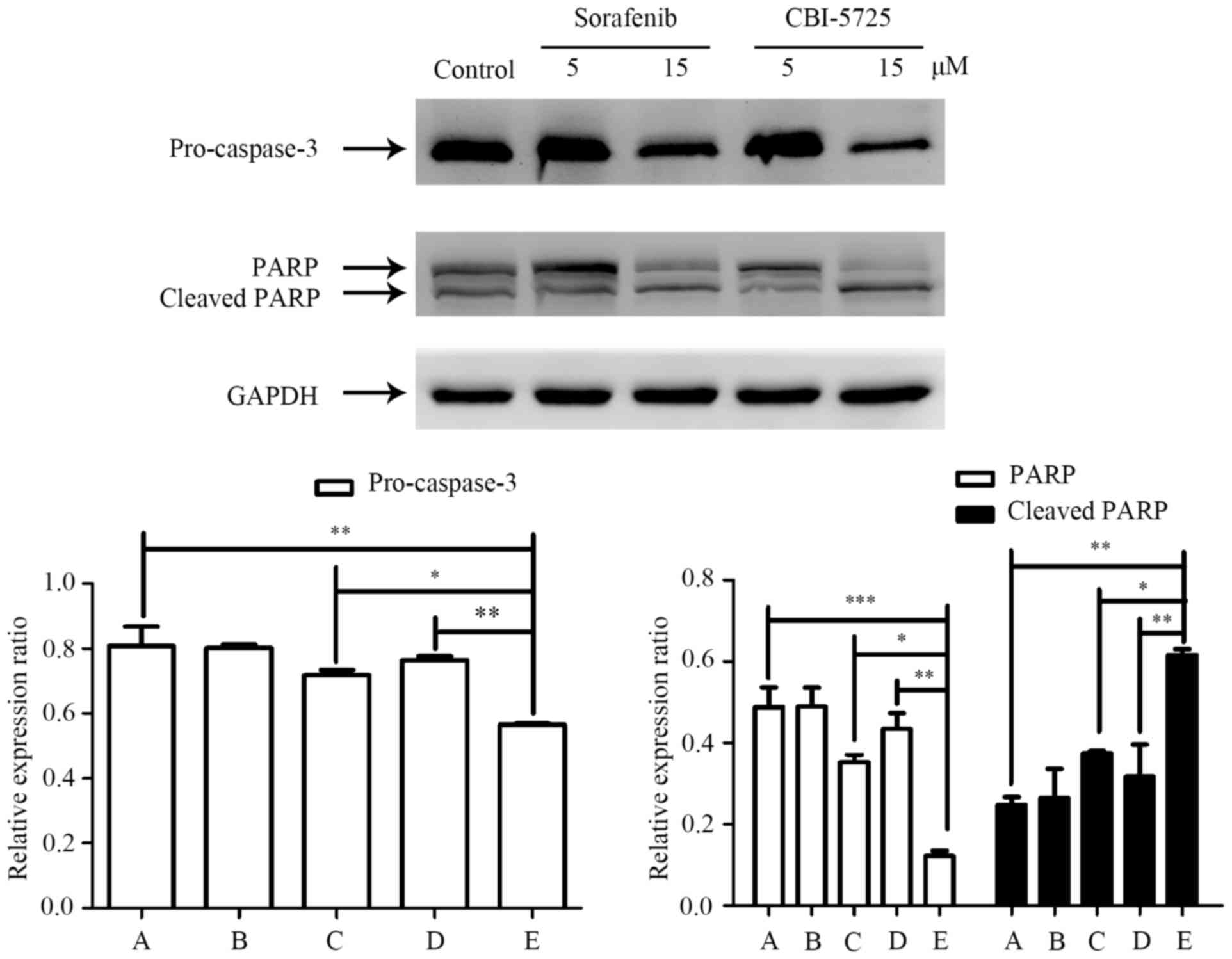
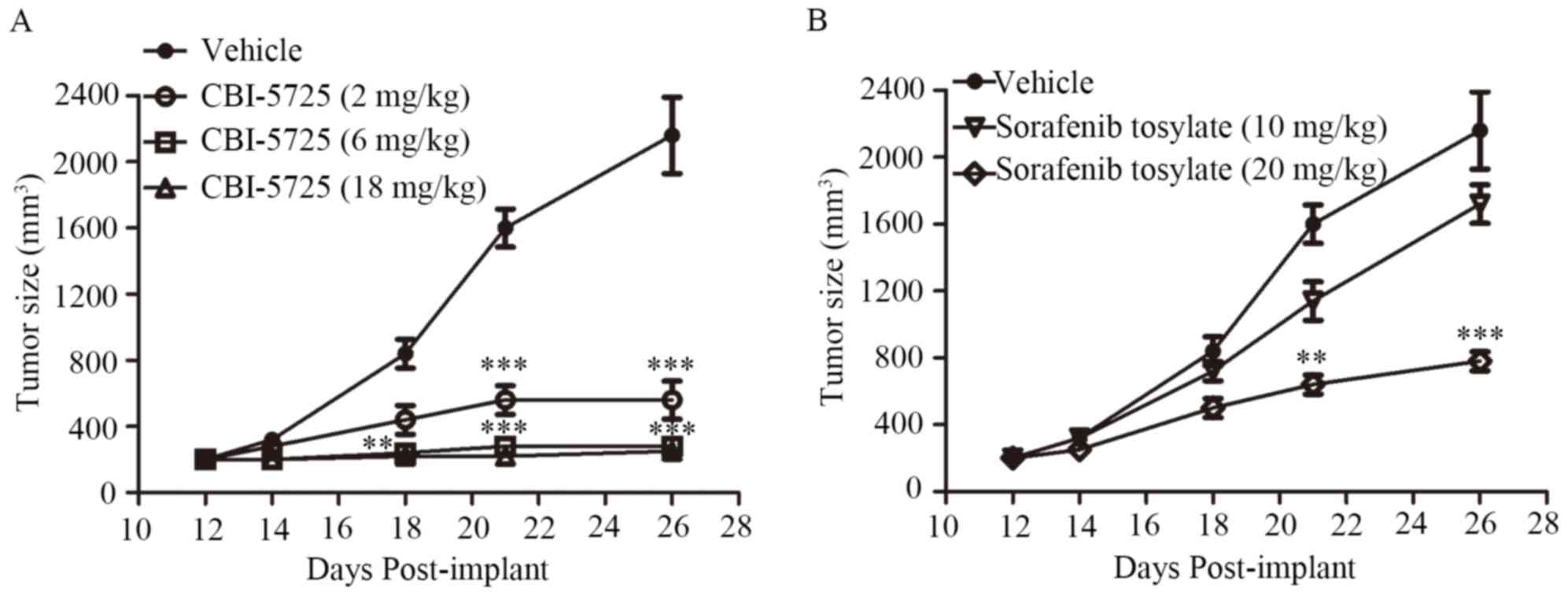
The RAF/mitogen-activated protein kinase (MAPK)/extracellular signal-regulated kinase (ERK) kinase (MEK)/ERK (RAF/MEK/ERK) signaling cascade serves a prominent role in hepatocellular carcinoma (HCC) proliferation. Sorafenib (BAY 43‑9006) is a potent multikinase inhibitor of RAF kinases and a few receptor tyrosine kinases. Additionally, sorafenib causes apoptosis in a number of human tumor cell lines such as leukemia cell lines. Sorafenib is the first targeted drug to prolong the overall survival of patients with advanced HCC. However, sorafenib activity is less favorable in certain cancers, including sarcomas and melanomas, due to patient insensitivity and drug resistance. In the present study, a novel bi‑aryl urea, N‑(3‑trifluoromethylphenyl)‑N'-(2-methyl-4-(6‑cyclopropanecarboxamido-pyrimidin-4-yl) oxyphenyl) urea (CBI‑5725), is shown to be a potential candidate for the treatment of liver cancer. In the present study, the in vitro activities of CBI‑5725 and sorafenib in PLC/PRF/5 HCC cells were examined and the corresponding in vivo antitumor activities in PLC/PRF/5 human tumor xenografts. An alamar blue assay confirmed that CBI‑5725 was more cytotoxic than sorafenib to PLC/PRF/5 cells, suggesting that CBI‑5725 inhibited tumor cell proliferation more potently than sorafenib. CBI‑5725 inhibited the RAF/MEK/ERK signaling pathway to the same extent as sorafenib. In addition, CBI‑5725 elicited cell cycle arrest in the G2/M phase, while sorafenib did not markedly alter the cell cycle. Furthermore, CBI‑5725 induced apoptosis more strongly than sorafenib in a dose‑dependent manner, which may be attributed to greater caspase‑3 and poly(adenosine 5'‑diphosphate‑ribose) polymerase activation by CBI‑5725. In the PLC/PRF/5 xenograft model, 2 mg/kg CBI‑5725 inhibited tumor growth by 73%. At doses ranging from 6 to 18 mg/kg, CBI‑5725 nearly completely prevented tumor growth. These results imply that the antitumor efficacy of CBI‑5725 in HCC models may result from the suppression of the RAF/MEK/ERK signaling pathway, the induction of cell cycle arrest in the G2/M phase, and the initiation of caspase‑3‑dependent apoptosis. These observations suggested that CBI‑5725 may be a potent novel compound for the treatment of HCC.
View Figures

Figure 1

Figure 2

Figure 3

Figure 4

Figure 5

Figure 6

Figure 7

View References

1 

Lamarca A, Mendiola M and Barriuso J: Hepatocellular carcinoma: Exploring the impact of ethnicity on molecular biology. Crit Rev Oncol Hematol. 105:65–72. 2016. View Article : Google Scholar : PubMed/NCBI

2 

Swamy SG, Kameshwar VH, Shubha PB, Looi CY, Shanmugam MK, Arfuso F, Dharmarajan A, Sethi G, Shivananju NS and Bishayee A: Targeting multiple oncogenic pathways for the treatment of hepatocellular carcinoma. Target Oncol. 12:1–10. 2016. View Article : Google Scholar

3 

Liu L, Cao Y, Chen C, Zhang X, McNabola A, Wilkie D, Wilhelm S, Lynch M and Carter C: Sorafenib blocks the RAF/MEK/ERK pathway, inhibits tumor angiogenesis and induces tumor cell apoptosis in hepatocellular carcinoma model PLC/PRF/5. Cancer Res. 66:11851–11858. 2006. View Article : Google Scholar : PubMed/NCBI

4 

Wilhelm SM, Carter C, Tang L, Wilkie D, McNabola A, Rong H, Chen C, Zhang X, Vincent P, McHugh M, et al: BAY 43-9006 exhibits broad spectrum oral antitumor activity and targets the RAF/MEK/ERK pathway and receptor tyrosine kinases involved in tumor progression and angiogenesis. Cancer Res. 64:7099–7109. 2004. View Article : Google Scholar : PubMed/NCBI

5 

Azumi J, Tsubota T, Sakabe T and Shiota G: miR-181a induces sorafenib resistance of hepatocellular carinoma cells through downregulation of RASSF1 expression. Cancer Sci. 107:1256–1262. 2016. View Article : Google Scholar : PubMed/NCBI

6 

Ezzoukhry Z, Louandre C, Trécherel E, Godin C, Chauffert B, Dupont S, Diouf M, Barbare JC, Mazière JC and Galmiche A: EGFR activation is a potential determinant of primary resistance of hepatocellular carcinoma cells to sorafenib. Int J Cancer. 131:2961–2969. 2012. View Article : Google Scholar : PubMed/NCBI

7 

Poulikakos PI, Zhang C, Bollag G, Shokat KM and Rosen N: RAF inhibitors transactivate RAF dimers and ERK signalling in cells with wild-type BRAF. Nature. 464:427–430. 2010. View Article : Google Scholar : PubMed/NCBI

8 

Lackner MR, Wilson TR and Settleman J: Mechanisms of acquired resistance to targeted cancer therapies. Future Oncol. 8:999–1014. 2012. View Article : Google Scholar : PubMed/NCBI

9 

Bagrodia S, Smeal T and Abraham RT: Mechanisms of intrinsic and acquired resistance to kinase-targeted therapies. Pigment Cell Melanoma Res. 25:819–831. 2012. View Article : Google Scholar : PubMed/NCBI

10 

Bottsford-Miller JN, Coleman RL and Sood AK: Resistance and escape from antiangiogenesis therapy: Clinical implications and future strategies. J Clin Oncol. 30:4026–4034. 2012. View Article : Google Scholar : PubMed/NCBI

11 

Moriguchi M, Umemura A and Itoh Y: Current status and future prospects of chemotherapy for advanced hepatocellular carcinoma. Clin J Gastroenterol. 9:184–190. 2016. View Article : Google Scholar : PubMed/NCBI

12 

Pillet S and von Messling V: Canine distemper virus selectively inhibits apoptosis progression in infected immune cells. J Virol. 83:6279–6287. 2009. View Article : Google Scholar : PubMed/NCBI

13 

Thomas E, Gopalakrishnan V, Somasagara RR, Choudhary B and Raghavan SC: Extract of Vernonia condensata, inhibits tumor progression and improves survival of tumor-allograft bearing mouse. Sci Rep. 6:232552016. View Article : Google Scholar : PubMed/NCBI

14 

Brauchle E, Thude S, Brucker SY and Schenke-Layland K: Cell death stages in single apoptotic and necrotic cells monitored by Raman microspectroscopy. Sci Rep. 4:46982014. View Article : Google Scholar : PubMed/NCBI

15 

Wlodkowic D, Telford W, Skommer J and Darzynkiewicz Z: Apoptosis and beyond: Cytometry in studies of programmed cell death. Methods Cell Biol. 103:55–98. 2011. View Article : Google Scholar : PubMed/NCBI

16 

Kuo WT, Ho YJ, Kuo SM, Lin FH, Tsai FJ, Chen YS, Dong GC and Yao CH: Induction of the mitochondria apoptosis pathway by phytohemagglutinin erythroagglutinating in human lung cancer cells. Ann Surg Oncol. 18:848–856. 2011. View Article : Google Scholar : PubMed/NCBI

17 

Lam CR, Tan MJ, Tan SH, Tang MB, Cheung PC and Tan NS: TAK1 regulates SCF expression to modulate PKBα activity that protects keratinocytes from ROS-induced apoptosis. Cell Death Differ. 18:1120–1129. 2011. View Article : Google Scholar : PubMed/NCBI

18 

Yang LJ, Chen Y, He J, Yi S, Wen L, Zhao J, Zhang BP and Cui GH: Betulinic acid inhibits autophagic flux and induces apoptosis in human multiple myeloma cells in vitro. Acta Pharmacol Sin. 33:1–1548. 2012. View Article : Google Scholar : PubMed/NCBI

19 

Buscà R, Pouysségur J and Lenormand P: ERK1 and ERK2 map kinases: Specific roles or functional redundancy. Front Cell Dev Biol. 4:532016. View Article : Google Scholar : PubMed/NCBI

20 

Robinson MJ and Cobb MH: Mitogen-activated protein kinase pathways. Curr Opin Cell Biol. 9:180–186. 1997. View Article : Google Scholar : PubMed/NCBI

21 

Hoshino R, Chatani Y, Yamori T, Tsuruo T, Oka H, Yoshida O, Shimada Y, Ari-i S, Wada H, Fujimoto J and Kohno M: Constitutive activation of the 41-/43-kDa mitogen-activated protein kinase signaling pathway in human tumors. Oncogene. 18:813–822. 1999. View Article : Google Scholar : PubMed/NCBI

22 

Zhang Q, Wei L, Yang H, Yang W, Yang Q, Zhang Z, Wu K and Wu J: Bromodomain containing protein represses the Ras/Raf/MEK/ERK pathway to attenuate human hepatoma cell proliferation during HCV infection. Cancer Lett. 371:107–116. 2016. View Article : Google Scholar : PubMed/NCBI

23 

Pucci B, Kasten M and Giordano A: Cell cycle and apoptosis. Neoplasia. 2:291–299. 2000. View Article : Google Scholar : PubMed/NCBI

24 

Evan GI and Vousden KH: Proliferation, cell cycle and apoptosis in cancer. Nature. 411:342–348. 2001. View Article : Google Scholar : PubMed/NCBI

25 

Wu H, Che X, Zheng Q, Wu A, Pan K, Shao A, Wu Q, Zhang J and Hong Y: Caspases: A molecular switch node in the crosstalk between autophagy and apoptosis. Int J Biol Sci. 10:1072–1083. 2014. View Article : Google Scholar : PubMed/NCBI

26 

Wong RS: Apoptosis in cancer: From pathogenesis to treatment. J Exp Clin Cancer Res. 30:872011. View Article : Google Scholar : PubMed/NCBI

27 

Fulda S and Debatin KM: Extrinsic versus intrinsic apoptosis pathways in anticancer chemotherapy. Oncogene. 25:4798–4811. 2006. View Article : Google Scholar : PubMed/NCBI

28 

Duriez PJ and Shah GM: Cleavage of poly(ADP-ribose) polymerase: A sensitive parameter to study cell death. Biochem Cell Biol. 75:337–349. 1997. View Article : Google Scholar : PubMed/NCBI

29 

Prieto-Domínguez N, Ordóñez R, Fernández A, García-Palomo A, Muntané J, González-Gallego J and Mauriz JL: Modulation of autophagy by sorafenib: Effects on treatment response. Front Pharmacol. 7:1512016. View Article : Google Scholar : PubMed/NCBI

30 

Roberts PJ and Der CJ: Targeting the Raf-MEK-ERK mitogen-activated protein kinase cascade for the treatment of cancer. Oncogene. 26:3291–3310. 2007. View Article : Google Scholar : PubMed/NCBI

31 

Li L, Zhao GD, Shi Z, Qi LL, Zhou LY and Fu ZX: The Ras/Raf/MEK/ERK signaling pathway and its role in the occurrence and development of HCC. Oncol Lett. 12:3045–3050. 2016. View Article : Google Scholar : PubMed/NCBI

32 

Jin T, Lavoie H, Sahmi M, David M, Hilt C, Hammell A and Therrien M: RAF inhibitors promote RAS-RAF interaction by allosterically disrupting RAF autoinhibition. Nat Commun. 8:12112017. View Article : Google Scholar : PubMed/NCBI

33 

Holderfield M, Deuker MM, McCormick F and McMahon M: Targeting RAF kinases for cancer therapy: BRAF-mutated melanoma and beyond. Nat Rev Cancer. 14:455–467. 2014. View Article : Google Scholar : PubMed/NCBI

34 

Chapman PB, Hauschild A, Robert C, Haanen JB, Ascierto P, Larkin J, Dummer R, Garbe C, Testori A, Maio M, et al: Improved survival with vemurafenib in melanoma with BRAF V600E mutation. N Engl J Med. 364:2507–2516. 2011. View Article : Google Scholar : PubMed/NCBI

35 

Hauschild A, Grob JJ, Demidov LV, Jouary T, Gutzmer R, Millward M, Rutkowski P, Blank CU, Miller WH Jr, Kaempgen E, et al: Dabrafenib in BRAF-mutated metastatic melanoma: A multicentre, open-label, phase 3 randomised controlled trial. Lancet. 380:358–365. 2012. View Article : Google Scholar : PubMed/NCBI

36 

Yao Z, Torres NM, Tao A, Gao Y, Luo L, Li Q, de Stanchina E, Abdel-Wahab O, Solit DB, Poulikakos PI and Rosen N: BRAF mutants evade ERK-dependent feedback by different mechanisms that determine their sensitivity to pharmacologic inhibition. Cancer Cell. 28:370–383. 2015. View Article : Google Scholar : PubMed/NCBI

37 

Hatzivassiliou G, Song K, Yen I, Brandhuber BJ, Anderson DJ, Alvarado R, Ludlam MJ, Stokoe D, Gloor SL, Vigers G, et al: RAF inhibitors prime wild-type RAF to activate the MAPK pathway and enhance growth. Nature. 464:431–435. 2010. View Article : Google Scholar : PubMed/NCBI

38 

Heidorn SJ, Milagre C, Whittaker S, Nourry A, Niculescu-Duvas I, Dhomen N, Hussain J, Reis-Filho JS, Springer CJ, Pritchard C and Marais R: Kinase-dead BRAF and oncogenic RAS cooperate to drive tumor progression through CRAF. Cell. 140:209–221. 2010. View Article : Google Scholar : PubMed/NCBI

39 

Prahallad A, Sun C, Huang S, Di Nicolantonio F, Salazar R, Zecchin D, Beijersbergen RL, Bardelli A and Bernards R: Unresponsiveness of colon cancer to BRAF(V600E) inhibition through feedback activation of EGFR. Nature. 483:100–103. 2012. View Article : Google Scholar : PubMed/NCBI

40 

Cox AD and Der CJ: The raf inhibitor paradox: Unexpected consequences of targeted drugs. Cancer Cell. 17:221–223. 2010. View Article : Google Scholar : PubMed/NCBI

41 

Peng SB, Henry JR, Kaufman MD, Lu WP, Smith BD, Vogeti S, Rutkoski TJ, Wise S, Chun L, Zhang Y, et al: Inhibition of RAF isoforms and active dimers by LY3009120 leads to anti-tumor activities in RAS or BRAF mutant cancers. Cancer Cell. 28:384–398. 2015. View Article : Google Scholar : PubMed/NCBI

42 

Nakamura A, Arita T, Tsuchiya S, Donelan J, Chouitar J, Carideo E, Galvin K, Okaniwa M, Ishikawa T and Yoshida S: Antitumor activity of the selective pan-RAF inhibitor TAK-632 in BRAF inhibitor-resistant melanoma. Cancer Res. 73:7043–7055. 2013. View Article : Google Scholar : PubMed/NCBI

43 

Girotti MR, Lopes F, Preece N, Niculescu-Duvaz D, Zambon A, Davies L, Whittaker S, Saturno G, Viros A, Pedersen M, et al: Paradox-breaking RAF inhibitors that also target SRC are effective in drug-resistant braf mutant melanoma. Cancer Cell. 31:4662017. View Article : Google Scholar : PubMed/NCBI

44 

Knievel J, Schulz WA, Greife A, Hader C, Lübke T, Schmitz I, Albers P and Niegisch G: Multiple mechanisms mediate resistance to sorafenib in urothelial cancer. Int J Mol Sci. 15:20500–20517. 2014. View Article : Google Scholar : PubMed/NCBI

45 

Weber GF, Gaertner FC, Erl W, Janssen KP, Blechert B, Holzmann B, Weighardt H and Essler M: IL-22-mediated tumor growth reduction correlates with inhibition of ERK1/2 and AKT phosphorylation and induction of cell cycle arrest in the G2-M phase. J Immunol. 177:8266–8272. 2006. View Article : Google Scholar : PubMed/NCBI

46 

Cheng Y, Qiu F, Ye YC, Tashiro S, Onodera S and Ikejima T: Oridonin induces G2/M arrest and apoptosis via activating ERK-p53 apoptotic pathway and inhibiting PTK-Ras-Raf-JNK survival pathway in murine fibrosarcoma L929 cells. Arch Biochem Biophys. 490:70–75. 2009. View Article : Google Scholar : PubMed/NCBI

47 

Nicholson DW, Ali A, Thornberry NA, Vaillancourt JP, Ding CK, Gallant M, Gareau Y, Griffin PR, Labelle M, Lazebnik YA, et al: Identification and inhibition of the ICE/CED-3 protease necessary for mammalian apoptosis. Nature. 376:37–43. 1995. View Article : Google Scholar : PubMed/NCBI

48 

Tewari M, Quan LT, O'Rourke K, Desnoyers S, Zeng Z, Beidler DR, Poirier GG, Salvesen GS and Dixit VM: Yama/CPP32 beta, a mammalian homolog of CED-3, is a CrmA-inhibitable protease that cleaves the death substrate poly(ADP-ribose) polymerase. Cell. 81:801–809. 1995. View Article : Google Scholar : PubMed/NCBI

49 

Le RY, Kirkland JB and Shah GM: Cellular responses to DNA damage in the absence of Poly(ADP-ribose) polymerase. Biochem Biophys Res Commun. 245:1–10. 1998. View Article : Google Scholar : PubMed/NCBI

50 

Vizetto-Duarte C, Custodio L, Gangadhar KN, Lago JH, Dias C, Matos AM, Neng N, Nogueira JM, Barreira L, Albericio F, et al: Isololiolide, a carotenoid metabolite isolated from the brown alga Cystoseira tamariscifolia, is cytotoxic and able to induce apoptosis in hepatocarcinoma cells through caspase-3 activation, decreased Bcl-2 levels, increased p53 expression and PARP cleavage. Phytomedicine. 23:550–557. 2016. View Article : Google Scholar : PubMed/NCBI

51 

Oliver FJ, de la Rubia G, Rolli V, Ruiz-Ruiz MC, de Murcia G and Murcia JM: Importance of poly(ADP-ribose) polymerase and its cleavage in apoptosis. Lesson from an uncleavable mutant. J Biol Chem. 273:33533–33955. 1998. View Article : Google Scholar : PubMed/NCBI

Related Articles

  • Abstract
  • View
  • Download
  • Twitter
Copy and paste a formatted citation
Spandidos Publications style
Wang W, Xu B, Li Q, Jiang D and Yan S: Anti‑cancer effects of a novel Pan‑RAF inhibitor in a hepatocellular carcinoma cell line. Mol Med Rep 17: 6185-6193, 2018.
APA
Wang, W., Xu, B., Li, Q., Jiang, D., & Yan, S. (2018). Anti‑cancer effects of a novel Pan‑RAF inhibitor in a hepatocellular carcinoma cell line. Molecular Medicine Reports, 17, 6185-6193. https://doi.org/10.3892/mmr.2018.8615
MLA
Wang, W., Xu, B., Li, Q., Jiang, D., Yan, S."Anti‑cancer effects of a novel Pan‑RAF inhibitor in a hepatocellular carcinoma cell line". Molecular Medicine Reports 17.4 (2018): 6185-6193.
Chicago
Wang, W., Xu, B., Li, Q., Jiang, D., Yan, S."Anti‑cancer effects of a novel Pan‑RAF inhibitor in a hepatocellular carcinoma cell line". Molecular Medicine Reports 17, no. 4 (2018): 6185-6193. https://doi.org/10.3892/mmr.2018.8615
Copy and paste a formatted citation
x
Spandidos Publications style
Wang W, Xu B, Li Q, Jiang D and Yan S: Anti‑cancer effects of a novel Pan‑RAF inhibitor in a hepatocellular carcinoma cell line. Mol Med Rep 17: 6185-6193, 2018.
APA
Wang, W., Xu, B., Li, Q., Jiang, D., & Yan, S. (2018). Anti‑cancer effects of a novel Pan‑RAF inhibitor in a hepatocellular carcinoma cell line. Molecular Medicine Reports, 17, 6185-6193. https://doi.org/10.3892/mmr.2018.8615
MLA
Wang, W., Xu, B., Li, Q., Jiang, D., Yan, S."Anti‑cancer effects of a novel Pan‑RAF inhibitor in a hepatocellular carcinoma cell line". Molecular Medicine Reports 17.4 (2018): 6185-6193.
Chicago
Wang, W., Xu, B., Li, Q., Jiang, D., Yan, S."Anti‑cancer effects of a novel Pan‑RAF inhibitor in a hepatocellular carcinoma cell line". Molecular Medicine Reports 17, no. 4 (2018): 6185-6193. https://doi.org/10.3892/mmr.2018.8615
Follow us
  • Twitter
  • LinkedIn
  • Facebook
About
  • Spandidos Publications
  • Careers
  • Cookie Policy
  • Privacy Policy
How can we help?
  • Help
  • Live Chat
  • Contact
  • Email to our Support Team