Spandidos Publications Logo
  • About
    • About Spandidos
    • Aims and Scopes
    • Abstracting and Indexing
    • Editorial Policies
    • Reprints and Permissions
    • Job Opportunities
    • Terms and Conditions
    • Contact
  • Journals
    • All Journals
    • Oncology Letters
      • Oncology Letters
      • Information for Authors
      • Editorial Policies
      • Editorial Board
      • Aims and Scope
      • Abstracting and Indexing
      • Bibliographic Information
      • Archive
    • International Journal of Oncology
      • International Journal of Oncology
      • Information for Authors
      • Editorial Policies
      • Editorial Board
      • Aims and Scope
      • Abstracting and Indexing
      • Bibliographic Information
      • Archive
    • Molecular and Clinical Oncology
      • Molecular and Clinical Oncology
      • Information for Authors
      • Editorial Policies
      • Editorial Board
      • Aims and Scope
      • Abstracting and Indexing
      • Bibliographic Information
      • Archive
    • Experimental and Therapeutic Medicine
      • Experimental and Therapeutic Medicine
      • Information for Authors
      • Editorial Policies
      • Editorial Board
      • Aims and Scope
      • Abstracting and Indexing
      • Bibliographic Information
      • Archive
    • International Journal of Molecular Medicine
      • International Journal of Molecular Medicine
      • Information for Authors
      • Editorial Policies
      • Editorial Board
      • Aims and Scope
      • Abstracting and Indexing
      • Bibliographic Information
      • Archive
    • Biomedical Reports
      • Biomedical Reports
      • Information for Authors
      • Editorial Policies
      • Editorial Board
      • Aims and Scope
      • Abstracting and Indexing
      • Bibliographic Information
      • Archive
    • Oncology Reports
      • Oncology Reports
      • Information for Authors
      • Editorial Policies
      • Editorial Board
      • Aims and Scope
      • Abstracting and Indexing
      • Bibliographic Information
      • Archive
    • Molecular Medicine Reports
      • Molecular Medicine Reports
      • Information for Authors
      • Editorial Policies
      • Editorial Board
      • Aims and Scope
      • Abstracting and Indexing
      • Bibliographic Information
      • Archive
    • World Academy of Sciences Journal
      • World Academy of Sciences Journal
      • Information for Authors
      • Editorial Policies
      • Editorial Board
      • Aims and Scope
      • Abstracting and Indexing
      • Bibliographic Information
      • Archive
    • International Journal of Functional Nutrition
      • International Journal of Functional Nutrition
      • Information for Authors
      • Editorial Policies
      • Editorial Board
      • Aims and Scope
      • Abstracting and Indexing
      • Bibliographic Information
      • Archive
    • International Journal of Epigenetics
      • International Journal of Epigenetics
      • Information for Authors
      • Editorial Policies
      • Editorial Board
      • Aims and Scope
      • Abstracting and Indexing
      • Bibliographic Information
      • Archive
    • Medicine International
      • Medicine International
      • Information for Authors
      • Editorial Policies
      • Editorial Board
      • Aims and Scope
      • Abstracting and Indexing
      • Bibliographic Information
      • Archive
  • Articles
  • Information
    • Information for Authors
    • Information for Reviewers
    • Information for Librarians
    • Information for Advertisers
    • Conferences
  • Language Editing
Spandidos Publications Logo
  • About
    • About Spandidos
    • Aims and Scopes
    • Abstracting and Indexing
    • Editorial Policies
    • Reprints and Permissions
    • Job Opportunities
    • Terms and Conditions
    • Contact
  • Journals
    • All Journals
    • Biomedical Reports
      • Information for Authors
      • Editorial Policies
      • Editorial Board
      • Aims and Scope
      • Abstracting and Indexing
      • Bibliographic Information
      • Archive
    • Experimental and Therapeutic Medicine
      • Information for Authors
      • Editorial Policies
      • Editorial Board
      • Aims and Scope
      • Abstracting and Indexing
      • Bibliographic Information
      • Archive
    • International Journal of Epigenetics
      • Information for Authors
      • Editorial Policies
      • Editorial Board
      • Aims and Scope
      • Abstracting and Indexing
      • Bibliographic Information
      • Archive
    • International Journal of Functional Nutrition
      • Information for Authors
      • Editorial Policies
      • Editorial Board
      • Aims and Scope
      • Abstracting and Indexing
      • Bibliographic Information
      • Archive
    • International Journal of Molecular Medicine
      • Information for Authors
      • Editorial Policies
      • Editorial Board
      • Aims and Scope
      • Abstracting and Indexing
      • Bibliographic Information
      • Archive
    • International Journal of Oncology
      • Information for Authors
      • Editorial Policies
      • Editorial Board
      • Aims and Scope
      • Abstracting and Indexing
      • Bibliographic Information
      • Archive
    • Medicine International
      • Information for Authors
      • Editorial Policies
      • Editorial Board
      • Aims and Scope
      • Abstracting and Indexing
      • Bibliographic Information
      • Archive
    • Molecular and Clinical Oncology
      • Information for Authors
      • Editorial Policies
      • Editorial Board
      • Aims and Scope
      • Abstracting and Indexing
      • Bibliographic Information
      • Archive
    • Molecular Medicine Reports
      • Information for Authors
      • Editorial Policies
      • Editorial Board
      • Aims and Scope
      • Abstracting and Indexing
      • Bibliographic Information
      • Archive
    • Oncology Letters
      • Information for Authors
      • Editorial Policies
      • Editorial Board
      • Aims and Scope
      • Abstracting and Indexing
      • Bibliographic Information
      • Archive
    • Oncology Reports
      • Information for Authors
      • Editorial Policies
      • Editorial Board
      • Aims and Scope
      • Abstracting and Indexing
      • Bibliographic Information
      • Archive
    • World Academy of Sciences Journal
      • Information for Authors
      • Editorial Policies
      • Editorial Board
      • Aims and Scope
      • Abstracting and Indexing
      • Bibliographic Information
      • Archive
  • Articles
  • Information
    • For Authors
    • For Reviewers
    • For Librarians
    • For Advertisers
    • Conferences
  • Language Editing
Login Register Submit
  • This site uses cookies
  • You can change your cookie settings at any time by following the instructions in our Cookie Policy. To find out more, you may read our Privacy Policy.

    I agree
Search articles by DOI, keyword, author or affiliation
Search
Advanced Search
presentation
Molecular Medicine Reports
Join Editorial Board Propose a Special Issue
Print ISSN: 1791-2997 Online ISSN: 1791-3004
Journal Cover
December-2020 Volume 22 Issue 6

Full Size Image

Sign up for eToc alerts
Recommend to Library

Journals

International Journal of Molecular Medicine

International Journal of Molecular Medicine

International Journal of Molecular Medicine is an international journal devoted to molecular mechanisms of human disease.

International Journal of Oncology

International Journal of Oncology

International Journal of Oncology is an international journal devoted to oncology research and cancer treatment.

Molecular Medicine Reports

Molecular Medicine Reports

Covers molecular medicine topics such as pharmacology, pathology, genetics, neuroscience, infectious diseases, molecular cardiology, and molecular surgery.

Oncology Reports

Oncology Reports

Oncology Reports is an international journal devoted to fundamental and applied research in Oncology.

Experimental and Therapeutic Medicine

Experimental and Therapeutic Medicine

Experimental and Therapeutic Medicine is an international journal devoted to laboratory and clinical medicine.

Oncology Letters

Oncology Letters

Oncology Letters is an international journal devoted to Experimental and Clinical Oncology.

Biomedical Reports

Biomedical Reports

Explores a wide range of biological and medical fields, including pharmacology, genetics, microbiology, neuroscience, and molecular cardiology.

Molecular and Clinical Oncology

Molecular and Clinical Oncology

International journal addressing all aspects of oncology research, from tumorigenesis and oncogenes to chemotherapy and metastasis.

World Academy of Sciences Journal

World Academy of Sciences Journal

Multidisciplinary open-access journal spanning biochemistry, genetics, neuroscience, environmental health, and synthetic biology.

International Journal of Functional Nutrition

International Journal of Functional Nutrition

Open-access journal combining biochemistry, pharmacology, immunology, and genetics to advance health through functional nutrition.

International Journal of Epigenetics

International Journal of Epigenetics

Publishes open-access research on using epigenetics to advance understanding and treatment of human disease.

Medicine International

Medicine International

An International Open Access Journal Devoted to General Medicine.

Journal Cover
December-2020 Volume 22 Issue 6

Full Size Image

Sign up for eToc alerts
Recommend to Library

  • Article
  • Citations
    • Cite This Article
    • Download Citation
    • Create Citation Alert
    • Remove Citation Alert
    • Cited By
  • Similar Articles
    • Related Articles (in Spandidos Publications)
    • Similar Articles (Google Scholar)
    • Similar Articles (PubMed)
  • Download PDF
  • Download XML
  • View XML
Article Open Access

Piceatannol protects against cerebral ischemia/reperfusion‑induced apoptosis and oxidative stress via the Sirt1/FoxO1 signaling pathway

  • Authors:
    • Kai‑Jie Wang
    • Wen‑Qian Zhang
    • Jing‑Jing Liu
    • Ying Cui
    • Jian‑Zhong Cui
  • View Affiliations / Copyright

    Affiliations: Department of Neurosurgery, Tangshan Gongren Hospital, Tangshan, Hebei 063000, P.R. China, Department of Neurosurgery, Tangshan Gongren Hospital, Tangshan, Hebei 063000, P.R. China, School of Clinical Medicine, North China University of Science and Technology, Tangshan, Hebei 063000, P.R. China, Department of Neurology, Tangshan Gongren Hospital, Tangshan, Hebei 063000, P.R. China
    Copyright: © Wang et al. This is an open access article distributed under the terms of Creative Commons Attribution License.
  • Pages: 5399-5411
    |
    Published online on: October 20, 2020
       https://doi.org/10.3892/mmr.2020.11618
  • Expand metrics +
Metrics: Total Views: 0 (Spandidos Publications: | PMC Statistics: )
Metrics: Total PDF Downloads: 0 (Spandidos Publications: | PMC Statistics: )
Cited By (CrossRef): 0 citations Loading Articles...

This article is mentioned in:


Abstract

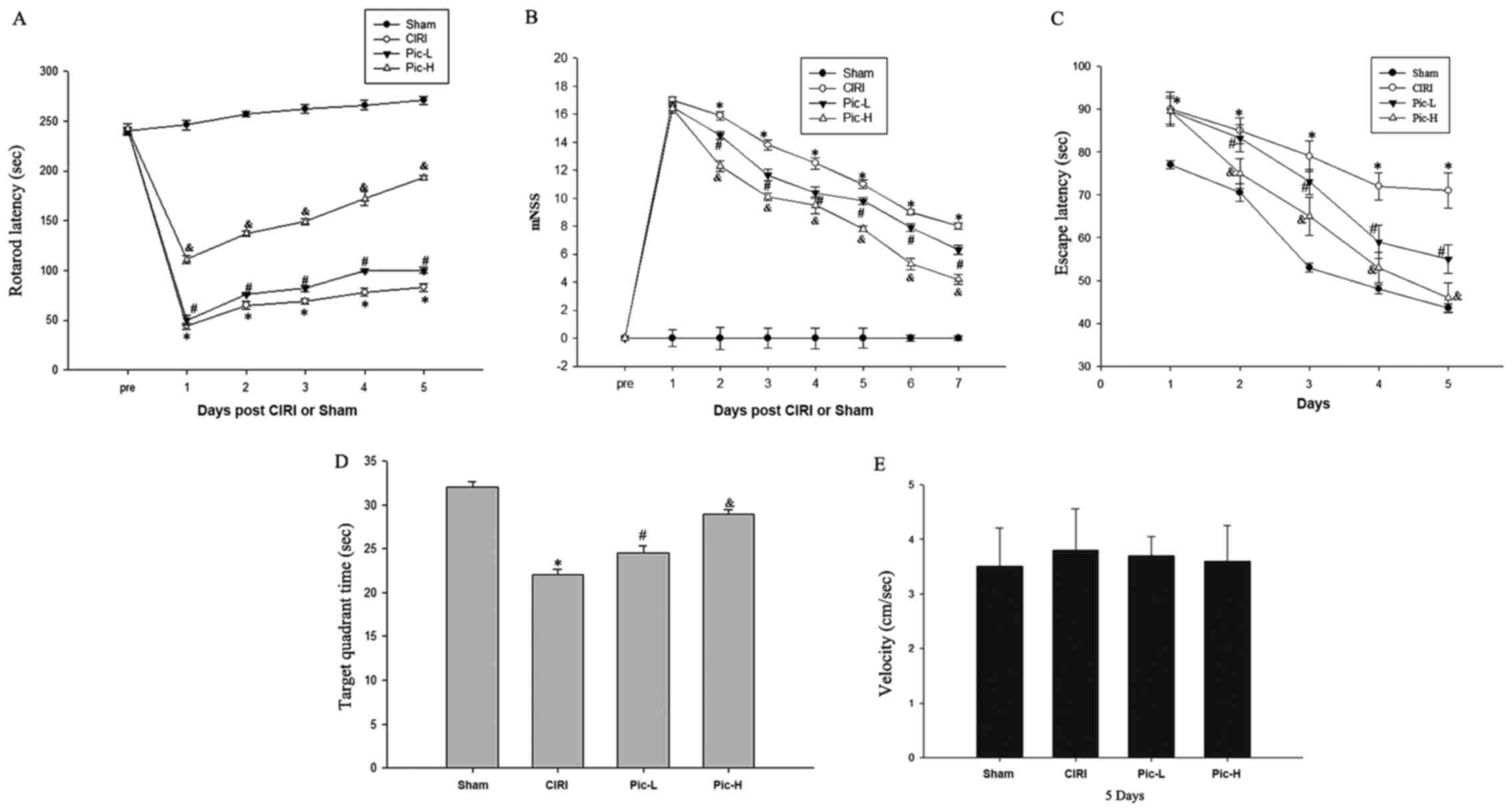
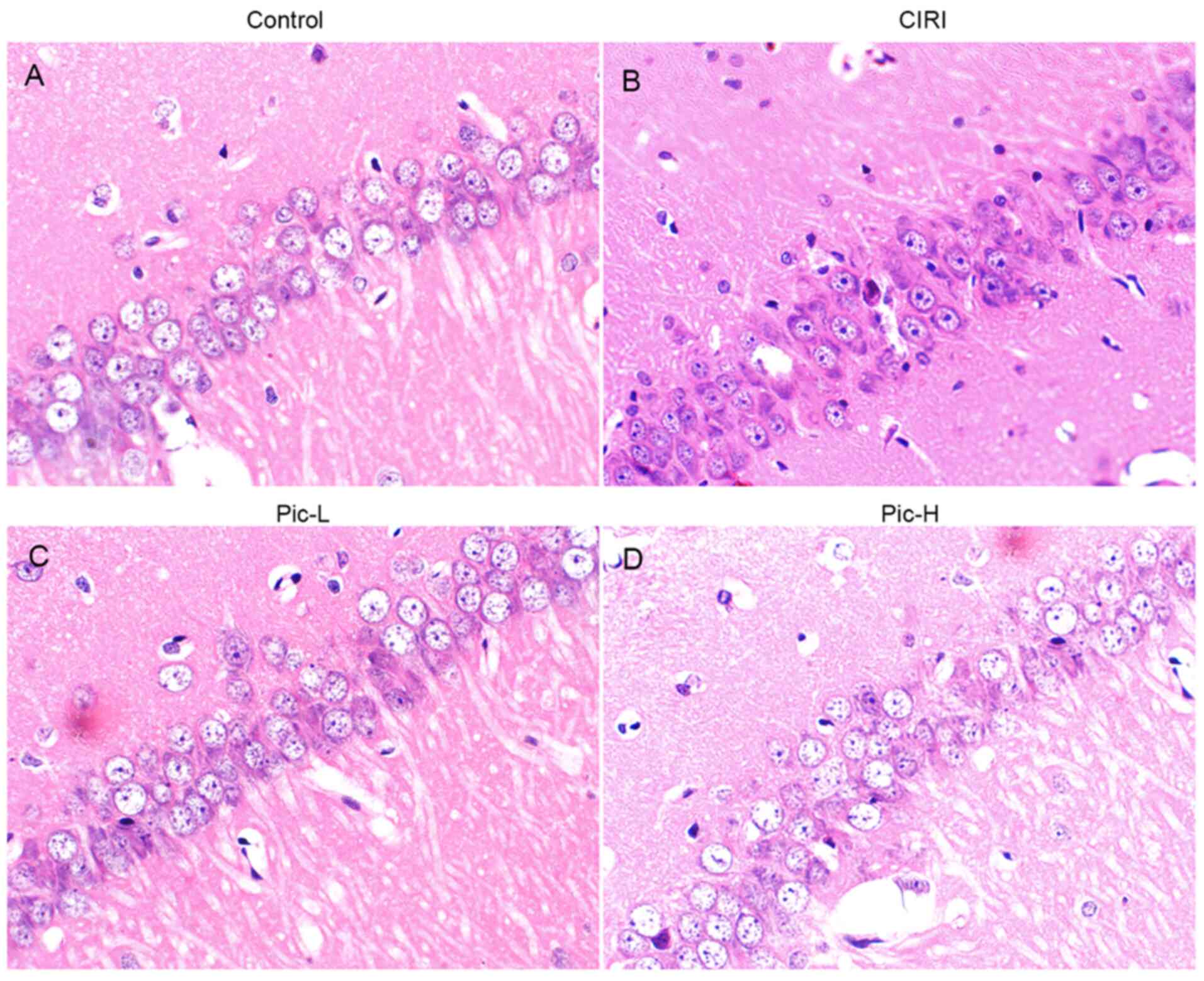
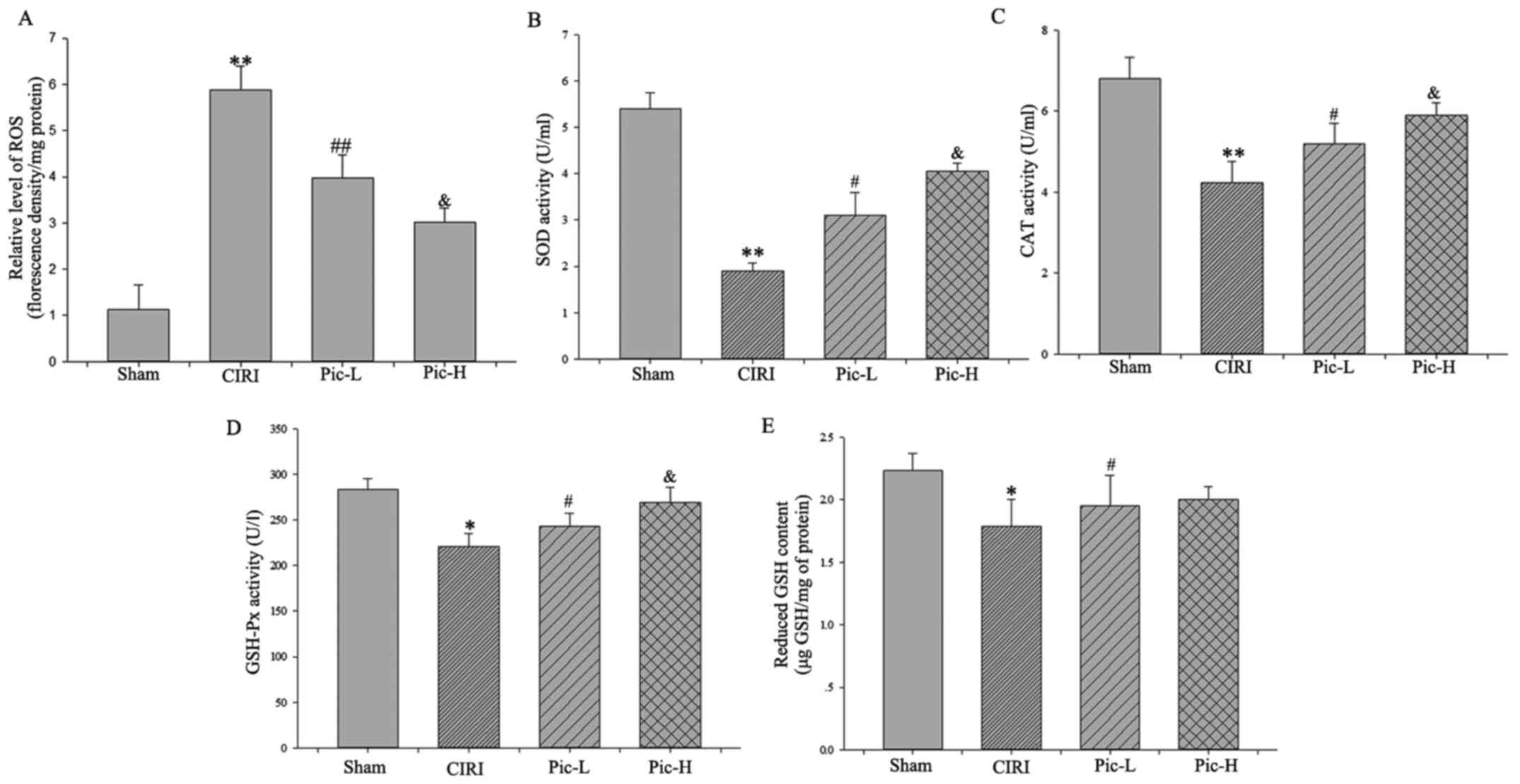
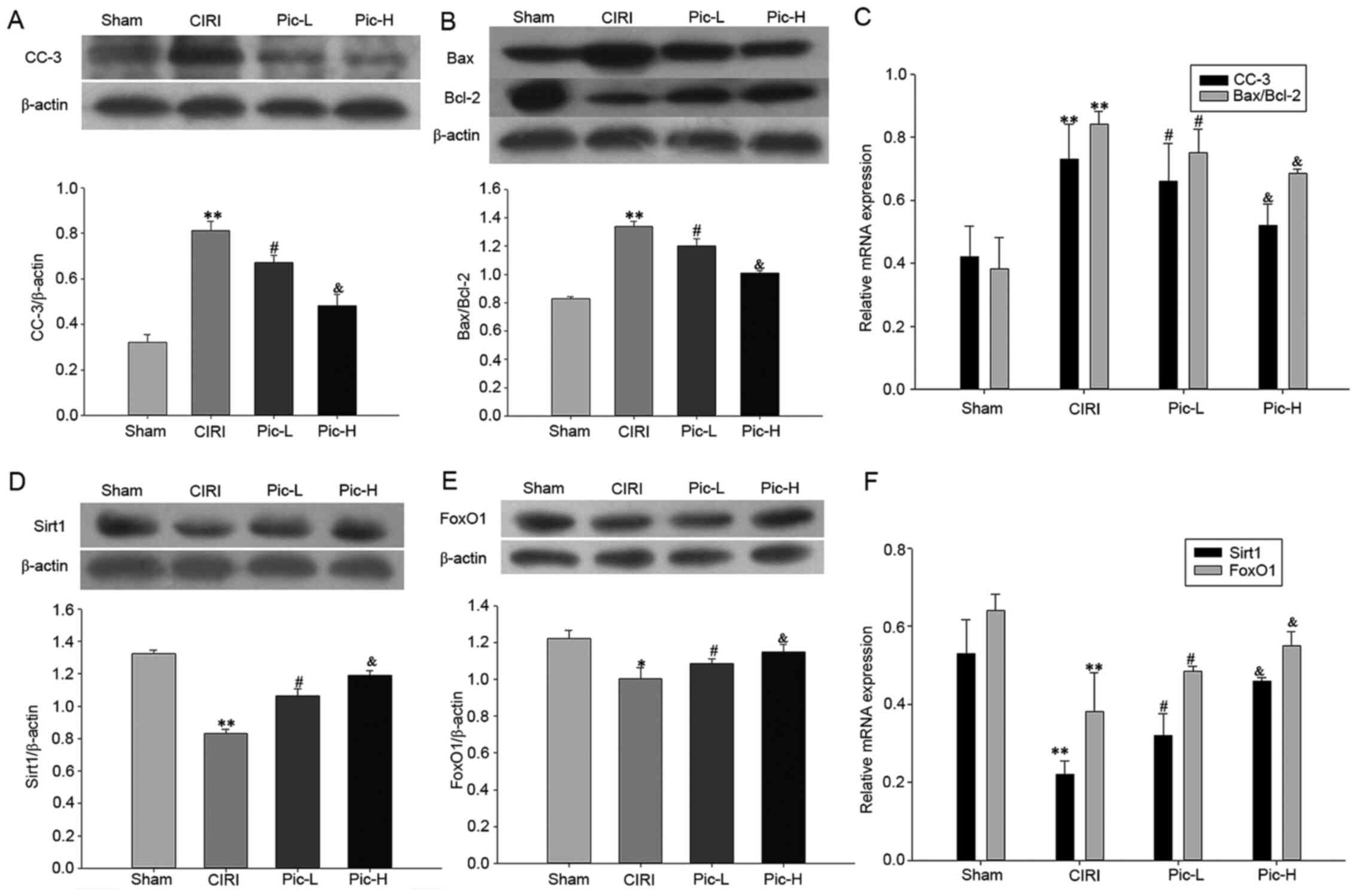
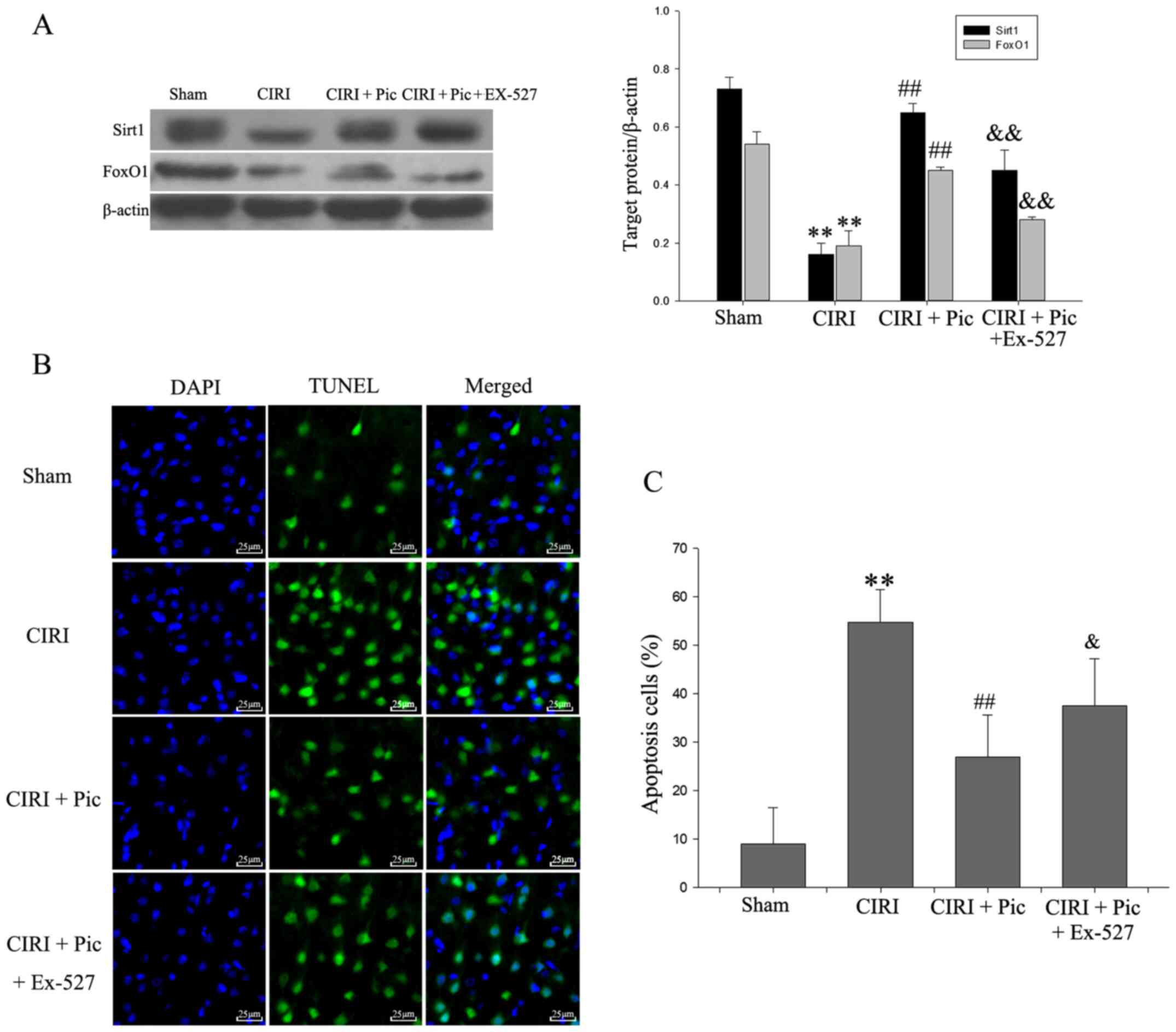
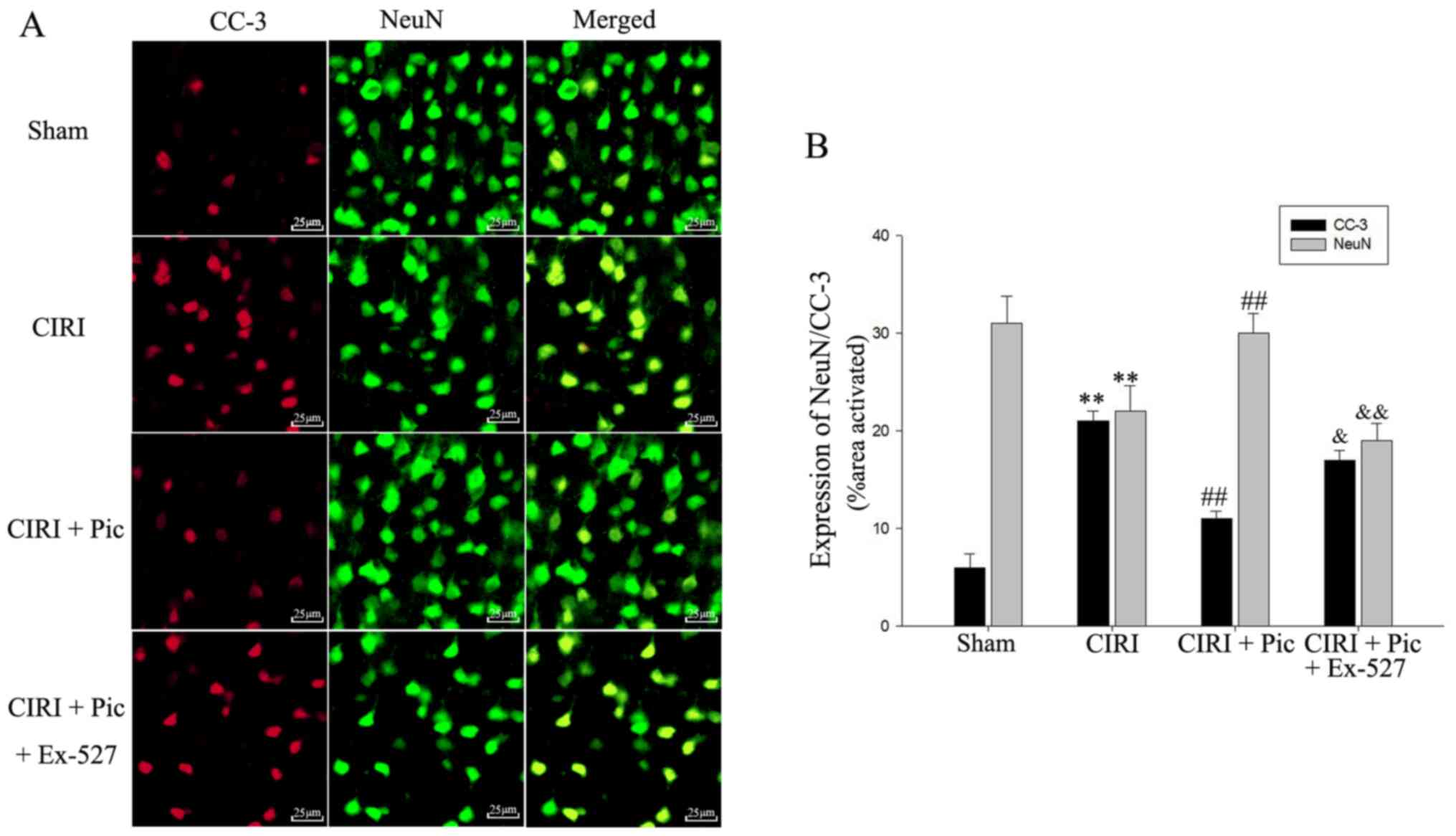
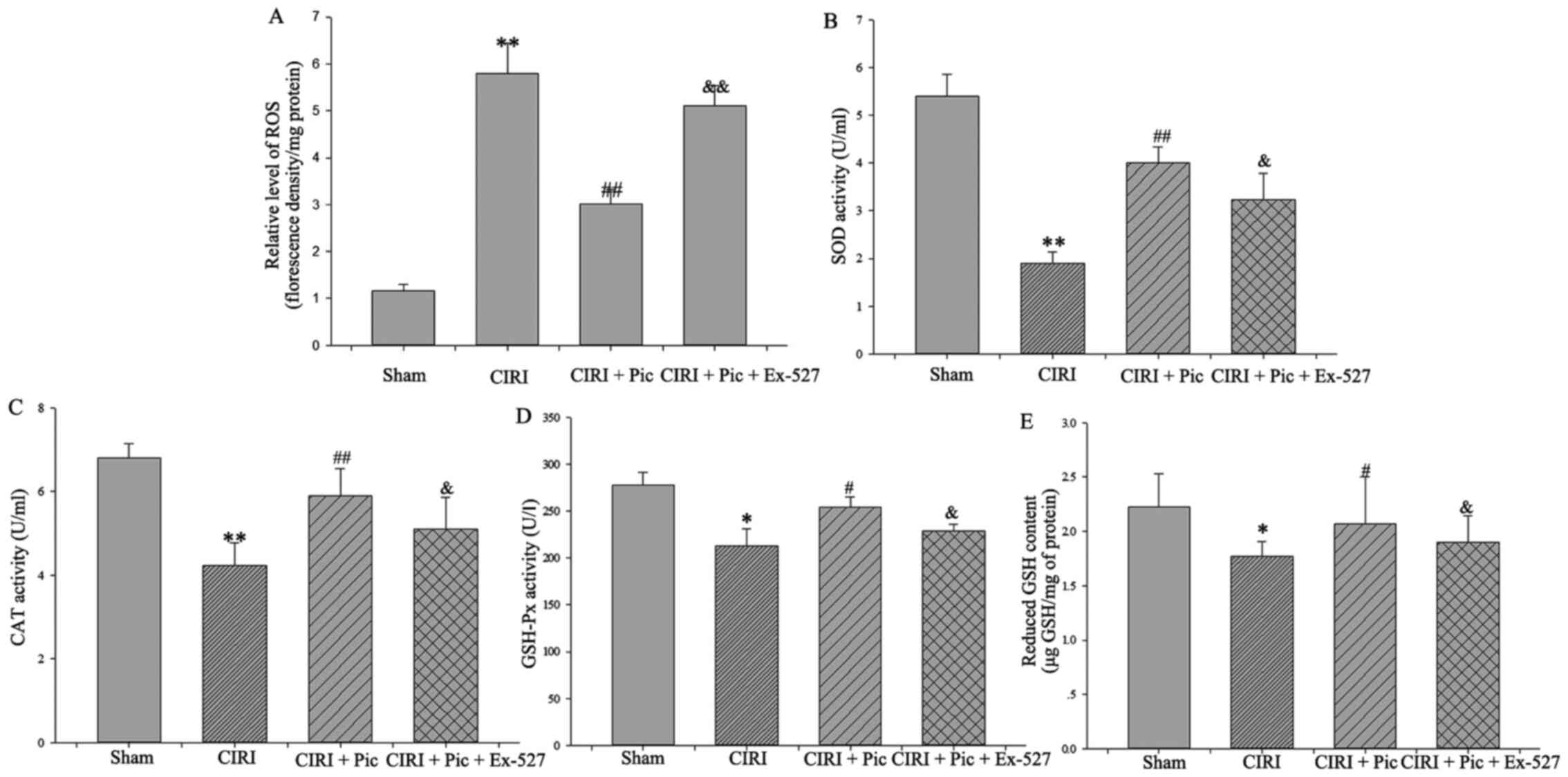
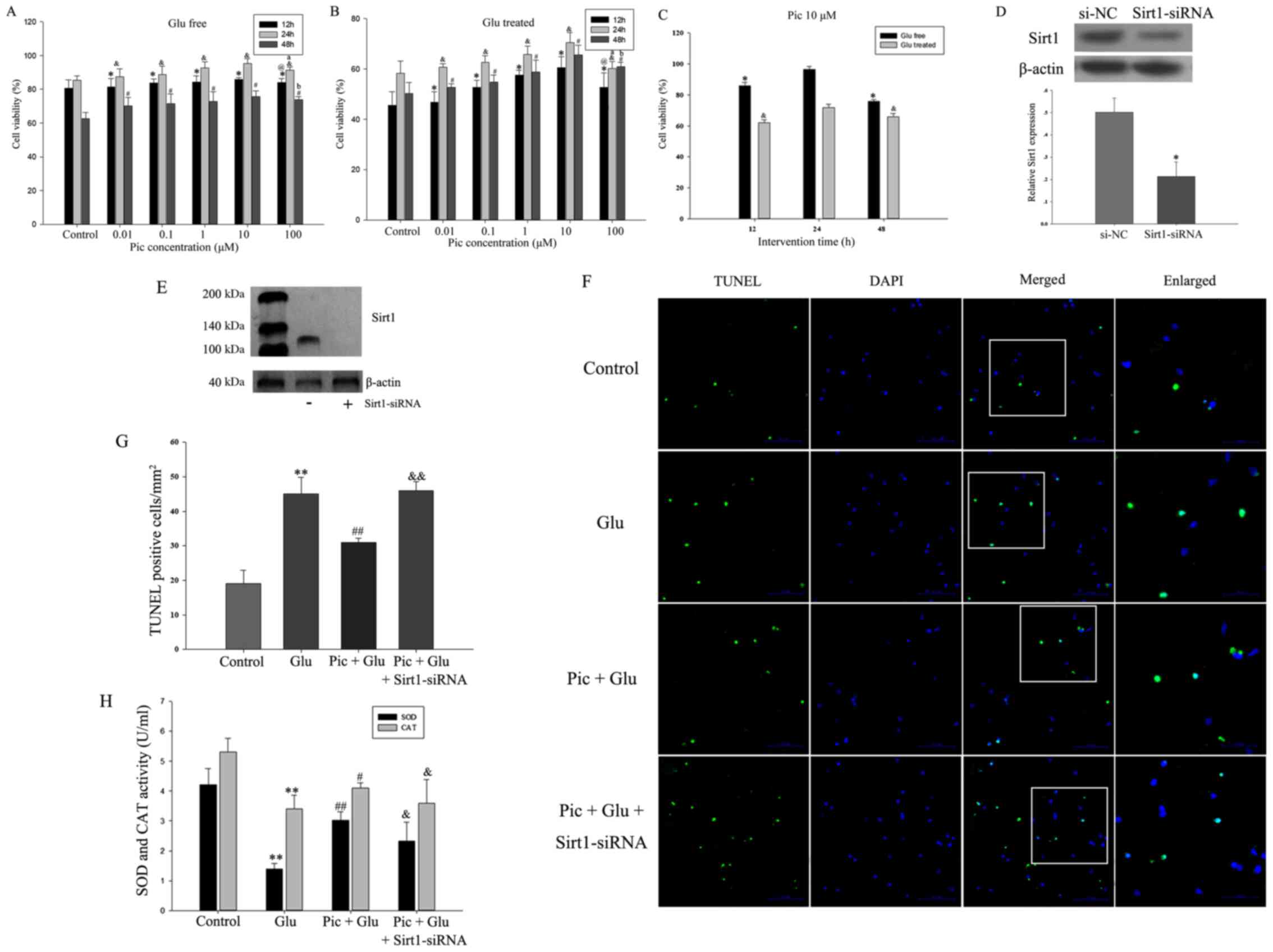
Reperfusion is a critical therapeutic intervention used following acute ischemic stroke; however, it may cause cerebral ischemia/reperfusion injury (CIRI) and aggravate brain damage. Piceatannol (Pic), a hydroxylated analog of resveratrol, has been reported to exhibit anti‑inflammatory effects. However, the detailed molecular mechanisms and its effects on CIRI have not been sufficiently assessed, and, to the best of our knowledge, current methods of prevention of CIRI are limited. The aim of the present study was to investigate the effects of Pic on improving neurological function in a mouse model of CIRI. For the animal experiments, 8‑week‑old C57BL/6 mice were raised and randomly grouped, and an in vivo model of CIRI was established. Mice were administered a low (10 mg/kg/day) or high‑dose (20 mg/kg/d) of Pic 1 h after CIRI orally and once daily for the next 6 days. Neurological dysfunction was assessed using a modified neurological severity score and a rotarod test 1 week after CIRI establishment, and the cognitive status of the mice was assessed using a Morris water maze. Hematoxylin and eosin staining was used to evaluate the histopathological changes. The expression levels of sirtuin 1 (Sirt1), FoxO1, cleaved caspase‑3 (CC‑3), Bax and Bcl‑2 were measured using western blotting. Intracellular reactive oxygen species (ROS) generation, antioxidant enzymes [superoxide dismutase, glutathione (GSH) peroxidase and catalase] and non‑enzymatic antioxidants (GSH) were also detected using spectrophotometry. After inhibition of the Sirt1/FoxO1 pathway, a TUNEL assay was used for the detection of apoptotic cells in vitro and in vivo. The co‑localization of neuron‑specific nuclear protein and CC‑3 was assessing using immunofluorescent staining. Pic improved neurological functions and ameliorated hippocampal neuronal pathology following CIRI. In addition, the expression levels of CC‑3 and Bax and intracellular ROS levels were increased, while levels of antioxidant and non‑enzymatic enzymes were decreased in the mouse model of CIRI. Low and high doses of Pic significantly decreased ROS production and the expression levels of apoptosis‑related proteins, but increased antioxidant enzyme levels. However, a high‑dose of Pic did not result in increased levels of non‑enzymatic enzymes. Furthermore, low and high doses of Pic treatment significantly activated the Sirt1/FoxO1 pathway. Following inhibition of the Sirt1/FoxO1 pathway, the percentage of TUNEL‑positive cells and expression of CC‑3 were increased, and CC‑3 was enriched in neurons. The antioxidant effects of Pic were blocked by inhibition of Sirt1 in vitro and in vivo. In conclusion, these results suggested that Pic may exert a neuroprotective effect against in hippocampal neurons via the Sirt1/FoxO1 pathway.
View Figures

Figure 1

Figure 2

Figure 3

Figure 4

Figure 5

Figure 6

Figure 7

Figure 8

View References

1 

Zerna C, Thomalla G, Campbell BCV, Rha JH and Hill MD: Current practice and future directions in the diagnosis and acute treatment of ischaemic stroke. Lancet. 392:1247–1256. 2018. View Article : Google Scholar : PubMed/NCBI

2 

Wang W, Jiang B, Sun H, Ru X, Sun D, Wang L, Wang L, Jiang Y, Li Y, Wang Y, et al: Prevalence, incidence, and mortality of stroke in China clinical perspective: Results from a nationwide population-based survey of 480687 adults. Circulation. 135:759–771. 2017. View Article : Google Scholar : PubMed/NCBI

3 

China's Health and Family Planning Statistical Yearbook. National Health and Family Planning Commission of the People's Republic of China. Peking: Peking Union Medical College Press; 2016

4 

Jean WC, Spellman SR, Nussbaum ES and Low WC: Reperfusion injury after focal cerebral ischemia: The role inflammation and the the rapeutic horizon. Neurosurgery. 43:1382–1396. 1998. View Article : Google Scholar : PubMed/NCBI

5 

Wu M, Yiang GT, Liao WT, Tsai AP, Cheng YL, Cheng PW, Li CY and Li CJ: Current mechanistic concepts in ischemia and reperfusion injury. Cell Physiol Biochem. 46:1650–1667. 2018. View Article : Google Scholar : PubMed/NCBI

6 

Yang Q, Huang Q, Hu Z and Tang X: Potential neuroprotective treatment of stroke: Targeting excitotoxicity, oxidative stress, and inflammation. Front Neurosci. 13:10362019. View Article : Google Scholar : PubMed/NCBI

7 

Nakka VP, Gusain A, Mehta SL and Raghubir R: Molecular mechanisms of apoptosis in cerebral ischemia: Multiple neuroprotective opportunities. Mol Neurobiol. 37:7–38. 2008. View Article : Google Scholar : PubMed/NCBI

8 

Candelario-Jalil E: Injury and repair mechanisms in ischemic stroke: Considerations for the development of novel neurotherapeutics. Curr Opin Investig Drugs. 10:644–654. 2009.PubMed/NCBI

9 

Huang HL, Fang LW, Lu SP, Chou CK, Luh TY and Lai MZ: DNA-damaging reagents induce apoptosis through reactive oxygen species-dependent Fas aggregation. Oncogene. 22:8168–8177. 2003. View Article : Google Scholar : PubMed/NCBI

10 

Lin TC, Chen YR, Kensicki E, Li AYJ, Kong M, Li Y, Mohney RP, Shen HM, Stiles B, Mizushima N, et al: Autophagy: Resetting glutamine-dependent metabolism and oxygen consumption. Autophagy. 8:1477–1493. 2012. View Article : Google Scholar : PubMed/NCBI

11 

Hao Y, Liu J, Wang Z, Yu LL and Wang J: Piceatannol protects human retinal pigment epithelial cells against hydrogen peroxide induced oxidative stress and apoptosis through modulating PI3K/Akt signaling pathway. Nutrients. 11:15152019. View Article : Google Scholar

12 

Boccellino M, Donniacuo M, Bruno F, Rinaldi B, Quagliuolo L, Ambruosi M, Pace S, De Rosa M, Olgaç A, Banoglu E, et al: Protective effect of piceatannol and bioactive stilbene derivatives against hypoxia-induced toxicity in H9c2 cardiomyocytes and structural elucidation as 5-LOX inhibitors. Eur J Med Chem. 180:637–647. 2019. View Article : Google Scholar : PubMed/NCBI

13 

Li H, Shi Y, Wang X, Li P, Zhang S, Wu T, Yan Y, Zhan Y, Ren Y, Rong X, et al: Piceatannol alleviates inflammation and oxidative stress via modulation of the Nrf2/HO-1 and NF-κB pathways in diabetic cardiomyopathy. Chem Biol Interact. 310:1087542019. View Article : Google Scholar : PubMed/NCBI

14 

Wang W, Yang R, Yao H, Wu Y, Pan W and Jia AQ: Inhibiting the formation of advanced glycation end-products by three stilbenes and the identification of their adducts. Food Chem. 295:10–15. 2019. View Article : Google Scholar : PubMed/NCBI

15 

Moon I, Damodar K, Kim JK, Ryoo S and Jun JG: Synthesis, anti-inflammatory, and arginase inhibitory activity of piceatannol and its analogs. Bull Korean Chem Soc. 38:342–349. 2017. View Article : Google Scholar

16 

Liu J, Zhou J, Wu Z, Wang X, Liu L and Yao C: Cyanidin 3-O-β-glucoside ameliorates ethanol-induced acute liver injury by attenuating oxidative stress and apoptosis: The role of SIRT 1/FOXO 1 signaling. Alcohol Clin Exp Res. 40:457–466. 2016. View Article : Google Scholar : PubMed/NCBI

17 

Yan X, Yu A, Zheng H, Wang S, He Y and Wang L: Calycosin-7-O-β-D-glucoside attenuates OGD/R-induced damage by preventing oxidative stress and neuronal apoptosis via the SIRT1/FOXO1/PGC-1α pathway in HT22 cells. Neural Plast. 2019:87980692019. View Article : Google Scholar : PubMed/NCBI

18 

Llarena M, Andrade F, Hasnaoui M, Portillo MP, Pérez-Matute P, Arbones-Mainar JM, Hijona E, Villanueva-Millán MJ, Aguirre L, Carpéné C and Aldámiz-Echevarría L: Potential renoprotective effects of piceatannol in ameliorating the early-stage nephropathy associated with obesity in obese Zucker rats. J Physiol Biochem. 72:555–566. 2016. View Article : Google Scholar : PubMed/NCBI

19 

Lee HJ, Kang MG, Cha HY, Kim YM, Lim Y and Yang SJ: Effects of piceatannol and resveratrol on sirtuins and hepatic inflammation in high-fat diet-fed mice. J Med Food. 22:833–840. 2019. View Article : Google Scholar : PubMed/NCBI

20 

Fu Z, Yang J, Wei Y and Li J: Effects of piceatannol and pterostilbene against β-amyloid-induced apoptosis on the PI3K/Akt/Bad signaling pathway in PC12 cells. Food Funct. 7:1014–1023. 2016. View Article : Google Scholar : PubMed/NCBI

21 

Wong CHY, Jenne CN, Lee WY, Léger C and Kubes P: Functional innervation of hepatic iNKT cells is immunosuppressive following stroke. Science. 334:101–105. 2011. View Article : Google Scholar : PubMed/NCBI

22 

Longa EZ, Weinstein PR, Carlson S and Cummins R: Reversible middle cerebral artery occlusion without craniectomy in rats. Stroke. 20:84–91. 1989. View Article : Google Scholar : PubMed/NCBI

23 

Paxinos G and Watson C: The Rat Brain in Stereotaxic Coordinates (Deluxe Edition). (4th). Rat Brain in Stereotaxic Coordinates. p2561998.

24 

Xiong Y, Qu C, Mahmood A, Liu Z, Ning R, Li Y, Kaplan DL, Schallert T and Chopp M: Delayed transplantation of human marrow stromal cell-seeded scaffolds increases transcallosal neural fiber length, angiogenesis, and hippocampal neuronal survival and improves functional outcome after traumatic brain injury in rats. Brain Res. 1263:183–191. 2009. View Article : Google Scholar : PubMed/NCBI

25 

Livak KJ and Schmittgen TD: Analysis of relative gene expression data using real-time quantitative PCR and the 2(-Delta Delta C(T)) method. Methods. 25:402–408. 2001. View Article : Google Scholar : PubMed/NCBI

26 

Aebi H: Catalase in vitro. Methods Enzymol. 105:121–126. 1984. View Article : Google Scholar : PubMed/NCBI

27 

Hafeman DG, Sunde RA and Hoekstra WG: Effect of dietary selenium on erythrocyte and liver glutathione peroxidase in the rat. J Nutr. 104:580–587. 1974. View Article : Google Scholar : PubMed/NCBI

28 

Hissin PJ and Hilf R: A fluorometric method for determination of oxidized and reduced glutathione in tissues. Anal Biochem. 74:214–226. 1976. View Article : Google Scholar : PubMed/NCBI

29 

Zhang W, Cui Y, Gao J, Li R, Jiang X, Tian Y, Wang K and Cui J: Recombinant osteopontin improves neurological functional recovery and protects against apoptosis via PI3K/Akt/GSK-3β pathway following intracerebral hemorrhage. Med Sci Monit. 24:1588–1596. 2018. View Article : Google Scholar : PubMed/NCBI

30 

Kim HJ, Martemyanov KA and Thayer SA: Human immunodeficiency virus protein Tat induces synapse loss via a reversible process that is distinct from cell death. J Neurosci. 28:12604–12613. 2008. View Article : Google Scholar : PubMed/NCBI

31 

Zhi G, Hai-Ping Z, Yu-Min L and Xun-Ming J: The behavioral testing in mice after cerebral ischemia. Chin J Comp Med. 22:68–72. 2012.

32 

Onwuekwe IO and Ezeala-Adikaibe B: Ischemic stroke and neuroprotection. Ann Med Health Sci Res. 2:186–190. 2012. View Article : Google Scholar : PubMed/NCBI

33 

Rodrigo R, Fernández-Gajardo R, Gutiérrez R, Matamala JM, Carrasco R, Miranda-Merchak A and Feuerhake W: Oxidative stress and pathophysiology of ischemic stroke: Novel therapeutic opportunities. CNS Neurol Disord Drug Targets. 12:698–714. 2013. View Article : Google Scholar : PubMed/NCBI

34 

Matsui Y, Sugiyama K, Kamei M, Takahashi T, Suzuki T, Katagata Y and Ito T: Extract of passion fruit (Passiflora edulis) seed containing high amounts of piceatannol inhibits melanogenesis and promotes collagen synthesis. J Agric Food Chem. 58:11112–11118. 2010. View Article : Google Scholar : PubMed/NCBI

35 

Banik K, Ranaware AM, Harsha C, Nitesh T, Girisa S, Deshpande V, Fan L, Nalawade SP, Sethi G and Kunnumakkara AB: Piceatannol: A natural stilbene for the prevention and treatment of cancer. Pharmacol Res. 153:1046352020. View Article : Google Scholar : PubMed/NCBI

36 

Wen J, Lin H, Zhao M, Tao L, Yang Y, Xu X, Jia A, Zhang J and Weng D: Piceatannol attenuates D-GalN/LPS-induced hepatoxicity in mice: Involvement of ER stress, inflammation and oxidative stress. Int Immunopharmacol. 64:131–139. 2018. View Article : Google Scholar : PubMed/NCBI

37 

Zhang Y, Zhang LH, Chen X, Zhang N and Li G: Piceatannol attenuates behavioral disorder and neurological deficits in aging mice via activating the Nrf2 pathway. Food Funct. 9:371–378. 2018. View Article : Google Scholar : PubMed/NCBI

38 

Kinoshita Y, Kawakami S, Yanae K, Sano S, Uchida H, Inagaki H and Ito T: Effect of long-term piceatannol treatment on eNOS levels in cultured endothelial cells. Biochem Biophys Res Commun. 430:1164–1168. 2013. View Article : Google Scholar : PubMed/NCBI

39 

Kiliç V: Piceatannol mediated modulation of oxidative stress and regeneration in the liver of endotoxemic mice. J Med Food. 22:594–601. 2019. View Article : Google Scholar : PubMed/NCBI

40 

Piotrowska H, Kucinska M and Murias M: Biological activity of piceatannol: Leaving the shadow of resveratrol. Mutat Res. 750:60–82. 2012. View Article : Google Scholar : PubMed/NCBI

41 

Yokozawa T and Kim YJ: Piceatannol inhibits melanogenesis by its antioxidative actions. Biol Pharm Bull. 30:2007–2011. 2007. View Article : Google Scholar : PubMed/NCBI

42 

Kim HJ, Lee KW and Lee HJ: Protective effects of piceatannol against beta-amyloid-induced neuronal cell death. Ann N Y Acad Sci. 1095:473–482. 2007. View Article : Google Scholar : PubMed/NCBI

43 

Song H, Jung JI, Cho HJ, Her S, Kwon SH, Yu R, Kang YH, Lee KW and Park JHY: Inhibition of tumor progression by oral piceatannol in mouse 4T1 mammary cancer is associated with decreased angiogenesis and macrophage infiltration. J Nutr Biochem. 26:1368–1378. 2015. View Article : Google Scholar : PubMed/NCBI

44 

Wen H, Fu Z, Wei Y, Zhang X, Ma L, Gu L and Li J: Antioxidant activity and neuroprotective activity of stilbenoids in rat primary cortex neurons via the PI3K/Akt signalling pathway. Molecules. 23:23282018. View Article : Google Scholar

45 

Hong KS, Park JI, Kim MJ, Kim HB, Lee JW, Dao TT, Oh WK, Kang CD and Kim SH: Involvement of SIRT1 in hypoxic down-regulation of c-Myc and β-catenin and hypoxic preconditioning effect of polyphenols. Toxicol Appl Pharmacol. 259:210–218. 2012. View Article : Google Scholar : PubMed/NCBI

46 

Jiang Y, Luo W, Wang B, Wang X, Gong P and Xiong Y: Resveratrol promotes osteogenesis via activating SIRT1/FoxO1 pathway in osteoporosis mice. Life Sci. 246:1174222020. View Article : Google Scholar : PubMed/NCBI

47 

Kitada M, Ogura Y, Maruki-Uchida H, Sai M, Suzuki T, Kanasaki K, Hara Y, Seto H, Kuroshima Y, Monno I and Koya D: The effect of piceatannol from passion fruit (Passiflora edulis) seeds on metabolic health in humans. Nutrients. 9:11422017. View Article : Google Scholar

48 

Arai D, Kataoka R, Otsuka S, Kawamura M, Maruki-Uchida H, Sai M, Ito T and Nakao Y: Piceatannol is superior to resveratrol in promoting neural stem cell differentiation into astrocytes. Food Funct. 7:4432–4441. 2016. View Article : Google Scholar : PubMed/NCBI

49 

Suzuki Y, Nakano Y, Mishiro K, Takagi T, Tsuruma K, Nakamura M, Yoshimura S, Shimazawa M and Hara H: Involvement of Mincle and Syk in the changes to innate immunity after ischemic stroke. Sci Rep. 3:31772013. View Article : Google Scholar : PubMed/NCBI

50 

Ye XC, Hao Q, Ma WJ, Zhao QC, Wang WW, Yin HH, Zhang T, Wang M, Zan K, Yang XX, et al: Dectin-1/Syk signaling triggers neuroinflammation after ischemic stroke in mice. J Neuroinflammation. 17:172020. View Article : Google Scholar : PubMed/NCBI

Related Articles

  • Abstract
  • View
  • Download
  • Twitter
Copy and paste a formatted citation
Spandidos Publications style
Wang KJ, Zhang WQ, Liu JJ, Cui Y and Cui JZ: Piceatannol protects against cerebral ischemia/reperfusion‑induced apoptosis and oxidative stress via the Sirt1/FoxO1 signaling pathway. Mol Med Rep 22: 5399-5411, 2020.
APA
Wang, K., Zhang, W., Liu, J., Cui, Y., & Cui, J. (2020). Piceatannol protects against cerebral ischemia/reperfusion‑induced apoptosis and oxidative stress via the Sirt1/FoxO1 signaling pathway. Molecular Medicine Reports, 22, 5399-5411. https://doi.org/10.3892/mmr.2020.11618
MLA
Wang, K., Zhang, W., Liu, J., Cui, Y., Cui, J."Piceatannol protects against cerebral ischemia/reperfusion‑induced apoptosis and oxidative stress via the Sirt1/FoxO1 signaling pathway". Molecular Medicine Reports 22.6 (2020): 5399-5411.
Chicago
Wang, K., Zhang, W., Liu, J., Cui, Y., Cui, J."Piceatannol protects against cerebral ischemia/reperfusion‑induced apoptosis and oxidative stress via the Sirt1/FoxO1 signaling pathway". Molecular Medicine Reports 22, no. 6 (2020): 5399-5411. https://doi.org/10.3892/mmr.2020.11618
Copy and paste a formatted citation
x
Spandidos Publications style
Wang KJ, Zhang WQ, Liu JJ, Cui Y and Cui JZ: Piceatannol protects against cerebral ischemia/reperfusion‑induced apoptosis and oxidative stress via the Sirt1/FoxO1 signaling pathway. Mol Med Rep 22: 5399-5411, 2020.
APA
Wang, K., Zhang, W., Liu, J., Cui, Y., & Cui, J. (2020). Piceatannol protects against cerebral ischemia/reperfusion‑induced apoptosis and oxidative stress via the Sirt1/FoxO1 signaling pathway. Molecular Medicine Reports, 22, 5399-5411. https://doi.org/10.3892/mmr.2020.11618
MLA
Wang, K., Zhang, W., Liu, J., Cui, Y., Cui, J."Piceatannol protects against cerebral ischemia/reperfusion‑induced apoptosis and oxidative stress via the Sirt1/FoxO1 signaling pathway". Molecular Medicine Reports 22.6 (2020): 5399-5411.
Chicago
Wang, K., Zhang, W., Liu, J., Cui, Y., Cui, J."Piceatannol protects against cerebral ischemia/reperfusion‑induced apoptosis and oxidative stress via the Sirt1/FoxO1 signaling pathway". Molecular Medicine Reports 22, no. 6 (2020): 5399-5411. https://doi.org/10.3892/mmr.2020.11618
Follow us
  • Twitter
  • LinkedIn
  • Facebook
About
  • Spandidos Publications
  • Careers
  • Cookie Policy
  • Privacy Policy
How can we help?
  • Help
  • Live Chat
  • Contact
  • Email to our Support Team